Cloisonnism Art Style
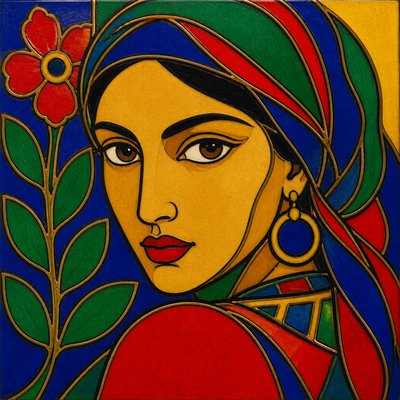
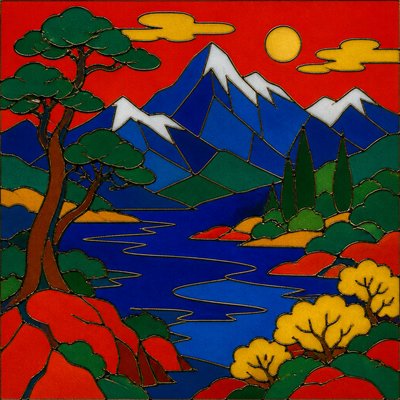
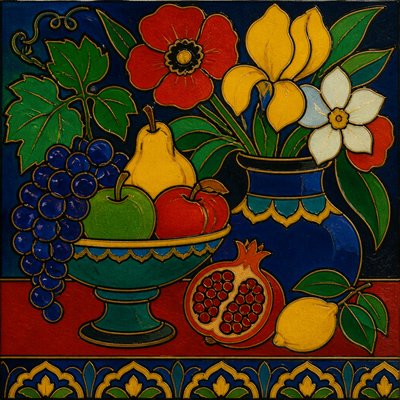
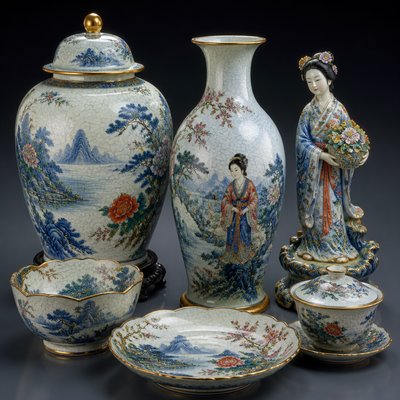
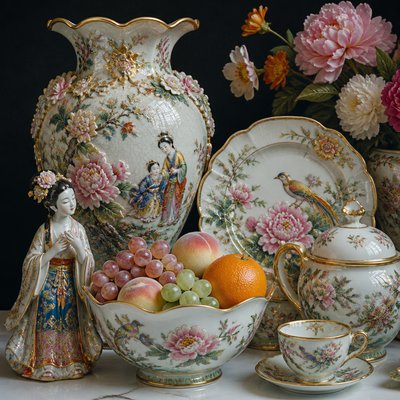
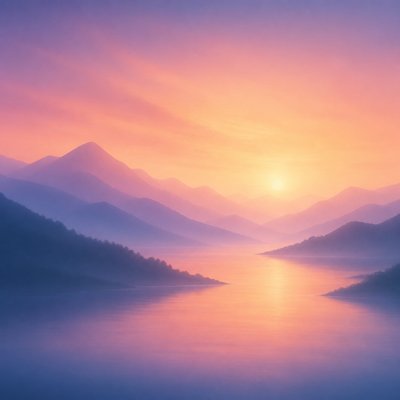
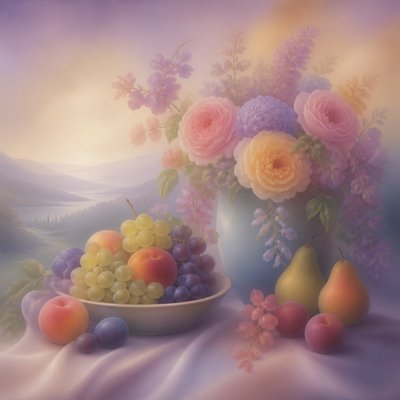
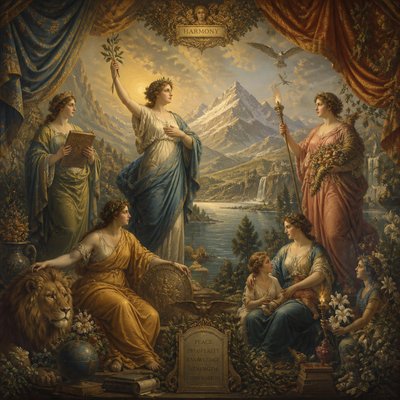
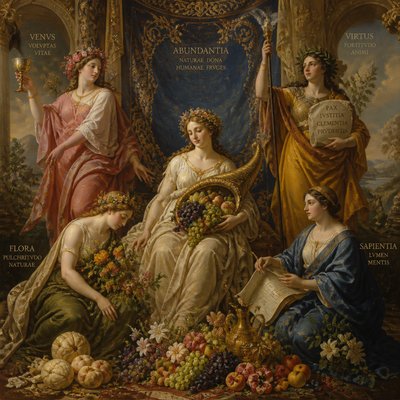
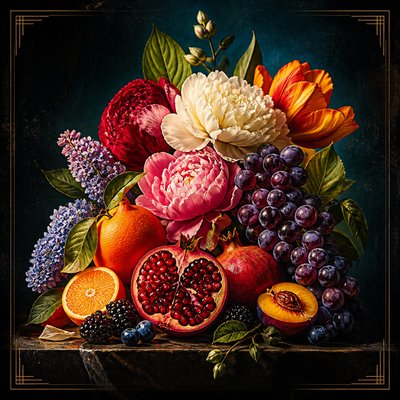
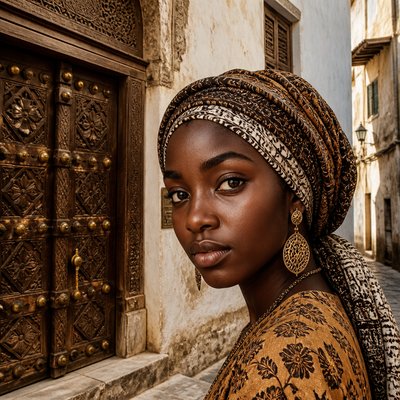
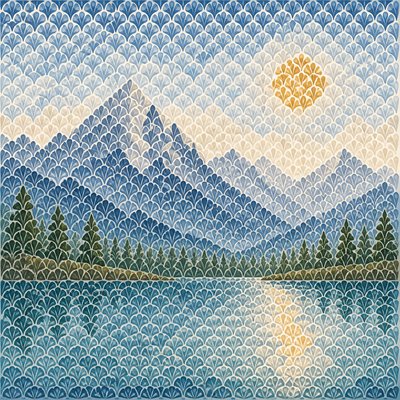
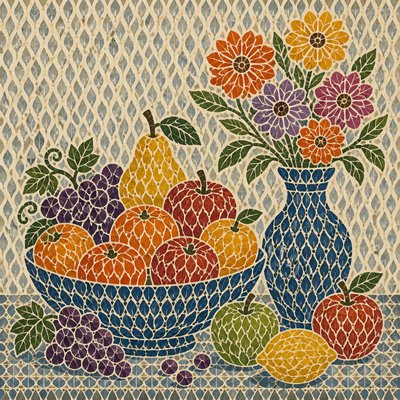
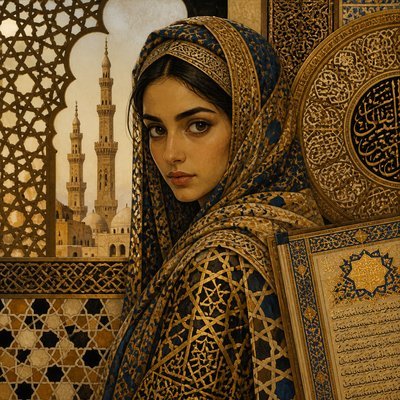
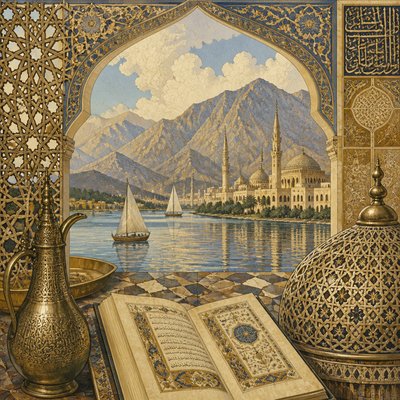
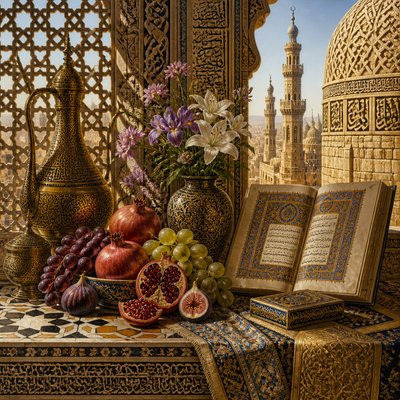
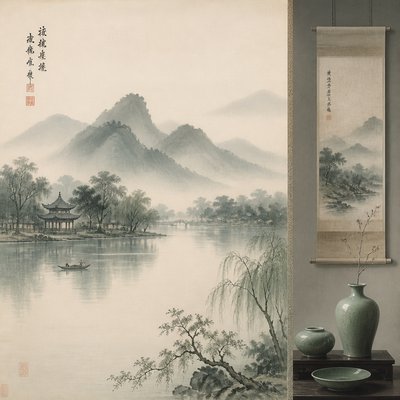
Explore Cloisonnism: saturated flat colors, bold dark outlines, and simplified forms inspired by stained glass, enamel, and Japanese prints.
Instantly rendered in Cloisonnism — or transform a photo
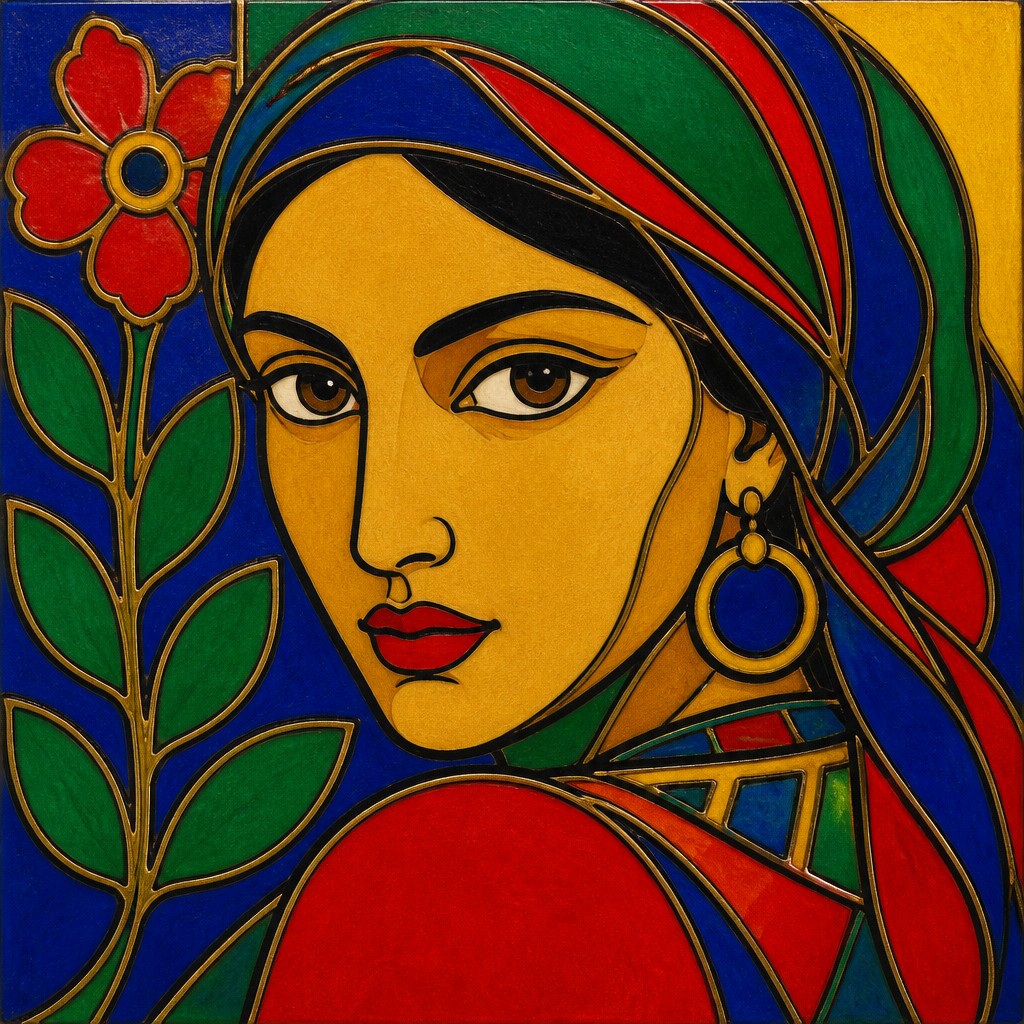
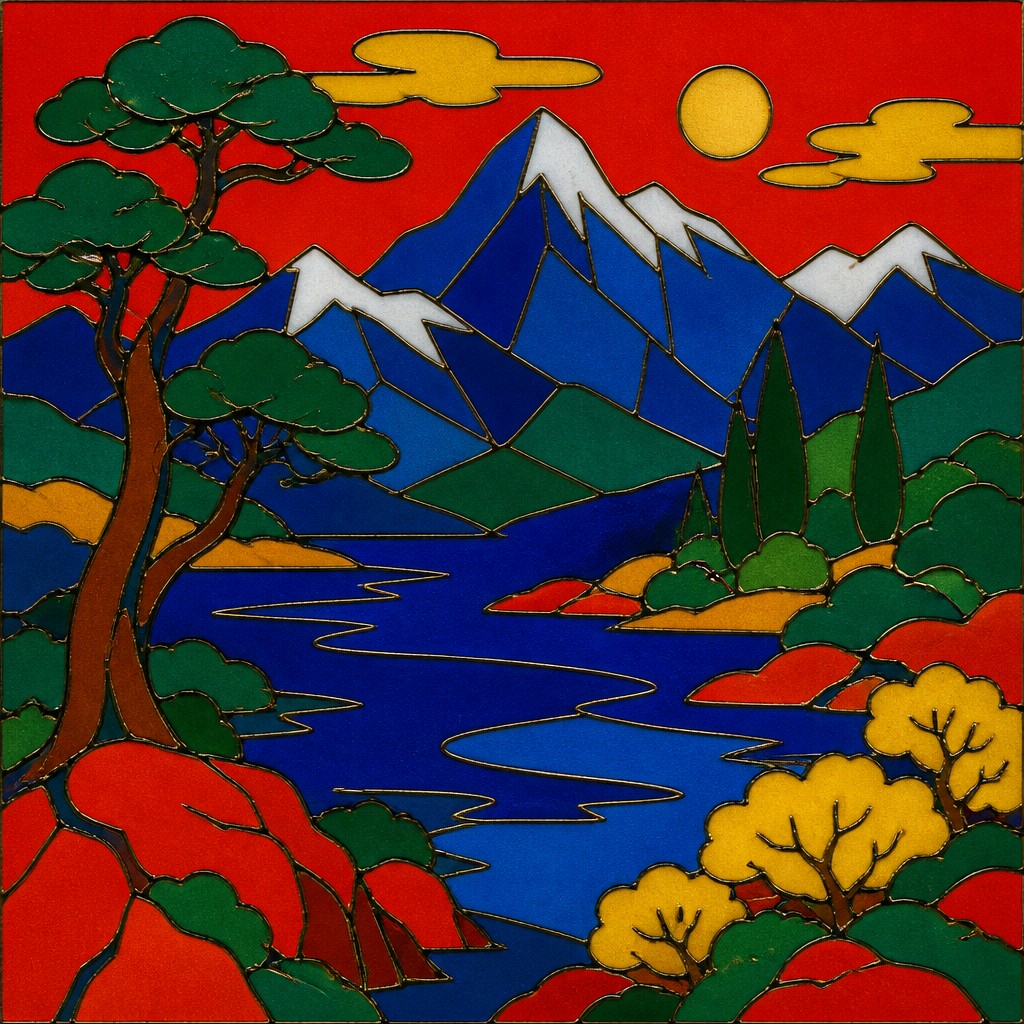
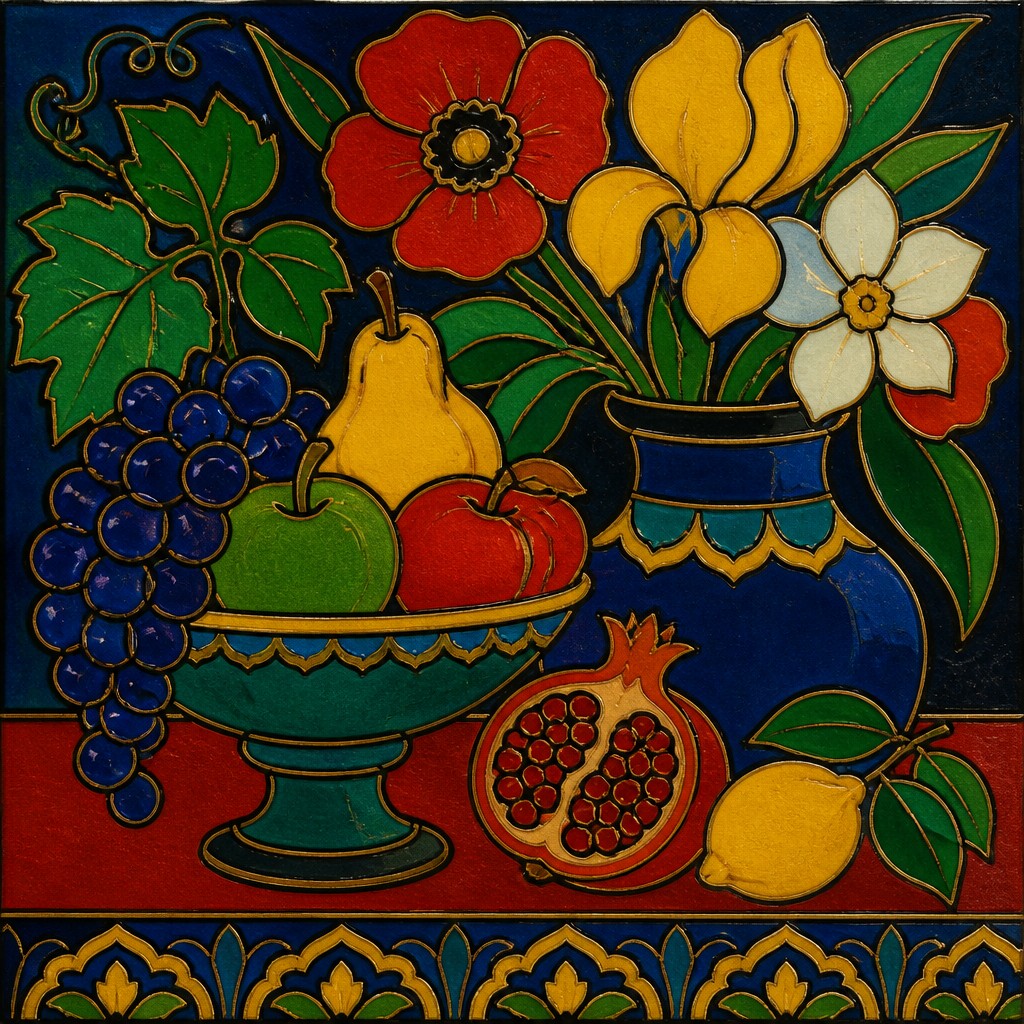
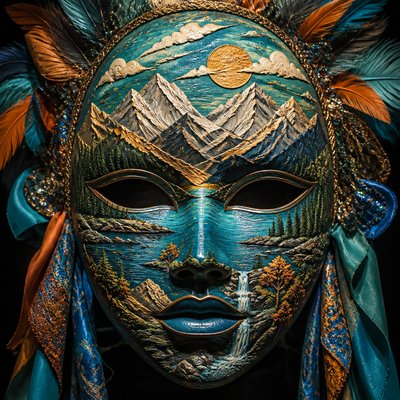
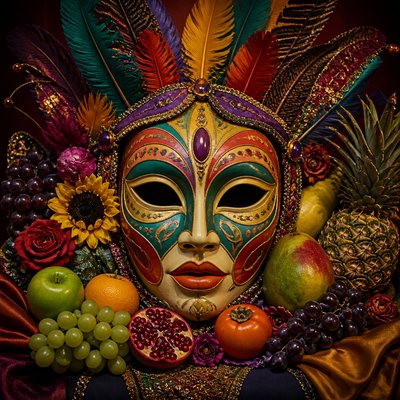
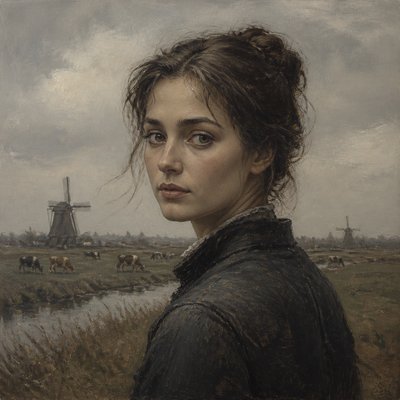
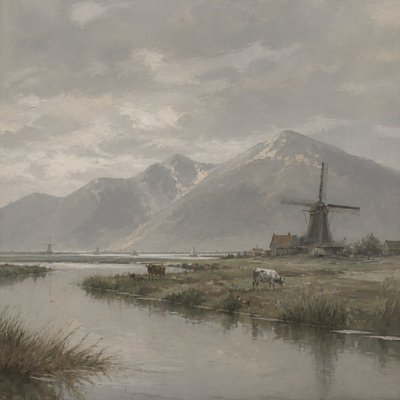
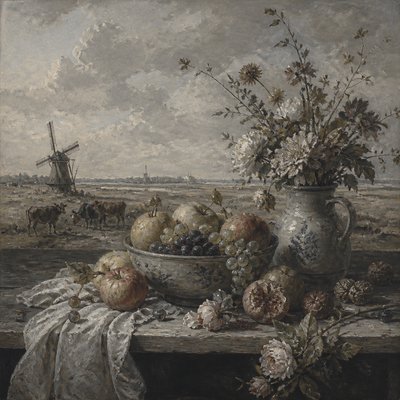
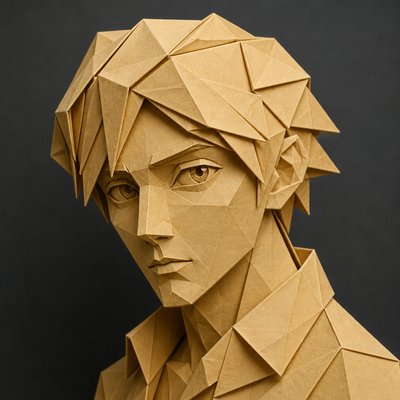
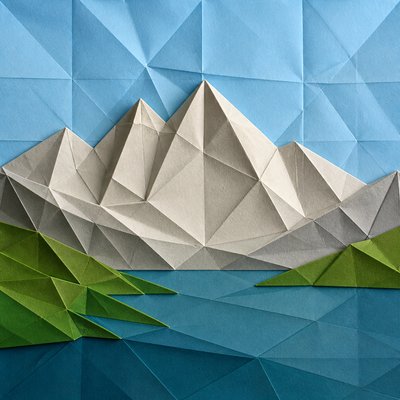
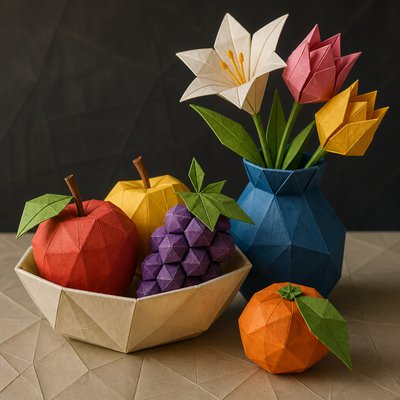
Cloisonnism Gallery
Tap any artwork to explore it
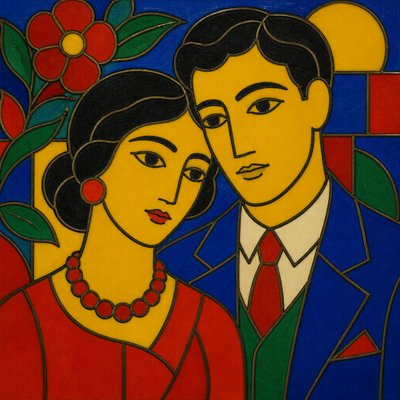
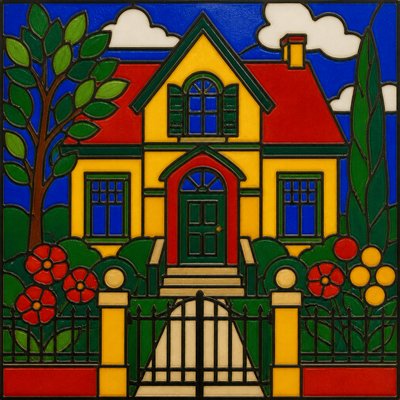
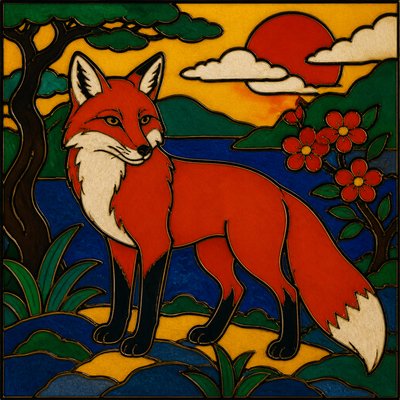
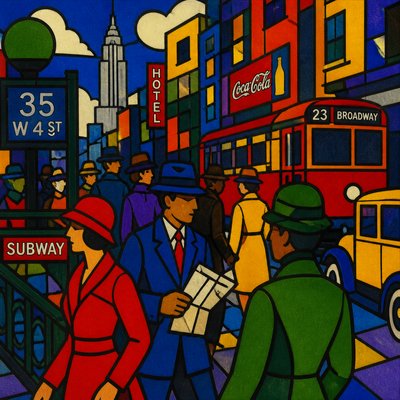
What is Cloisonnism Art Style?
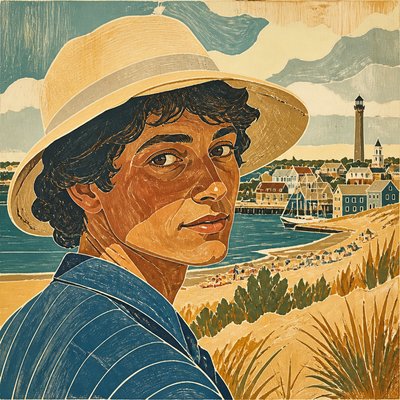
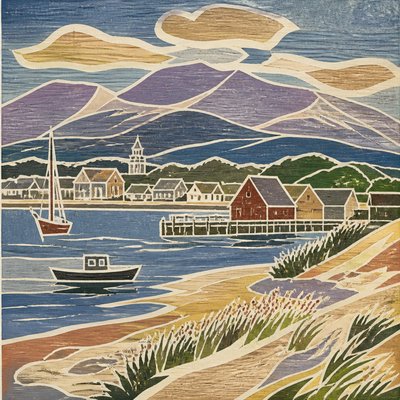
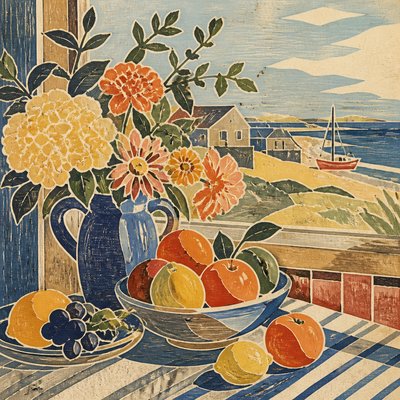
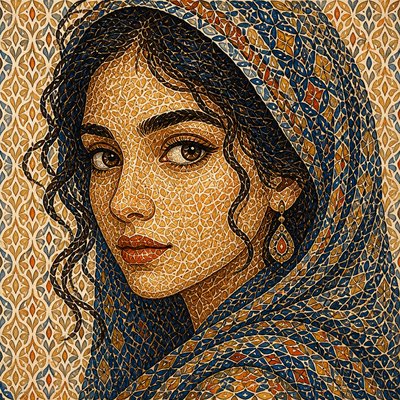
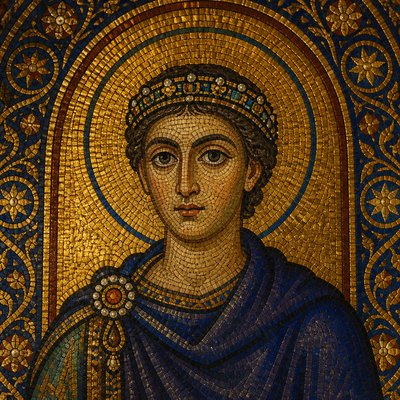
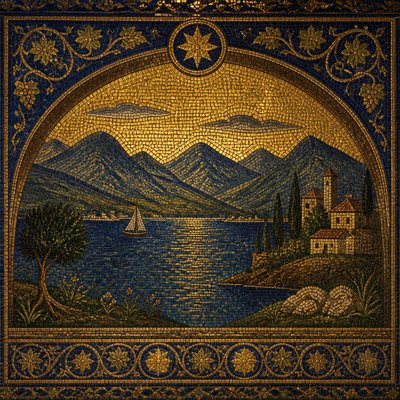
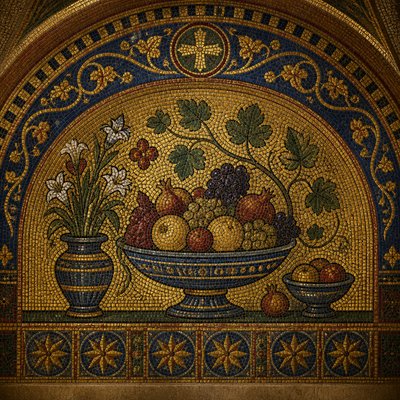
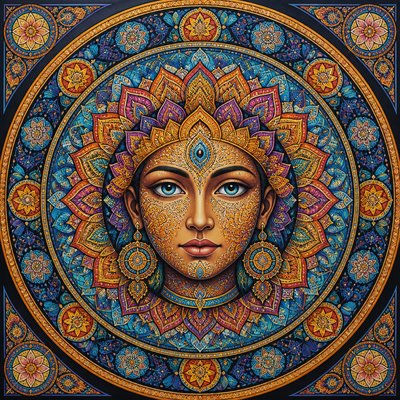
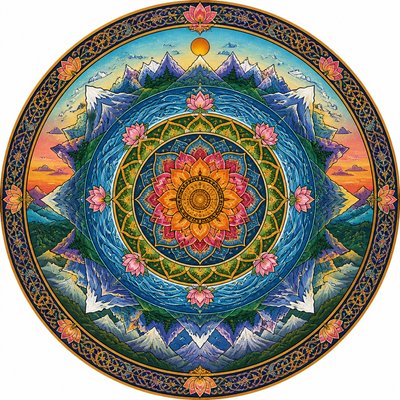
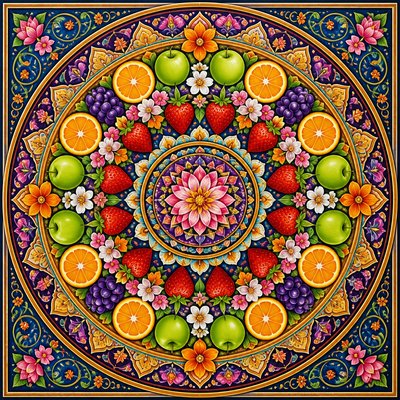
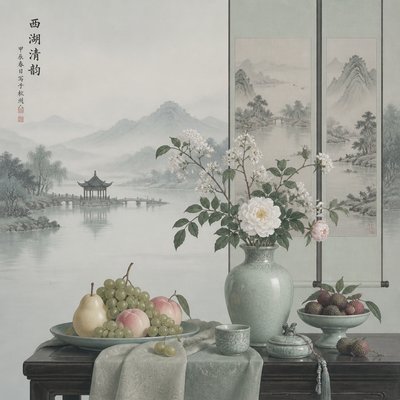
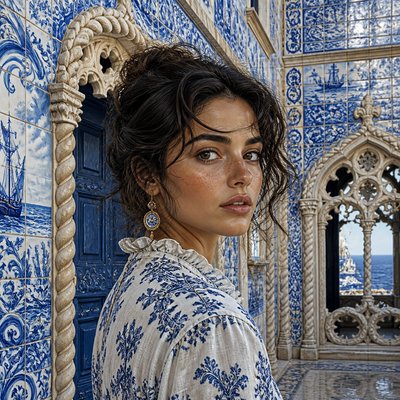
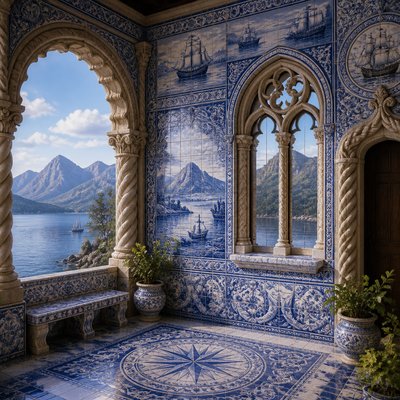
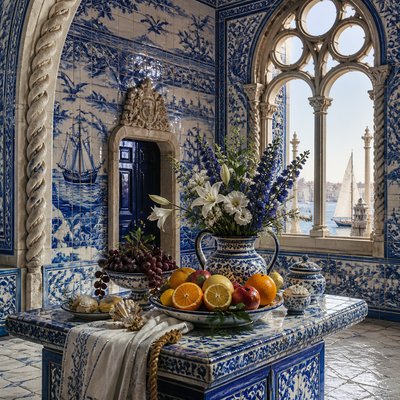
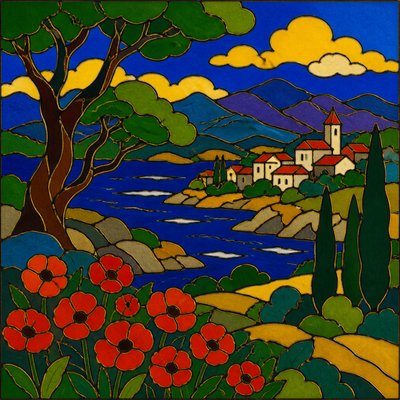
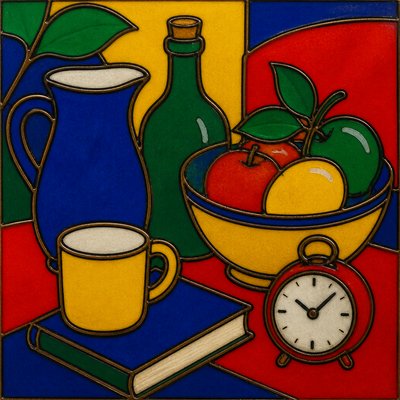
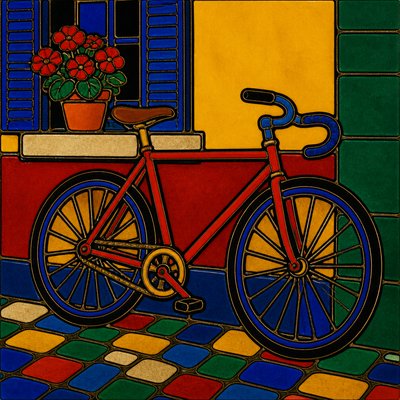
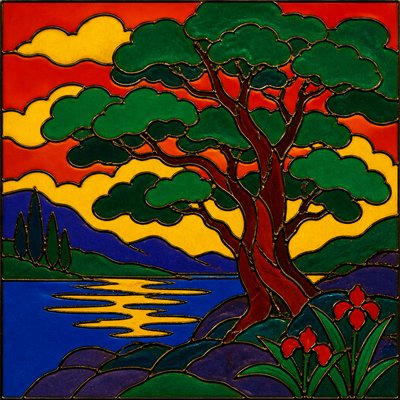
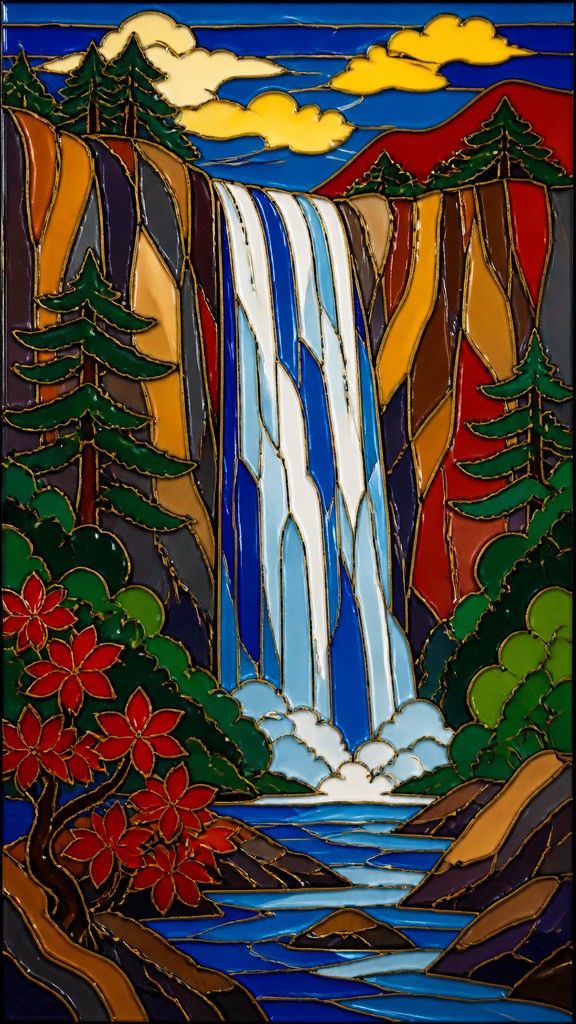
Cloisonnism is a late-19th-century painting style defined by broad, unmodulated fields of intense color enclosed by strong dark contours. Its name refers to cloisonné enamel, in which thin partitions separate colored sections, creating an effect comparable to stained glass or decorative metalwork. Forms are simplified into clear, emblematic shapes rather than modeled through gradual light and shadow.
The style produces a flattened, highly organized image in which outline, color, and pattern carry more weight than realistic depth. Landscapes, figures, interiors, and symbolic motifs may be arranged as rhythmic patches of vermilion, emerald, cobalt, yellow, blue, or black, giving the surface a graphic and ornamental presence.
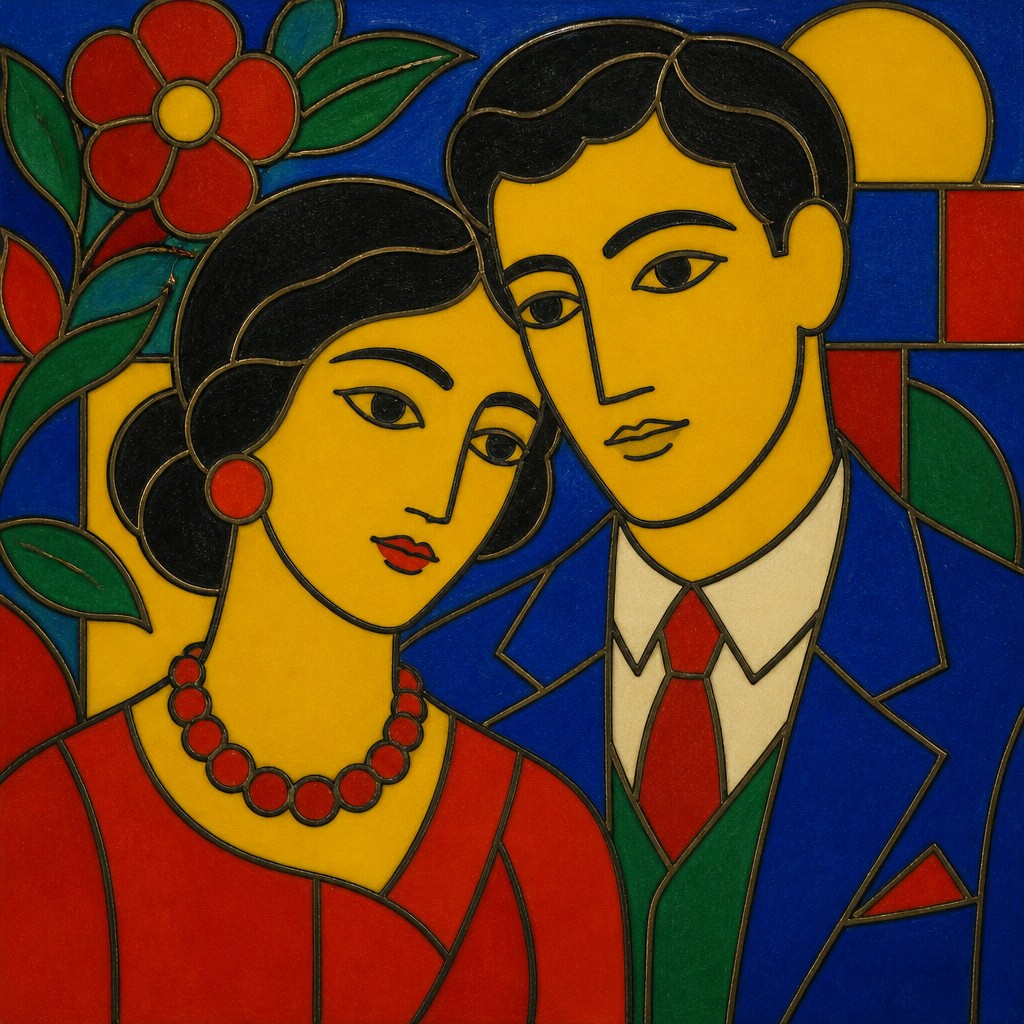
Try It On Your Photos
Upload any photo and convert it into Cloisonnism Art Style — drag the sliders to compare before and after.
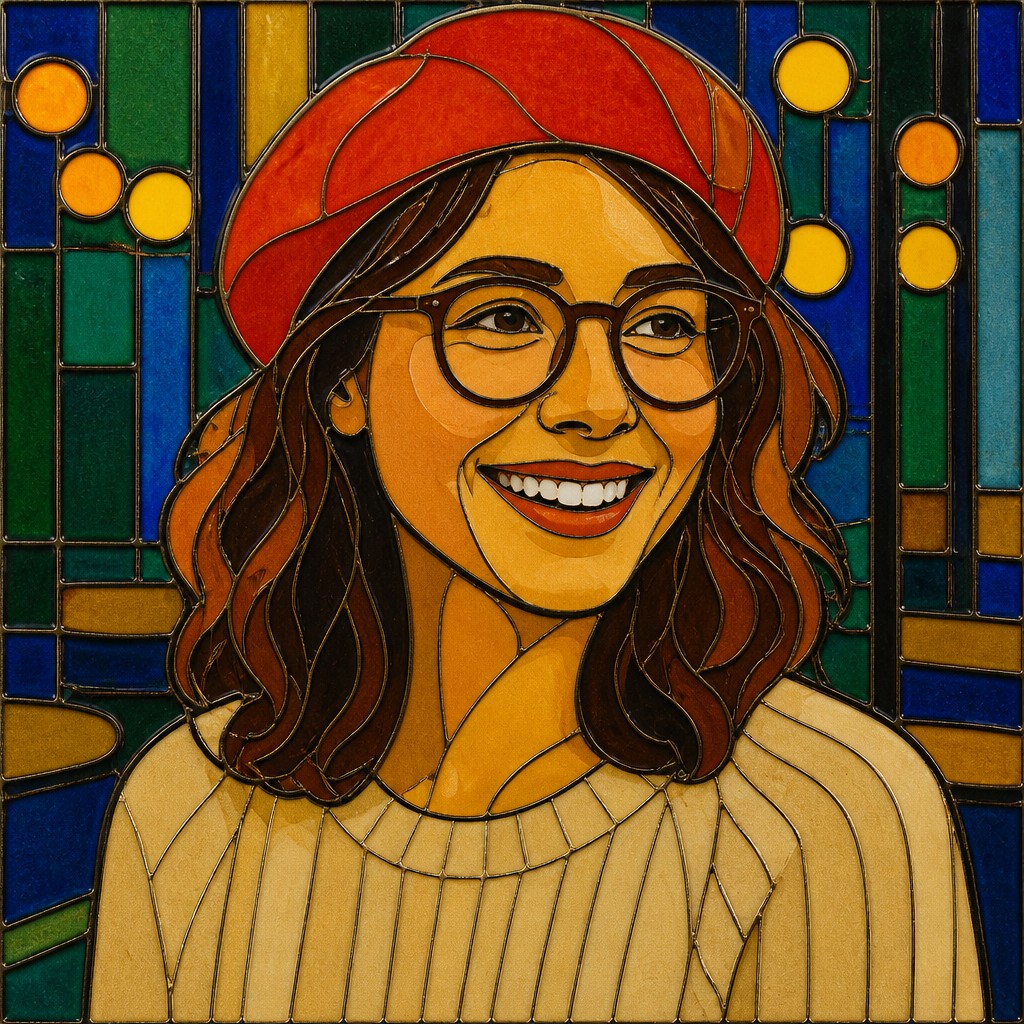

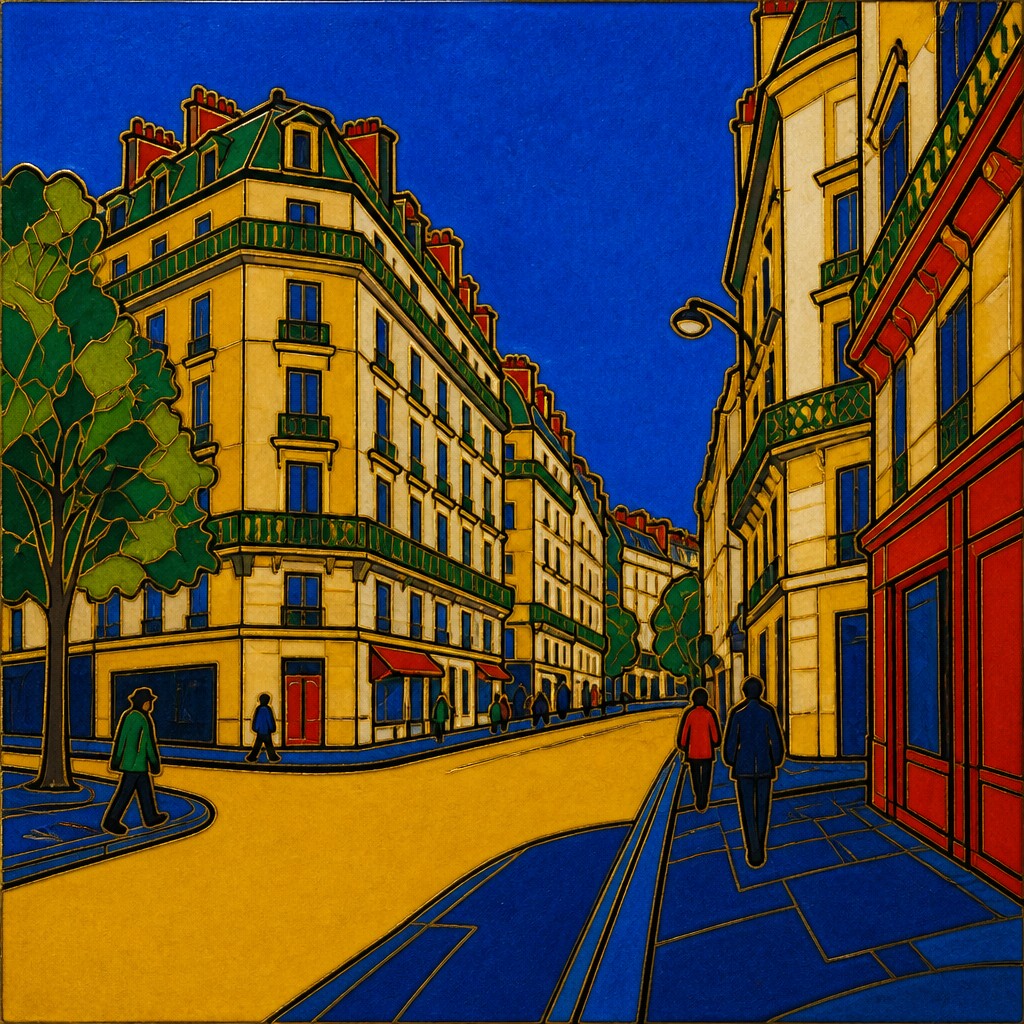

What Defines Cloisonnism Art Style
The signature details, up close
Heavy contour lines
Dark, assertive outlines separate neighboring forms like the partitions in cloisonné enamel. They may be black, deep brown, navy, or another strongly contrasting hue.
Flat color fields
Color is applied in broad, relatively unmodulated areas with limited tonal gradation. Each field reads as a deliberate shape rather than a passage of naturalistic light.
Simplified forms
Figures, plants, buildings, and objects are reduced to recognizable silhouettes and emblematic shapes. Small descriptive details are subordinated to the clarity of the overall design.
Flattened space
Traditional perspective is compressed or selectively ignored, producing shallow depth and a strong emphasis on the picture surface. Overlapping shapes and color divisions often replace realistic recession.
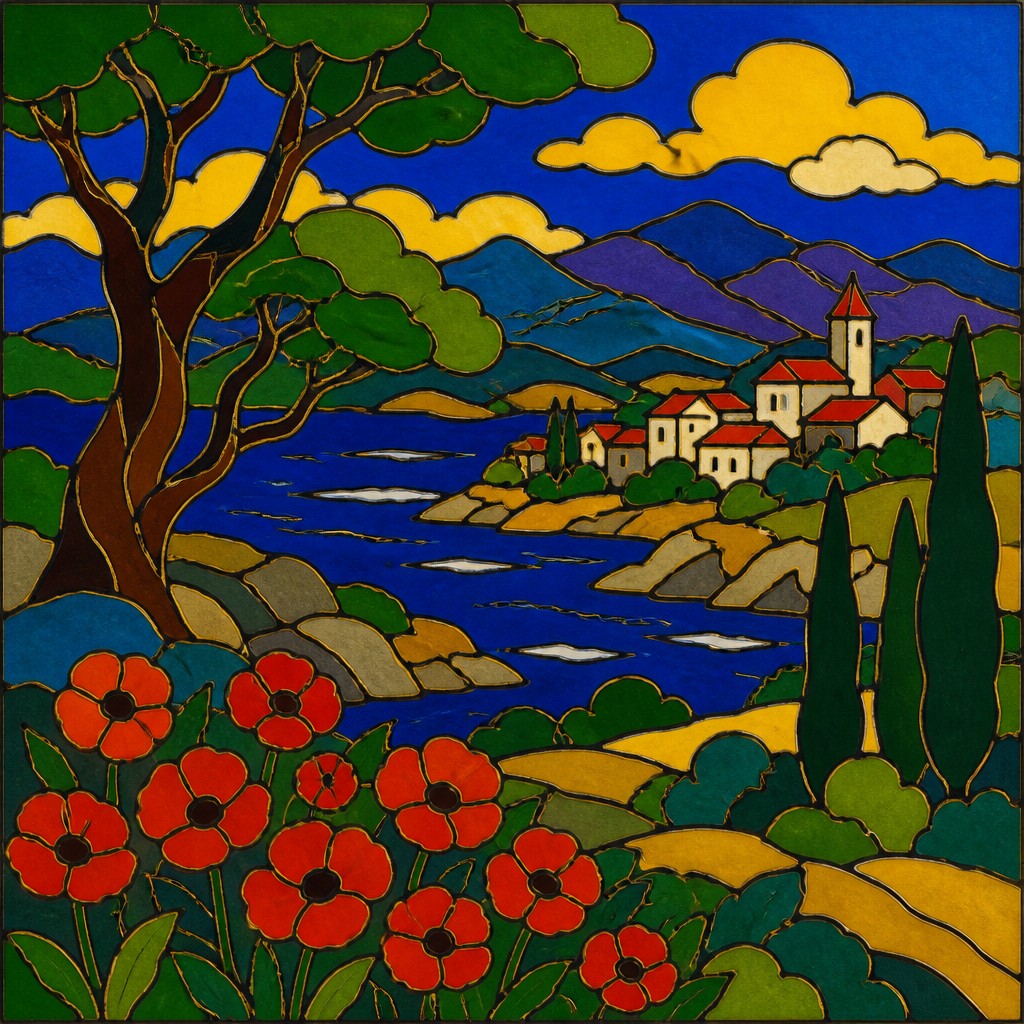
Expressive color
Saturated, sometimes non-naturalistic colors establish mood and structure rather than merely describing local appearance. Vermilion, emerald, cobalt, chrome yellow, ivory, and dark outlines are especially characteristic.
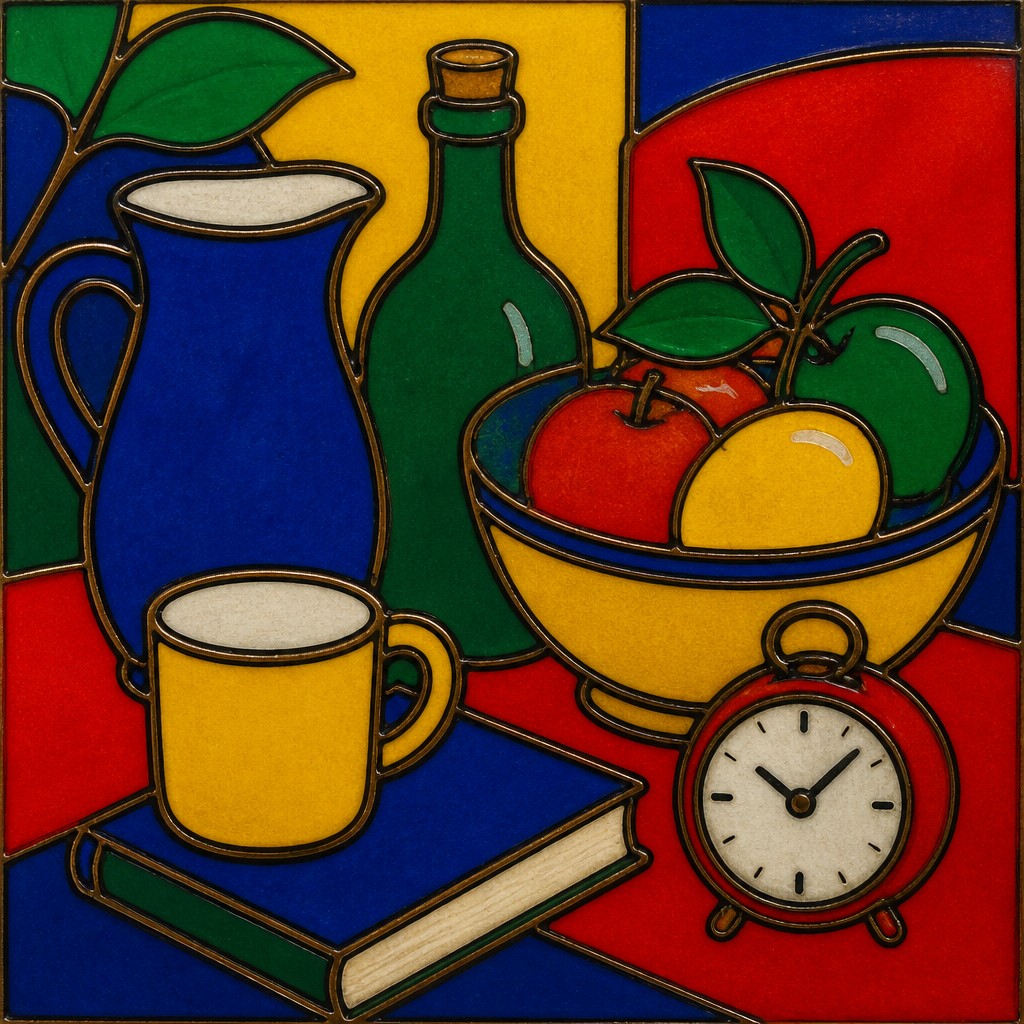
Decorative rhythm
Repeated contours, patterned backgrounds, curving lines, and balanced color areas create a visual rhythm comparable to textile, enamel, stained-glass, or ornamental design.
Try It
Create Videos in Cloisonnism Art Style
Styles aren't just for stills — describe a scene or animate an image and get a short video rendered in Cloisonnism. Press play to see this pond come to life.
Make a VideoCloisonnism Prompt Ideas
Start from an idea — each one opens the generator with the style ready to go. See all 40 Cloisonnism prompts →
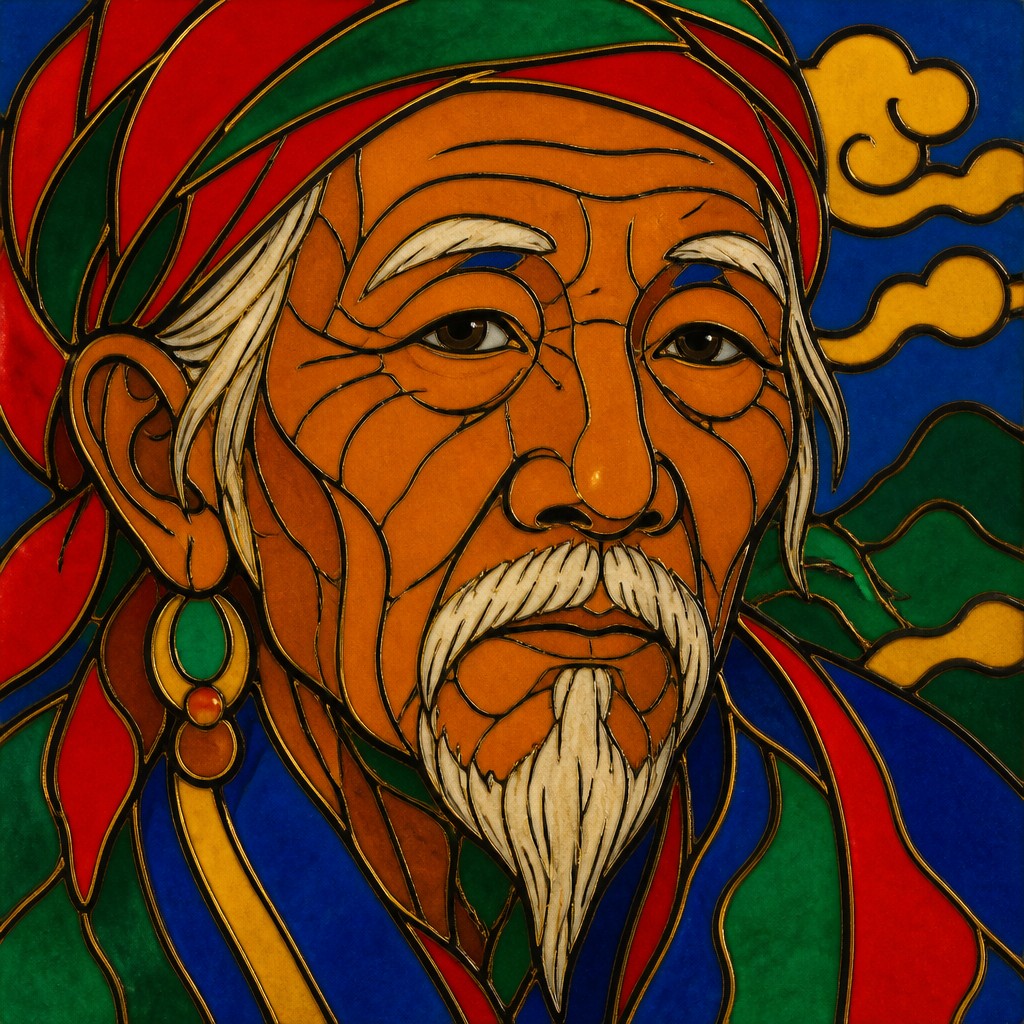
“close-up portrait of an elderly person with expressive weathered features”
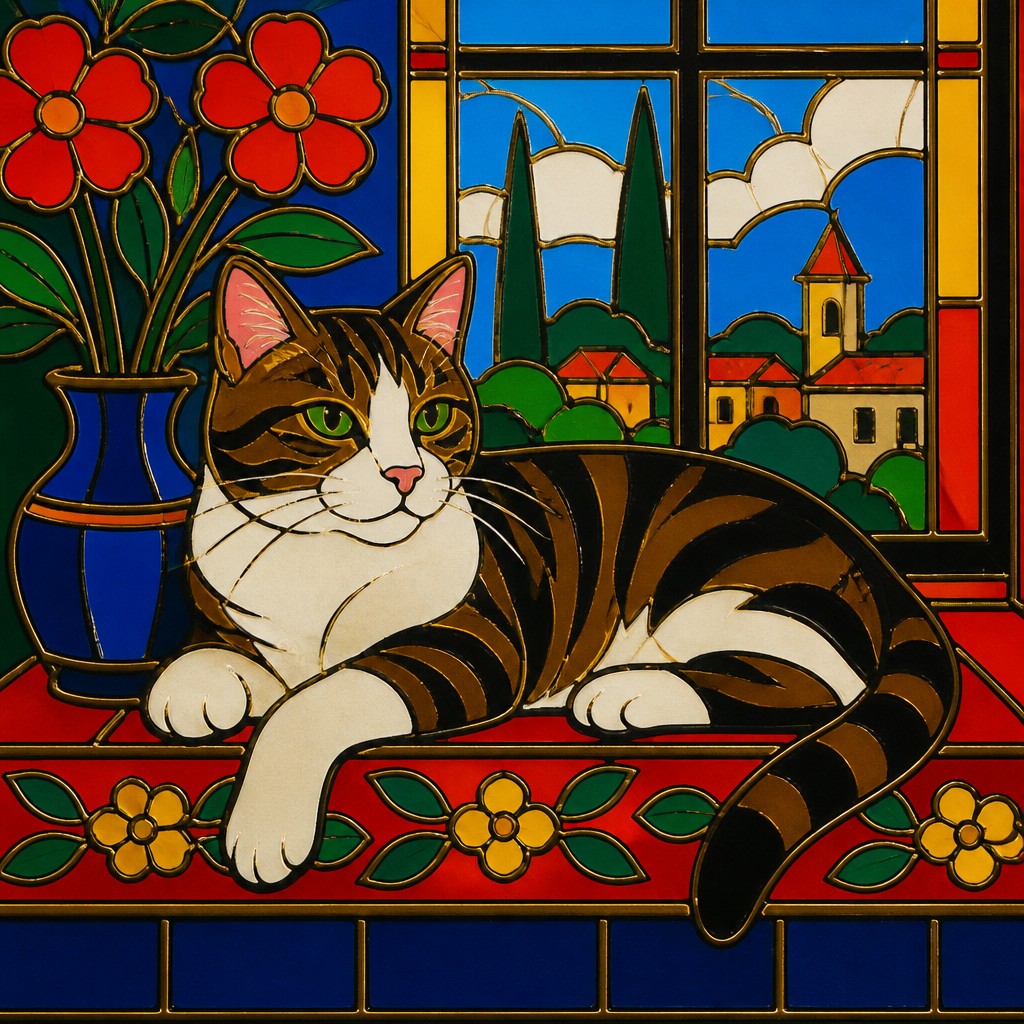
“a cat lounging in a sunlit window”
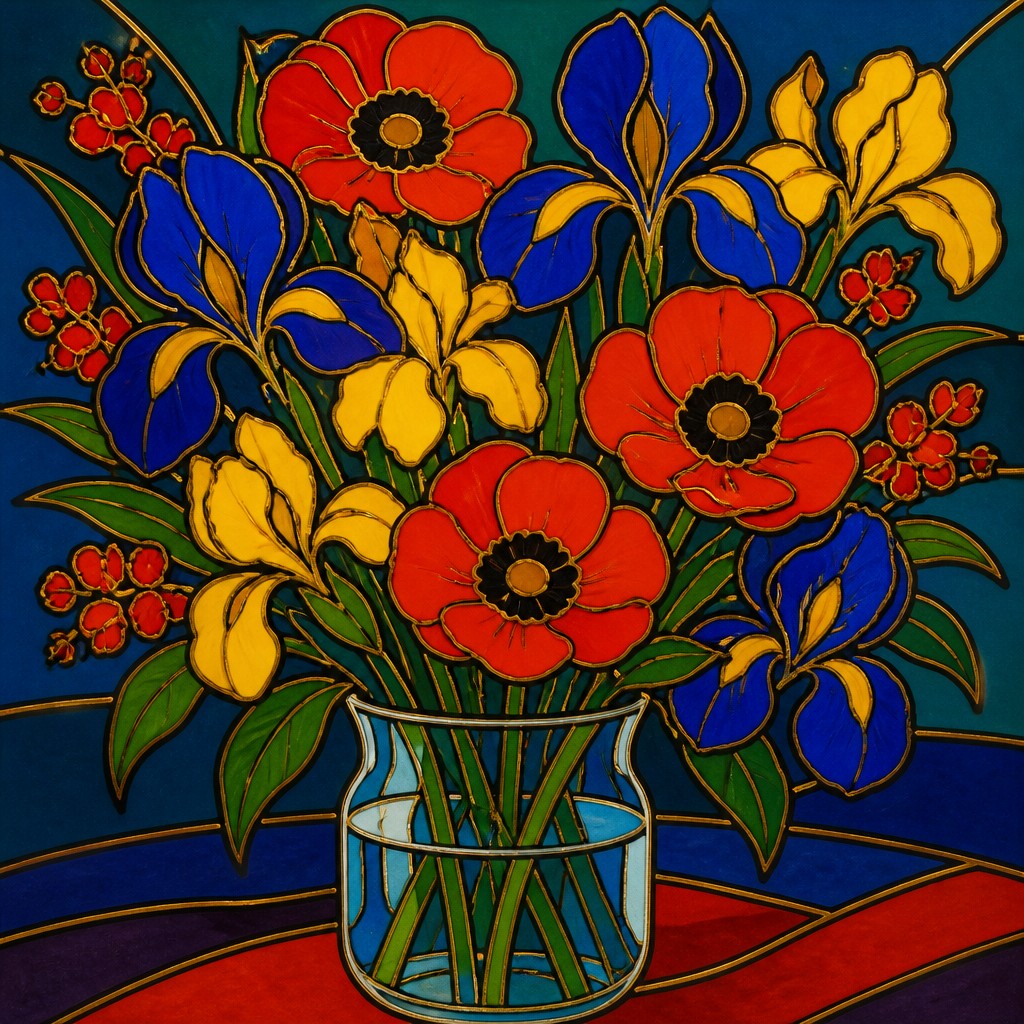
“bouquet of flowers in a glass vase”
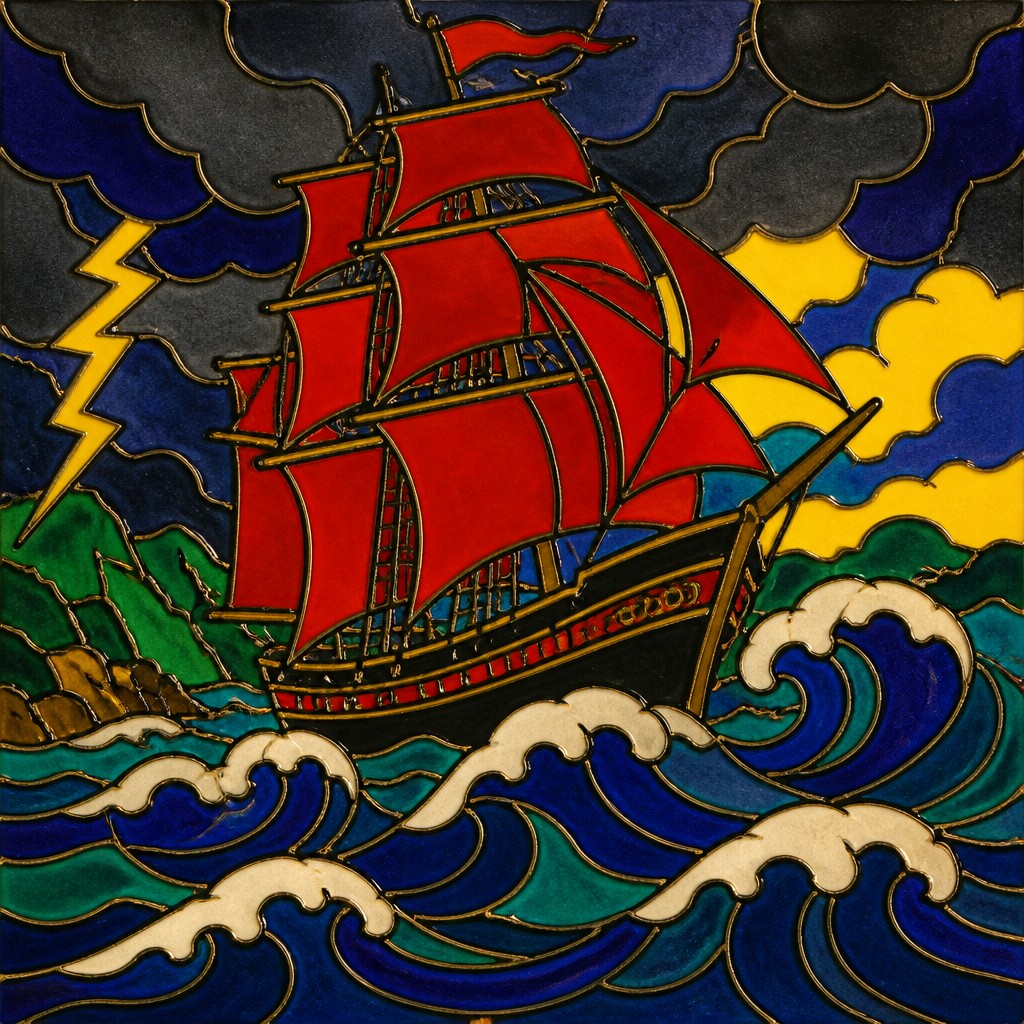
“sailing ship on a stormy sea”
How to Create Cloisonnism Art
Master the craft step by step — or skip straight to creating. Read the full guide →
- 1
Block the composition first
Begin with a simplified thumbnail that establishes large silhouettes and major color divisions. Avoid building the image from small details or realistic shading.
- 2
Draw the partitions
Use a dark, confident contour to enclose each major form, allowing the lines to function as structural boundaries. Vary line weight sparingly so the image remains unified and graphic.
- 3
Apply unmodulated color
Fill enclosed areas with opaque paint, ink, gouache, vector shapes, or digital brushes. Keep gradients and soft atmospheric transitions to a minimum, using contrasting hues to separate forms.
- 4
Compress perspective
Arrange overlapping shapes, bands, and pattern zones instead of relying on realistic vanishing points. A shallow background and frontal or slightly elevated viewpoint reinforce the decorative effect.
- 5
Refine the color architecture
Limit the palette to a deliberate set of saturated colors plus one or two dark outlining tones. Balance warm and cool fields so no single area overwhelms the composition.
- 6
Describe the visual constraints in a prompt
For digital or AI-assisted creation, specify flat saturated color fields, heavy dark contours, simplified emblematic forms, flattened space, stained-glass divisions, and minimal shading alongside the subject.

The Story
History & Origins of Cloisonnism
Cloisonnism emerged in France during the late 1880s, particularly within the avant-garde painting circles associated with Brittany and the broader Synthetist movement. It developed as a reaction against naturalistic modeling and academic perspective, drawing on medieval enamel and stained-glass design, folk imagery, Japanese woodblock prints, and the simplified forms of nonclassical visual traditions.
The approach was influential during the transition from Impressionism toward Post-Impressionism and other modernist experiments. Although it was never a single, rigidly organized school, its use of heavy contours, compressed space, and arbitrary or expressive color helped establish a vocabulary later visible in decorative painting, Symbolism, Art Nouveau, poster design, and modern illustration.
Influences: Cloisonnism is closely related to Synthetism and late-19th-century Post-Impressionist painting, particularly in its rejection of optical naturalism and its use of expressive color. Its visual vocabulary also draws from cloisonné enamel, stained glass, medieval manuscript and church decoration, Japanese woodblock prints, folk art, and decorative pattern. Later connections can be found in Symbolism, Art Nouveau, modern poster art, comics, illustration, and flat-color digital graphics.
Frequently Asked Questions
What defines Cloisonnism in art?
Its defining features are flat areas of vivid color enclosed by strong dark outlines, simplified forms, compressed perspective, and a decorative sense of pattern. The lines act as partitions that organize the image as clearly as the color itself.
Why is it called Cloisonnism?
The name refers to cloisonné enamel, a decorative technique in which metal wires or partitions separate compartments filled with colored material. The painting style imitates that compartmentalized visual structure through bold outlines and enclosed color fields.
How is Cloisonnism different from stained-glass art?
Both use strong divisions between color areas, but Cloisonnism is a painting language rather than a method of assembling glass and lead. Its dark contours are painted or drawn, and its color fields can depict opaque surfaces, figures, landscapes, or symbolic scenes.
How does Cloisonnism differ from Impressionism?
Impressionism generally explores changing light through broken brushwork, optical mixtures, and atmospheric depth. Cloisonnism instead favors stable, opaque color zones, assertive outlines, simplified shapes, and a deliberately flattened surface.
Can Cloisonnism be created digitally?
Yes. Vector shapes, flat digital brushes, and layer-based painting are well suited to its enclosed color fields and clean contours. Use a restricted saturated palette, avoid automatic gradients, and preserve visible dark boundaries between major forms.
Where is Cloisonnism commonly used today?
Its graphic vocabulary appears in illustration, posters, editorial art, animation backgrounds, comics, decorative painting, murals, textiles, and digital design. It is especially effective when an image needs strong silhouettes, immediate readability, and ornamental color.

Create your first Cloisonnism artwork
Describe anything — or upload a photo — and see it in Cloisonnism Art Style in seconds.
Related Styles
Discover similar art styles