Les Nabis Art Style
Explore Les Nabis: intimate interiors, flattened patterns, muffled color, lamplight, and decorative painting rooted in late-19th-century France.
Instantly rendered in Les Nabis — or transform a photo
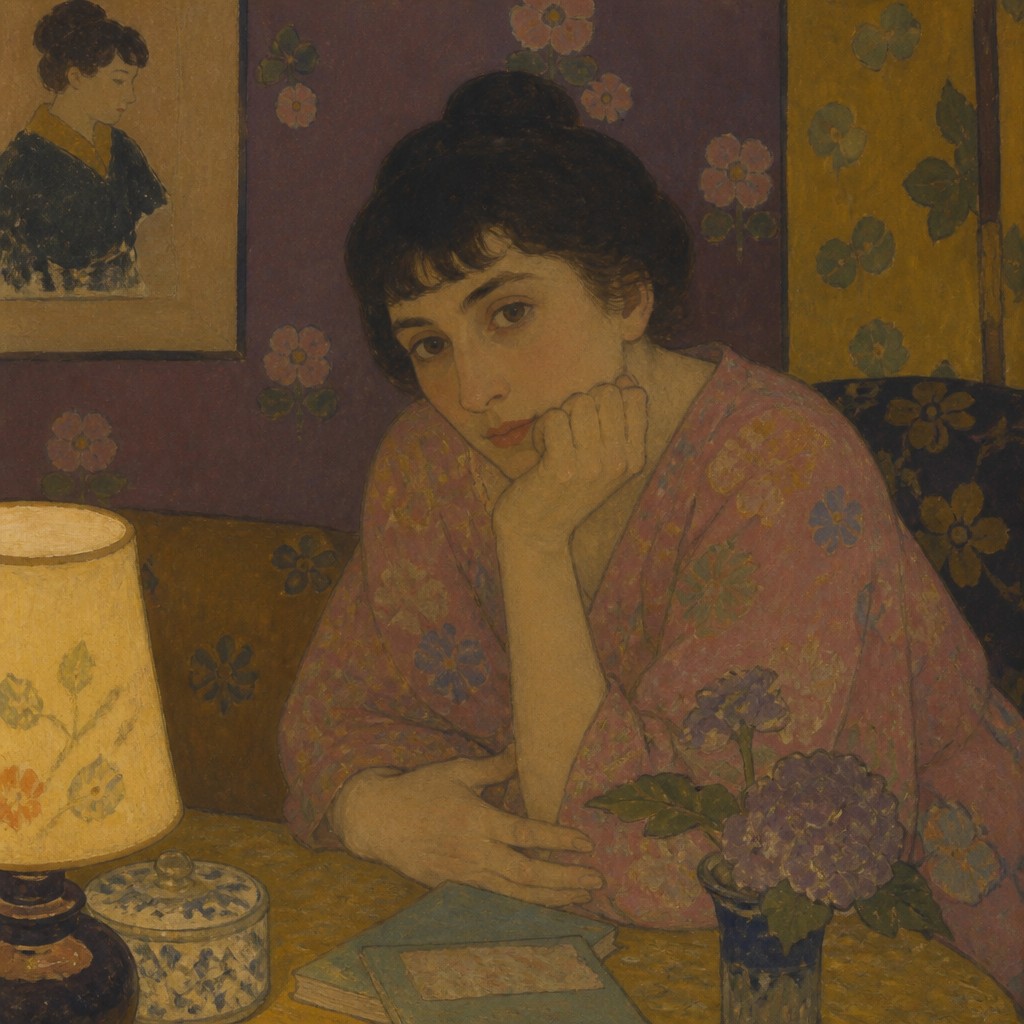
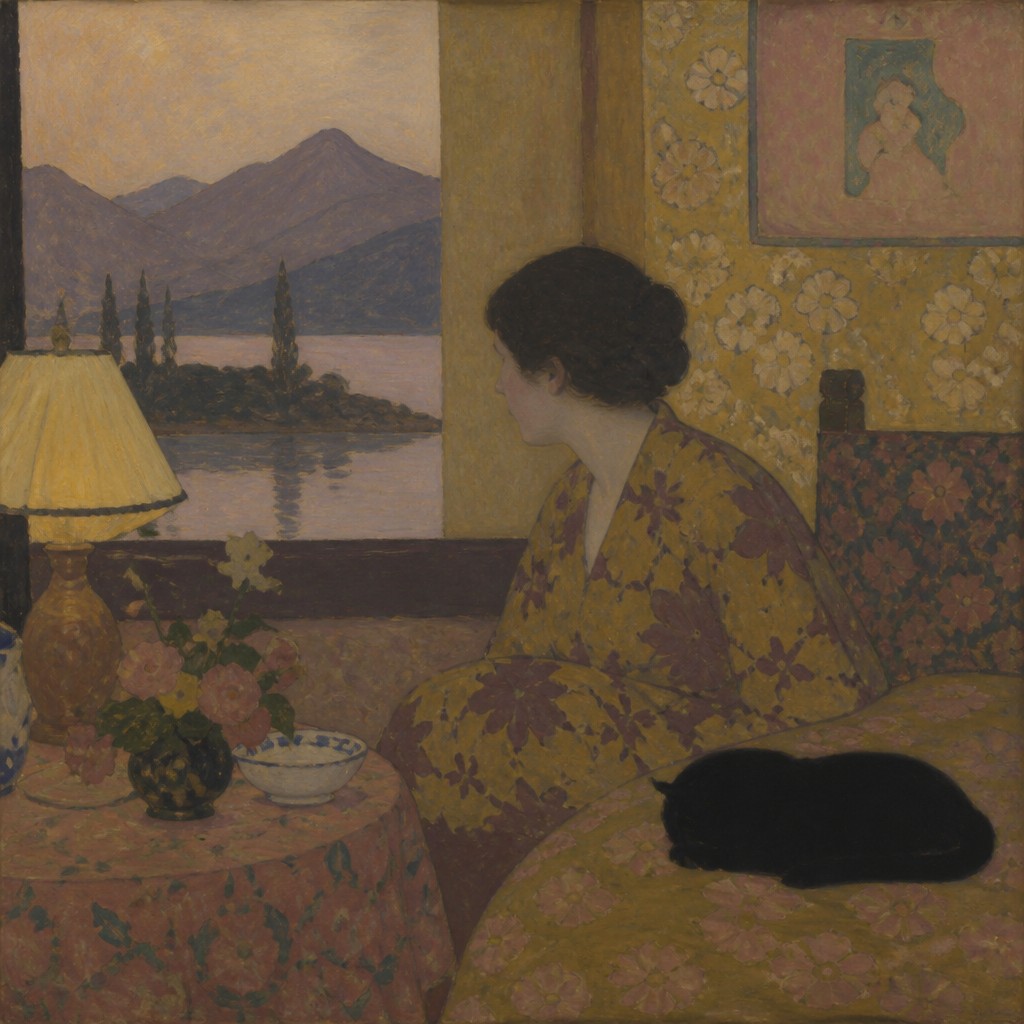
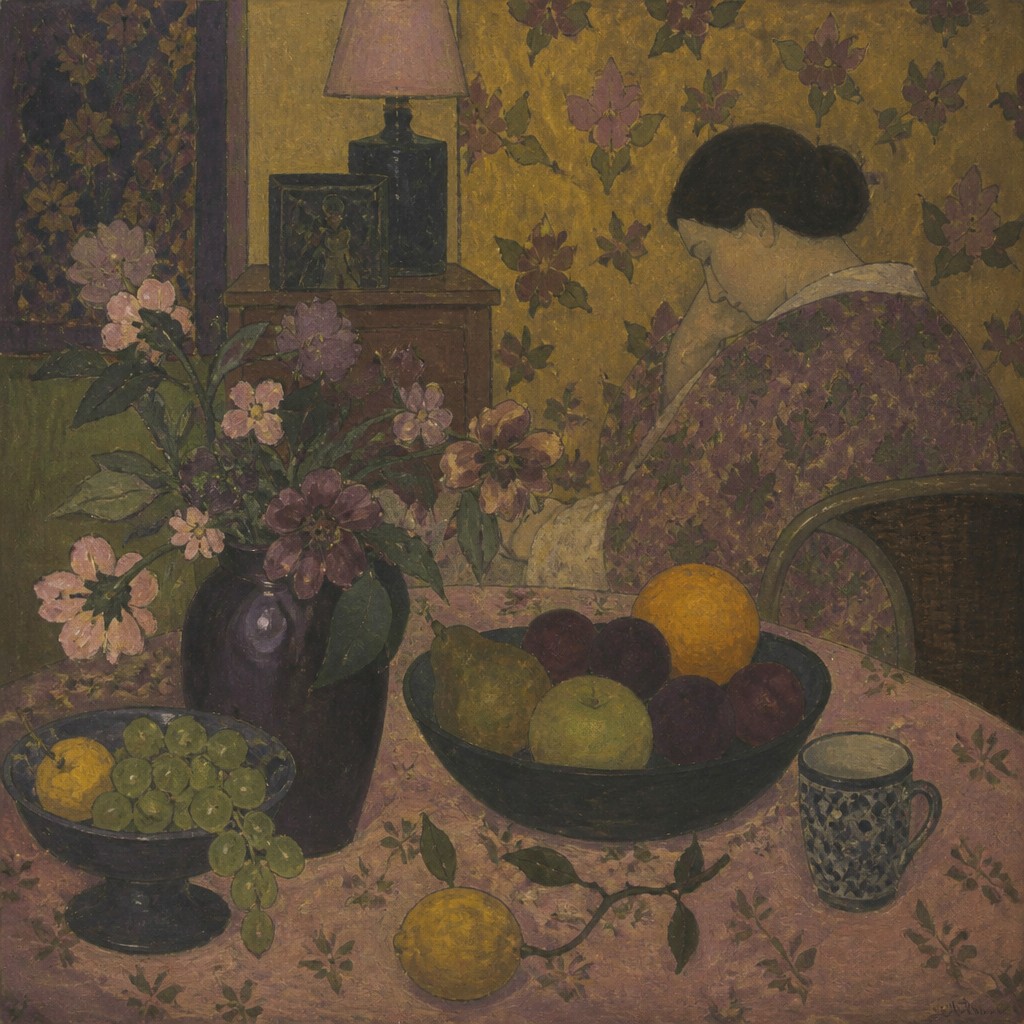
Les Nabis Gallery
Tap any artwork to explore it
What is Les Nabis Art Style?
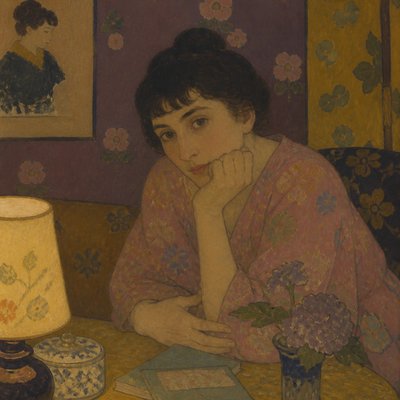
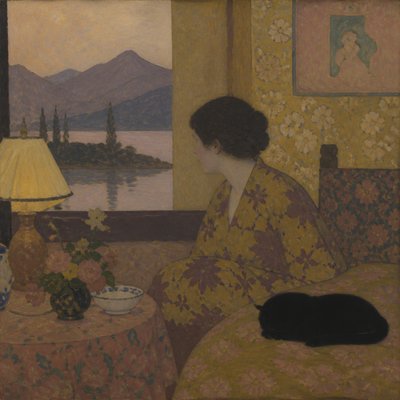
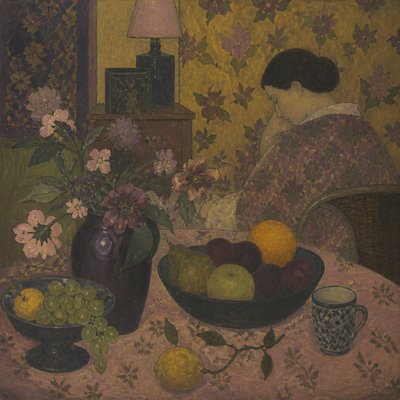
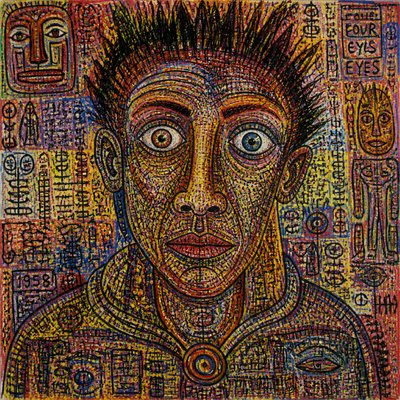
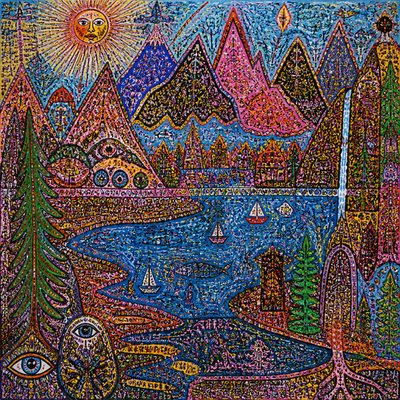
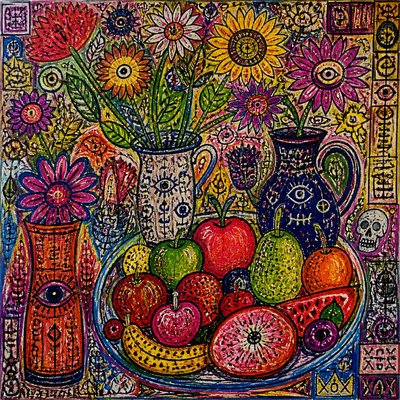
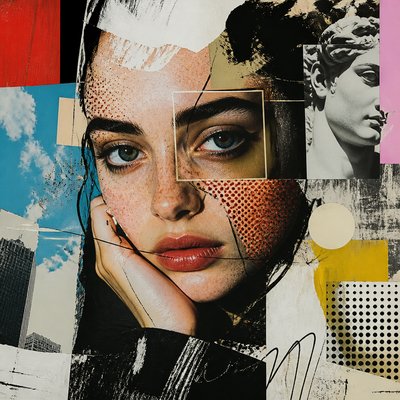
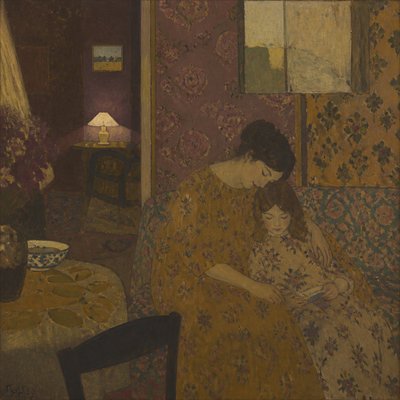
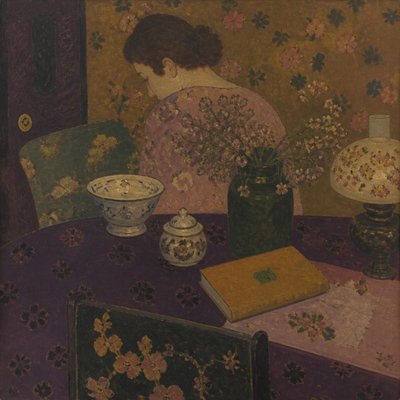
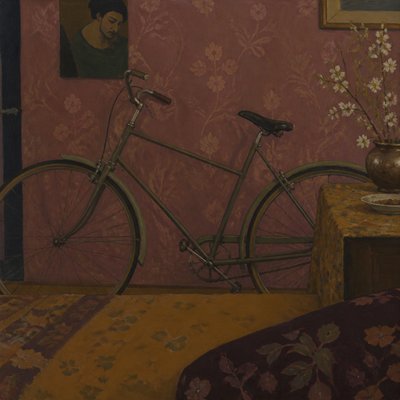
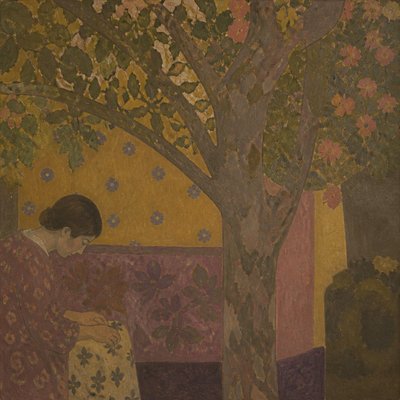
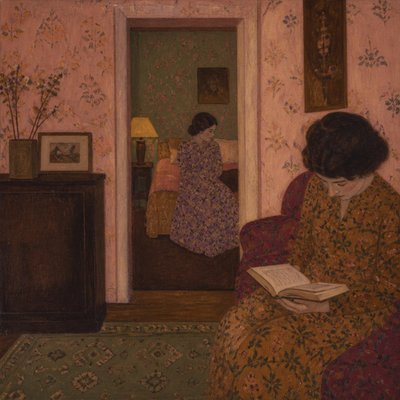
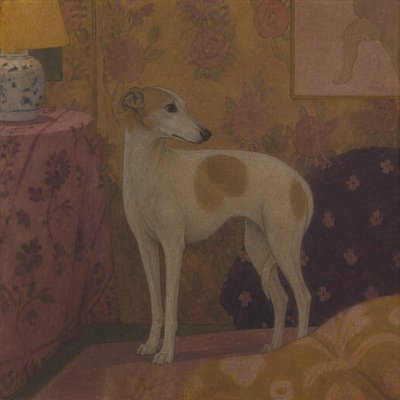
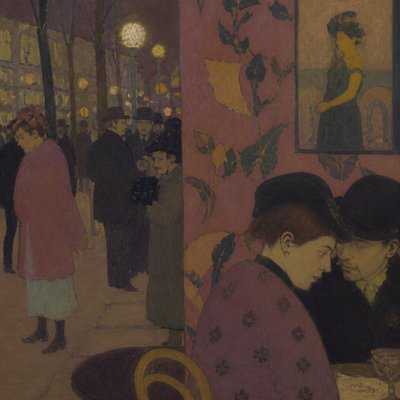
Les Nabis was a French avant-garde painting movement that emerged in the late 1880s and treated art as a synthesis of color, pattern, symbolism, and everyday experience. Its artists often transformed domestic interiors, gardens, figures, and quiet social scenes into flattened arrangements of wallpaper, textiles, furniture, and softly outlined forms rather than conventional windows onto realistic space.
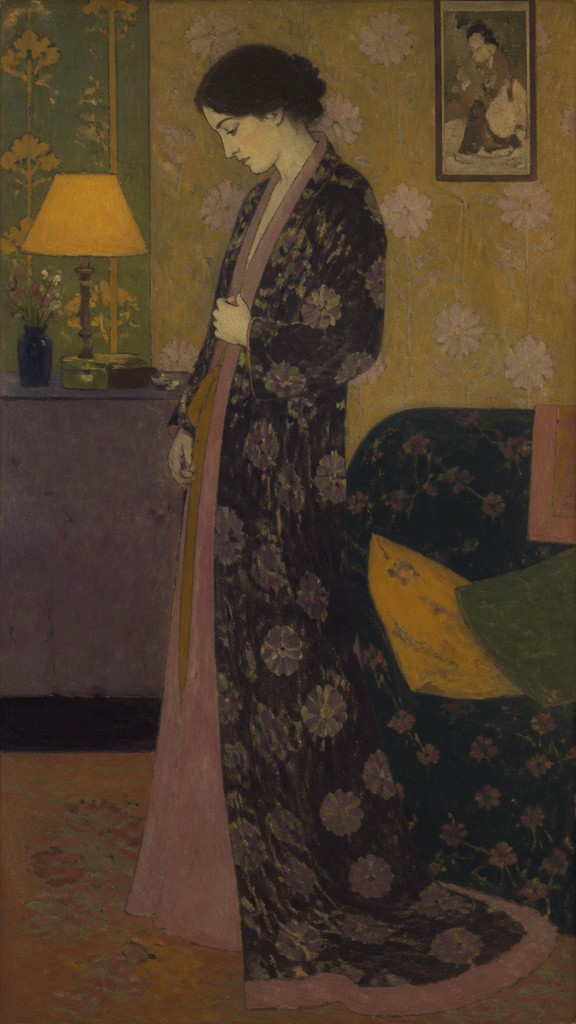
The style is intimate and decorative at the same time. Muted mustard, plum, ochre, moss, blue-gray, and dusty rose create a low-key atmosphere, while cropped viewpoints and overlapping patterns make a room feel both observed and designed. Figures may merge visually with curtains, rugs, or wallpaper, expressing the movement's interest in mood, memory, and the ornamental structure of ordinary life.
Try It On Your Photos
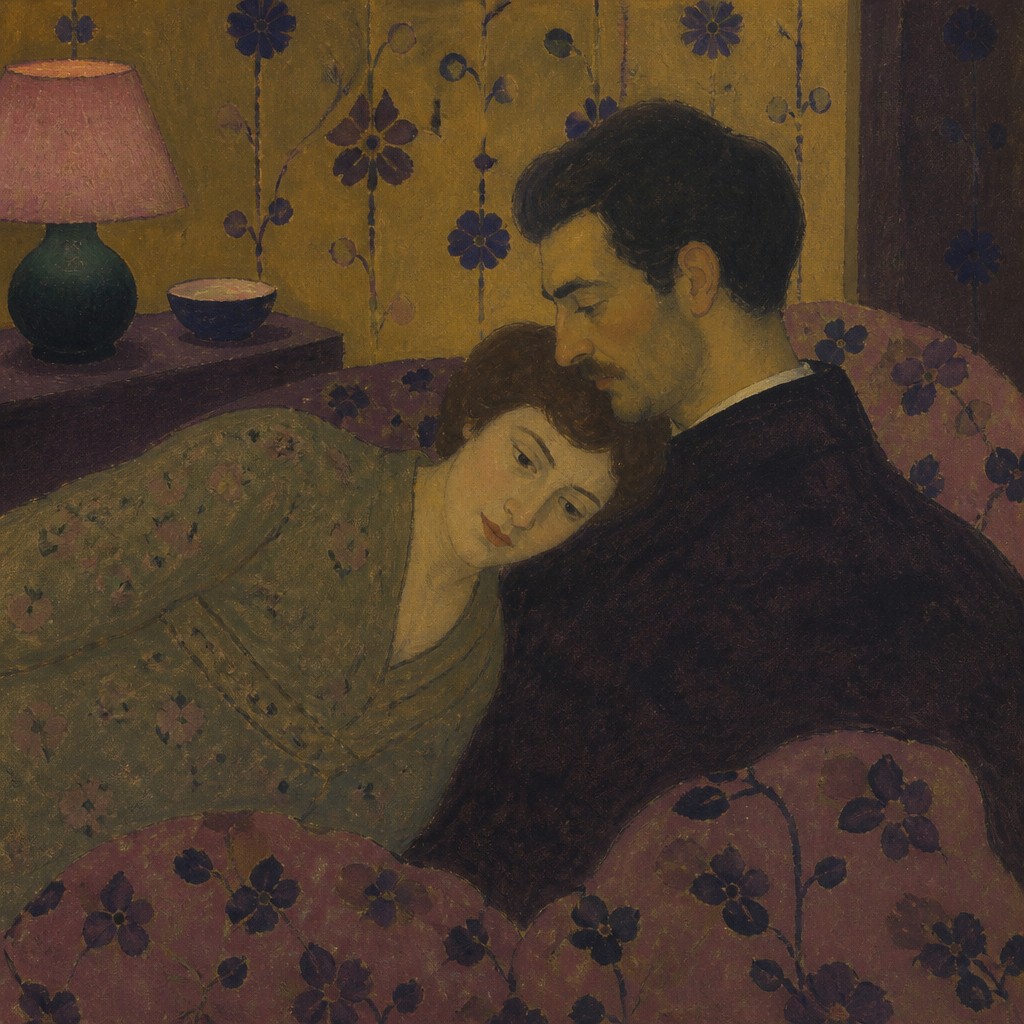
Upload any photo and convert it into Les Nabis Art Style — drag the sliders to compare before and after.
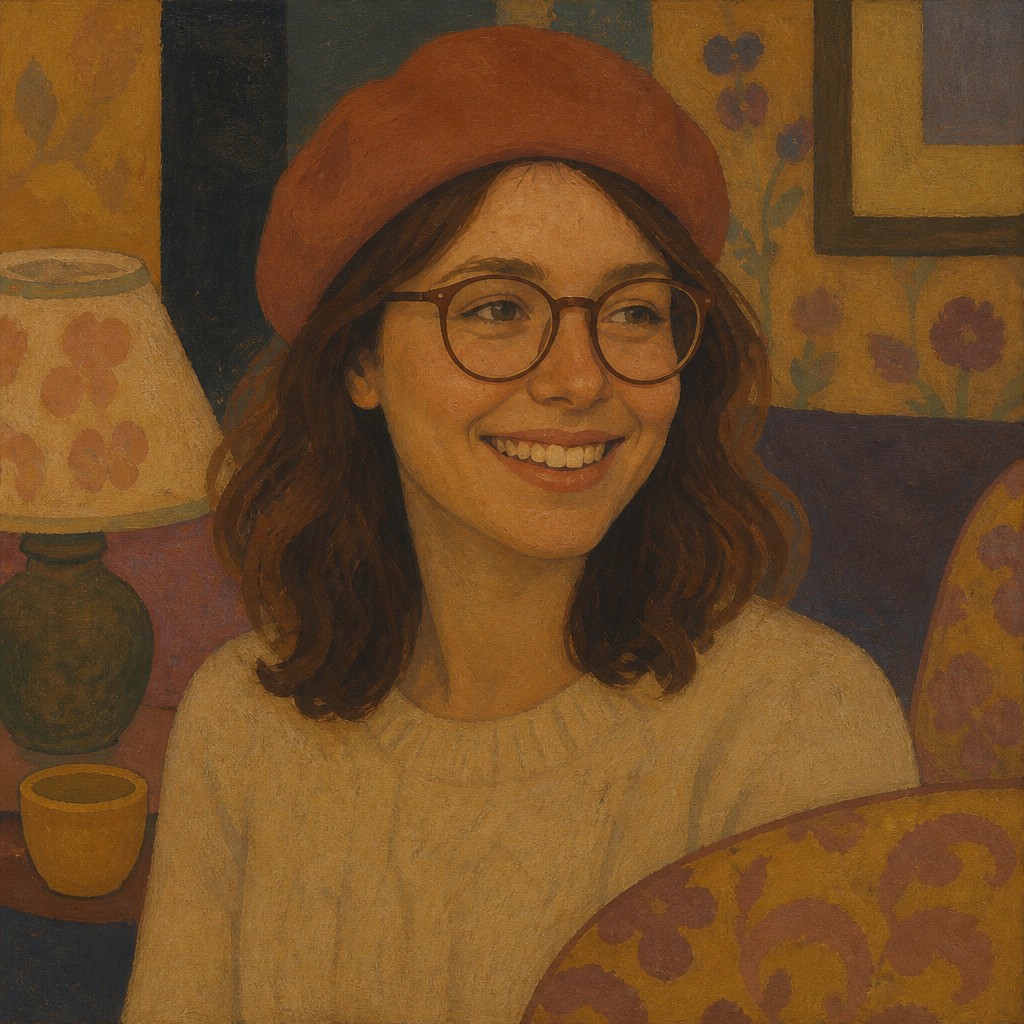

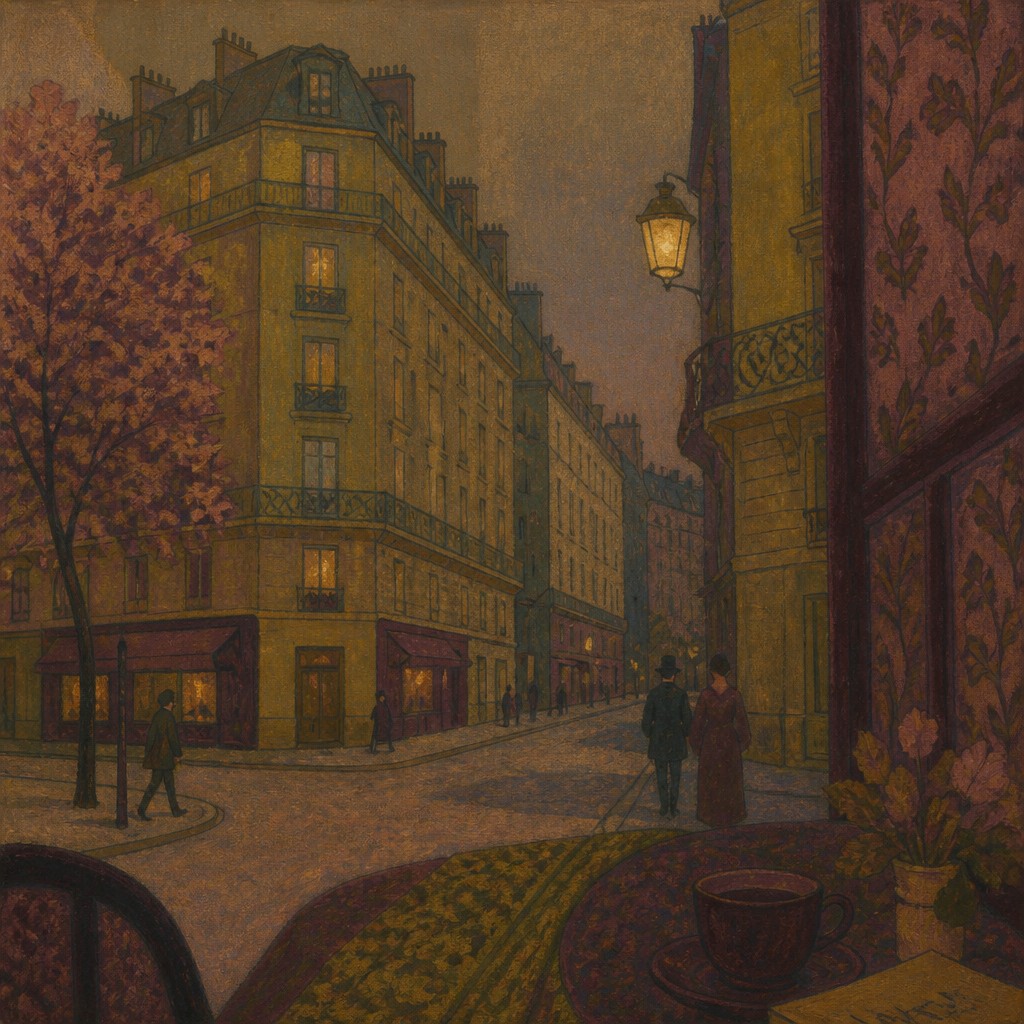

What Defines Les Nabis Art Style
The signature details, up close
Flattened spatial design
Depth is compressed through broad planes, simplified perspective, and overlapping shapes. A room often reads as a decorative surface before it reads as a realistically constructed interior.
Pattern as structure
Wallpaper, carpets, upholstery, curtains, ceramics, and clothing carry as much visual weight as the figures. Repeated motifs organize the composition and can make bodies appear to dissolve into their surroundings.
Muffled, harmonious color
The palette favors softened mustard, ochre, plum, moss green, dusty rose, cream, brown, and blue-gray. Colors are usually matte and closely related, producing a quiet, lamplit atmosphere rather than brilliant optical contrast.
Intimate domestic subjects
Interiors, reading, sewing, conversation, bathing, meals, children, pets, and private rituals are common subjects. The emotional tone is observant and tender, emphasizing stillness over spectacle.
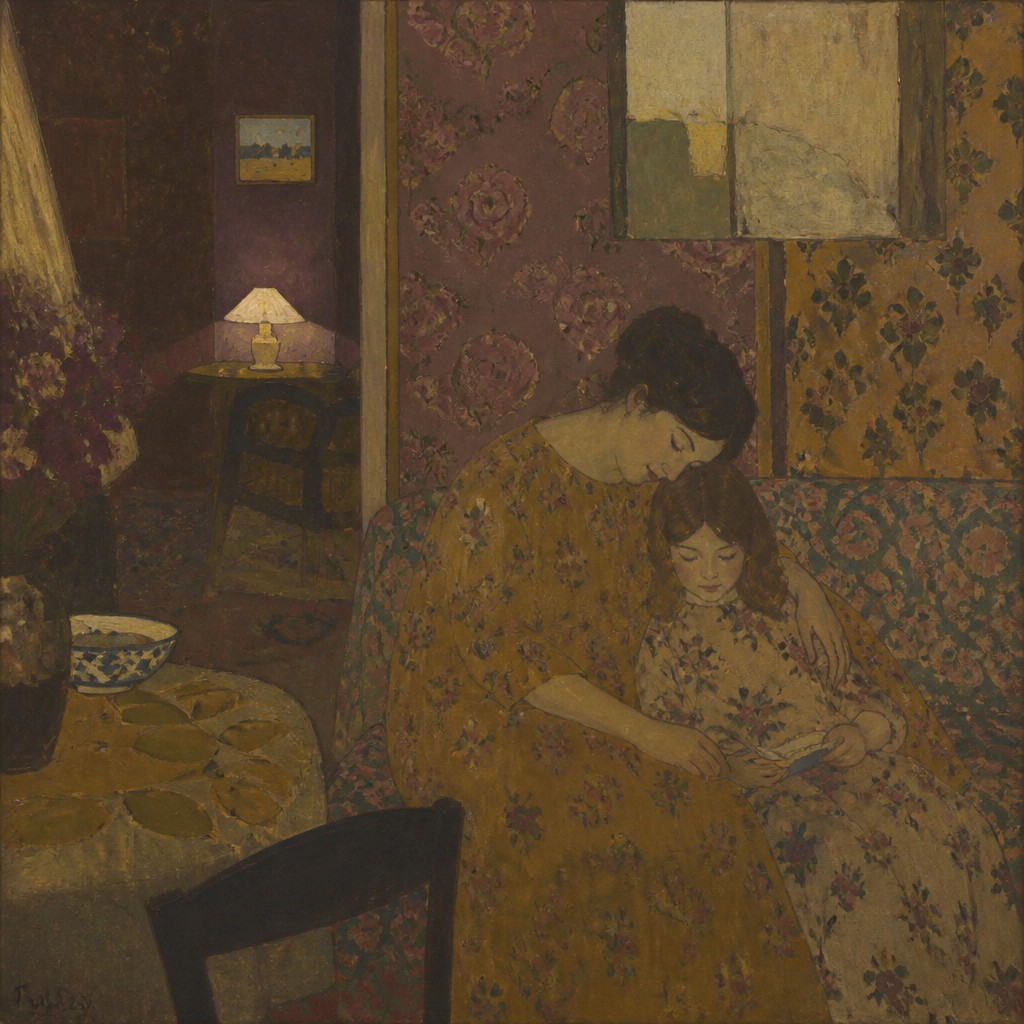
Decorative contour and simplified form
Figures and objects are defined by economical contours, irregular patches of color, and selective detail. Modeling is reduced so that gesture, silhouette, and tonal rhythm become more important than anatomical precision.
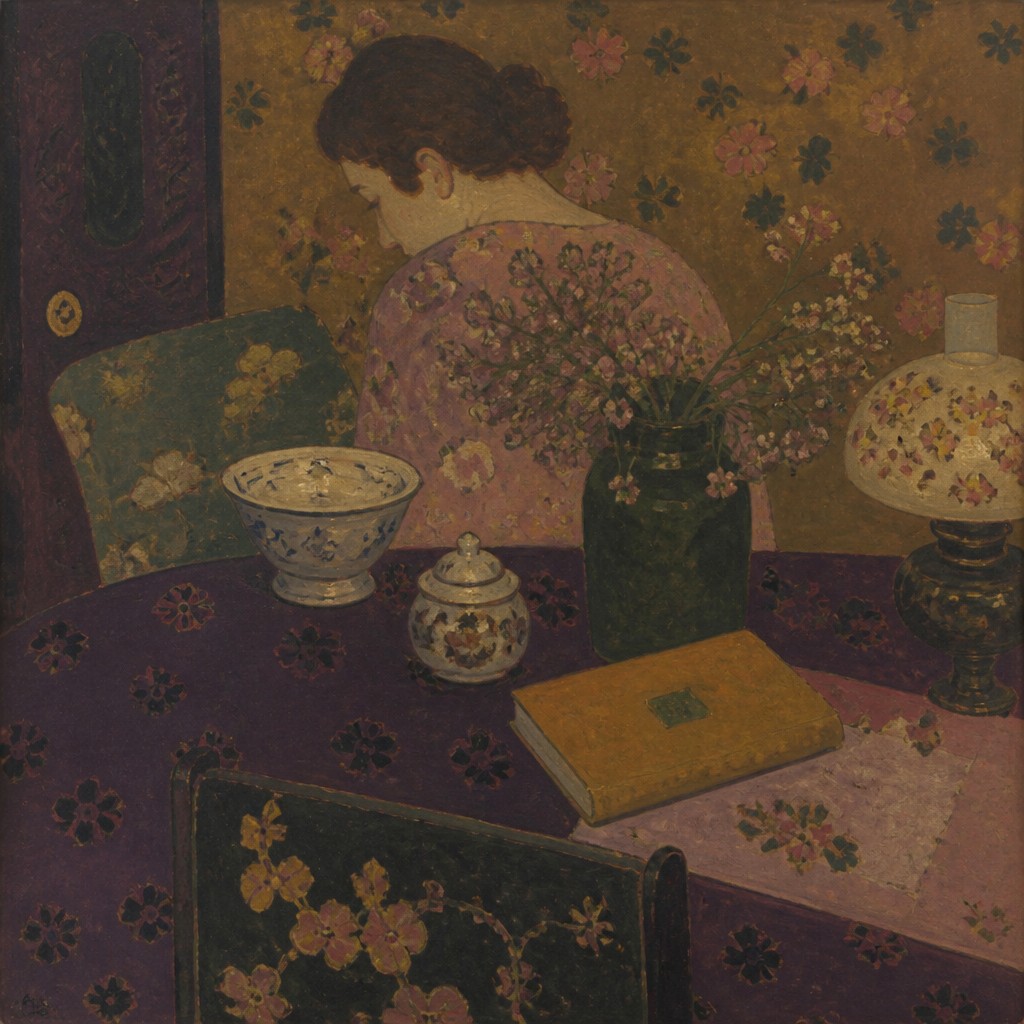
Cropped, snapshot-like composition
Furniture, doorways, bodies, and patterned surfaces may be cut off by the frame. These unusual crops create the feeling of a remembered or casually witnessed moment while preserving a carefully balanced arrangement.
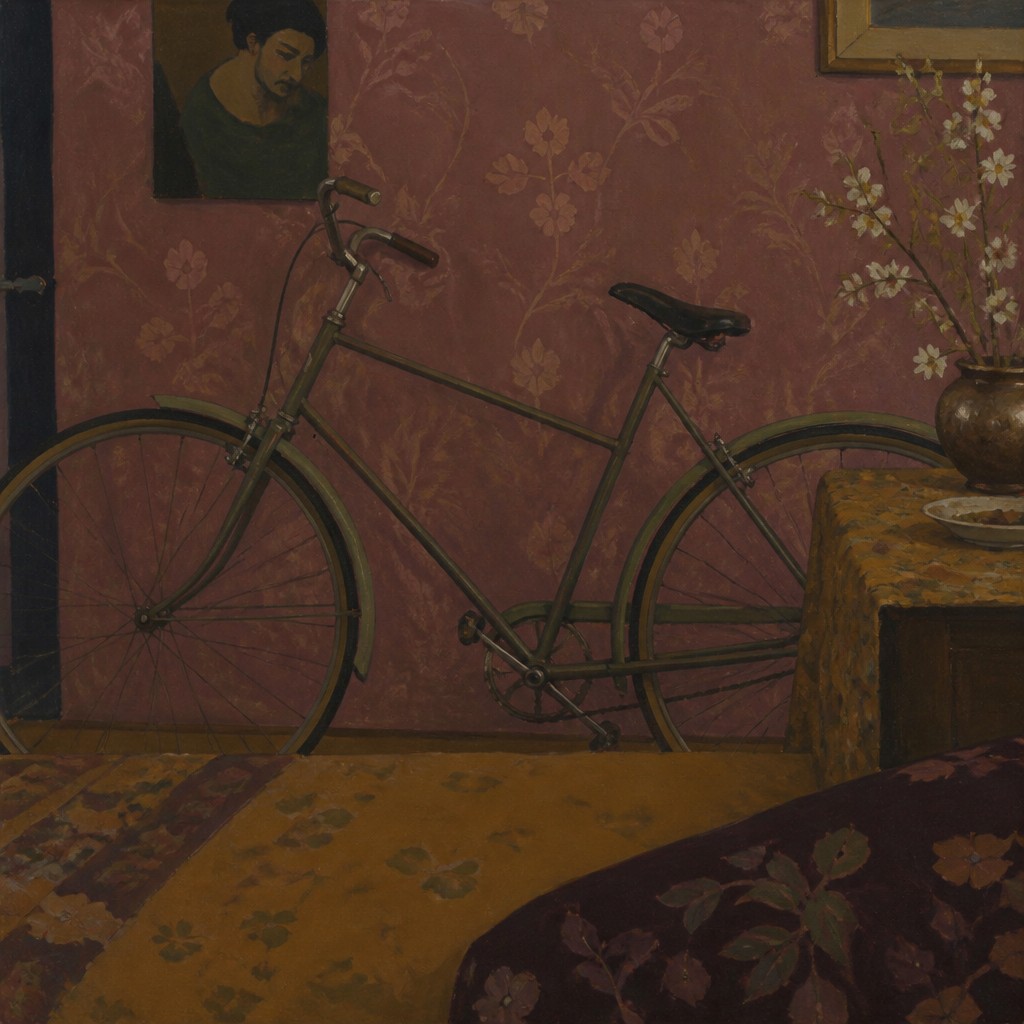
Soft symbolic atmosphere
Ordinary settings can carry psychological or poetic meaning through light, color, and repetition. The style suggests inner life without requiring overt narrative or literal symbolism.
Try It
Create Videos in Les Nabis Art Style
Styles aren't just for stills — describe a scene or animate an image and get a short video rendered in Les Nabis. Press play to see this pond come to life.
Make a VideoLes Nabis Prompt Ideas
Start from an idea — each one opens the generator with the style ready to go. See all 40 Les Nabis prompts →
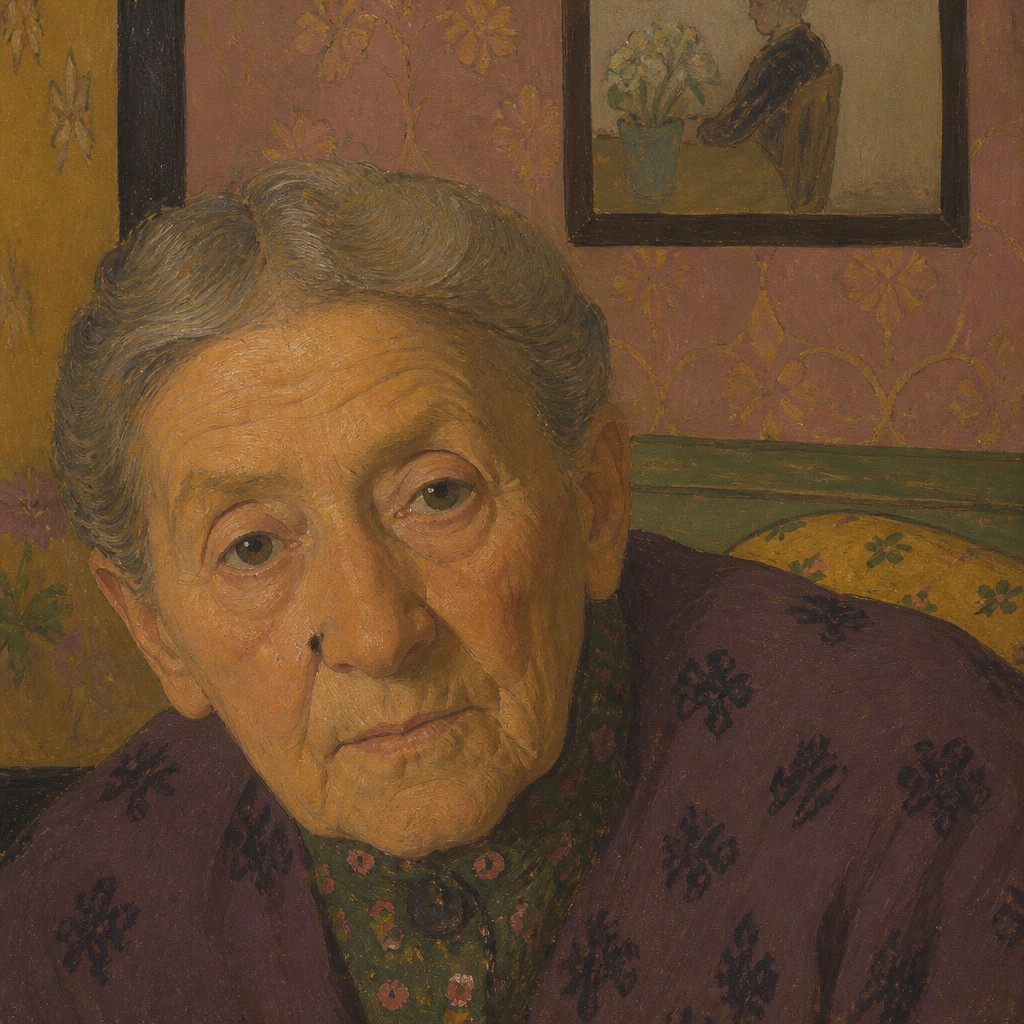
“close-up portrait of an elderly person with expressive weathered features”
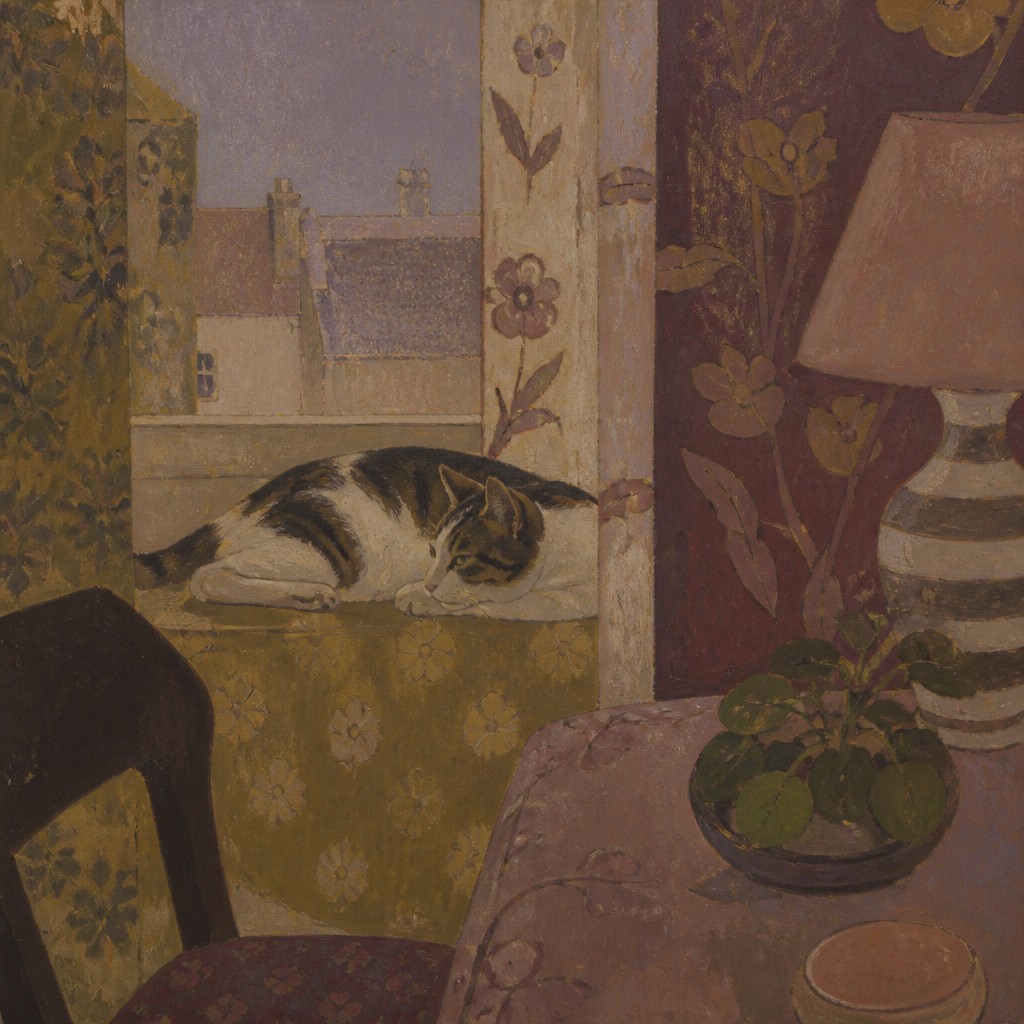
“a cat lounging in a sunlit window”
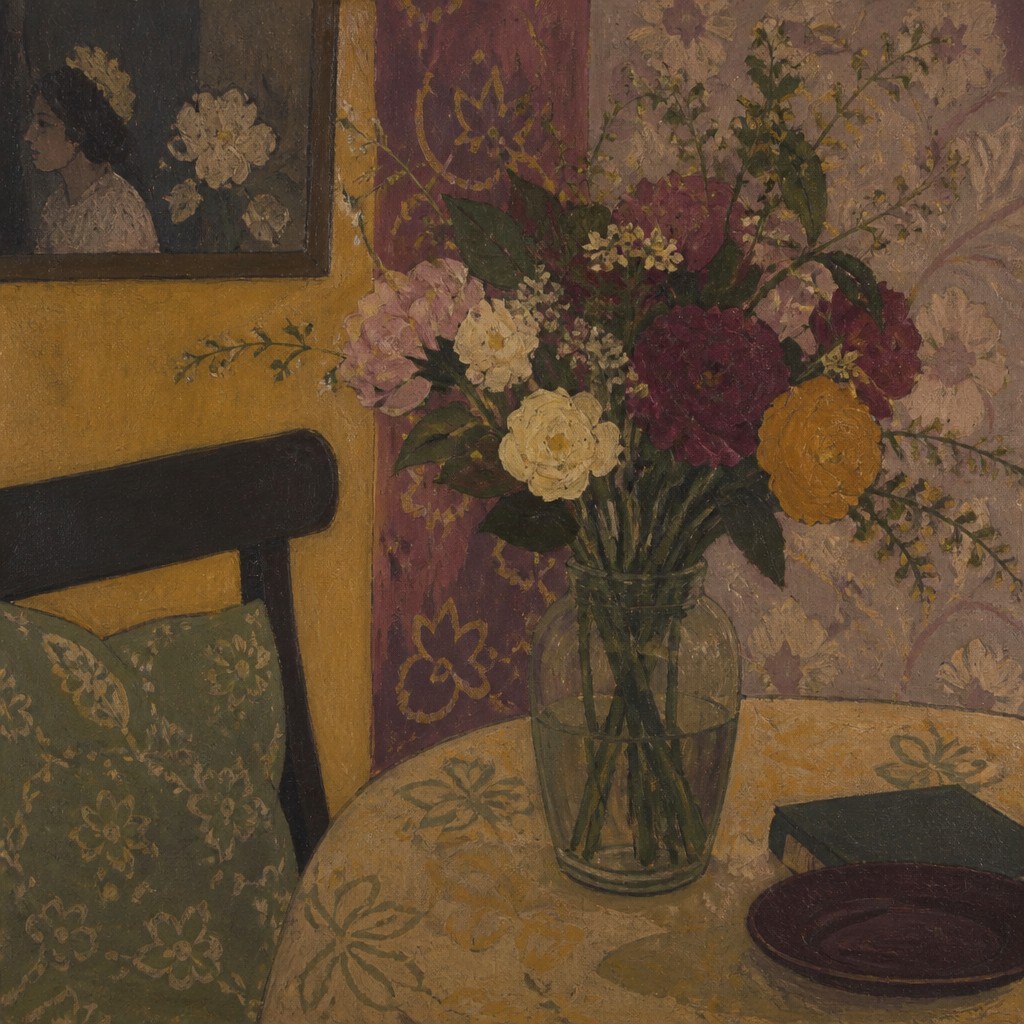
“bouquet of flowers in a glass vase”
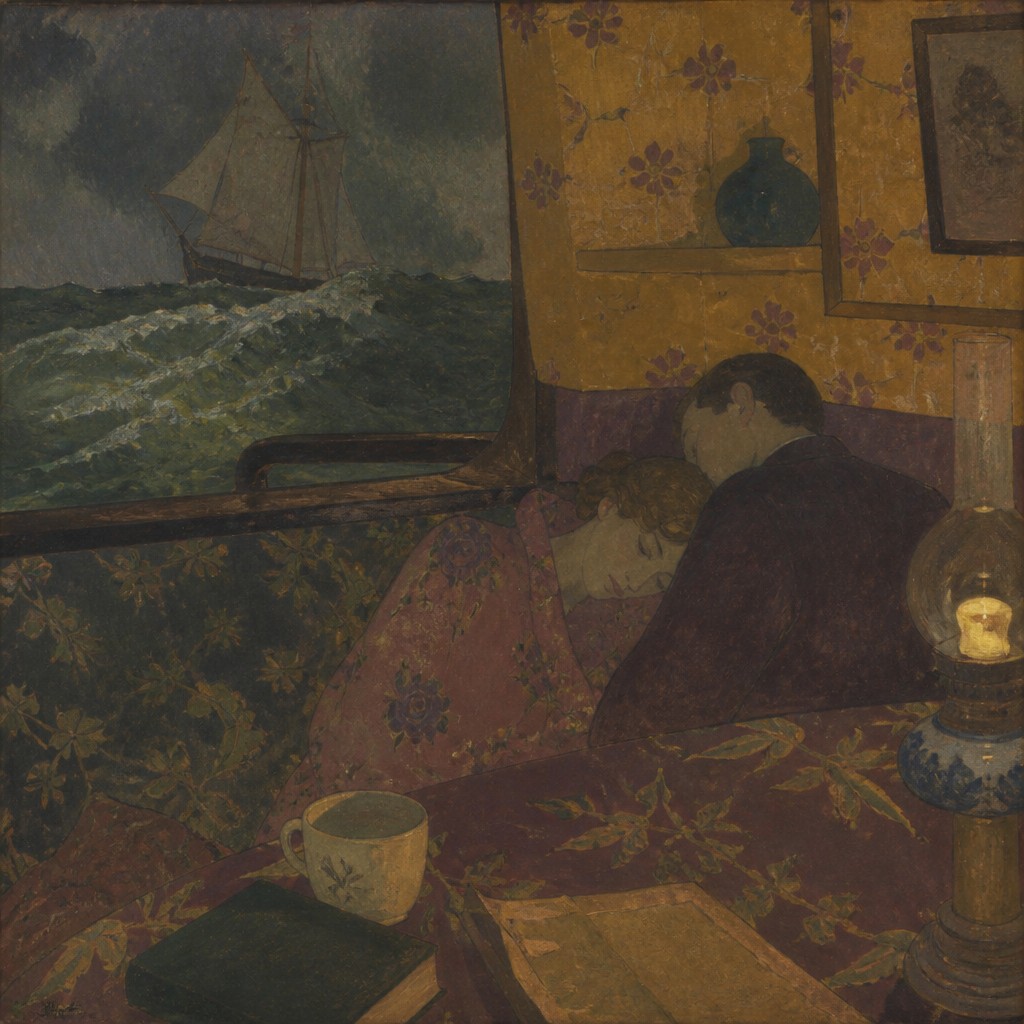
“sailing ship on a stormy sea”
How to Create Les Nabis Art
Master the craft step by step — or skip straight to creating. Read the full guide →
- 1
Begin with a quiet interior
Choose a domestic subject such as a bedroom, dining room, studio, or hallway and include one or two figures engaged in an ordinary activity. Build the image around atmosphere and relationships between shapes rather than dramatic action.
- 2
Flatten the perspective
Reduce vanishing-point depth, use broad overlapping planes, and let walls, floors, furniture, and bodies share a shallow visual field. A slightly elevated or cropped viewpoint can reinforce the decorative effect.
- 3
Design the pattern system
Assign distinct but related motifs to wallpaper, rugs, curtains, clothing, and upholstery. Keep the patterns subordinate to the overall composition, allowing some edges to merge so the interior feels unified rather than catalogued.
- 4
Use a restrained surface
Work with opaque, matte passages in gouache, tempera, oil, or acrylic, and avoid excessive glossy blending. In digital painting, textured brushes, low-contrast layers, and limited tonal steps can imitate the tactile calm of painted decoration.
- 5
Control the palette and light
Start with a small family of mustard, plum, moss, dusty rose, cream, and brown, then reserve the lightest values for a lamp, window, or pale fabric. Keep shadows colored and soft instead of using stark black.
- 6
Write focused generation prompts
For text-to-image work, specify the interior, figures, patterned materials, cropped composition, matte medium, muted palette, and lamplit mood. For image-to-image work, preserve the source subject while requesting flattened planes, simplified contours, integrated wallpaper and textile motifs, and reduced perspective.
The Story
History & Origins of Les Nabis
Les Nabis formed in France around 1888 among young painters influenced by the flattening of space and expressive color associated with late Post-Impressionism and Symbolism. The name, derived from a Hebrew word meaning “prophets,” signaled their belief that painting could become a spiritually and socially meaningful form of decoration rather than a purely naturalistic imitation of the visible world.
During the 1890s, the movement expanded beyond easel painting into posters, book design, stained glass, theater decoration, screens, murals, and other applied arts. Its members did not follow one uniform formula: some emphasized intimate domestic scenes and subdued tonal harmony, while others pursued more abstract, mystical, or theatrical effects. The movement gradually dissolved around the beginning of the twentieth century, but its synthesis of painting and interior decoration influenced modern decorative art, expressionist design, and later approaches to pattern and flat composition.
Influences: Les Nabis grew from late Post-Impressionism, Symbolism, and the synthetist preference for simplified forms, broad color areas, and expressive rather than strictly naturalistic design. It also absorbed lessons from Japanese woodblock prints, medieval and folk decoration, illustrated books, theater design, stained glass, and the Arts and Crafts movement. Its interest in uniting fine art with wallpaper, screens, posters, textiles, and interiors connects it to later Art Nouveau, modern decorative painting, and twentieth-century approaches to pattern-based composition.
Frequently Asked Questions
What defines the Les Nabis art style?
It is defined by flattened space, decorative pattern, simplified contours, muted color, and intimate subjects drawn from domestic life. Wallpaper, textiles, furniture, and figures are treated as interconnected parts of one ornamental composition.
When and where did Les Nabis develop?
The movement developed in France around 1888 and remained active mainly through the 1890s. It emerged from the artistic climate of late Post-Impressionism and Symbolism and gradually extended into applied and decorative arts.
How is Les Nabis different from Impressionism?
Impressionism generally emphasizes changing light, optical observation, and visible brushwork in a more spatially descriptive scene. Les Nabis instead compresses depth, organizes the image through pattern and broad color fields, and often prioritizes mood and decoration over the direct recording of light.
Is Les Nabis the same as Art Nouveau?
No. They overlap historically and share an interest in decoration, organic motifs, and the unity of art and design. Les Nabis began primarily as a painting movement, while Art Nouveau became a broader international design language encompassing architecture, furniture, illustration, and ornamental objects.
What materials work well for making this style traditionally?
Gouache, tempera, matte acrylic, and oil paint can all support its opaque color fields and simplified modeling. Screens, murals, posters, textiles, and decorative panels are also appropriate because the movement deliberately blurred the boundary between painting and interior design.
How can I create a convincing Les Nabis-inspired digital image?
Describe a quiet interior, shallow perspective, integrated wallpaper and textile patterns, a cropped composition, and a restricted matte palette. Avoid prompts that emphasize photorealism, sharp cinematic contrast, glossy surfaces, or highly detailed three-dimensional rendering.
Create your first Les Nabis artwork
Describe anything — or upload a photo — and see it in Les Nabis Art Style in seconds.
Related Styles
Discover similar art styles