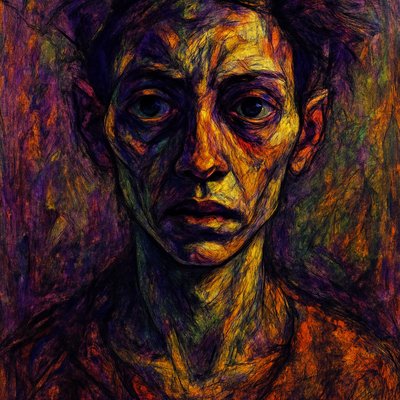
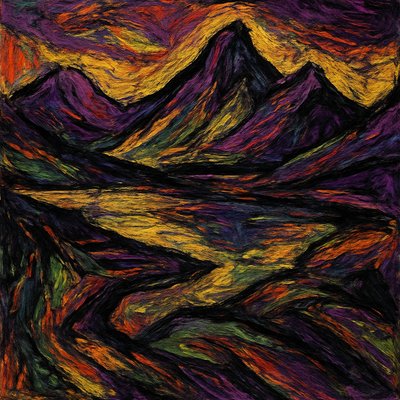
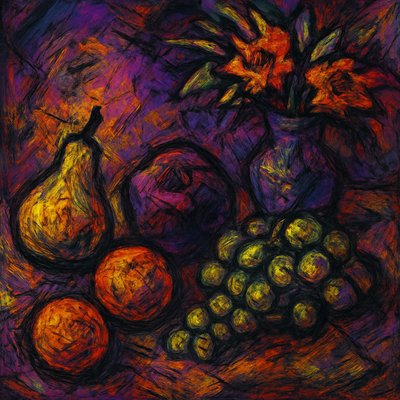
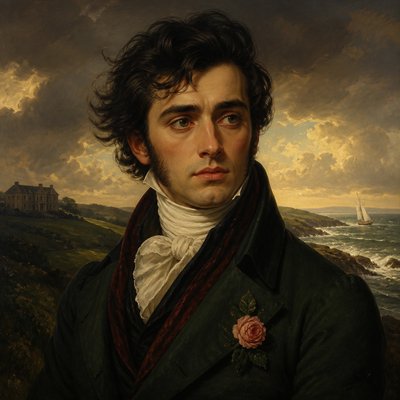
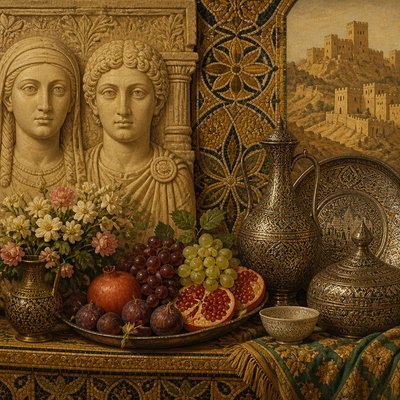
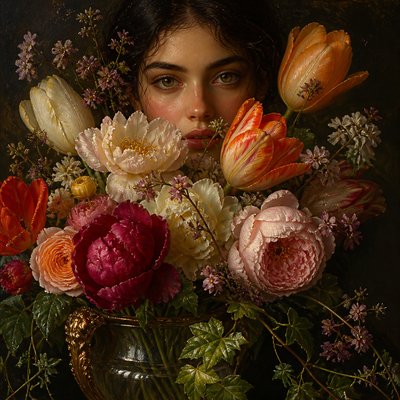
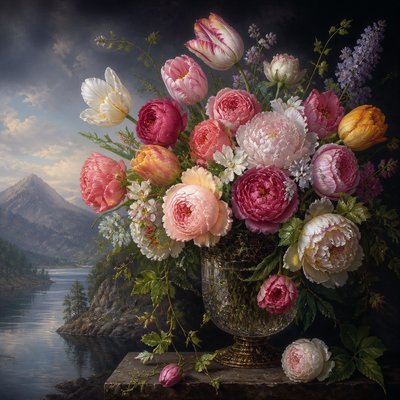
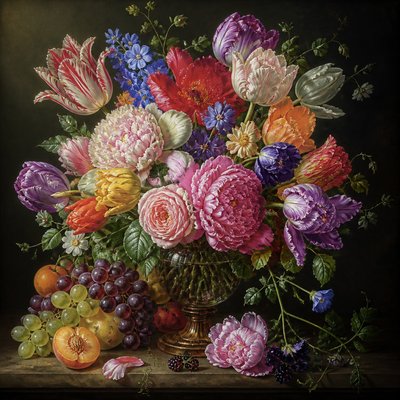
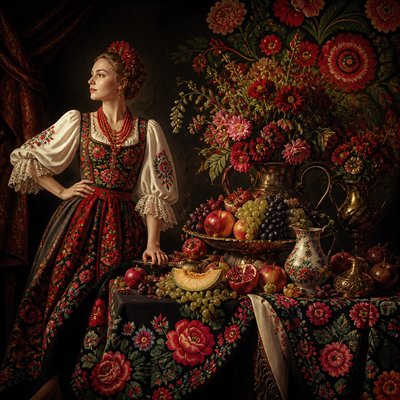
Group Portrait Painting Style
Explore group portrait painting: lively civic compositions, individualized faces, dark costumes, warm interiors, and collective social presence.
Instantly rendered in Group Portrait Painting — or transform a photo
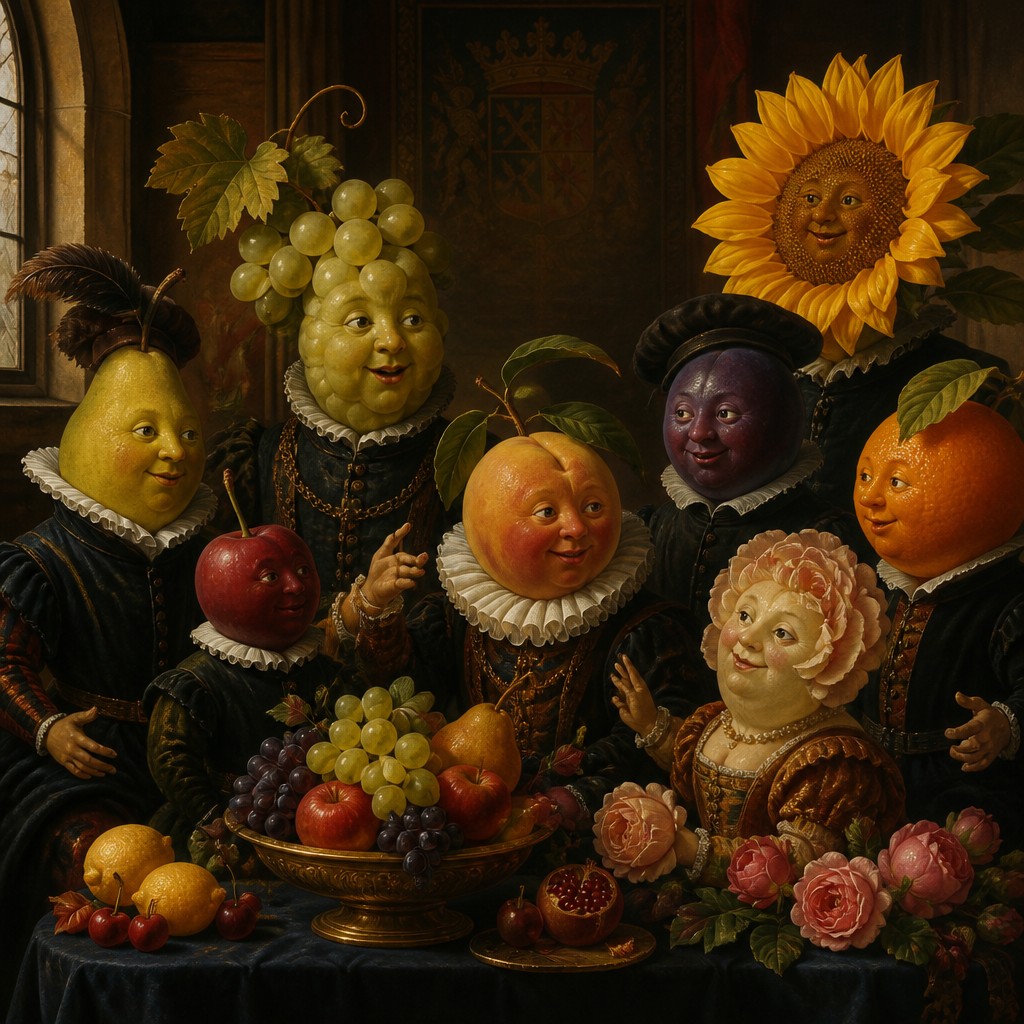
Group Portrait Painting Gallery
Tap any artwork to explore it
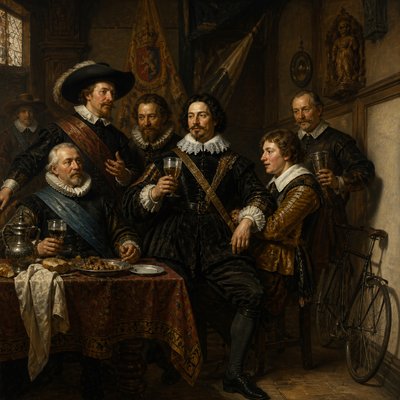
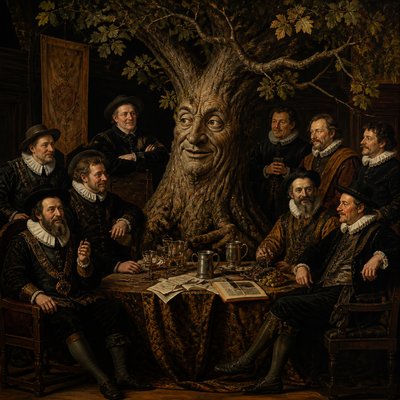
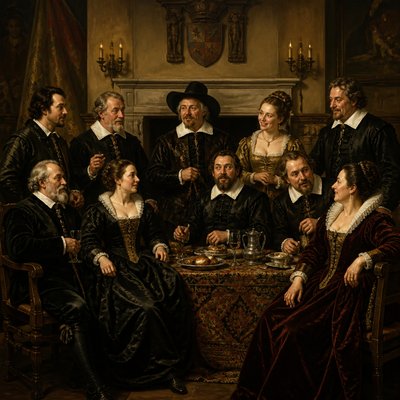
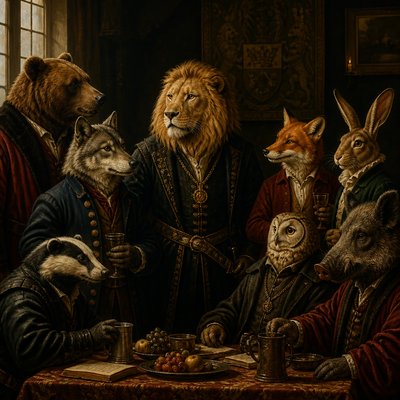
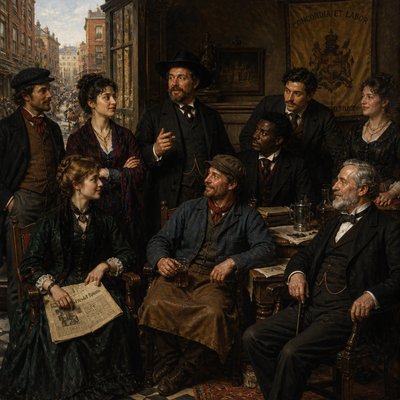
What is Group Portrait Painting Style?
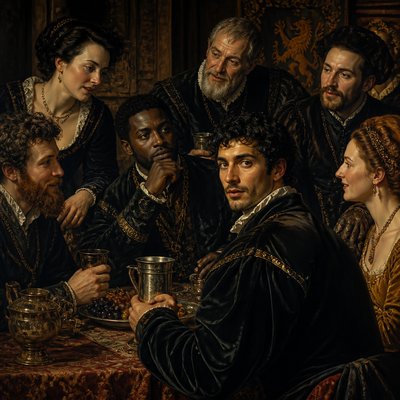
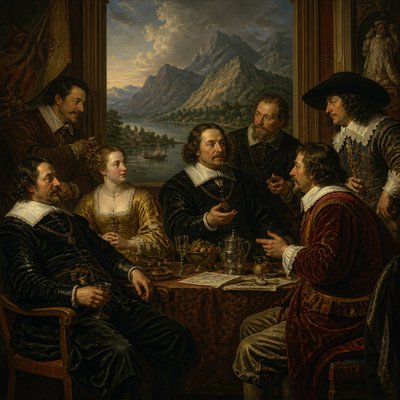
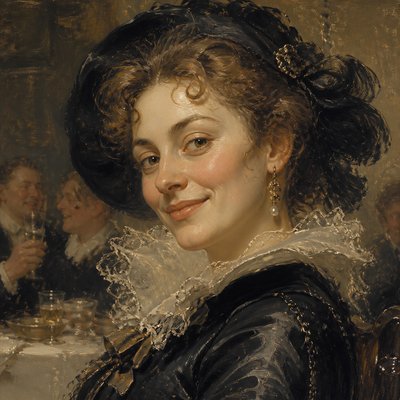
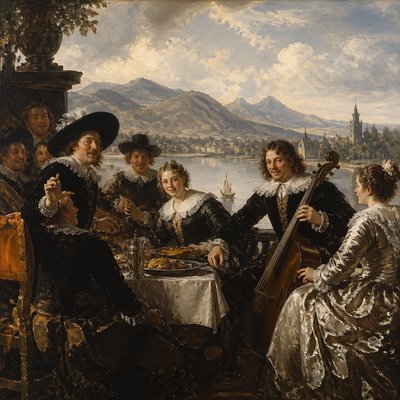
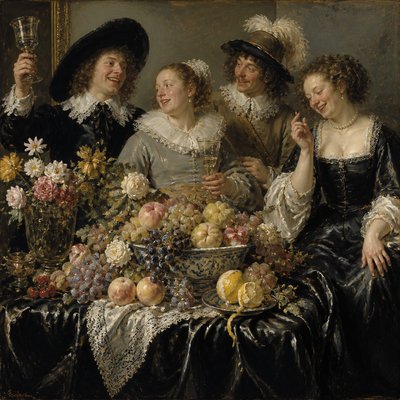
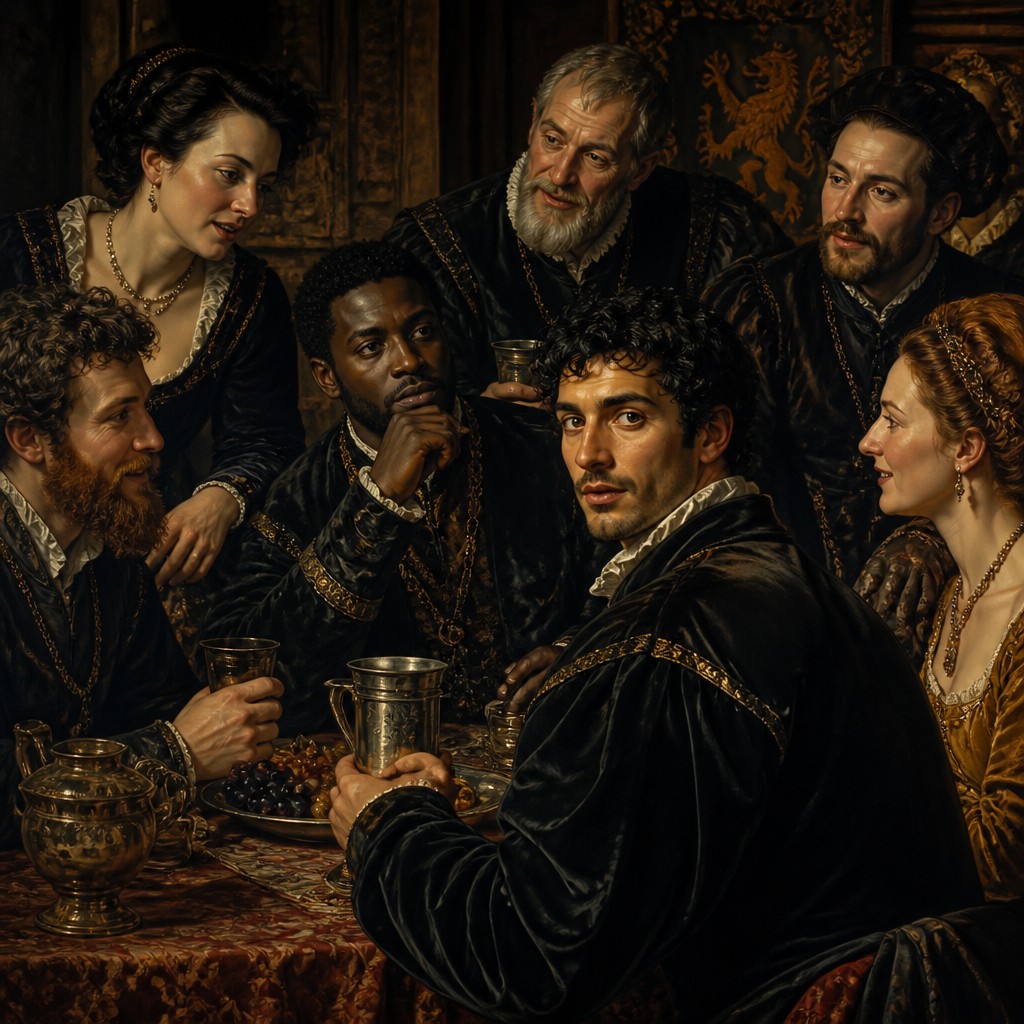
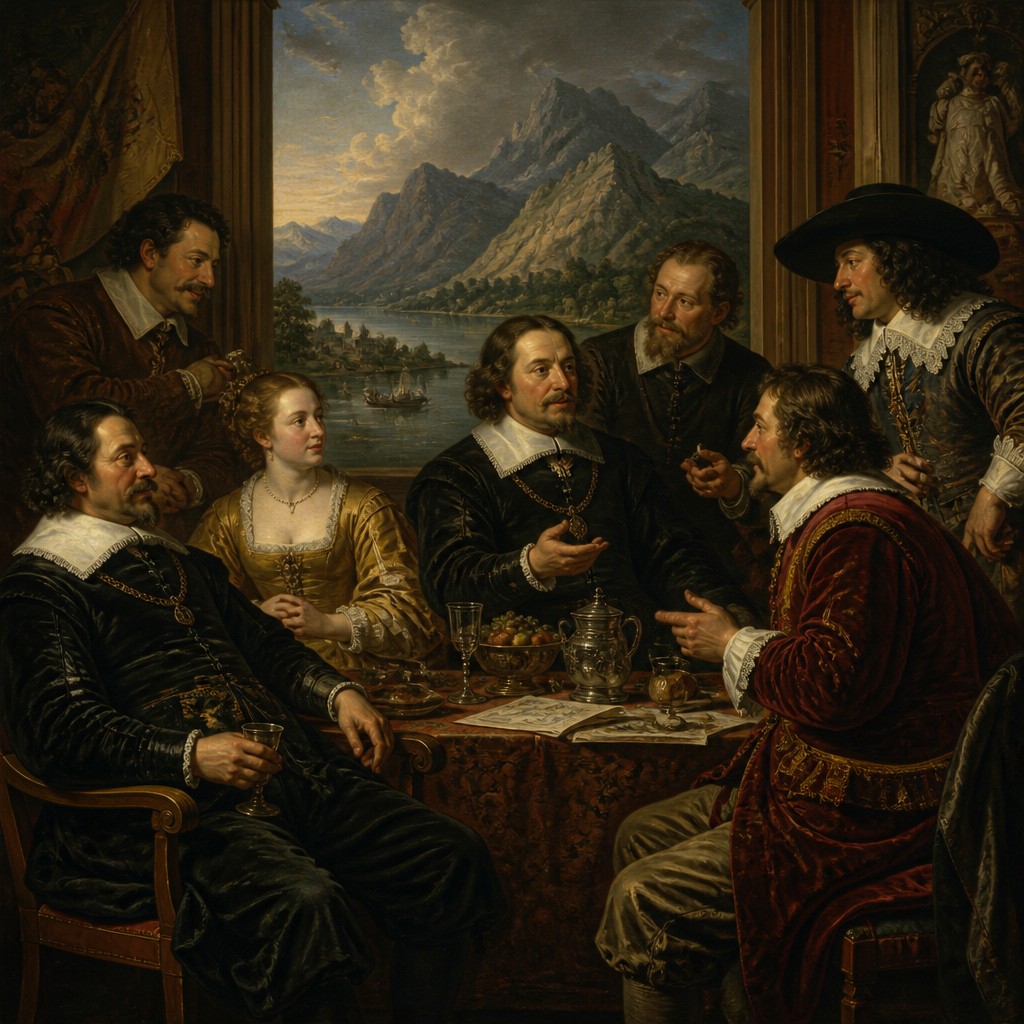
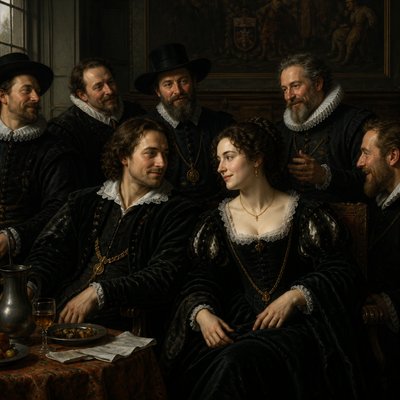
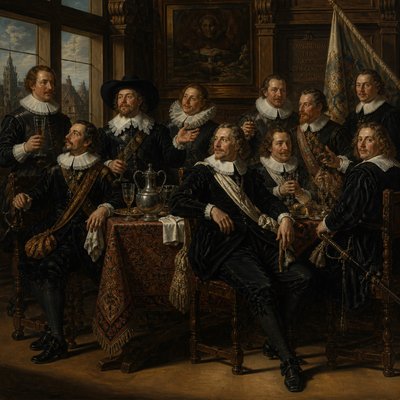
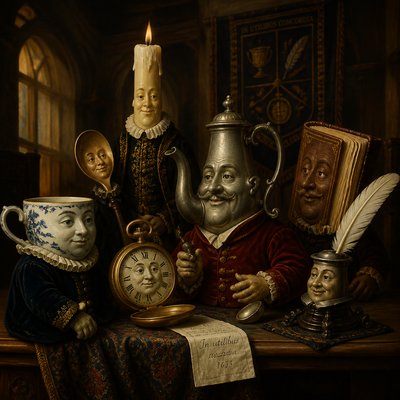
Group portrait painting presents several people together as a socially connected ensemble rather than as isolated sitters. Figures may gather around a banquet table, stand in a guild hall, pose as civic officers, or converse within an interior, combining formal portraiture with the visual drama of collective action.
Its identity depends on balance: every face is sufficiently distinct to suggest an individual, yet the composition communicates shared rank, duty, profession, or occasion. Rich dark clothing, warm shadowed rooms, carefully directed light, and varied gestures create a dignified but lively atmosphere. The result is both a record of an institution and a study of relationships within the group.
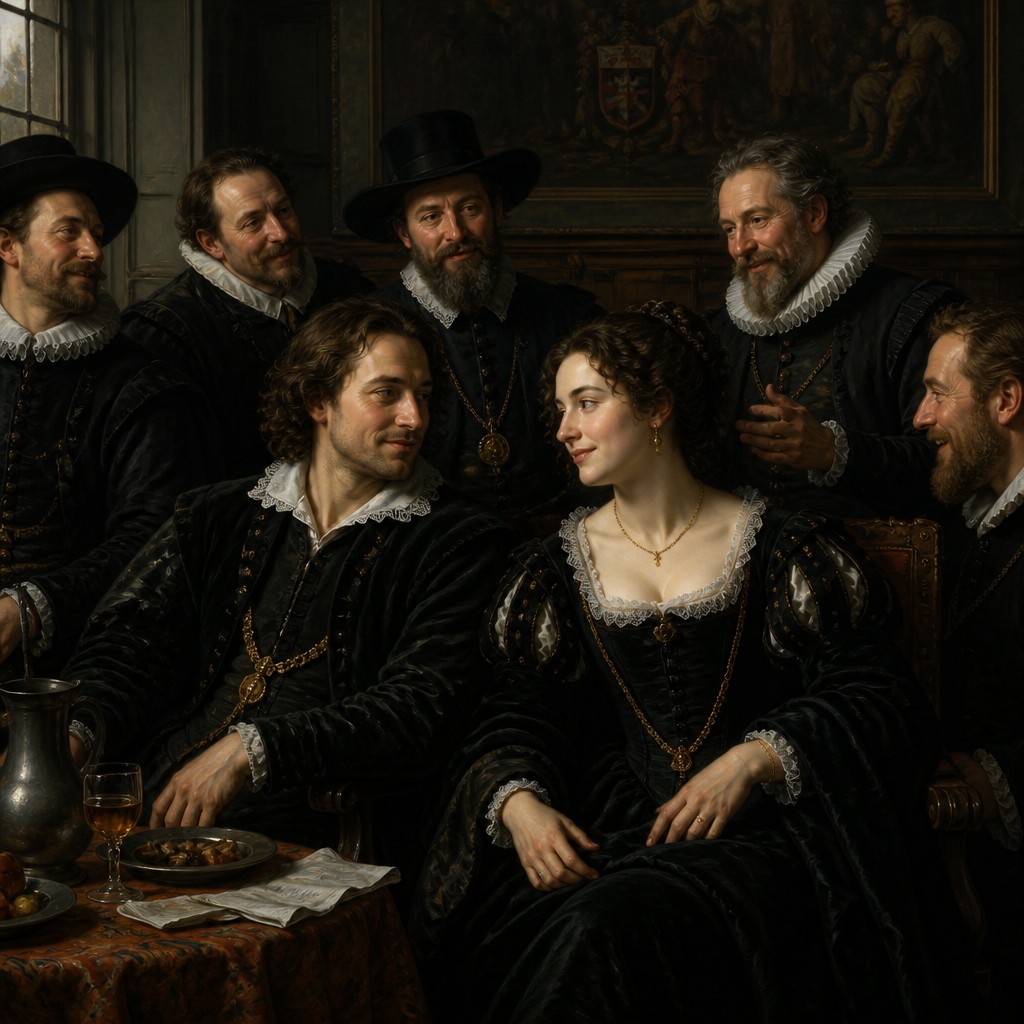
Try It On Your Photos
Upload any photo and convert it into Group Portrait Painting Style — drag the sliders to compare before and after.
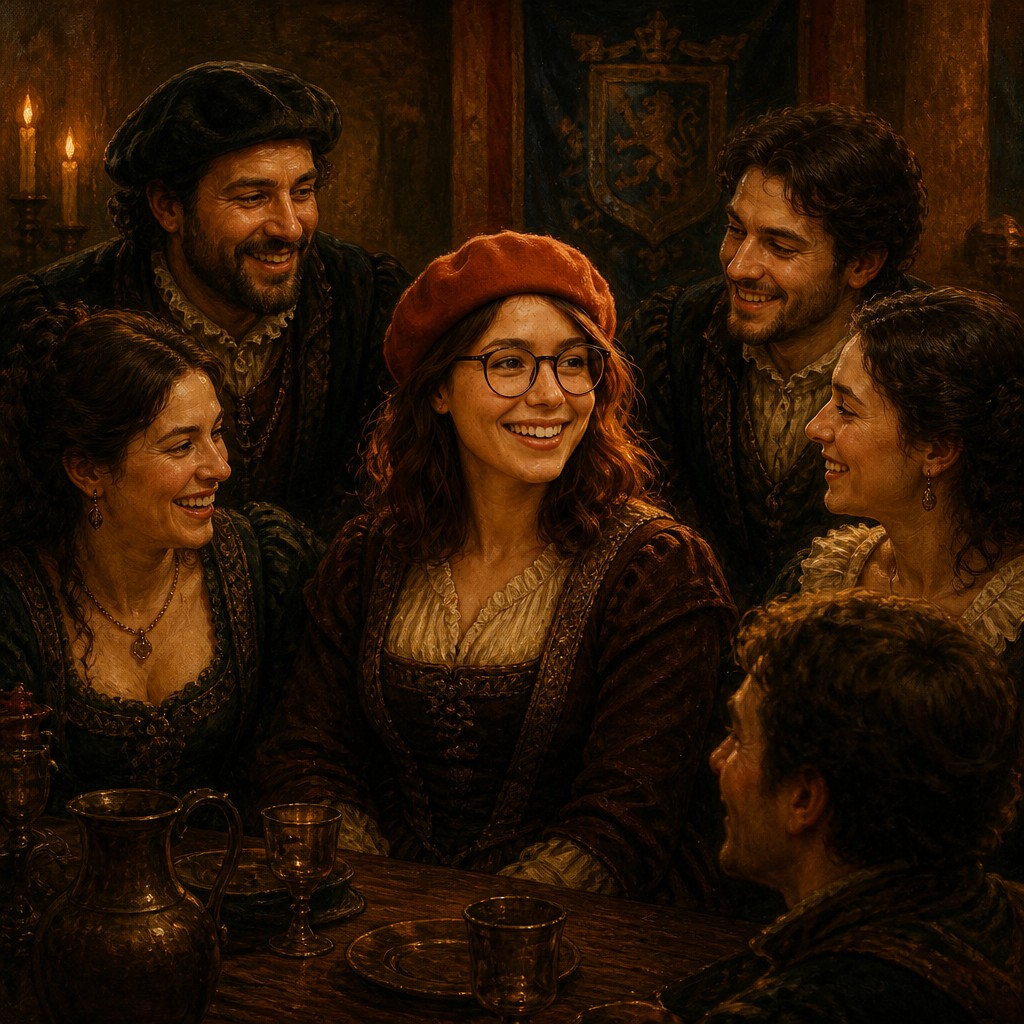

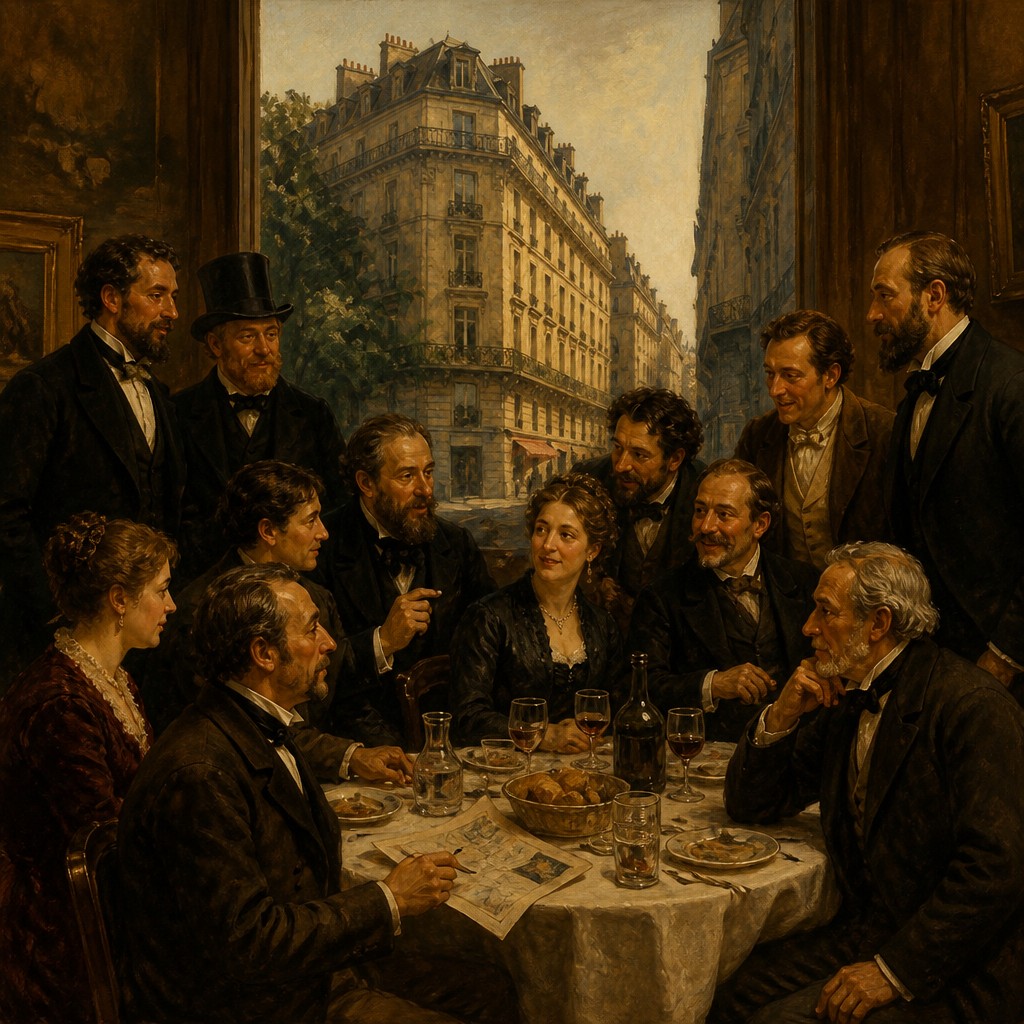

What Defines Group Portrait Painting Style
The signature details, up close
Conversational composition
Figures are arranged in interacting clusters rather than as a rigid lineup. Turned heads, raised hands, exchanged glances, and overlapping poses imply an event taking place within the still image.
Individualized faces
Each participant receives clear facial modeling and a distinct expression, age, and bearing. Recognition of the individual remains important even when the group represents a larger institution.
Civic or institutional setting
Banquet halls, guild rooms, council chambers, company offices, and other formal interiors provide a sense of shared purpose. Tables, documents, weapons, ceremonial objects, and architectural details can identify the group's role.
Warm chiaroscuro
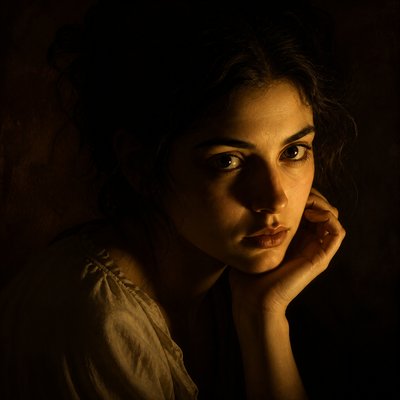
Directional light emerges from a dim, warm-toned interior, illuminating faces, hands, collars, and selected objects. Deep shadows unify the composition and give the gathering a serious, tactile atmosphere.
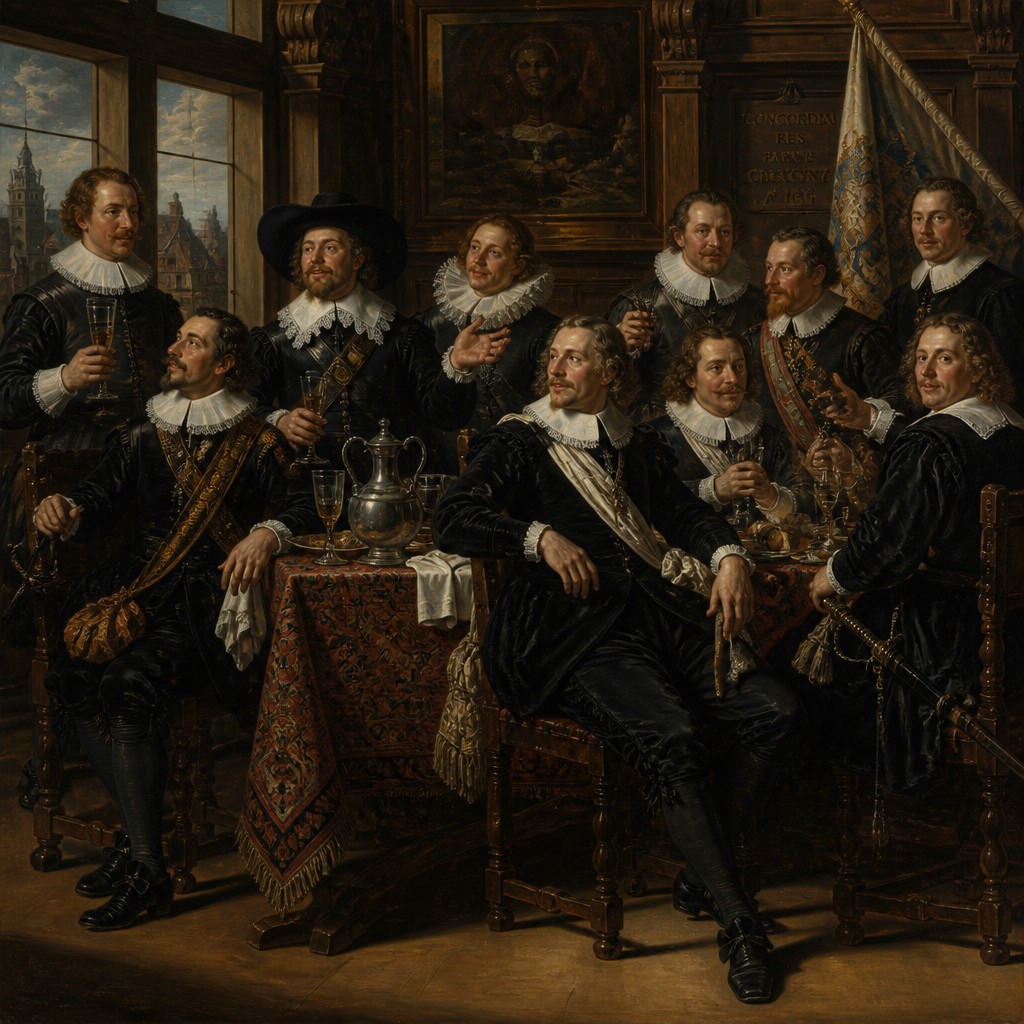
Dark formal costume
Black, brown, burgundy, navy, and muted earth colors dominate many versions of the style. Contrasting white linen, polished metal, ribbons, or subdued ornament provide visual accents without weakening the collective dignity.
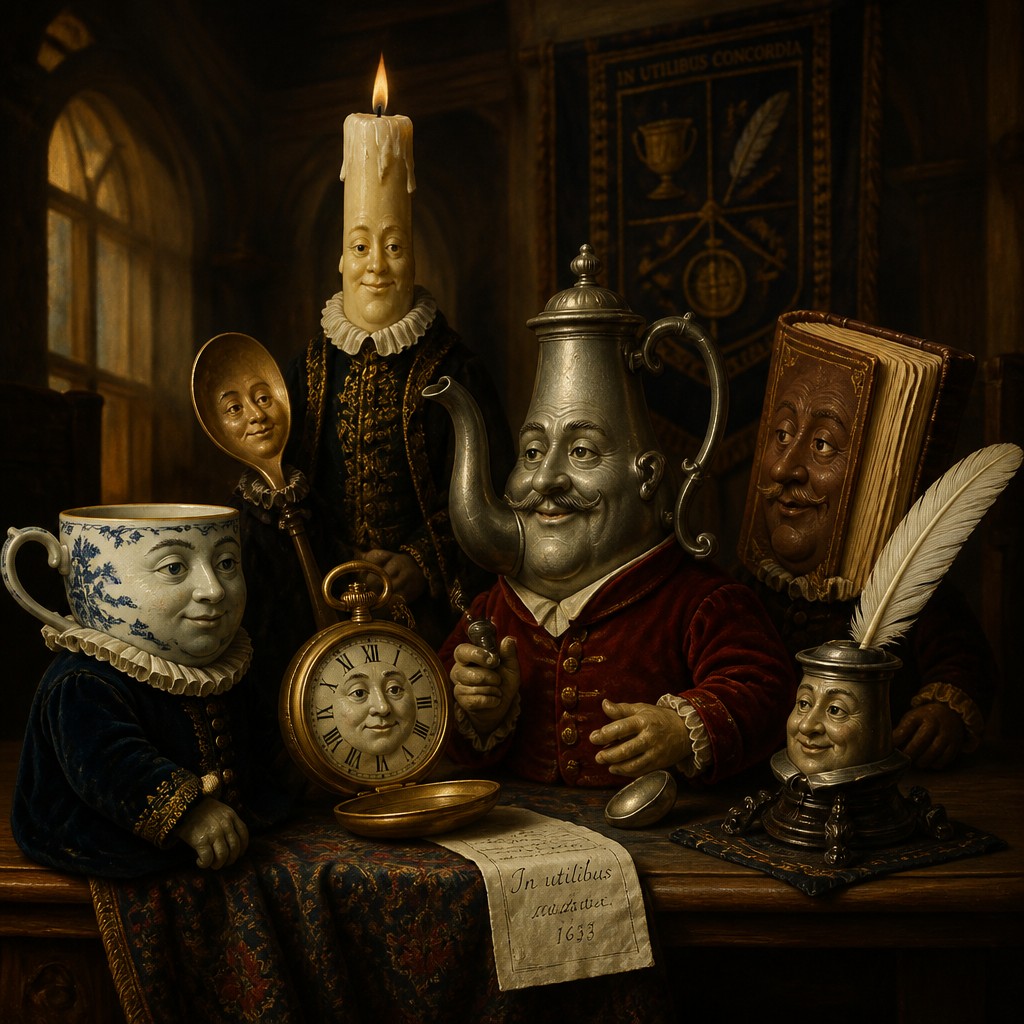
Collective yet hierarchical presence
The image presents the group as a unified body while positioning some figures more prominently through light, gesture, scale, or central placement. Authority is communicated subtly through posture and attention.
Try It
Create Videos in Group Portrait Painting Style
Styles aren't just for stills — describe a scene or animate an image and get a short video rendered in Group Portrait Painting. Press play to see this pond come to life.
Make a VideoGroup Portrait Painting Prompt Ideas
Start from an idea — each one opens the generator with the style ready to go. See all 40 Group Portrait Painting prompts →
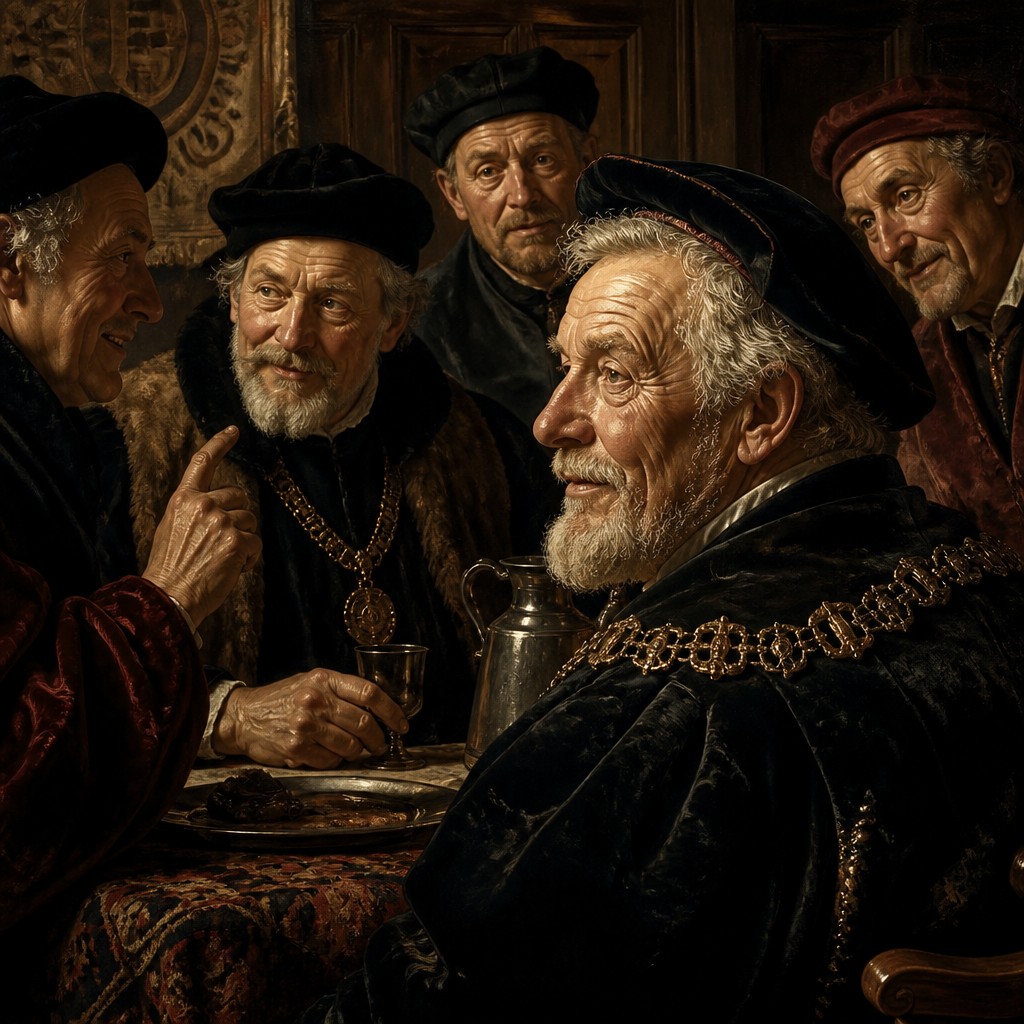
“close-up portrait of an elderly person with expressive weathered features”
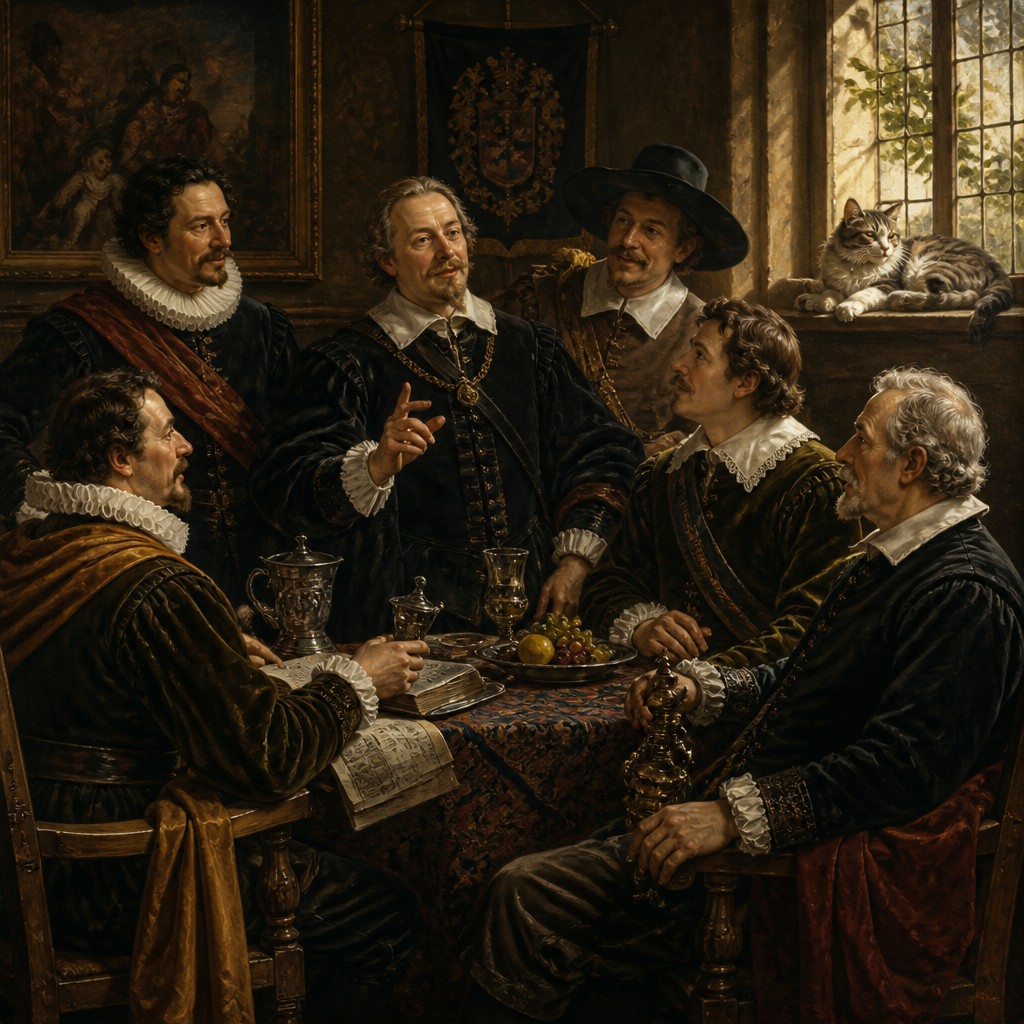
“a cat lounging in a sunlit window”
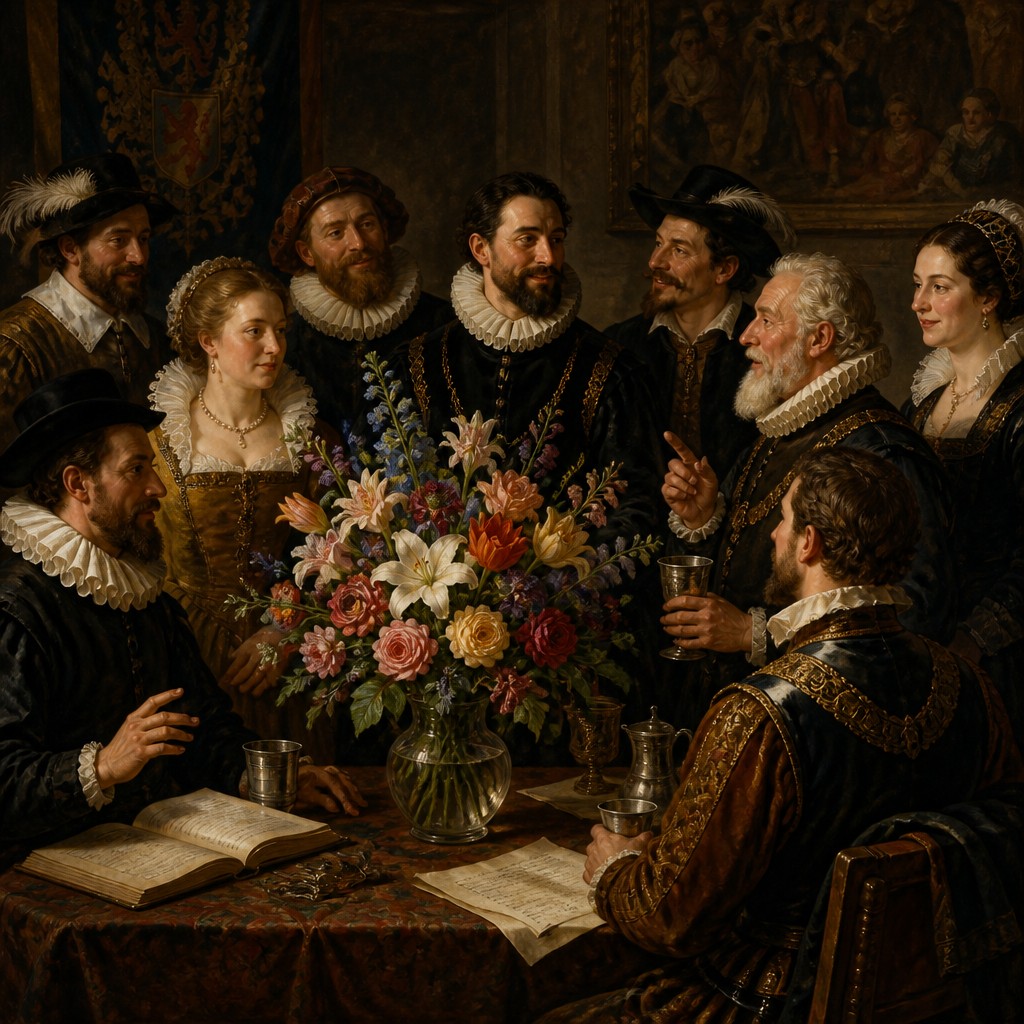
“bouquet of flowers in a glass vase”
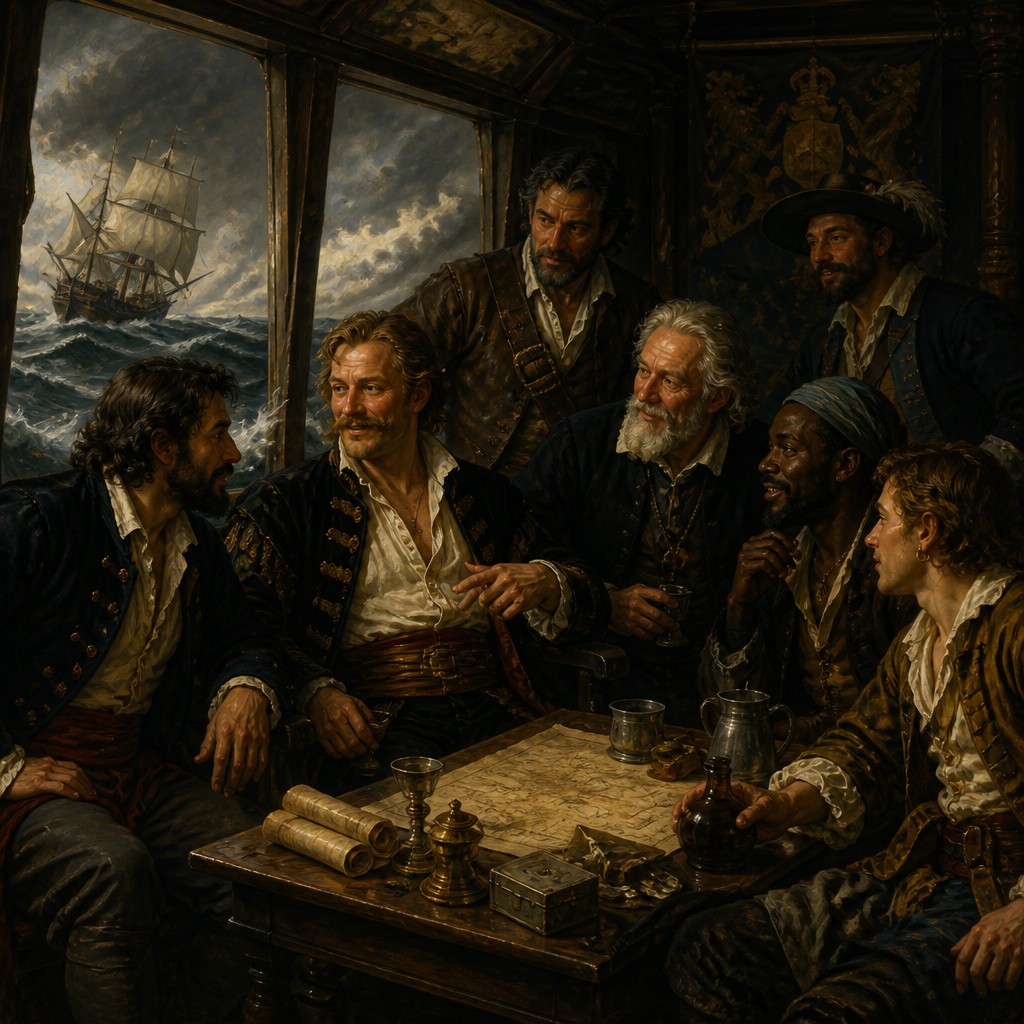
“sailing ship on a stormy sea”
How to Create Group Portrait Painting Art
Master the craft step by step — or skip straight to creating. Read the full guide →
- 1
Plan the group structure
Begin with a thumbnail showing the main triangle or arc of figures, the table or architectural anchor, and the direction of attention. Avoid placing every face at the same height or turning every sitter directly toward the viewer.
- 2
Model faces and hands carefully
Use controlled tonal transitions on faces, hands, and collars so each person remains legible. Vary expressions and gestures, but keep the lighting direction consistent across the entire group.
- 3
Build a dark interior palette
Establish warm umbers, deep reds, charcoal blacks, and muted golds before adding lighter accents. In traditional painting, layered glazes and restrained highlights can create the depth associated with old varnished interiors; digitally, use soft atmospheric shadows and selective rim light.
- 4
Use meaningful props
Add objects that explain why the people are gathered, such as ledgers, ceremonial cups, maps, tools, instruments, or official papers. Keep props subordinate to the faces and gestures so the scene does not become an inventory.
- 5
Write a specific generation prompt
Describe the number and arrangement of figures, their relationships, setting, lighting, costume, and emotional tone. For image transformation, preserve recognizable facial structure while requesting unified period-appropriate lighting, painterly texture, and a coherent interior background.

The Story
History & Origins of Group Portrait Painting
The style belongs to the long European tradition of civic, corporate, military, charitable, and family group portraiture. It became especially prominent in the prosperous urban culture of the sixteenth and seventeenth centuries, when governing boards, guilds, civic guards, and charitable institutions commissioned large paintings to preserve the identity of their members and affirm their public responsibilities.
Earlier group images often arranged figures in orderly rows, but later painters developed more animated compositions in which people turn, speak, gesture, or respond to one another. The tradition continued through eighteenth- and nineteenth-century institutional portraiture and remains relevant to commemorative paintings, official ceremonies, historical reconstructions, and contemporary images of organizations.
Influences: The style draws on European civic and corporate portraiture, especially the urban group commissions of the Dutch Golden Age, as well as Baroque chiaroscuro, formal state portraiture, historical genre painting, and the traditions of family and institutional photography. It also relates to banquet scenes, guild imagery, military assembly pictures, and later documentary portraits of professional organizations.
Frequently Asked Questions
What defines group portrait painting?
It combines individual portrait likenesses with a composition designed to show interaction and shared identity. The people are not merely placed side by side; their gestures, gazes, props, and arrangement explain their relationship as a group.
Is group portrait painting a historical movement?
No. It is primarily a genre and commissioning tradition that appeared across different periods and regions. The contemporary style described here synthesizes features strongly associated with European civic and institutional portraits, particularly those made during the sixteenth and seventeenth centuries.
How is it different from a formal class photograph?
A class photograph usually prioritizes equal visibility and documentary clarity through rows and standardized poses. Group portrait painting allows more asymmetry, narrative action, selective lighting, symbolic objects, and differences in status or attention.
How many figures work best in this style?
Five to twelve figures generally provide enough variety for conversation and hierarchy without making faces too small. Larger groups can work, but they require strong staging, overlapping planes, and careful control of focal points.
What lighting should be used?
A single broad side light or high window light works well, especially against a darker interior. Illuminate faces and hands selectively, then let clothing and architectural areas recede into warm, transparent shadow.
Where is this style commonly used today?
It suits commemorative paintings, institutional histories, family scenes, team portraits, editorial illustrations, museum reconstructions, and ceremonial images. It is particularly effective when the subject's shared role or occasion matters as much as individual appearance.
Create your first Group Portrait Painting artwork
Describe anything — or upload a photo — and see it in Group Portrait Painting Style in seconds.
Related Styles
Discover similar art styles