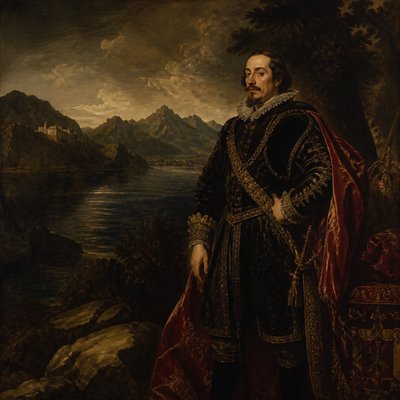
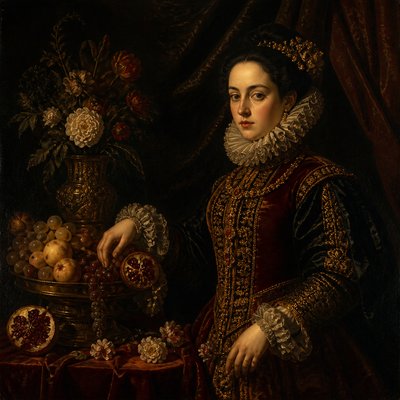
Classic Pet Portrait Art Style
Explore Classic Pet Portrait Art: dignified animal portraits with velvet textures, warm old-master light, rich shadows, and noble character.
Instantly rendered in Classic Pet Portrait — or transform a photo
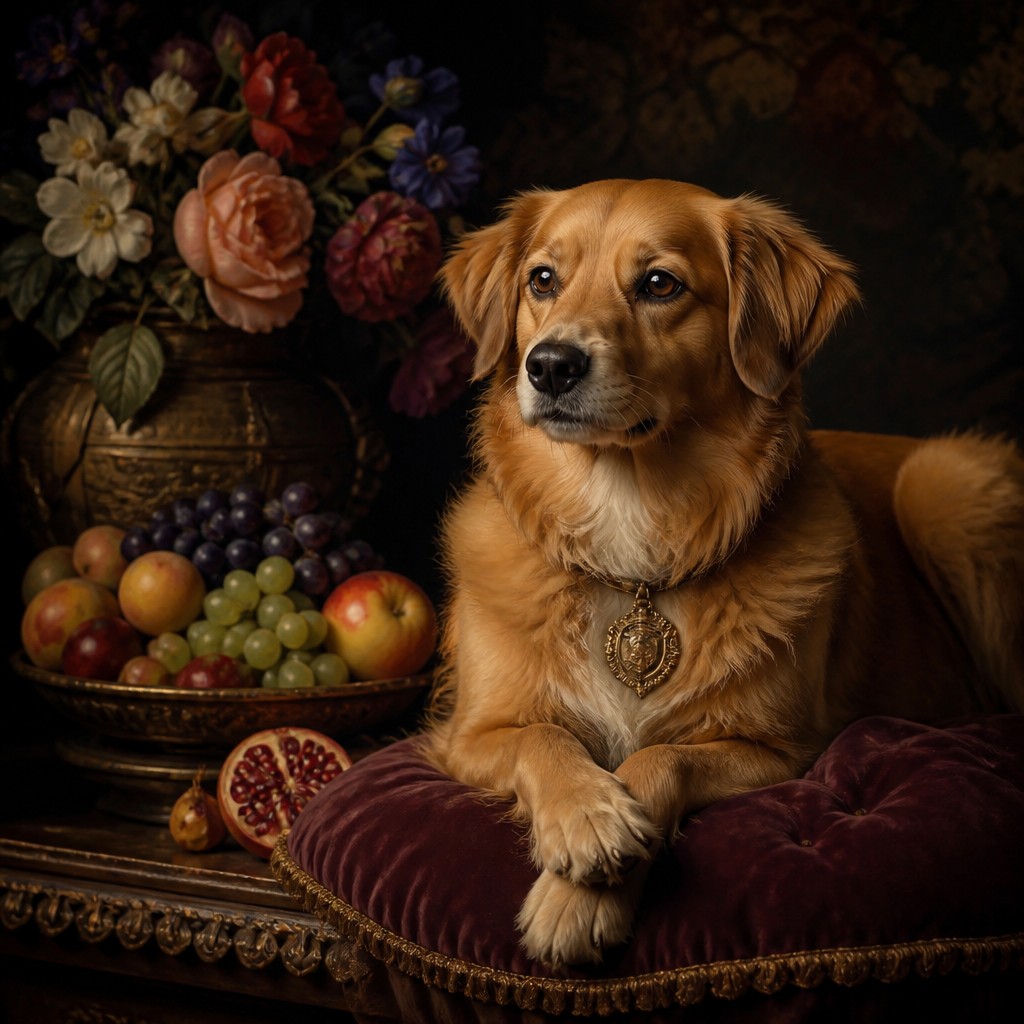
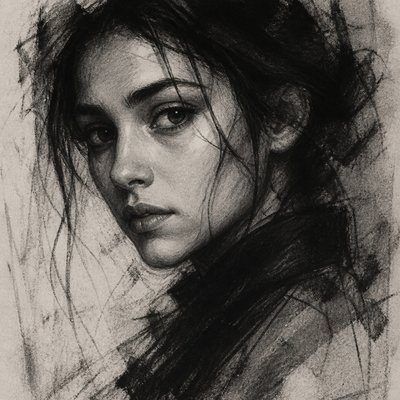
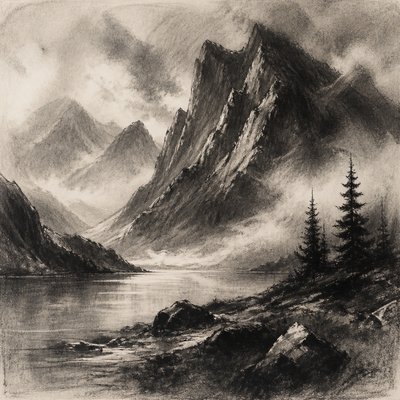
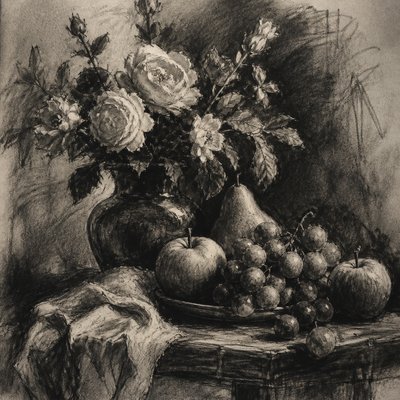
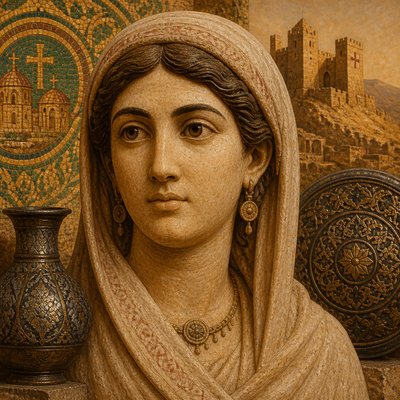
Classic Pet Portrait Gallery
Tap any artwork to explore it
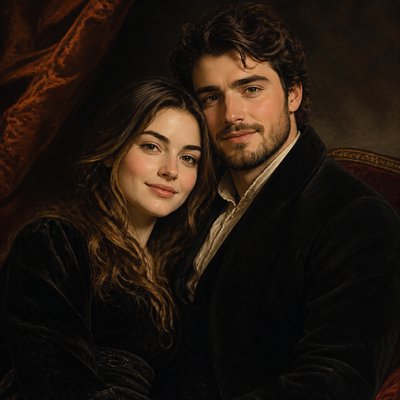
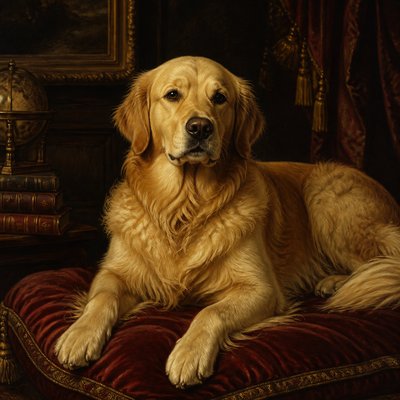
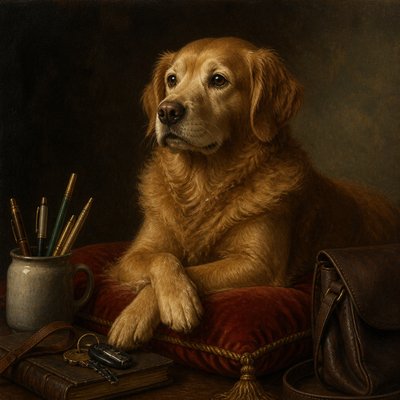
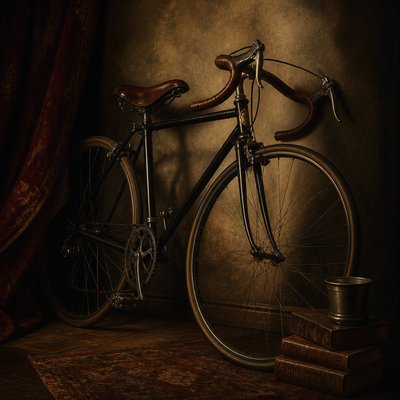
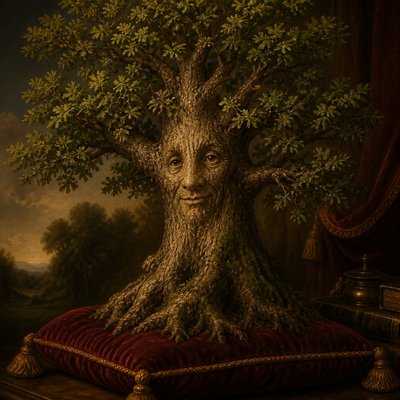
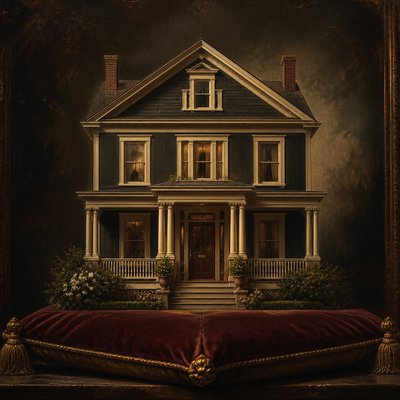
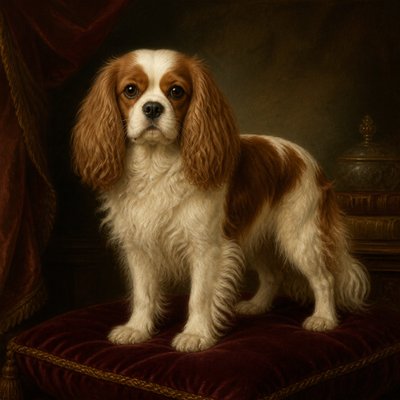
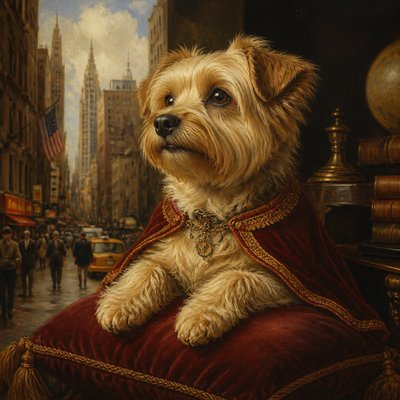
What is Classic Pet Portrait Art Style?
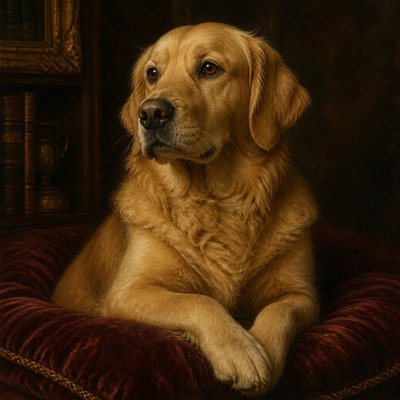
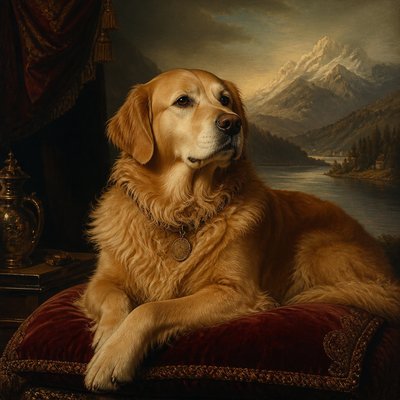
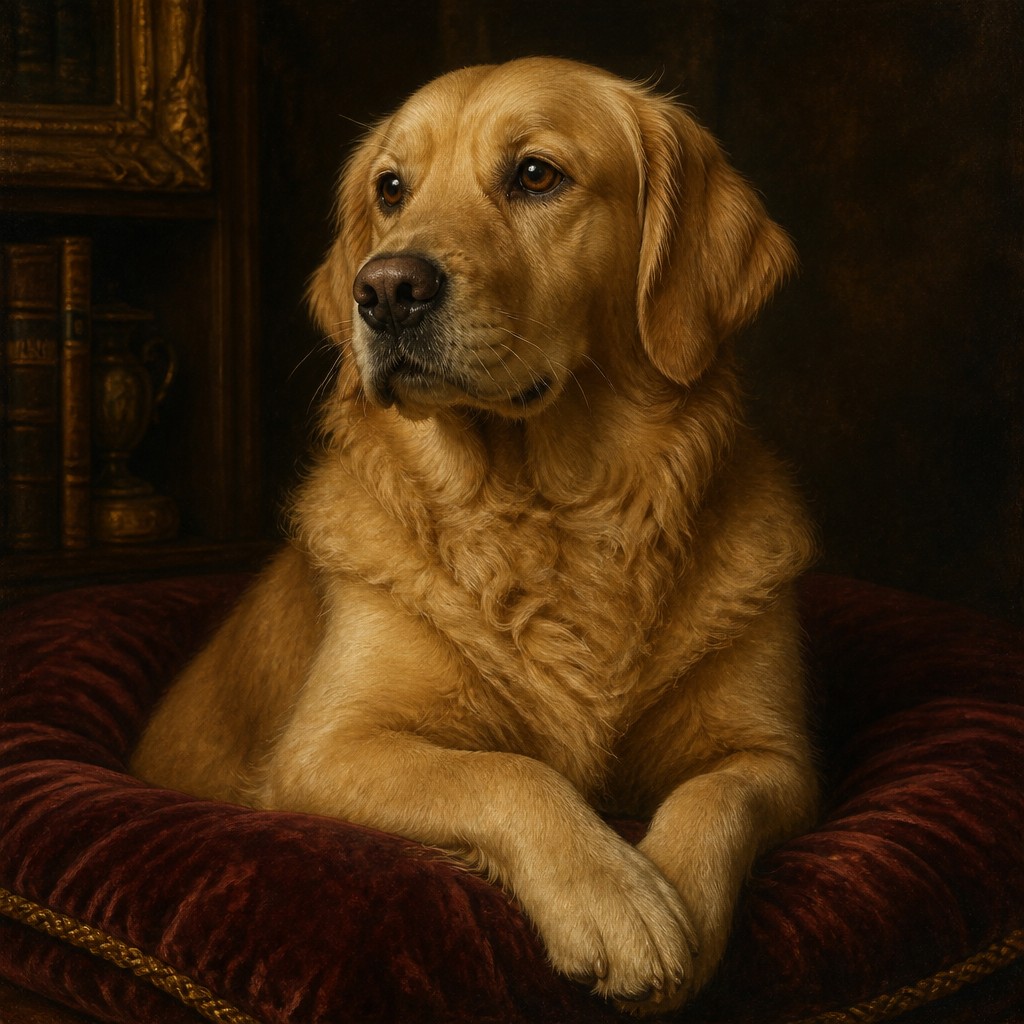
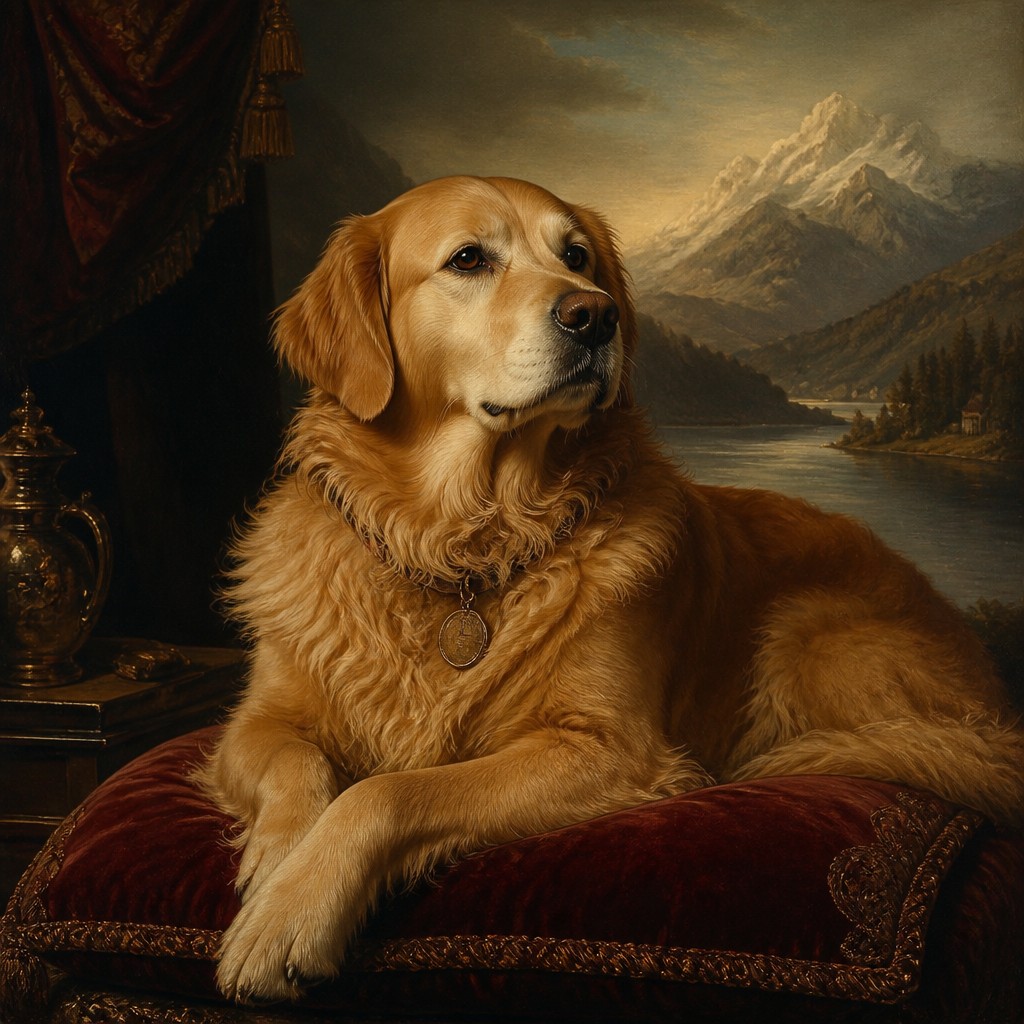
Classic Pet Portrait Art is a stylized portrait tradition that presents a beloved animal with the ceremony, composure, and visual richness once associated with aristocratic portraiture. Dogs, cats, horses, and other companions are posed formally against deep backgrounds, often resting on velvet cushions or placed in an elegant study. The result combines personal affection with the visual language of status, lineage, and quiet dignity.
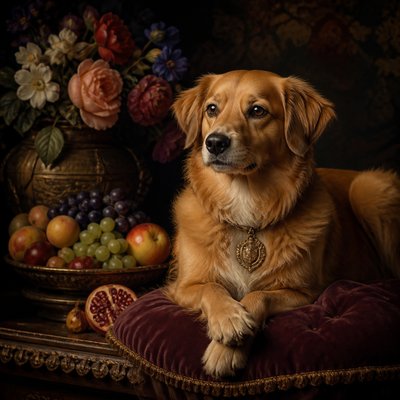
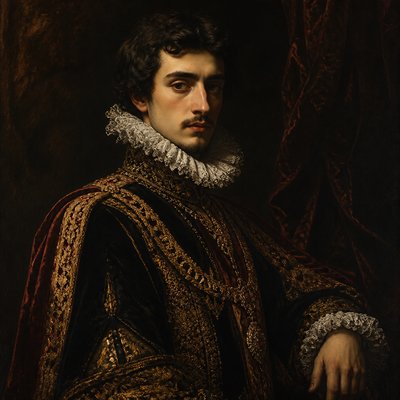
Its identity depends on warm old-master illumination, carefully rendered fur, restrained facial expression, and a palette of umber, oxblood, cream, brass, and muted green. Dark surroundings direct attention toward the animal's face and eyes, while plush textiles and polished accessories provide tactile richness. The style looks intimate rather than comic because the animal is treated as a serious portrait subject, with posture and gaze carrying much of the emotional meaning.
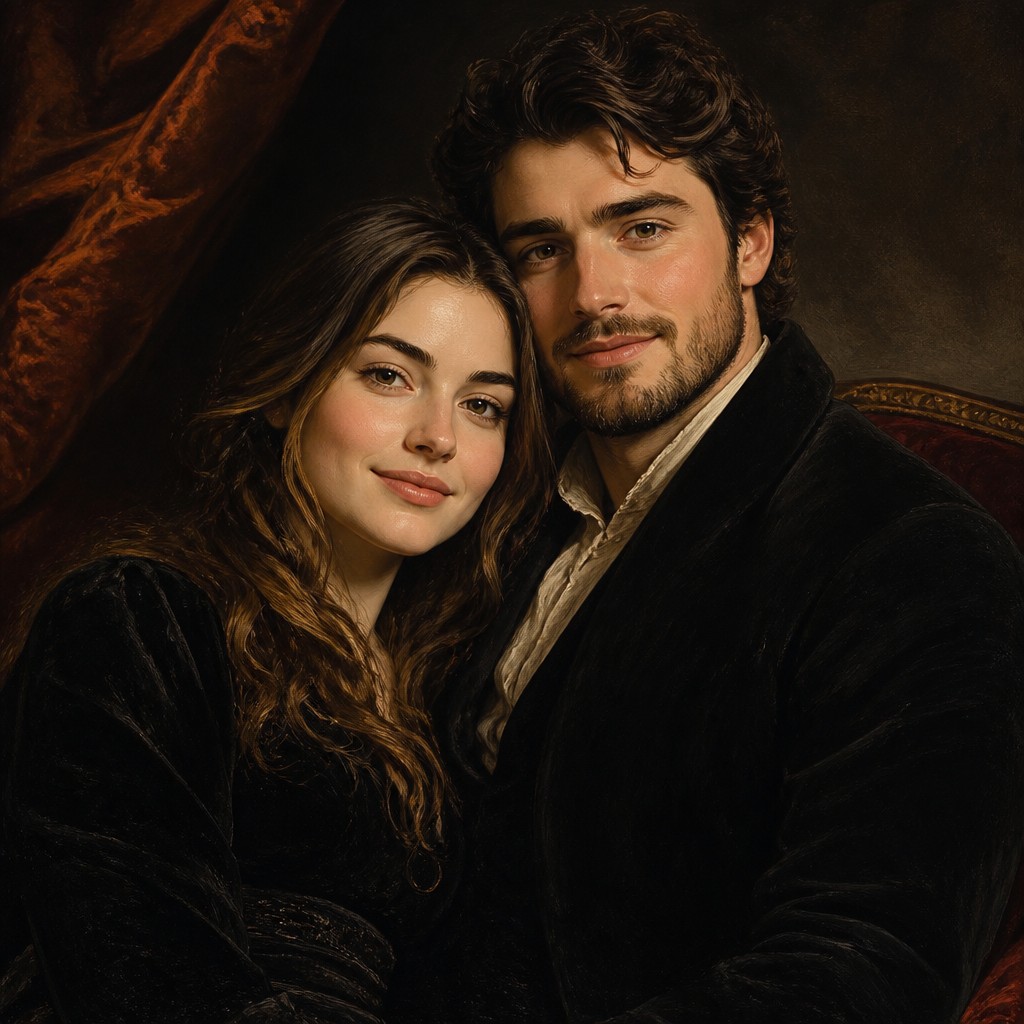
Try It On Your Photos
Upload any photo and convert it into Classic Pet Portrait Art Style — drag the sliders to compare before and after.
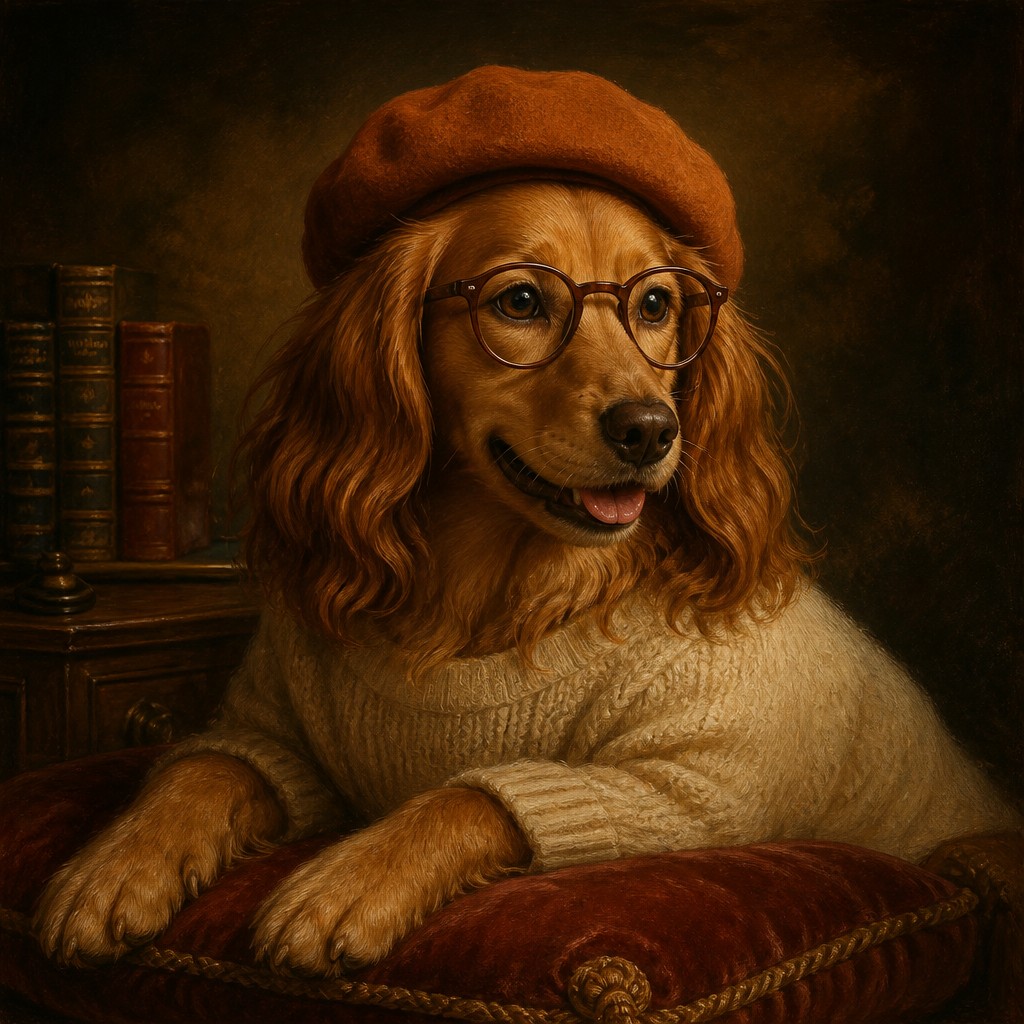

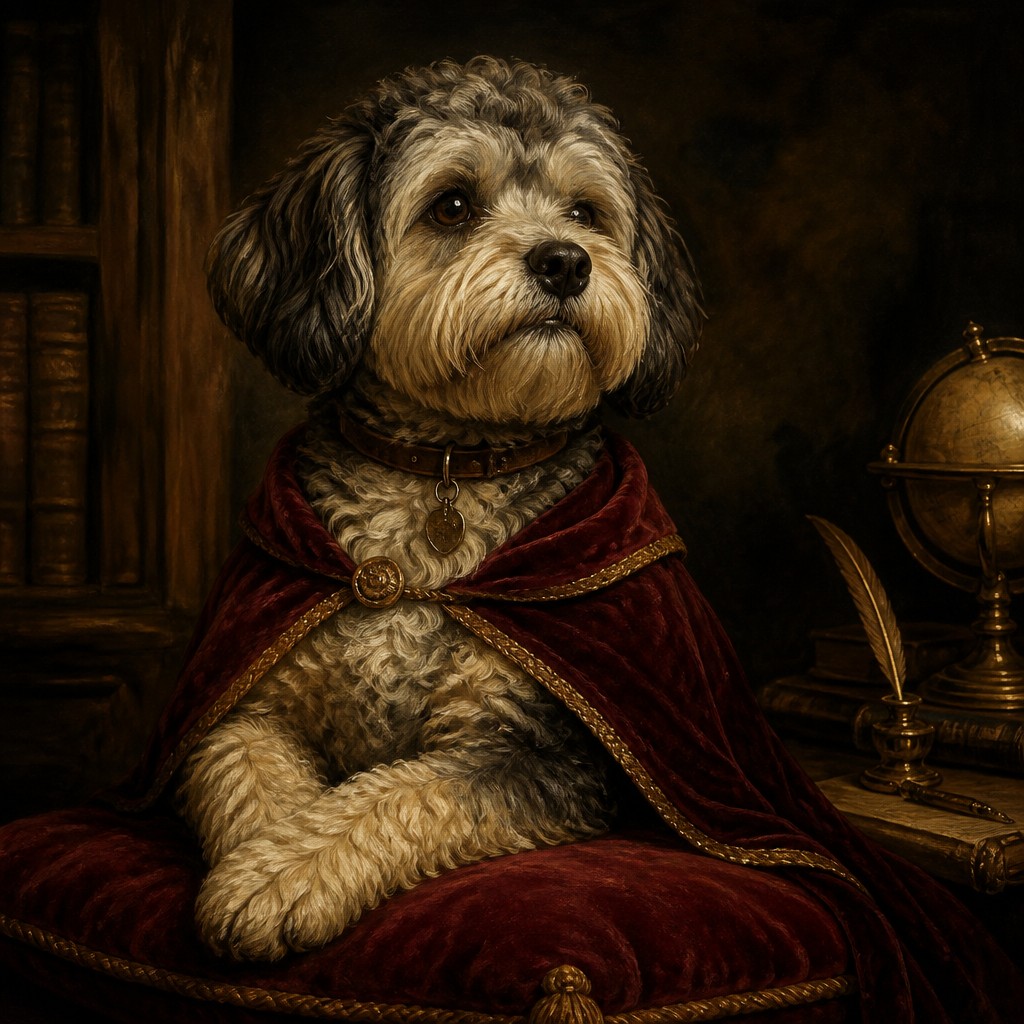

What Defines Classic Pet Portrait Art Style
The signature details, up close
Formal, dignified pose
The animal is usually seated, standing, or reclining in a composed three-quarter or frontal pose. Upright posture and a steady gaze create the feeling of a ceremonial portrait rather than a casual snapshot.
Warm old-master lighting
A soft, directional light models the head and shoulders while allowing the surrounding space to fall into shadow. Amber highlights and gentle chiaroscuro add depth without making the image harsh.
Rich dark backgrounds
Brown, charcoal, olive, and burgundy backgrounds keep attention on the subject. Indistinct studies, curtains, or architectural details may suggest an interior without competing with the animal.
Detailed fur and expressive eyes
Fur is built with varied strokes that follow the direction, length, and density of the coat. The eyes receive precise highlights and tonal modeling so that likeness and personality remain central.
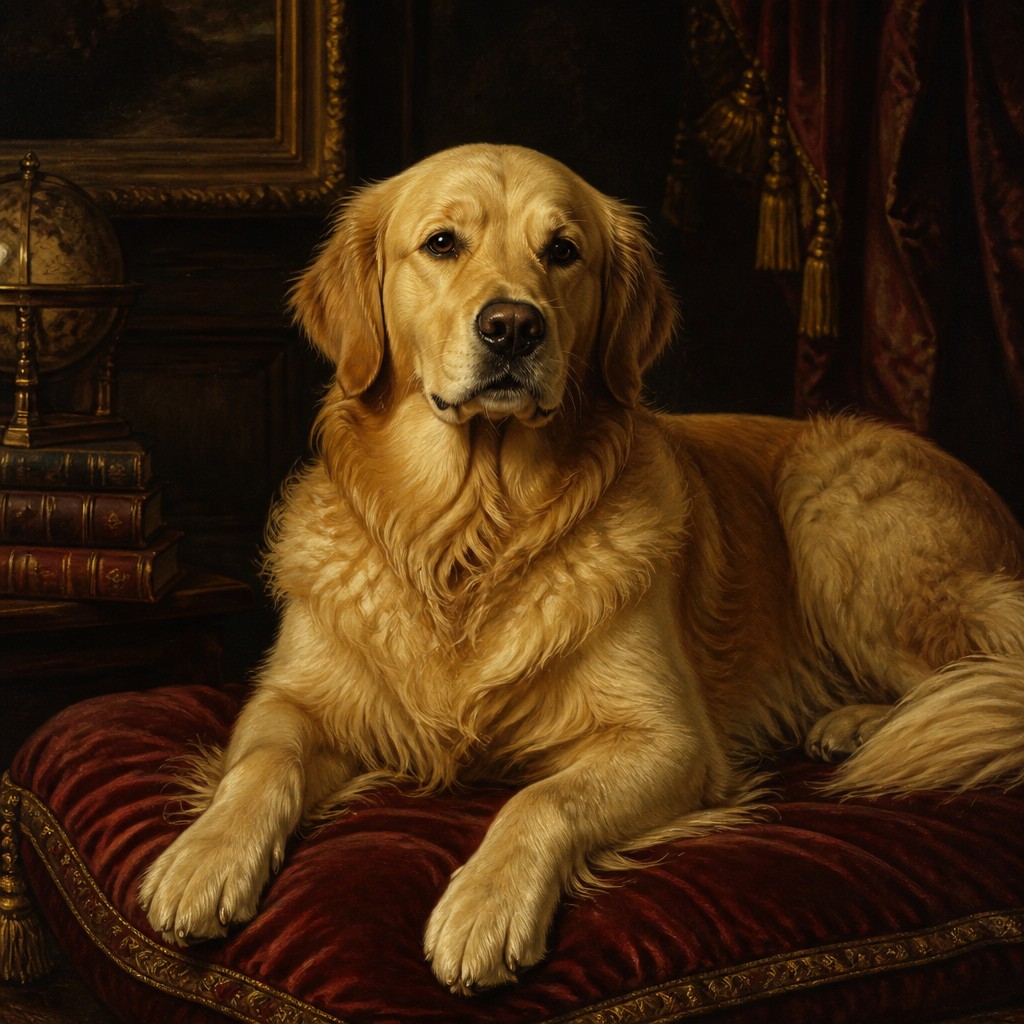
Velvet and tactile materials
Velvet cushions, upholstered chairs, woven collars, wood, brass, and worn leather introduce a sense of touch. These surfaces contrast soft fur with heavier, more ceremonial surroundings.
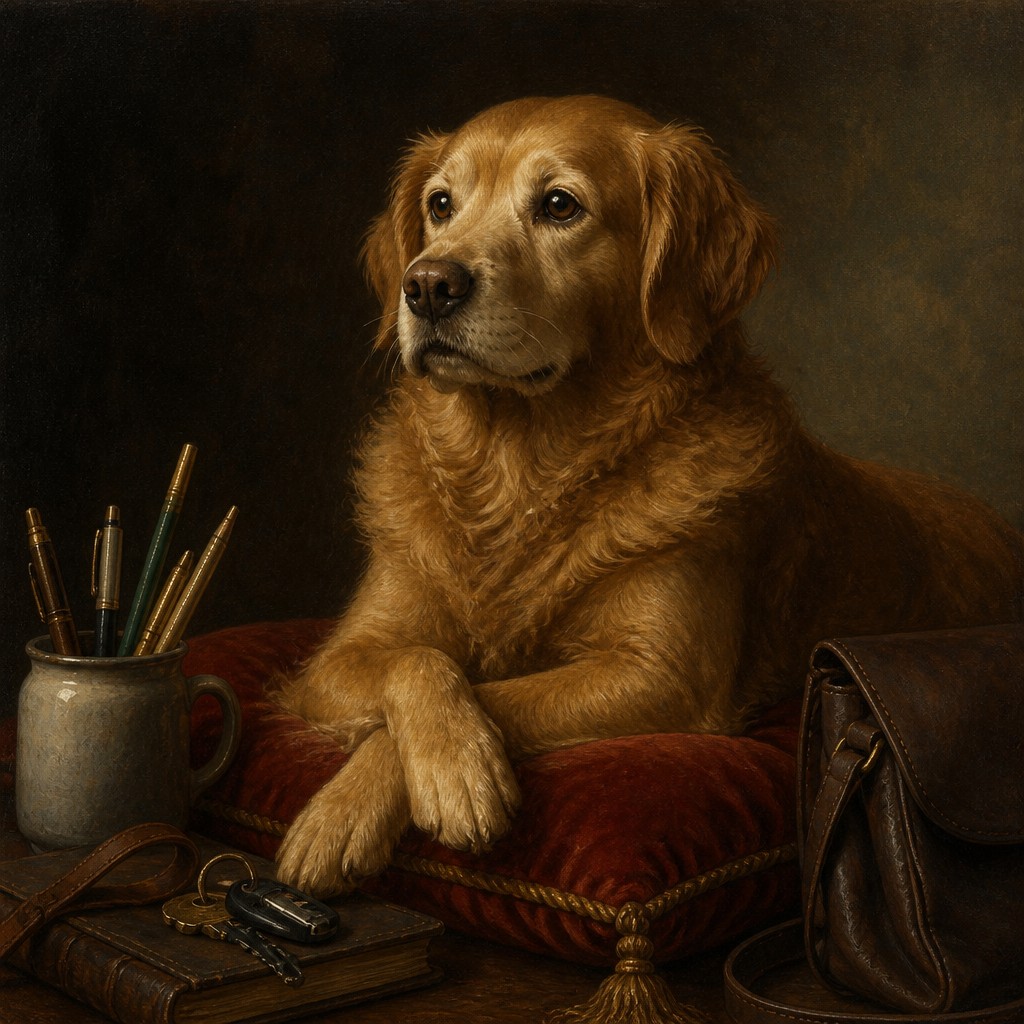
Restrained, historic palette
The palette favors umber, sienna, ochre, cream, muted red, deep green, and near-black. Saturation is controlled so that warmth and tonal harmony matter more than bright color.
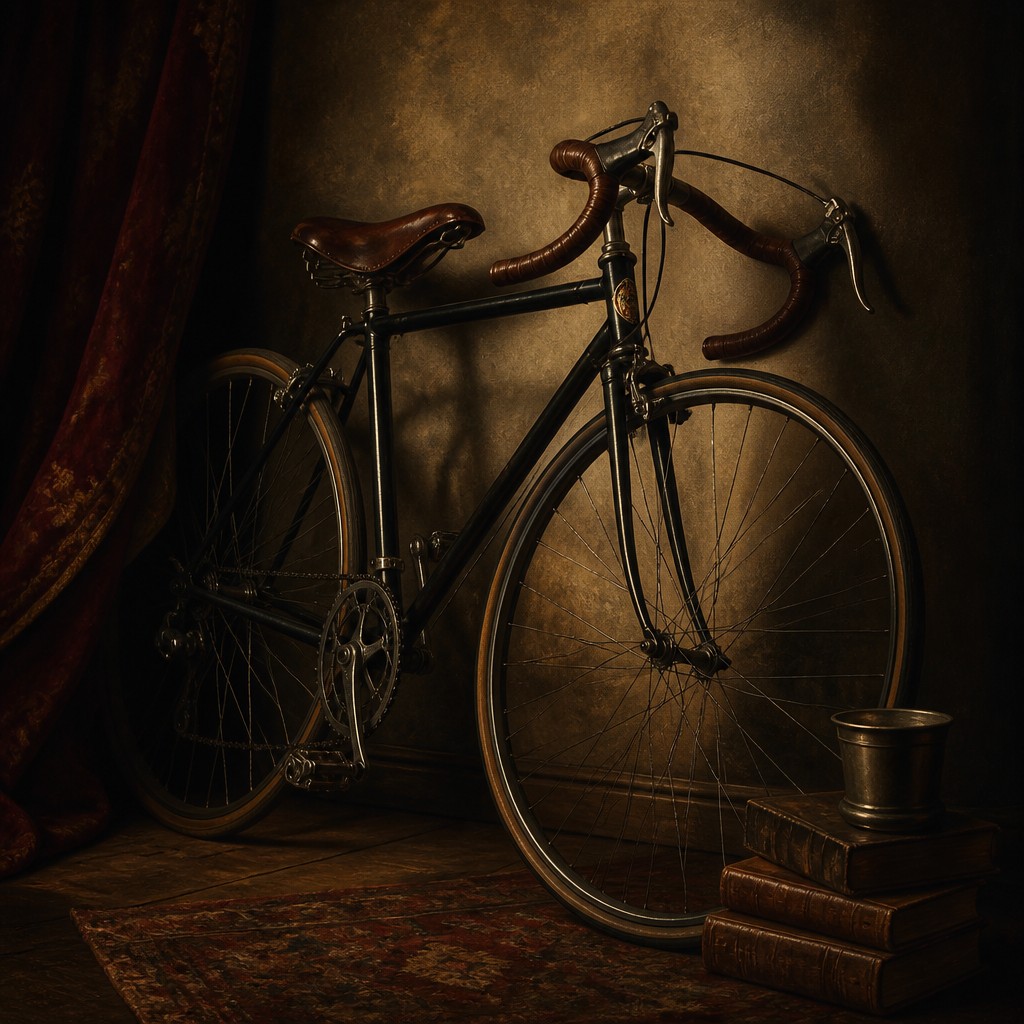
Affectionate nobility
The style elevates an ordinary companion without erasing its individual character. Small details such as a familiar ear position, distinctive markings, or a relaxed mouth keep the grandeur emotionally sincere.
Try It
Create Videos in Classic Pet Portrait Art Style
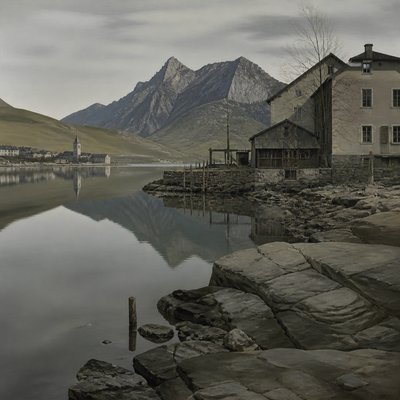
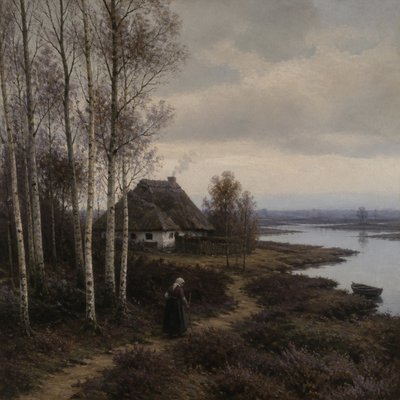
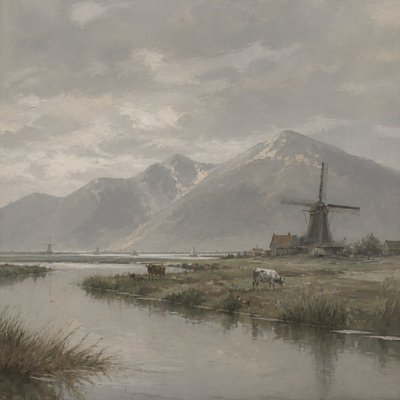
Styles aren't just for stills — describe a scene or animate an image and get a short video rendered in Classic Pet Portrait. Press play to see this pond come to life.
Make a VideoClassic Pet Portrait Prompt Ideas
Start from an idea — each one opens the generator with the style ready to go. See all 40 Classic Pet Portrait prompts →
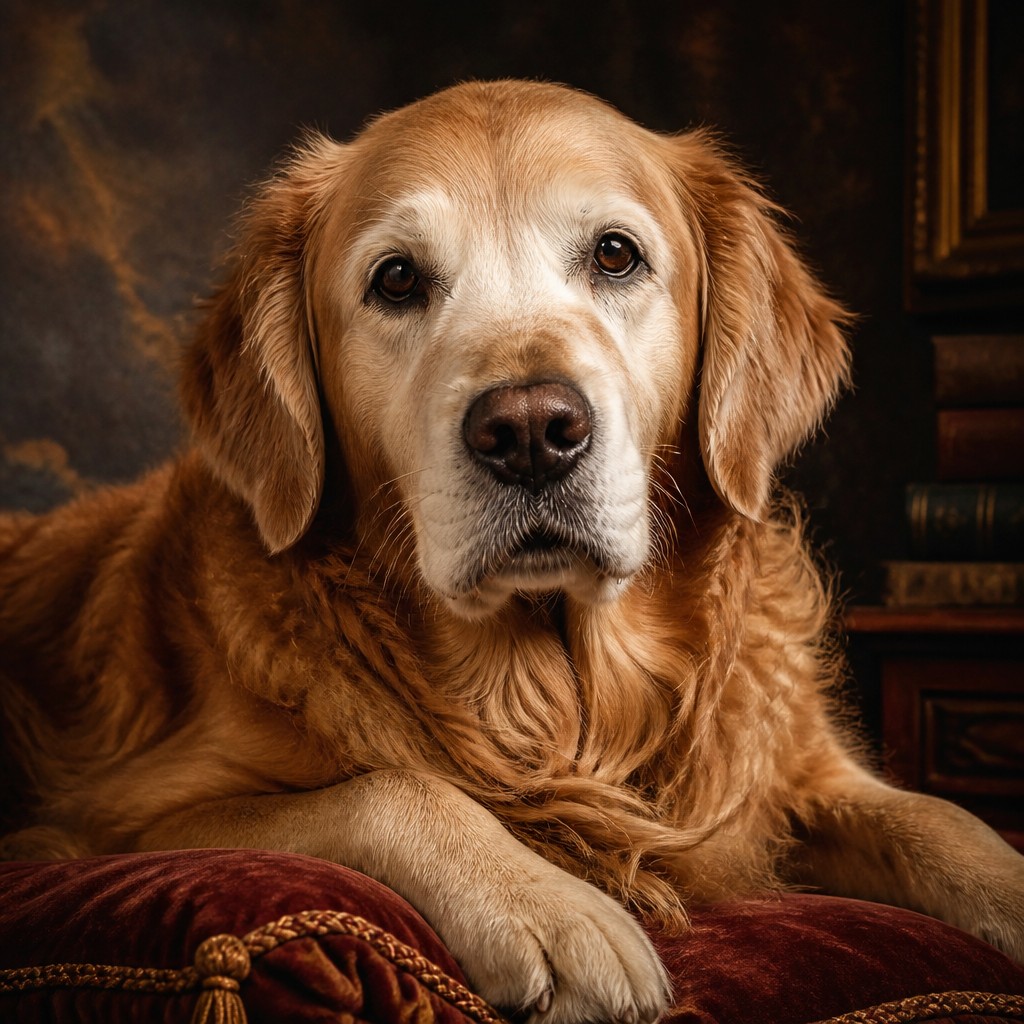
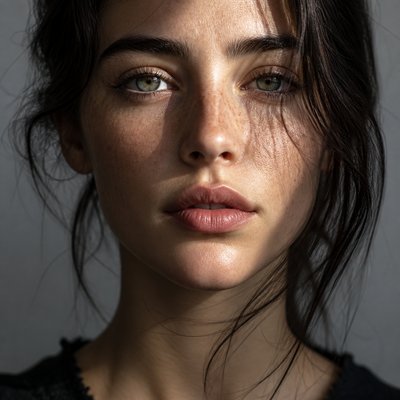
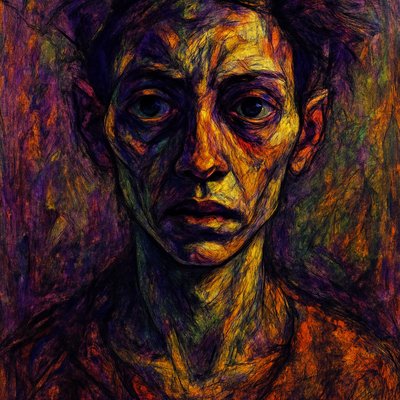
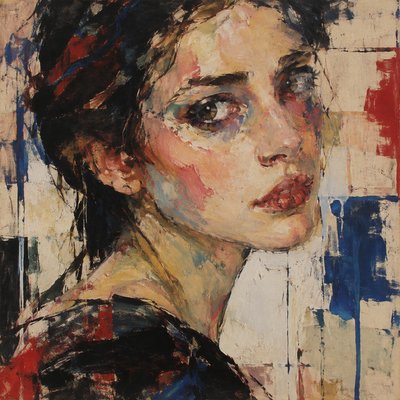
“close-up portrait of an elderly person with expressive weathered features”
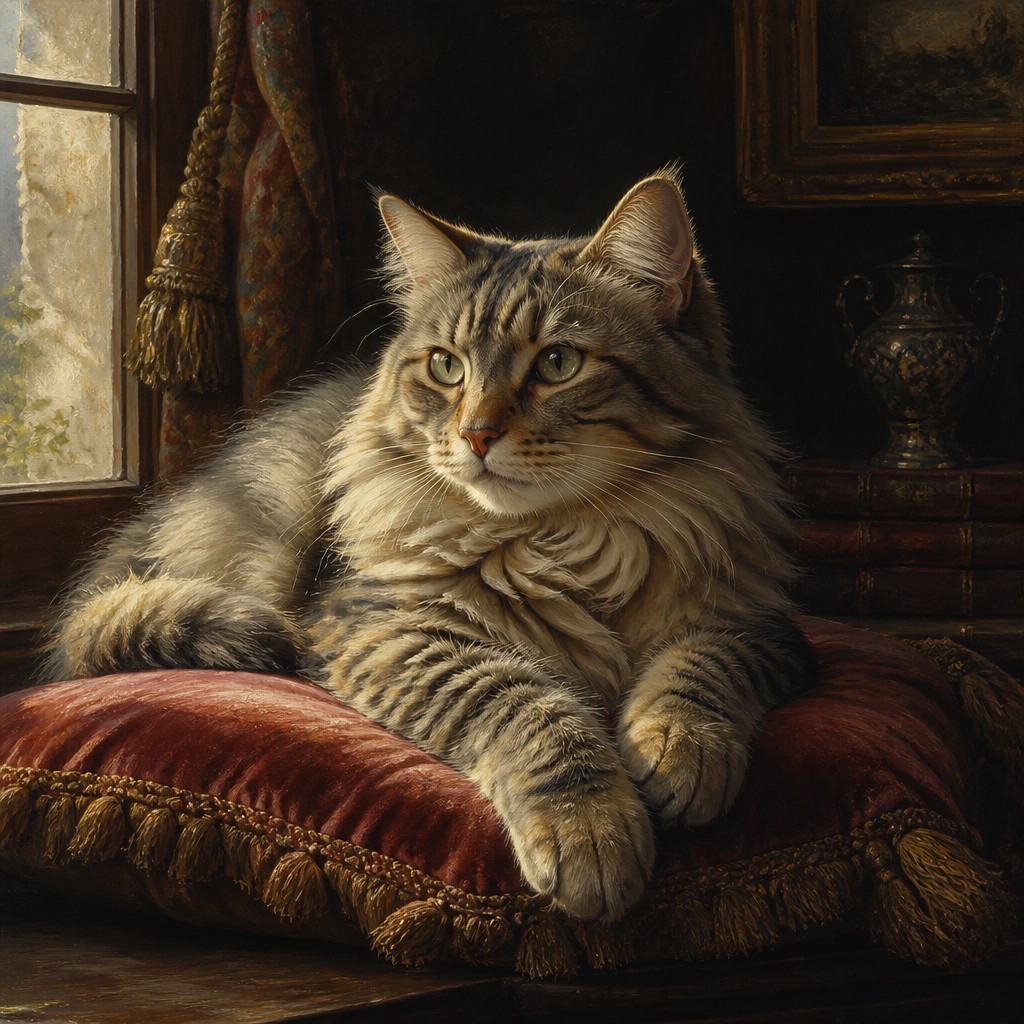
“a cat lounging in a sunlit window”
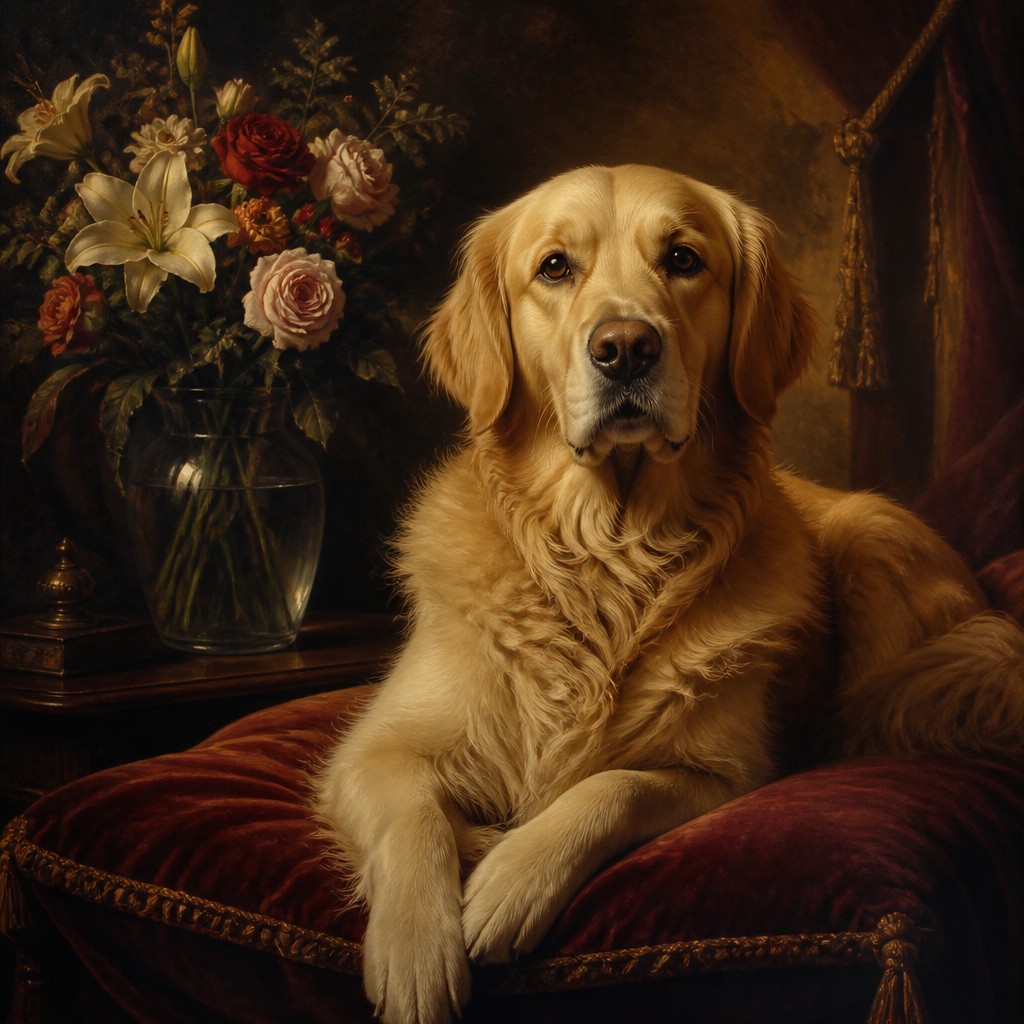
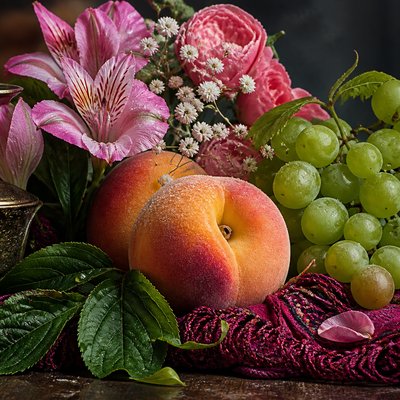
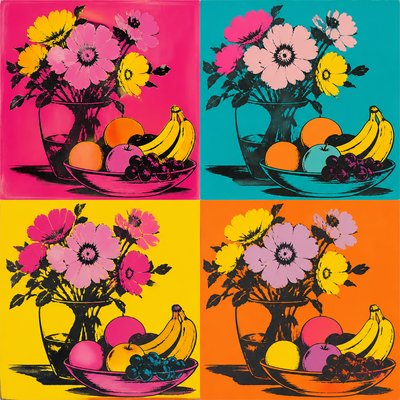
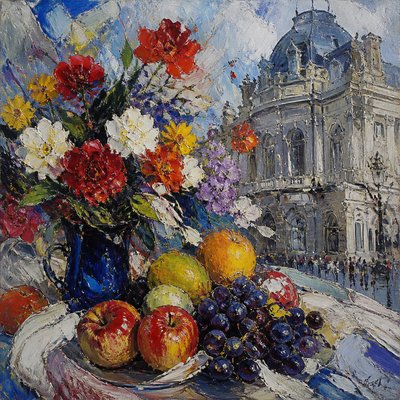
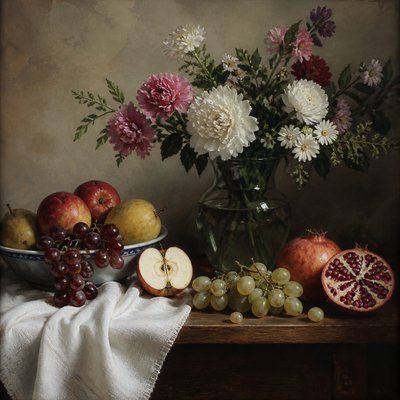
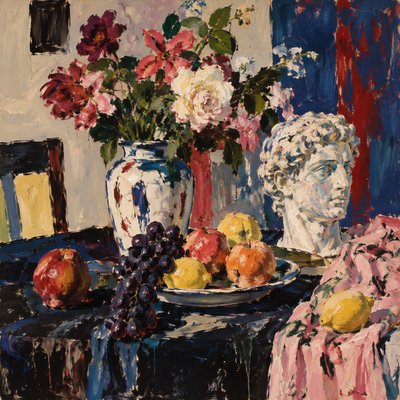
“bouquet of flowers in a glass vase”
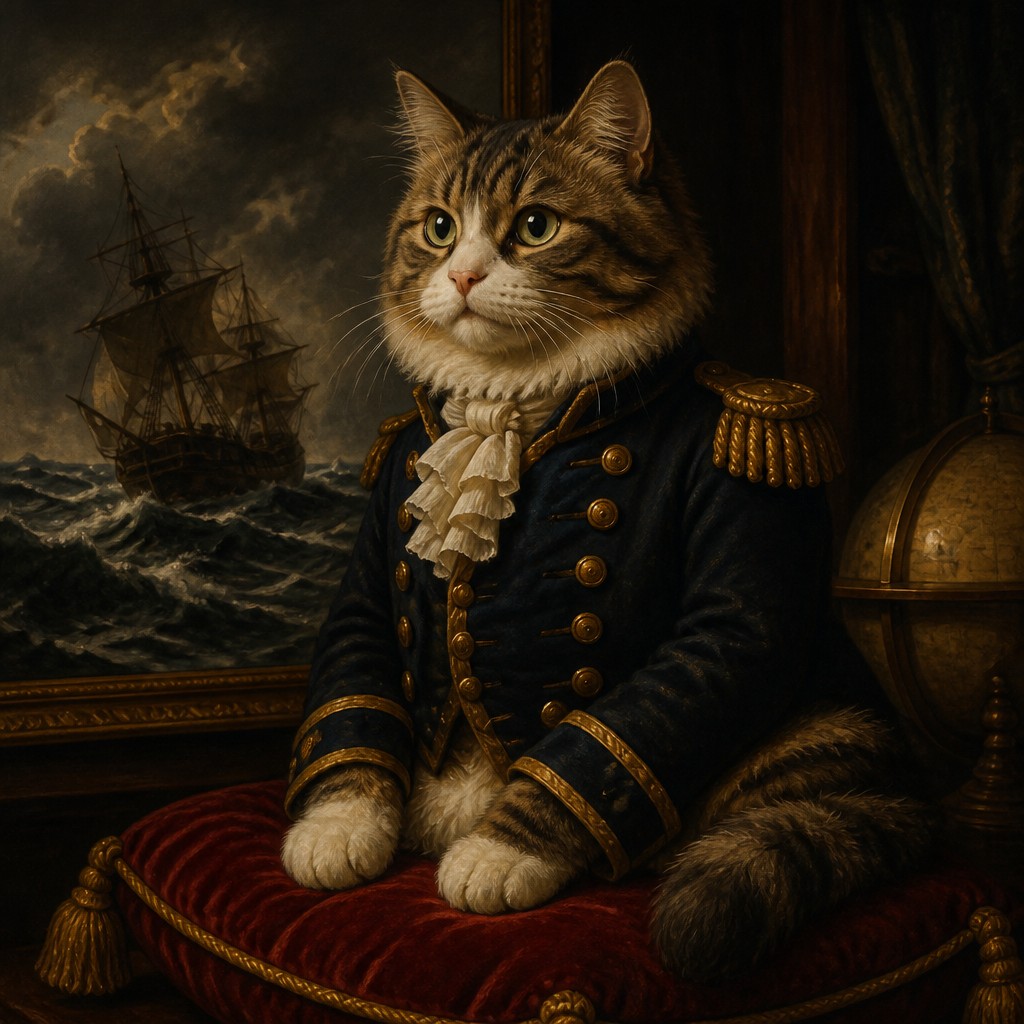
“sailing ship on a stormy sea”
How to Create Classic Pet Portrait Art
Master the craft step by step — or skip straight to creating. Read the full guide →
- 1
Begin with a clear reference
Choose a well-lit image that shows the animal's face, markings, coat texture, and natural proportions. Preserve recognizable details before adding period-inspired costume, furniture, or atmosphere.
- 2
Build the composition like a formal portrait
Use a centered or three-quarter pose with the head near the upper third of the frame. Leave enough surrounding darkness for the figure to feel settled in a study rather than tightly cropped.
- 3
Control the light and palette
Place one broad, warm light source to the side and slightly above the subject, with subdued fill on the shadow side. In traditional painting or digital work, establish large dark and midtone shapes first, then reserve the brightest values for the eyes and fur accents.
- 4
Render materials selectively
Use directional strokes for fur and softer, broader transitions for velvet and background fabric. Detail the face, collar, and key textile folds more strongly than distant furniture to maintain visual hierarchy.
- 5
Add symbolic but restrained props
A velvet cushion, carved chair, brass object, book, floral arrangement, or understated collar can suggest status and domestic history. Keep props subordinate so the portrait remains about the animal's presence.
- 6
Write precise digital or AI prompts
Specify the animal, pose, coat pattern, lighting direction, background, materials, and emotional tone, then request painterly fur, controlled chiaroscuro, and a restrained historic palette. For image-to-image work, use moderate transformation strength so likeness and distinctive markings survive.

The Story
History & Origins of Classic Pet Portrait
Classic Pet Portrait Art is not a formally recognized historical movement; it is a contemporary style built from several established traditions. Its principal lineage comes from European court and bourgeois portraiture, especially the formal pose, dark ground, controlled lighting, and symbolic use of clothing or interiors. It also draws on Baroque chiaroscuro and the detailed surface treatment found in later academic and Victorian domestic portrait painting.
Animal portraiture developed as a distinct subject through commissioned paintings of prized horses, hunting dogs, household pets, and other companion animals. Modern versions condense these traditions into a repeatable visual language: an animal receives the compositional dignity of a human sitter, but the emphasis remains on recognizable personality, affectionate presence, and the sensory appeal of fur, velvet, wood, and warm light.
Influences: The style is related to Baroque chiaroscuro, European court portraiture, academic portrait painting, Victorian domestic art, and commissioned animal portraiture. It also shares the tonal discipline of old-master painting, the tactile emphasis of realist fur and fabric studies, and the sentimental function of memorial and companion-animal imagery. Contemporary digital illustration and photographic portrait lighting further support its polished, highly legible presentation.

Frequently Asked Questions
What defines Classic Pet Portrait Art?
It presents an animal as a formal, noble portrait subject rather than as a cartoon character or casual snapshot. The defining combination is warm chiaroscuro, a dark interior or background, detailed fur, rich textiles, and an affectionate but composed expression.
Is this a historical art movement?
No. The name describes a contemporary stylistic category rather than a movement with a fixed period or manifesto. It synthesizes features from European portraiture, Baroque lighting, academic realism, Victorian pet imagery, and modern digital illustration.
How does it differ from a Renaissance or Baroque portrait?
It borrows formal composition and dramatic modeling from those traditions but focuses specifically on companion animals and their personalities. It generally uses a more intimate scale and sentimental purpose, with simplified symbolism and a stronger emphasis on recognizable fur and facial expression.
Can any animal be portrayed in this style?
Yes. Dogs, cats, horses, birds, rabbits, and many other animals can work well. The pose and setting should be adapted to the animal's anatomy and character rather than forcing every subject into an identical seated pose.
How can I make the result look more authentic?
Prioritize accurate markings, a believable pose, one directional light source, and a restrained palette. Add only a few tactile props, such as velvet, carved wood, brass, or leather, and avoid overly bright colors, busy backgrounds, or exaggerated comic expressions.
Where is this style commonly used?
It is suited to commemorative pet portraits, gifts, family keepsakes, editorial illustrations, decorative wall art, and polished character studies. The formal treatment also works for memorial imagery because it conveys affection, continuity, and respect.
Create your first Classic Pet Portrait artwork
Describe anything — or upload a photo — and see it in Classic Pet Portrait Art Style in seconds.
Related Styles
Discover similar art styles