Self-Portrait Painting Style
Explore Self-Portrait Painting Style: direct gazes, warm studio light, dark backgrounds, and expressive old-master brushwork.
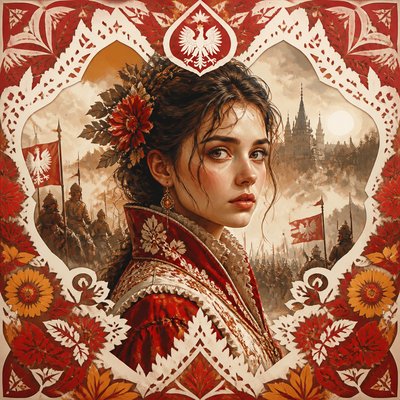
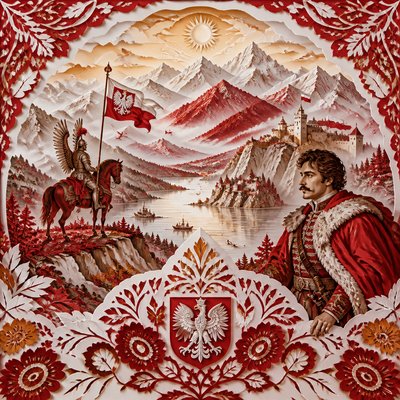
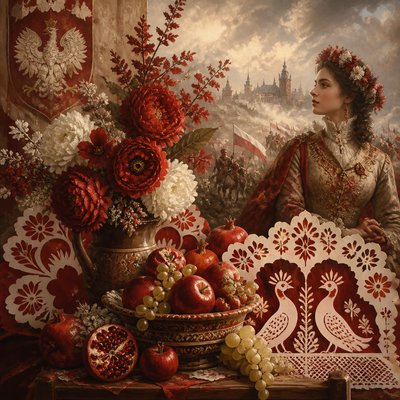
Instantly rendered in Self-Portrait Painting — or transform a photo
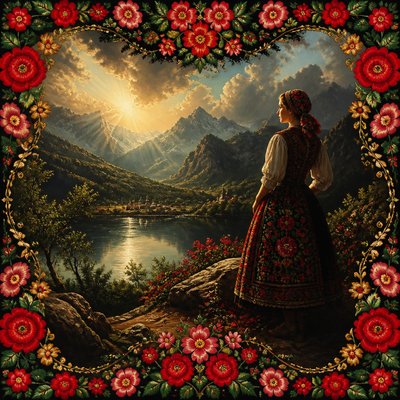
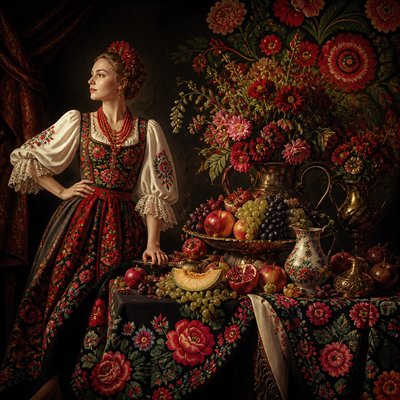
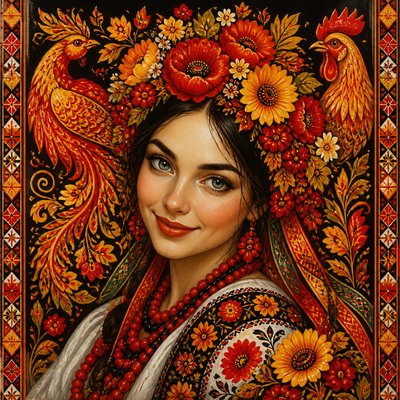
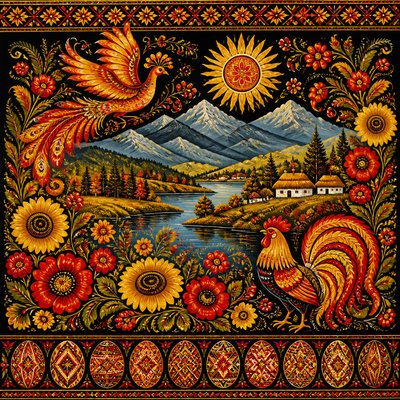
Self-Portrait Painting Gallery
Tap any artwork to explore it
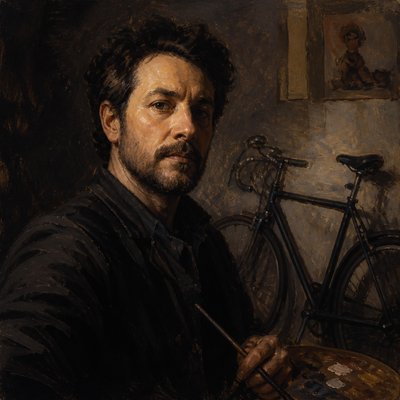
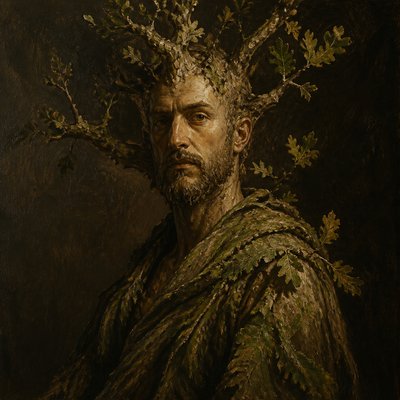
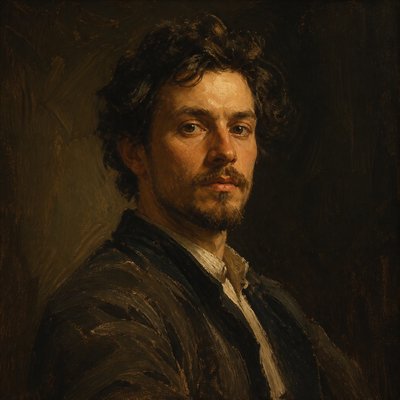
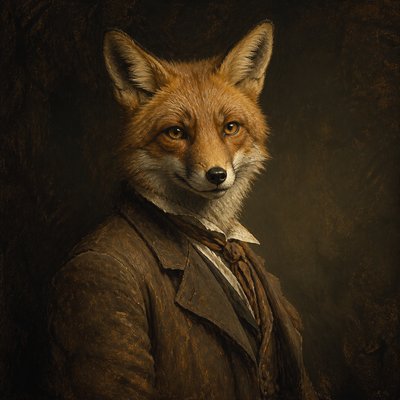
What is Self-Portrait Painting Style?
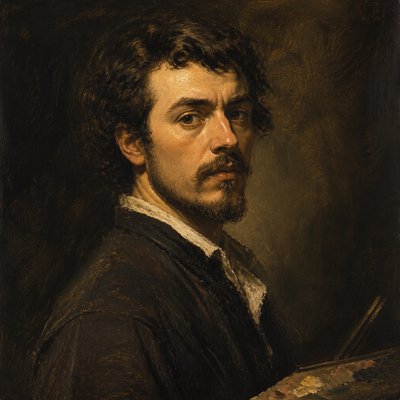
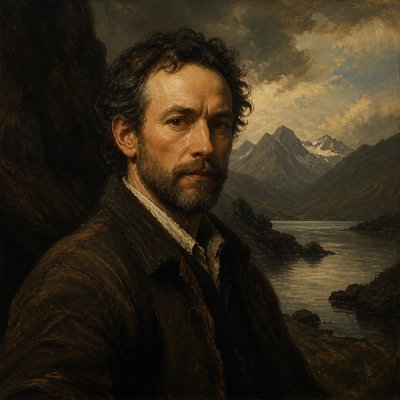
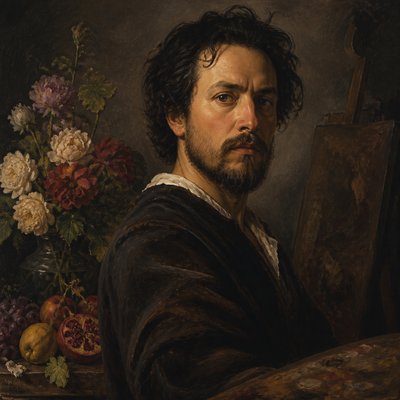
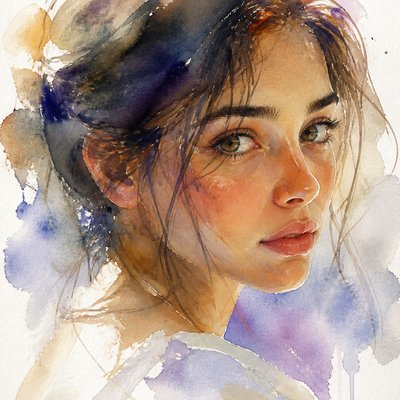
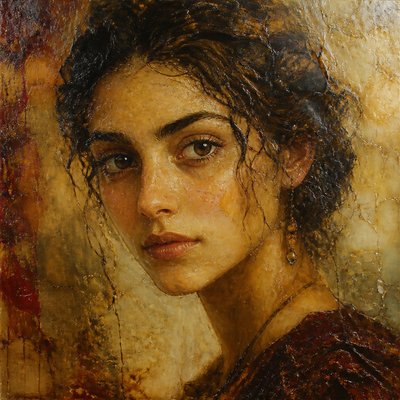
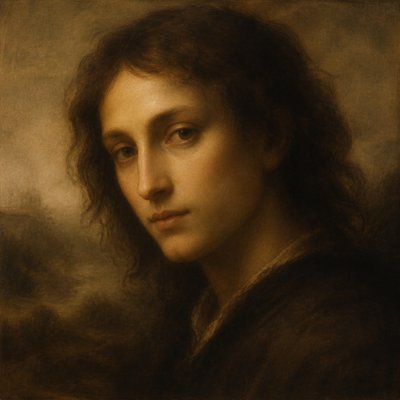
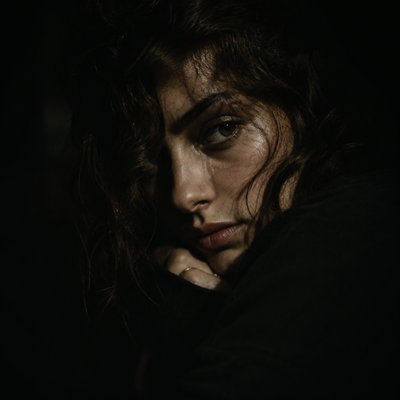
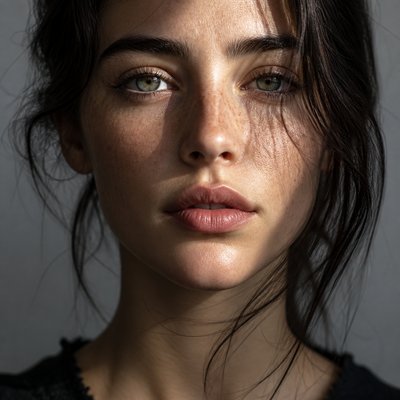
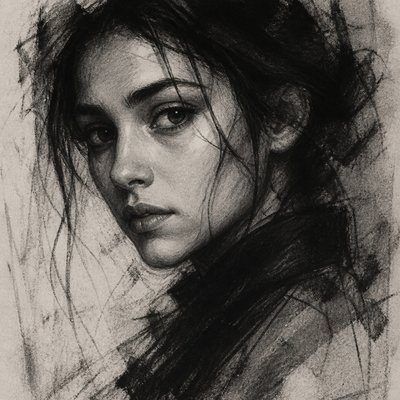
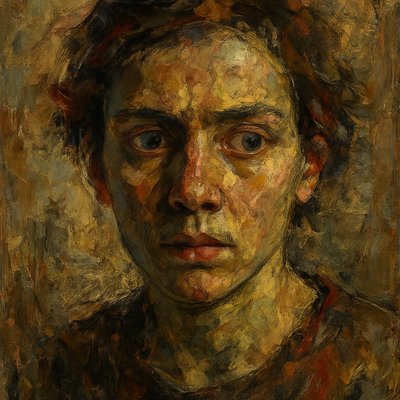
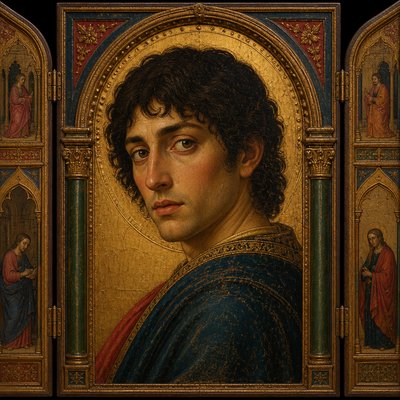
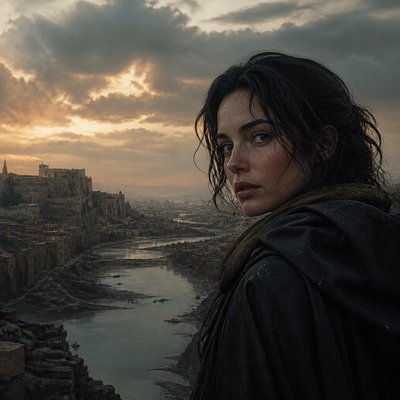
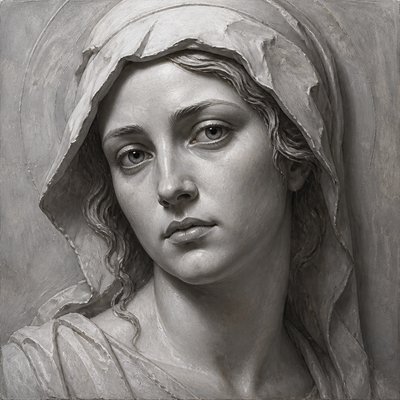
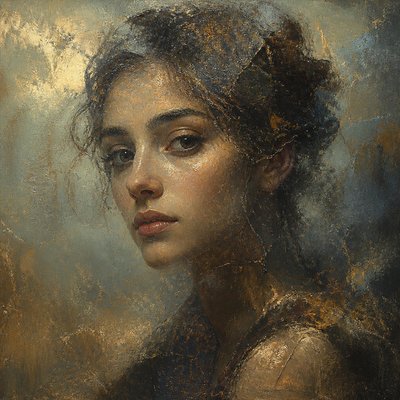
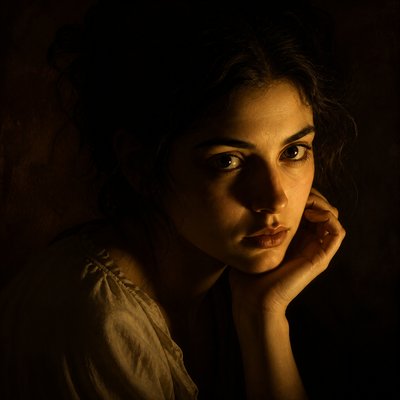
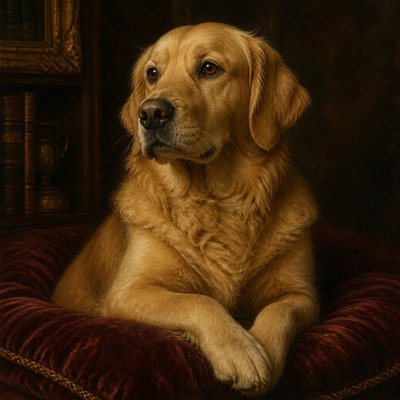
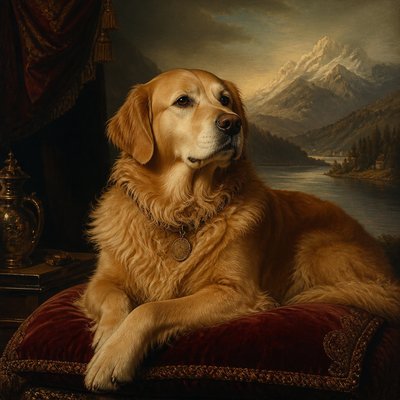
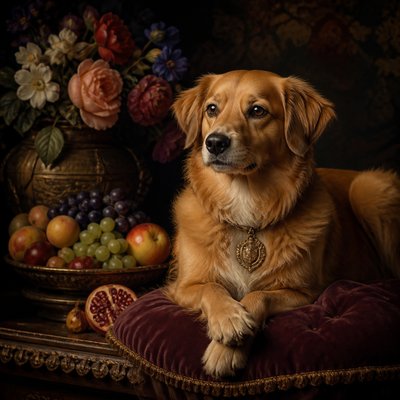
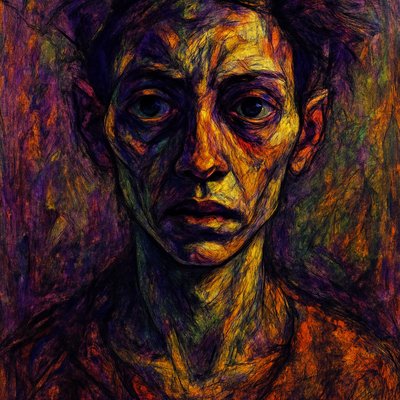
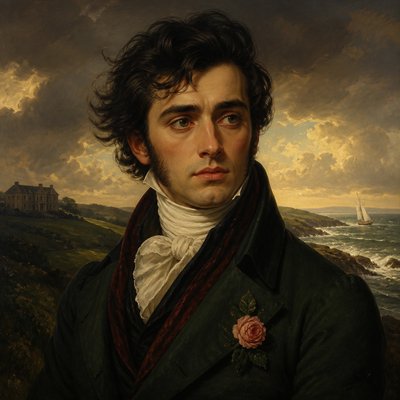
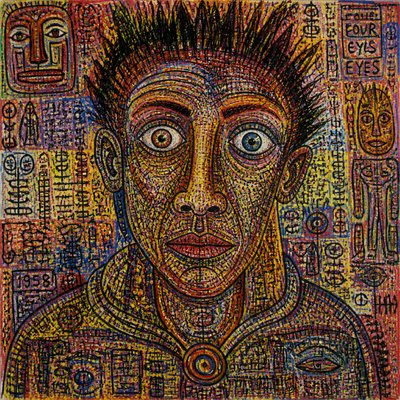
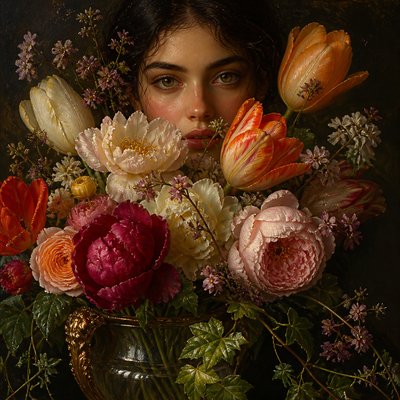
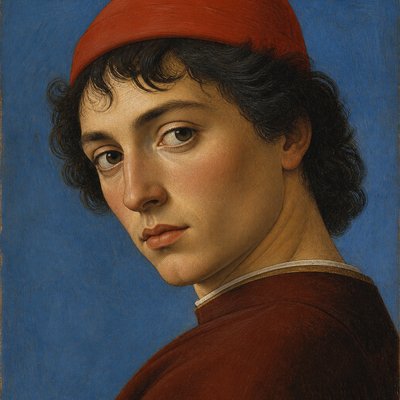
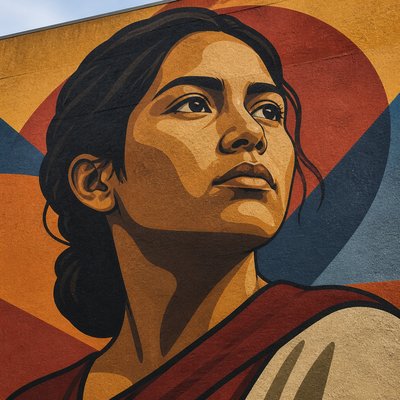
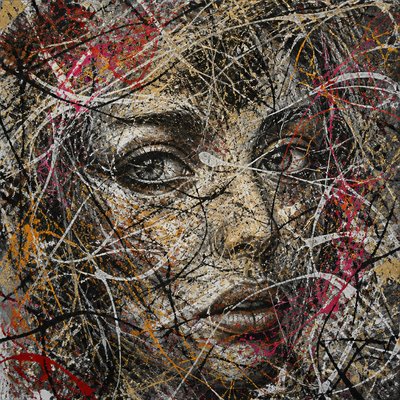
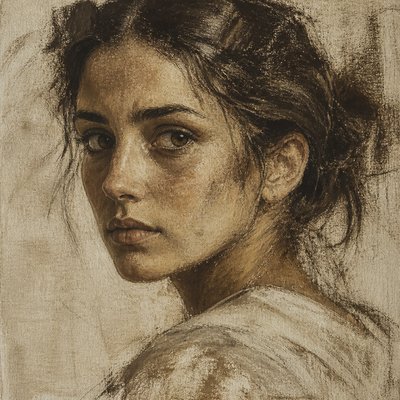
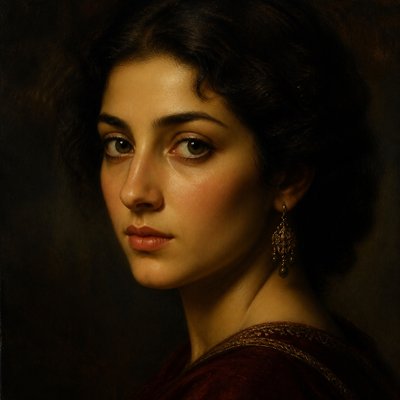
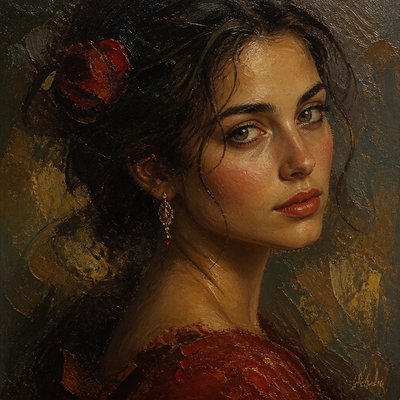
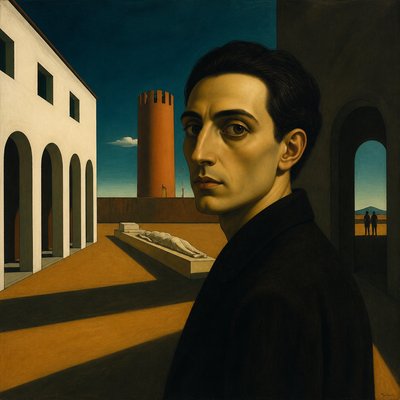
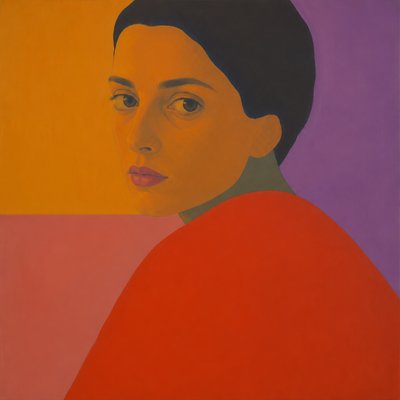
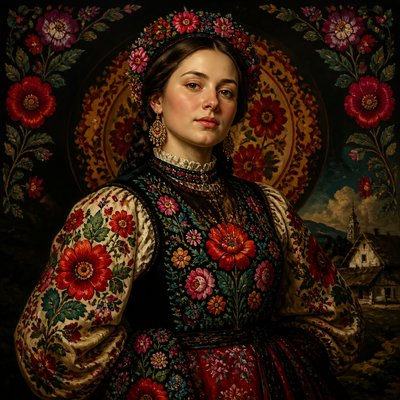
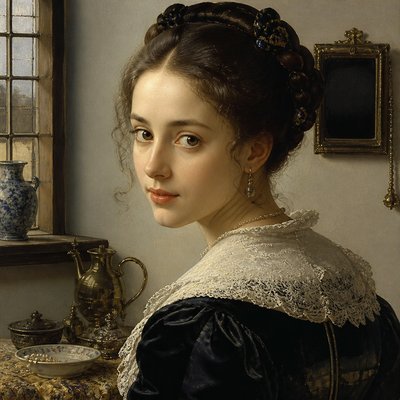
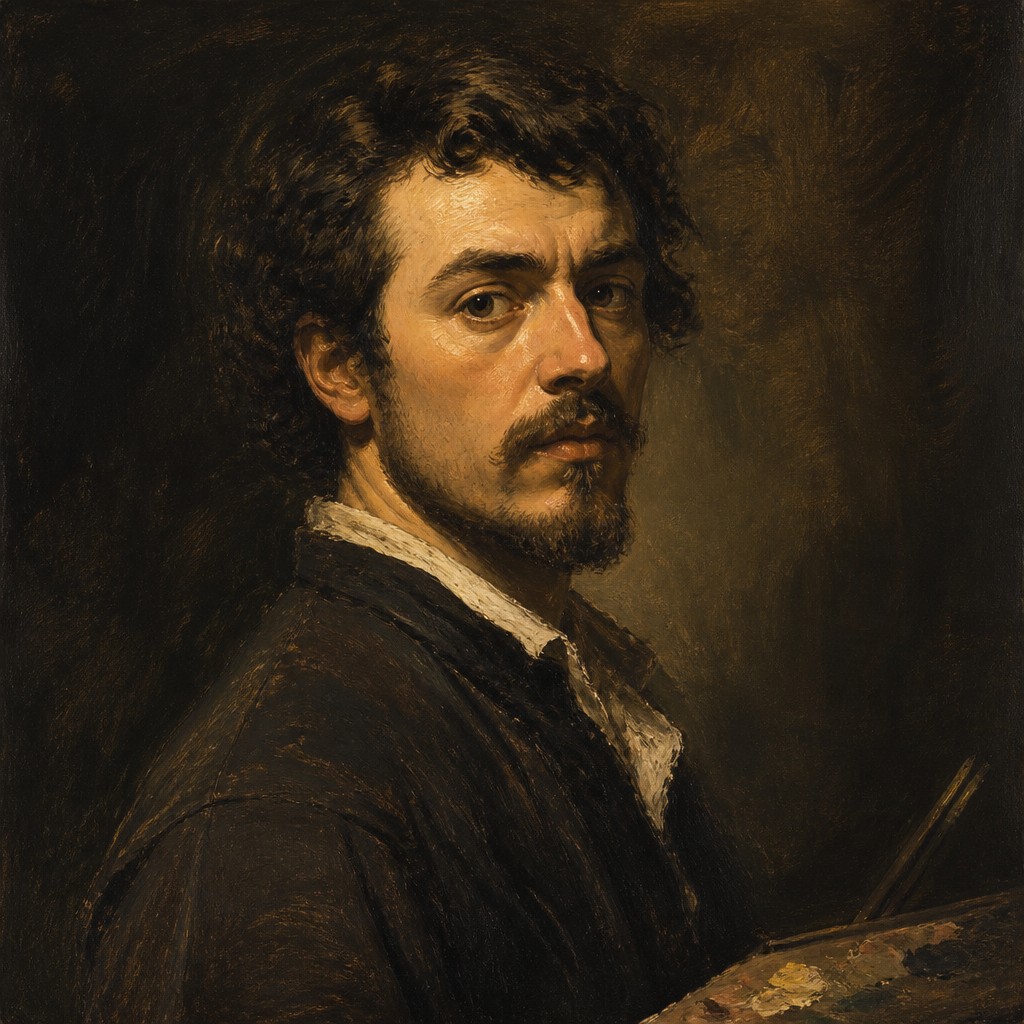
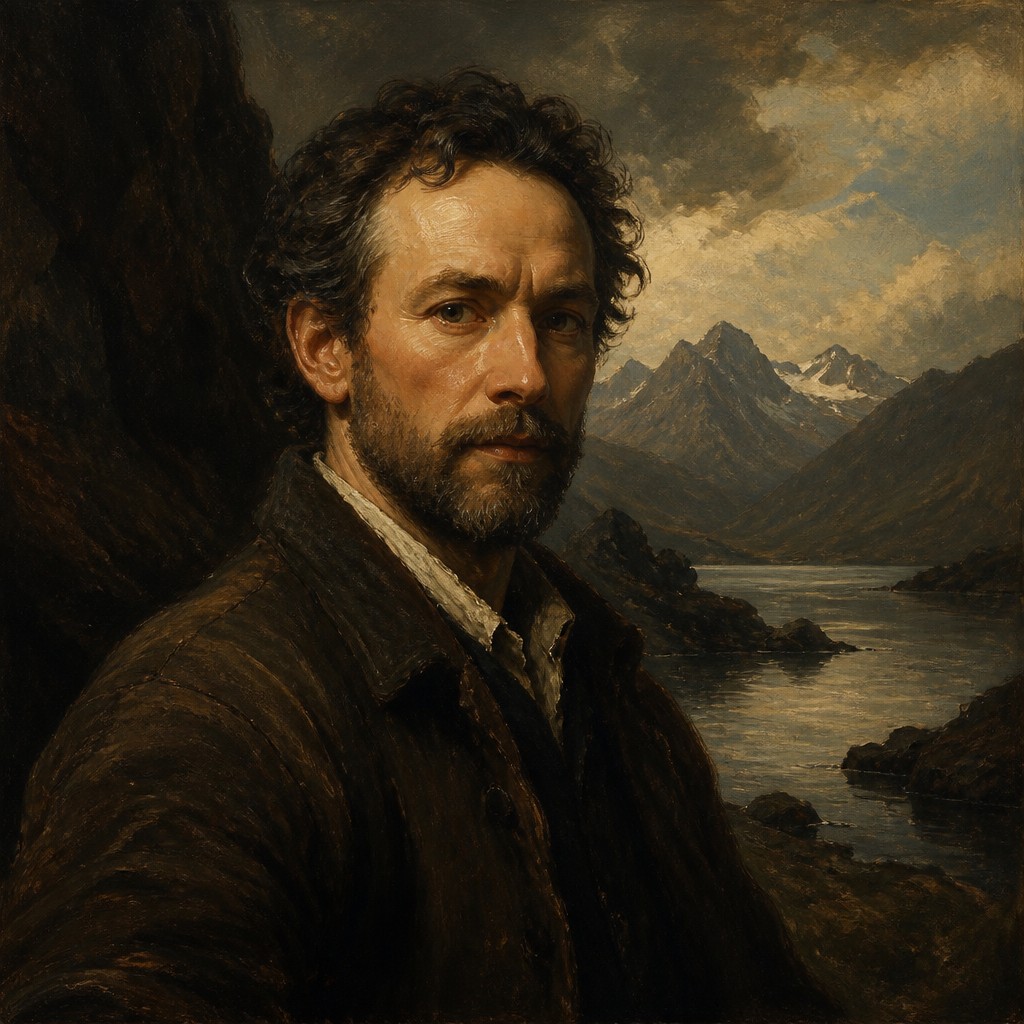
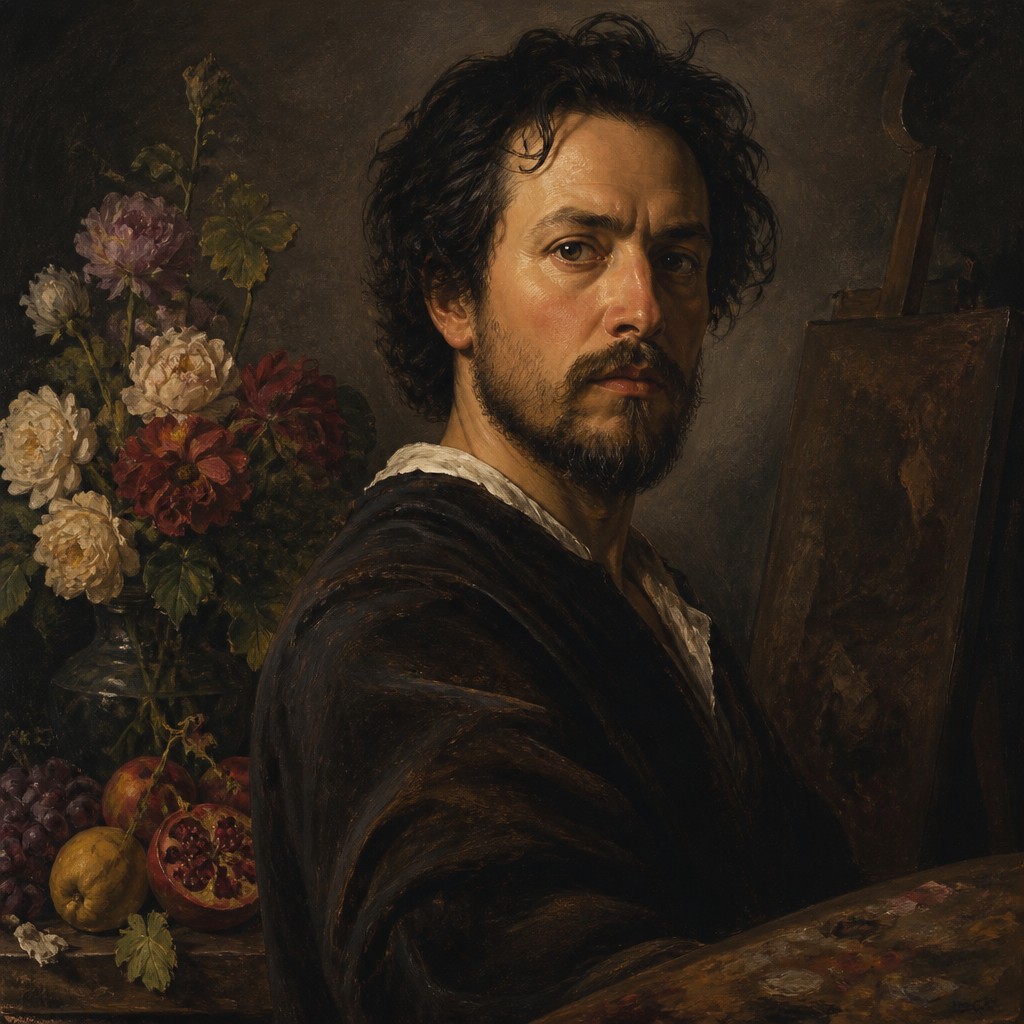
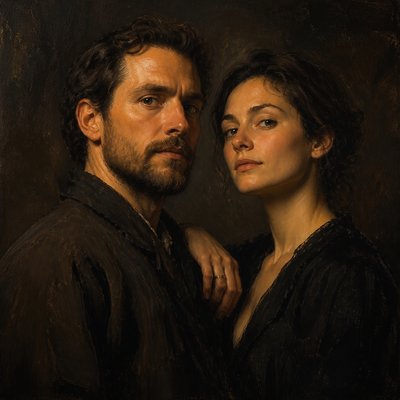
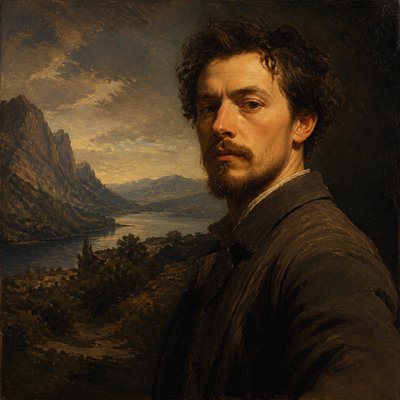
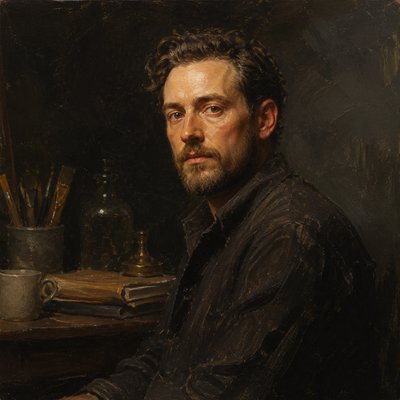
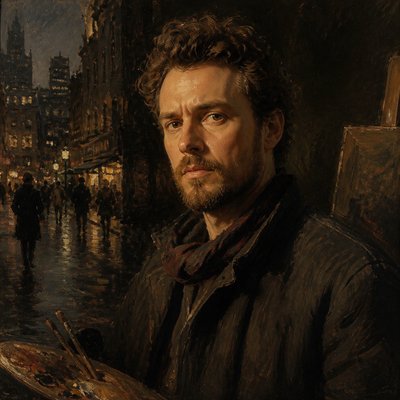
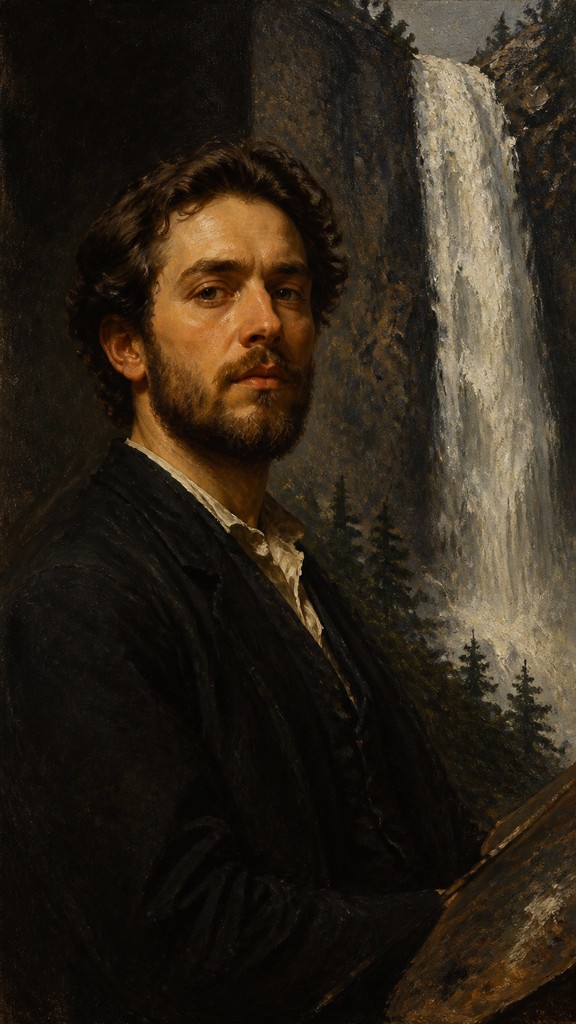
Self-Portrait Painting Style is a contemporary descriptive style centered on the psychological presence of a person looking directly at the viewer. It typically presents a half-length figure against a restrained, dark background, with warm single-source light shaping the face and hands. The emphasis is not on elaborate setting but on attention, identity, and the visible act of painting.
Its visual identity combines the intimacy of portraiture with the concentrated mood of an artist studying their own reflection. Confident brushwork remains visible in the hair, clothing, and shadow, while the eyes and illuminated planes of the face receive the greatest descriptive care. The result is introspective, tactile, and deliberate rather than glossy or photorealistic.
Try It On Your Photos
Upload any photo and convert it into Self-Portrait Painting Style — drag the sliders to compare before and after.


What Defines Self-Portrait Painting Style
The signature details, up close
Direct, searching gaze
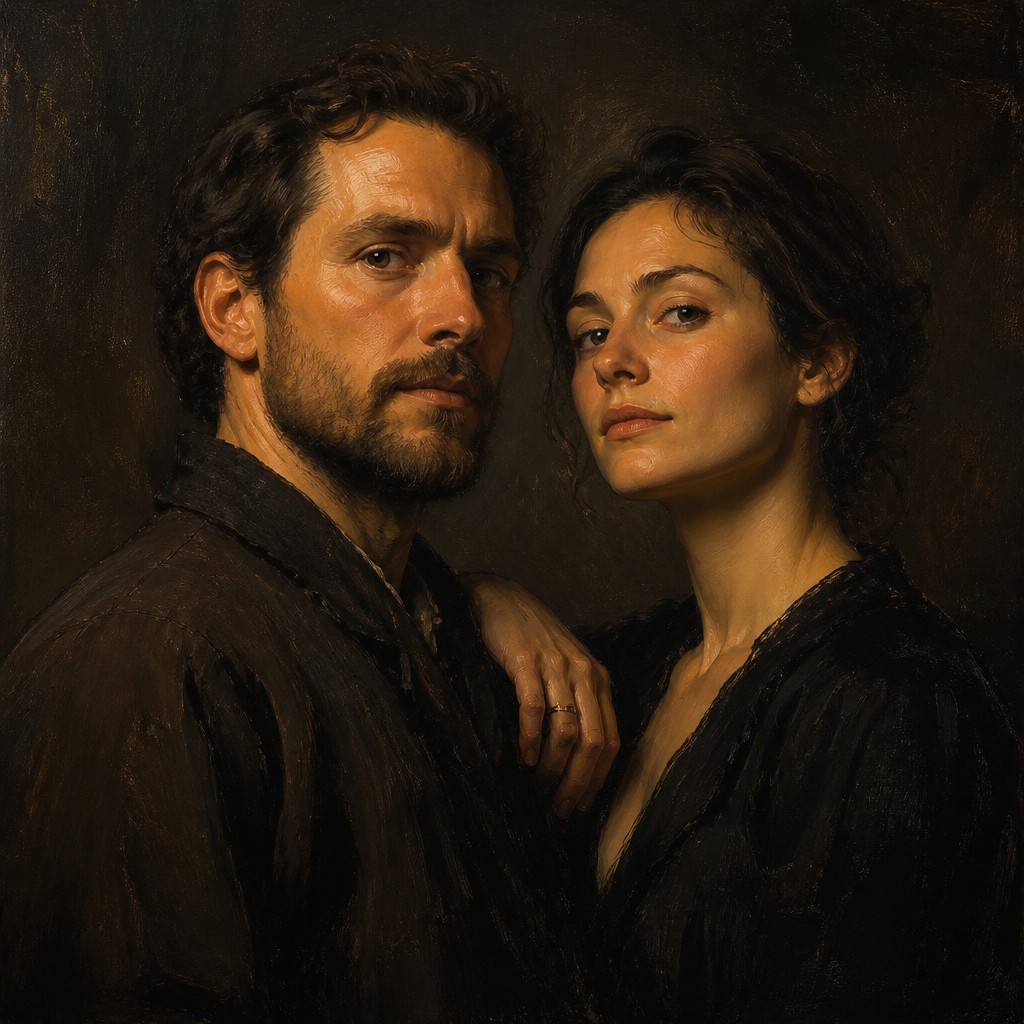
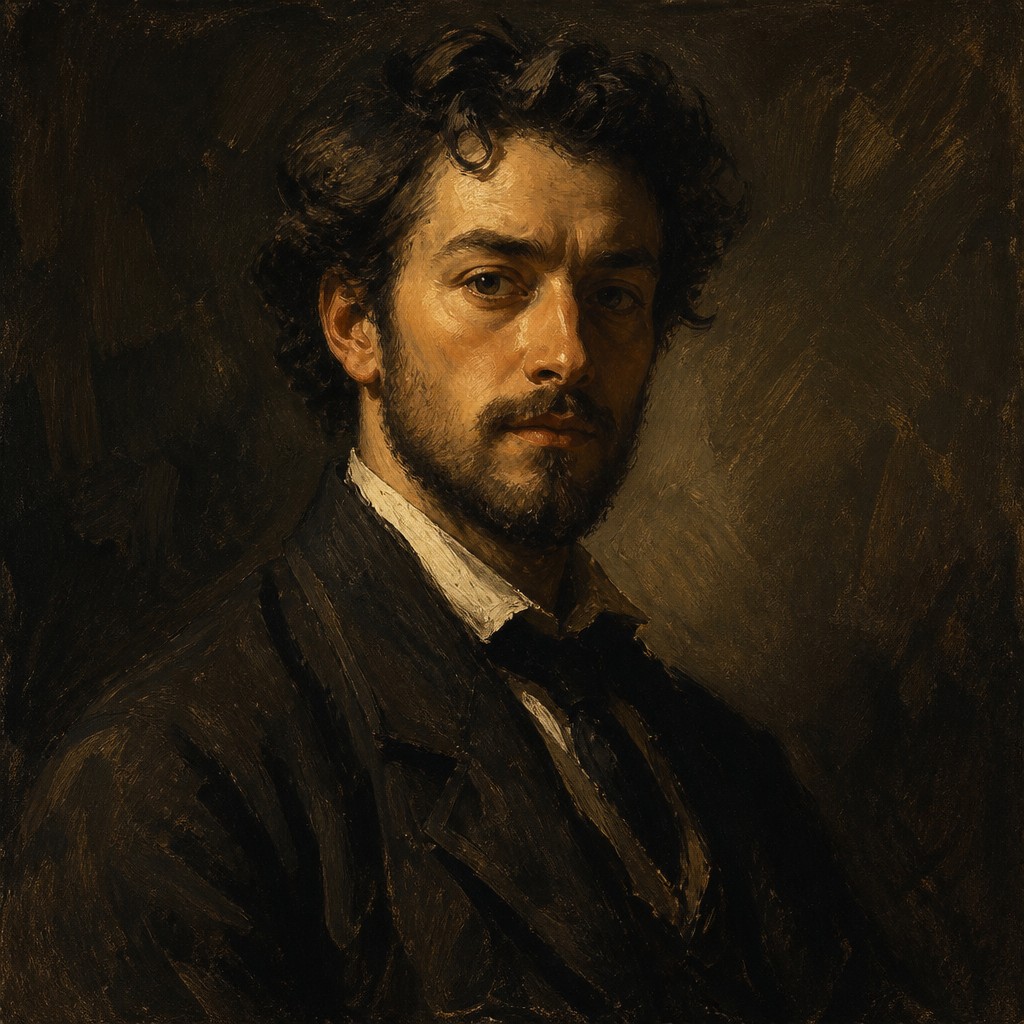
The subject looks toward the viewer rather than away or into a distant scene. Eye contact creates psychological tension and makes the portrait feel conversational and self-aware.
Half-length composition
The figure is commonly shown from the chest or waist upward, allowing the face, shoulders, hands, and clothing to contribute to identity without distracting from the expression.
Warm single-source lighting
A concentrated lamp or window-like light illuminates one side of the face and leaves the surrounding planes in gentle shadow. Amber, ochre, and muted red notes often reinforce the human warmth of the skin.
Dark quiet background
A subdued brown, charcoal, or near-black ground removes environmental distractions and increases the perceived depth of the illuminated figure.
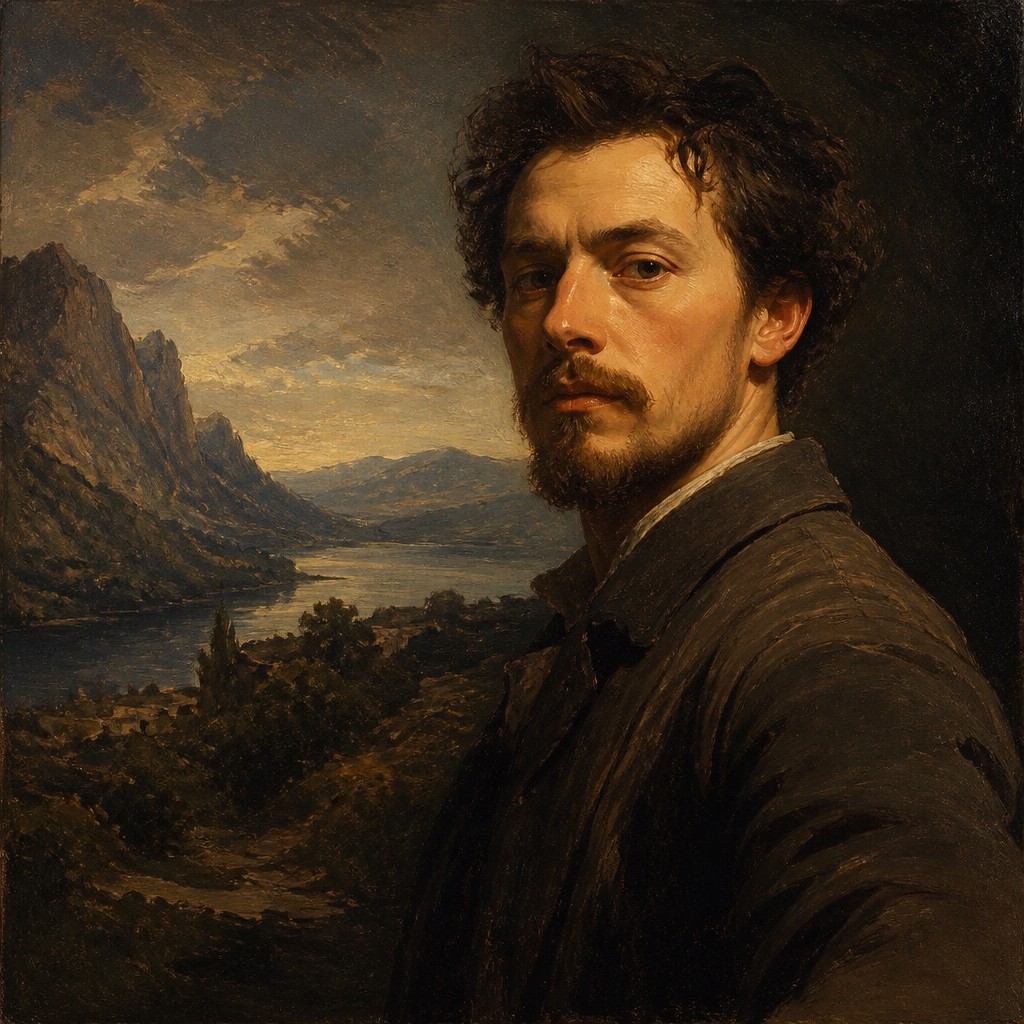
Visible brushwork
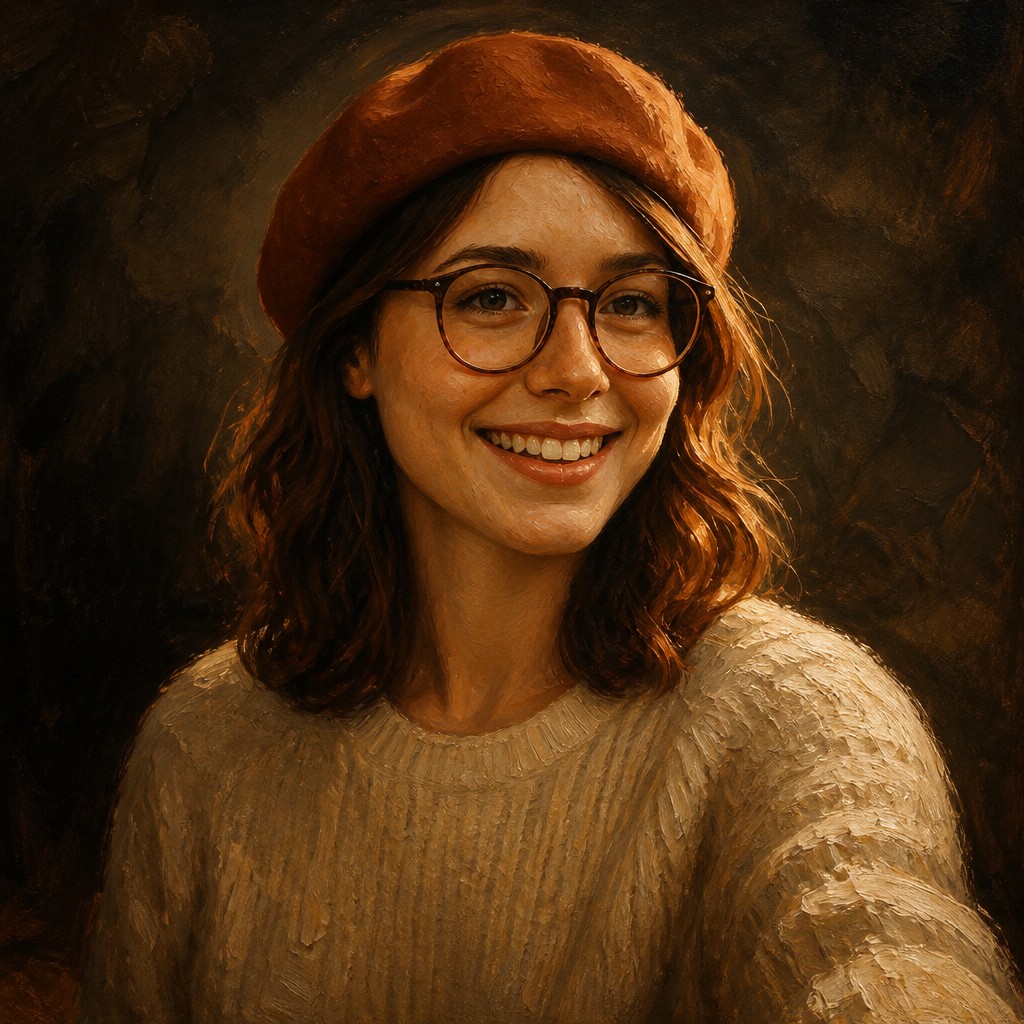
Edges vary from carefully described eyes and mouth to looser marks in hair, garments, and shadow. The brushwork should feel controlled and material rather than mechanically smooth.
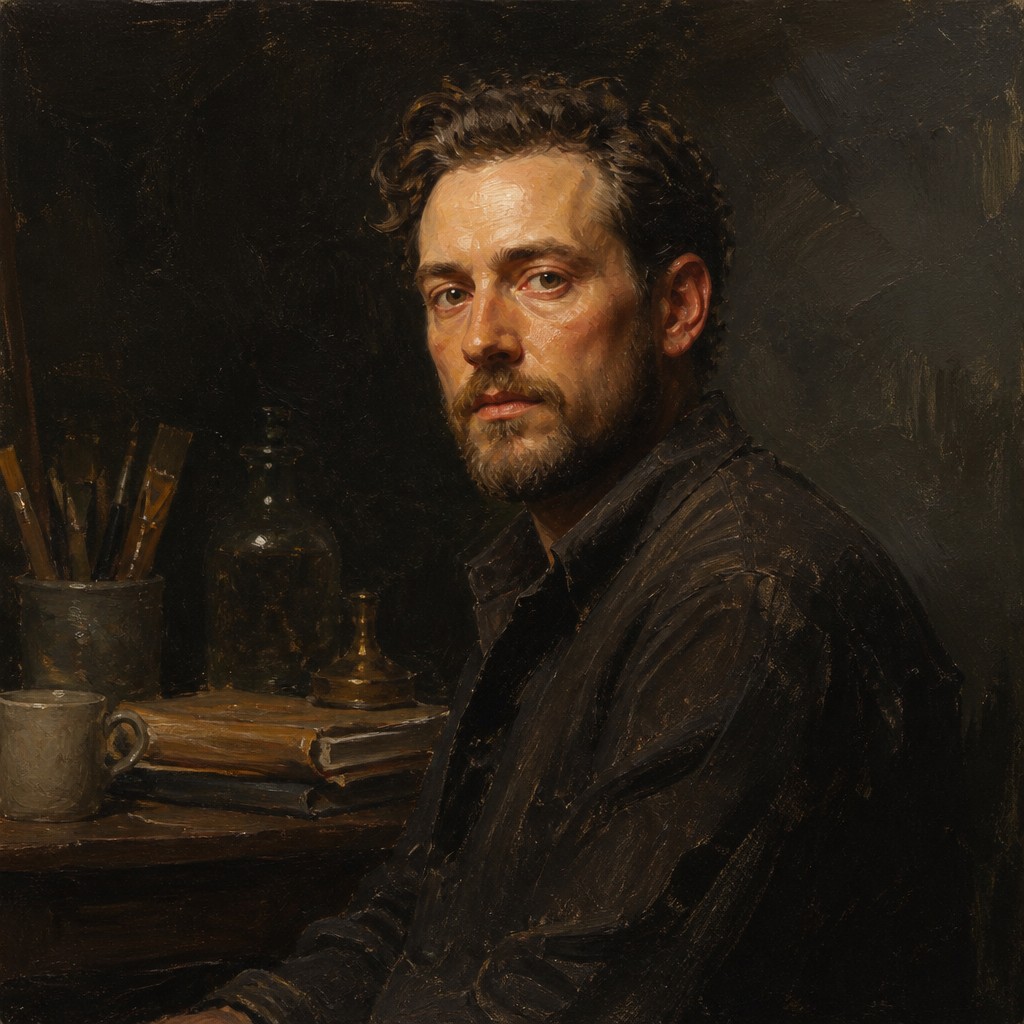
Introspective expression
The face is usually calm, thoughtful, or faintly troubled instead of broadly theatrical. Small shifts in eyelids, brow, and mouth carry much of the emotional meaning.
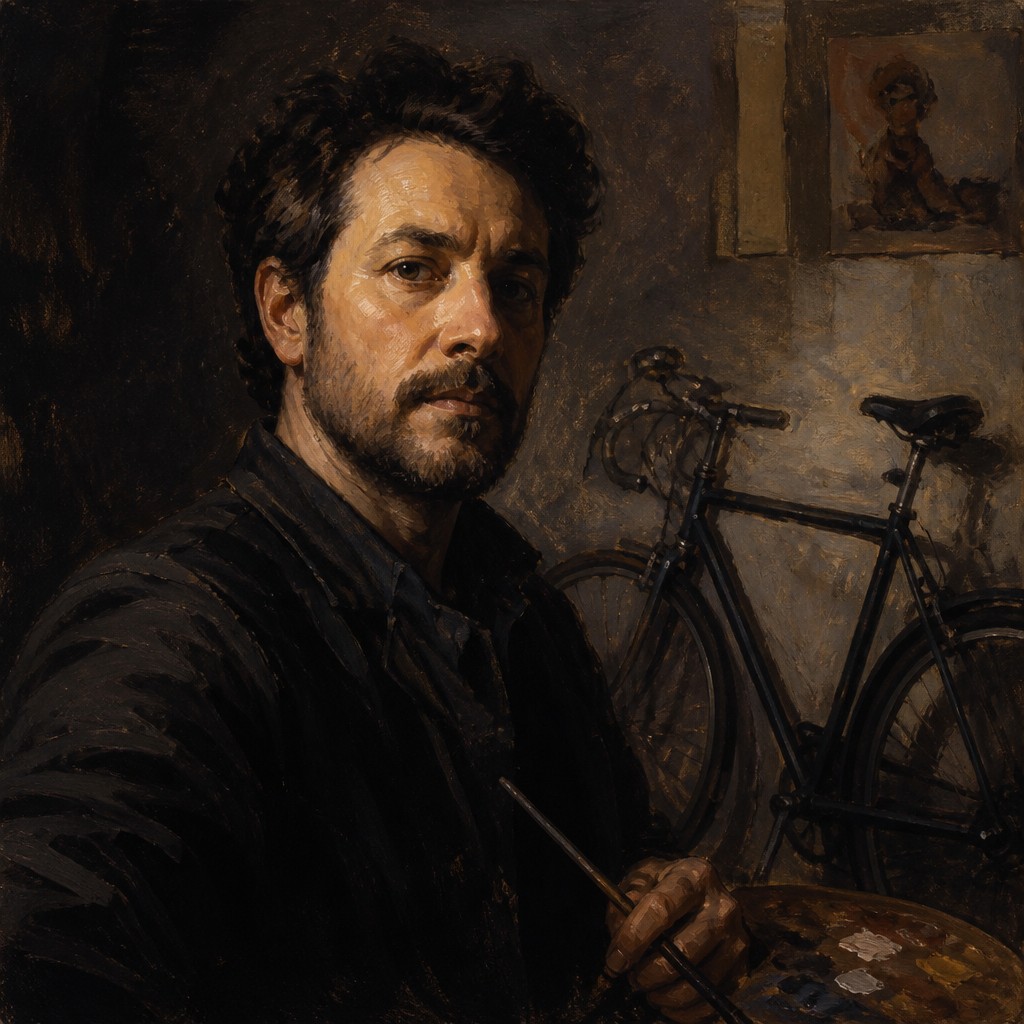
Old-master tonal structure
Forms are built through a clear relationship between light, half-tone, and deep shadow. Muted colors, layered modeling, and selective highlights create a sense of age and gravity.
Try It
Create Videos in Self-Portrait Painting Style
Styles aren't just for stills — describe a scene or animate an image and get a short video rendered in Self-Portrait Painting. Press play to see this pond come to life.
Make a VideoSelf-Portrait Painting Prompt Ideas
Start from an idea — each one opens the generator with the style ready to go. See all 40 Self-Portrait Painting prompts →
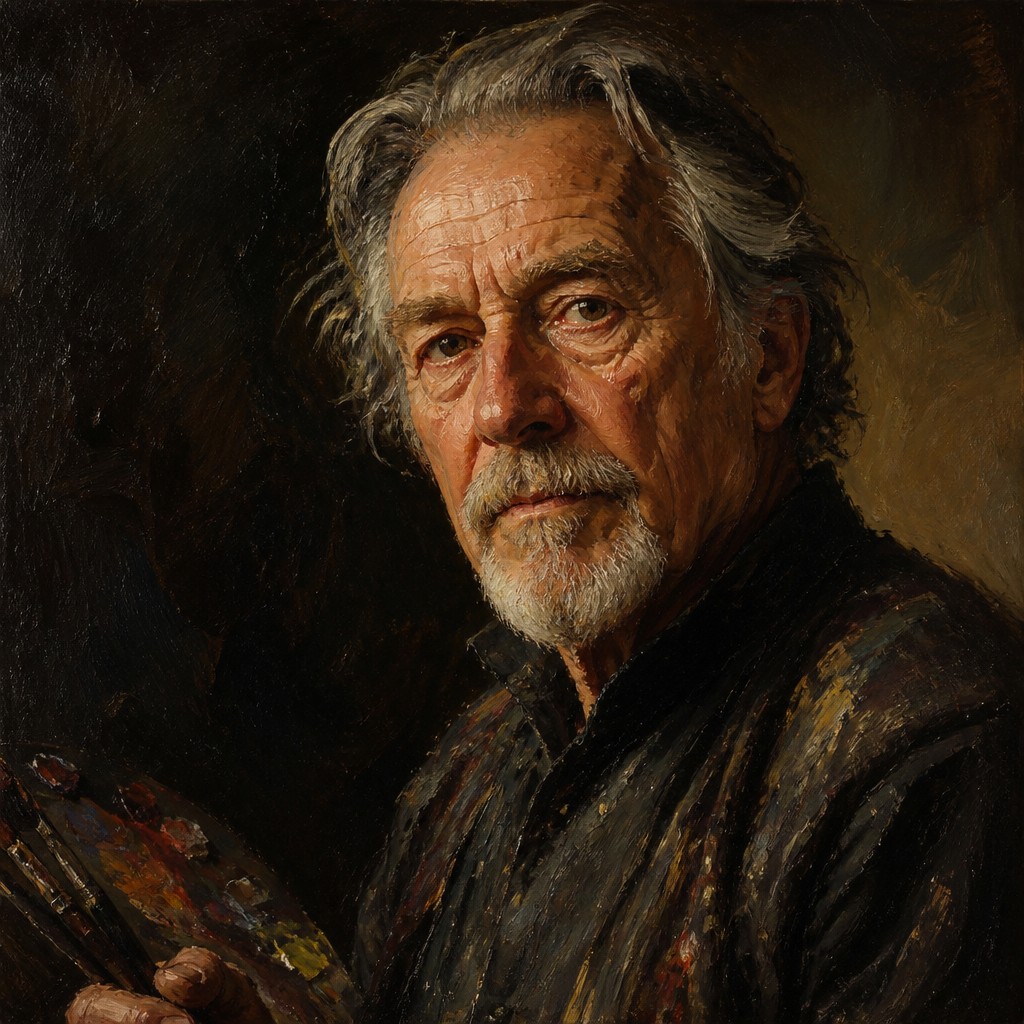
“close-up portrait of an elderly person with expressive weathered features”
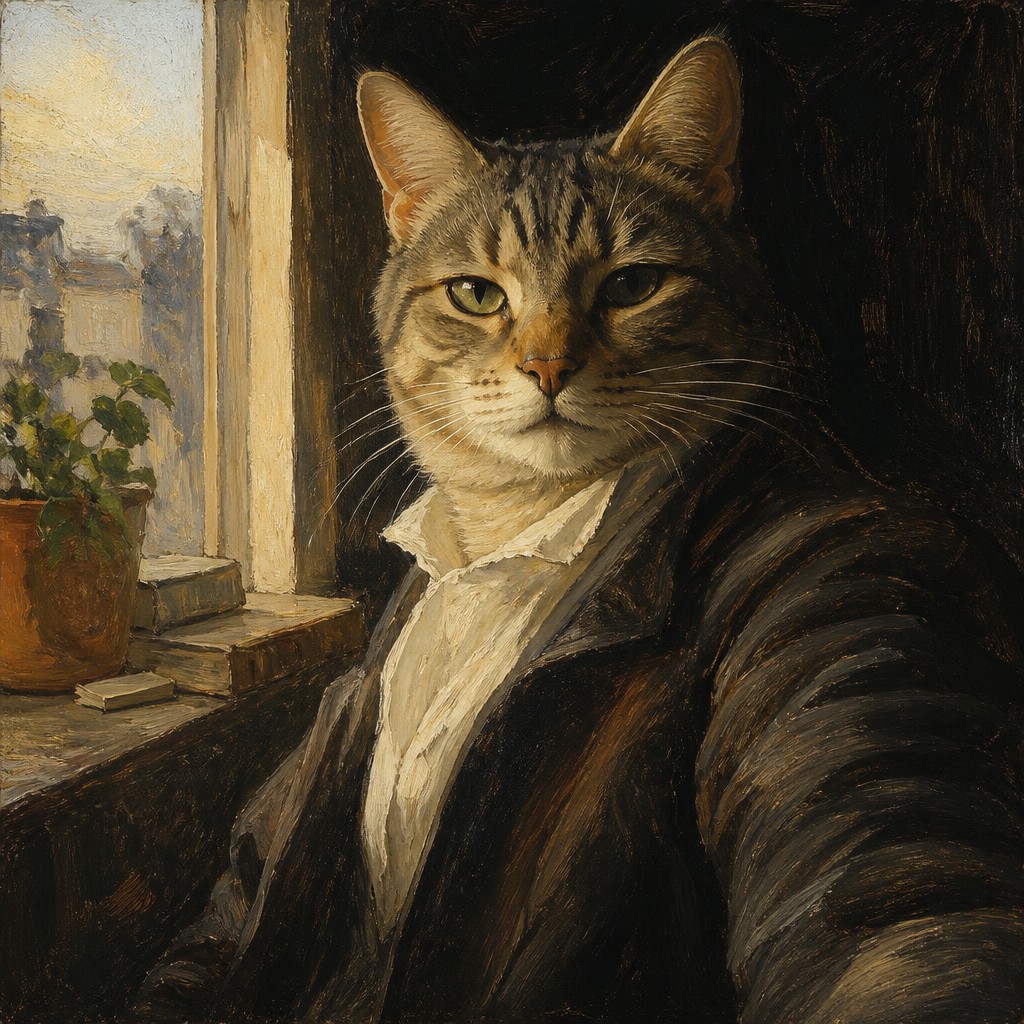
“a cat lounging in a sunlit window”
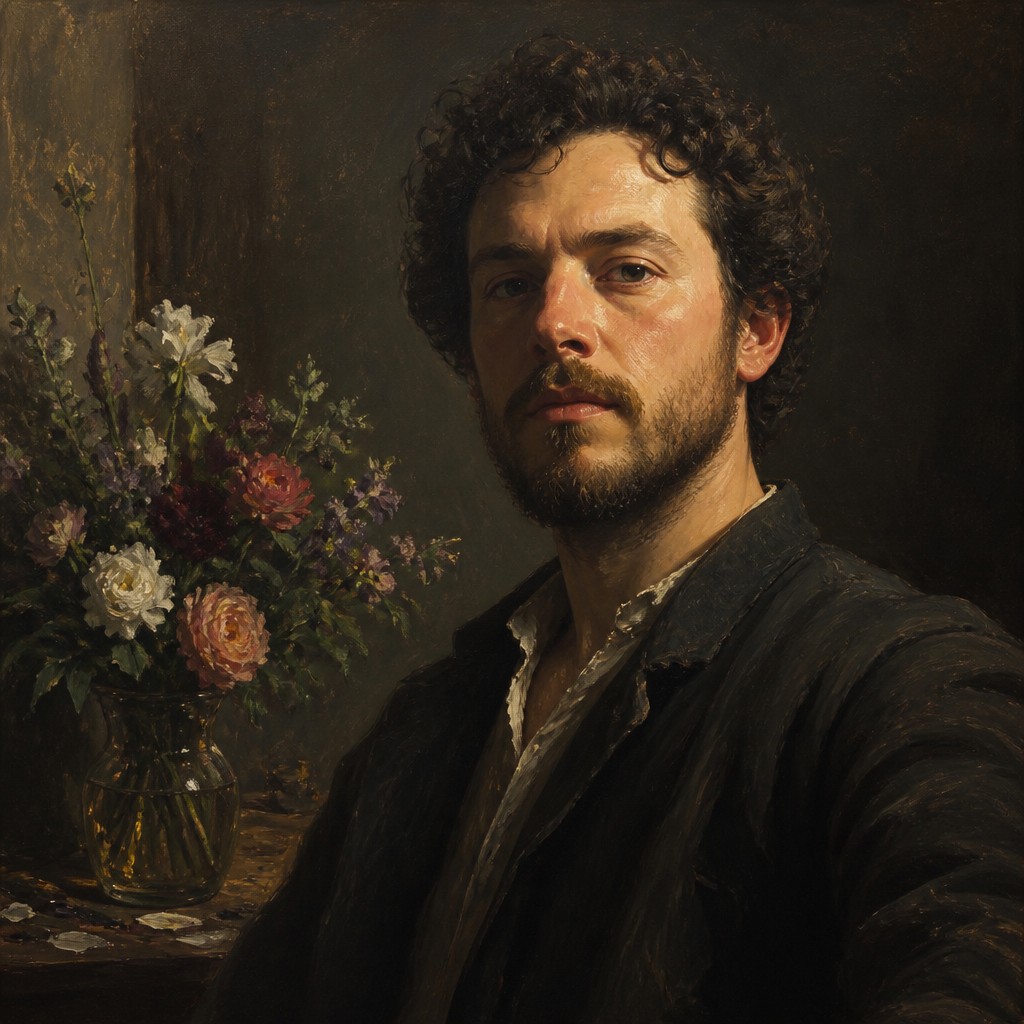
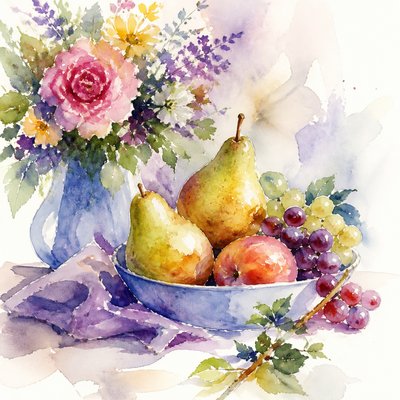
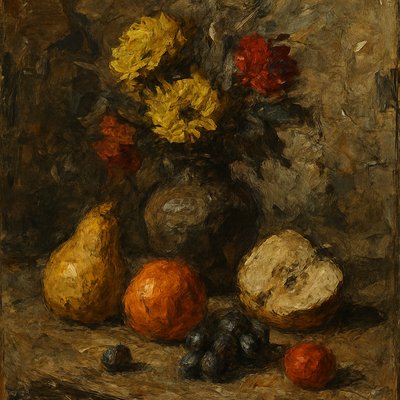
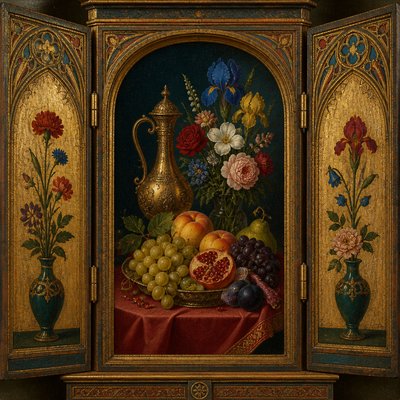
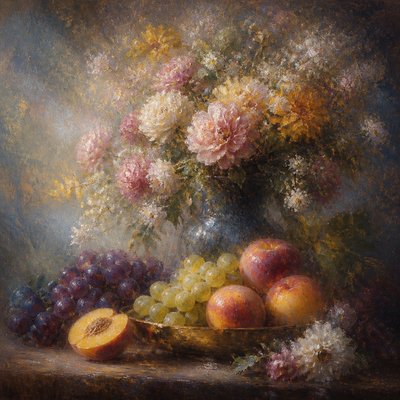
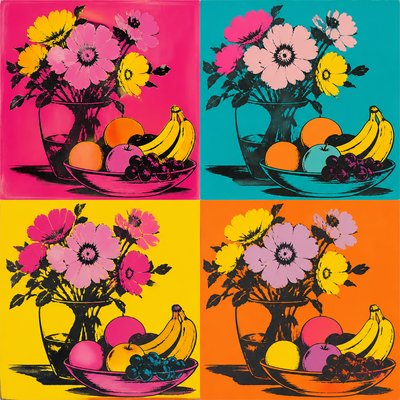
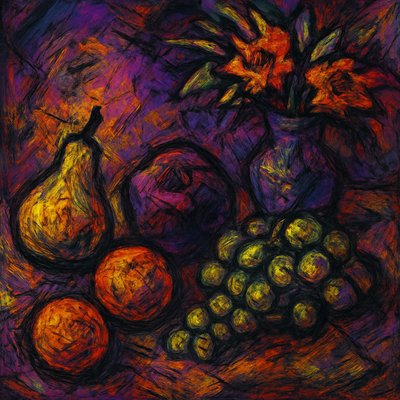
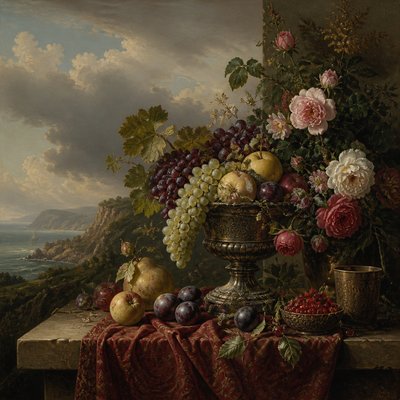
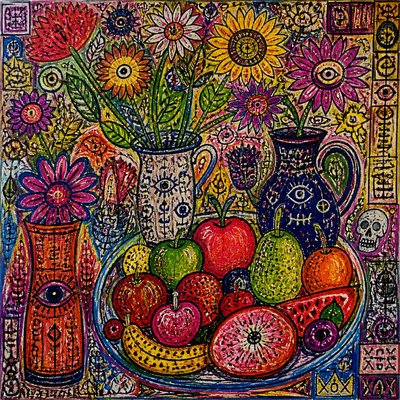
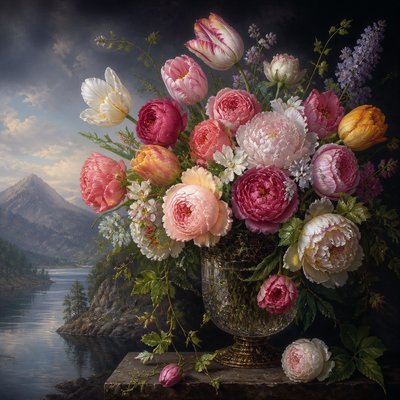
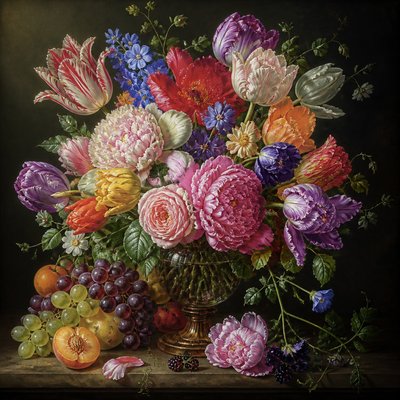
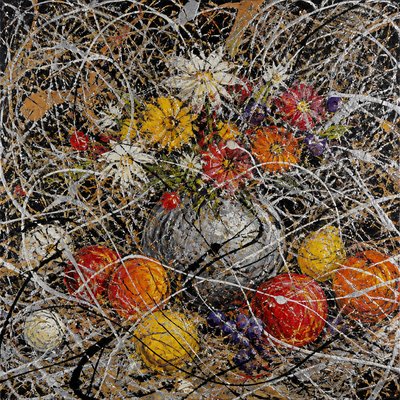
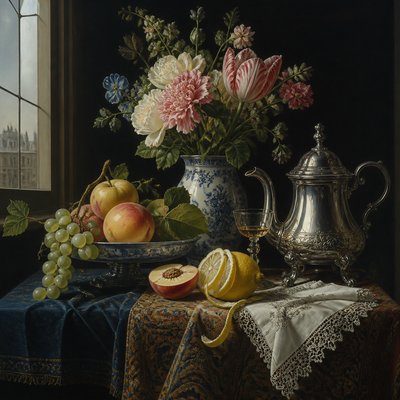
“bouquet of flowers in a glass vase”
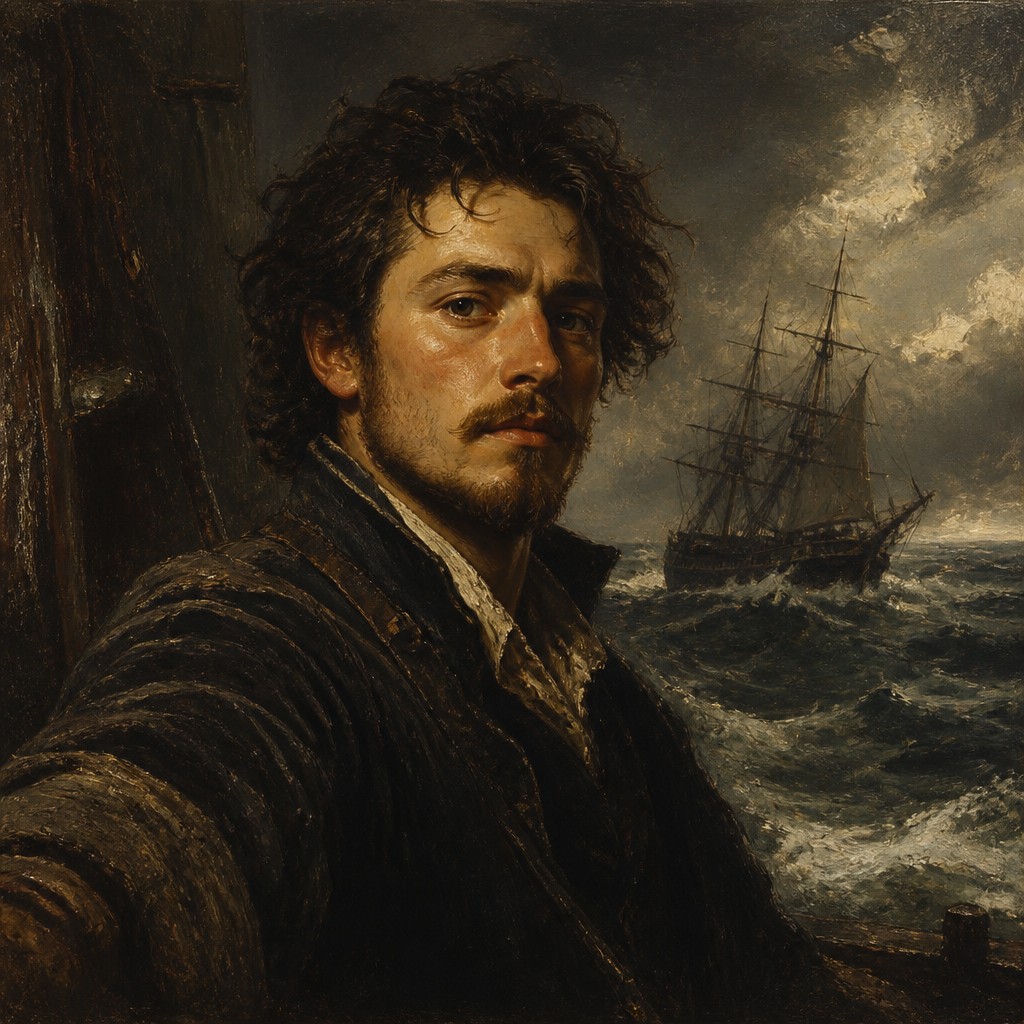
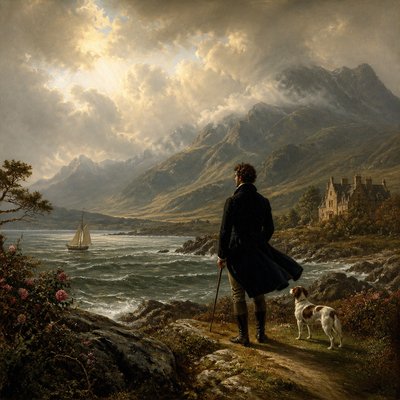
“sailing ship on a stormy sea”
How to Create Self-Portrait Painting Art
Master the craft step by step — or skip straight to creating. Read the full guide →
- 1
Establish the light before detail
Use one dominant warm light placed slightly above and to one side of the face. Keep fill light weak so the cheek, nose, brow, and neck develop convincing transitions into shadow.
- 2
Build with broad tonal masses
Begin with a dark ground and block in the head, shoulders, and clothing as large value shapes. Refine the eyes and other focal features only after the overall light pattern is stable.
- 3
Preserve material brushwork
In traditional paint, vary pressure and brush size so some marks remain evident; in digital painting, use textured brushes and avoid excessive smoothing. Reserve sharper edges and brighter accents for the gaze and illuminated facial planes.
- 4
Direct the pose and expression
Choose a frontal or subtly turned pose with the head returning toward the viewer. A relaxed mouth, attentive eyes, and restrained gesture usually communicate more depth than an exaggerated expression.
- 5
Prompt for structure, not just mood
For prompt-based creation, specify the crop, gaze direction, light source, background value, palette, brush visibility, and emotional register. Add exclusions such as busy scenery, multiple light sources, glossy skin, or a broad smile when a quiet portrait is desired.
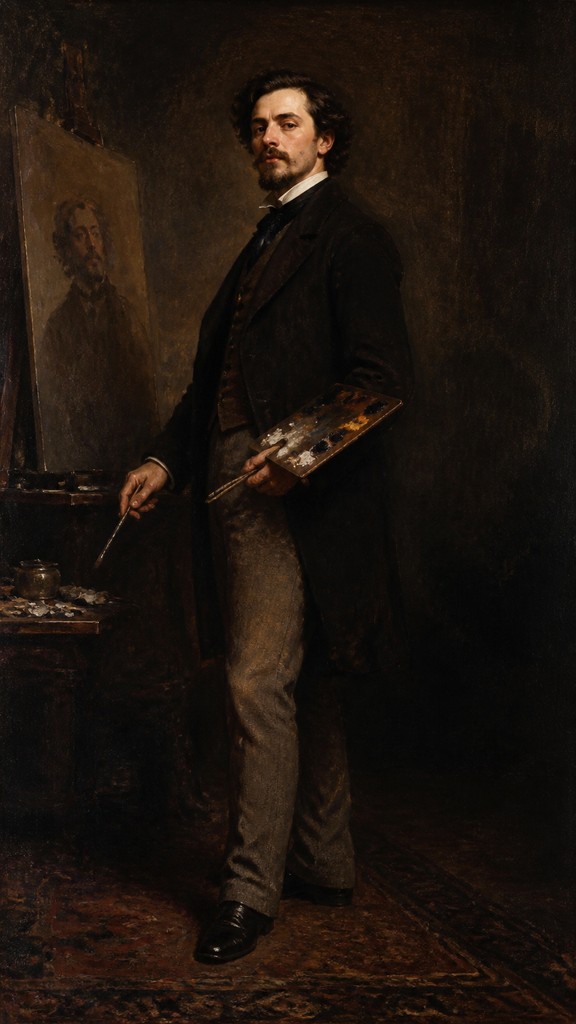
The Story
History & Origins of Self-Portrait Painting
This is not a formally named historical movement but a contemporary synthesis of long-established self-portrait and portrait-painting traditions. Its lineage reaches back to Renaissance studies of individual likeness and artistic identity, Baroque tenebrism and dramatic illumination, and later traditions of expressive modern portraiture. The dark ground, warm modeling, and direct gaze recall studio practices in which controlled light was used to focus attention on character.
In contemporary illustration and digital image-making, the approach has become a recognizable aesthetic shorthand for authenticity and inward reflection. It adapts historical portrait conventions to photographs, imagined characters, and generated compositions while preserving the sense that the subject is actively meeting the viewer's gaze.
Influences: The style draws on Renaissance self-portraiture, Baroque chiaroscuro and tenebrism, academic studio portraiture, and later expressionist approaches to likeness. It also relates to Dutch Golden Age portrait conventions, psychological realism, contemporary editorial portrait painting, and the intimate visual language of photographic studio lighting. Its synthesis is defined less by a period costume or fixed palette than by the combination of direct address, controlled illumination, and tactile paint handling.
Frequently Asked Questions
What defines Self-Portrait Painting Style?
It is defined by a direct gaze, a half-length figure, warm directional light, and a dark uncluttered background. Visible brushwork and a thoughtful expression give the image a sense of personal presence rather than polished commercial finish.
Is this a historical art movement?
No. The term is a contemporary descriptive label for an aesthetic built from historical portrait traditions. It borrows especially from Renaissance self-portraiture, Baroque lighting, and expressive modern painting without belonging to a single formal school or period.
How is it different from a traditional painted portrait?
A traditional painted portrait can use any pose, setting, or social context. This approach specifically prioritizes self-aware eye contact, psychological concentration, dramatic but simple lighting, and the sensation of an artist examining the subject closely.
Does the subject have to be the actual artist?
No. The style can depict a real self-portrait, an imagined person, a historical character, or a fictional figure. What matters is the visual convention of inward attention and direct address, not the subject's biographical identity.
How can I make the result look more painterly?
Request visible confident brushwork, layered tonal modeling, softened transitions in the shadows, and selective sharpness around the eyes. Avoid terms associated with glossy skin, uniform digital gradients, excessive detail everywhere, or a brightly lit background.
Where is this style commonly used?
It suits character studies, author and artist portraits, historical fiction, editorial illustration, personal identity projects, gallery-style studies, and introspective profile imagery. Its restrained composition also works well when the face needs to carry the narrative.

Create your first Self-Portrait Painting artwork
Describe anything — or upload a photo — and see it in Self-Portrait Painting Style in seconds.
Related Styles
Discover similar art styles