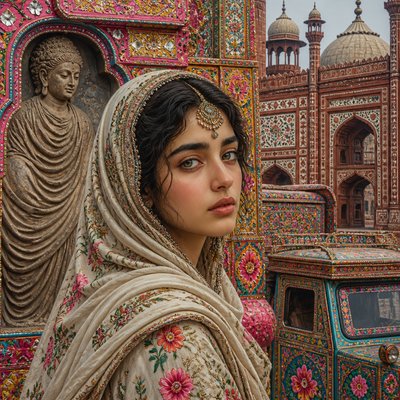
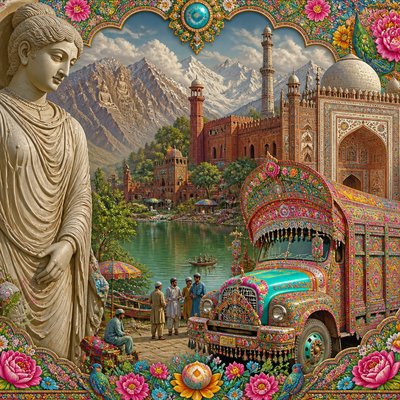
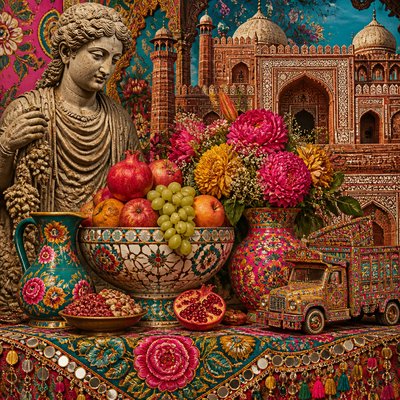
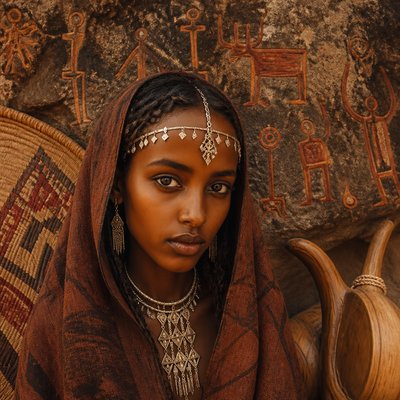
Vienna Secession Art Style
Explore Vienna Secession art: gilded ornament, mosaic geometry, symbolic figures, and elegant decorative design from turn-of-the-century Vienna.
Instantly rendered in Vienna Secession — or transform a photo
Vienna Secession Gallery
Tap any artwork to explore it
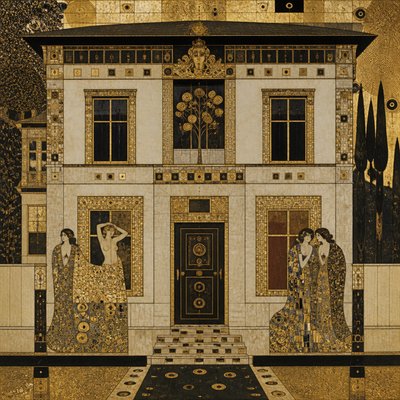
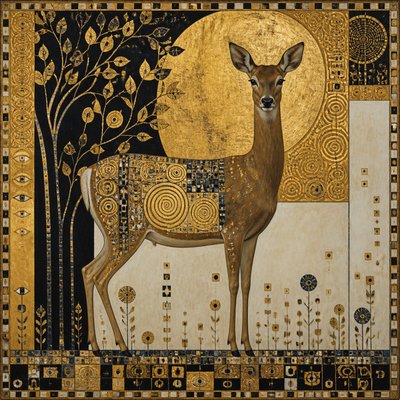
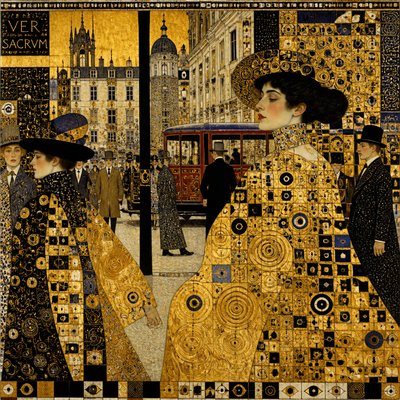
What is Vienna Secession Art Style?
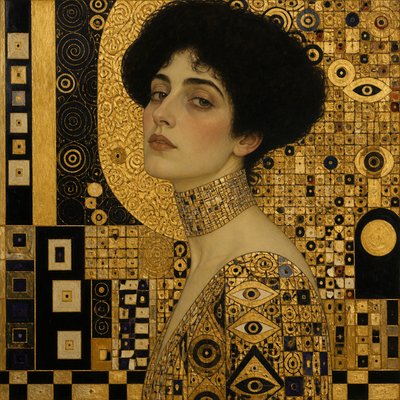
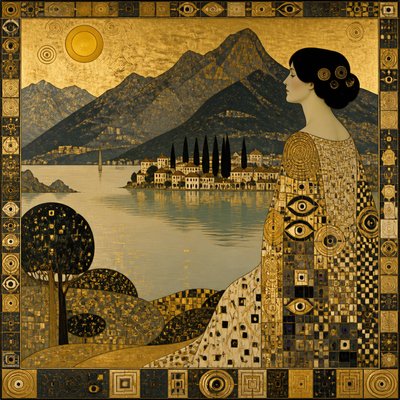
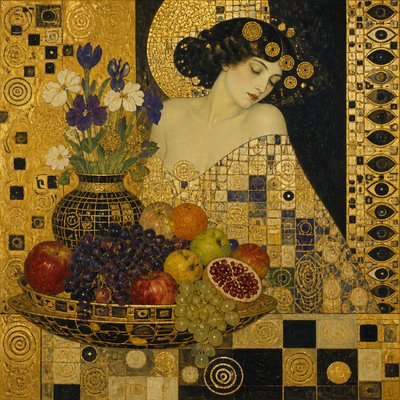
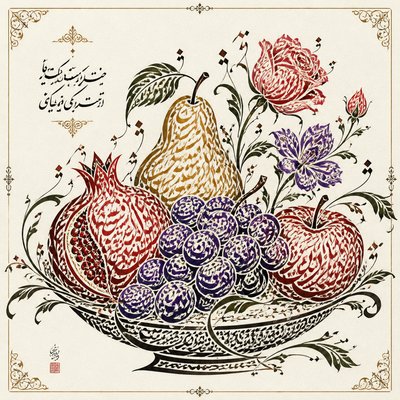
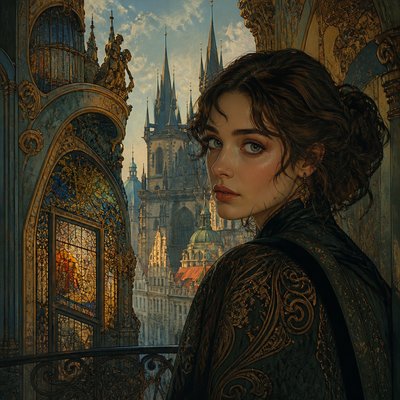
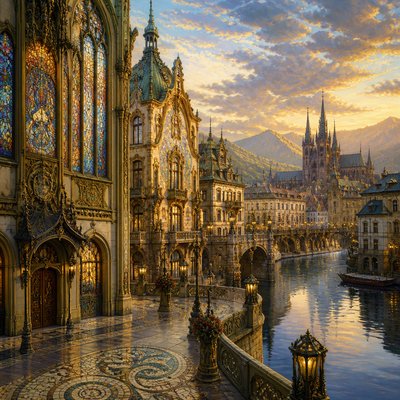
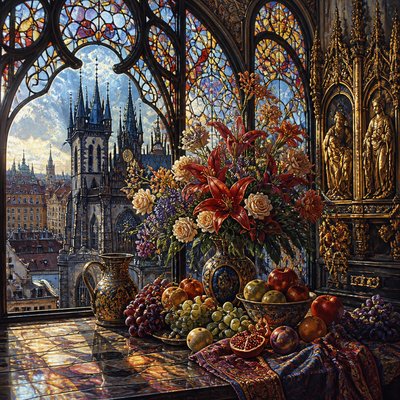
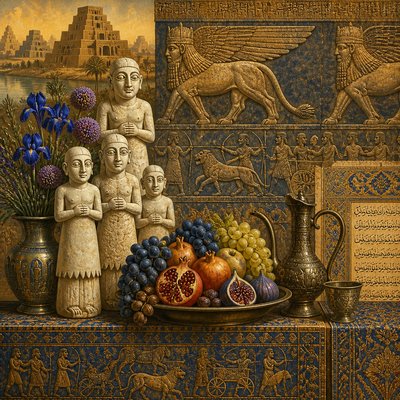
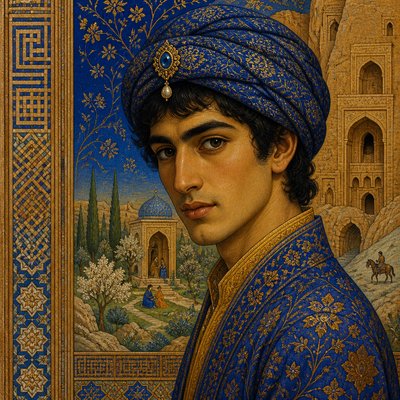
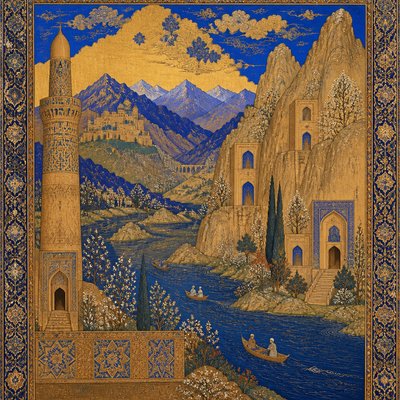
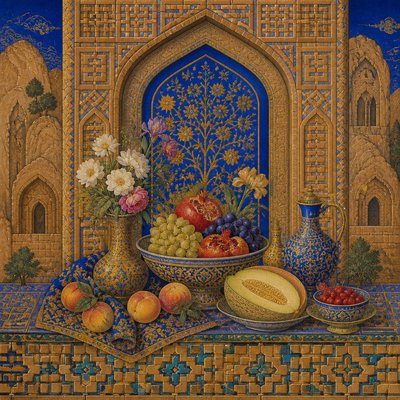
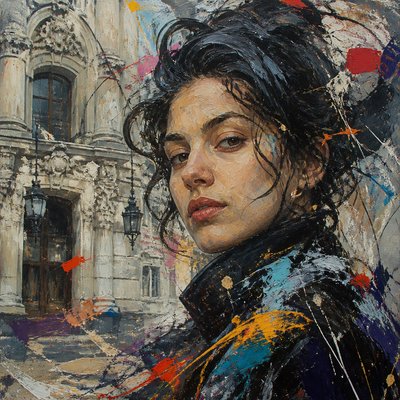
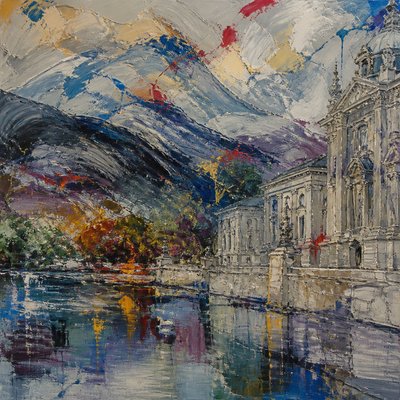
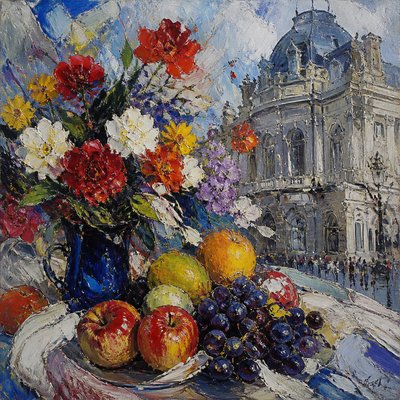
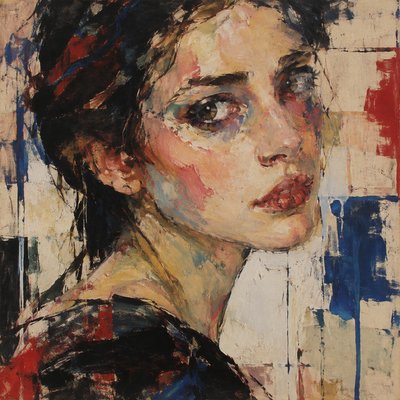
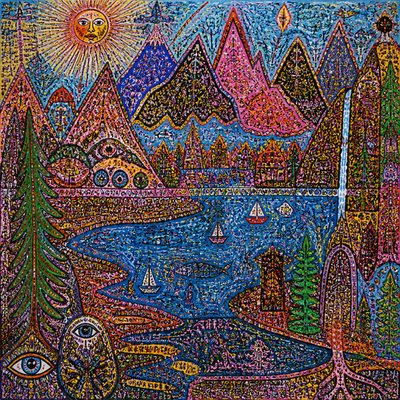
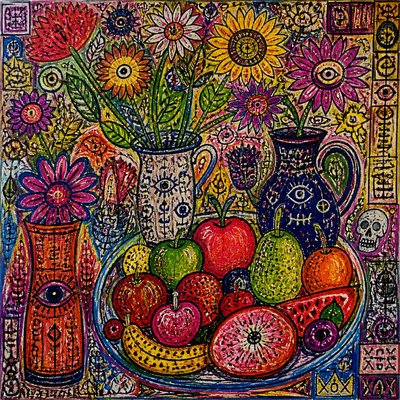
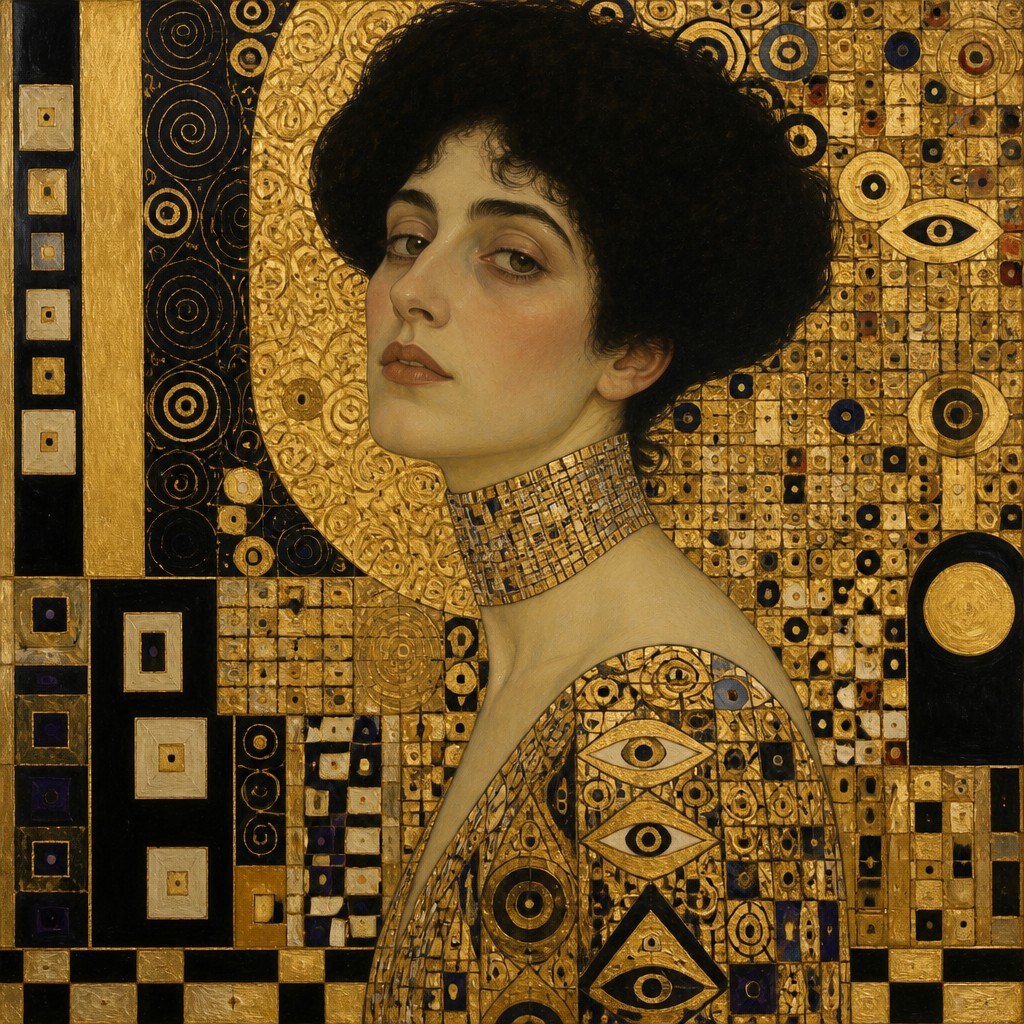
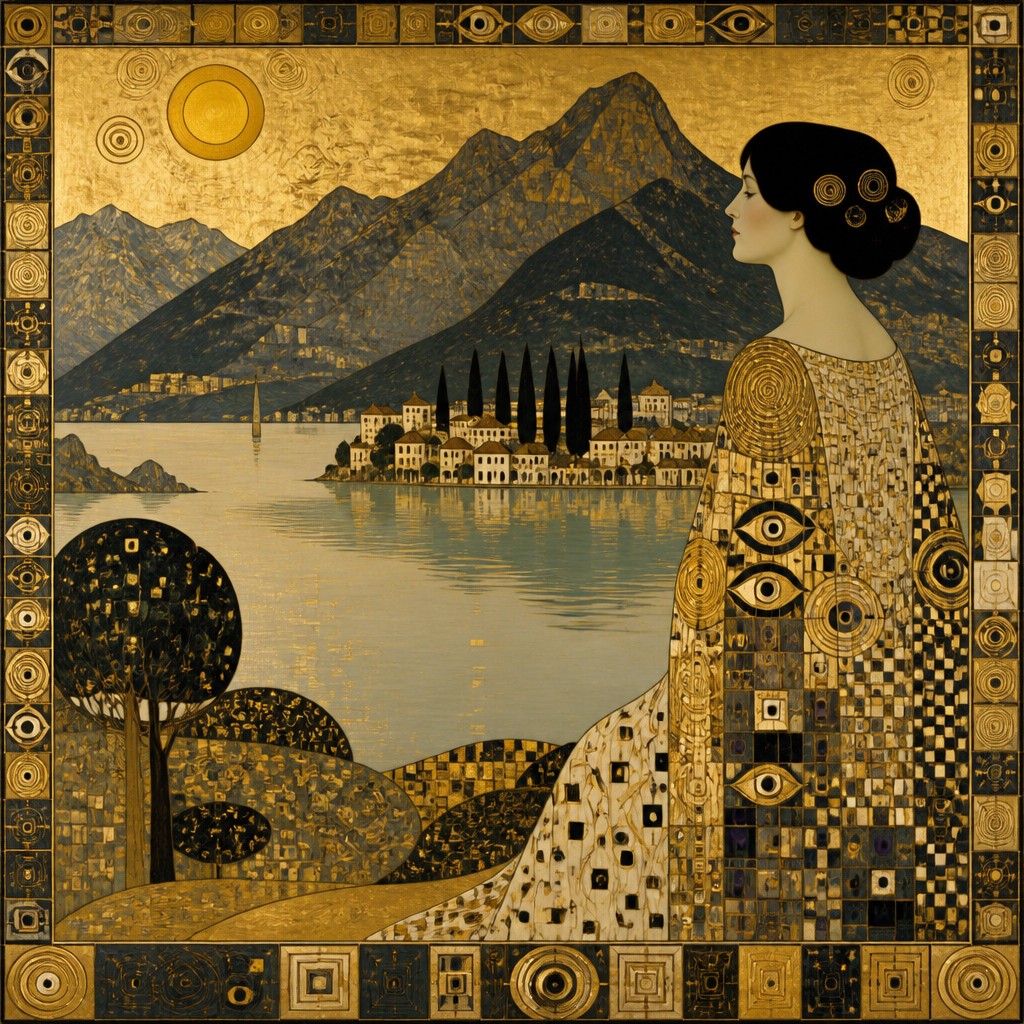
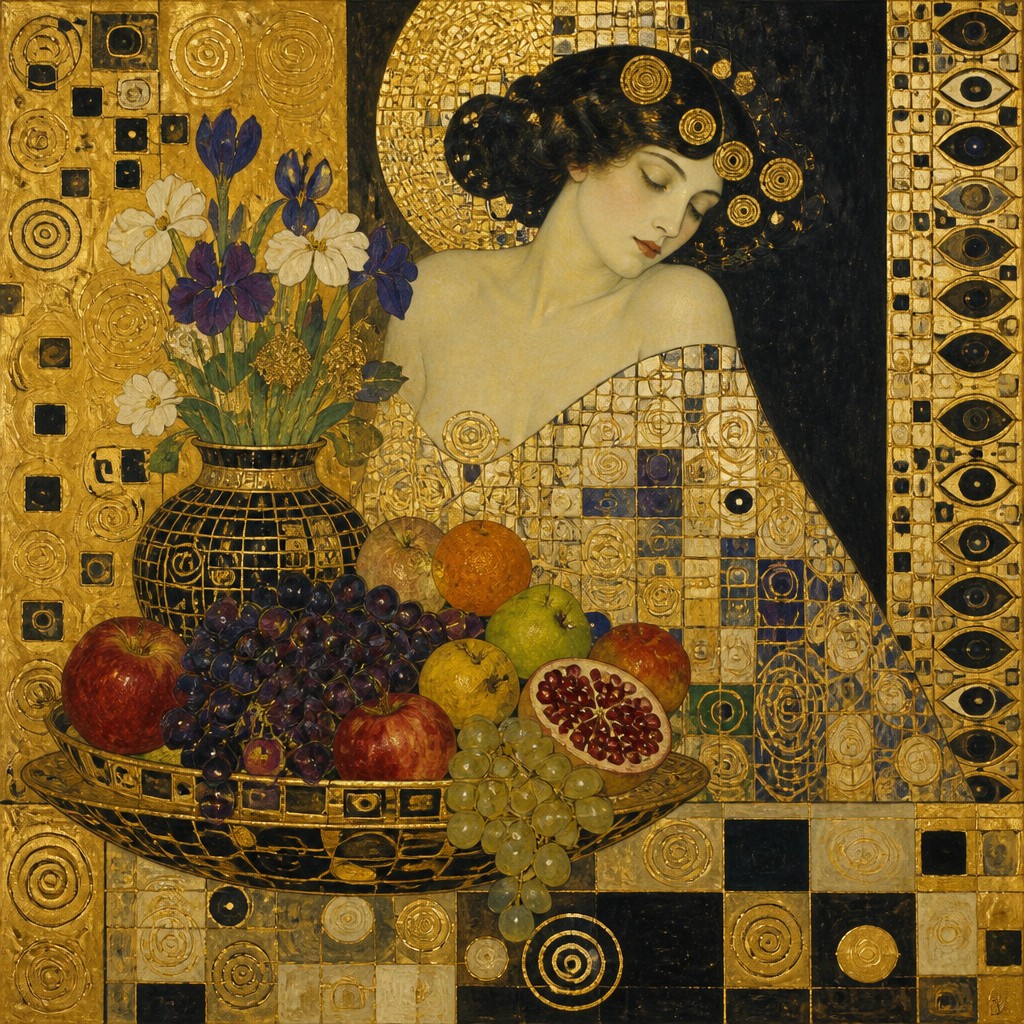
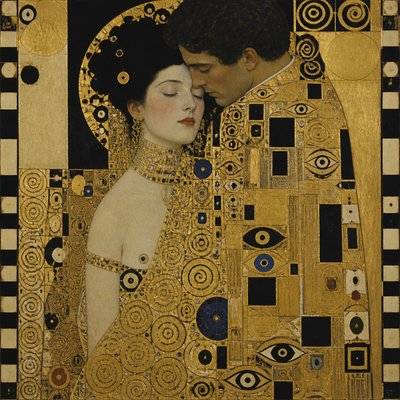
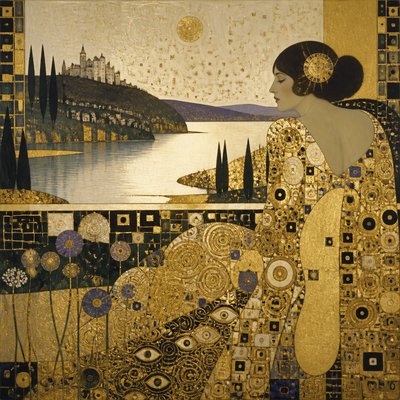
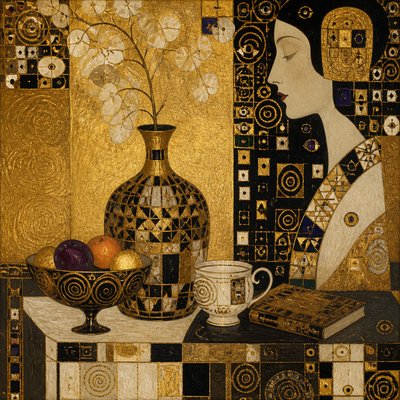
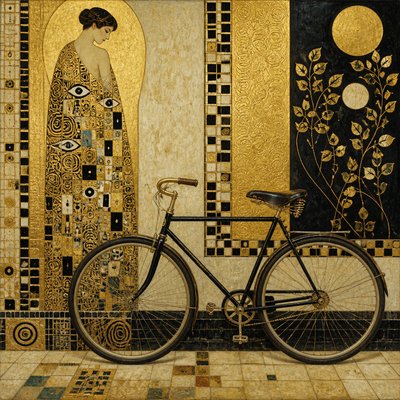
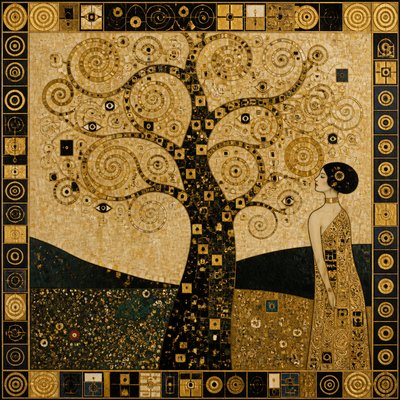
Vienna Secession art is a refined decorative style associated with the Austrian avant-garde movement founded in Vienna in 1897. It combines the organic curves of Art Nouveau with disciplined geometry, symbolic imagery, flat pattern, and an unusually luxurious use of gold. Figures, plants, animals, and abstract motifs are often arranged as parts of a unified surface rather than modeled as realistic objects in deep space.
Its visual identity depends on contrast: shimmering gold against black, ivory, or saturated jewel colors; sinuous contours beside grids and rectangular borders; and natural forms transformed into repeated ornaments. Mosaic-like fields, stylized eyes, spirals, squares, circles, and patterned textiles create a dreamlike but carefully ordered atmosphere. The style can appear simultaneously sensual, monumental, introspective, and architectural.
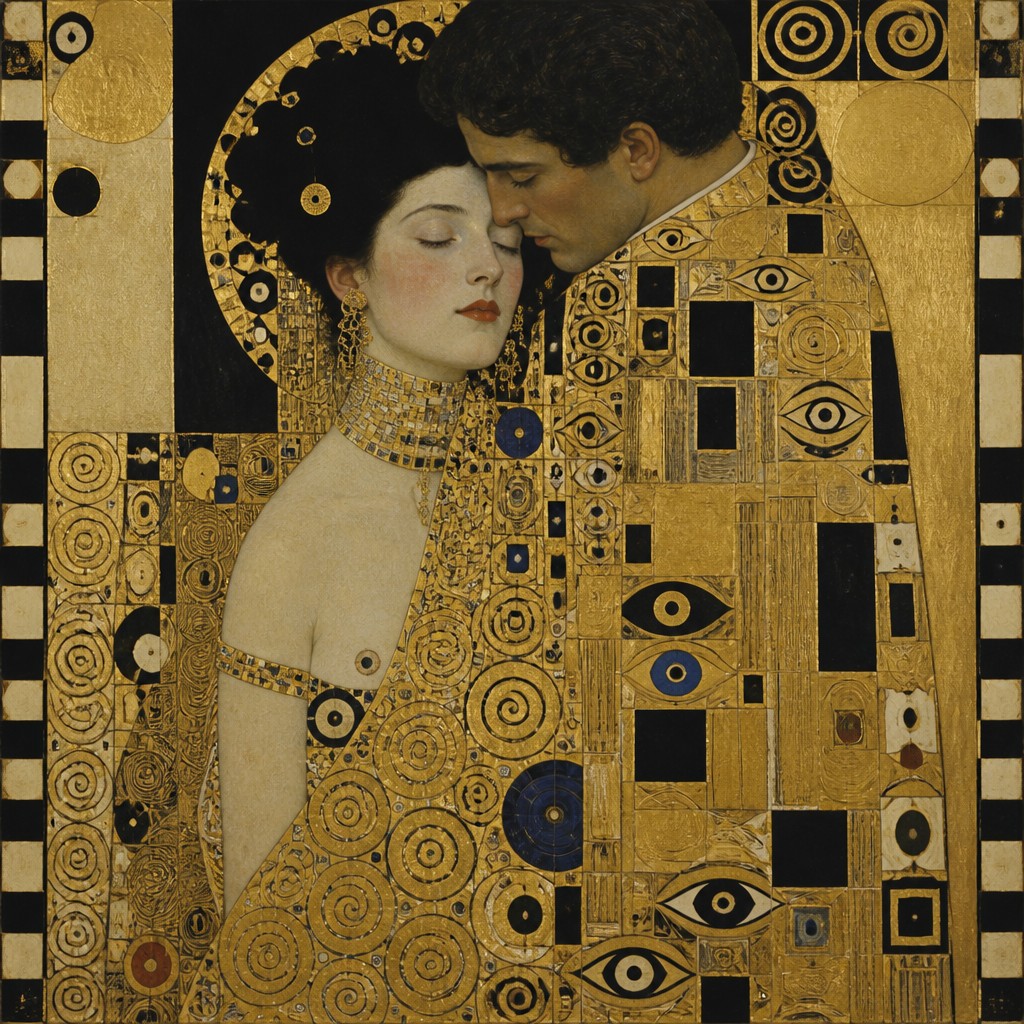
Try It On Your Photos
Upload any photo and convert it into Vienna Secession Art Style — drag the sliders to compare before and after.
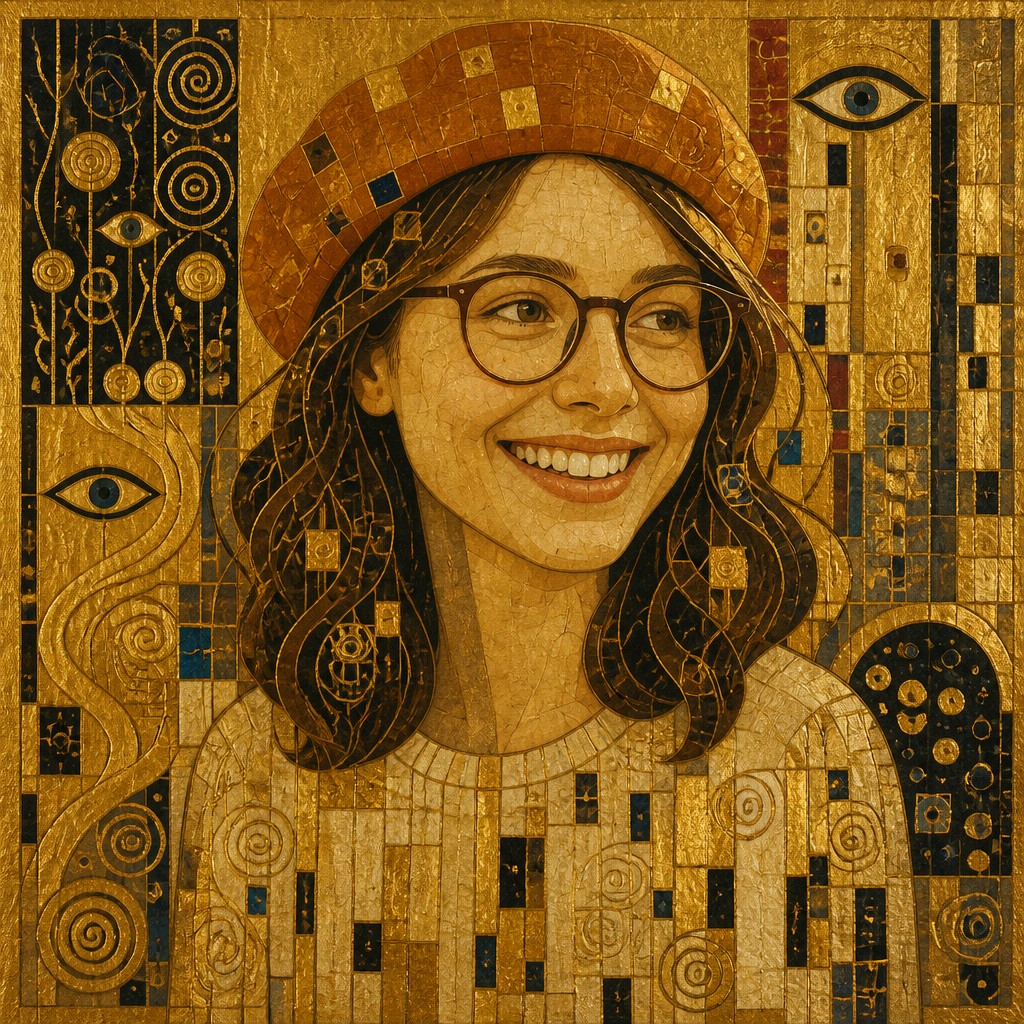

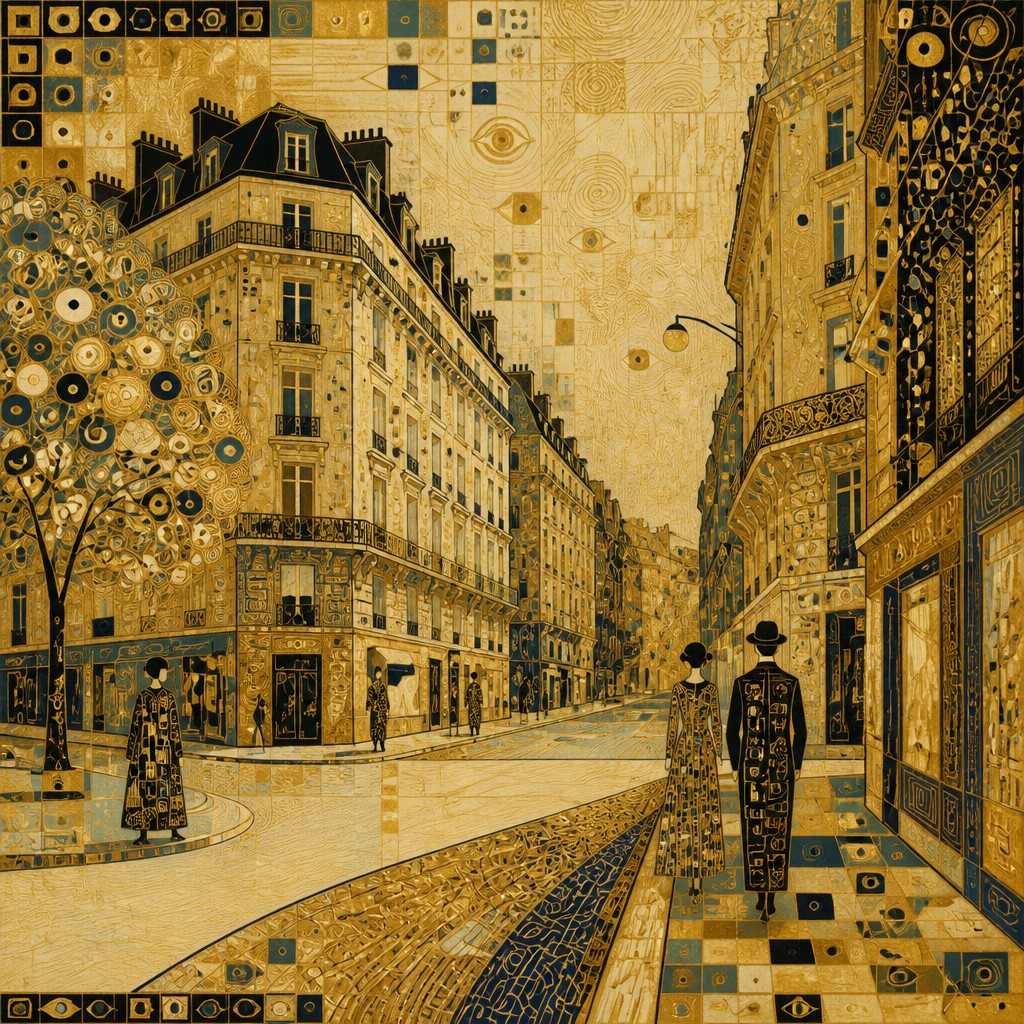

What Defines Vienna Secession Art Style
The signature details, up close
Gilded surfaces
Gold leaf, metallic effects, and warm ochre create a luminous decorative field. Gold is often used as a flat pattern or symbolic material rather than merely as realistic illumination.
Geometric ornament
Squares, circles, grids, borders, checkerboards, and modular motifs provide structure beneath the more fluid imagery. Geometry gives the compositions a measured, architectural rhythm.
Mosaic-like pattern
Small tesserae, tiles, dots, and repeated marks break broad surfaces into shimmering units. These patterns may suggest Byzantine, ancient, or Mediterranean mosaic traditions without reproducing them literally.
Symbolic figures
Human figures are frequently elongated, frontal, masked, or absorbed into ornamental backgrounds. Their poses and surrounding motifs imply psychological, mythic, erotic, or allegorical meanings.
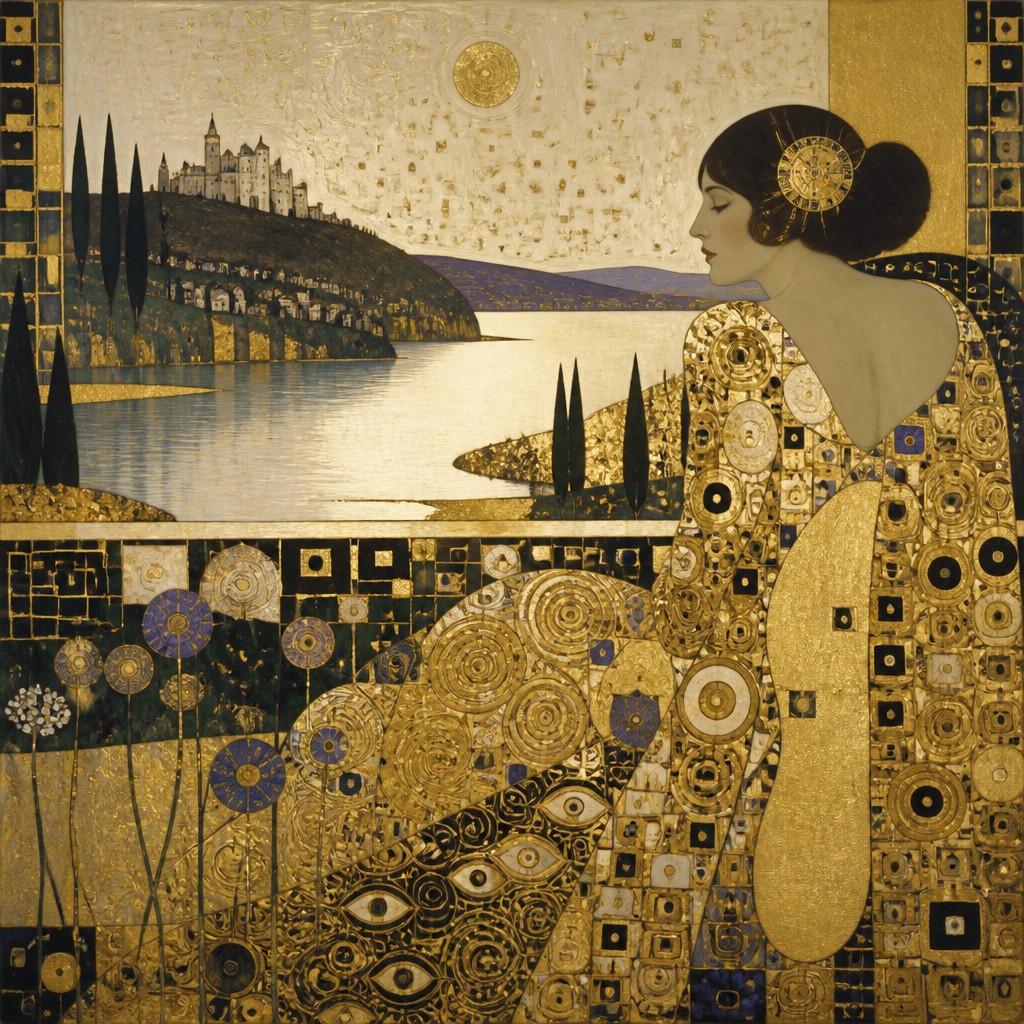
Sinuous line and rigid borders
Elegant contours define hair, garments, foliage, and bodies, while rectangular frames and hard-edged compartments contain them. The tension between curving line and strict enclosure is central to the style.
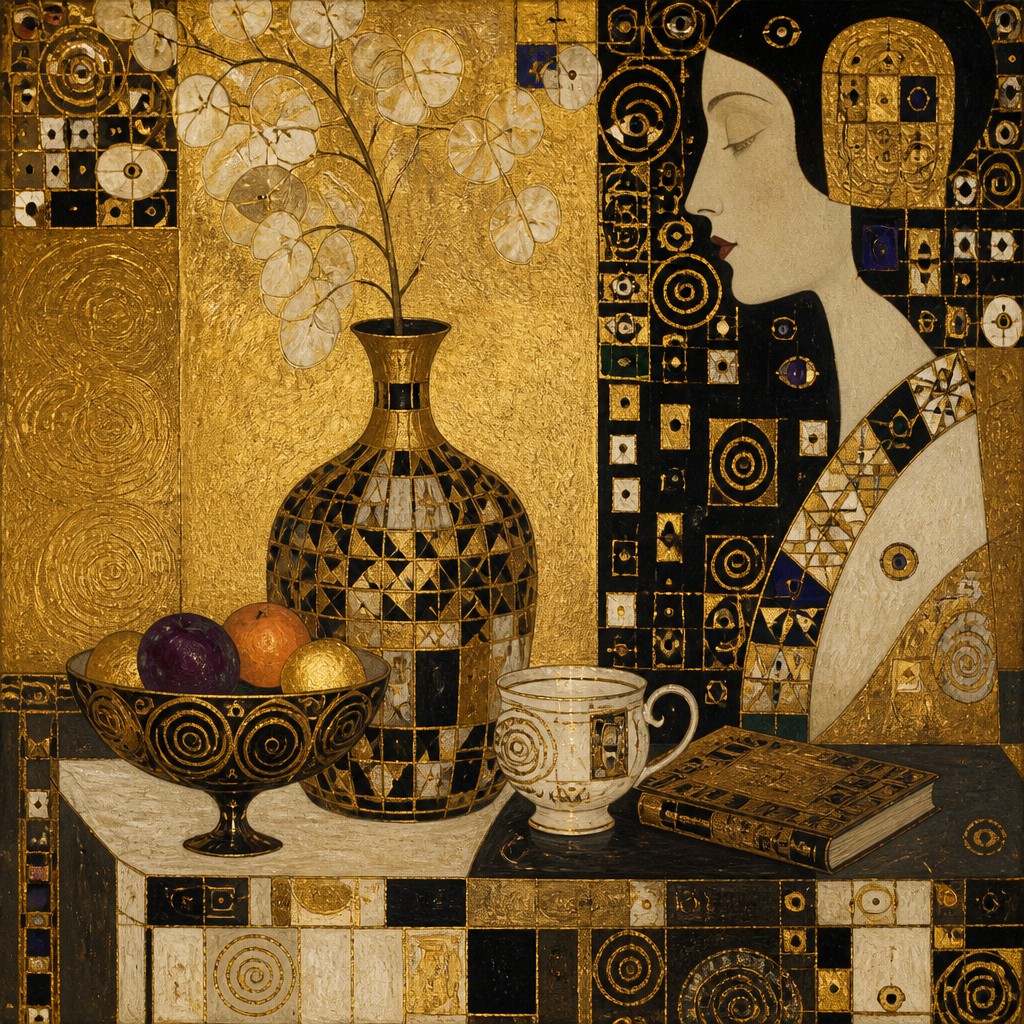
Restrained jewel palette
Deep black, ivory, ochre, emerald, ruby, sapphire, and muted rose are common accents. Strong color is usually balanced by metallic areas and large zones of controlled flatness.
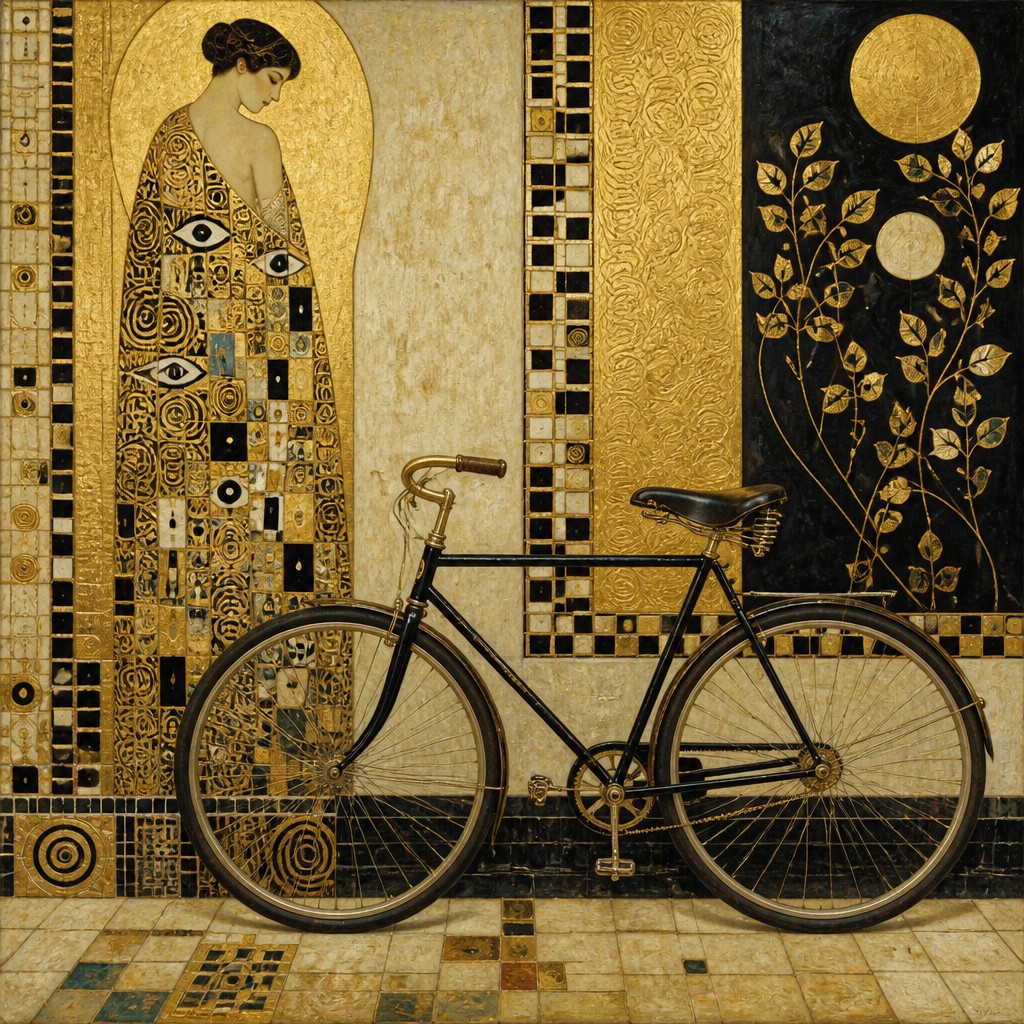
Decorative flatness
Depth is compressed in favor of pattern, silhouette, and surface unity. Spatial perspective may be present, but it remains subordinate to the overall ornamental design.
Try It
Create Videos in Vienna Secession Art Style
Styles aren't just for stills — describe a scene or animate an image and get a short video rendered in Vienna Secession. Press play to see this pond come to life.
Make a VideoVienna Secession Prompt Ideas
Start from an idea — each one opens the generator with the style ready to go. See all 40 Vienna Secession prompts →
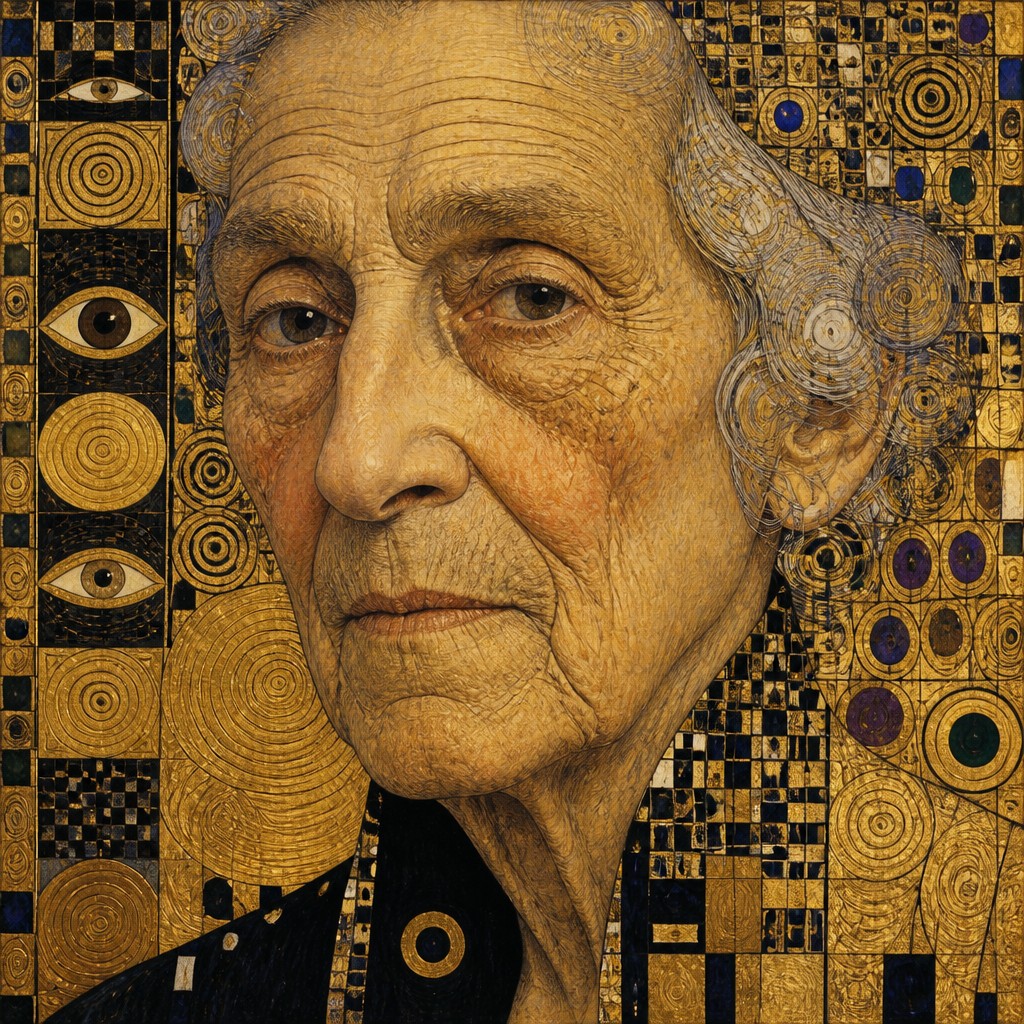
“close-up portrait of an elderly person with expressive weathered features”
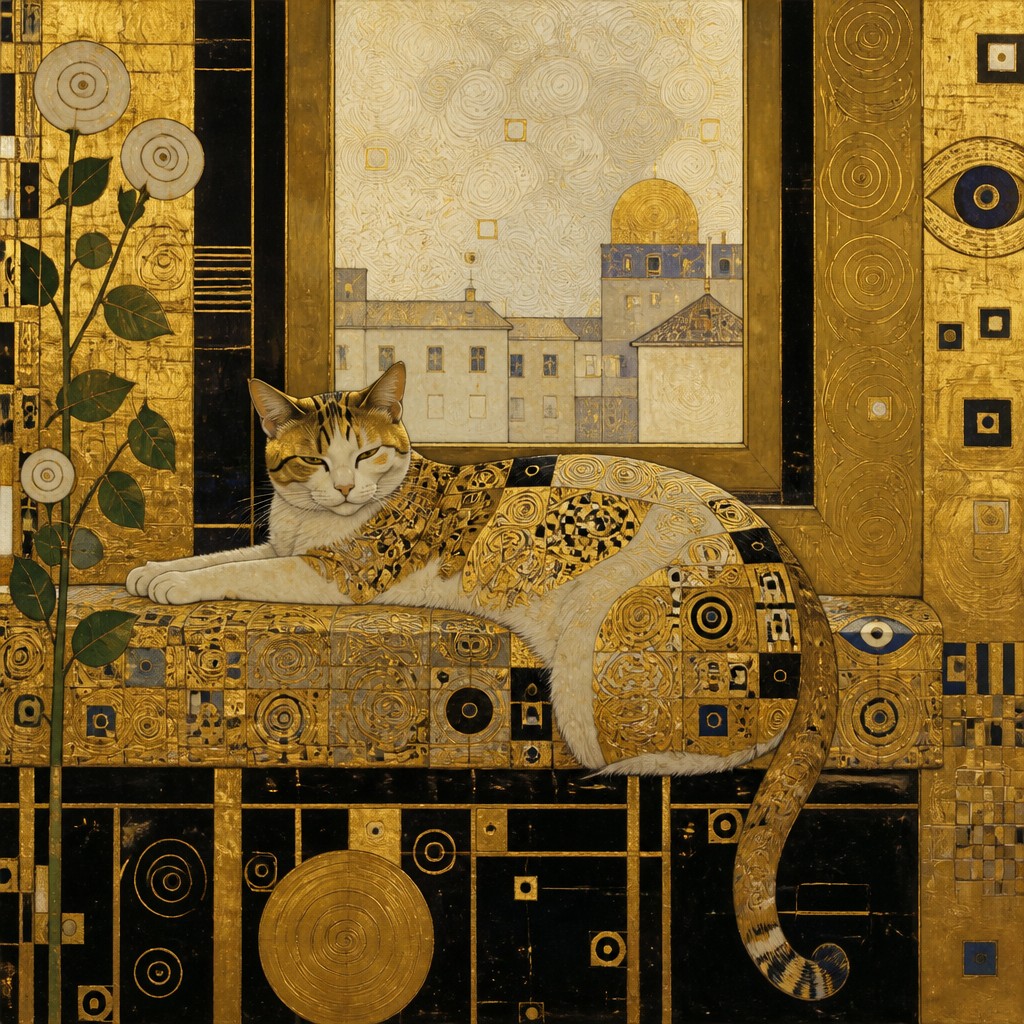
“a cat lounging in a sunlit window”
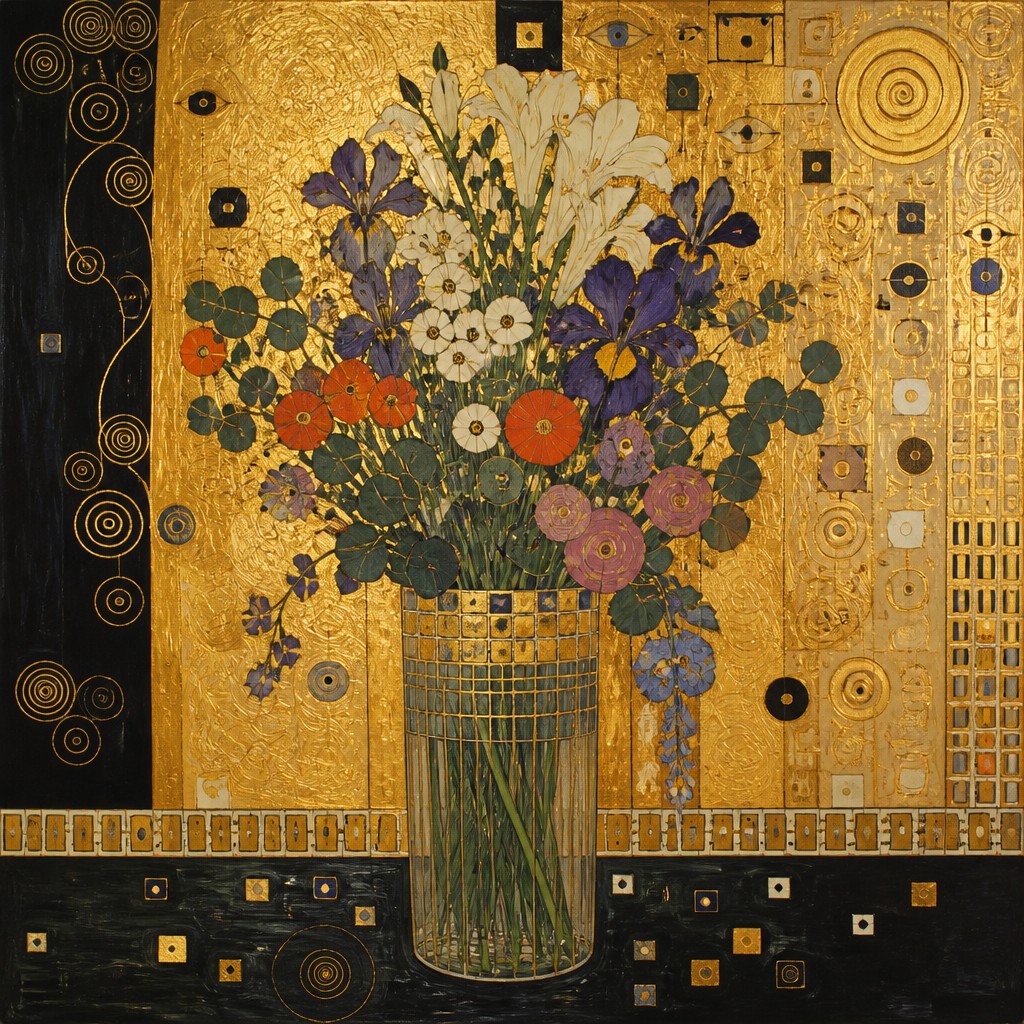
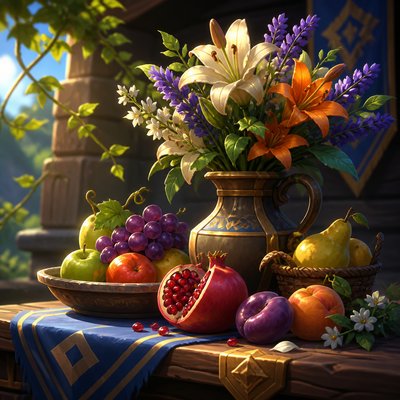
“bouquet of flowers in a glass vase”
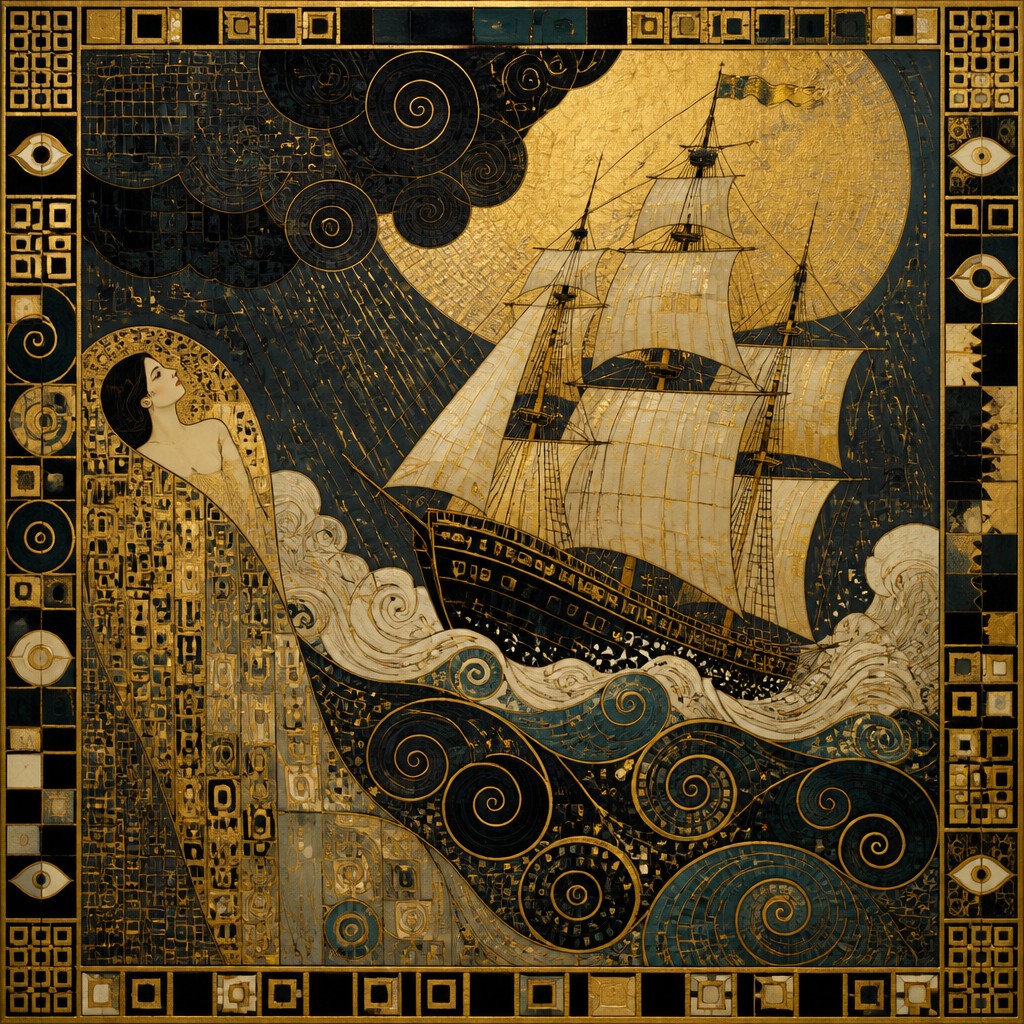
“sailing ship on a stormy sea”
How to Create Vienna Secession Art
Master the craft step by step — or skip straight to creating. Read the full guide →
- 1
Build a strong ornamental composition
Begin with a central figure, emblem, or architectural subject and surround it with a deliberate frame or border. Keep major shapes legible and treat the background as an active patterned surface rather than empty space.
- 2
Use metallic contrast
In traditional work, apply imitation gold or gold leaf over a prepared, even ground and protect it appropriately. Digitally, combine warm metallic gradients or textured gold with near-black, ivory, and a few jewel-tone accents.
- 3
Flatten and stylize forms
Reduce realistic shading, use clean contours, and simplify anatomy, foliage, and fabric into graphic shapes. Preserve enough modeling to identify the subject, then let pattern and silhouette carry the visual emphasis.
- 4
Design repeating motifs
Create a small vocabulary of spirals, eyes, leaves, squares, circles, and tessellated marks, then repeat them at varied scales. Maintain consistent spacing so the surface feels intentional rather than randomly decorated.
- 5
Combine curves with geometry
Pair flowing lines in hair, garments, or plants with rectilinear panels, checkerboards, and architectural borders. This contrast prevents the image from becoming either purely organic or mechanically rigid.
- 6
Guide image generation precisely
Describe the subject first, then specify gilded flat ornament, mosaic tesserae, symbolic pattern, black-and-ivory contrast, jewel accents, elegant contour lines, and a framed composition. Request decorative surface unity and limited perspective to avoid a generic realistic result.
The Story
History & Origins of Vienna Secession
The Vienna Secession emerged in Vienna in 1897 when progressive artists and designers separated from the conservative Künstlerhaus exhibition system. The movement sought an art suited to modern life and embraced painting, architecture, furniture, graphic design, ceramics, metalwork, and exhibition design. Its early development coincided with Austrian Jugendstil, the local expression of Art Nouveau, but it developed a distinctive preference for planar composition, geometric structure, symbolic themes, and integrated decorative environments.
The movement was never completely uniform. Some practitioners favored flowing botanical ornament, while others pursued severe grids, modular forms, and abstract pattern. Gold-ground painting, ornamental panels, mural decoration, and mosaic surfaces became especially influential in the early twentieth century. After the Secession’s initial period, its visual language continued through modernist graphic design, decorative arts, architecture, poster design, fashion, and contemporary interpretations of fin-de-siècle Vienna.
Influences: Vienna Secession art developed from European Art Nouveau and Austrian Jugendstil while absorbing ideas from the Arts and Crafts movement, symbolist painting, historic ornament, Byzantine and Mediterranean mosaic, Japanese woodblock design, and ancient geometric pattern. Its later legacy can be seen in modernist poster design, decorative murals, architectural interiors, textile pattern, jewelry, and contemporary flat illustration.
Frequently Asked Questions
What defines Vienna Secession art?
It is defined by the union of decorative pattern and modern artistic design, especially gilded surfaces, geometric borders, symbolic figures, mosaic-like textures, and flattened space. The style balances organic line with strict structure and often uses a limited palette of black, ivory, gold, and jewel tones.
Is Vienna Secession the same as Art Nouveau?
Vienna Secession is a regional and historically specific movement that belongs to the broader Art Nouveau period. It shares Art Nouveau’s interest in ornament and flowing line but is often more geometric, planar, symbolic, and architecturally organized than the most botanical forms of Art Nouveau.
Why is gold so important in this style?
Gold emphasizes the movement’s interest in surface, luxury, symbolism, and the integration of fine art with decorative arts. It also recalls the visual impact of mosaic and sacred or historical decoration, while creating a striking contrast with dark outlines and saturated colors.
Can Vienna Secession art be created digitally?
Yes. Digital tools are well suited to layered borders, repeating motifs, metallic textures, vector-like contours, and controlled flat color. Build the image from a clear silhouette, ornamental pattern, and limited palette rather than relying on realistic lighting alone.
How can I prompt an image in this style?
Name a specific subject and add details such as gilded ornament, mosaic tesserae, symbolic pattern, elegant contour lines, geometric framing, decorative flatness, and black, ivory, and jewel accents. Mention limited perspective and an integrated patterned background if you want a stronger period-inspired result.
Where is Vienna Secession style used today?
Its vocabulary appears in posters, book covers, murals, interiors, jewelry, textiles, packaging, editorial illustration, tattoos, and fashion graphics. Contemporary designers often adapt its borders, metallic palettes, and symbolic pattern without reproducing an entire historical composition.
Create your first Vienna Secession artwork
Describe anything — or upload a photo — and see it in Vienna Secession Art Style in seconds.
Related Styles
Discover similar art styles