Neapolitan Baroque Art Style
Explore Neapolitan Baroque: fierce tenebrism, earthy realism, sacred drama, and violent southern light shaped by 17th-century Naples.
Instantly rendered in Neapolitan Baroque — or transform a photo
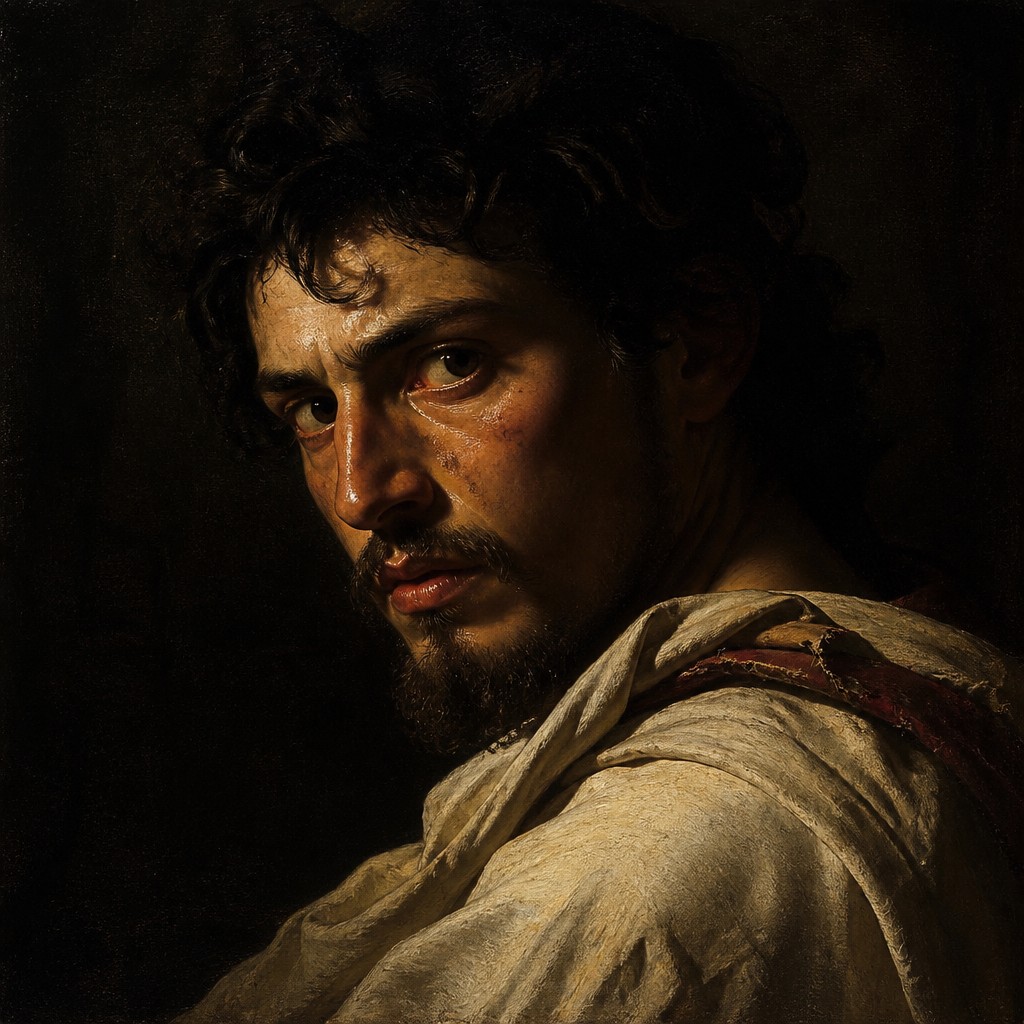
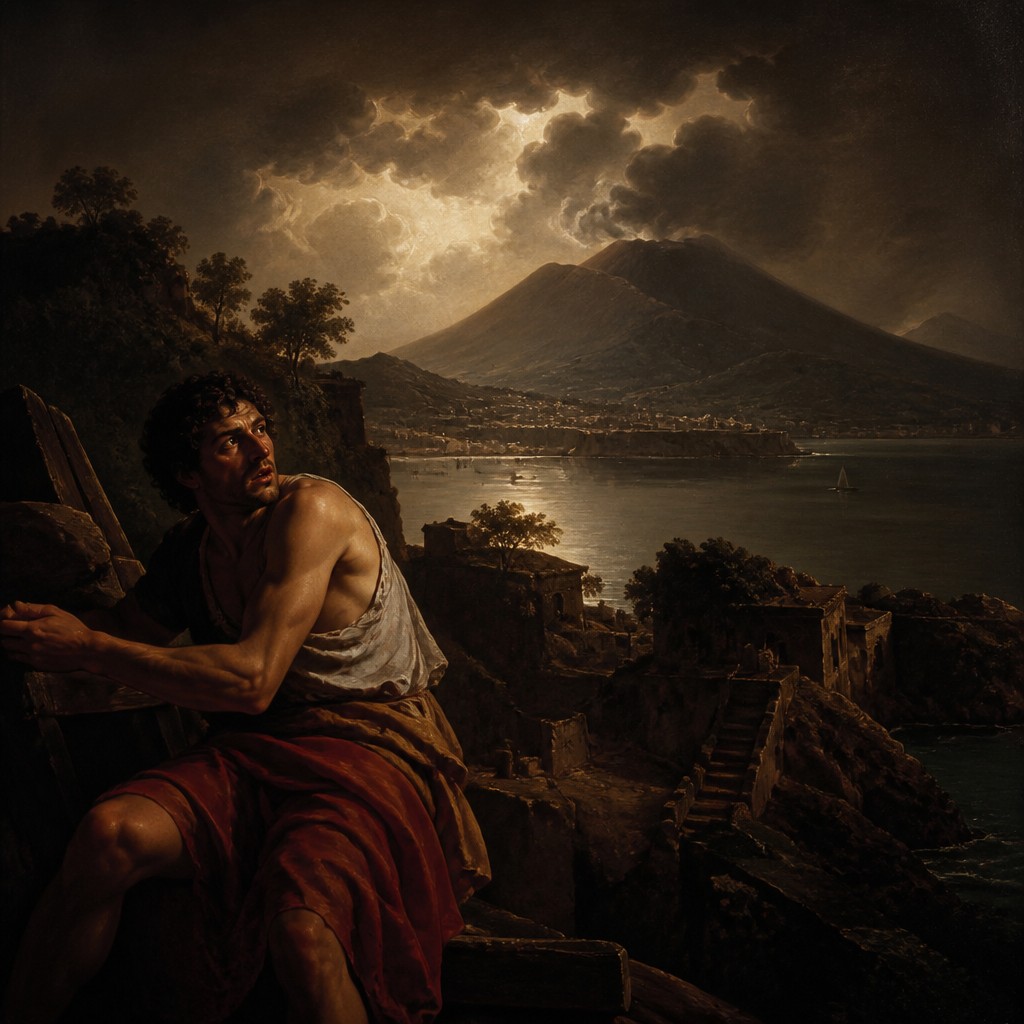
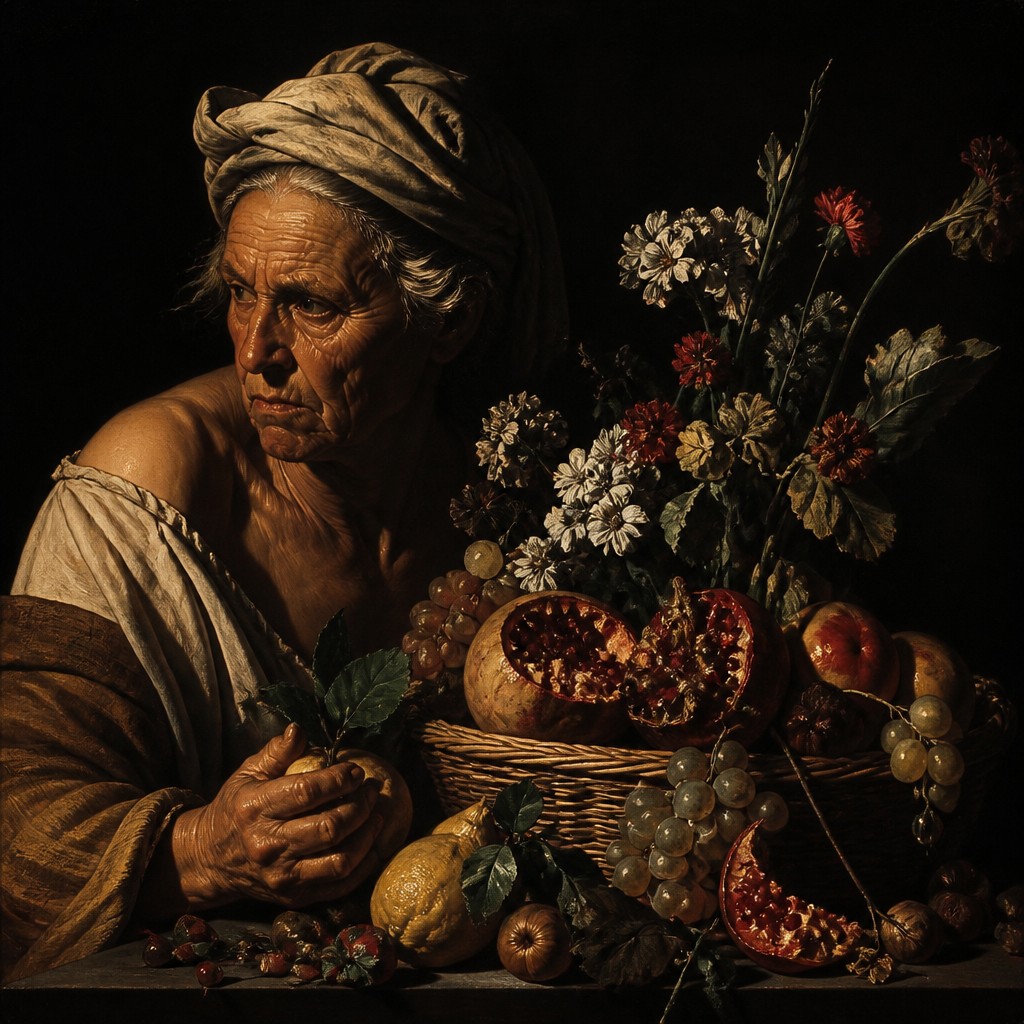
Neapolitan Baroque Gallery
Tap any artwork to explore it
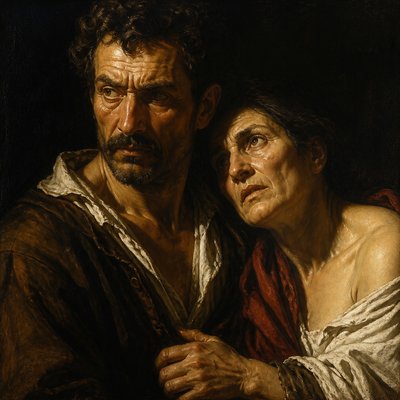
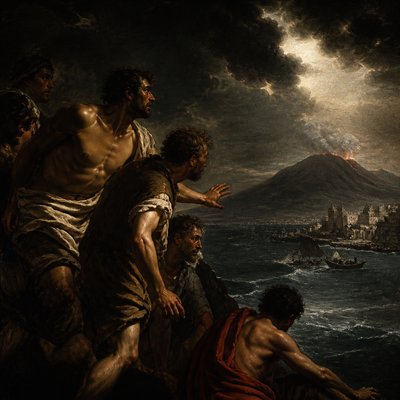
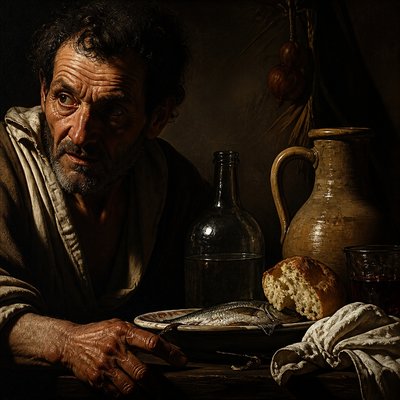
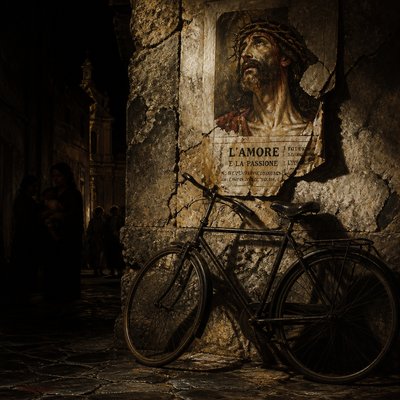
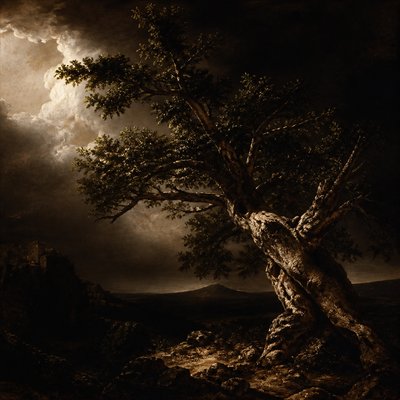
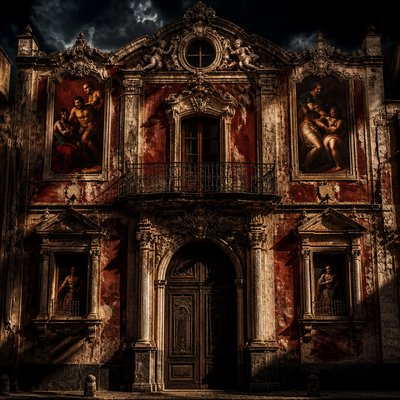
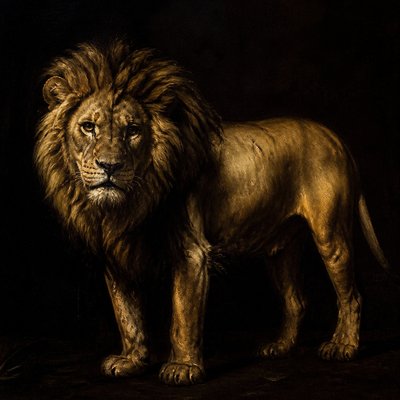
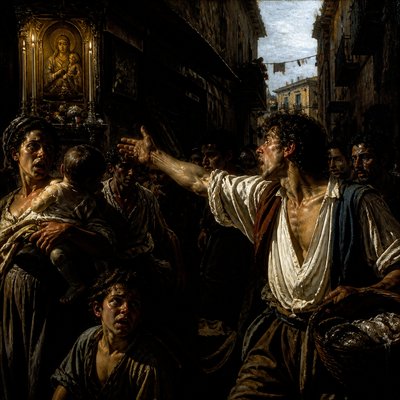
What is Neapolitan Baroque Art Style?
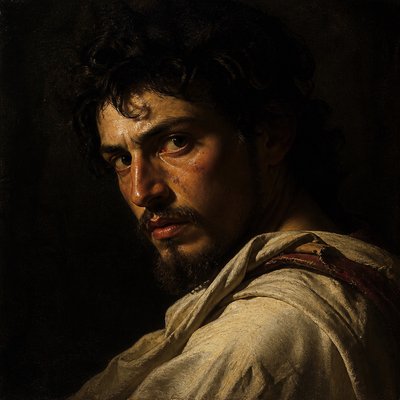
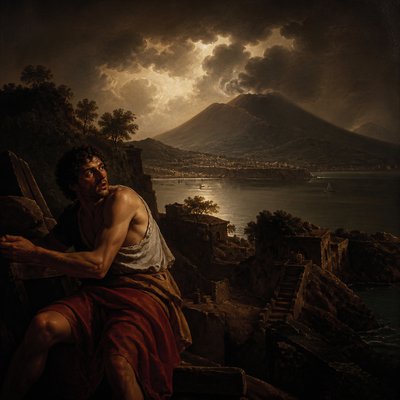
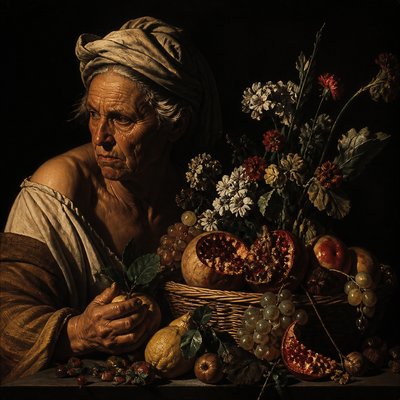
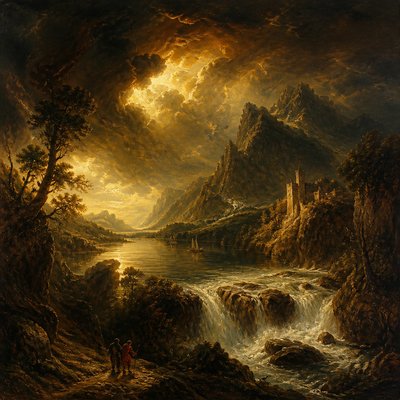
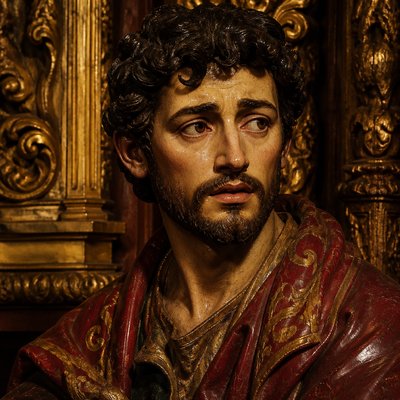
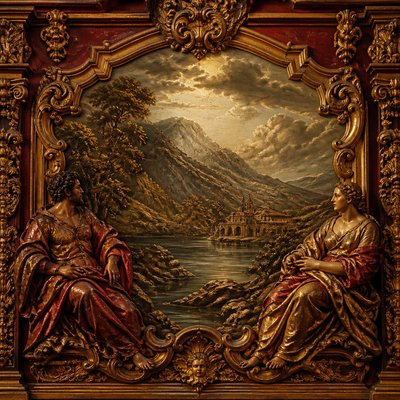
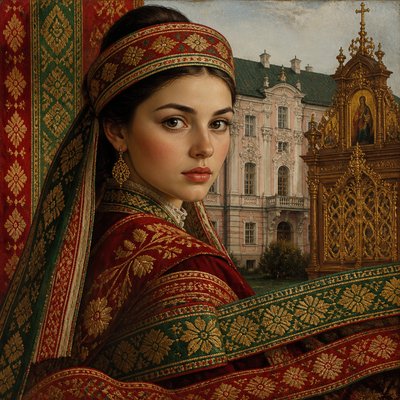
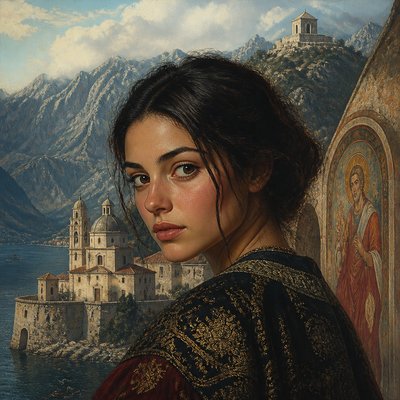
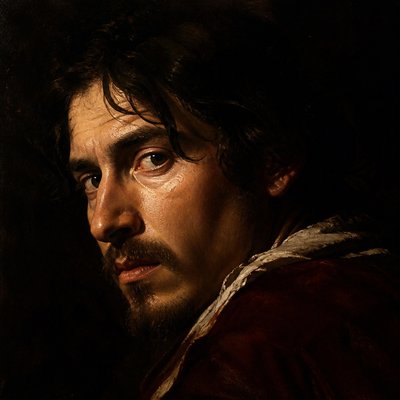
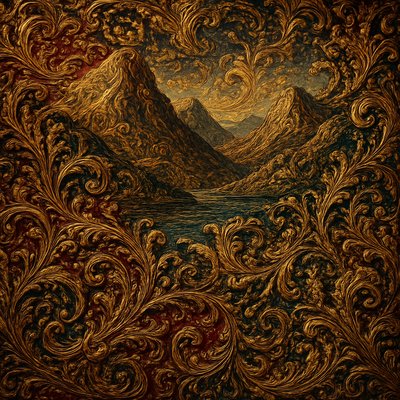
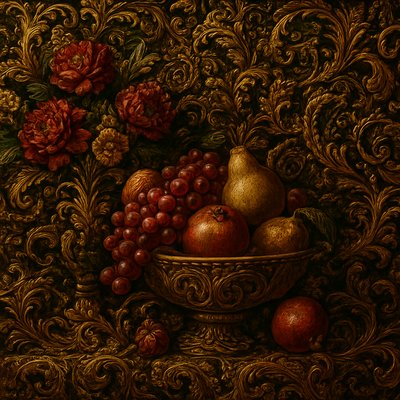
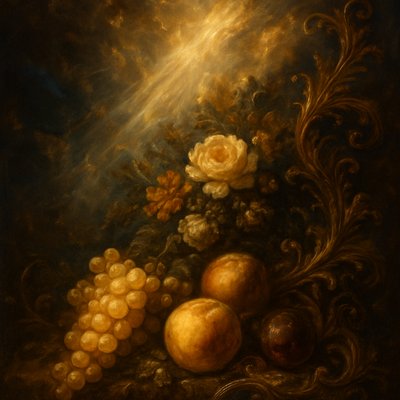
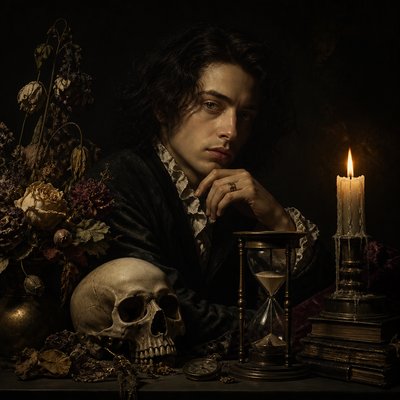
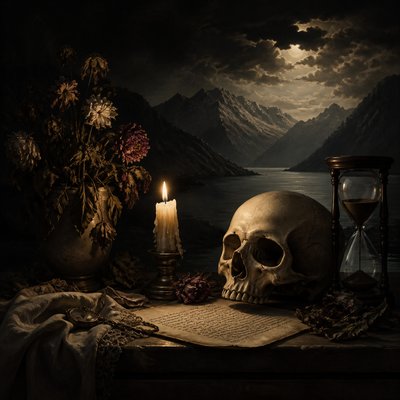
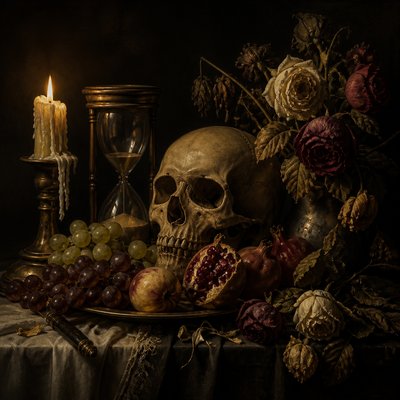
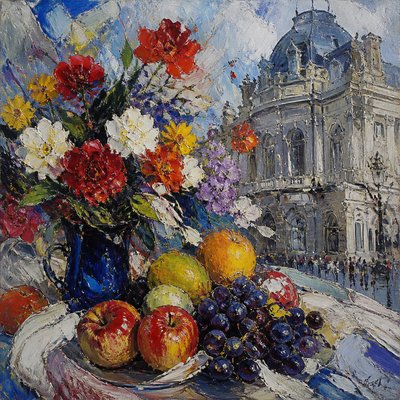
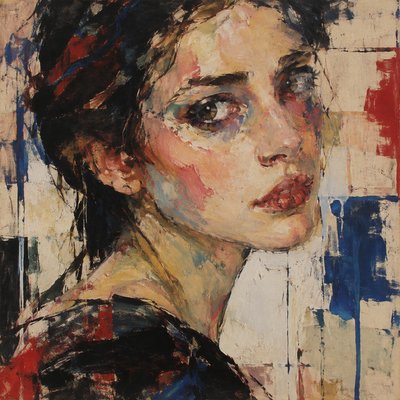
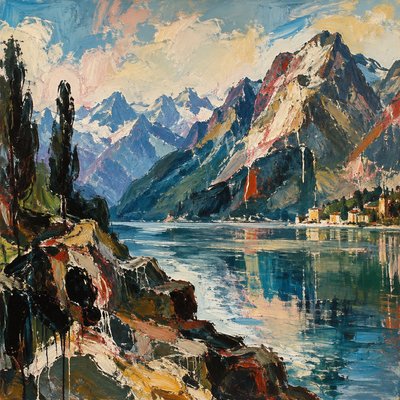
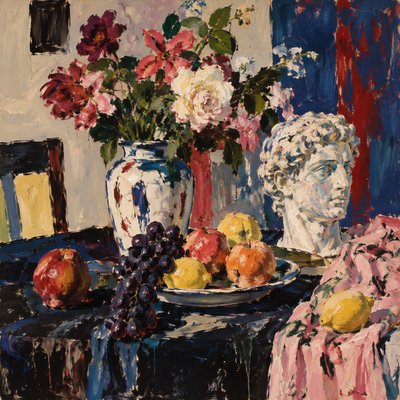
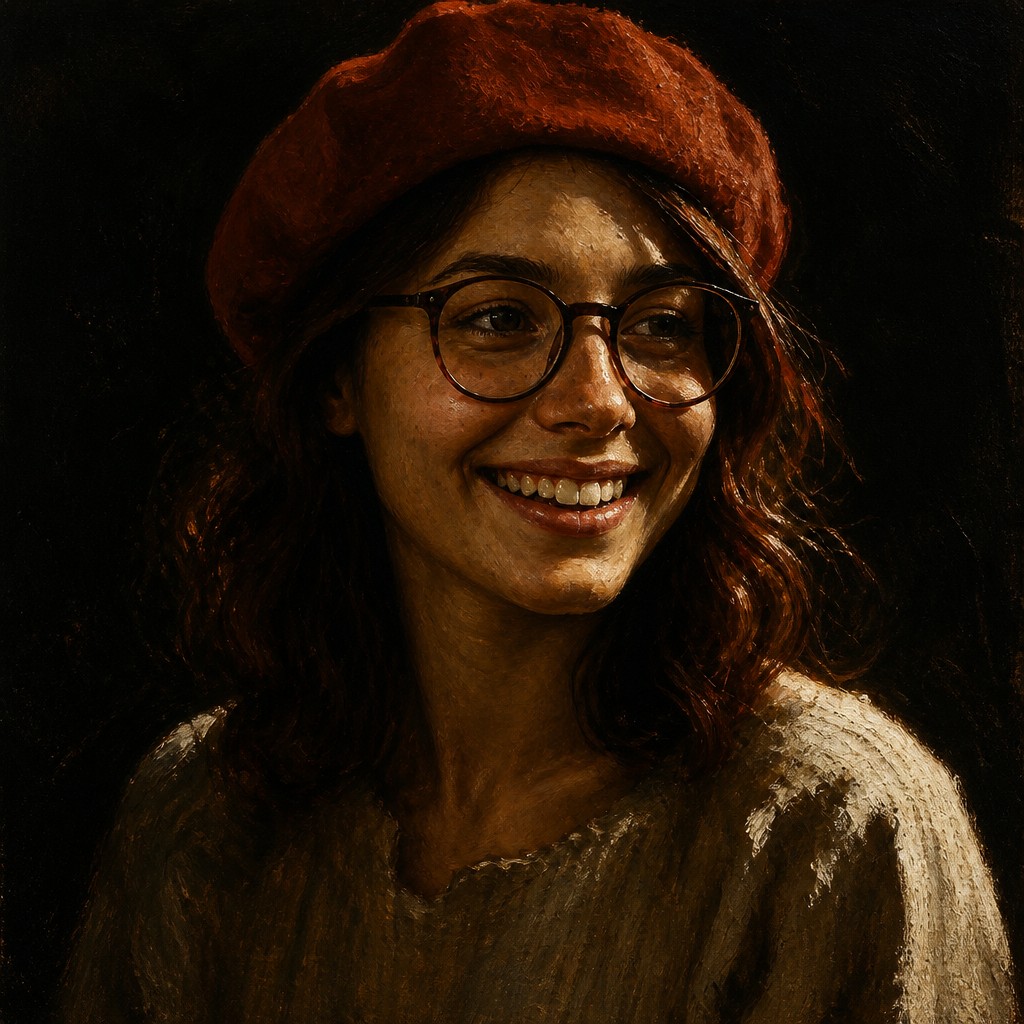
Neapolitan Baroque art is a dramatic regional expression of seventeenth- and early eighteenth-century Baroque painting associated with Naples and southern Italy. Its visual identity rests on extreme contrasts between near-black shadow and sharply directed illumination, producing scenes that feel immediate, physical, and emotionally charged. Religious subjects, martyrdoms, miracles, street encounters, and still lifes are treated with tactile realism rather than idealized distance.
The style’s characteristic intensity comes from the collision of sacred narrative with ordinary human presence. Weathered faces, coarse fabrics, dusty interiors, bruised flesh, dark earth colors, and sudden blood-red accents make spiritual events appear to occur in the streets and homes of a living city. The supplied contemporary interpretation emphasizes this gritty, “street-saint” sensibility, extending historical Neapolitan naturalism into a deliberately fierce visual language.
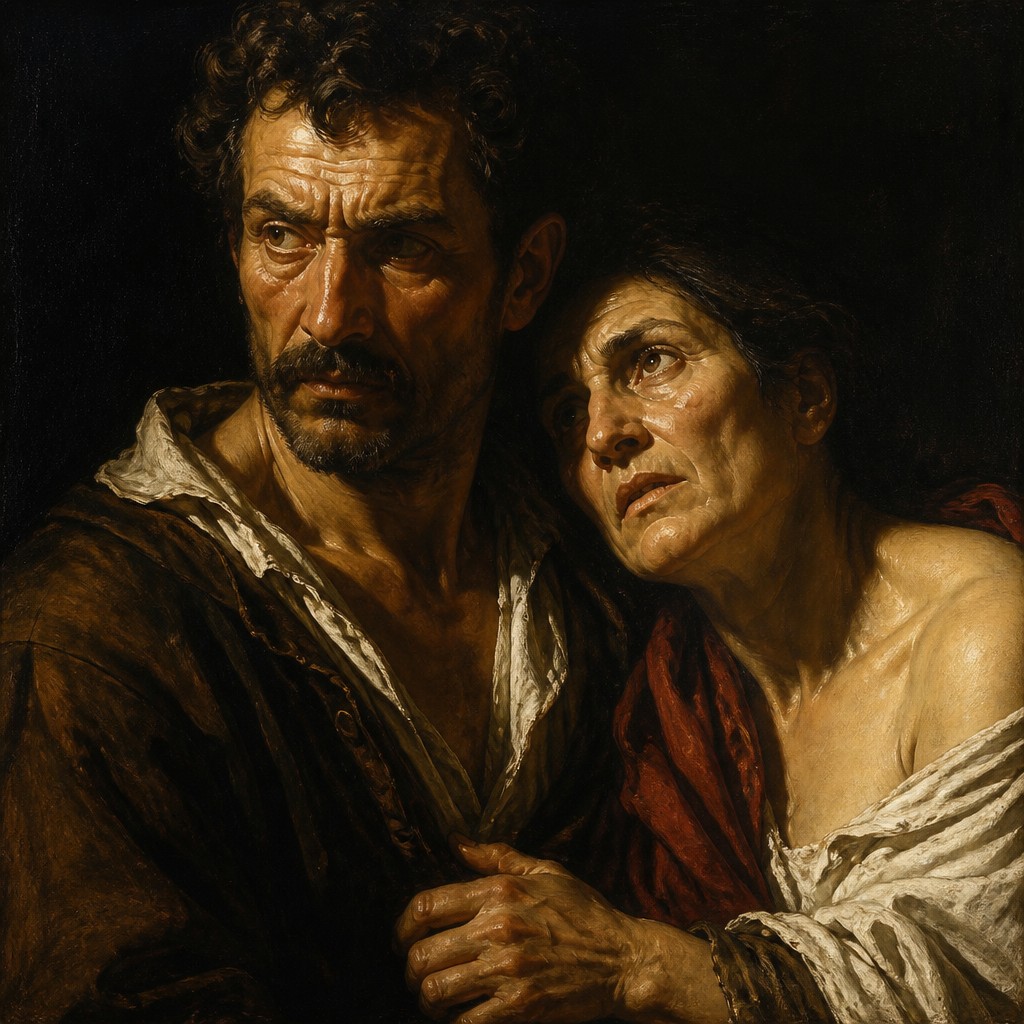
Try It On Your Photos
Upload any photo and convert it into Neapolitan Baroque Art Style — drag the sliders to compare before and after.


What Defines Neapolitan Baroque Art Style
The signature details, up close
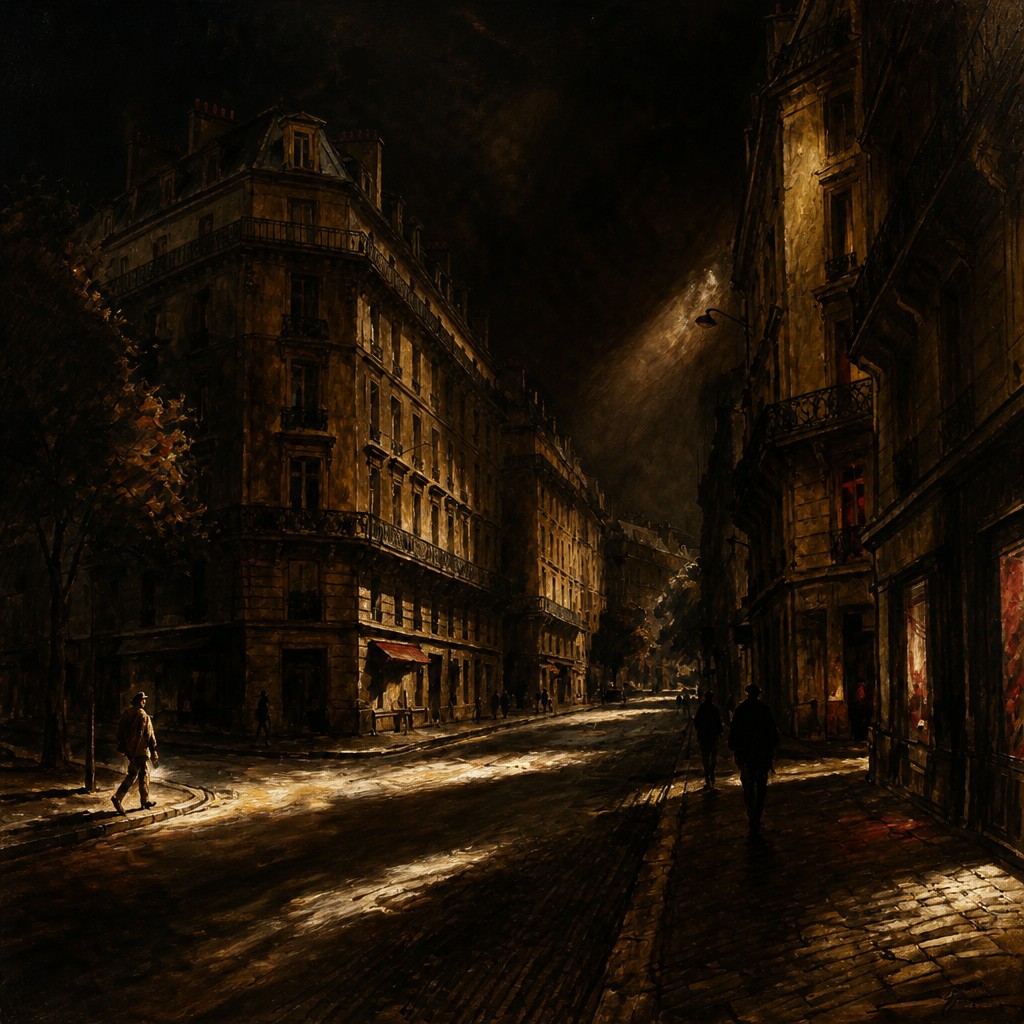
Violent tenebrism
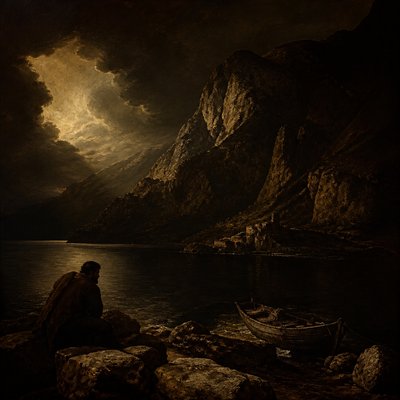
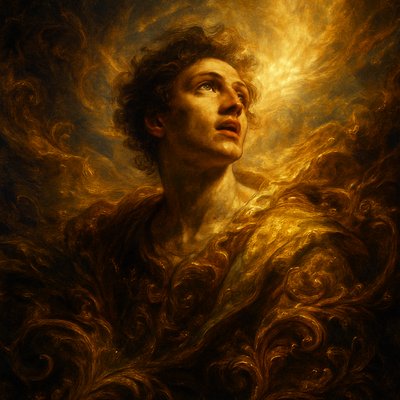
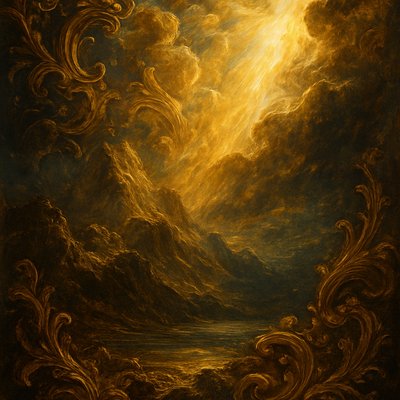
Powerful directional light cuts through extensive darkness, isolating faces, hands, wounds, fabrics, or symbolic objects. The shadow is usually dense and active rather than a neutral background.
Naturalistic human presence
Figures often have individualized, weathered features, varied ages, imperfect bodies, and unidealized expressions. Their physical specificity gives religious or historical scenes the immediacy of observed life.
Earth and blood palette
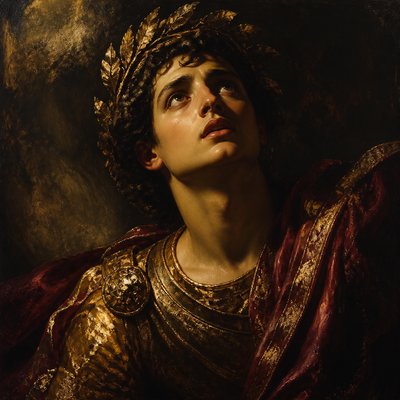
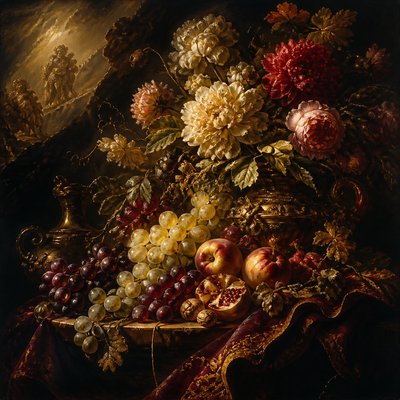
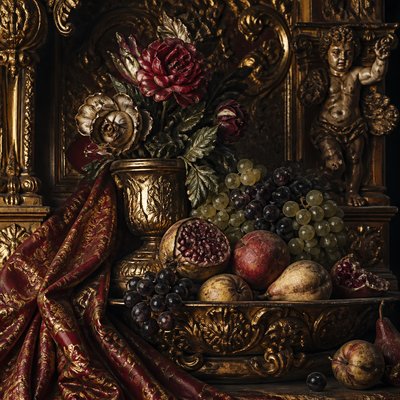
Soot black, umber, ochre, muted olive, clay, and warm flesh tones dominate. Deep crimson, rust, or arterial red may appear as concentrated accents in clothing, wounds, flowers, or drapery.
Sacred drama
Miracles, martyrdoms, penitence, compassion, and revelation are presented as bodily experiences. Gestures, turned heads, open mouths, and exposed hands direct the emotional rhythm.
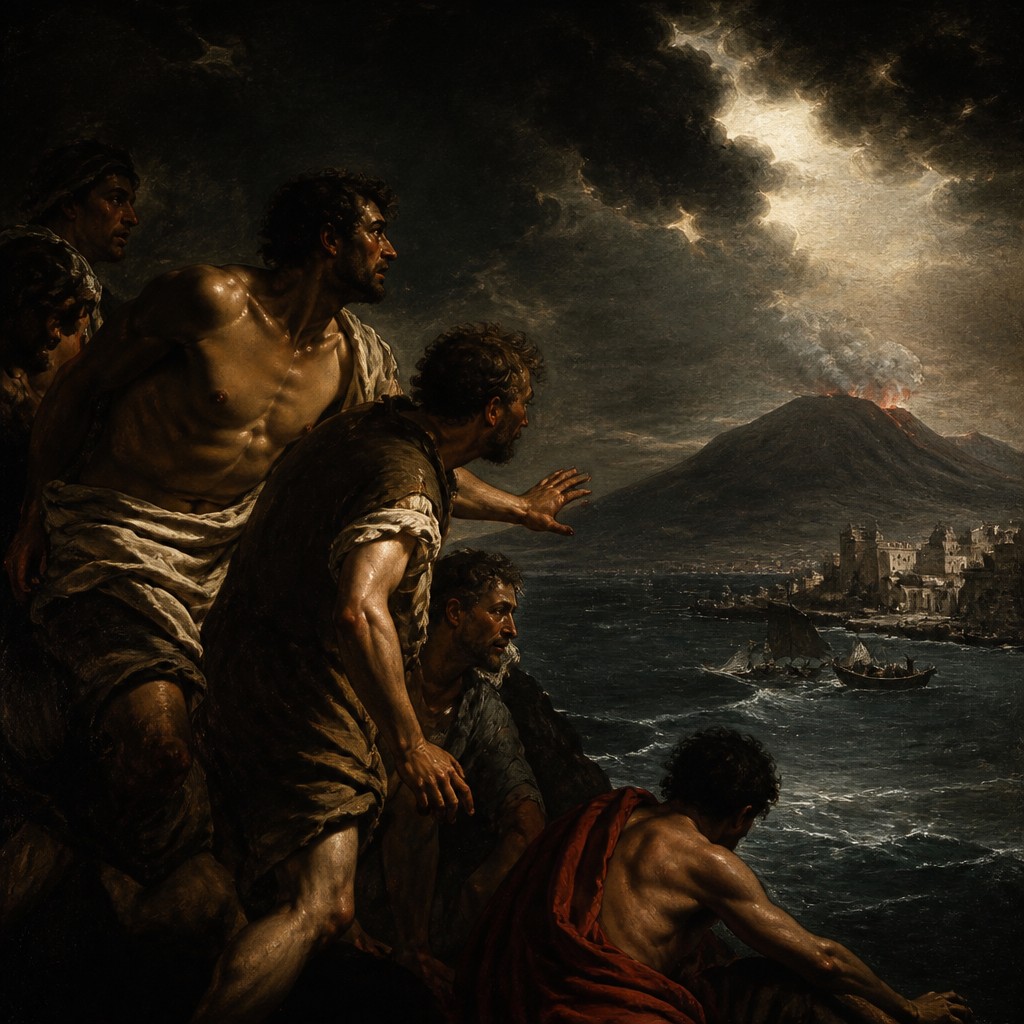
Tactile surfaces
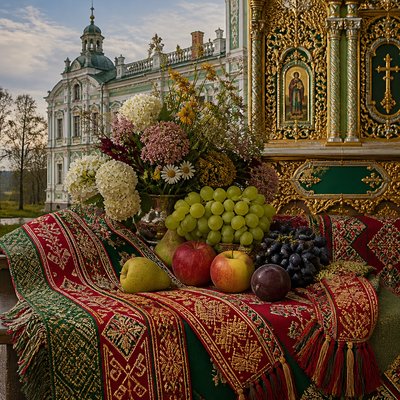
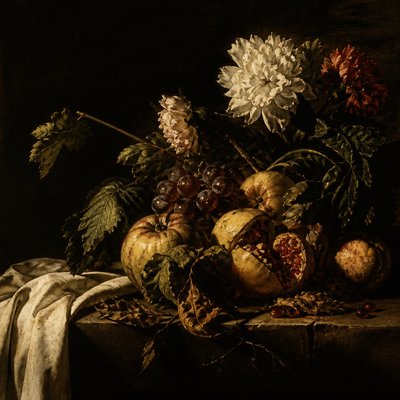
Paint handling or rendering draws attention to rough skin, worn cloth, damp stone, wood grain, metal, and fruit skins. Surface detail reinforces the sense of poverty, labor, decay, and material reality.
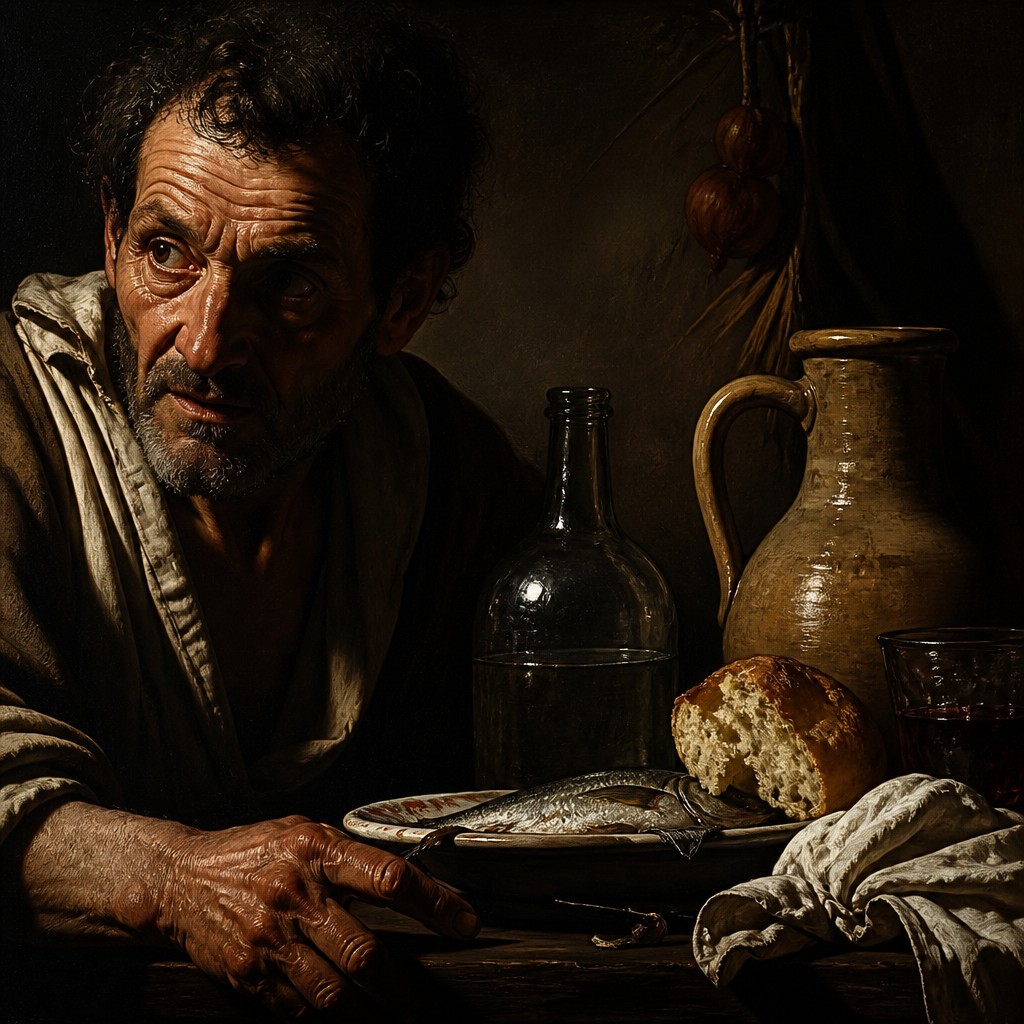
Compressed theatrical space
Many compositions place figures close to the picture plane, with shallow interiors or undefined black grounds. Cropped bodies and diagonal gestures heighten urgency and make the viewer feel physically present.
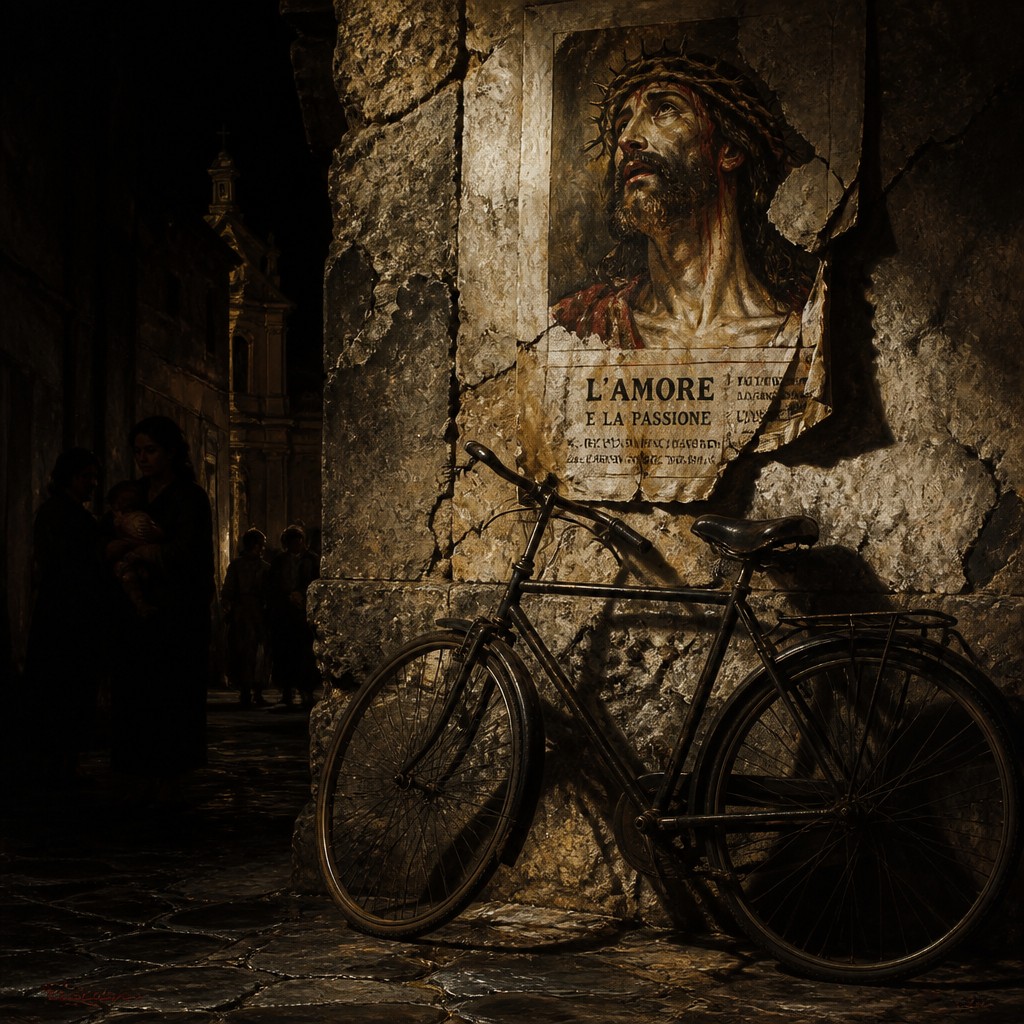
Urban and devotional fusion
The visual language can place saints, mourners, beggars, workers, and children within the same credible social world. This mixture of street observation and religious symbolism is central to its gritty southern character.
Try It
Create Videos in Neapolitan Baroque Art Style
Styles aren't just for stills — describe a scene or animate an image and get a short video rendered in Neapolitan Baroque. Press play to see this pond come to life.
Make a VideoNeapolitan Baroque Prompt Ideas
Start from an idea — each one opens the generator with the style ready to go. See all 40 Neapolitan Baroque prompts →
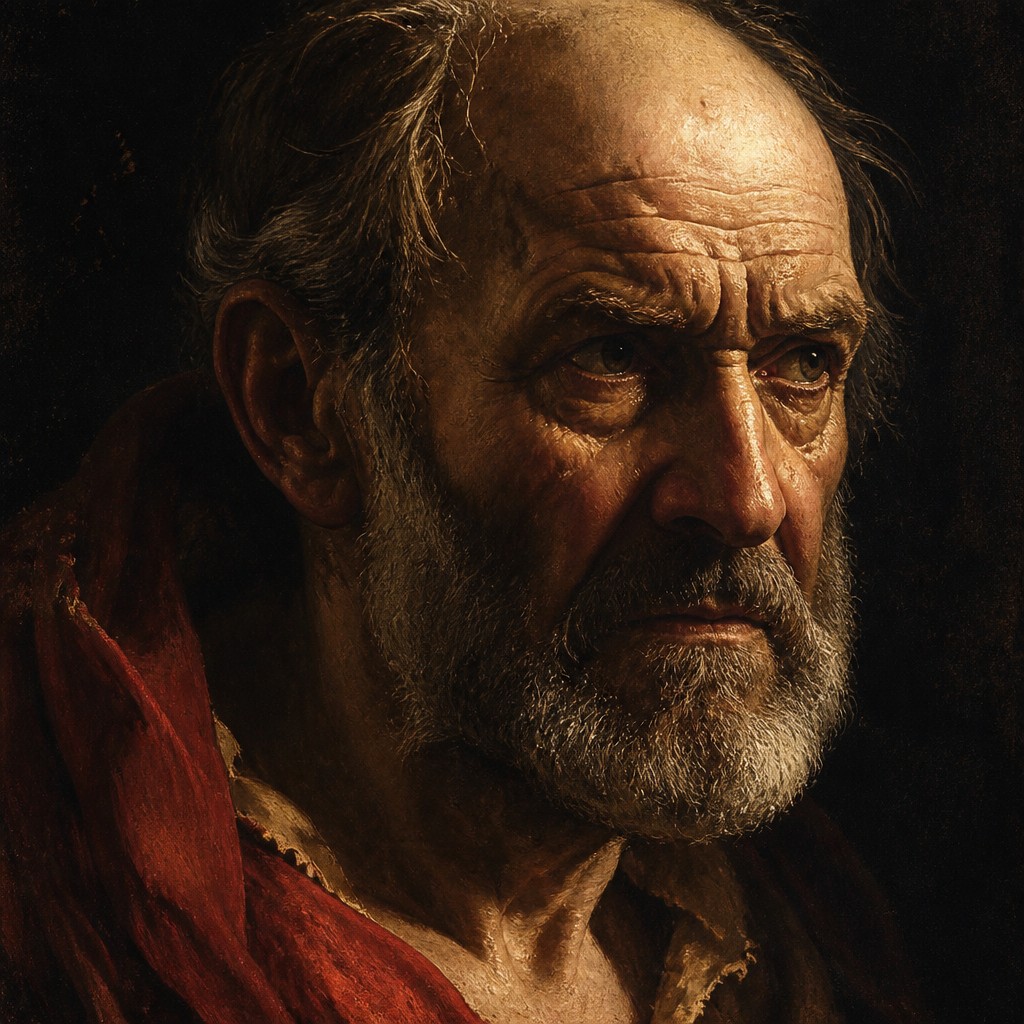
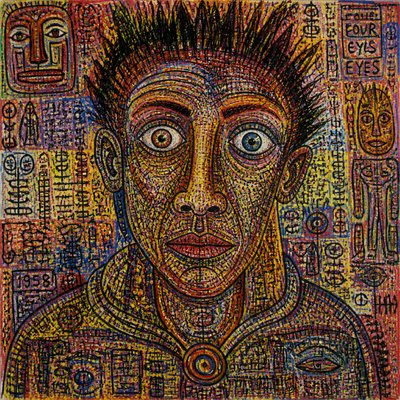
“close-up portrait of an elderly person with expressive weathered features”
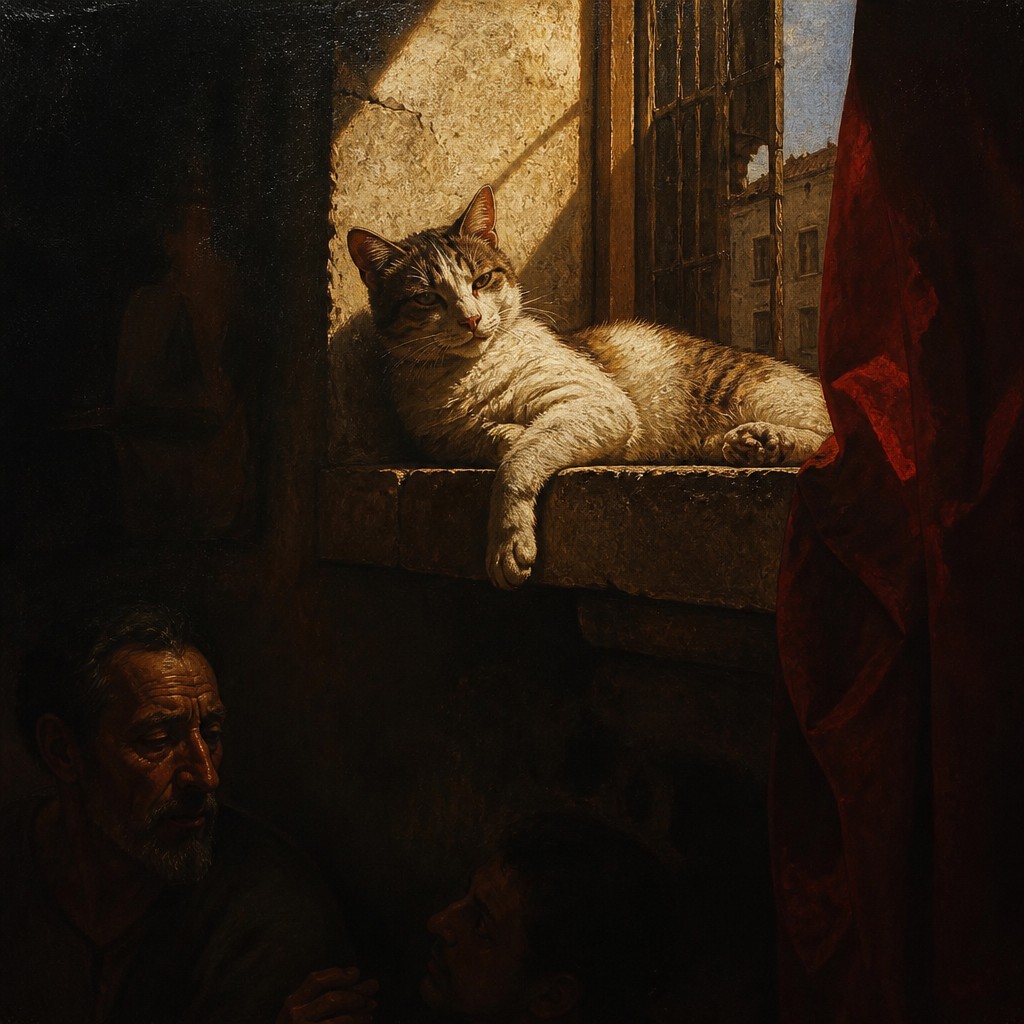
“a cat lounging in a sunlit window”
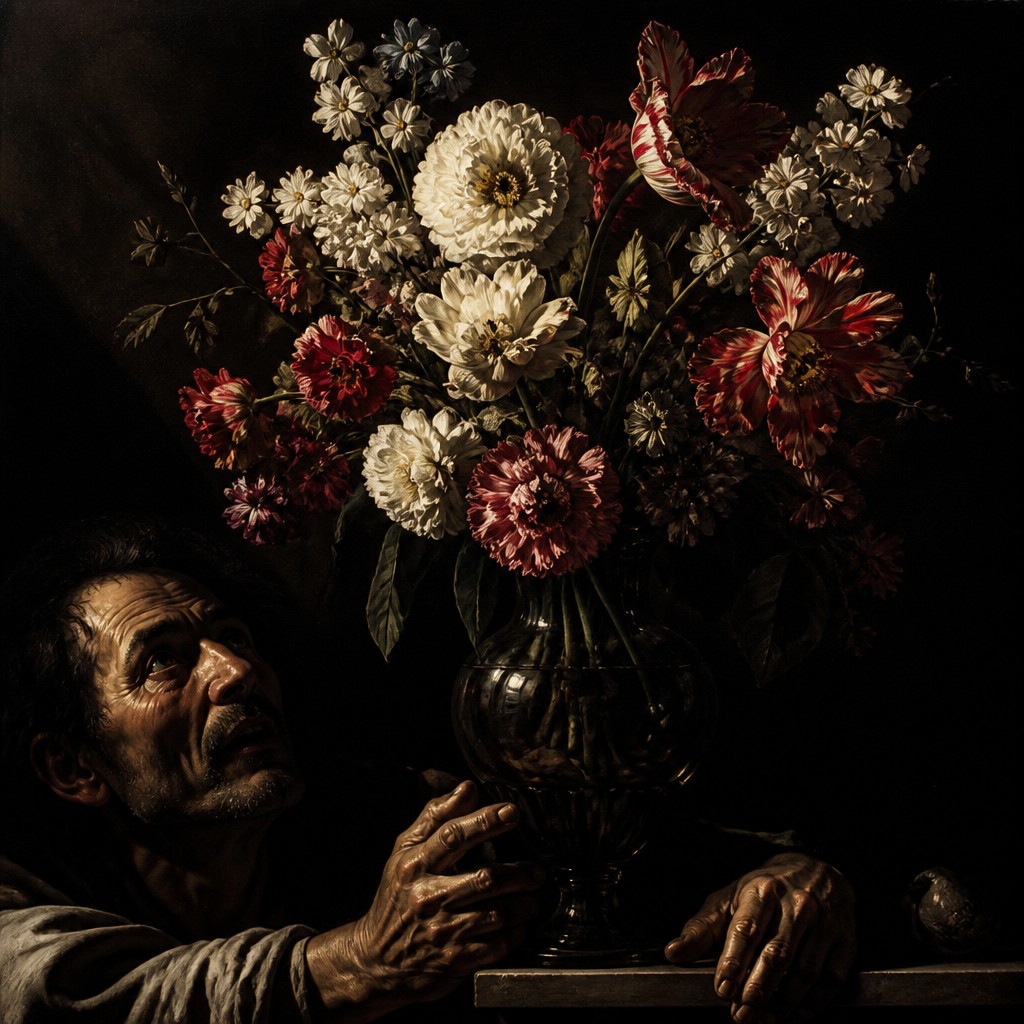
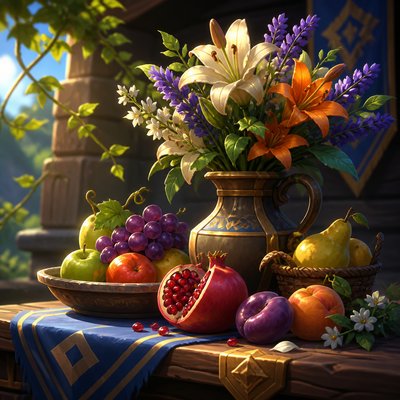
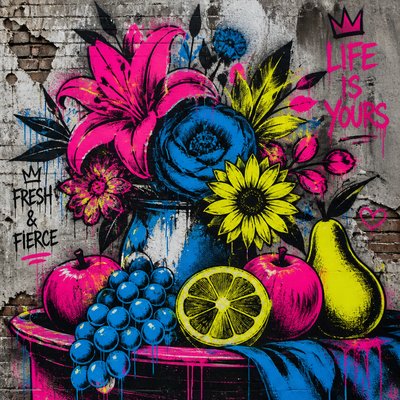
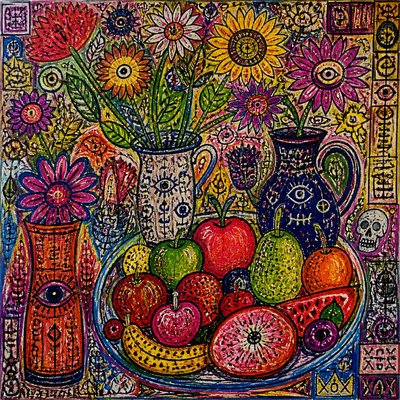
“bouquet of flowers in a glass vase”
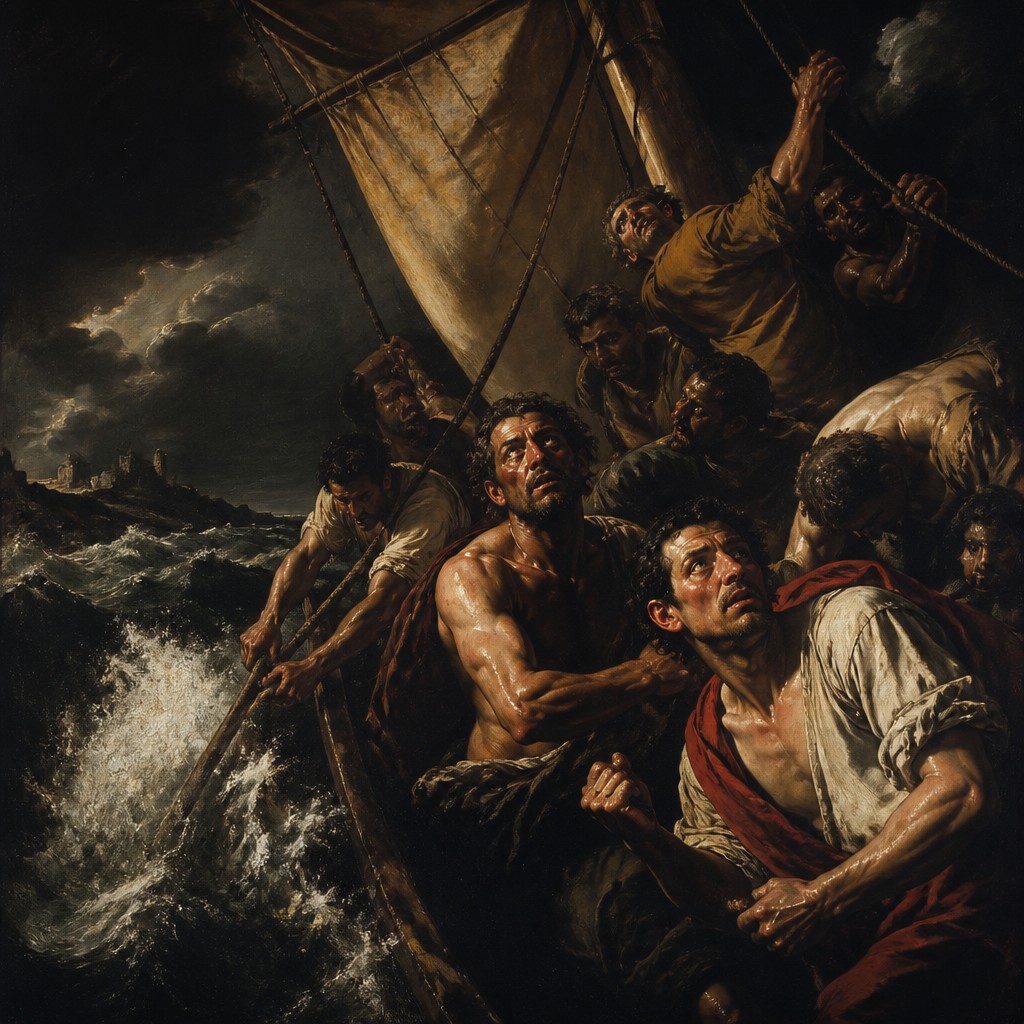
“sailing ship on a stormy sea”
How to Create Neapolitan Baroque Art
Master the craft step by step — or skip straight to creating. Read the full guide →
- 1
Build the light before the detail
Begin with a near-black ground or a dark value block-in, then place one strong raking source from the side or upper side. Reserve the brightest values for the face, hands, and key narrative objects.
- 2
Use restrained, earthy color
Work from umber, ochre, iron red, muted green, charcoal, and warm flesh mixtures rather than a broad saturated palette. Add crimson sparingly so it reads as a dramatic focal accent.
- 3
Study observed faces and materials
Use references showing age, labor, fatigue, and individual structure instead of smoothing every feature. Paint or render pores, creases, coarse cloth, chipped masonry, and tarnished metal with selective precision.
- 4
Compose for a sudden revelation
Crop the scene closely, overlap figures, and arrange diagonal limbs or drapery toward the illuminated subject. Keep secondary forms partly submerged in shadow so the image retains tension and mystery.
- 5
Control traditional or digital edges
In oil or acrylic, combine opaque dark passages with thin glazes and restrained impasto on illuminated textures. Digitally, use low-key value layers, textured brushes, localized contrast, and subtle grain rather than uniformly sharp detail.
- 6
Write prompts around subject, light, and material
For prompt-based generation, specify the subject first, then request a near-black ground, hard side lighting, weathered naturalistic faces, earthy flesh tones, rough surfaces, and a limited crimson accent. Add exclusions such as glossy skin, evenly lit backgrounds, and polished fantasy armor when they conflict with the intended grit.

The Story
History & Origins of Neapolitan Baroque
Neapolitan Baroque developed in Naples during the seventeenth century, when the city was a major Mediterranean center under Spanish Habsburg rule and an important site of Catholic religious culture. Church commissions, confraternities, hospitals, private patrons, and civic institutions created sustained demand for emotionally persuasive images, especially during the Counter-Reformation. Regional painting absorbed the dramatic light, direct observation, and naturalistic figure types associated with the broader Baroque while developing a distinct southern atmosphere.
Its evolution included monumental altarpieces, intimate devotional pictures, scenes of martyrdom and mercy, genre-like depictions of ordinary people, and highly detailed still lifes. The historical style is broader than the fierce tenebrist formula used today in many prompts: later interpretations often intensify its darkness, rough surfaces, crimson accents, and urban grit for cinematic or editorial effect.
Influences: Neapolitan Baroque draws on the wider European Baroque, Counter-Reformation devotional imagery, Italian naturalism, tenebrist lighting, Spanish-influenced religious drama, and the observational traditions of street painting and still life. Its contemporary gritty formulation also relates to cinematic low-key lighting, documentary portraiture, social realism, and dark editorial photography, while retaining the historical Baroque concern with gesture, revelation, and emotional persuasion.

Frequently Asked Questions
What defines Neapolitan Baroque art?
It is defined by intense light-dark contrast, naturalistic figures, earthy color, emotional religious drama, and close attention to bodily and material reality. The strongest examples make sacred or historical events feel physically present and socially grounded.
Is Neapolitan Baroque the same as all Baroque art?
No. It is a regional expression within the broader Baroque movement, associated particularly with Naples from the seventeenth century onward. Compared with more courtly or decorative forms of Baroque, it is often recognized for its harsher naturalism, concentrated tenebrism, and sense of urban immediacy.
How does it differ from Renaissance painting?
Renaissance art commonly emphasizes balanced composition, idealized proportion, clear spatial order, and stable illumination. Neapolitan Baroque favors asymmetry, compressed space, abrupt illumination, heightened gesture, and emotionally charged contrasts between beauty, suffering, and ordinary life.
Do I need to paint religious subjects to use this style?
No. Religious narratives are historically important, but the visual language can be applied to portraits, street scenes, still lifes, interiors, historical subjects, and contemporary documentary themes. Strong directional light, unidealized observation, and tactile surfaces matter more than the subject category.
How can I make an image feel authentically gritty rather than merely dark?
Darkness should support a clear focal light and reveal selected physical details. Use believable faces, worn materials, asymmetrical cropping, restrained color, and meaningful gestures; avoid covering the entire image in undifferentiated black or adding random distress effects.
Where is this style commonly used today?
Its visual language appears in historical illustration, theatrical and cinematic concept art, editorial portraiture, devotional imagery, poster design, photography, and digital painting. Contemporary versions often exaggerate the tenebrism and street realism beyond the range of historical Neapolitan painting.
Create your first Neapolitan Baroque artwork
Describe anything — or upload a photo — and see it in Neapolitan Baroque Art Style in seconds.
Related Styles
Discover similar art styles