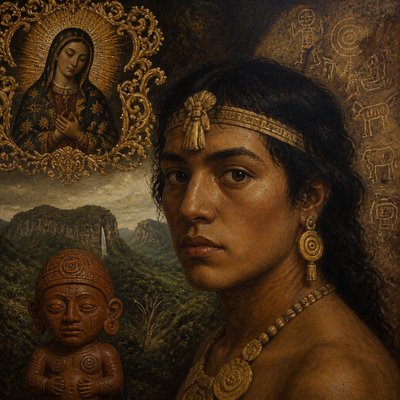
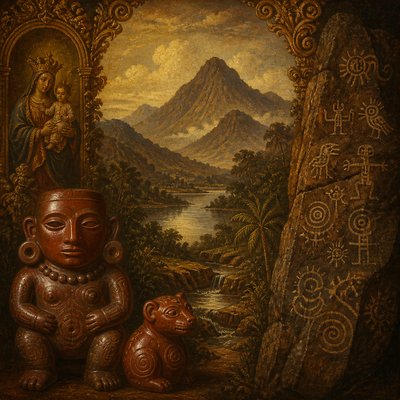
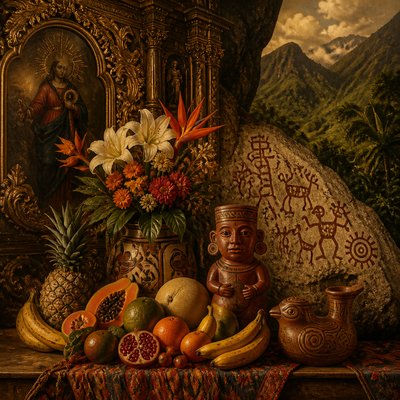
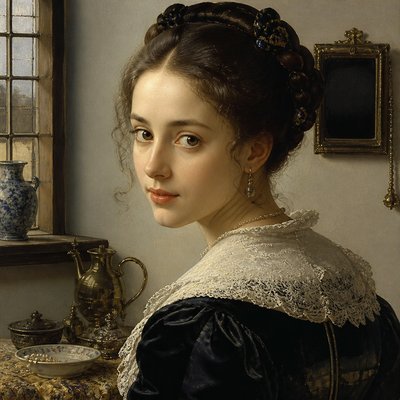
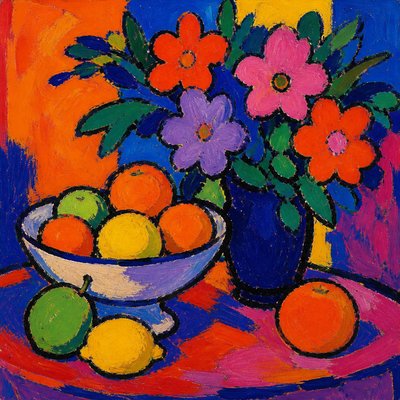
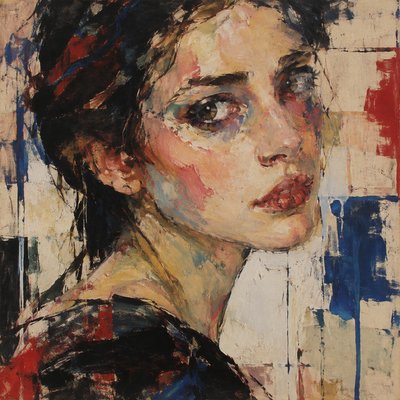
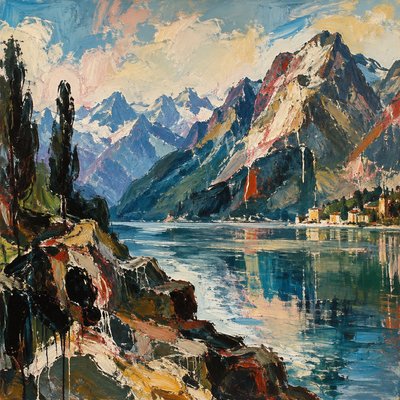
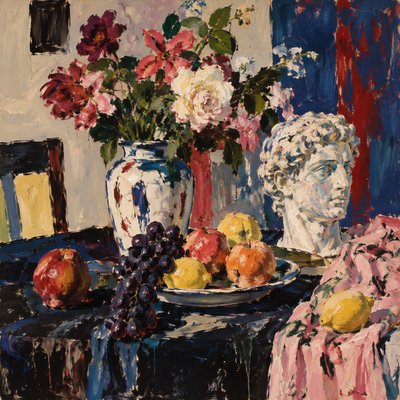
Orientalist Painting Style
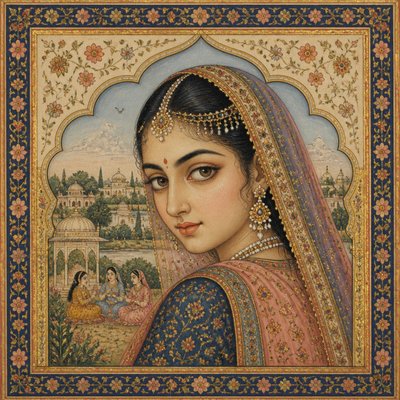
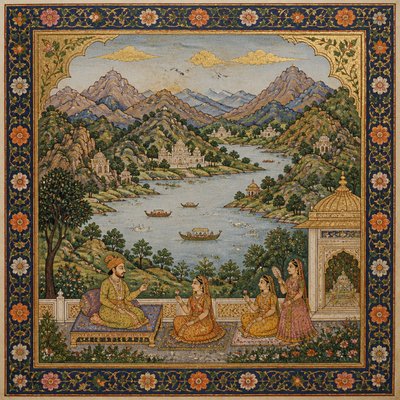
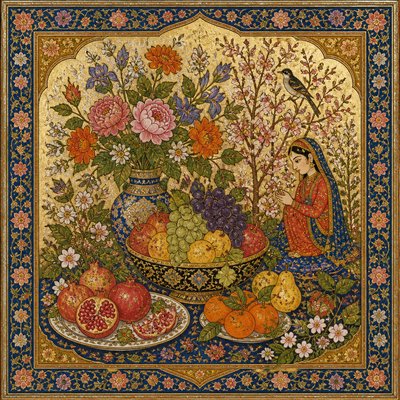
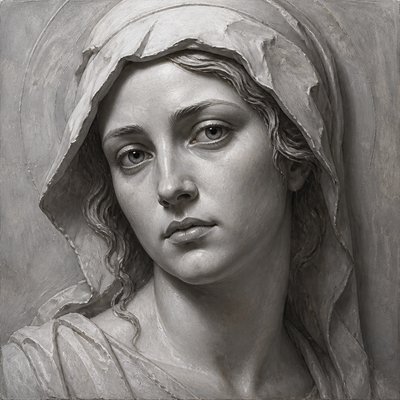
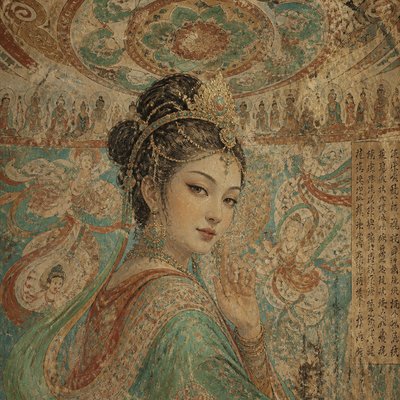
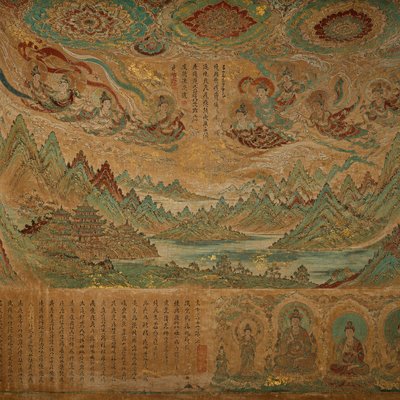
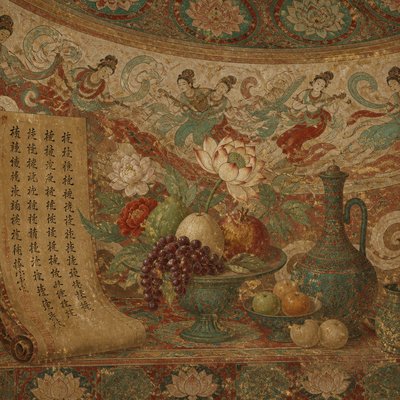
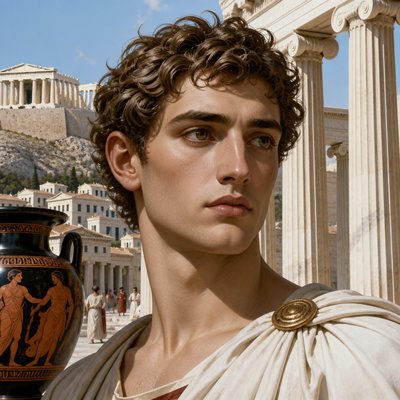
Explore Orientalist painting: nineteenth-century academic realism defined by dazzling light, ornate architecture, textiles, and complex colonial context.
Instantly rendered in Orientalist Painting — or transform a photo
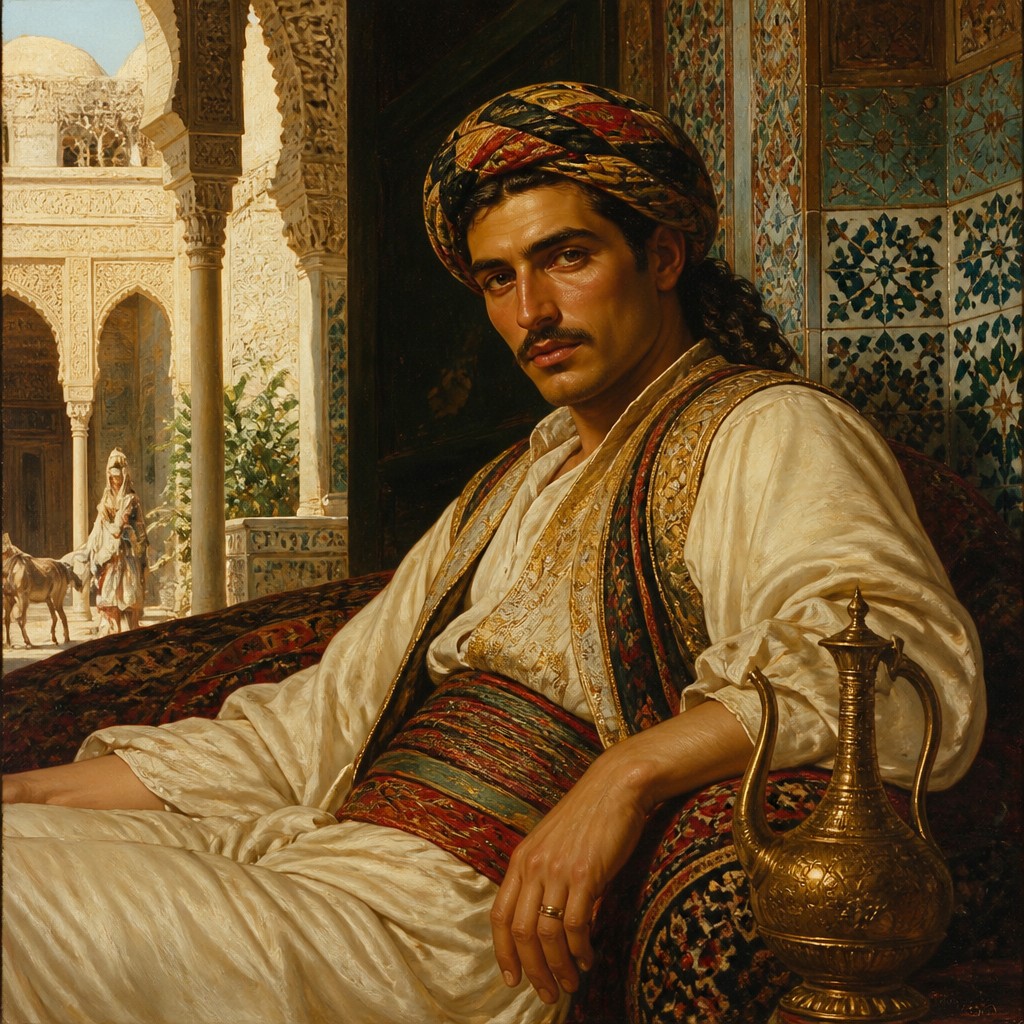
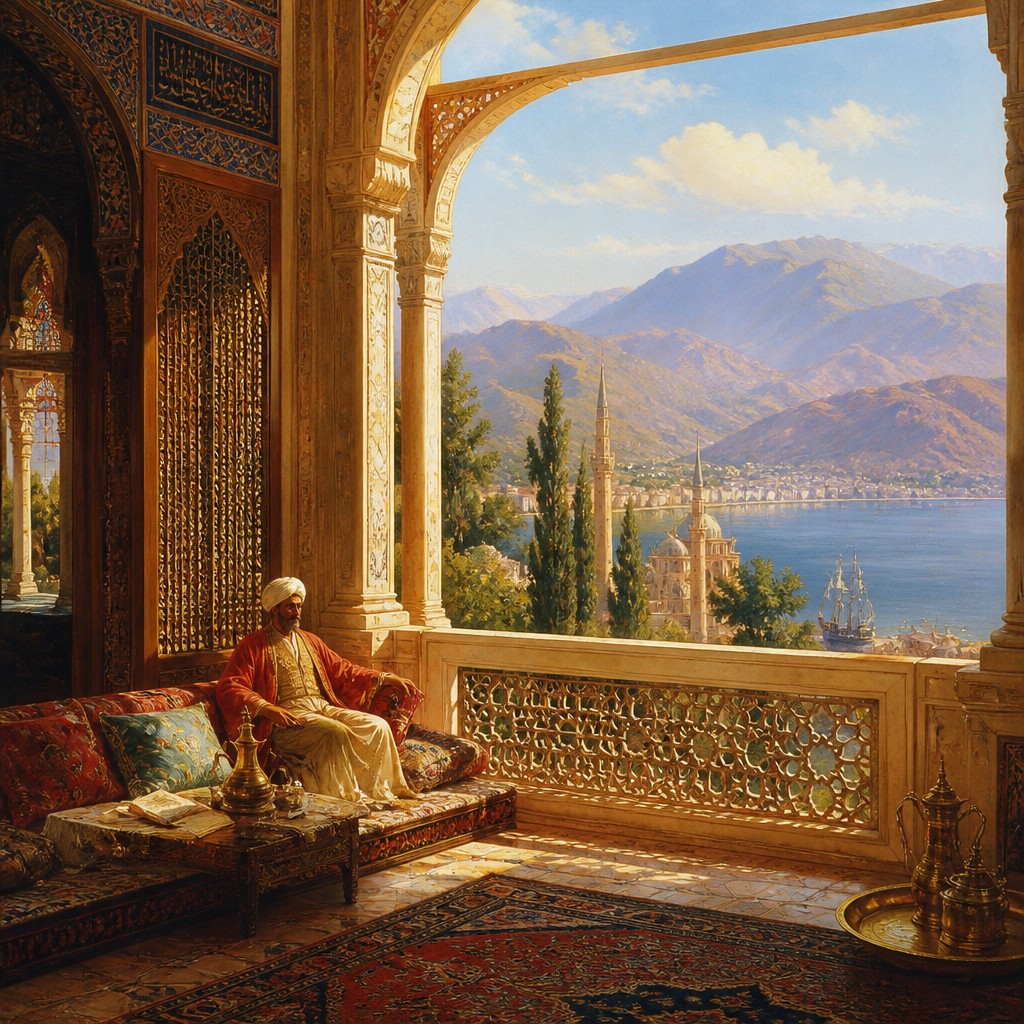
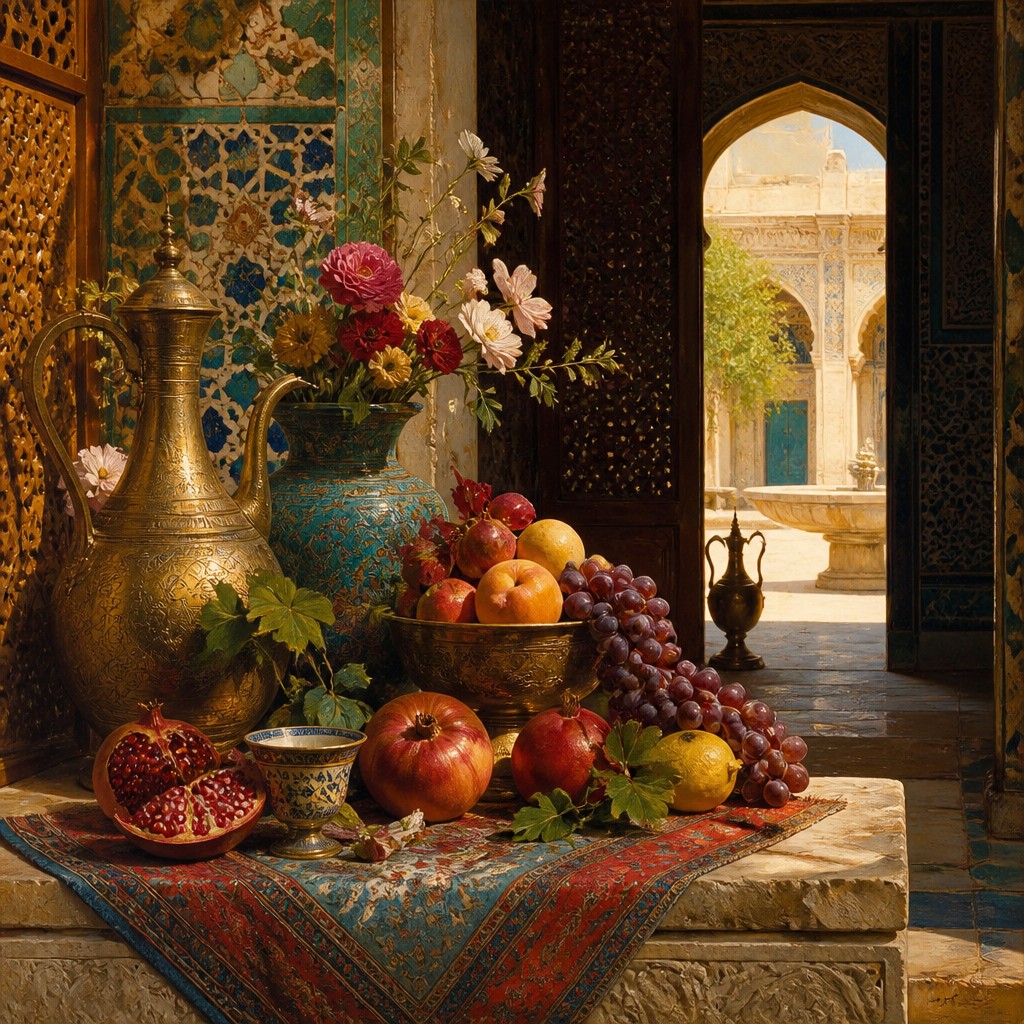
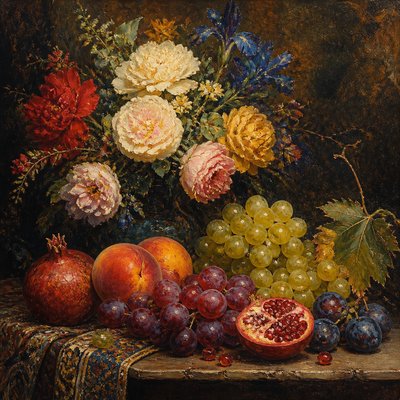
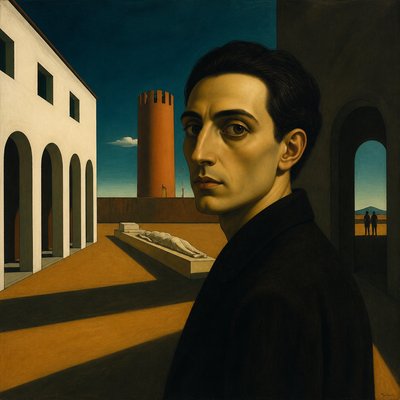
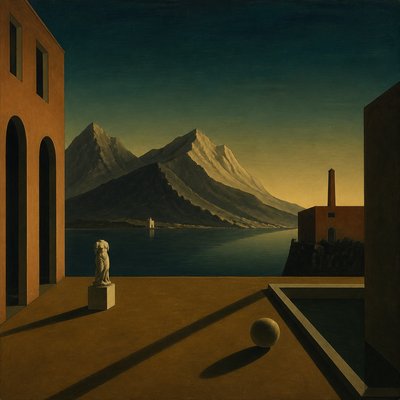
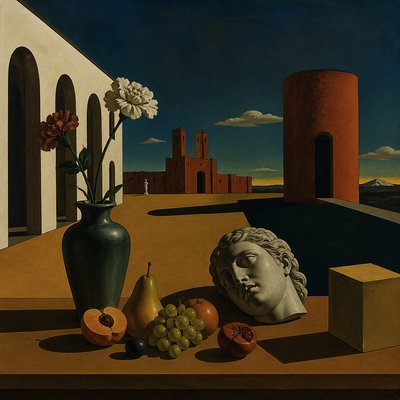
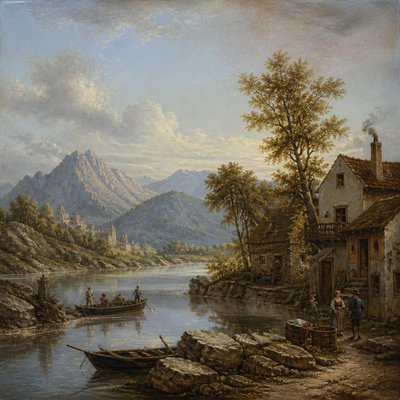
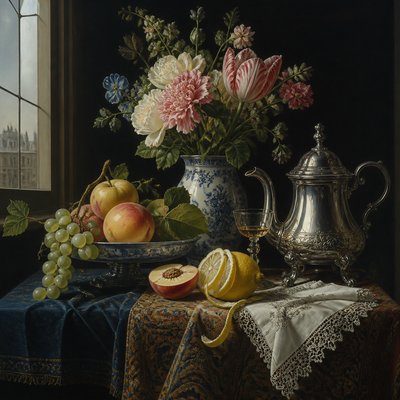
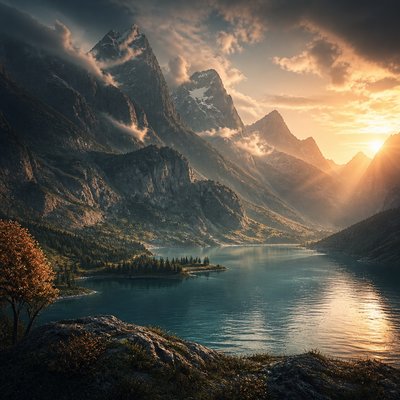
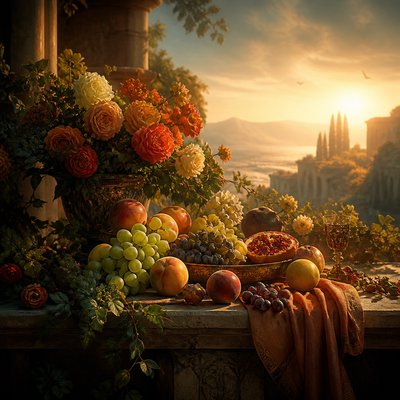
Orientalist Painting Gallery
Tap any artwork to explore it
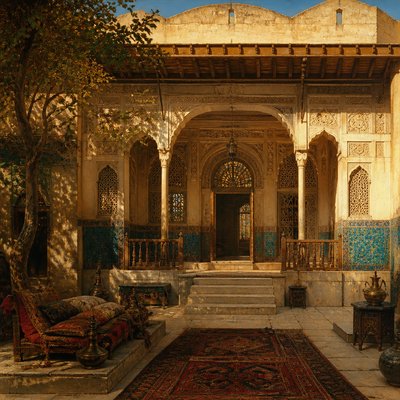
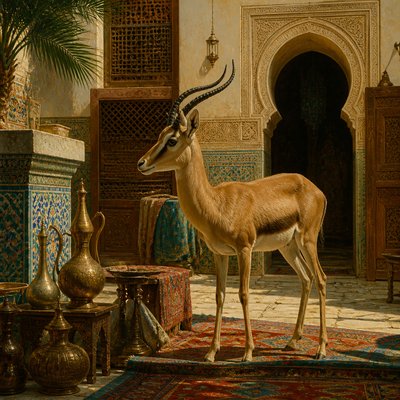
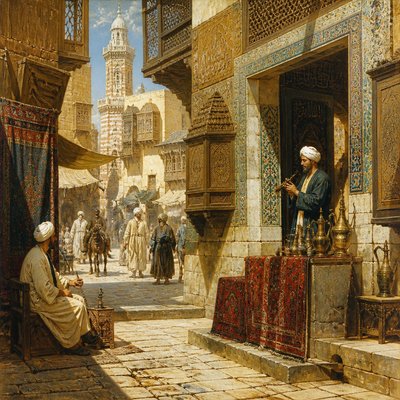
What is Orientalist Painting Style?
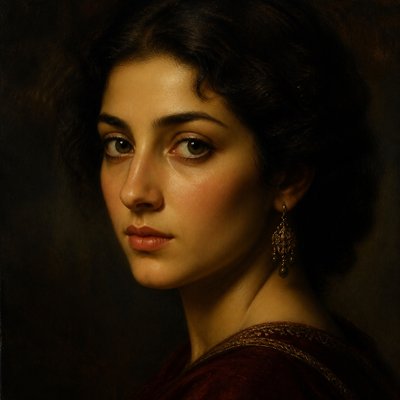
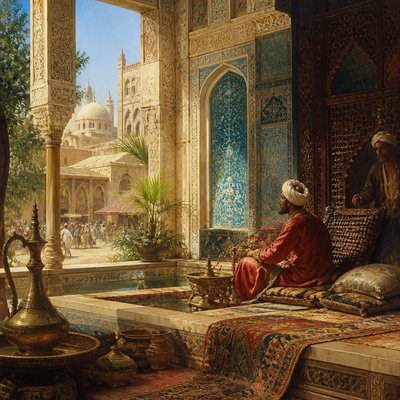
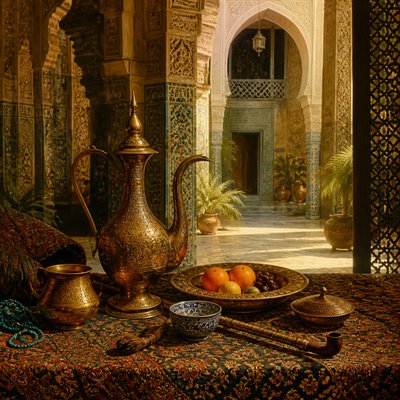
The style looks highly finished because it developed within academic systems that valued precise drawing, controlled composition, anatomical study, and carefully modeled surfaces. Strong contrasts between brilliant exterior sunlight and cool, shaded interiors create drama, while saturated amber, turquoise, crimson, lapis, and ochre make architecture and furnishings appear jewel-like. The term also requires historical care: many such images filtered other cultures through Western travel, collecting, fantasy, and colonial-era assumptions rather than presenting a single authentic regional reality.
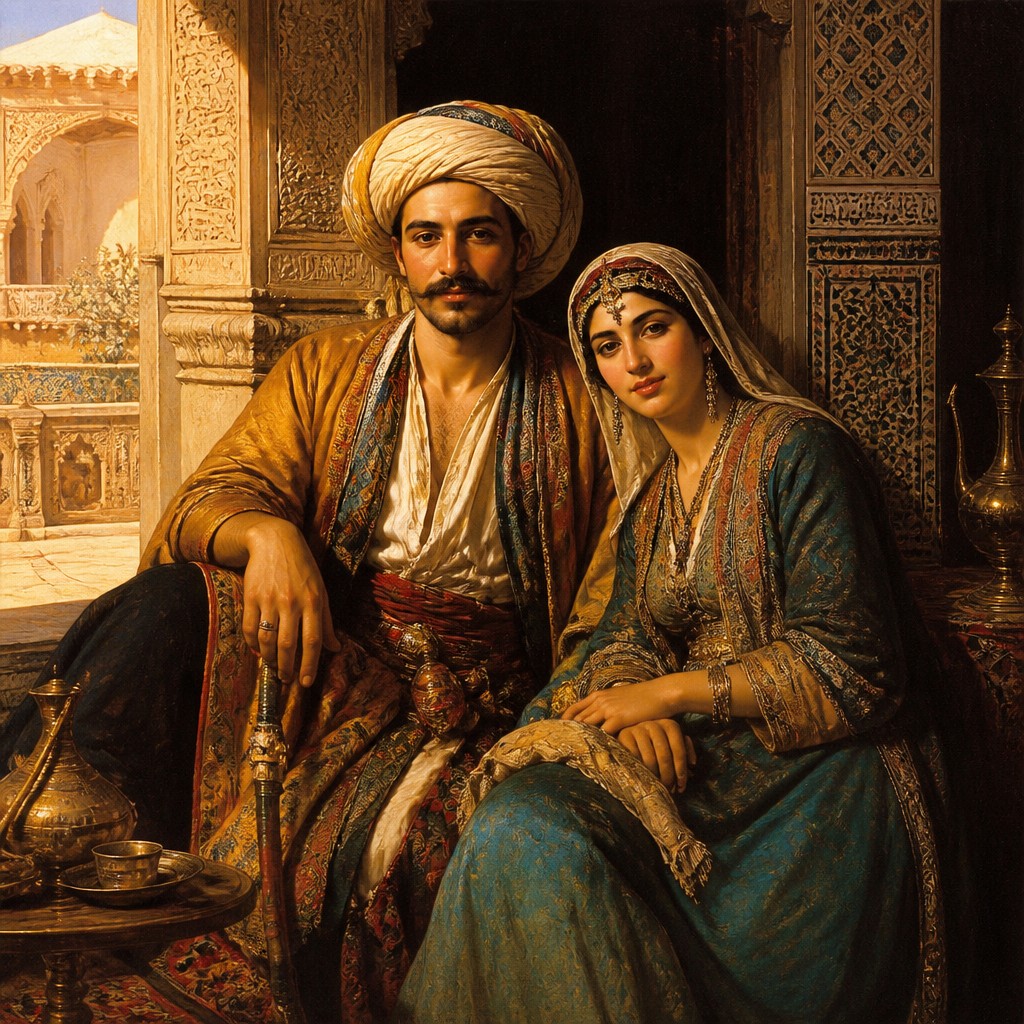
Try It On Your Photos
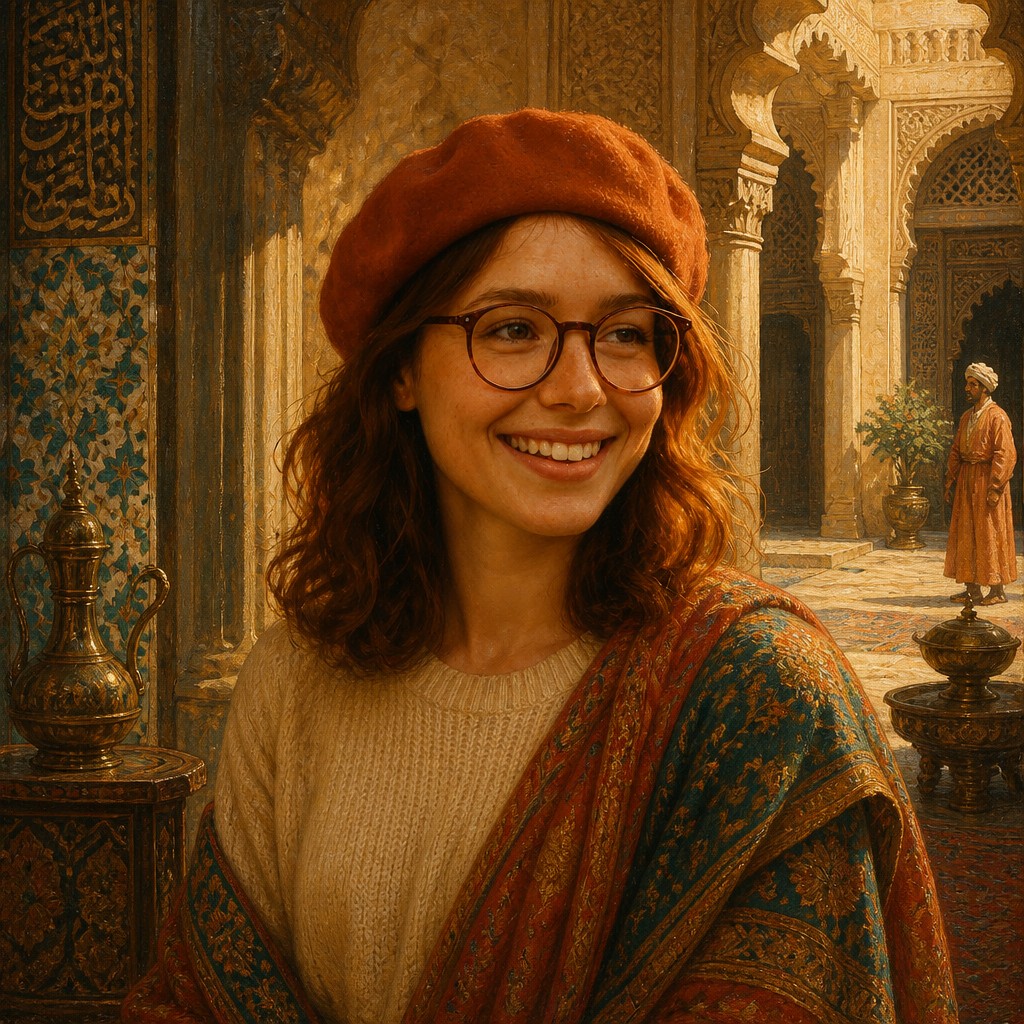
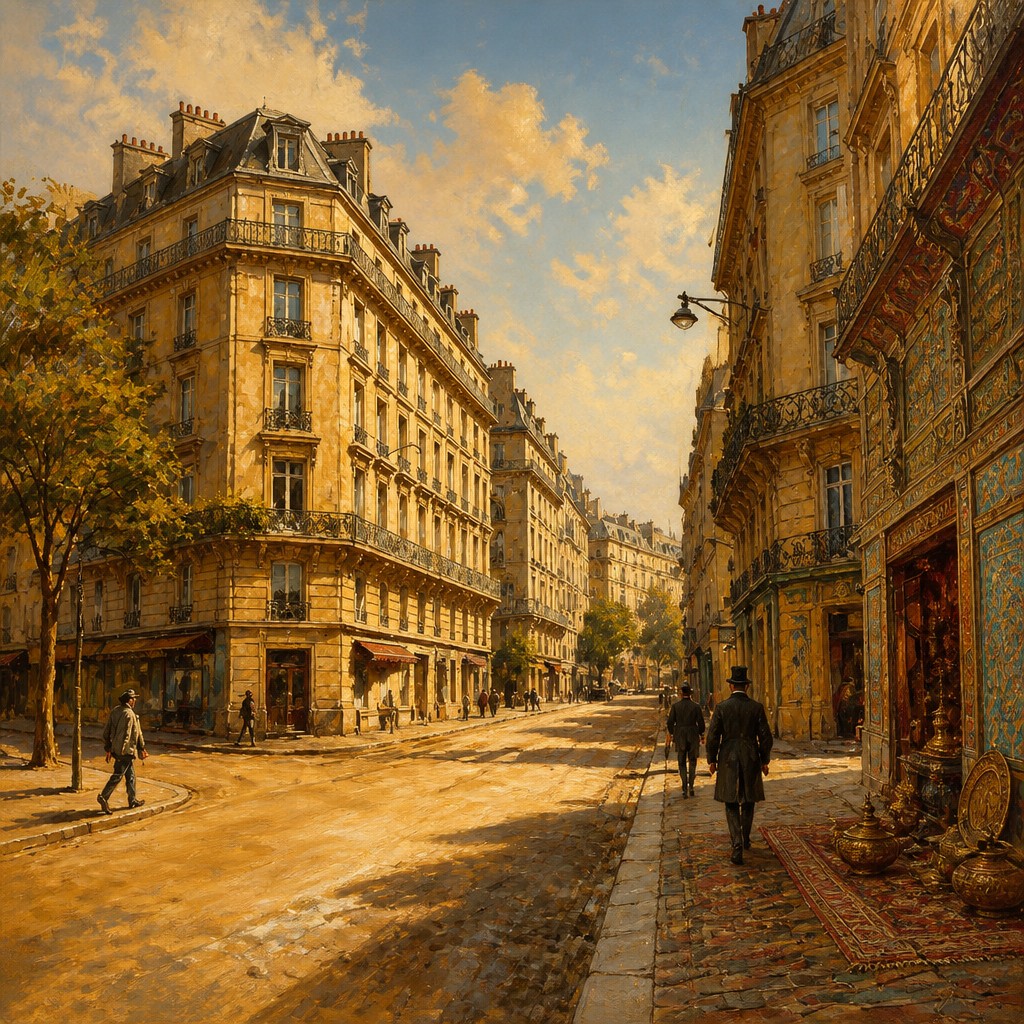
Upload any photo and convert it into Orientalist Painting Style — drag the sliders to compare before and after.


What Defines Orientalist Painting Style
The signature details, up close
Academic polished realism
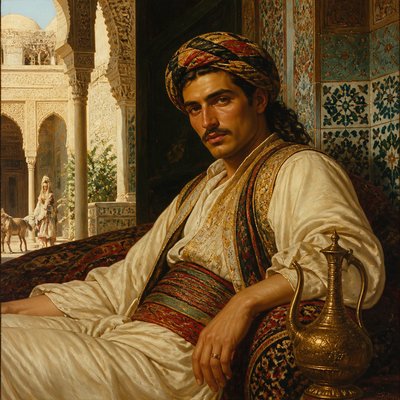
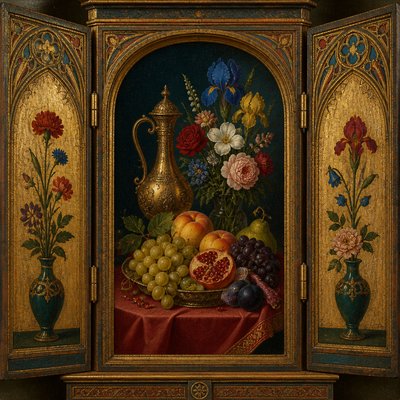
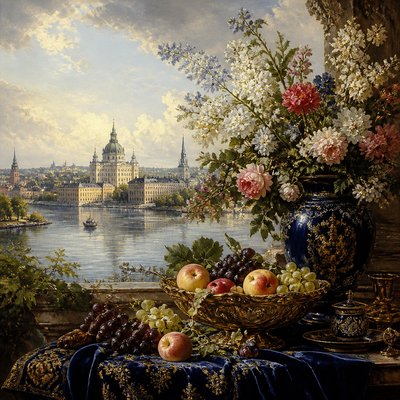
Careful linear drawing, smooth transitions of tone, exacting surface detail, and a highly finished appearance define the mode. Figures, architecture, and objects are often arranged with deliberate clarity rather than spontaneous brushwork.
Dazzling directional light
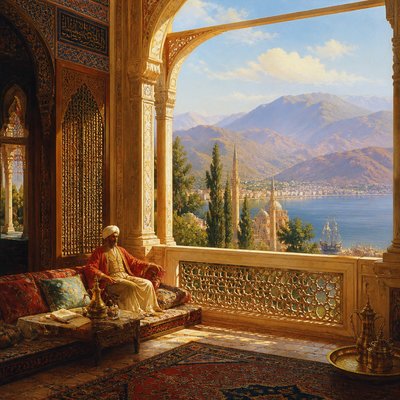
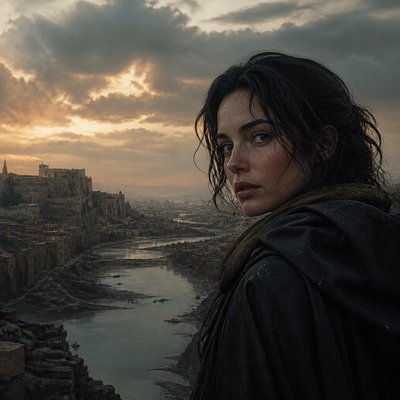
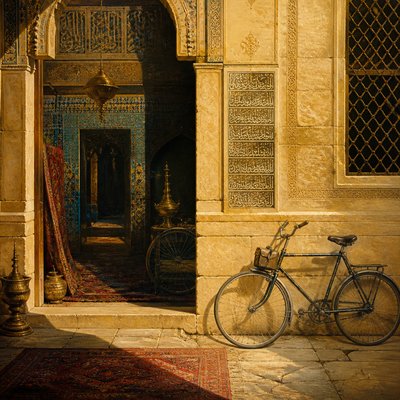
Hard sunlight illuminates courtyards, walls, garments, and architectural edges, often against deep shadow. This high-contrast lighting produces heat, depth, and a strong sense of visual theater.
Ornate architecture
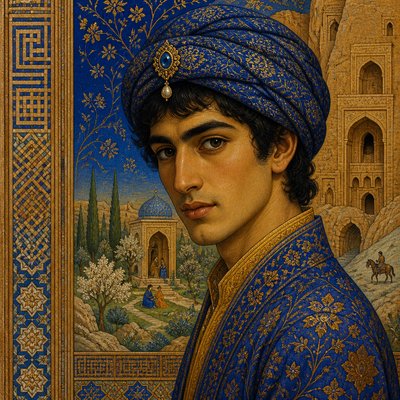
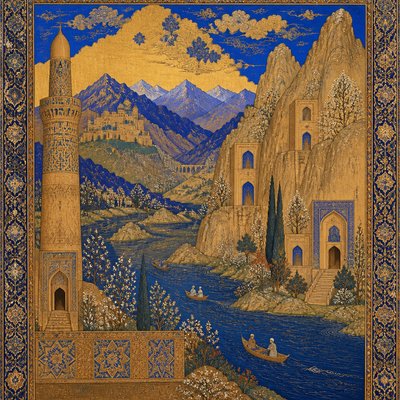
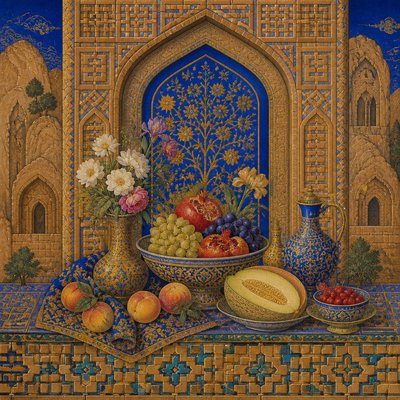
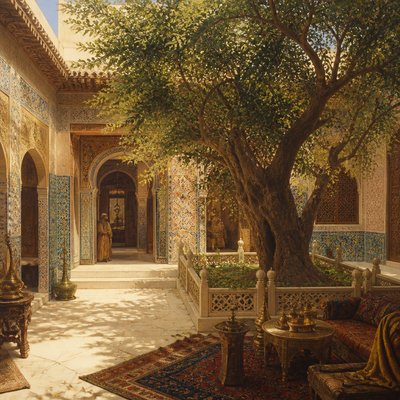
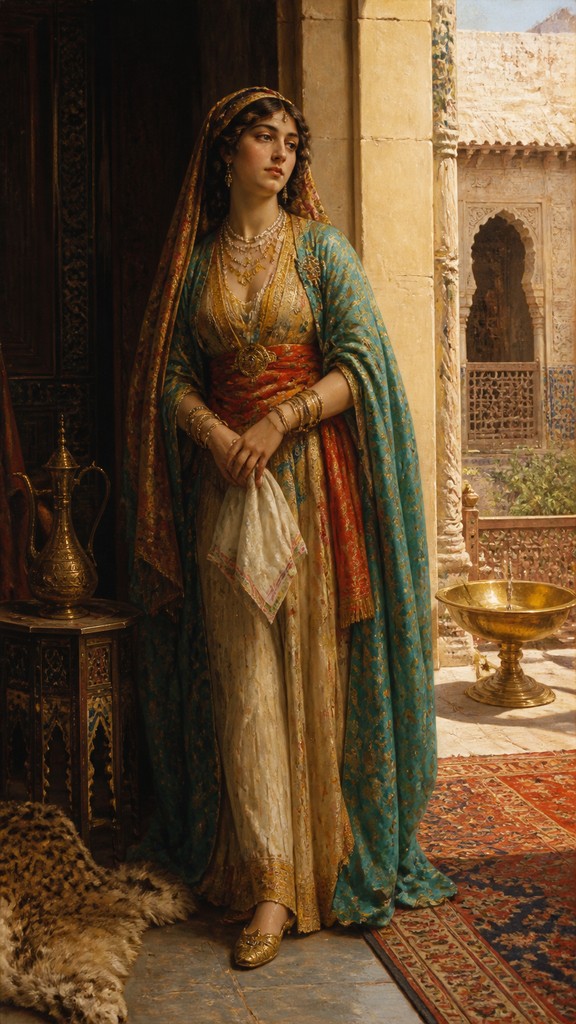
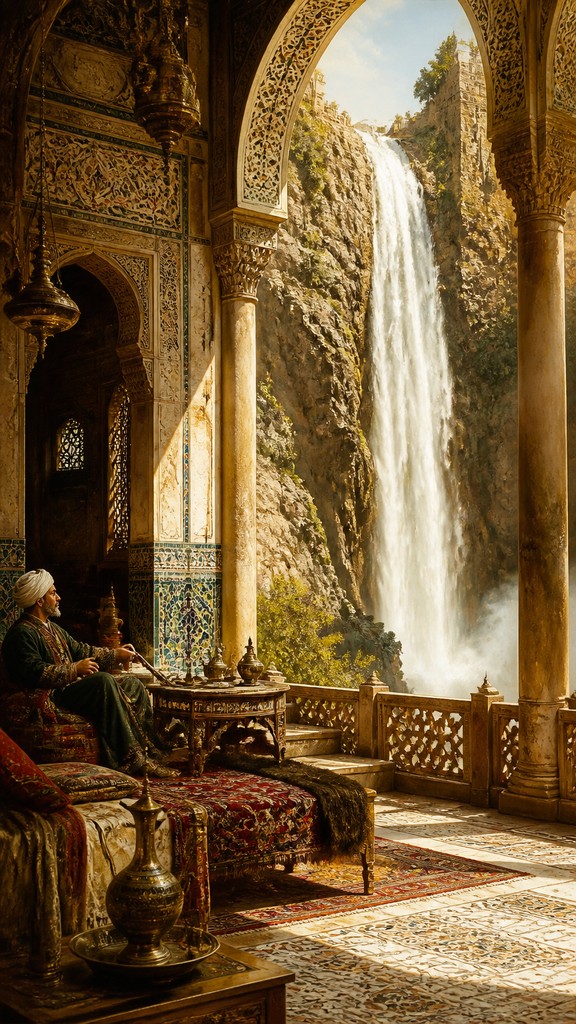
Carved stone, horseshoe or pointed arches, domes, tiled walls, fountains, courtyards, mashrabiya-like screens, and intricate latticework provide recurring structural motifs. Pattern is used to establish place as much as perspective does.
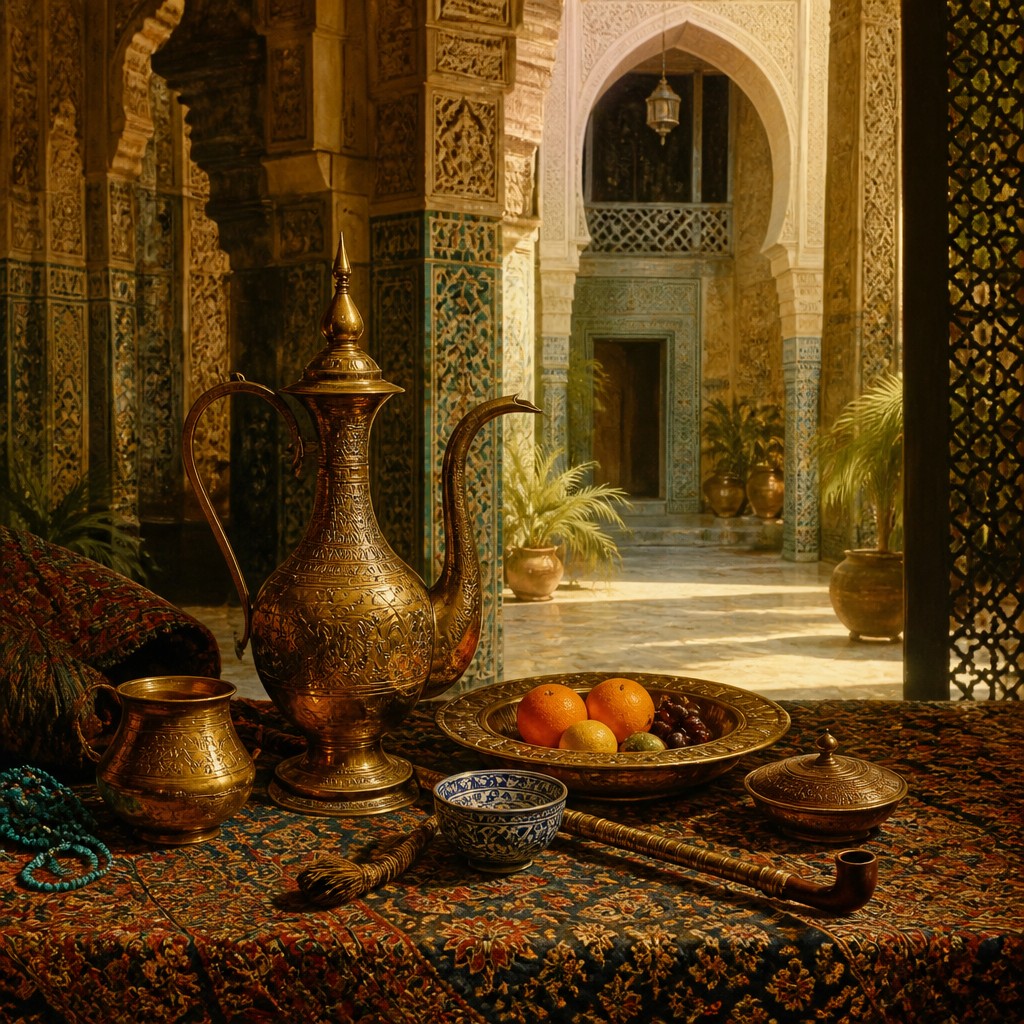
Rich textiles and material detail
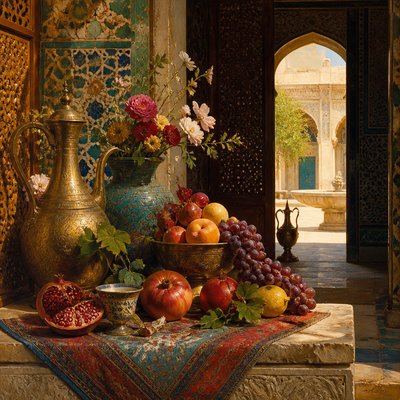
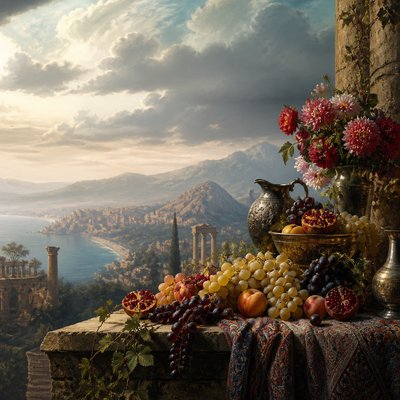
Carpets, embroidered robes, silk, velvet, cushions, veils, and layered fabrics are rendered with painstaking attention to weave, sheen, and fold. Brass, copper, ceramics, and glazed tile add contrasting reflective surfaces.
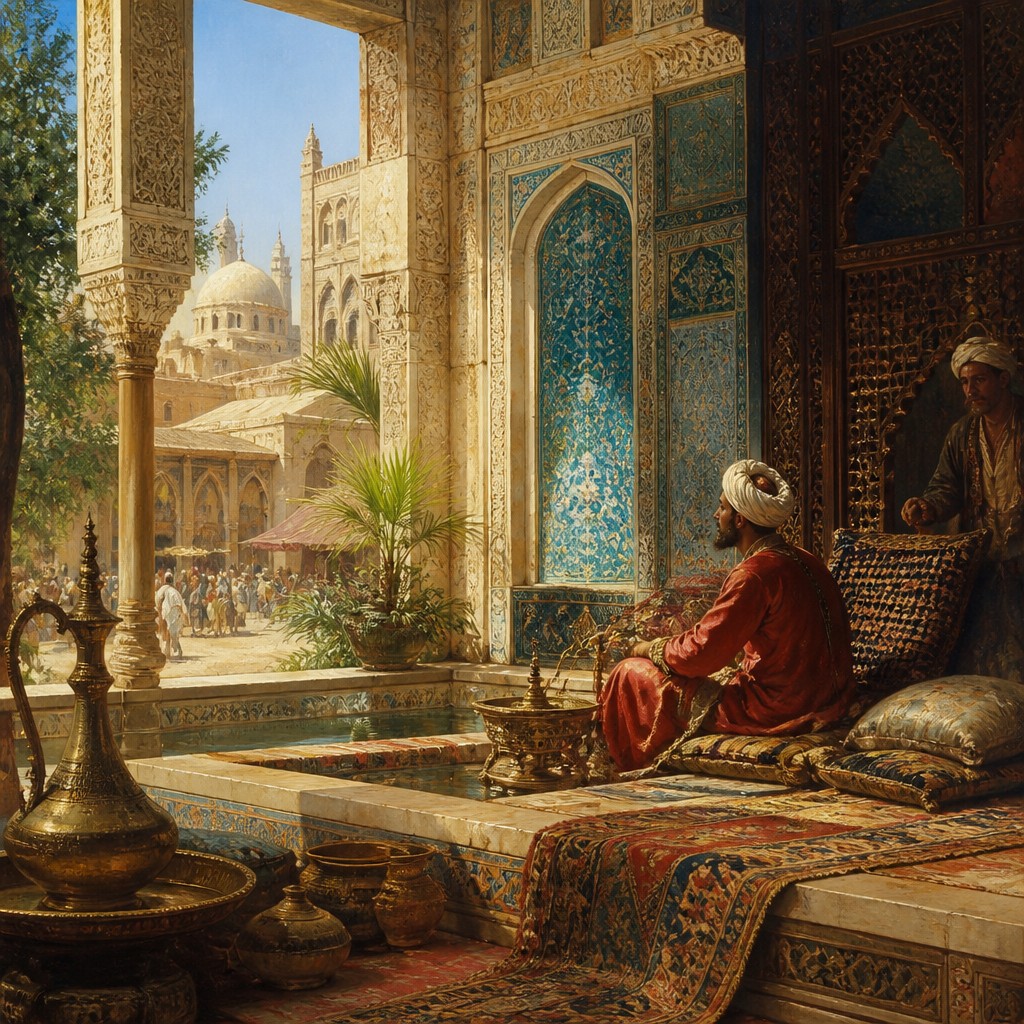
Warm jewel-like palette
Amber sunlight, terracotta, ochre, crimson, turquoise, cobalt, emerald, and ivory frequently dominate. Color is intensified by the opposition of sunlit warmth and blue or brown interior shadow.
Staged narrative scenes
Images often present ceremonies, marketplaces, domestic interiors, architectural studies, animals, or figures at rest. Their compositions may feel observational while remaining carefully choreographed and selectively imagined.
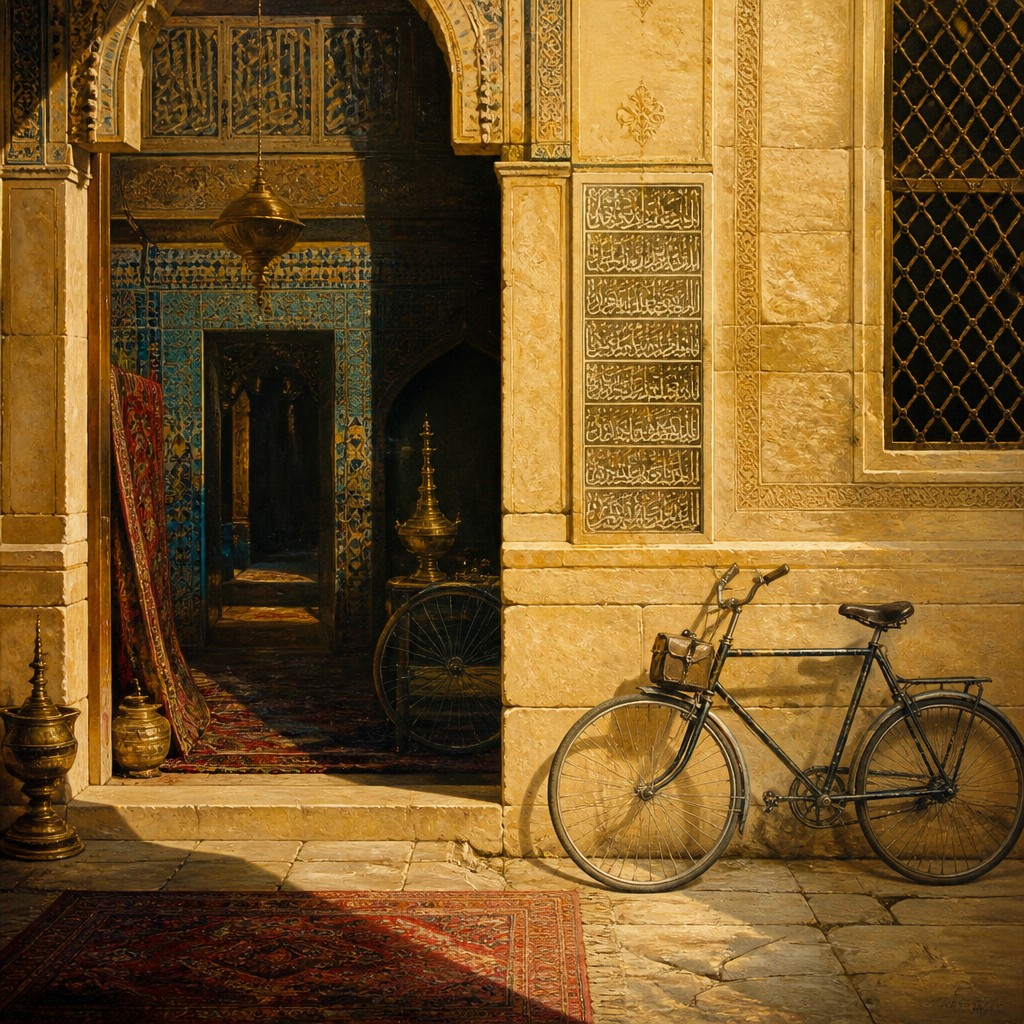
Exoticizing visual conventions
Luxury, sensuality, mystery, idleness, and spectacle are recurring themes, reflecting nineteenth-century European fantasies about the non-Western world. Contemporary interpretation should distinguish documented cultural detail from invented or stereotyped imagery.
Try It
Create Videos in Orientalist Painting Style
Styles aren't just for stills — describe a scene or animate an image and get a short video rendered in Orientalist Painting. Press play to see this pond come to life.
Make a VideoOrientalist Painting Prompt Ideas
Start from an idea — each one opens the generator with the style ready to go. See all 40 Orientalist Painting prompts →
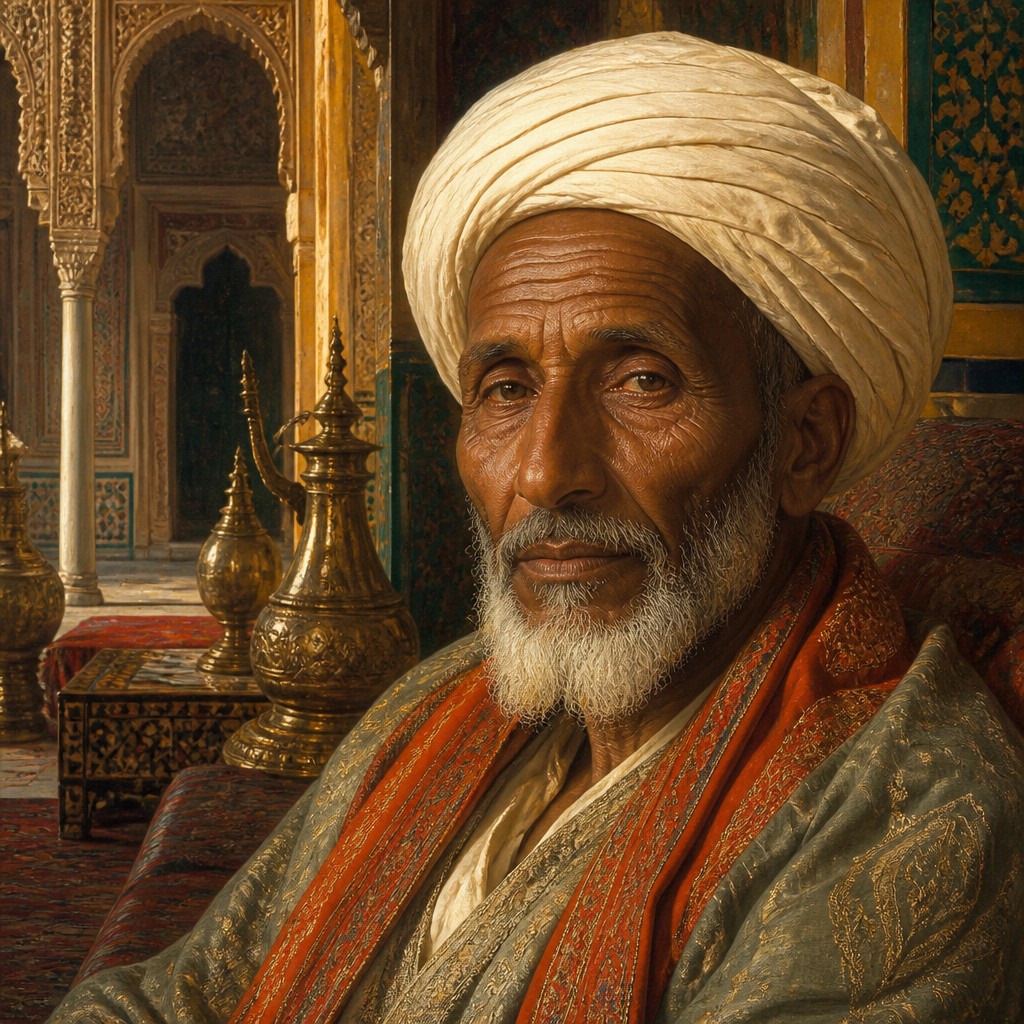
“close-up portrait of an elderly person with expressive weathered features”
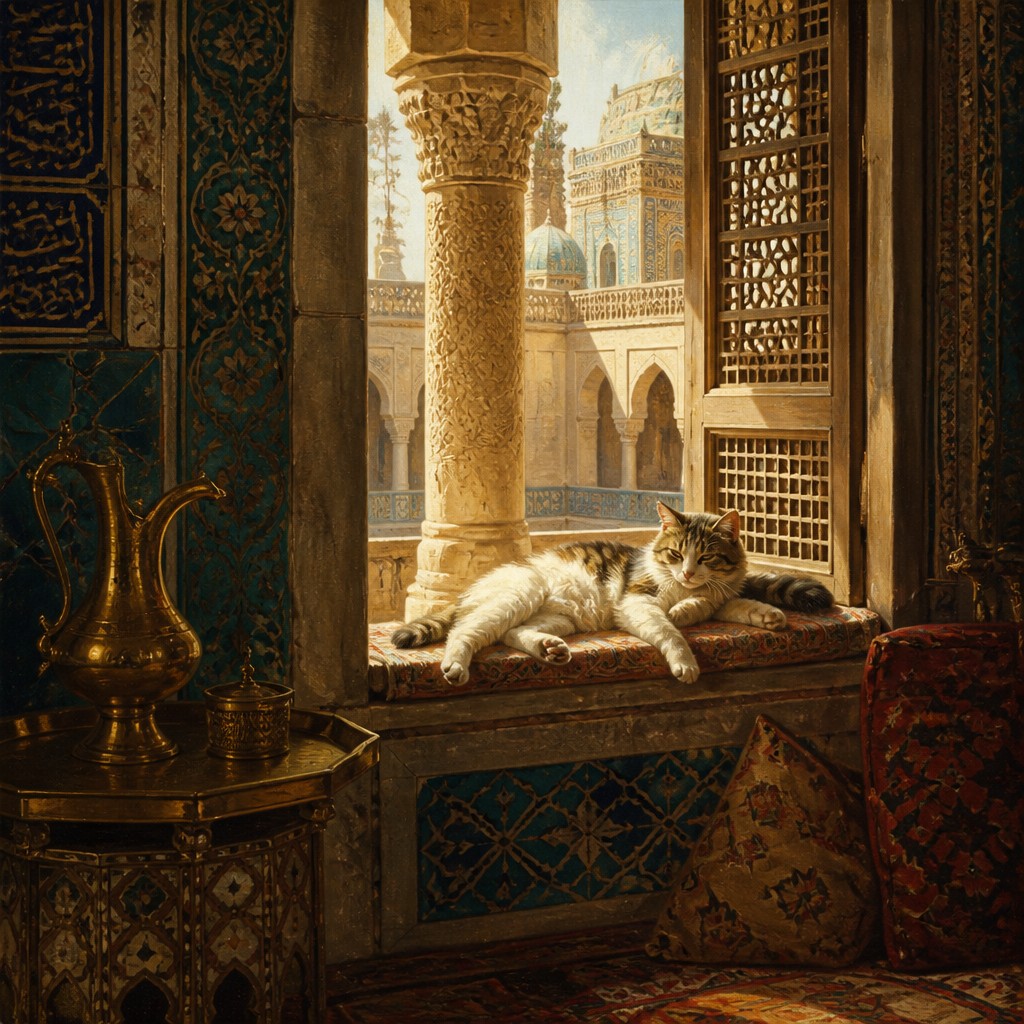
“a cat lounging in a sunlit window”
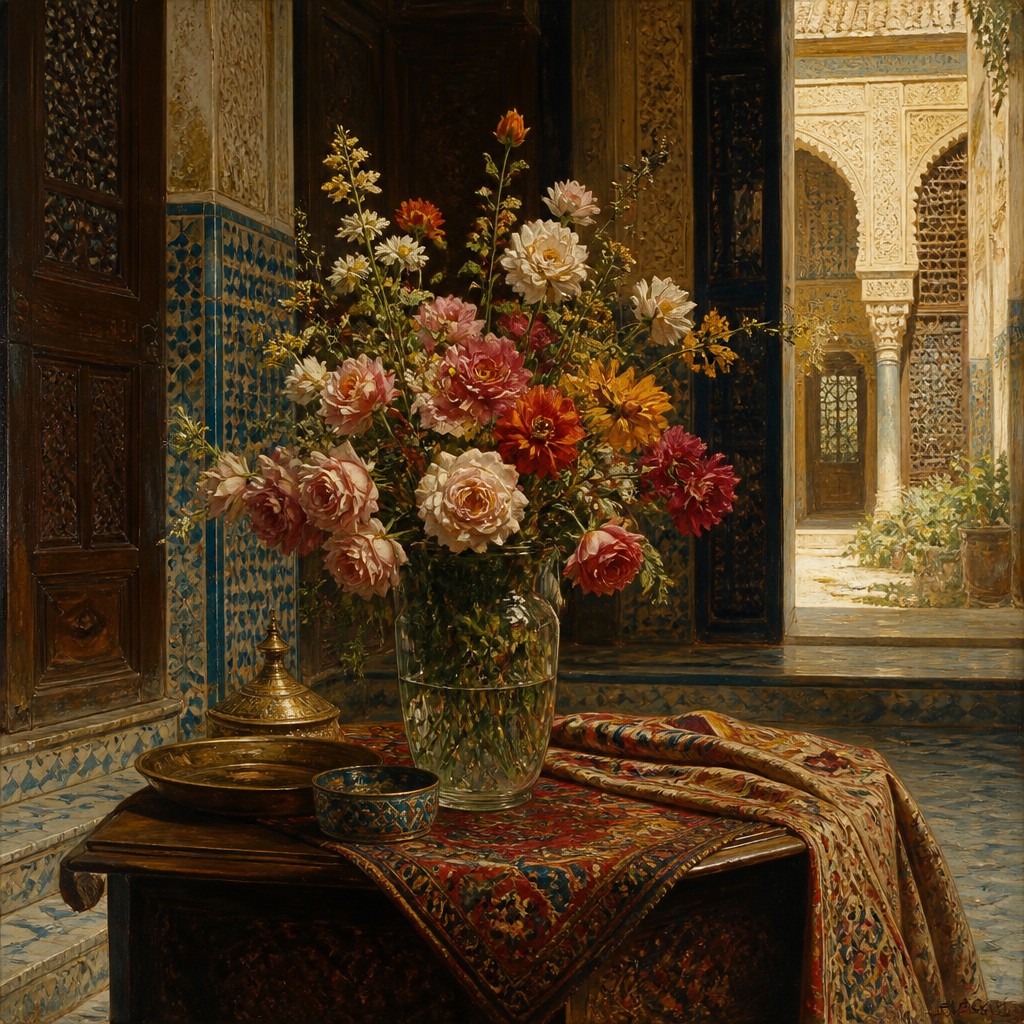
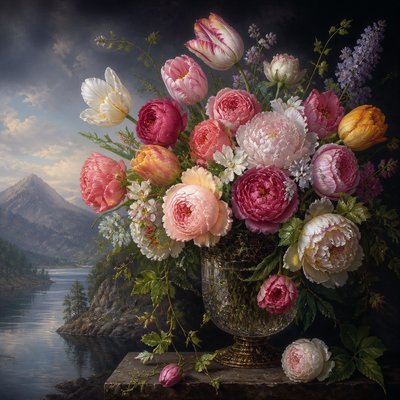
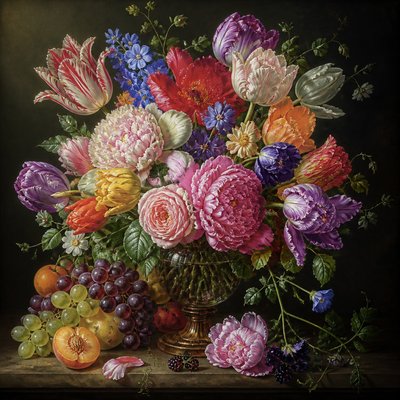
“bouquet of flowers in a glass vase”
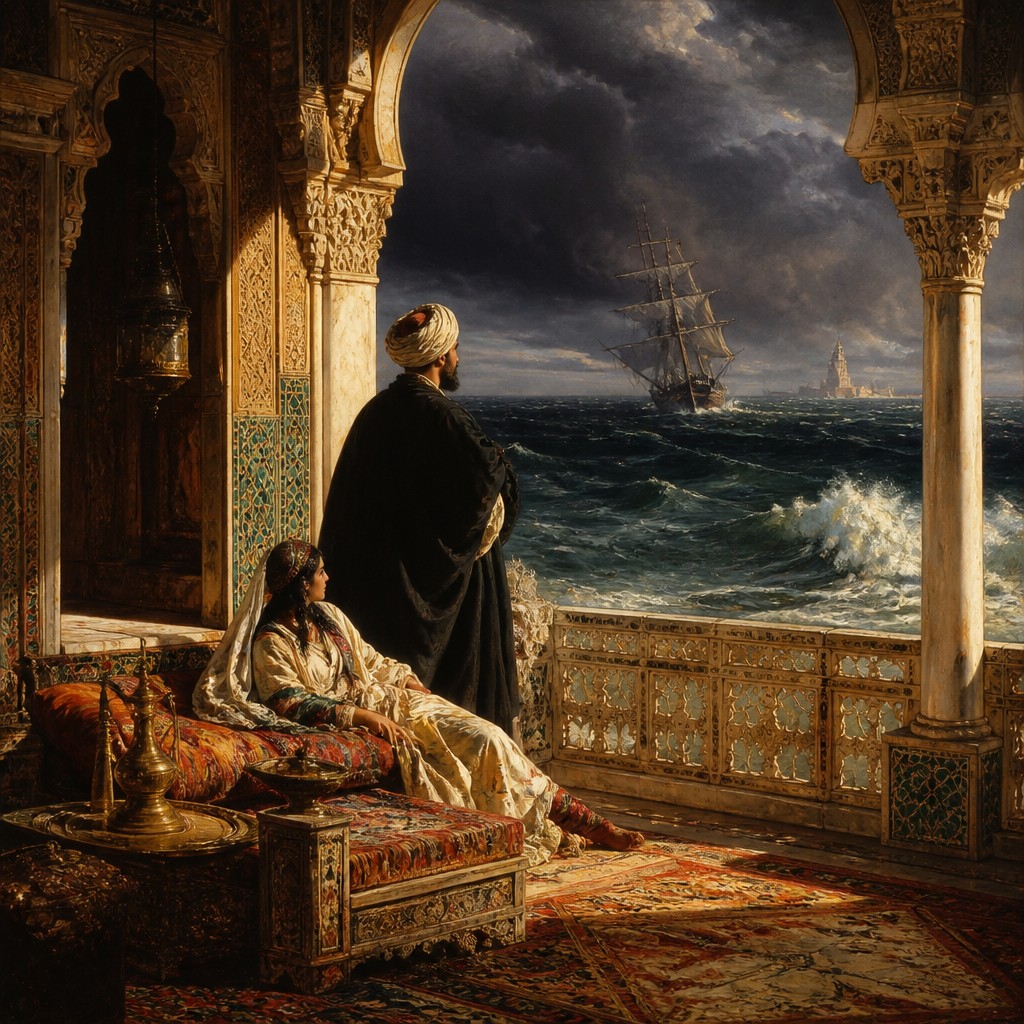
“sailing ship on a stormy sea”
How to Create Orientalist Painting Art
Master the craft step by step — or skip straight to creating. Read the full guide →
- 1
Build a clear architectural composition
Start with a strong perspective grid and a focal passage, such as a sunlit arch, fountain, or tiled wall. Use receding courtyards, screens, columns, and thresholds to create depth between brilliant light and darker rooms.
- 2
Control the value structure
Reserve the lightest values for sun-struck stone, white textiles, and reflective metal, then organize the rest around substantial shadow masses. A limited warm-and-cool value plan will create the characteristic luminous contrast.
- 3
Render surfaces separately
Practice distinct marks and edges for carved stone, glazed tile, woven carpet, silk, skin, wood, and brass. In digital painting, use restrained texture layers and selective sharpness rather than applying one uniform filter.
- 4
Research cultural references
Choose a specific region and period instead of combining unrelated motifs into a generic fantasy. Consult architecture, dress, objects, and patterns from reliable historical or museum sources, and avoid presenting stereotypes as documentary fact.
- 5
Use a staged academic workflow
Develop a thumbnail, perspective drawing, monochrome value study, color underpainting, and final detail pass. For digital work, separate architecture, figures, textiles, light, and atmosphere into adjustable layers.
- 6
Write precise image prompts
Specify the subject, regional setting, time period, light direction, materials, palette, composition, and level of finish. For example, request a nineteenth-century academic oil treatment with sunlit carved stone, patterned tile, deep interior shadow, and carefully researched regional details.
The Story
History & Origins of Orientalist Painting
The style reached particular prominence in nineteenth-century salons and continued into the early twentieth century, although its authority was increasingly challenged by modernism, anti-colonial scholarship, and criticism of exoticizing representation. Today, Orientalist imagery is studied both for its technical accomplishments and for the ways it may romanticize, stereotype, or collapse diverse societies into a decorative fantasy.
Influences: Orientalist painting draws from European academic history painting, Romantic travel imagery, eighteenth- and nineteenth-century exoticism, archaeological illustration, studio realism, and the visual traditions of Islamic architecture and decorative arts. Its patterned surfaces relate to Ottoman, Persian, Arab, North African, and South Asian textiles, ceramics, metalwork, and ornament, though Western painters often reassembled these sources selectively. It is also related to academic salon painting, Romanticism, Orientalist literature, travel photography, and later cinematic or fantasy imagery built around ornate interiors and dramatic sunlight.
Frequently Asked Questions
What defines Orientalist painting?
It is defined by nineteenth-century Western academic realism applied to scenes associated with North Africa, the Middle East, the Ottoman world, and related regions. Common features include brilliant sunlight, deep shadows, ornate architecture, richly rendered textiles, patterned surfaces, and staged narrative scenes.
Is Orientalist painting an authentic representation of the Middle East or North Africa?
Not necessarily. The category includes works based on travel and observation, but also many studio inventions shaped by European fantasy, colonial power, and limited cultural understanding. It is better understood as a historical Western mode of representation than as a single regional art tradition.
How does Orientalist painting differ from Islamic art?
Islamic art refers to diverse artistic traditions produced across Muslim-majority and historically Muslim regions, including architecture, manuscripts, textiles, ceramics, and calligraphy. Orientalist painting is a Western nineteenth-century interpretive tradition that often borrowed or imagined elements of those cultures.
What techniques create its luminous appearance?
Artists typically combine precise preparatory drawing, layered oil paint, controlled modeling, saturated color, and strong value contrasts. Bright opaque passages for sunlit stone and reflective metal are set against transparent or muted shadow to create depth and heat.
Can this style be used for contemporary subjects?
Yes, its compositional language can be adapted to contemporary architecture, interiors, travel scenes, or portraits. A responsible approach identifies the cultural setting, researches its visual references, and avoids treating diverse communities as interchangeable exotic scenery.
Where is Orientalist painting commonly seen today?
It appears in museum collections, nineteenth-century academic painting exhibitions, historical illustration, period cinema, editorial imagery, fantasy environments, interior visualization, and digital art. Contemporary viewers often examine it both as a technically refined style and as evidence of colonial-era cultural attitudes.

Create your first Orientalist Painting artwork
Describe anything — or upload a photo — and see it in Orientalist Painting Style in seconds.
Related Styles
Discover similar art styles