Australian Art Style
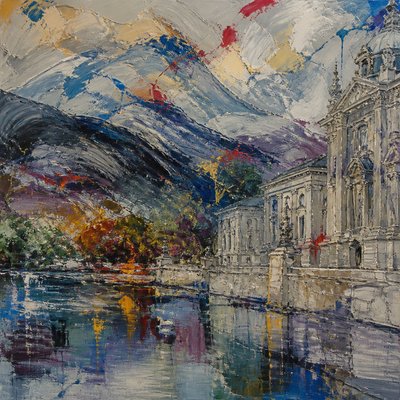
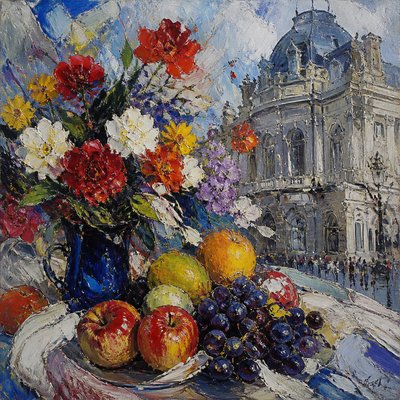
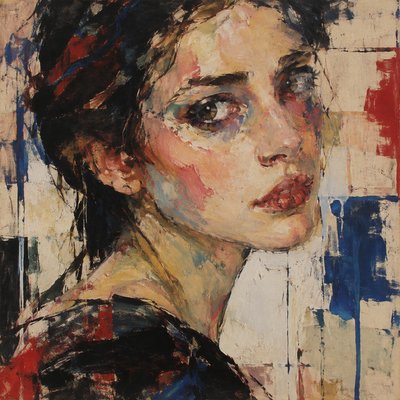
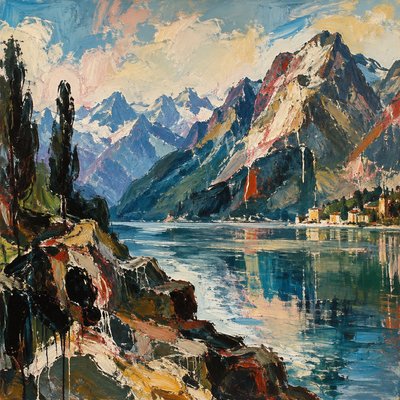
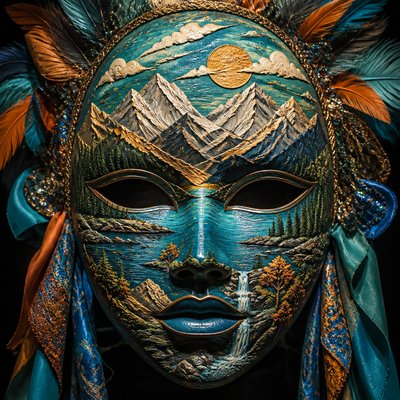
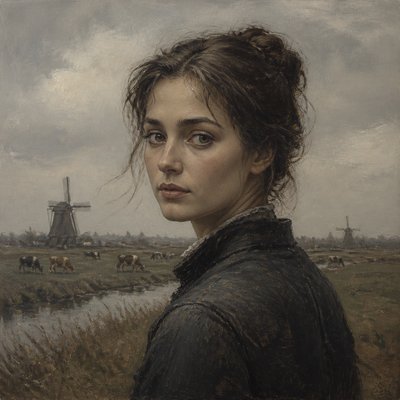
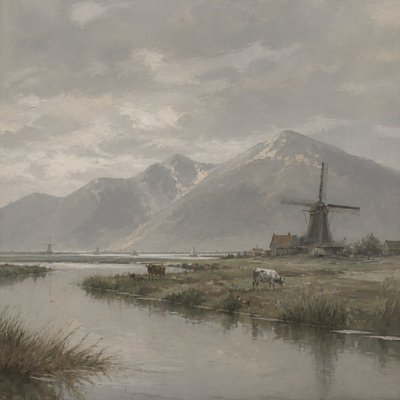
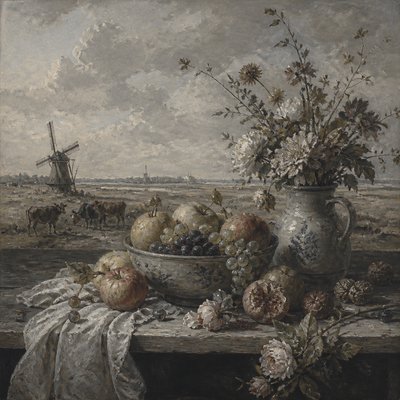
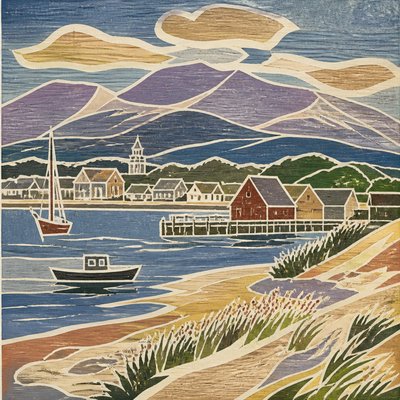
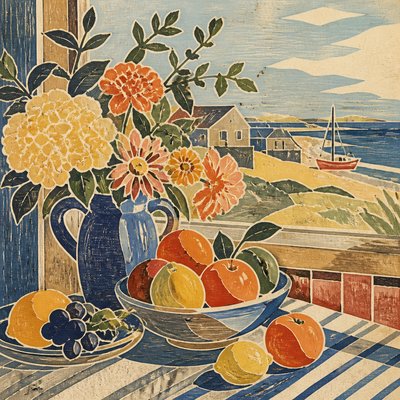
Explore Australian Art Style: sunlit eucalyptus landscapes, golden grass, ochre and cobalt color, and airy plein-air impressionist brushwork.
Instantly rendered in Australian — or transform a photo
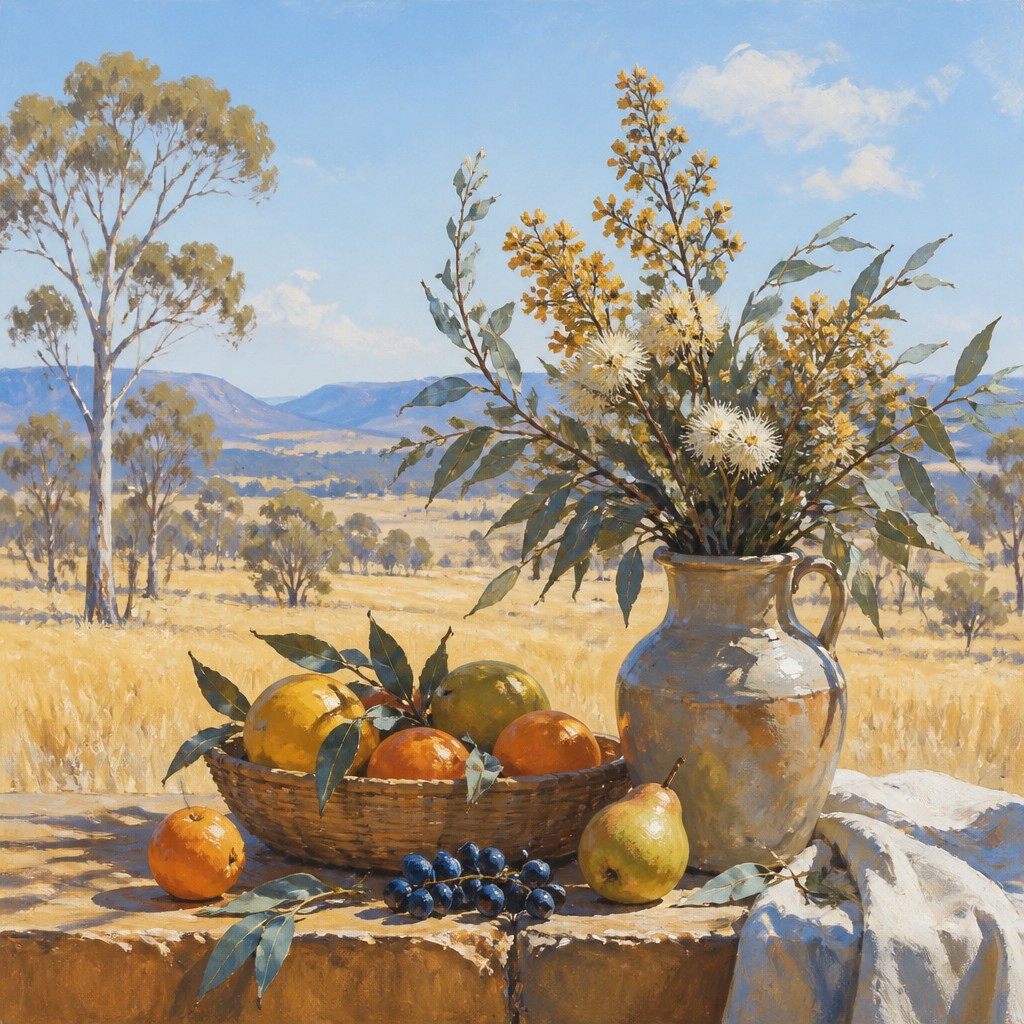
Australian Gallery
Tap any artwork to explore it
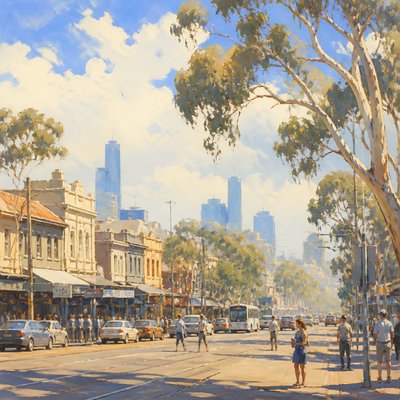
What is Australian Art Style?
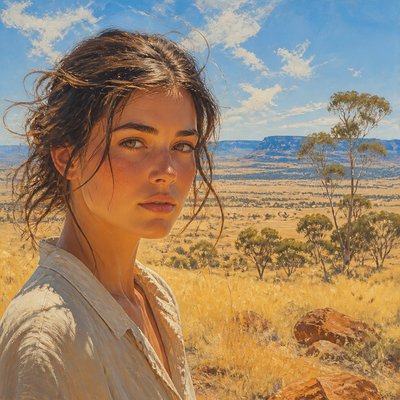
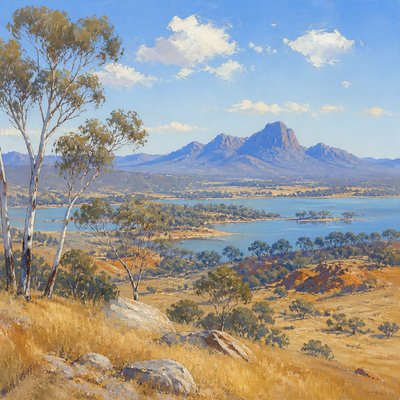
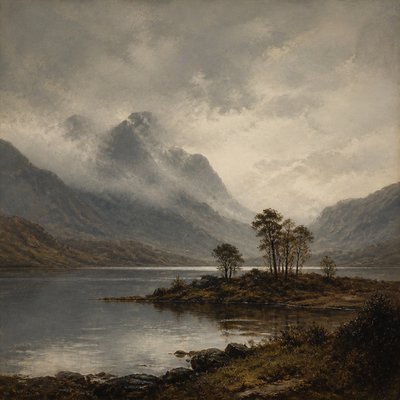
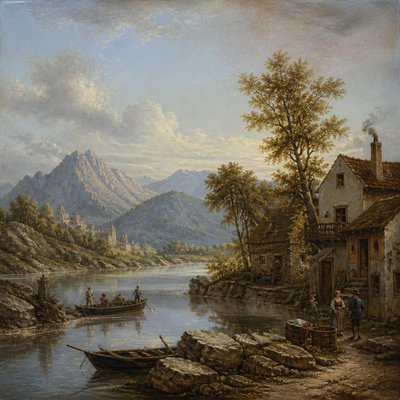
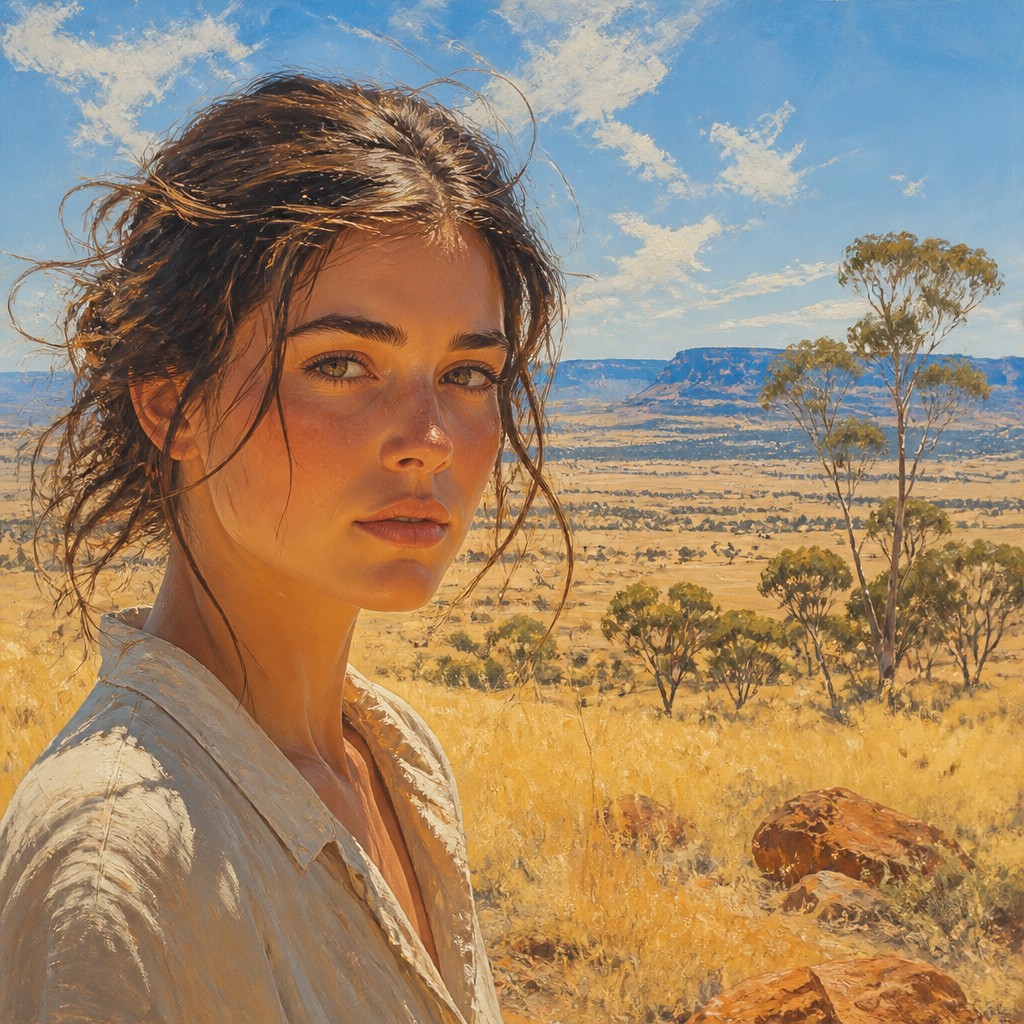
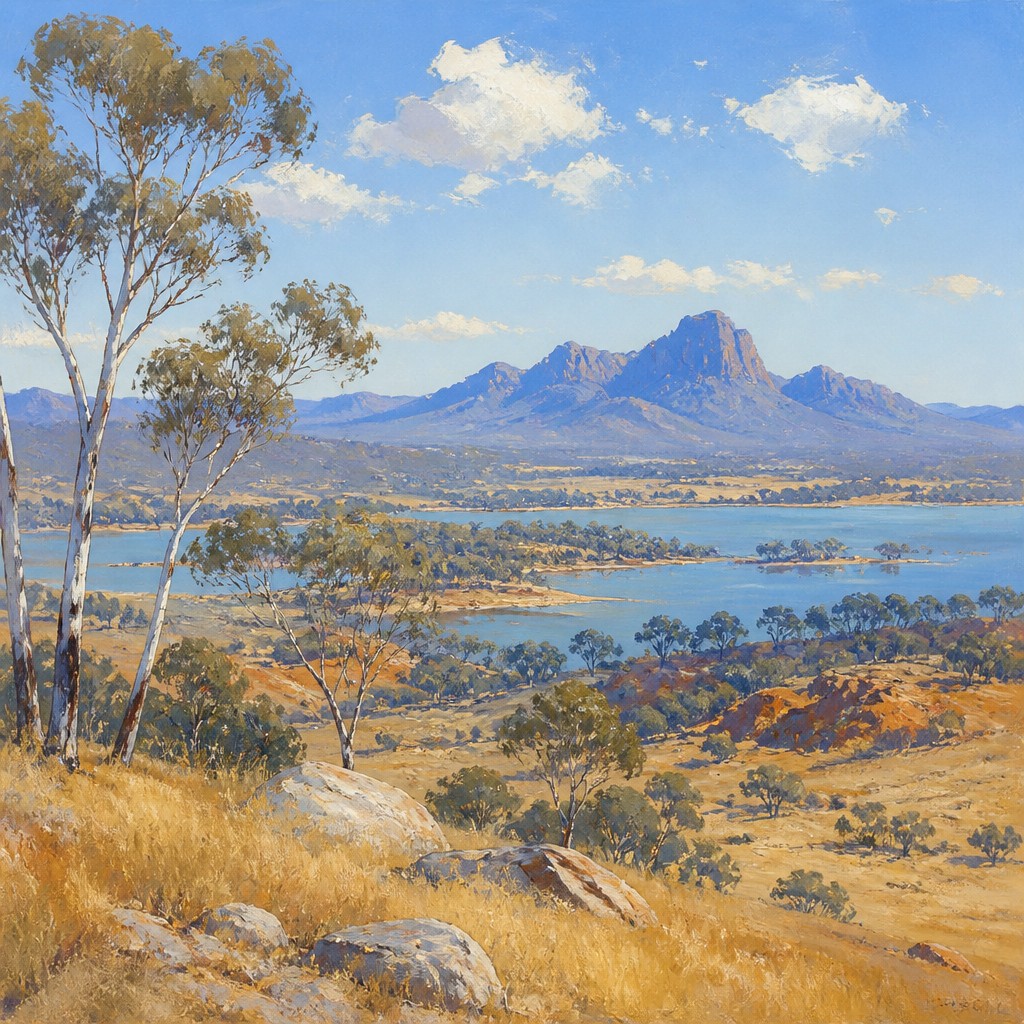
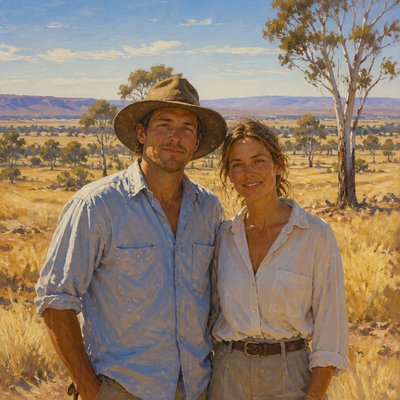
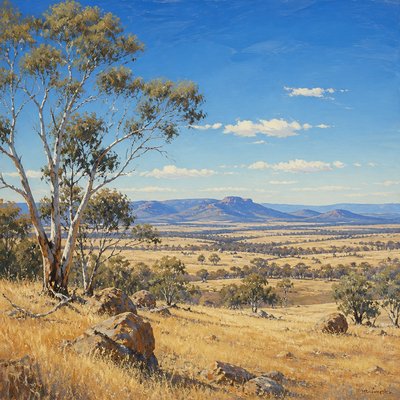
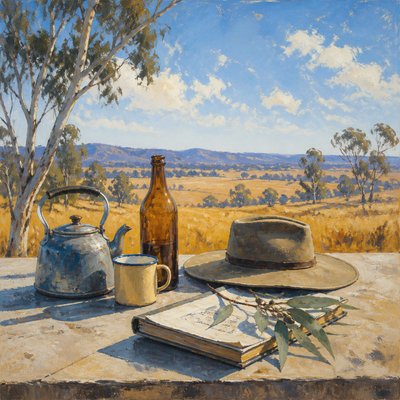
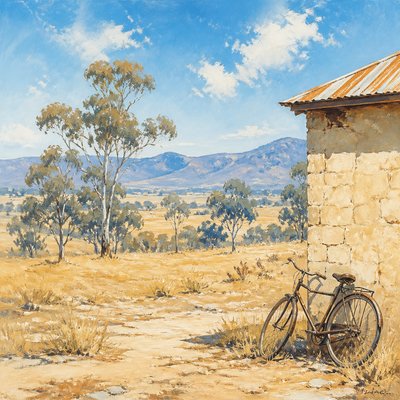
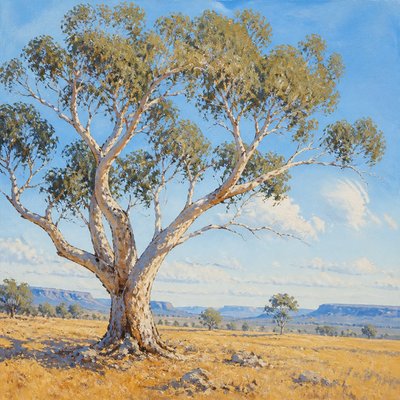
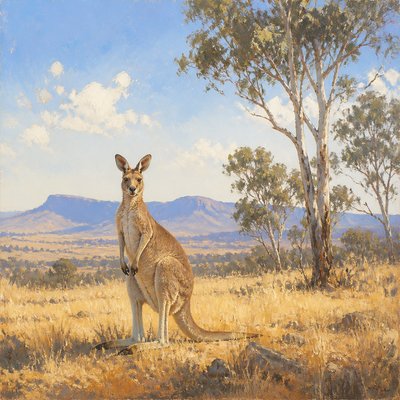
Australian Art Style is a contemporary descriptive aesthetic built around the visual character of the Australian bush: dry golden grass, pale soil, blue-hazed eucalyptus, distant ranges, and broad skies under intense sunlight. It combines plein-air landscape observation with a high-keyed impressionist treatment, making heat, distance, and atmosphere central subjects rather than incidental details.
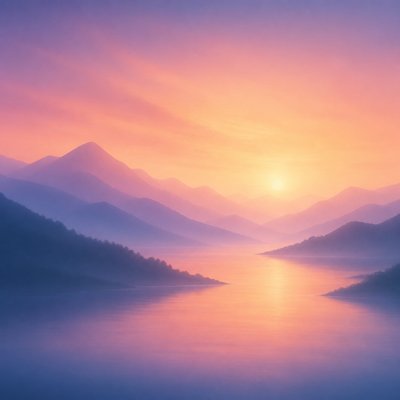
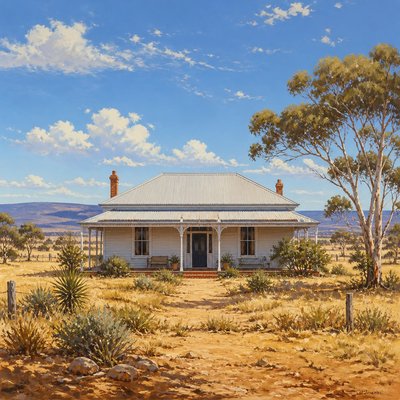
Its visual identity depends on openness and restraint. Forms are simplified into broad planes, shadows remain colorful rather than black, and the composition often gives the horizon substantial space. Ochre, warm sand, sage, eucalyptus blue, and cobalt are balanced with luminous whites and clear sky tones to convey the brightness, dryness, and spaciousness of the continent.
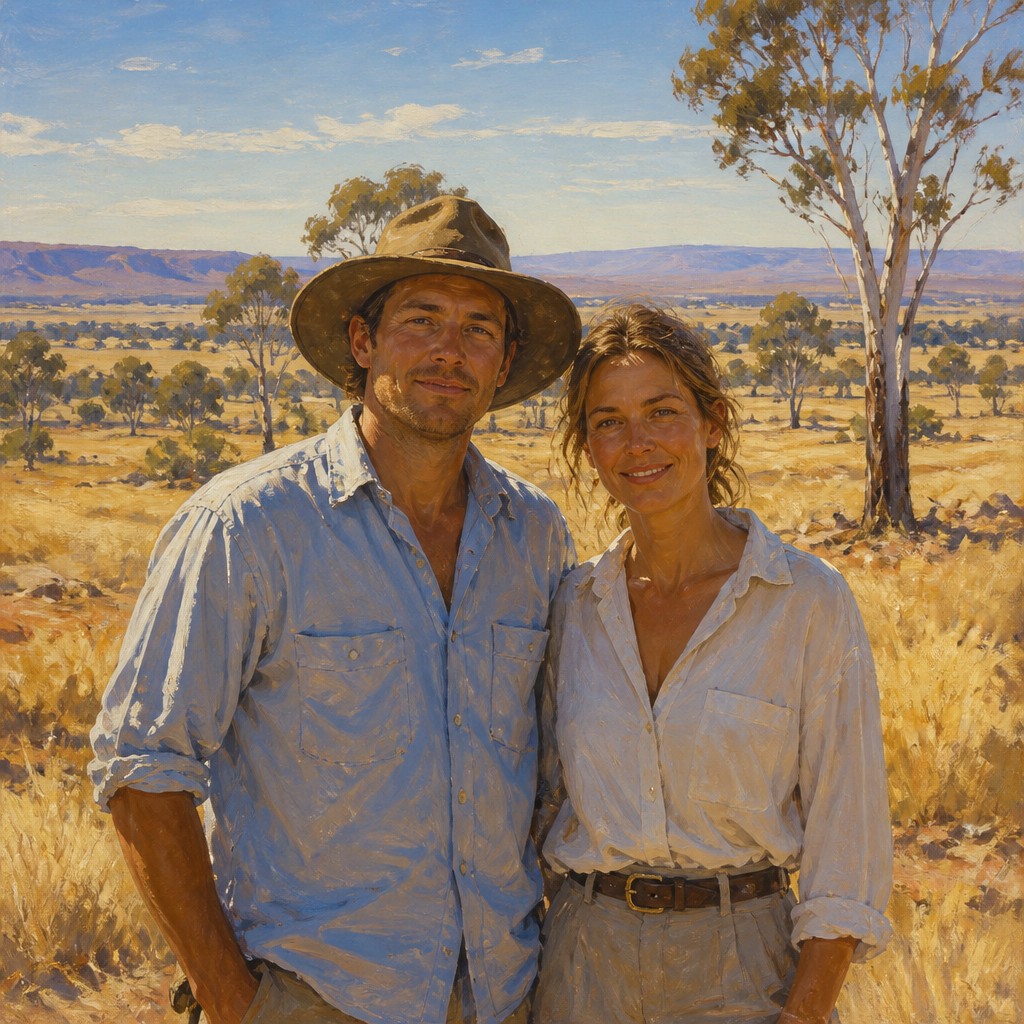
Try It On Your Photos
Upload any photo and convert it into Australian Art Style — drag the sliders to compare before and after.
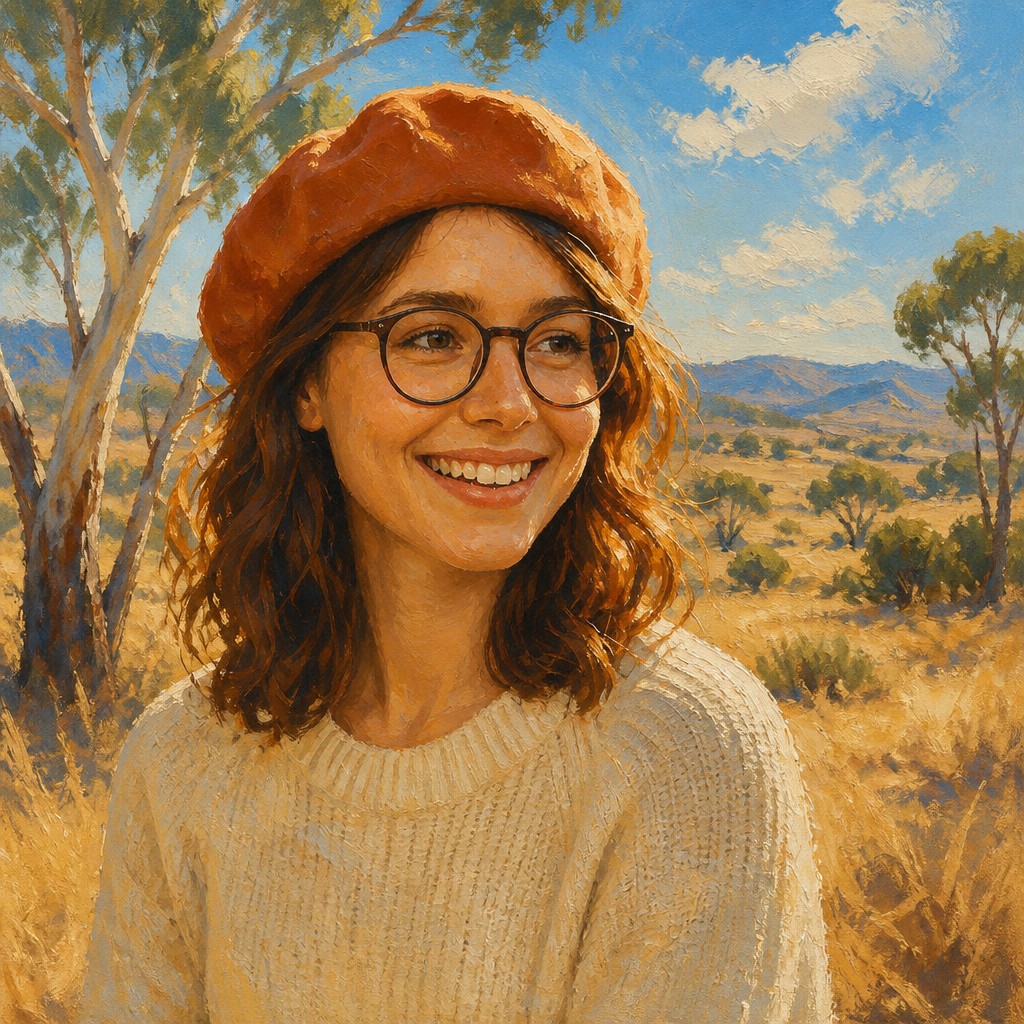

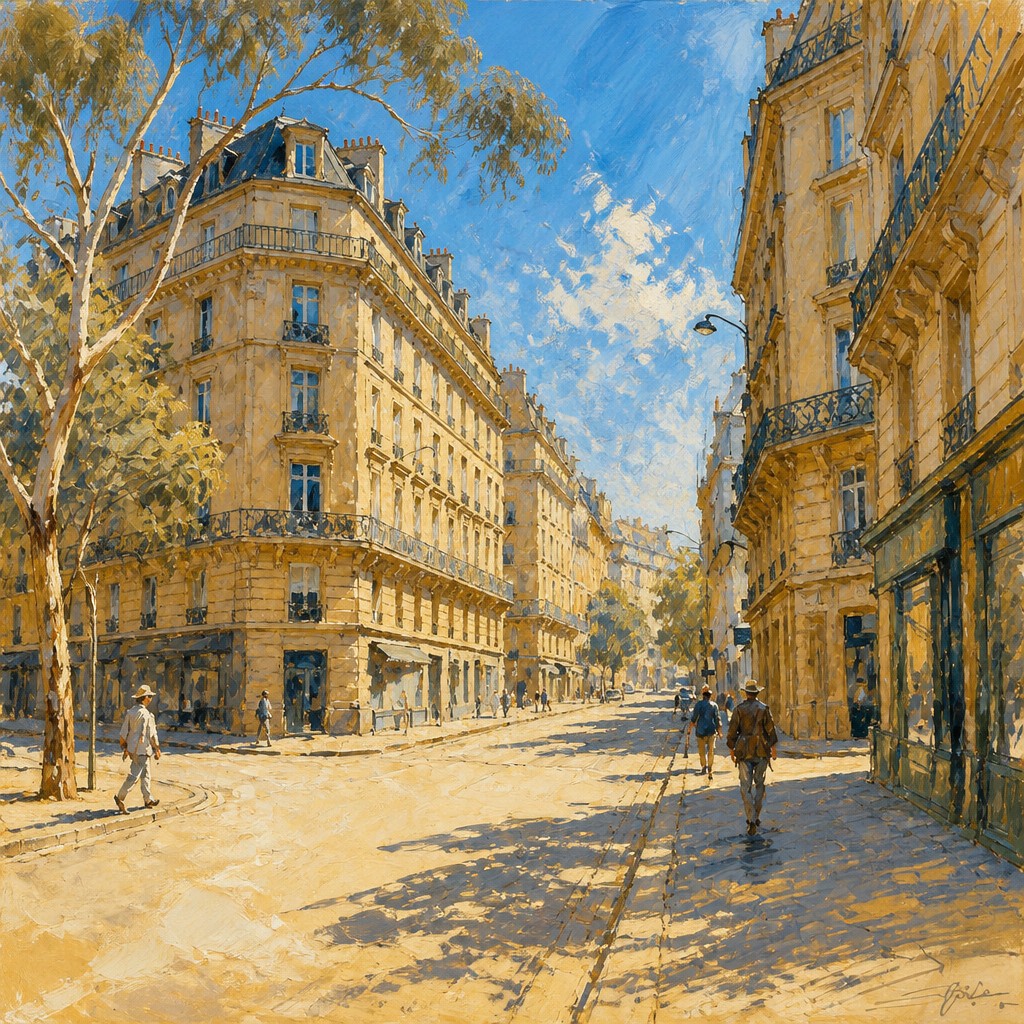

What Defines Australian Art Style
The signature details, up close
Golden dry-season palette
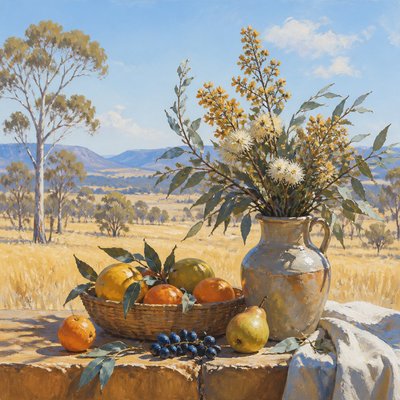
Dominant colors include ochre, straw, wheat, terracotta, muted sage, eucalyptus green, and cobalt blue. Warm earth tones are set against cool atmospheric distance to create a clear sense of heat and space.
Eucalyptus atmosphere
Gum trees and related native vegetation appear as irregular, airy forms with pale trunks and blue-green foliage. Their softened edges often suggest haze, essential oils, dust, and strong reflected light.
Expansive composition
Wide horizontal formats, low horizons, open plains, and long receding tracks emphasize the scale of the landscape. Empty space is treated as an active compositional element rather than an absence of detail.
High-keyed sunlight
The light is bright, dry, and pervasive, with limited use of deep blacks. Highlights, sky reflections, and warm ground bounce produce a luminous image that suggests midday or late-summer heat.
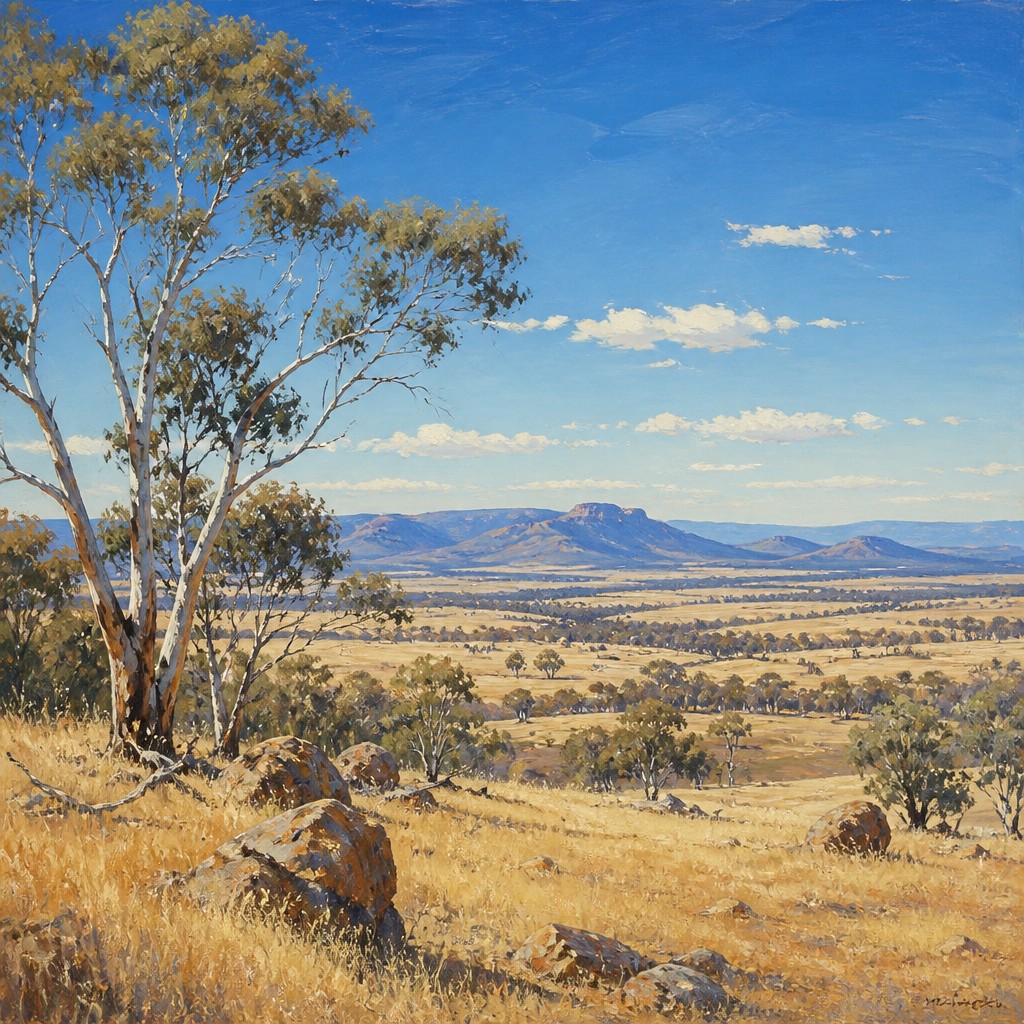
Impressionist brushwork
Visible strokes, broken color, and loosely blended passages describe foliage, grass, cloud, and distant hills. The surface favors the sensation of a place over precise botanical or topographical recording.
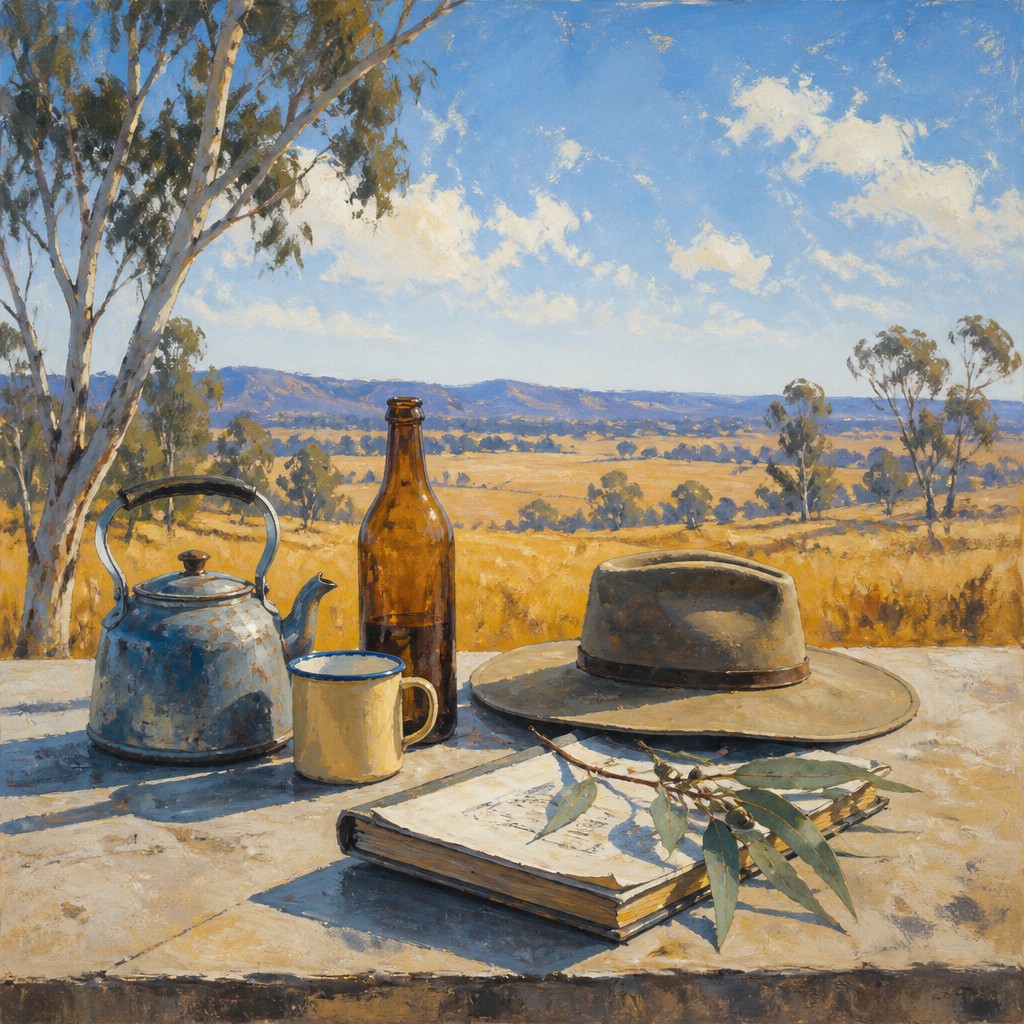
Heat shimmer and atmospheric perspective
Distant forms become paler, cooler, and less defined, while the foreground carries warmer texture. Soft wavering edges and layered blue haze imply hot air, dust, and great distances.
Try It
Create Videos in Australian Art Style
Styles aren't just for stills — describe a scene or animate an image and get a short video rendered in Australian. Press play to see this pond come to life.
Make a VideoAustralian Prompt Ideas
Start from an idea — each one opens the generator with the style ready to go. See all 40 Australian prompts →
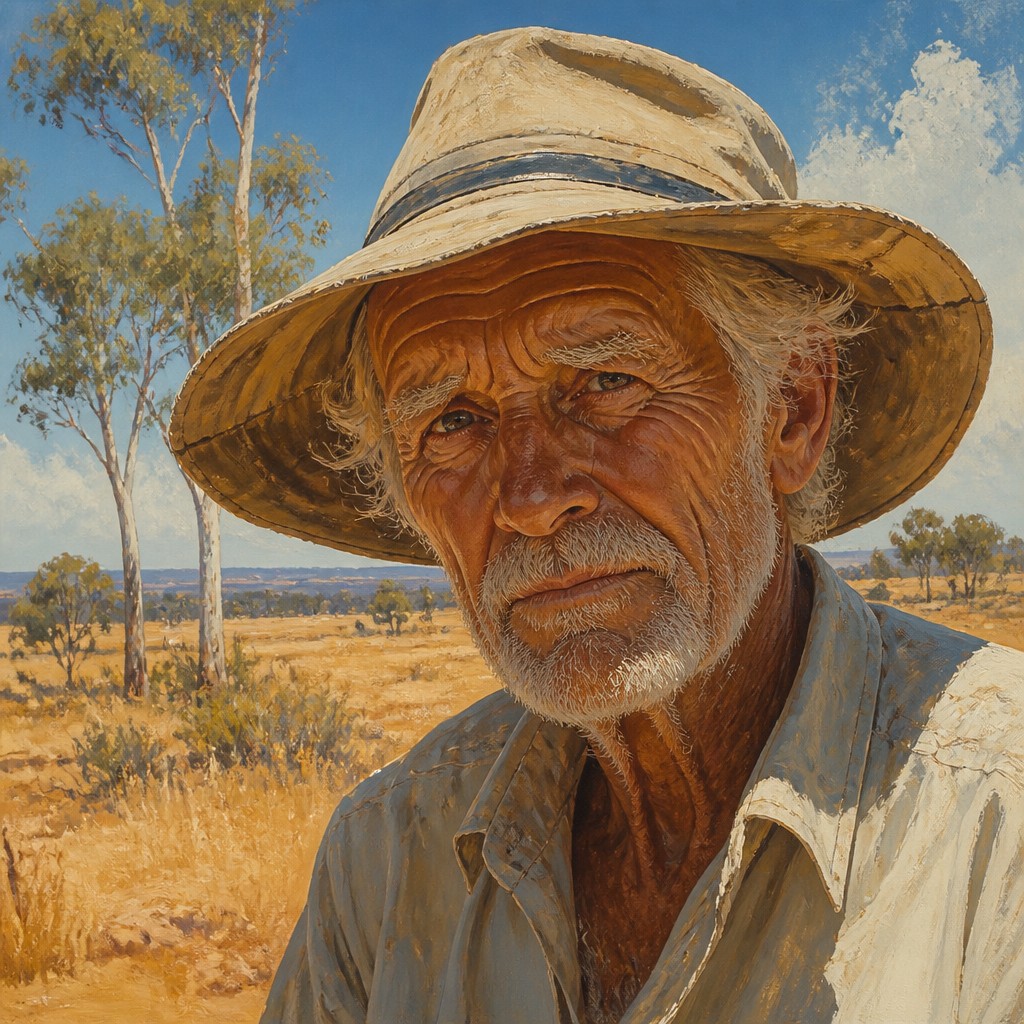
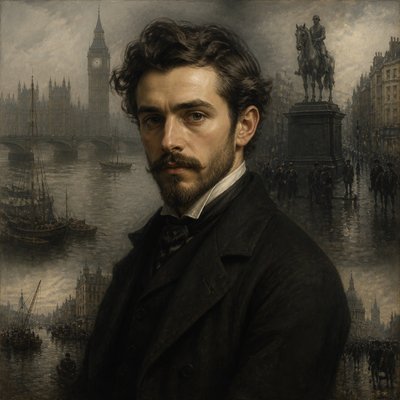
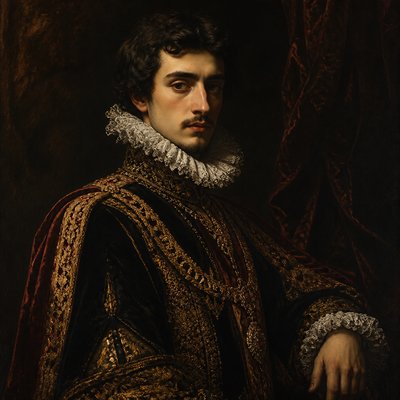
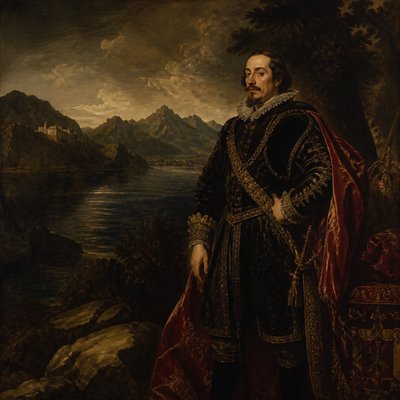
“close-up portrait of an elderly person with expressive weathered features”
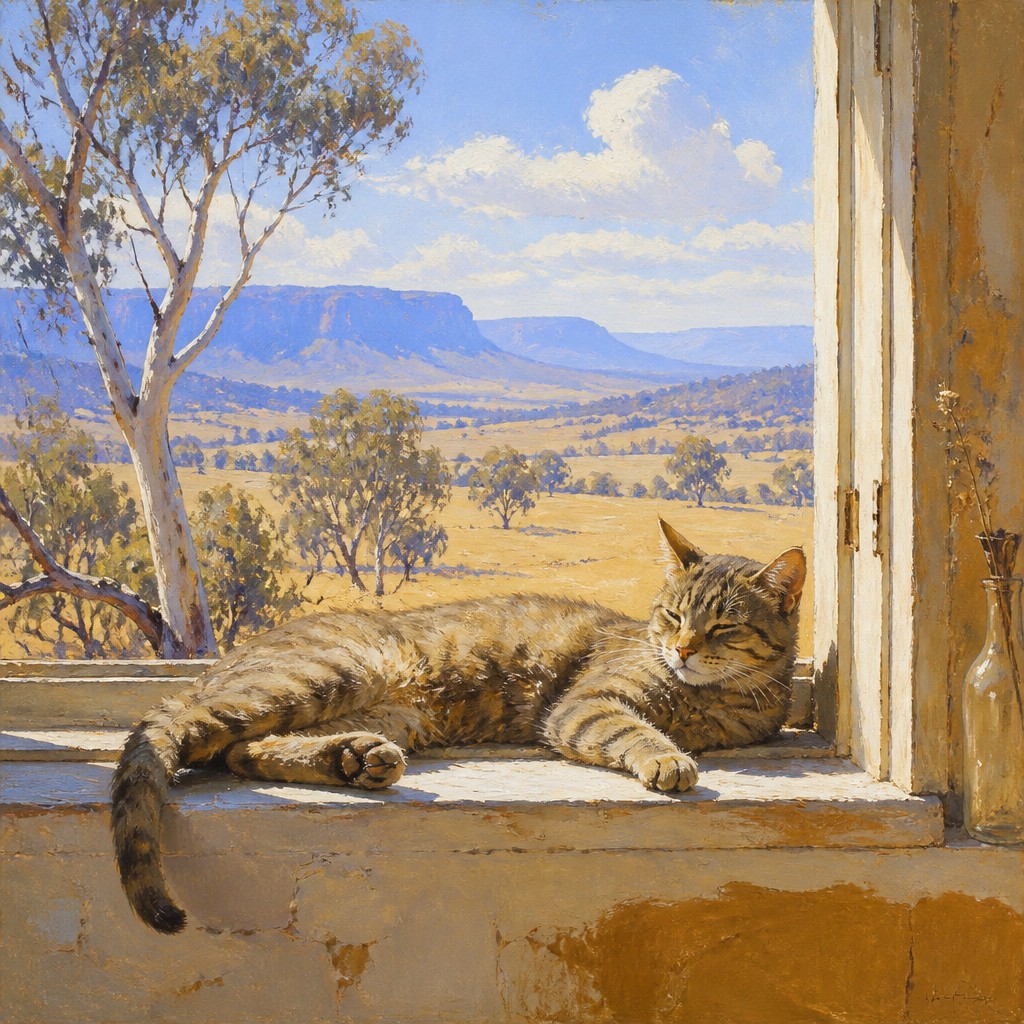
“a cat lounging in a sunlit window”
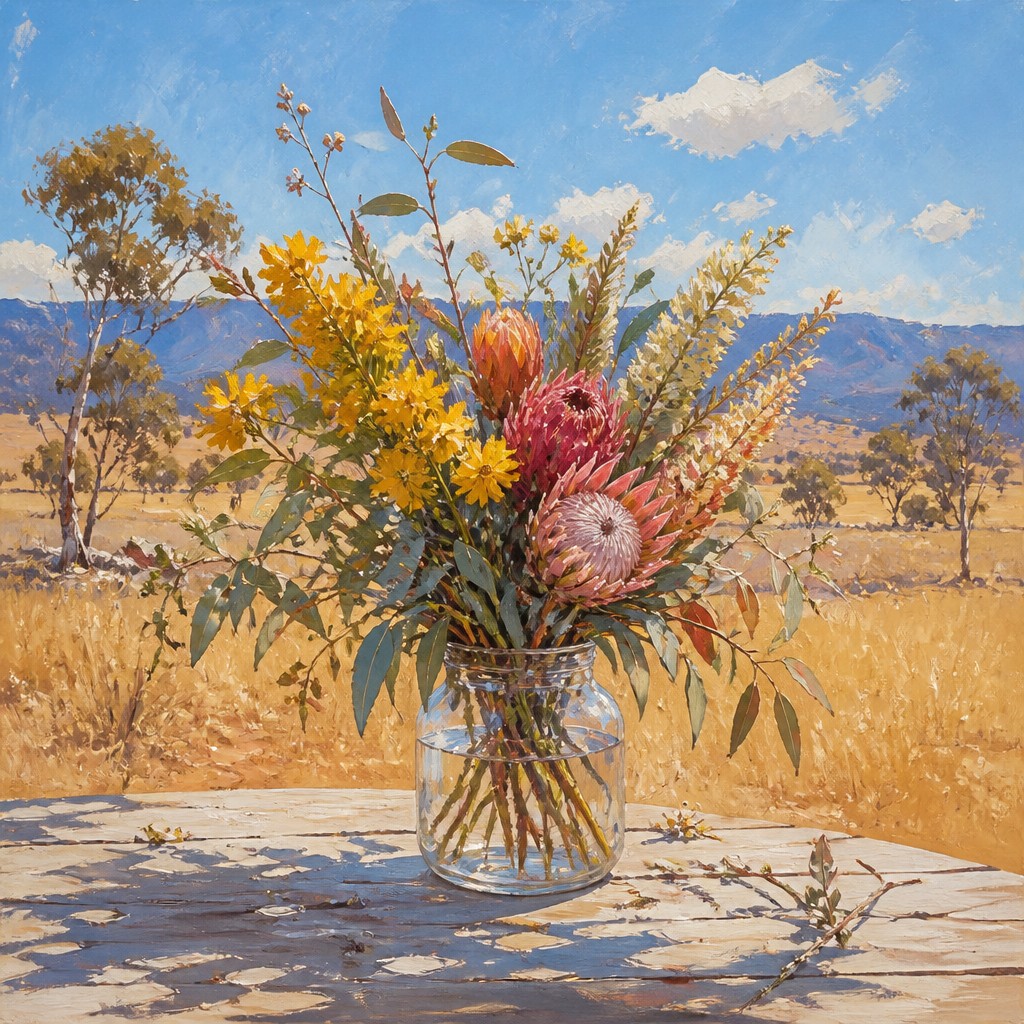
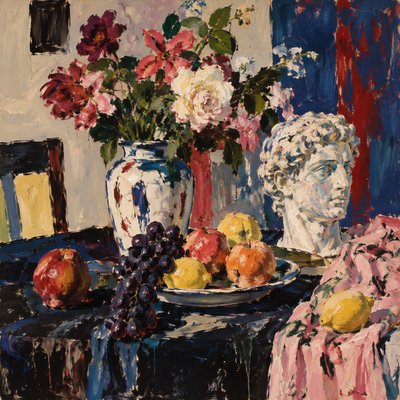
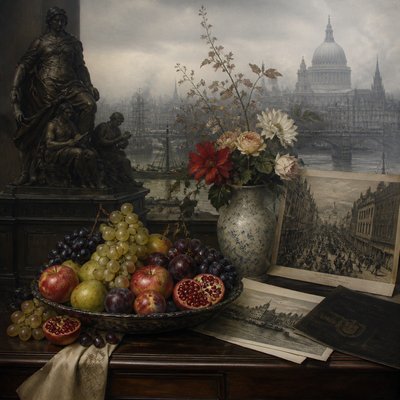
“bouquet of flowers in a glass vase”
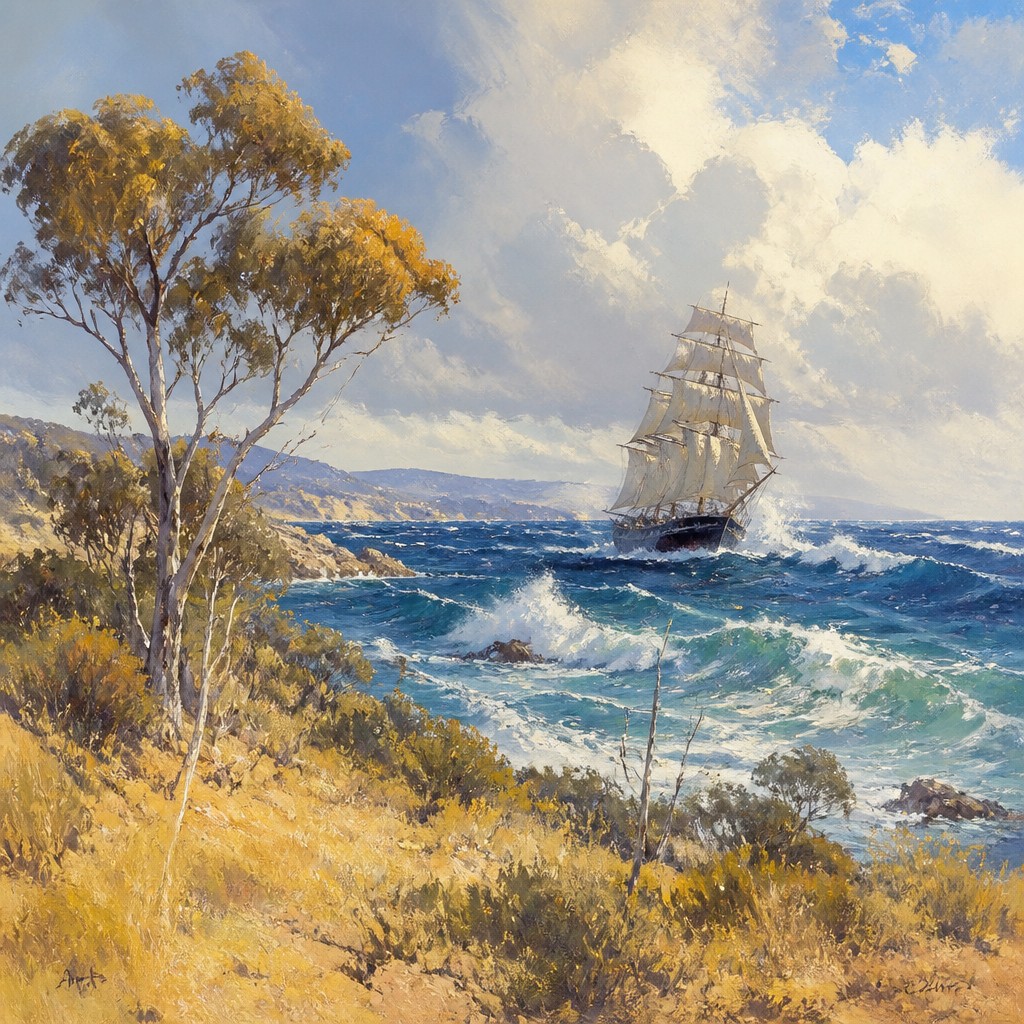
“sailing ship on a stormy sea”
How to Create Australian Art
Master the craft step by step — or skip straight to creating. Read the full guide →
- 1
Establish the large color masses
Begin with broad shapes for sky, distant ranges, middle-ground trees, and foreground grass before adding detail. Keep the tonal structure light and let the horizon organize the image.
- 2
Use a sunlit limited palette
Build the painting from ochre, warm sand, terracotta, sage, eucalyptus green, cobalt, and pale atmospheric blues. Reserve the strongest contrast for a focal tree, track, rock, or sunlit foreground.
- 3
Paint atmosphere with color
Create distance by cooling and lightening receding forms rather than outlining them heavily. Use short broken marks or translucent digital layers to suggest haze and heat shimmer.
- 4
Keep native forms economical
Suggest eucalyptus foliage with clustered, irregular marks and open gaps instead of rendering every leaf. A few characteristic trunks and branching silhouettes can establish the setting effectively.
- 5
Translate the approach digitally
Use textured brushes, opaque strokes, and subtle grain, avoiding overly smooth gradients and photorealistic foliage. For prompt-based creation, specify the subject, golden dry grass, blue-hazed eucalyptus, broad bright sky, ochre-sage-cobalt colors, and plein-air impressionist handling.

The Story
History & Origins of Australian
Australian Art Style is not a single formally codified historical movement. It is a contemporary label for an aesthetic lineage that draws on Australian landscape painting, late nineteenth- and early twentieth-century plein-air practice, and the international development of Impressionism. These traditions encouraged direct observation, broken or visible brushwork, and the translation of changing light into color.
The style also reflects the long visual influence of the Australian bush as a cultural and geographic subject. Modern digital illustration and image-making have further condensed these references into a recognizable visual formula: eucalyptus silhouettes, sun-bleached terrain, atmospheric blue distance, and an expansive horizon treated with economical, impressionistic marks.
Influences: The style relates most closely to Impressionism, plein-air landscape painting, Australian bush landscape traditions, tonal landscape practice, and contemporary environmental illustration. It also borrows from travel-poster composition through its simplified silhouettes and strong color blocks, while atmospheric perspective and visible brushwork connect it to modern digital painting and painterly photography treatments.
Frequently Asked Questions
What defines Australian Art Style?
It is defined by intense natural light, dry golden vegetation, eucalyptus forms, blue atmospheric distance, and a spacious horizon. Its impressionist surface translates the heat and openness of the Australian landscape into broad color and visible brushwork.
Is Australian Art Style a formal historical movement?
No. The term is best understood as a contemporary descriptive style rather than a single organized movement with a fixed period or manifesto. It synthesizes historical Australian landscape traditions with Impressionist and modern digital image-making approaches.
How does it differ from general Impressionism?
Both styles emphasize changing light, color relationships, and visible marks, but this Australian variant focuses on distinctive regional conditions. Dry grass, eucalyptus, red or ochre earth, intense sun, and vast low-density spaces give it a specific geographic identity.
Can this style depict subjects other than landscapes?
Yes. Buildings, roads, portraits, animals, and still lifes can use the same palette and lighting logic. The subject should generally be shaped by clear sunlight, warm reflected color, simplified forms, and an airy sense of space.
How can I make a painting in this style by hand?
Start with a light ground and block in the sky, distant terrain, and warm foreground using a limited palette. Add eucalyptus and grass with separate, broken marks, keeping shadows colorful and edges softer as forms recede.
What should a prompt include for this look?
Describe the subject first, then specify dry golden grass, eucalyptus, blue haze, a wide bright sky, high-keyed sunlight, and an ochre, sage, and cobalt palette. Terms such as plein-air, atmospheric perspective, visible brushwork, and heat shimmer help reinforce the intended treatment.

Create your first Australian artwork
Describe anything — or upload a photo — and see it in Australian Art Style in seconds.
Related Styles
Discover similar art styles