Berlin Expressionism Art Style
Explore Berlin Expressionism: jagged night streets, acid color, tilted perspectives, and nervous urban energy shaped by expressionist visual traditions.
Instantly rendered in Berlin Expressionism — or transform a photo
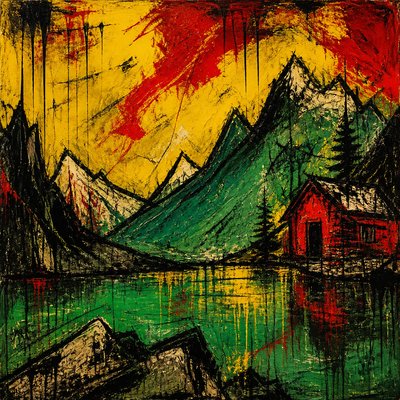
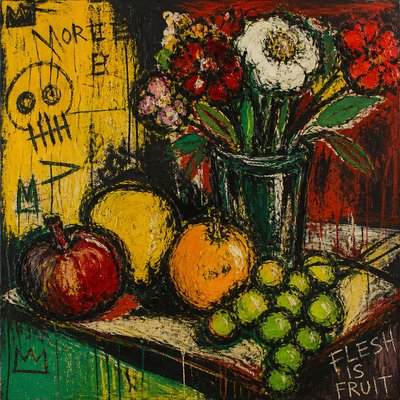
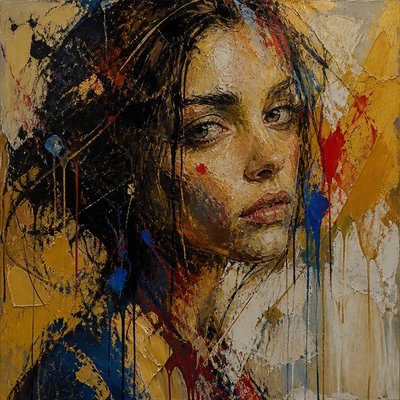
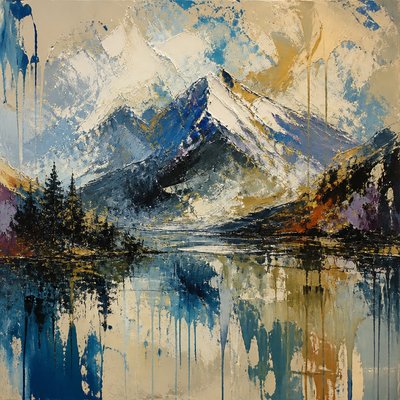
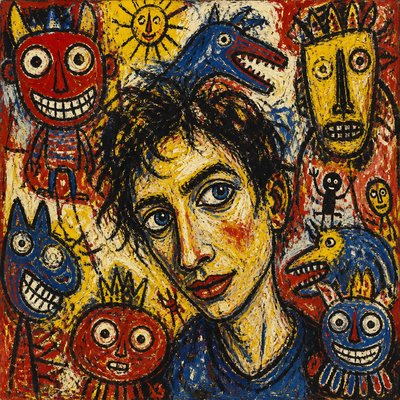
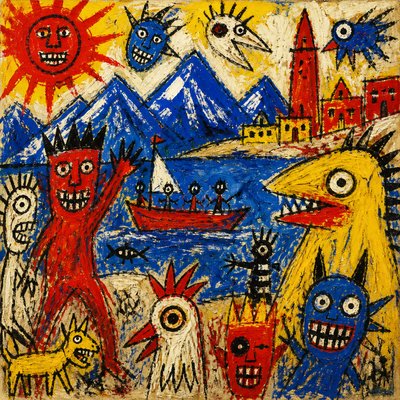
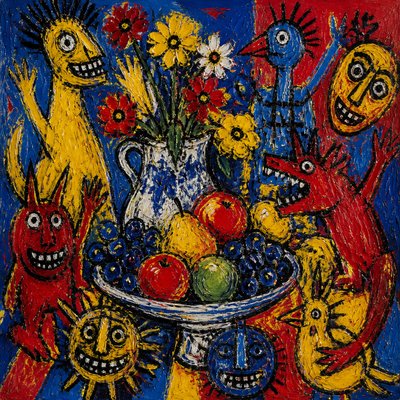
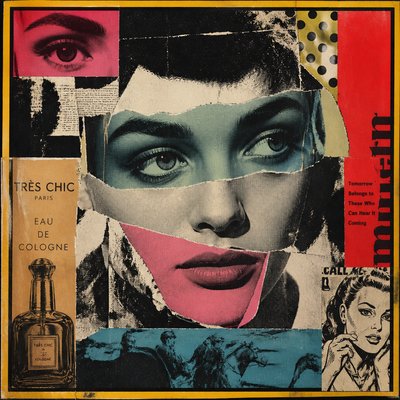
Berlin Expressionism Gallery
Tap any artwork to explore it
What is Berlin Expressionism Art Style?
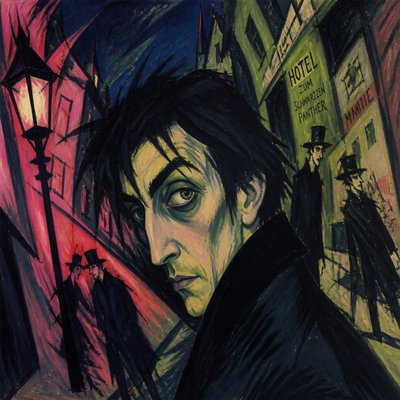
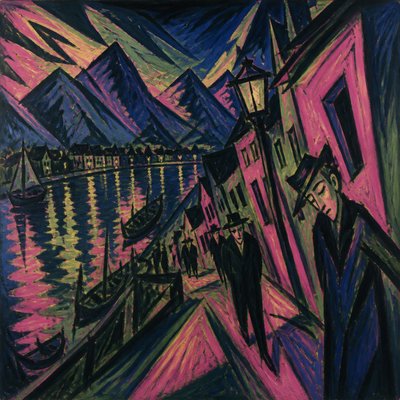
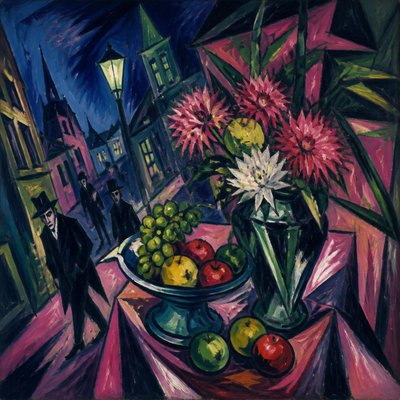
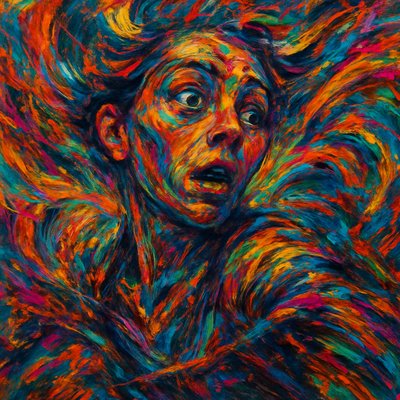
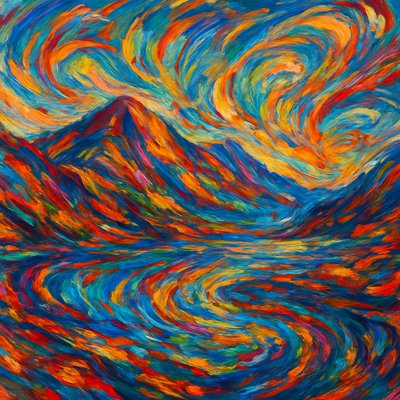
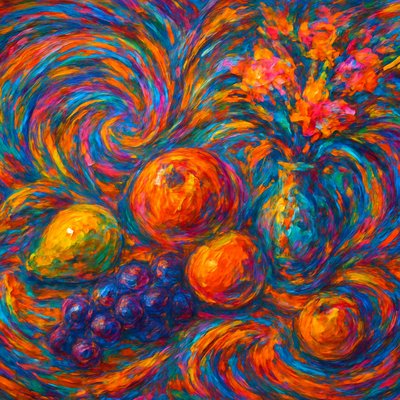
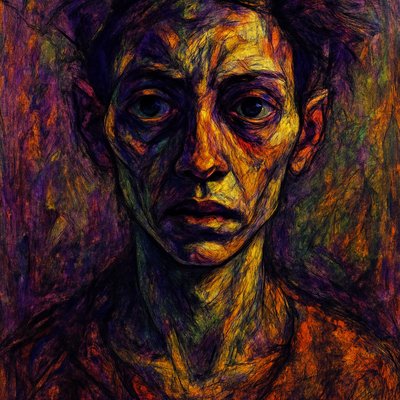
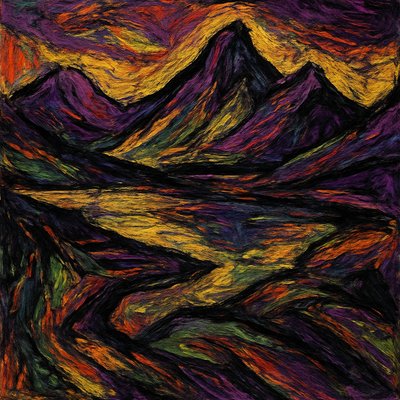
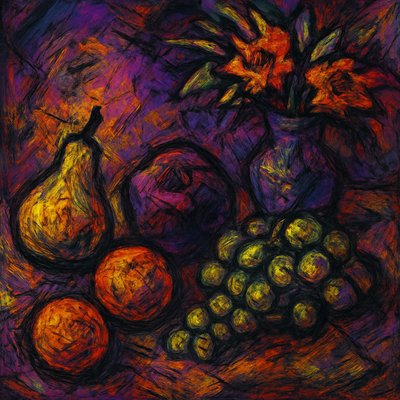
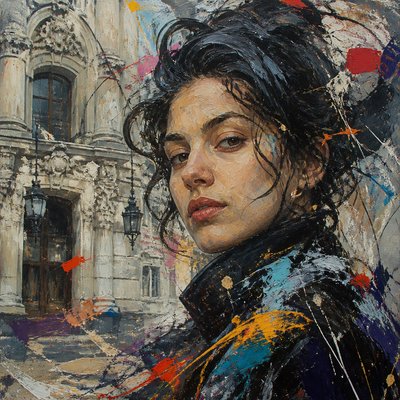
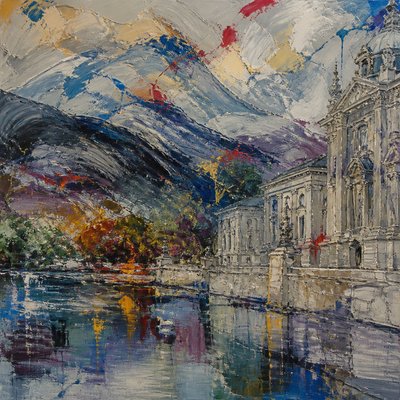
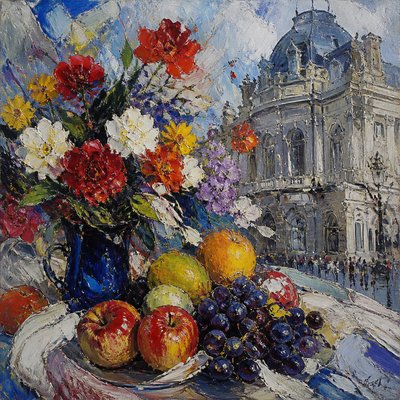
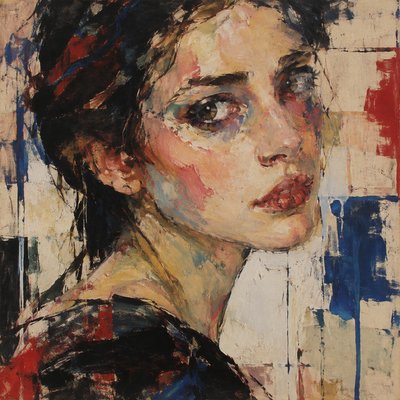
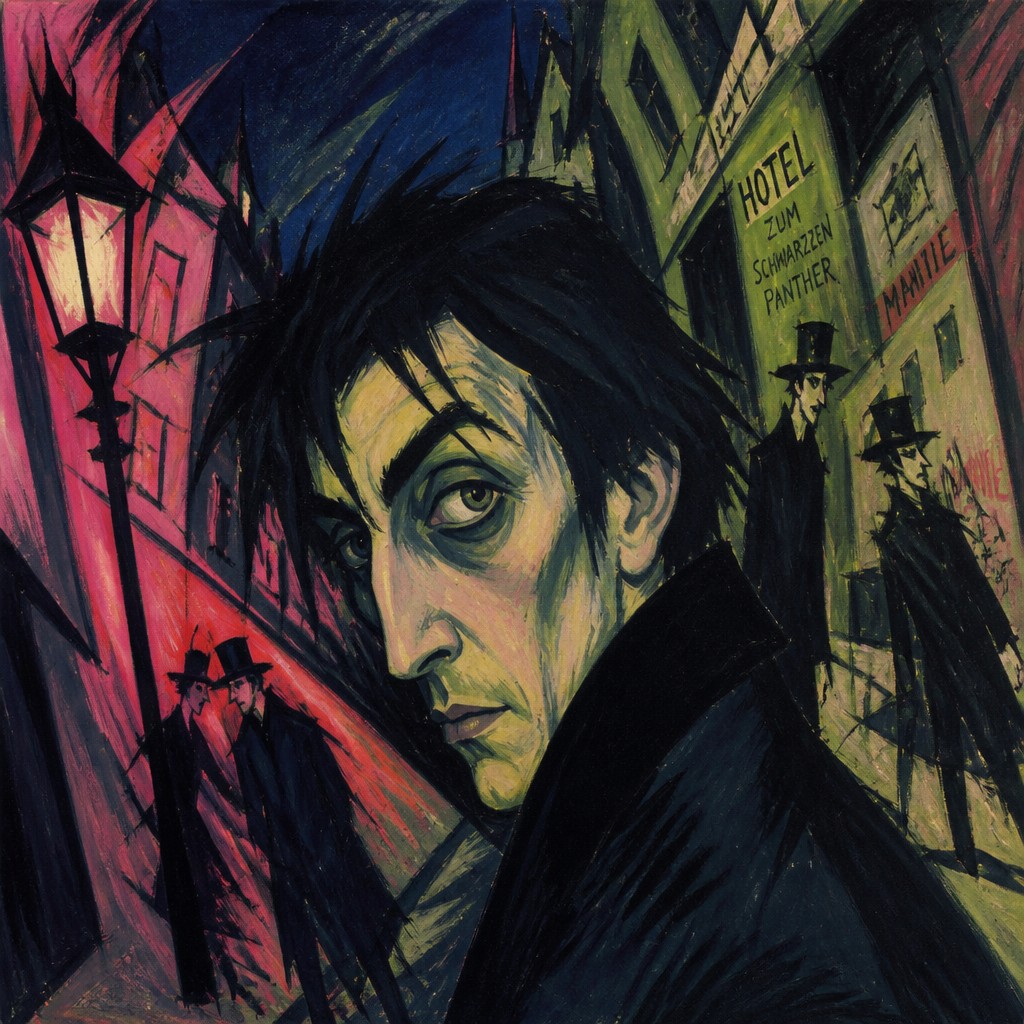
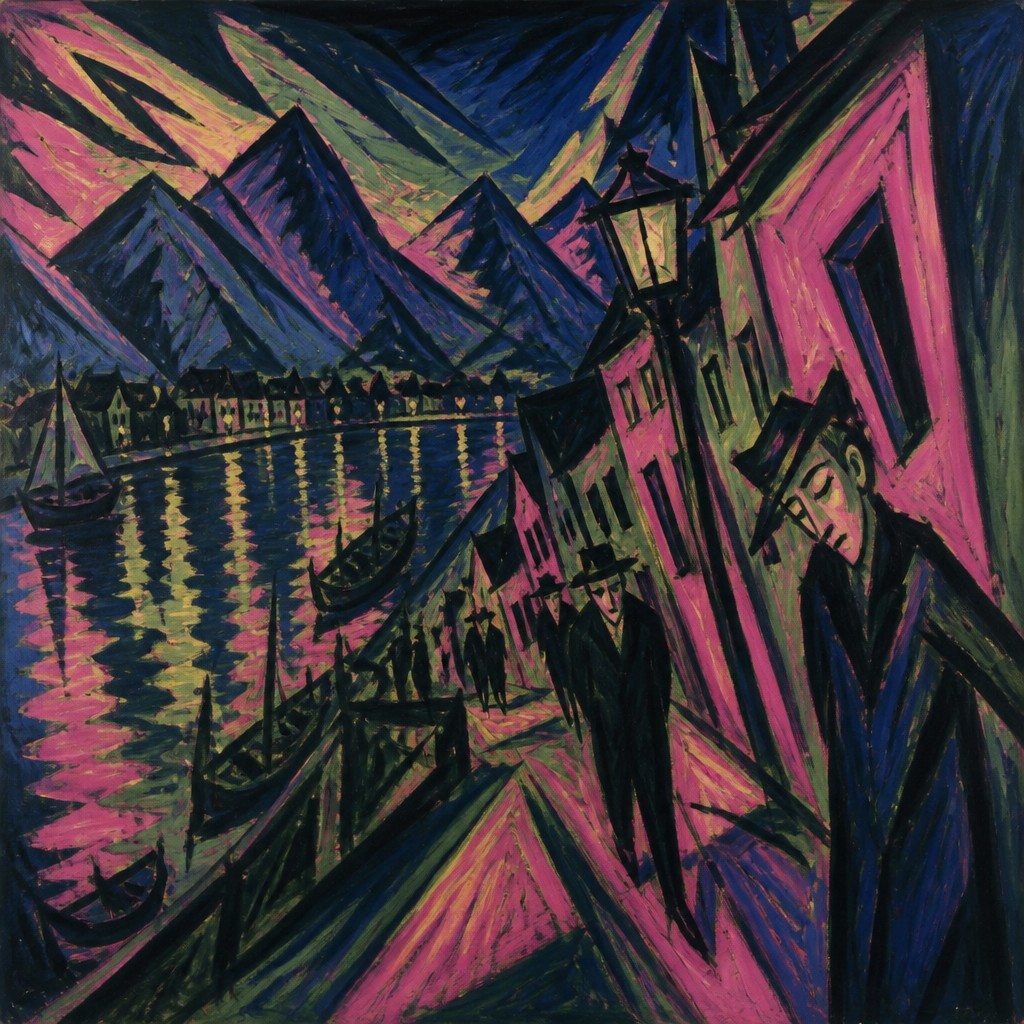
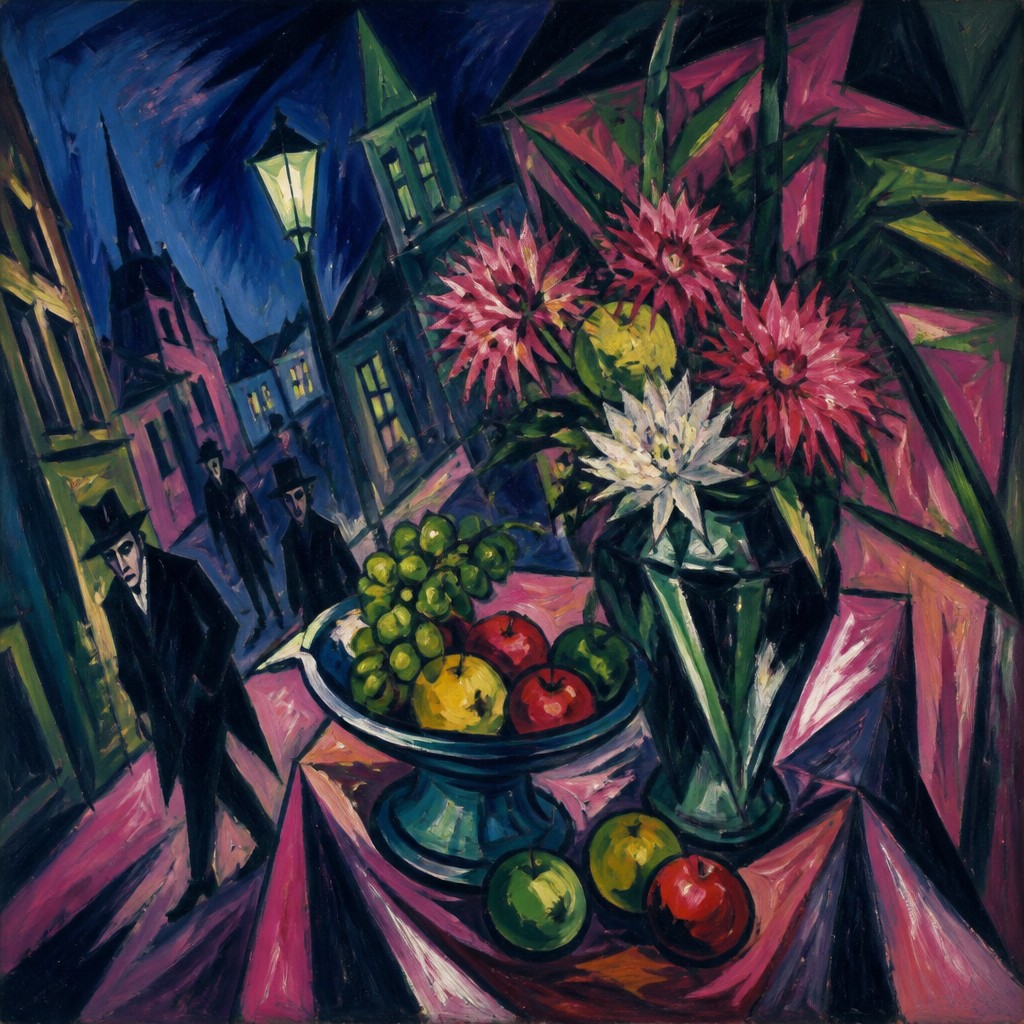
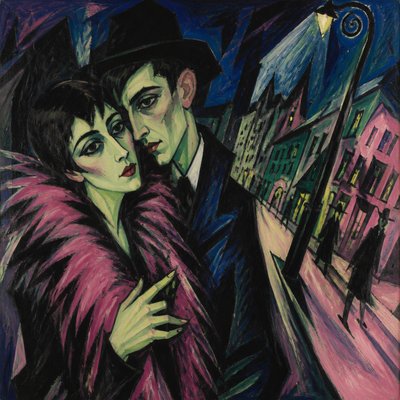
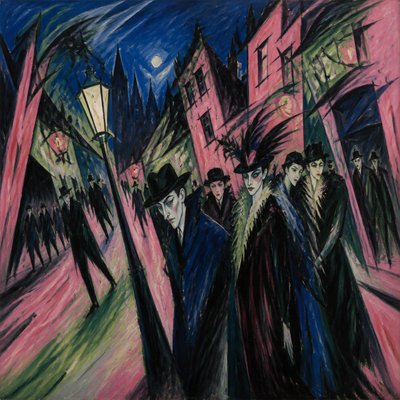
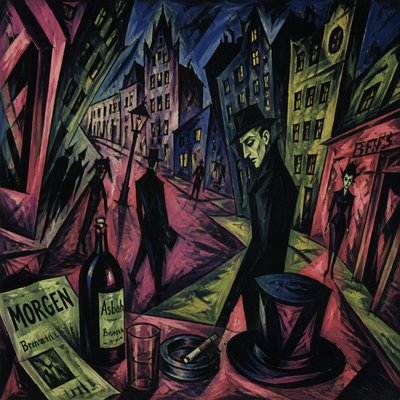
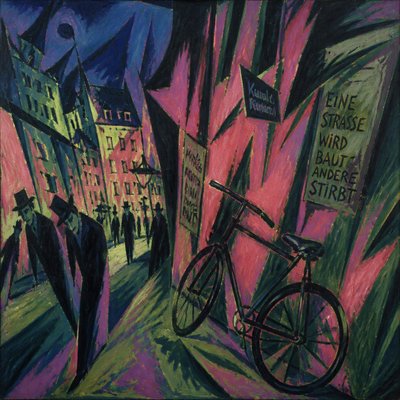
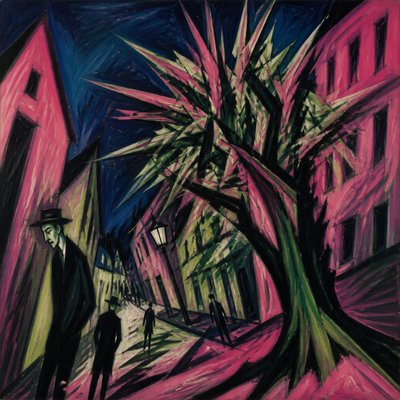
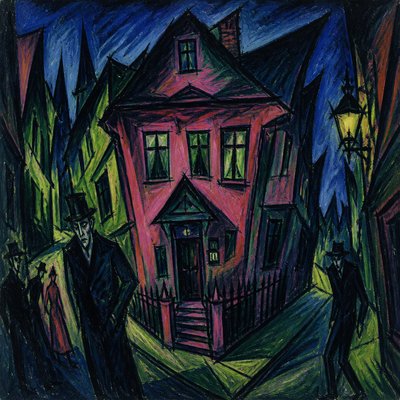
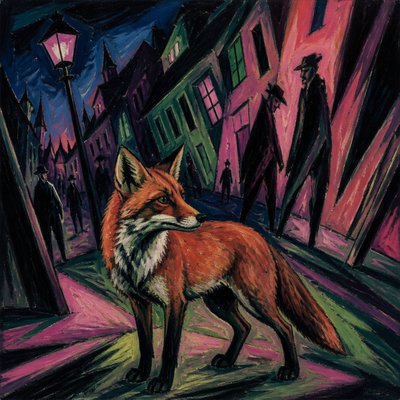
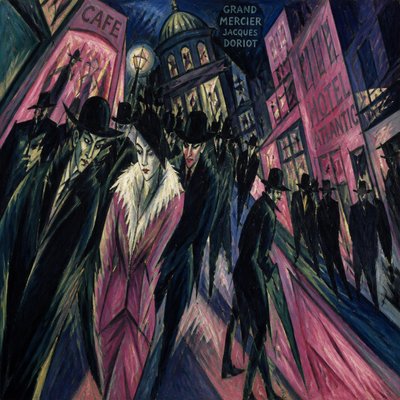
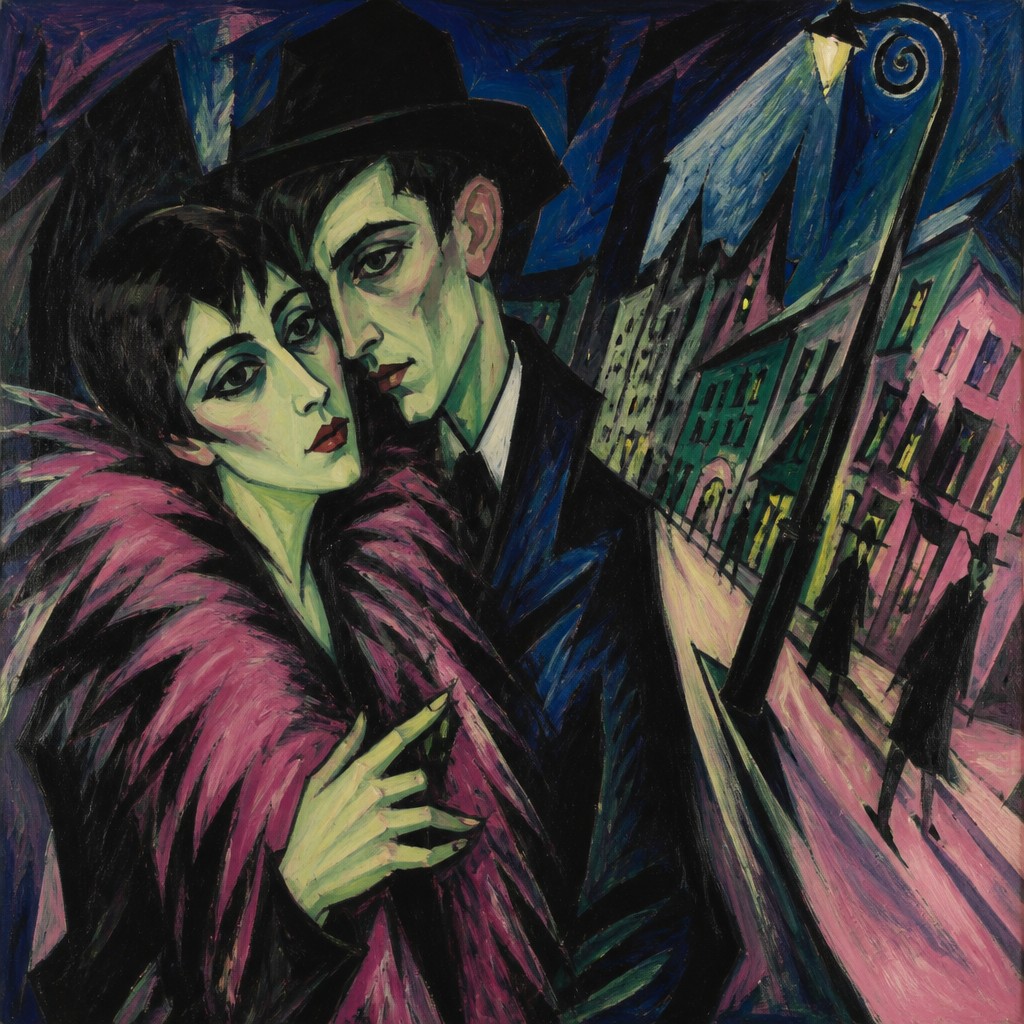
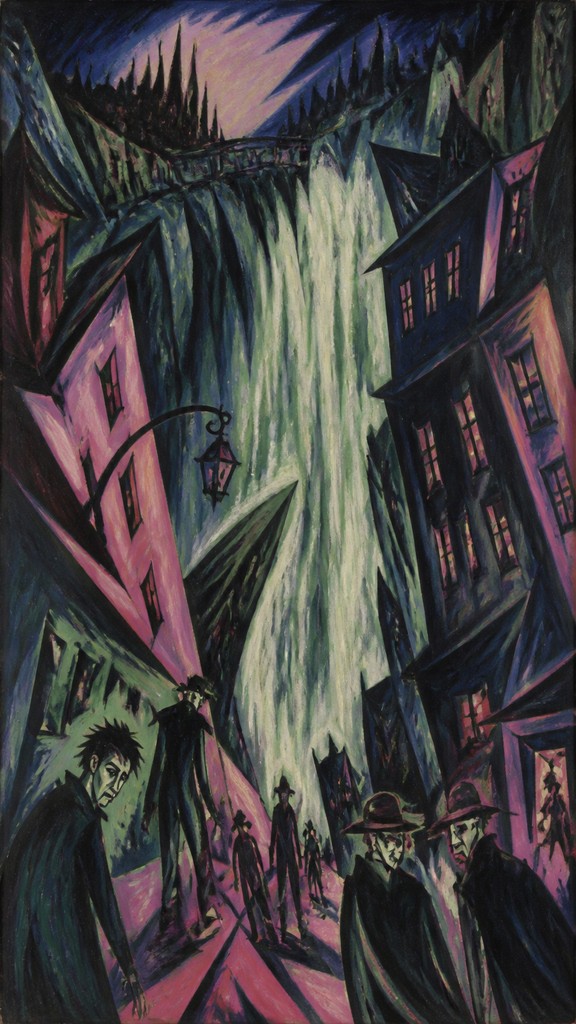
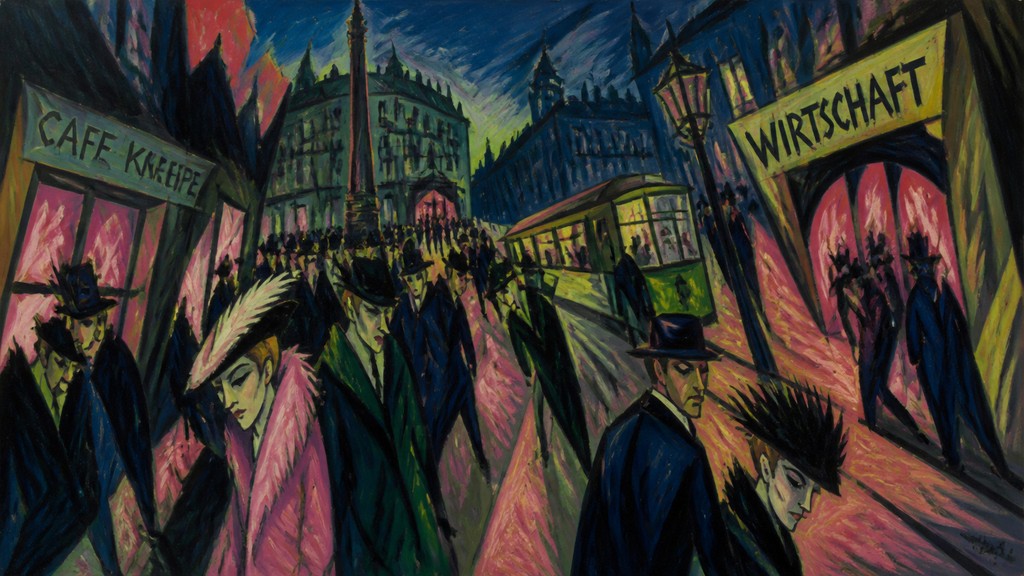
Berlin Expressionism Art Style is a contemporary, descriptive style label for images that turn the modern city into a field of psychological tension. Its visual identity combines jagged architecture, elongated pedestrians, skewed viewpoints, and forceful brushwork with night blues, acid pinks, toxic greens, and other electrically contrasted colors.
The style looks unstable by design. Buildings lean, streets rise or collapse into vertiginous perspectives, and figures appear stretched by motion, fatigue, or urban pressure. Rather than documenting Berlin literally, it uses the city as an expressive stage: traffic, signage, nightlife, wet pavement, and isolated bodies become symbols of nervous metropolitan experience.
Try It On Your Photos
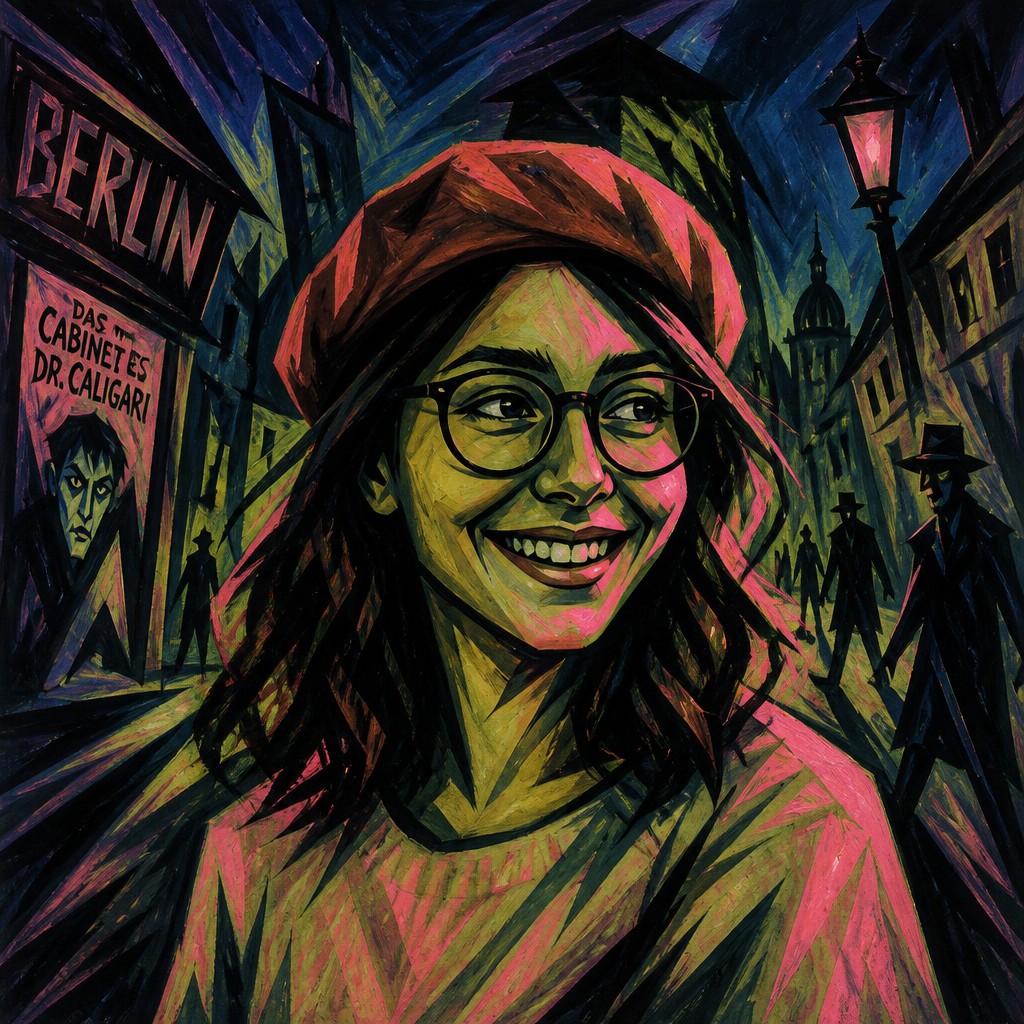
Upload any photo and convert it into Berlin Expressionism Art Style — drag the sliders to compare before and after.

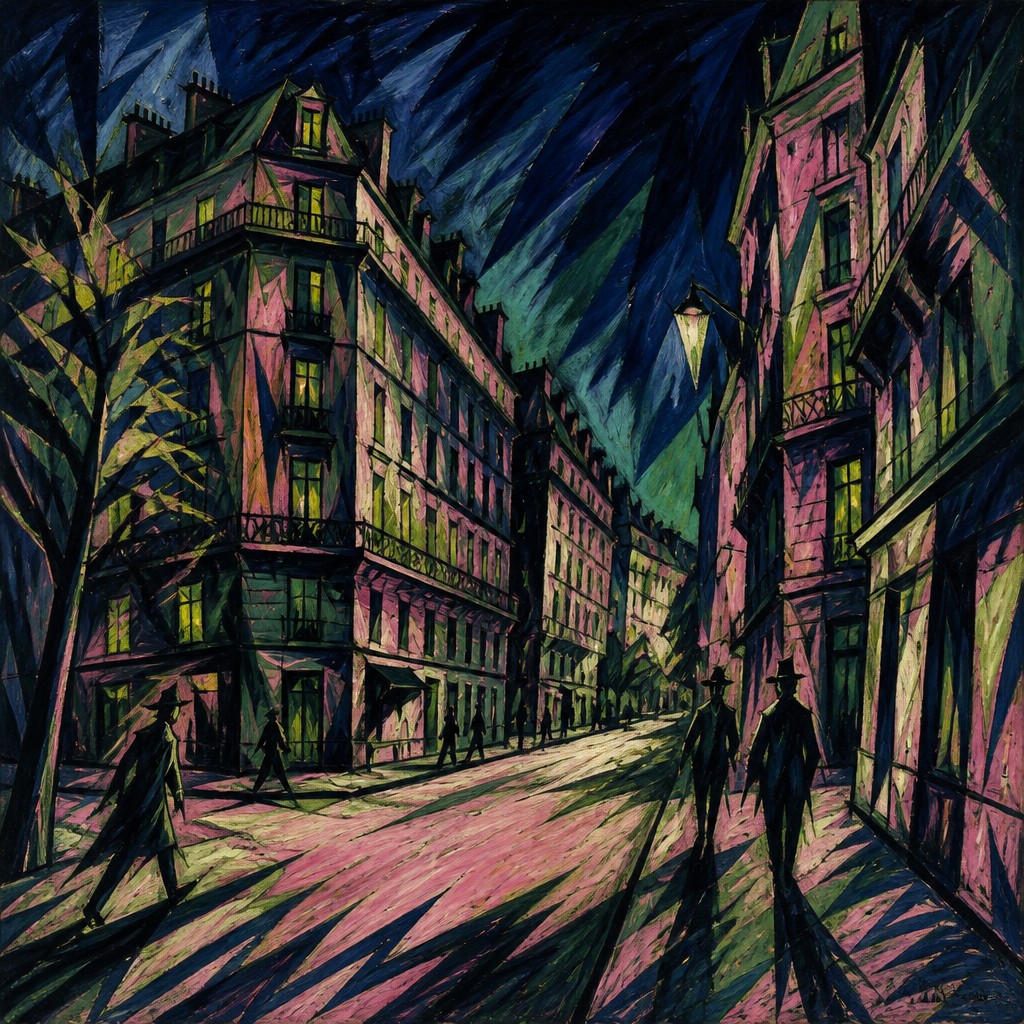

What Defines Berlin Expressionism Art Style
The signature details, up close
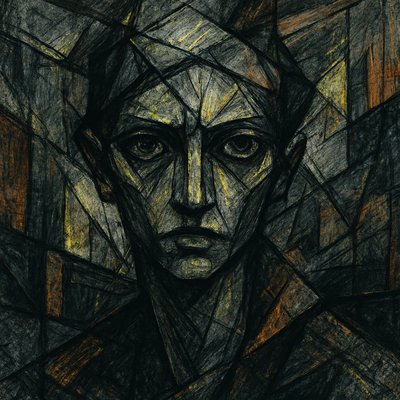
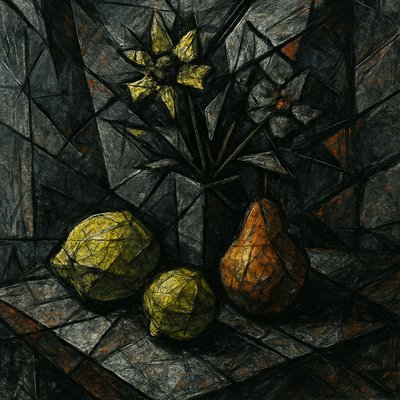
Jagged angular forms
Architecture, vehicles, signs, and bodies are simplified into sharp planes and broken contours. These hard angles create a sense of friction, speed, and instability.
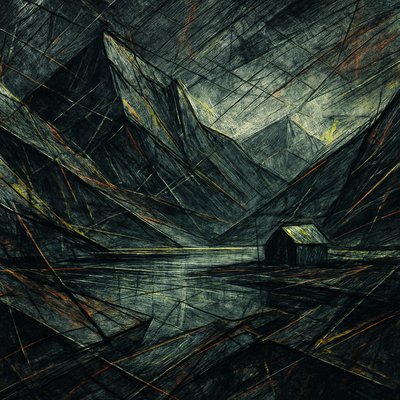
Tilted urban perspective
Horizon lines may slant, streets may converge dramatically, and buildings can appear to tower or buckle. The perspective is intentionally subjective rather than architecturally accurate.
Acidic night palette
Deep blues and near-black grounds are interrupted by acid pink, poisonous green, electric yellow, cyan, and violet. High color contrast replaces ordinary nighttime realism.
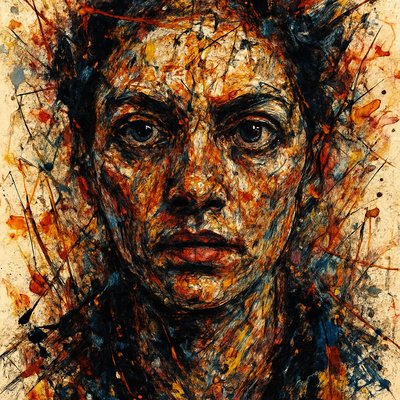
Slashing, feathered strokes
Brush marks often travel in sharp, directional bursts that suggest rain, headlights, crowds, or electrical discharge. Edges may remain visibly rough instead of being smoothly blended.
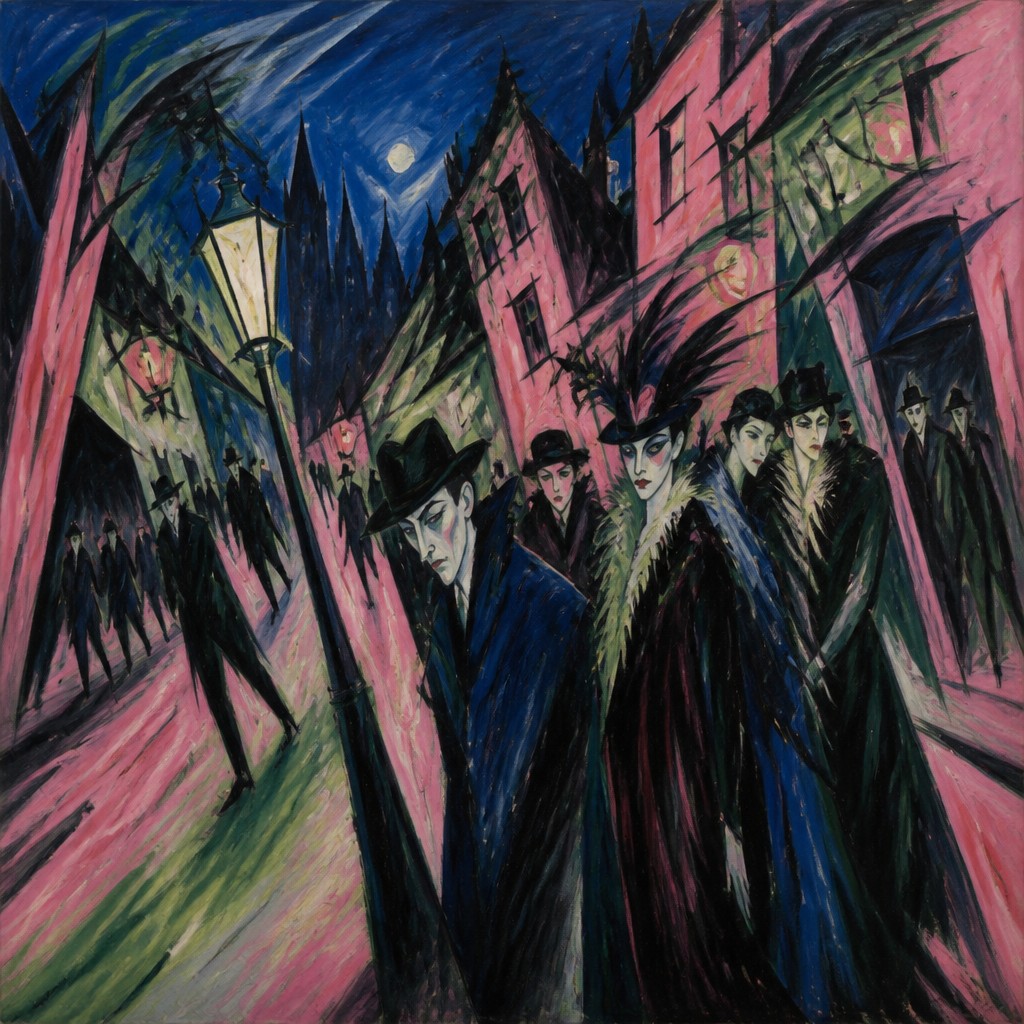
Elongated figures
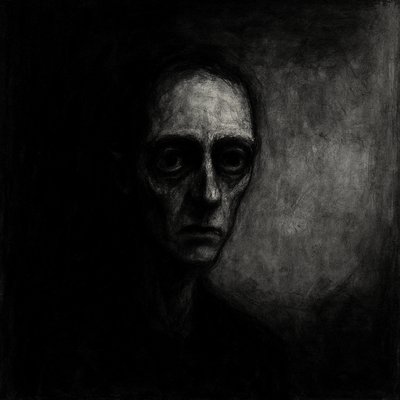
Pedestrians are commonly stretched, hunched, angular, or partially obscured. Their silhouettes communicate anonymity, alienation, haste, or emotional pressure.
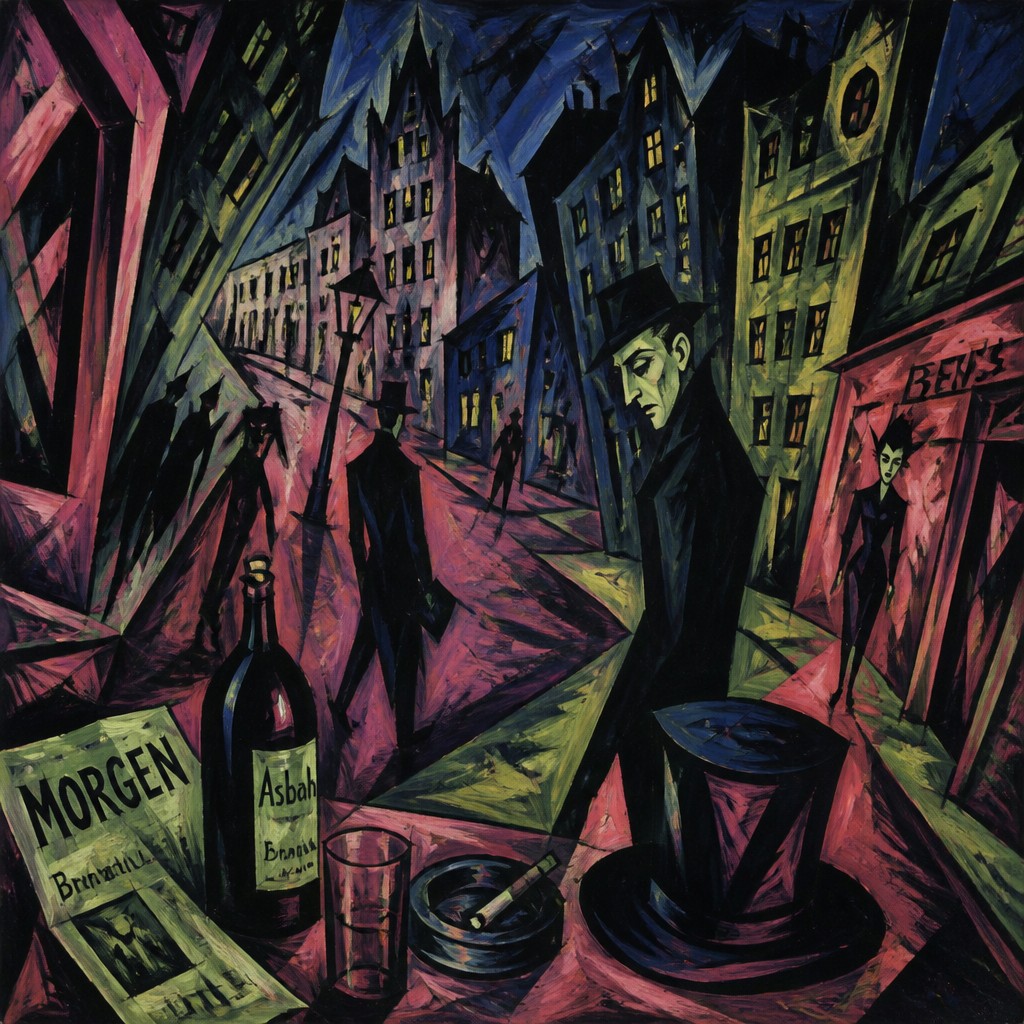
Nervous urban atmosphere
Crowded streets, transit platforms, bars, intersections, and construction zones are treated as psychologically charged environments. Glare, shadow, reflections, and visual compression heighten the unease.
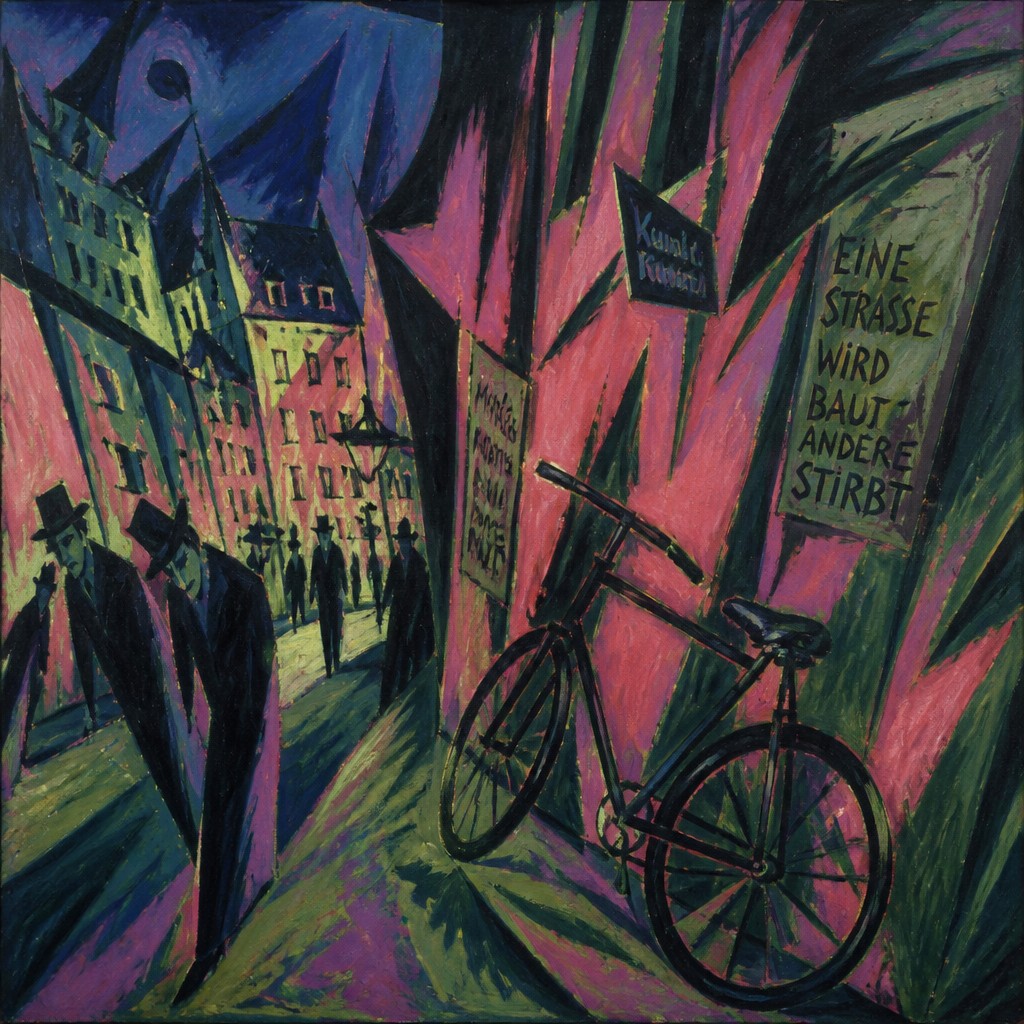
Expressive distortion
Color, proportion, and space are altered to convey feeling rather than optical truth. Details are selected for emotional impact, with recognizable subjects retained beneath aggressive stylization.
Try It
Create Videos in Berlin Expressionism Art Style
Styles aren't just for stills — describe a scene or animate an image and get a short video rendered in Berlin Expressionism. Press play to see this pond come to life.
Make a VideoBerlin Expressionism Prompt Ideas
Start from an idea — each one opens the generator with the style ready to go. See all 40 Berlin Expressionism prompts →
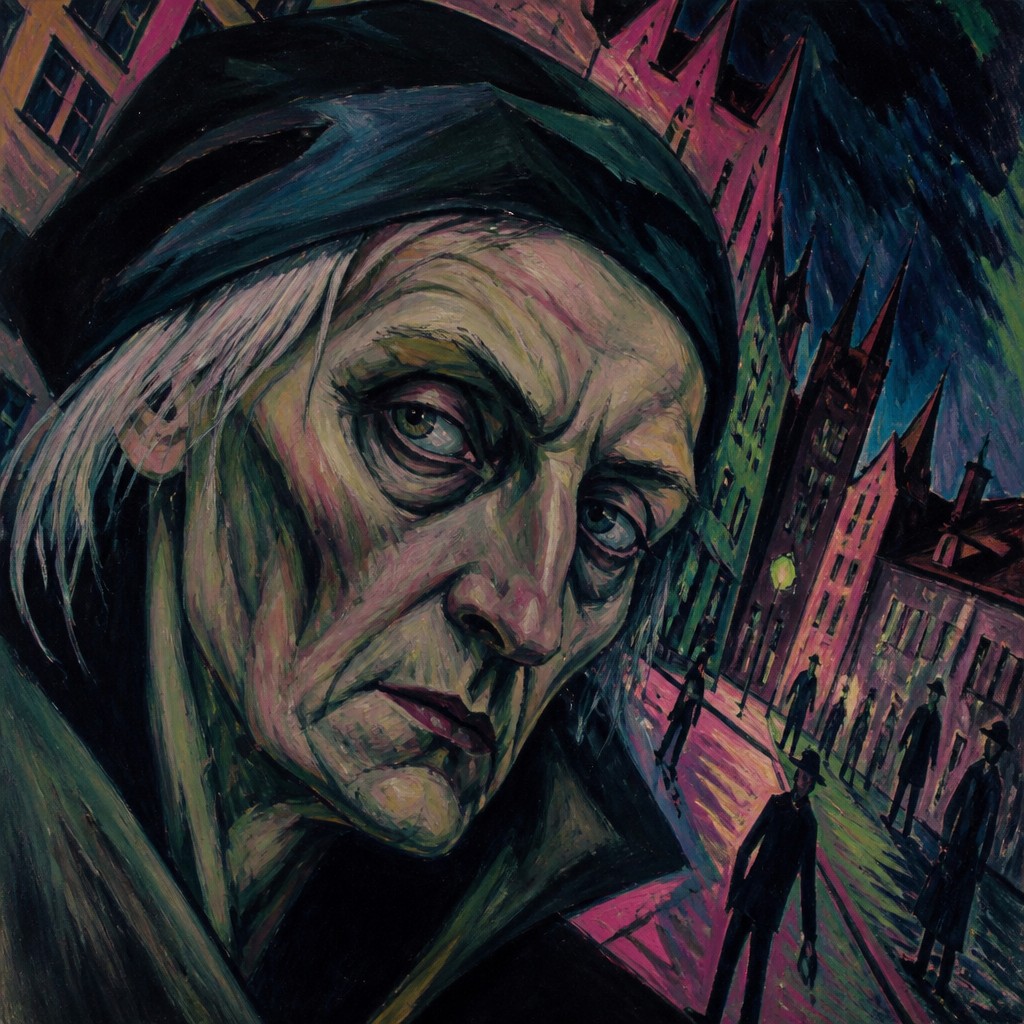
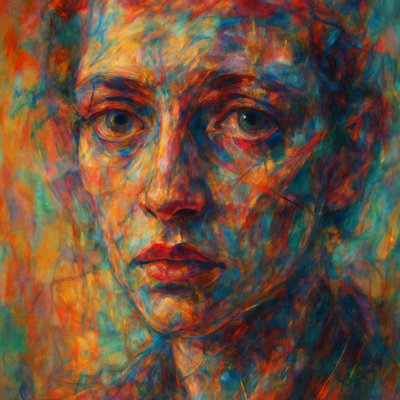
“close-up portrait of an elderly person with expressive weathered features”
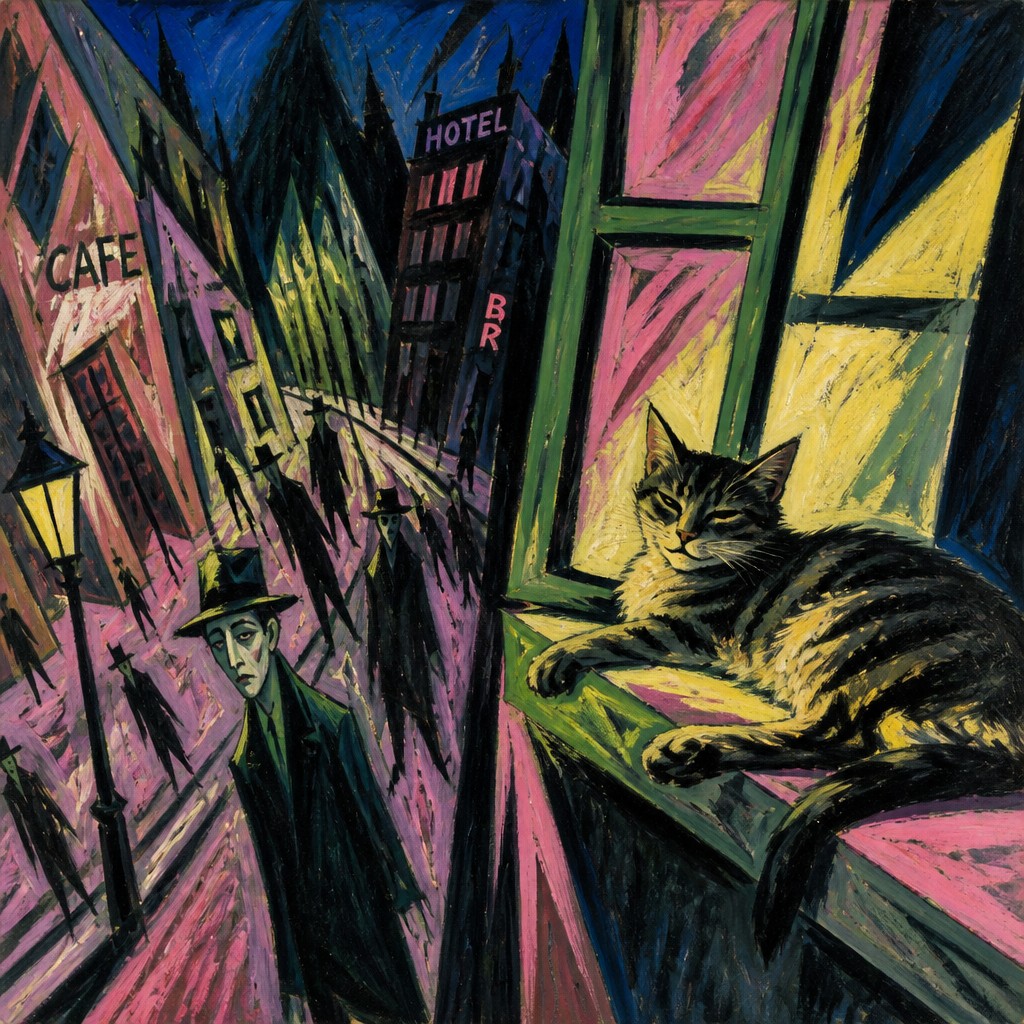
“a cat lounging in a sunlit window”
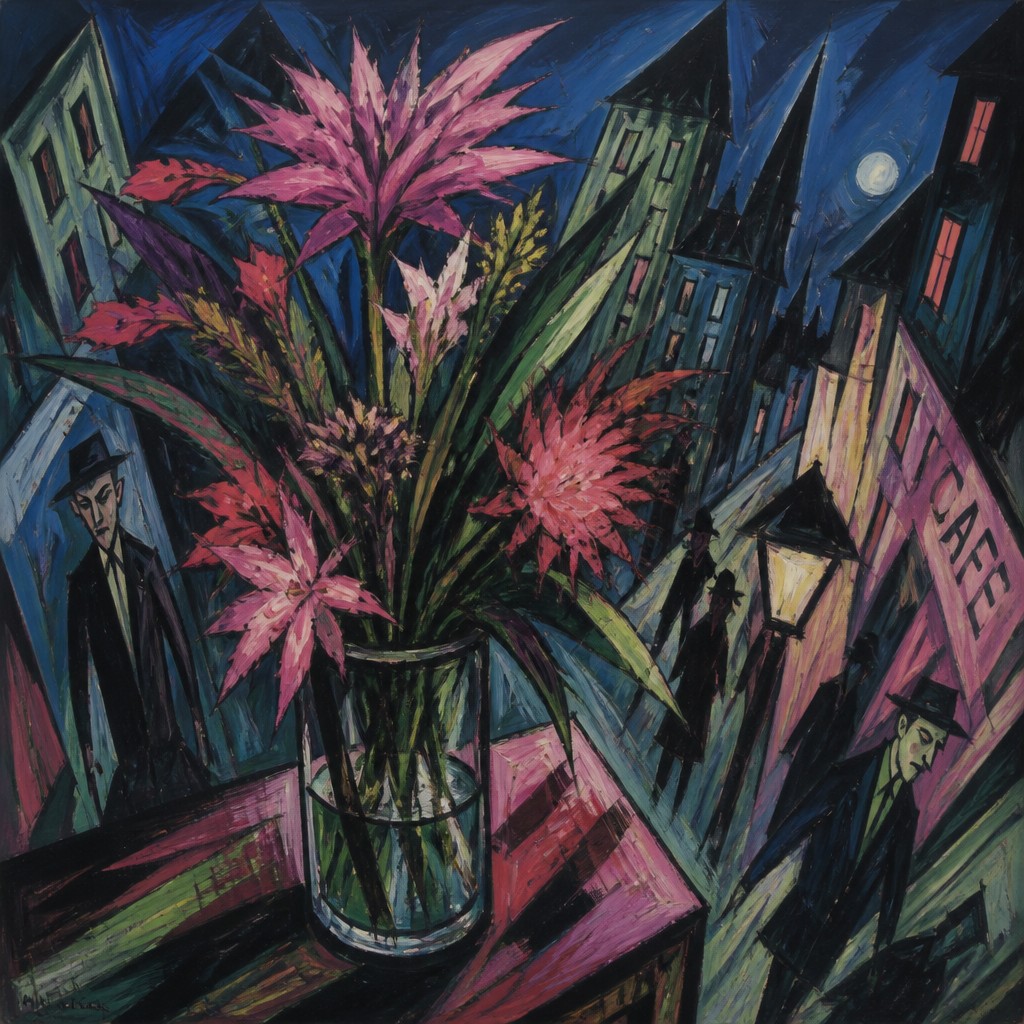
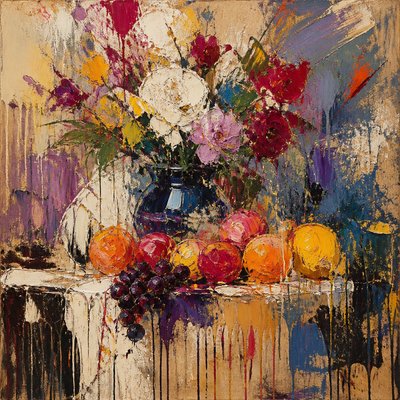
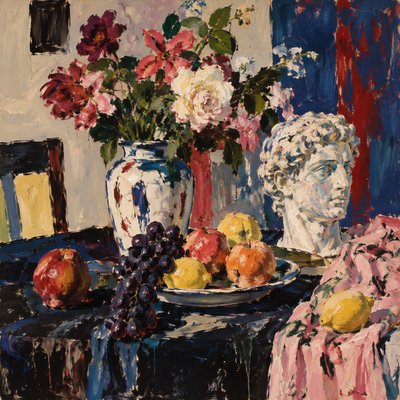
“bouquet of flowers in a glass vase”
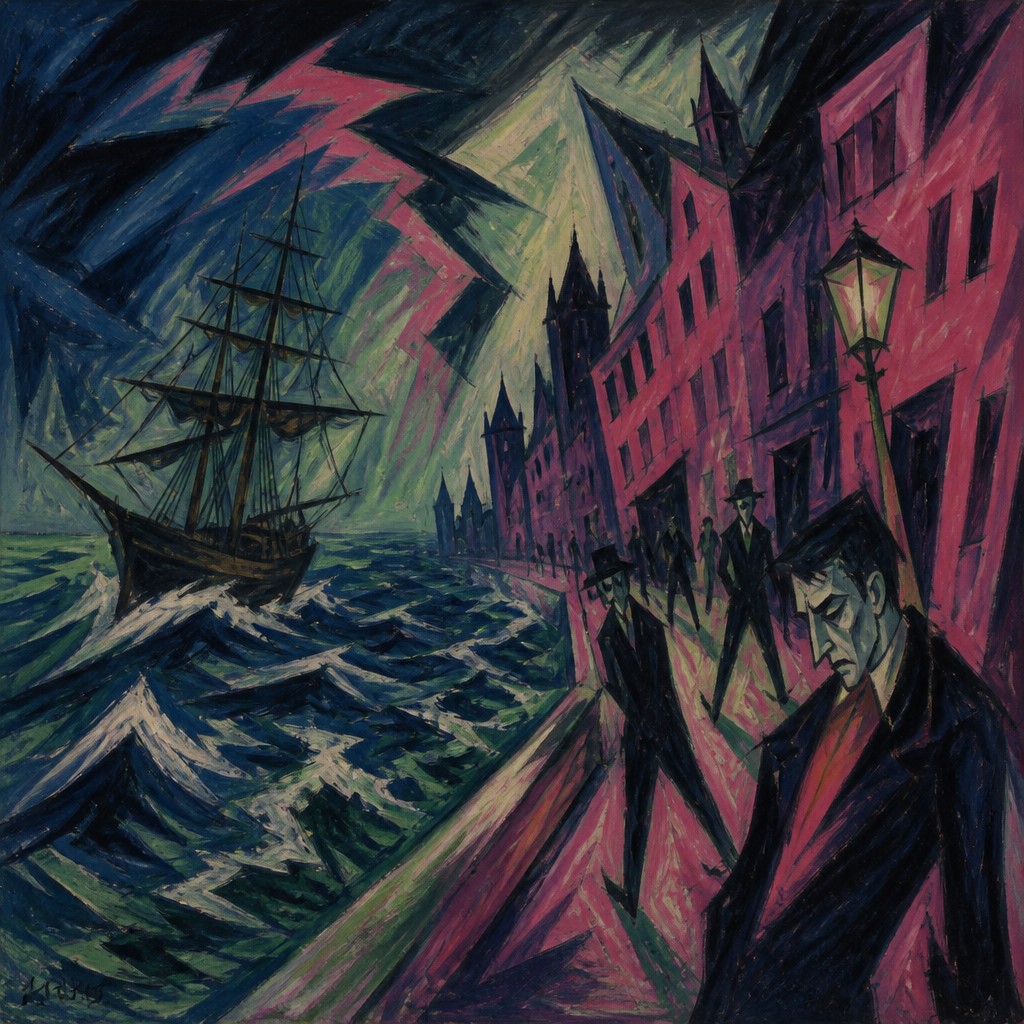
“sailing ship on a stormy sea”
How to Create Berlin Expressionism Art
Master the craft step by step — or skip straight to creating. Read the full guide →
- 1
Build a tilted composition
Begin with a low or high viewpoint and rotate the horizon slightly before placing major structures. Use converging lines that pull the viewer into a crowded, unstable depth.
- 2
Block in a dark chromatic ground
Lay down deep navy, indigo, charcoal, or blue-black first, then reserve bright acidic colors for lights, signs, clothing, and reflections. Keep the palette limited so the neon accents remain forceful.
- 3
Distort figures and architecture
Stretch pedestrians, narrow façades, enlarge foreground objects, and interrupt silhouettes with passing light or shadow. Preserve enough recognizable anatomy and structure to keep the scene readable.
- 4
Use directional marks
In paint or drawing, apply short diagonal strokes with a stiff brush, dry medium, charcoal, or oil pastel. Digitally, combine angular textured brushes, sharpened masks, and layered streaks rather than relying on soft airbrushing.
- 5
Control the visual noise
Concentrate the sharpest marks and brightest contrasts near the focal subject, allowing peripheral areas to dissolve into atmospheric fragments. This prevents the entire image from becoming equally busy.
- 6
Write prompts around tension
For prompt-based generation, specify the subject, nighttime setting, tilted perspective, elongated silhouettes, angular strokes, and a dark-blue palette with acid accents. Add exclusions such as photorealistic anatomy or calm balanced composition when the result becomes too conventional.

The Story
History & Origins of Berlin Expressionism
Berlin Expressionism Art Style is best understood as an invented or niche contemporary label rather than a formally bounded historical movement. Its aesthetic lineage draws strongly from German Expressionism of the early twentieth century, particularly the visual culture associated with urban life, social anxiety, distortion, angular contours, and deliberately non-naturalistic color.
It also absorbs later influences from underground poster graphics, graphic novels, punk and post-punk visual language, neon photography, music-video editing, and digital illustration. The combination of historical expressionist distortion with acid nightlife color and image-generation aesthetics gives the style its present-day identity.
Influences: The style is related to German Expressionism, especially its urban subjects, emotional distortion, angular design, and rejection of strictly naturalistic color. It also connects with Fauvist color intensity, Cubist fragmentation, the stark geometry of Neue Sachlichkeit, German graphic print traditions, punk and post-punk poster design, graphic novels, neon-noir cinematography, and contemporary digital painting. These sources are recombined into a vivid urban language focused on speed, alienation, and nocturnal electricity.
Frequently Asked Questions
What defines Berlin Expressionism Art Style?
It is defined by jagged urban forms, tilted perspective, elongated figures, expressive distortion, and acid colors set against deep nighttime blues. The goal is to communicate metropolitan tension rather than reproduce a city with photographic accuracy.
Is Berlin Expressionism a recognized historical art movement?
Not as a single formally established movement with a fixed period and manifesto. This label describes a contemporary hybrid aesthetic rooted in German Expressionist urban imagery and expanded through nightlife graphics, illustration, photography, and digital art.
How does it differ from historical German Expressionism?
Historical German Expressionism was a broad early twentieth-century movement spanning painting, printmaking, architecture, theatre, and film, with varied regional and stylistic forms. This contemporary style narrows that legacy toward Berlin-like night streets, neon color, graphic brushwork, and digitally reproducible visual drama.
Can this style be created with traditional media?
Yes. Ink, charcoal, woodcut-inspired mark-making, oil pastel, acrylic, and oil paint all suit its angular contours and rough directional texture. Start with a dark ground, distort the perspective, and reserve bright complementary colors for focal lights and reflections.
What subjects work best in this style?
Night streets, transit stations, nightlife districts, rain-slick intersections, elevated railways, crowded sidewalks, and solitary urban figures are especially effective. Subjects with strong verticals, artificial light, and layered reflections provide useful structural tension.
Where is Berlin Expressionism Art Style used?
It can suit editorial illustration, album and event artwork, posters, graphic novels, fashion imagery, concept art, editorial scenes, and stylized city photography. Its high contrast and emotional distortion make it particularly effective for subjects involving nightlife, alienation, speed, or social pressure.
Create your first Berlin Expressionism artwork
Describe anything — or upload a photo — and see it in Berlin Expressionism Art Style in seconds.
Related Styles
Discover similar art styles