Pattern and Decoration Art Style
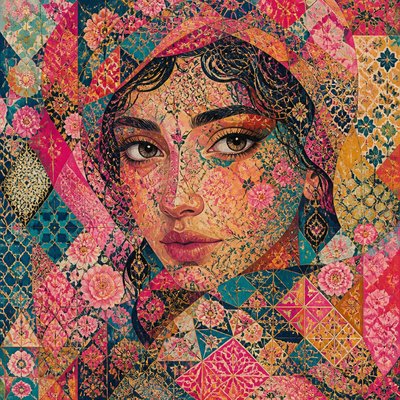
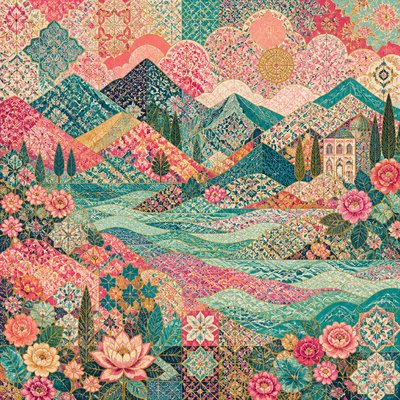
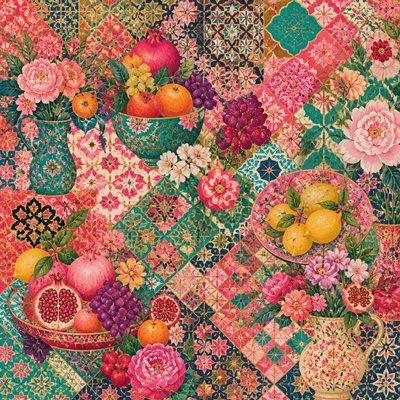
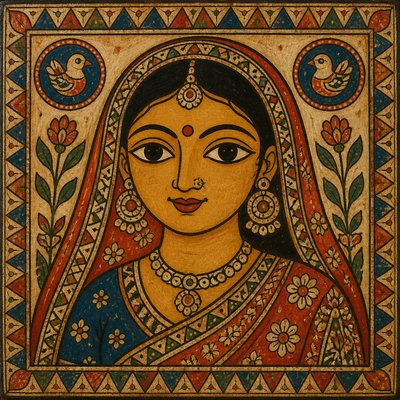
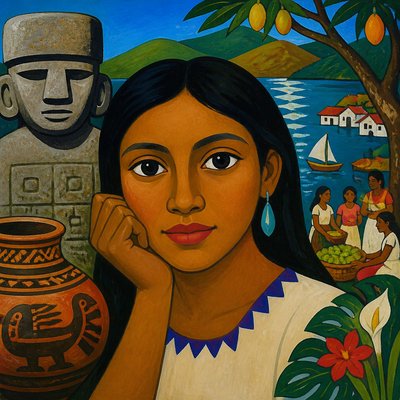
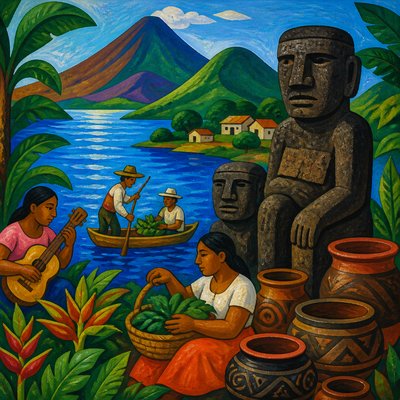
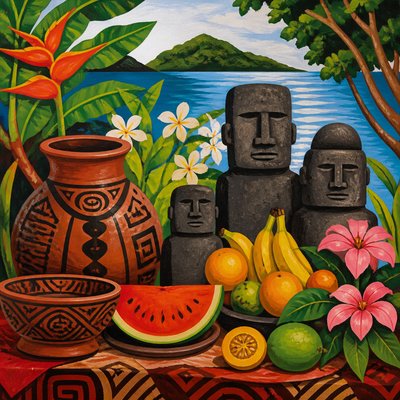
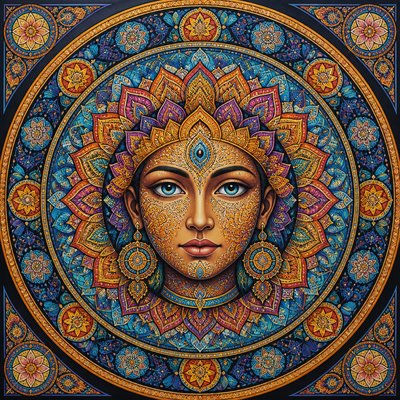
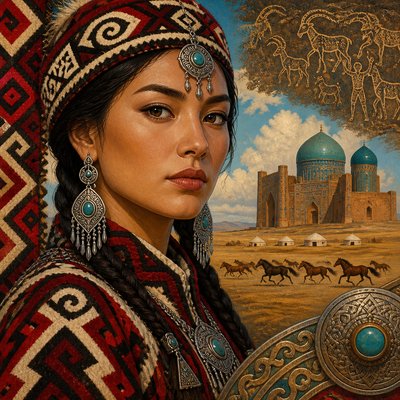
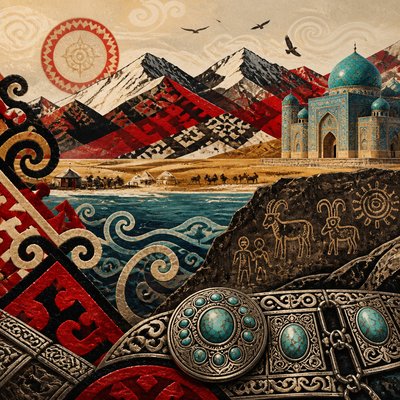
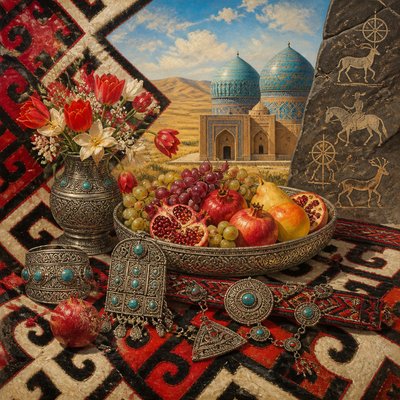
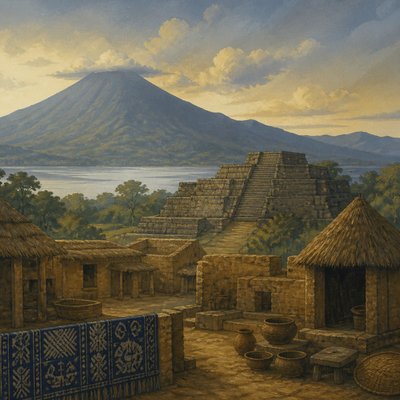
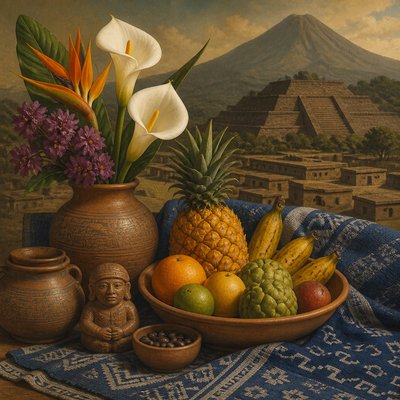
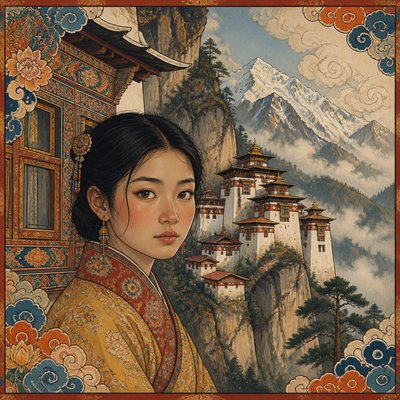
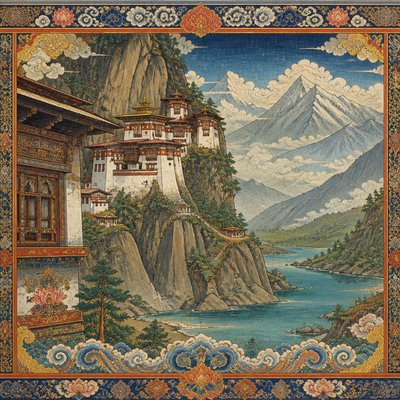
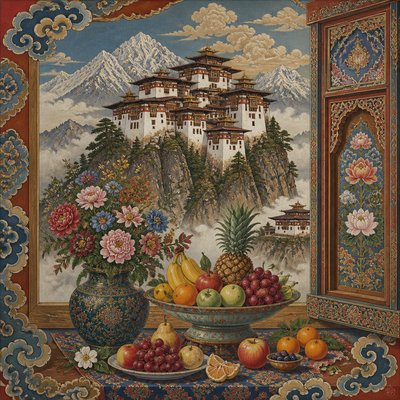
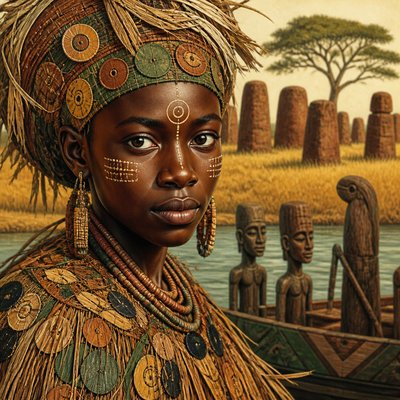
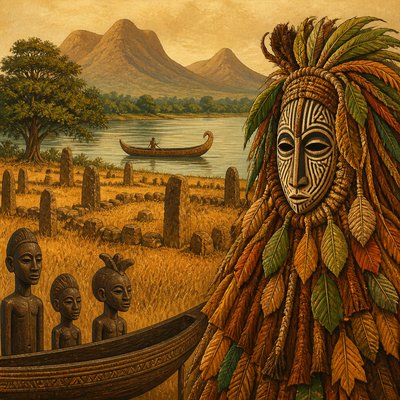
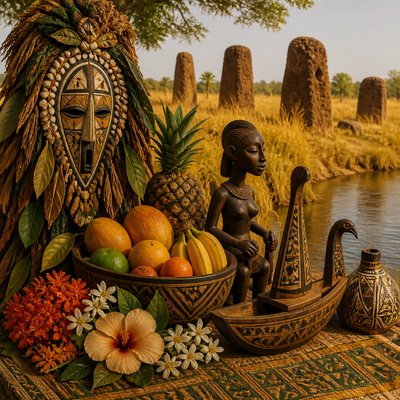
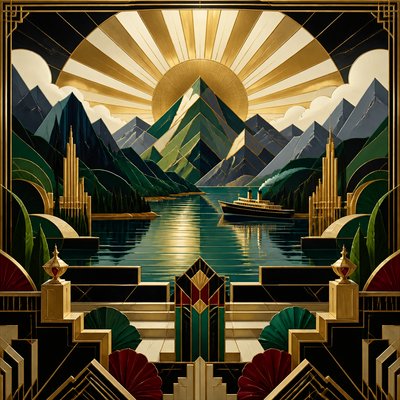
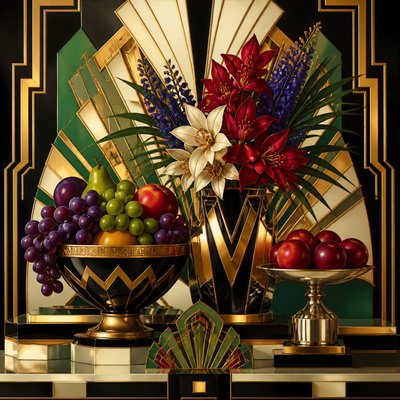
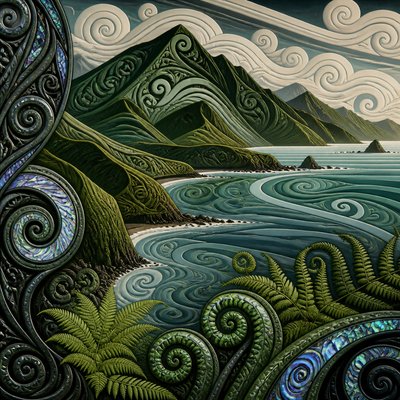
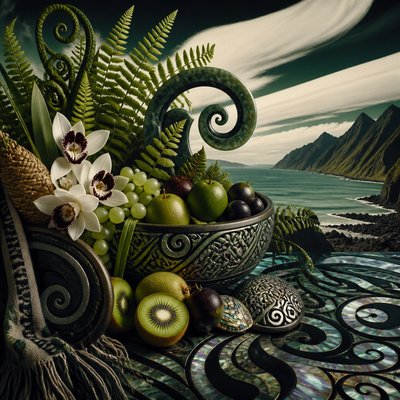
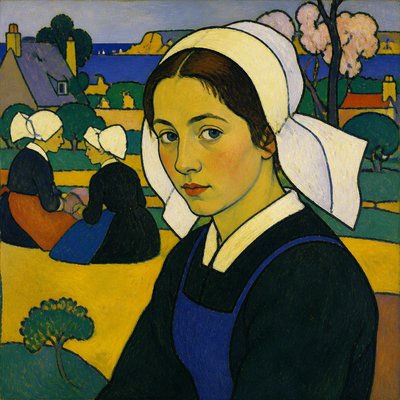
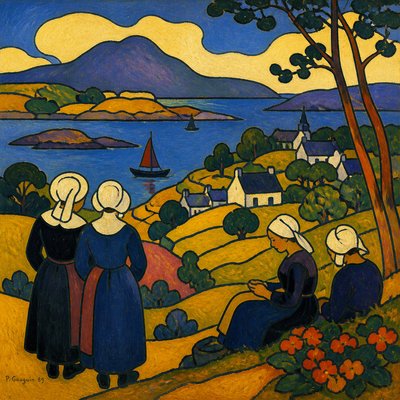
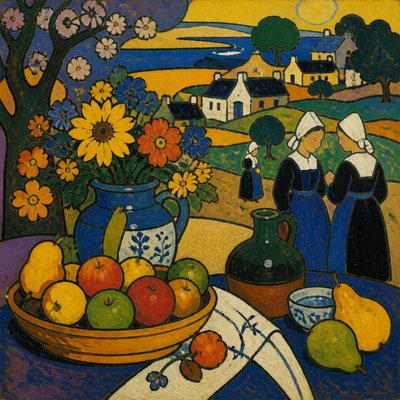
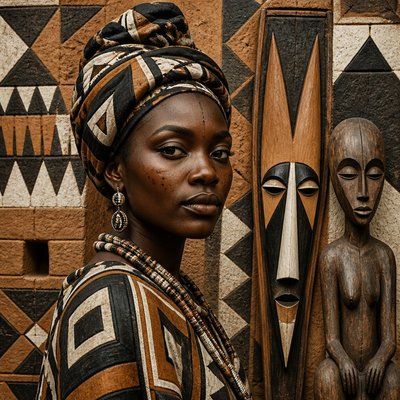
Explore Pattern and Decoration art: exuberant florals, quilts, arabesques and tile geometry arranged in joyful, edge-to-edge maximalism.
Instantly rendered in Pattern and Decoration — or transform a photo
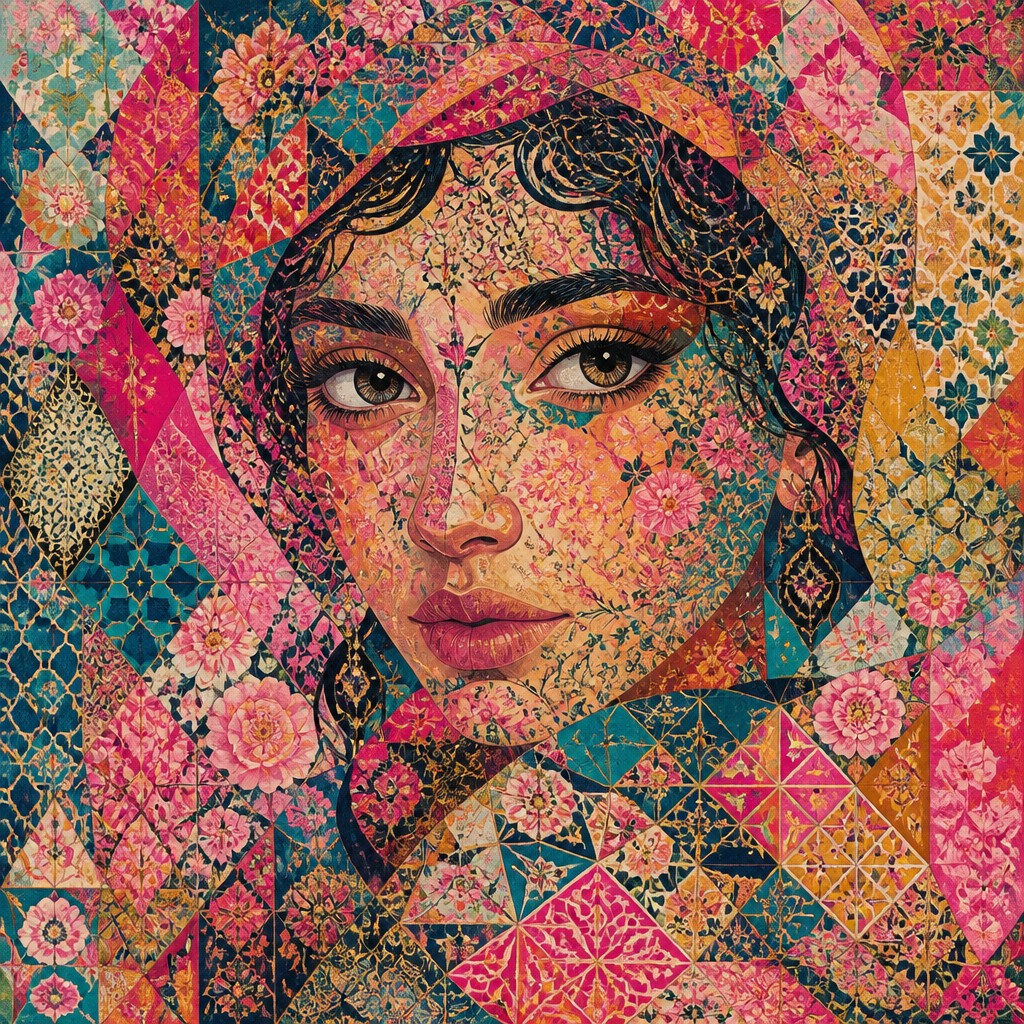
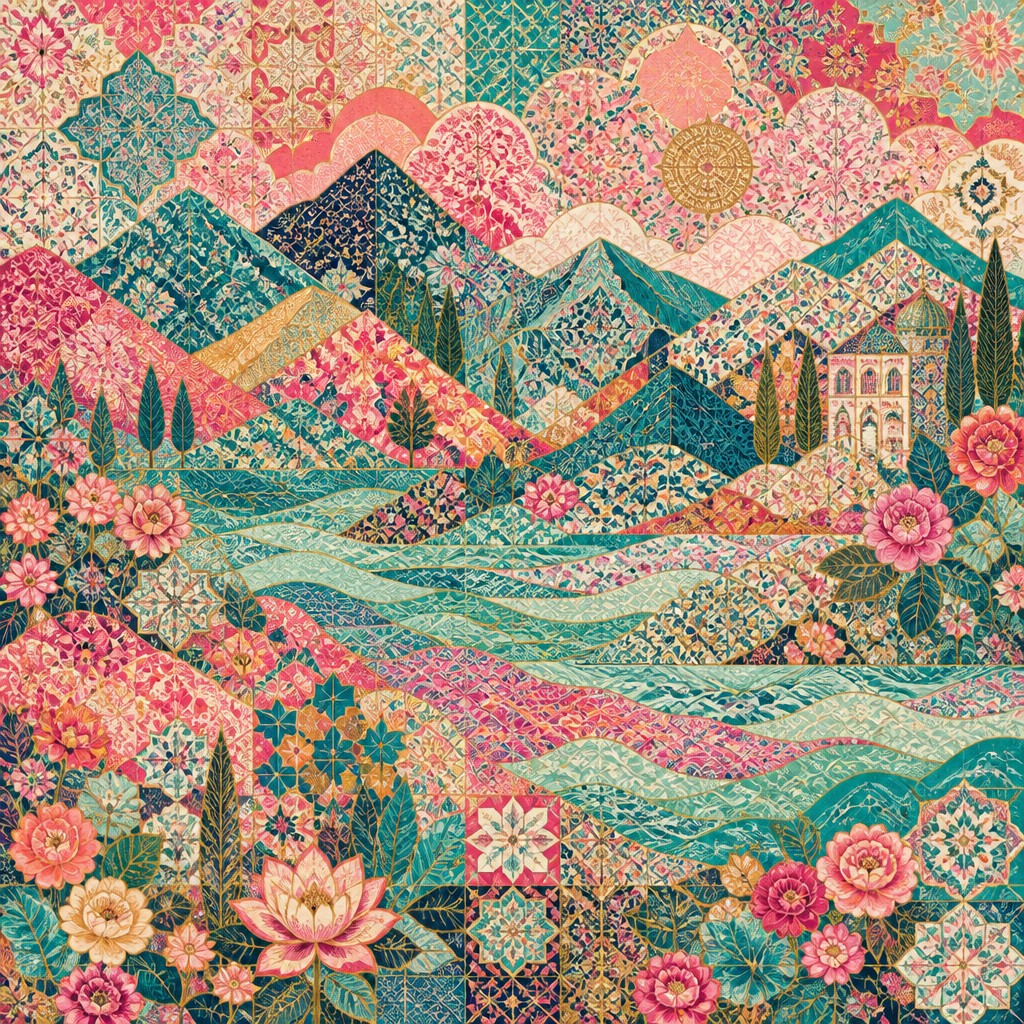
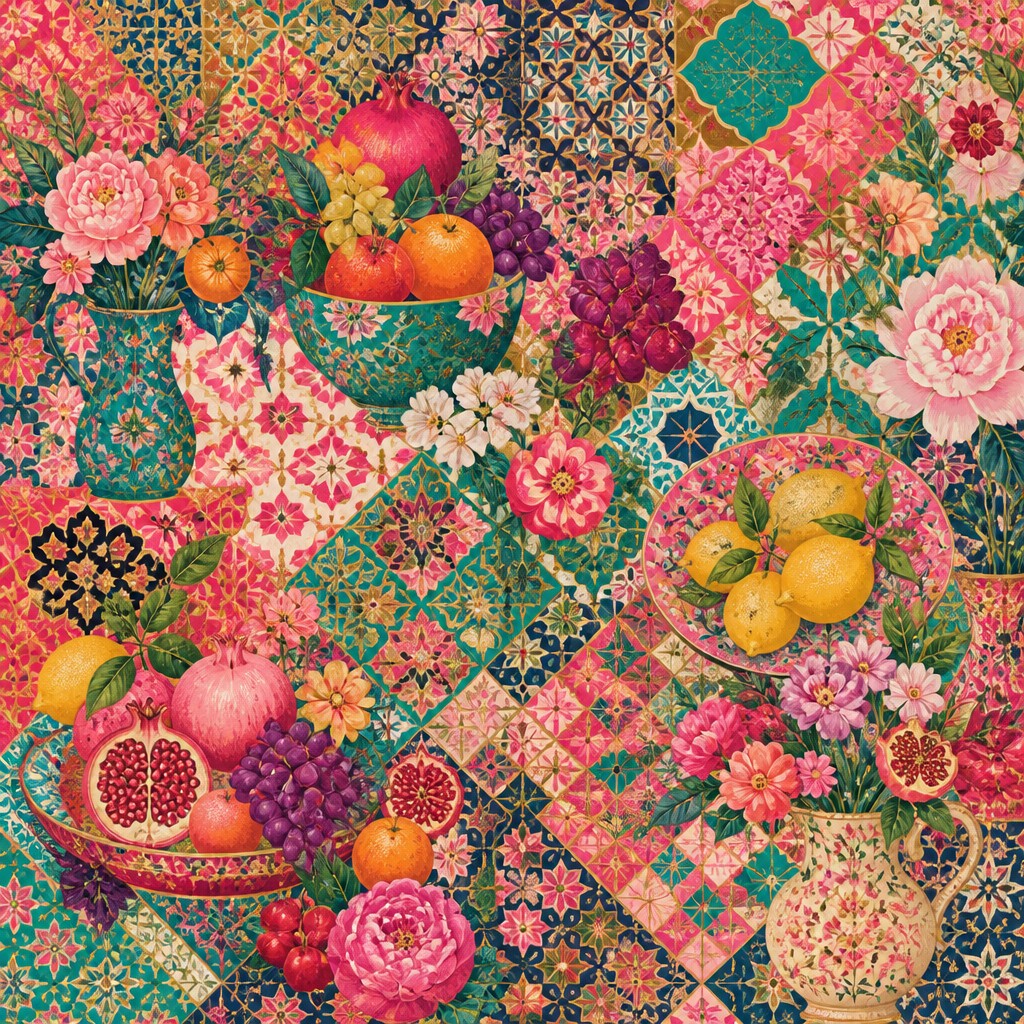
Pattern and Decoration Gallery
Tap any artwork to explore it
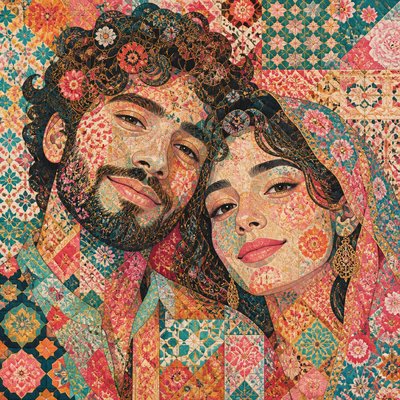
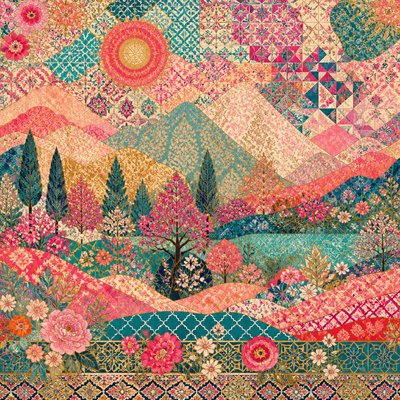
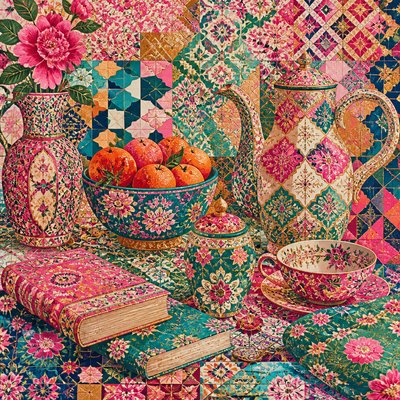
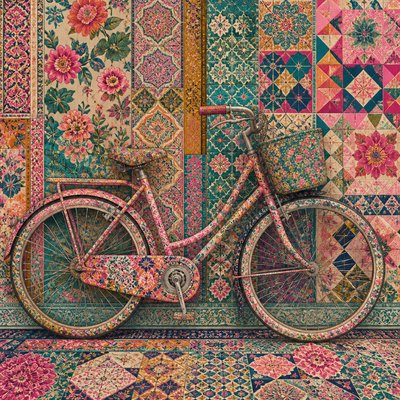
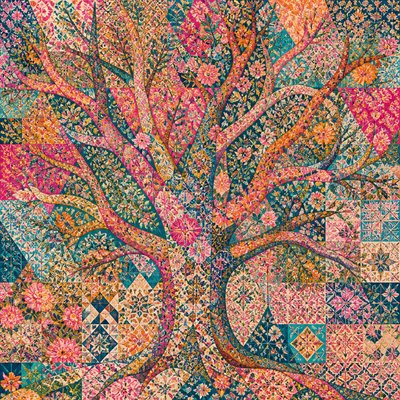
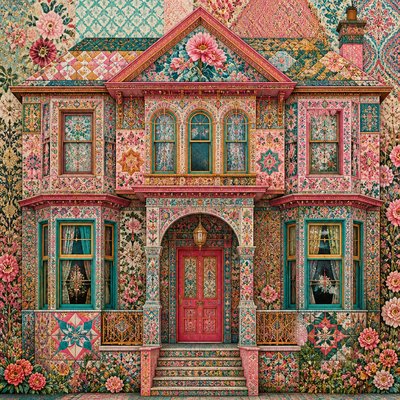
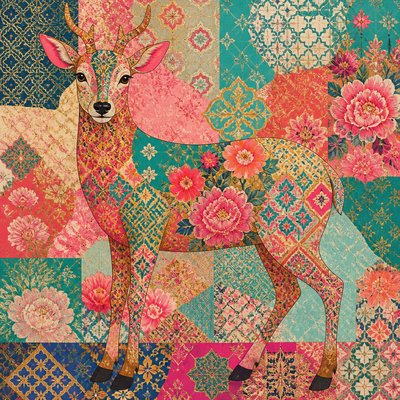
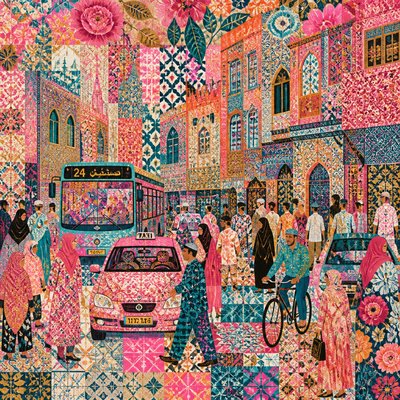
What is Pattern and Decoration Art Style?
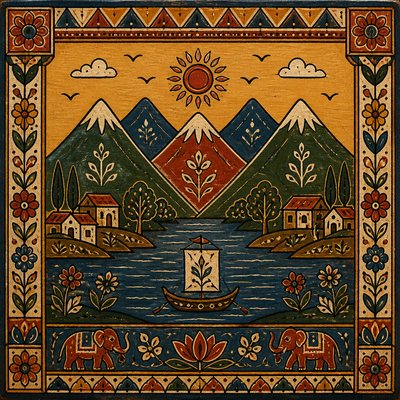
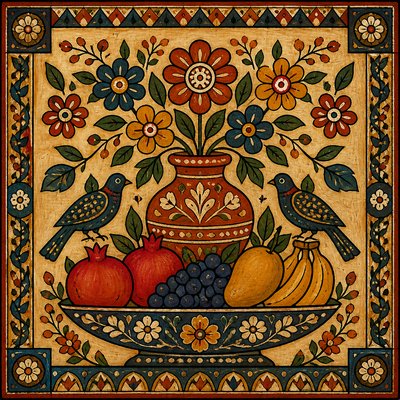
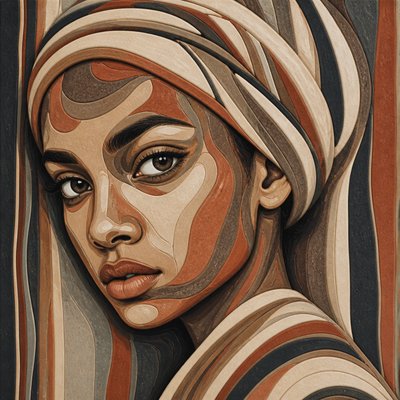
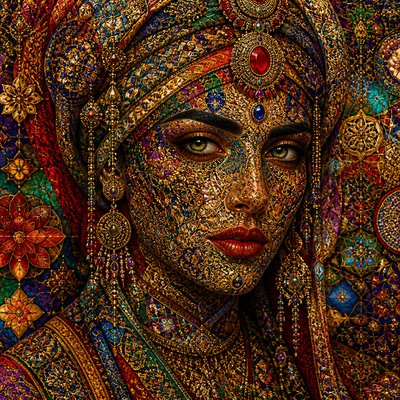
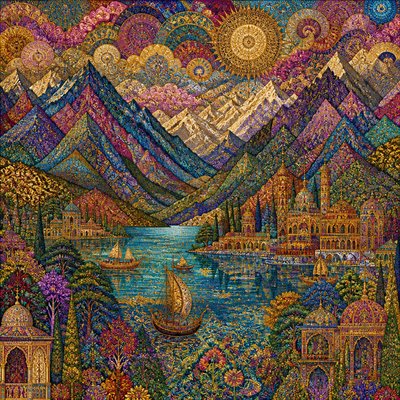
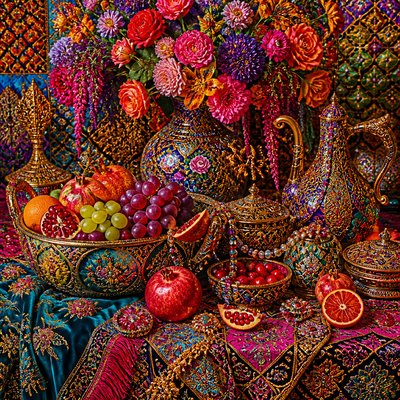
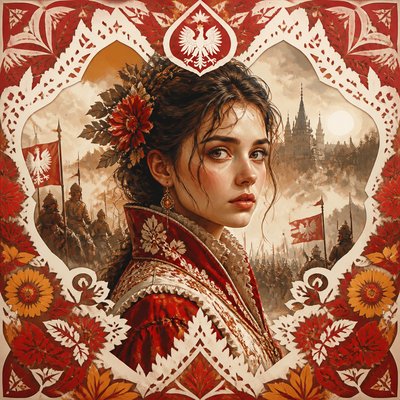
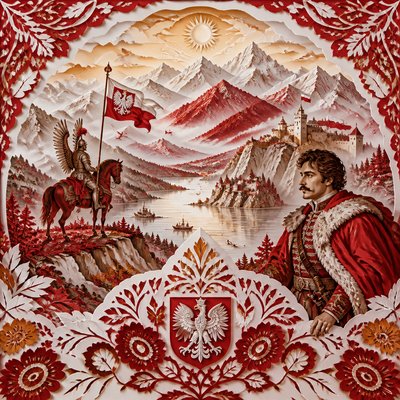
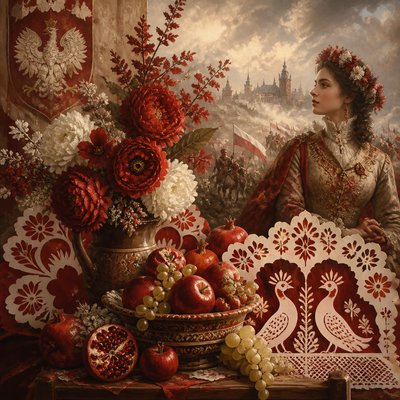
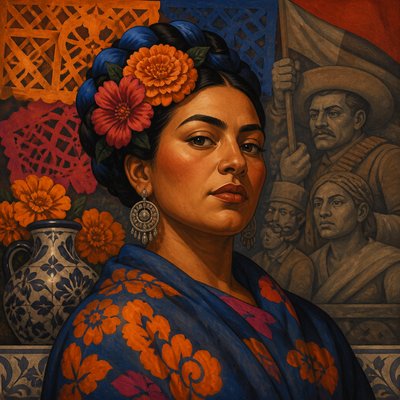
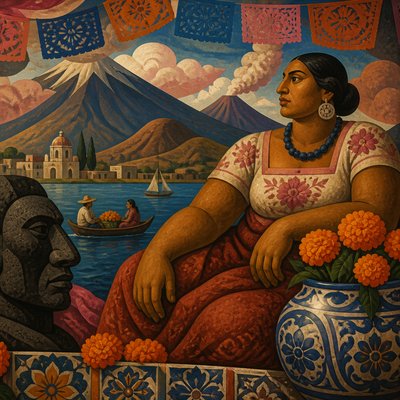
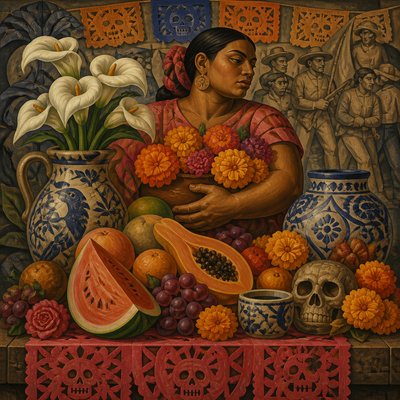
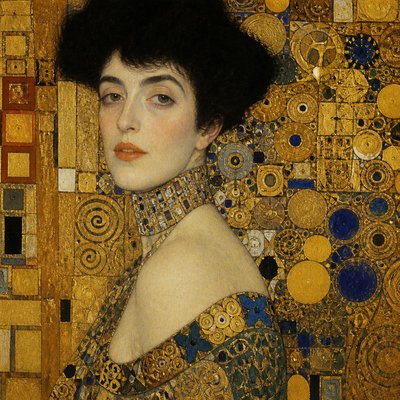
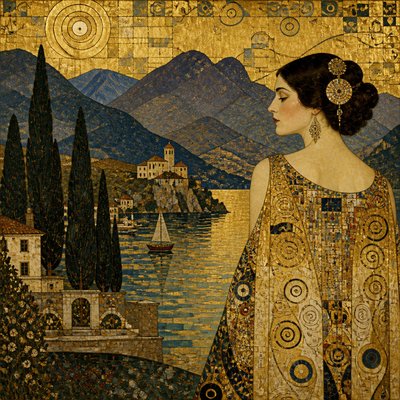
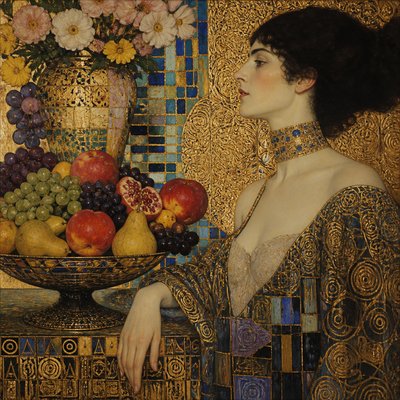
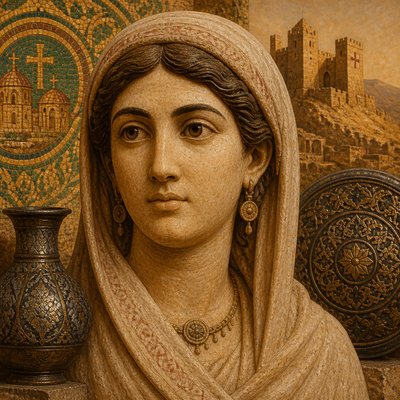
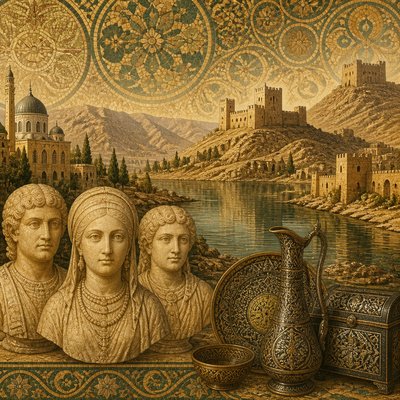
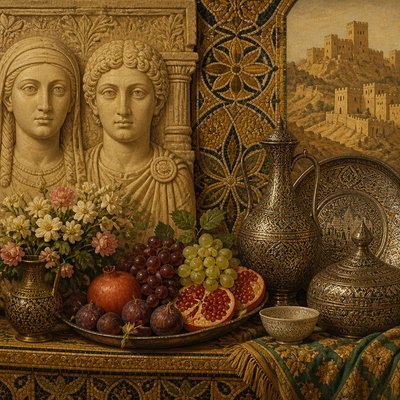
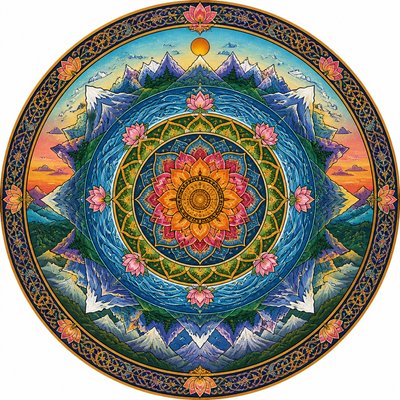
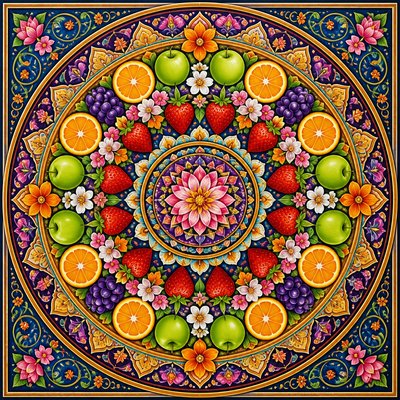
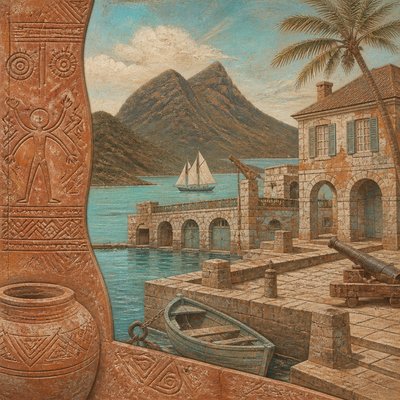
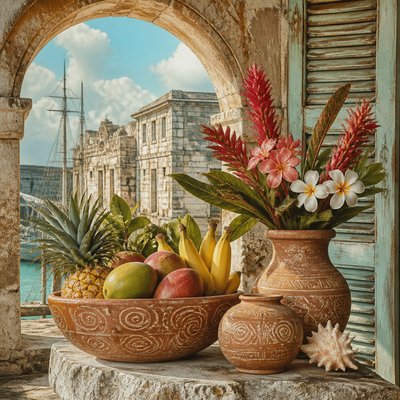
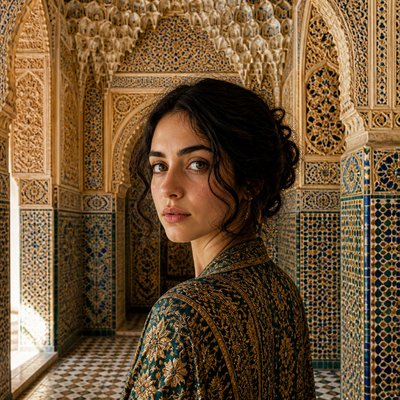
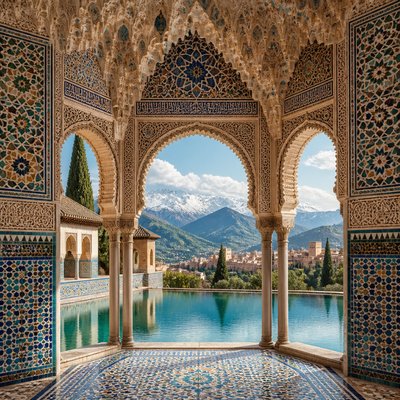
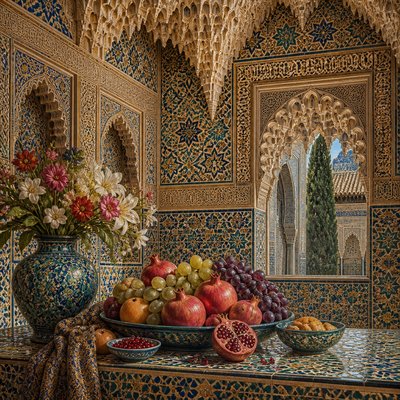
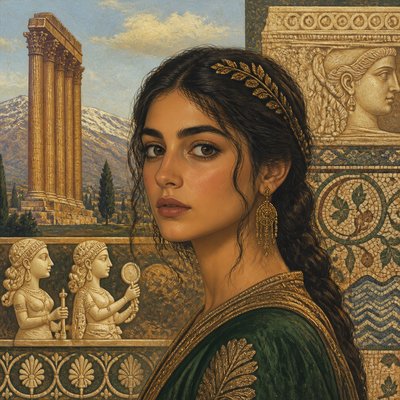
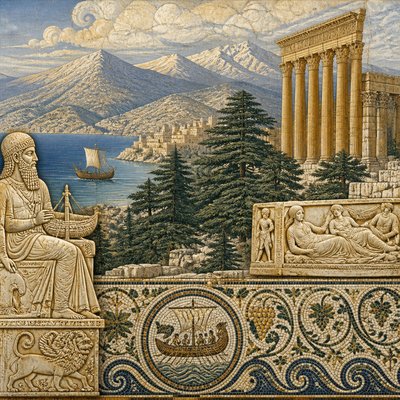
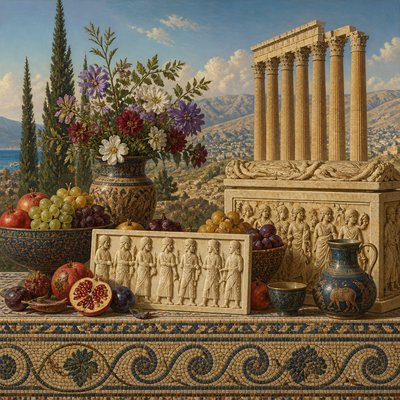
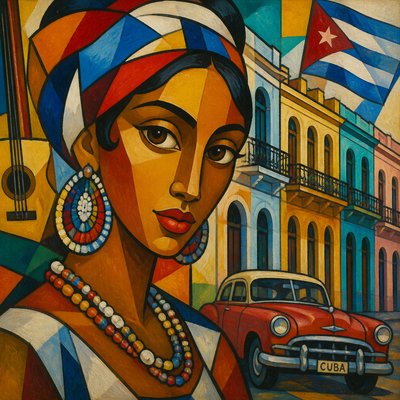
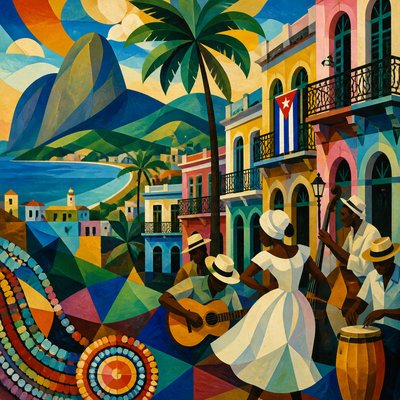
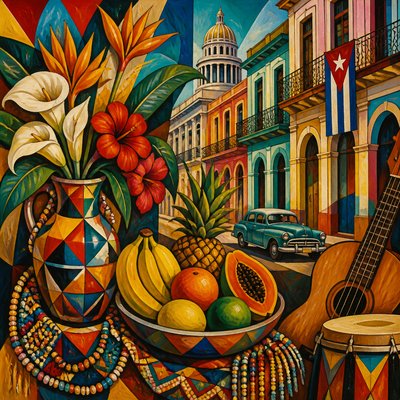
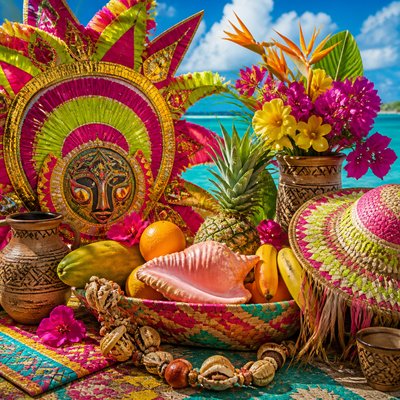
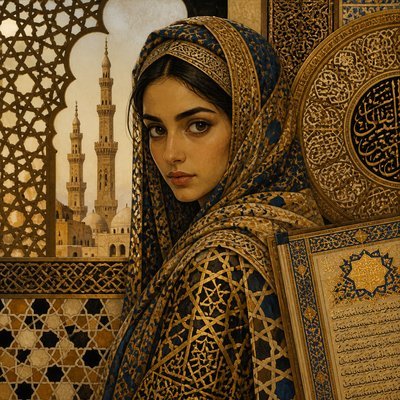
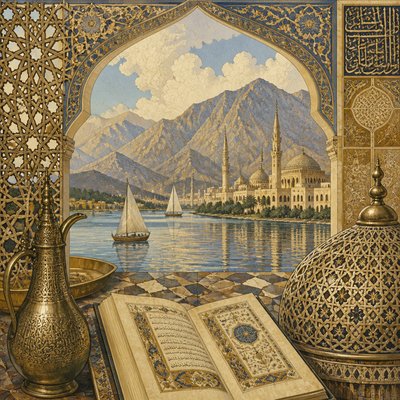
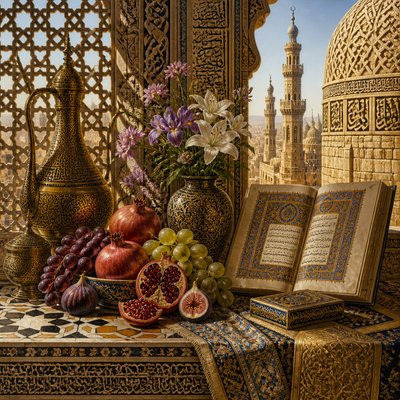
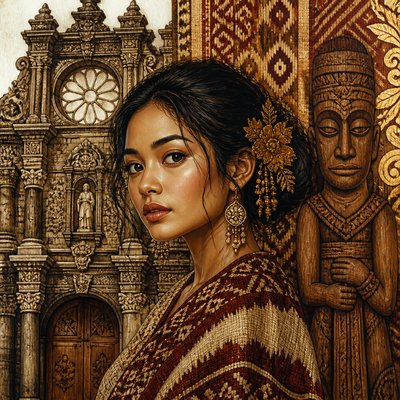
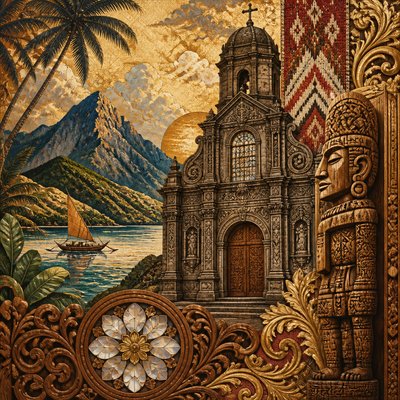
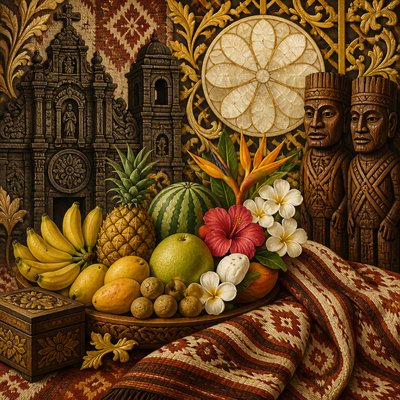
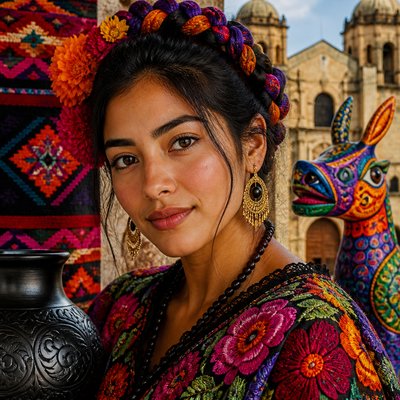
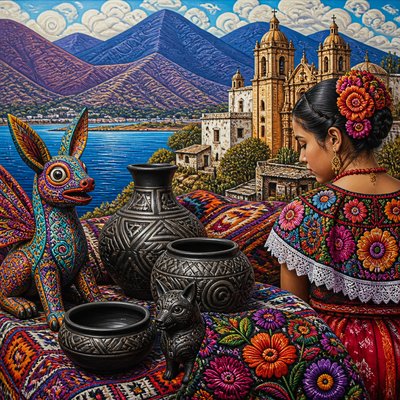
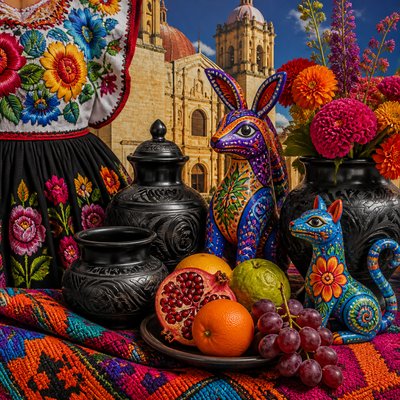
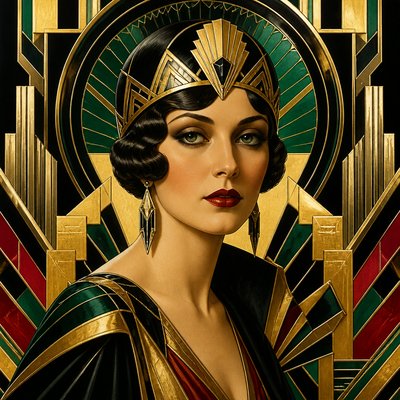
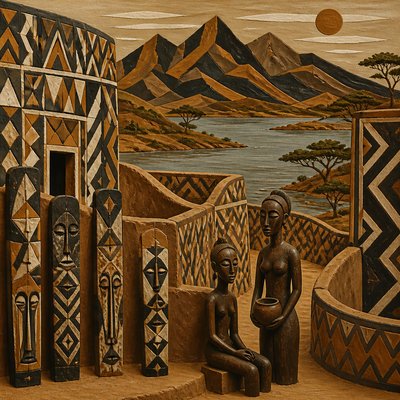
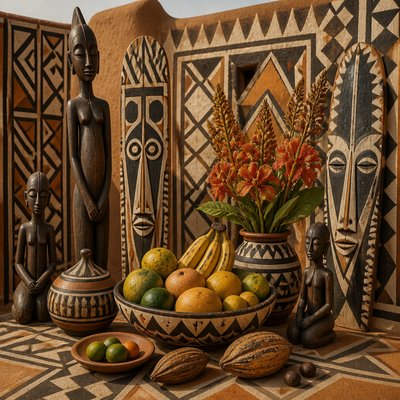
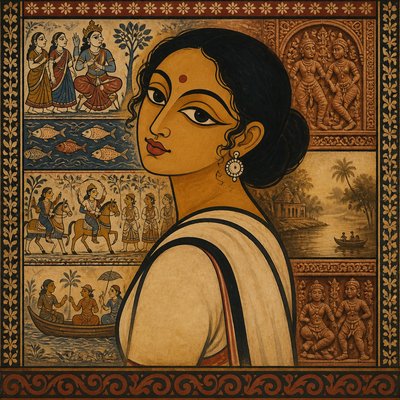
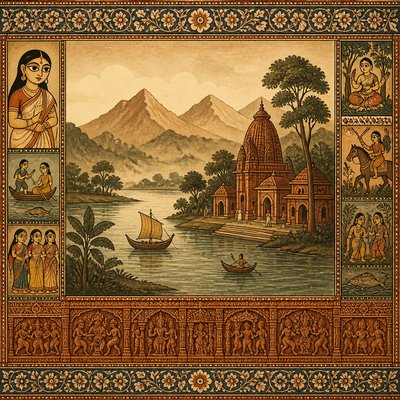
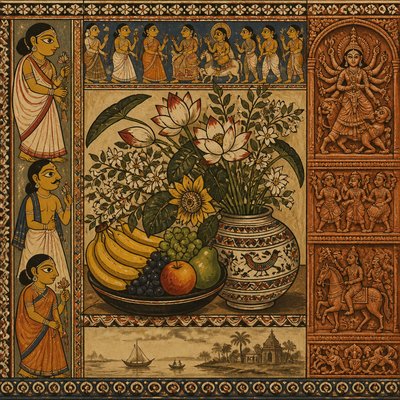
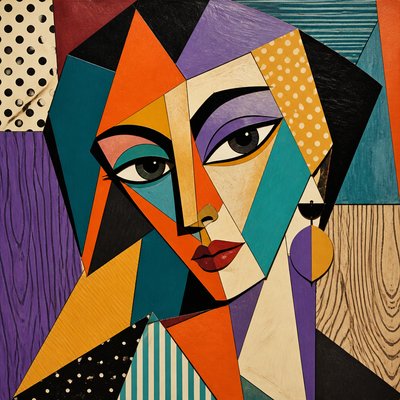
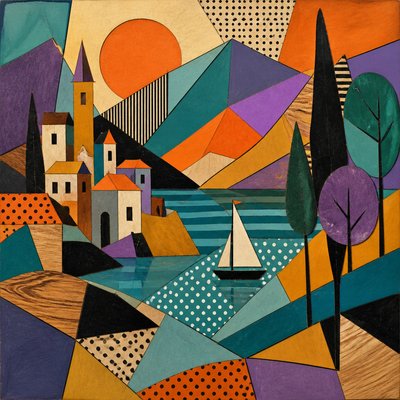
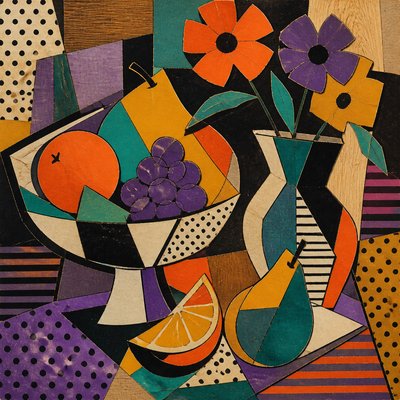
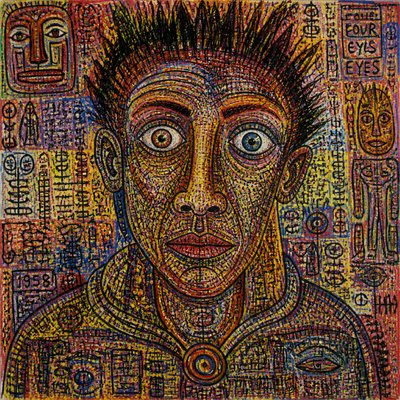
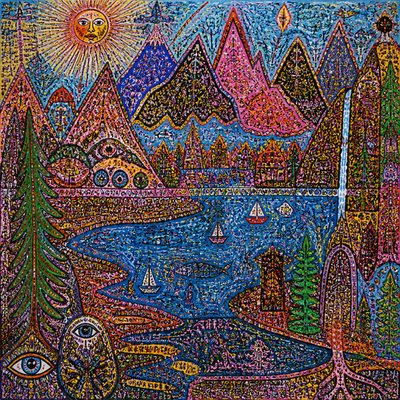
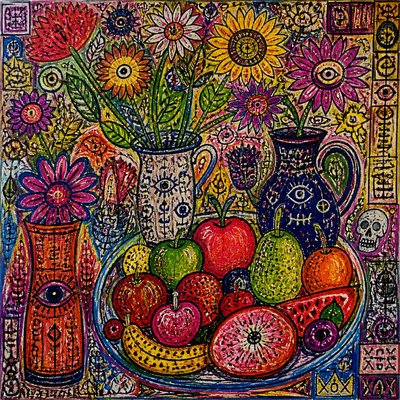
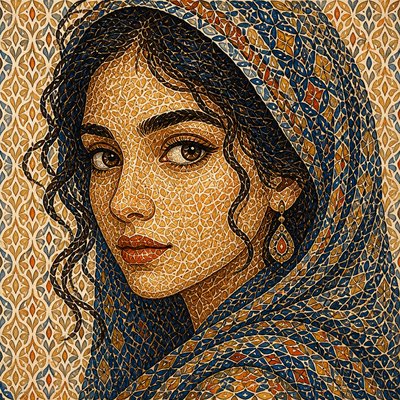
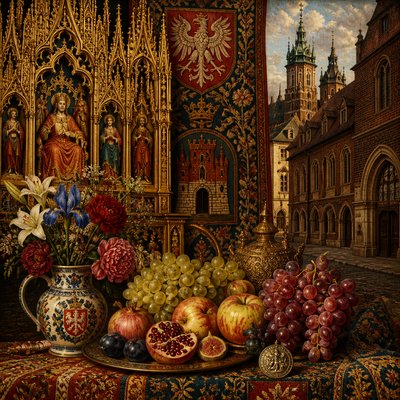
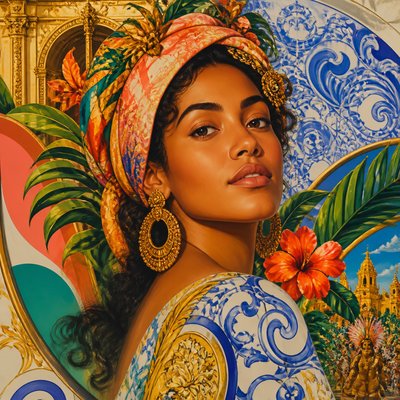
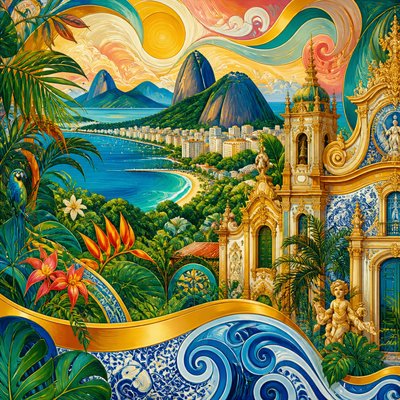
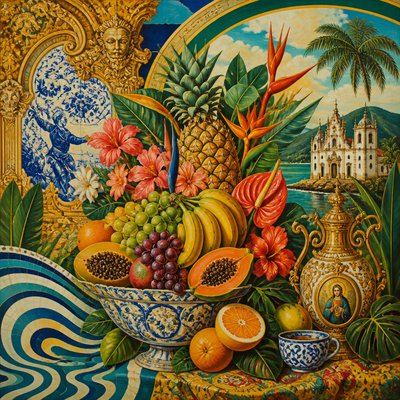
Pattern and Decoration is an art movement and visual approach built around abundant ornament, repeated motifs and the deliberate elevation of decorative arts. Its imagery may combine floral chintz, wallpaper, textile patterns, quilt structures, arabesques, lattice grids and Islamic geometric ornament in a densely layered surface with little or no single focal point.
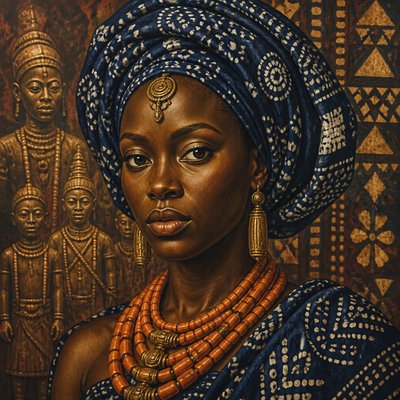
The style looks joyful and maximal because it treats pattern as both subject and structure. Rather than using decoration as a secondary border or embellishment, Pattern and Decoration allows ornament to occupy the entire composition. Contrasting colors, overlapping motifs, visible fabric-like textures and repeated modules create visual richness while connecting painting to interiors, clothing, ceramics, quilting and other historically marginalized or undervalued forms of craft.
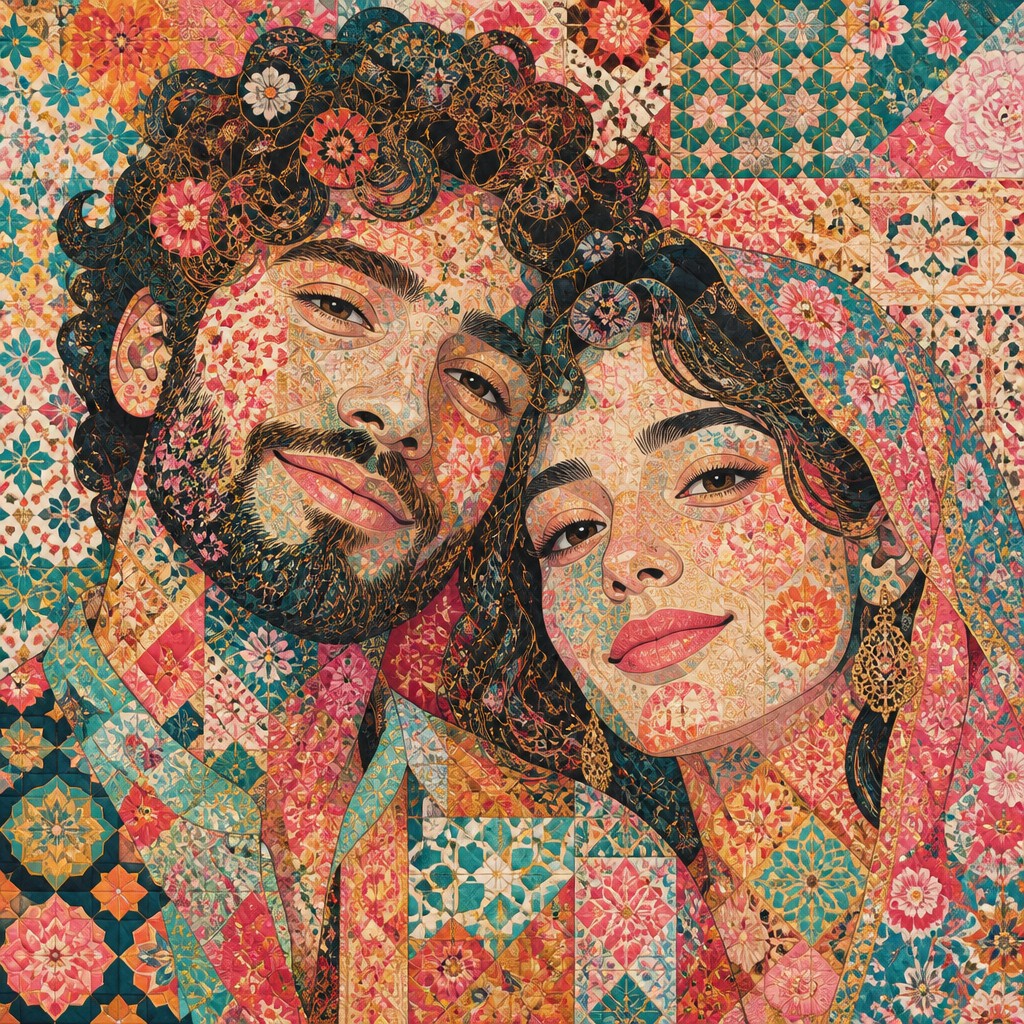
Try It On Your Photos
Upload any photo and convert it into Pattern and Decoration Art Style — drag the sliders to compare before and after.
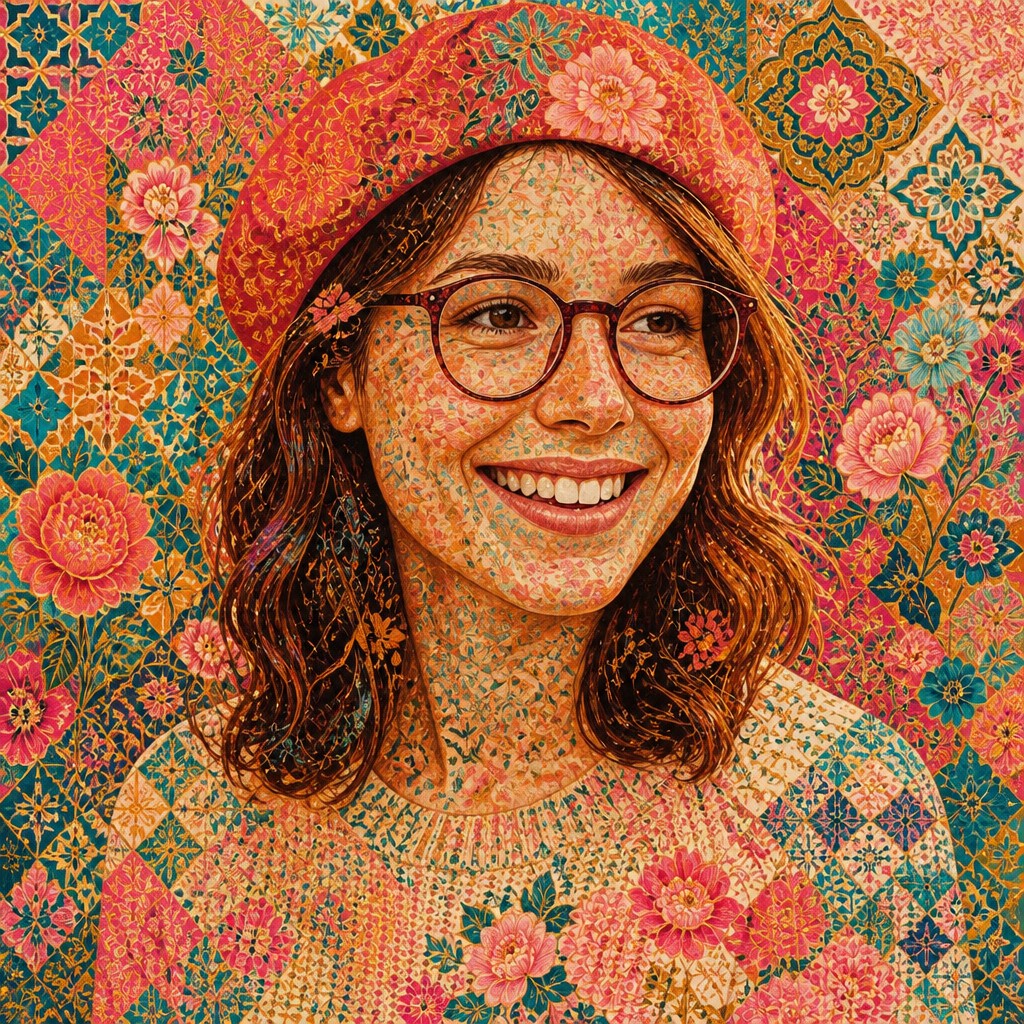

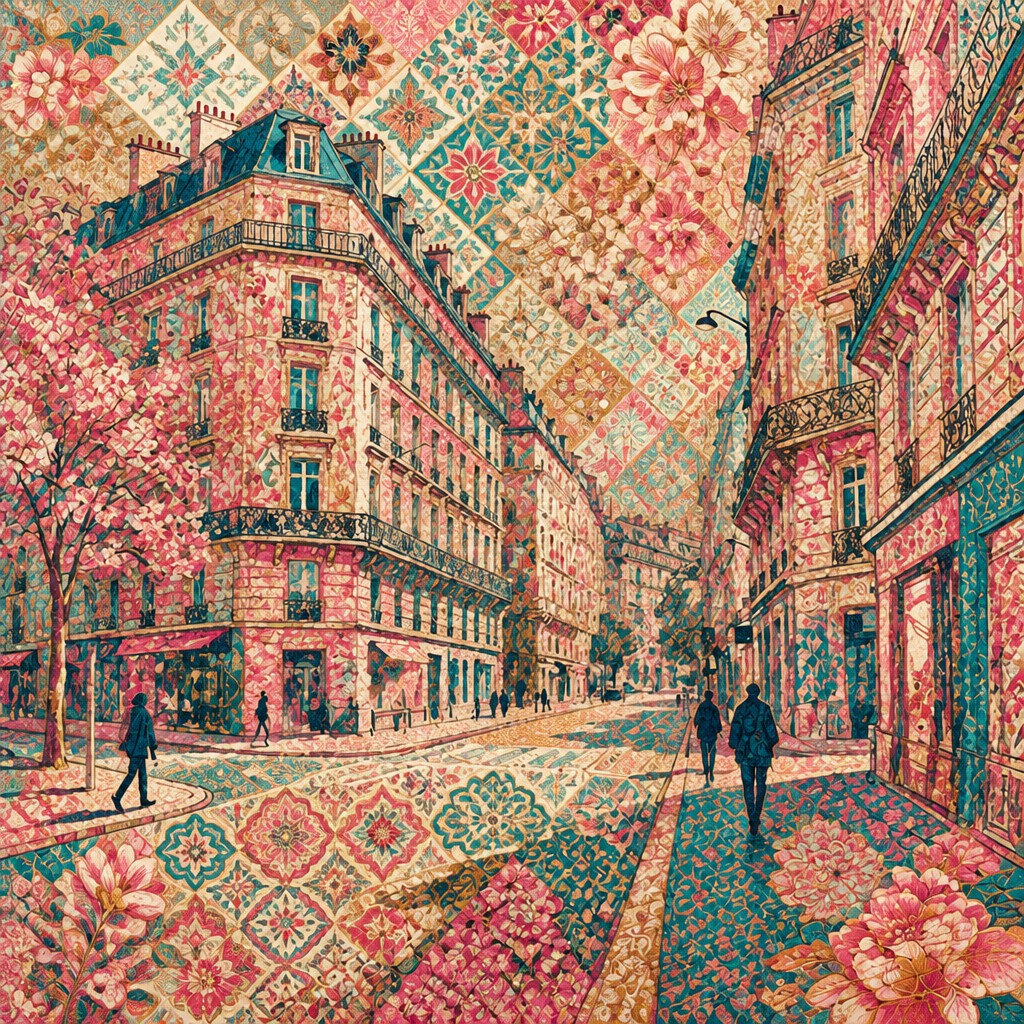

What Defines Pattern and Decoration Art Style
The signature details, up close
All-over pattern
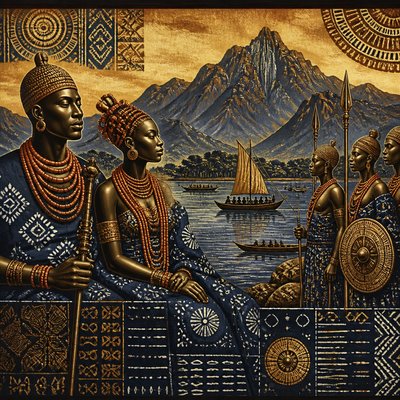
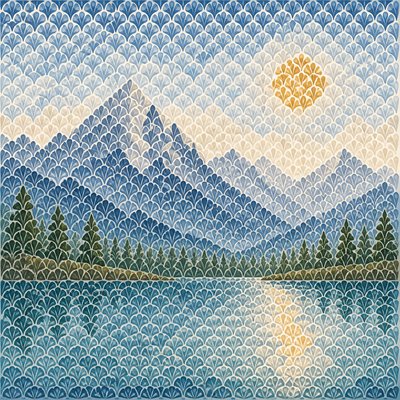
Motifs extend across the entire surface, often reaching the edges without a conventional background or isolated focal point. Repetition creates a continuous visual field.
Floral and botanical ornament
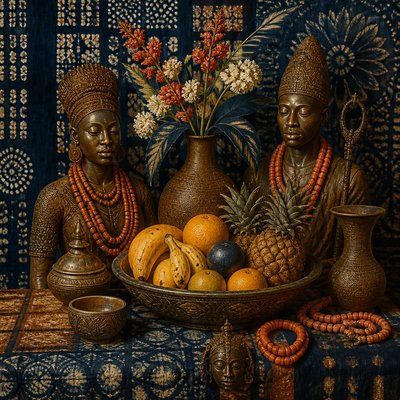
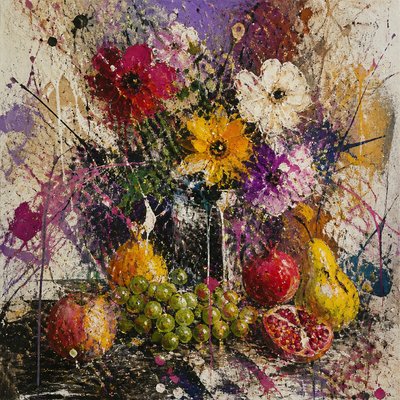
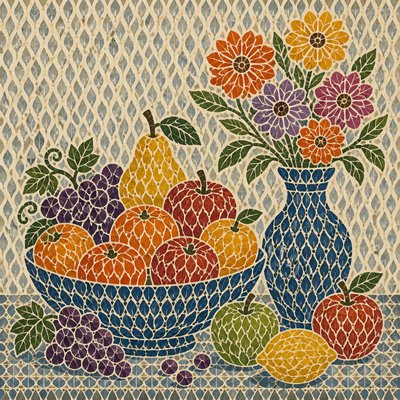
Chintz flowers, leaves, vines, petals and wallpaper-like bouquets provide organic movement and a sense of abundance. Floral forms may be realistic, stylized or collaged from multiple decorative sources.
Geometric frameworks
Arabesques, tile geometries, lattice grids, medallions and quilt blocks organize the dense imagery. Geometric structures often coexist with softer botanical motifs rather than replacing them.
Craft and textile references
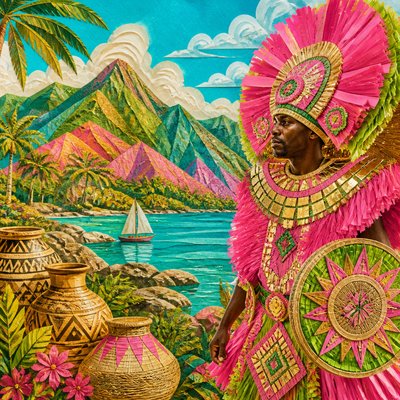
Quilting, patchwork, embroidery, woven cloth, appliqué and printed fabric inform both the imagery and the surface. Seams, joins, weave, stitching and layered materials may remain visibly expressive.
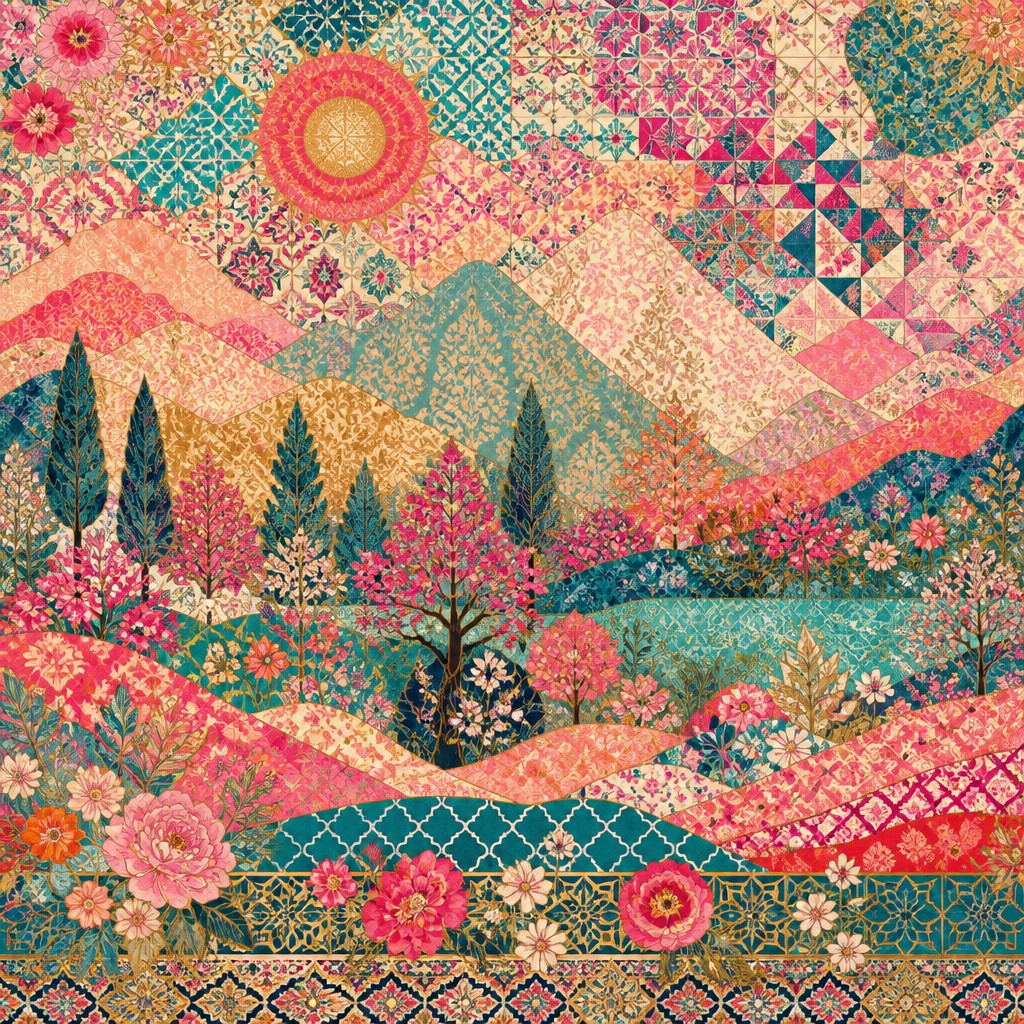
Saturated color
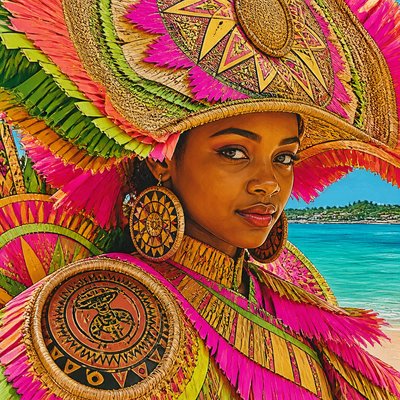
Bright pinks, teals, corals, oranges, greens and blues are frequently set against deep grounds or balanced with metallic gold. Color is used rhythmically to make repeated forms vibrate across the composition.
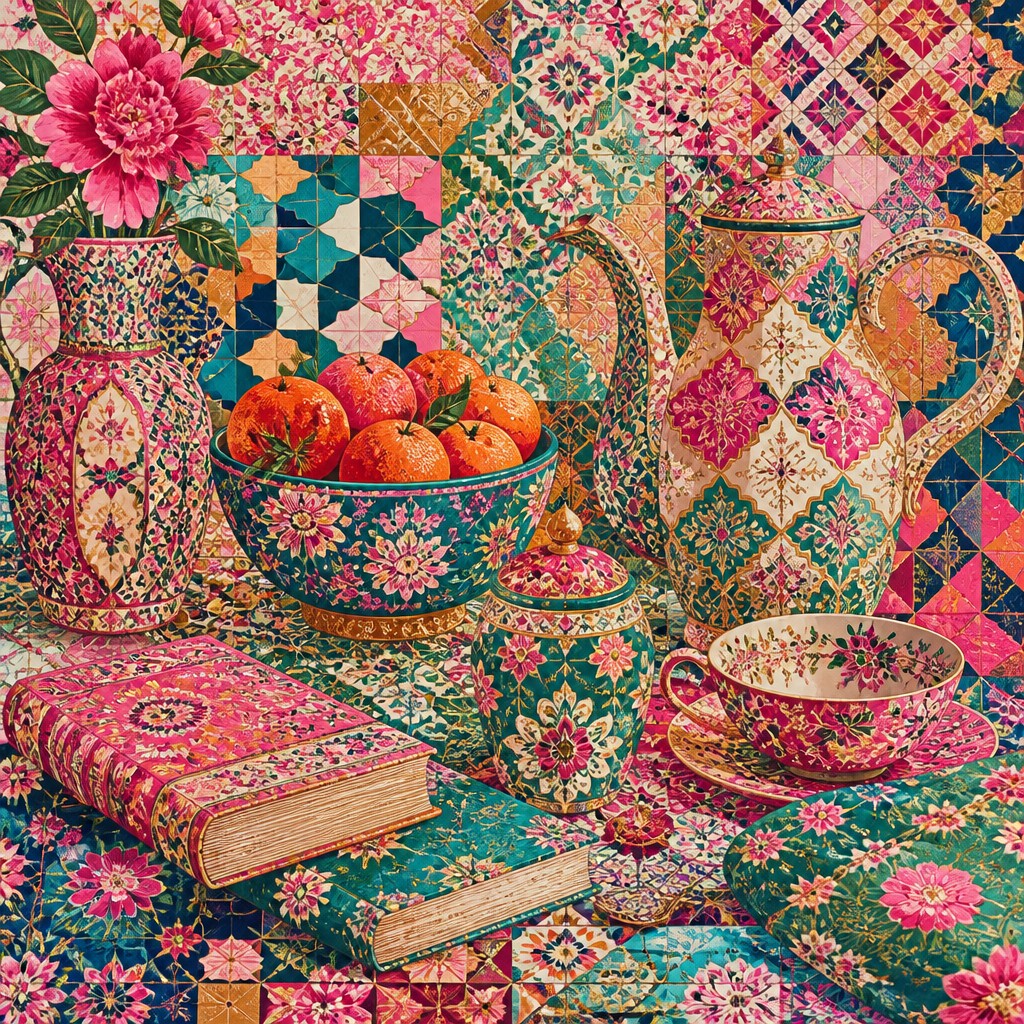
Collage and accumulation
Multiple motifs, materials and visual traditions are layered rather than unified into a restrained system. Overlap, juxtaposition and visual excess are central to the style's character.
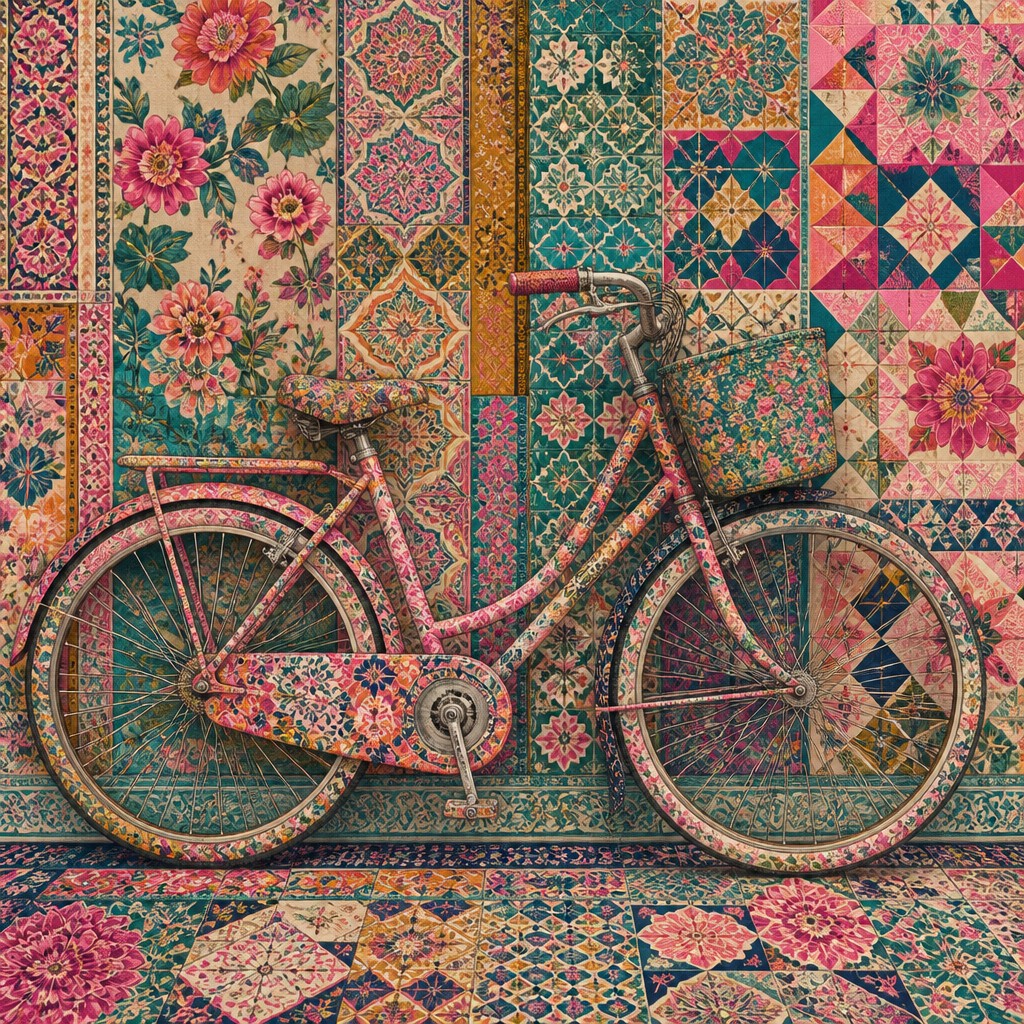
Decorative maximalism
The work embraces abundance, ornament and sensory pleasure instead of minimizing them. Its complexity can feel immersive, theatrical and intimate at the same time.
Try It
Create Videos in Pattern and Decoration Art Style
Styles aren't just for stills — describe a scene or animate an image and get a short video rendered in Pattern and Decoration. Press play to see this pond come to life.
Make a VideoPattern and Decoration Prompt Ideas
Start from an idea — each one opens the generator with the style ready to go. See all 40 Pattern and Decoration prompts →
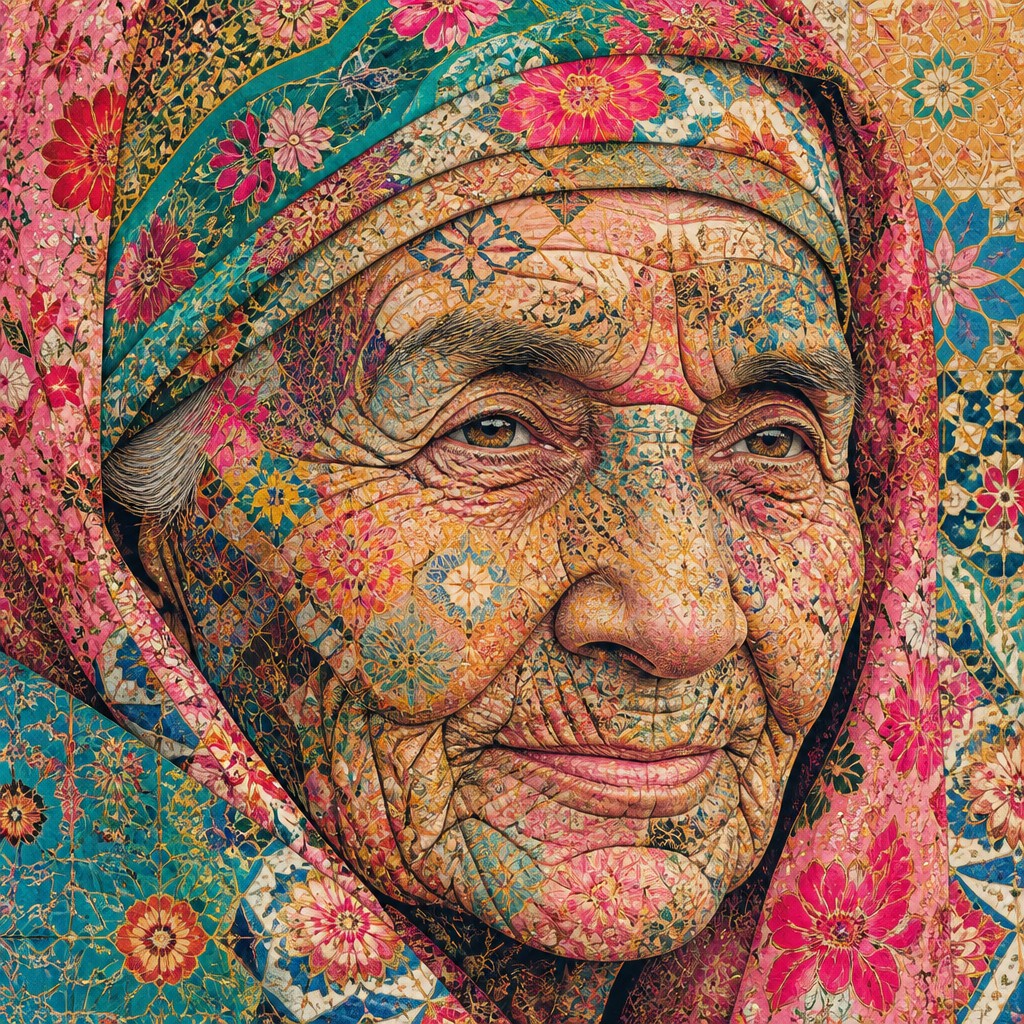
“close-up portrait of an elderly person with expressive weathered features”
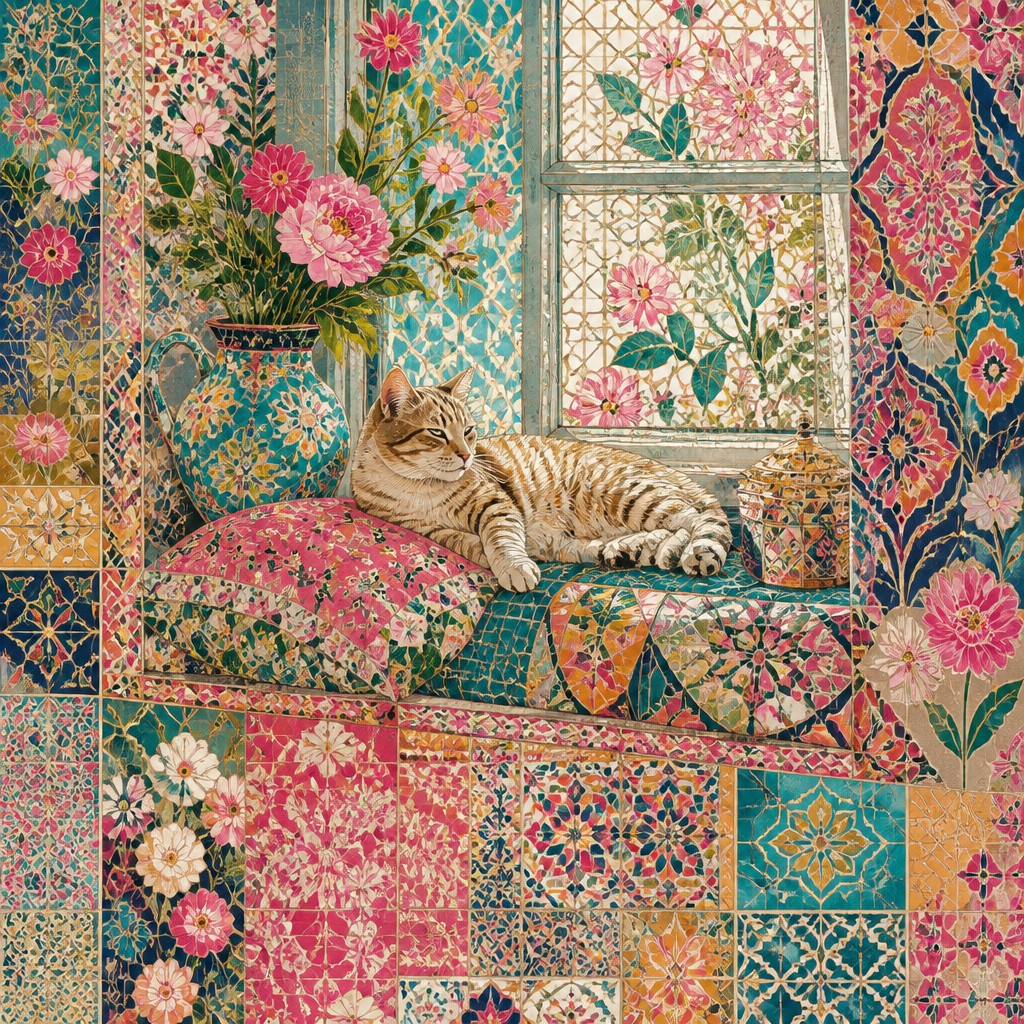
“a cat lounging in a sunlit window”
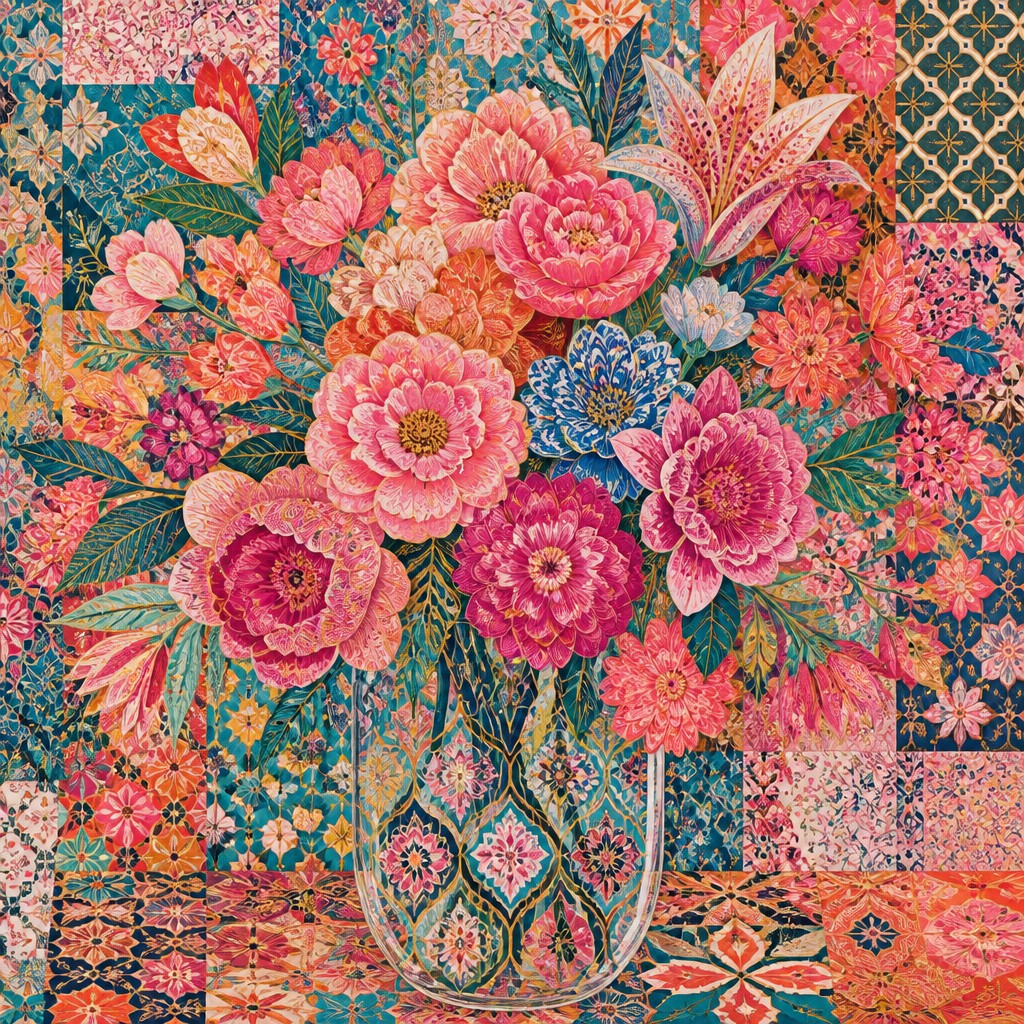
“bouquet of flowers in a glass vase”
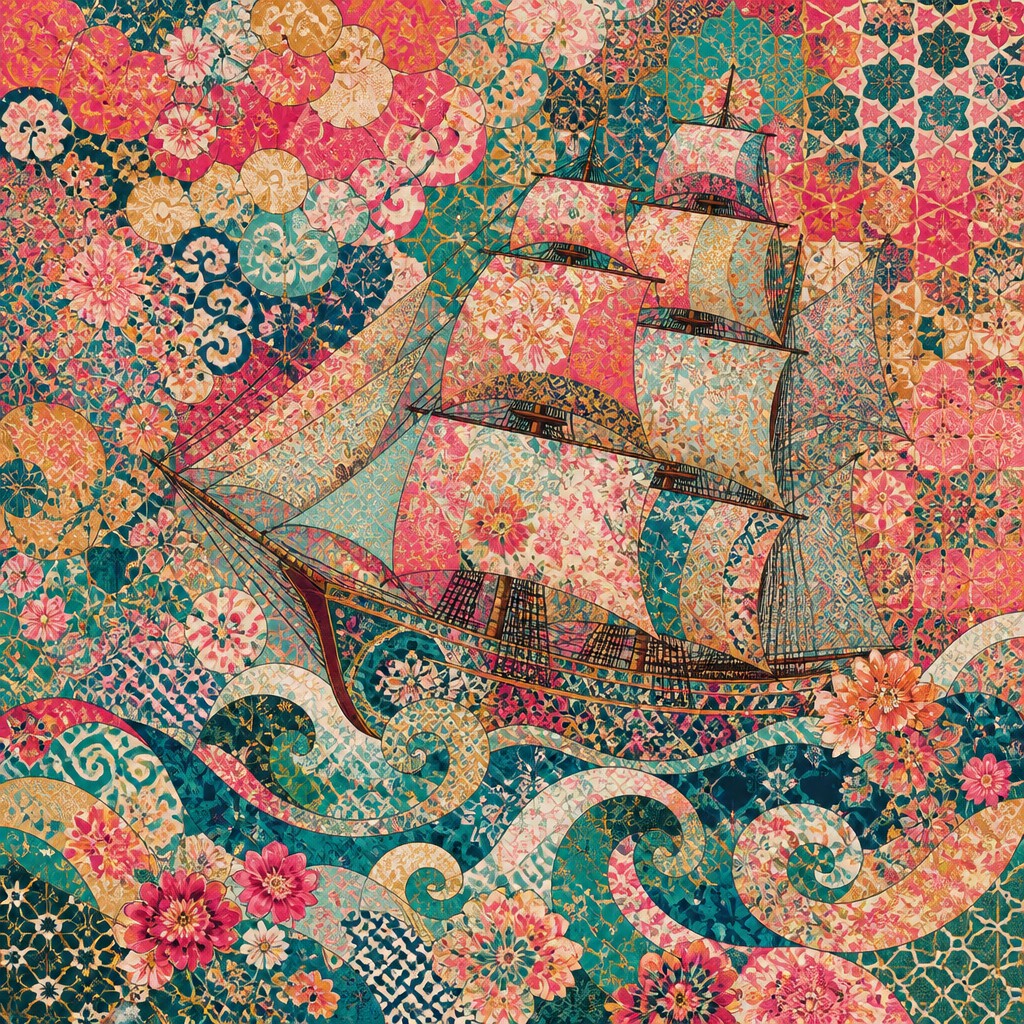
“sailing ship on a stormy sea”
How to Create Pattern and Decoration Art
Master the craft step by step — or skip straight to creating. Read the full guide →
- 1
Build a modular surface
Start with a small set of repeatable units such as flowers, leaves, stars, tile shapes and quilt squares. Arrange them in rows, radial clusters or irregular overlaps, then extend the pattern beyond all four edges.
- 2
Layer unlike sources
Combine a floral textile with a geometric grid, an arabesque border and a patchwork structure. In collage or paint, vary scale and opacity so the layers interlock without becoming a single uniform pattern.
- 3
Make material visible
Use glazing, dry brush, printing, cut paper, fabric scraps, stitching or impasto to suggest woven and assembled surfaces. Digital artists can add scans of cloth, paper fibers, seams and imperfect registration.
- 4
Use color rhythmically
Choose a saturated palette with two or three dominant hues and repeat small accents throughout the composition. Gold, warm neutrals or dark outlines can help separate overlapping motifs without reducing the density.
- 5
Avoid a central focal point
Distribute contrast and visual interest across the whole image rather than enlarging one main subject. If a recognizable object is included, let surrounding ornament compete with and partially frame it.
- 6
Write specific generation prompts
For text-to-image creation, describe the subject first, then request edge-to-edge floral, textile and geometric layering, saturated colors, visible fabric texture and no single focal point. For image transformation, preserve the source subject while instructing the system to replace its surfaces with repeating chintz, quilt, tile and lattice motifs.
The Story
History & Origins of Pattern and Decoration
Pattern and Decoration emerged primarily in the United States during the late 1970s and early 1980s. It developed partly as a response to the austerity and hierarchical values associated with Minimalism and conceptual art, reclaiming ornament, domestic craft, textile production and decorative traditions as serious subjects for contemporary art. The movement also intersected with feminist art, which challenged the cultural devaluation of work associated with women, the home and handmade labor.
Its visual language drew on a wide range of sources, including European and Middle Eastern ornament, Islamic tilework, Asian decorative traditions, Victorian wallpaper, quilting, embroidery, ceramics and commercial fabrics. Although the organized movement was most prominent in the late twentieth century, its emphasis on maximal pattern continues in contemporary painting, collage, textile art, interiors, fashion and digital image-making.
Influences: The style is related to Arts and Crafts ornament, Art Nouveau pattern, Victorian wallpaper, Islamic geometric and arabesque traditions, South Asian and Middle Eastern textiles, European chintz, quilting, patchwork, embroidery, collage and feminist craft practices. It also contrasts with Minimalism by valuing surface, repetition and decoration, while sharing with Pop Art an interest in familiar commercial and domestic imagery. Contemporary digital pattern design and maximalist interiors extend these sources through seamless repeats, layered textures and image manipulation.
Frequently Asked Questions
What defines Pattern and Decoration art?
It is defined by dense, all-over ornament that treats decorative pattern as the main subject rather than a subordinate embellishment. Floral motifs, textiles, quilts, arabesques, geometric grids and saturated color commonly appear together.
Is Pattern and Decoration a historical art movement or just a design style?
It is both a specific late-twentieth-century art movement and a broader contemporary aesthetic. The movement emerged in the United States in the late 1970s and early 1980s, while its visual principles continue to influence painting, textiles, interiors, fashion and digital design.
How is it different from maximalism?
Maximalism is a broad preference for abundance and visual excess, whereas Pattern and Decoration has a more specific lineage in decorative arts, craft, textiles and ornament-focused painting. Pattern and Decoration often uses repeated surface structures and engages with the historical status of domestic and decorative labor.
Does the style have to include flowers?
No. Flowers are common, but geometric tiles, grids, shells, leaves, birds, fabric fragments and architectural motifs can also form the main vocabulary. What matters most is the layered, repeated and surface-oriented treatment of ornament.
How can I make a Pattern and Decoration artwork by hand?
Begin with painted or printed modules, fabric scraps, paper cutouts, stamps or stitched pieces, then repeat and overlap them across a support. A limited set of recurring colors and motifs will make the dense composition feel intentional rather than random.
Where is Pattern and Decoration used today?
Its influence appears in contemporary painting, collage, quilting, wallpaper, fashion, textiles, ceramics, illustration, packaging, interiors and digital pattern systems. It is especially effective when a surface needs to feel immersive, festive or richly material.
Create your first Pattern and Decoration artwork
Describe anything — or upload a photo — and see it in Pattern and Decoration Art Style in seconds.
Related Styles
Discover similar art styles