Newlyn Art Style
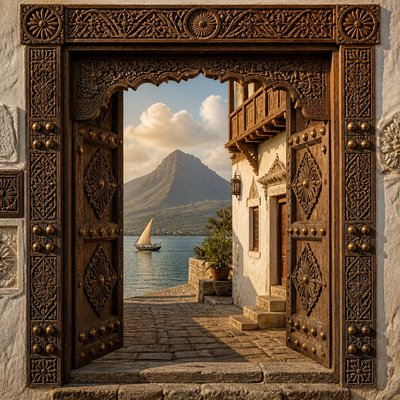
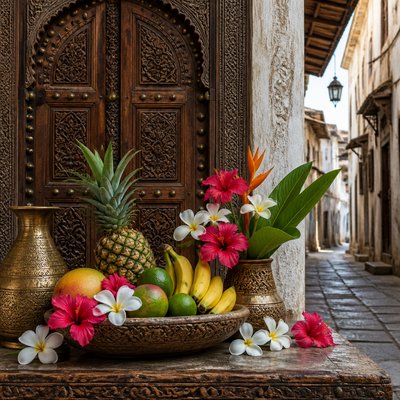
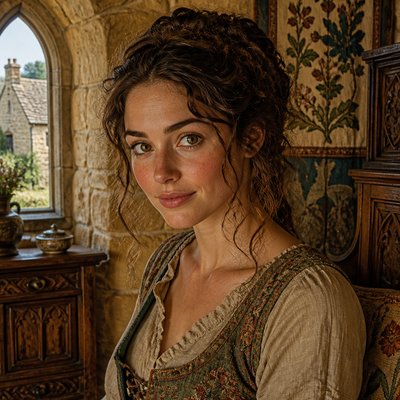
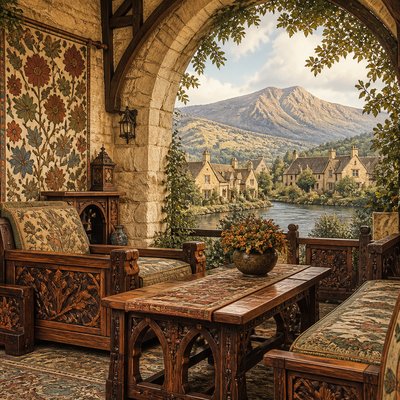
Explore Newlyn art: Cornish plein-air realism defined by fisherfolk, harbor life, muted color, and silvery coastal light.
Instantly rendered in Newlyn — or transform a photo
Newlyn Gallery
Tap any artwork to explore it
What is Newlyn Art Style?
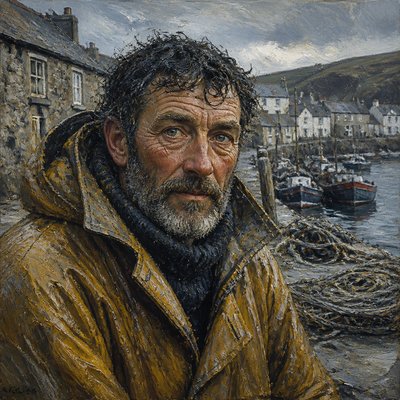
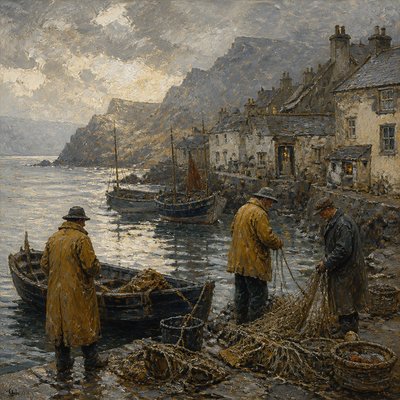
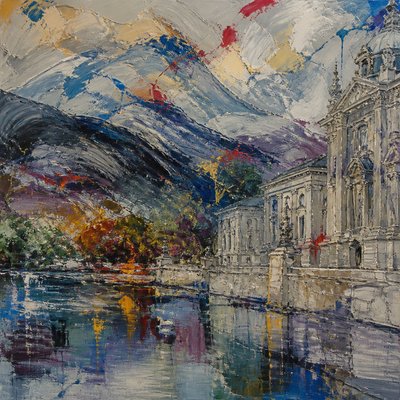
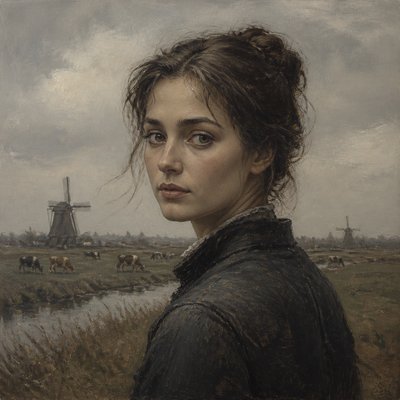
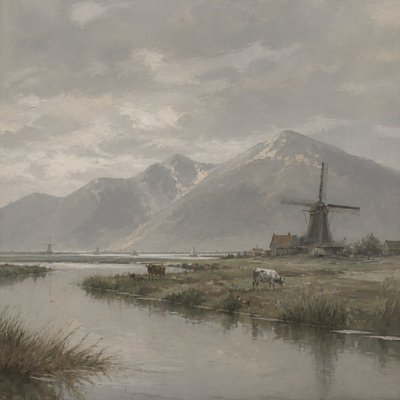
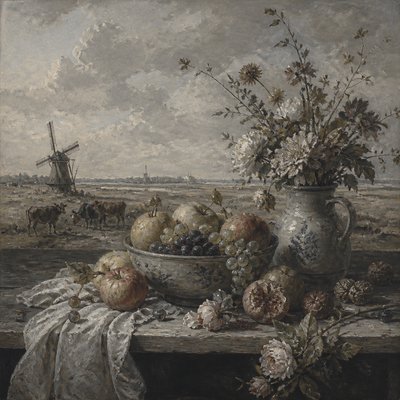
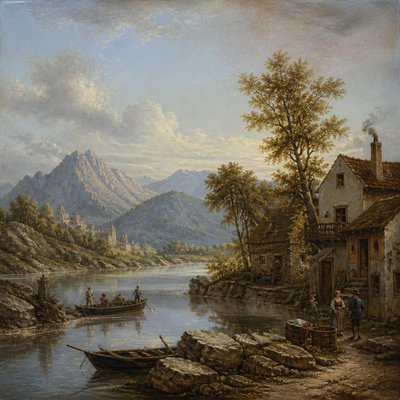
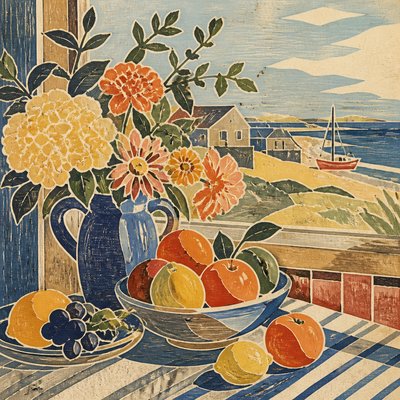
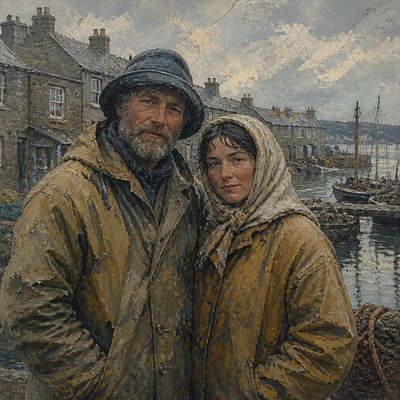
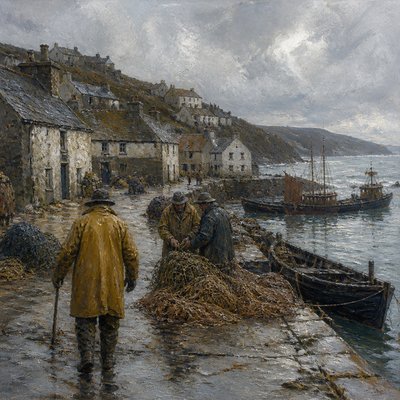
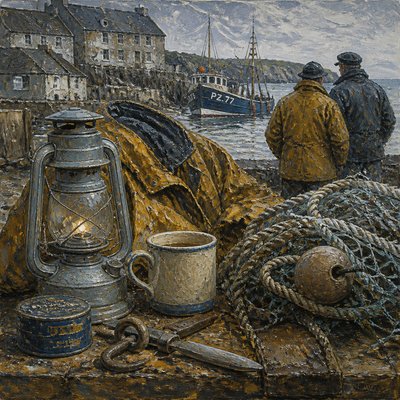
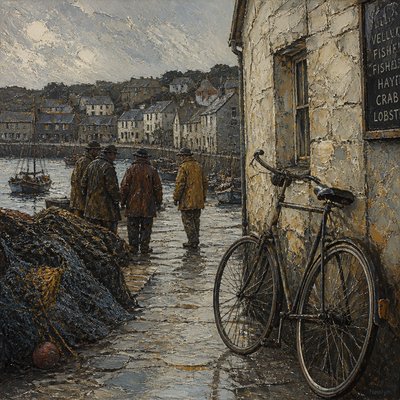
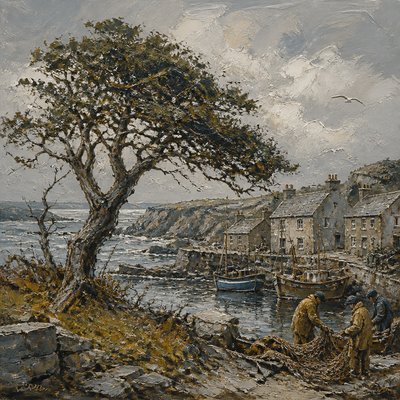
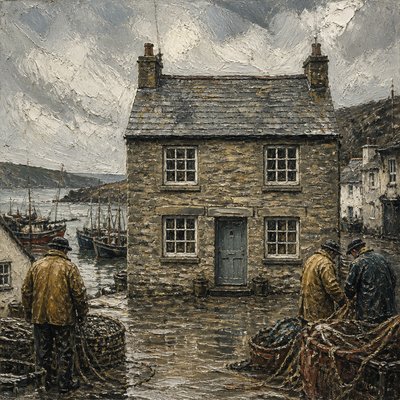
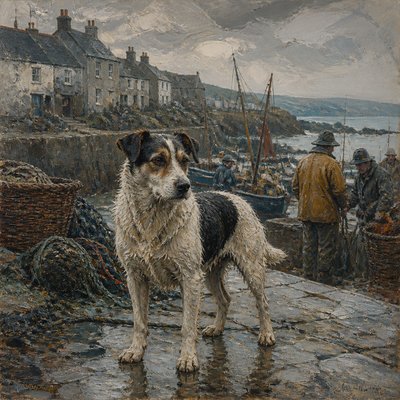
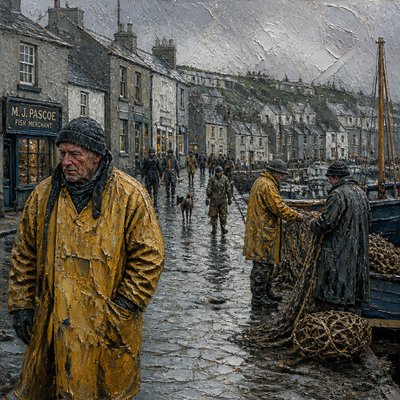
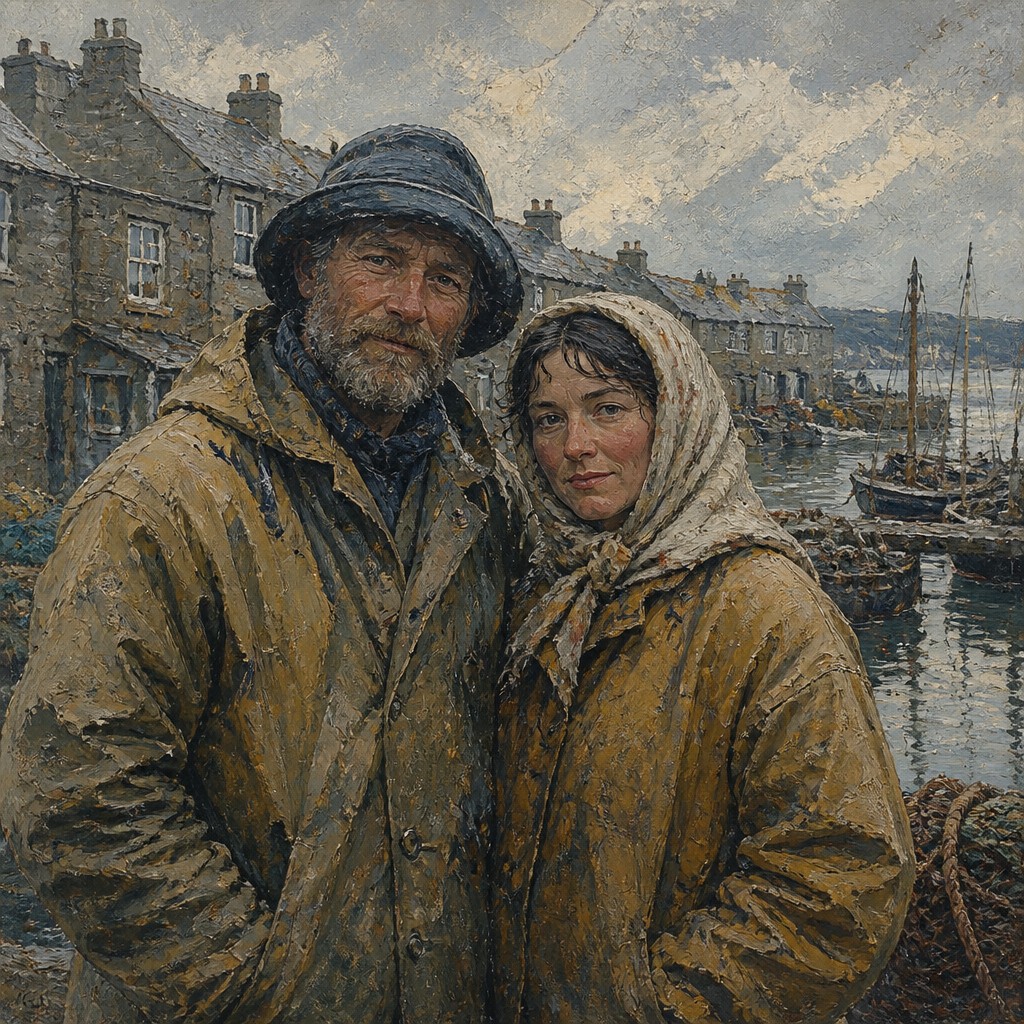
Newlyn art is a late-19th- and early-20th-century Cornish school of plein-air realism centered on the fishing village of Newlyn and nearby coastal communities. Its subjects include working fisherfolk, boats, nets, cottages, markets, shorelines, and domestic life shaped by the sea. The style combines close observation with atmospheric, often muted color and a strong feeling for weather, labor, and place.
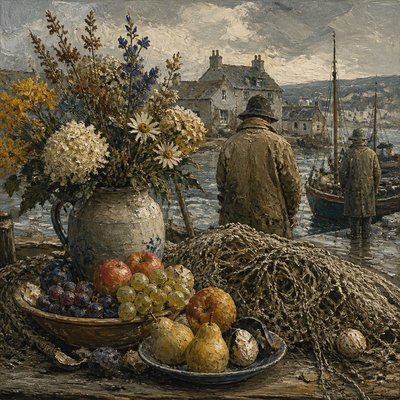
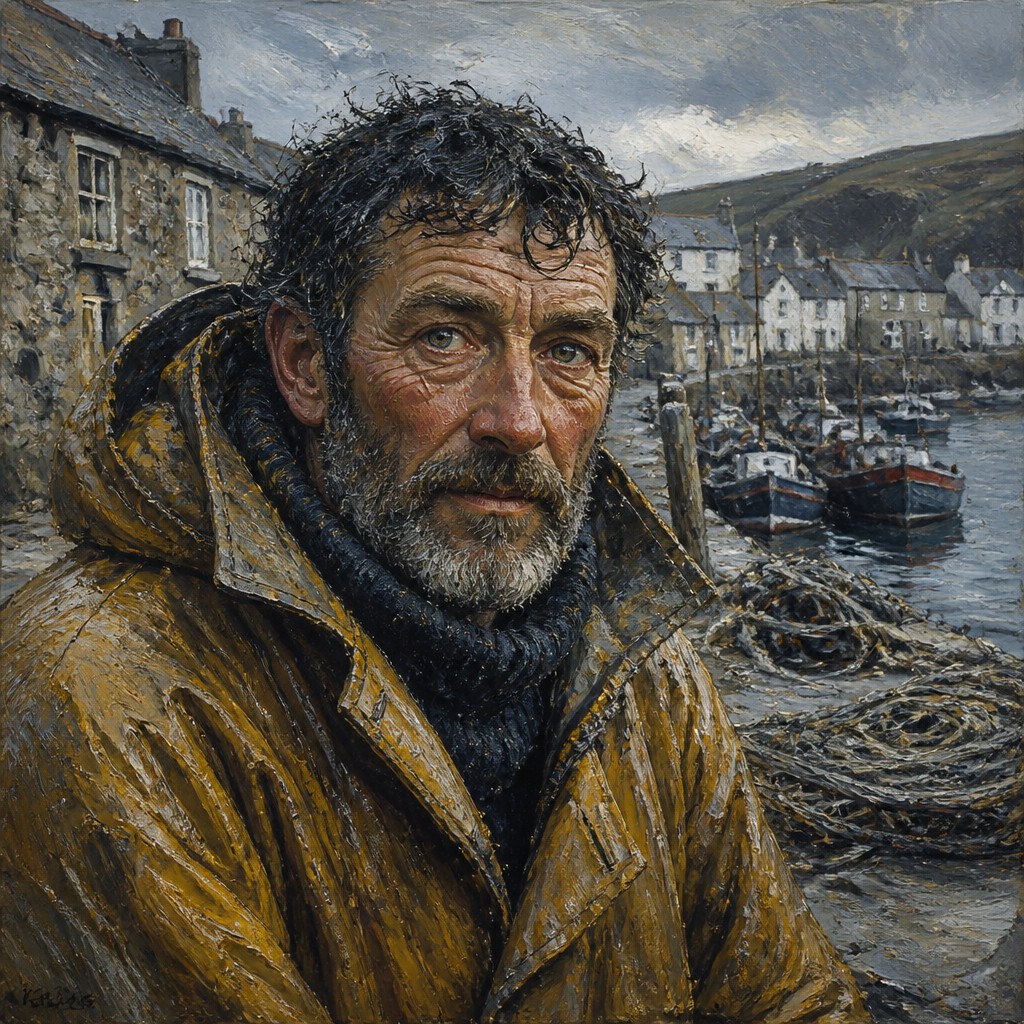
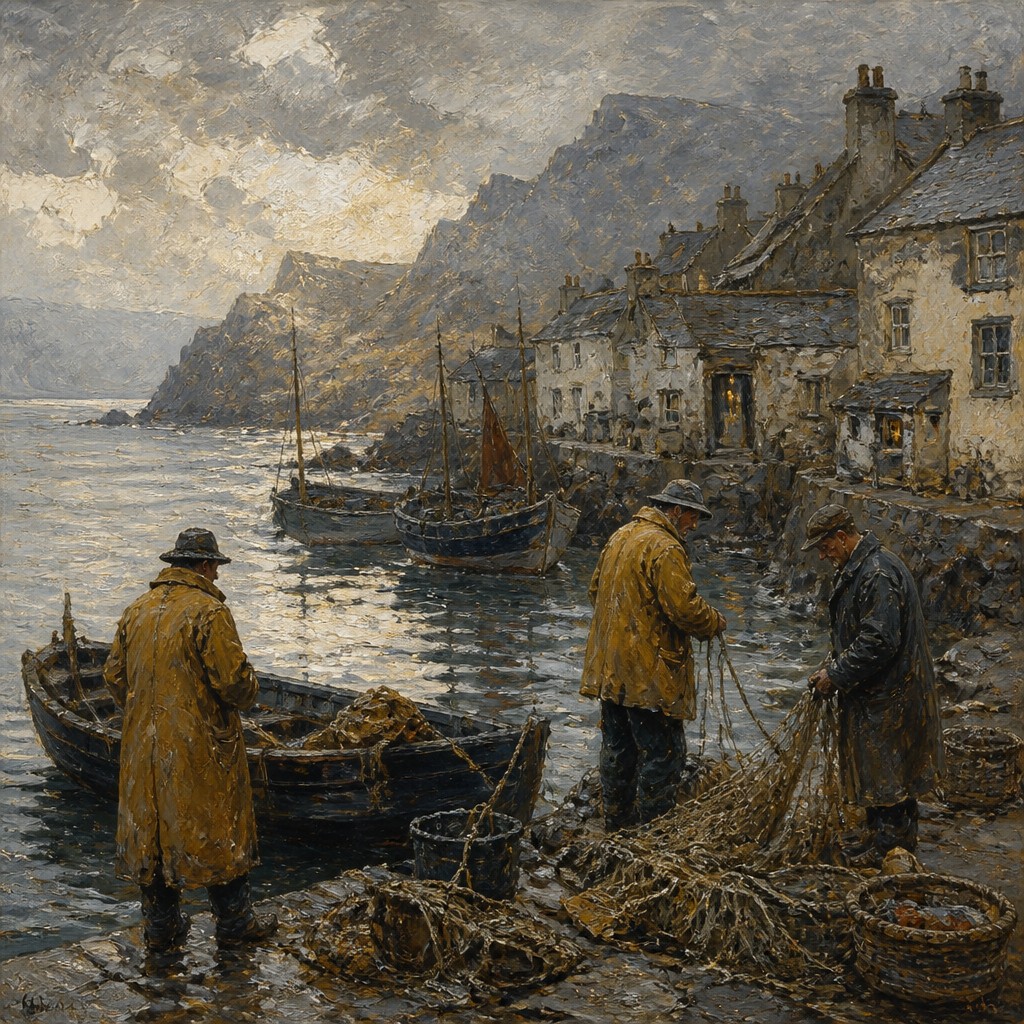
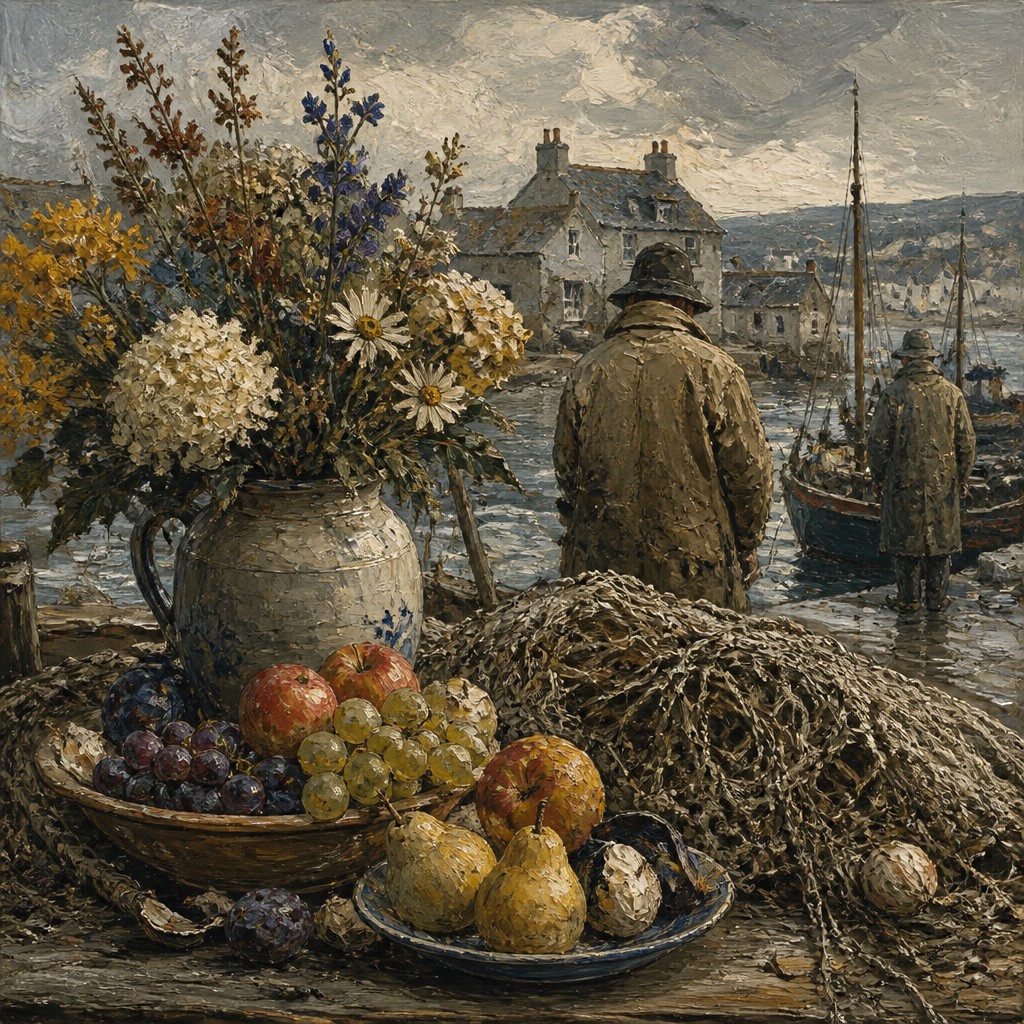
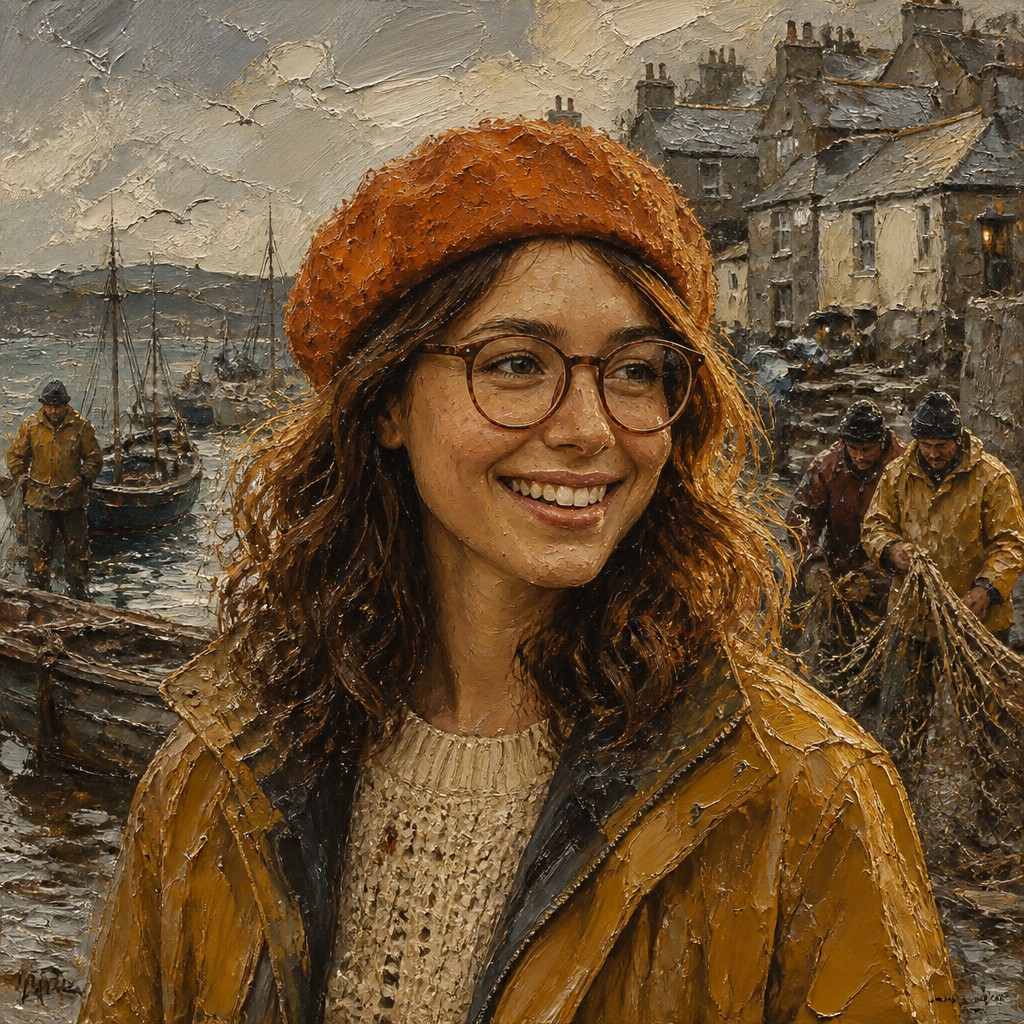
Its visual identity rests on damp harbor light, overcast skies, weathered surfaces, and broadly handled oil paint. Figures are commonly shown in practical clothing rather than idealized costume, while granite buildings, rough water, tangled nets, and fishing vessels are treated as integral parts of the composition. The resulting images feel grounded and tactile, balancing documentary realism with the poetic effects of changing coastal weather.
Try It On Your Photos
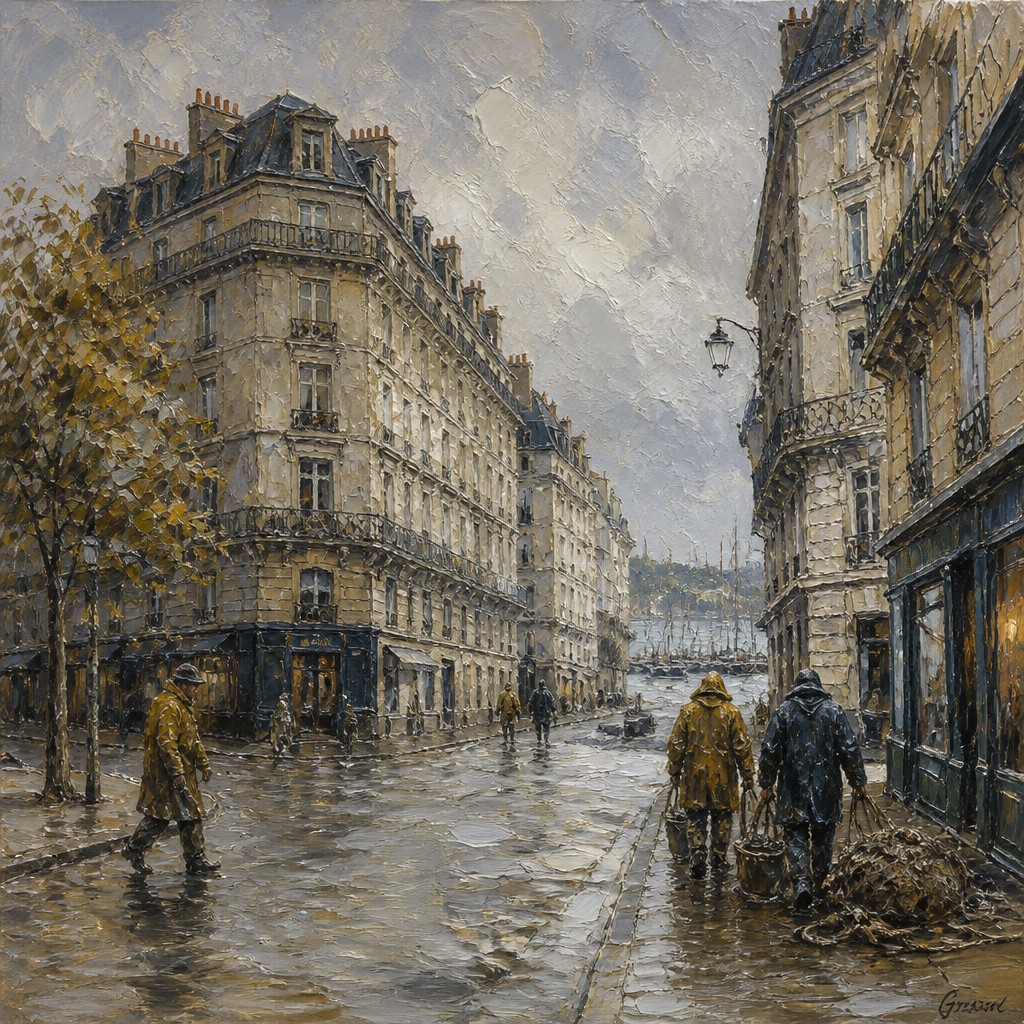
Upload any photo and convert it into Newlyn Art Style — drag the sliders to compare before and after.


What Defines Newlyn Art Style
The signature details, up close
Silvery coastal light
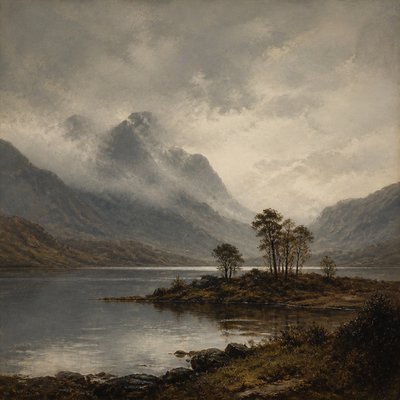
Overcast skies, mist, reflected water, and damp air produce cool grey-blue light with restrained contrasts. Warm ochres and muted earth colors often appear in clothing, boats, stone, and illuminated surfaces.
Plein-air observation
Scenes are structured around direct study of weather, tide, distance, and changing daylight. Brushwork remains responsive to the conditions outdoors rather than enforcing a highly polished studio finish.
Fisherfolk and working life
The human subject is usually a laborer, sailor, market worker, or member of a coastal household. Figures are presented with dignity and specificity, emphasizing work, waiting, carrying, mending, and communal routines.
Loose realist brushwork
Broad strokes and visible paint preserve the immediacy of the scene while retaining recognizable forms. Thick impasto can heighten the texture of waves, wool, oilskins, nets, and rough masonry.
Harbor vocabulary
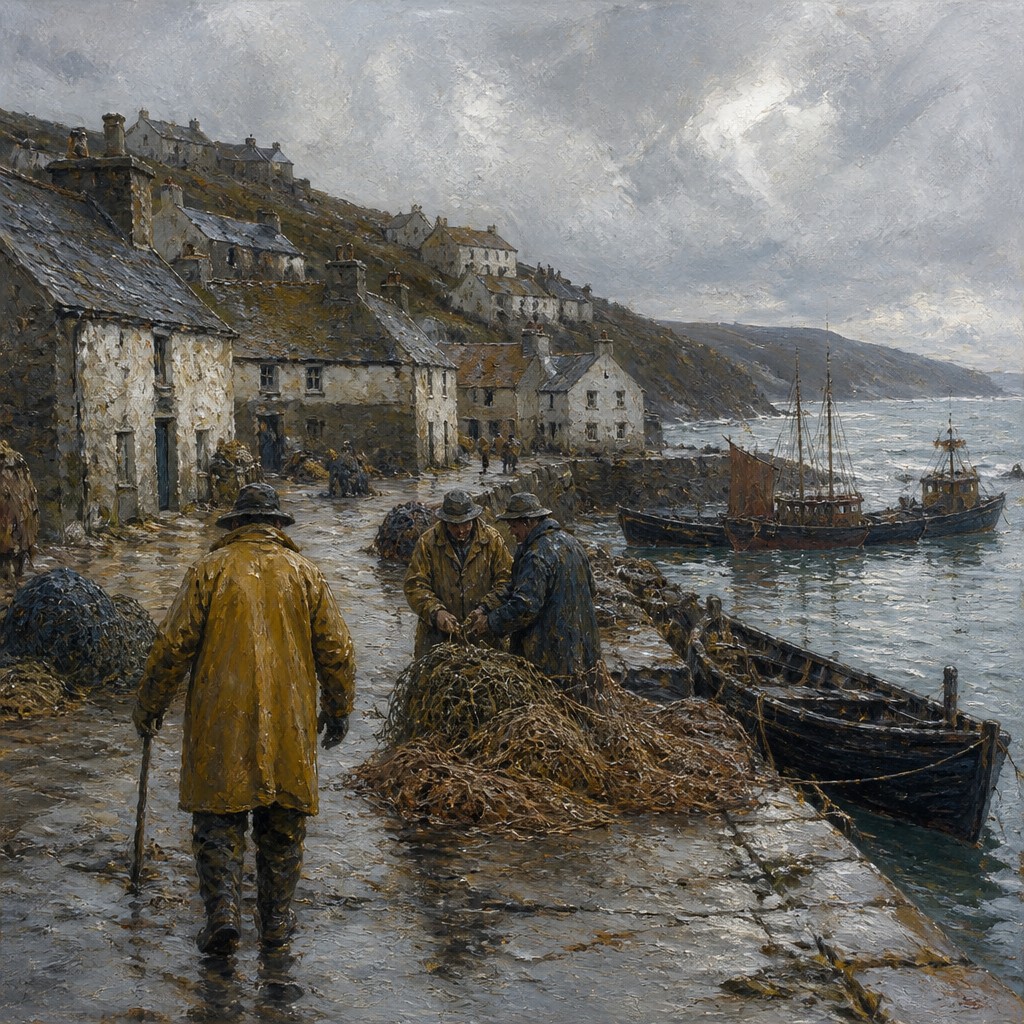
Fishing boats, coiled ropes, drying nets, wooden posts, stone quays, and small sheds establish the setting. These details function as structural elements as well as signs of a maritime economy.
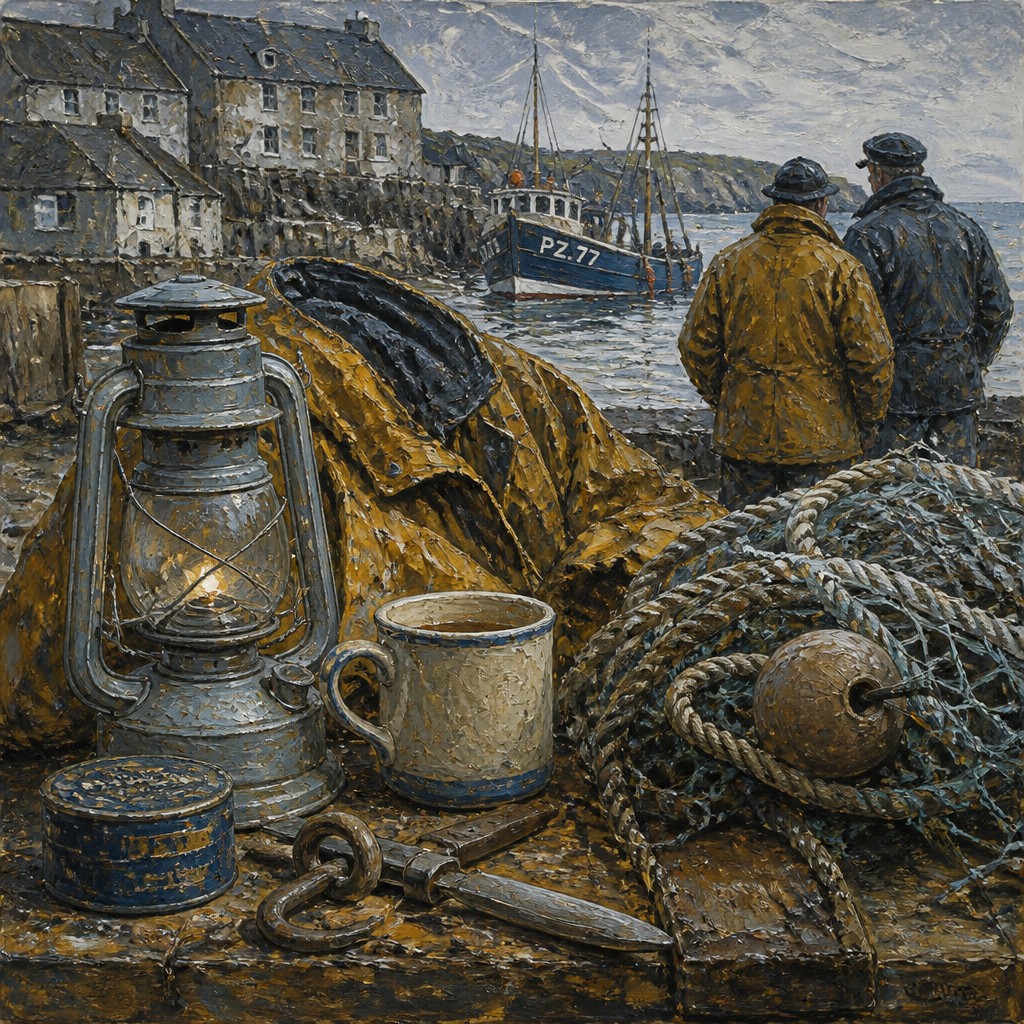
Weathered architecture
Granite cottages and harbor buildings are rendered as sturdy, irregular forms softened by rain, lichen, shadow, and salt air. Their compact silhouettes often create a sheltered counterpoint to open water and sky.
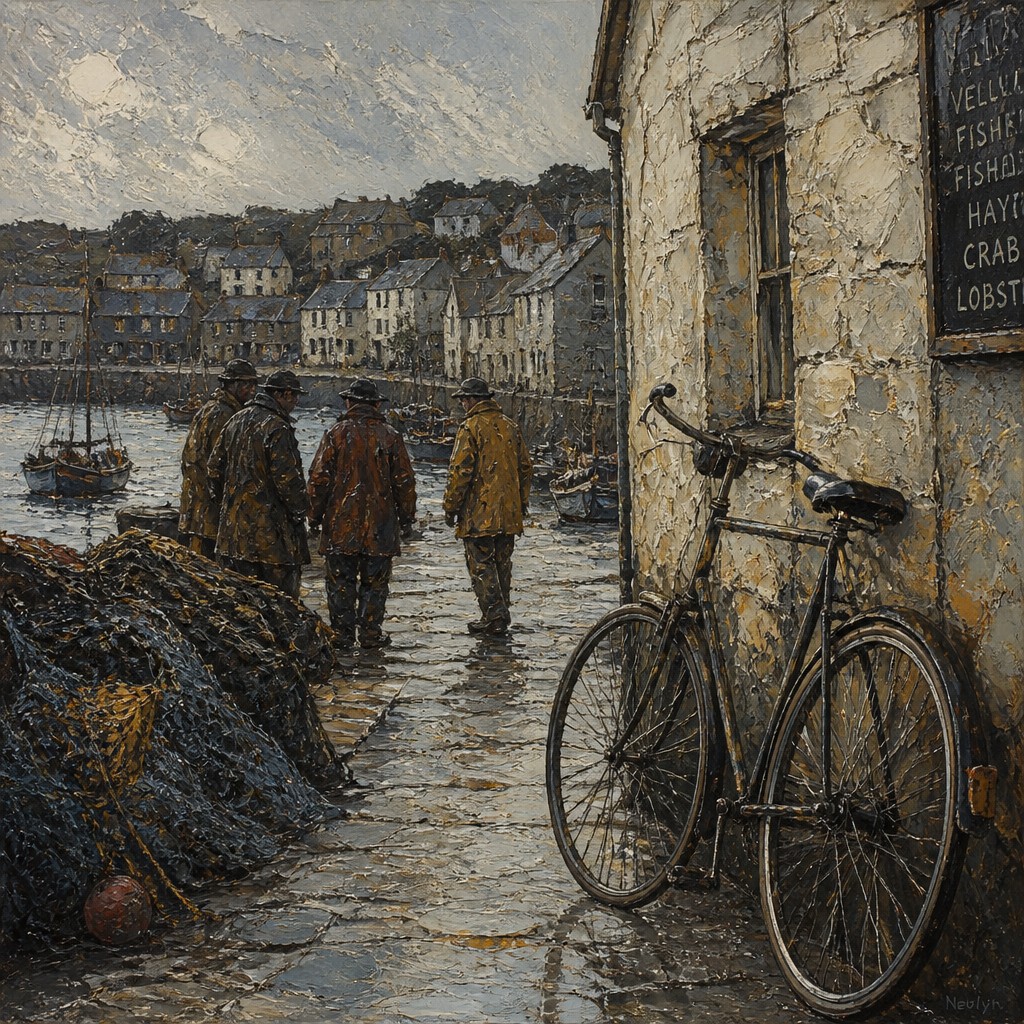
Muted, earthy palette
Grey, slate blue, olive, umber, cream, and ochre dominate, with occasional subdued reds or deep maritime greens. Saturation is generally controlled so that atmosphere and surface texture remain prominent.
Newlyn Prompt Ideas
Start from an idea — each one opens the generator with the style ready to go. See all 40 Newlyn prompts →
How to Create Newlyn Art
Master the craft step by step — or skip straight to creating. Read the full guide →
- 1
Begin with a coastal value study
Block in the largest shapes of sky, water, harbor, and buildings before adding figures or equipment. Establish the cool overall value range first, then reserve warmer notes for faces, clothing, wood, and sun-struck surfaces.
- 2
Paint the weather, not just the objects
Use softened edges, veiled distance, and overlapping grey-blue passages to suggest mist, drizzle, and reflected light. Keep sharper accents for nearby nets, hands, boat hardware, and masonry.
- 3
Use directional impasto
Apply thicker oil or digital-textured marks that follow the form: horizontal strokes for water, broken verticals for cottages, and irregular marks for granite and nets. Avoid covering every area equally; varied surface activity creates depth.
- 4
Pose figures naturally
Choose practical gestures such as hauling, mending, carrying, or standing against the wind. Heavy coats, boots, scarves, and work-worn posture should support the sense of lived coastal labor rather than read as theatrical costume.
- 5
Build the scene digitally
For digital painting, use a textured opaque brush over a subdued underpainting, preserving visible strokes and slightly softened contours. Layer atmospheric glaze effects sparingly so the image retains the directness of an outdoor oil study.
- 6
Write a specific generation prompt
Describe the subject, Cornish harbor setting, overcast light, fisherfolk clothing, muted grey-blue and ochre palette, loose realist brushwork, and tactile paint surface. Specify composition and weather as well as objects, since atmosphere is central to the look.
The Story
History & Origins of Newlyn
The Newlyn School developed in the 1880s as painters from Britain and elsewhere settled in West Cornwall, attracted by its distinctive light, fishing economy, affordable living, and relatively unspoiled rural communities. The group was part of a wider movement toward painting outdoors and depicting contemporary working life, rather than relying exclusively on studio subjects, academic history painting, or picturesque fantasy.
Newlyn painting drew on French naturalism and the Barbizon tradition while adapting those approaches to Cornish harbors and villages. It flourished through the late Victorian and Edwardian periods, with artists exhibiting, teaching, and working in the region. Although the school was not a single uniform technique, its reputation rests on plein-air observation, social subject matter, tonal atmosphere, and sympathetic attention to coastal life.
Influences: Newlyn art belongs to the wider naturalist and plein-air traditions that developed across Europe in the nineteenth century, especially the Barbizon approach to landscape, French naturalism, and British interest in contemporary rural and industrial life. It also relates to tonal realism, maritime painting, social observation, and later British modernist responses to coastal landscape. Its distinctiveness comes from applying these currents to the labor, architecture, weather, and light of West Cornwall.
Frequently Asked Questions
What defines the Newlyn art style?
It is defined by plein-air realism focused on West Cornwall, especially fisherfolk, harbor activity, cottages, boats, and nets. Cool atmospheric light, muted earthy color, visible brushwork, and an empathetic portrayal of working life are central features.
When did the Newlyn School develop?
The Newlyn School emerged in the 1880s and remained influential through the late nineteenth and early twentieth centuries. It grew from an artist community in and around Newlyn, where painters worked directly from coastal and village life.
Is Newlyn art the same as Impressionism?
No. Newlyn artists shared Impressionism's interest in outdoor observation and changing light, but the school generally retained a more grounded naturalism and stronger emphasis on narrative, labor, and recognizable local subjects. Its brushwork and color could vary considerably from painter to painter.
What colors are typical of Newlyn painting?
Common colors include slate blue, blue-grey, grey-green, umber, ochre, cream, and subdued maritime reds. The palette is usually softened by cloud, mist, and reflected light rather than dominated by bright, unmixed color.
How can I make a painting look authentically Newlyn-inspired?
Choose a specific coastal activity and observe how weather affects the scene. Use a limited palette, establish atmospheric values first, paint figures in practical clothing and gestures, and keep selected brushstrokes visible instead of smoothing every surface.
Where is this style most useful today?
It suits paintings and digital images of harbors, fishing communities, maritime heritage, rural labor, and quiet coastal narratives. It is also effective for editorial illustration, historical settings, landscape studies, and portraits that need a strong sense of place.
Create your first Newlyn artwork
Describe anything — or upload a photo — and see it in Newlyn Art Style in seconds.
Related Styles
Discover similar art styles