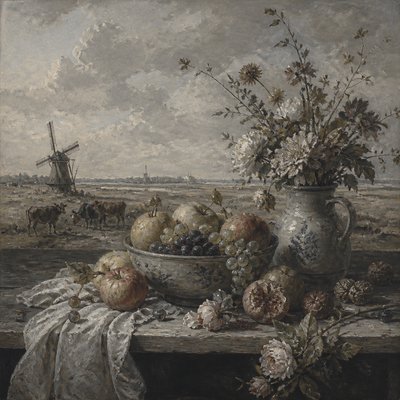
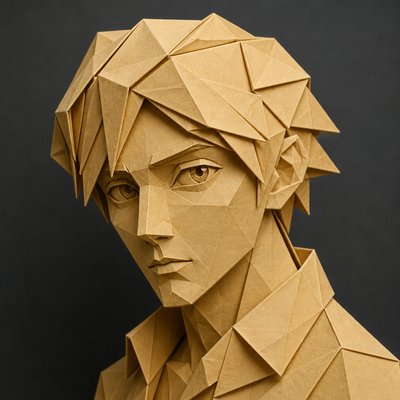
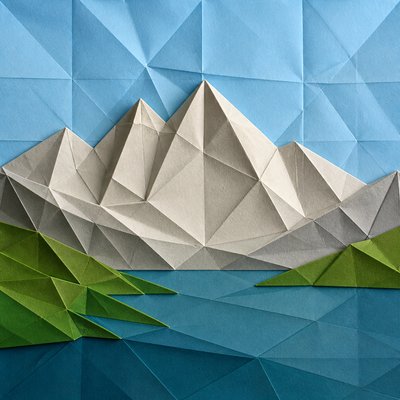
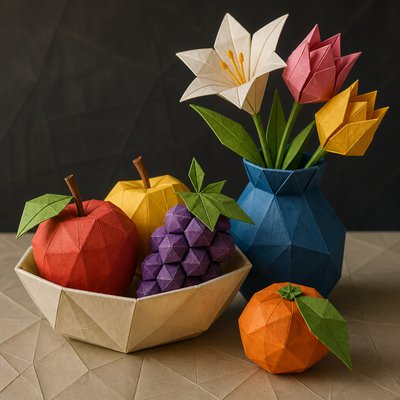
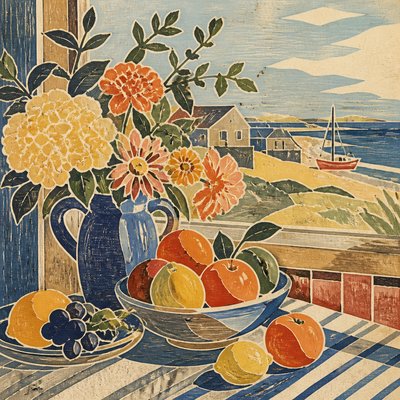
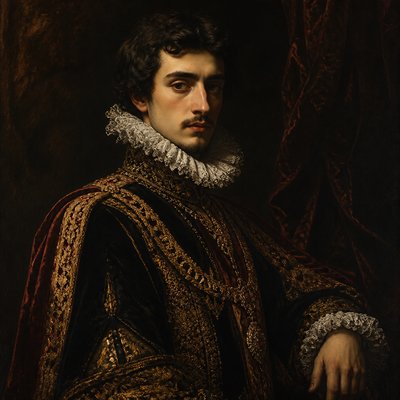
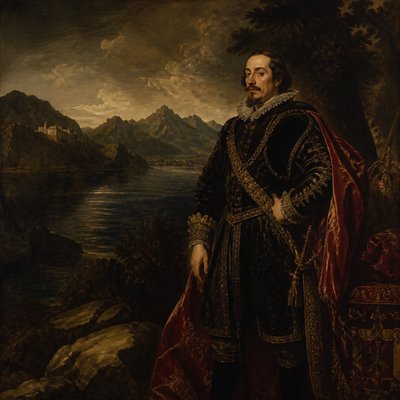
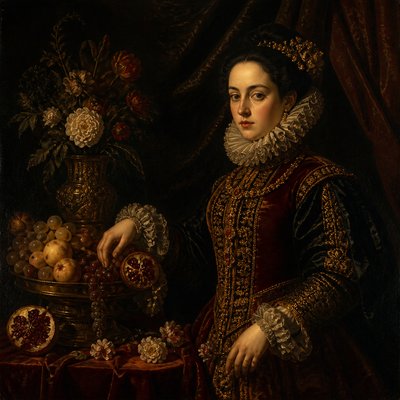
Transavanguardia Art Style
Explore Transavanguardia: late-20th-century Italian painting defined by mythic imagery, hot color, gestural brushwork, and a return to expressive figuration.
Instantly rendered in Transavanguardia — or transform a photo
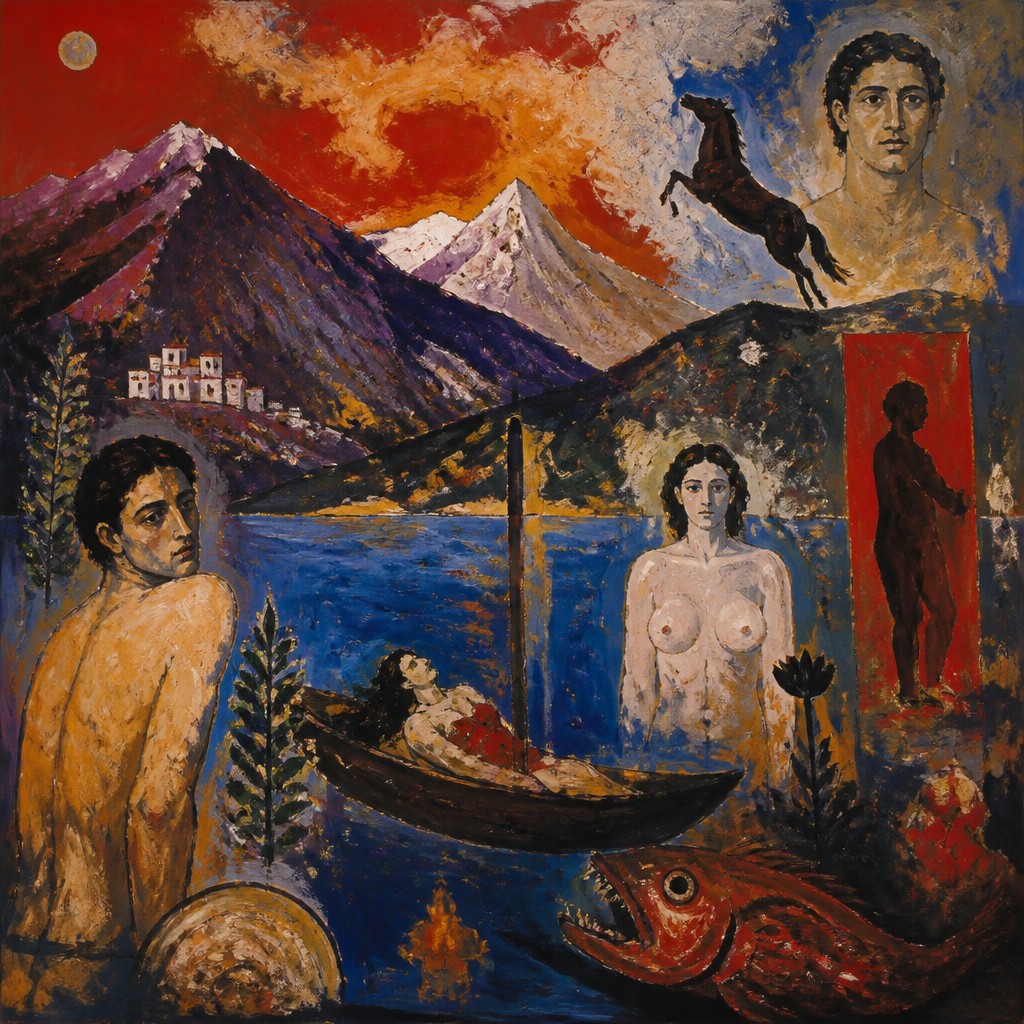
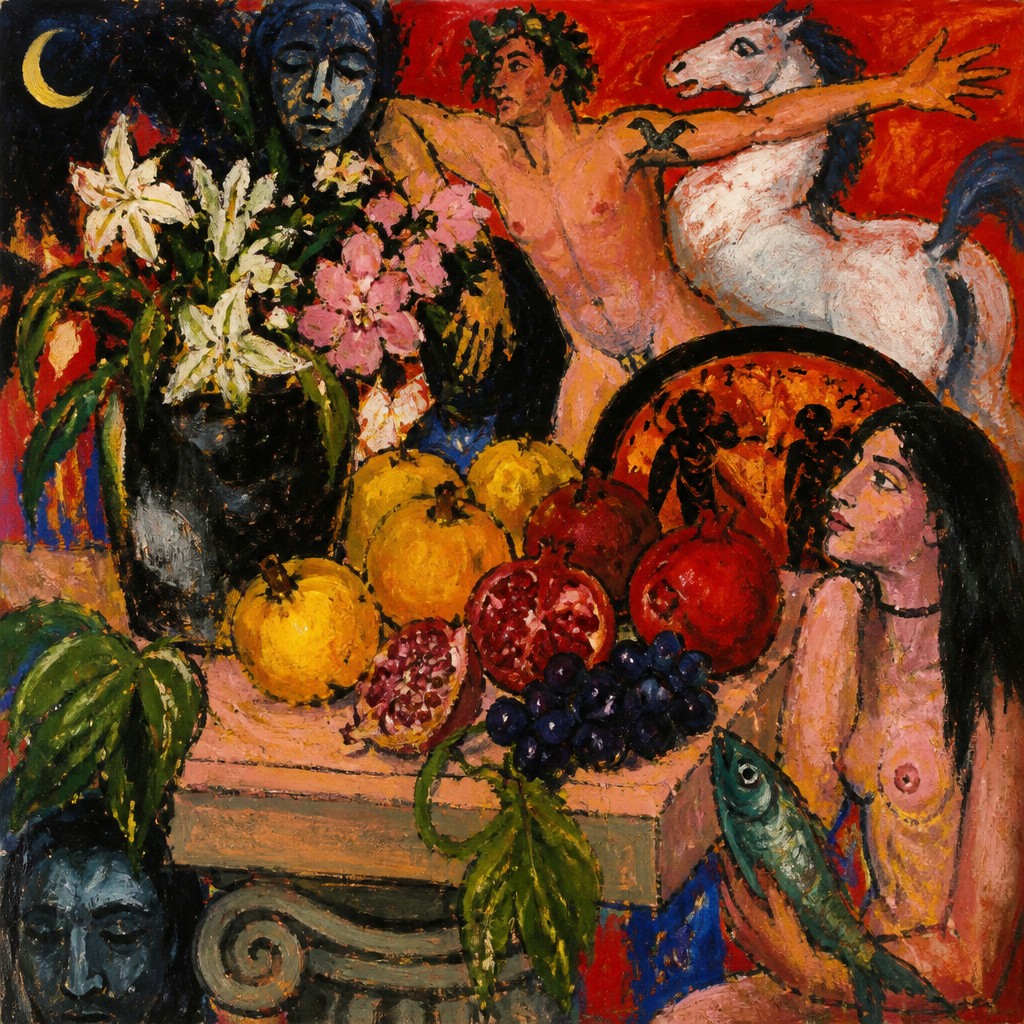
Transavanguardia Gallery
Tap any artwork to explore it
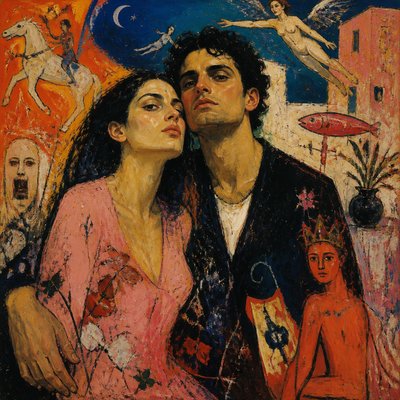
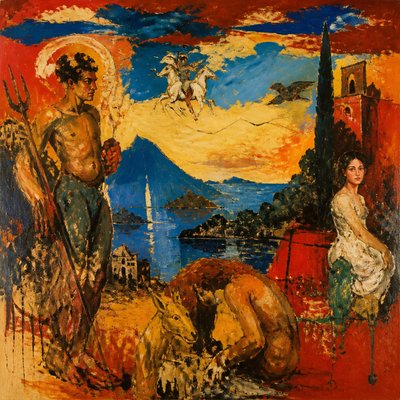
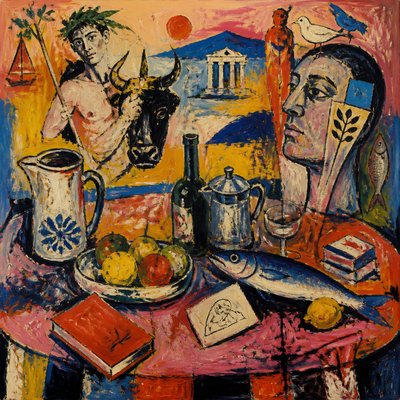
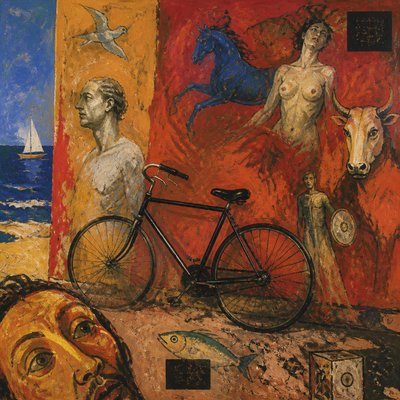
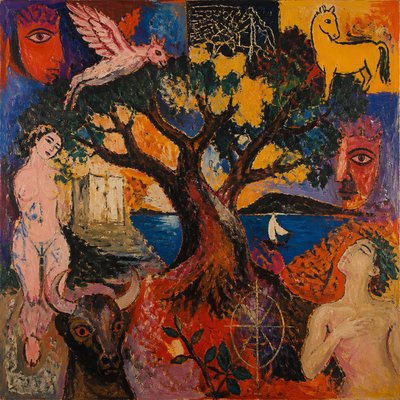
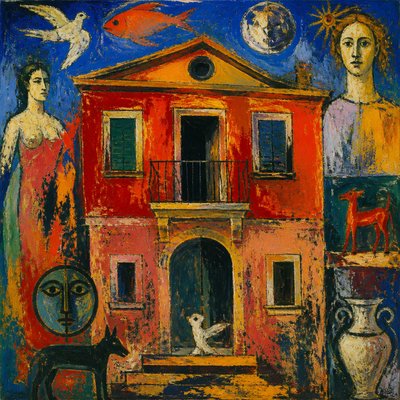
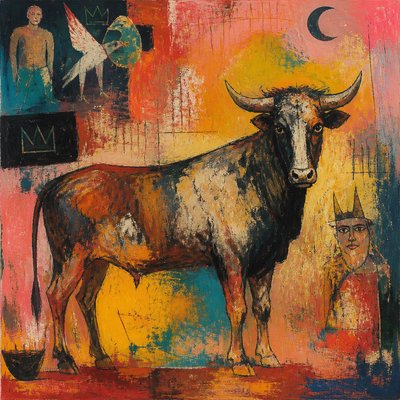
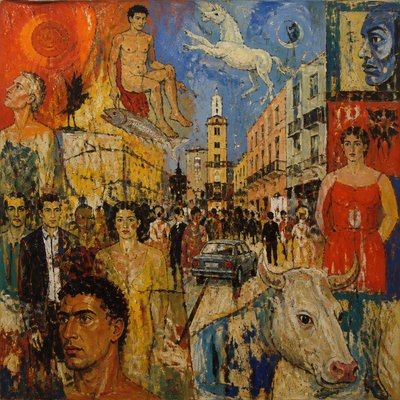
What is Transavanguardia Art Style?
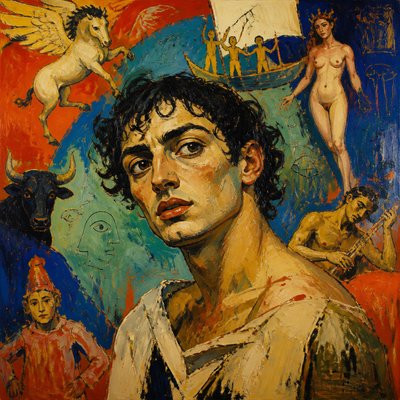
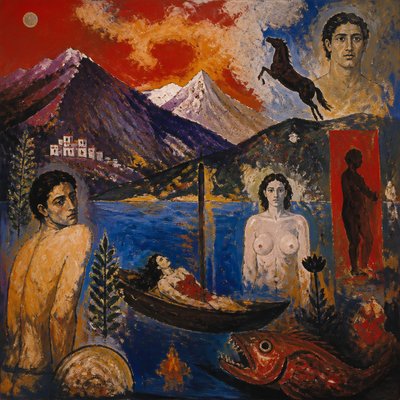
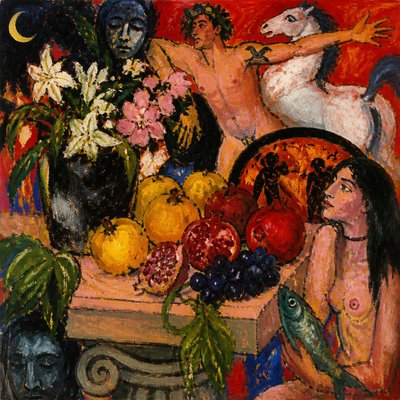
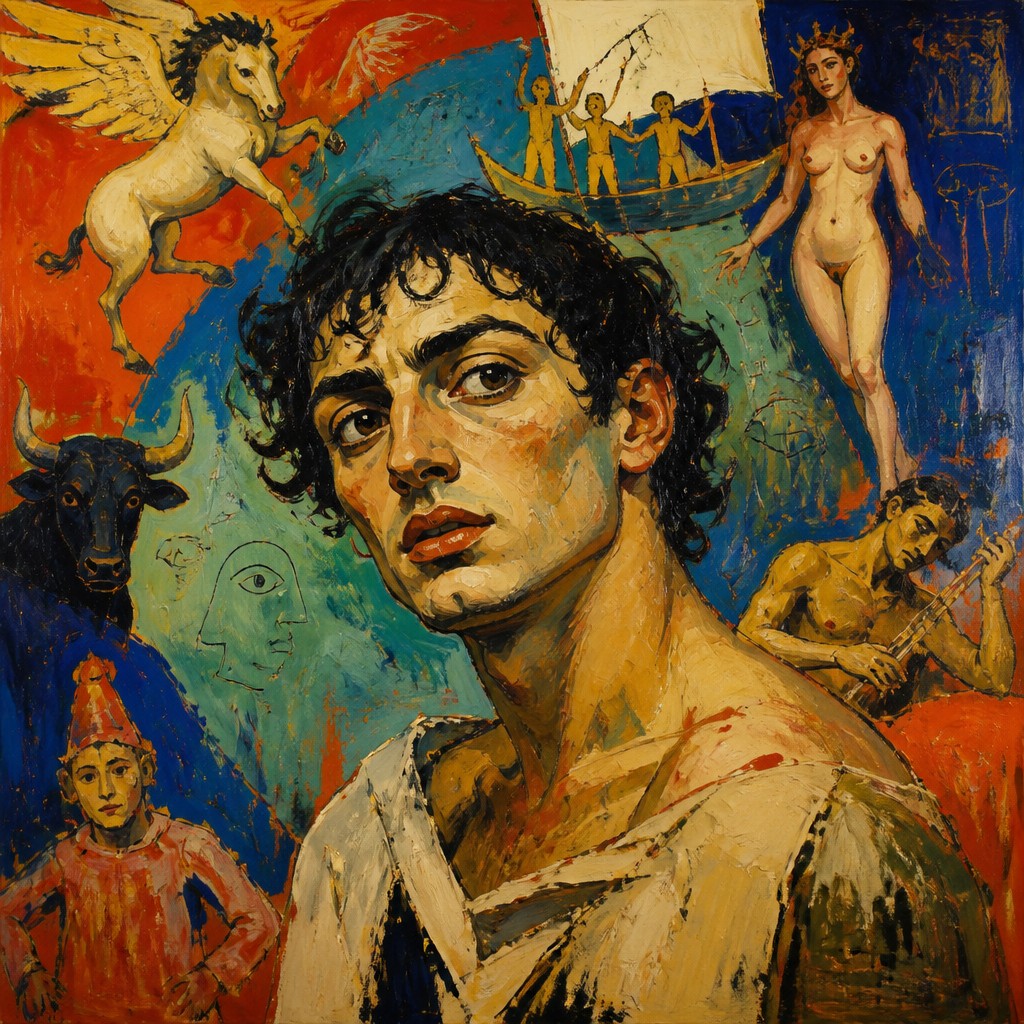
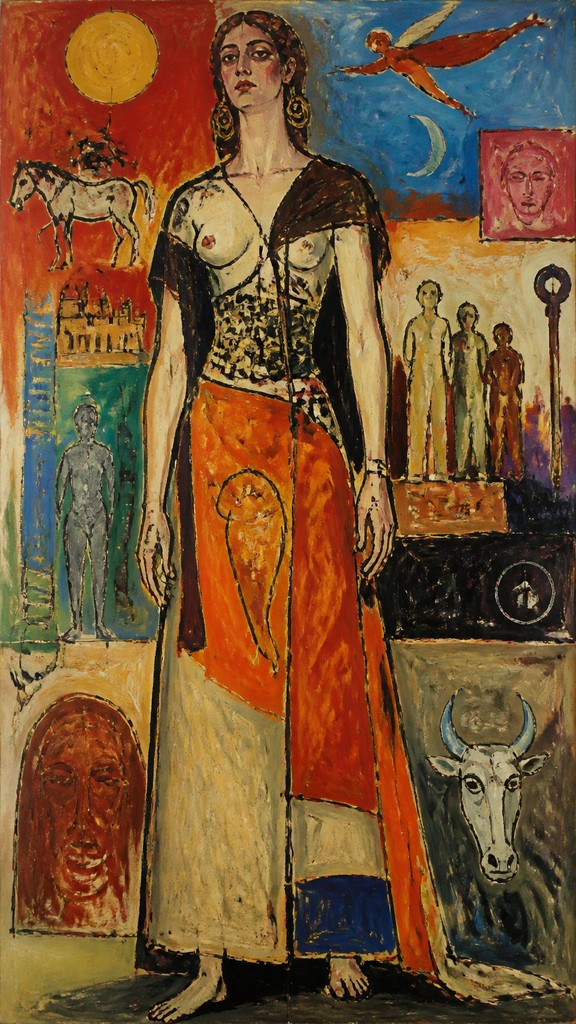
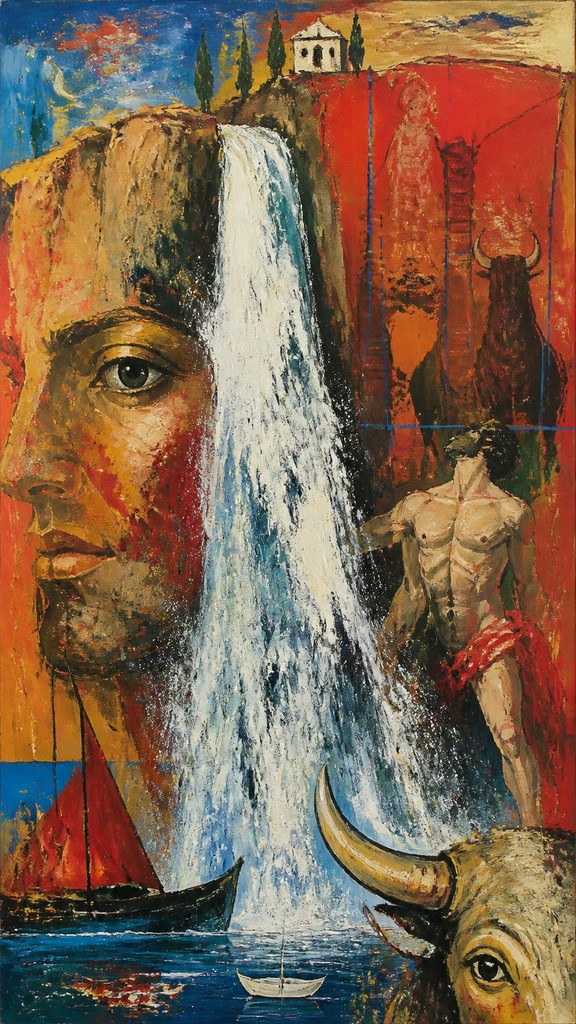
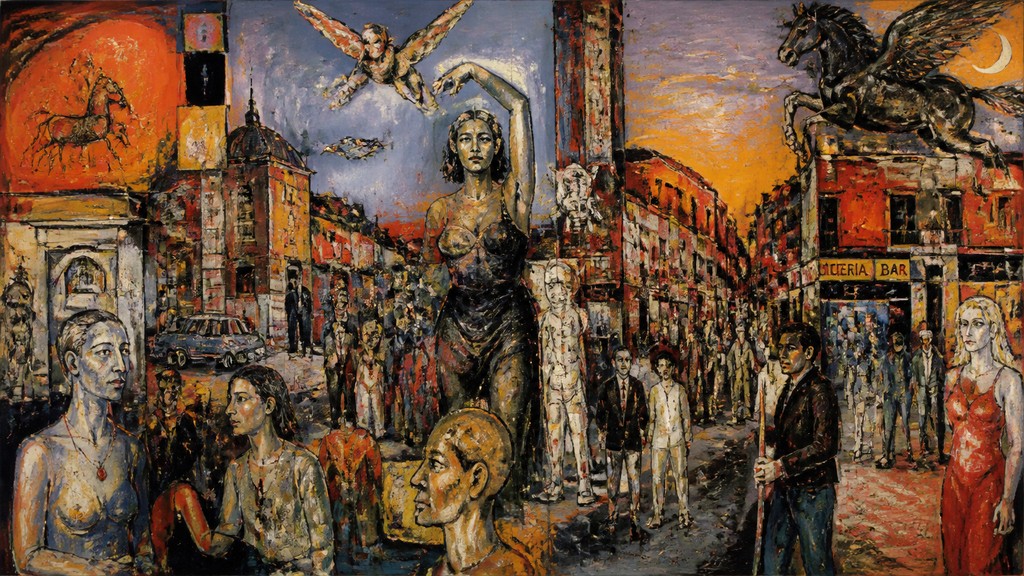
Transavanguardia is an Italian postmodern painting movement that emerged in the late 1970s as a forceful return to image-making, expressive brushwork, and personal symbolism. Its subjects often include fragmented human figures, mythic beings, animals, landscapes, and dreamlike objects arranged in unstable or ambiguous spaces.
The style is recognized by hot Mediterranean color, abrupt chromatic clashes, deliberately rough drawing, and loose, energetic paint handling. Rather than pursuing a single visual system, Transavanguardia moves freely among archaic, classical, popular, and contemporary imagery, giving its paintings a primal, poetic, and psychologically charged quality.
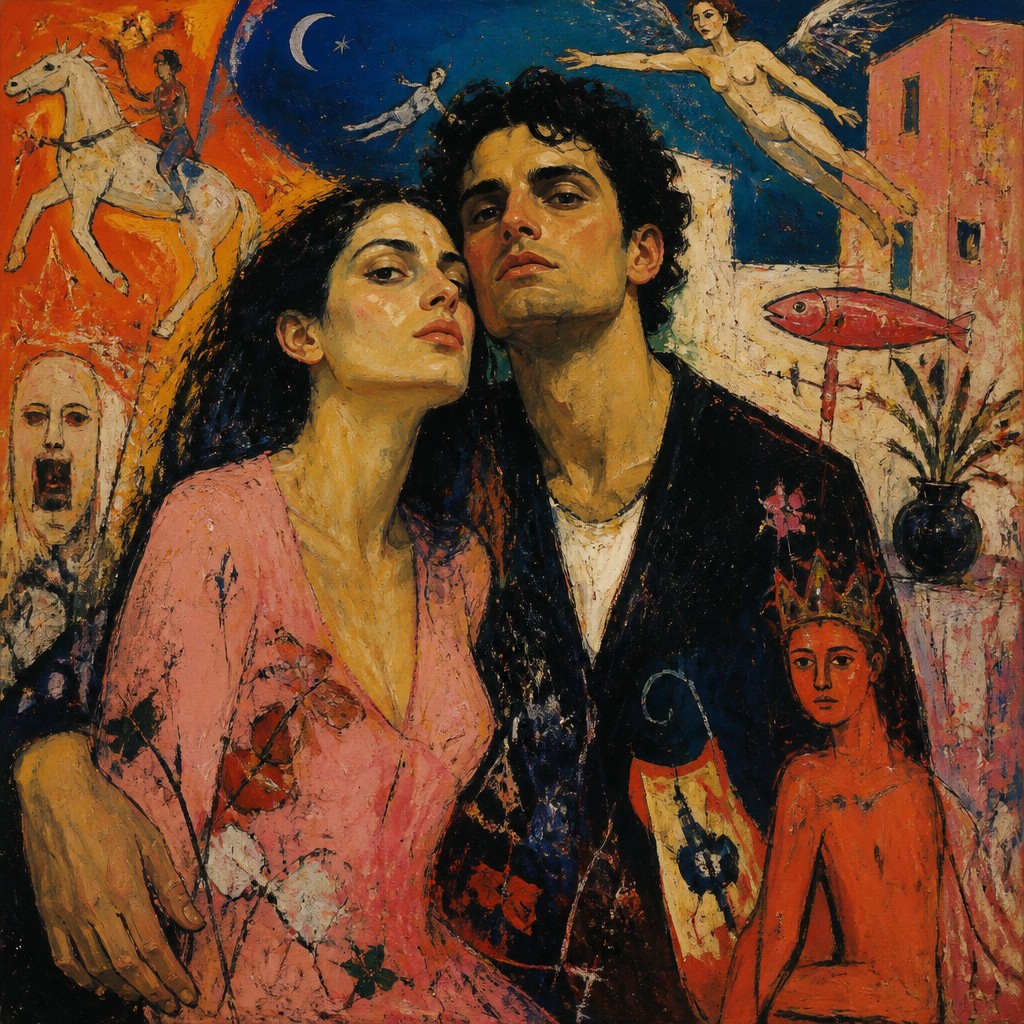
Try It On Your Photos
Upload any photo and convert it into Transavanguardia Art Style — drag the sliders to compare before and after.
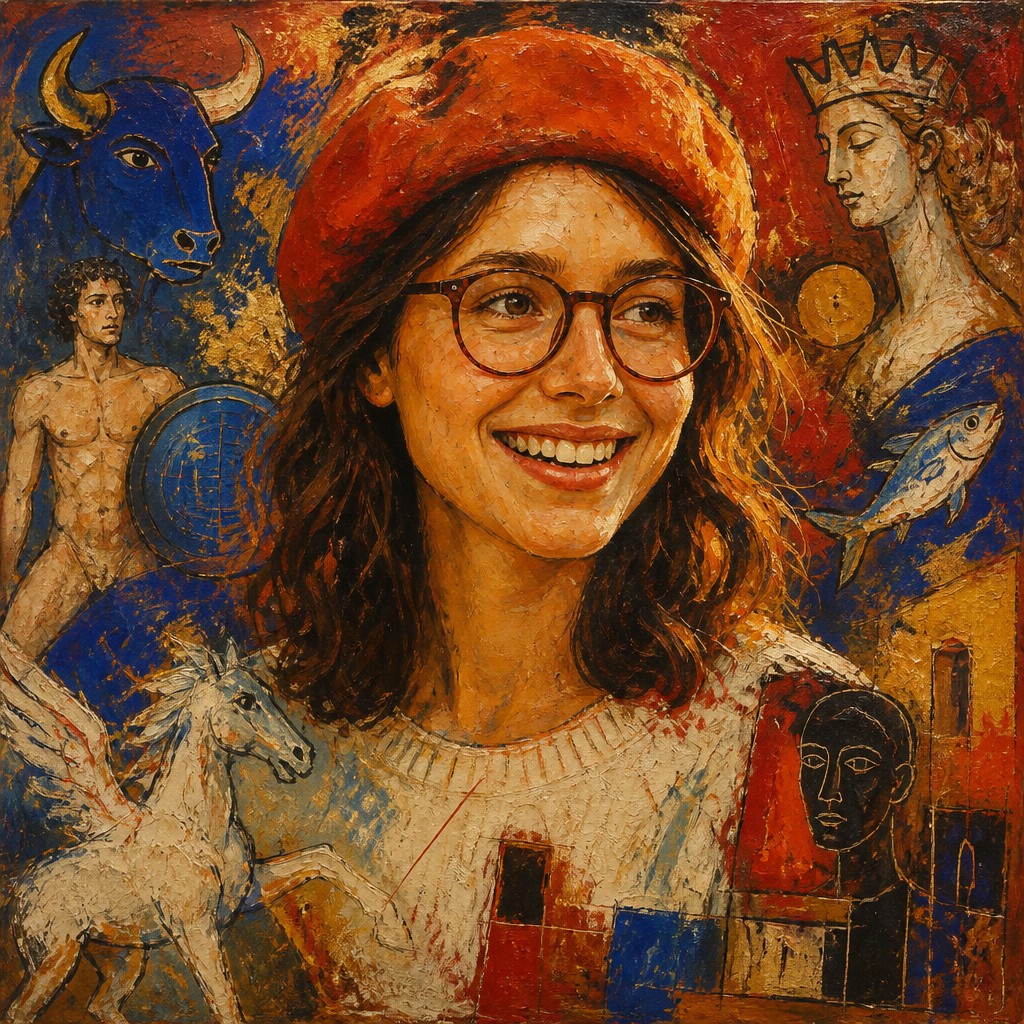

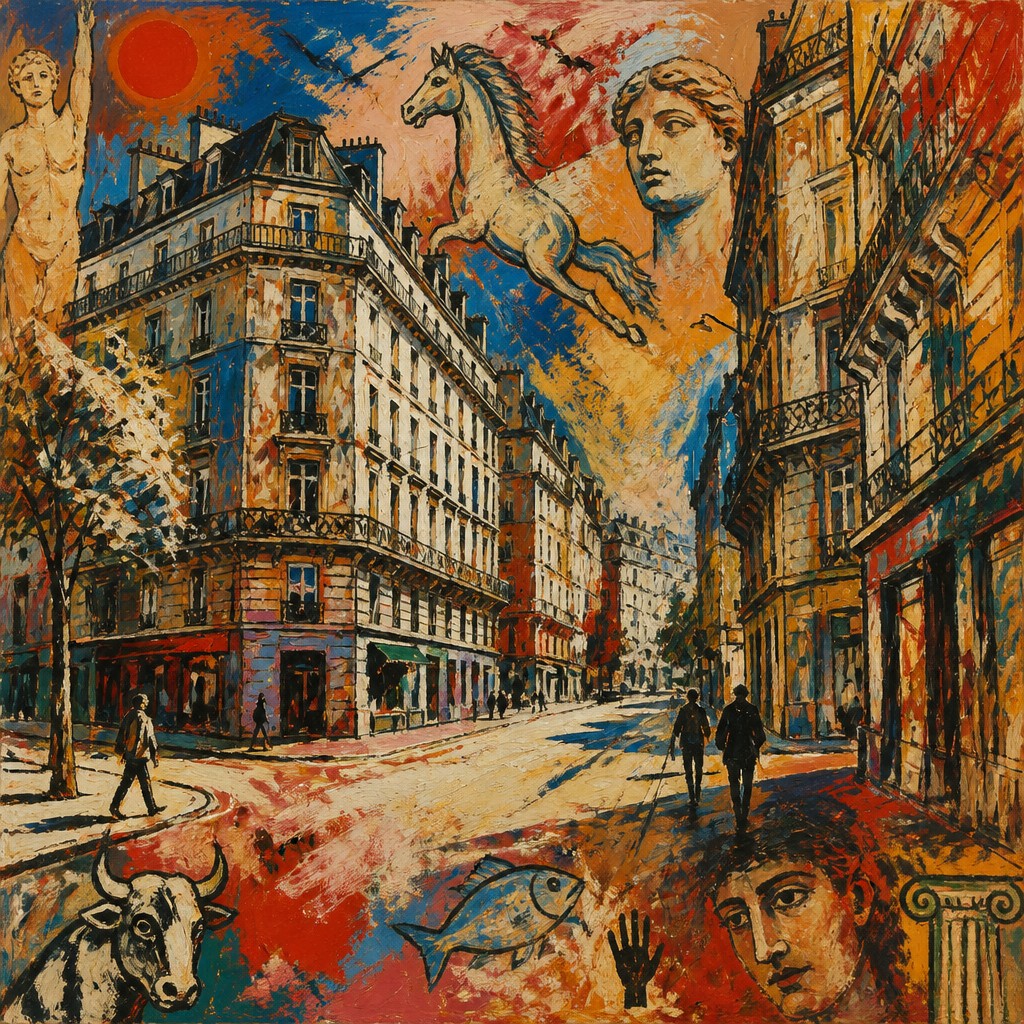

What Defines Transavanguardia Art Style
The signature details, up close
Mythic and symbolic imagery
Figures from mythology, religion, dreams, folklore, and imagined antiquity appear as carriers of psychological or poetic meaning. Symbols are often suggestive rather than explained through a fixed narrative.
Hot Mediterranean color
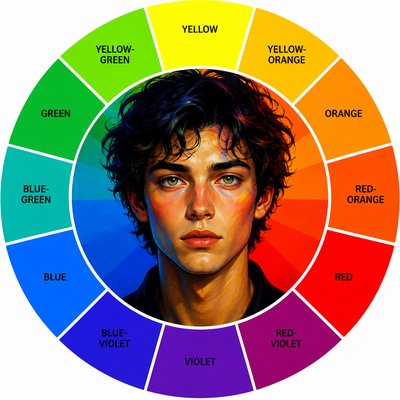
Saturated reds, oranges, yellows, cobalt blues, turquoise, violet, and acid greens create heat and visual friction. Complementary colors may collide without being softened into naturalistic harmony.
Loose gestural paint handling
Visible brushstrokes, scraped passages, uneven contours, and abrupt shifts in opacity emphasize the act of painting. Surface energy takes precedence over polished finish.
Fragmented figuration
Human and animal forms may be distorted, partially obscured, cropped, or assembled from simplified shapes. Anatomy remains recognizable enough to support expression while resisting academic realism.
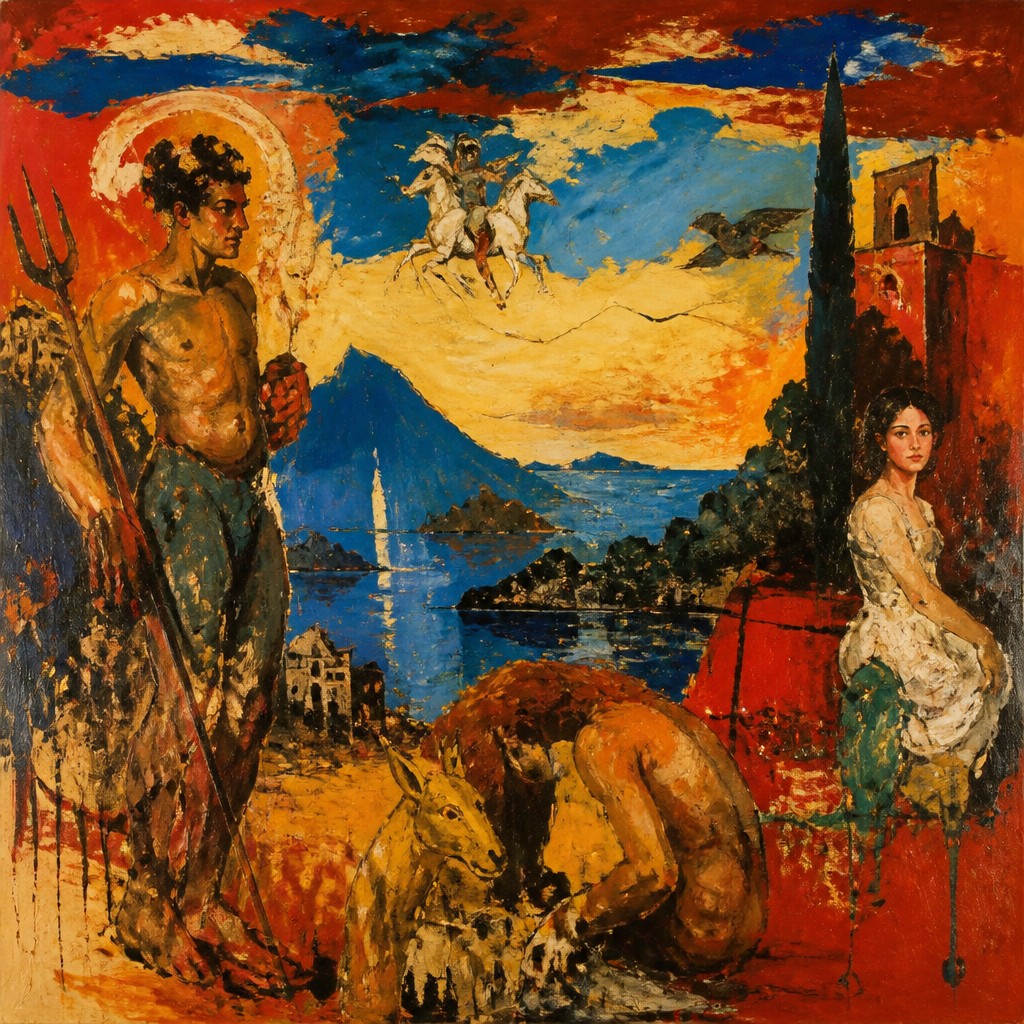
Ambiguous pictorial space
Figures float against shallow, fractured, or indeterminate backgrounds rather than occupying a consistent naturalistic setting. Perspective can bend, collapse, or change from one area of the image to another.
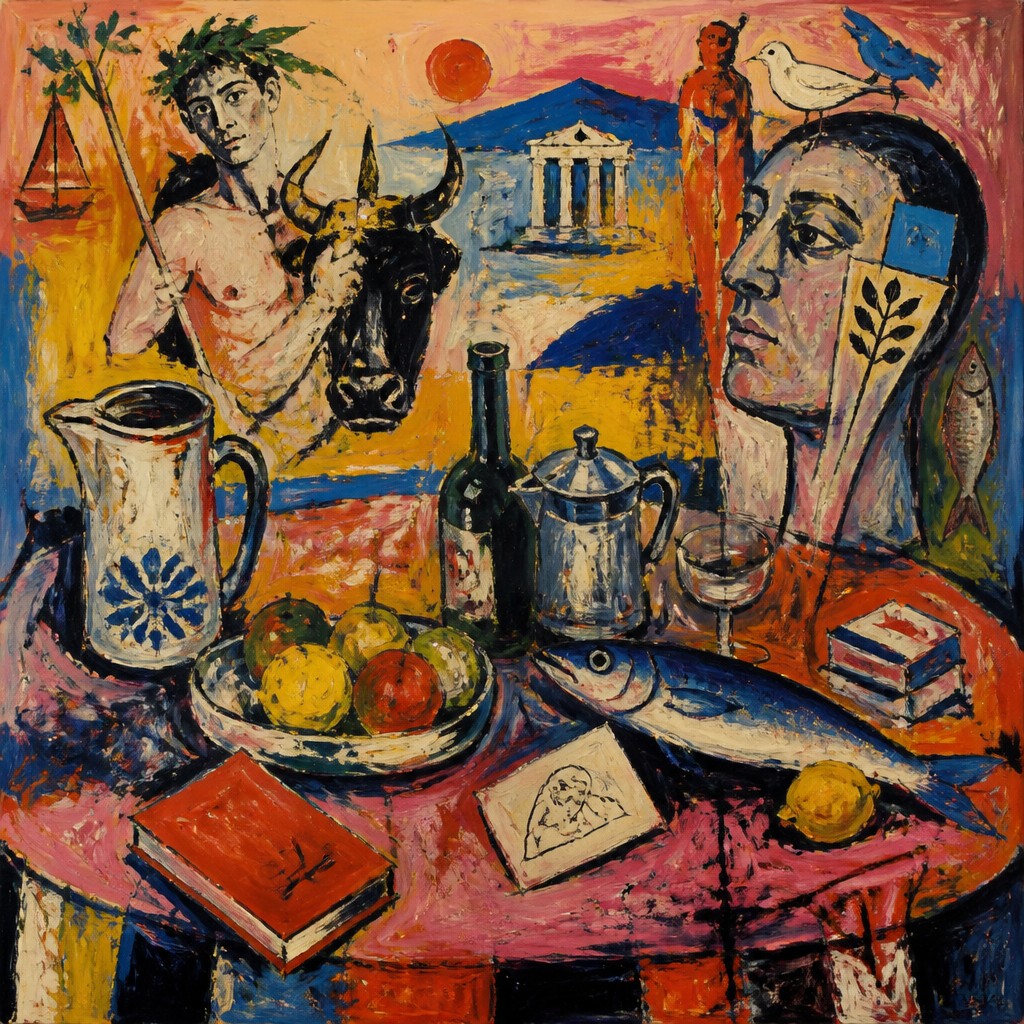
Eclectic historical references
Classical sculpture, archaic art, Renaissance composition, folk imagery, popular graphics, and contemporary signs may coexist in one work. The references are rearranged freely instead of quoted with archaeological accuracy.
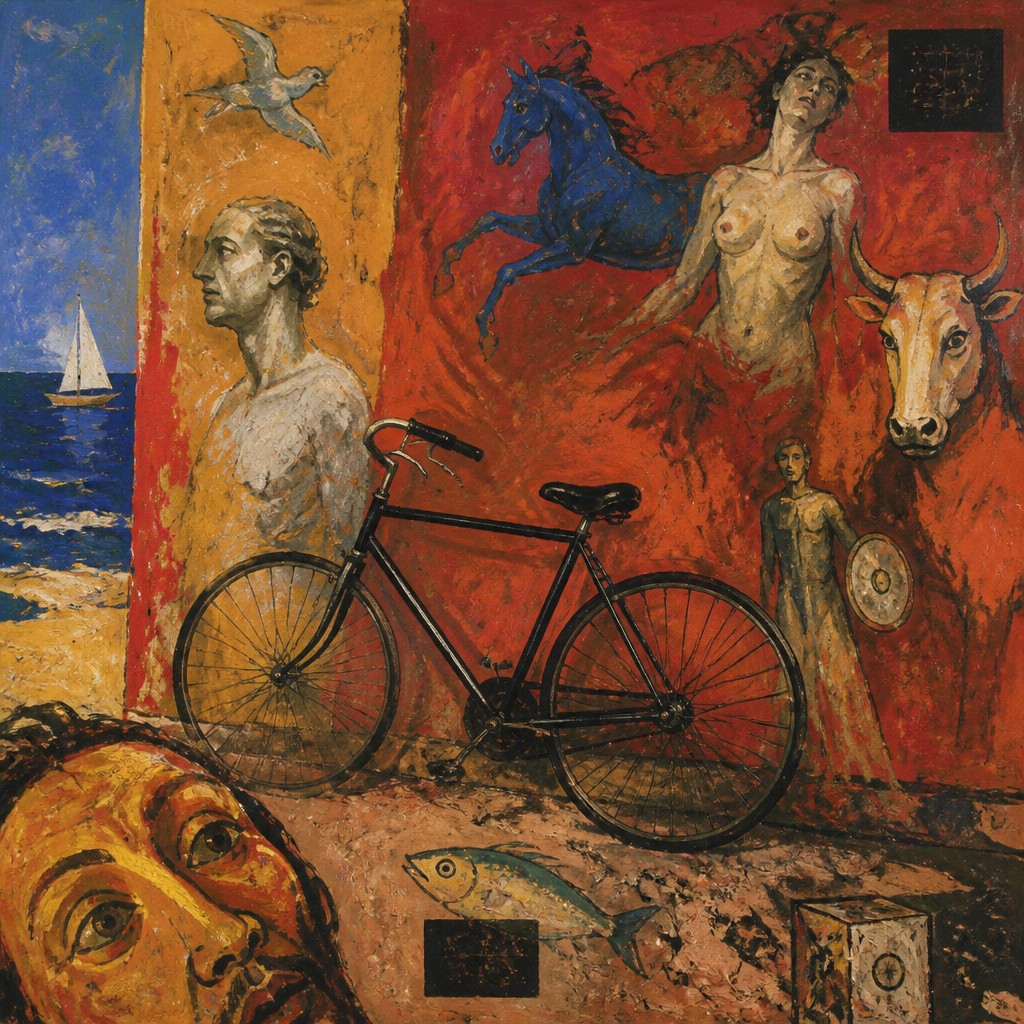
Primal poetic energy
The overall effect is immediate, instinctive, and emotionally charged, balancing violence, humor, wonder, and melancholy. Meaning remains open-ended and is carried as much by color and gesture as by subject matter.
Try It
Create Videos in Transavanguardia Art Style
Styles aren't just for stills — describe a scene or animate an image and get a short video rendered in Transavanguardia. Press play to see this pond come to life.
Make a VideoTransavanguardia Prompt Ideas
Start from an idea — each one opens the generator with the style ready to go. See all 40 Transavanguardia prompts →
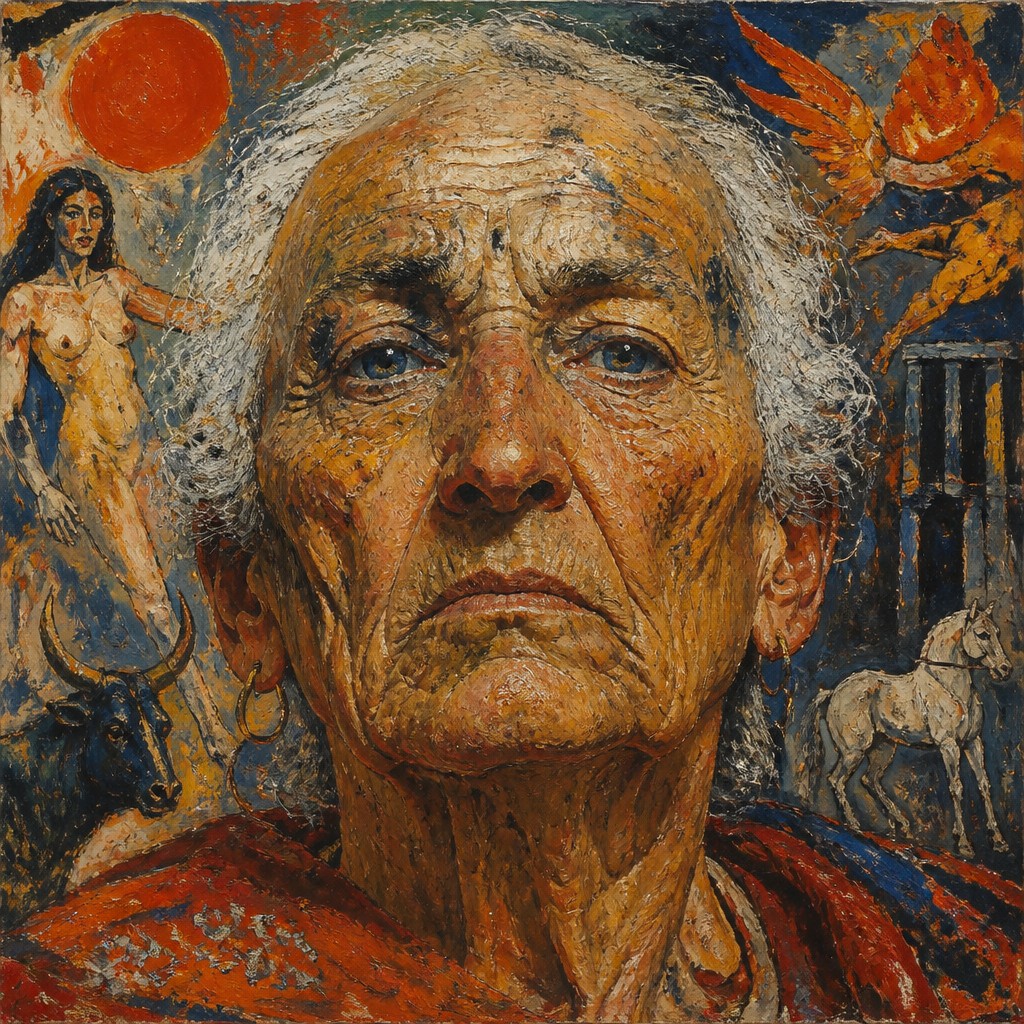
“close-up portrait of an elderly person with expressive weathered features”
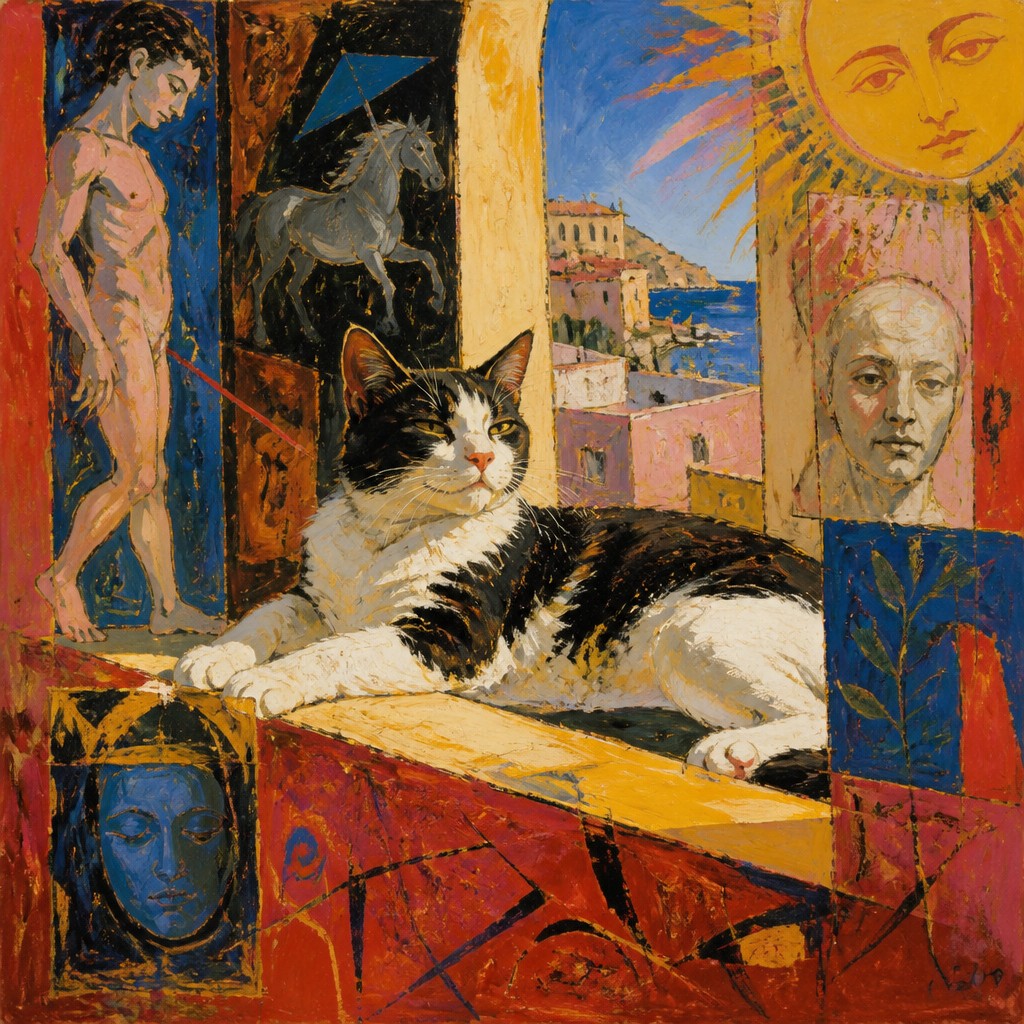
“a cat lounging in a sunlit window”
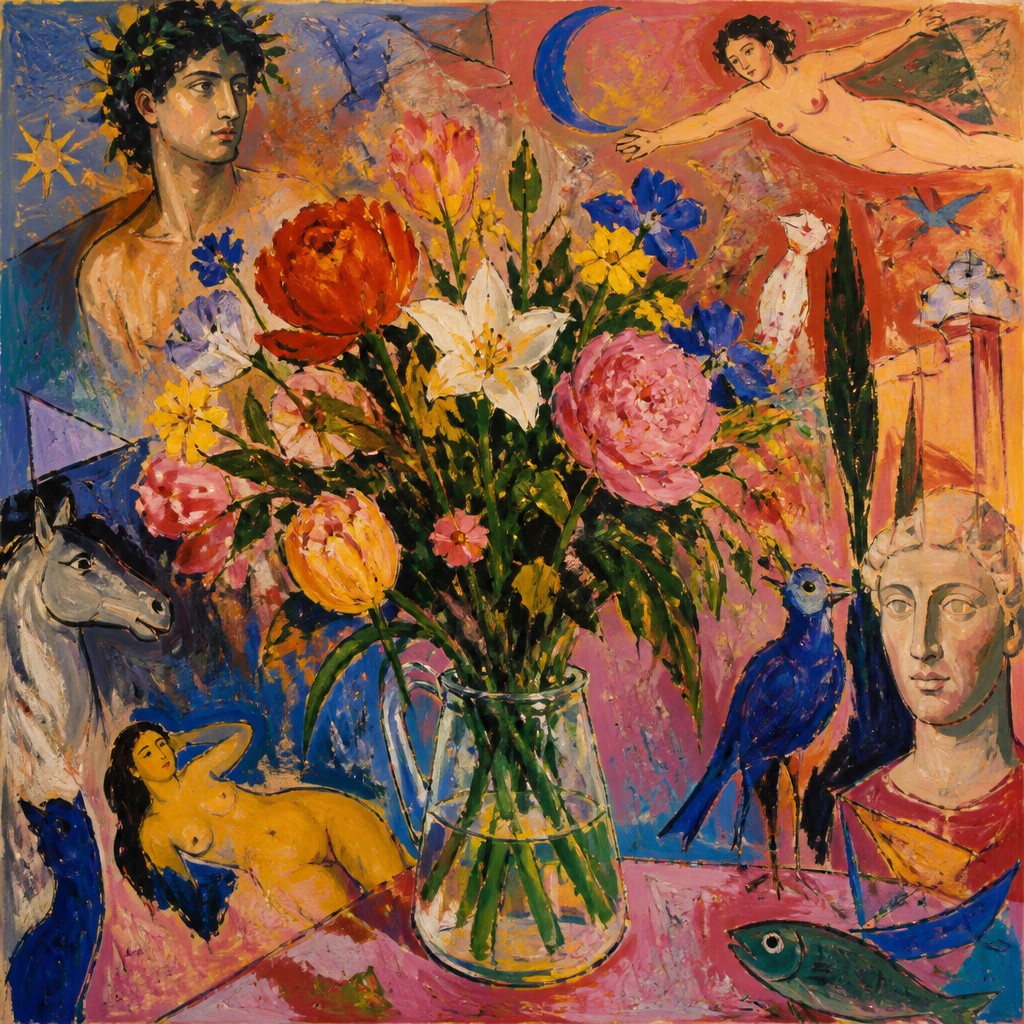
“bouquet of flowers in a glass vase”
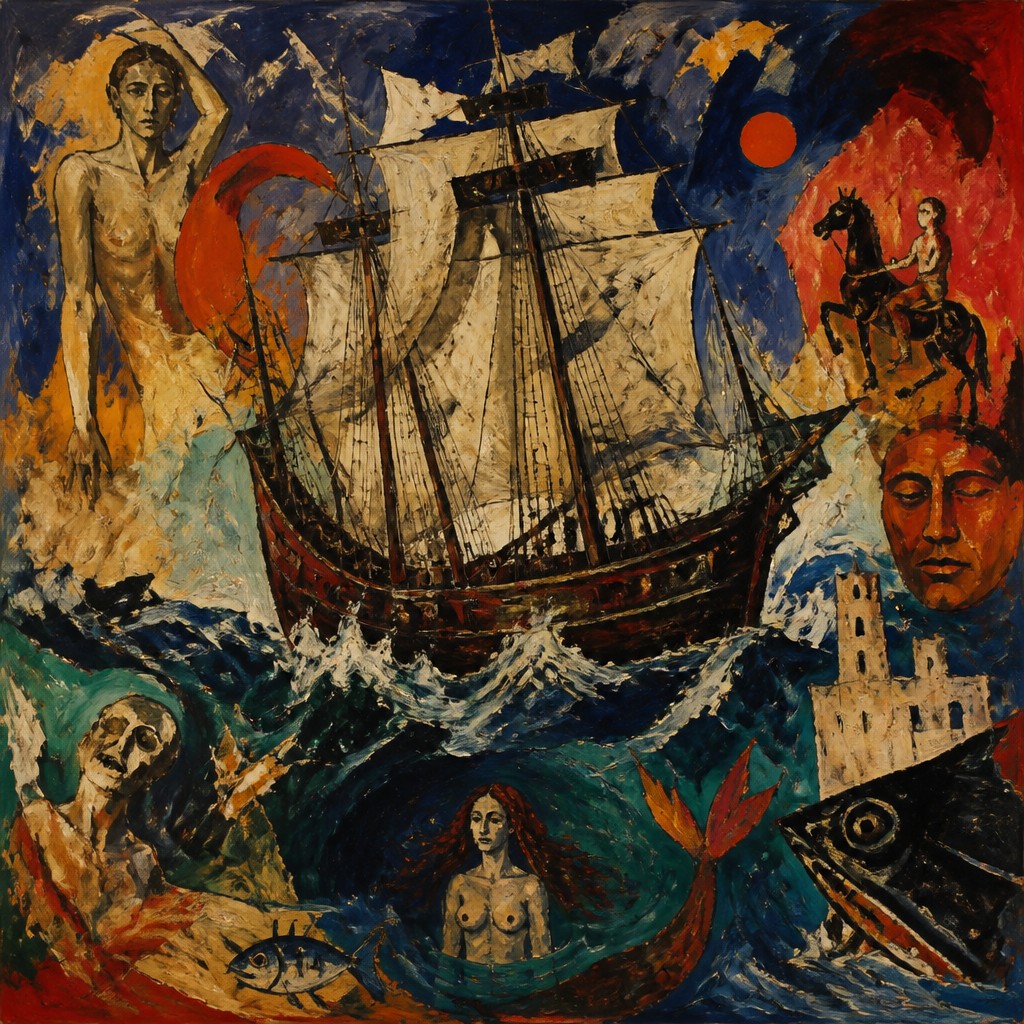
“sailing ship on a stormy sea”
How to Create Transavanguardia Art
Master the craft step by step — or skip straight to creating. Read the full guide →
- 1
Begin with a recognizable symbolic subject
Choose a figure, animal, mythic event, or ordinary object that can carry emotional or allegorical weight. Keep the subject legible, but alter its proportions and pose to make it feel dreamlike.
- 2
Build a hot, clashing palette
Start with two or three saturated warm colors and introduce sharp complementary accents rather than a unified naturalistic palette. Allow neighboring colors to remain visibly unresolved.
- 3
Paint through gesture and revision
Use broad, quick marks, broken outlines, scraping, overpainting, and visible corrections. Avoid smoothing every edge; irregularity and evidence of the hand are central to the effect.
- 4
Flatten and fracture the space
Place forms in shallow or contradictory spatial zones, using blocks of color, partial horizons, and floating objects. Combine a few perspectival cues with areas that deliberately refuse depth.
- 5
Layer references without literal illustration
Mix classical, folkloric, religious, and contemporary signs, but transform them into personal symbols. The image should suggest a story or ritual without resolving into a straightforward scene.
- 6
Use precise prompt language for digital work
Describe the subject first, then specify saturated Mediterranean color clashes, raw expressive figuration, gestural paint, fragmented symbols, and ambiguous space. For image-to-image work, preserve the source pose or composition while asking for rougher contours, altered anatomy, and a more painterly surface.
The Story
History & Origins of Transavanguardia
Transavanguardia developed in Italy around 1979, when a new generation of painters began challenging the dominance of Conceptual Art, Minimalism, and the process-oriented practices associated with Arte Povera. The movement's name, meaning "beyond the avant-garde," described its rejection of the idea that contemporary art had to progress through constant formal innovation.
During the 1980s, Transavanguardia became part of the broader international return to painting often called Neo-Expressionism or postmodern painting. Its artists revived recognizable figures, narrative suggestion, allegory, and historical references while treating them with deliberate eclecticism. The movement was never a strict technical formula; its shared identity lies in expressive freedom, symbolic intensity, and the reassertion of painting as a physical and imaginative medium.
Influences: Transavanguardia draws on Italian Renaissance and Mannerist invention, classical and archaic Mediterranean imagery, folk and popular visual culture, modern expressionist painting, and the symbolic logic of Surrealism. It also developed in dialogue with Conceptual Art, Minimalism, and Arte Povera, adopting their historical moment as a point of departure while reversing their distrust of traditional painting. Its broader family includes Neo-Expressionism, postmodern figuration, and other late-20th-century returns to allegory and image-based painting.
Frequently Asked Questions
What defines the Transavanguardia art style?
It is defined by a return to expressive painting, recognizable but distorted figures, mythic or symbolic subjects, saturated color, and visibly energetic brushwork. Its compositions often occupy ambiguous space and combine references from different historical and popular traditions.
When did Transavanguardia begin?
The movement emerged in Italy around 1979 and became especially prominent during the 1980s. It formed part of a wider international revival of painting after the dominance of Conceptual, Minimal, and process-based practices.
How is Transavanguardia different from Neo-Expressionism?
The two movements overlap in their return to emotionally charged figuration and forceful brushwork. Transavanguardia is more specifically associated with Italy and often emphasizes Mediterranean color, archaic or classical references, myth, and eclectic movement across historical imagery.
Does Transavanguardia require mythological subject matter?
No. Mythic figures and allegories are common, but the movement is not limited to mythology. Everyday objects, landscapes, animals, portraits, and invented symbols can work if they are treated with expressive distortion, symbolic openness, and painterly freedom.
How can I make a painting look Transavanguardia-inspired?
Use a recognizable subject, distort its anatomy or scale, and place it in a shallow or unstable space. Work with saturated complementary colors, visible brushmarks, rough outlines, layered symbols, and a deliberately unresolved narrative.
Where is this style used today?
Its influence appears mainly in contemporary painting, illustration, editorial imagery, album and poster art, gallery-oriented figurative work, and digital image-making. It is particularly useful when an image needs mythic atmosphere, emotional intensity, and a handmade painterly surface.
Create your first Transavanguardia artwork
Describe anything — or upload a photo — and see it in Transavanguardia Art Style in seconds.
Related Styles
Discover similar art styles