Vatican Art Style
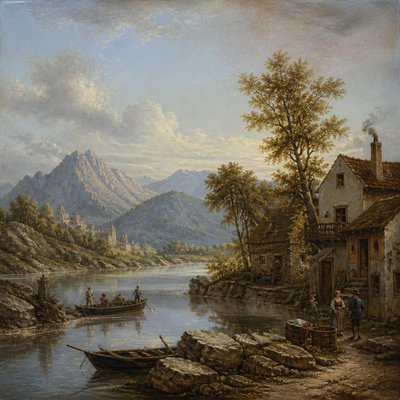
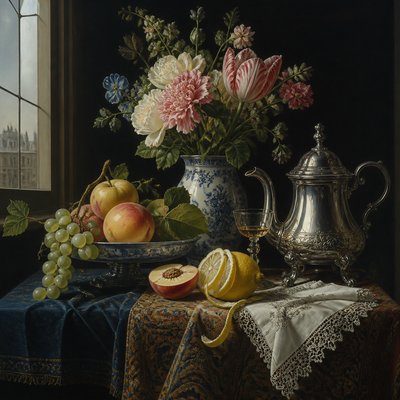
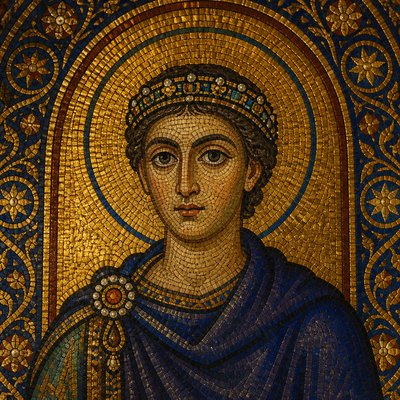
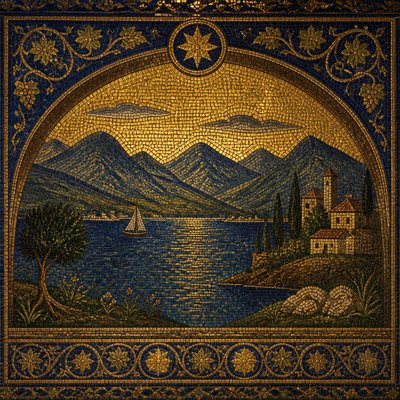
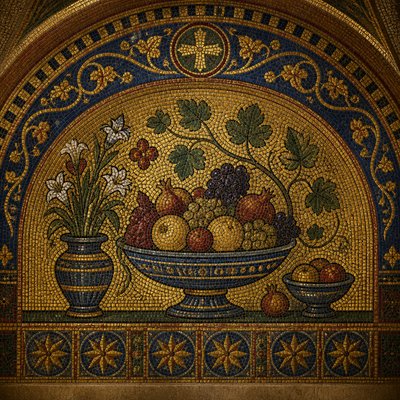
Explore Vatican Art Style: Renaissance fresco luminosity, Baroque architecture, marble grandeur, gilded ornament, and sacred monumental drama.
Instantly rendered in Vatican — or transform a photo
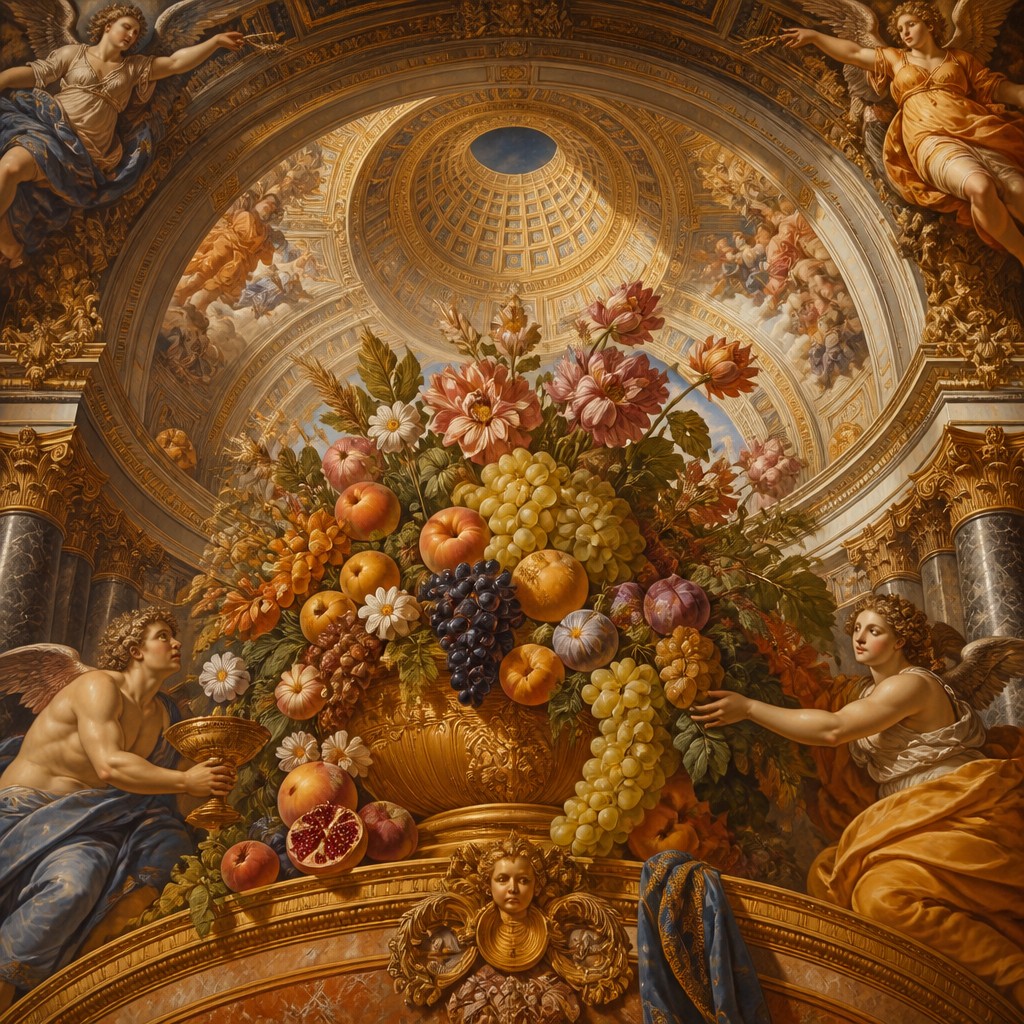
Vatican Gallery
Tap any artwork to explore it
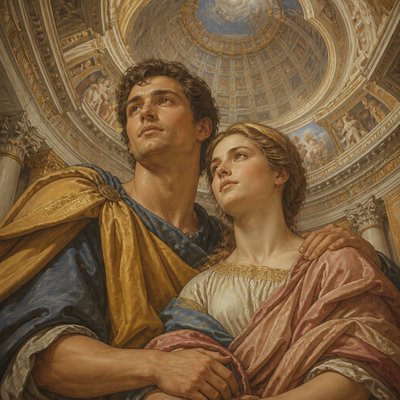
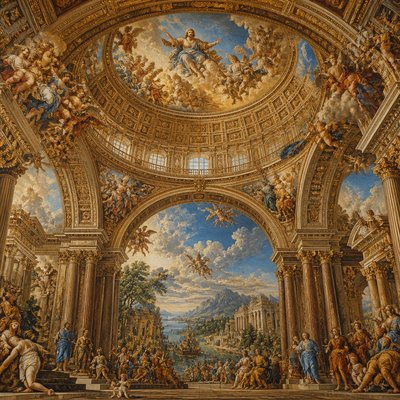
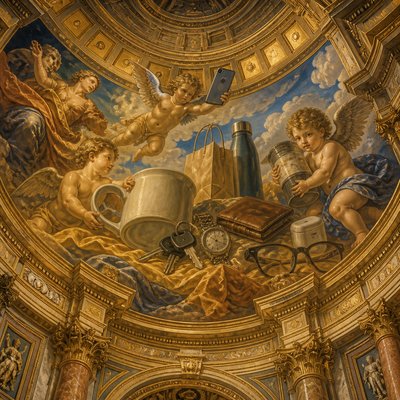
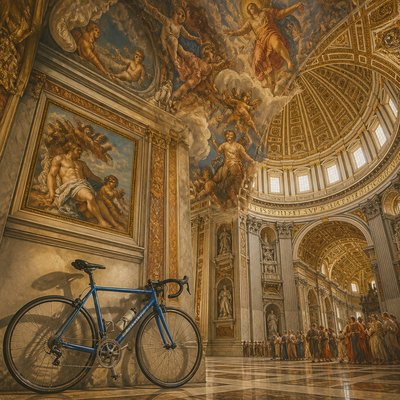
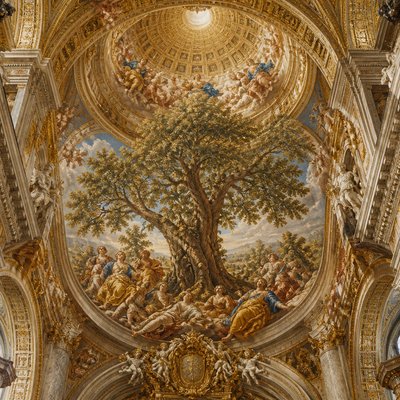
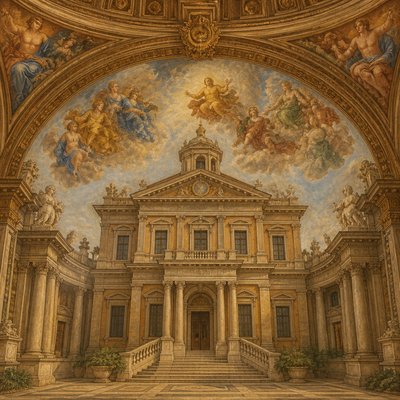
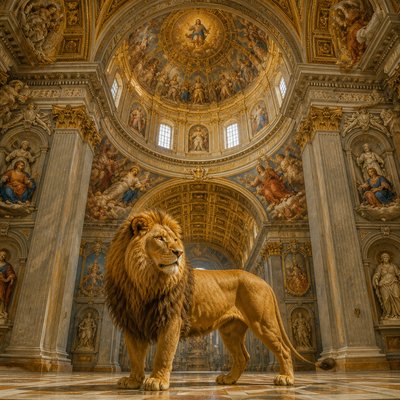
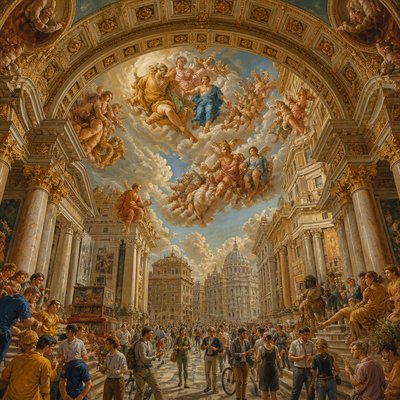
What is Vatican Art Style?
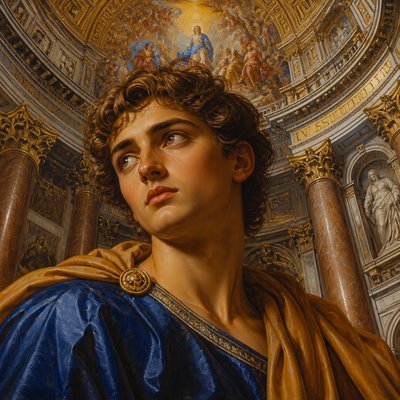
Its visual identity depends on scale, upward movement, and controlled splendor. Warm ochre, terracotta, ultramarine, ivory, rose, and gold create a honeyed palette, while strong perspective, dramatic illumination, and architectural framing make scenes appear to extend beyond the picture plane. The result is less a single historical style than a composite language of religious monumentality, ceremonial space, and highly finished surface.
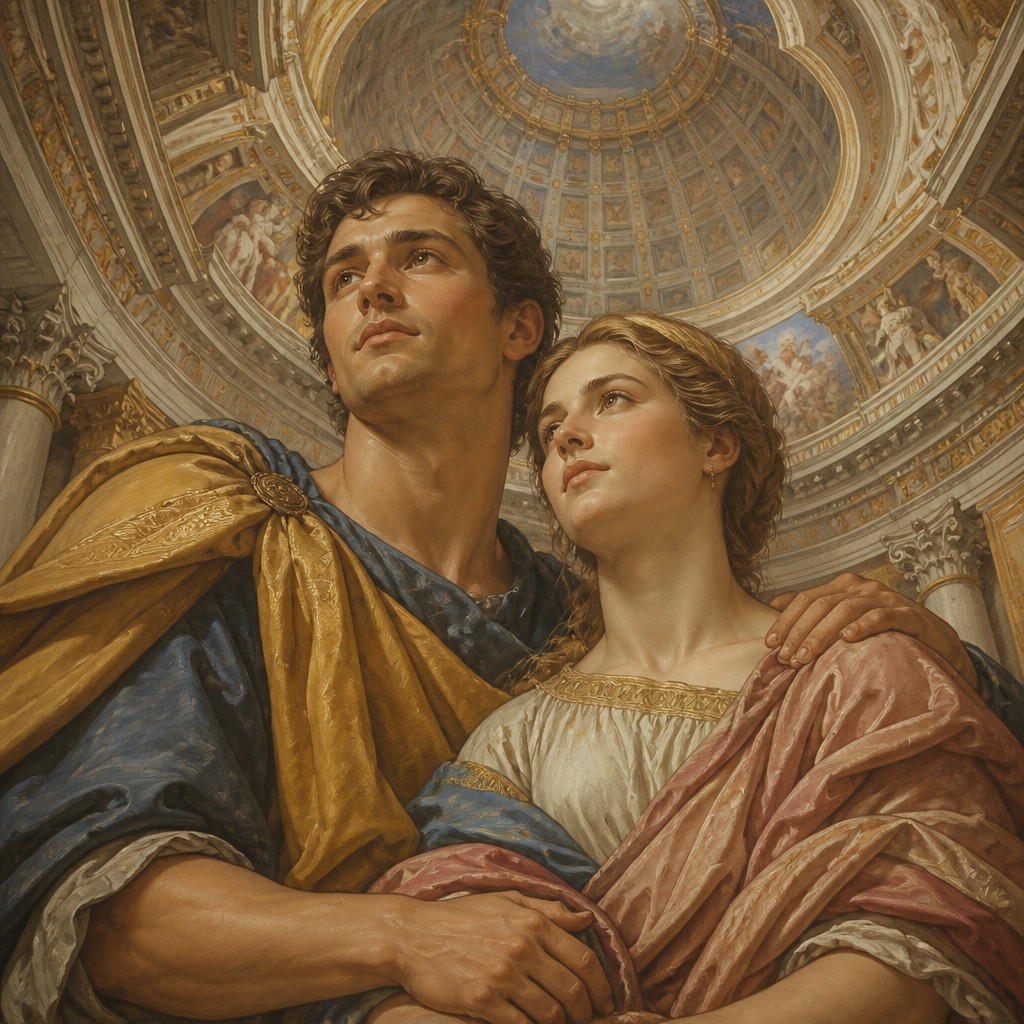
Try It On Your Photos
Upload any photo and convert it into Vatican Art Style — drag the sliders to compare before and after.
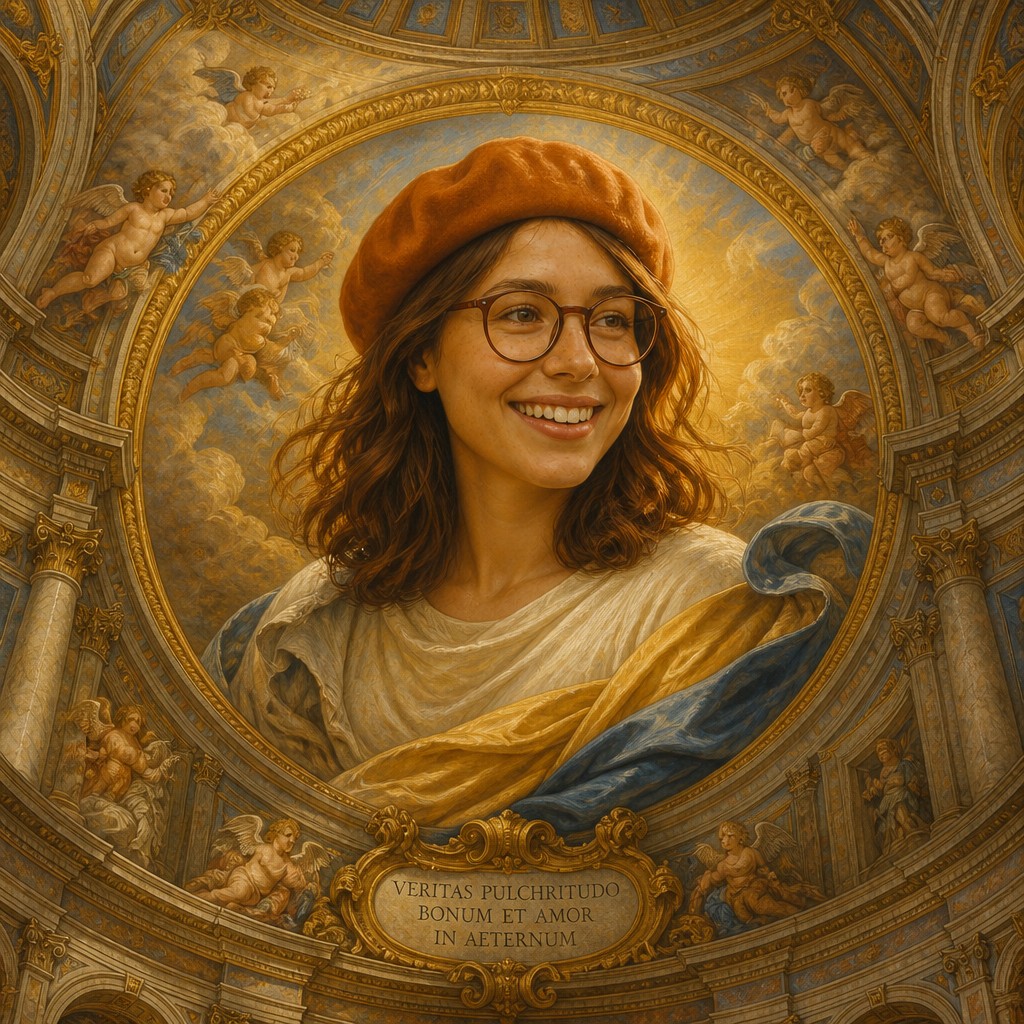

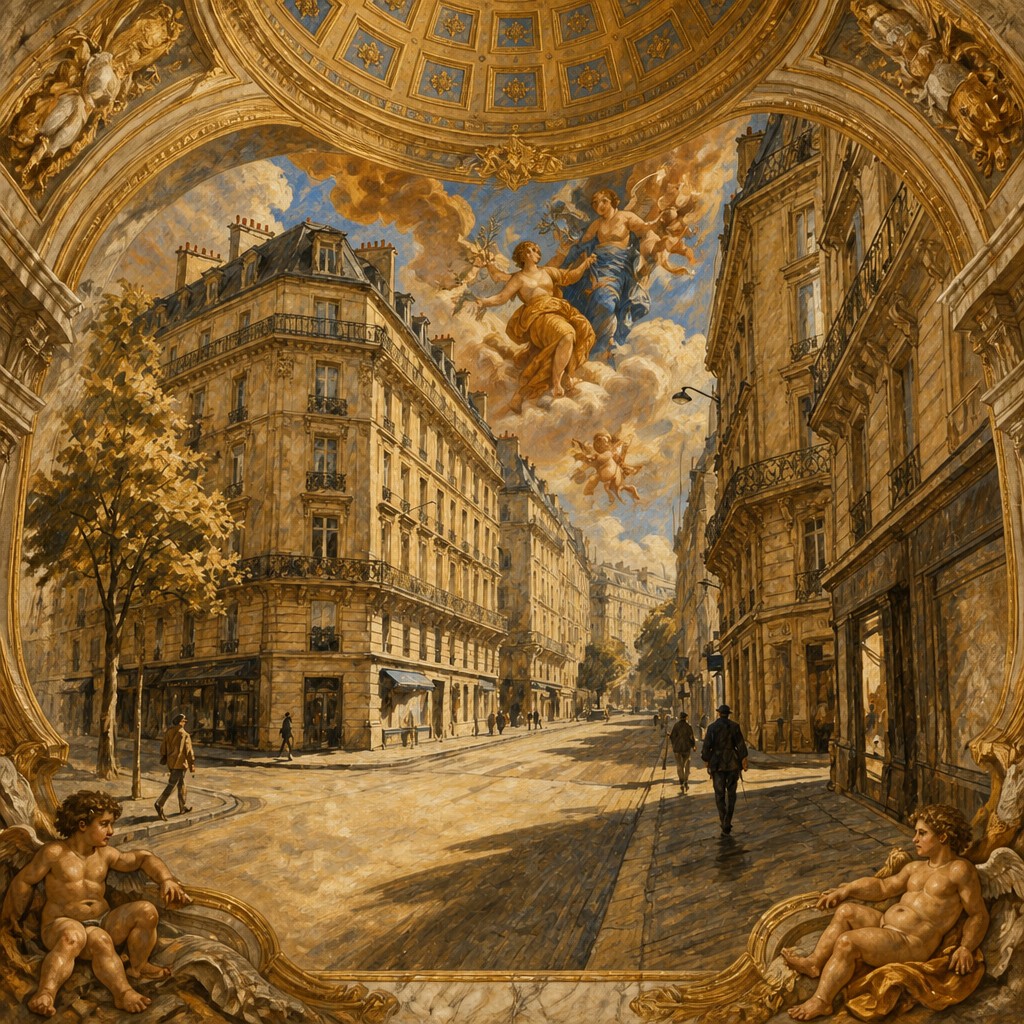

What Defines Vatican Art Style
The signature details, up close
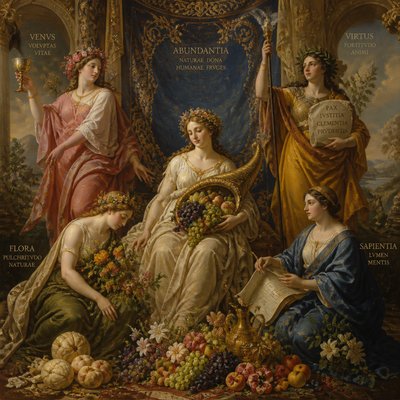
Monumental fresco composition
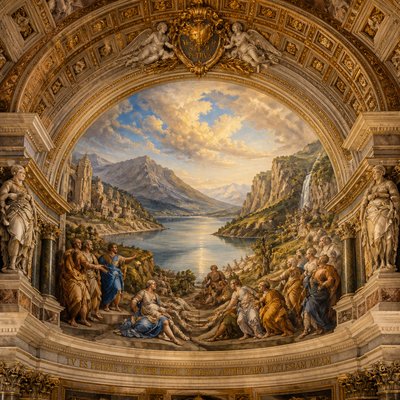
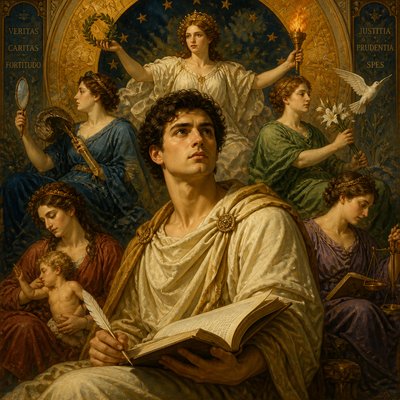
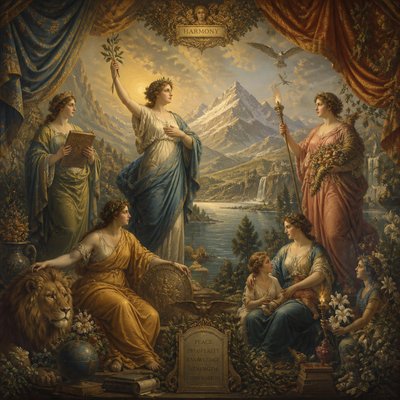
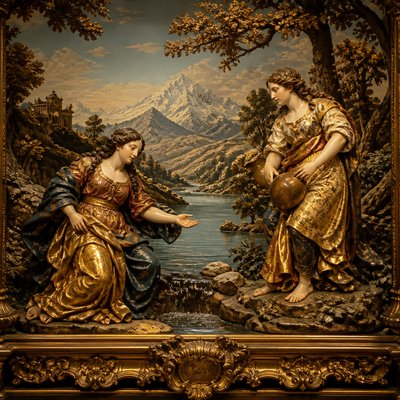
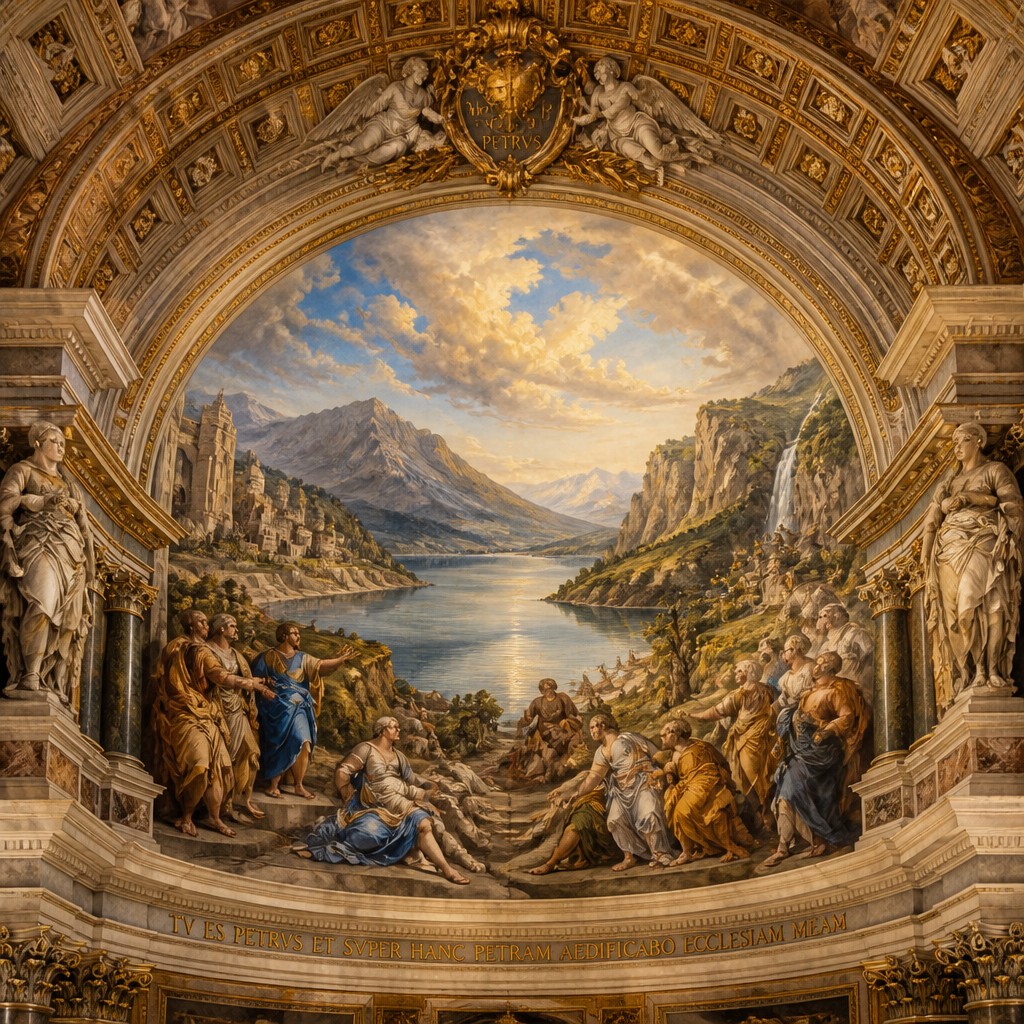
Scenes are arranged like large-scale ceiling or wall frescoes, with multiple figures, sweeping gestures, and a clear hierarchy leading the eye toward a central sacred or symbolic event.
Luminous flesh and flowing drapery
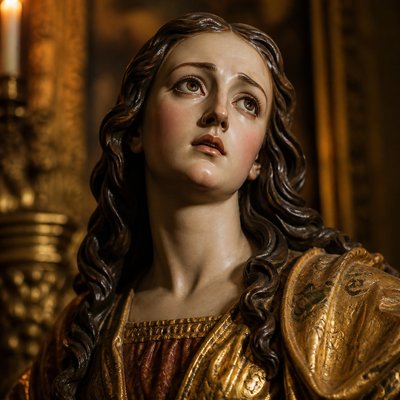
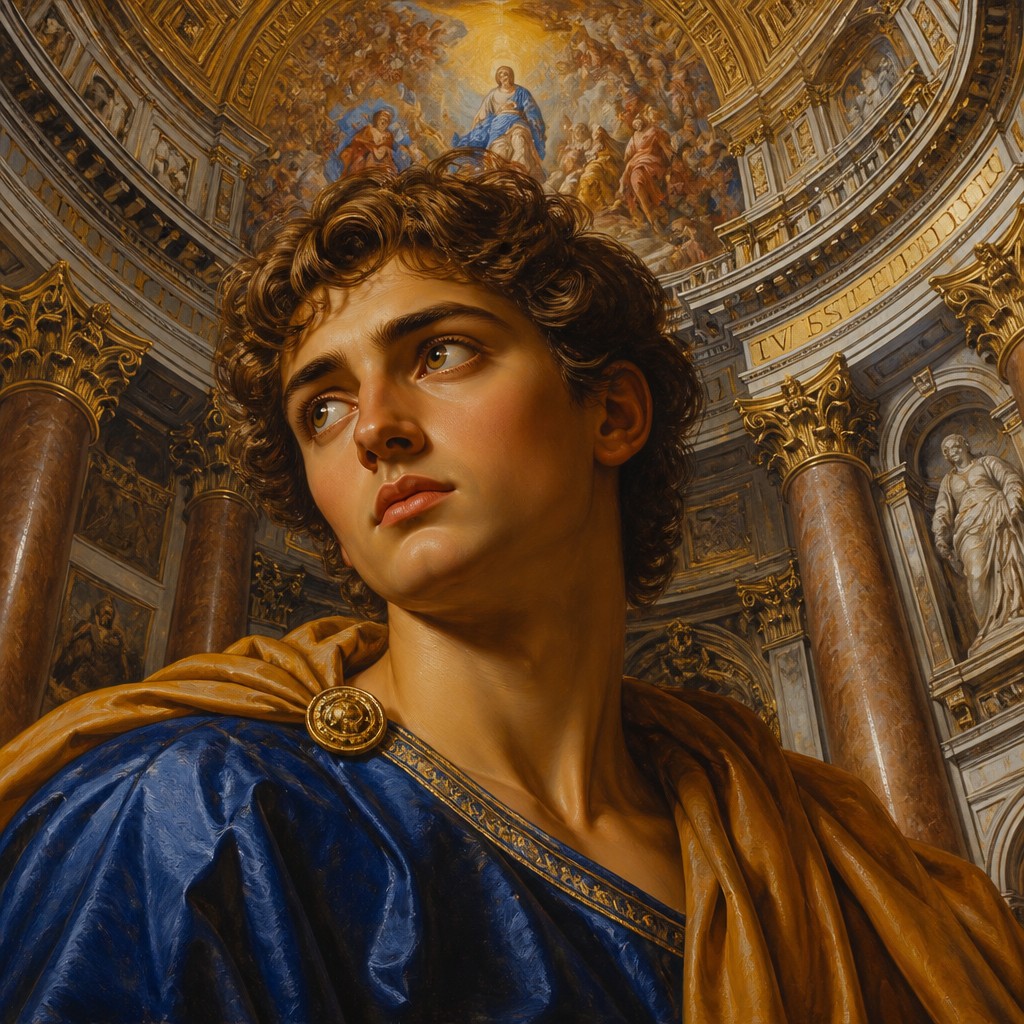
Figures have softly modeled, warm flesh tones and expressive poses. Broad folds of fabric create rhythm, volume, and upward movement across the composition.
Soaring architectural space
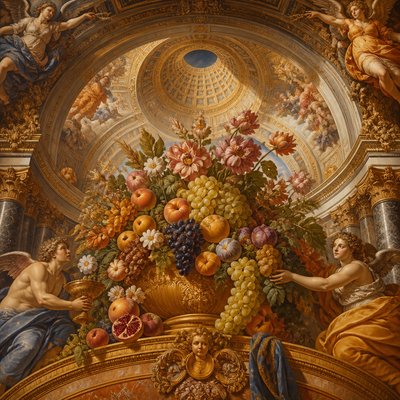
Vast domes, barrel vaults, arcades, coffered ceilings, and colonnades establish an imposing sense of height and depth. Perspective often makes architecture appear to continue beyond the physical frame.
Marble, stucco, and gilded ornament
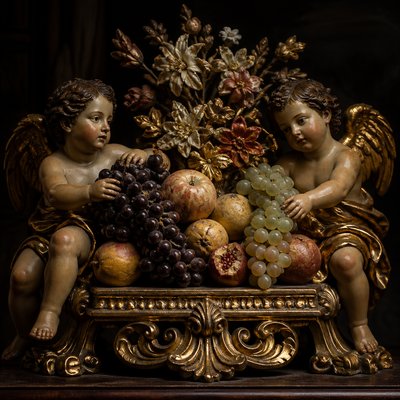
Polished marble surfaces, sculptural relief, gilded moldings, cartouches, and ornamental borders provide tactile richness and ceremonial opulence.
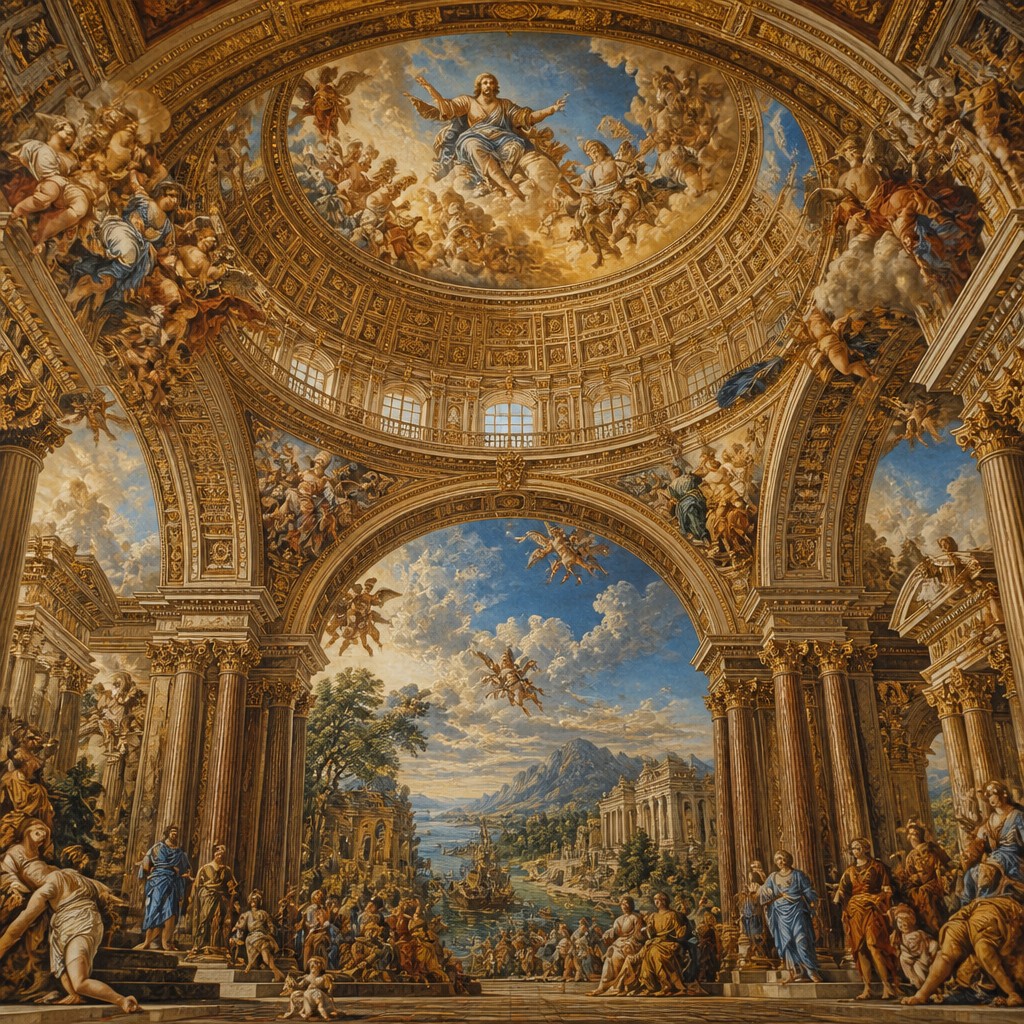
Warm Renaissance-Baroque palette
Ochre, umber, terracotta, ultramarine, cream, muted rose, and gold dominate the image. The palette should feel mineral, aged, and luminous rather than neon or mechanically saturated.
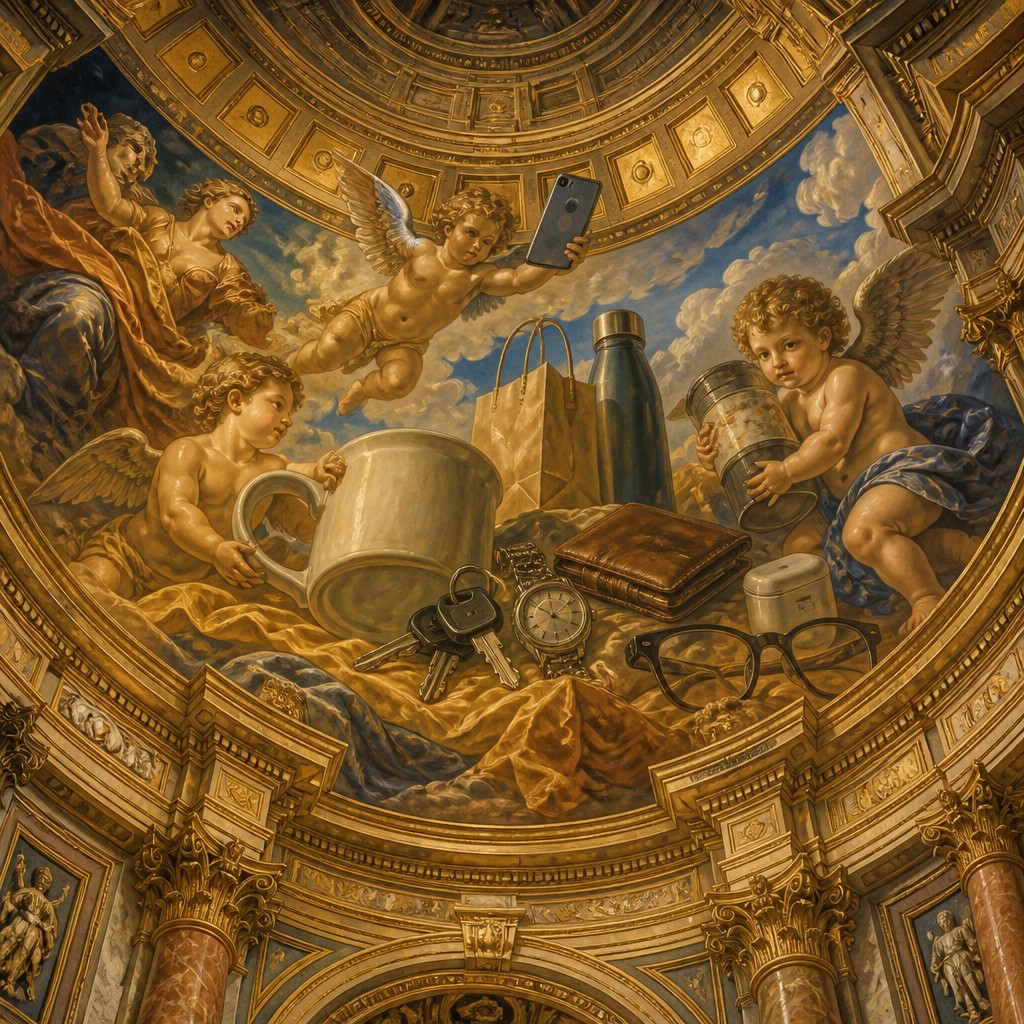
Dramatic sacred illumination
Directional light enters from an implied clerestory, dome, or heavenly opening, shaping bodies and architecture with soft chiaroscuro while highlighting gold, marble, and pale flesh.
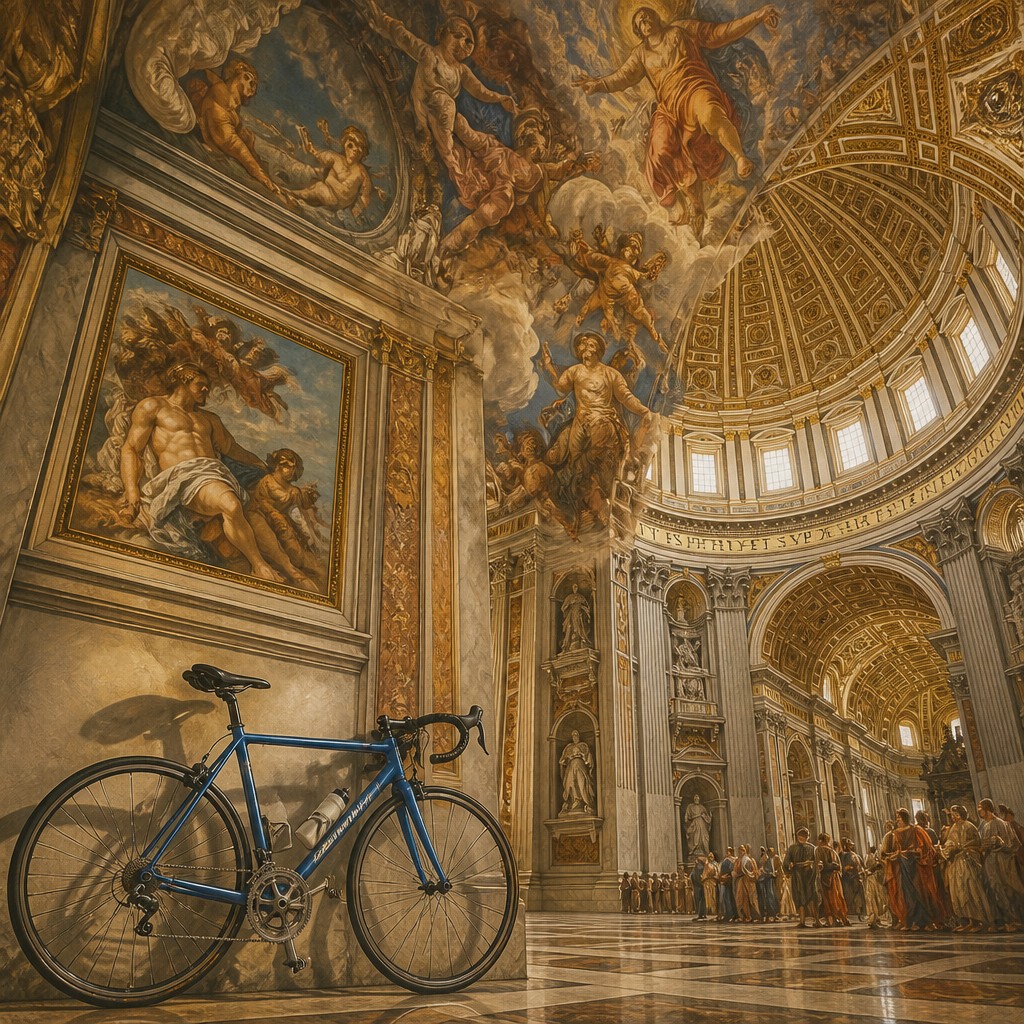
Ceremonial visual hierarchy
Central figures, gestures, architectural axes, and rays of light guide attention toward a focal subject. Decorative richness supports the narrative instead of flattening every element into equal detail.
Vatican Prompt Ideas
Start from an idea — each one opens the generator with the style ready to go. See all 40 Vatican prompts →
How to Create Vatican Art
Master the craft step by step — or skip straight to creating. Read the full guide →
- 1
Build the composition from the architecture outward
Begin with a central axis, a strong vanishing point, and a large architectural frame such as a dome, apse, or colonnade. Place figures within that structure so the space feels designed for a monumental wall or ceiling.
- 2
Use fresco-informed surfaces
For traditional work, plan the image in full-scale sections and use mineral or earth-based pigments on fresh or partially dried plaster, allowing the plaster texture to remain visible. Digitally, introduce subtle limewash grain, softened edges, and restrained pigment variation rather than a perfectly smooth finish.
- 3
Model figures with controlled light
Establish warm midtones first, then add cool or neutral shadow passages and carefully placed highlights. Keep anatomy idealized but believable, and use drapery folds to echo the direction of the composition.
- 4
Layer architectural materials
Separate marble veining, painted plaster, gilded stucco, shadowed recesses, and polished stone into distinct visual layers. Contrast matte fresco areas with selective reflective accents to create depth without making the whole image glossy.
- 5
Write prompts around scale and spatial structure
Specify the subject, viewpoint, dome or vault, colonnade, lighting direction, fresco palette, and material details. Phrases such as “low viewpoint,” “illusionistic ceiling,” “warm mineral pigments,” and “gilded stucco relief” help establish the aesthetic more reliably than vague references to grandeur.
- 6
Control excess ornament
Use terms such as “coherent focal hierarchy,” “architecturally plausible perspective,” and “restrained secondary detail” when generating or editing images. This preserves the ceremonial effect while reducing cluttered figures, distorted columns, and random decorative elements.
The Story
History & Origins of Vatican
During the seventeenth century, Baroque artists and architects intensified these principles through energetic diagonals, illusionistic ceilings, dramatic light, curving colonnades, colored marble, stucco ornament, and spatial effects designed to engage viewers physically and emotionally. Contemporary use of the label usually blends these periods into an imagined Vatican-like grandeur rather than reproducing one exact building, room, or historical campaign.
Influences: The aesthetic draws on Italian Renaissance fresco, Roman Baroque architecture, Catholic devotional imagery, illusionistic quadratura, classical Roman architecture, monumental history painting, architectural sculpture, and the decorative traditions of gilded stucco and polychrome marble. It also borrows from theatrical staging: carefully directed light, elevated viewpoints, converging diagonals, and compositions designed to produce awe through physical and visual scale.
Frequently Asked Questions
Is Vatican Art Style a recognized historical art movement?
No. The term is best understood as a contemporary shorthand for a composite aesthetic associated with Renaissance and Baroque art and architecture in Vatican City and Rome. It combines features from several periods and media rather than naming a distinct school with a fixed chronology.
What defines the look of Vatican Art Style?
Its defining features are monumental fresco composition, luminous figures, flowing drapery, soaring domes, marble colonnades, gilded ornament, warm mineral colors, and dramatic sacred lighting. Strong perspective and a clear central hierarchy are equally important.
How does it differ from Renaissance art?
It uses Renaissance principles such as anatomical idealization, linear perspective, balanced structure, and fresco technique, but usually heightens the theatrical scale and emotional movement associated with the Baroque. The result is more architecturally expansive and ceremonially opulent than a strictly early Renaissance treatment.
How does it differ from Baroque art?
The style emphasizes the specifically Vatican-associated combination of Renaissance fresco luminosity, classical architectural order, sacred subject matter, and Baroque spectacle. It may be more monumental and idealized than the intense motion, deep contrasts, and emotional turbulence found in some Baroque works.
Can this style be used for nonreligious subjects?
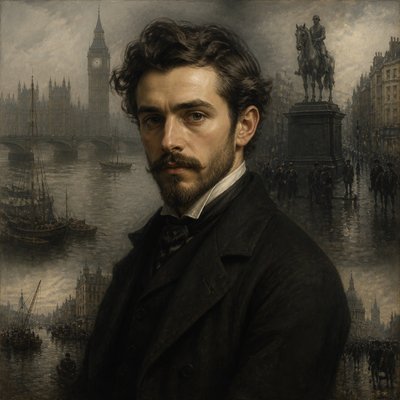
Yes. Mythological scenes, portraits, historical events, fantasy narratives, civic ceremonies, and landscapes can all be staged within its visual language. The key is to retain the monumental architecture, ceremonial composition, fresco-like surface, and elevated sense of importance.
How can I make an image look less like generic fantasy and more like this style?
Specify architectural structure, fresco materials, Renaissance-inspired figure design, Baroque spatial drama, and a limited ochre-ultramarine-gold palette. Also request coherent perspective, marble and stucco surfaces, directional light, and a clear focal hierarchy instead of relying only on words such as “epic” or “majestic.”
Create your first Vatican artwork
Describe anything — or upload a photo — and see it in Vatican Art Style in seconds.
Related Styles
Discover similar art styles