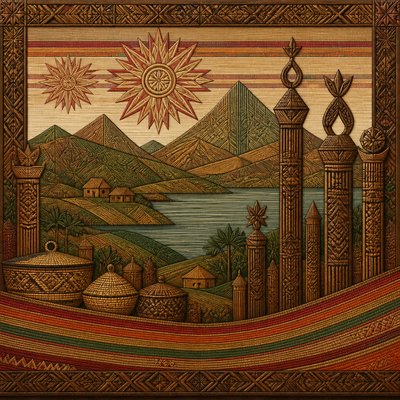
Gold Leaf Gilding Art Style
Explore Gold Leaf Gilding: radiant metallic grounds, sacred halos, tooled patterns, lapis, and deep red in an opulent icon-inspired style.
Instantly rendered in Gold Leaf Gilding — or transform a photo


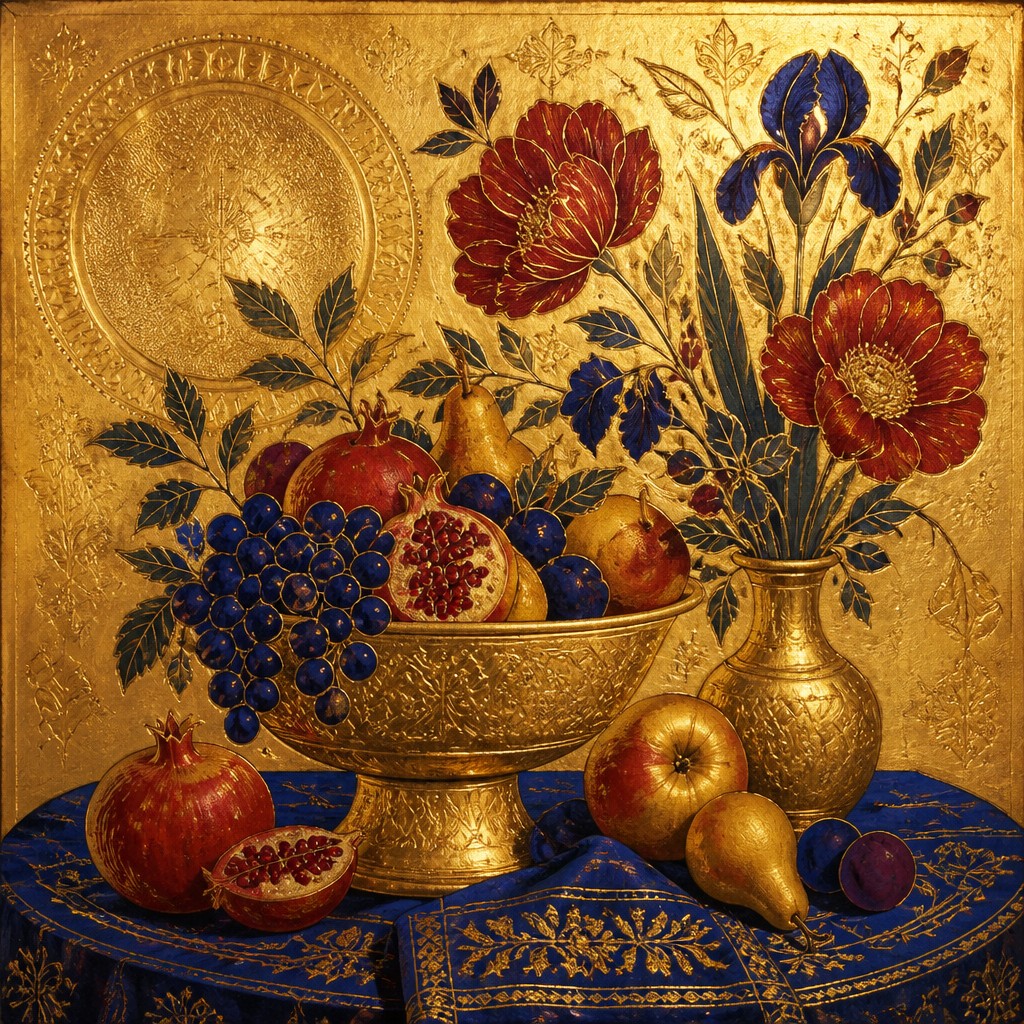
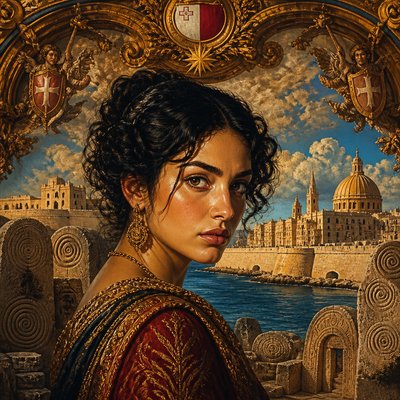
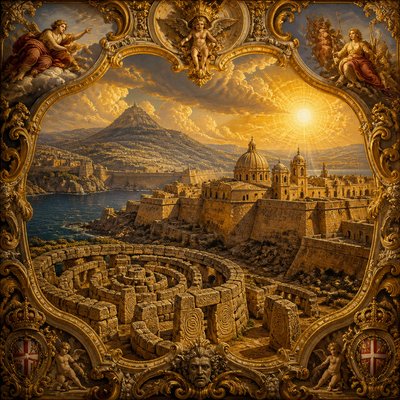
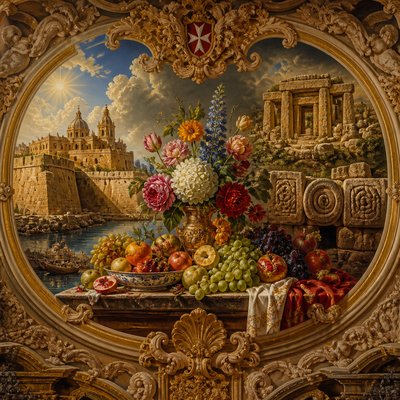
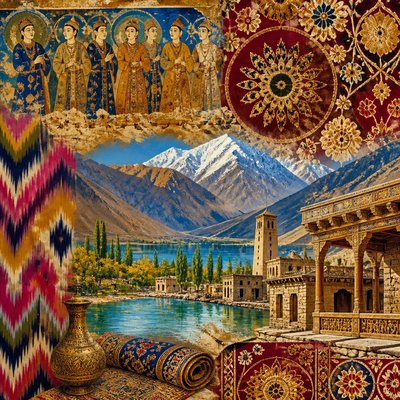
Gold Leaf Gilding Gallery
Tap any artwork to explore it

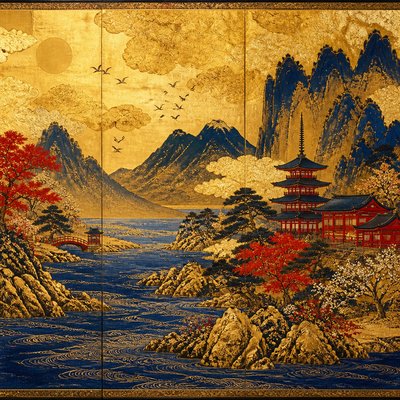
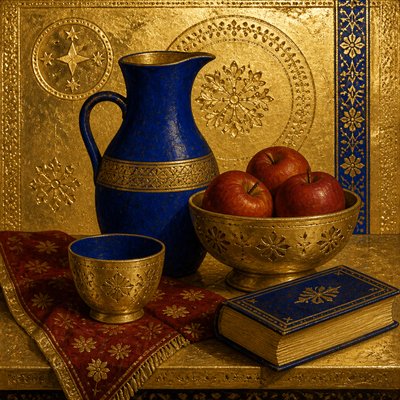
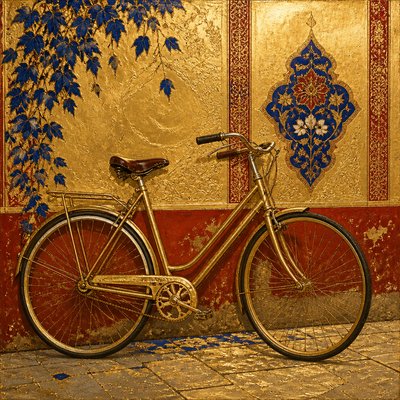
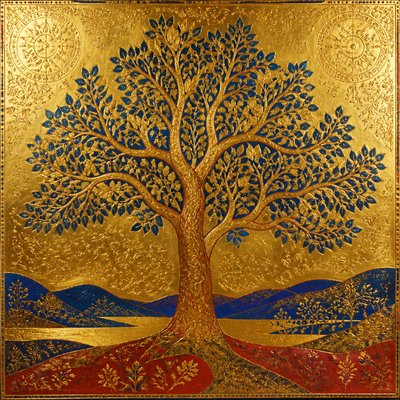
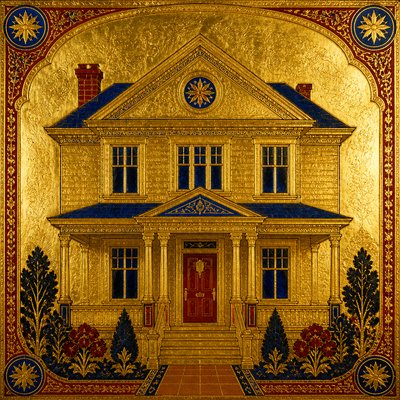
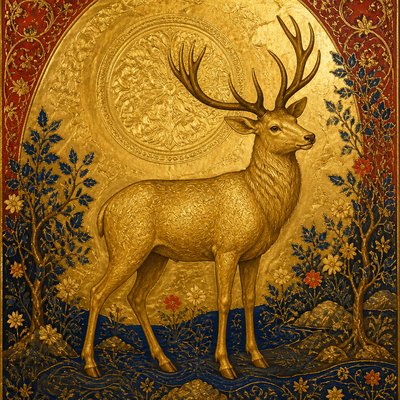
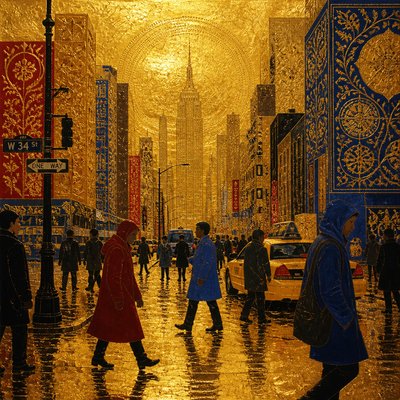
What is Gold Leaf Gilding Art Style?
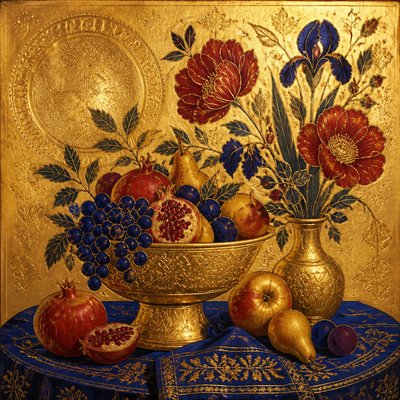
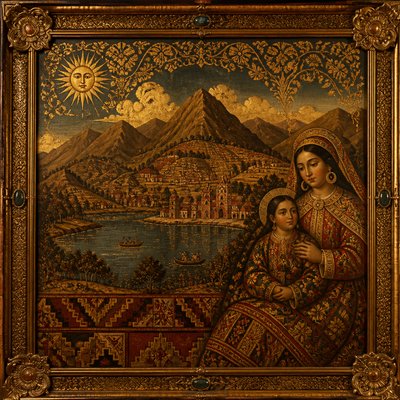
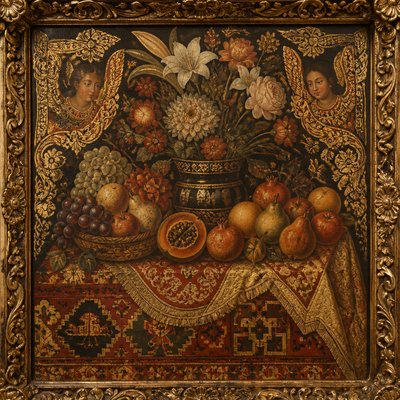
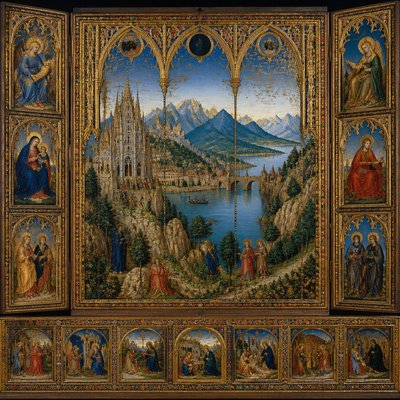
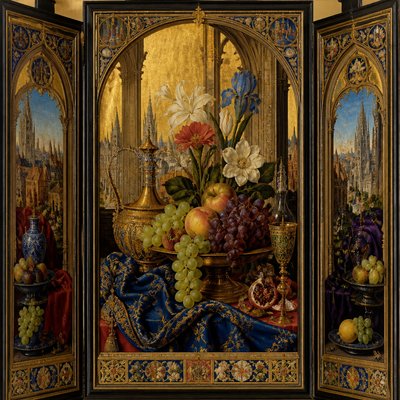
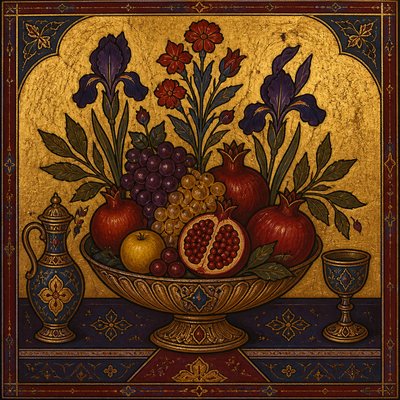
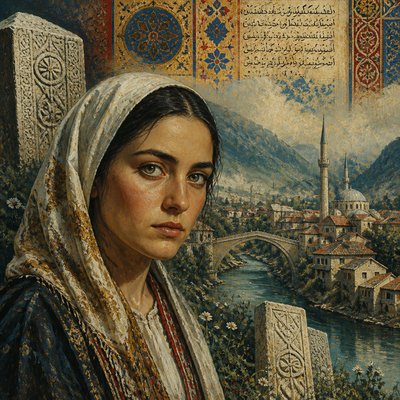
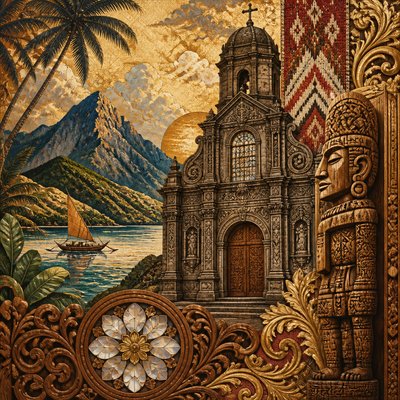
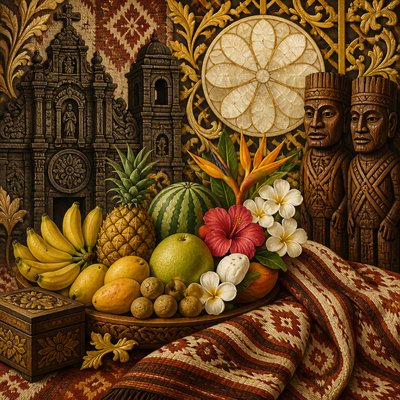
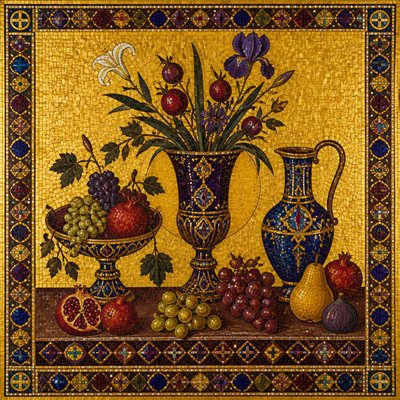
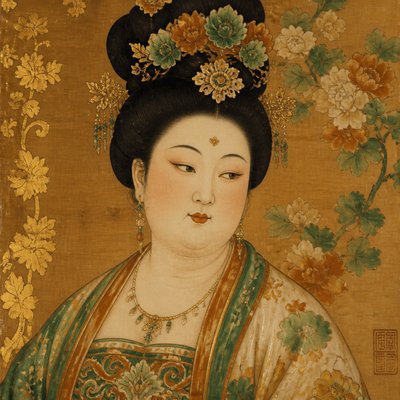
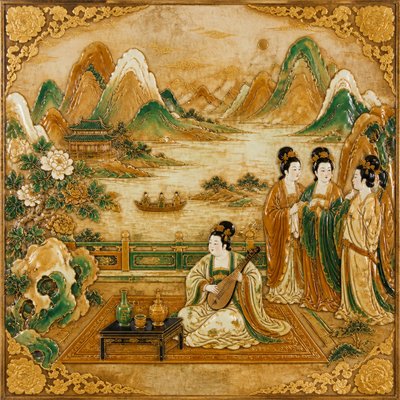
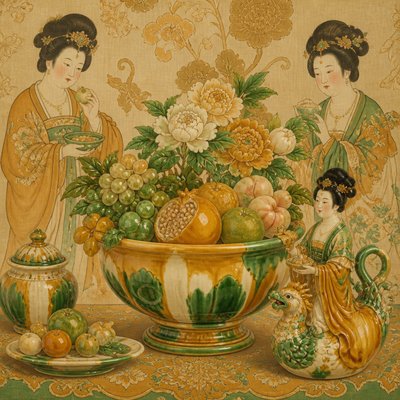
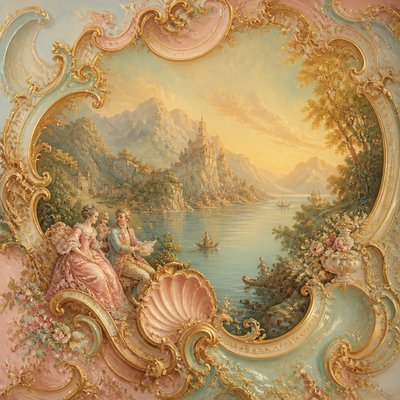
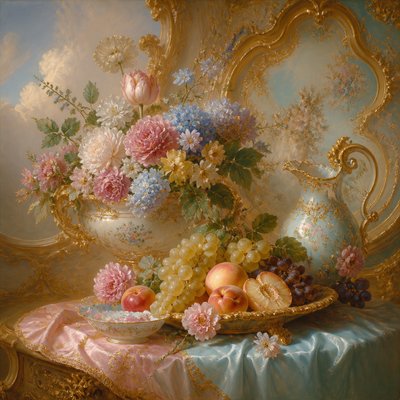
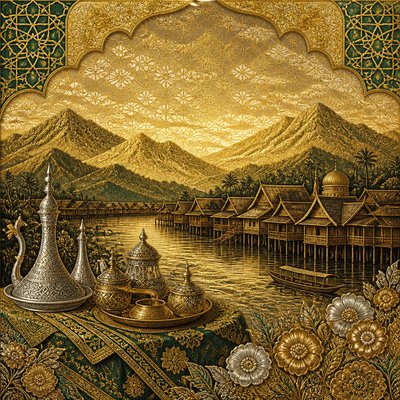
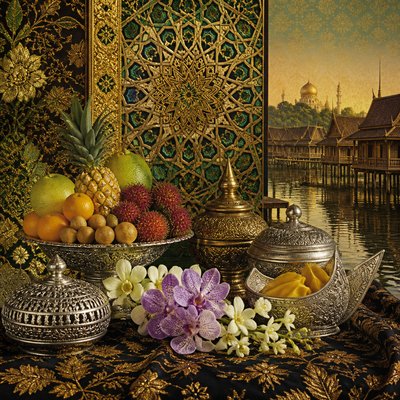
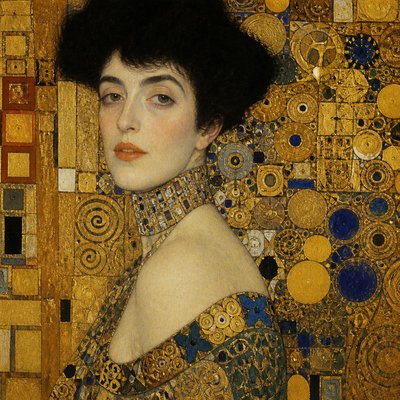
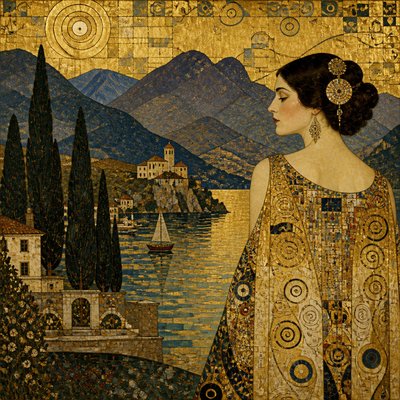
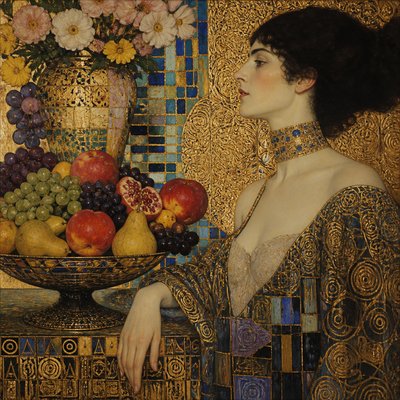
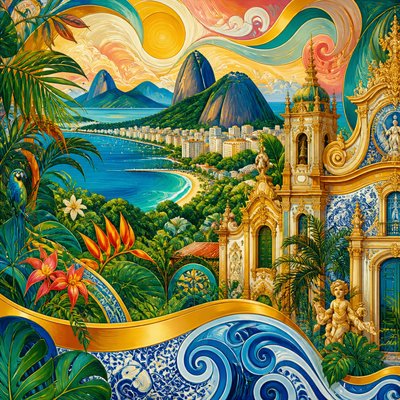
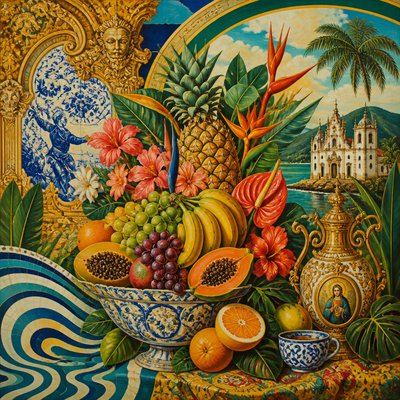
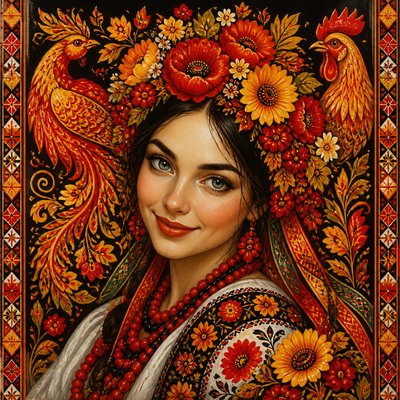
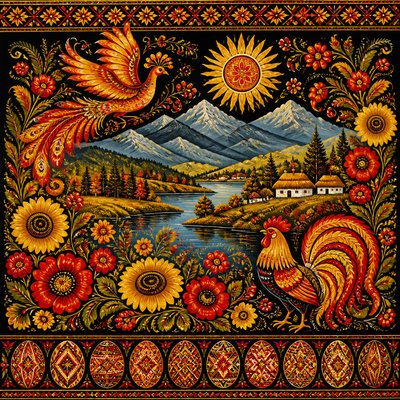
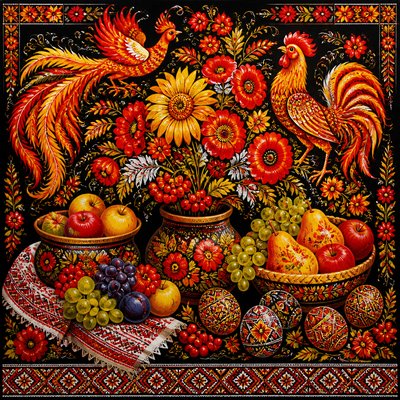
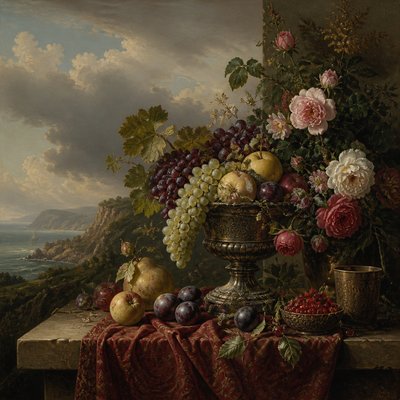
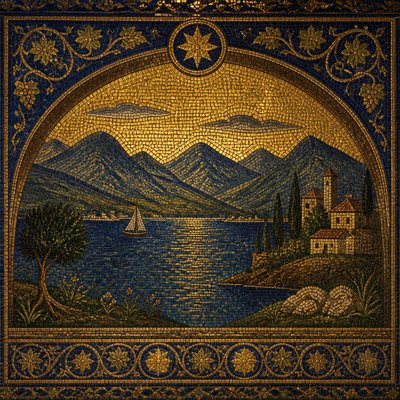
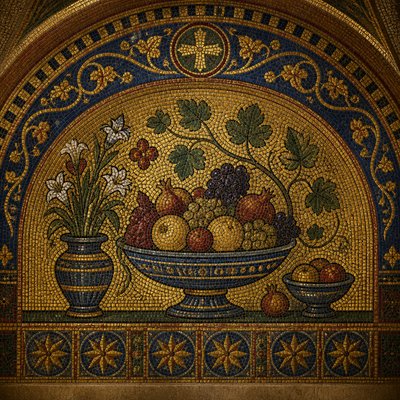
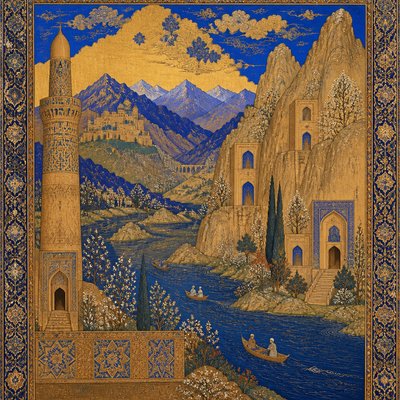
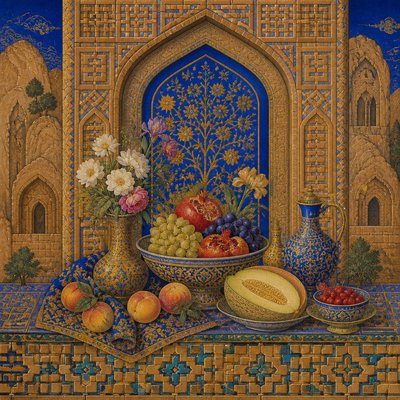
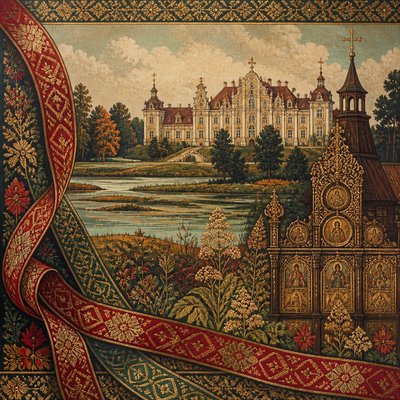
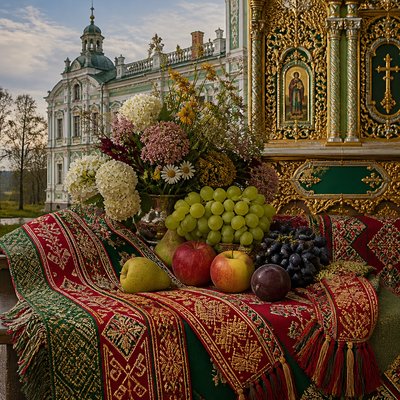
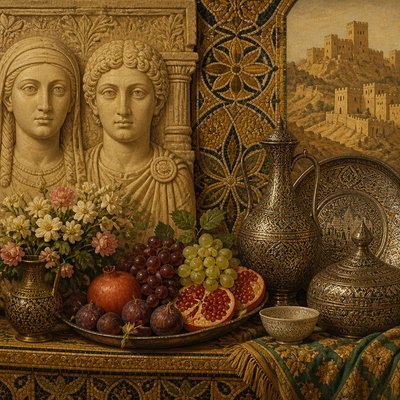
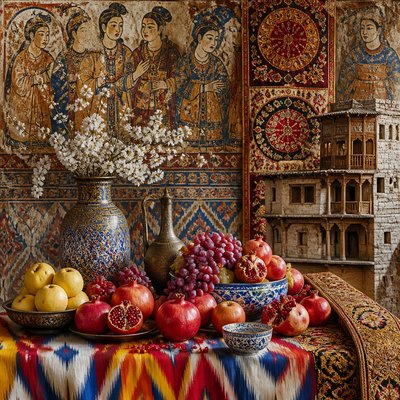
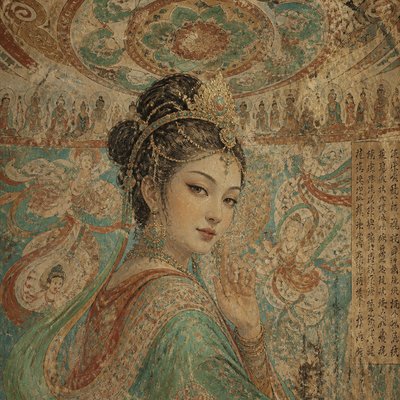
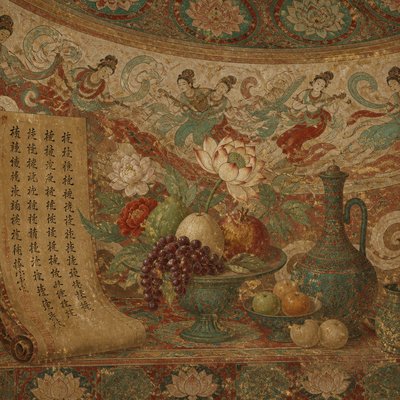
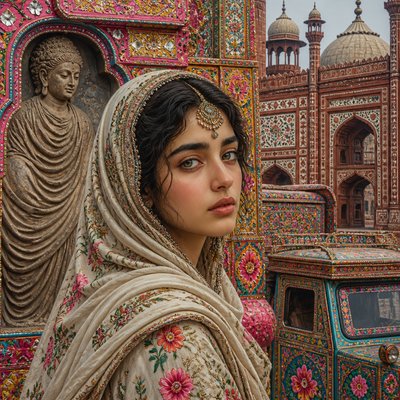
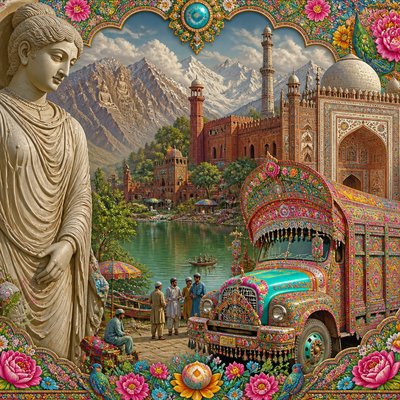
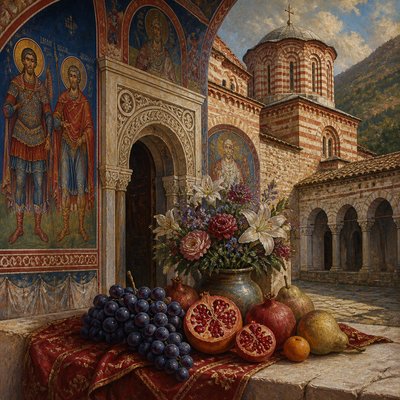
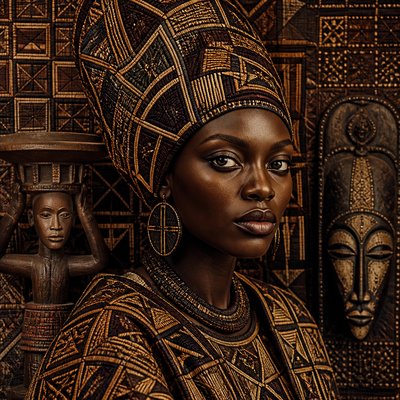
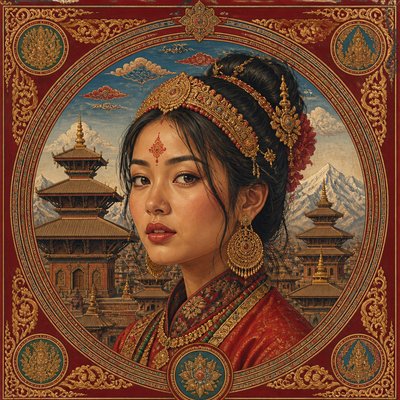
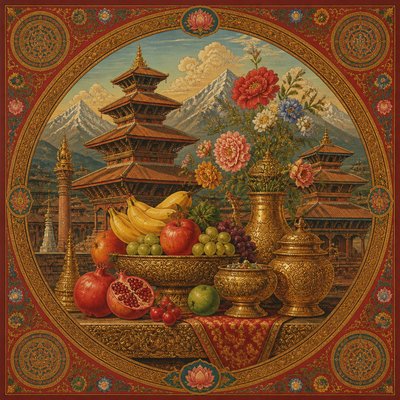
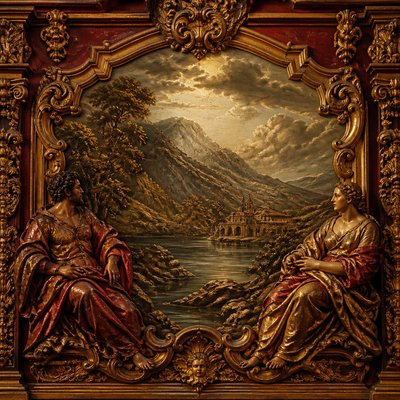
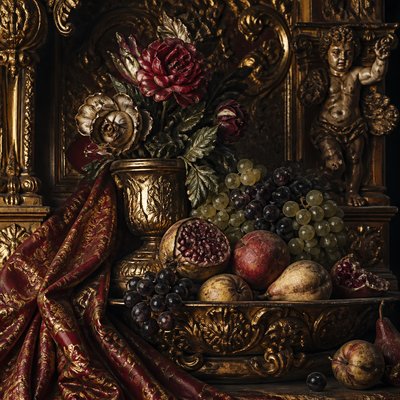
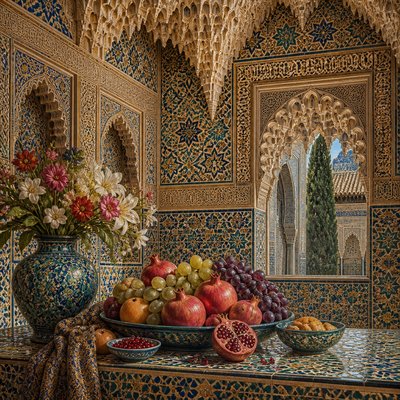
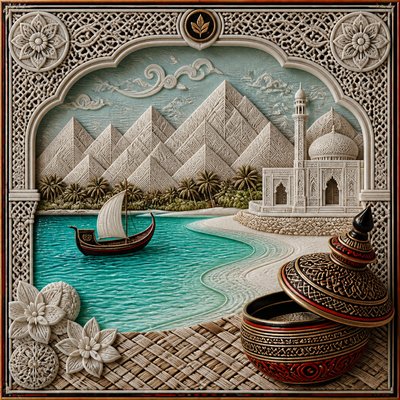
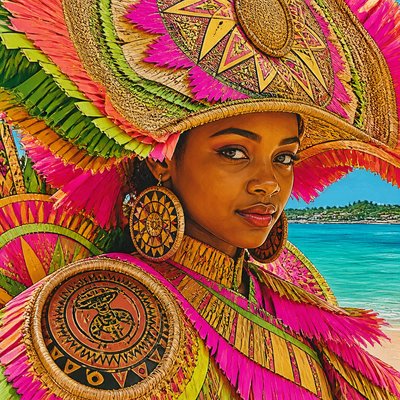
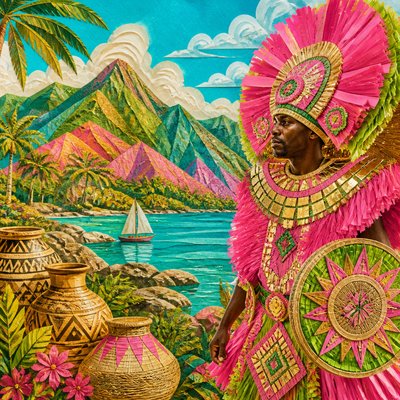
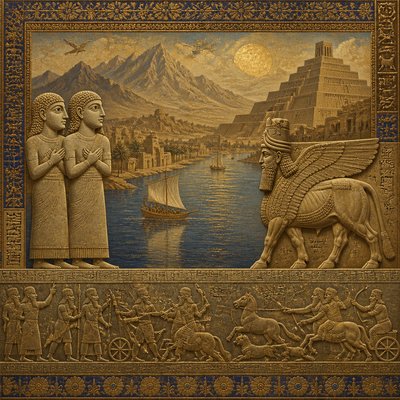
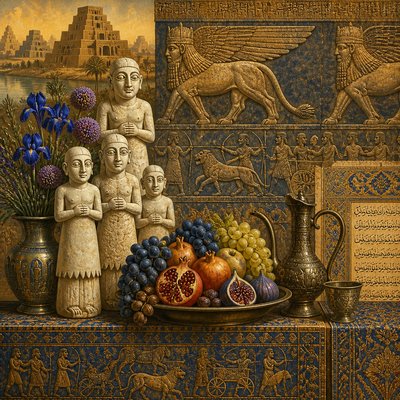
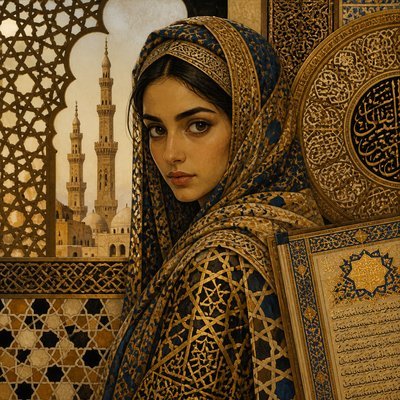
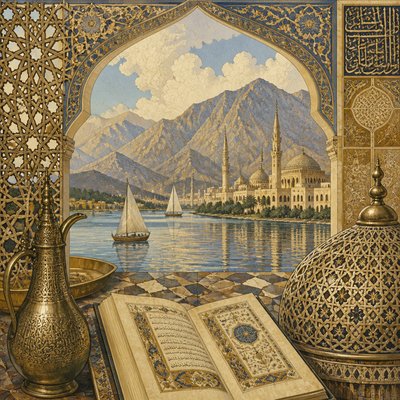
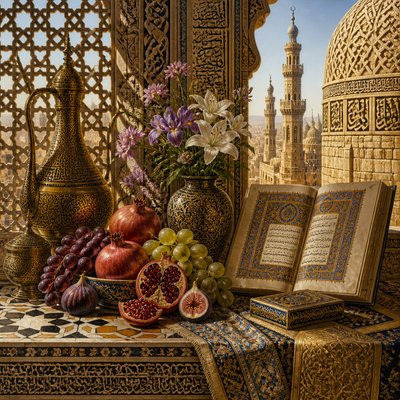
Gold Leaf Gilding is a decorative art style built around radiant metallic surfaces, flattened figures, ornamental pattern, and the visual authority of gold. Burnished grounds act almost like light sources, while halos, borders, and punched details turn the surface into a field of reflected illumination. Deep reds, lapis blues, ivory, and black provide strong contrast against the warm metal.
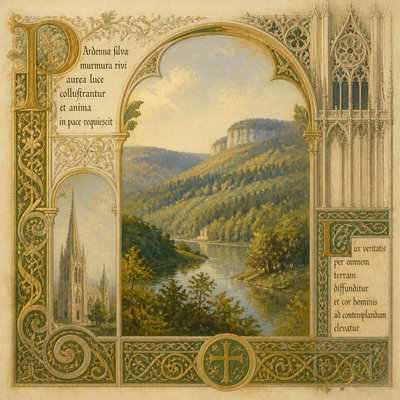
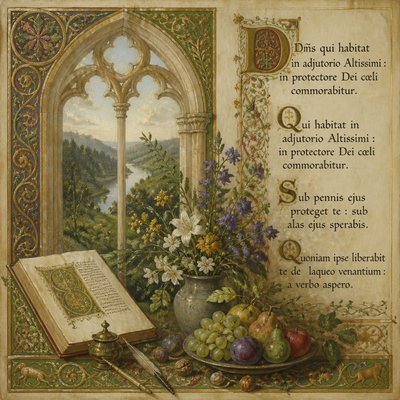
The style is not a single historical movement but a contemporary synthesis of gilded panel painting, sacred iconography, illuminated manuscripts, and ornamental craft. Its visual logic favors clarity over naturalistic depth: forms are simplified, contours are deliberate, and symbolic objects are arranged against luminous, often non-receding backgrounds. The result suggests permanence, ceremony, and preciousness rather than ordinary spatial realism.

Try It On Your Photos
Upload any photo and convert it into Gold Leaf Gilding Art Style — drag the sliders to compare before and after.


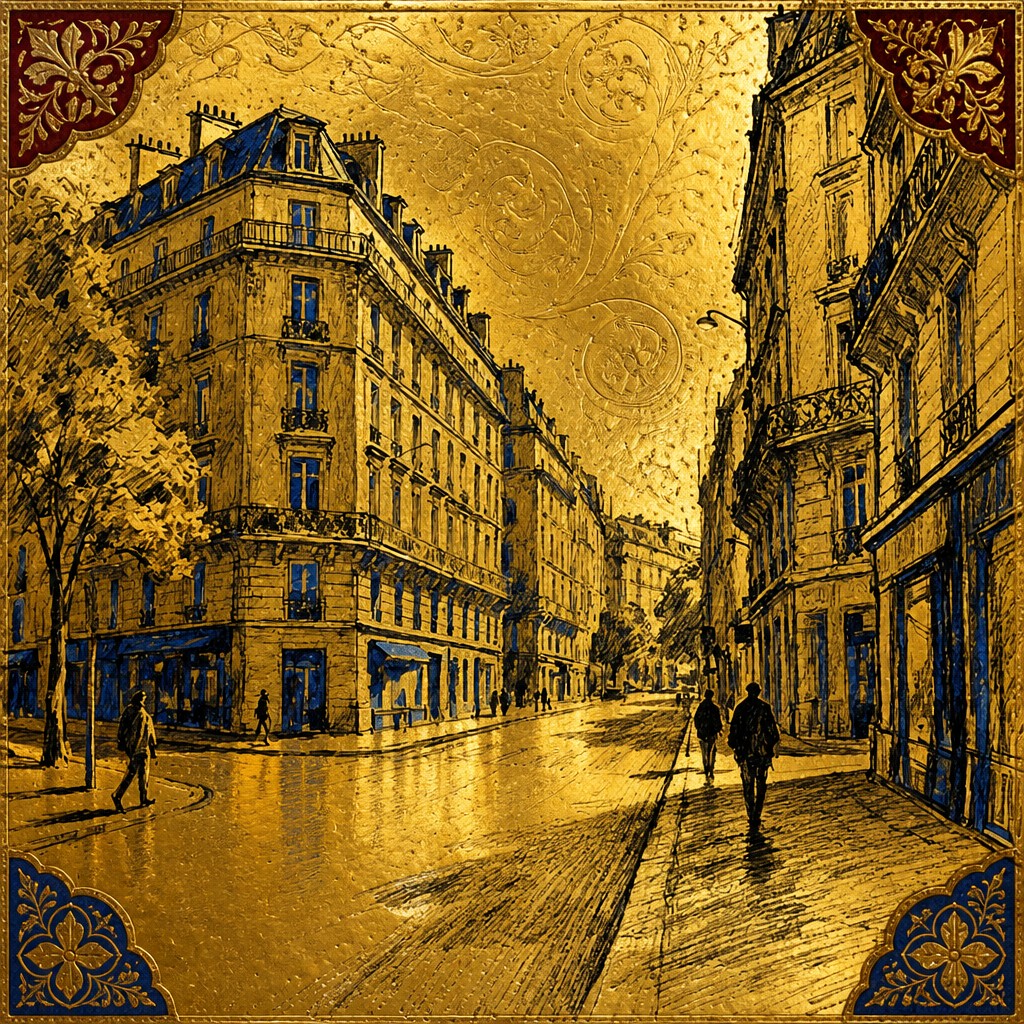

What Defines Gold Leaf Gilding Art Style
The signature details, up close
Burnished metallic grounds
Broad gold fields create a reflective, luminous background rather than conventional atmospheric space. Variations in polish, leaf direction, and simulated patina keep the surface from appearing uniformly flat.
Flattened, iconic figures
Figures are presented with clear silhouettes, frontal or formal poses, and limited volumetric modeling. Their scale and placement often communicate symbolic importance more than physical distance.
Glowing halos and aureoles
Circular or almond-shaped halos frame heads and sacred subjects as concentrated zones of light. They may be smooth, patterned, punched, or outlined with darker red and blue.
Tooled and punched ornament
Repeated dots, rosettes, rays, borders, and incised motifs suggest metal tooling pressed into the gilded surface. These details provide tactile richness and a handcrafted rhythm.
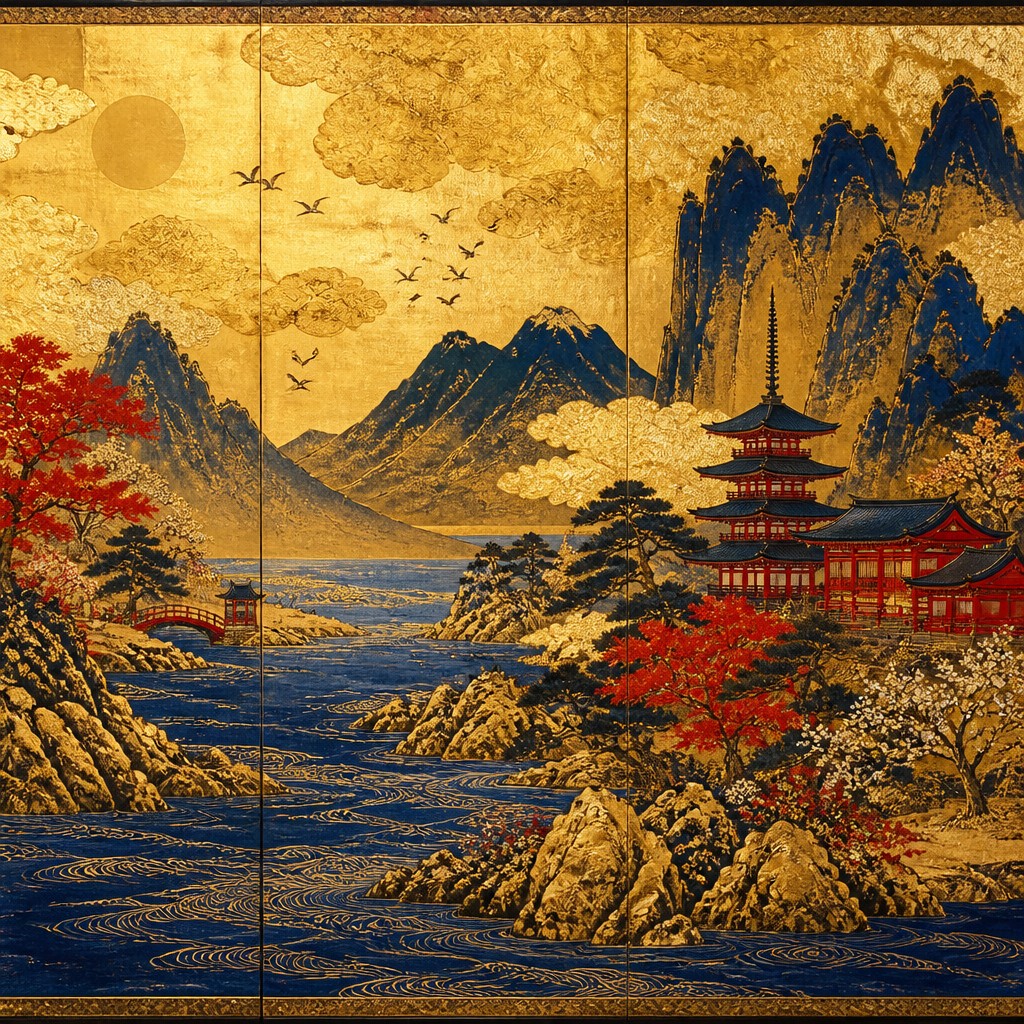
Jewel-toned contrast
Lapis blue, vermilion and deep crimson, malachite or emerald green, ivory, and near-black are used sparingly beside gold. The limited palette makes every saturated color feel ceremonial.
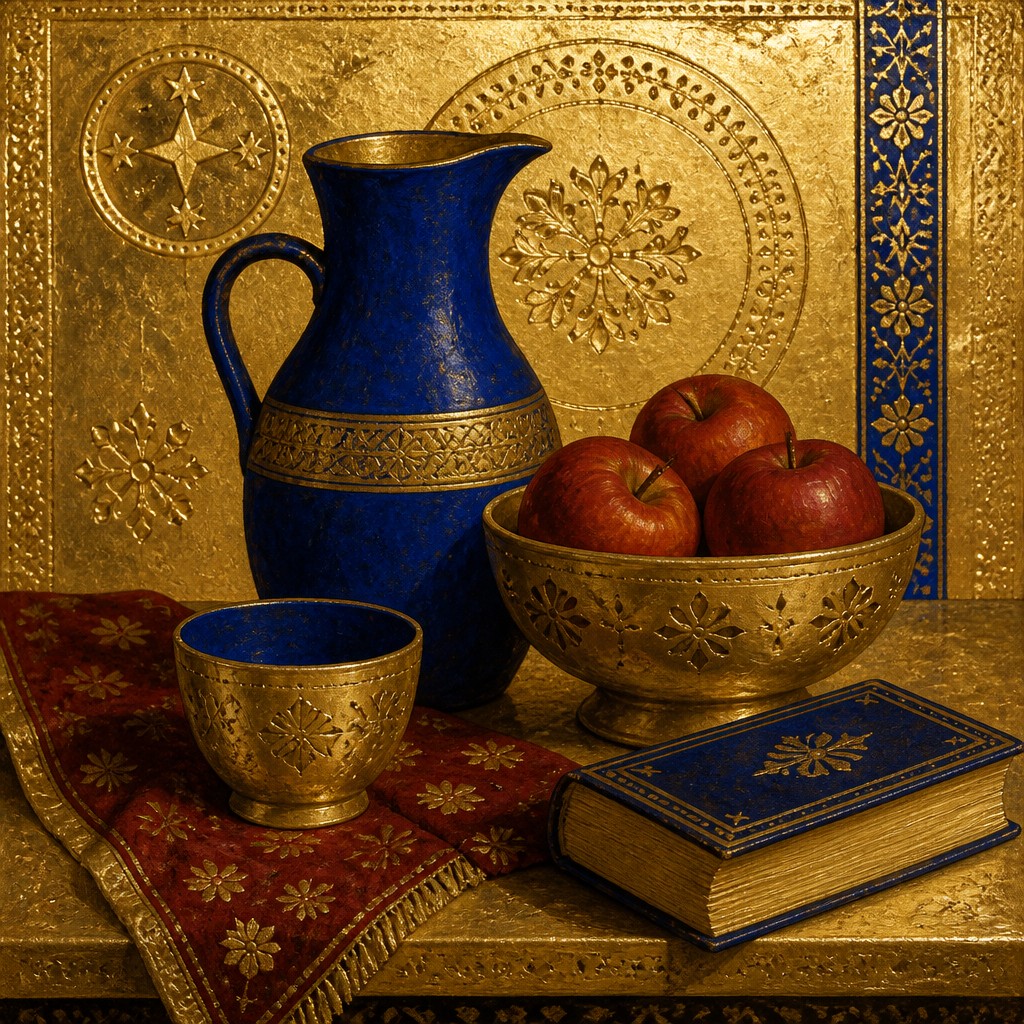
Decorative pattern and hierarchy
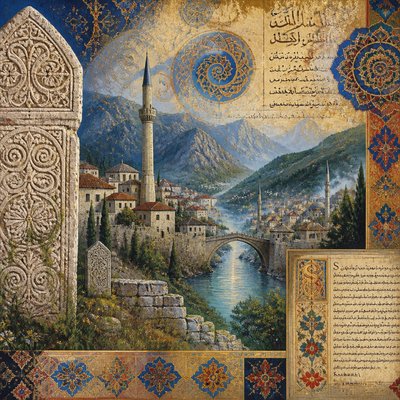
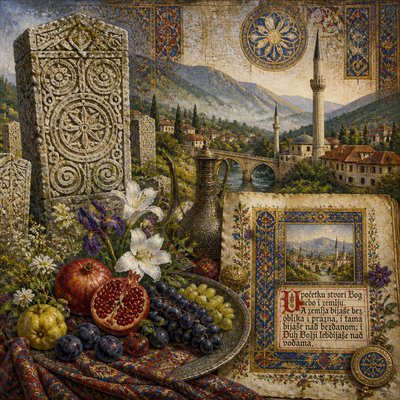
Textiles, architecture, foliage, stars, and borders are organized into legible ornamental bands. Pattern supports the subject instead of creating the illusion of unrestricted natural space.
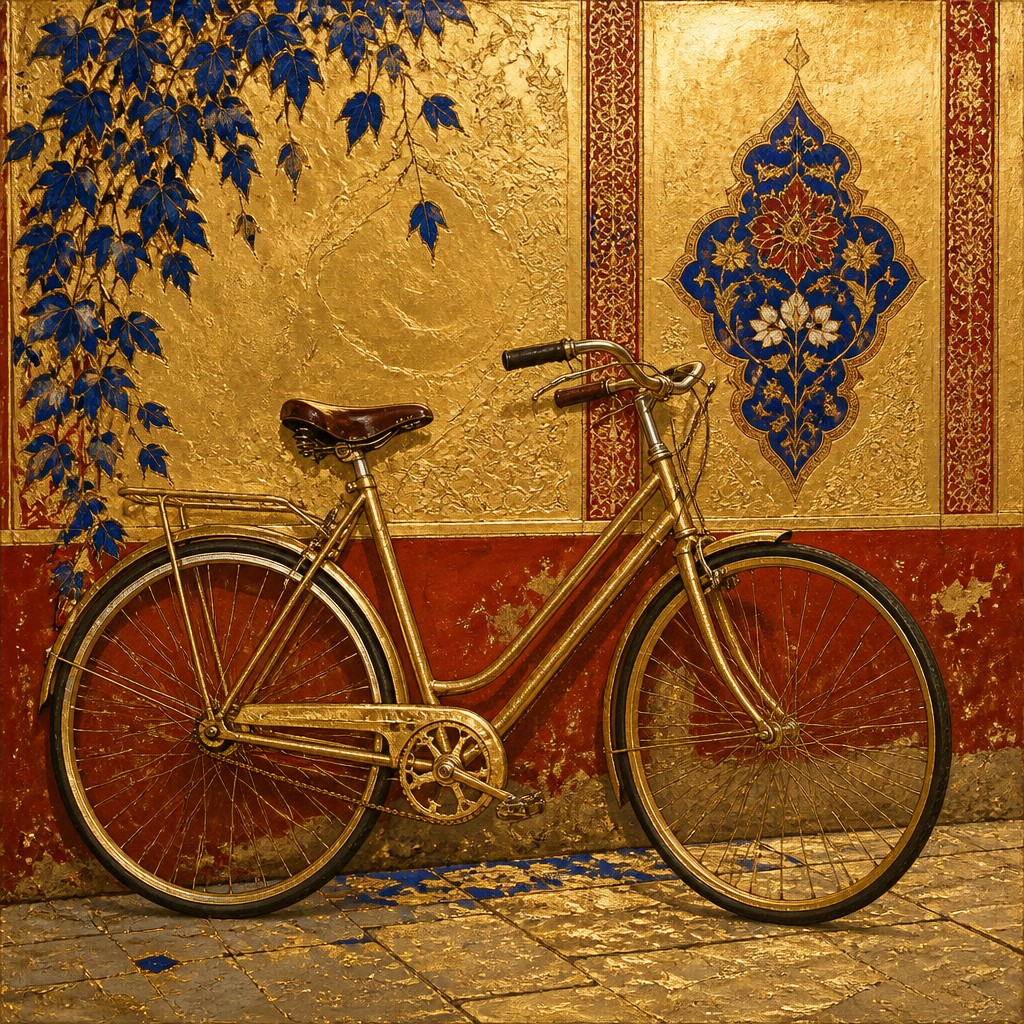
Material luminosity
The style emphasizes reflected light, softly glowing edges, and subtle variation across the metallic surface. Even digital interpretations benefit from believable imperfections such as leaf seams, worn areas, and uneven burnishing.
Try It
Create Videos in Gold Leaf Gilding Art Style
Styles aren't just for stills — describe a scene or animate an image and get a short video rendered in Gold Leaf Gilding. Press play to see this pond come to life.
Make a VideoGold Leaf Gilding Prompt Ideas
Start from an idea — each one opens the generator with the style ready to go. See all 40 Gold Leaf Gilding prompts →

“close-up portrait of an elderly person with expressive weathered features”
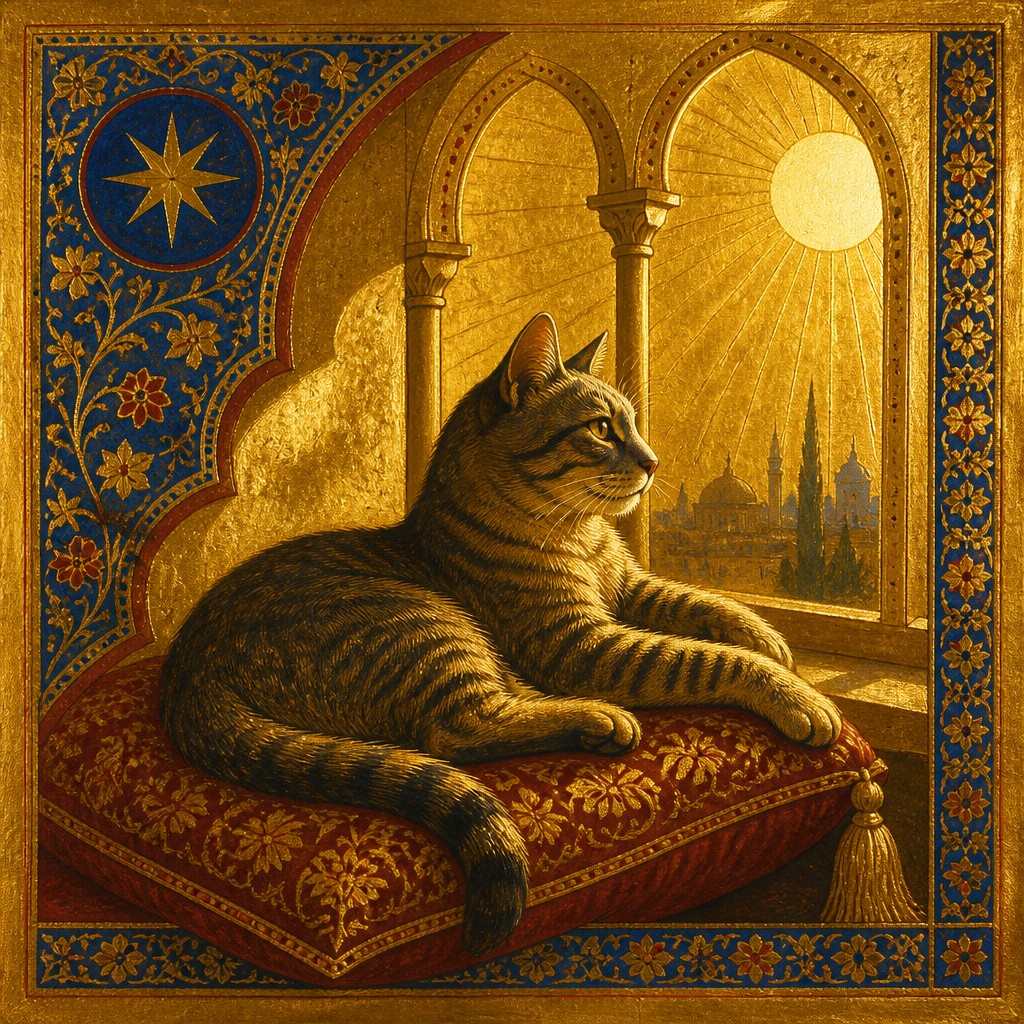
“a cat lounging in a sunlit window”

“bouquet of flowers in a glass vase”
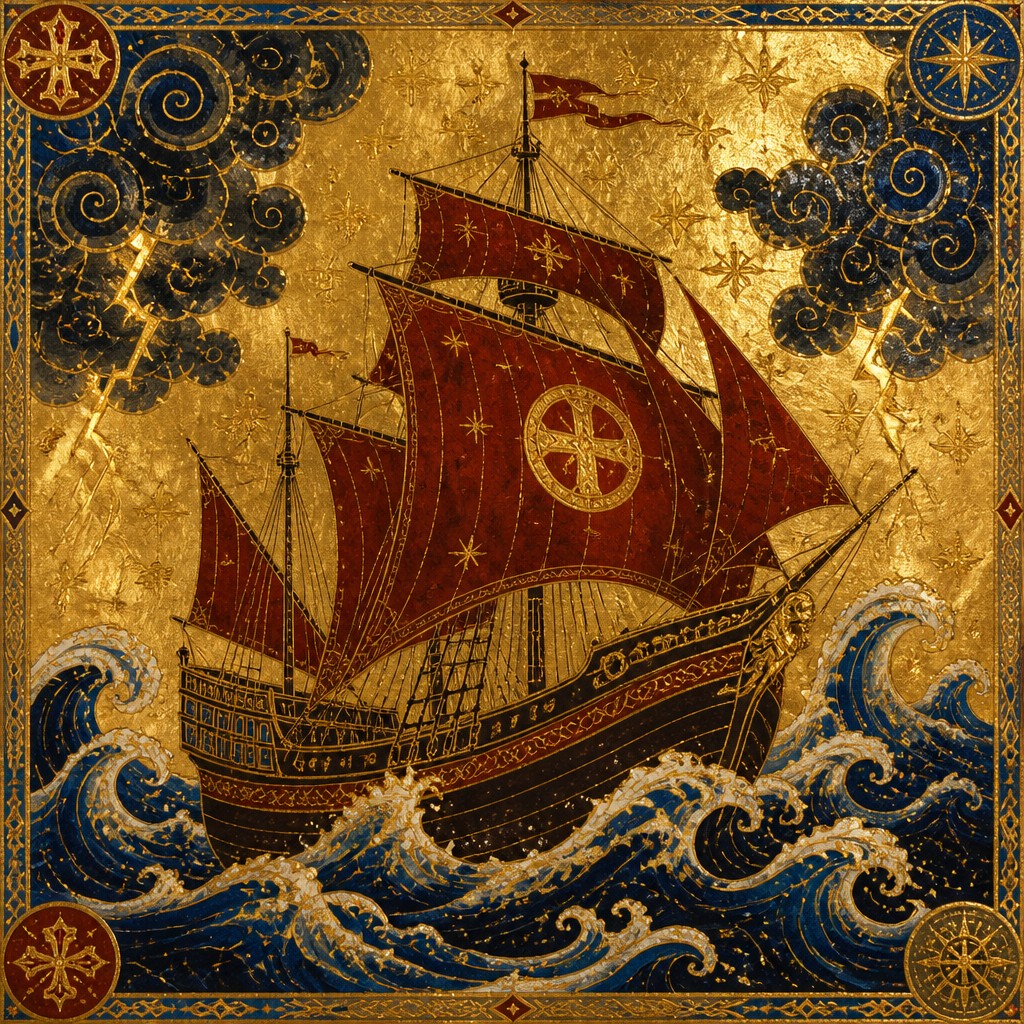
“sailing ship on a stormy sea”
How to Create Gold Leaf Gilding Art
Master the craft step by step — or skip straight to creating. Read the full guide →
- 1
Build a prepared gilding surface
For traditional work, apply gesso, smooth it carefully, add a clay bole, and use appropriate size before laying thin gold leaf. Burnish selected areas with a polished tool while leaving other passages softly matte for contrast.
- 2
Design the composition as an icon
Use a stable central arrangement, strong contour lines, and a shallow or symbolic setting. Establish the figure, halo, and major color fields before adding small ornamental details.
- 3
Use tooling as visual structure
Add punched dots, radiating lines, embossed borders, and repeated motifs around halos or garments. In digital work, combine high-resolution pattern layers with slight irregularity so the ornament feels made rather than mechanically tiled.
- 4
Control metallic contrast
Pair bright gold highlights with ochre, antique gold, and shadowed bronze rather than using one flat yellow. Keep deep reds and lapis blues relatively solid so they reinforce the reflective ground.
- 5
Create a convincing digital surface
Layer metallic gradients, fine grain, leaf seams, reflected glints, and masked wear over the image, then use restrained bloom around halos. Avoid excessive mirror-like shine, which can erase the distinction between gold leaf and polished chrome.
- 6
Write prompts by material and structure
For prompt-based generation, specify the subject, frontal or hieratic pose, burnished gold ground, halo geometry, tooled ornament, jewel-toned palette, and restrained depth. Add terms such as irregular leaf texture, punched borders, and sacred panel composition when a more physical result is desired.

The Story
History & Origins of Gold Leaf Gilding
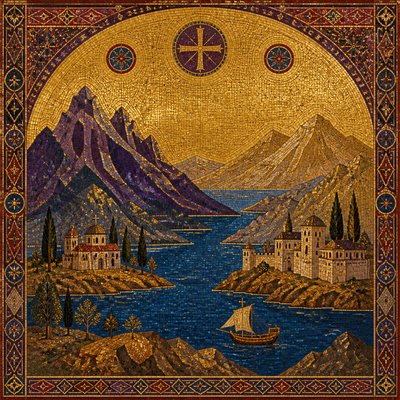
This style draws primarily from the long history of gold leaf in Byzantine and Eastern Christian icon painting, medieval European manuscript illumination, and gilded panel traditions. These practices used thin sheets of gold over prepared surfaces to create halos, backgrounds, borders, and celestial fields. Gold was valued not only for material expense but also for its resistance to tarnish and its association with sacred or imperial radiance.
Its contemporary form also reflects decorative revivals of medieval art, icon-inspired illustration, luxury craft, and digital compositing. Modern versions may imitate the irregular reflection, tooling, and layered construction of physical gilding without claiming to belong to a specific historical school.
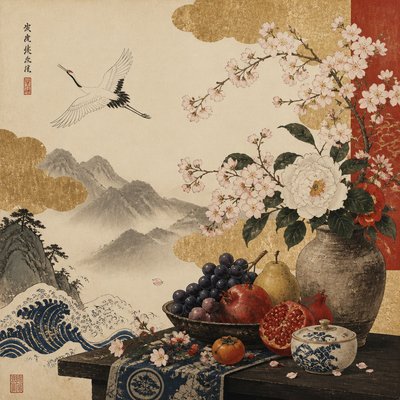
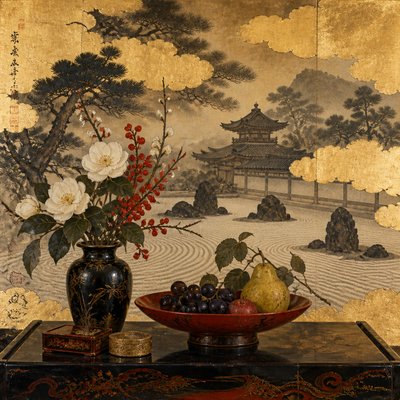
Influences: Related traditions include Byzantine icon painting, Eastern Christian panel art, medieval European manuscript illumination, Romanesque and Gothic decorative painting, Persian and Islamic ornamental design, and later Arts and Crafts revivals of medieval craftsmanship. It also shares concerns with Japanese gold-ground painting and other cultures that use metallic surfaces to flatten space and intensify pattern, although each tradition has its own materials, iconography, and rules. Contemporary digital illustration and fantasy art often combine these lineages with cinematic lighting and symbolic portrait composition.

Frequently Asked Questions
What defines Gold Leaf Gilding as an art style?
Its defining features are a luminous gold ground, flattened or iconic composition, jewel-toned accents, halos or aureoles, and patterned surface tooling. The appearance should suggest real leaf, burnishing, and hand decoration rather than a generic yellow background.
Is Gold Leaf Gilding a historical art movement?
No. The name describes a contemporary stylistic synthesis rather than a single period, school, or historical movement. It draws on several established gilding and iconographic traditions while adapting their visual language for modern illustration and digital imagery.
How is it different from Byzantine icon painting?
Byzantine icon painting is a specific religious tradition with established theological, technical, and devotional conventions. Gold Leaf Gilding may borrow its frontal figures, halos, and gold backgrounds, but it can depict secular, natural, fantastical, or contemporary subjects without following those historical rules.
Does the artwork need to use real gold leaf?
No. Real gold leaf produces distinctive reflections, seams, and tactile irregularities, but metallic pigments, imitation leaf, foil, and digital textures can suggest the same effect. The essential quality is the organized interaction of reflective gold with flat forms, ornament, and strong color.
How can I make a convincing image in this style?
Start with a clear central subject and shallow symbolic space, then specify a burnished gold ground, a defined halo, tooled ornament, and a limited palette of red, lapis, ivory, and black. Add material cues such as uneven leaf, punched dots, embossed borders, and selective matte areas to avoid a plastic metallic finish.
Where is this style commonly used?
It suits sacred or ceremonial portraits, fantasy character art, editorial illustration, book covers, decorative posters, tarot-inspired imagery, album artwork, and luxury packaging. It is especially effective when the subject benefits from a sense of ritual, rarity, or timeless symbolic importance.

Create your first Gold Leaf Gilding artwork
Describe anything — or upload a photo — and see it in Gold Leaf Gilding Art Style in seconds.
Related Styles
Discover similar art styles