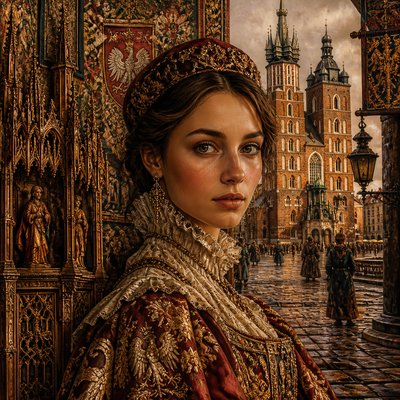
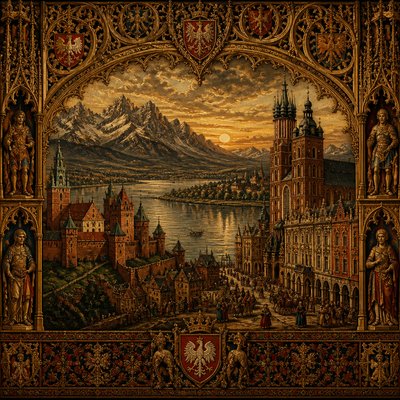
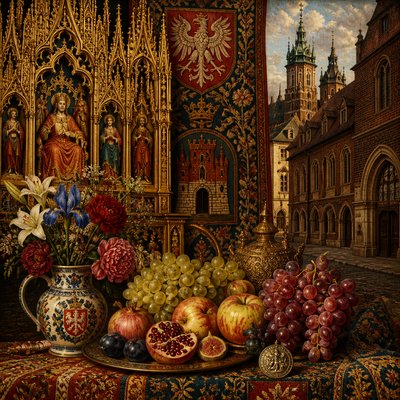
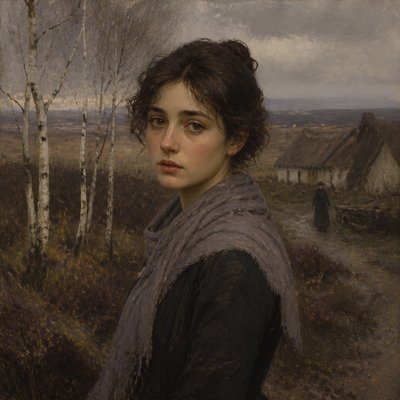
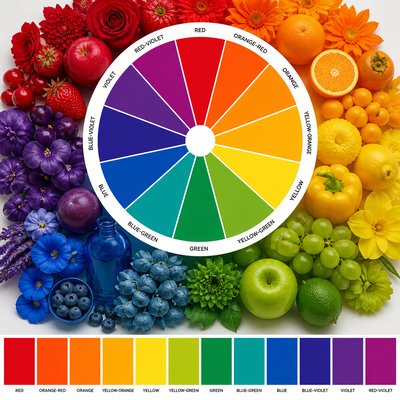
Cool Palette Art Style
Explore Cool Palette Art: blue, teal, silver and violet imagery shaped by mist, moonlight, underwater depth and frost-like clarity.
Instantly rendered in Cool Palette — or transform a photo
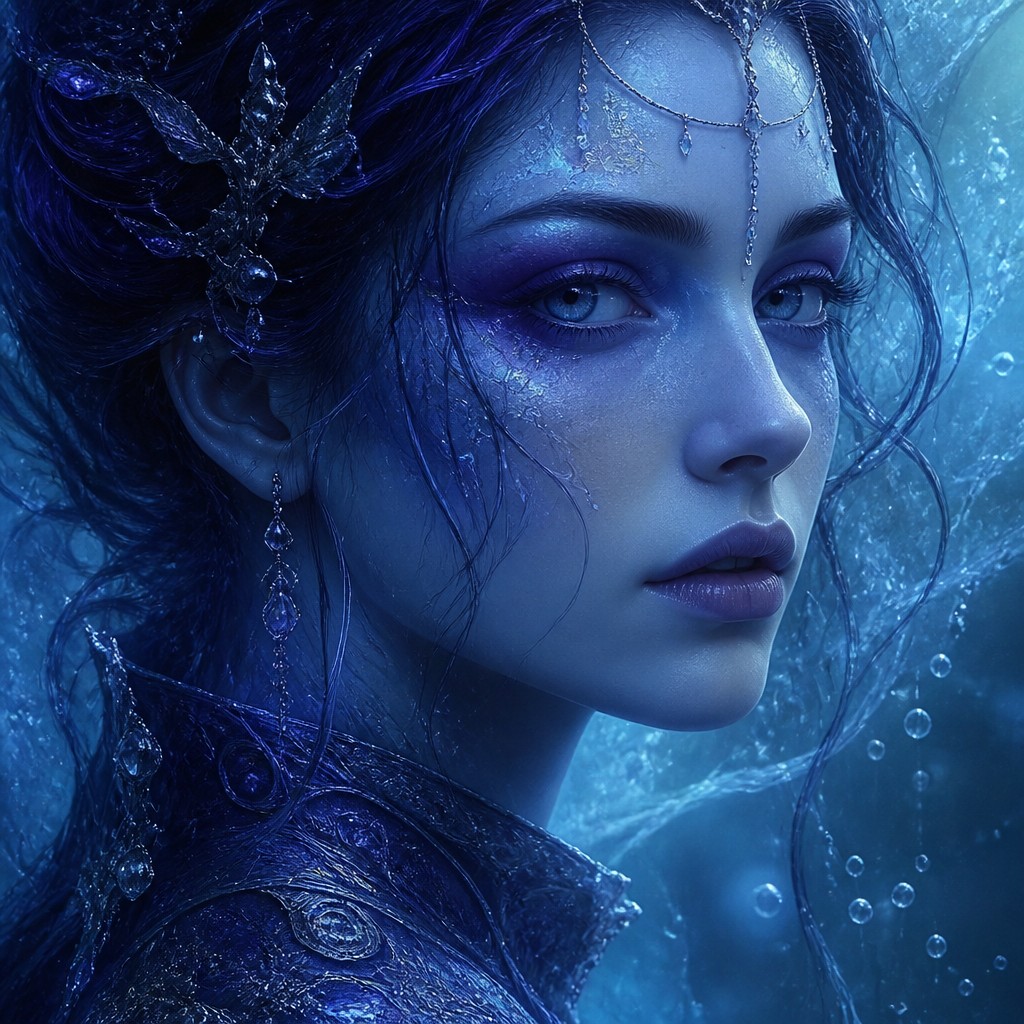
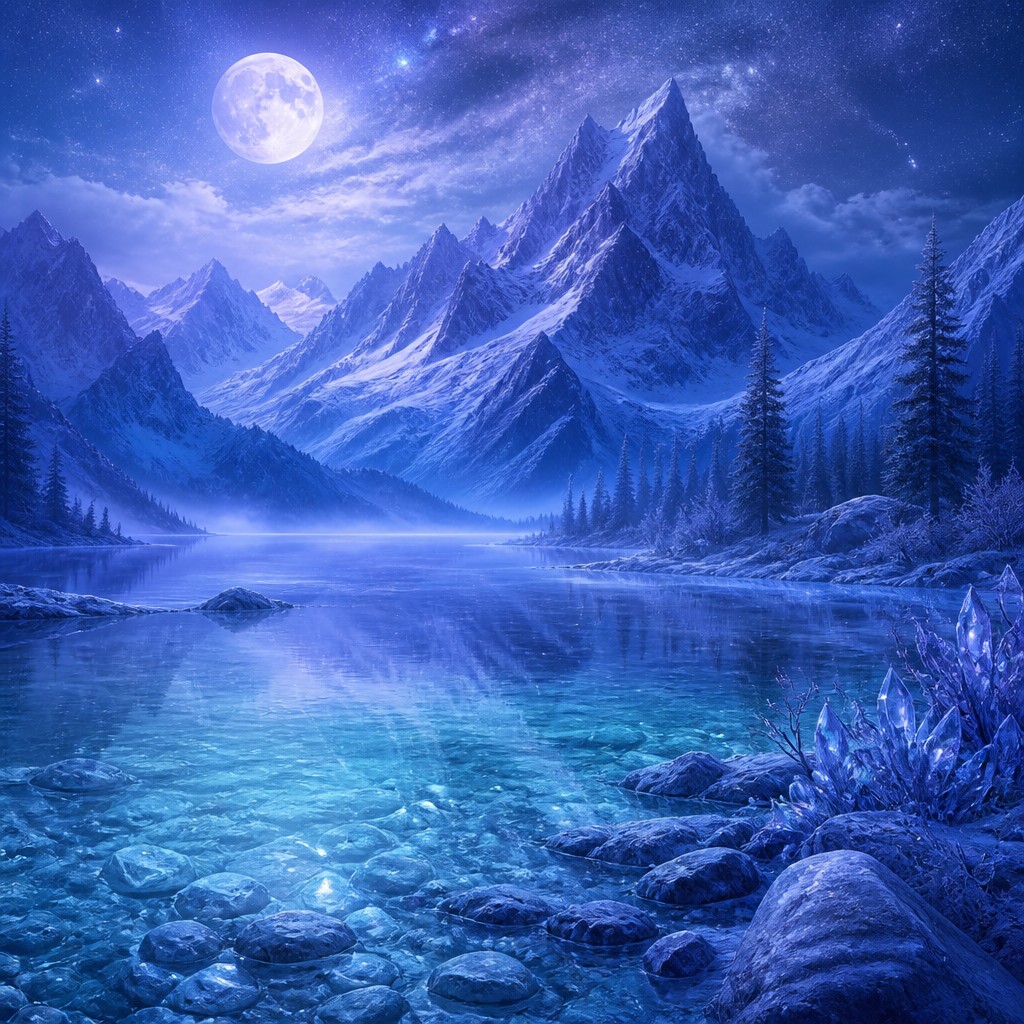
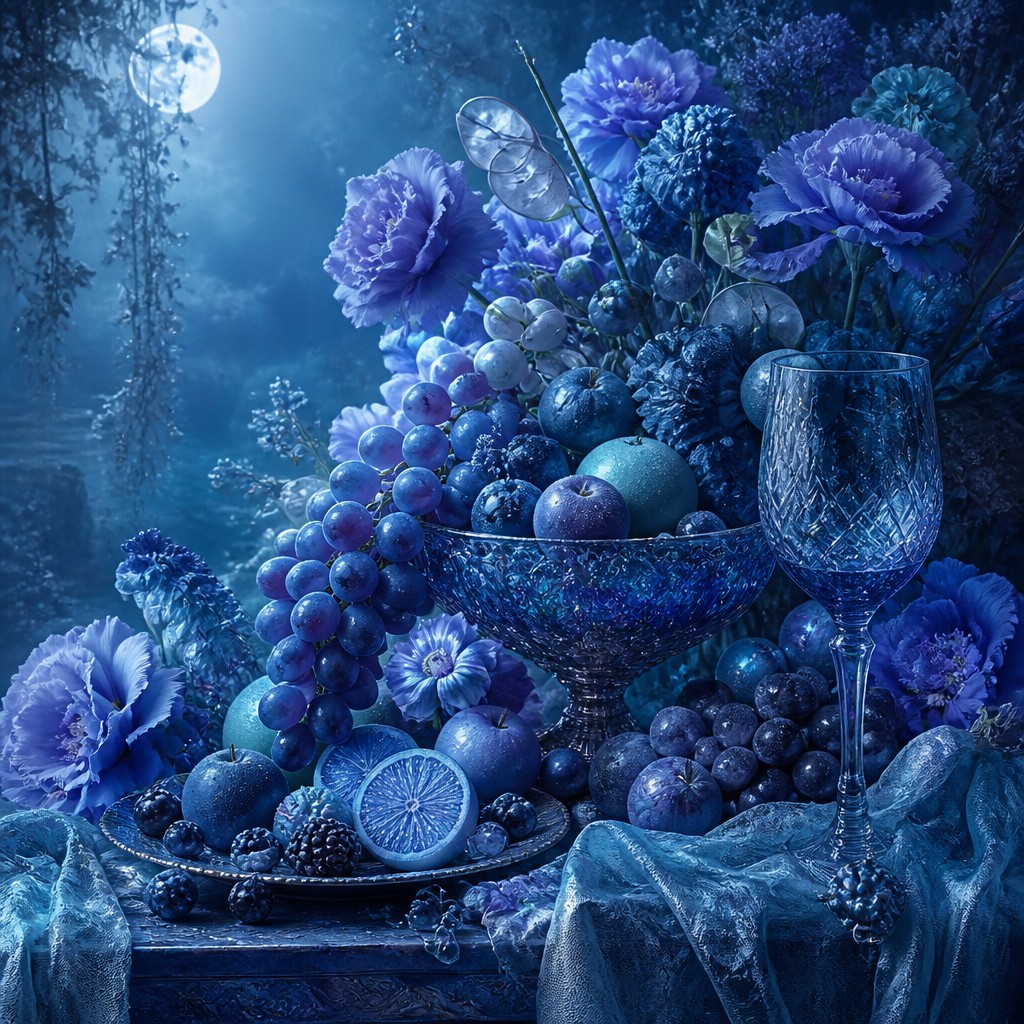
Cool Palette Gallery
Tap any artwork to explore it
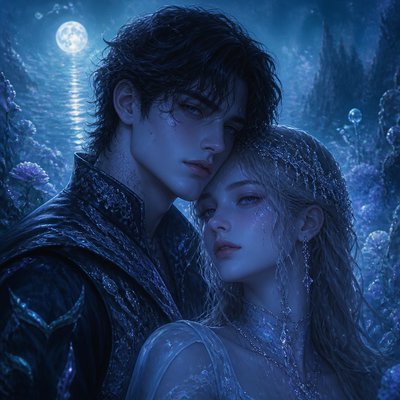
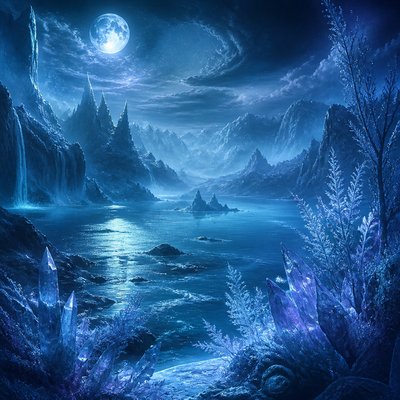
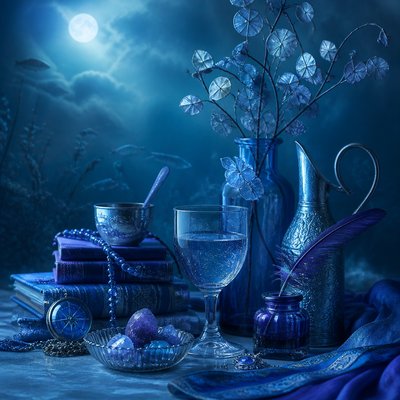
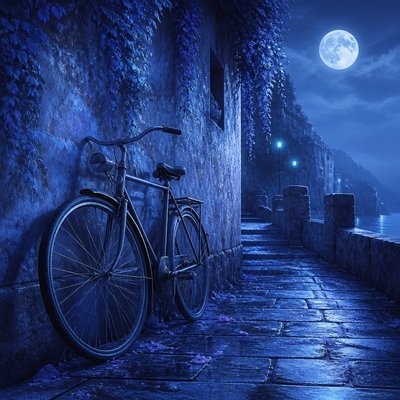
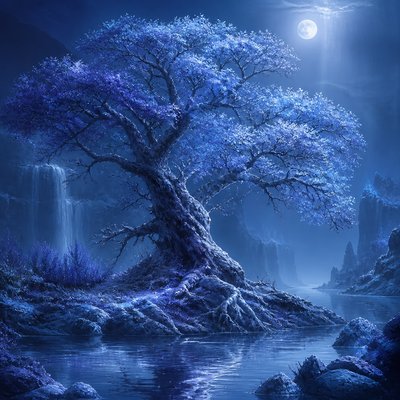
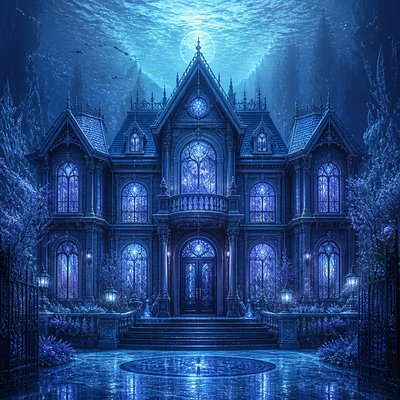
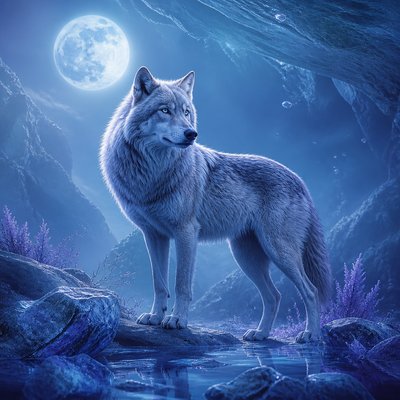
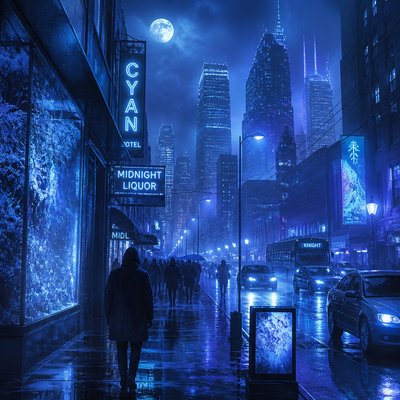
What is Cool Palette Art Style?
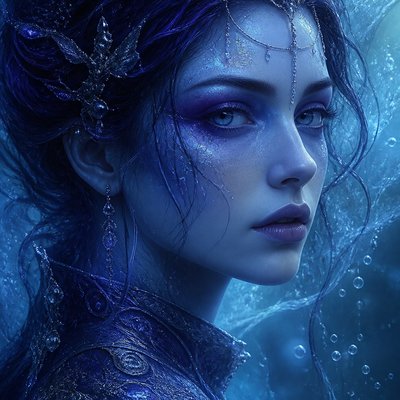
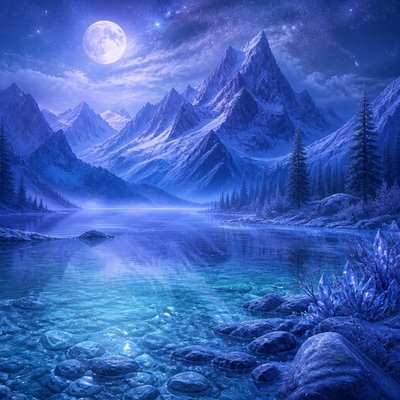
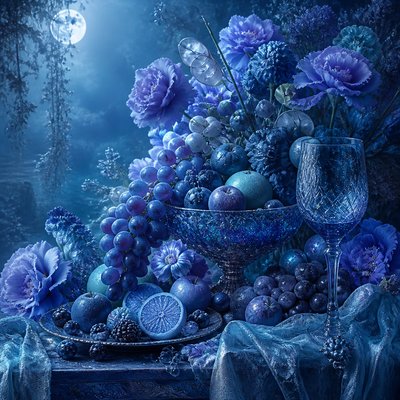
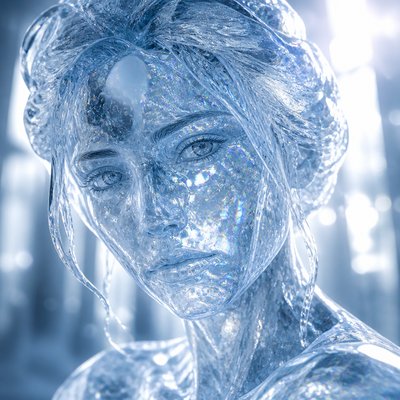
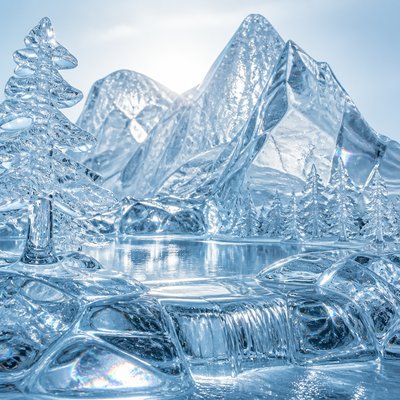
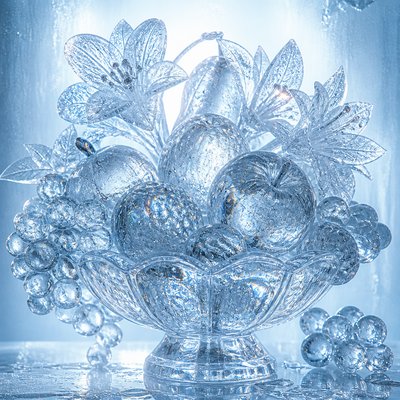
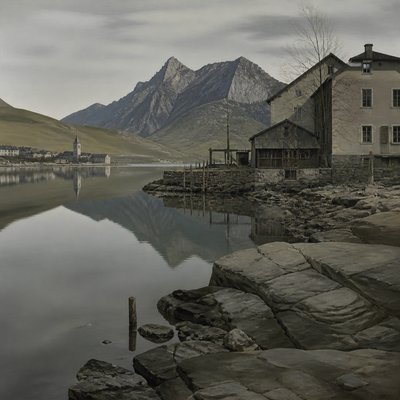
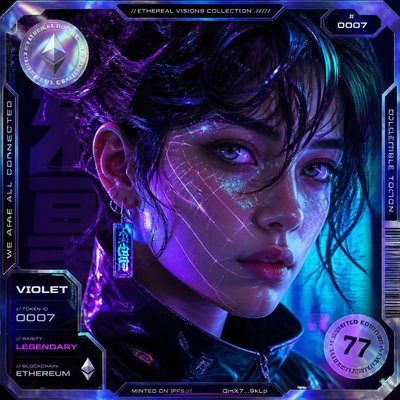
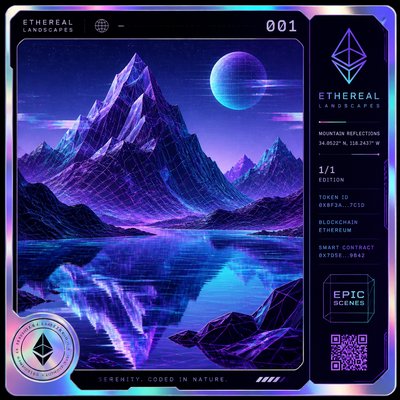
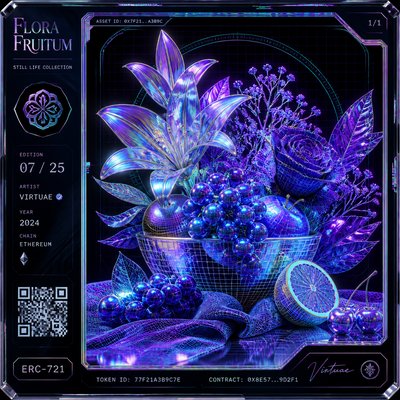
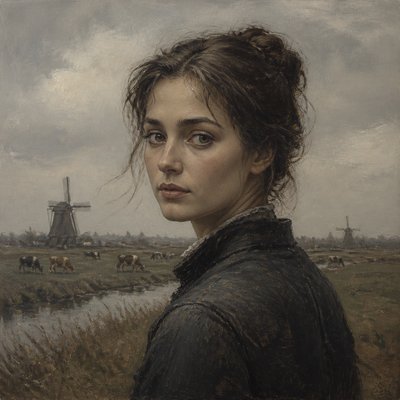
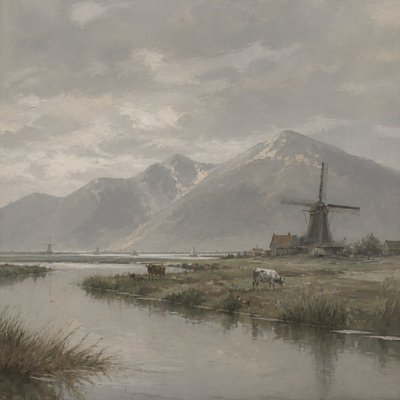
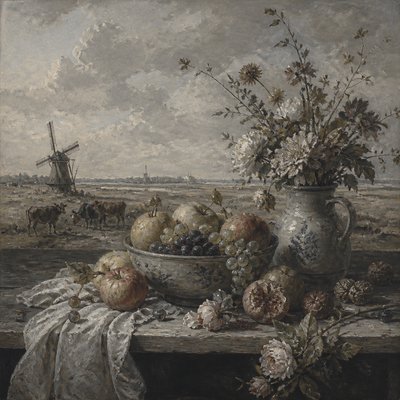
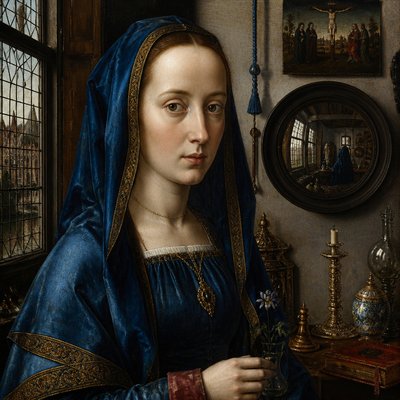
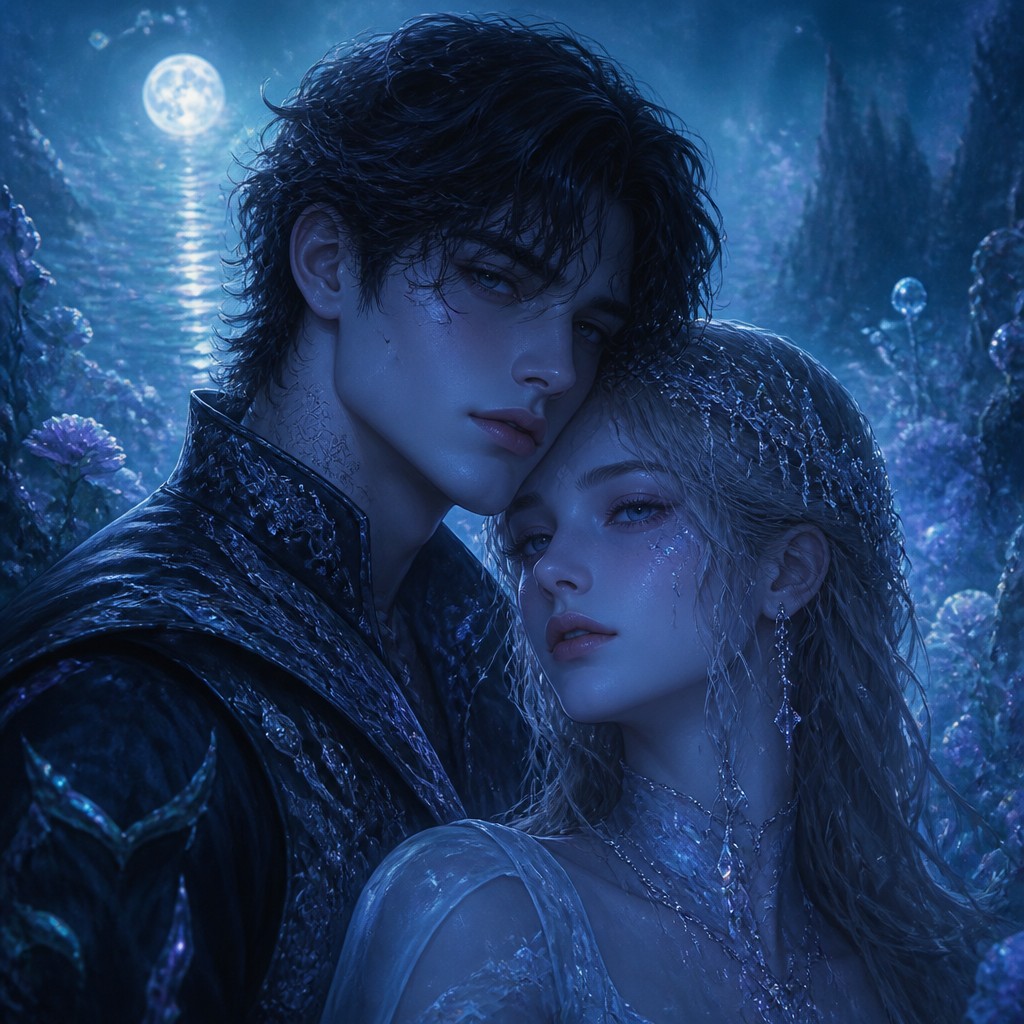
Cool Palette Art is a contemporary color-based aesthetic defined by an almost exclusive use of blues, teals, silvers and violets. Its subjects may range from landscapes and architecture to portraits, interiors or imagined worlds, but every element is unified by a cold chromatic atmosphere. Warm reds, oranges, yellows and earthy browns are deliberately removed or neutralized.
The style creates a sensation of cold air, moonlight, submerged space or polished ice. Receding mist, softened edges and layered blue values suggest depth, while crisp highlights resembling frost-covered glass provide structural clarity. The result can feel tranquil, remote, nocturnal or slightly otherworldly without requiring surreal subject matter.
Try It On Your Photos
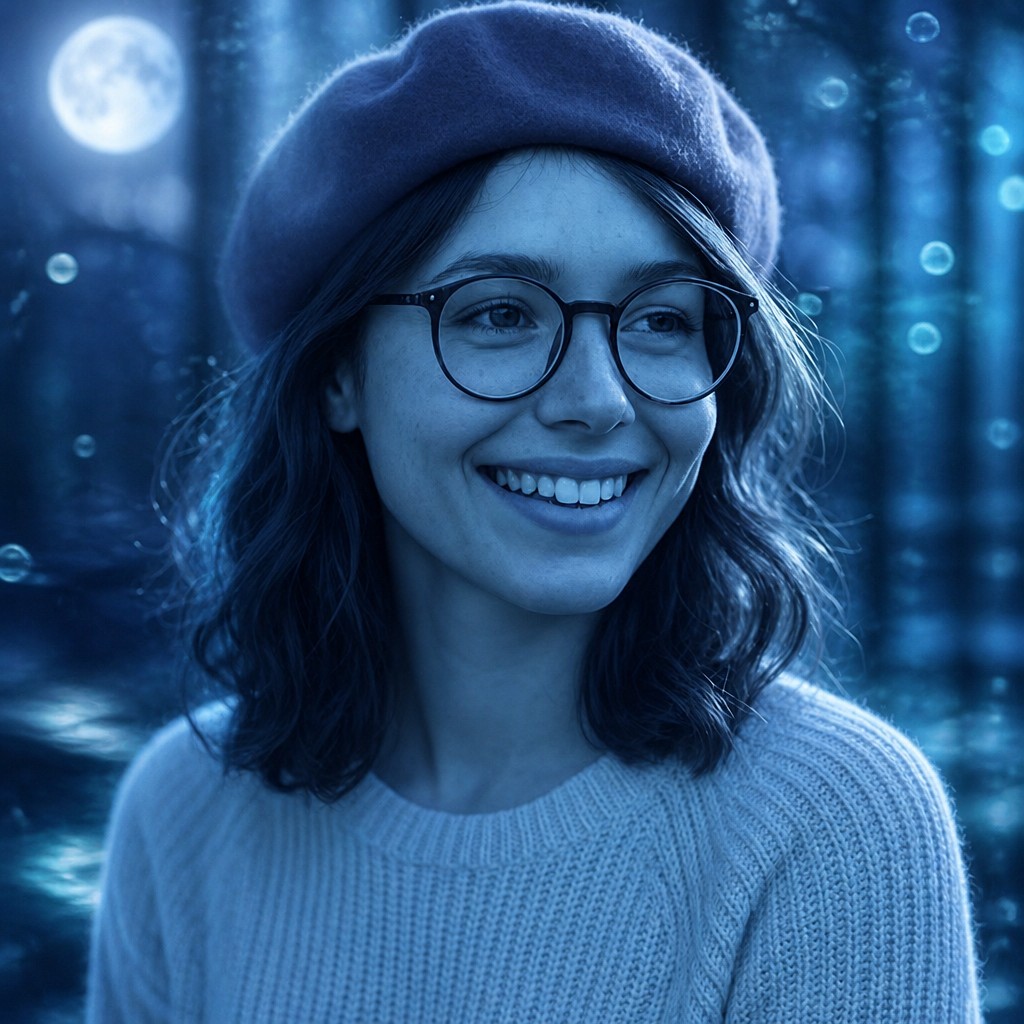
Upload any photo and convert it into Cool Palette Art Style — drag the sliders to compare before and after.


What Defines Cool Palette Art Style
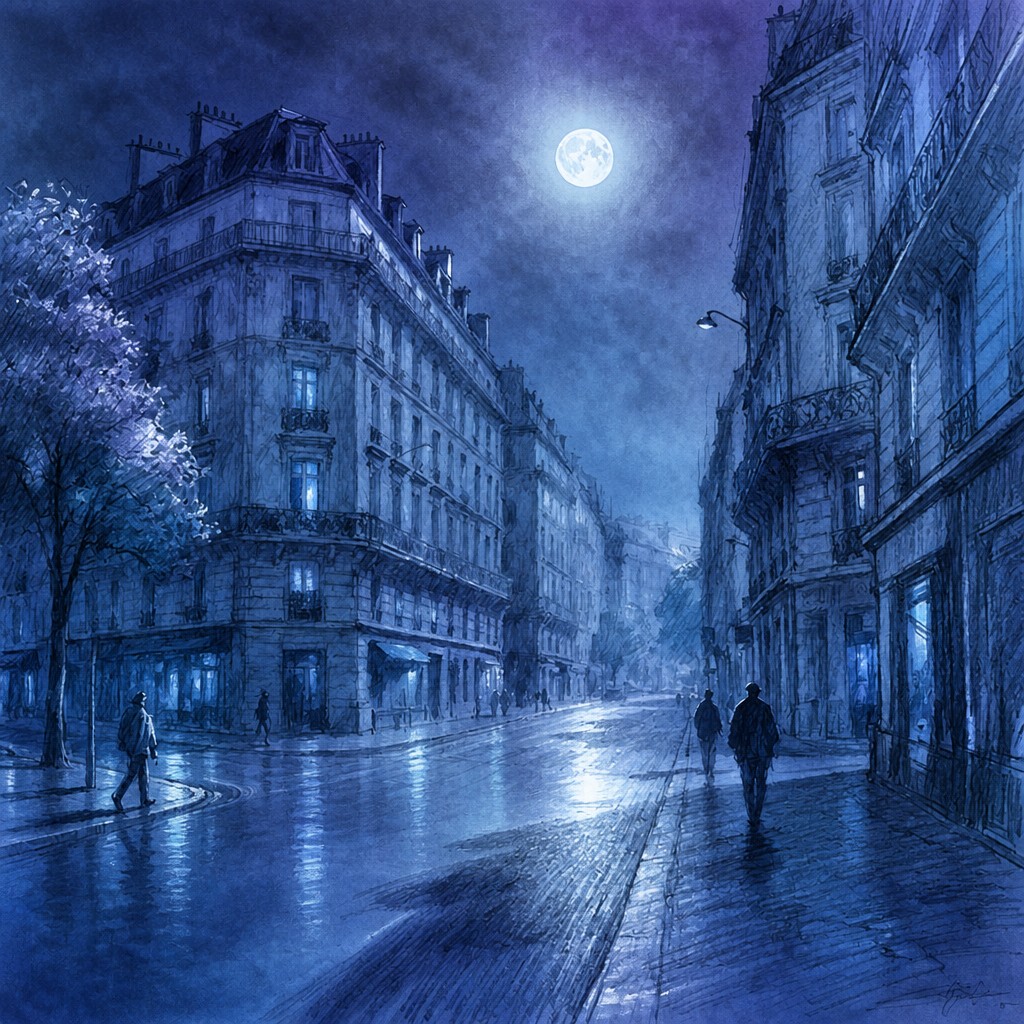
The signature details, up close
Restricted cool palette
The image is built from blues, teals, violets, blue-grays and silvery neutrals. Warm hues are excluded or reduced so that the palette remains visually cold from foreground to background.
Moonlit illumination
Lighting often resembles diffuse moonlight: cool, directional highlights are balanced by deep blue shadows rather than black ones. Low-intensity glow can separate forms without introducing warmth.
Misty atmospheric depth
Layered haze, receding silhouettes and low-contrast backgrounds create distance. Atmospheric perspective is emphasized through paler, bluer forms in the far field.
Frost-glass clarity
Important edges and reflective surfaces are rendered with clean, crystalline highlights. This sharpness contrasts with misty passages and evokes ice, condensation, glass or polished silver.
Submerged visual atmosphere
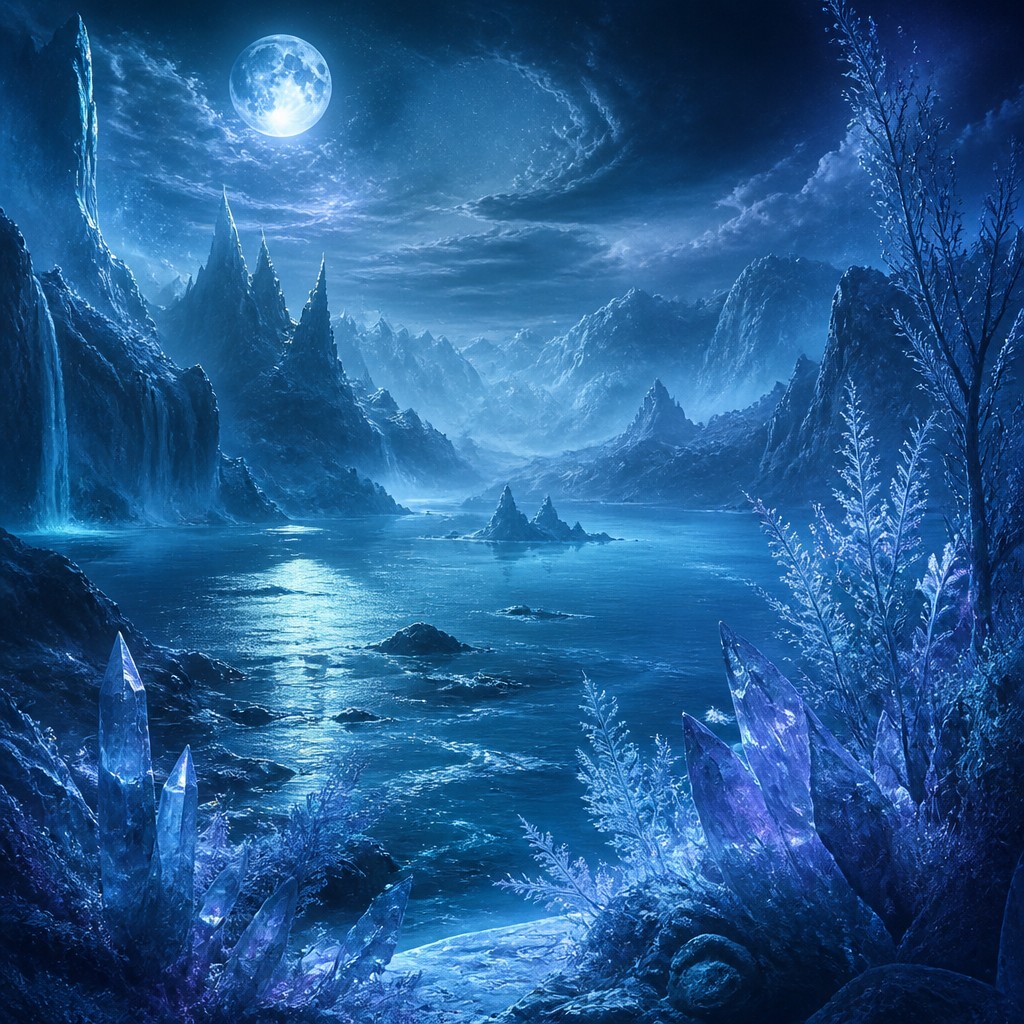
Soft light falloff, suspended particles, wavering shadows and teal gradients can suggest underwater space even when the subject is above ground. Forms often appear weightless or quietly suspended.
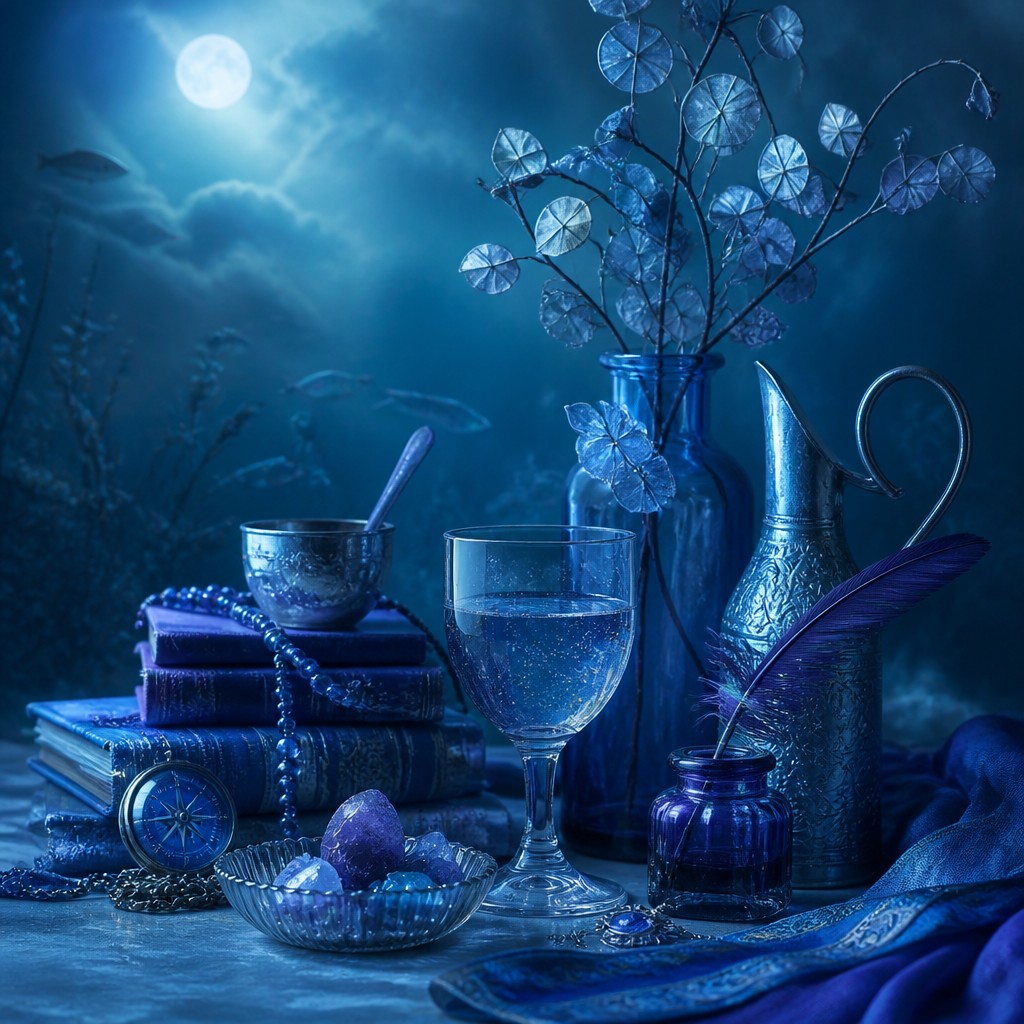
Controlled tonal contrast
The style generally favors measured contrast over harsh black-and-white extremes. Deep navy anchors the composition, while silver, pale cyan and violet accents guide the eye.
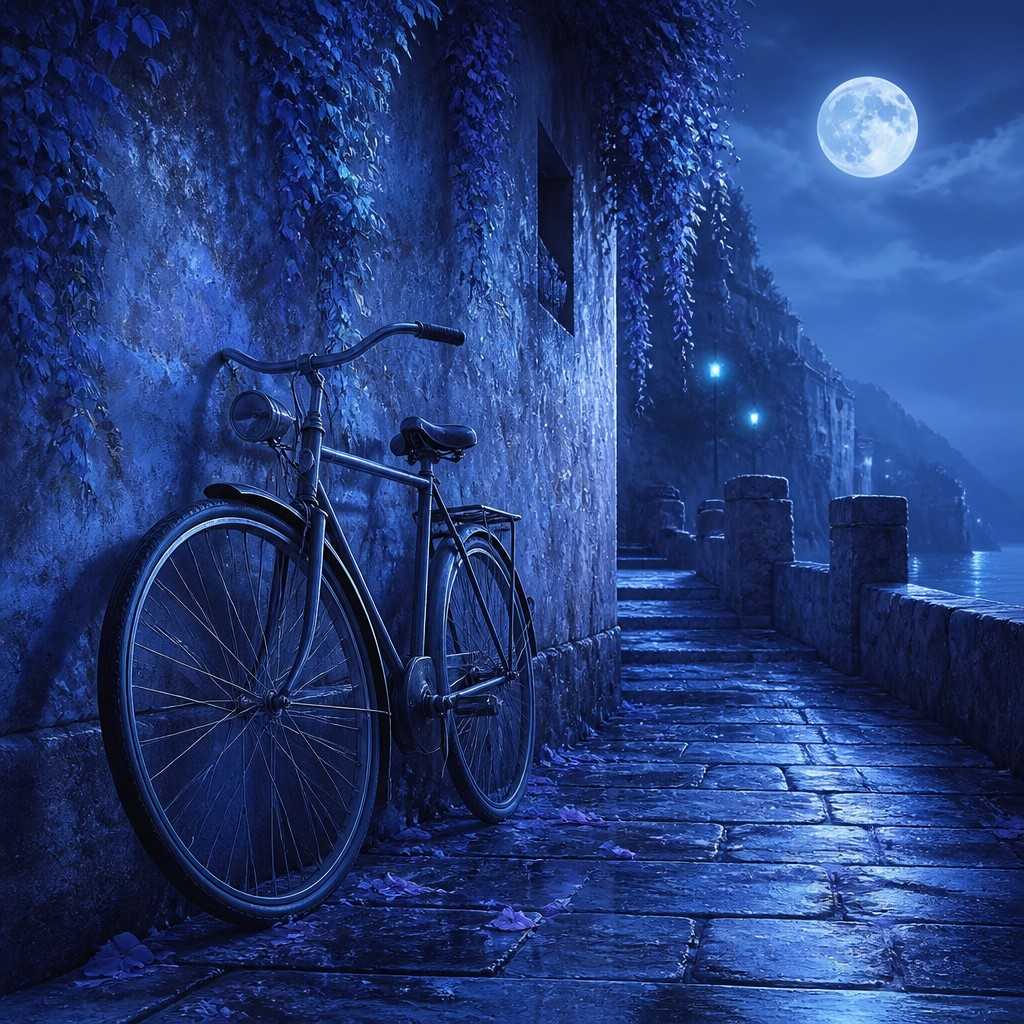
Quiet, contemplative mood
Sparse compositions, slow visual rhythms and ample negative space support feelings of solitude, stillness and distance. Dramatic subjects can remain restrained through the cool palette.
Try It
Create Videos in Cool Palette Art Style
Styles aren't just for stills — describe a scene or animate an image and get a short video rendered in Cool Palette. Press play to see this pond come to life.
Make a VideoCool Palette Prompt Ideas
Start from an idea — each one opens the generator with the style ready to go. See all 40 Cool Palette prompts →

“close-up portrait of an elderly person with expressive weathered features”
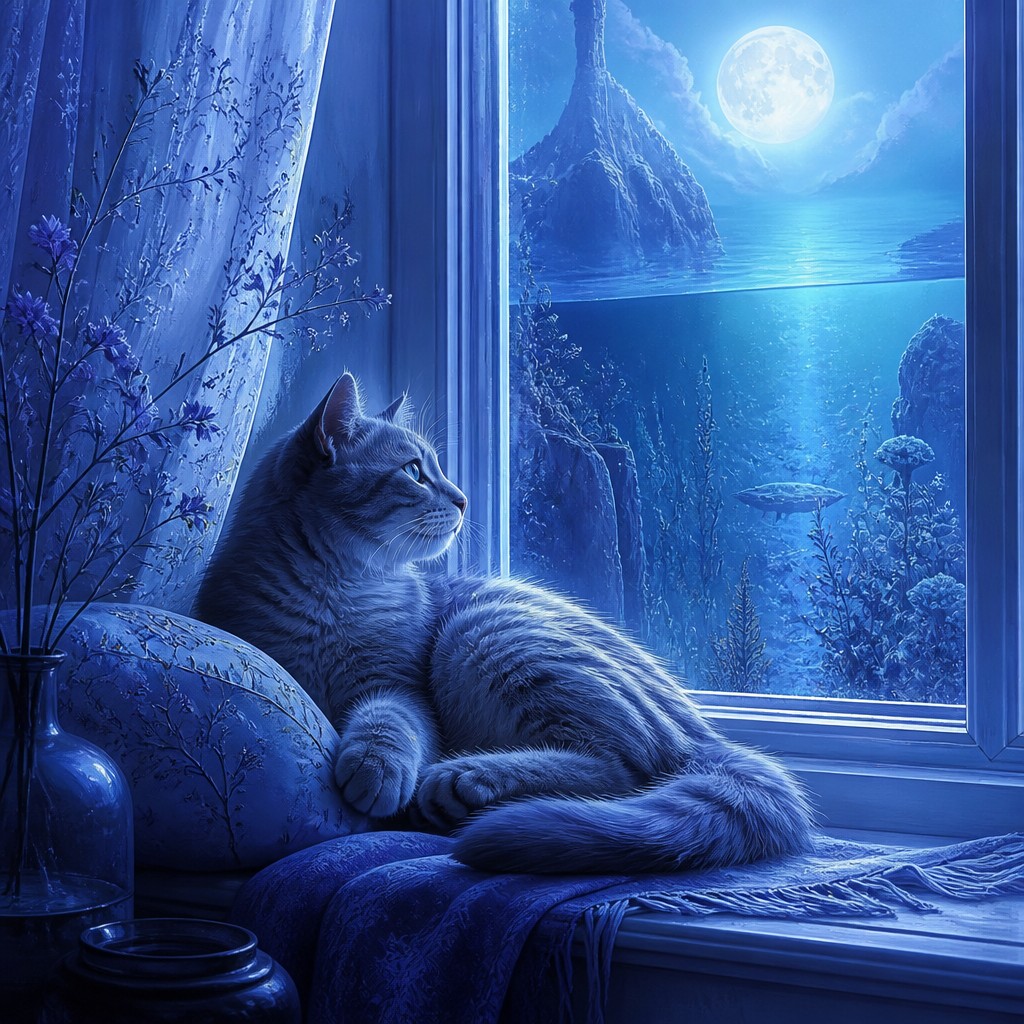
“a cat lounging in a sunlit window”
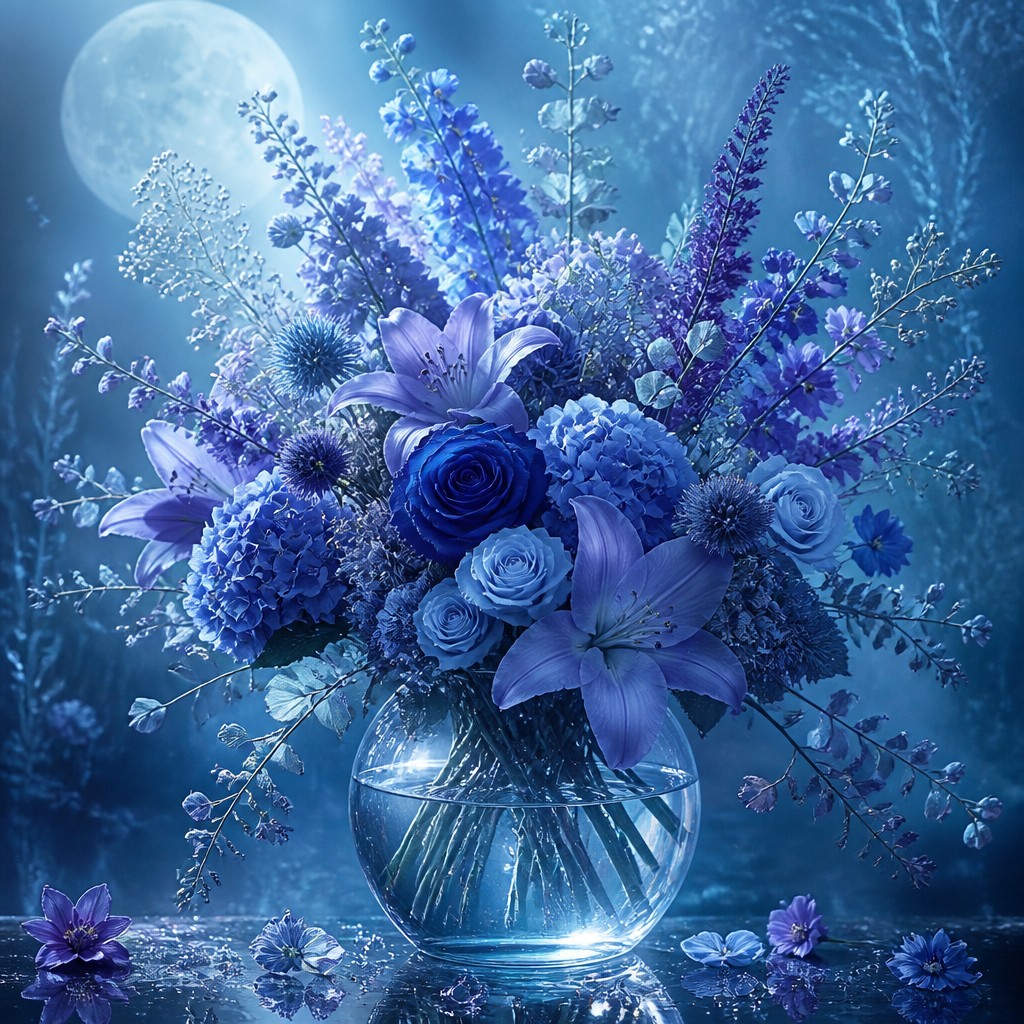
“bouquet of flowers in a glass vase”
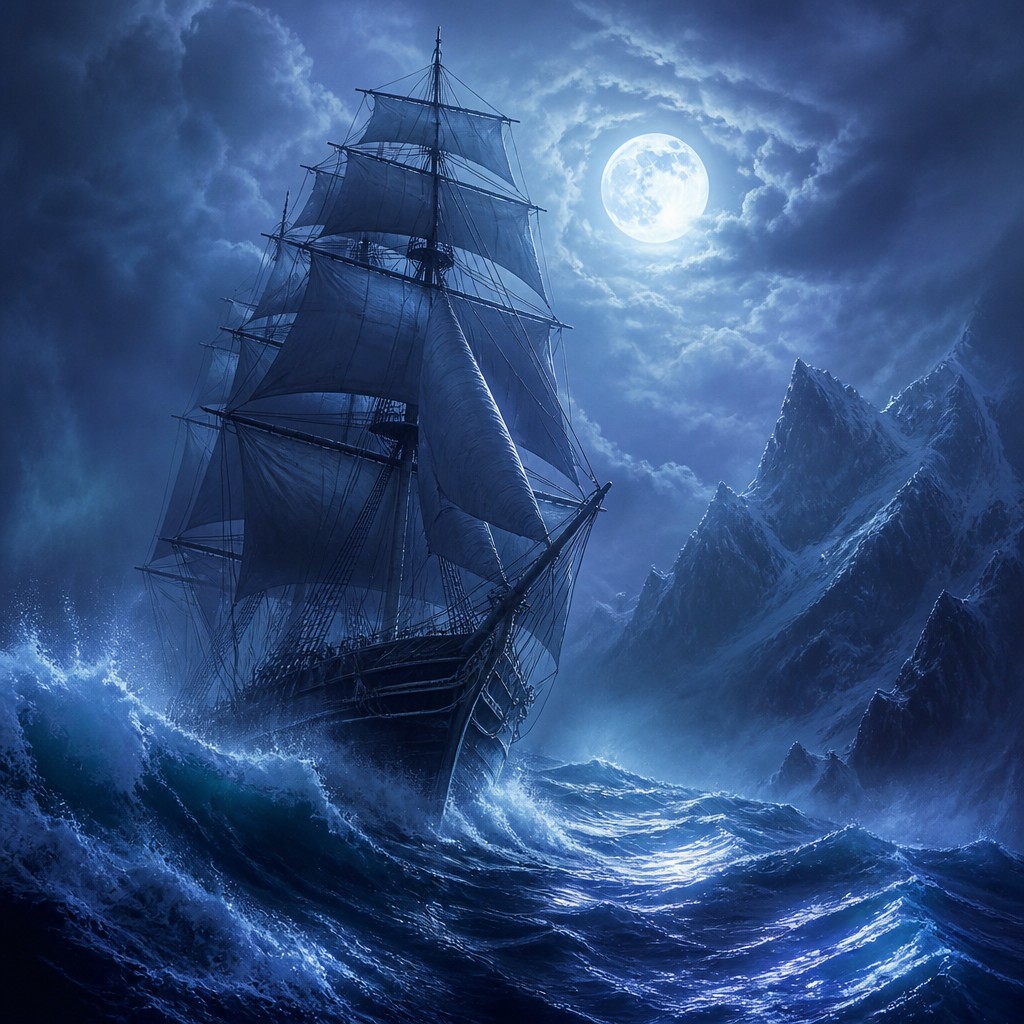
“sailing ship on a stormy sea”
How to Create Cool Palette Art
Master the craft step by step — or skip straight to creating. Read the full guide →
- 1
Limit the color structure
Begin with a swatch range of navy, cobalt, teal, indigo, violet, blue-gray and silver. Recolor or remove warm accents rather than allowing incidental browns, oranges or yellow highlights to break the temperature.
- 2
Build depth with atmospheric perspective
Use sharper, darker values for the nearest forms and lighter, lower-contrast blue tones for distant objects. Layer translucent haze between planes to create misty recession.
- 3
Shape the lighting
Choose one cool light source, such as moonlight or an overhead aquatic glow, and reserve pale cyan or silver for its strongest reflections. Keep shadows chromatic with navy, indigo or violet instead of neutral black.
- 4
Balance softness and precision
Blur or soften background edges while preserving crisp contours on focal details such as glass, ice, metal, eyes or wet surfaces. This contrast prevents the image from becoming uniformly hazy.
- 5
Use physical or digital media thoughtfully
In paint or colored pencil, work from a limited cool underpainting and glaze transparent blues and violets over it. In digital software, use gradient maps, selective color adjustments, low-opacity haze layers and restrained bloom to unify the scene.
- 6
Write precise generation prompts
Specify the subject first, then request an all-cool palette of blues, teals, silvers and violets, moonlit or underwater lighting, receding mist, reflective highlights and no warm tones. Add composition and lens or medium details only after the color and atmosphere are established.

The Story
History & Origins of Cool Palette
Cool Palette Art is an invented contemporary style rather than a named historical movement with a fixed period or founding school. Its aesthetic lineage comes from longstanding artistic uses of restricted palettes, including monochromatic painting, nocturnal landscape traditions, blue-period approaches to mood, atmospheric perspective and the cool color grading common in modern photography and digital compositing.
Its current form has developed through digital illustration, photographic post-processing, concept art and text-to-image practice, where color controls can be applied consistently across complex scenes. The style also draws on visual experiences associated with moonlit environments, underwater cinematography, winter landscapes, frosted surfaces and the reflective qualities of glass and polished metal.
Influences: The style relates to monochromatic and limited-palette painting, nocturne traditions, atmospheric landscape art, blue-toned photographic printing, winter and glacial imagery, underwater cinematography, cyanotype-like coloration and contemporary digital color grading. It also shares with minimalist and meditative visual traditions an interest in restraint, negative space and mood created through subtle tonal transitions rather than abundant detail.
Frequently Asked Questions
What defines Cool Palette Art?
Its central rule is a consistently cold palette dominated by blues, teals, violets, silvers and blue-grays. Moonlit illumination, misty depth, reflective surfaces and a calm or remote mood commonly reinforce the color system.
Is Cool Palette Art a historical art movement?
No. It is a contemporary descriptive style rather than a formally established historical movement. It draws on older traditions of monochrome color, nocturnal lighting, atmospheric perspective and cool photographic grading.
How is it different from monochromatic blue art?
Monochromatic blue art may restrict itself primarily to one hue and its variations. Cool Palette Art allows neighboring cool colors such as teal, violet and silver, while placing equal emphasis on mist, moonlit lighting, reflective clarity and spatial atmosphere.
Can warm subjects or daytime scenes use this style?
Yes, but their visual temperature is translated into the restricted palette. A desert, kitchen or summer garden can be rendered in cyan, indigo and violet, although removing warm color may make the subject feel nocturnal, distant or transformed.
How can I make a photograph look like this?
Lower the color temperature, shift highlights toward cyan or silver and move shadows toward navy or violet. Reduce orange and yellow saturation, add controlled atmospheric haze, and preserve a few sharp reflective details so the image does not become flat.
Where is this style commonly used?
It suits digital illustration, concept art, editorial imagery, photographic portraits, album or poster graphics, atmospheric environments and science-fiction or fantasy scenes. It is also effective for interfaces and interiors that need a calm, nocturnal or technologically cool mood.
Create your first Cool Palette artwork
Describe anything — or upload a photo — and see it in Cool Palette Art Style in seconds.
Related Styles
Discover similar art styles