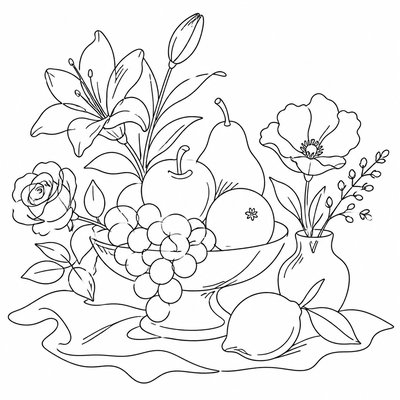
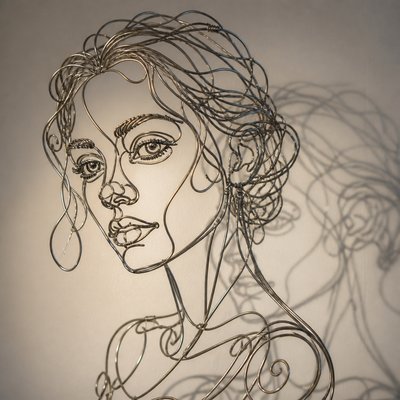
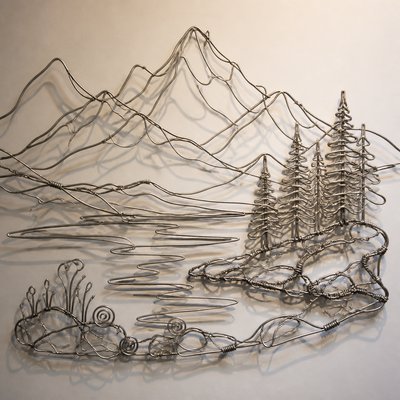
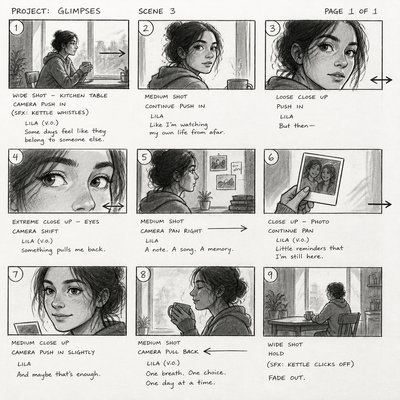
Leading Lines Art Style
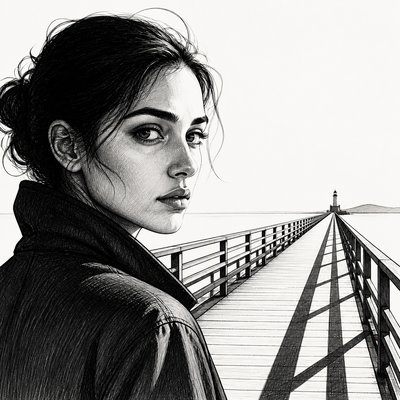
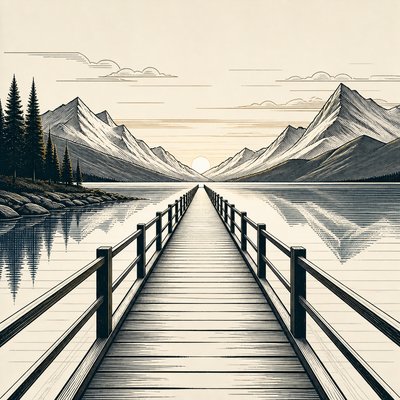
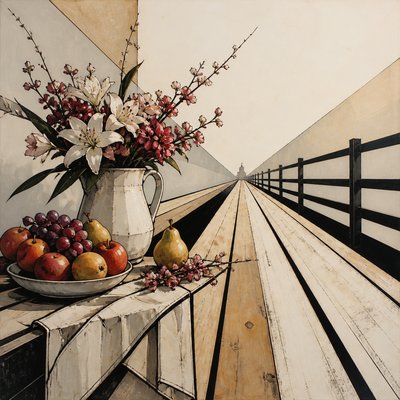
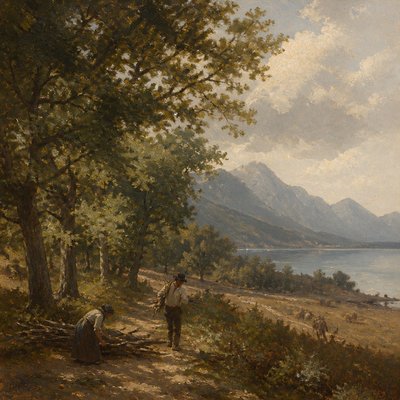
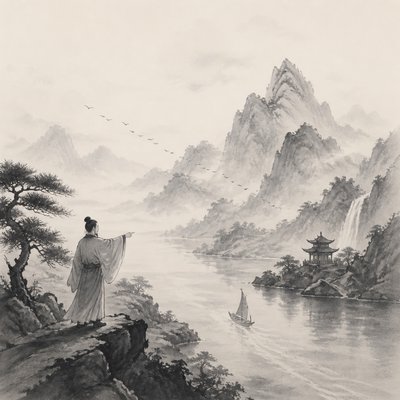
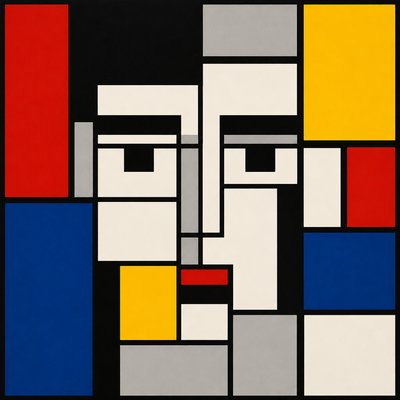
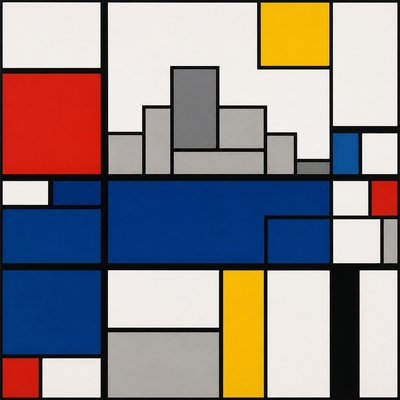
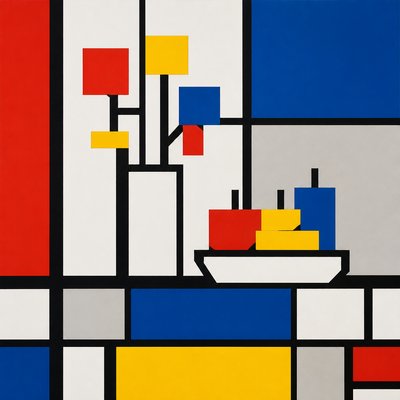
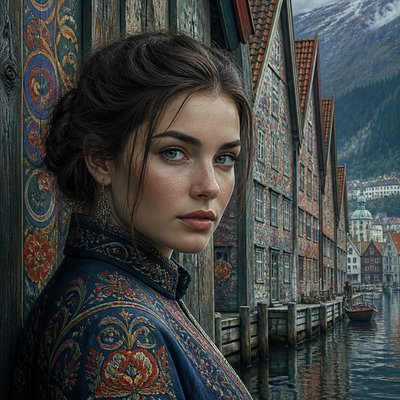
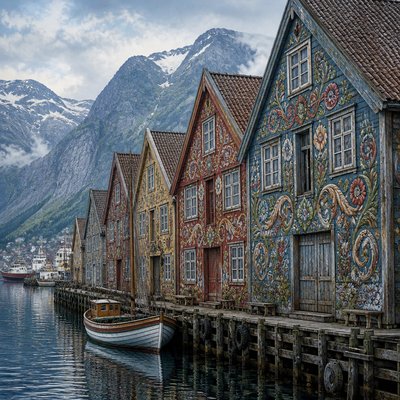
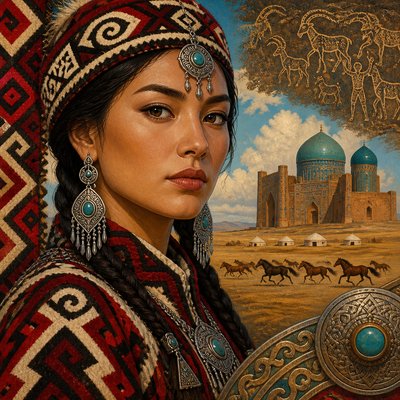
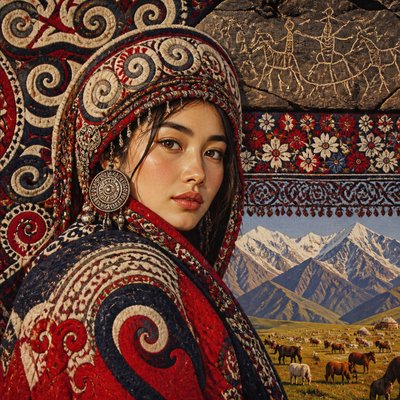
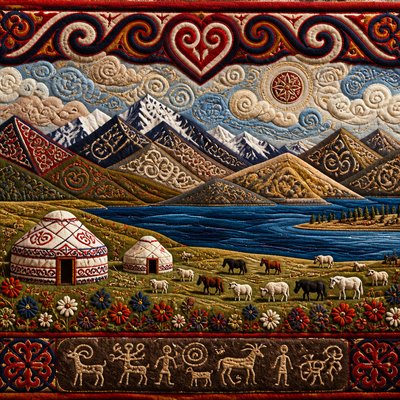
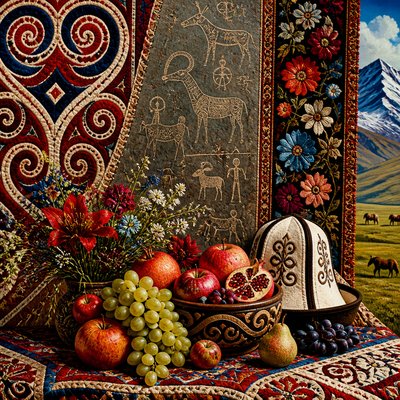
Explore Leading Lines art: converging roads, fences, and shadows guide the eye toward a strong focal point through deliberate perspective.
Instantly rendered in Leading Lines — or transform a photo
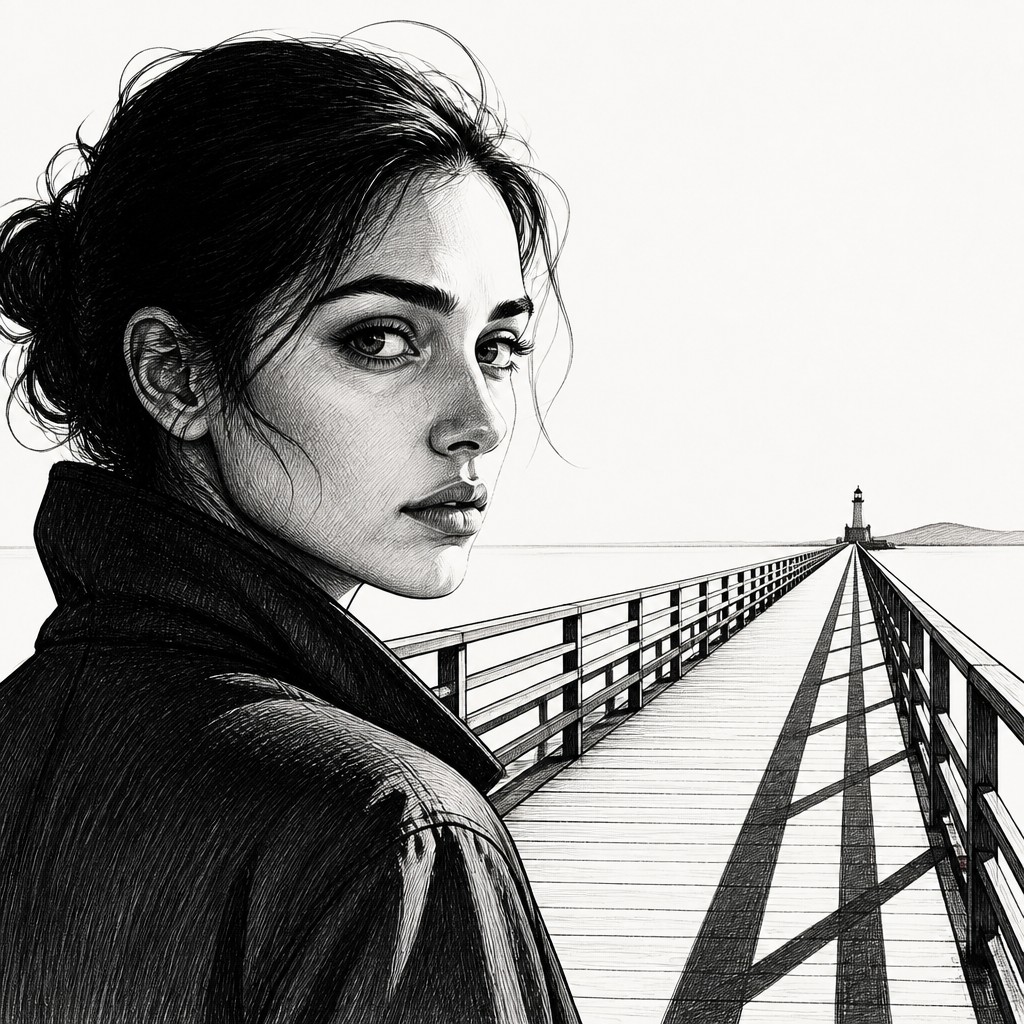
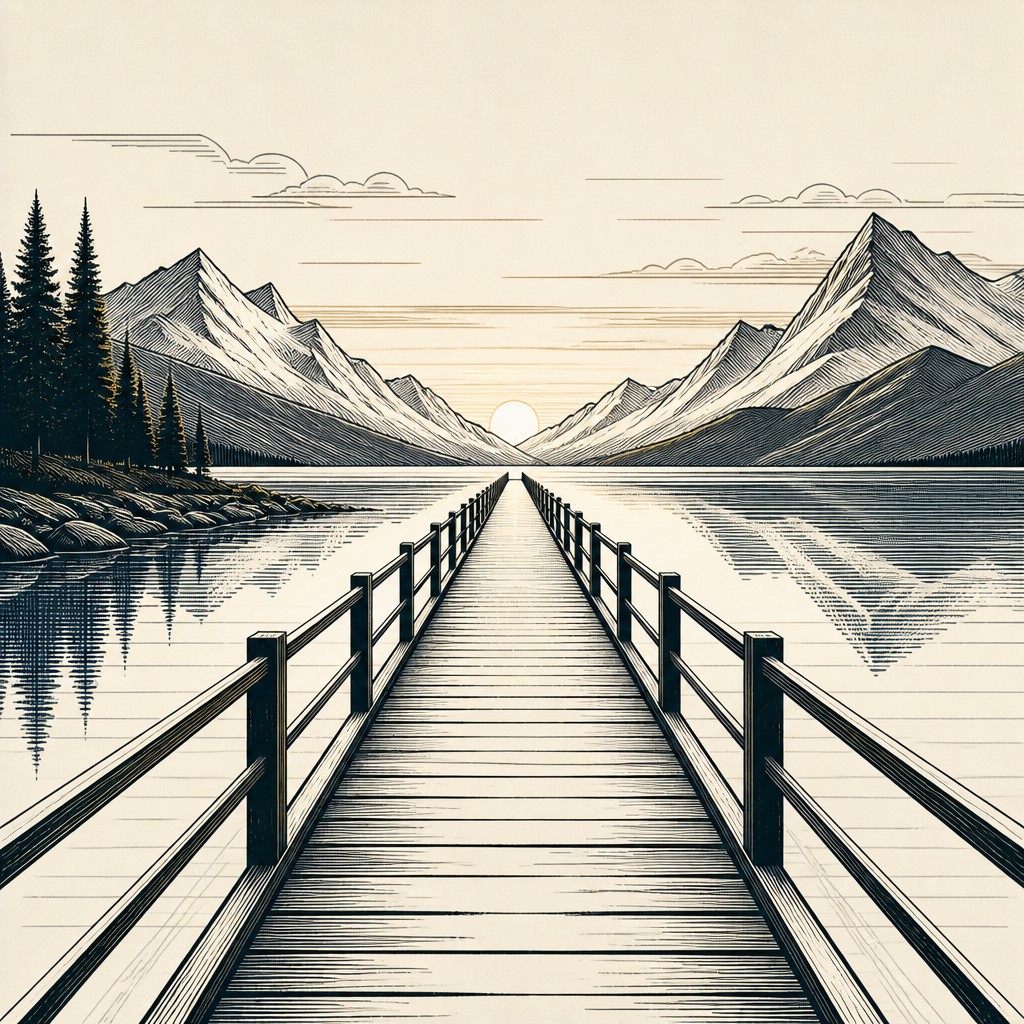
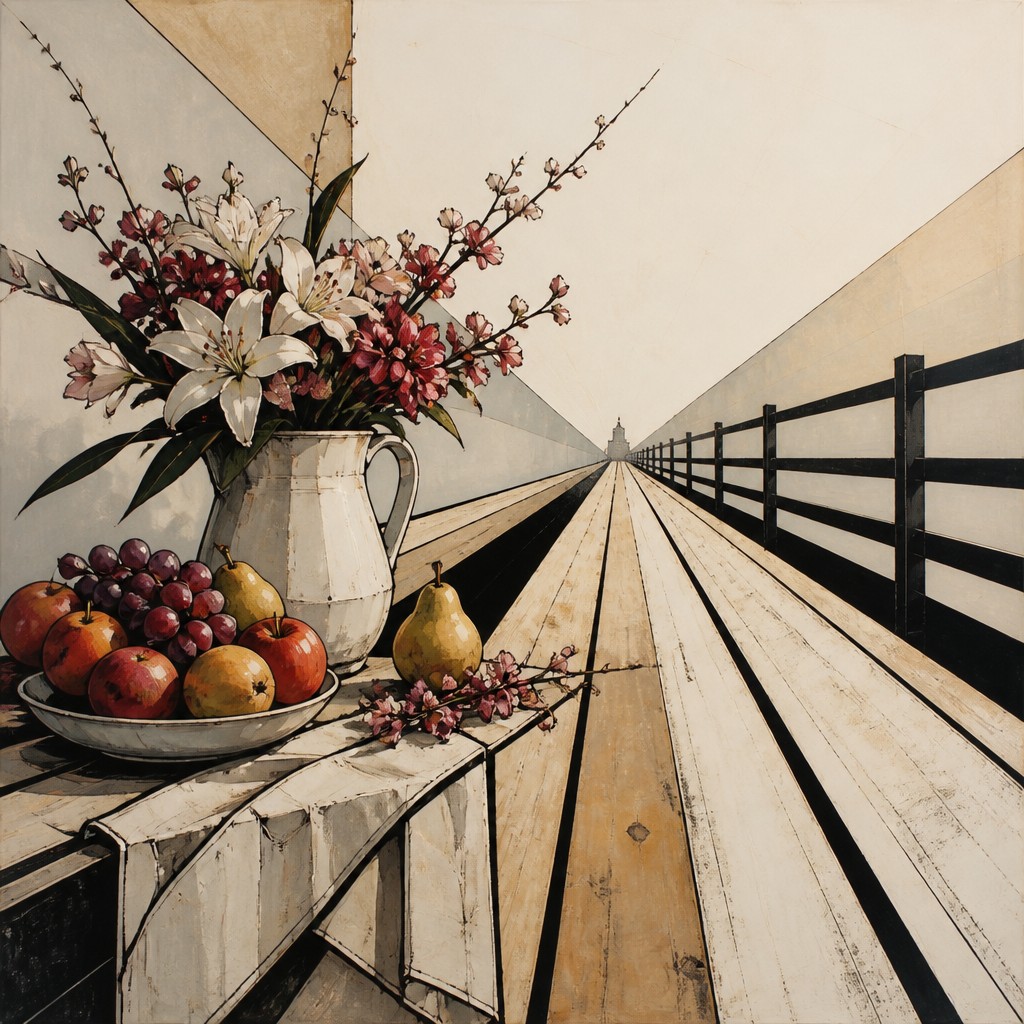
Leading Lines Gallery
Tap any artwork to explore it
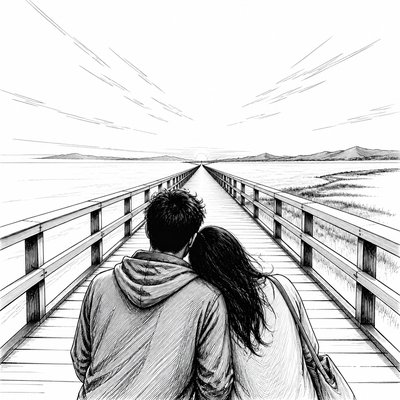
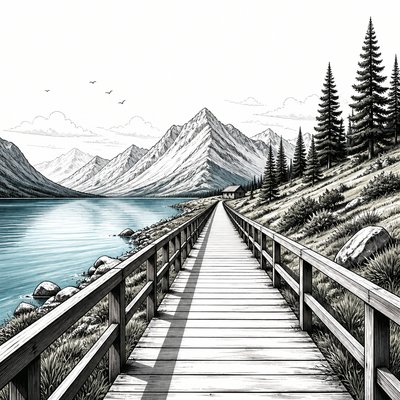
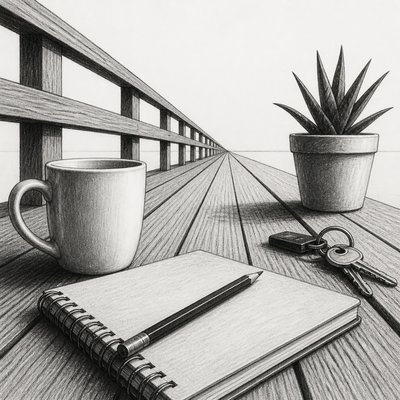
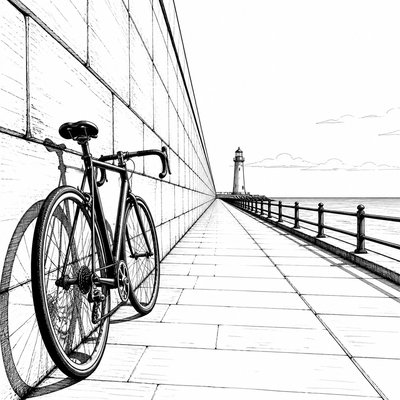
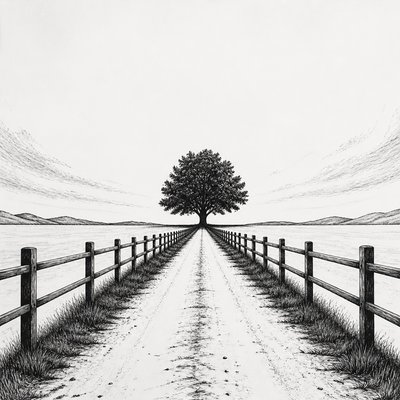
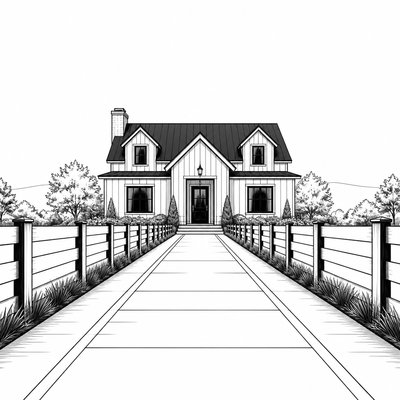
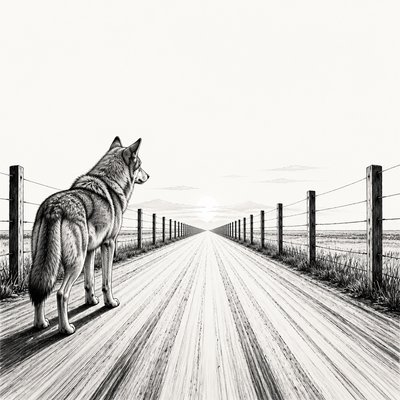
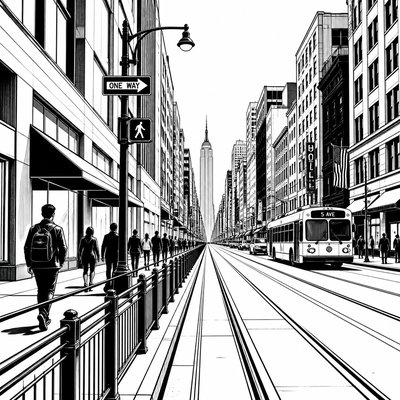
What is Leading Lines Art Style?
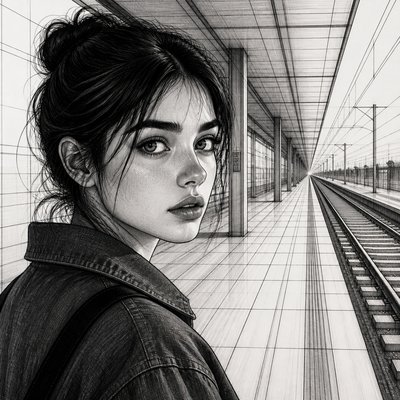
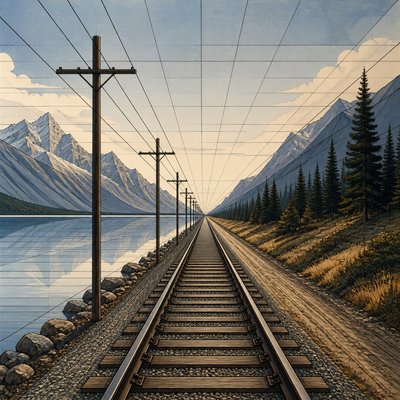
Leading Lines is a composition-focused visual style in which roads, railings, walls, architectural edges, shadows, branches, or other directional forms guide the viewer’s eye toward a subject or vanishing point. The lines may converge dramatically in the distance or create a subtler visual route through the image, giving the composition a clear sense of direction and purpose.
Its visual identity depends on receding perspective, strong directional contrast, and the relationship between structured lines and open space. By reducing competing visual routes, the style makes the focal point feel inevitable: the viewer’s gaze travels along the path established by the composition. The approach can be used in photography, drawing, painting, graphic design, architectural visualization, and digital image-making.
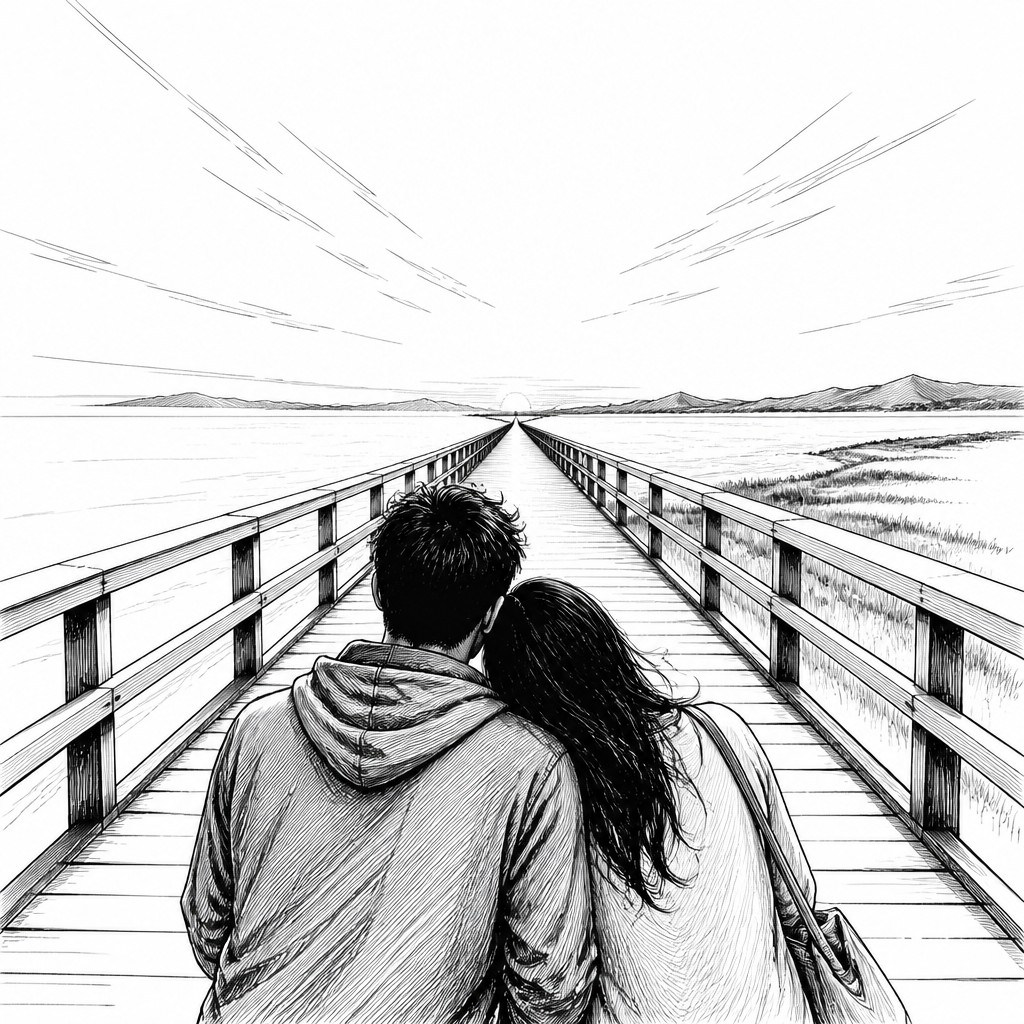
Try It On Your Photos
Upload any photo and convert it into Leading Lines Art Style — drag the sliders to compare before and after.


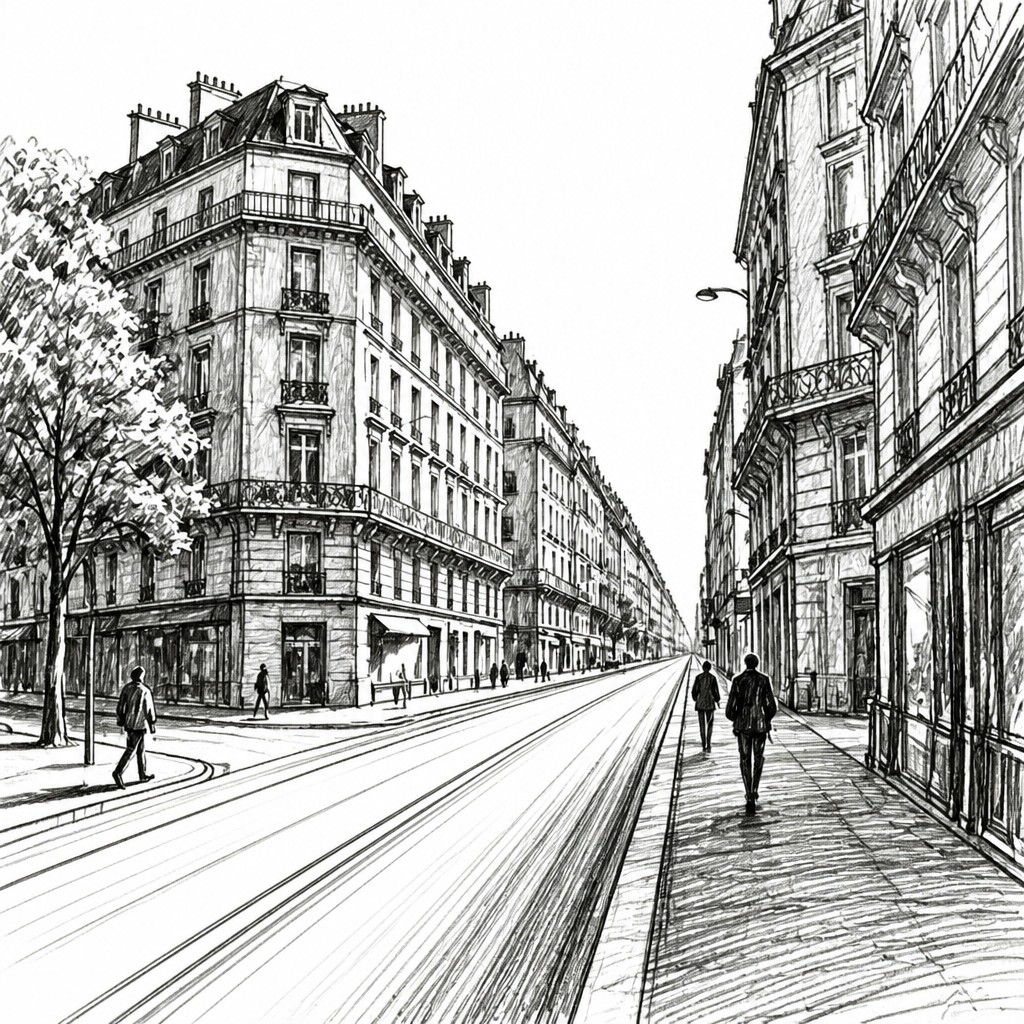

What Defines Leading Lines Art Style
The signature details, up close
Converging directional lines
Roads, fences, rails, walls, beams, and shorelines narrow toward a vanishing point or focal subject. Their convergence creates an immediate visual route through the image.
Receding perspective
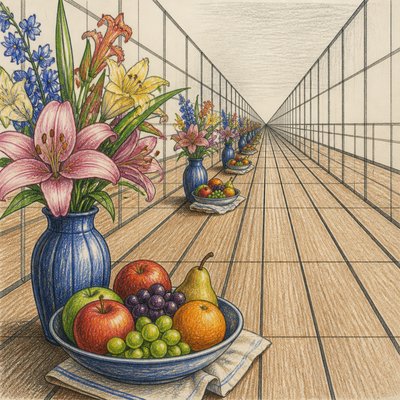
Changes in scale, overlap, and spacing make lines appear to move into depth. Perspective is often exaggerated so the image feels spatially deep and visually forceful.
A clearly anchored focal point
The subject is positioned where the lines meet, point, or visually terminate. This may be a person, building, vehicle, doorway, mountain, or small distant light.
Directional contrast
Strong edges, tonal differences, or color contrasts separate the guiding lines from their surroundings. Dark rails against pale sky or bright road markings against asphalt are typical examples.
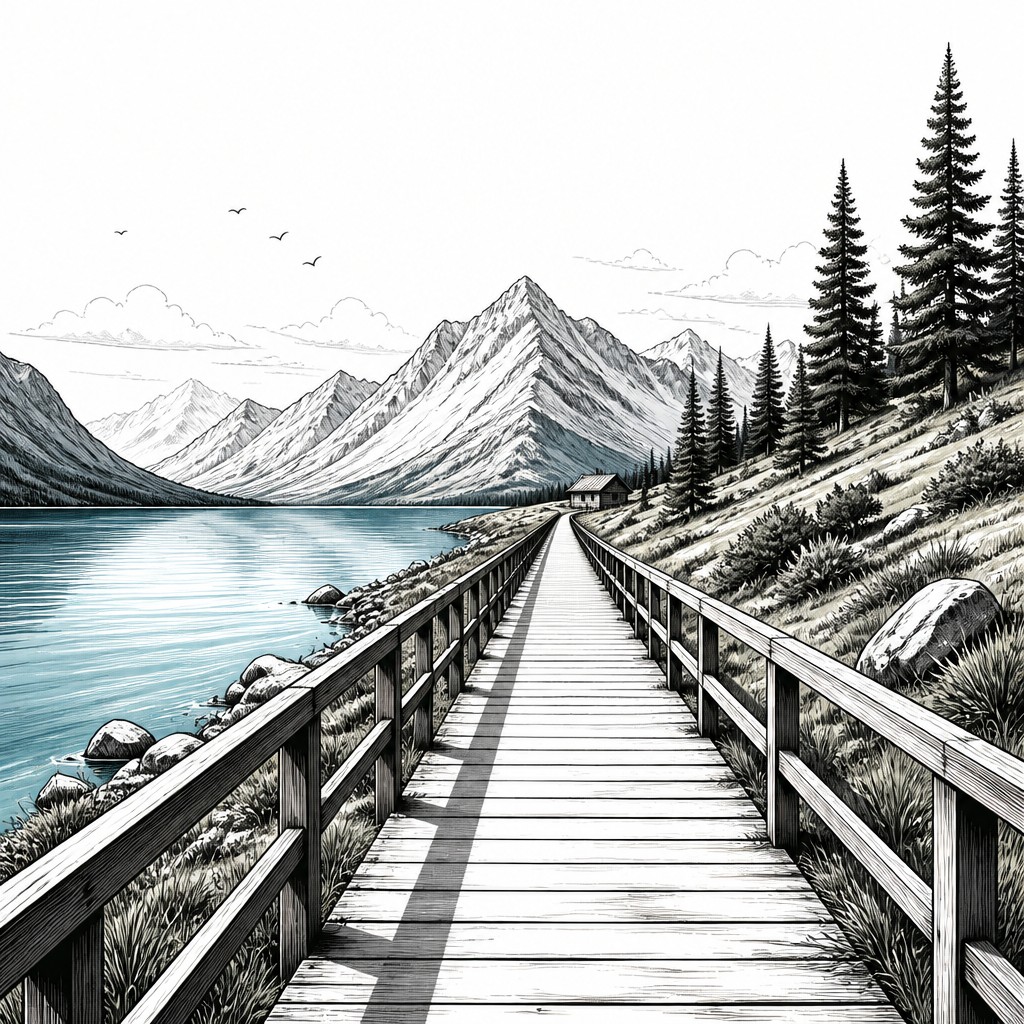
Open negative space
Uncluttered sky, pavement, water, walls, or shadow gives the lines room to operate. Negative space prevents secondary details from competing with the primary visual path.
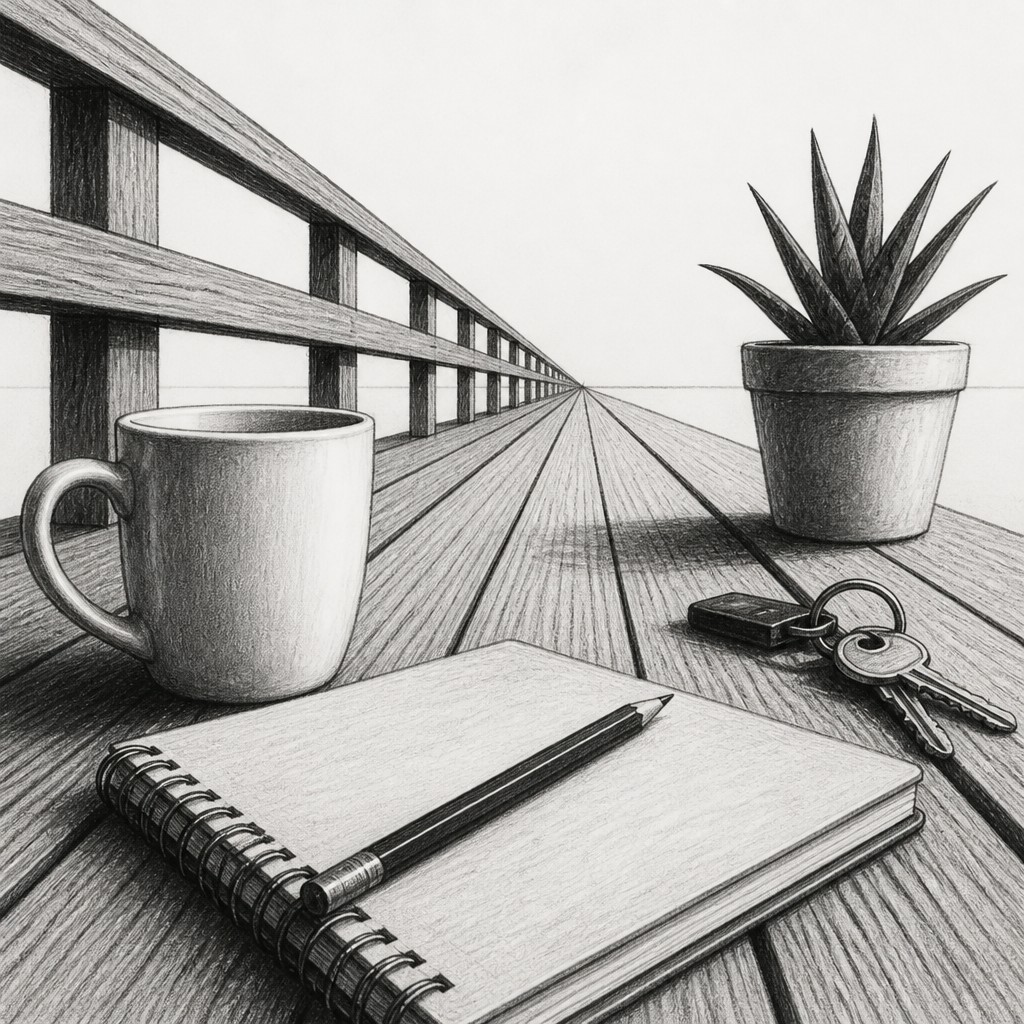
Geometric structure
The composition often relies on symmetry, repeated intervals, parallel edges, or a strong central axis. Even organic subjects can be arranged within an underlying geometric framework.
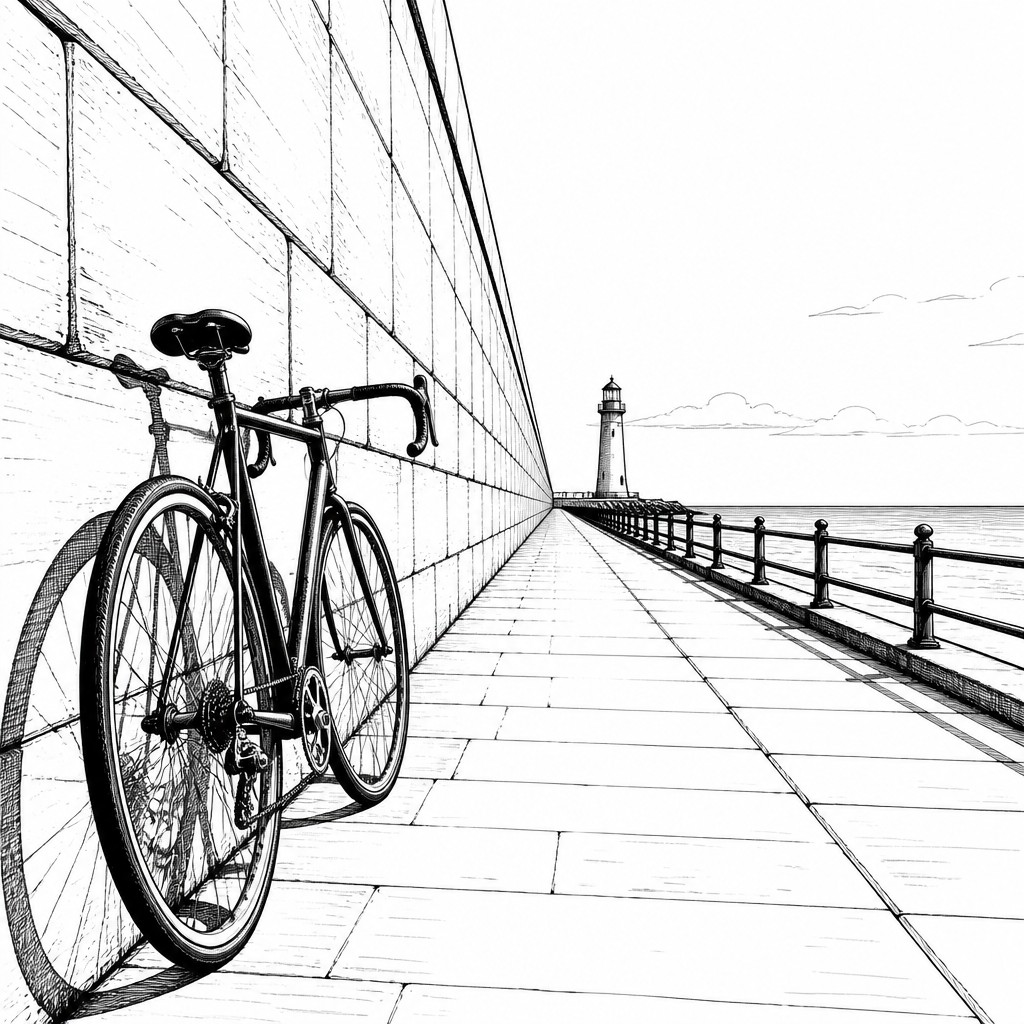
Sense of movement
The eye’s travel from foreground to distance suggests motion, journey, discovery, or anticipation. Diagonal lines can make this movement more dynamic than strictly horizontal or vertical arrangements.
Leading Lines Prompt Ideas
Start from an idea — each one opens the generator with the style ready to go. See all 40 Leading Lines prompts →
How to Create Leading Lines Art
Master the craft step by step — or skip straight to creating. Read the full guide →
- 1
Choose a physical or implied path
Begin with a road, corridor, bridge, shoreline, staircase, shadow, or repeated architectural edge that naturally leads somewhere. If no literal line exists, arrange color blocks, gestures, light, or objects to create an implied route.
- 2
Place the subject at the destination
Position the focal subject at the vanishing point, near the convergence, or at the end of a strong diagonal. Leave enough foreground space for the lines to establish direction before they reach the subject.
- 3
Control perspective and lens position
A low viewpoint and wide-angle lens can amplify foreground lines, while a centered viewpoint emphasizes symmetry and depth. In drawing or digital work, establish vanishing points first and align major edges to them.
- 4
Simplify competing details
Use cropping, tonal grouping, shallow depth of field, atmospheric haze, or selective editing to keep secondary objects from creating distracting paths. Reserve the sharpest contrast for the intended direction and focal area.
- 5
Build the image with light and contrast
Use shadows, illuminated edges, color gradients, or repeating highlights to reinforce the route. In traditional media, vary line weight and value; in digital work, use masks, perspective guides, and localized contrast adjustments.
- 6
Describe the visual route in a prompt
Specify the subject, the guiding structures, their convergence, the camera or viewpoint, and the amount of negative space. Phrases such as “low viewpoint,” “rails converging toward a lone figure,” and “clear vanishing point” communicate the composition more reliably than a vague request for dramatic perspective.
The Story
History & Origins of Leading Lines
Leading Lines is not a formal historical art movement but a compositional principle with roots in linear perspective, landscape representation, architectural drawing, and visual design. Its underlying logic developed alongside systems for representing depth, especially the use of converging parallel lines and vanishing points in European Renaissance perspective. Similar directional structures also appear in landscape painting, Japanese woodblock composition, cinematic framing, and architectural photography.
In the modern period, the principle became especially prominent in photography, film, poster design, and editorial imagery, where roads, corridors, bridges, and shadows can organize an image instantly. Contemporary digital practice extends the idea by combining geometric perspective with controlled negative space, atmospheric depth, and generated or edited scenes designed around a deliberate visual path.
Influences: The style draws on Renaissance linear perspective, landscape painting, architectural drafting, topographic and street photography, cinematic establishing shots, Japanese woodblock compositions, modernist graphic design, and minimalist image-making. It also relates to vanishing-point studies, geometric abstraction, environmental design, and the photographic practice of using streets, tracks, stairways, and shadows as compositional guides.
Frequently Asked Questions
What defines the Leading Lines art style?
It is defined by visible or implied lines that guide the eye toward a focal subject or vanishing point. Receding perspective, directional contrast, a controlled composition, and relatively open negative space are central to the effect.
Is Leading Lines a historical art movement?
No. Leading Lines is a compositional method rather than a movement with a fixed period, manifesto, or membership. It has a broad lineage in perspective drawing, photography, painting, film, architecture, and graphic design.
How is it different from linear perspective?
Linear perspective is a system for representing three-dimensional depth using vanishing points and mathematically related lines. Leading Lines uses perspective, but its main purpose is directing attention and organizing the viewer’s gaze rather than simply creating accurate spatial depth.
Can the style be used without literal lines?
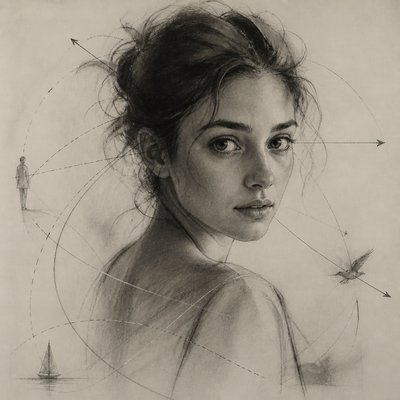
Yes. A sequence of figures, light patches, color changes, shadows, or repeated shapes can form an implied line. The key requirement is that these elements establish a clear visual path toward the subject.
What subjects work best with this approach?
Roads, railways, corridors, bridges, staircases, architectural interiors, shorelines, avenues, and fences are especially effective because they naturally contain directional geometry. Human figures, vehicles, buildings, and distant lights provide clear focal points at the end of those paths.
How can I create a convincing image with a text prompt?
Name the subject first, then describe the guiding structures, viewpoint, convergence, focal placement, lighting, and negative space. For example, specify a low viewpoint, strong foreground rails, a centered distant figure, and a clearly visible vanishing point rather than relying only on the phrase “leading lines.”
Create your first Leading Lines artwork
Describe anything — or upload a photo — and see it in Leading Lines Art Style in seconds.
Related Styles
Discover similar art styles