Delft Blue Art Style
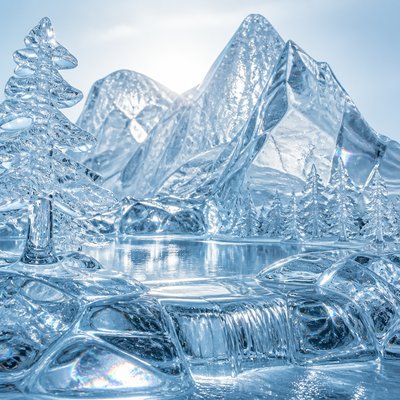
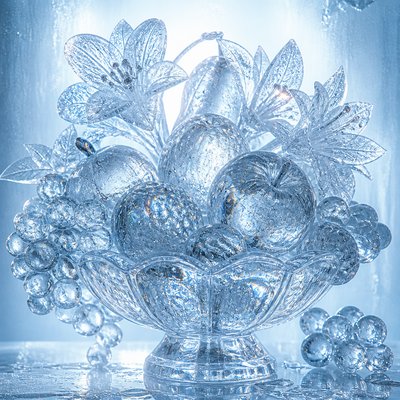
Explore Delft Blue art: a serene synthesis of Delftware cobalt, Dutch domestic interiors, pearly window light, and quiet geometric balance.
Instantly rendered in Delft Blue — or transform a photo
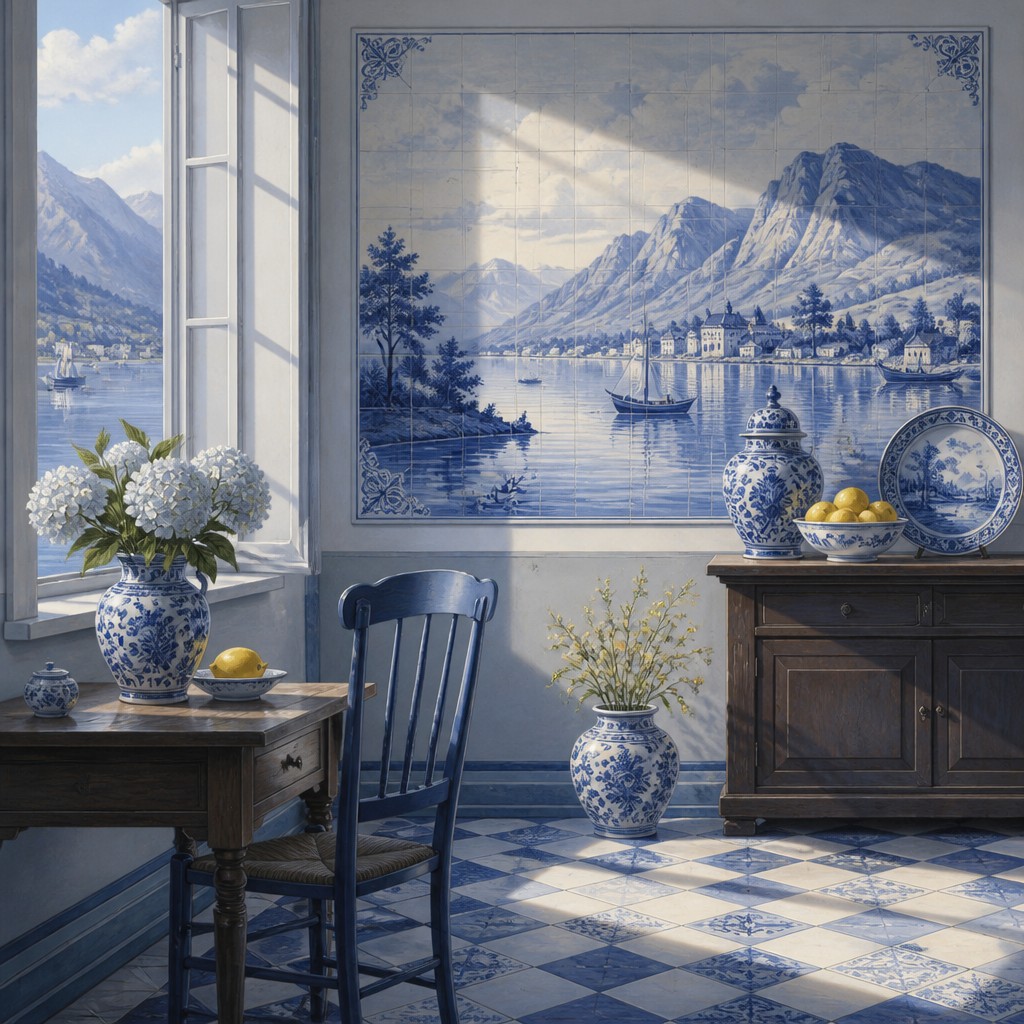
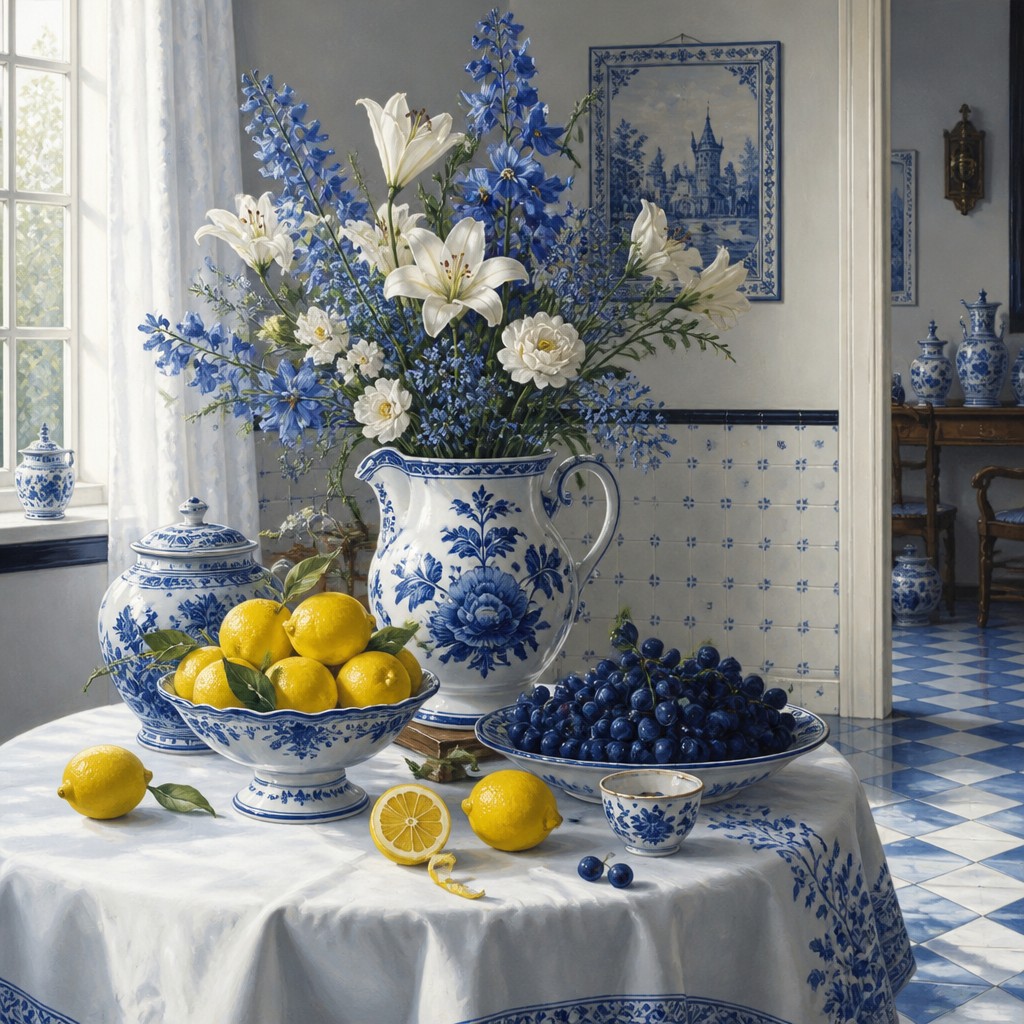
Delft Blue Gallery
Tap any artwork to explore it
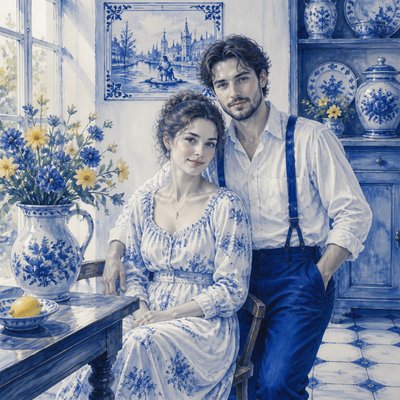
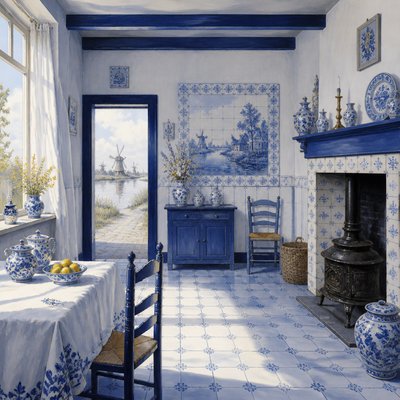
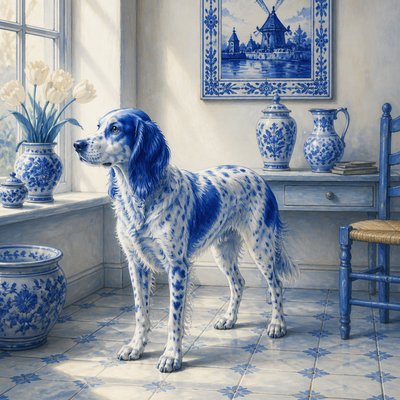
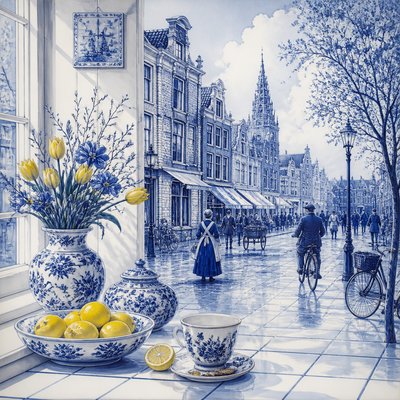
What is Delft Blue Art Style?
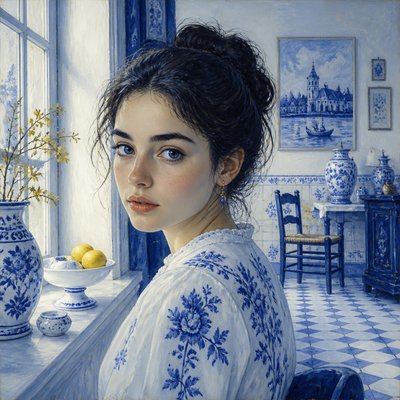
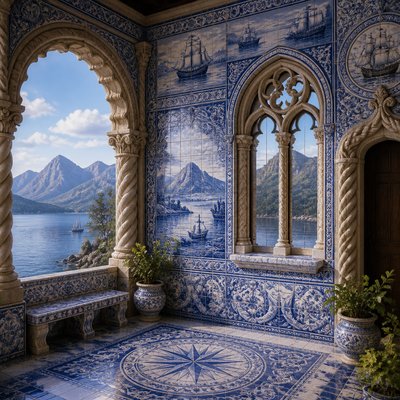
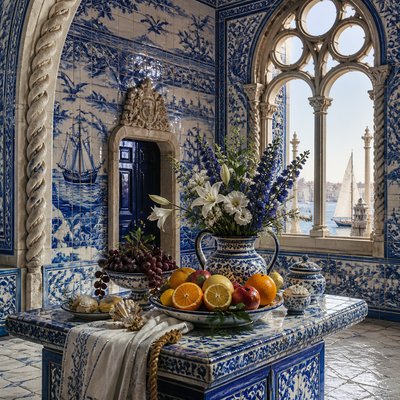
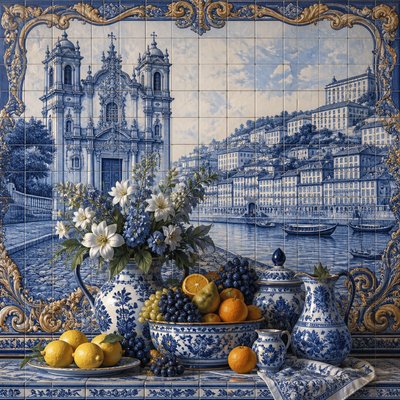
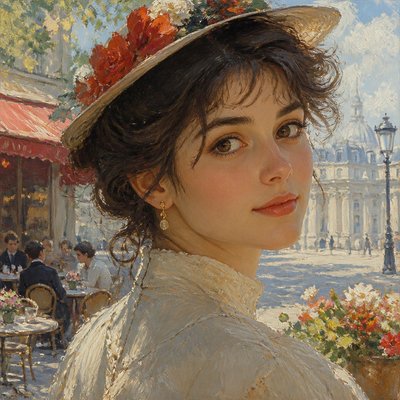
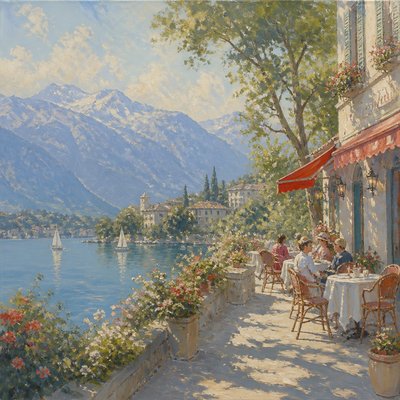
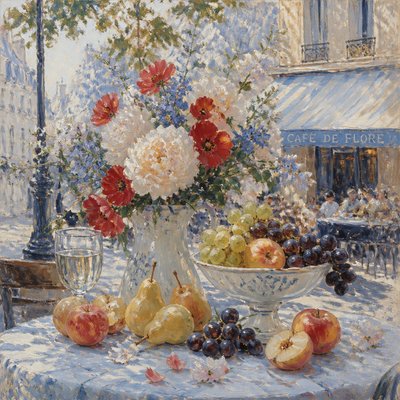
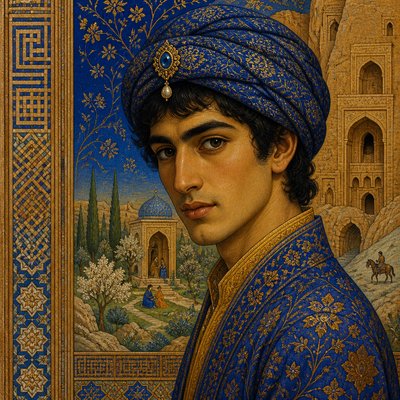
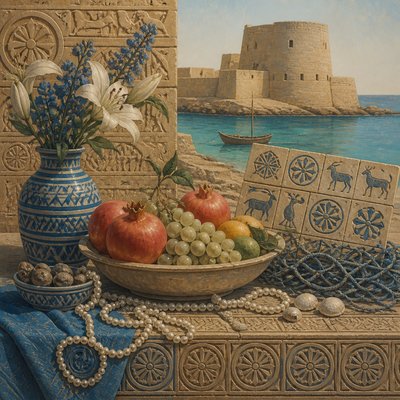
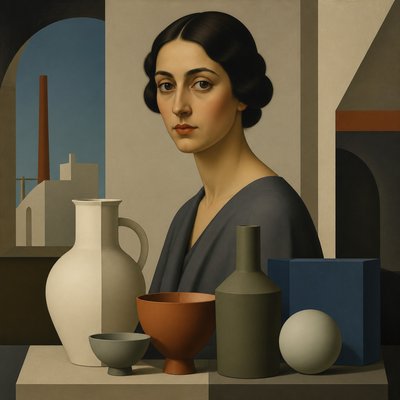
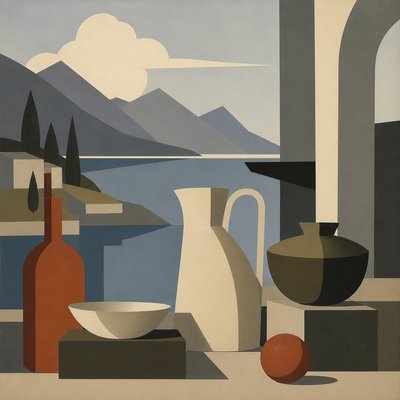
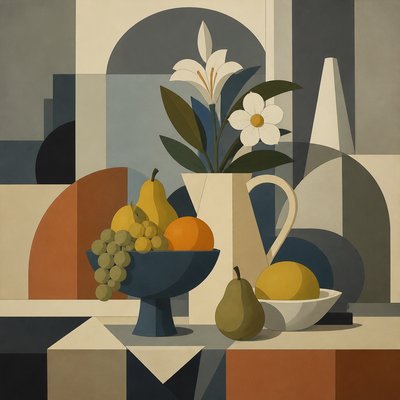
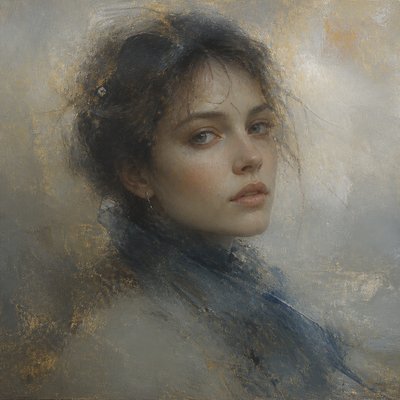
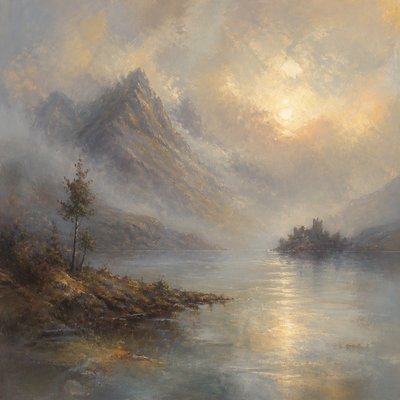
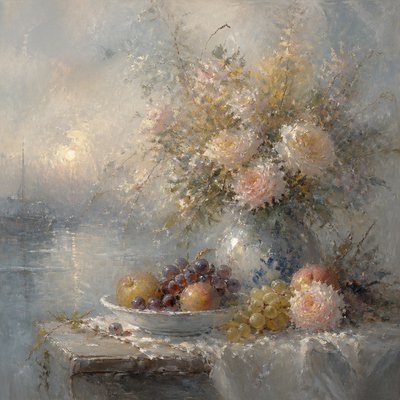
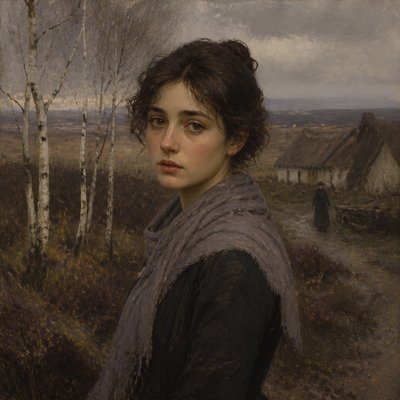
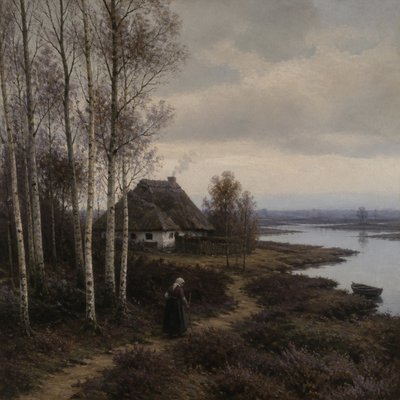
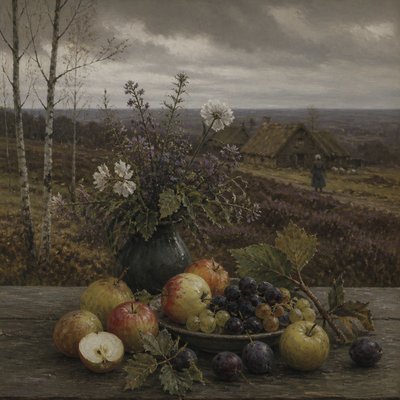
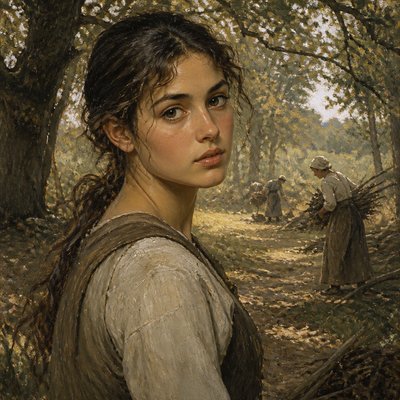
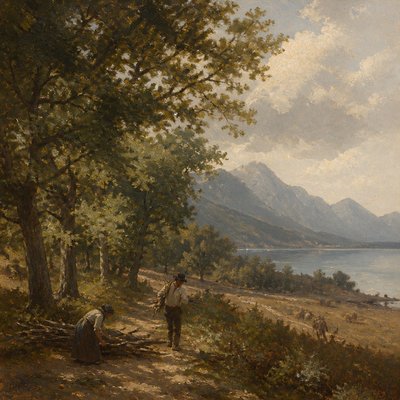
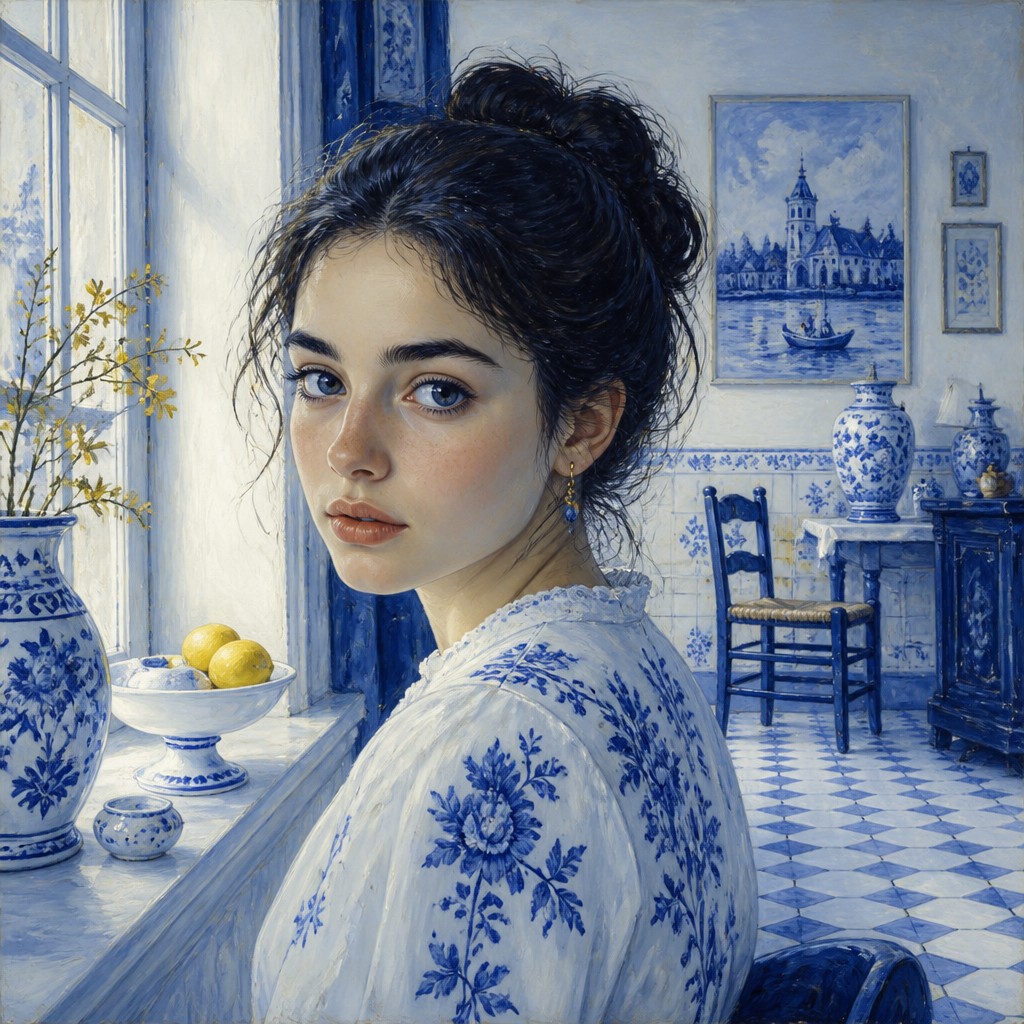
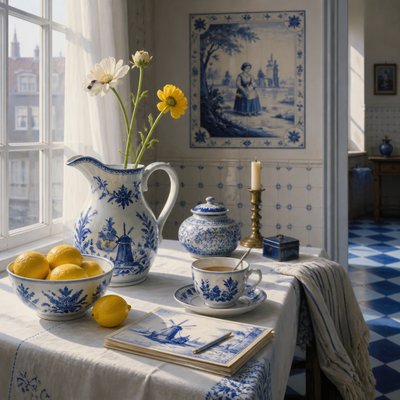
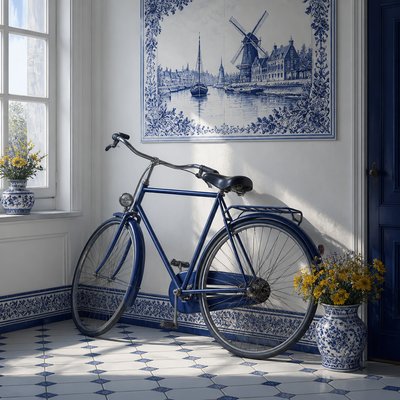
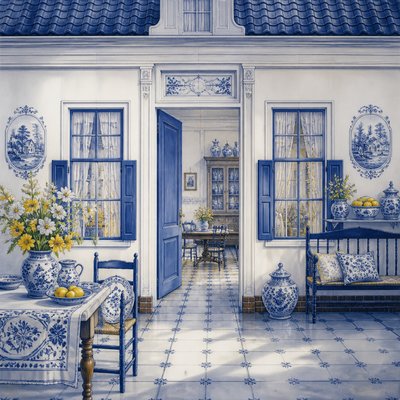
Delft Blue Art Style is a contemporary aesthetic synthesis built around porcelain-white surfaces, cobalt-blue ornament, pearly daylight, and the composed stillness of Dutch domestic imagery. It often depicts quiet interiors, tiled rooms, tables, windows, vessels, flowers, and everyday rituals with a restrained palette and carefully balanced geometry.
Its visual identity combines the decorative language of Delftware with the luminous interiors and measured perspective associated with Dutch seventeenth-century genre painting. The effect is calm rather than dramatic: blue-and-white accents establish rhythm, pale light softens edges, and small household details become subjects of contemplation. Although the style may borrow historical references, it is not a single historical movement or period-authenticated school.
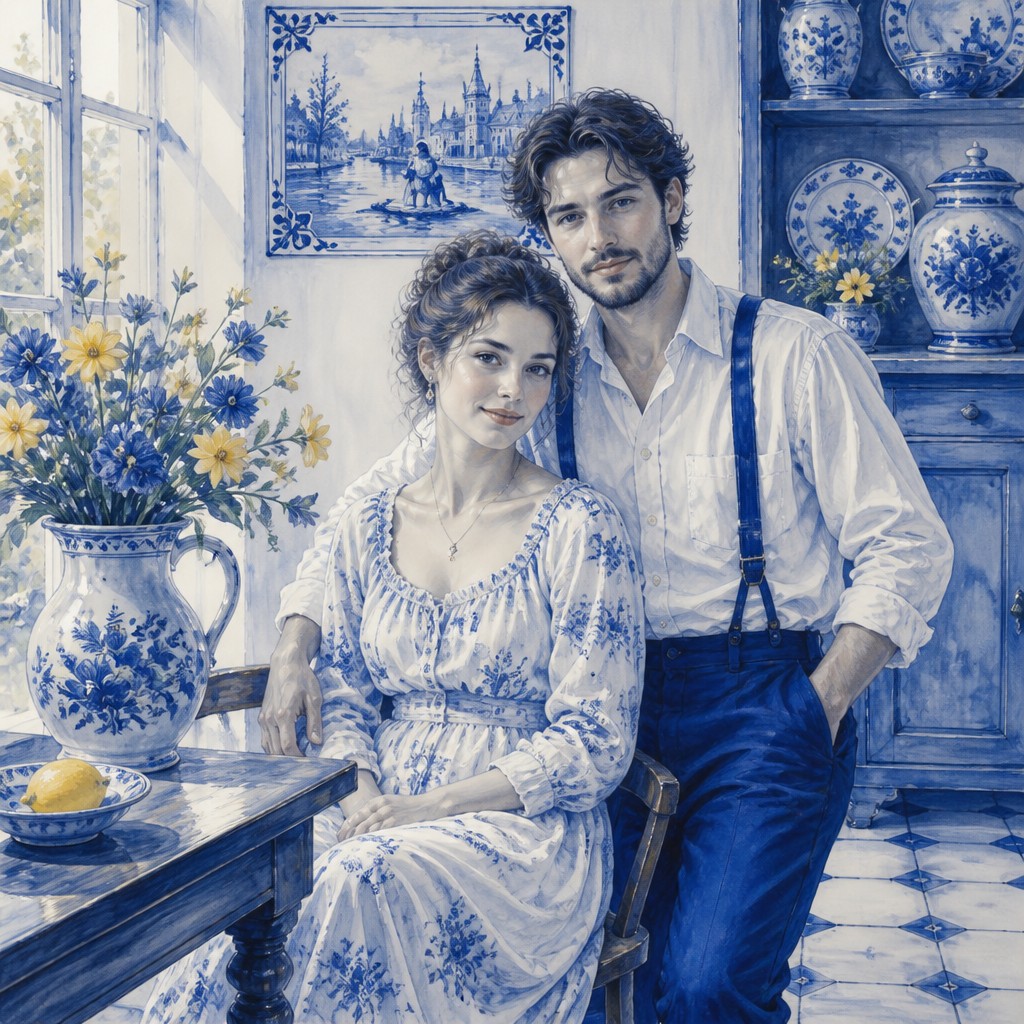
Try It On Your Photos
Upload any photo and convert it into Delft Blue Art Style — drag the sliders to compare before and after.
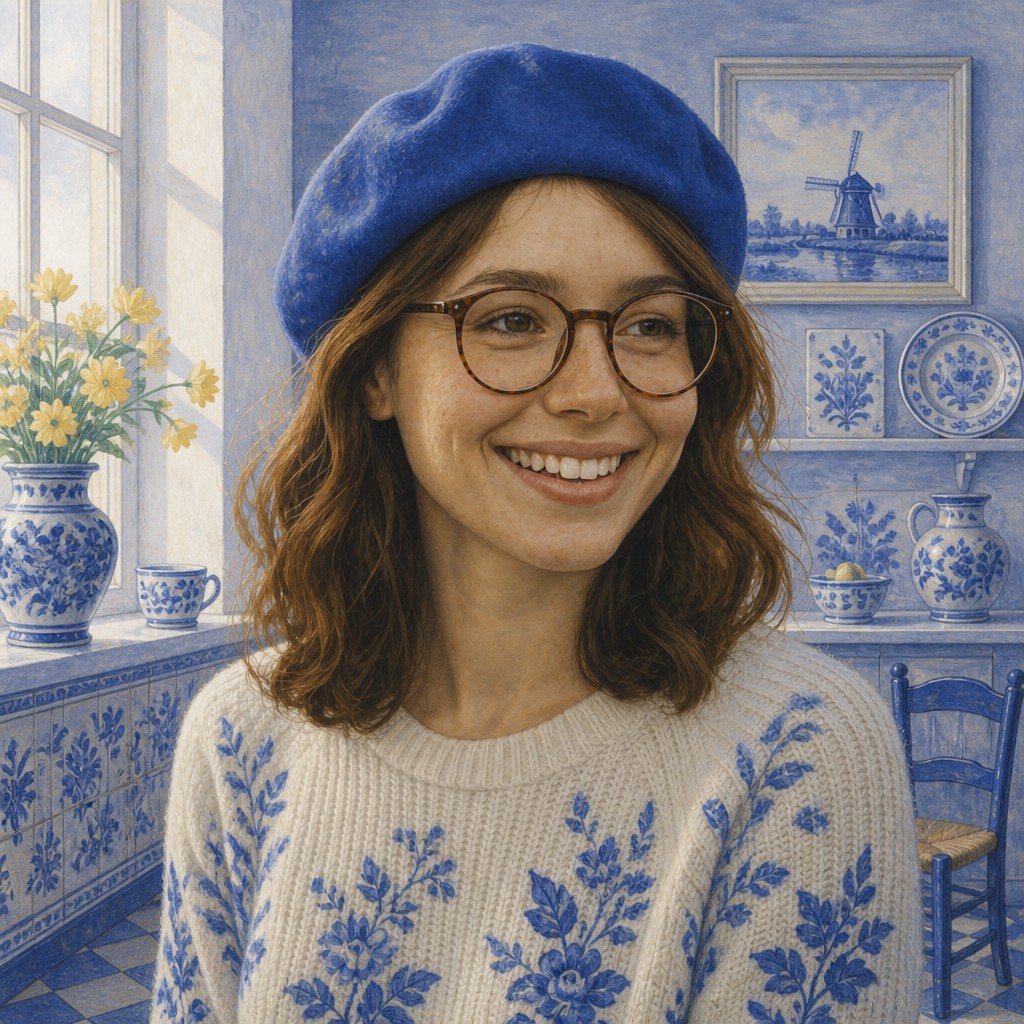

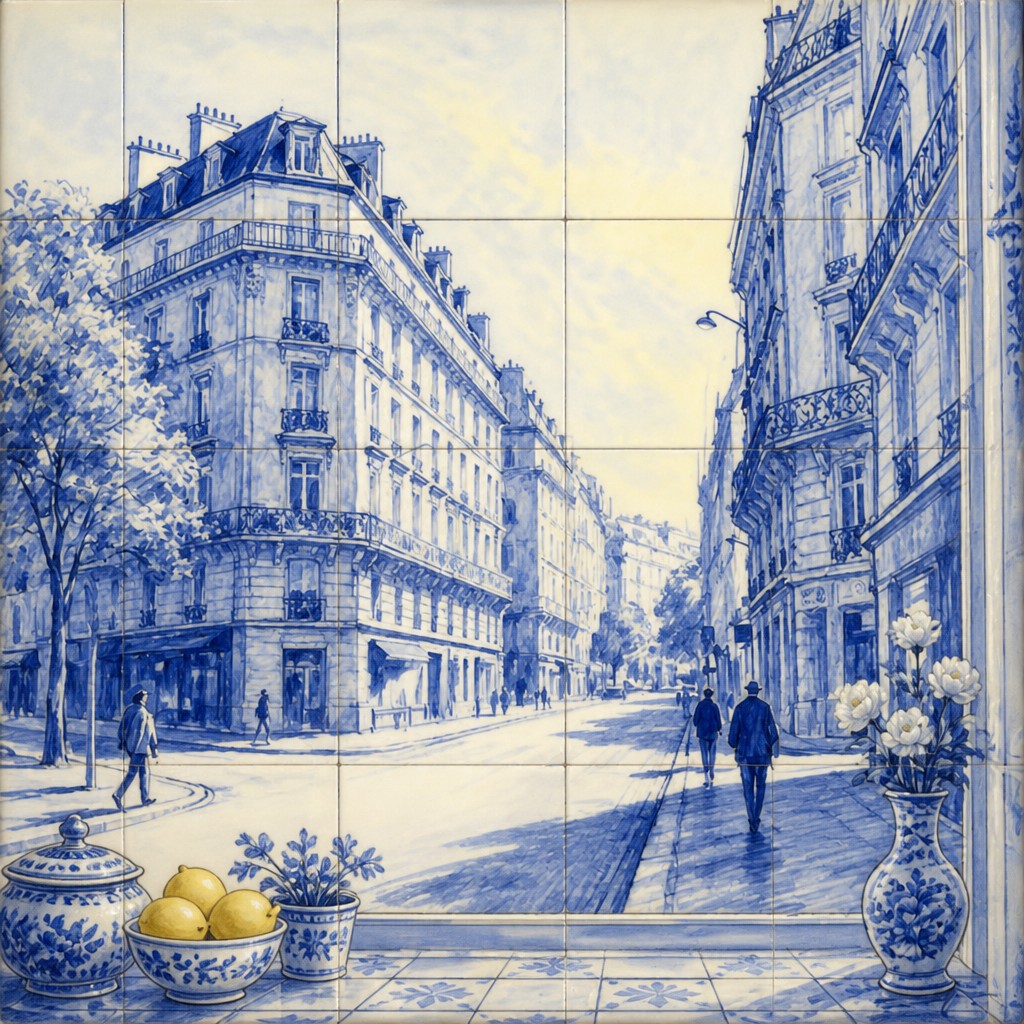

What Defines Delft Blue Art Style
The signature details, up close
Cobalt and porcelain-white palette
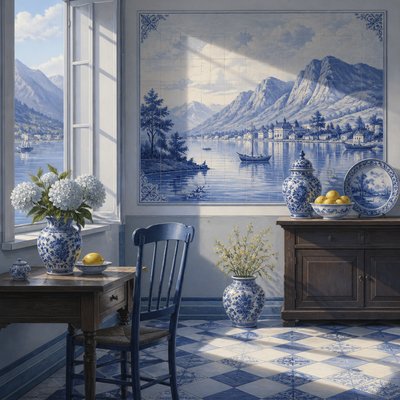
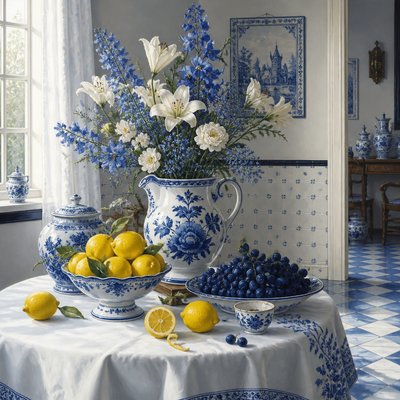
The dominant contrast is deep cobalt blue against a milky white or softly ivory ground. Muted ultramarine, pale gray, and restrained lemon-yellow accents may broaden the palette without disturbing its cool composure.
Pearly lateral daylight
Light commonly enters from a window at the left, creating gentle modeling across walls, fabrics, ceramics, and faces. Shadows remain soft and translucent rather than theatrical.
Quiet domestic subjects
Interiors, breakfast tables, letters, vessels, flowers, instruments, household tools, and solitary figures suit the style particularly well. Narrative action is understated, allowing atmosphere and observation to carry the image.
Ceramic ornament
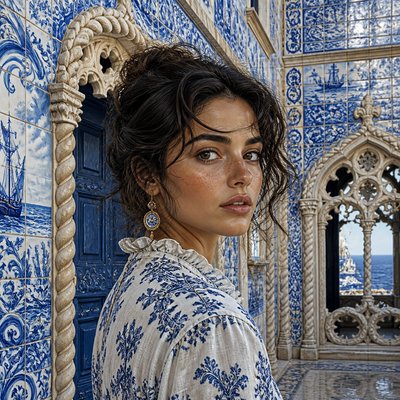
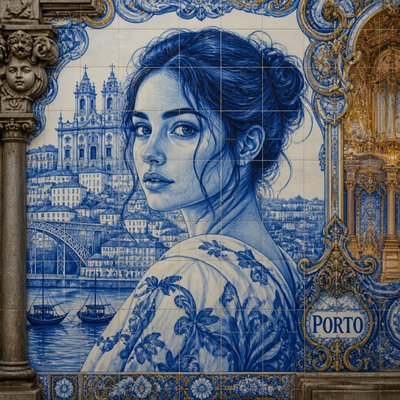
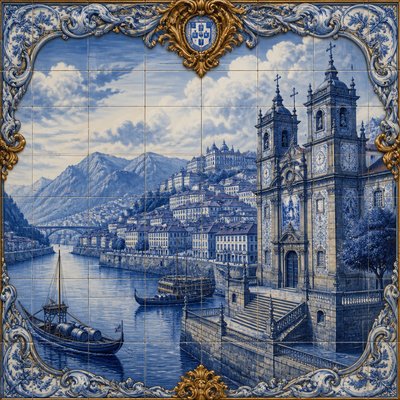
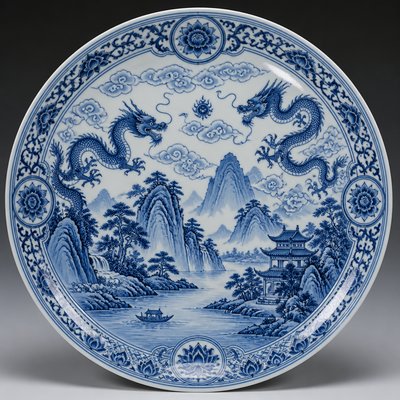
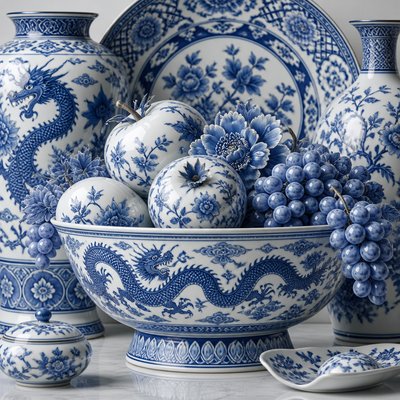
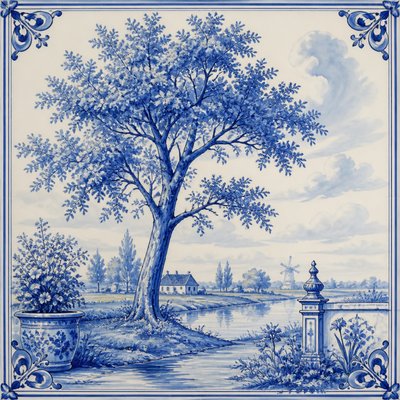
Blue-and-white plates, jugs, tiles, vases, and patterned borders provide recurring visual anchors. Motifs may include foliage, floral sprays, maritime emblems, geometric edging, and simplified pastoral imagery.
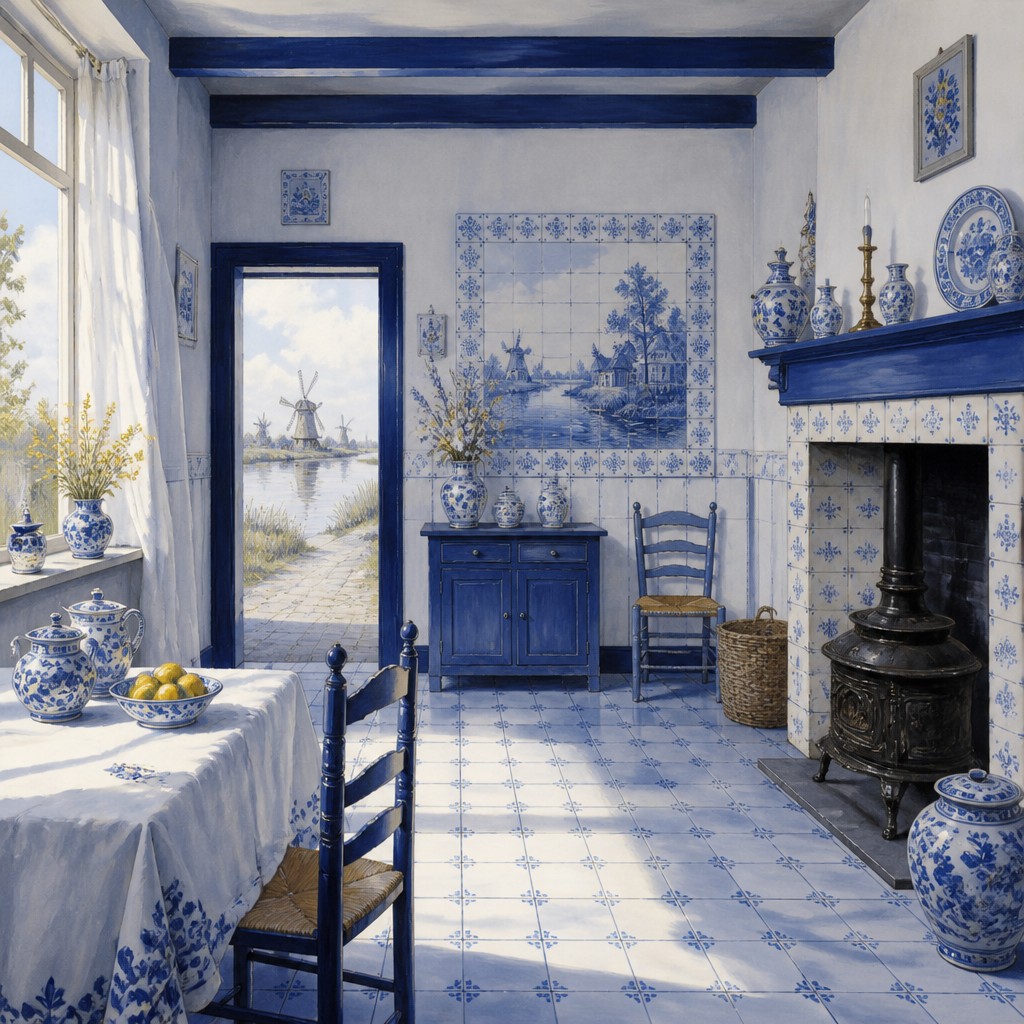
Measured perspective
Tiled floors, wall panels, tabletops, and window frames organize the composition through calm linear recession. Perspective is precise enough to create architectural order but softened by painterly light.
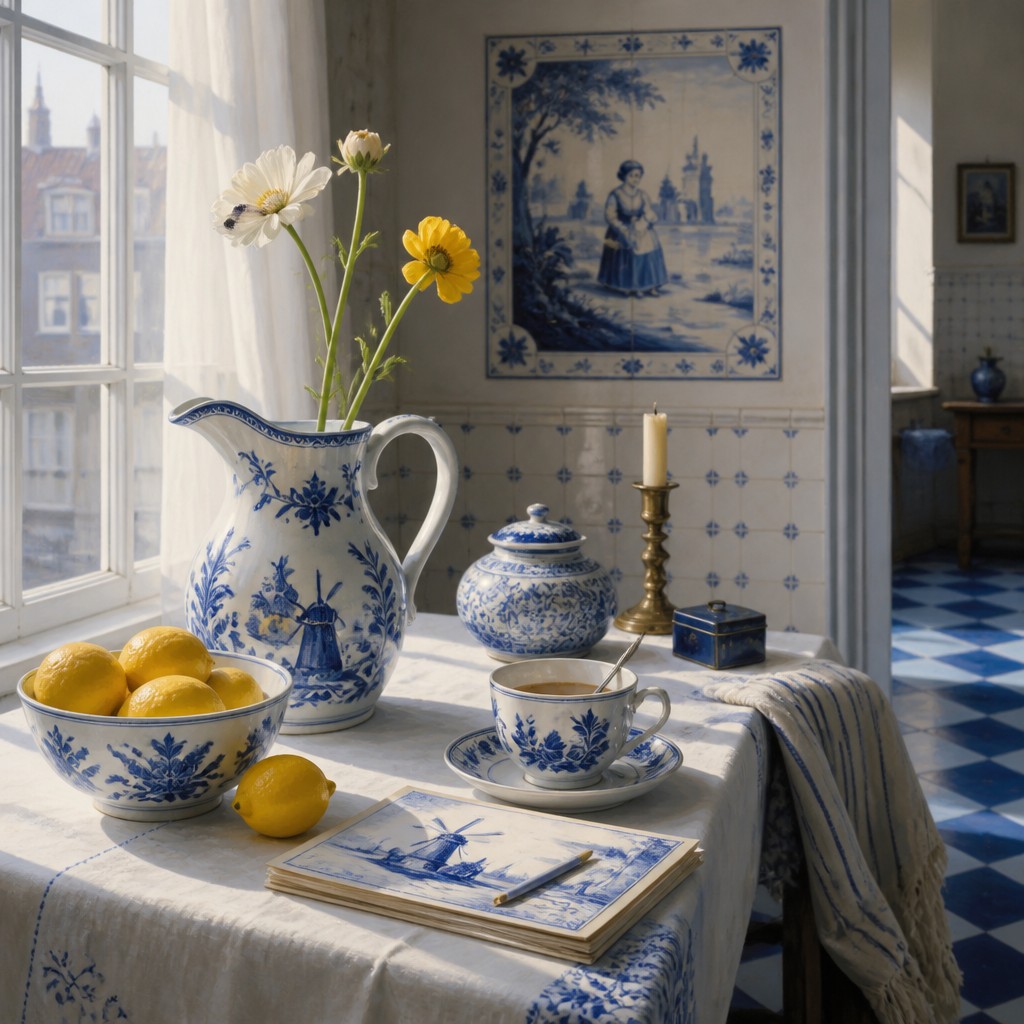
Luminous stillness
Surfaces are described through subtle tonal transitions, restrained highlights, and carefully separated planes. The mood is contemplative, clean, and intimate rather than ornate or emotionally heightened.
Try It
Create Videos in Delft Blue Art Style
Styles aren't just for stills — describe a scene or animate an image and get a short video rendered in Delft Blue. Press play to see this pond come to life.
Make a VideoDelft Blue Prompt Ideas
Start from an idea — each one opens the generator with the style ready to go. See all 40 Delft Blue prompts →
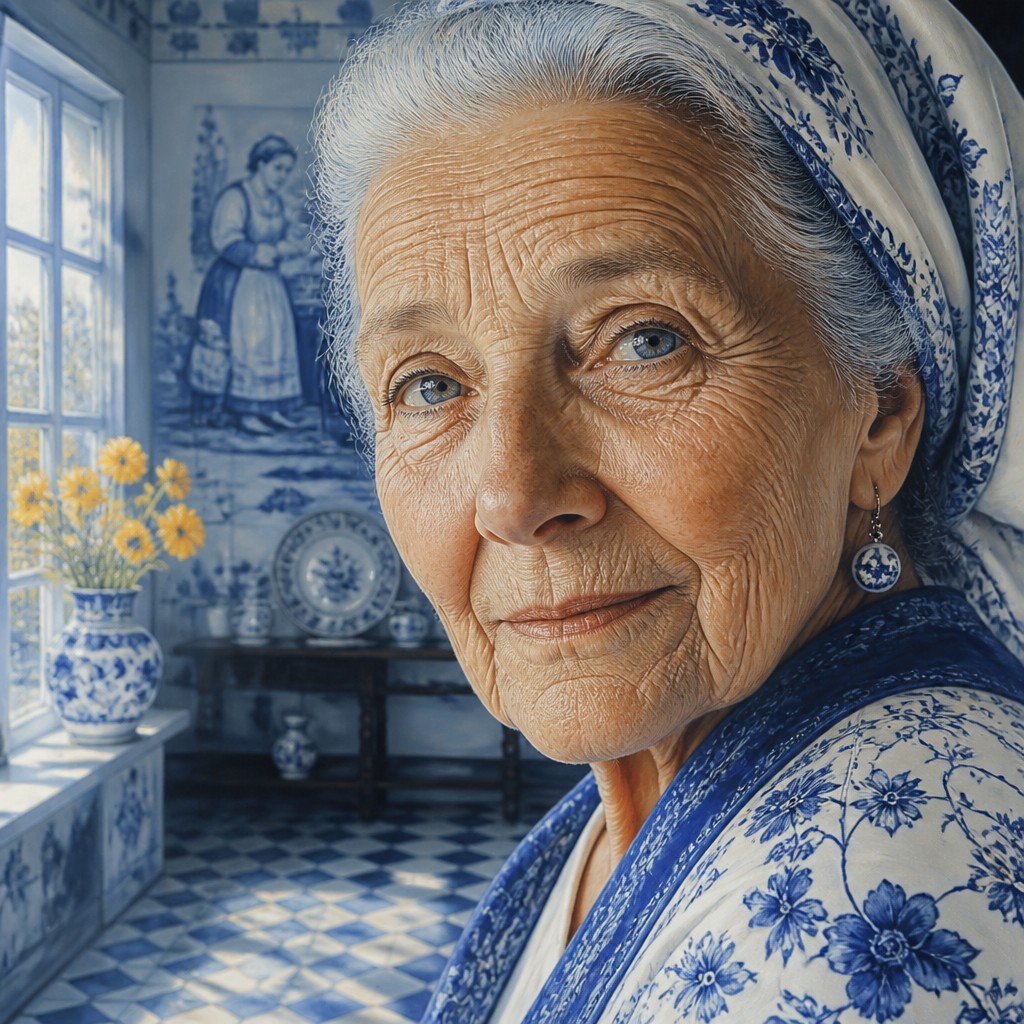
“close-up portrait of an elderly person with expressive weathered features”
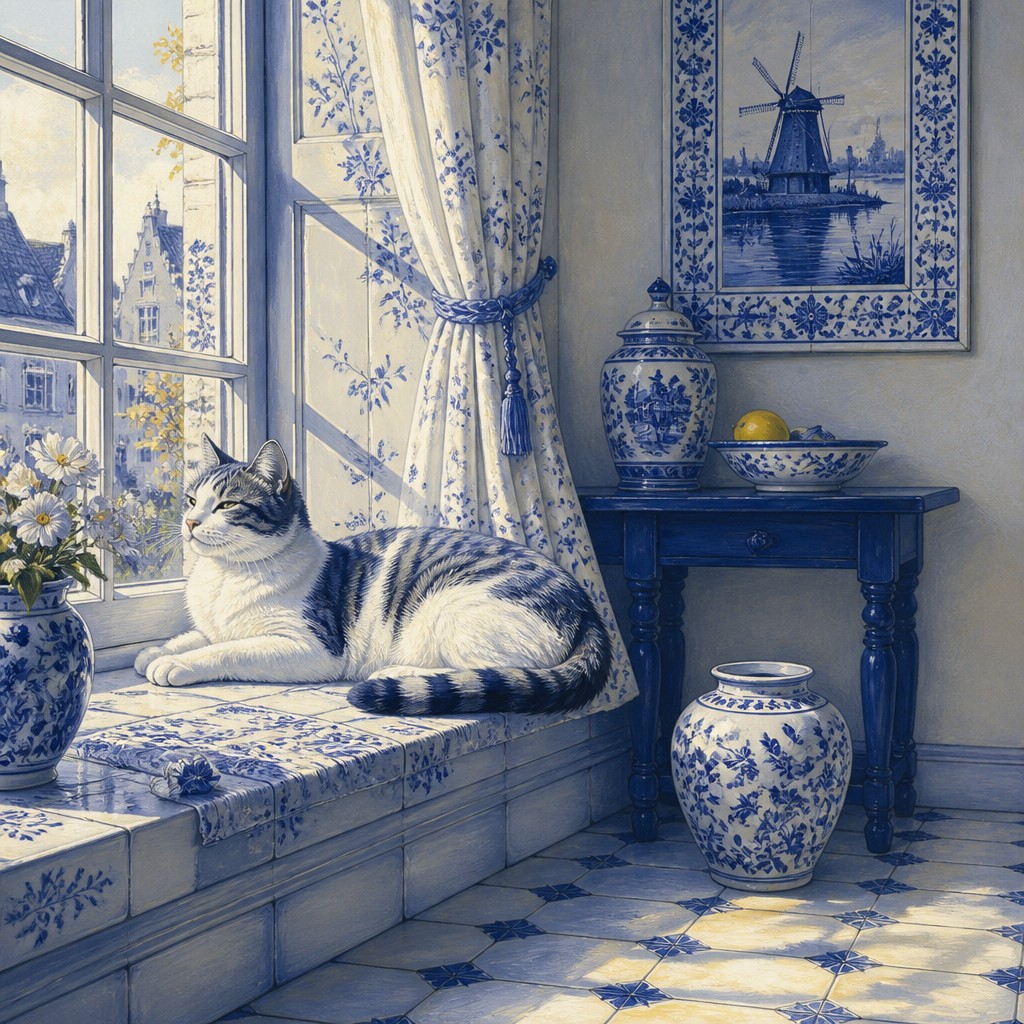
“a cat lounging in a sunlit window”
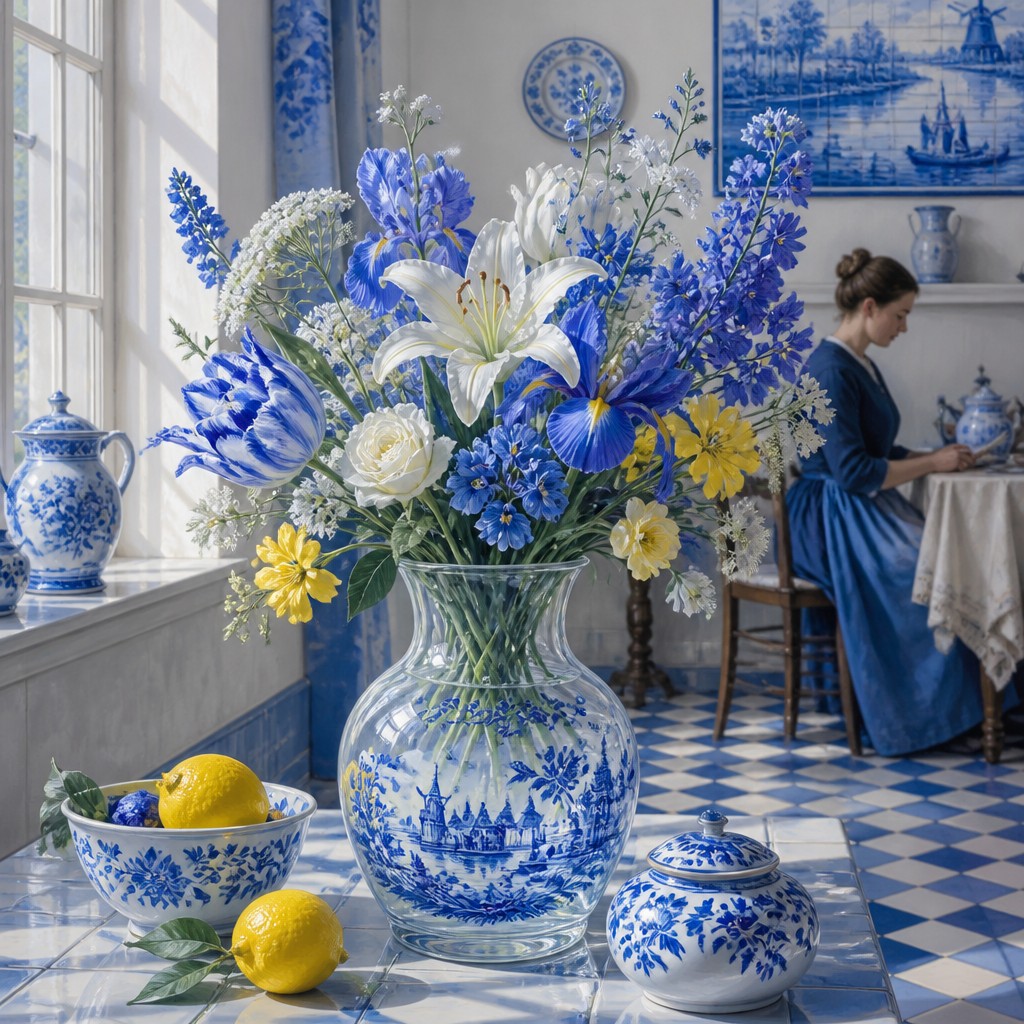
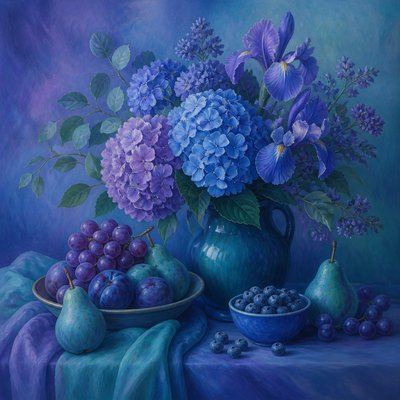
“bouquet of flowers in a glass vase”
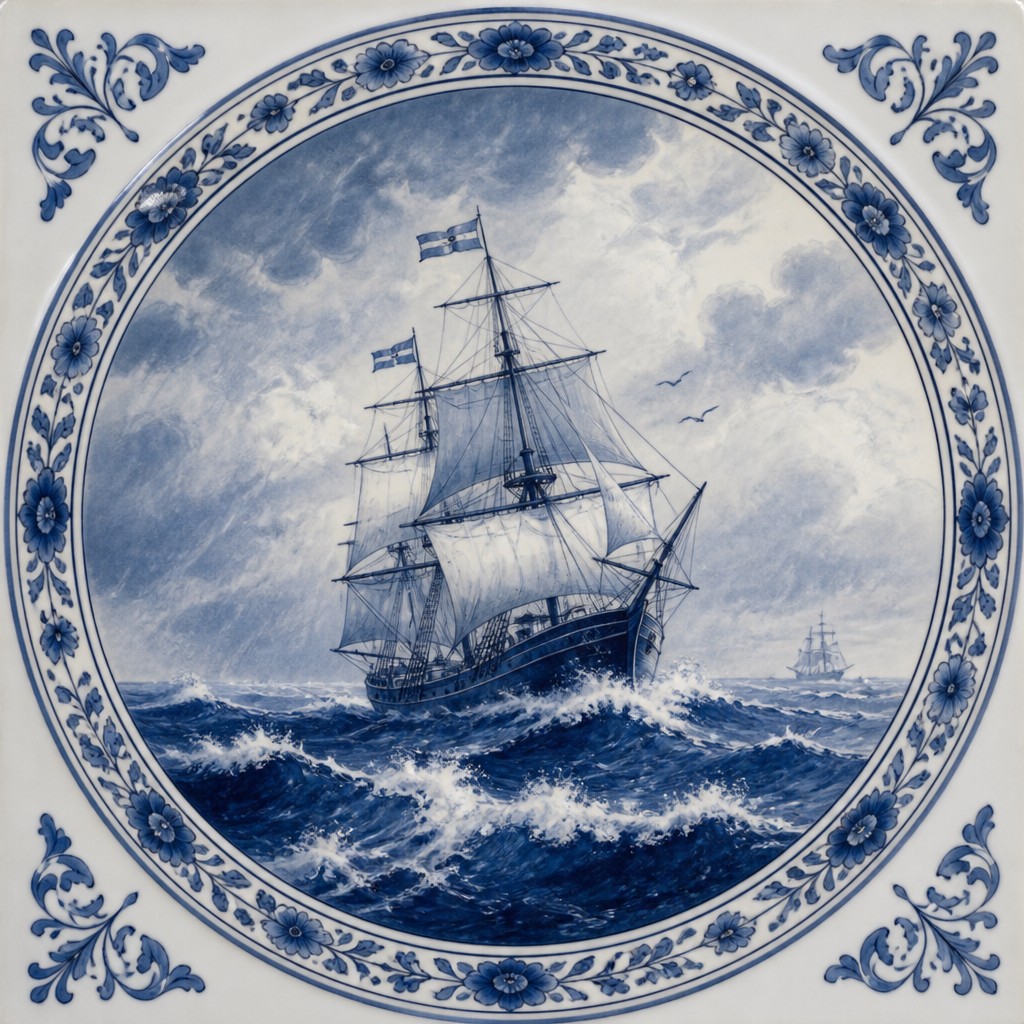
“sailing ship on a stormy sea”
How to Create Delft Blue Art
Master the craft step by step — or skip straight to creating. Read the full guide →
- 1
Build a limited palette
Begin with an off-white ground, one or two cobalt values, a blue-gray neutral, and a small amount of warm yellow. Keep saturation concentrated in ceramic accents while allowing the surrounding light to remain pale.
- 2
Establish one window direction
Place a broad window to the left or upper left and model every object according to that source. Use soft-edged shadows and reflected light so the room feels illuminated rather than spotlighted.
- 3
Plan the geometry
Sketch floor tiles, wall divisions, tabletops, and window frames before detailing objects. A restrained one- or two-point perspective grid helps create the ordered domestic spaces associated with the style.
- 4
Use ceramic motifs selectively
Add cobalt decoration to a few focal objects instead of covering every surface with pattern. Repeated borders, floral marks, and simplified local imagery can connect the composition without making it visually busy.
- 5
Paint materials through value
Separate glazed ceramic, linen, wood, metal, and plaster through edge quality and tonal shifts rather than heavy outlines. Reserve the brightest highlights for glazed surfaces and nearby areas touched by daylight.
- 6
Guide digital or prompt-based creation
For digital work, combine a pale interior, left-hand window light, cobalt-and-white ceramics, tiled perspective, and restrained stillness in the prompt, then refine anatomy, reflections, and repeated patterns manually. Specify the subject first and use exclusions such as harsh neon color, dramatic shadows, and clutter when a quieter result is needed.

The Story
History & Origins of Delft Blue
The style draws primarily from Delftware, the tin-glazed earthenware tradition that developed in the Netherlands during the seventeenth century, alongside Dutch Golden Age interior painting, European still life, and traditional blue-and-white ceramic decoration from wider Eurasian craft histories. Delftware commonly used a white ground with cobalt decoration, often imitating the prestige of imported blue-and-white porcelain while developing its own local vocabulary.
As a modern image-making category, Delft Blue Art Style recombines these references with contemporary illustration, digital painting, and photographic color grading. Its emphasis on left-sided daylight, tiled perspective, domestic quiet, and simplified cobalt motifs makes it recognizable as an intentional visual synthesis rather than a documented historical movement.
Influences: The style is related to Dutch Golden Age interior and genre painting, Delftware and other blue-and-white ceramic traditions, European still life, Northern European architectural perspective, and minimalist color-field illustration. It also shares techniques with contemporary editorial painting, soft natural-light photography, cottage interiors, and digitally constructed mood scenes, while remaining more decorative and ceramic-focused than historically strict Dutch painting.
Frequently Asked Questions
What defines Delft Blue Art Style?
It is defined by a cobalt-and-white palette, soft daylight from a lateral window, orderly domestic spaces, ceramic decoration, tiled perspective, and a mood of contemplative stillness. The style balances historical Dutch and Delftware references with contemporary image-making.
Is Delft Blue Art Style a historical art movement?
No. It is a modern aesthetic synthesis rather than a formally documented movement. Its lineage includes seventeenth-century Delftware, Dutch interior painting, European still life, and broader blue-and-white ceramic traditions.
How is it different from traditional Delftware?
Delftware is primarily a ceramic production tradition involving tin-glazed earthenware, often decorated in blue on a white ground. Delft Blue Art Style extends those colors and motifs into paintings, illustrations, photographs, interiors, and digital images, adding domestic light and architectural composition.
How can I make an image in this style?
Choose a quiet household or still-life subject, limit the palette to white, cobalt, blue-gray, and a small warm accent, and establish soft light from the left. Include tiled surfaces or blue-and-white ceramics, then refine perspective, material textures, and pattern density.
Does the style have to depict Dutch subjects?
No. Dutch interiors and ceramic motifs are common references, but the visual principles can be applied to bedrooms, kitchens, gardens, portraits, still lifes, or scenes from other cultures. Respectful adaptation works best when the setting retains the palette, light, and compositional restraint without falsely presenting a specific historical artifact.
Where is this style commonly used?
It suits editorial illustration, book covers, wall art, stationery, interior visuals, product imagery, still-life photography, and atmospheric portraiture. Its limited palette and calm geometry also make it effective for decorative patterns and refined digital compositions.

Create your first Delft Blue artwork
Describe anything — or upload a photo — and see it in Delft Blue Art Style in seconds.
Related Styles
Discover similar art styles