Zambian Art Style
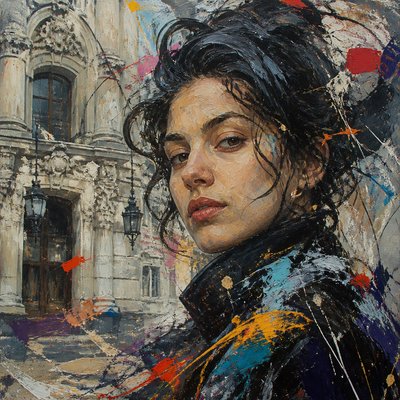
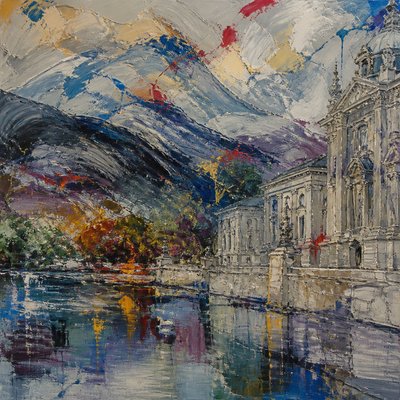
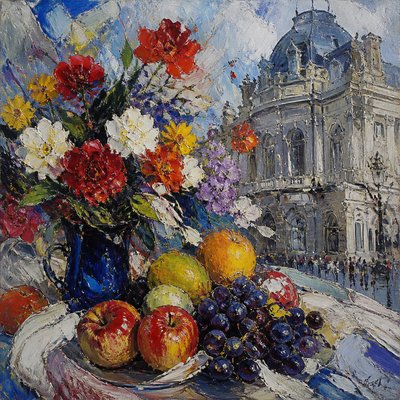
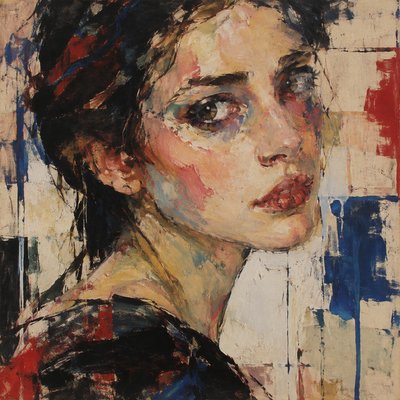
Explore Zambian Art Style: red-ochre rock imagery, coiled basket patterns, plateau light, and expressive Lusaka-inspired earth-tone brushwork.
Instantly rendered in Zambian — or transform a photo
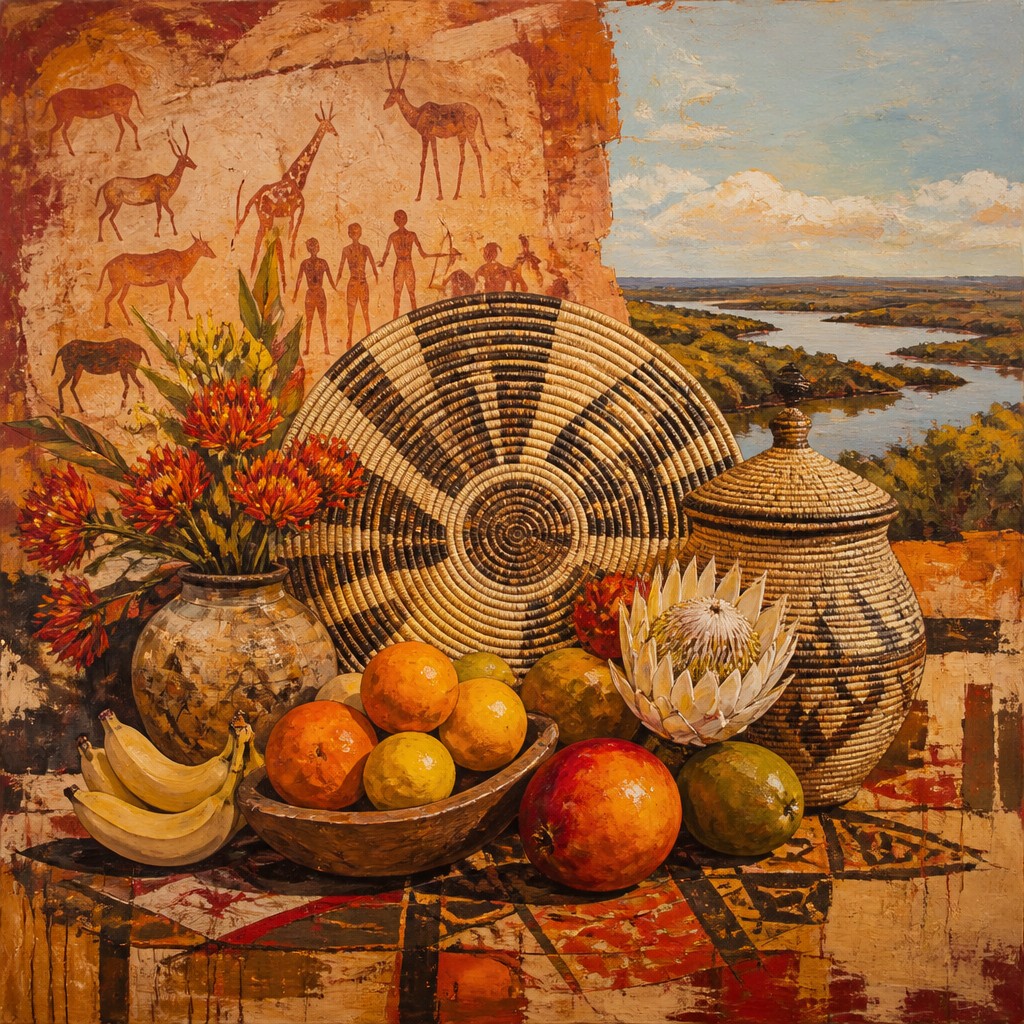
Zambian Gallery
Tap any artwork to explore it
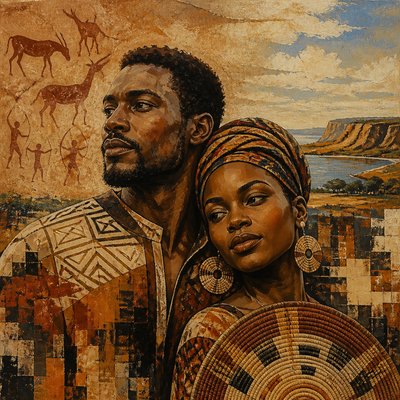
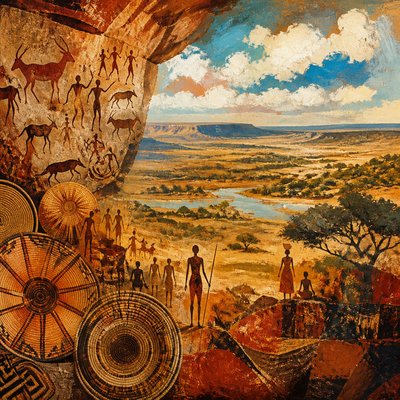
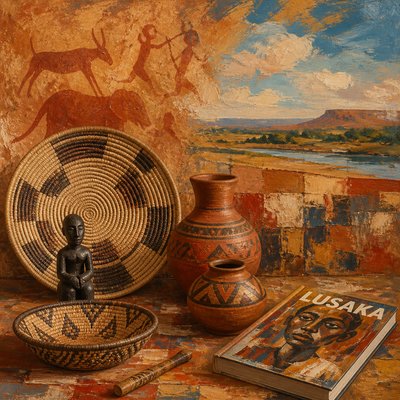
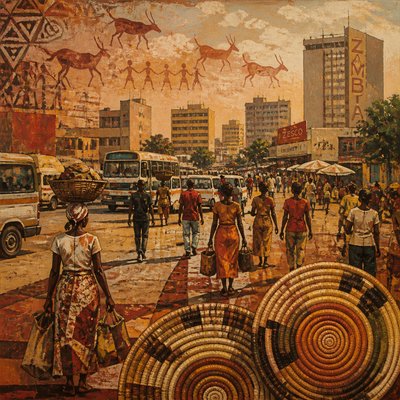
What is Zambian Art Style?
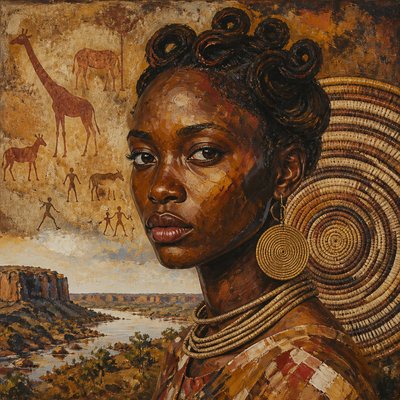
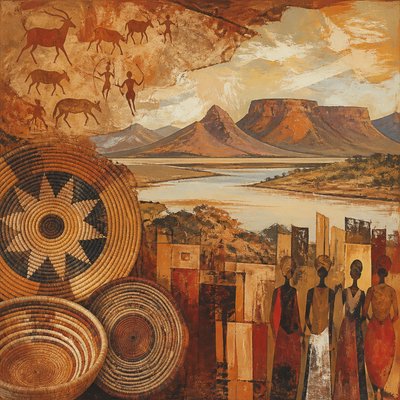
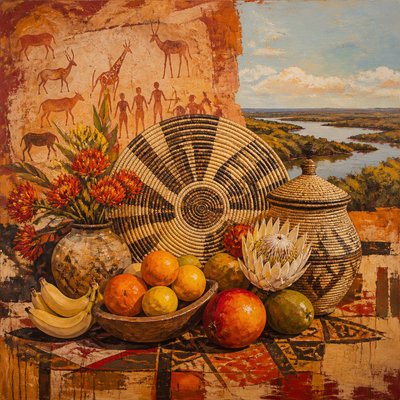
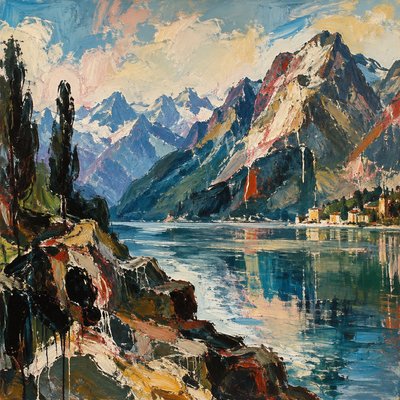
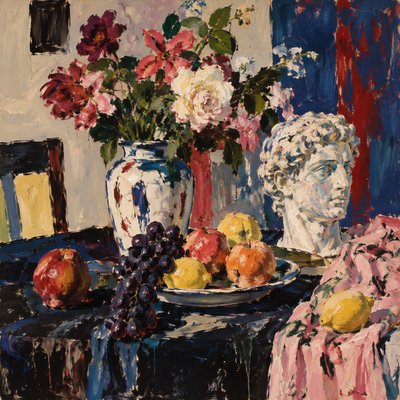
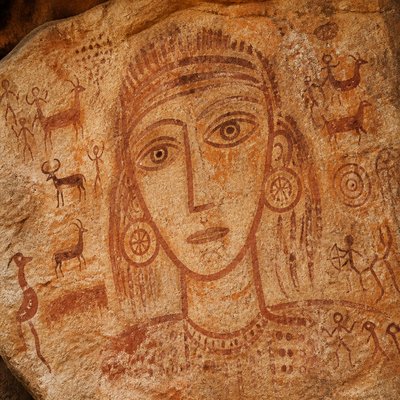
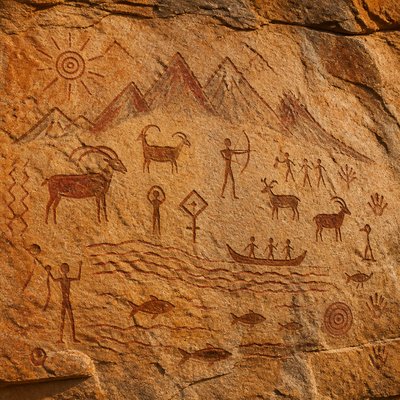
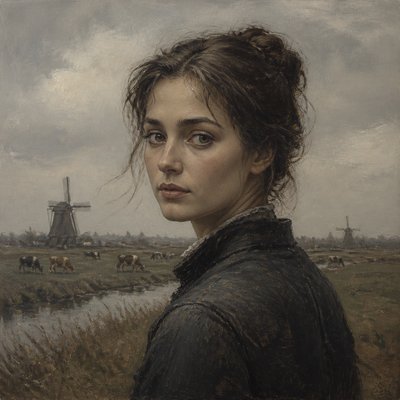
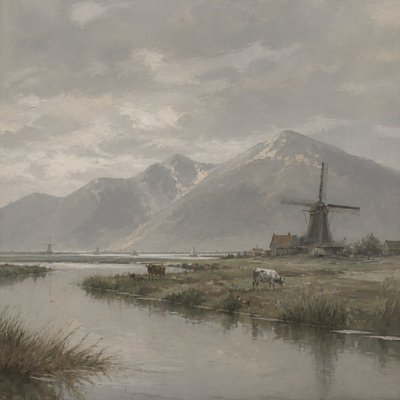
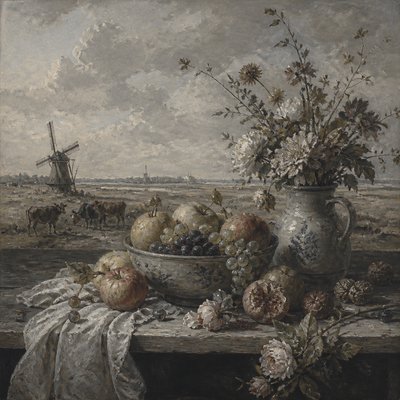
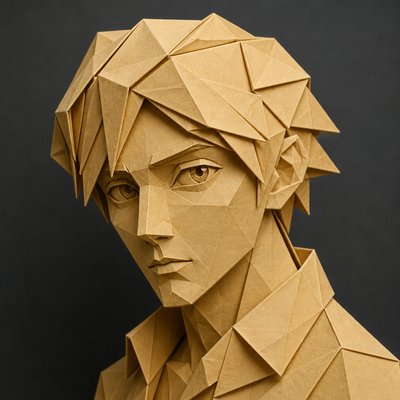
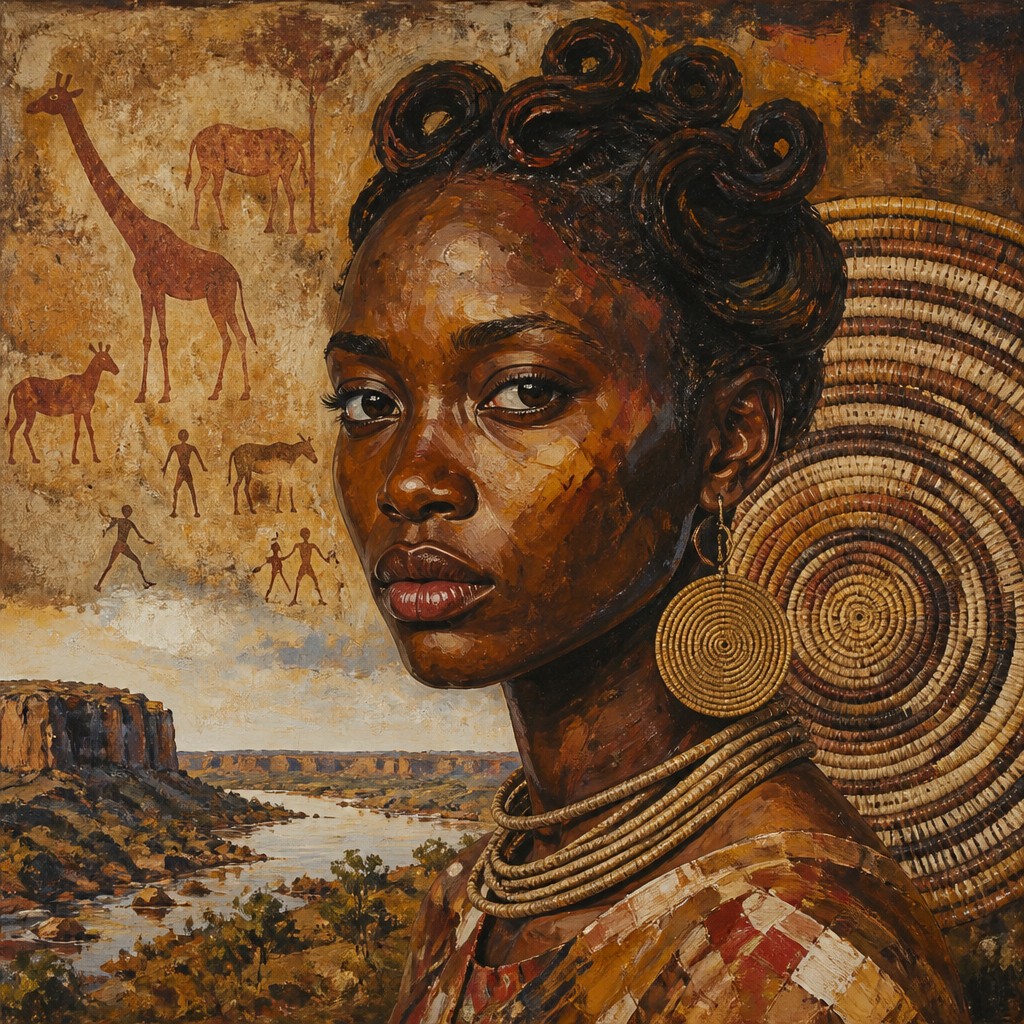
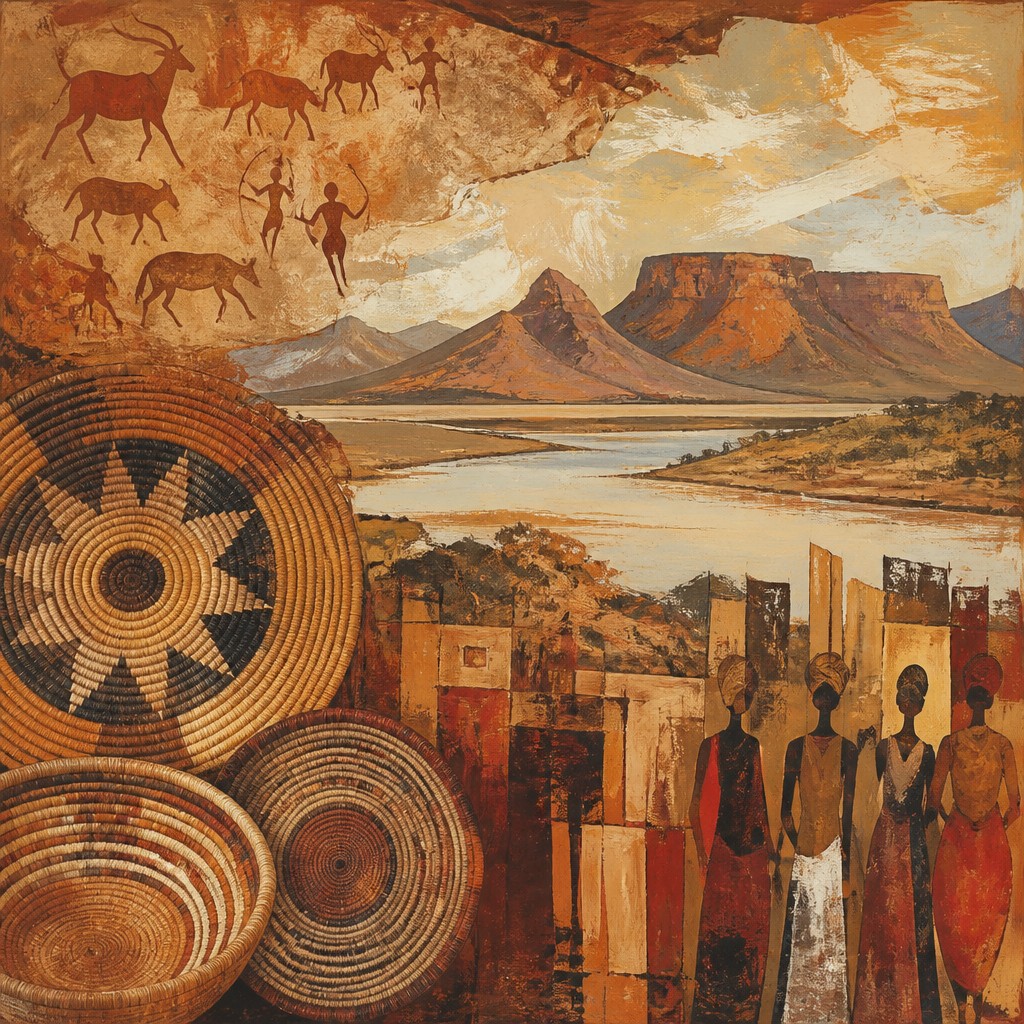
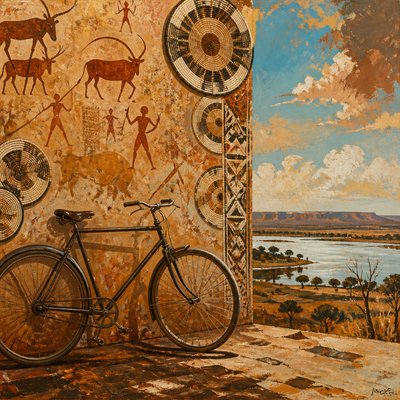
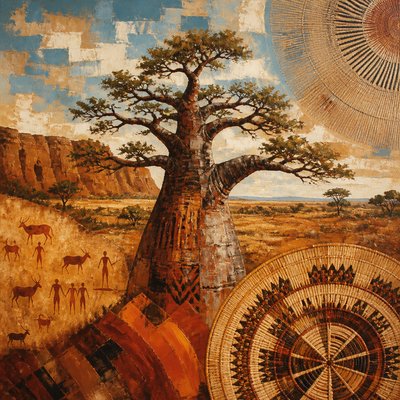
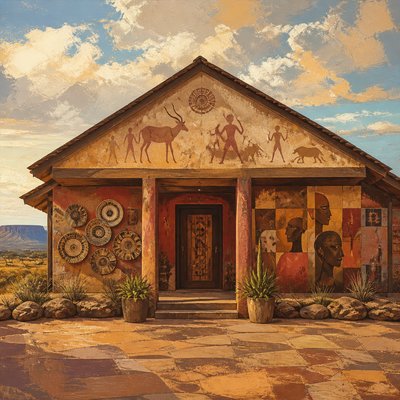
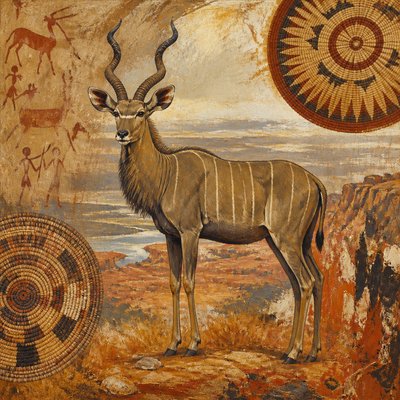
The style is defined by faded red ochre, umber, charcoal, sand, and sunlit cream, often arranged in flattened silhouettes and broad, visibly worked strokes. Animals, people, river forms, baskets, and plateau horizons are reduced to readable shapes, while repeated coils, hatching, dots, and radiating lines create a sense of rhythm. Its wide compositions and open skies evoke the expansive light of the Zambezi plateau without presenting a single uniform or timeless Zambian tradition.
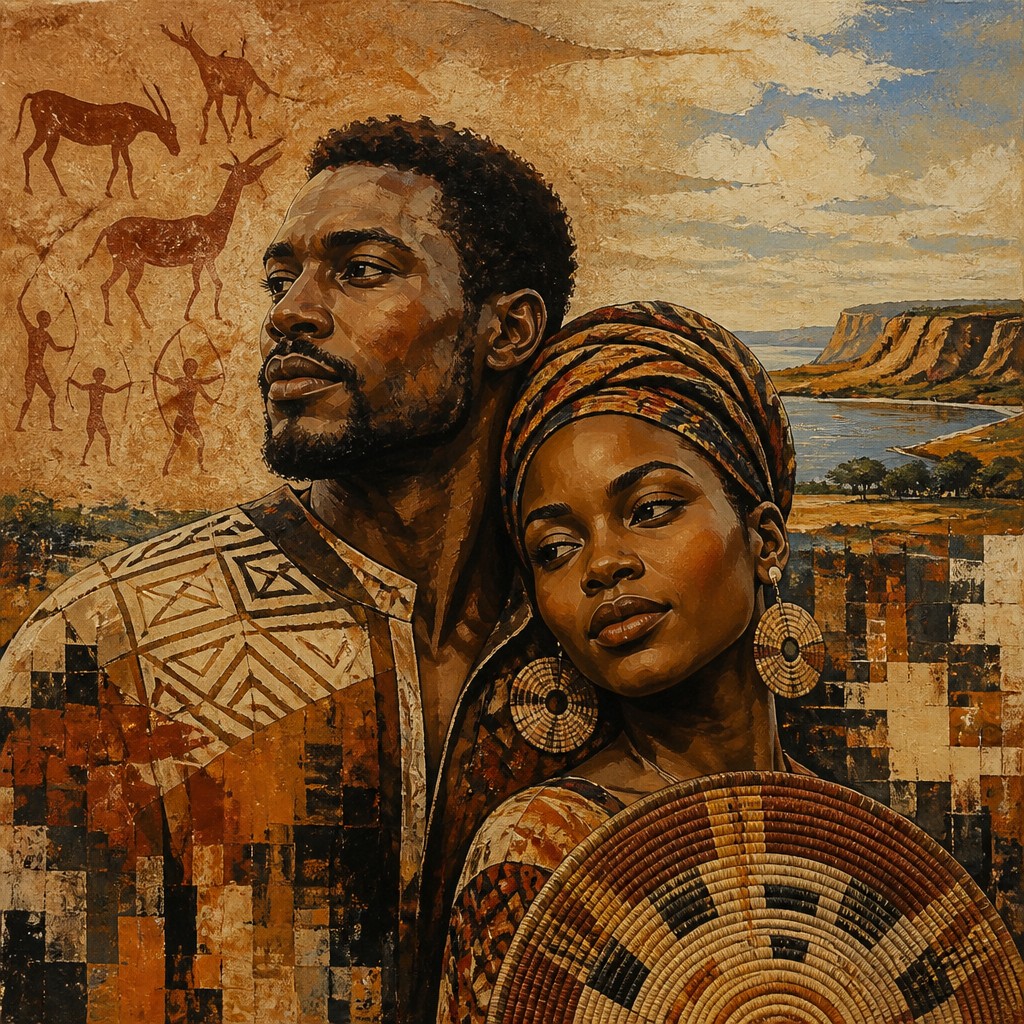
Try It On Your Photos
Upload any photo and convert it into Zambian Art Style — drag the sliders to compare before and after.
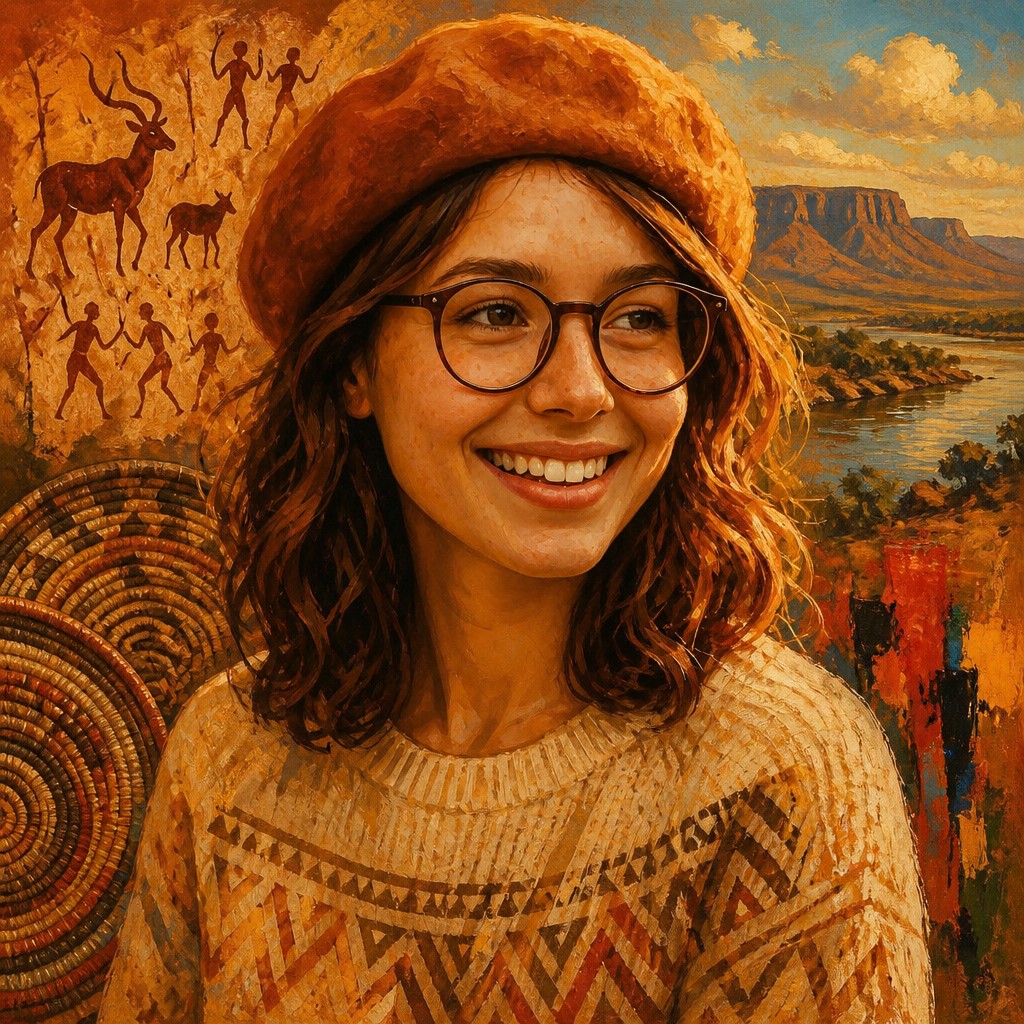

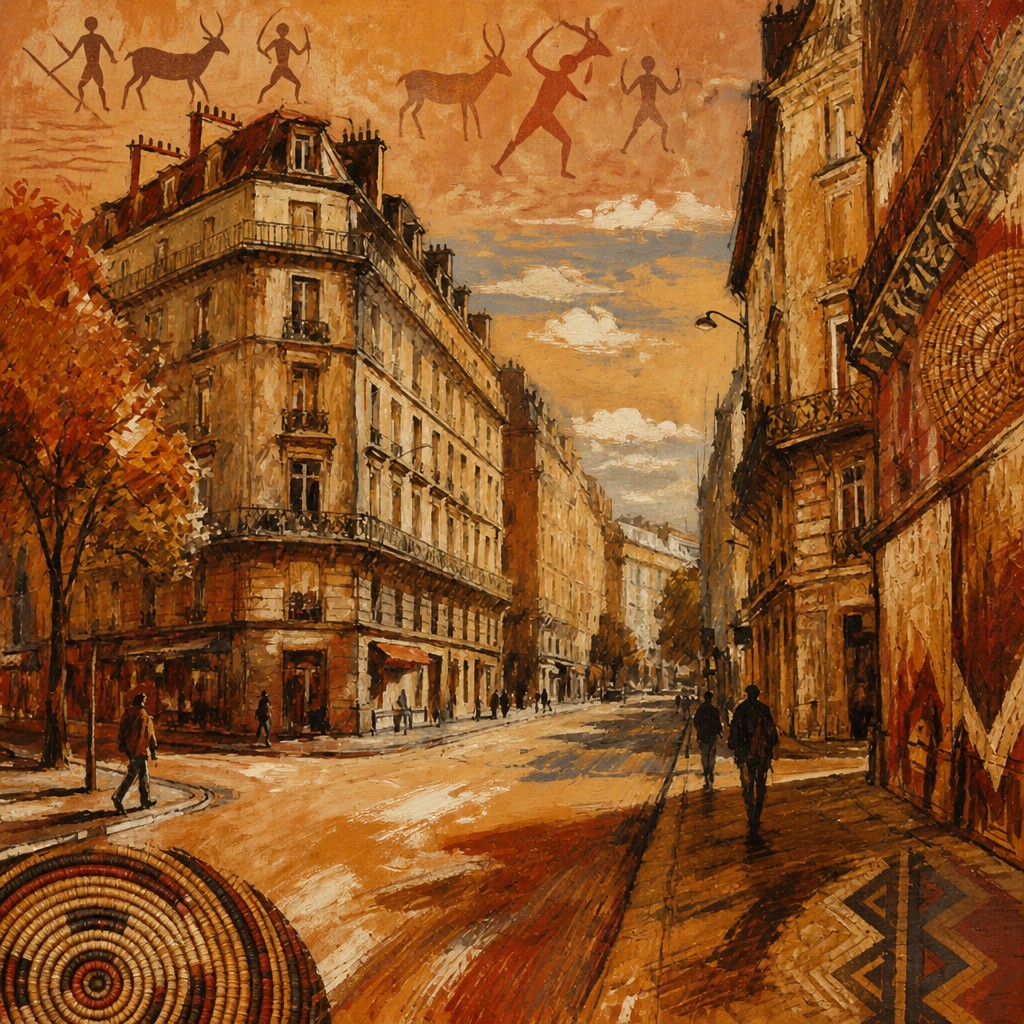

What Defines Zambian Art Style
The signature details, up close
Faded red-ochre palette
Rust red, iron ochre, clay brown, charcoal, muted black, and chalky cream establish the dominant color range. Subtle variation and abrasion make the surface feel mineral-based rather than digitally uniform.
Flattened animal and human silhouettes
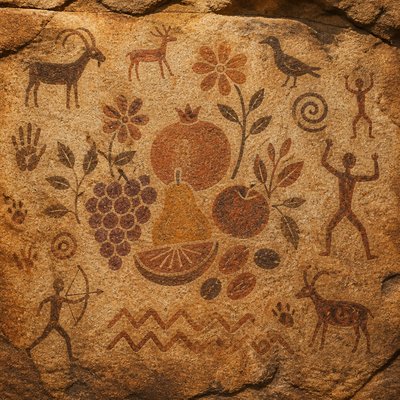
Figures are simplified into iconic profiles, gestures, and contours instead of anatomically modeled bodies. Antelope, cattle, birds, people, and river animals often function as symbolic signs within the composition.
Coiled basket geometry
Concentric coils, radiating spokes, chevrons, and stepped bands introduce the visual logic of woven and coiled fiber. These patterns provide structure and repetition while complementing the irregularity of painted marks.
Expressionist brushwork
Broad, directional strokes and occasional scraping or dry-brush passages add contemporary energy. Brush marks remain visible, allowing the surface to feel handmade and emotionally charged.
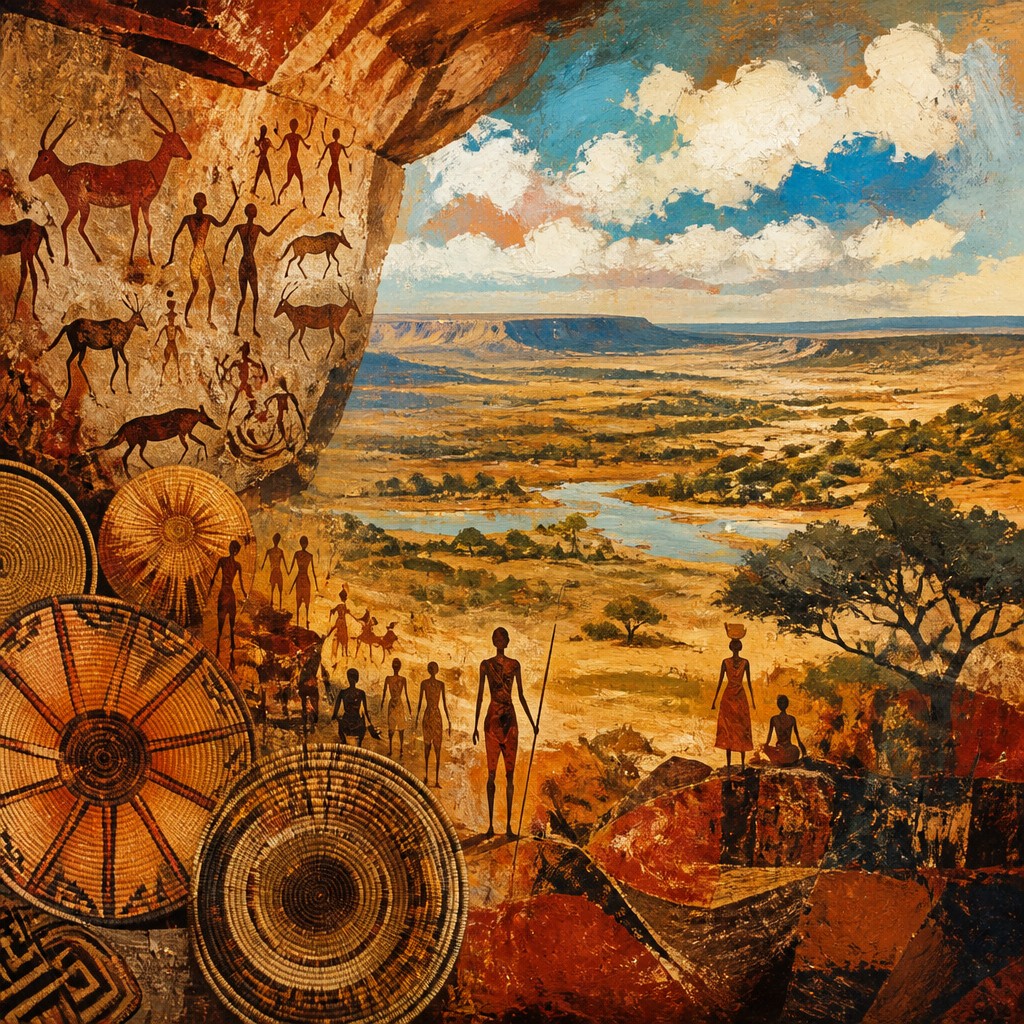
Plateau light and open space
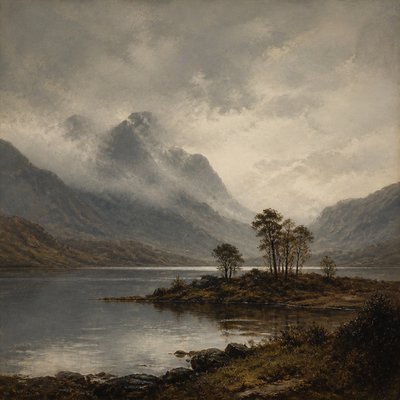
Large areas of warm sky, pale ground, and distant horizon suggest the spacious light of the Zambezi plateau. The compositions often breathe through asymmetrical placement and generous negative space.
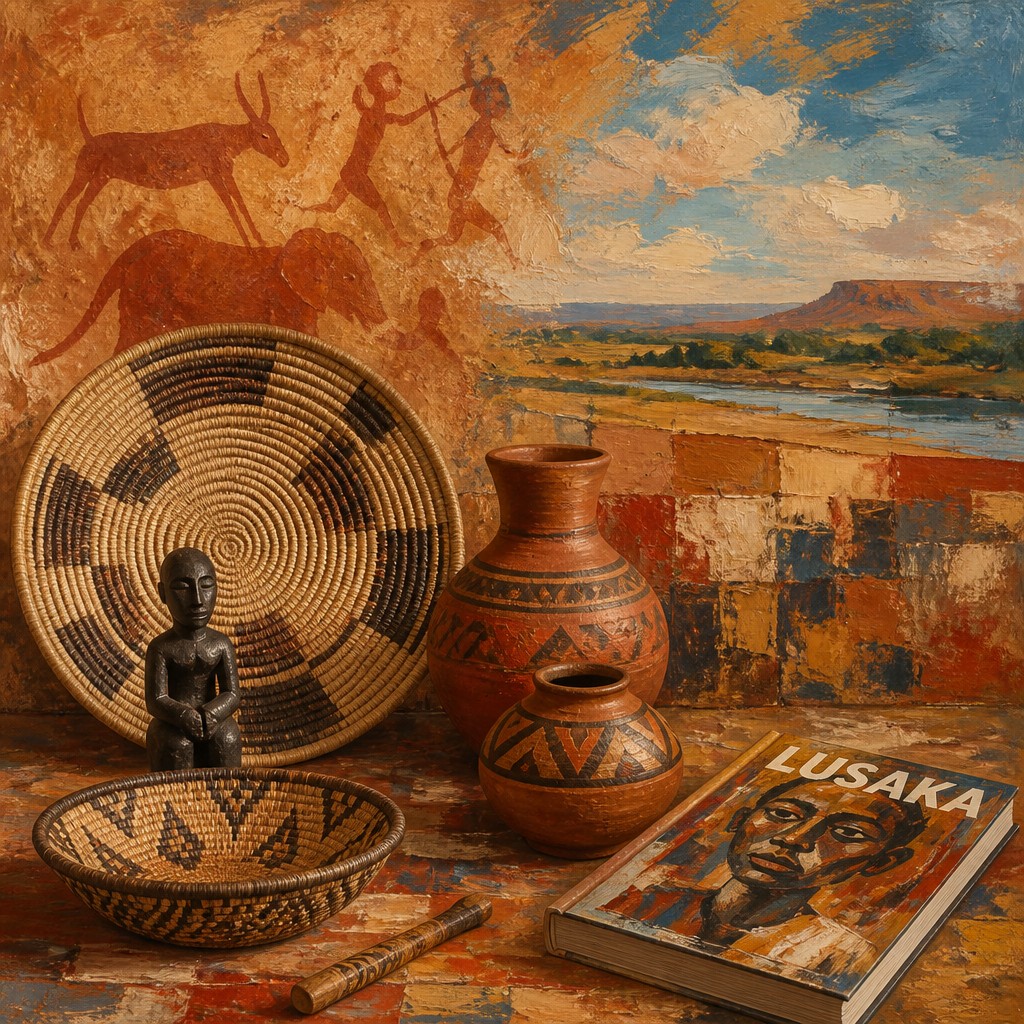
Weathered tactile surface
Speckling, cracks, pigment loss, fibrous grain, and uneven edges evoke rock, earth, bark, and natural fiber. The worn appearance should suggest material age without falsely imitating a specific archaeological site.
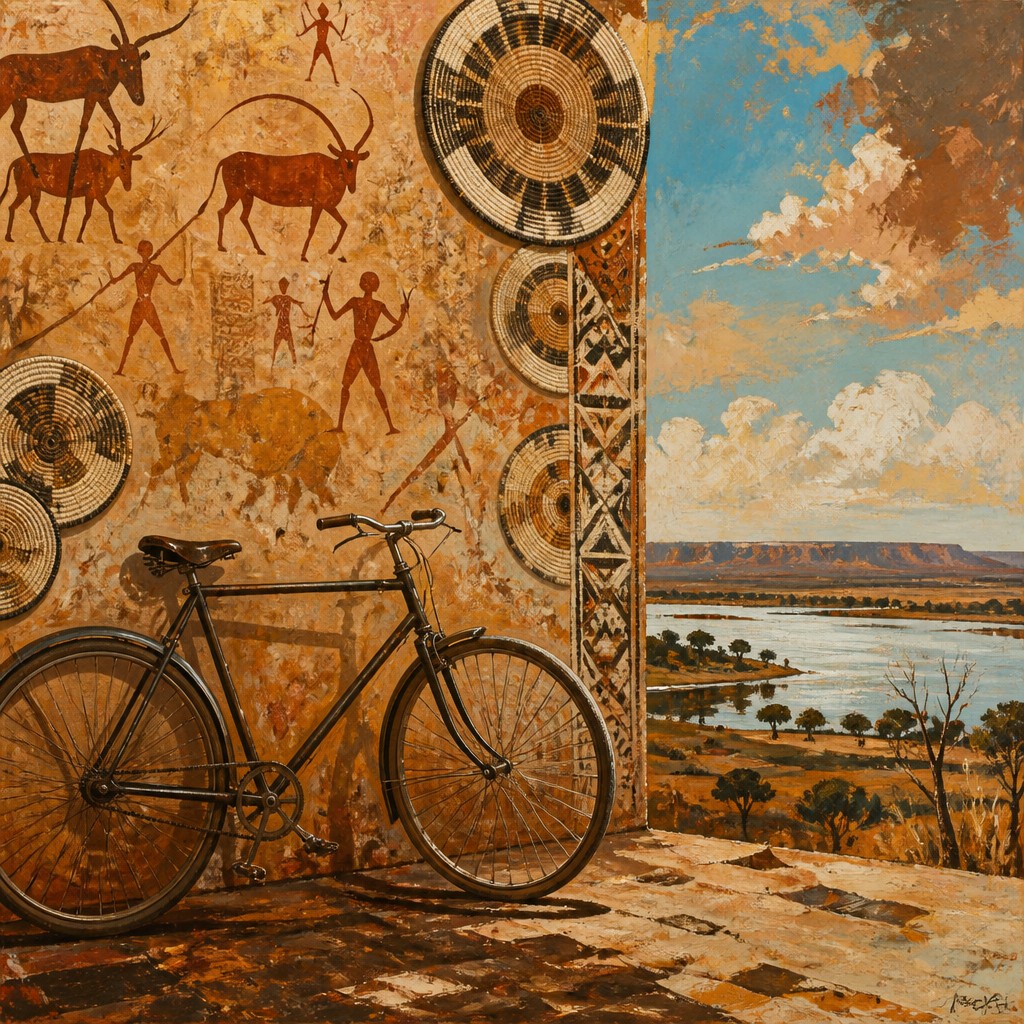
Rhythmic symbolism
Repeated marks and organized motifs create visual cadence, linking people, animals, landscape, and craft. The style favors poetic association over strict realism or narrative illustration.
Zambian Prompt Ideas
Start from an idea — each one opens the generator with the style ready to go. See all 40 Zambian prompts →
How to Create Zambian Art
Master the craft step by step — or skip straight to creating. Read the full guide →
- 1
Build an earth-based palette
Start with red ochre, burnt sienna, umber, charcoal, muted ivory, and a restrained blue or green accent. Keep saturation controlled and vary opacity so the colors resemble layered mineral pigment.
- 2
Simplify the subject into signs
Reduce figures and animals to strong silhouettes, carefully chosen gestures, and a few internal marks. Avoid excessive anatomical detail; clarity of contour and symbolic placement are more important.
- 3
Add coiled and woven rhythms
Use concentric circles, radiating lines, chevrons, and stepped bands in borders, clothing, baskets, or landscape details. Vary spacing and thickness so the pattern feels made by hand rather than mechanically tiled.
- 4
Create a weathered surface
Traditionally, layer thin pigment washes, dry brush, rubbing, and scraping over a textured ground. Digitally, combine paper, stone, fiber, and pigment textures with masks, low-opacity brushes, and uneven edge erasure.
- 5
Compose for plateau scale
Place a few emphatic forms against broad fields of sky or earth, using a low horizon and warm directional light. Let the subject occupy the landscape without turning the image into a detailed naturalistic scene.
- 6
Write precise generation prompts
For text-to-image creation, specify red-ochre silhouettes, coiled natural-fiber geometry, warm earth tones, expressive brush marks, open plateau light, and a tactile worn surface. For image-to-image work, use a moderate transformation strength so the original subject remains recognizable while the palette, texture, and mark-making change.
The Story
History & Origins of Zambian
It also draws from modern and contemporary painting in Zambia, particularly expressive approaches that favor energetic brushwork, local color, social observation, and landscape-based symbolism. Combining these sources produces a respectful interpretive language, but it should not be treated as a literal reconstruction of archaeological painting or as a complete representation of any one community's living craft tradition.
Influences: The style relates to southern African rock-art traditions, vernacular basketry and fiber patterning, African modernism, expressionist painting, earth-toned landscape art, and contemporary mixed-media illustration. It also shares with textile and craft-based abstraction an interest in repetition, material texture, and the transformation of functional patterns into pictorial structure.
Frequently Asked Questions
What defines Zambian Art Style?
It combines red-ochre rock-shelter imagery, simplified animal and human silhouettes, coiled basket-inspired geometry, and expressive modern brushwork. Broad plateau skies, warm earth colors, and a weathered tactile surface are also central.
Is Zambian Art Style a historical art movement?
No. This label describes a contemporary aesthetic synthesis rather than a documented historical movement or unified national school. It draws inspiration from several distinct Zambian and southern African visual traditions, which should not be collapsed into one tradition.
How is it different from African tribal art or primitive art labels?
Those broad and often outdated labels obscure the specific histories, communities, and purposes of African artworks. This style is more accurately understood as a modern interpretive blend with identifiable references to rock painting, basketry, landscape, and expressionist mark-making.
What subjects work well in this style?
Animals, river scenes, village life, woven objects, portraits, ceremonial processions, and expansive plateau landscapes are particularly effective. Subjects with clear silhouettes and rhythmic forms translate better than highly detailed photorealistic scenes.
How can I make this style by hand?
Use a rough paper, board, or prepared textured surface and work with diluted earth pigments, charcoal, dry brush, rubbing, and scraping. Establish the large silhouette and horizon first, then add basket-like repetitions and selectively worn layers.
Can photographs be transformed into this aesthetic?
Yes, especially photographs with strong profiles, open landscapes, animals, or visible woven objects. Preserve the essential pose or composition while introducing a limited ochre palette, flattened forms, patterned accents, and irregular pigment texture.
Create your first Zambian artwork
Describe anything — or upload a photo — and see it in Zambian Art Style in seconds.
Related Styles
Discover similar art styles