Woven Tapestry Art Style
Explore Woven Tapestry Art: thread-built imagery, millefleurs gardens, medieval perspective, rich wool colors, and ornamental textile borders.
Instantly rendered in Woven Tapestry — or transform a photo
Woven Tapestry Gallery
Tap any artwork to explore it
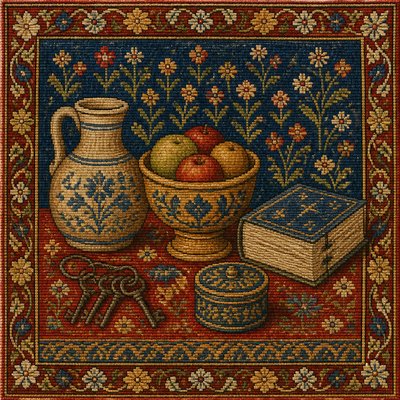
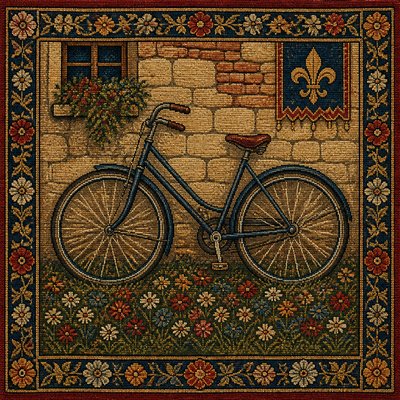
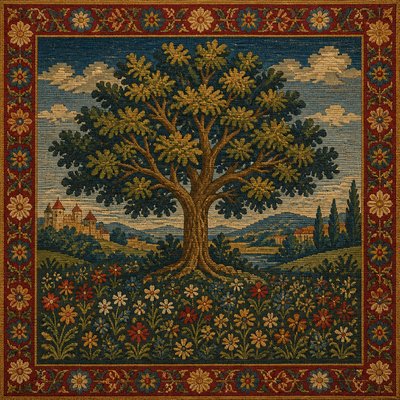
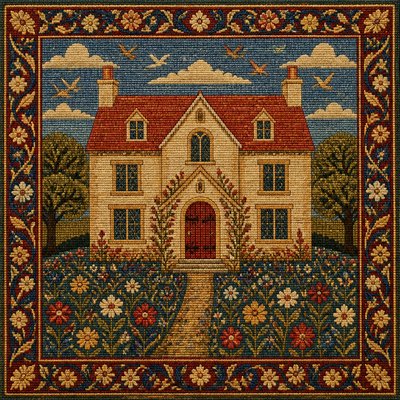
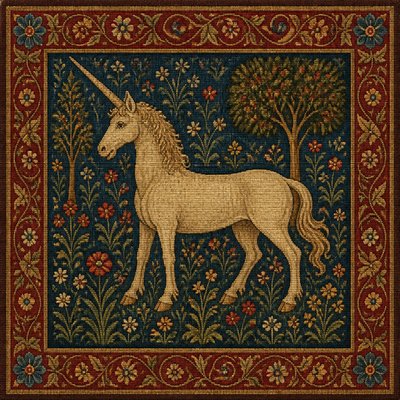
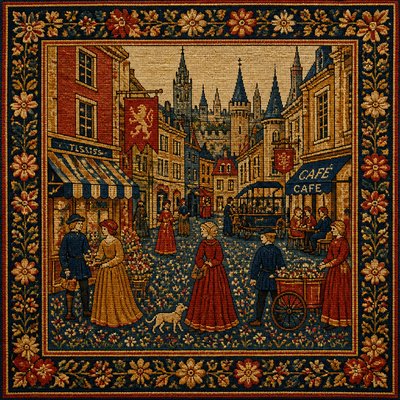
What is Woven Tapestry Art Style?
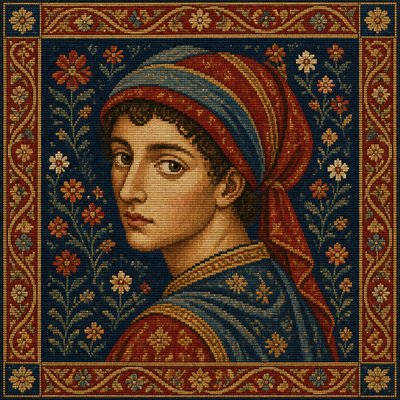
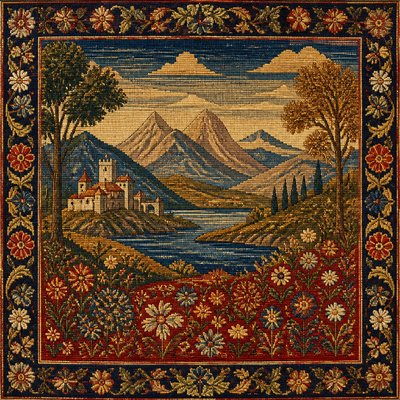
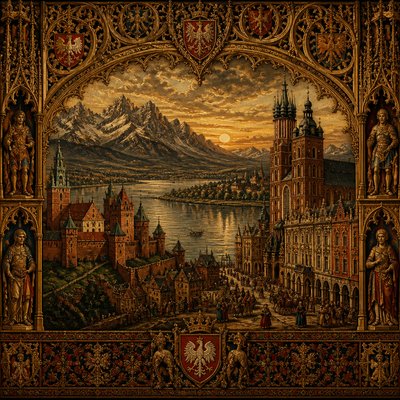
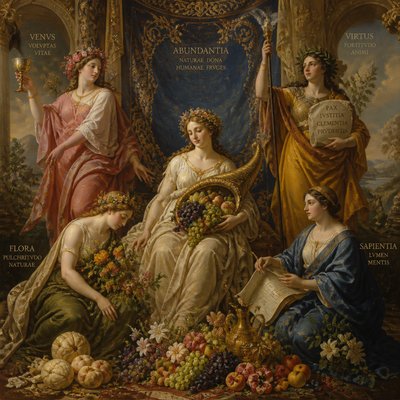
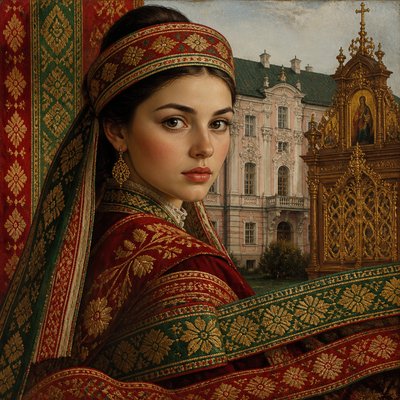
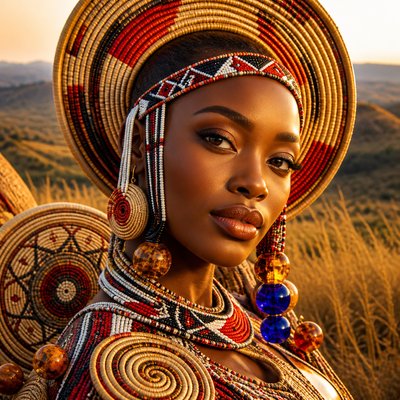
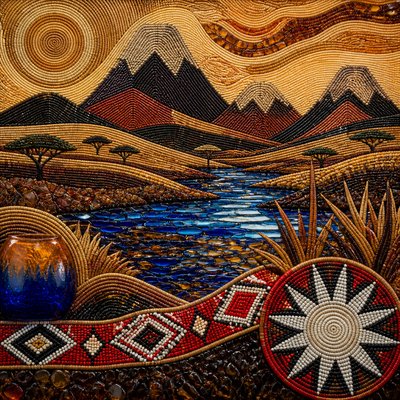
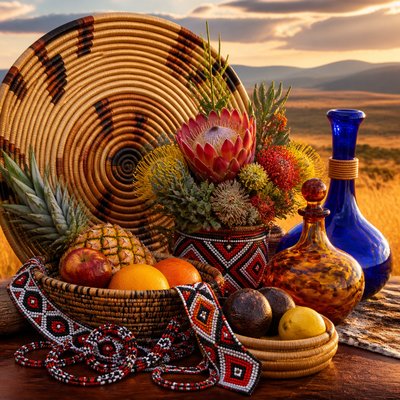
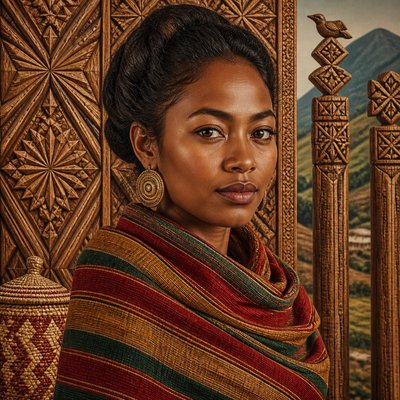
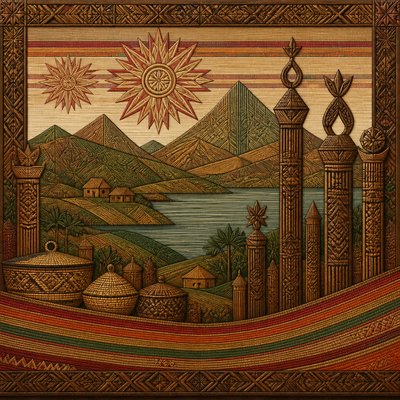
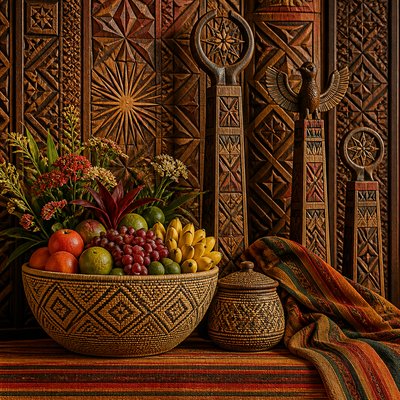
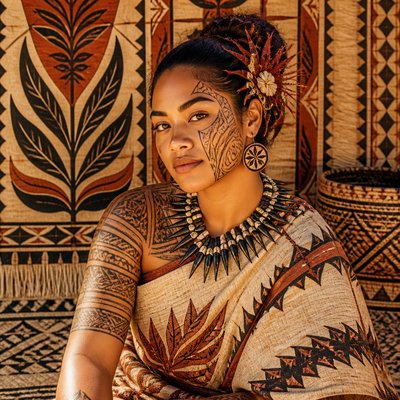
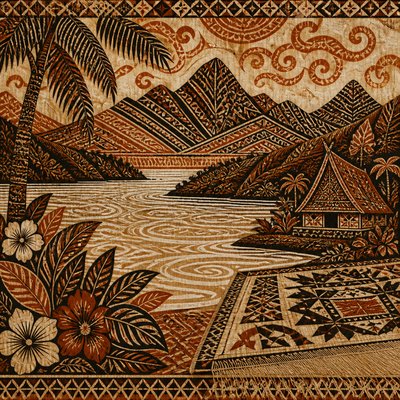
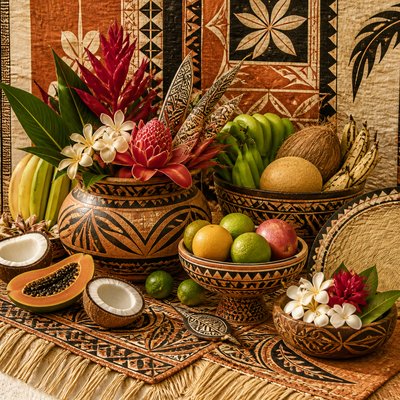
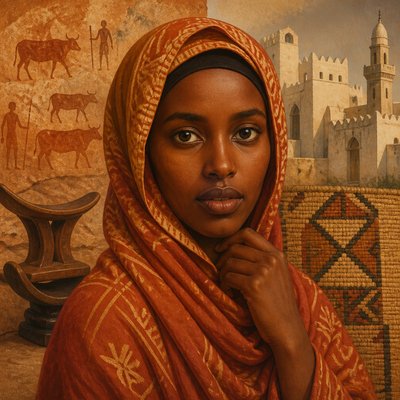
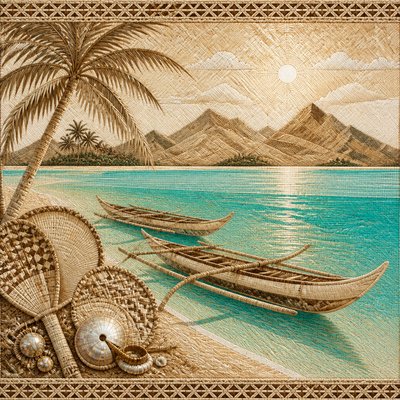
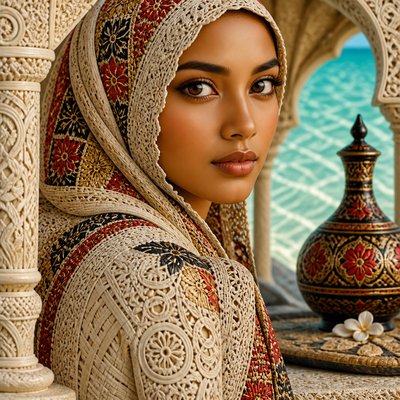
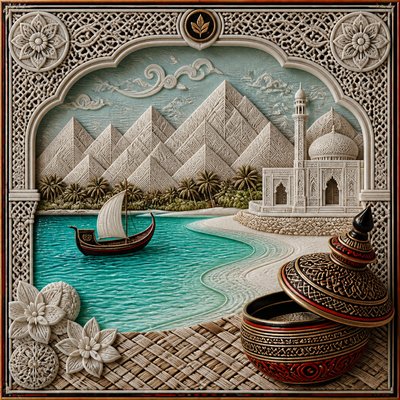
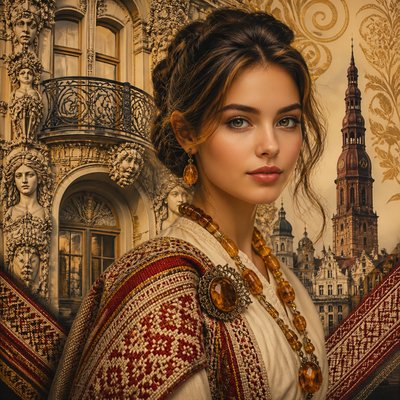
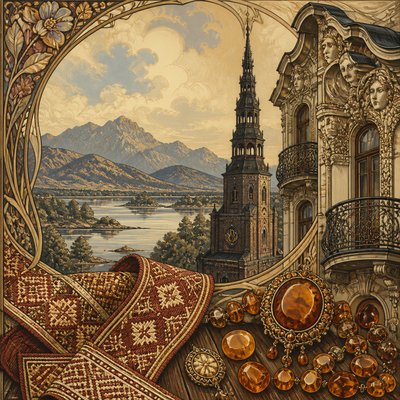
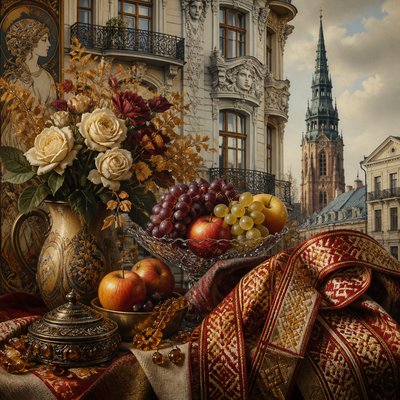
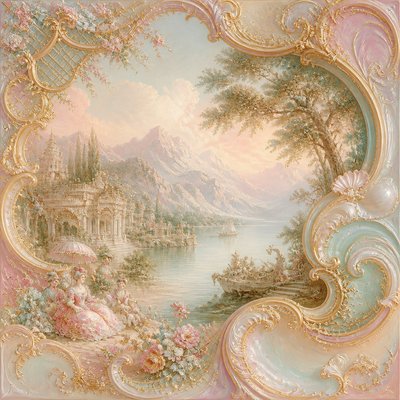
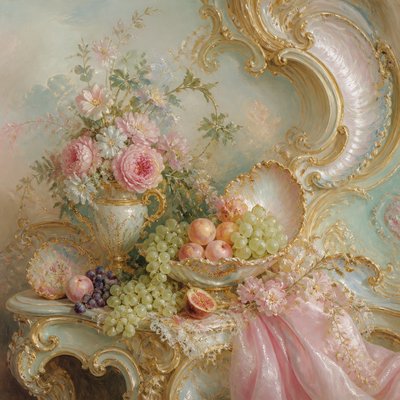
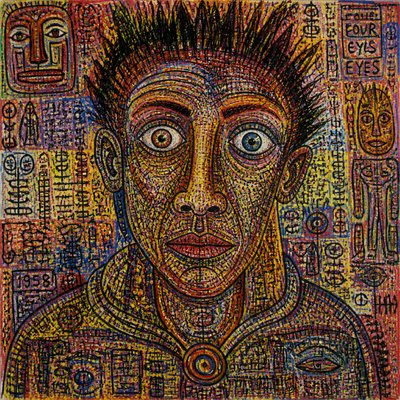
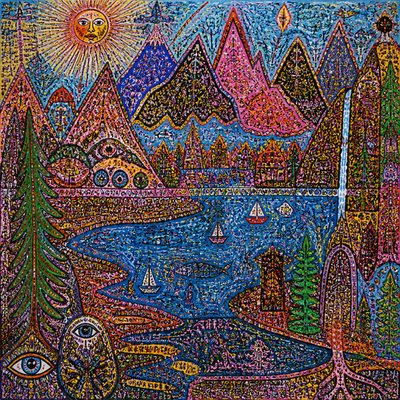
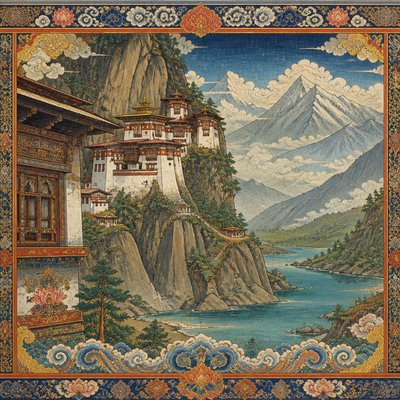
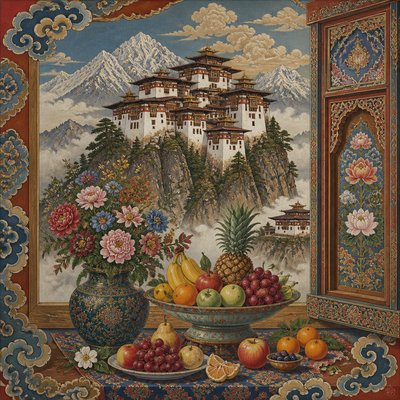
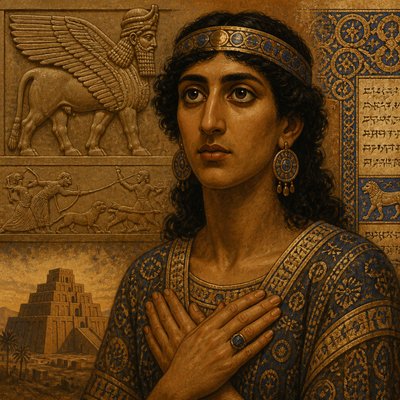
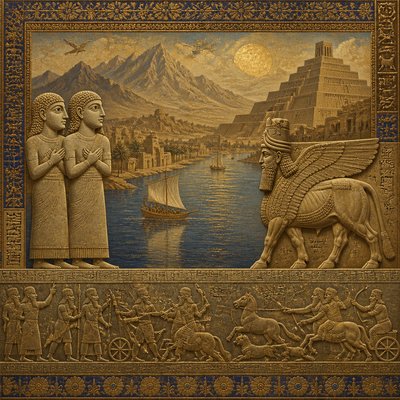
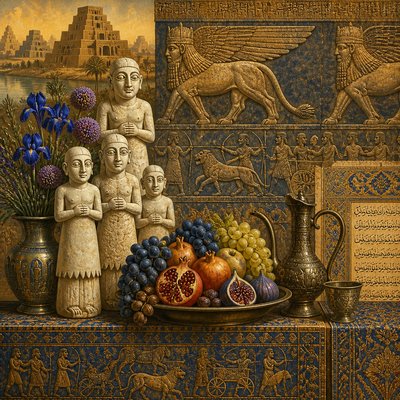
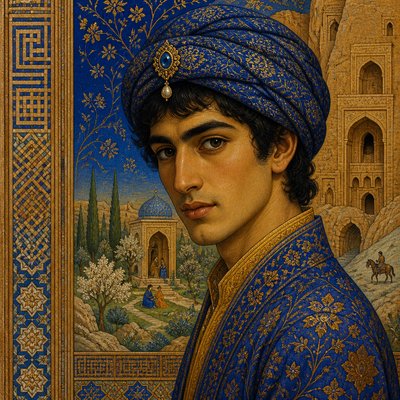
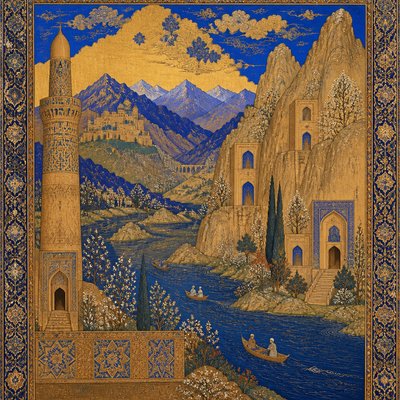
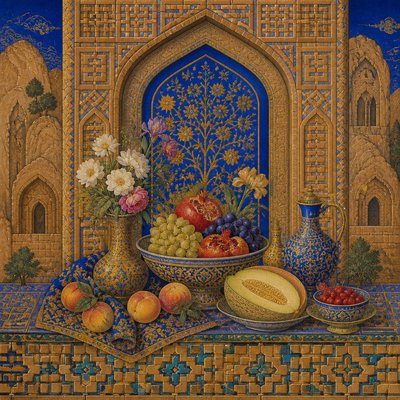
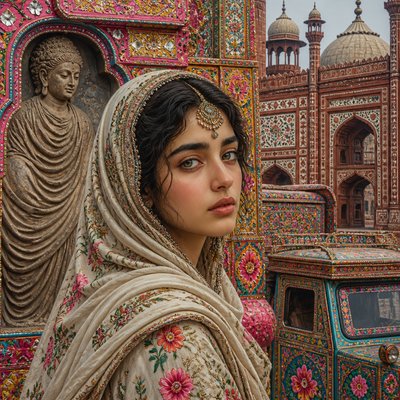
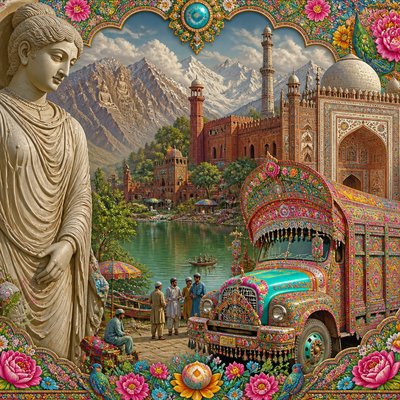
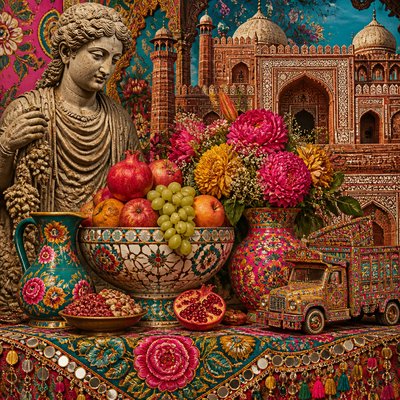
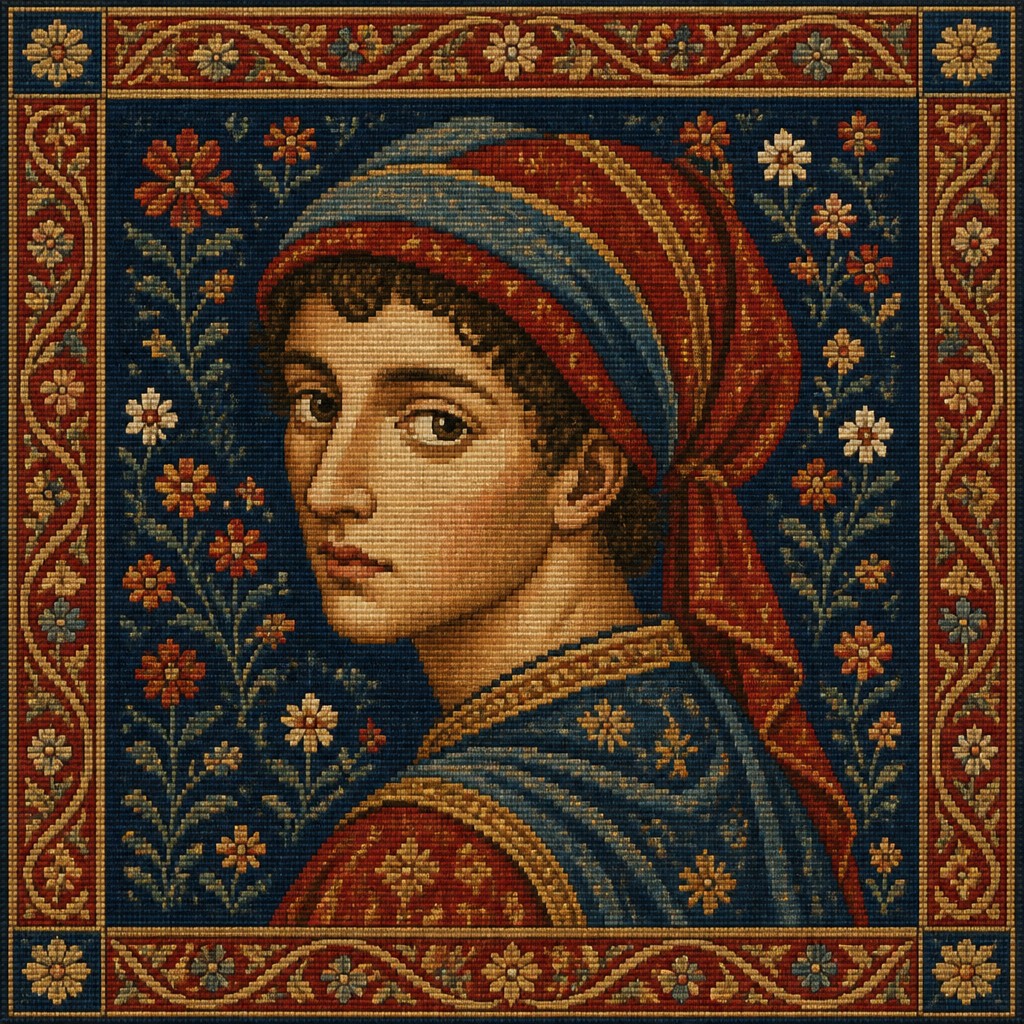
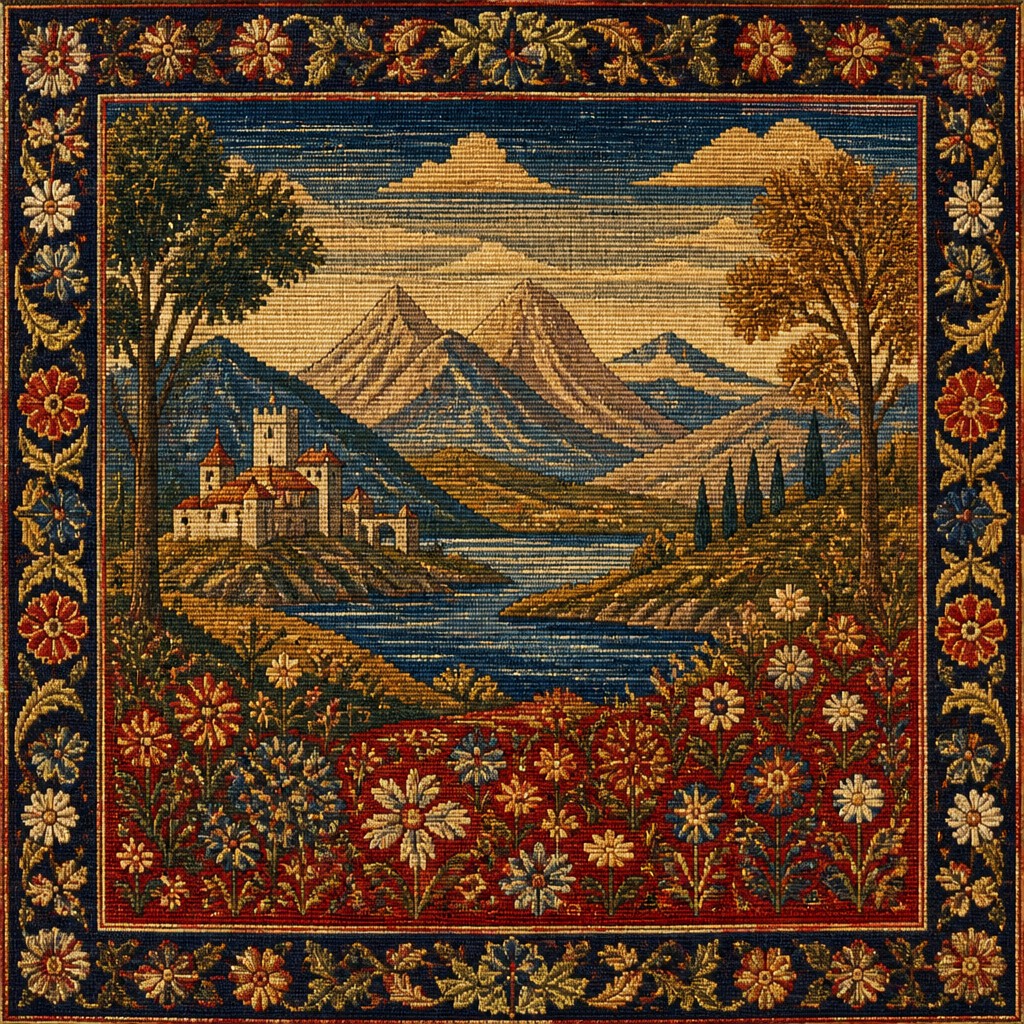
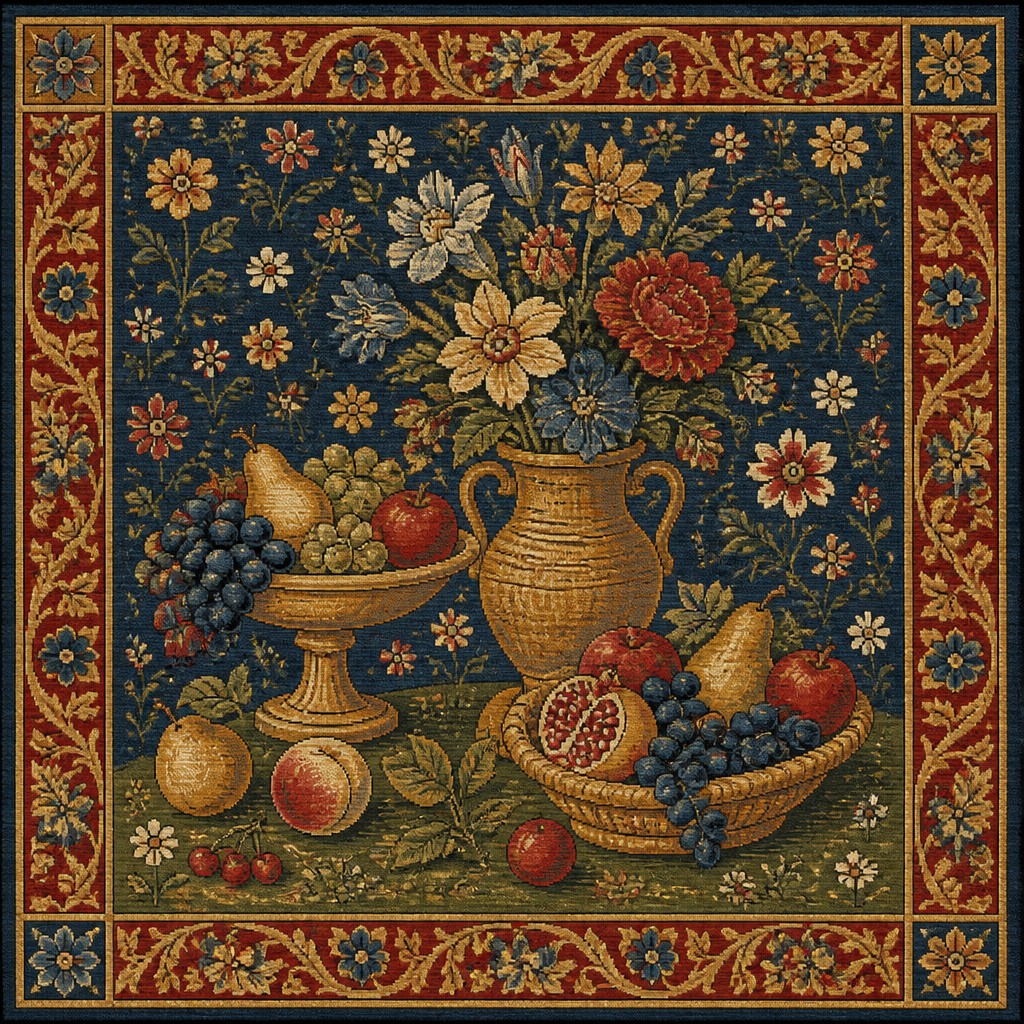
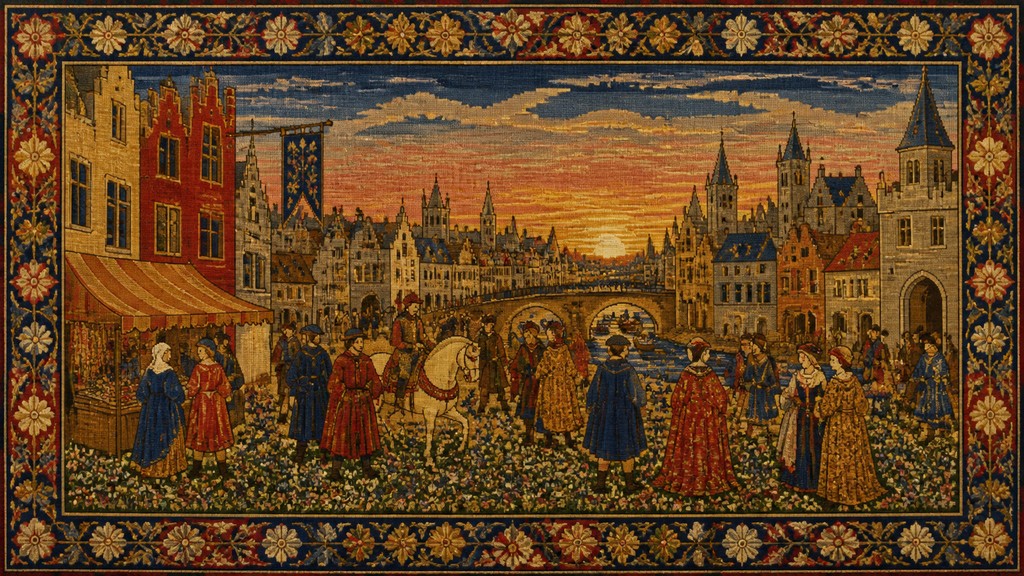
Woven Tapestry Art Style is an invented, textile-centered visual language in which images appear constructed thread by thread. Its signature combination of visible weft lines, softly stepped color transitions, millefleurs flower-strewn grounds, flattened perspective, and ornamental borders gives scenes the tactile presence of a handwoven wall hanging rather than a conventional painting.
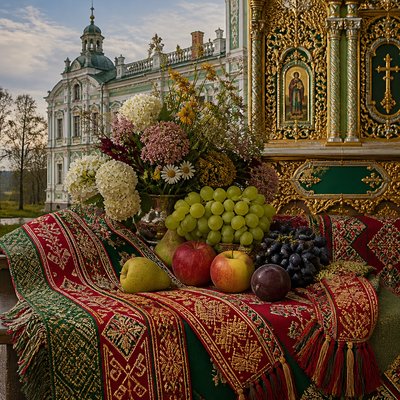
The style favors rich wool reds, deep blues, muted greens, warm golds, and occasional ivory highlights. Details are simplified into readable shapes because woven structures naturally limit fine contours and continuous tonal modeling; the resulting surface feels warm, patterned, slightly softened, and richly material.
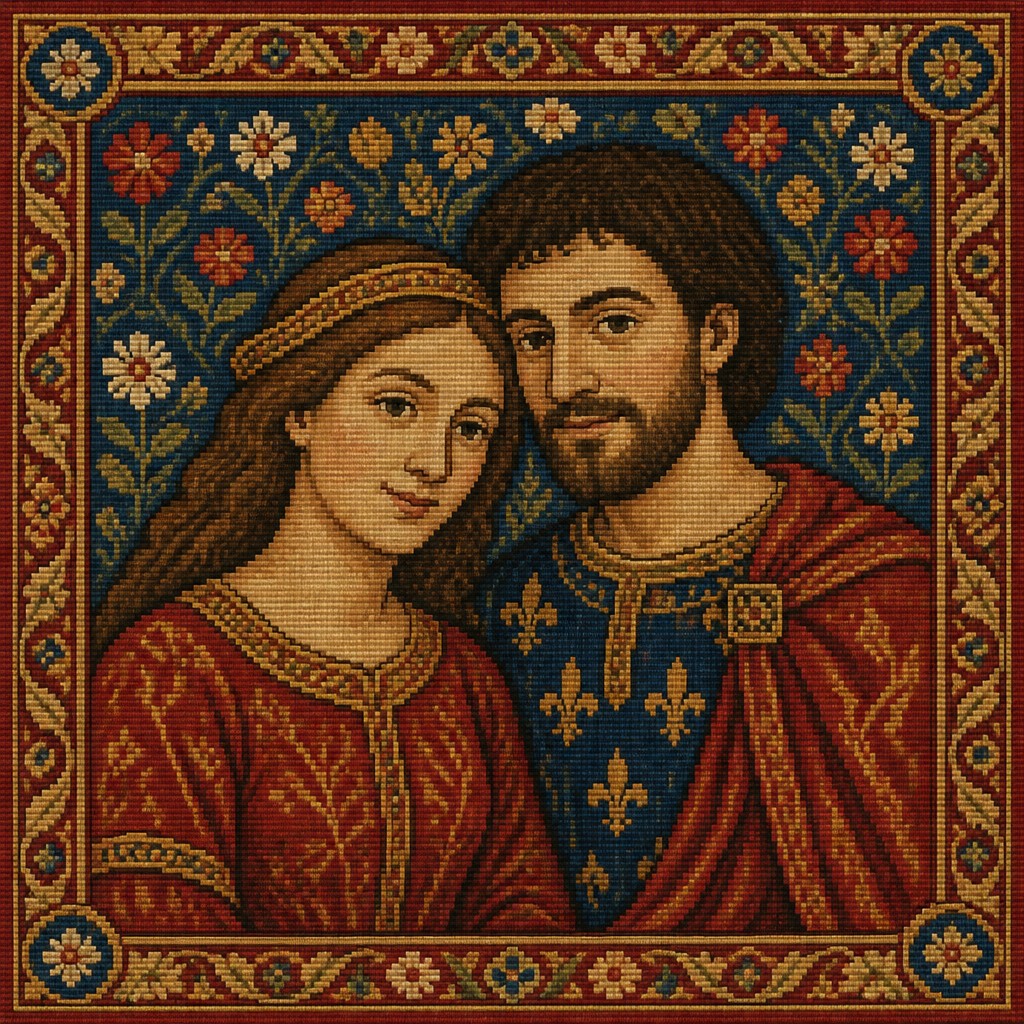
Try It On Your Photos
Upload any photo and convert it into Woven Tapestry Art Style — drag the sliders to compare before and after.
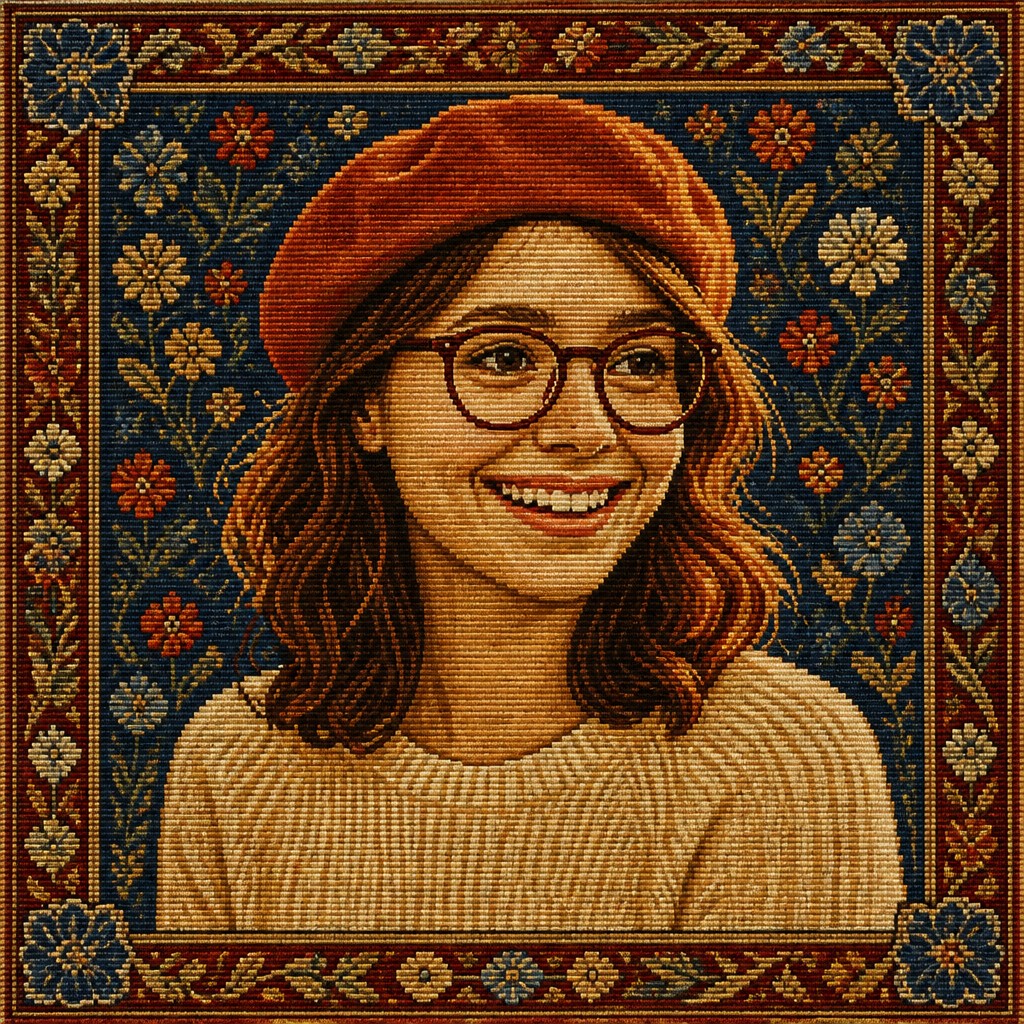

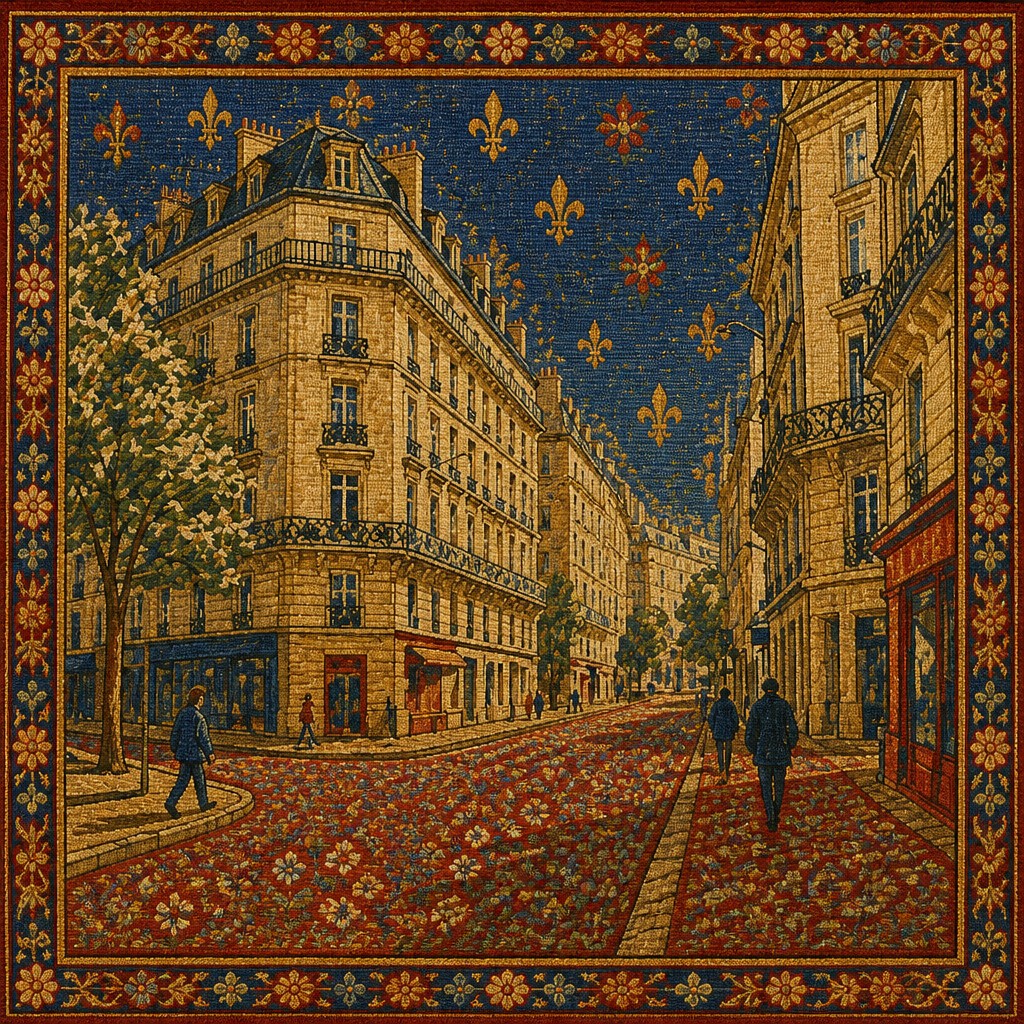

What Defines Woven Tapestry Art Style
The signature details, up close
Visible weft structure
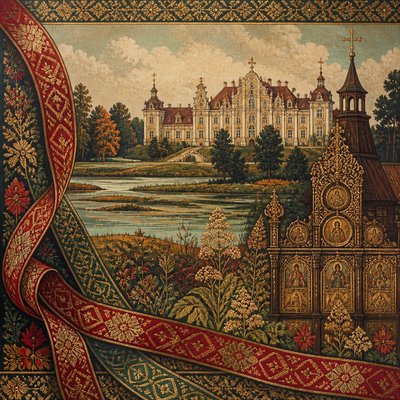
Short horizontal or slightly irregular thread marks remain legible across the image. This woven grain gives surfaces a tactile rhythm and prevents areas of color from appearing completely smooth.
Millefleurs grounds
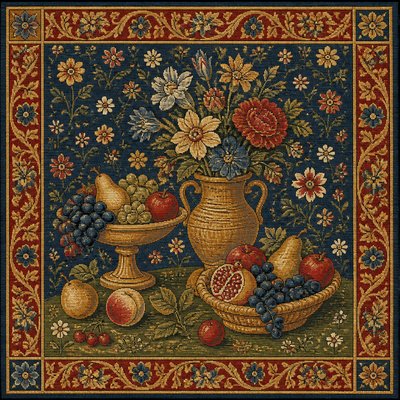
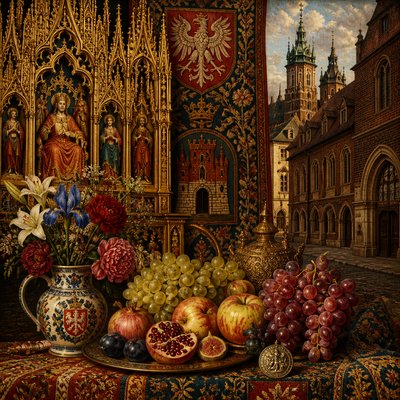
Small flowers, leaves, grasses, and scattered botanical motifs fill background areas in dense, patterned arrangements. The ground functions as both setting and ornament.
Flattened medieval perspective
Depth is suggested through overlapping forms, stacked zones, and scale changes rather than strict linear perspective. Figures and important objects often remain clearly outlined and symbolically composed.
Stepped color transitions
Shading progresses through discrete bands or gently broken tonal steps instead of smooth gradients. This echoes the limitations and visual character of dyed yarns and woven color fields.
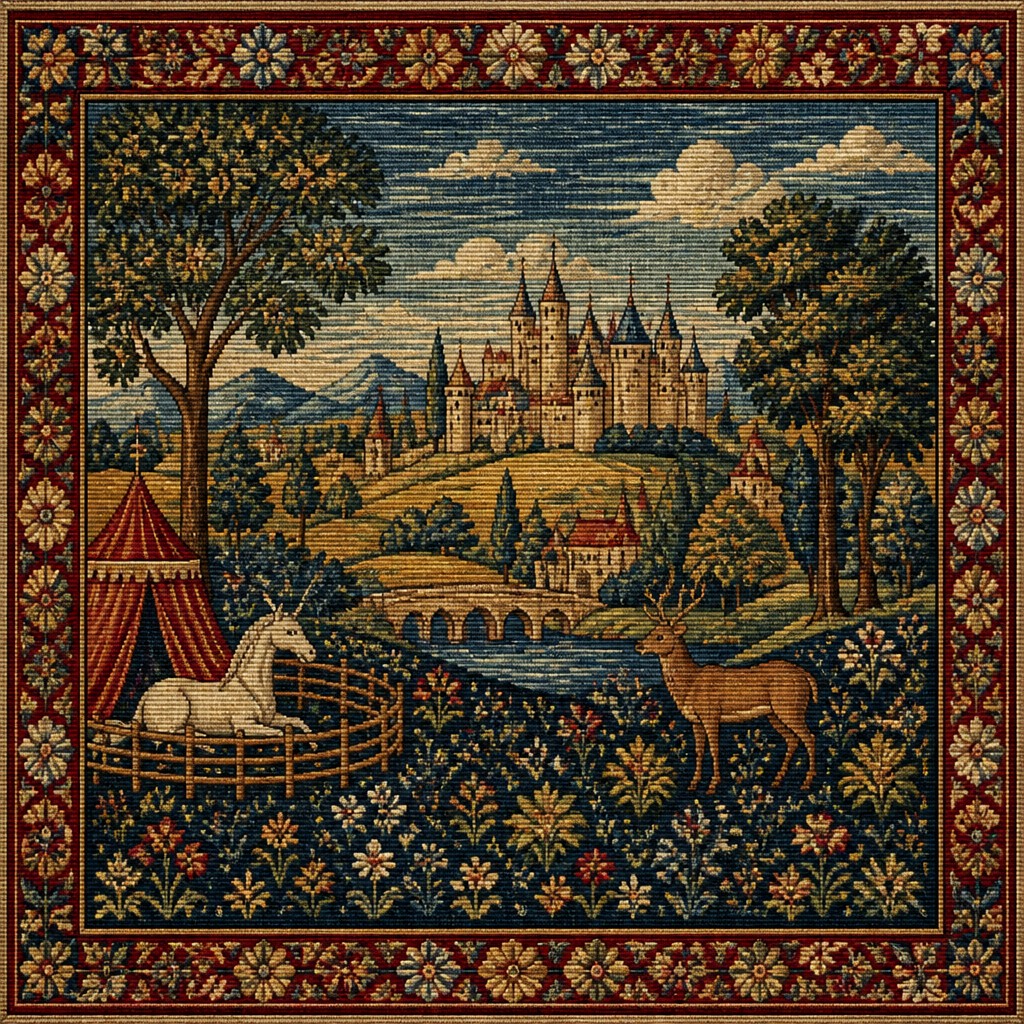
Wool-rich palette
Deep reds, indigo and cobalt blues, ochres, muted greens, cream, and antique gold create a warm, mineral-like palette. Colors are usually softened by the impression of fiber and age.
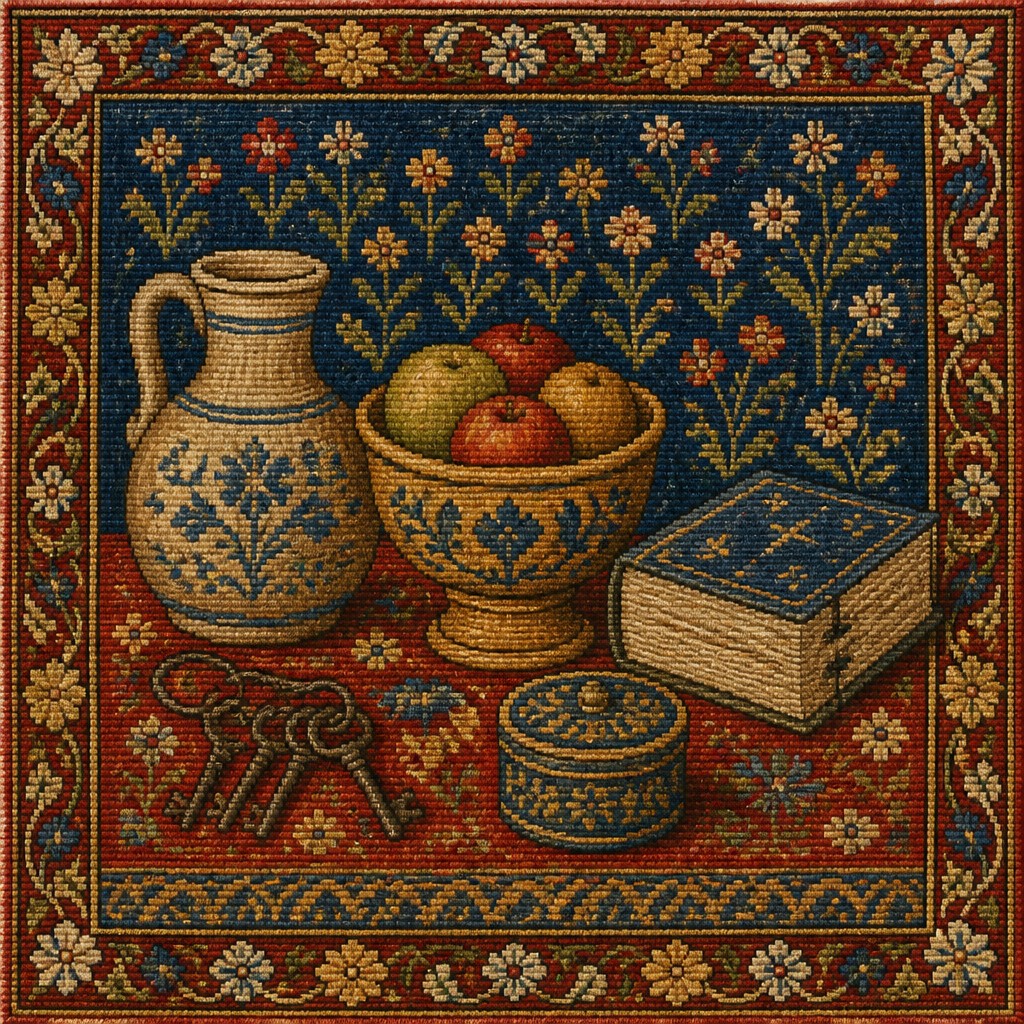
Ornamental woven borders
Framing bands may contain vines, geometric repeats, heraldic devices, or floral motifs. Borders visually contain the scene and reinforce its identity as a textile object.
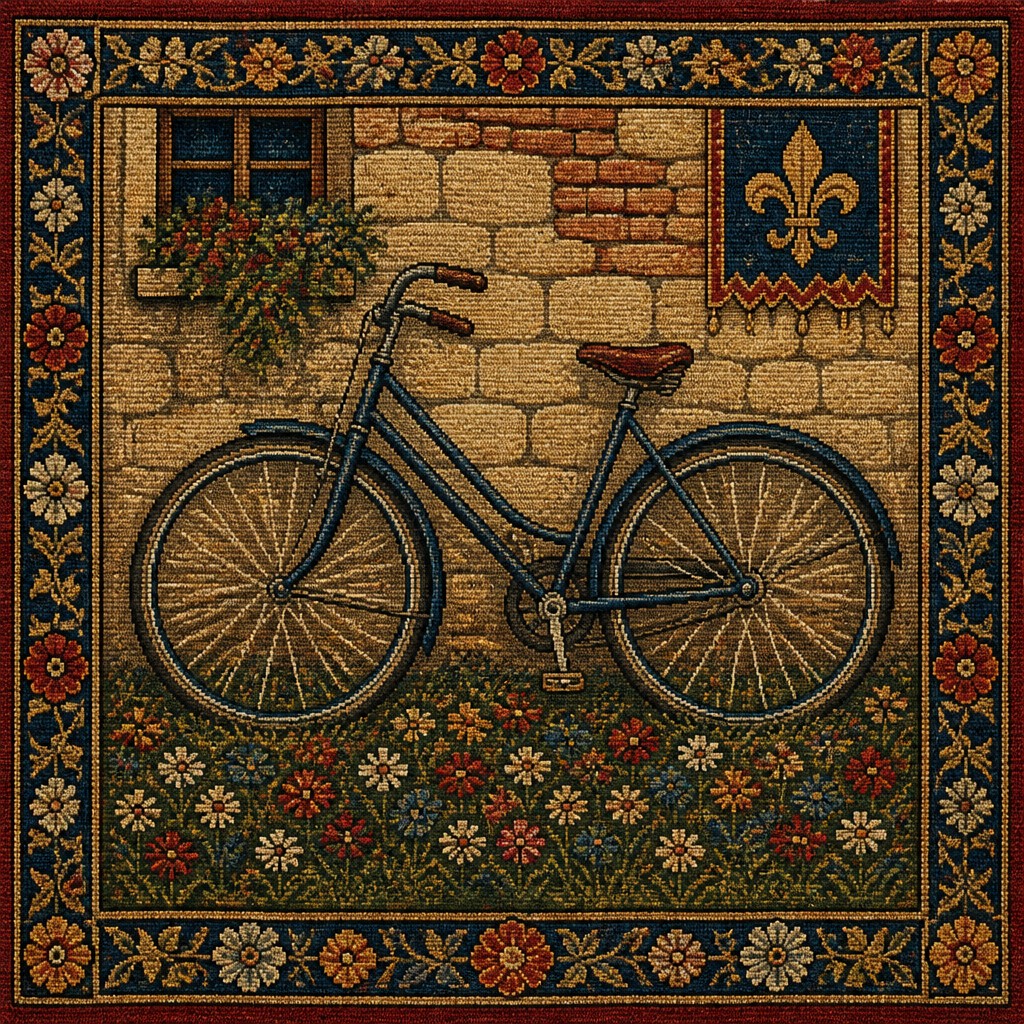
Material softness
Edges are sturdy enough to read clearly but retain slight fuzziness, unevenness, and compression. The surface should suggest wool, dyed fiber, and accumulated textile warmth rather than glossy paint.
Try It
Create Videos in Woven Tapestry Art Style
Styles aren't just for stills — describe a scene or animate an image and get a short video rendered in Woven Tapestry. Press play to see this pond come to life.
Make a VideoWoven Tapestry Prompt Ideas
Start from an idea — each one opens the generator with the style ready to go. See all 40 Woven Tapestry prompts →
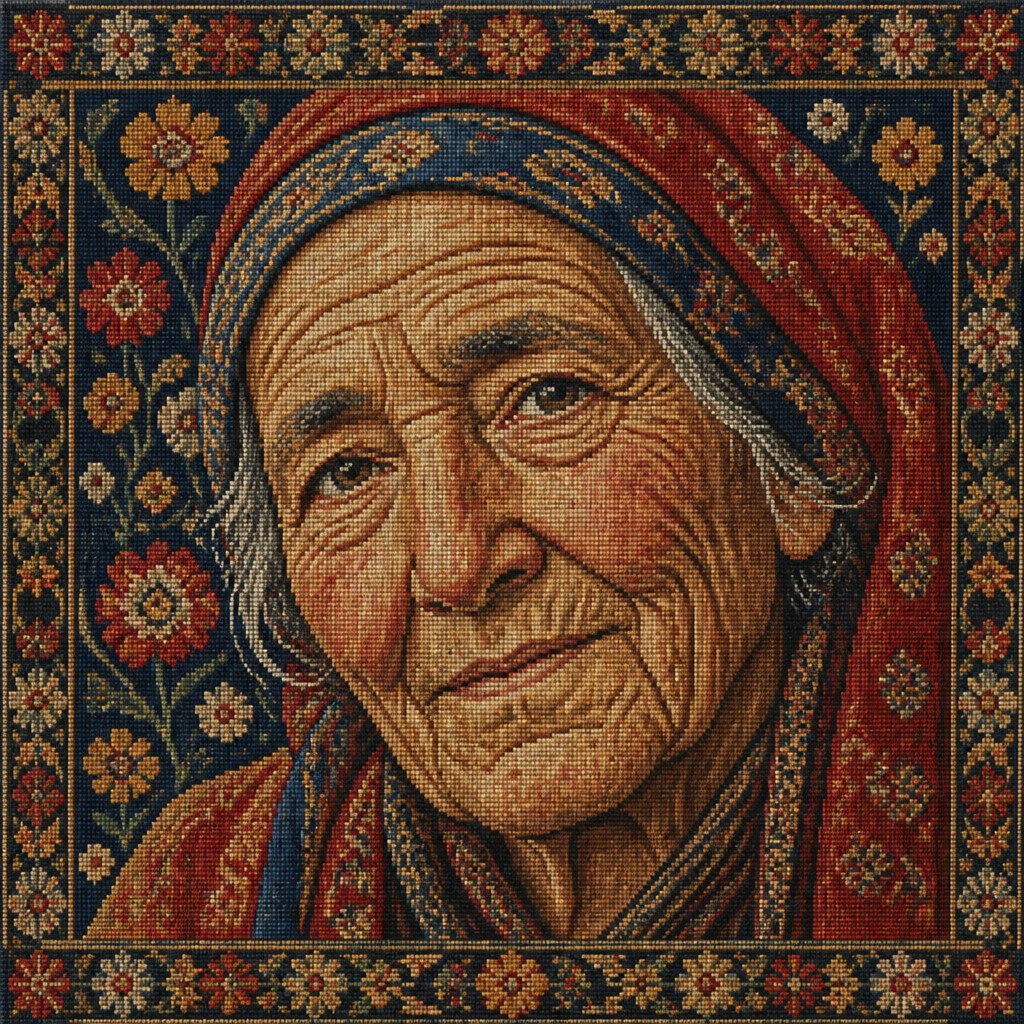
“close-up portrait of an elderly person with expressive weathered features”
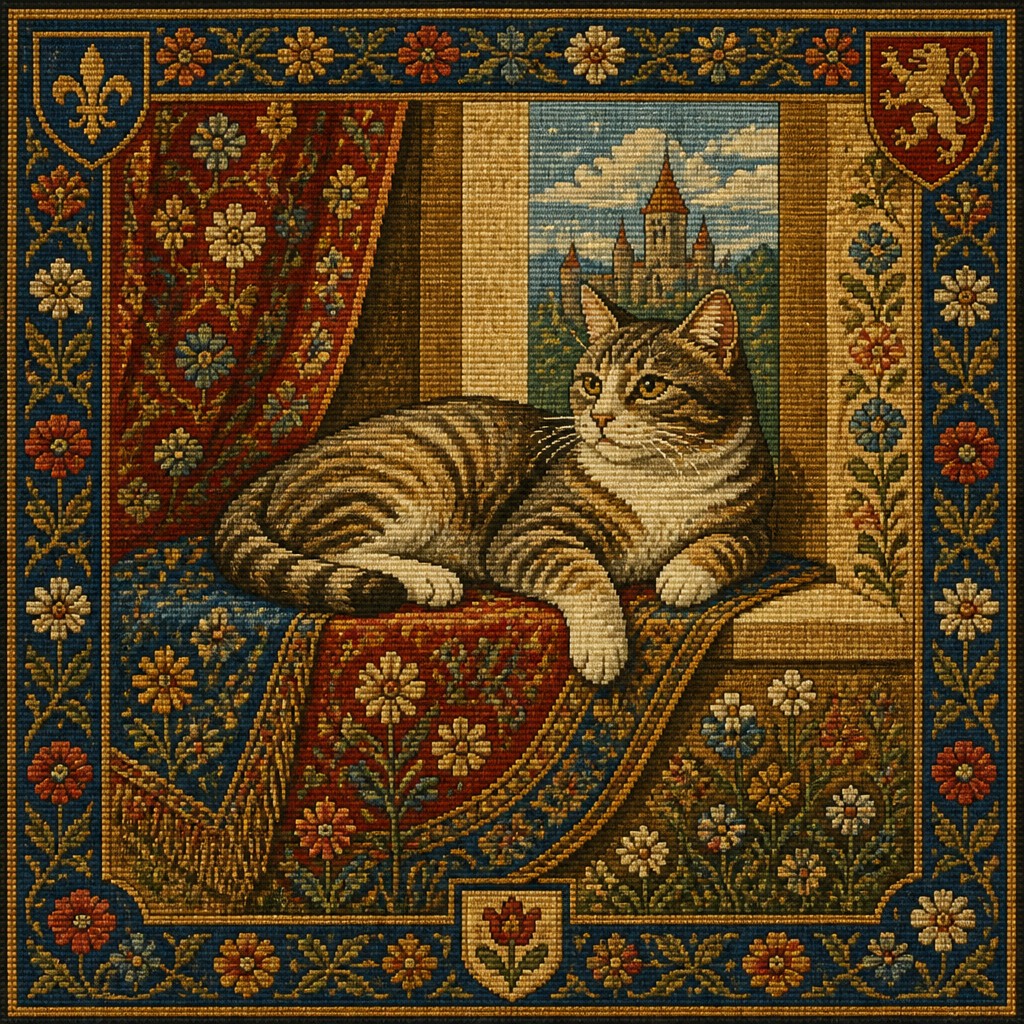
“a cat lounging in a sunlit window”
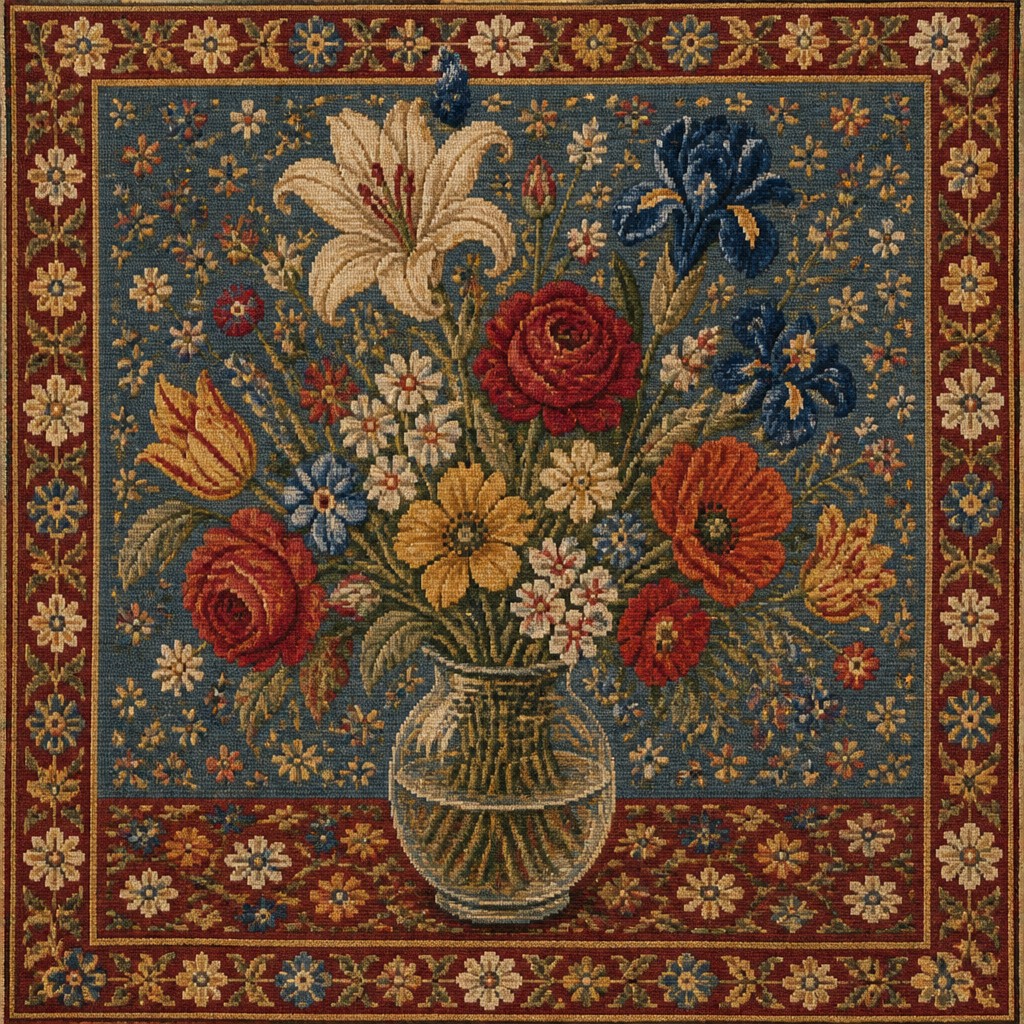
“bouquet of flowers in a glass vase”
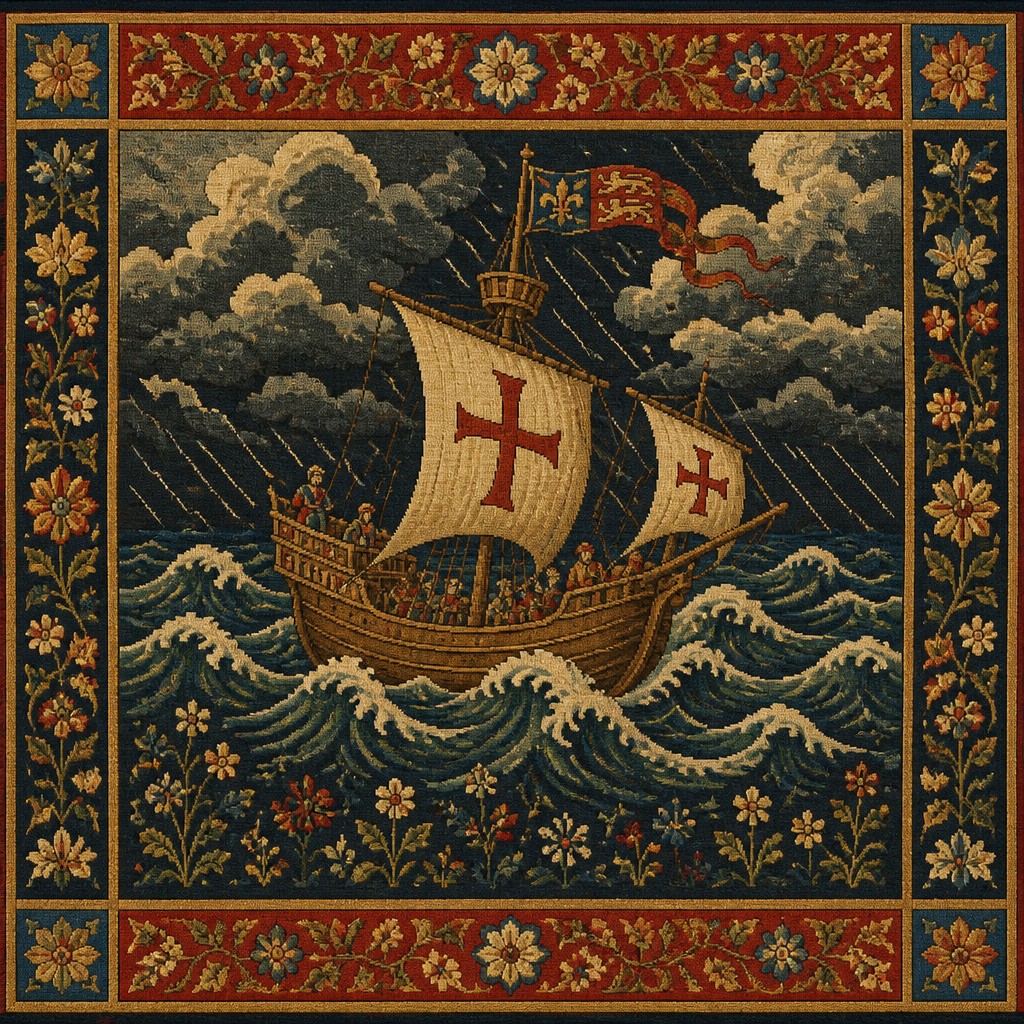
“sailing ship on a stormy sea”
How to Create Woven Tapestry Art
Master the craft step by step — or skip straight to creating. Read the full guide →
- 1
Build a simplified composition
Begin with a clear silhouette hierarchy and a shallow spatial arrangement. Limit tiny perspective cues, separate foreground and background into overlapping zones, and reserve the strongest contrast for the main subject.
- 2
Plan the thread palette
Choose a restrained set of wool-like colors before rendering, including dark red, blue, gold, green, cream, and a deep neutral. Use stepped bands of related hues for modeling instead of continuous airbrushed gradients.
- 3
Simulate warp and weft
In traditional work, establish a stable warp and build images with interlaced weft passes, carefully controlling yarn density and color changes. Digitally, overlay directional thread textures, slight irregularity, and compressed fiber detail while preserving readable forms.
- 4
Add botanical density
Fill open ground with small flowers, leaves, grasses, and repeated plant motifs, varying their scale and orientation. Keep these details subordinate to the main subject so the pattern enriches rather than obscures the composition.
- 5
Frame the scene
Use a woven border with repeating vines, geometric bands, or heraldic accents. A border should have its own rhythm and color balance, making the image feel like a finished hanging.
- 6
Guide prompt-based generation
Specify the subject first, then request visible weft threads, stepped color transitions, a millefleurs ground, flattened perspective, a wool palette, and an ornamental woven border. For image transformation, preserve the source subject while asking for simplified contours, textile grain, and tapestry-like color blocking.

The Story
History & Origins of Woven Tapestry
Woven Tapestry Art Style has no single historical origin or established period. It is a contemporary synthesis drawing on medieval and early modern European tapestry, especially millefleurs compositions in which animals, plants, and figures appear against dense floral grounds. It also borrows from heraldic textiles, devotional hangings, and the flattened spatial conventions of medieval visual culture.
Its digital development extends these references by simulating warp-and-weft structure, pixel-like stepped transitions, controlled wool colors, and decorative framing. Rather than reproducing one historical workshop tradition, it treats tapestry as a visual grammar that can be applied to landscapes, portraits, narratives, and imaginary scenes.
Influences: The style is related to medieval European millefleurs tapestries, heraldic and devotional textiles, early modern narrative hangings, and the flattened spatial design of medieval manuscript and panel imagery. It also intersects with folk weaving, embroidery, needlepoint, jacquard patterning, textile collage, and contemporary digital art that simulates physical materials. Its palette and borders may additionally recall Arts and Crafts textile design without belonging to that historical movement itself.

Frequently Asked Questions
What defines Woven Tapestry Art Style?
Its defining features are visible thread structure, wool-like color, stepped tonal transitions, flattened perspective, dense millefleurs ornament, and a woven border. The image should feel materially constructed rather than merely filtered to look old.
Is this a historical art movement?
No. It is a contemporary, invented style label rather than a documented historical movement. Its visual language draws from real tapestry traditions, particularly medieval millefleurs textiles and heraldic hangings.
How is it different from embroidery or needlepoint art?
Embroidery and needlepoint describe techniques and stitch-based surfaces, while this style describes a broader image aesthetic. It can imitate woven tapestry, embroidery, or digitally generated fiber, but it consistently emphasizes flattened storytelling, floral grounds, wool colors, and ornamental framing.
Can modern subjects be represented in this style?
Yes. Cars, city scenes, animals, portraits, fantasy creatures, and contemporary interiors can all be adapted to its visual grammar. Simplifying the subject into strong silhouettes and repeating motifs usually produces a more convincing result.
How can I make an image look genuinely woven?
Use visible directional threads, slight irregularity, restrained colors, and stepped shading rather than a generic fabric overlay. Keep the fiber texture integrated with edges and color changes so it appears to form the image, not sit on top of it.
Where is this style commonly used?
It suits editorial illustration, fantasy narratives, historical themes, book covers, decorative wall art, textile-inspired portraits, game environments, and pattern design. Its border and repeatable motifs also make it useful for banners, framed compositions, and decorative merchandise.
Create your first Woven Tapestry artwork
Describe anything — or upload a photo — and see it in Woven Tapestry Art Style in seconds.
Related Styles
Discover similar art styles