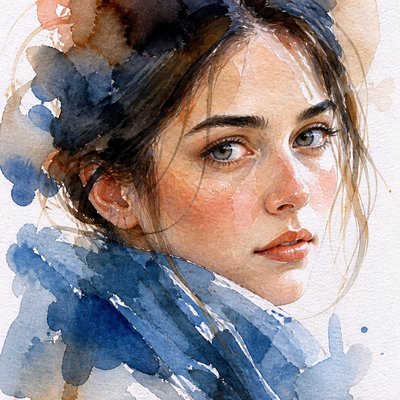
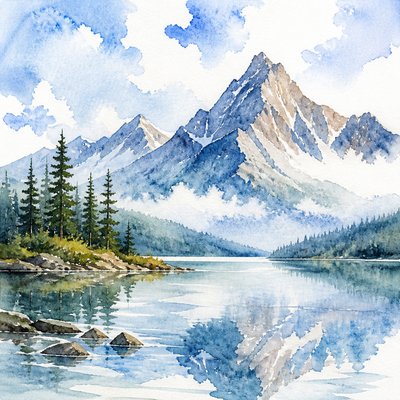
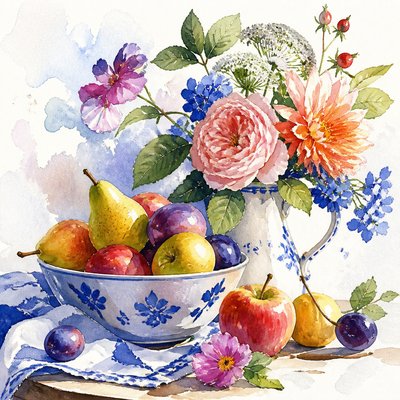
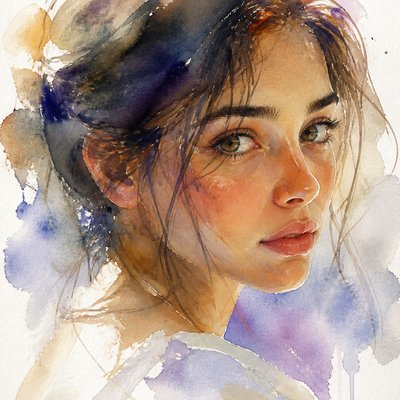
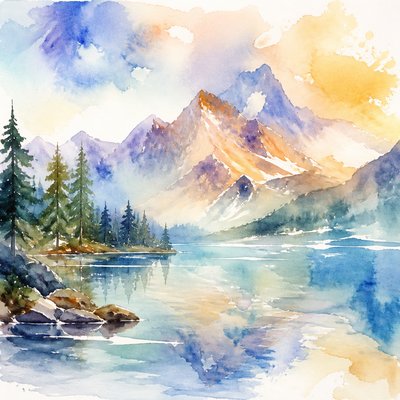
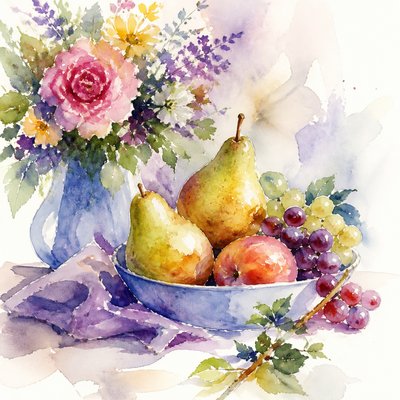
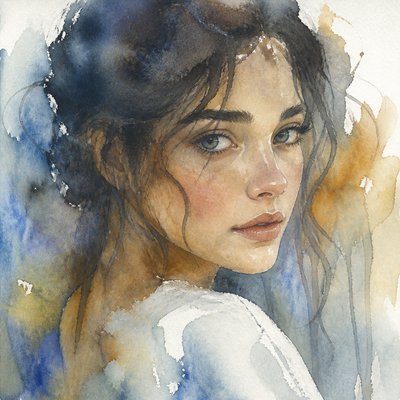
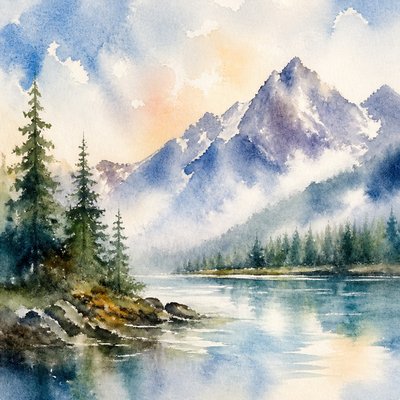
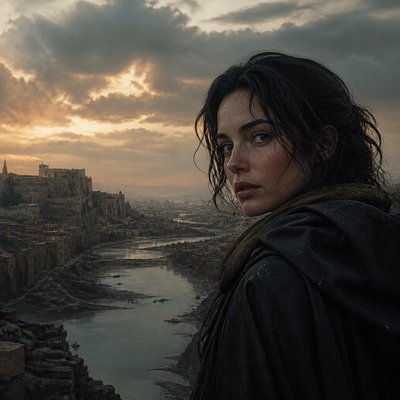
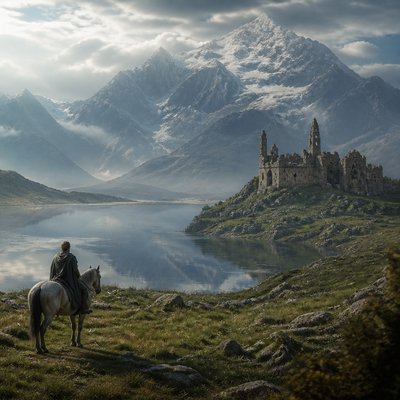
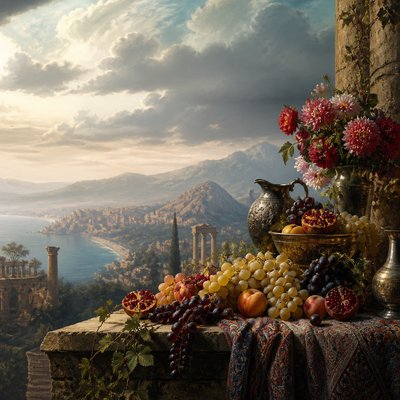
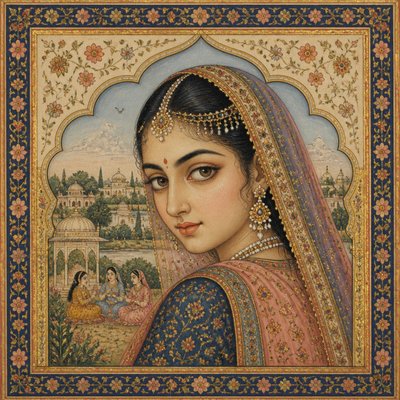
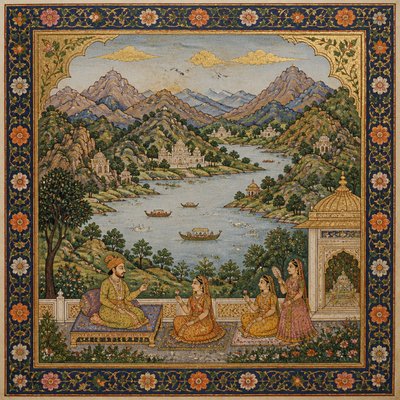
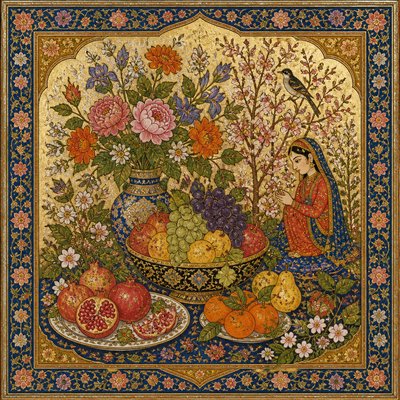
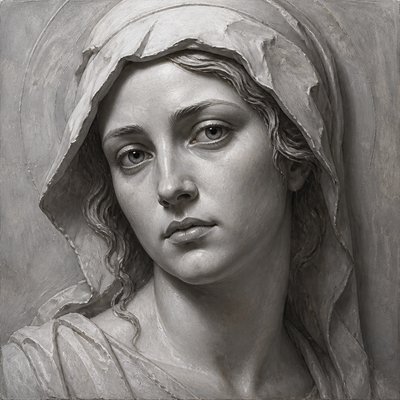
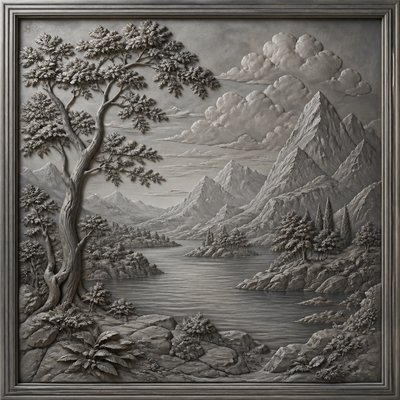
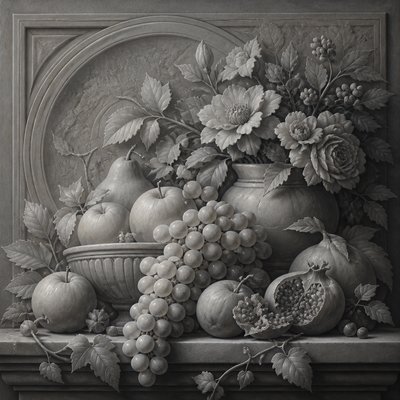
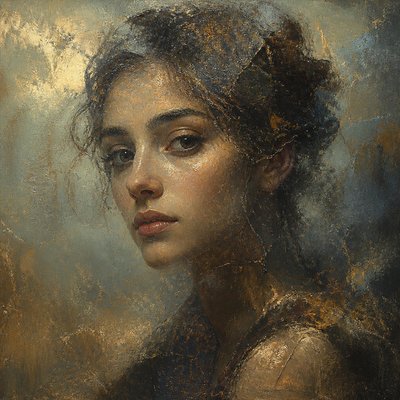
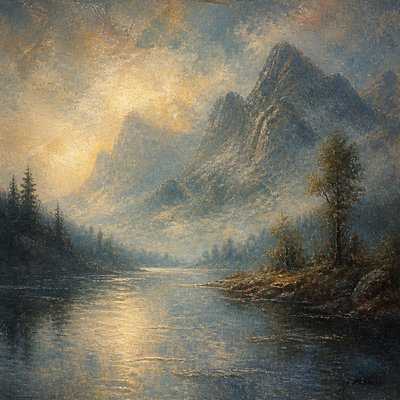
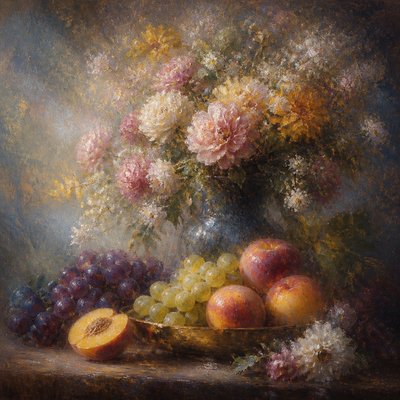
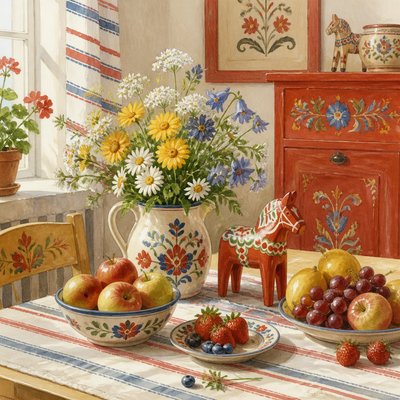
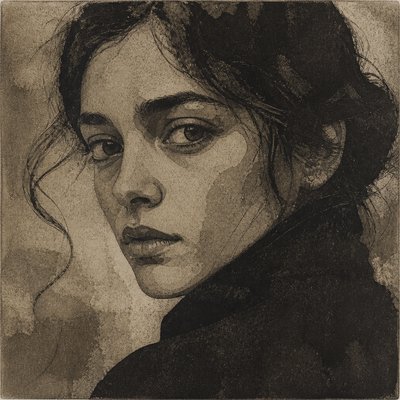
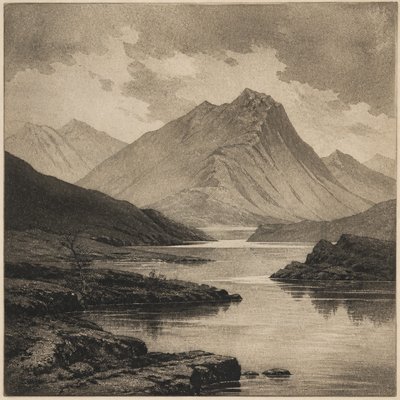
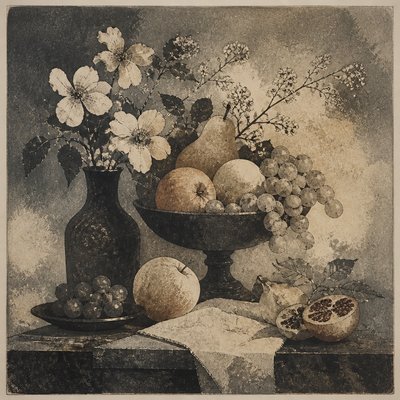
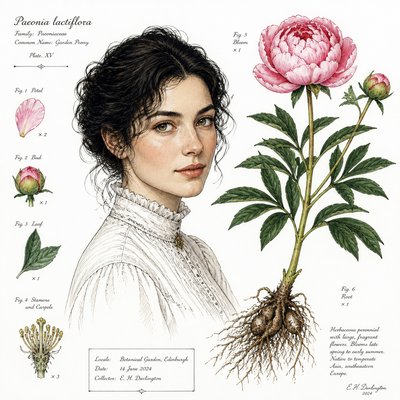
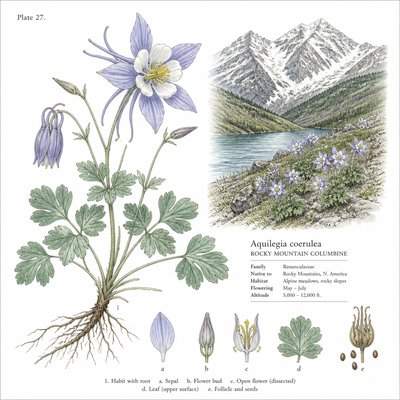
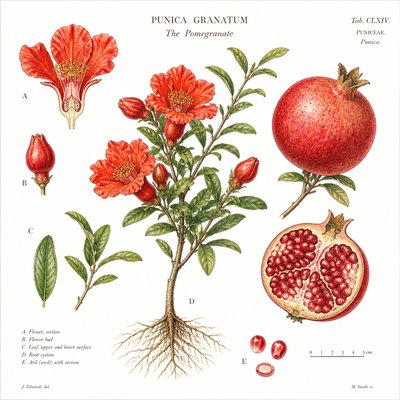
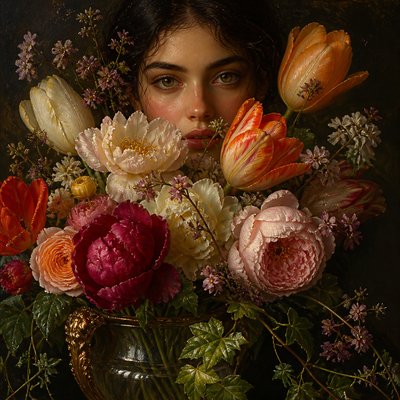
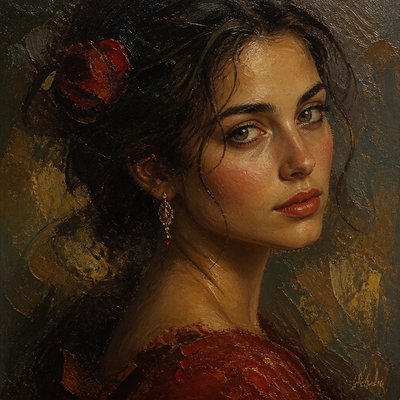
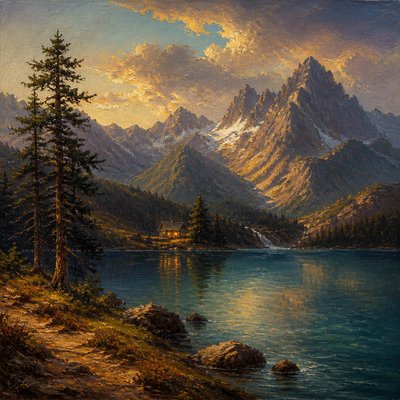
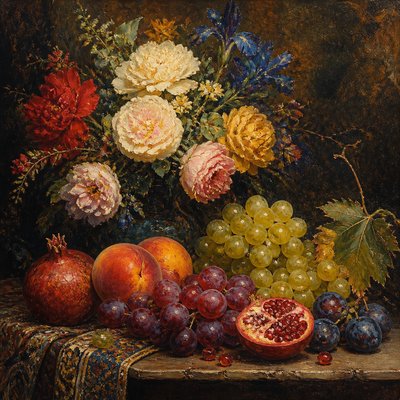
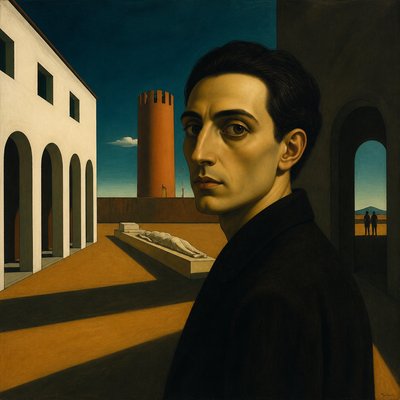
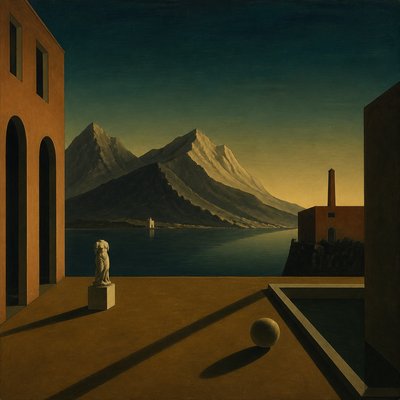
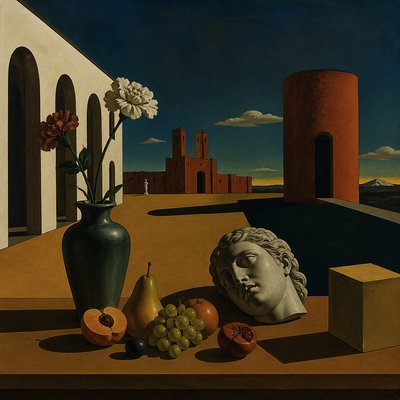
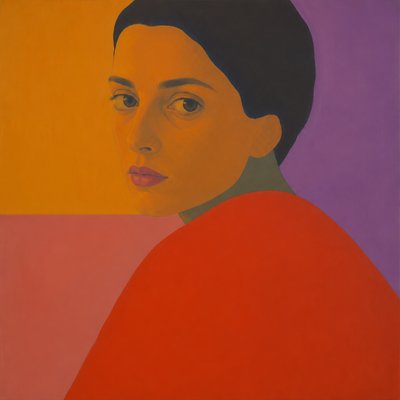
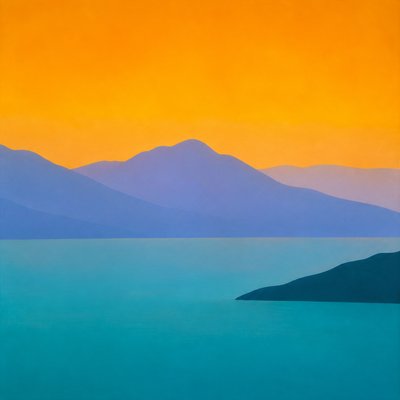
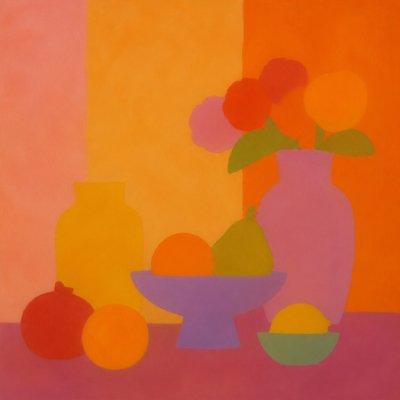
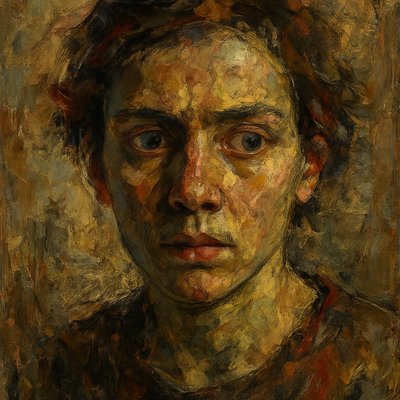
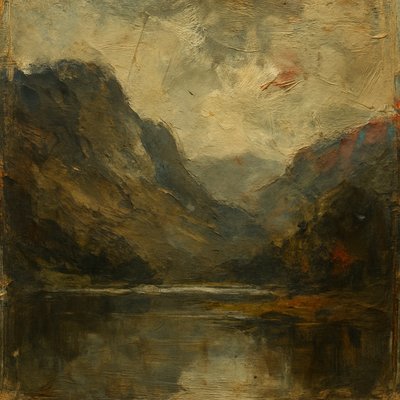
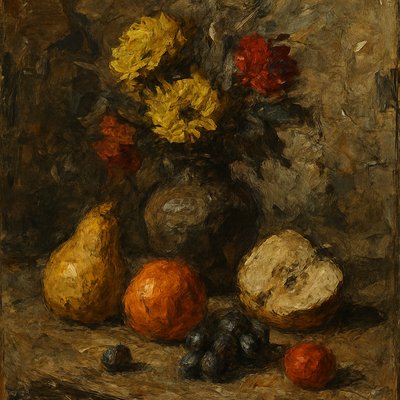
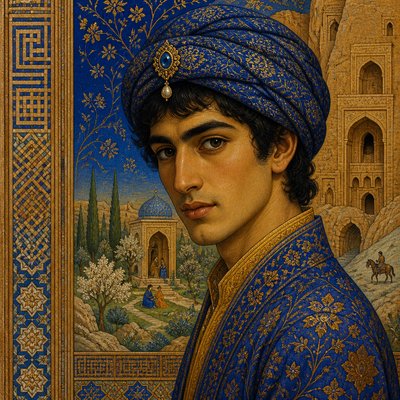
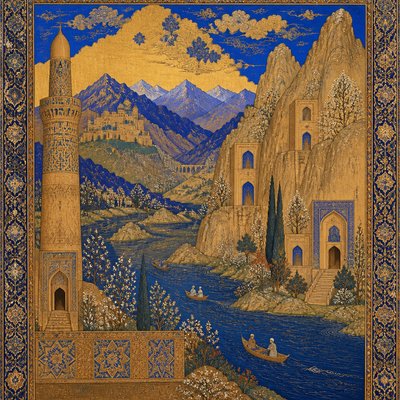
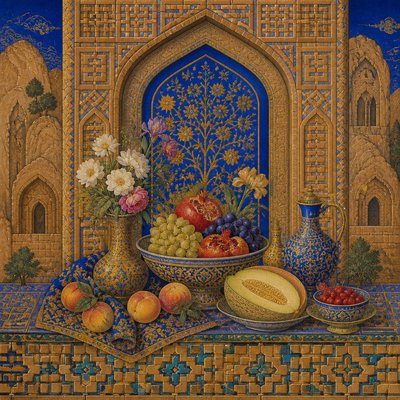
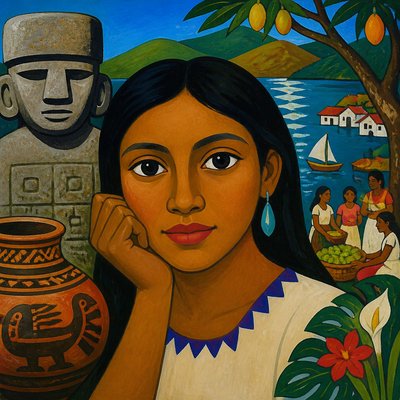
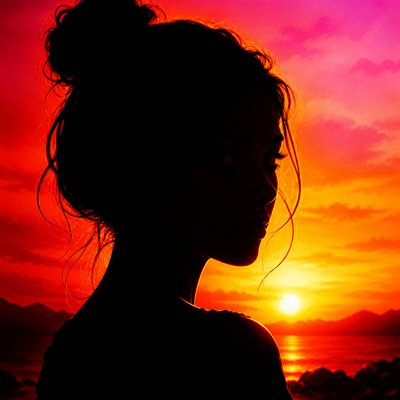
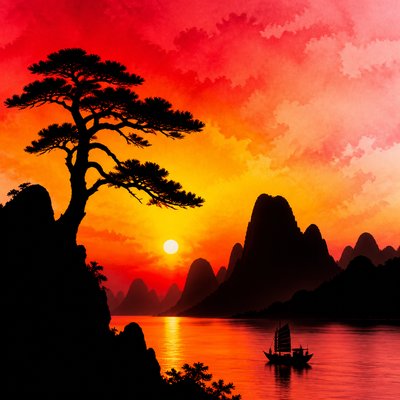
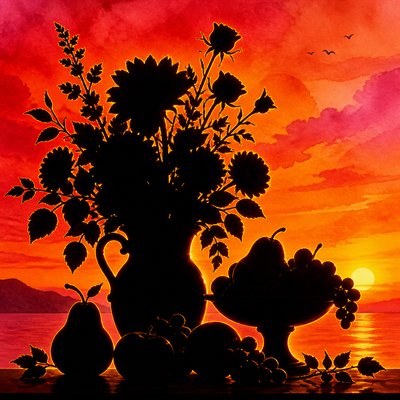
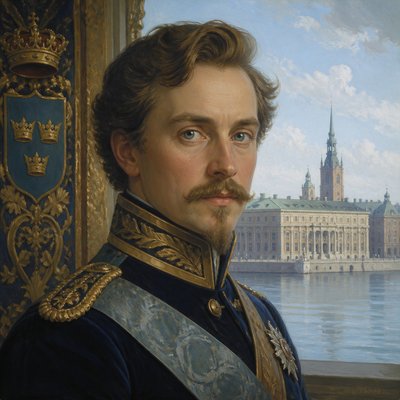
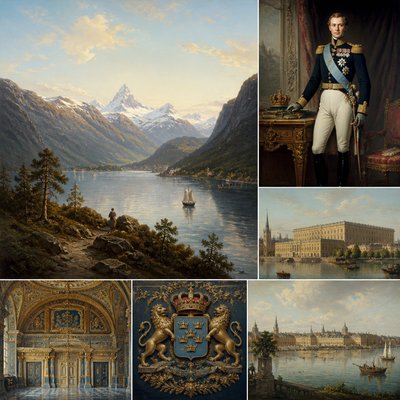
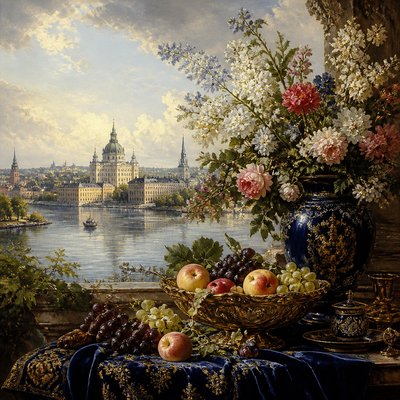
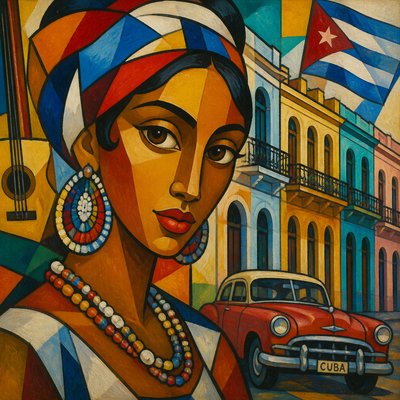
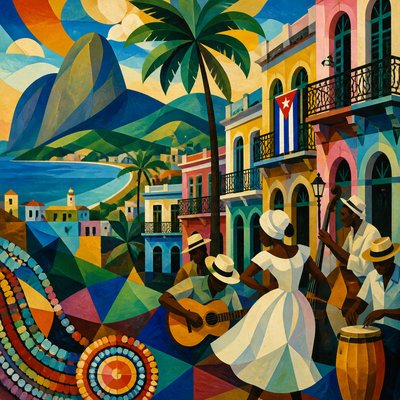
Watercolor Painting Style
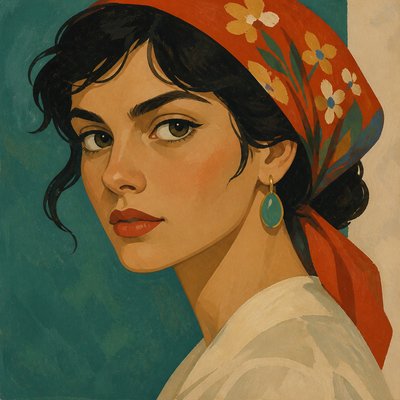
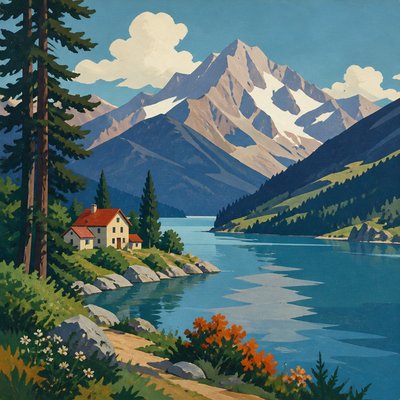
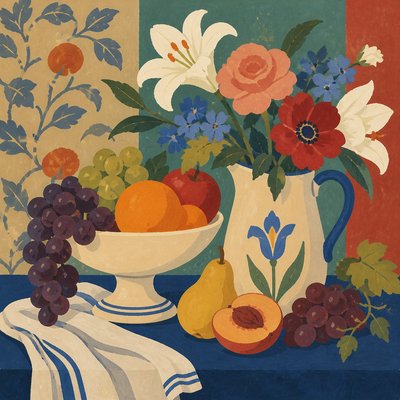
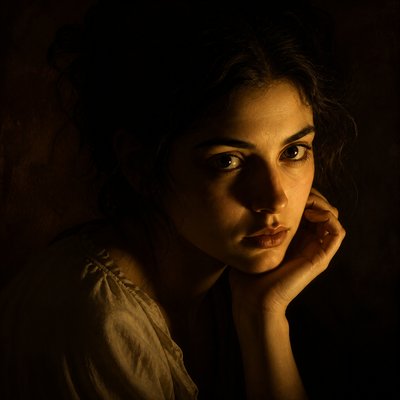
Explore watercolor painting: luminous transparent washes, glowing paper, soft blooms, crisp edges, and layered pigment with expressive control.
Instantly rendered in Watercolor Painting — or transform a photo
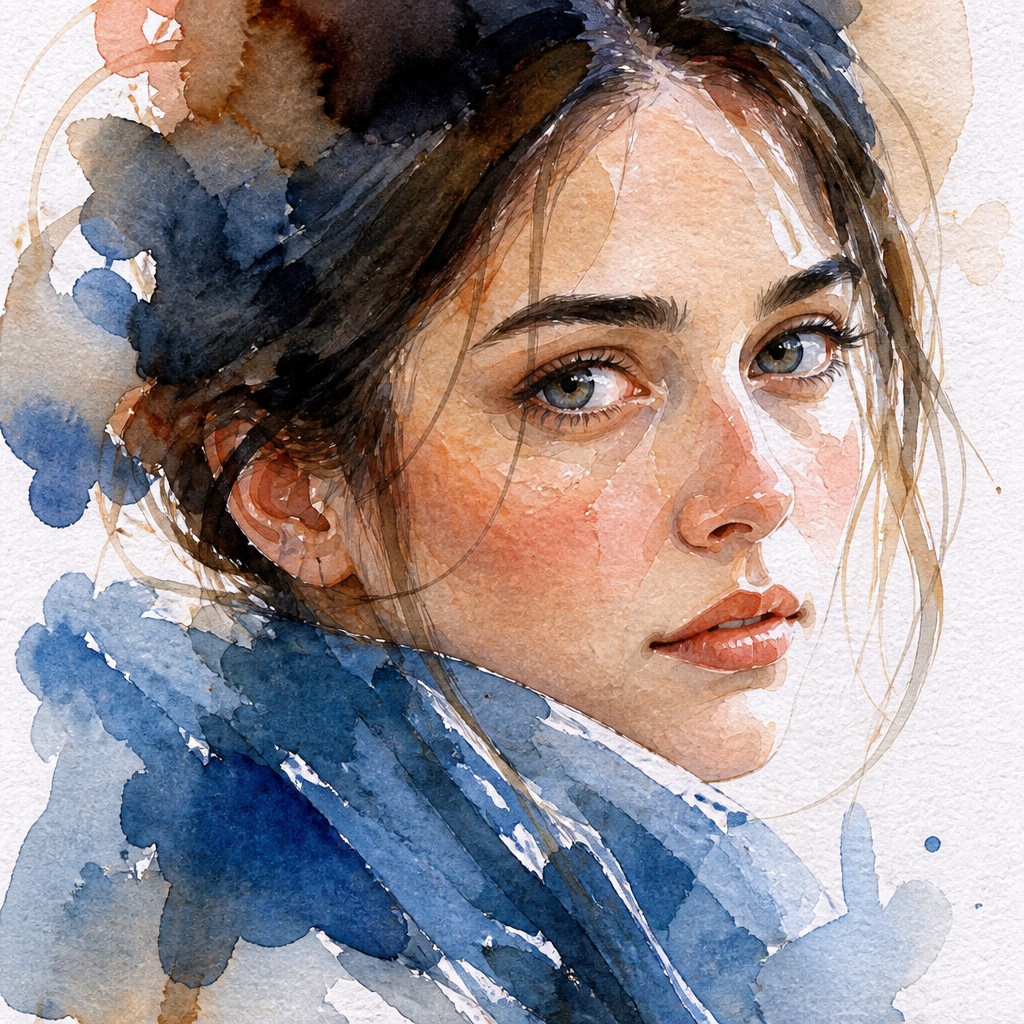
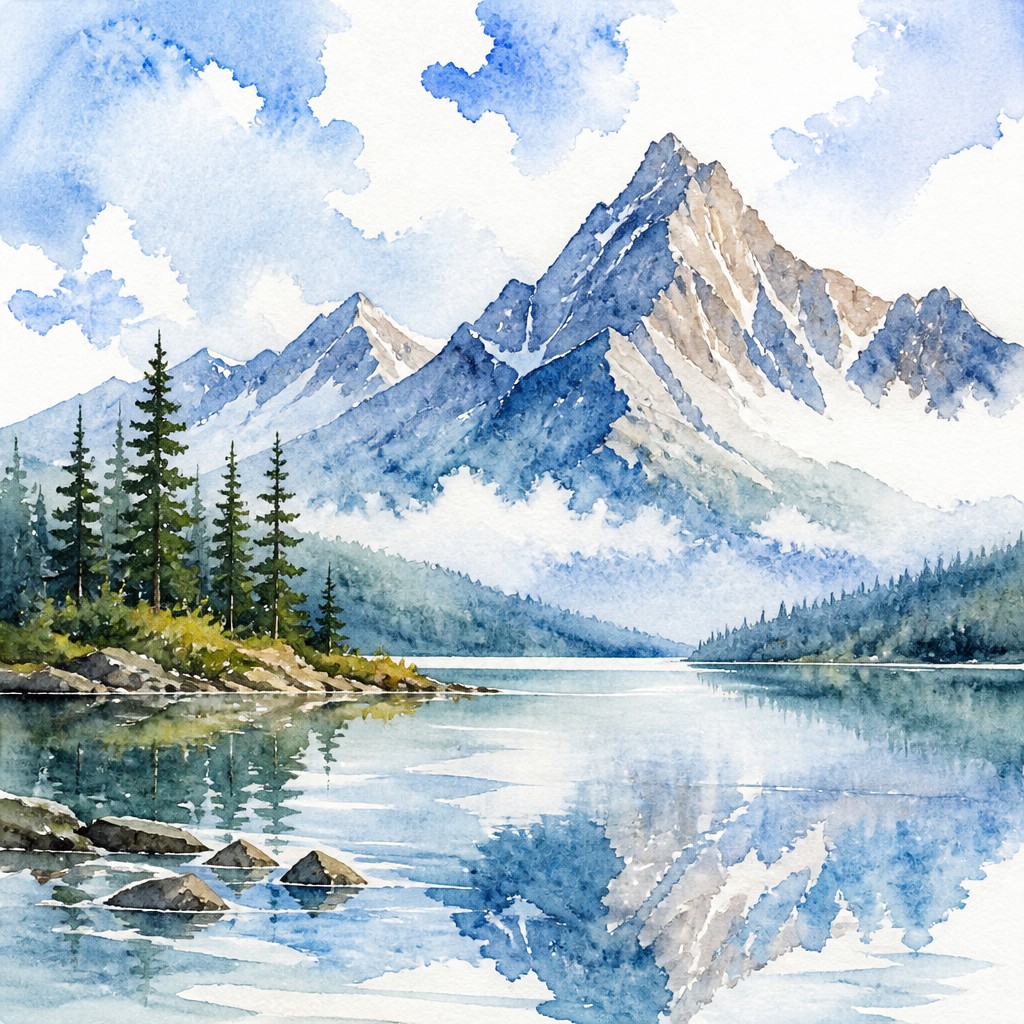
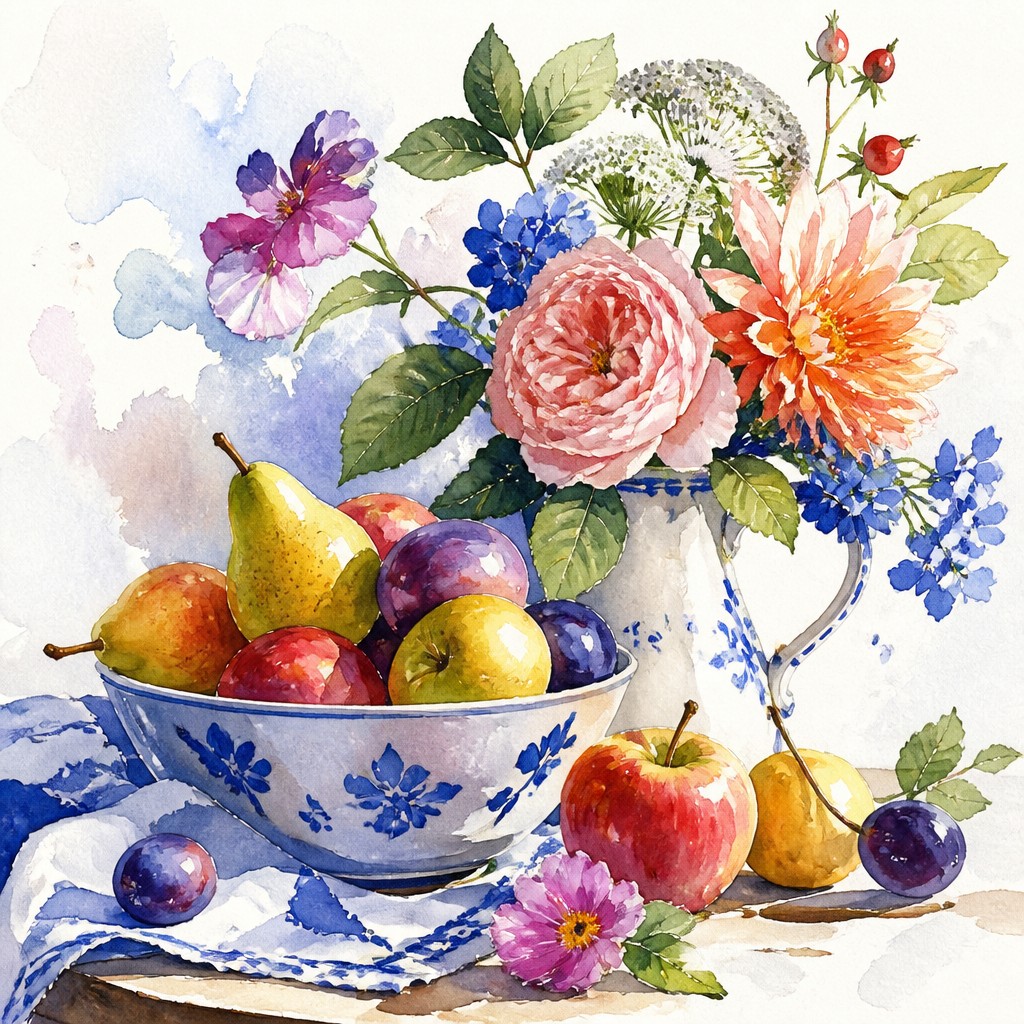
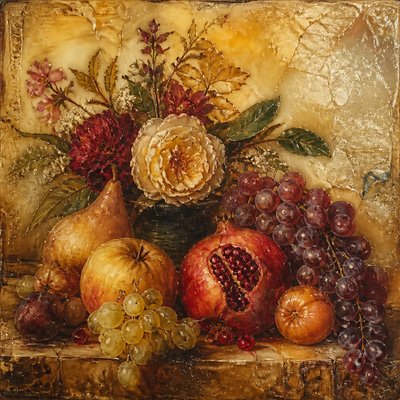
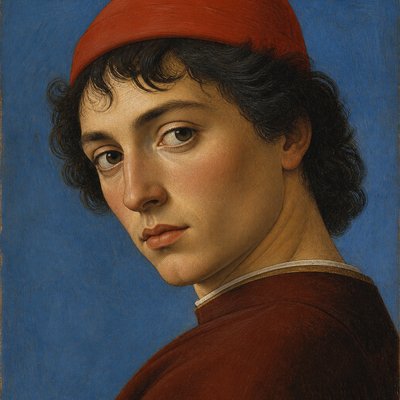
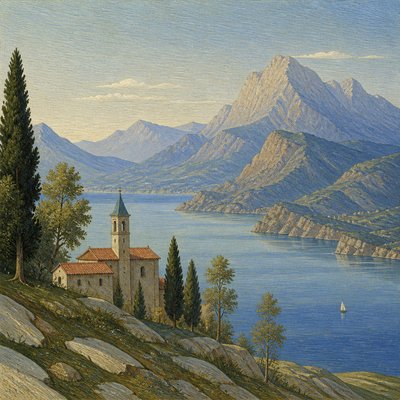
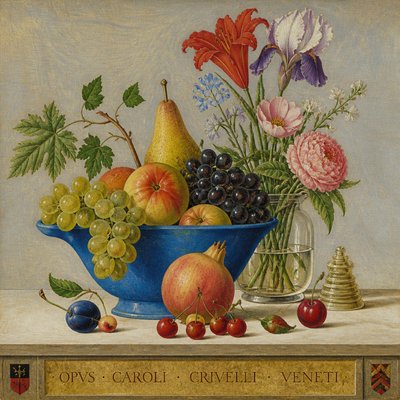
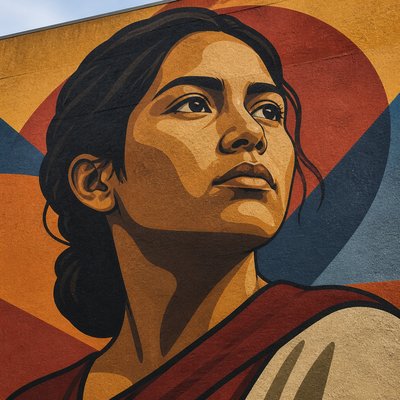
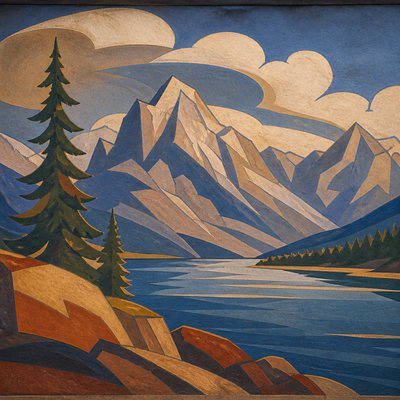
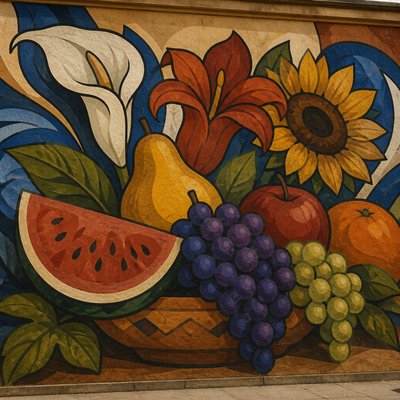
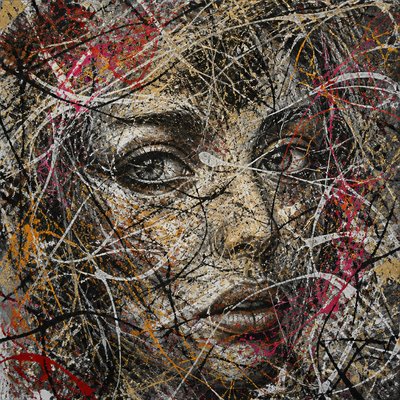
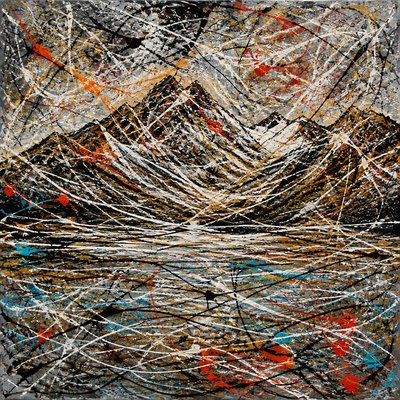
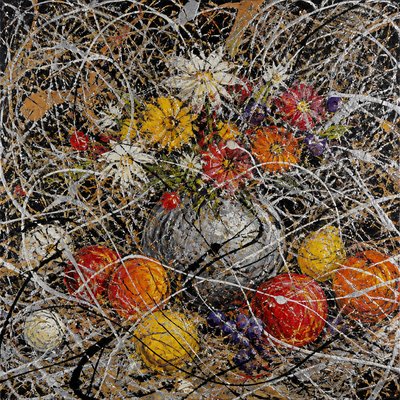
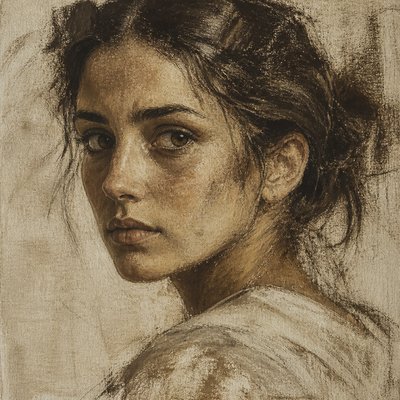
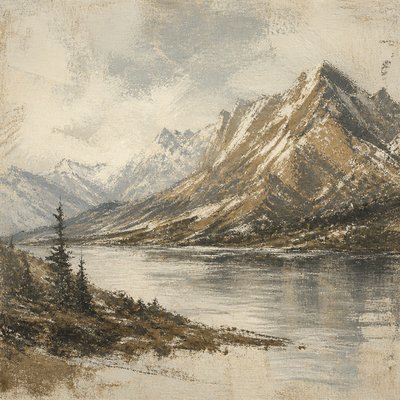
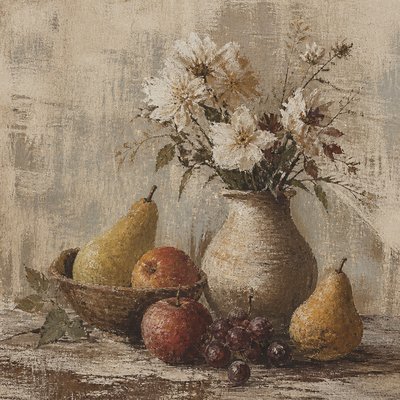
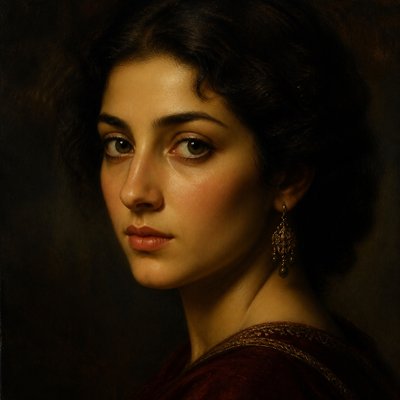
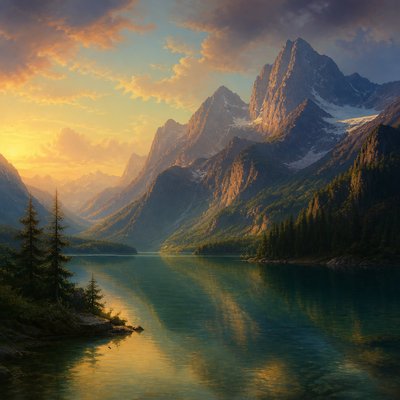
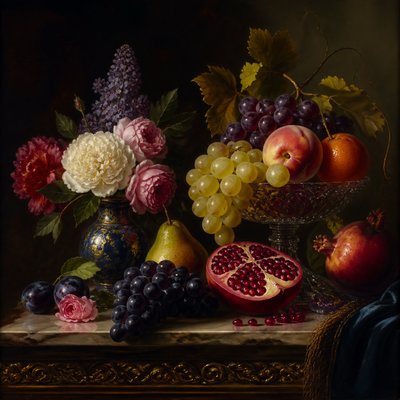
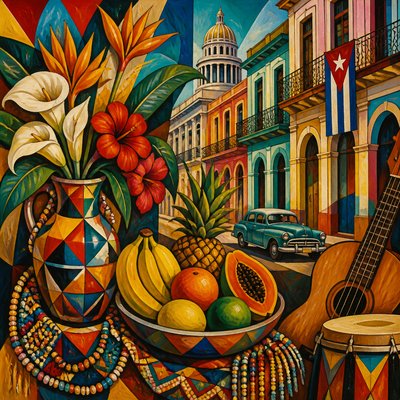
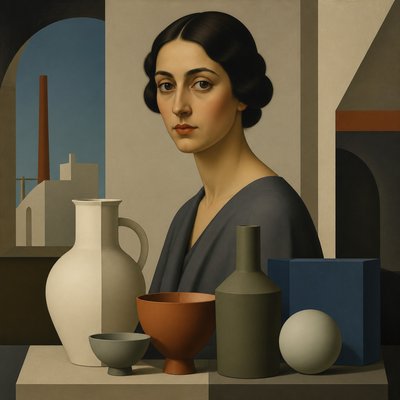
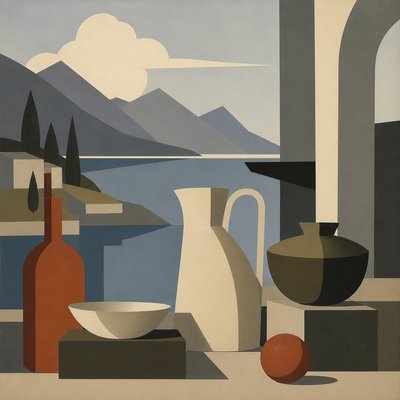
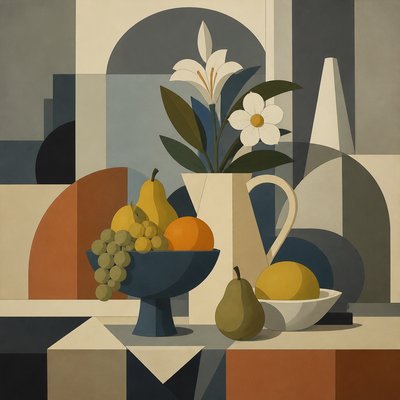
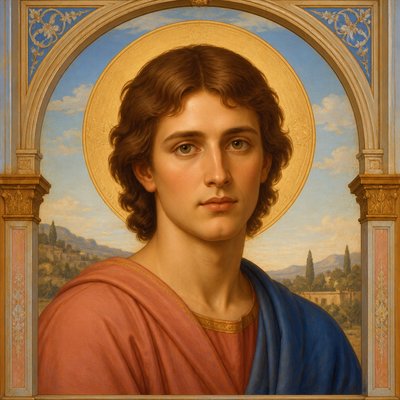
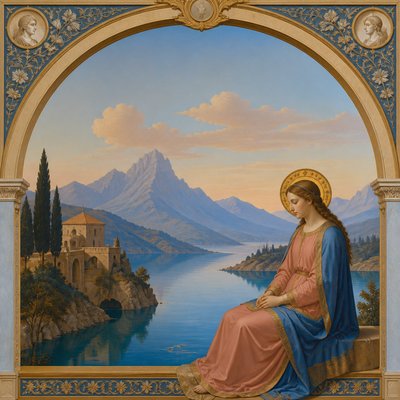
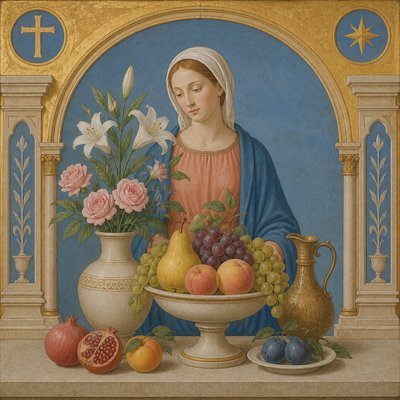
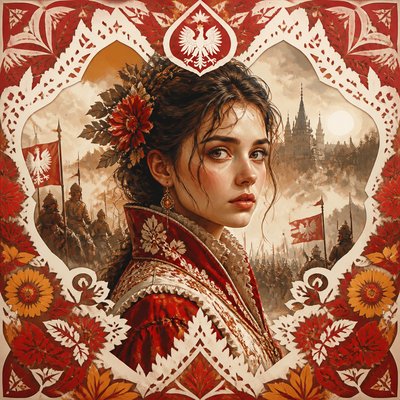
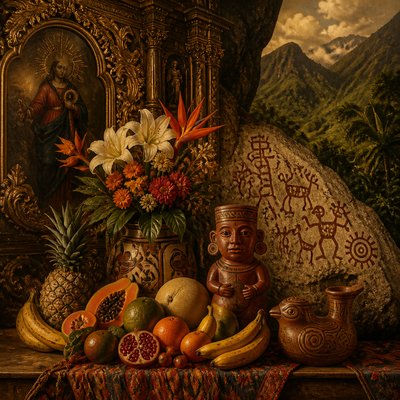
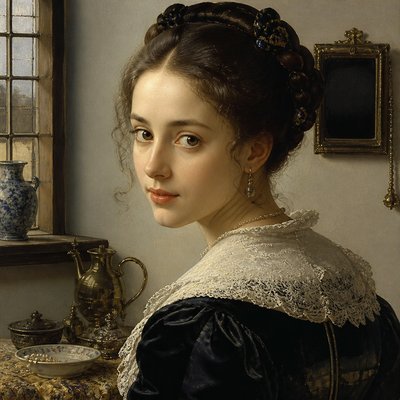
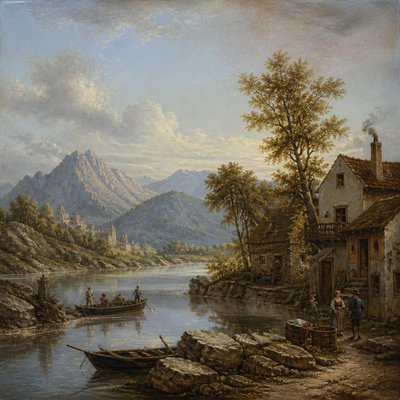
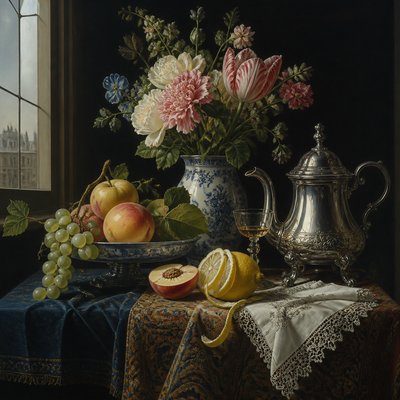
Watercolor Painting Gallery
Tap any artwork to explore it
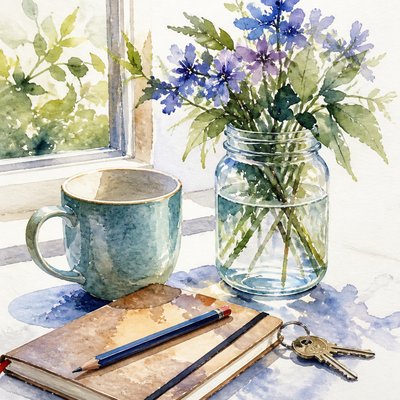
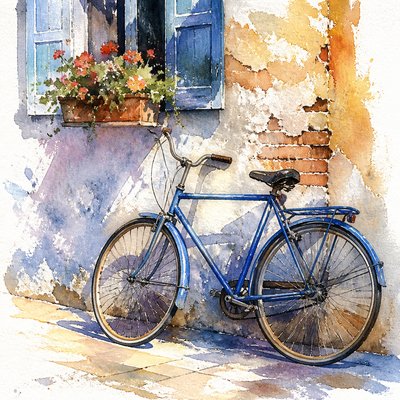
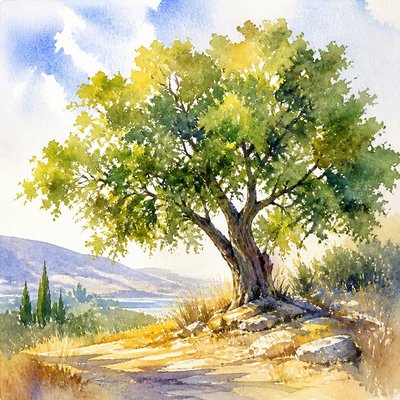
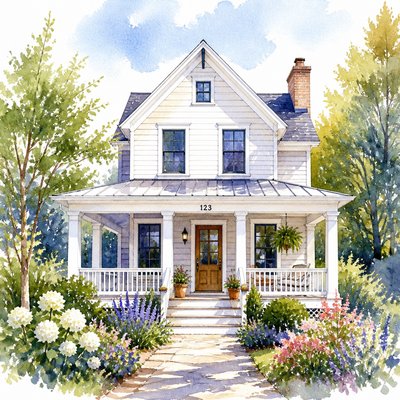
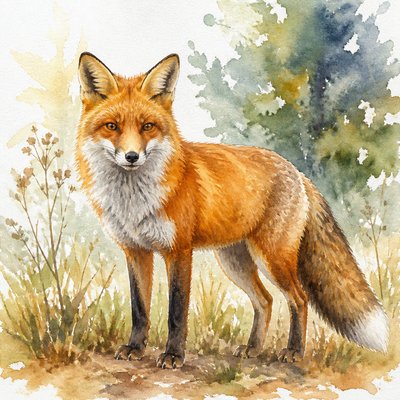
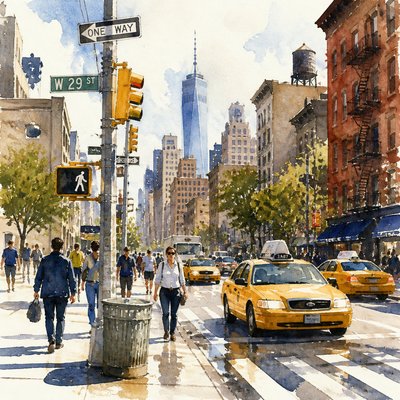
What is Watercolor Painting Style?
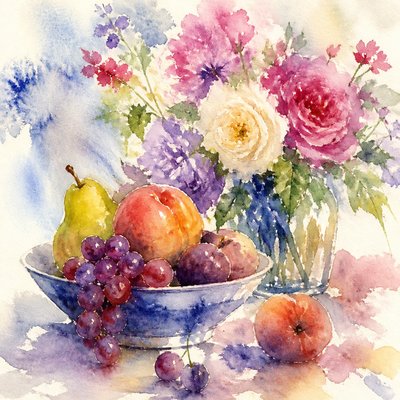
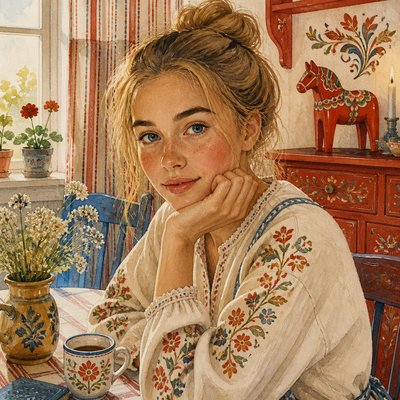
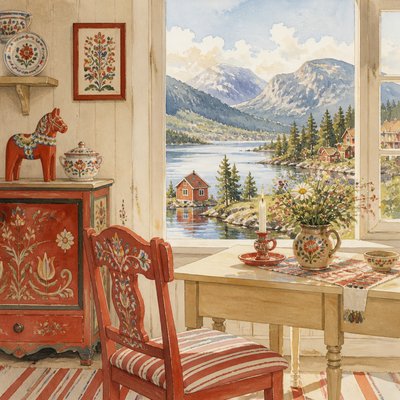
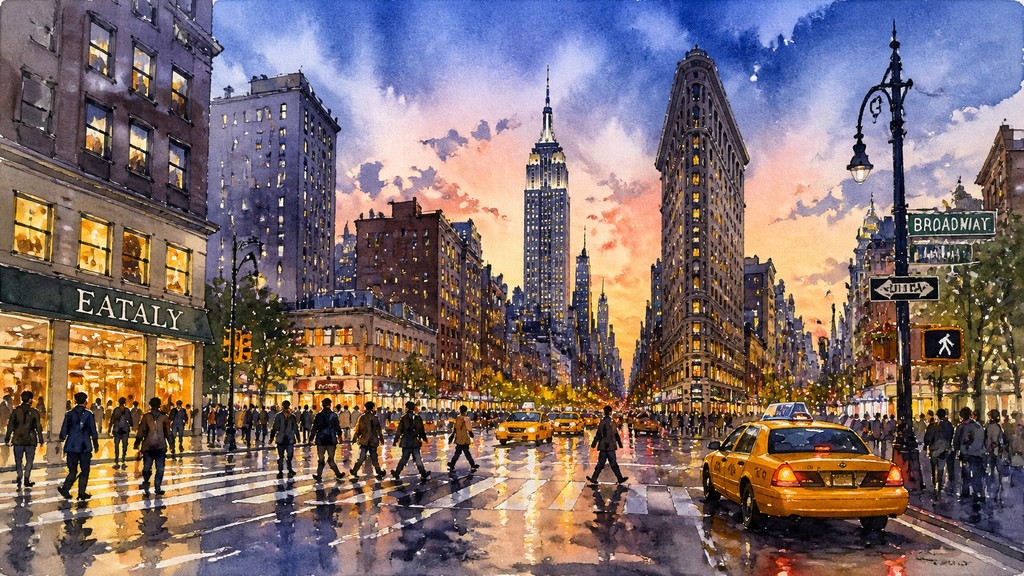
Watercolor painting is a medium and visual style built from water-thinned pigment applied to paper or another absorbent surface. Its defining quality is translucency: light passes through the colored film, reflects from the white paper beneath, and returns as a luminous, airy image. Rather than fully concealing the ground, watercolor treats the paper as an active part of the composition.
The style balances delicacy with precise control. Broad transparent washes establish atmosphere and large color fields, while concentrated passages, drybrush marks, granulating pigments, and carefully preserved highlights supply structure. Hard edges can describe focal details, whereas soft blooms, backruns, and feathered transitions create the characteristic sense of water, air, and spontaneous movement.
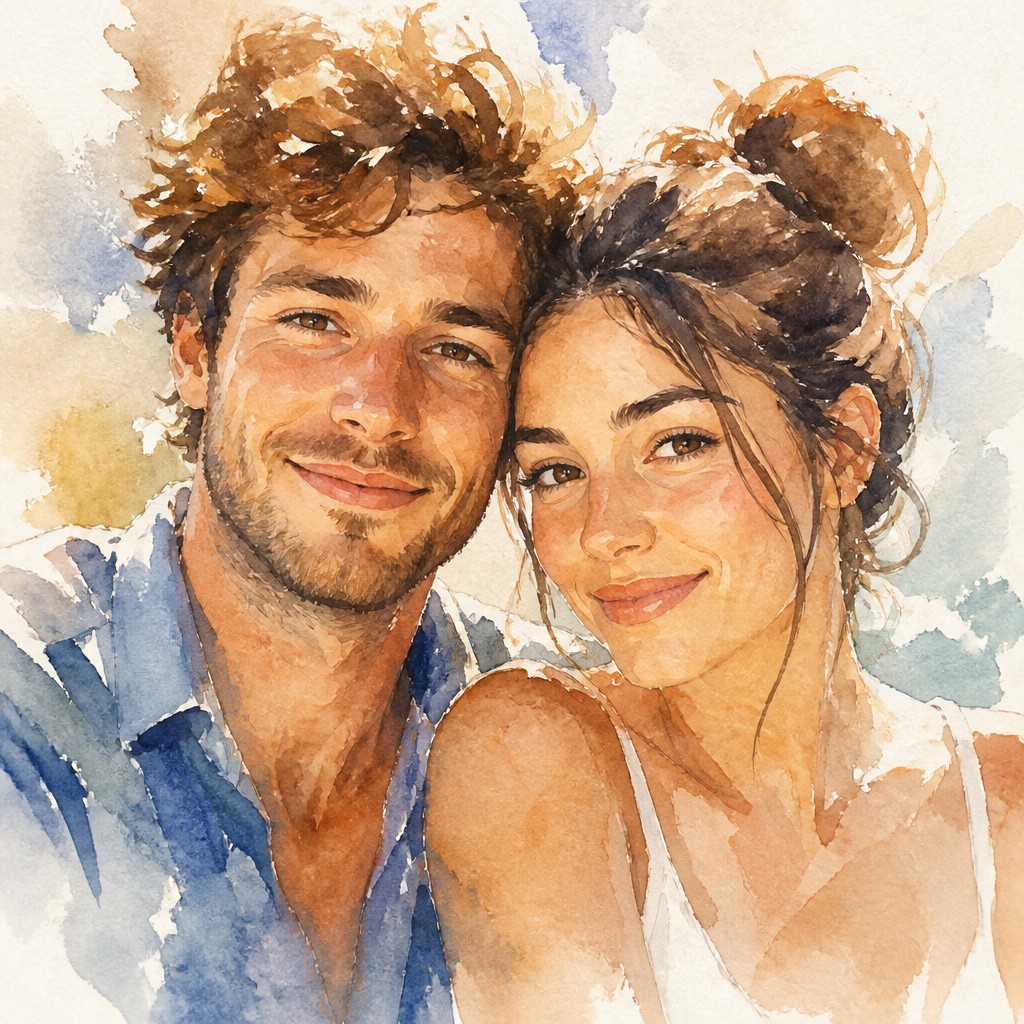
Try It On Your Photos
Upload any photo and convert it into Watercolor Painting Style — drag the sliders to compare before and after.


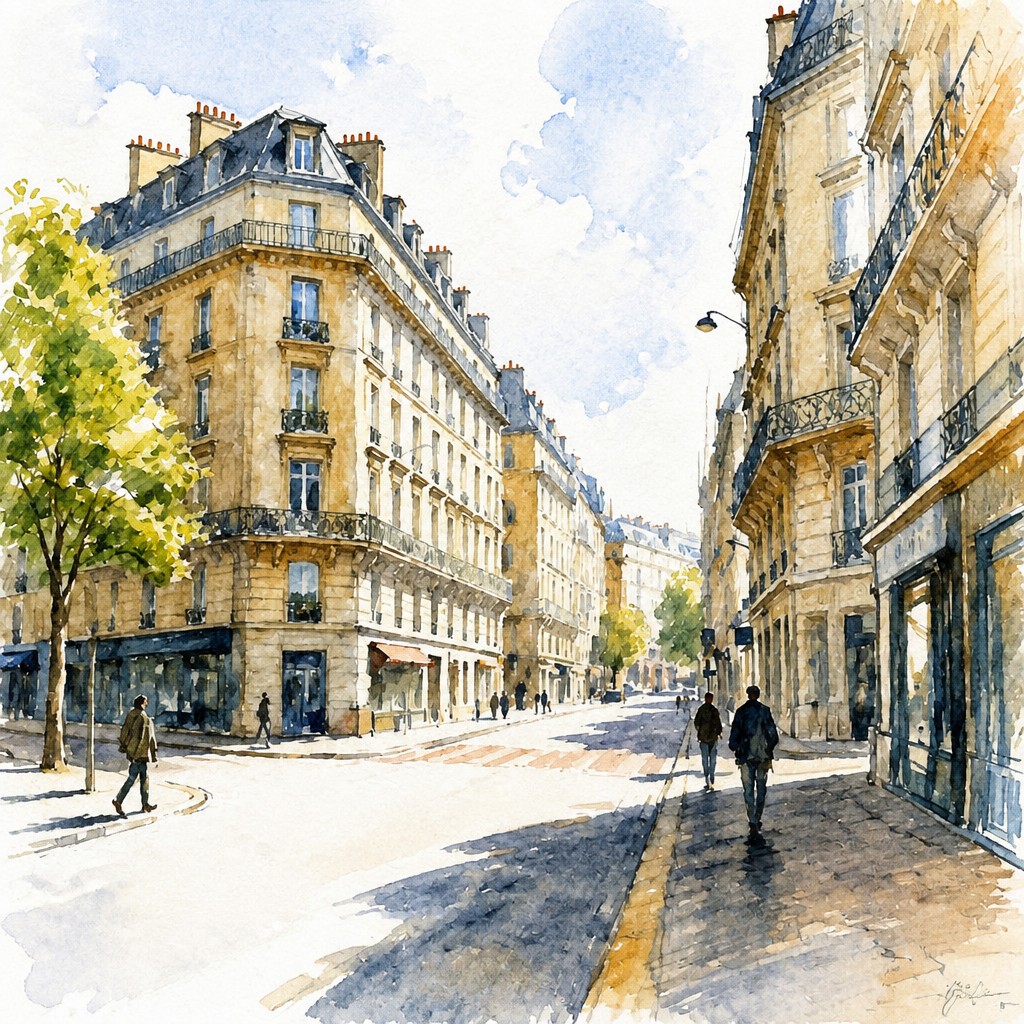

What Defines Watercolor Painting Style
The signature details, up close
Transparent luminous washes
Thin layers of diluted pigment allow the paper to glow through the color. Overlapping washes create depth and variation without the opaque buildup associated with oil or acrylic paint.
White paper as light
Highlights are often created by leaving the paper unpainted or by lifting pigment rather than applying white paint. This gives skies, reflections, and illuminated surfaces a naturally radiant quality.
Crisp and softened edges
Hard edges clarify focal forms and graphic details, while wet-on-wet transitions dissolve boundaries into atmospheric blooms. The contrast between controlled and diffused marks is central to the medium's visual rhythm.
Layered glazes
Successive transparent layers intensify shadows, modify color, and establish spatial depth. Each glaze remains optically active, so the underlying colors influence the final mixture.
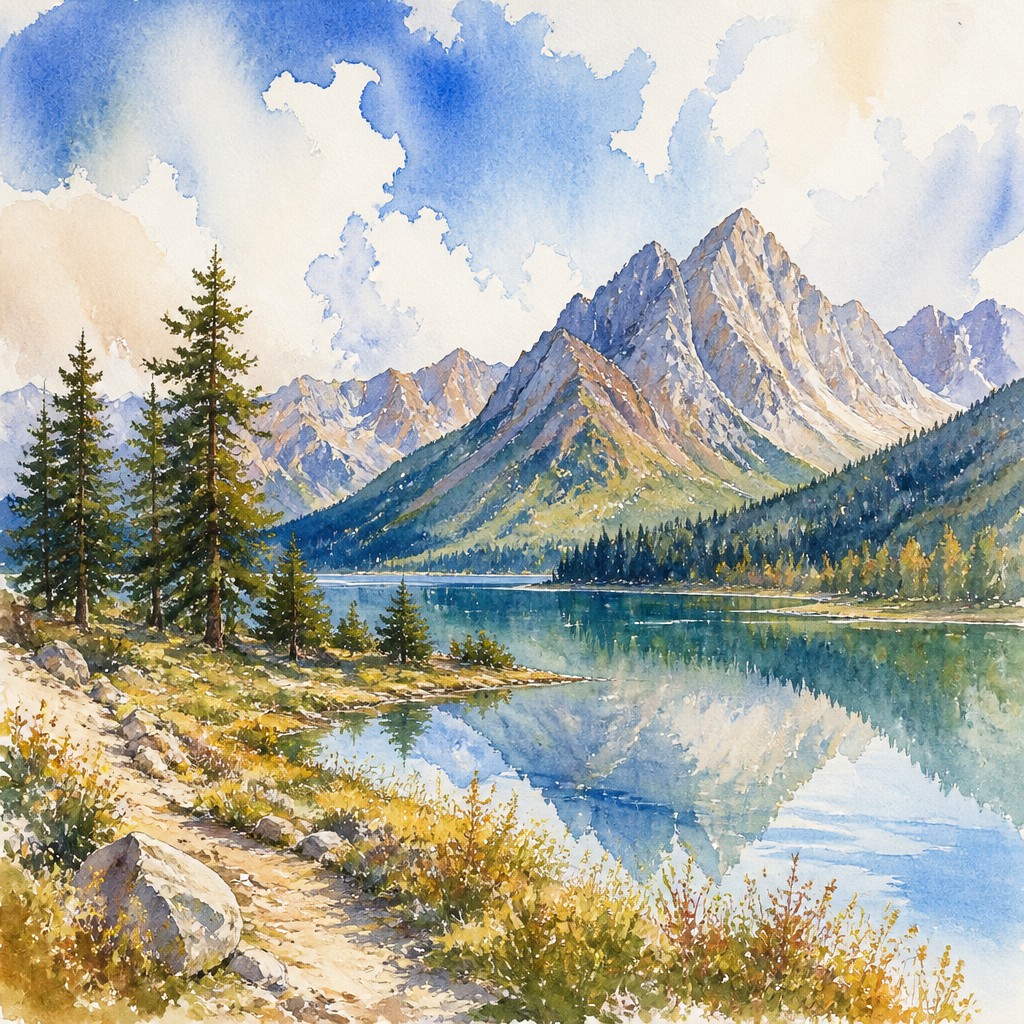
Granulating pigment texture
Some pigments settle into the paper's texture, producing speckled, crystalline, or slightly uneven surfaces. This granular character adds physical richness to stone, foliage, earth, and muted backgrounds.
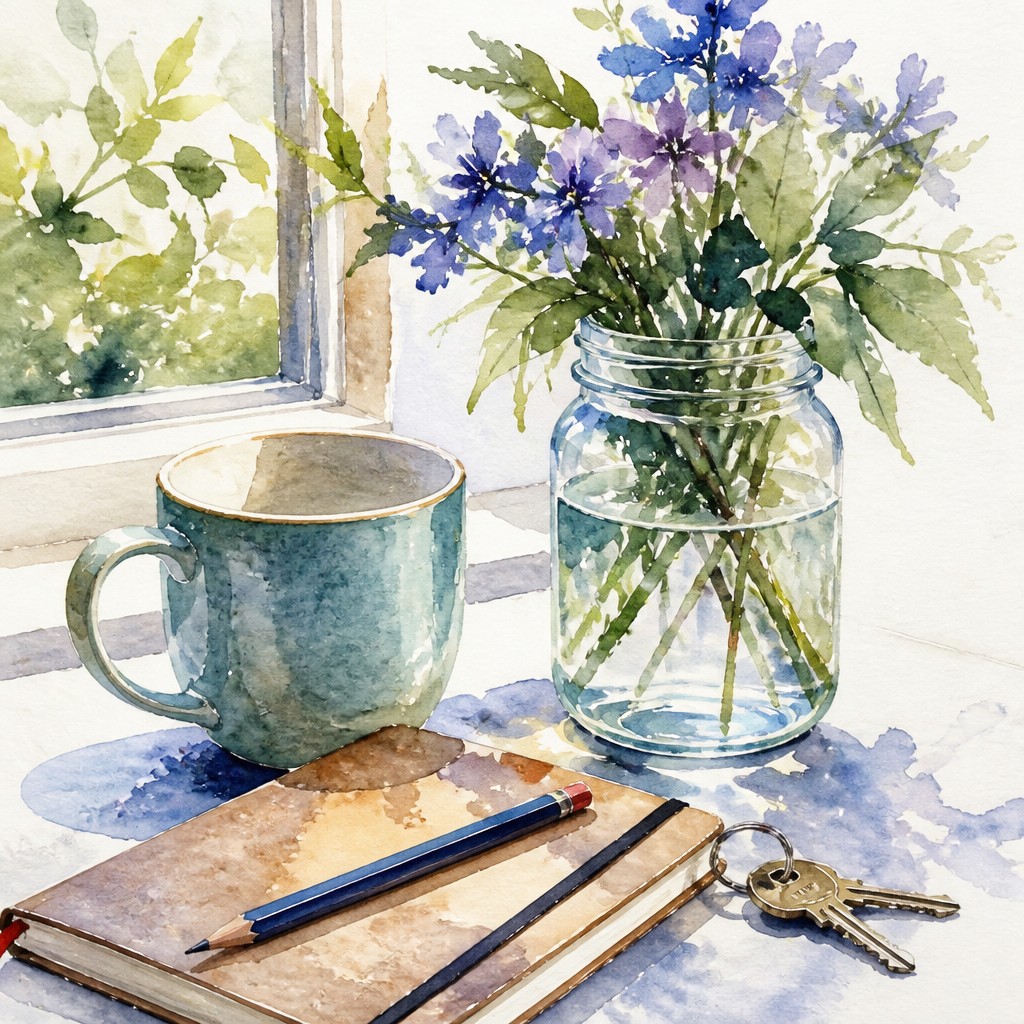
Fluid blooms and backruns
Uneven drying, excess water, and newly added moisture can create cauliflower-like blooms and soft tide marks. Used intentionally, these effects suggest clouds, petals, reflections, and organic irregularity.
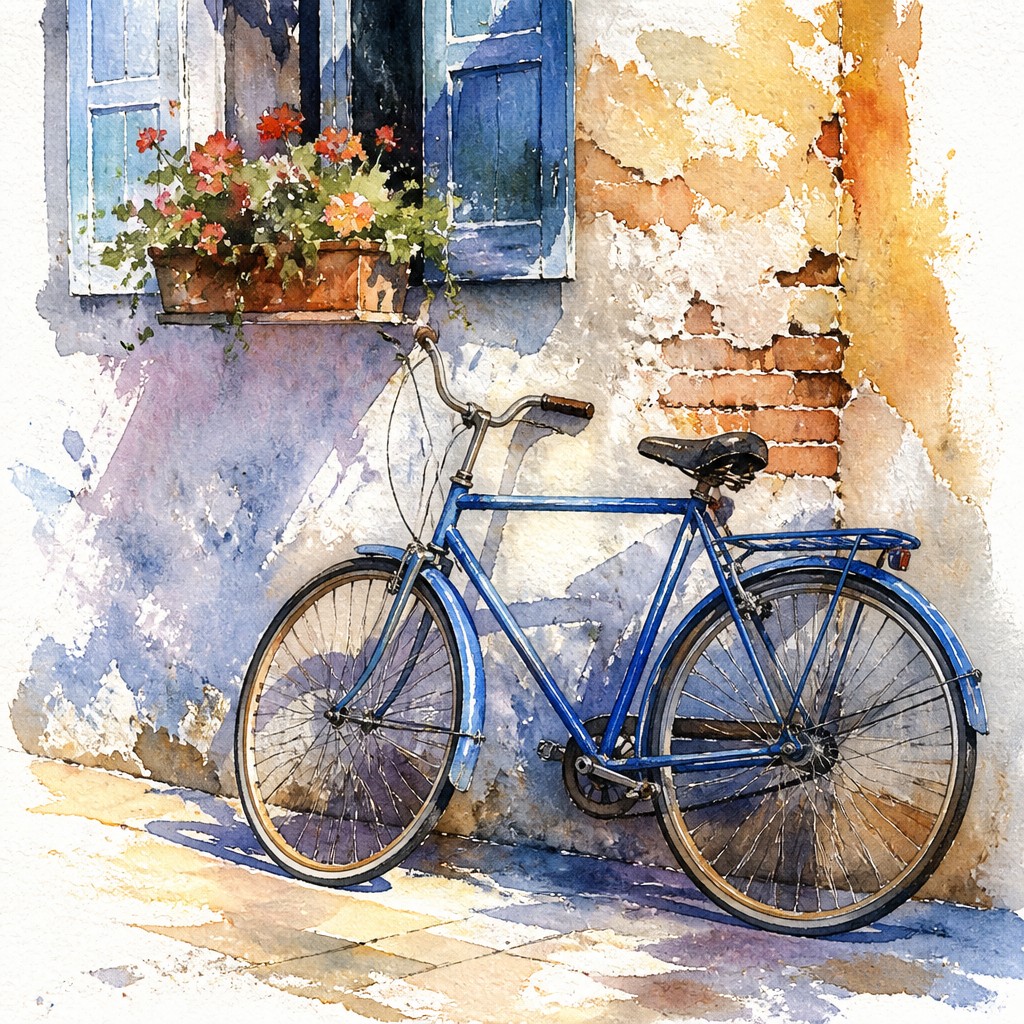
Economy of marks
Watercolor rewards selective description because excessive correction can muddy transparent layers. A small number of well-placed strokes often carries the form, light, and atmosphere of an entire scene.
Try It
Create Videos in Watercolor Painting Style
Styles aren't just for stills — describe a scene or animate an image and get a short video rendered in Watercolor Painting. Press play to see this pond come to life.
Make a VideoWatercolor Painting Prompt Ideas
Start from an idea — each one opens the generator with the style ready to go. See all 40 Watercolor Painting prompts →
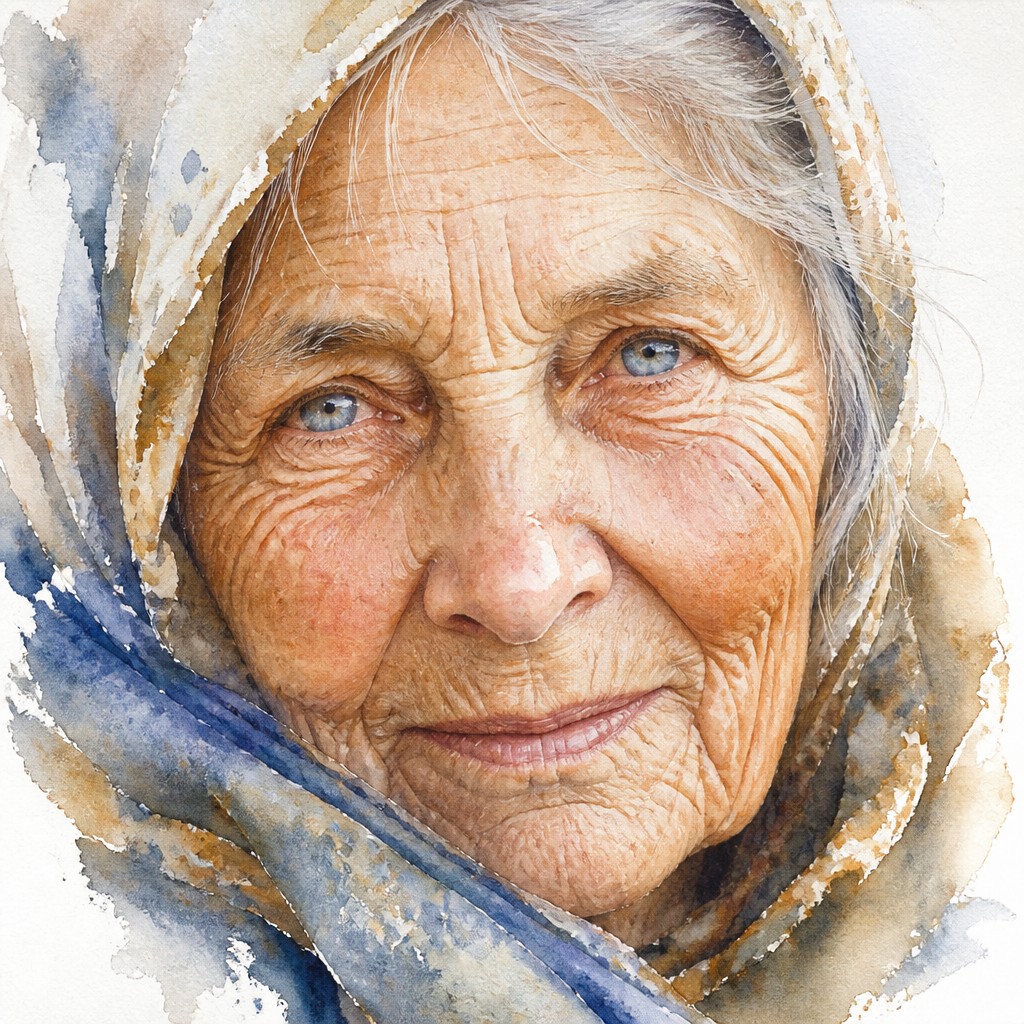
“close-up portrait of an elderly person with expressive weathered features”
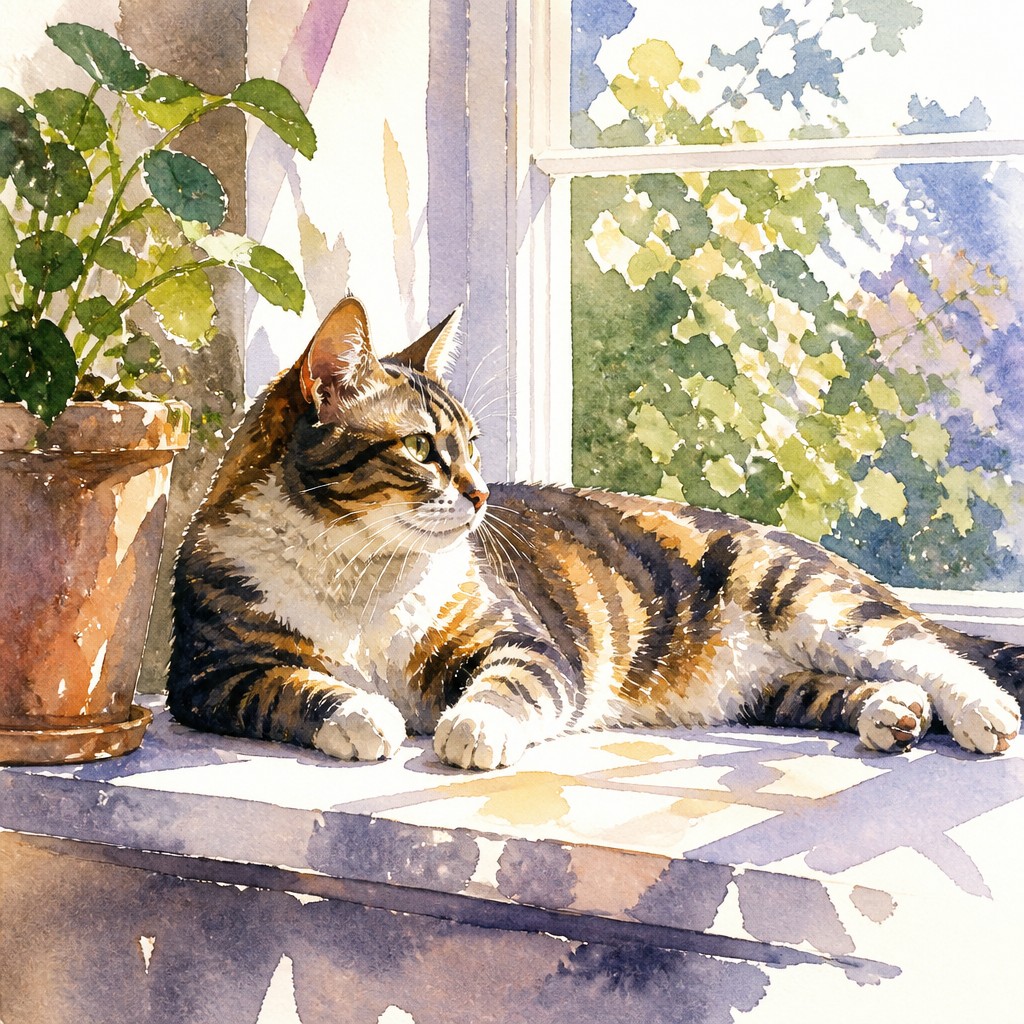
“a cat lounging in a sunlit window”
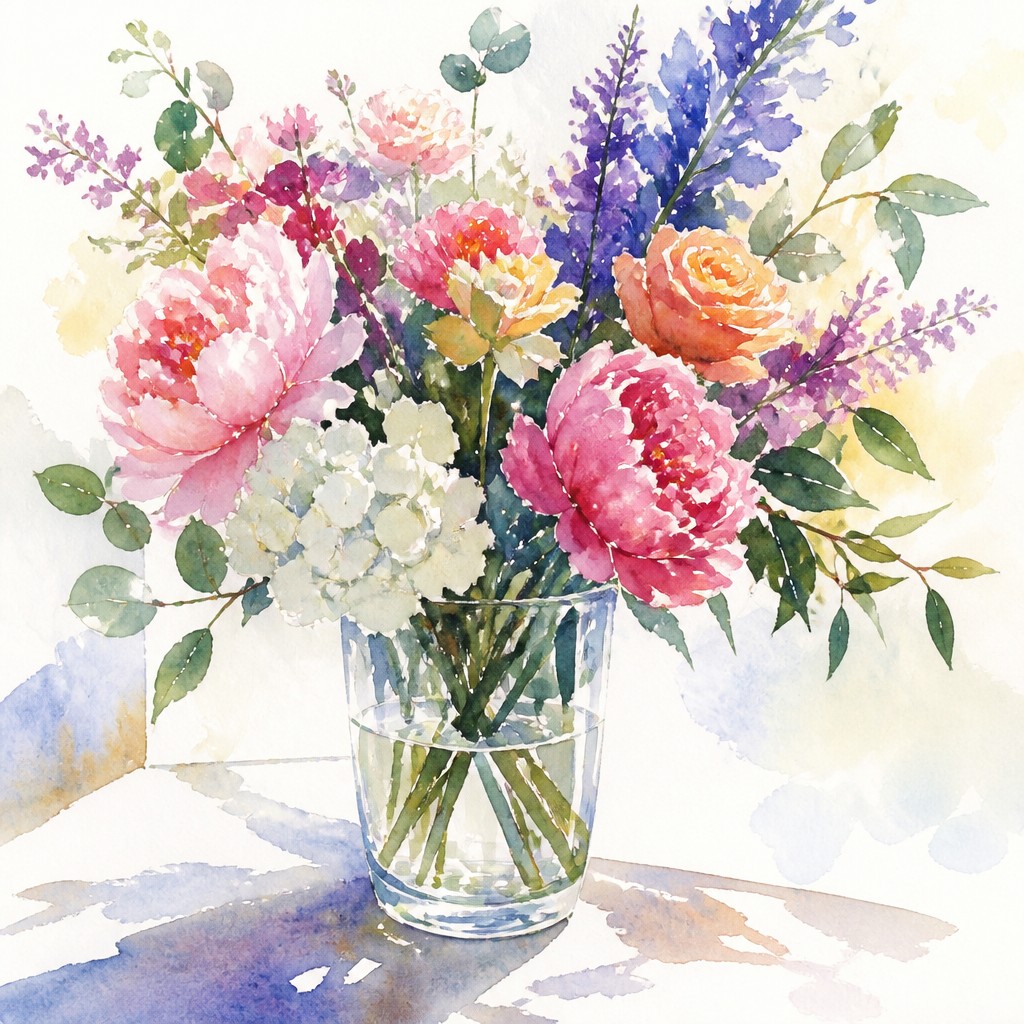
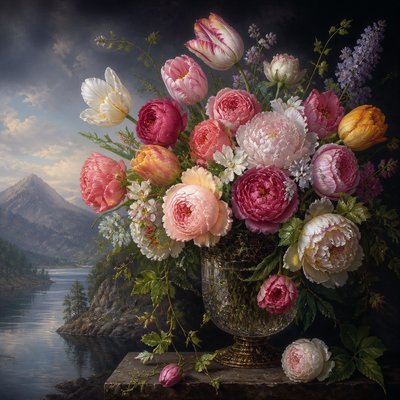
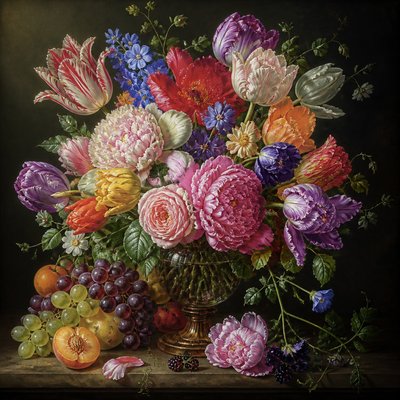
“bouquet of flowers in a glass vase”
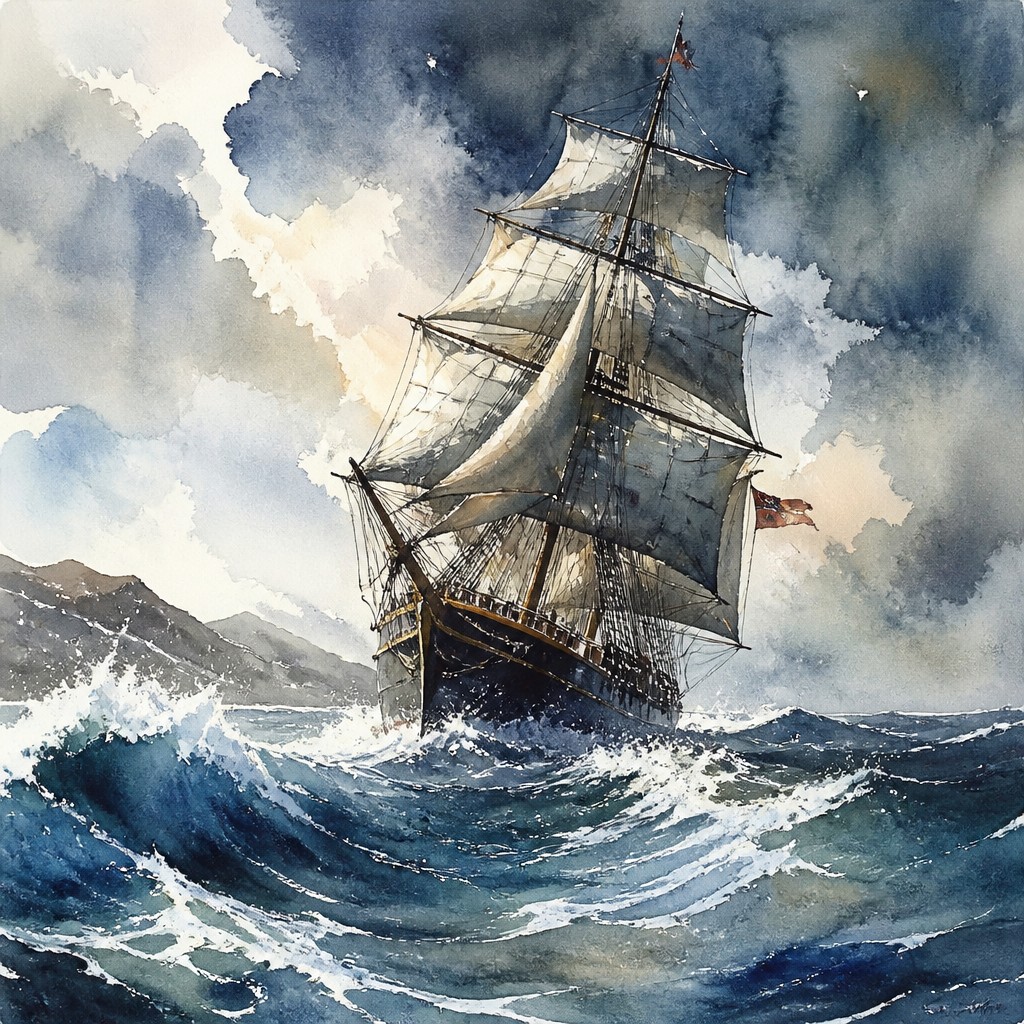
“sailing ship on a stormy sea”
How to Create Watercolor Painting Art
Master the craft step by step — or skip straight to creating. Read the full guide →
- 1
Plan the lightest values
Reserve the paper for the brightest highlights and establish a simple value map before painting. Begin with pale washes, then build darker passages gradually so the image retains luminosity.
- 2
Control water and edges
Use wet paper for soft atmospheric transitions and drier paper for defined forms. Vary the water-to-pigment ratio, brush pressure, and drying stage to create blooms, gradients, and crisp marks.
- 3
Layer transparent color
Let each wash dry before adding a glaze when you need clean optical layering. Avoid overworking passages; preserve variations in the paper and pigment instead of smoothing every irregularity.
- 4
Use texture deliberately
Choose cold-pressed or rough paper for visible tooth and granulation, or smoother paper for fine linework and illustration. In digital work, combine paper grain, pigment dispersion, translucent brushes, and irregular opacity.
- 5
Write prompts for material behavior
For prompt-based creation, specify transparent washes, glowing white paper, layered glazes, granulating pigment, crisp focal edges, and soft blooms. Add the subject, lighting, viewpoint, and desired level of detail while avoiding conflicting instructions such as uniformly sharp edges.

The Story
History & Origins of Watercolor Painting
Water-based pigment painting has ancient roots, including East Asian traditions of ink and color on absorbent paper and silk, as well as European manuscript illumination and preparatory studies. In Europe, watercolor gradually developed from a supporting medium for maps, botanical studies, architectural drawings, and tinted sketches into an independent form of landscape and observational painting during the eighteenth and nineteenth centuries.
The medium expanded through improved papers, portable paint boxes, transparent pigments, and dedicated watercolor practice. Modern and contemporary artists have used it for illustration, natural-history imagery, travel studies, abstract experiments, and mixed-media work. The digital version of the aesthetic draws on these traditions by simulating translucent glazing, paper grain, pigment granulation, blooms, and the irregular behavior of water.
Influences: Watercolor painting draws from East Asian ink-and-color traditions, European manuscript illumination, botanical and scientific illustration, topographical drawing, plein-air landscape practice, and modern illustration. It also relates to gouache, ink wash, color-field abstraction, and loose expressive painting, while differing from opaque media through its reliance on transparency, absorbent surfaces, and the optical effect of light returning through the pigment.
Frequently Asked Questions
What defines watercolor painting style?
It is defined by transparent pigment, visible or implied paper, luminous highlights, and the interaction of water with an absorbent surface. Its characteristic vocabulary includes layered washes, soft blooms, crisp accents, granulation, and economical brushwork.
How is watercolor different from gouache?
Watercolor is generally transparent, allowing the paper and underlying layers to remain visible. Gouache contains more opaque pigment and can cover dark passages or rework highlights more readily, producing flatter and more solid areas of color.
How can I make a painting look authentically watercolor?
Use a restrained value structure, preserve bright paper areas, and build color through thin layers rather than one heavy application. Vary edge sharpness, allow some controlled blooms, and include subtle paper grain or pigment granulation without covering every surface uniformly.
Can watercolor style be used for portraits and people?
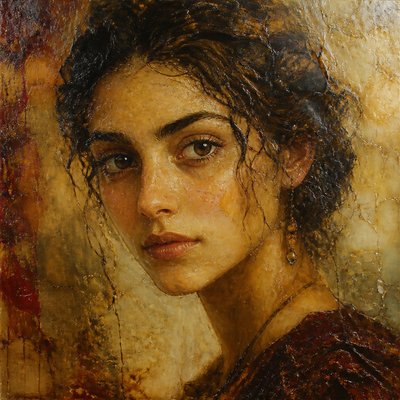
Yes. Transparent washes are effective for modeling skin, hair, fabric, and atmospheric backgrounds, especially when the lightest areas are preserved. Use sharper marks around the eyes and important facial planes, with softer transitions around cheeks, hair, and surrounding space.
Is watercolor painting suitable for digital artwork?
Digital tools can reproduce many watercolor signals through textured paper layers, translucent brushes, pigment-like color variation, and edge diffusion. The result is most convincing when opacity, pooling, granulation, and color mixing vary organically rather than appearing as a uniform filter.
Where is watercolor commonly used?
It is widely used for landscapes, botanical and natural-history illustration, travel sketches, architectural studies, portraits, editorial illustration, children's books, concept studies, and expressive abstract work. Its portability and rapid drying also make it useful for field observation.
Create your first Watercolor Painting artwork
Describe anything — or upload a photo — and see it in Watercolor Painting Style in seconds.
Related Styles
Discover similar art styles