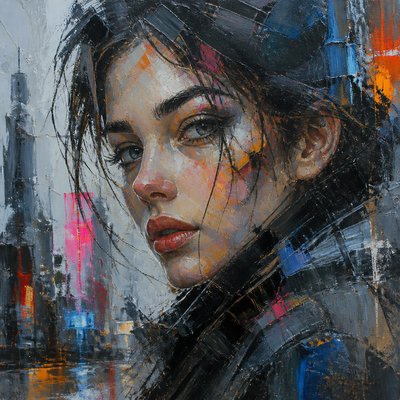
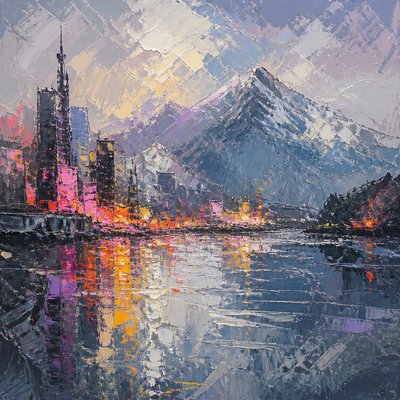
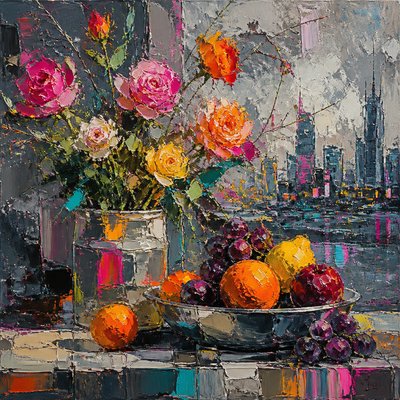
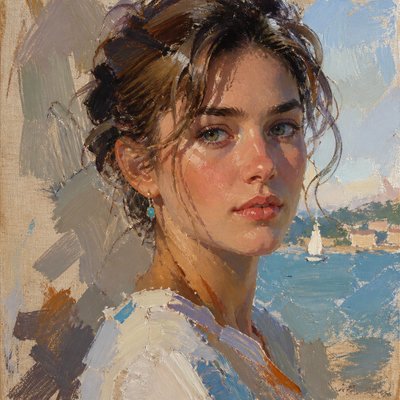
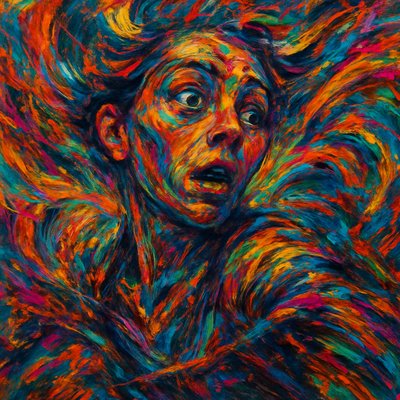
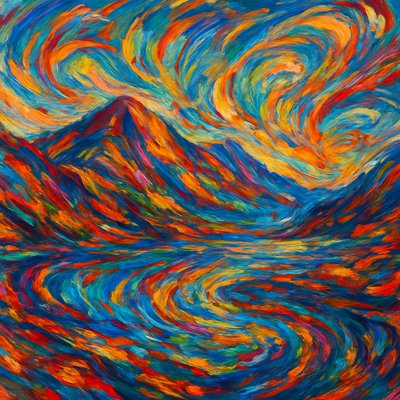
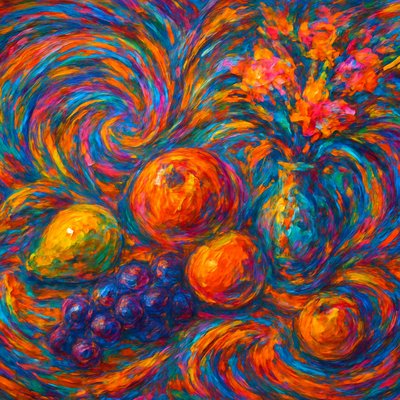
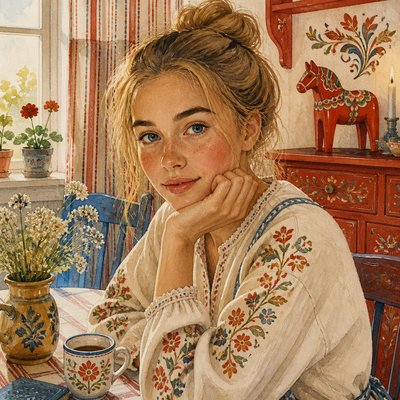
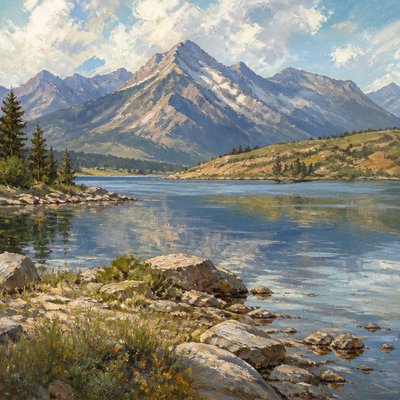
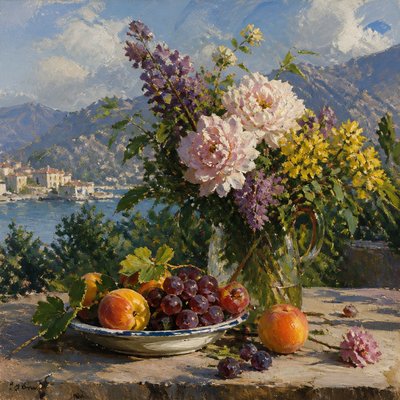
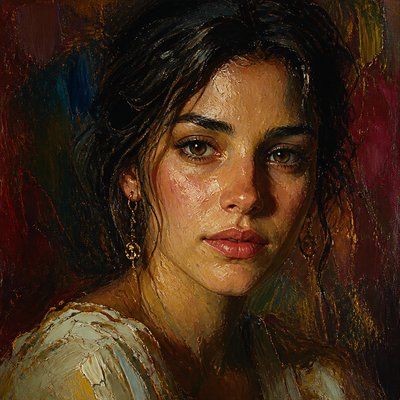
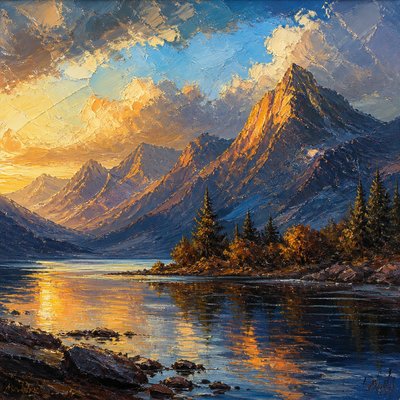
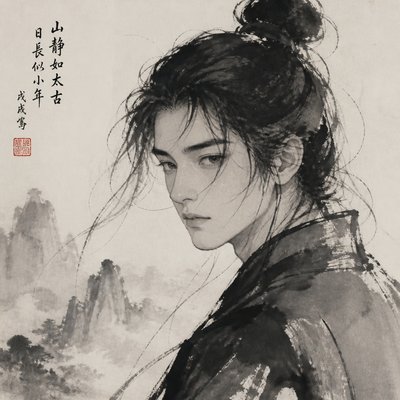
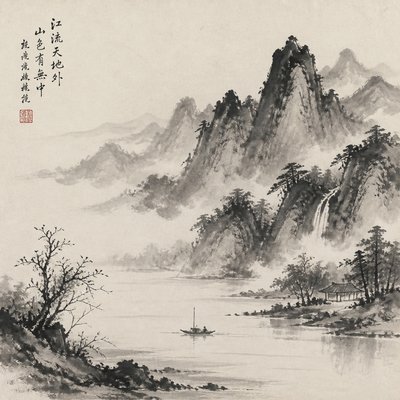
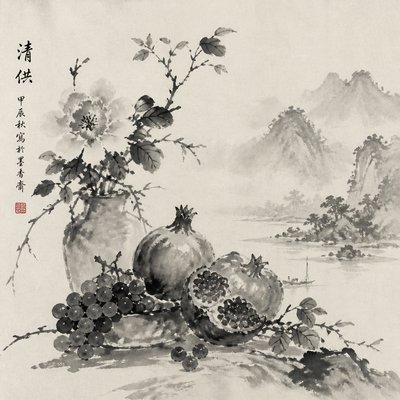
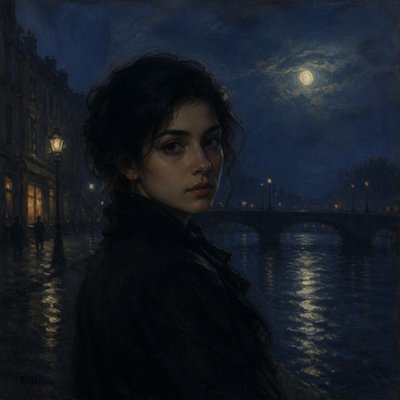
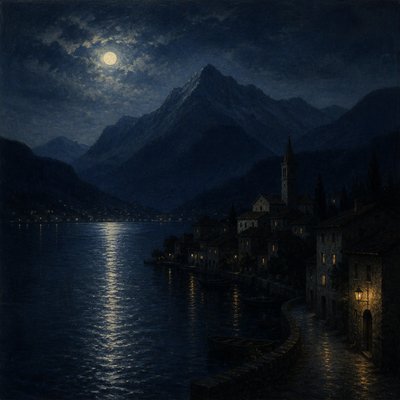
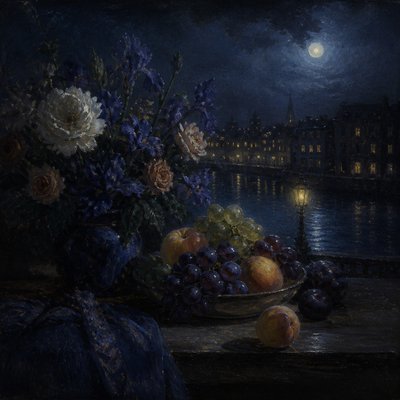
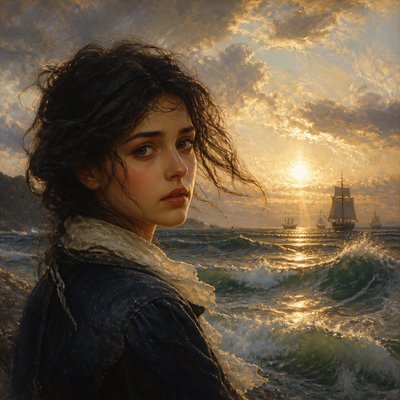
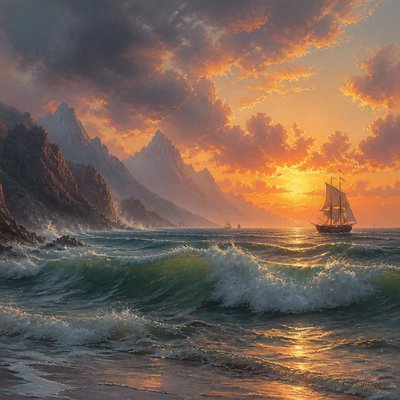
Wet-on-Wet Watercolor Style
Explore wet-on-wet watercolor: blooming pigment, feathered edges, luminous washes, granulation, and airy paper texture.
Instantly rendered in Wet-on-Wet Watercolor — or transform a photo
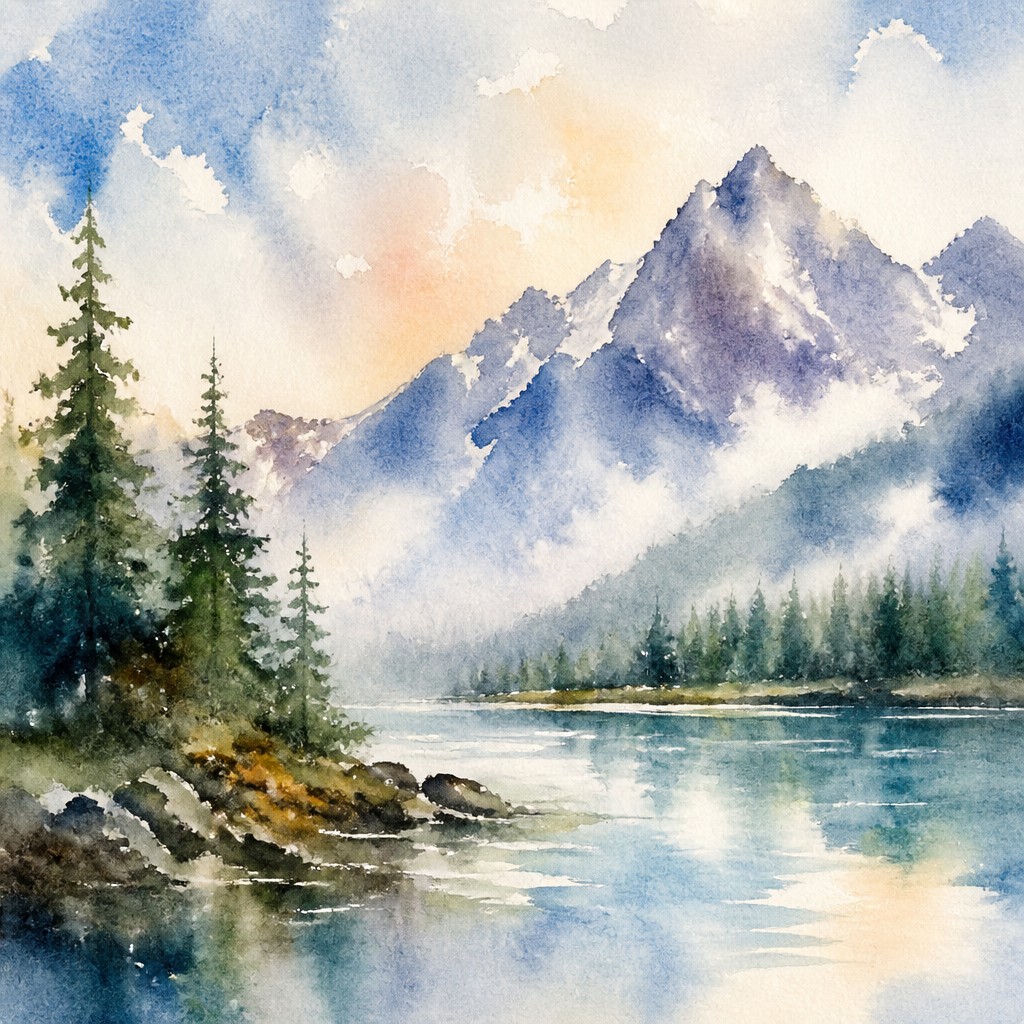
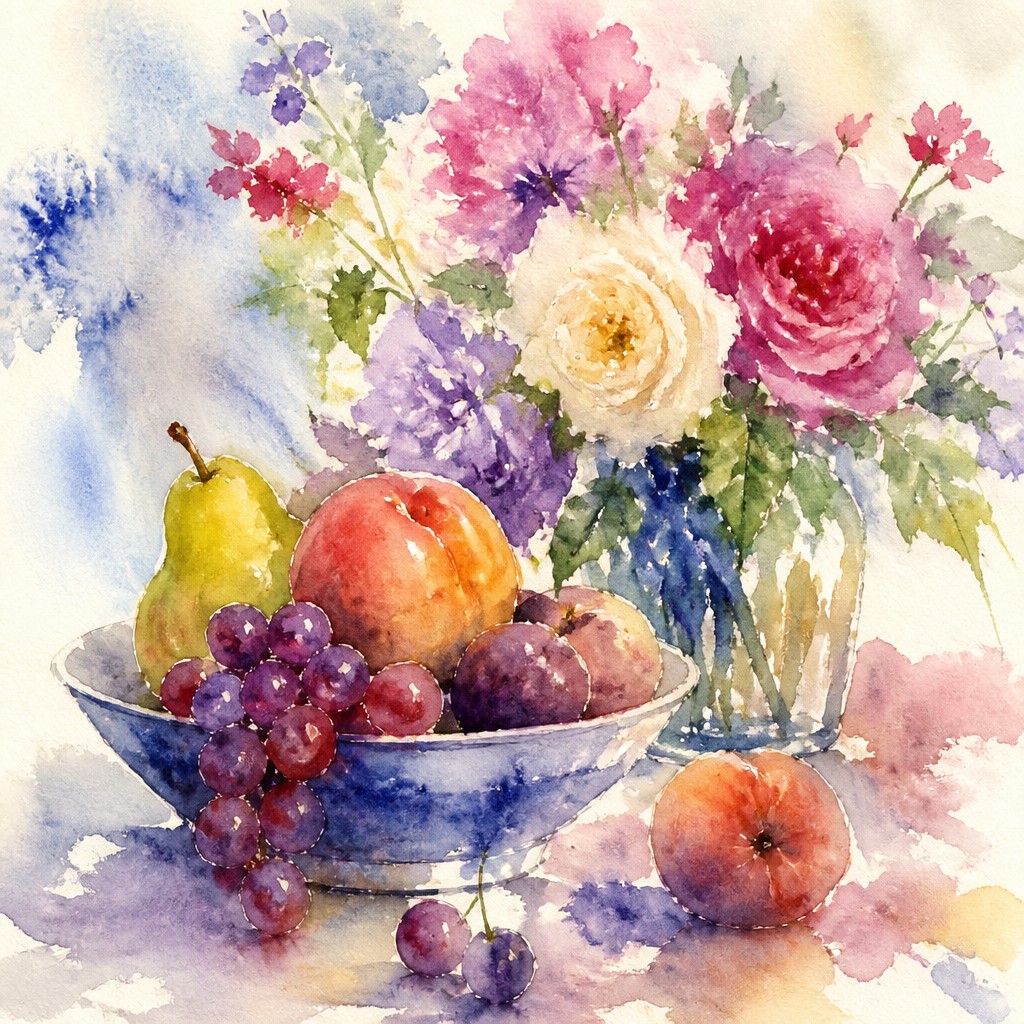
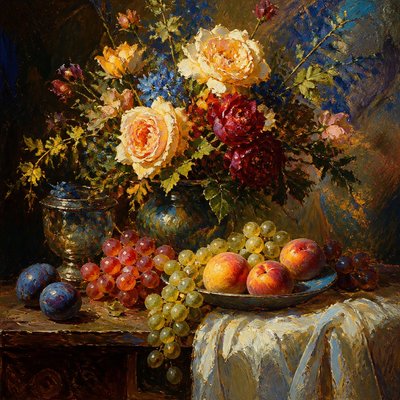
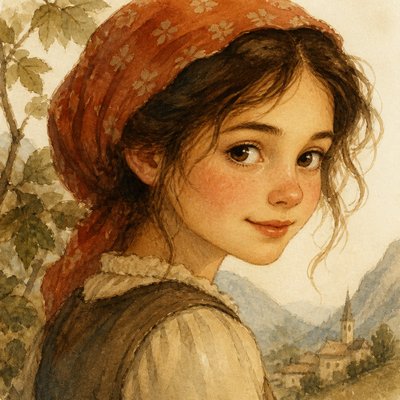
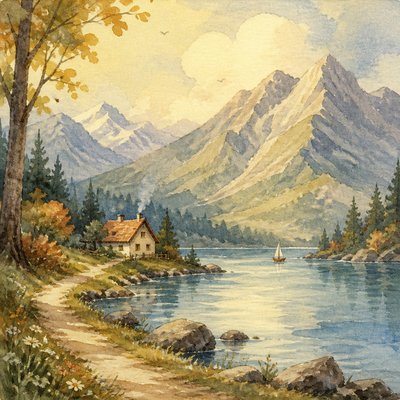
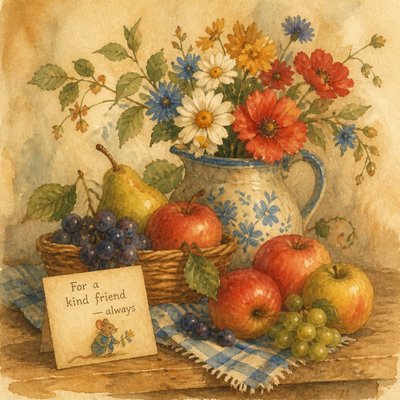
Wet-on-Wet Watercolor Gallery
Tap any artwork to explore it
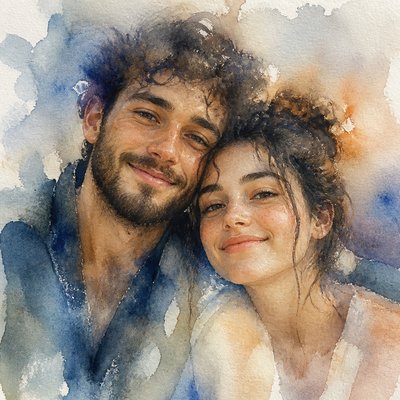
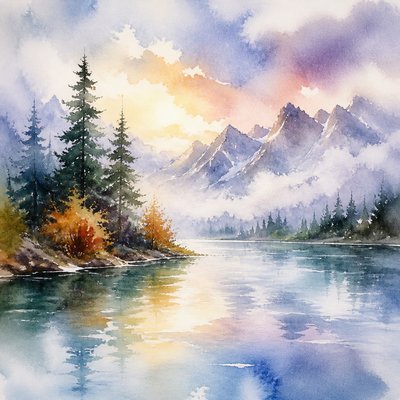
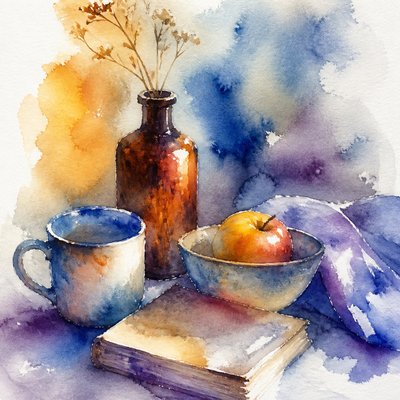
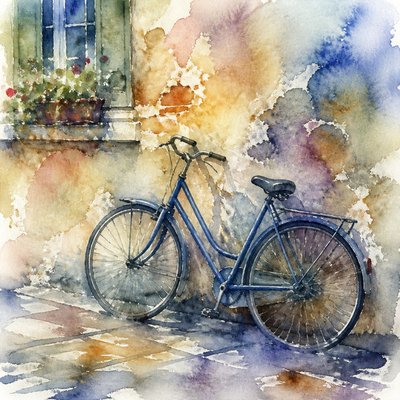
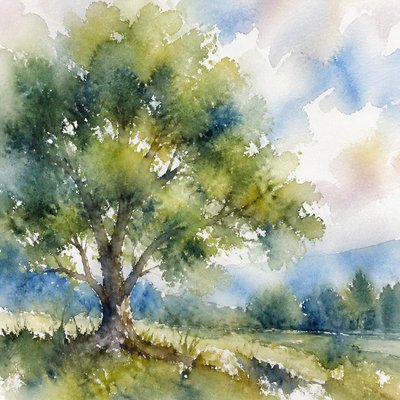
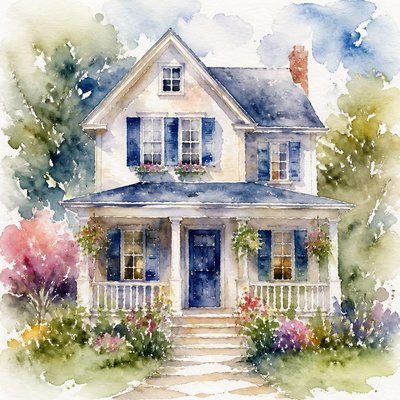
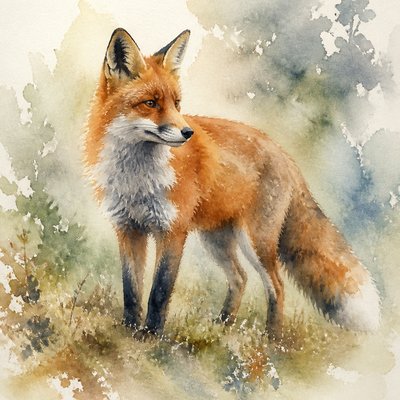
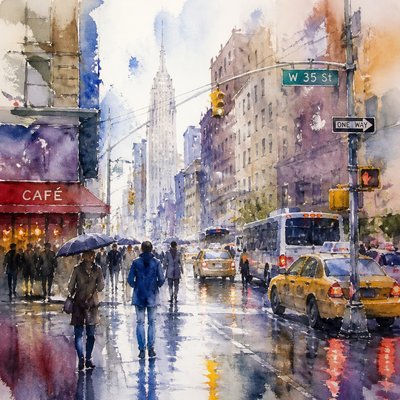
What is Wet-on-Wet Watercolor Style?
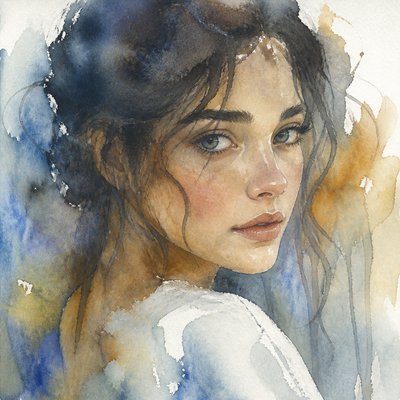
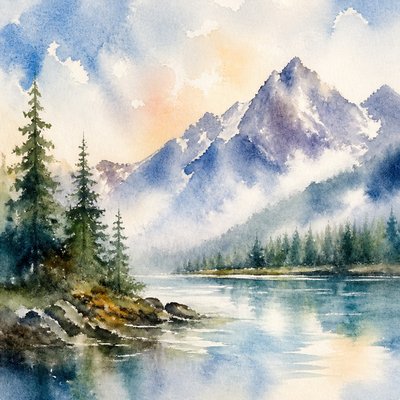
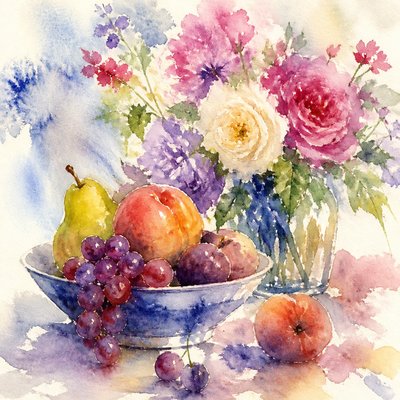
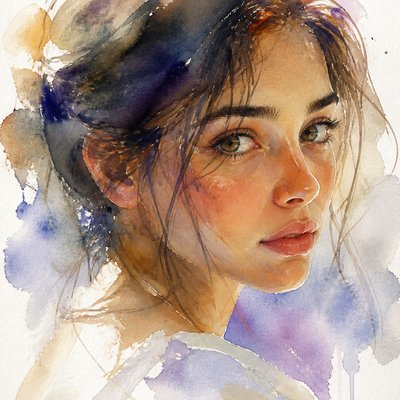
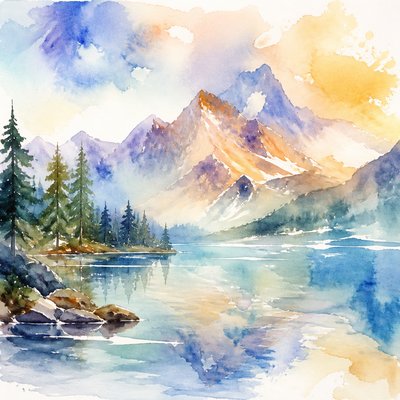
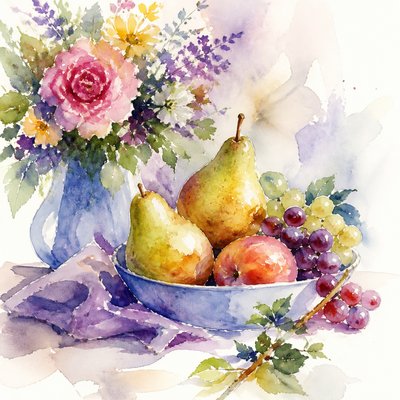
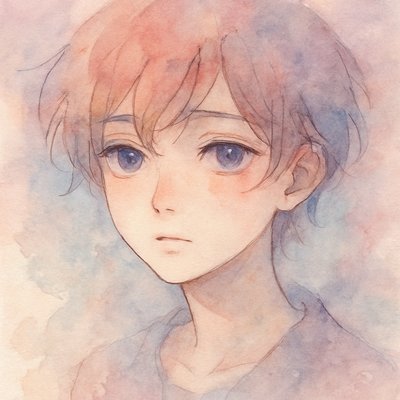
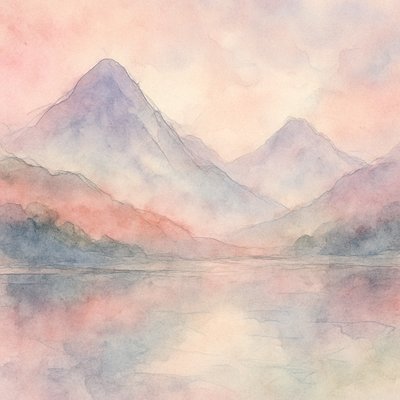
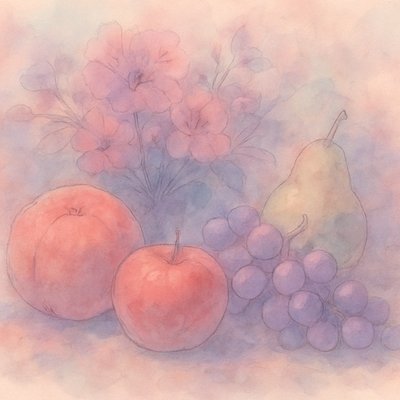
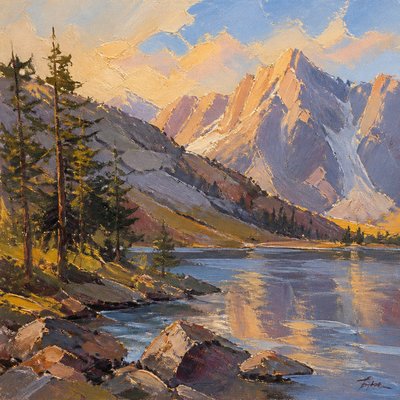
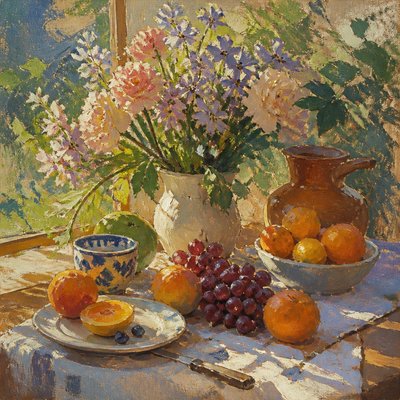
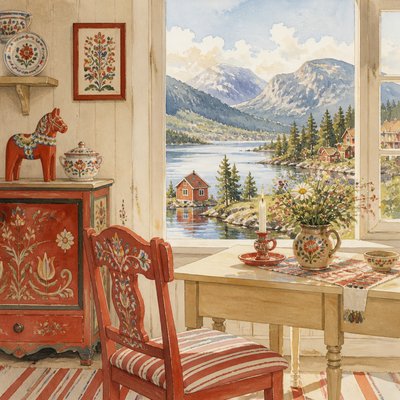
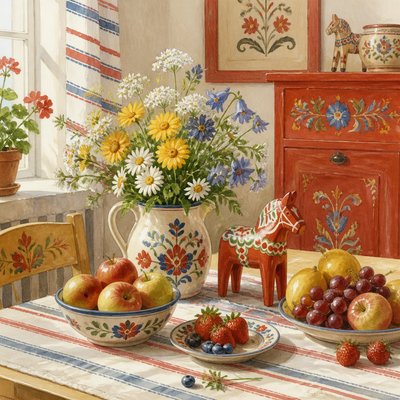
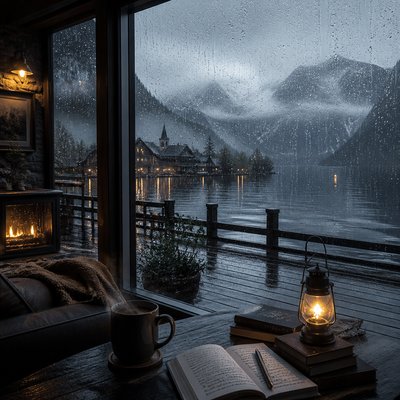
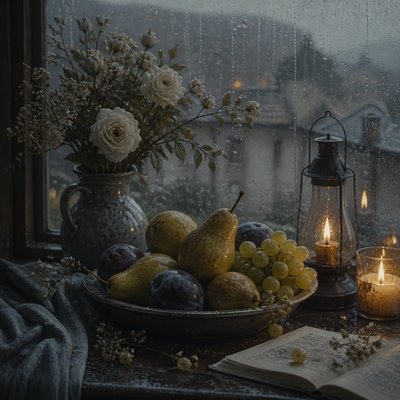
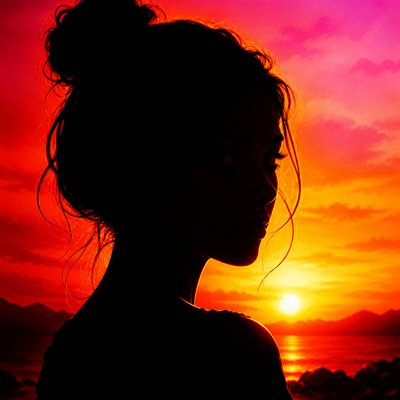
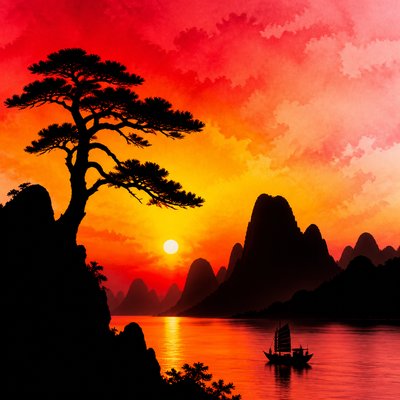
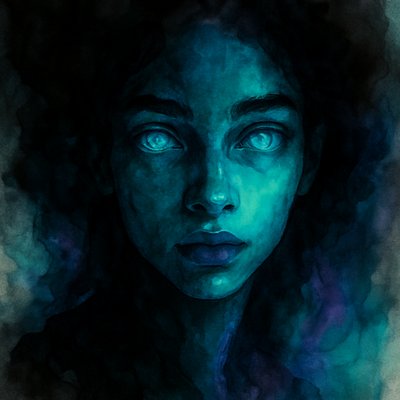
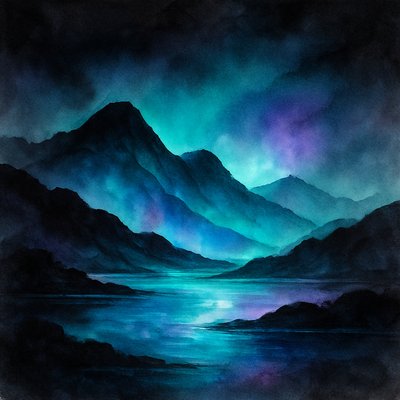
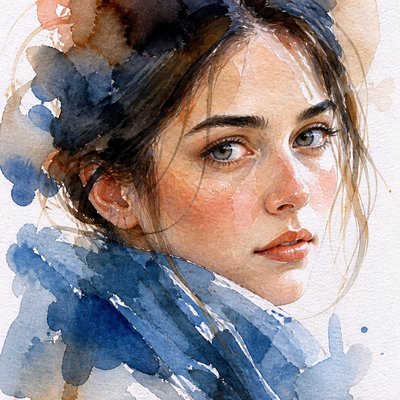
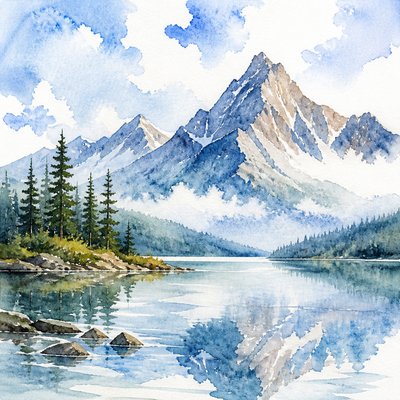
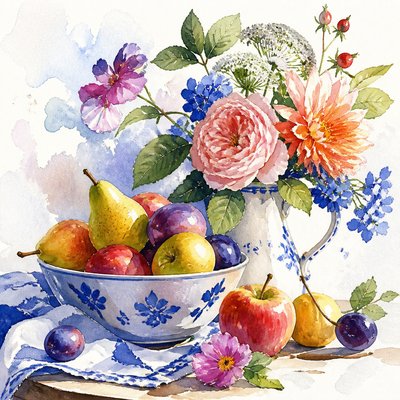
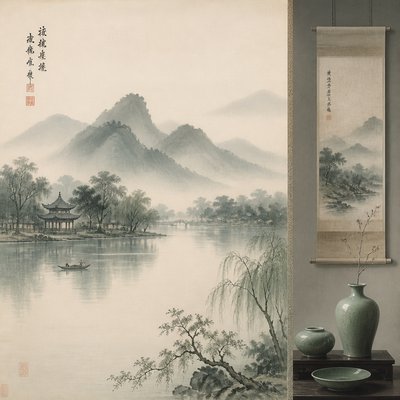
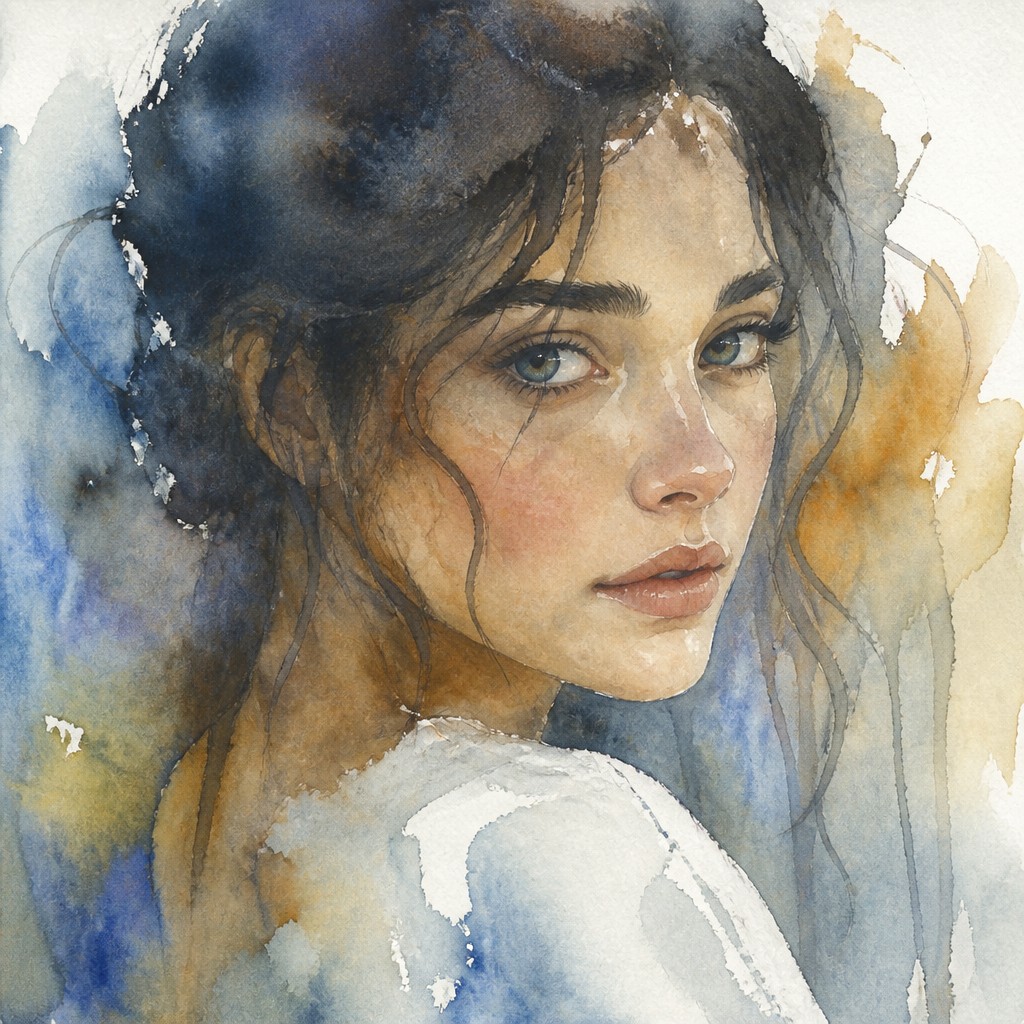
Wet-on-wet watercolor is a fluid painting technique in which watercolor pigment is applied to damp paper or placed into an existing wet wash. The moisture allows colors to spread, merge, and soften unpredictably, producing blooming passages, feathered contours, translucent layers, and atmospheric transitions rather than sharply controlled edges.
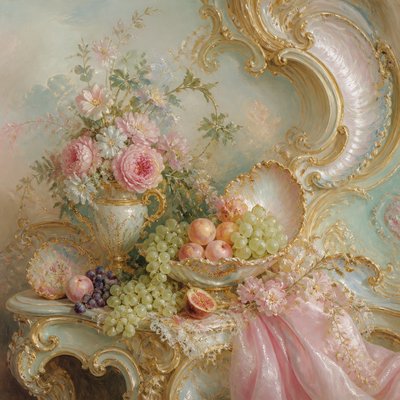
Its visual identity depends on the relationship between pigment, water, paper, and time. Diluted color creates luminous washes, while concentrated pigment settles into granulating pools or darker blooms. Areas of untouched paper remain active parts of the image, giving the finished work an airy, light-filled quality. The technique is especially effective for skies, mist, foliage, flowers, reflective surfaces, and other subjects that benefit from softness and visual movement.
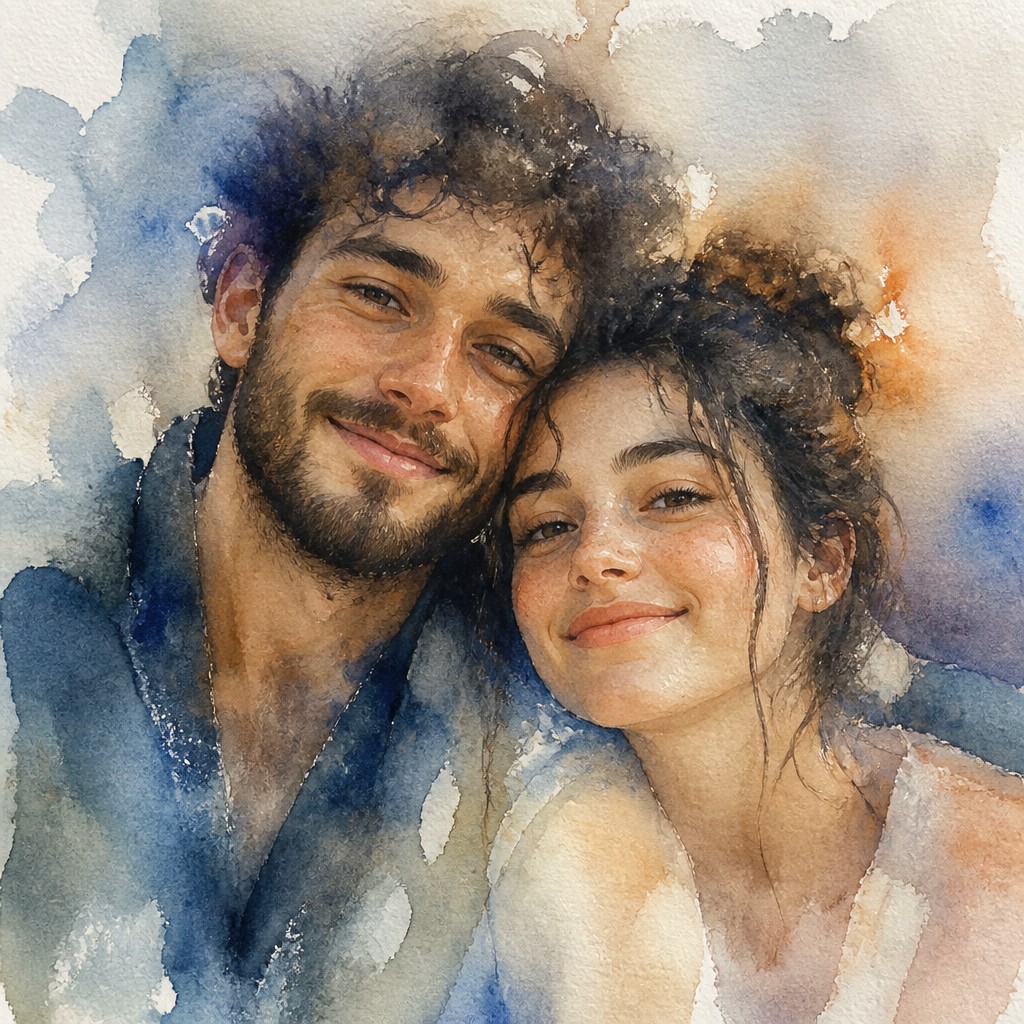
Try It On Your Photos
Upload any photo and convert it into Wet-on-Wet Watercolor Style — drag the sliders to compare before and after.


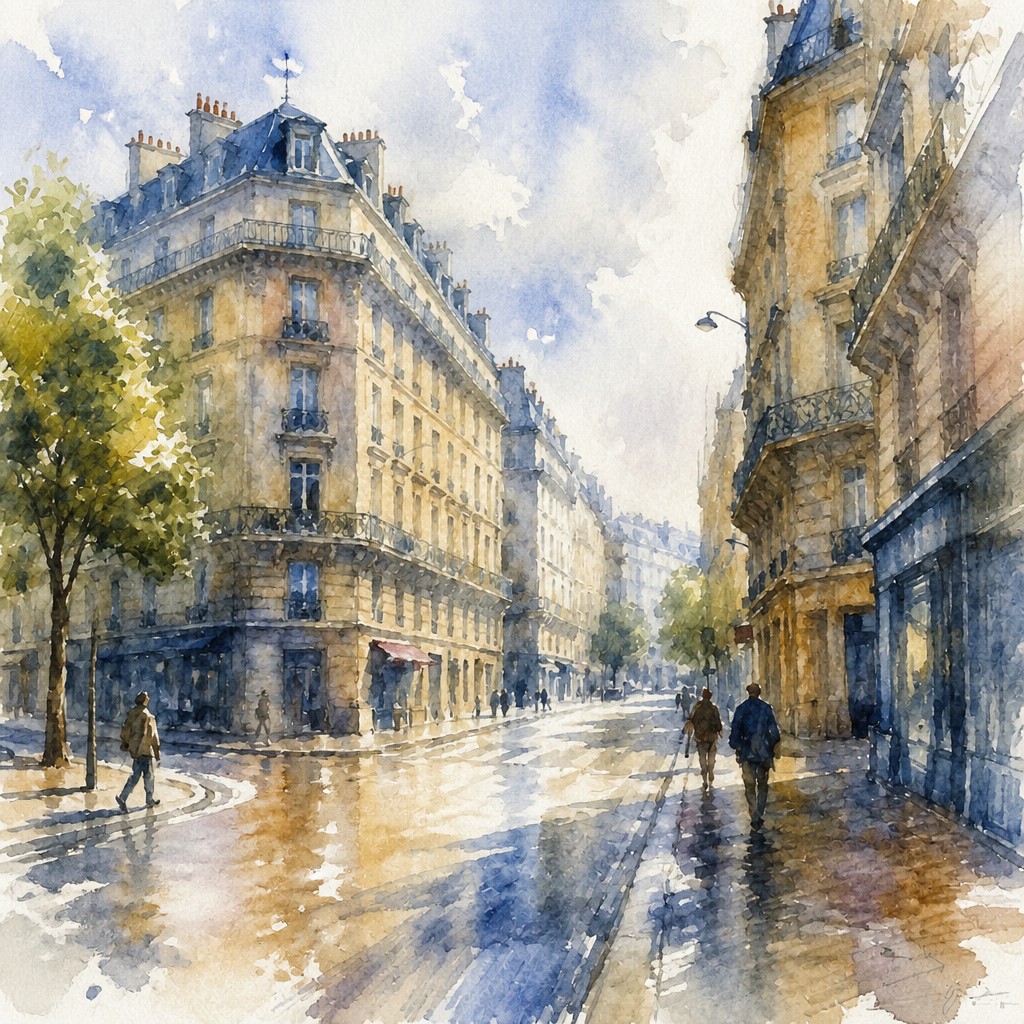

What Defines Wet-on-Wet Watercolor Style
The signature details, up close
Blooming pigment
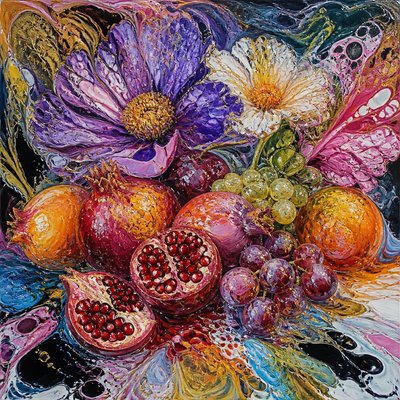
Wet color spreads outward into surrounding moisture, creating soft bursts, tide marks, and irregular halos. These blooms are a defining record of water movement across the surface.
Feathered and softened edges
Contours dissolve gradually instead of ending in crisp lines. Edge softness can imply mist, distance, delicate petals, atmospheric light, or rapidly moving water.
Luminous transparent washes
Thin layers allow the white paper or a light digital ground to shine through the pigment. Overlapping washes create depth through transparency rather than opaque coverage.
Granulation and pigment pooling
Some pigments settle into visible particles or collect in darker depressions as the water evaporates. This produces tactile color variation and a gently mineral surface.
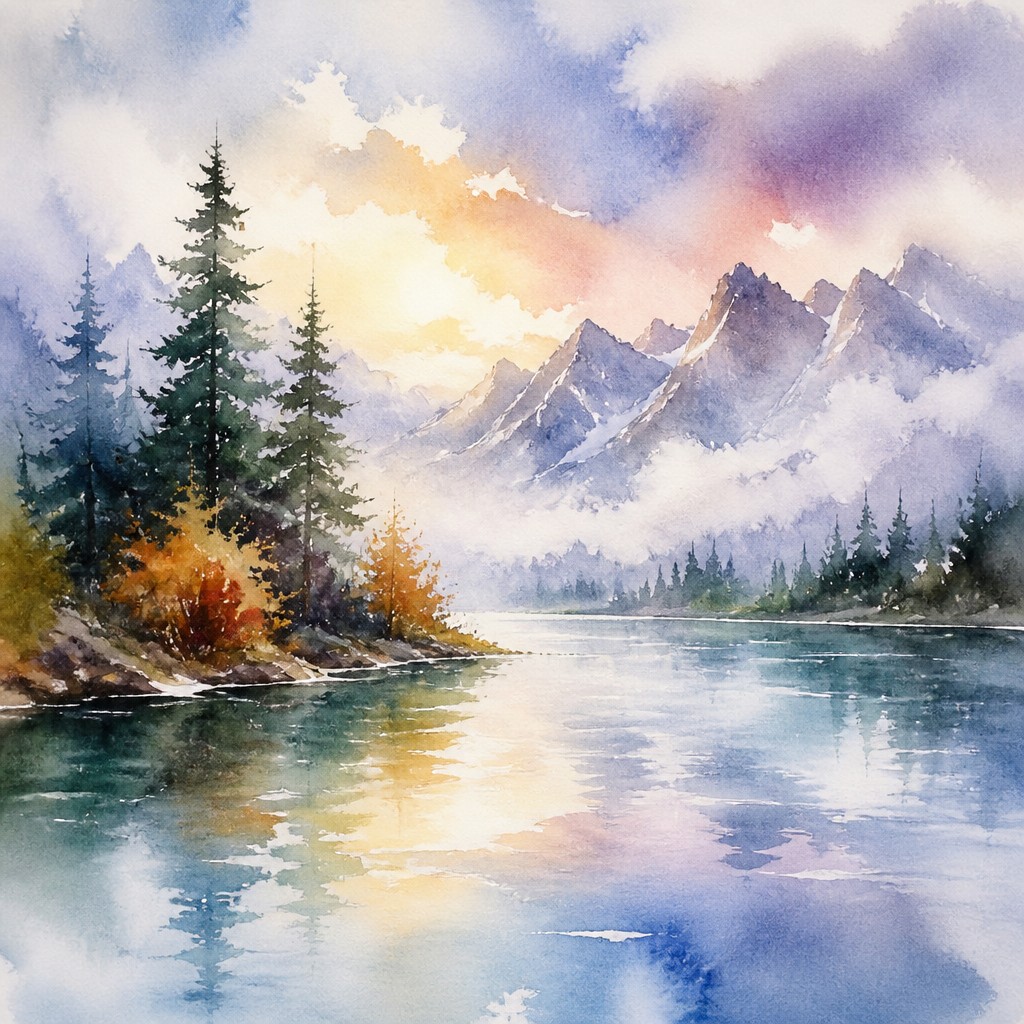
Color merging
Adjacent hues mingle directly on the damp surface, generating intermediate tones and subtle gradients. The transitions feel organic because they are formed by diffusion rather than precise blending.
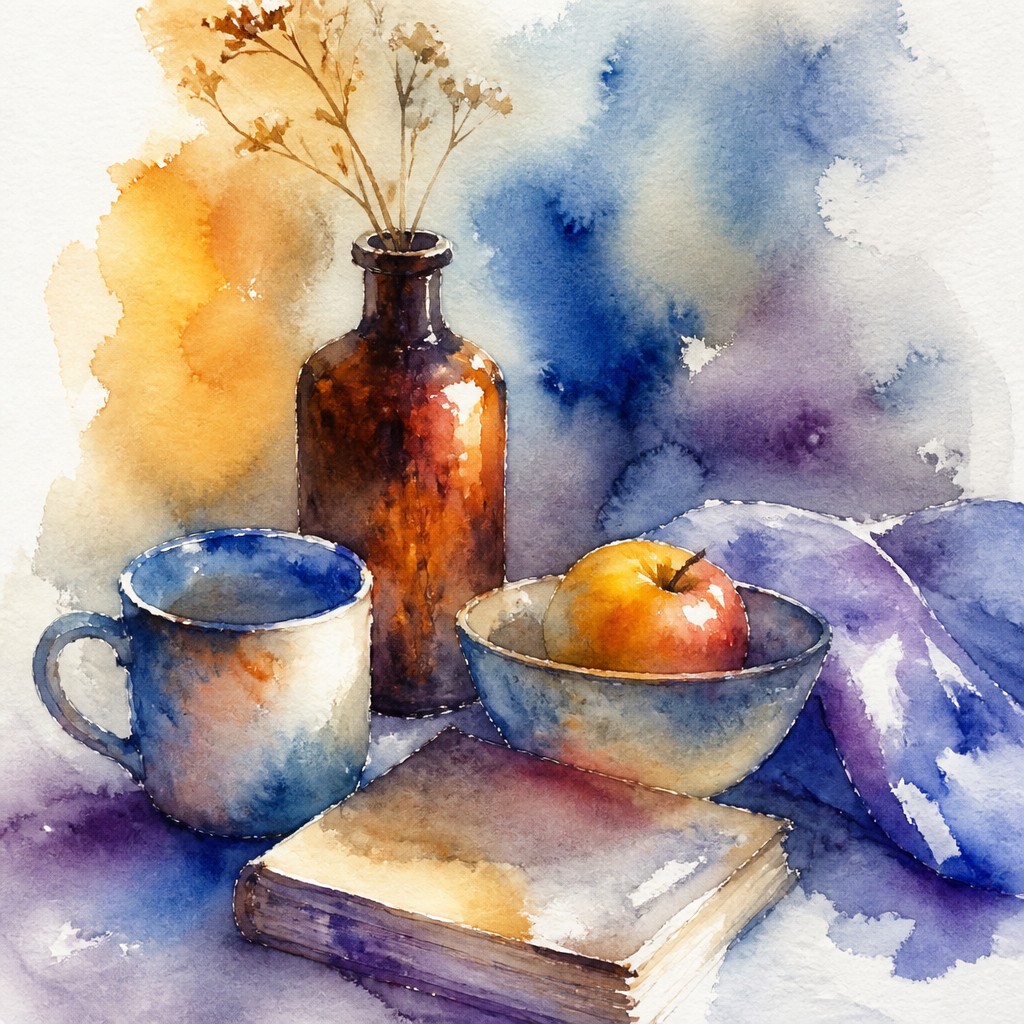
Breathing paper and negative space
Unpainted or lightly tinted areas remain visible between washes. This open space prevents the image from feeling dense and reinforces watercolor's luminous, atmospheric character.
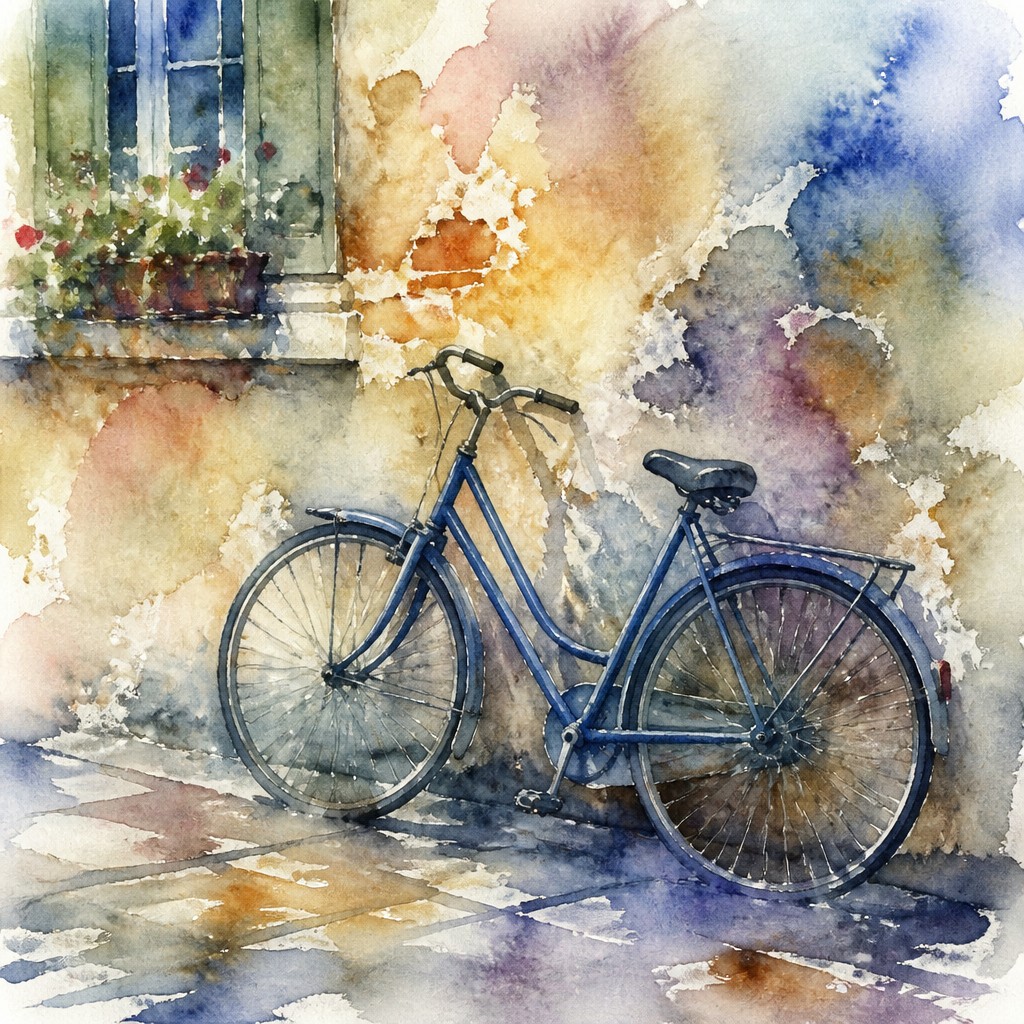
Controlled accident
The process combines deliberate placement with unpredictable spreading. Irregular edges, backruns, and small variations give the image a spontaneous, handmade rhythm.
Try It
Create Videos in Wet-on-Wet Watercolor Style
Styles aren't just for stills — describe a scene or animate an image and get a short video rendered in Wet-on-Wet Watercolor. Press play to see this pond come to life.
Make a VideoWet-on-Wet Watercolor Prompt Ideas
Start from an idea — each one opens the generator with the style ready to go. See all 40 Wet-on-Wet Watercolor prompts →
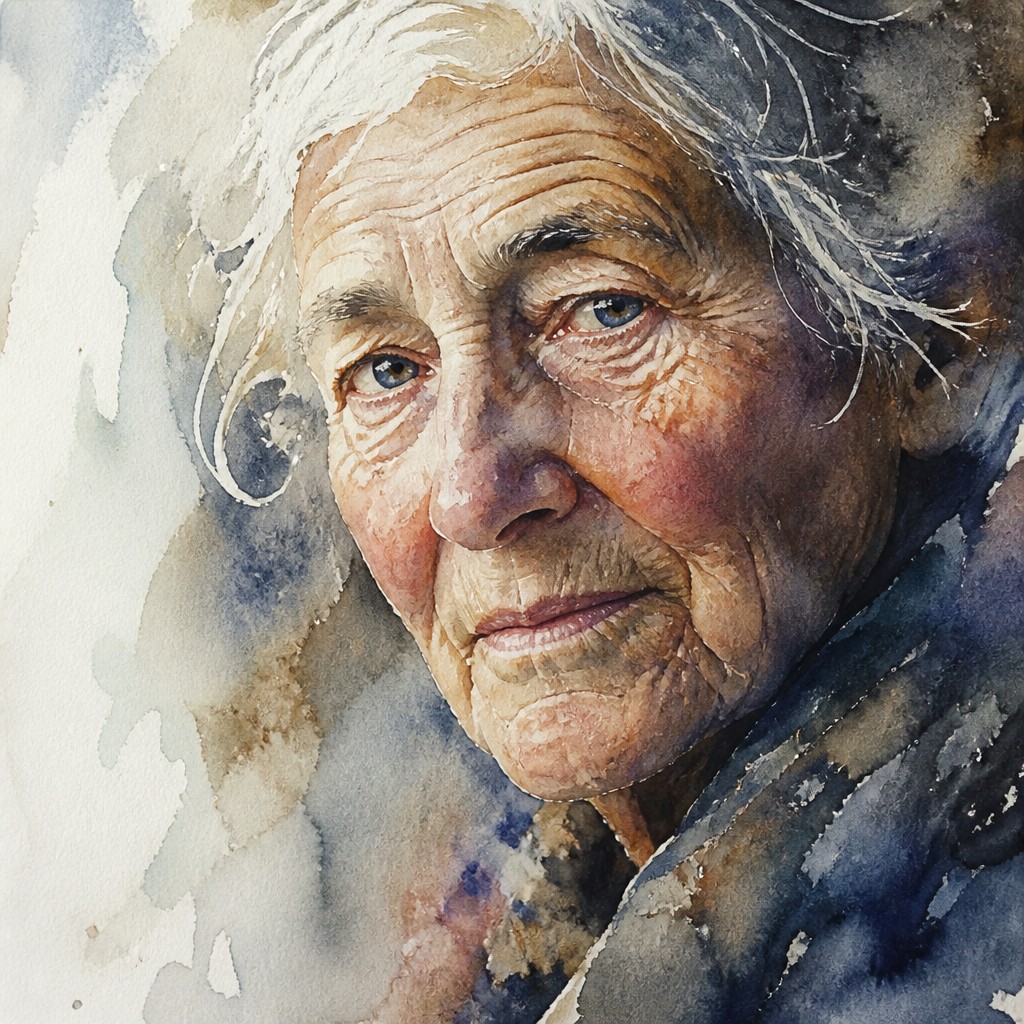
“close-up portrait of an elderly person with expressive weathered features”
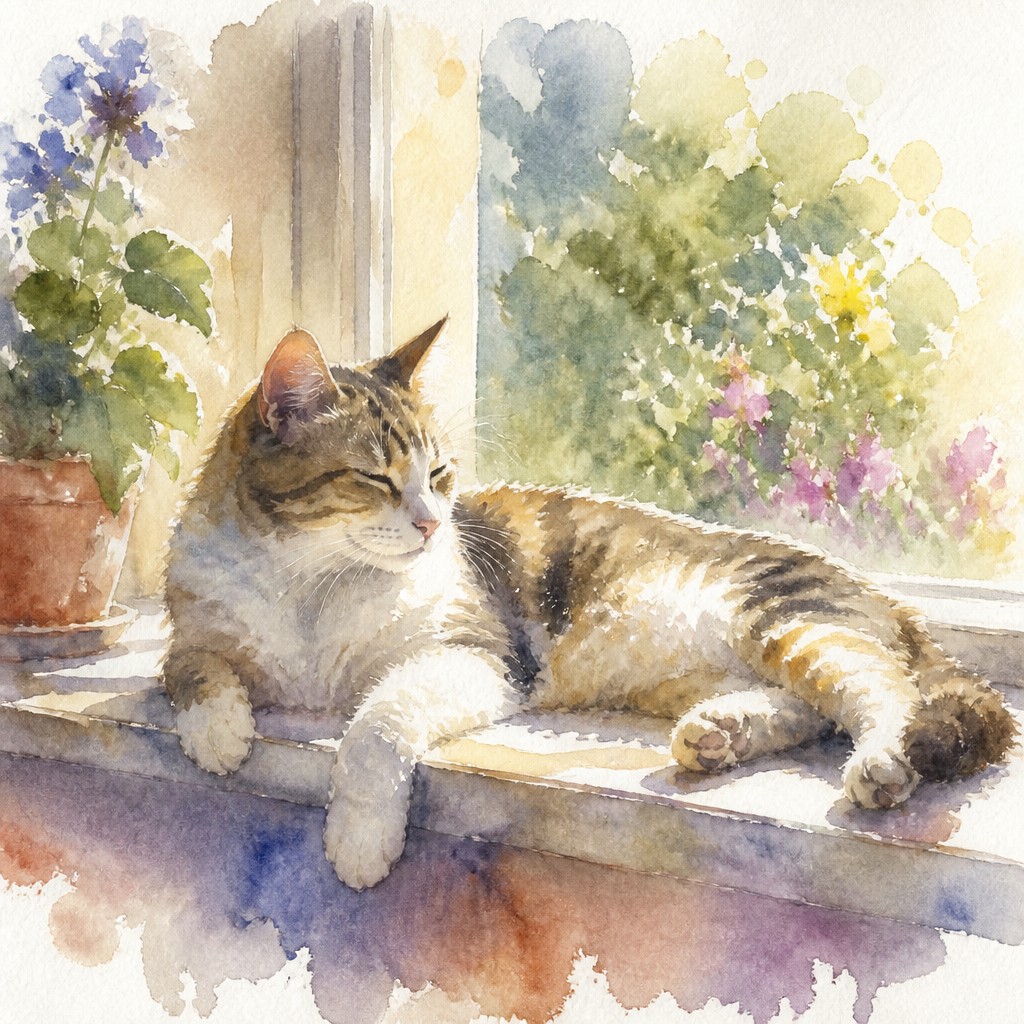
“a cat lounging in a sunlit window”
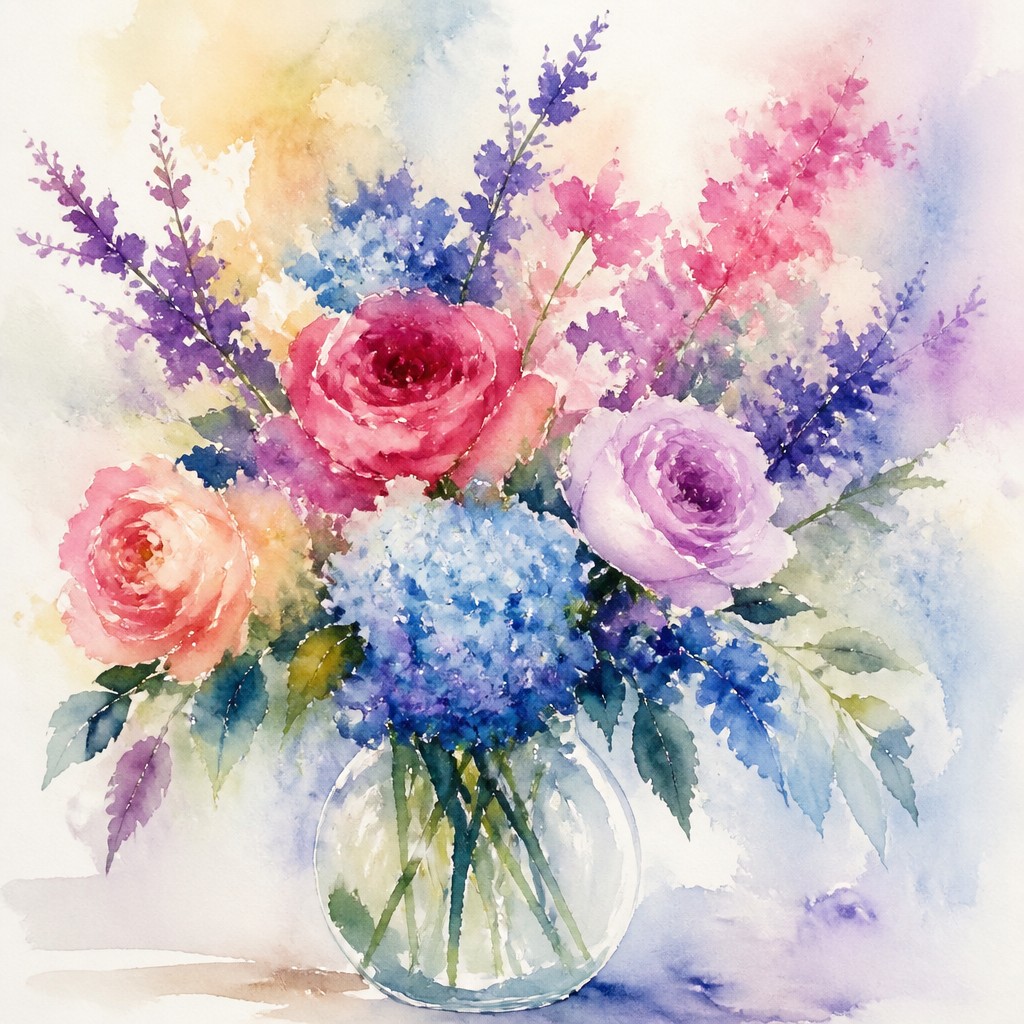
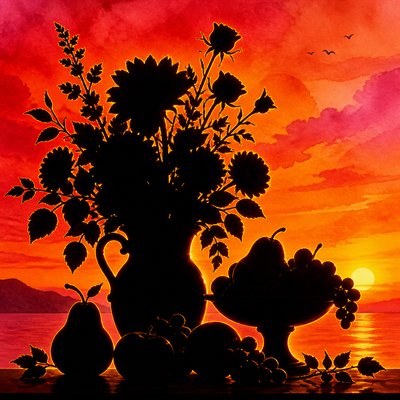
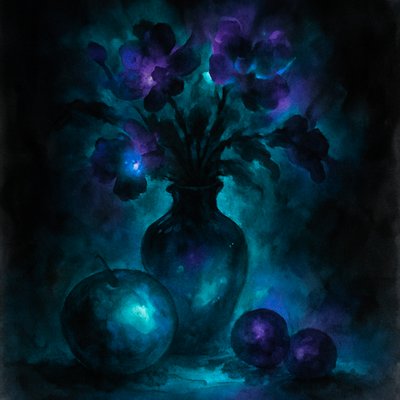
“bouquet of flowers in a glass vase”
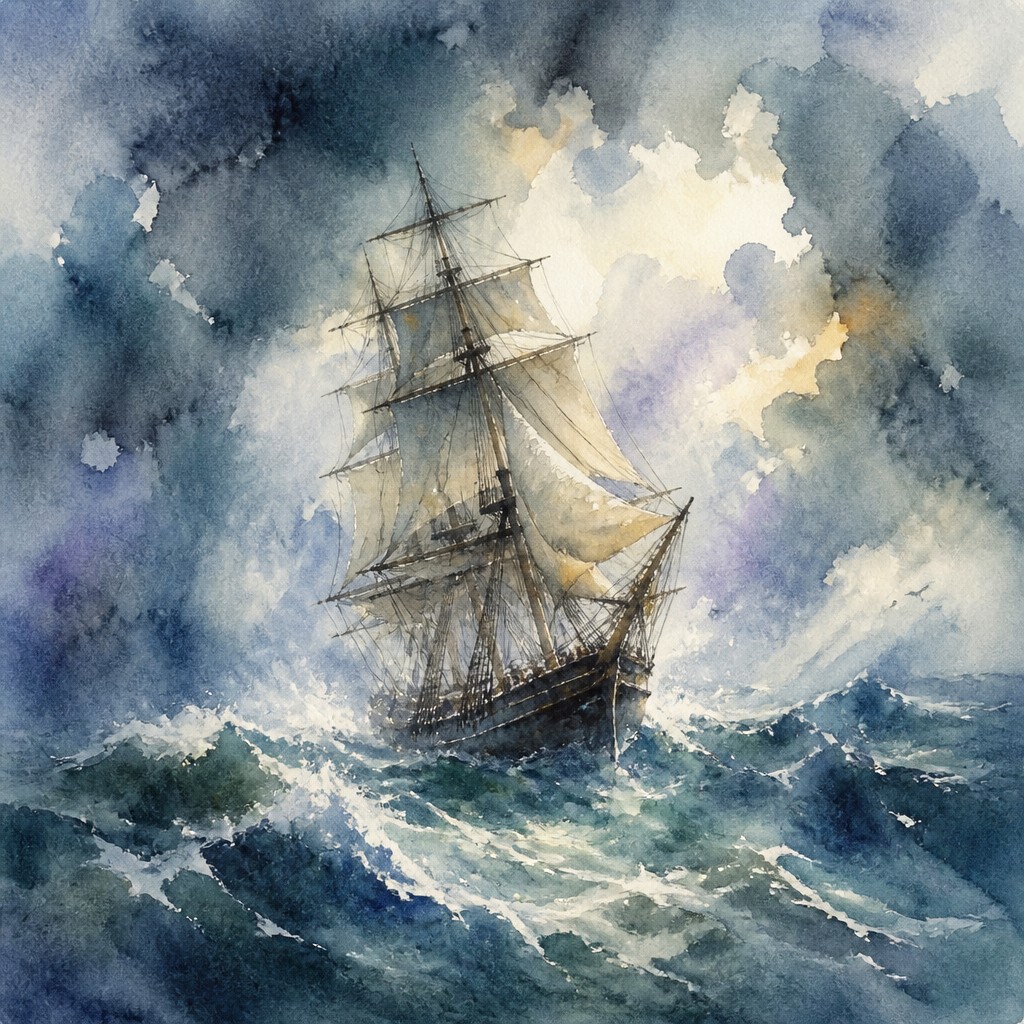
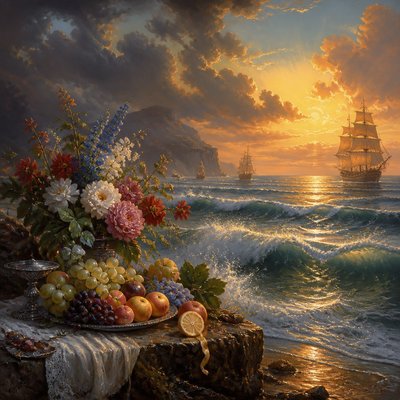
“sailing ship on a stormy sea”
How to Create Wet-on-Wet Watercolor Art
Master the craft step by step — or skip straight to creating. Read the full guide →
- 1
Prepare a damp surface
For traditional work, wet the paper evenly and wait until it has a moist sheen without puddling. A slightly drier surface gives more control, while a wetter one produces broader diffusion and softer edges.
- 2
Use transparent, diluted pigment
Begin with generous water and transparent color, then add concentrated pigment selectively for blooms and focal accents. Let neighboring colors meet on the paper instead of mixing every transition on a palette.
- 3
Reserve the paper
Plan light areas before painting and leave white paper visible wherever possible. Lift color with a clean damp brush or tissue while the wash is wet, but avoid overworking passages that have begun to dry.
- 4
Build depth in stages
Allow each wash to dry before adding a new transparent layer when sharper structure is needed. Combine wet passages for atmosphere with a few drier, more defined marks to keep the subject readable.
- 5
Recreate the medium digitally
Use watercolor brushes with paper grain, opacity variation, edge diffusion, pigment granulation, and displacement. Layer scanned paper, translucent washes, subtle blooms, and masked backruns rather than relying on a uniform blur.
- 6
Write focused generation prompts
Describe the subject, composition, lighting, and atmosphere first, then request damp-paper diffusion, blooming pigment, feathered edges, transparent washes, granulating pools, and visible paper. Specify restrained detail when you want the result to remain airy rather than overly polished.

The Story
History & Origins of Wet-on-Wet Watercolor
Wet-on-wet is a technique rather than a distinct historical art movement. Its broader lineage reaches through long-established ink-and-wash traditions in East Asia, where absorbent surfaces, controlled moisture, and flowing pigment were used to suggest atmosphere and form. Water-based painting also developed within European watercolor practice, which expanded substantially as a portable medium during the 18th and 19th centuries.
The technique has remained central to both expressive and observational watercolor because it can describe changing light, weather, distance, and organic growth with minimal hard outlining. Contemporary illustrators, painters, and digital artists often treat its irregular blooms and accidental edges as aesthetic features, recreating them with textured brushes, scanned paper, layered transparency, and procedural diffusion.
Influences: The style draws from East Asian ink-and-wash traditions, European watercolor landscape and botanical practice, atmospheric landscape painting, and modern illustration that values visible process. It also relates to expressive abstraction through its emphasis on diffusion, chance, and nonuniform marks, while retaining watercolor's characteristic transparency and dependence on the ground. Contemporary digital interpretations borrow from paper texture, fluid simulation, scanned pigment, and natural-media brush systems.

Frequently Asked Questions
What defines wet-on-wet watercolor?
The defining feature is the application of watercolor pigment to damp paper or into a still-wet wash. Moisture allows the color to diffuse, merge, and form softened edges, blooms, and irregular gradients. The technique is recognized by its transparency, movement, and visible interaction with the paper.
How is wet-on-wet different from wet-on-dry watercolor?
Wet-on-dry applies paint to dry paper, producing clearer boundaries and more precise shapes. Wet-on-wet produces softer, less predictable transitions because both the surface and the pigment are wet. Many watercolor paintings combine both methods for atmospheric backgrounds and readable foreground details.
Is wet-on-wet watercolor a historical art movement?
No. It is a painting technique used across different watercolor and ink traditions rather than a movement with a fixed period or membership. Its contemporary visual identity comes from treating diffusion, pigment pooling, and accidental marks as expressive qualities.
What paper works best for this technique?
Heavy, water-resistant watercolor paper is generally the most forgiving, especially cold-pressed or rough surfaces that can hold moisture and pigment. A lighter paper may buckle or dry too quickly, although it can still work for small studies or controlled washes.
How can I keep a wet-on-wet image from becoming muddy?
Limit the number of colors in each wet passage and avoid repeatedly brushing areas that are already beginning to dry. Let washes settle, preserve light paper, and add darker accents only after the underlying layers have dried. In digital work, use separate translucent layers and maintain clear color temperature differences.
Where is this style commonly used?
It is common in landscape studies, botanical illustration, atmospheric portraiture, children's and editorial illustration, stationery, surface design, and visual explorations of weather or memory. Its softness also makes it suitable for backgrounds, dreamlike scenes, and subjects where texture matters more than precise contour.

Create your first Wet-on-Wet Watercolor artwork
Describe anything — or upload a photo — and see it in Wet-on-Wet Watercolor Style in seconds.
Related Styles
Discover similar art styles