Alla Prima Painting Style
Explore alla prima painting: direct wet-into-wet oils, visible brushwork, lively color mixing, and the immediacy of a one-session finish.
Instantly rendered in Alla Prima Painting — or transform a photo
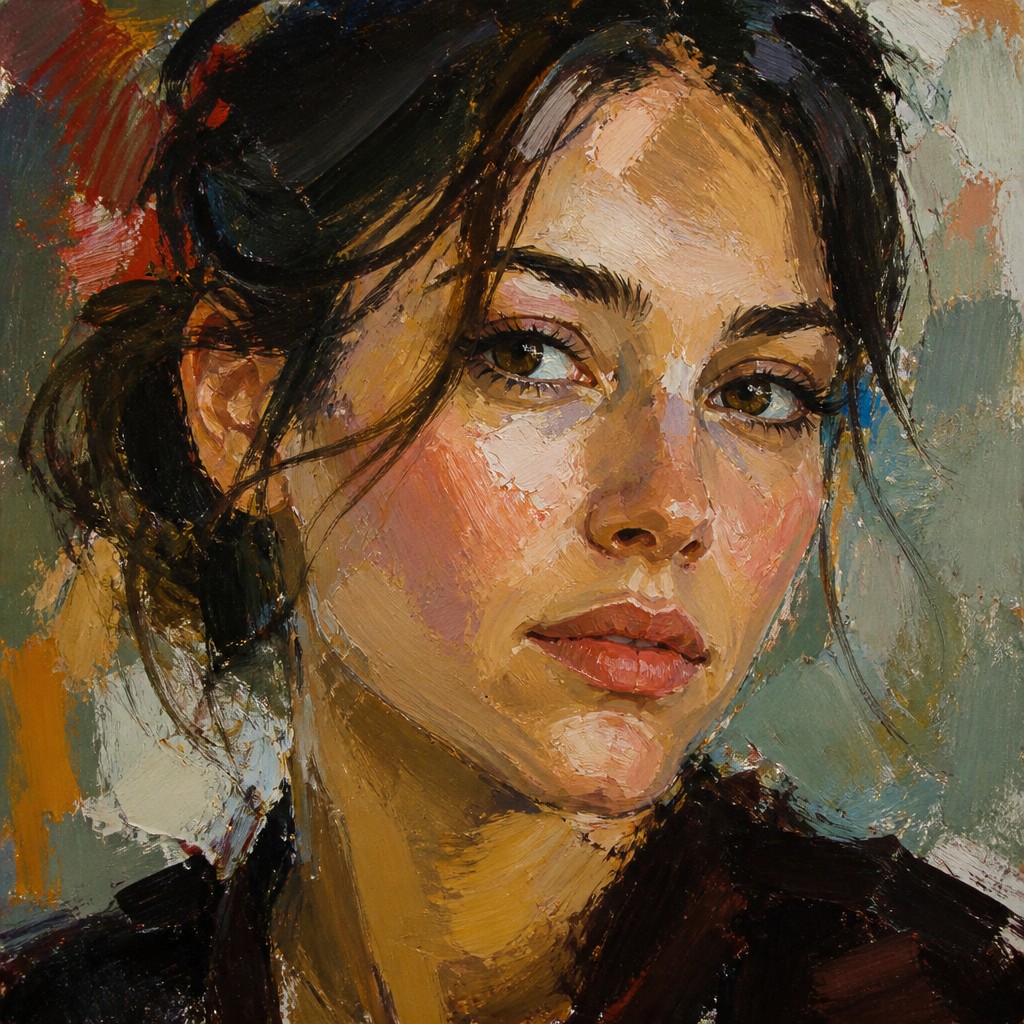
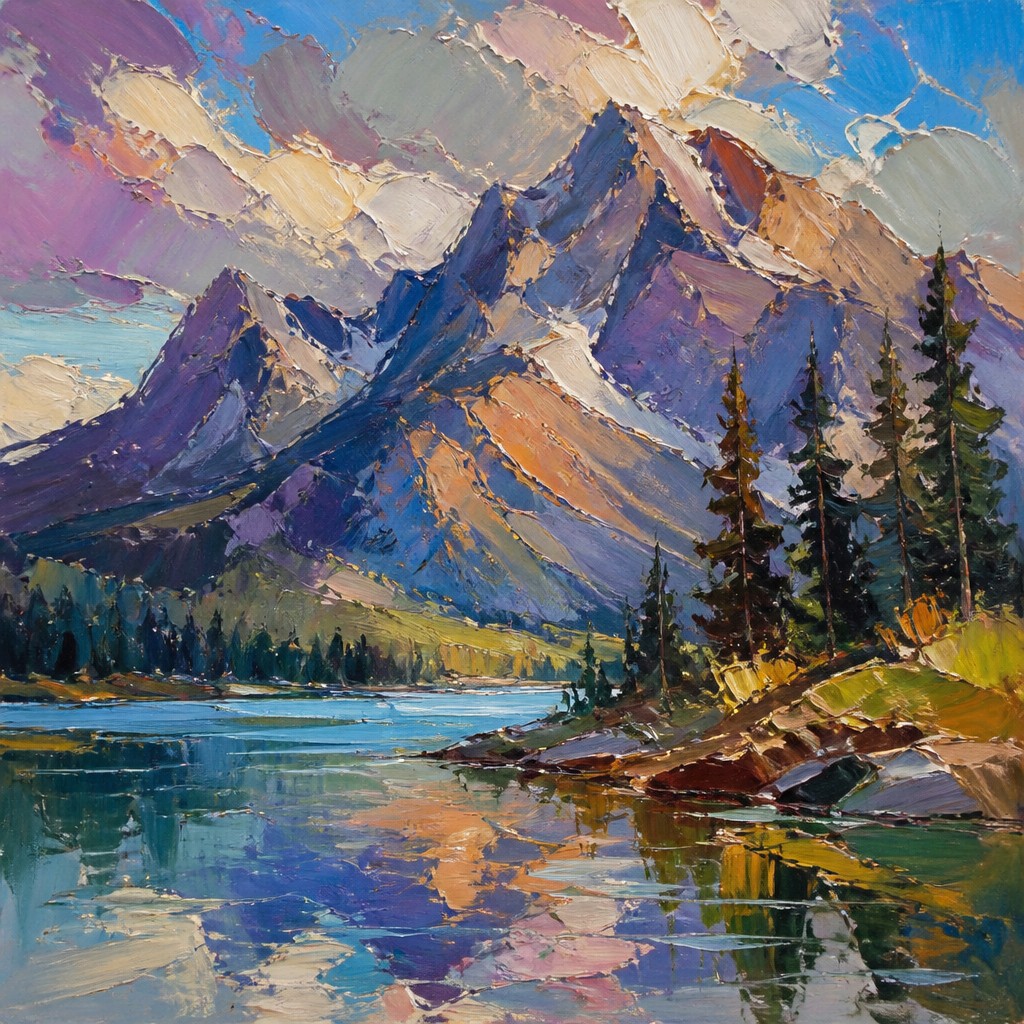
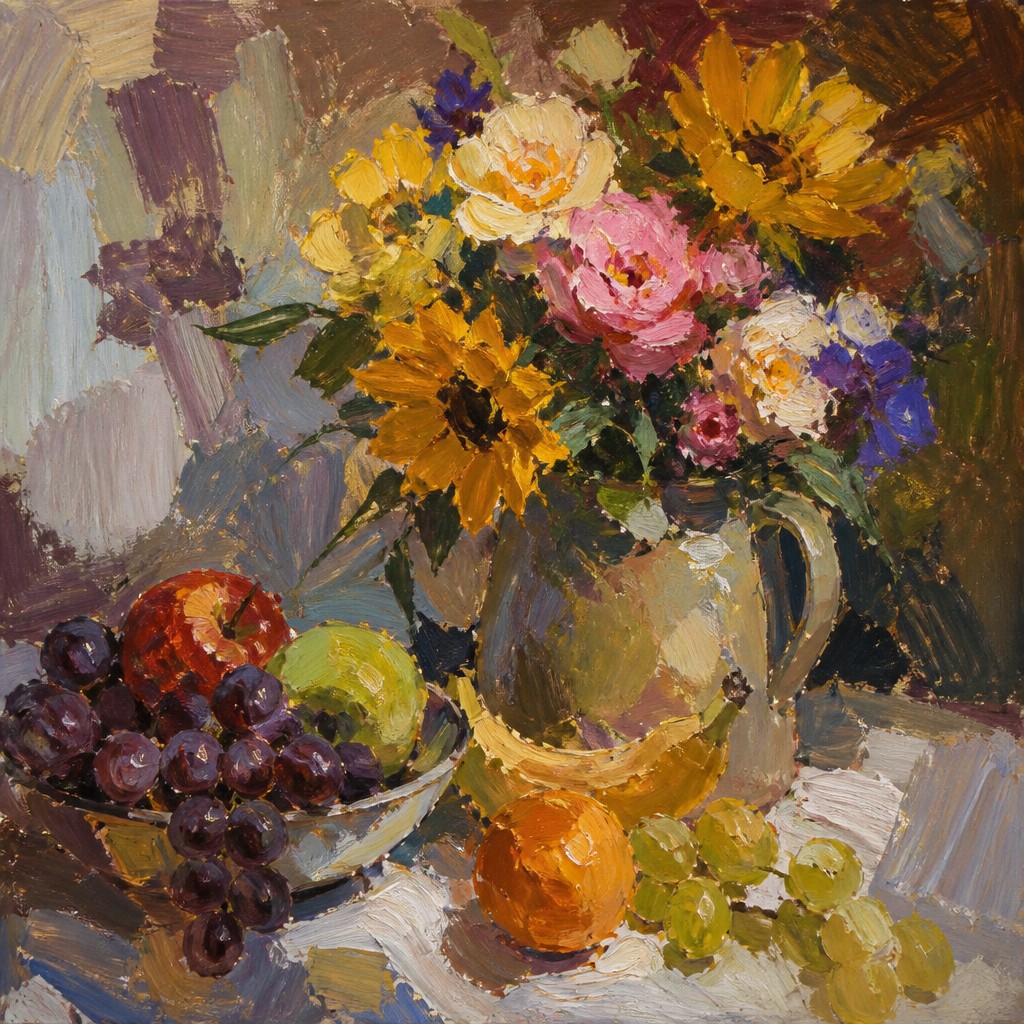
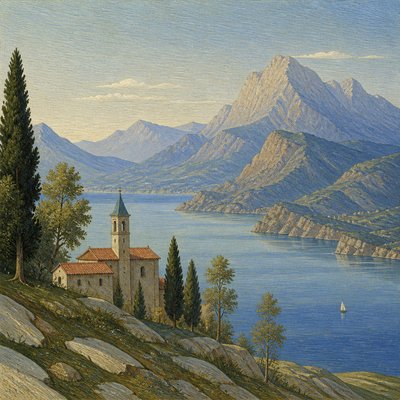
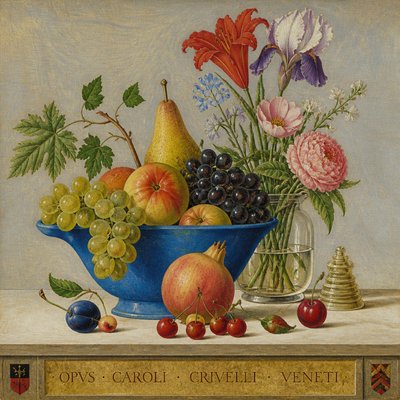
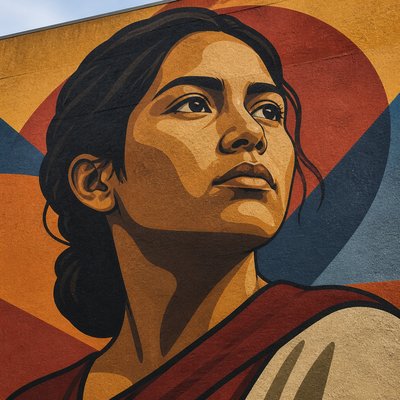
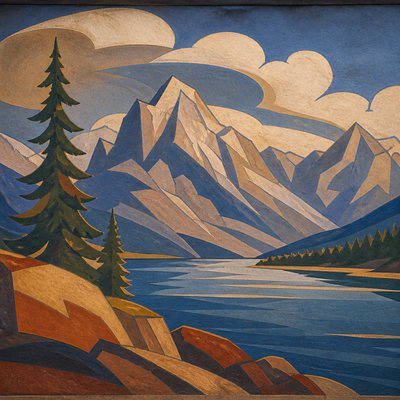
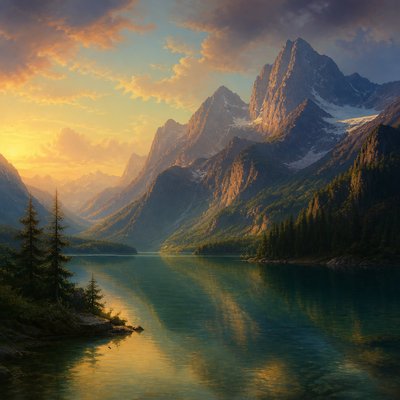
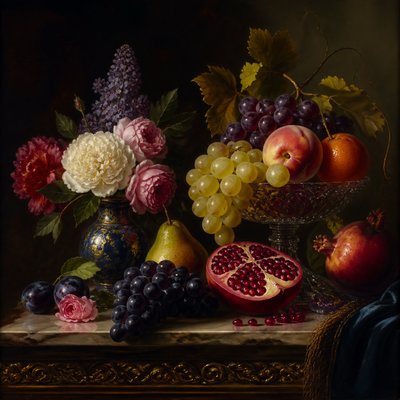
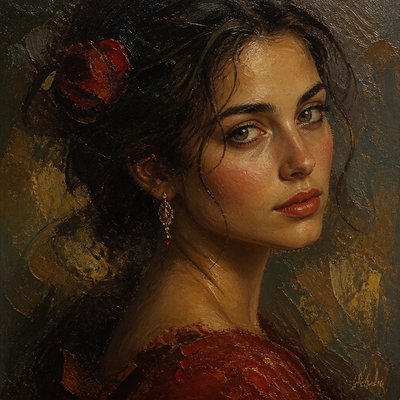
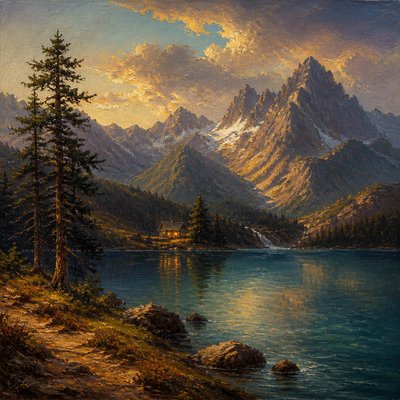
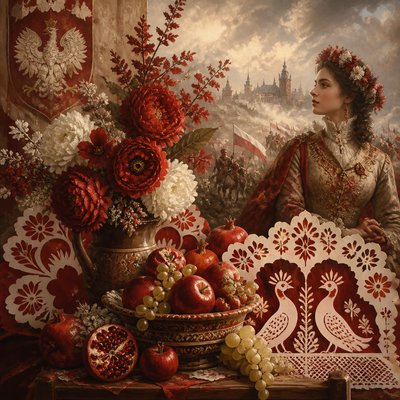
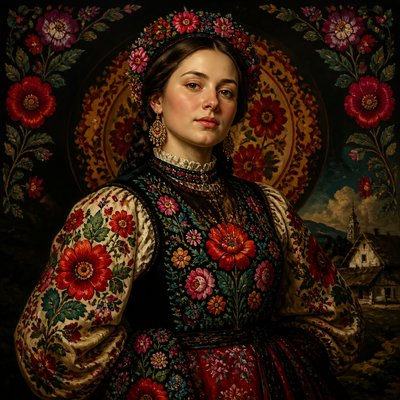
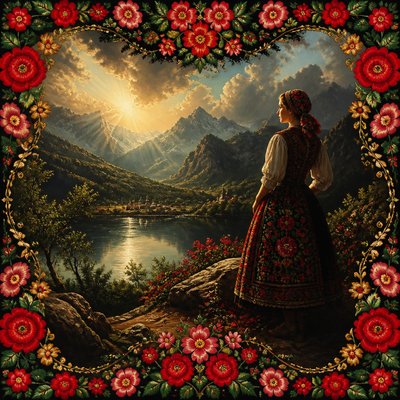
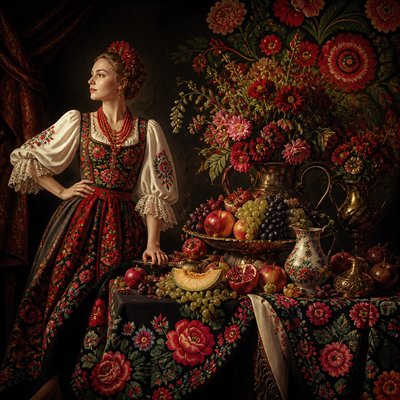
Alla Prima Painting Gallery
Tap any artwork to explore it
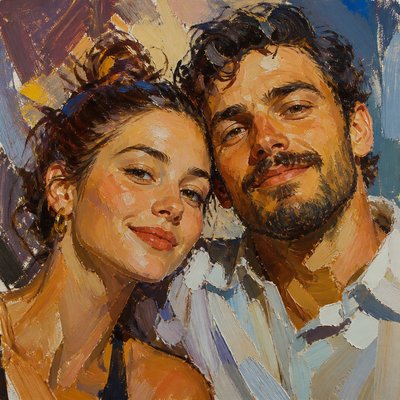
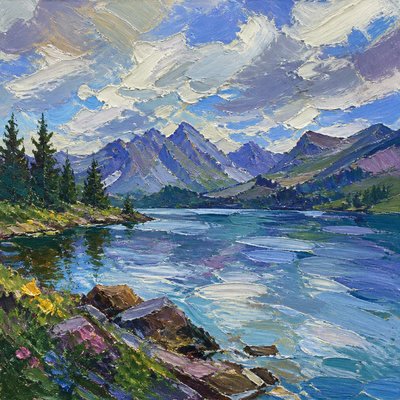
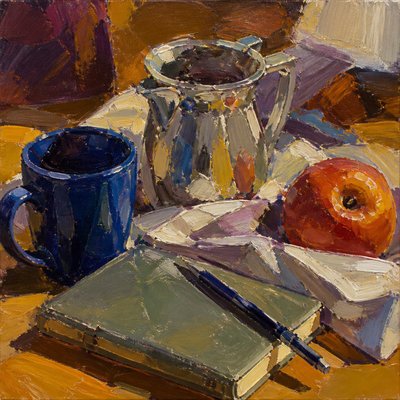
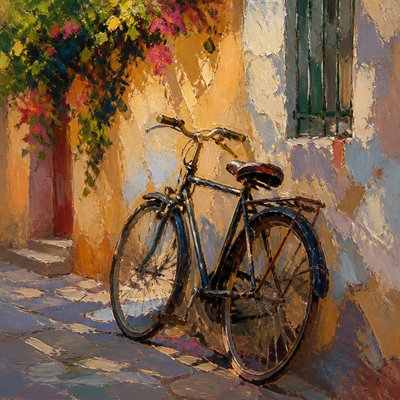
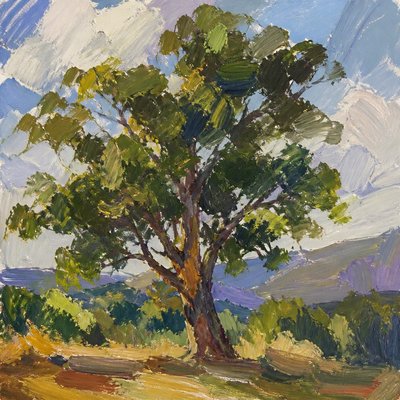
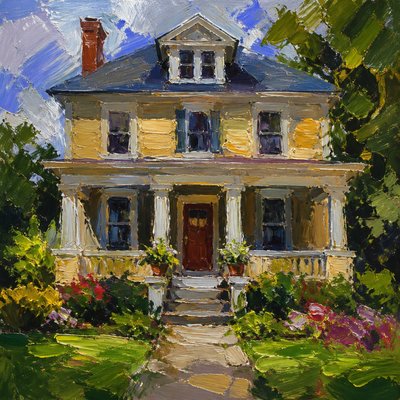
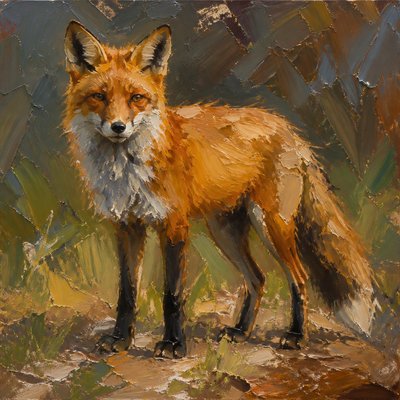
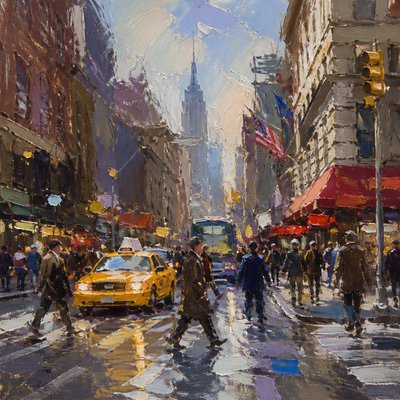
What is Alla Prima Painting Style?
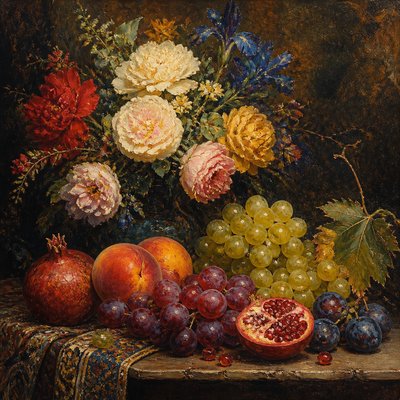
Alla prima is a direct oil-painting method in which fresh paint is applied over still-wet layers rather than being built through repeated drying stages. The term is Italian for “at first attempt,” and the method is commonly described in English as wet-into-wet painting. A work may be completed in one sitting, or in a small number of continuous sessions while the paint remains workable.
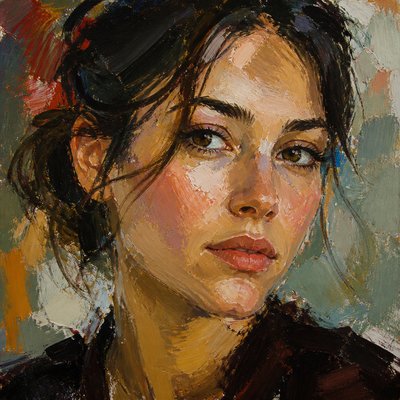
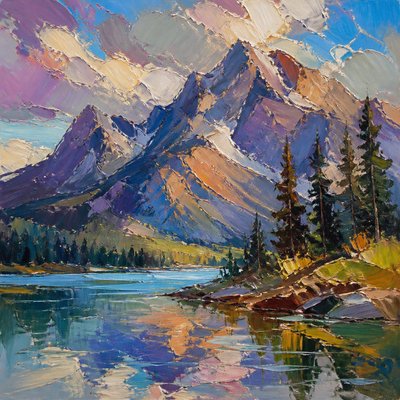
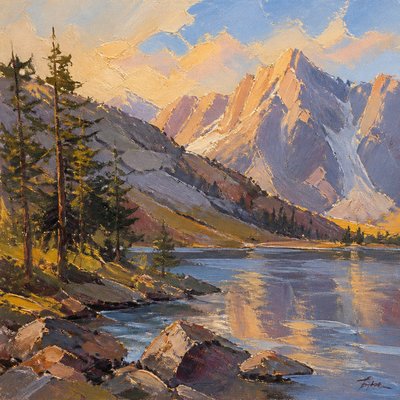
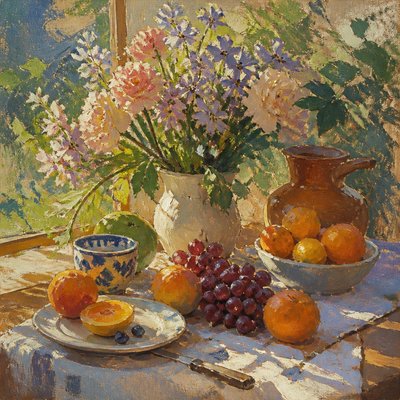
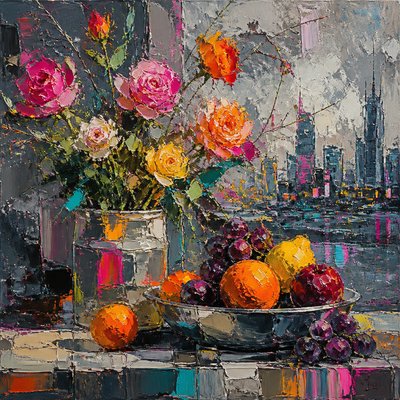
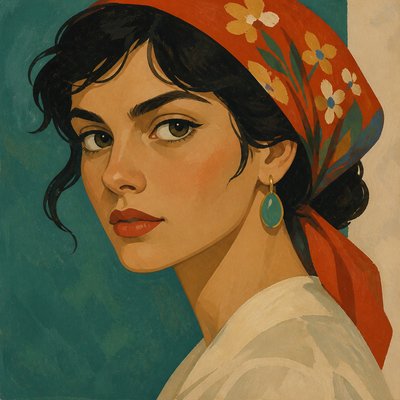
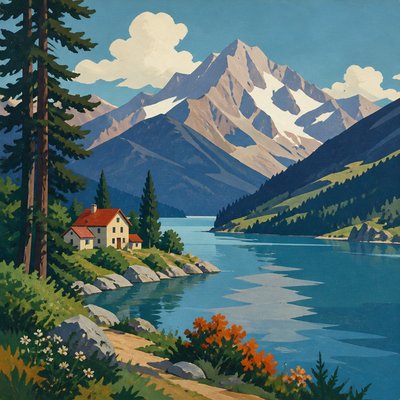
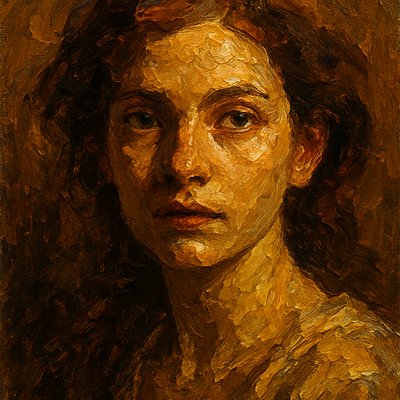
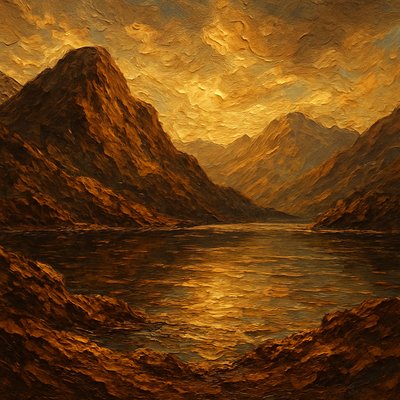
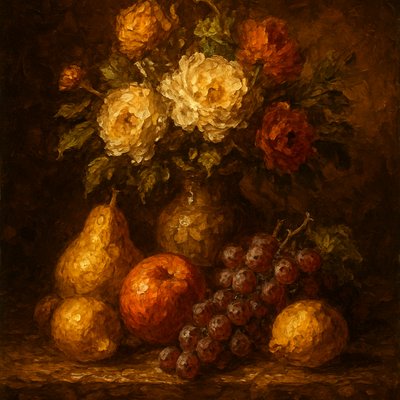
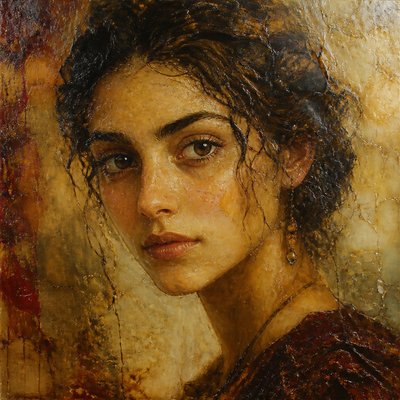
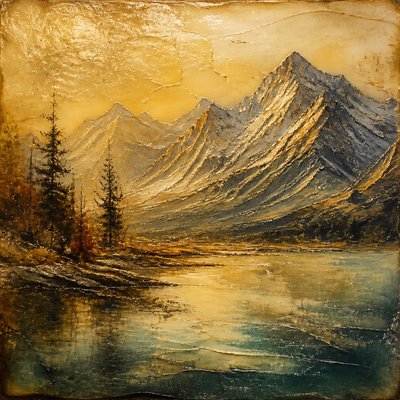
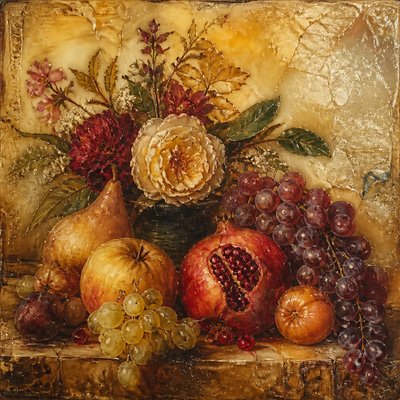
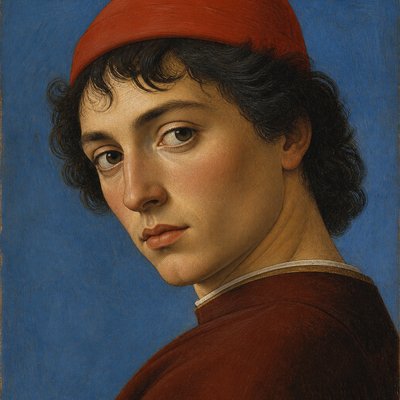
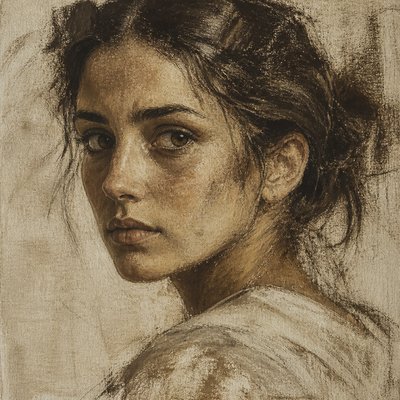
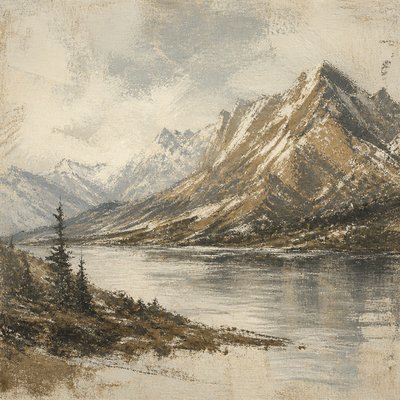
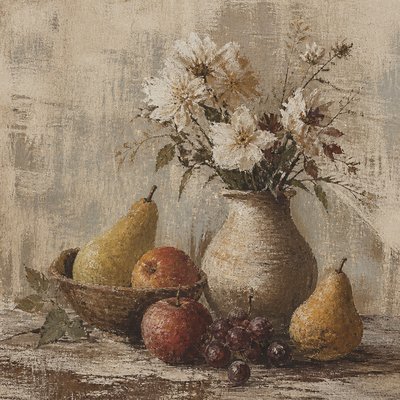
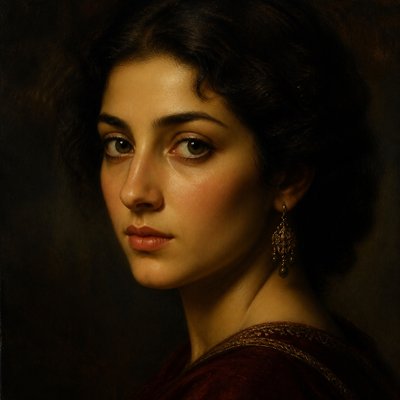
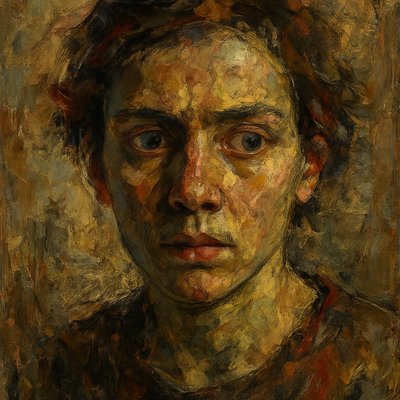
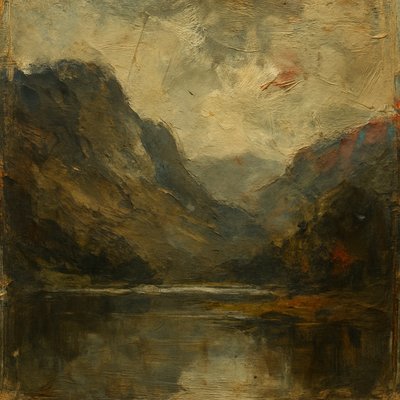
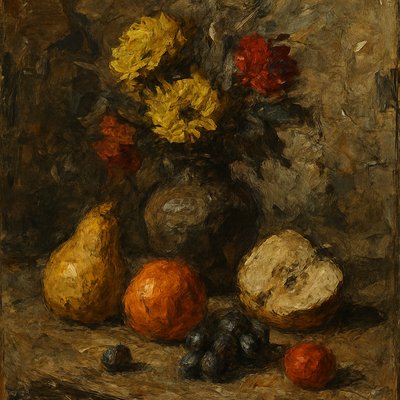
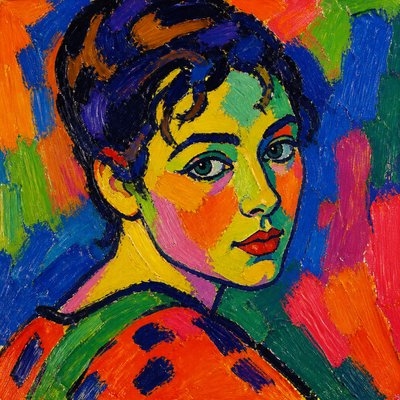
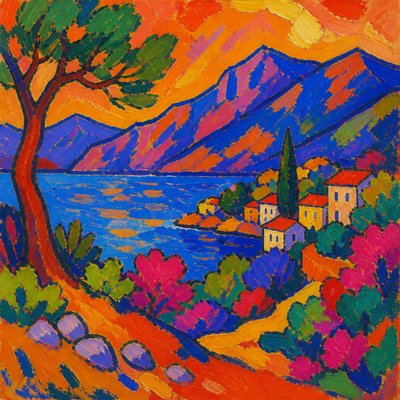
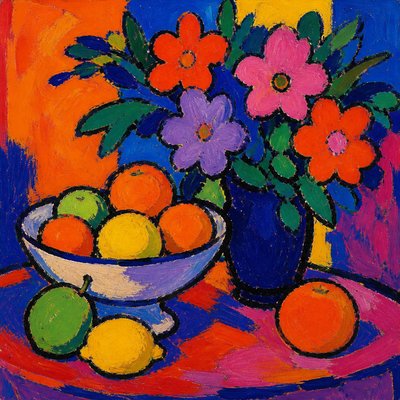
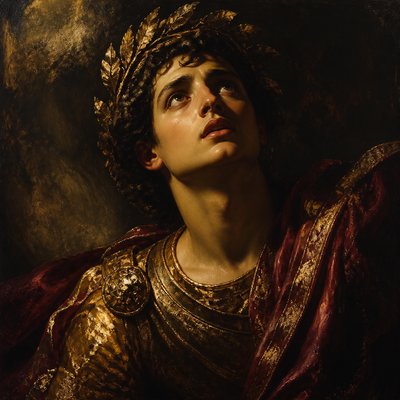
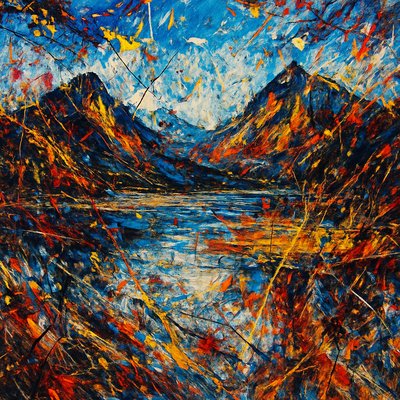
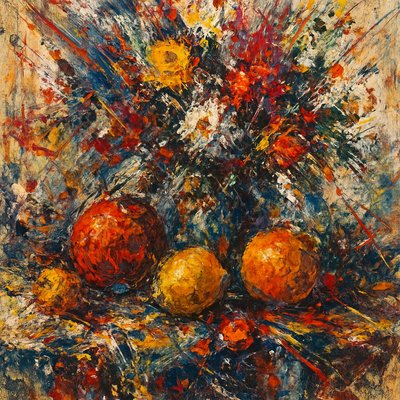
Its visual identity depends on decisiveness: loaded brushstrokes retain their direction, edges remain varied, and adjacent colors mingle optically or physically on the canvas. Instead of concealing the process beneath smooth glazing and polished transitions, alla prima makes the act of painting visible. The resulting surface can feel immediate, tactile, energetic, and responsive to changing light.
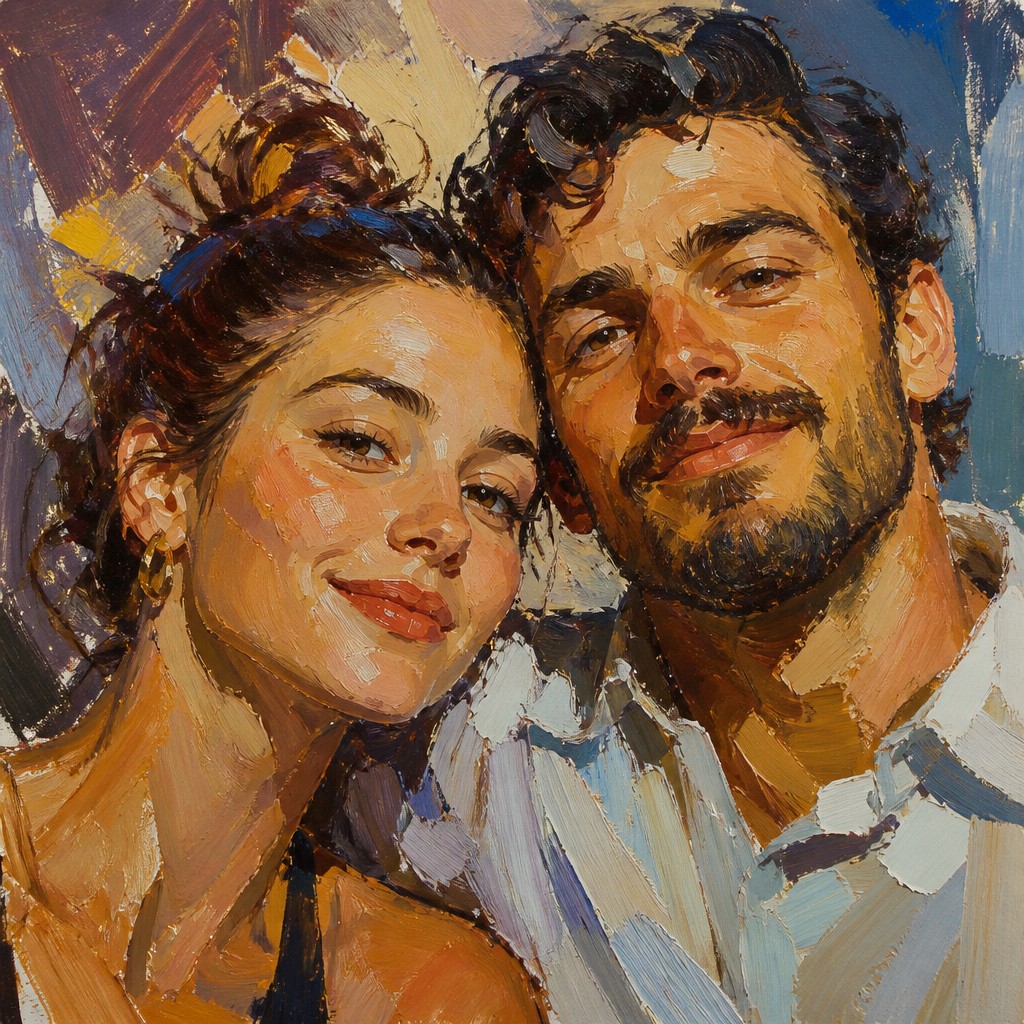
Try It On Your Photos
Upload any photo and convert it into Alla Prima Painting Style — drag the sliders to compare before and after.
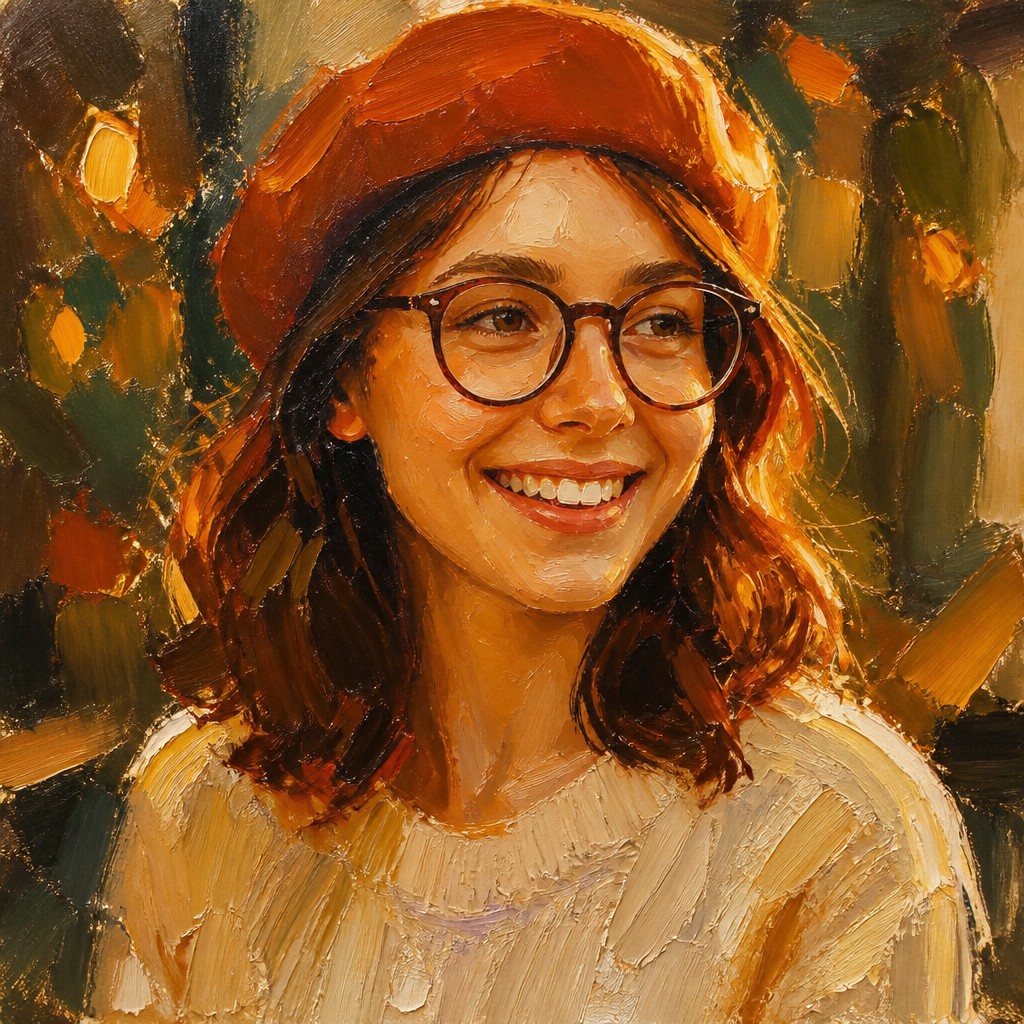

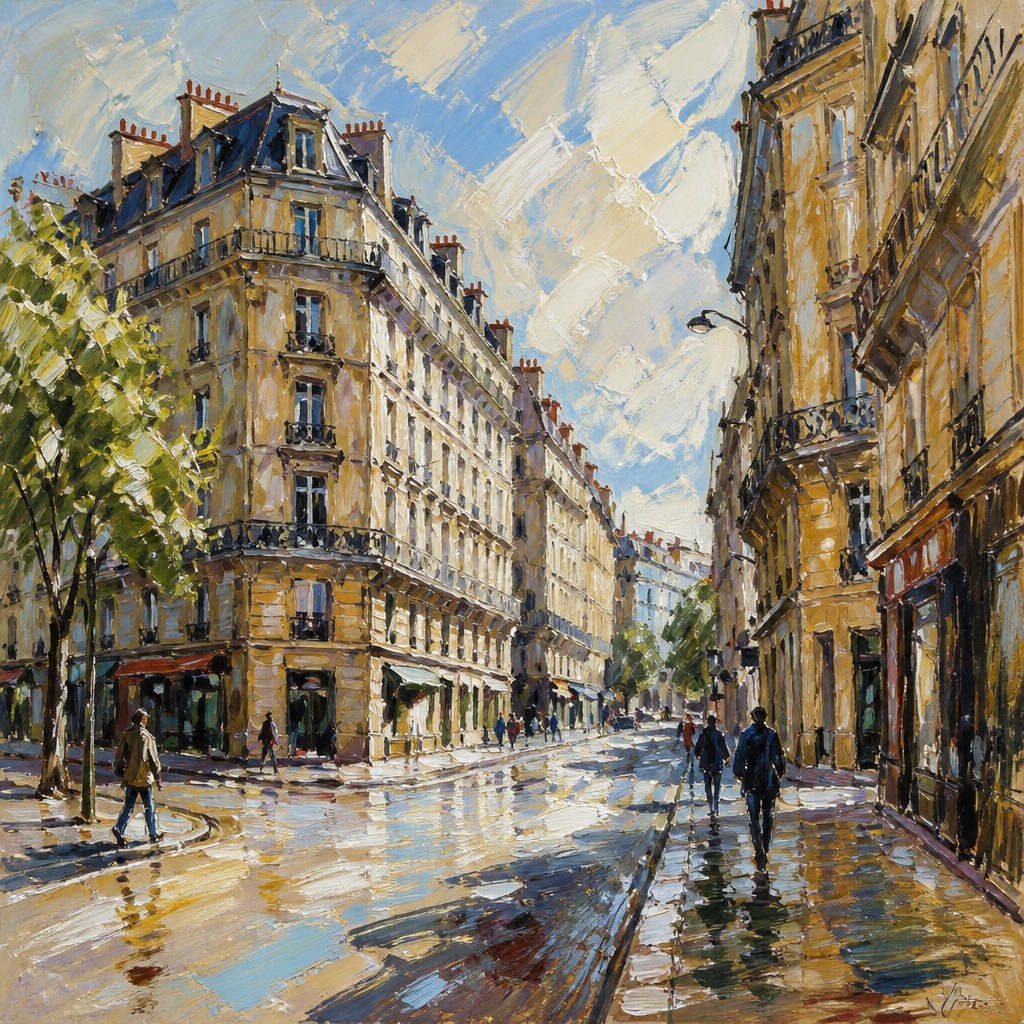

What Defines Alla Prima Painting Style
The signature details, up close
Wet-into-wet application
New paint is placed into or over paint that has not dried. This allows colors to blend directly on the surface and preserves the sense of a continuous painting process.
Visible brushwork
Brushstrokes remain legible rather than being fully smoothed away. Their length, direction, pressure, and thickness help describe form, light, and movement.
Fresh, loaded color
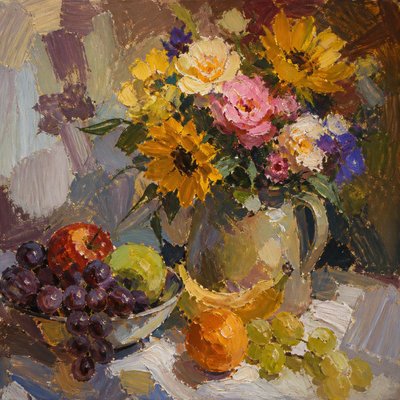
Paint is often applied in substantial quantities, producing saturated passages and a tactile impasto surface. Colors may mix at their boundaries without becoming uniformly muddy.
Lively edges
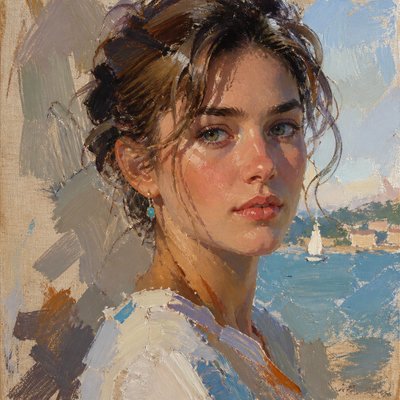
Edges vary from crisp accents to soft, broken, or lost transitions. This irregularity creates atmosphere and prevents every contour from having the same visual weight.
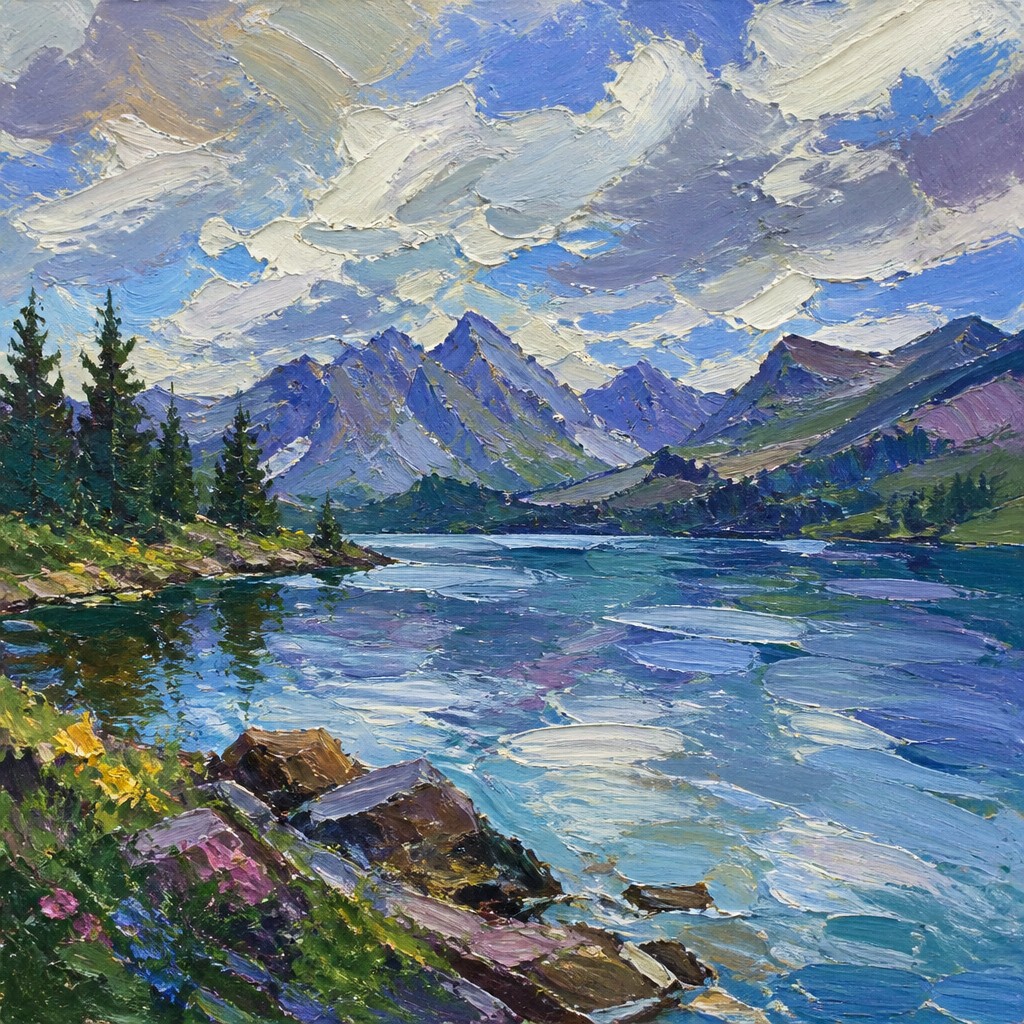
Simplified structure
The method favors broad value and color decisions over laborious detail. Large shapes are established early, with selective accents added only where they strengthen the image.
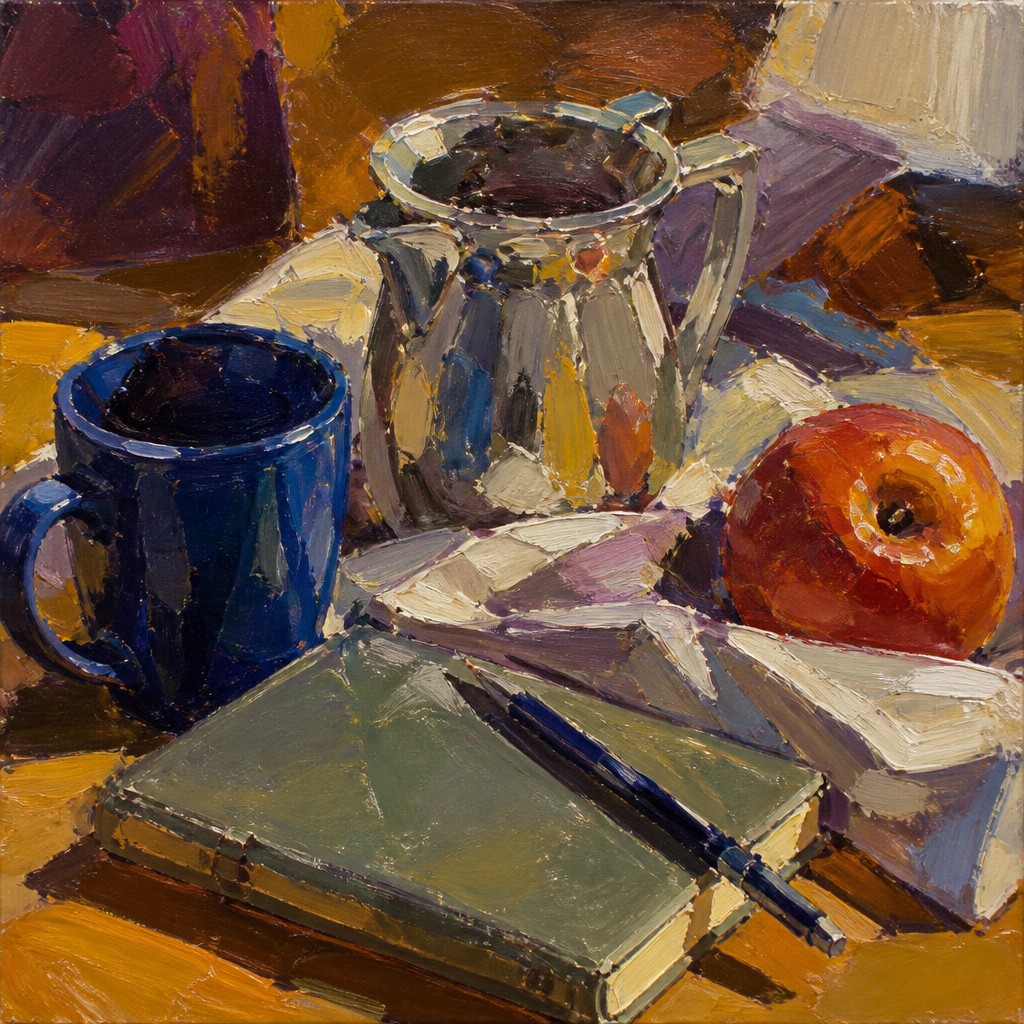
One-session immediacy
Many alla prima works are planned to reach a resolved state before the paint dries. The compressed working time gives the image a sense of decisiveness and changing perception.
Try It
Create Videos in Alla Prima Painting Style
Styles aren't just for stills — describe a scene or animate an image and get a short video rendered in Alla Prima Painting. Press play to see this pond come to life.
Make a VideoAlla Prima Painting Prompt Ideas
Start from an idea — each one opens the generator with the style ready to go. See all 40 Alla Prima Painting prompts →
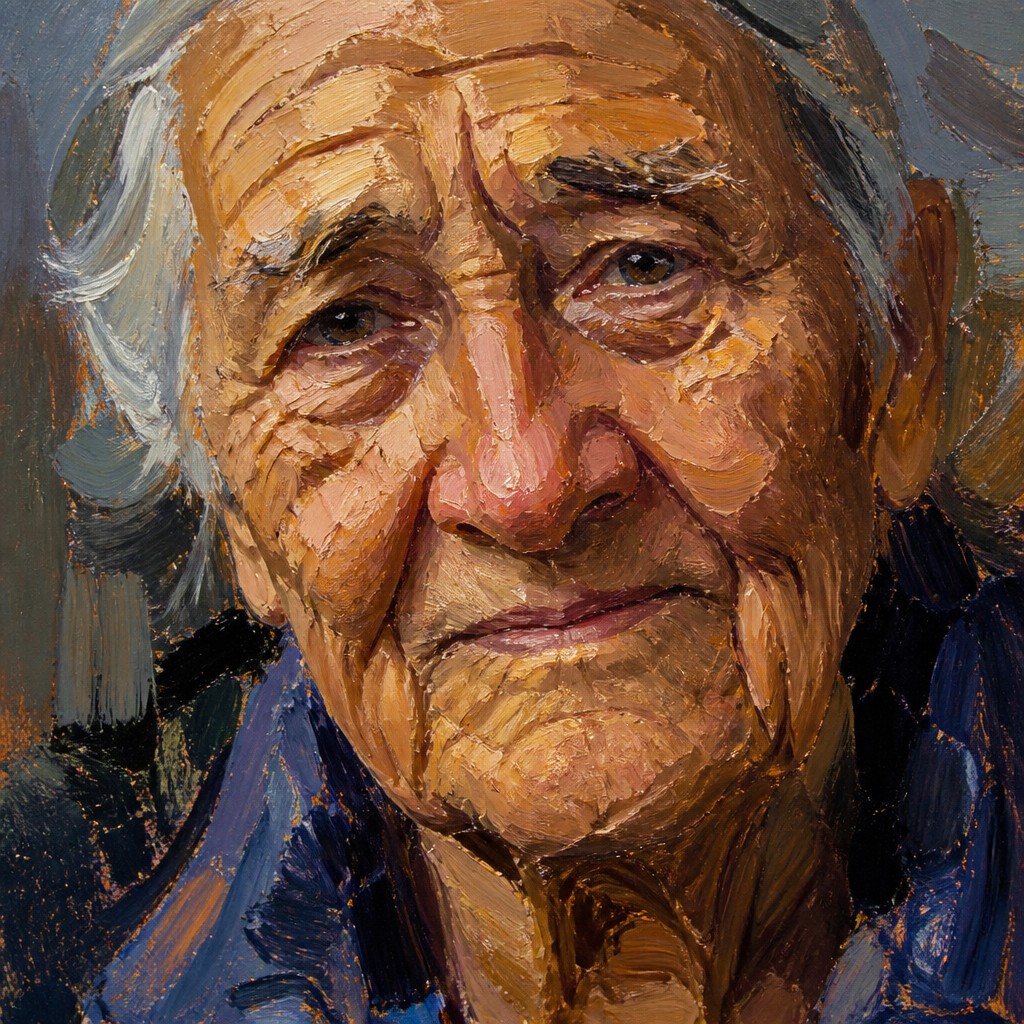
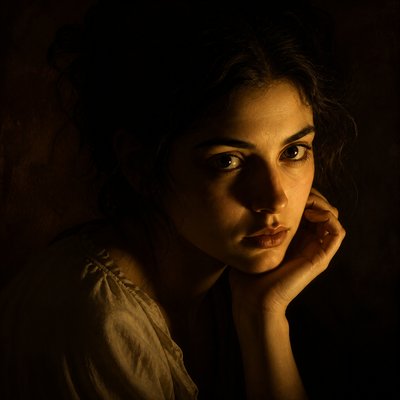
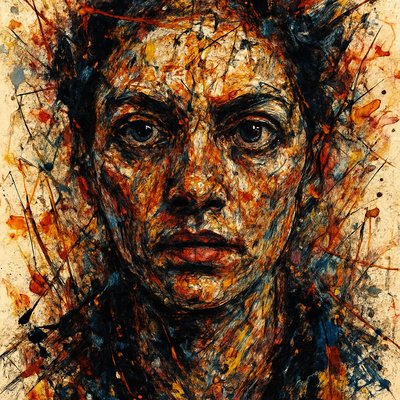
“close-up portrait of an elderly person with expressive weathered features”
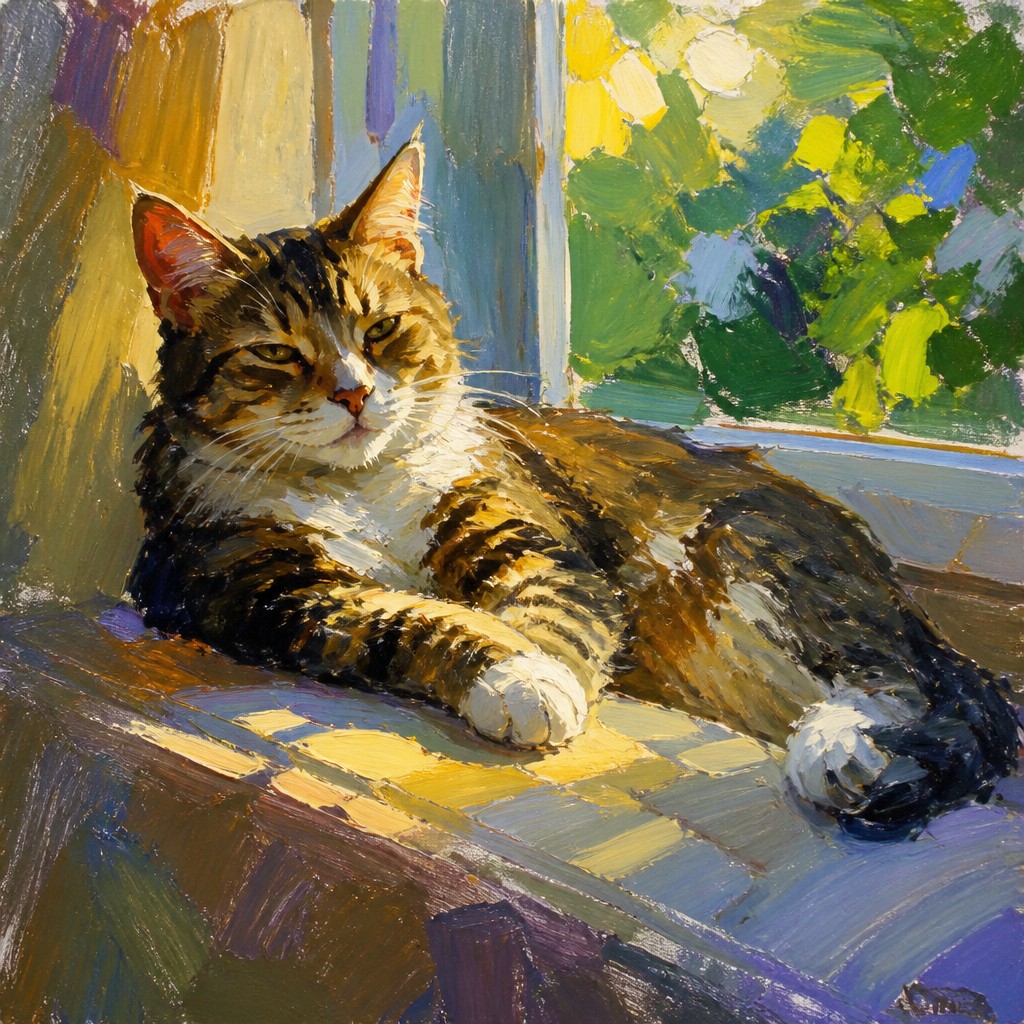
“a cat lounging in a sunlit window”
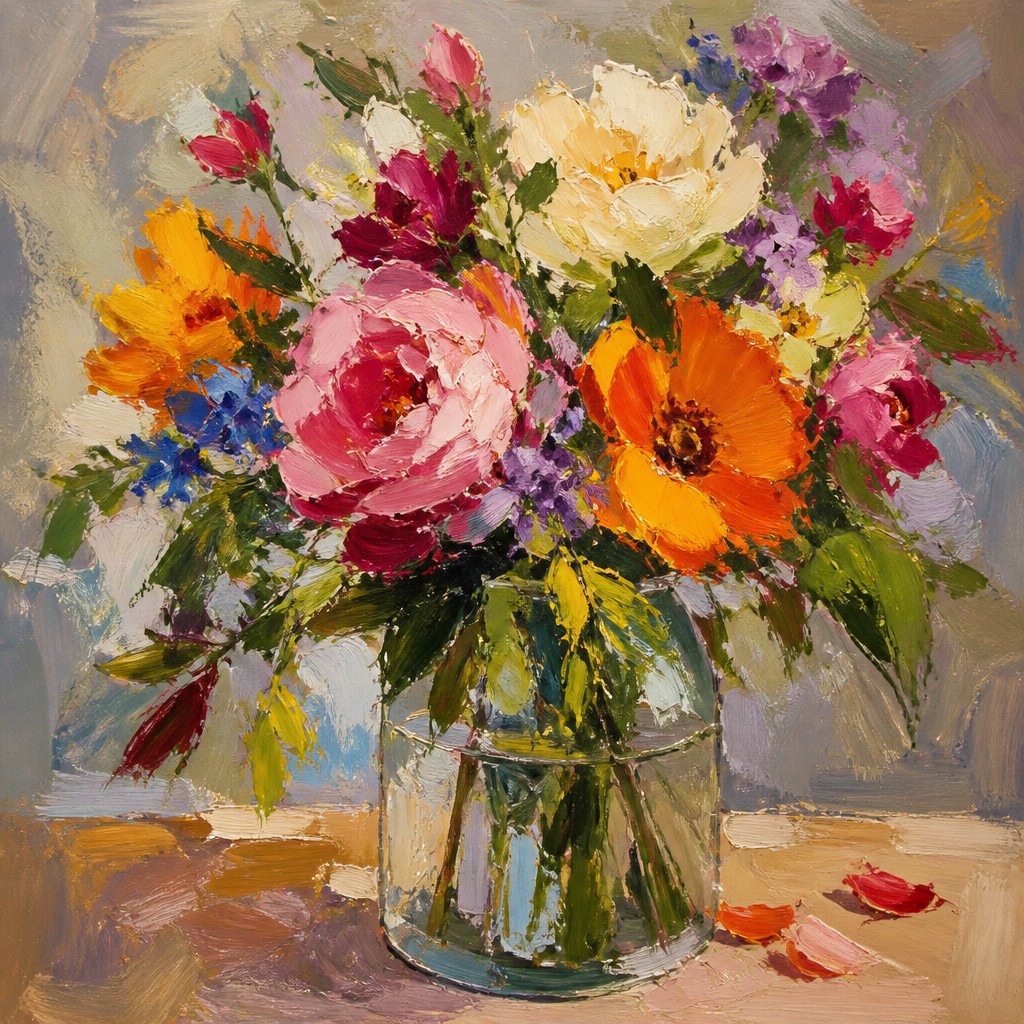
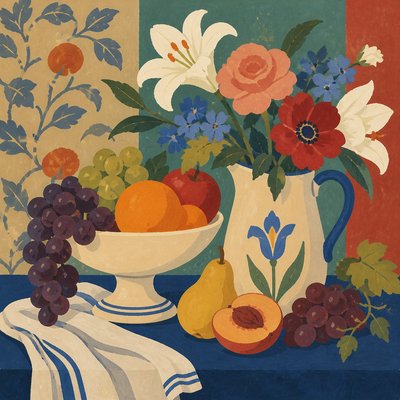
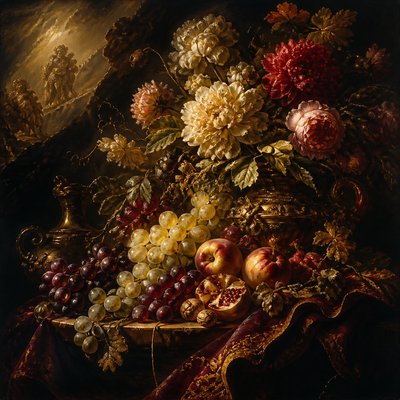
“bouquet of flowers in a glass vase”
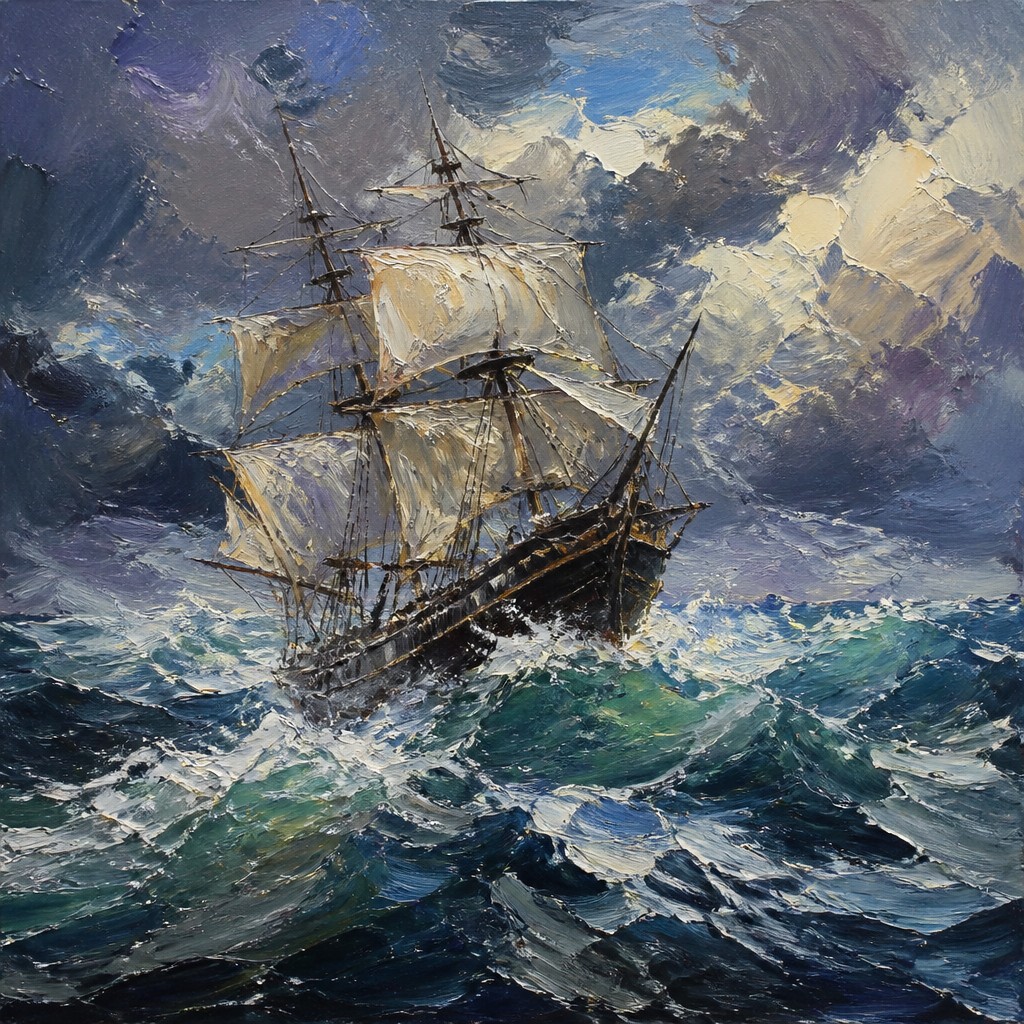
“sailing ship on a stormy sea”
How to Create Alla Prima Painting Art
Master the craft step by step — or skip straight to creating. Read the full guide →
- 1
Plan the major masses
Begin with a small compositional study and identify the dominant light, dark, warm, and cool shapes. Establish these large relationships before pursuing features or surface detail.
- 2
Use a limited, organized palette
Lay out a manageable range of colors and mix several piles of approximate lights, middle values, and shadows. A restrained palette helps keep wet mixtures coherent and reduces accidental dullness.
- 3
Work from large to small
Block in broad passages with larger brushes, then reserve smaller tools or palette knives for focal accents. Avoid repeatedly scrubbing the same area, since overworking removes the freshness of the surface.
- 4
Control paint thickness and edges
Use thinner paint for an initial drawing or transparent darks, then place thicker, more opaque paint into the lights and focal areas. Vary hard, soft, and broken edges to model form without outlining everything.
- 5
Adapt the method digitally
In digital painting, use opaque textured brushes, visible stroke direction, wet-mix or color-smudge settings, and minimal blending. For prompt-based generation, specify direct wet-into-wet oils, loaded paint, visible brushstrokes, mingling colors, varied edges, and a resolved one-session feel.

The Story
History & Origins of Alla Prima Painting
Wet-into-wet oil techniques have existed since the early history of oil painting, but alla prima became especially prominent in the nineteenth century as painters sought faster, more direct methods of observation and expression. The growth of plein-air painting, improved portable easels and paint containers, and commercially available tube paints all supported this approach.
During the nineteenth and twentieth centuries, alla prima was used across landscape, portraiture, still life, and figure painting. It became associated with modern ideas of spontaneity and visual perception, while also remaining a practical method for studies, demonstrations, and finished works. Contemporary painters continue to combine it with drawing, scraping, palette-knife work, and selective glazing.
Influences: Alla prima is related to plein-air painting, nineteenth-century realism, Impressionism, Post-Impressionism, and later expressionist approaches to color and gesture. It also draws on the broader oil-painting traditions of visible facture, impasto, palette-knife application, and direct tonal study. Unlike a historical movement with a unified subject or theory, alla prima is primarily a working method that can serve naturalistic, impressionistic, expressive, or abstract imagery.

Frequently Asked Questions
What defines alla prima painting?
Alla prima is defined by direct wet-into-wet application, usually with the intention of resolving the painting before the surface dries. Visible strokes, fresh mixtures, varied edges, and a compressed working process are more important than a particular subject or degree of realism.
Does alla prima always have to be completed in one sitting?
No. One sitting is the traditional ideal implied by the term, but a painting can be continued across closely spaced sessions if the paint remains workable. Some artists also use a direct session for the main image and allow selected passages to dry before revising them.
How is alla prima different from glazing?
Alla prima builds the image mainly with opaque or semi-opaque wet paint placed directly on the surface. Glazing relies on thin transparent layers that dry between applications, creating depth and color through sequential films rather than immediate mixing.
Is alla prima the same as Impressionist painting?
No. Alla prima is a technique, while Impressionism is a historical movement with broader interests in light, modern life, atmosphere, and visual perception. Impressionist painters often used direct wet paint, but alla prima can also produce realistic portraits, still lifes, expressive scenes, or abstract work.
What brushes and paints work best for this method?
Firm hog-bristle or synthetic brushes are useful for placing decisive masses, while softer brushes can soften transitions without erasing the structure. Artists commonly use oil paint with enough body to hold a stroke, supplemented by a palette knife for broad planes and sharp accents.
Can a digital image or generated picture convincingly imitate alla prima?
Yes, if the image emphasizes stroke direction, opaque paint, impasto-like thickness, irregular edges, and color mingling rather than generic painterly softness. Digital artists can use textured opaque brushes and limited blending, while prompt-based workflows benefit from describing a direct wet-into-wet process and a fresh, single-session finish.
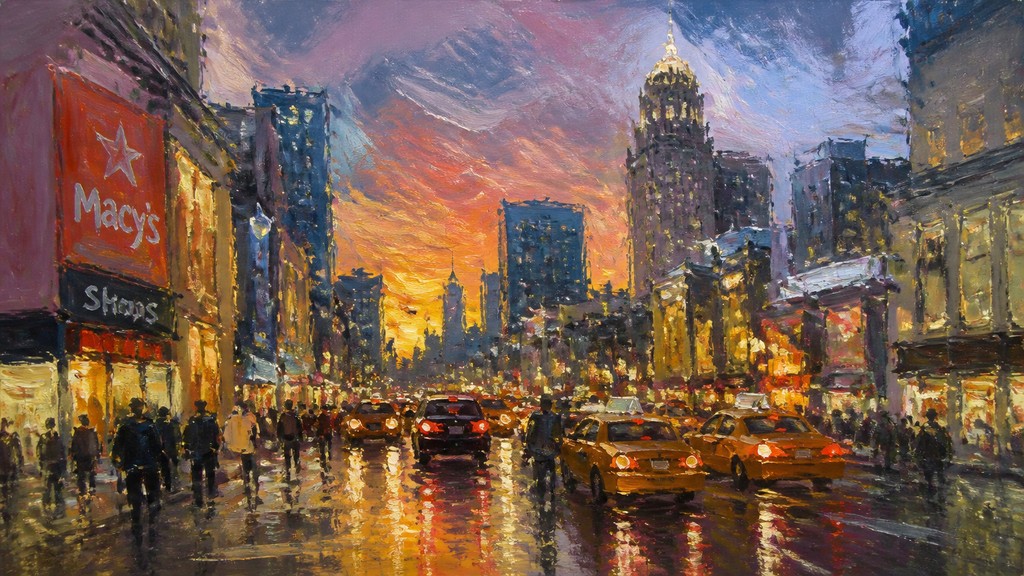
Create your first Alla Prima Painting artwork
Describe anything — or upload a photo — and see it in Alla Prima Painting Style in seconds.
Related Styles
Discover similar art styles