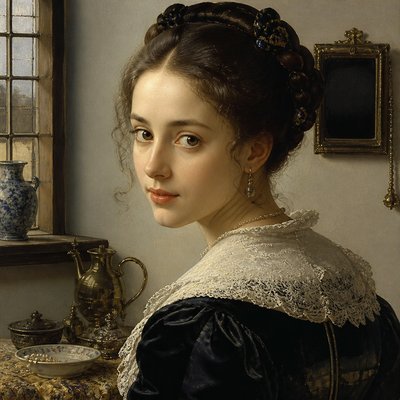
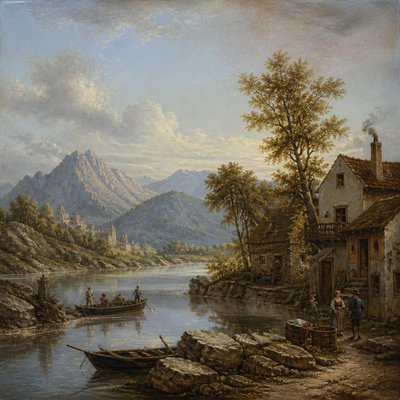
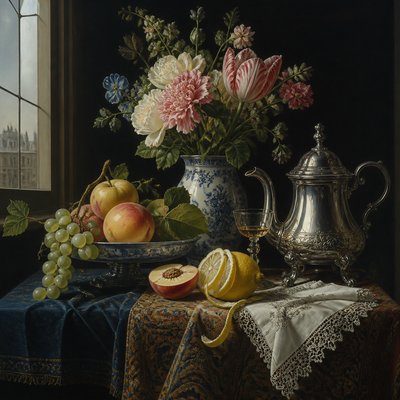
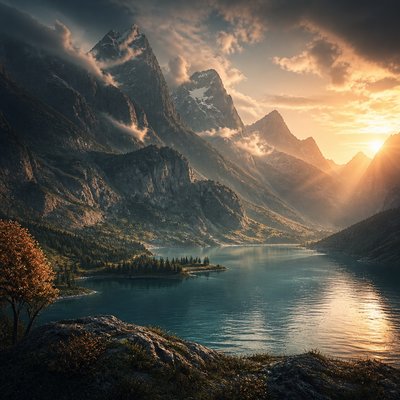
Seascape Painting Style
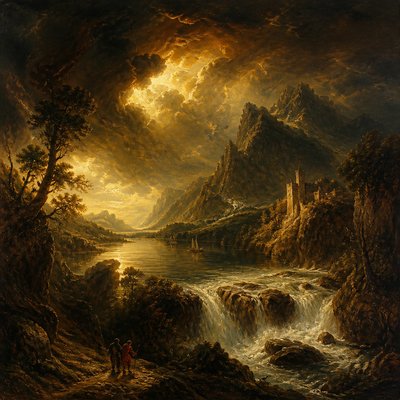
Explore seascape painting: dramatic waves, sailing ships, storm-lit skies, reflective water and the romantic atmosphere of the open sea.
Instantly rendered in Seascape Painting — or transform a photo
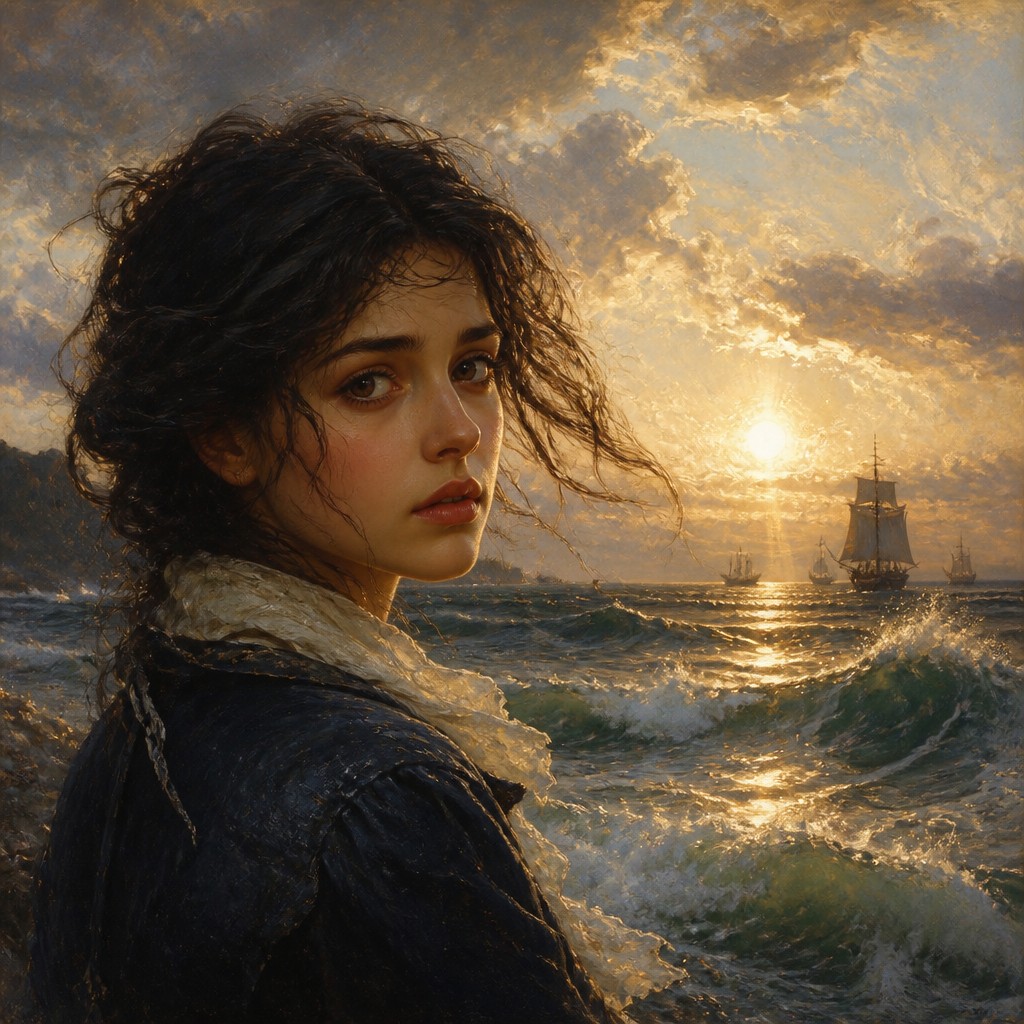
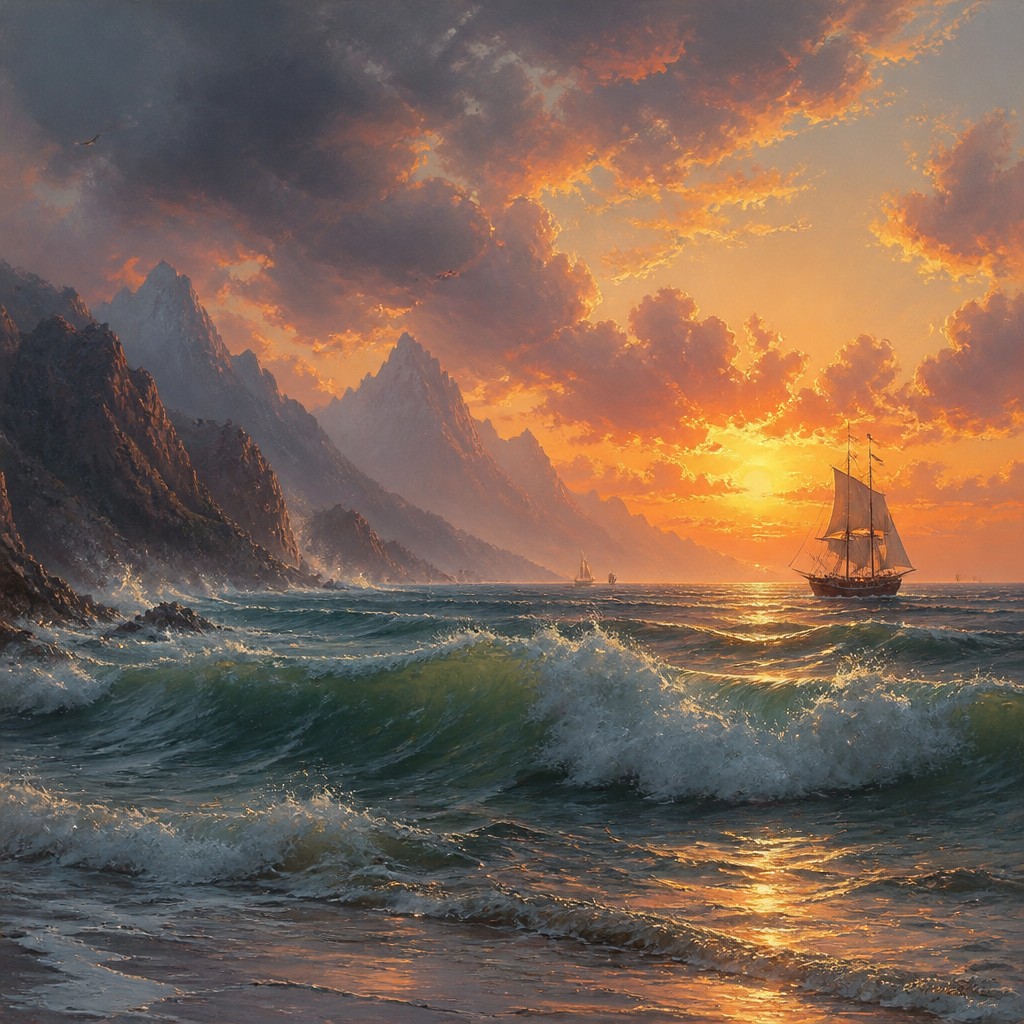
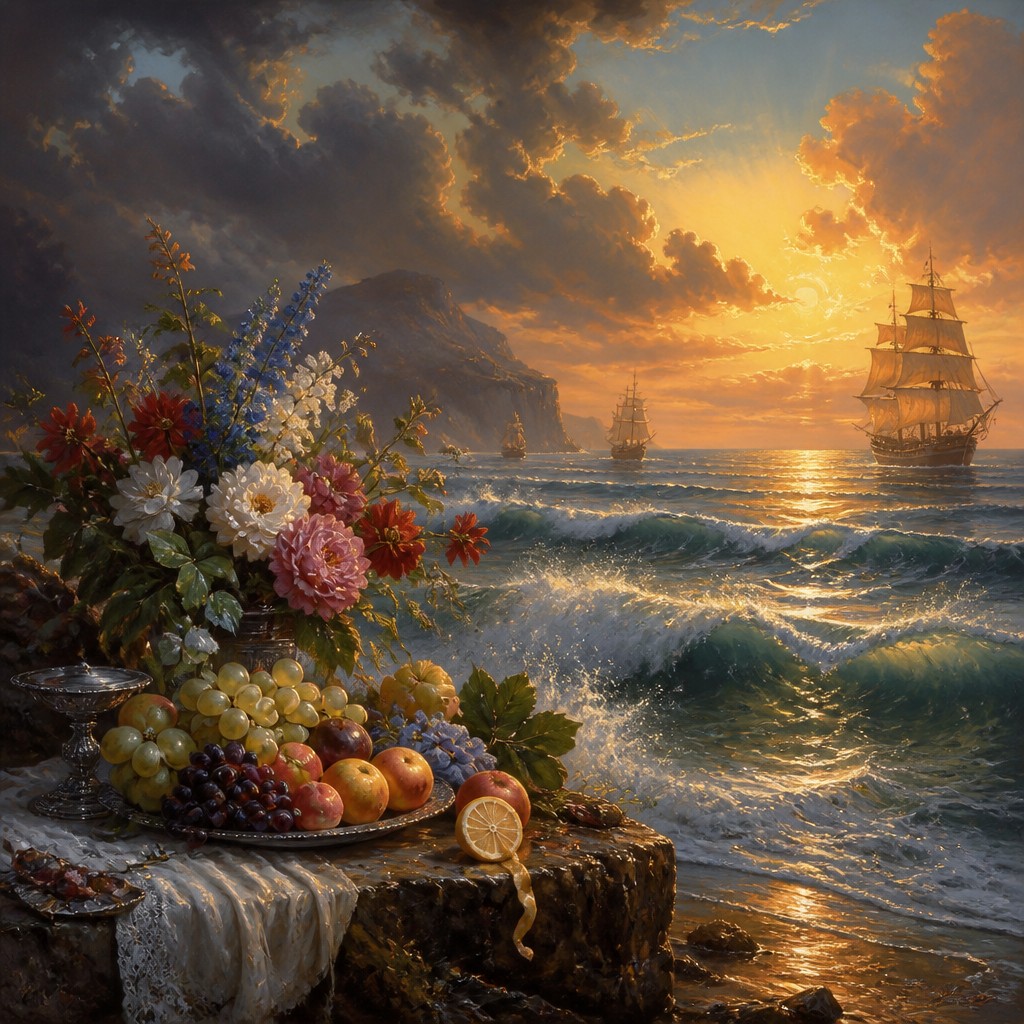
Seascape Painting Gallery
Tap any artwork to explore it
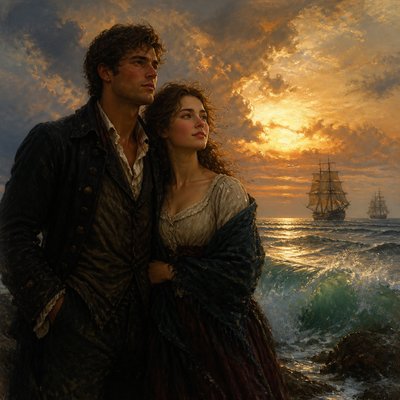
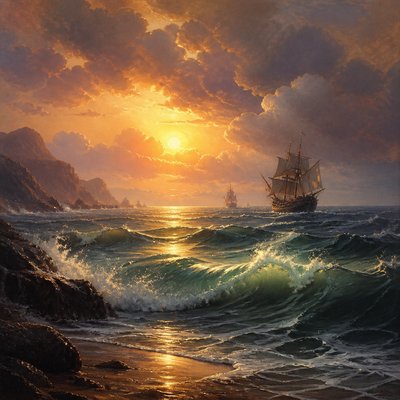
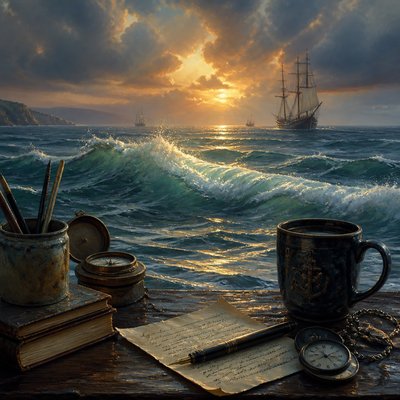
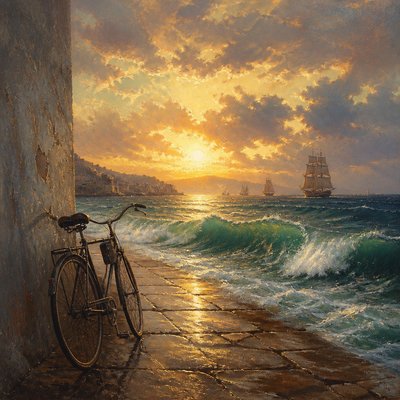
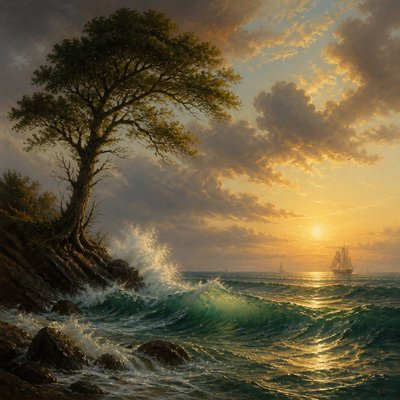
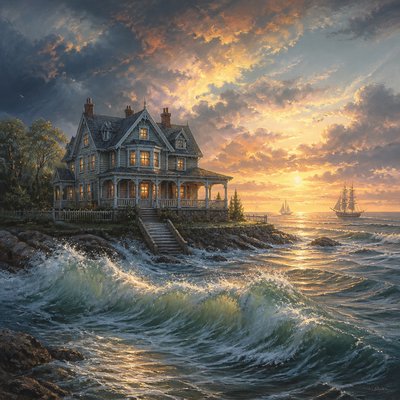
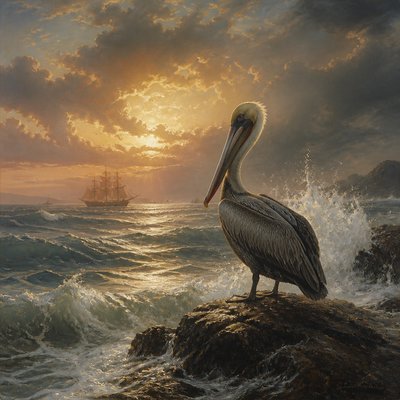
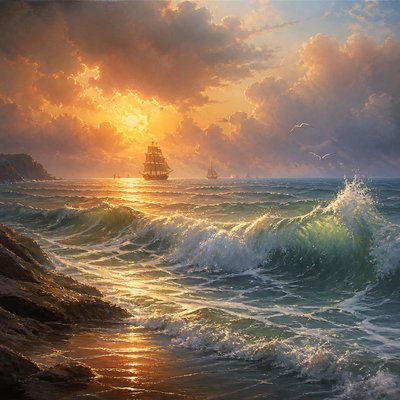
What is Seascape Painting Style?
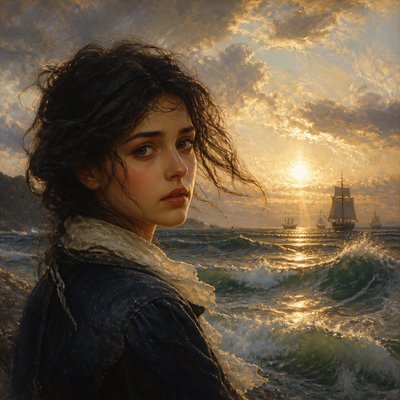
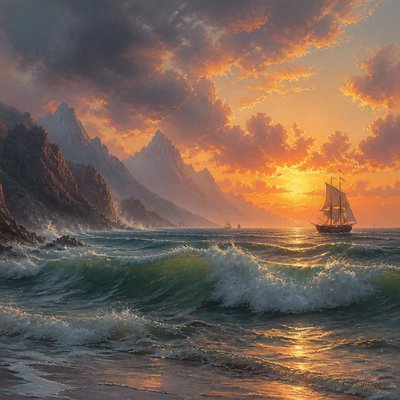
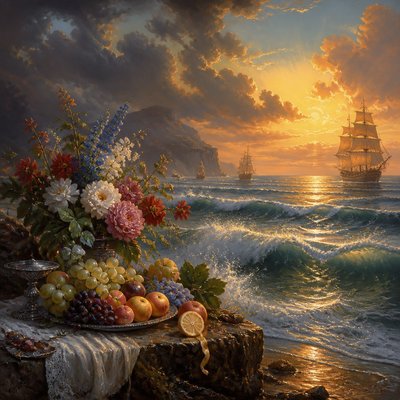
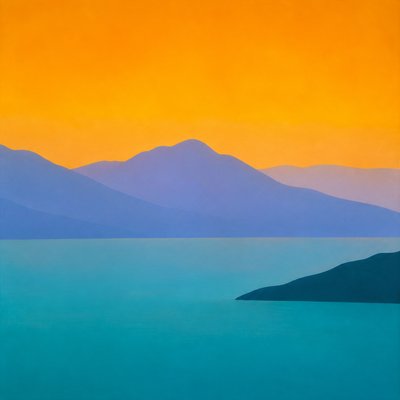
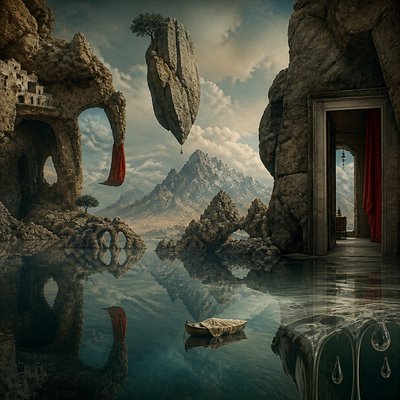
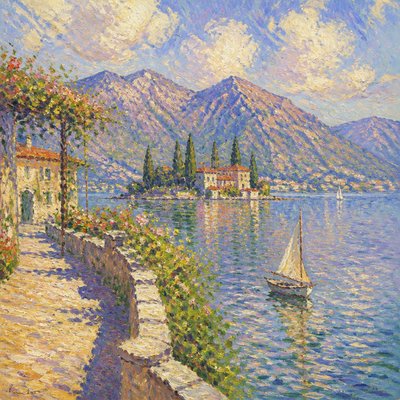
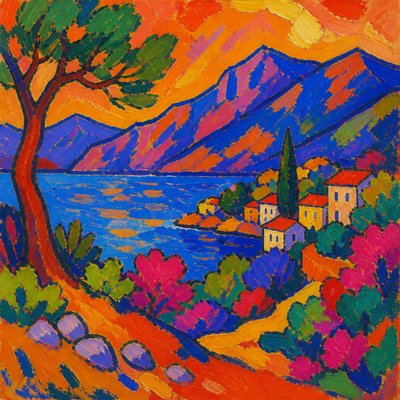
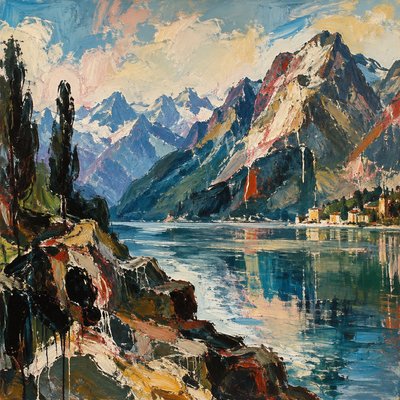
Seascape painting is a maritime art style centered on the visual drama of the ocean, from calm horizons and distant sails to storm-driven waves, sea spray and luminous skies. Its subjects commonly include open water, coastlines, harbors, cliffs, lighthouses and sailing vessels, with weather and changing light treated as central parts of the composition rather than background details.
The style is defined by movement, atmosphere and reflected light. Rolling wave forms lead the eye across the surface, while layered blues, greens, grays and warm sky colors create depth. Brushwork may range from detailed and naturalistic to loose and expressive, but successful seascapes generally balance the vastness of the horizon with a strong focal event such as a breaking wave, ship, beam of sunlight or approaching squall.
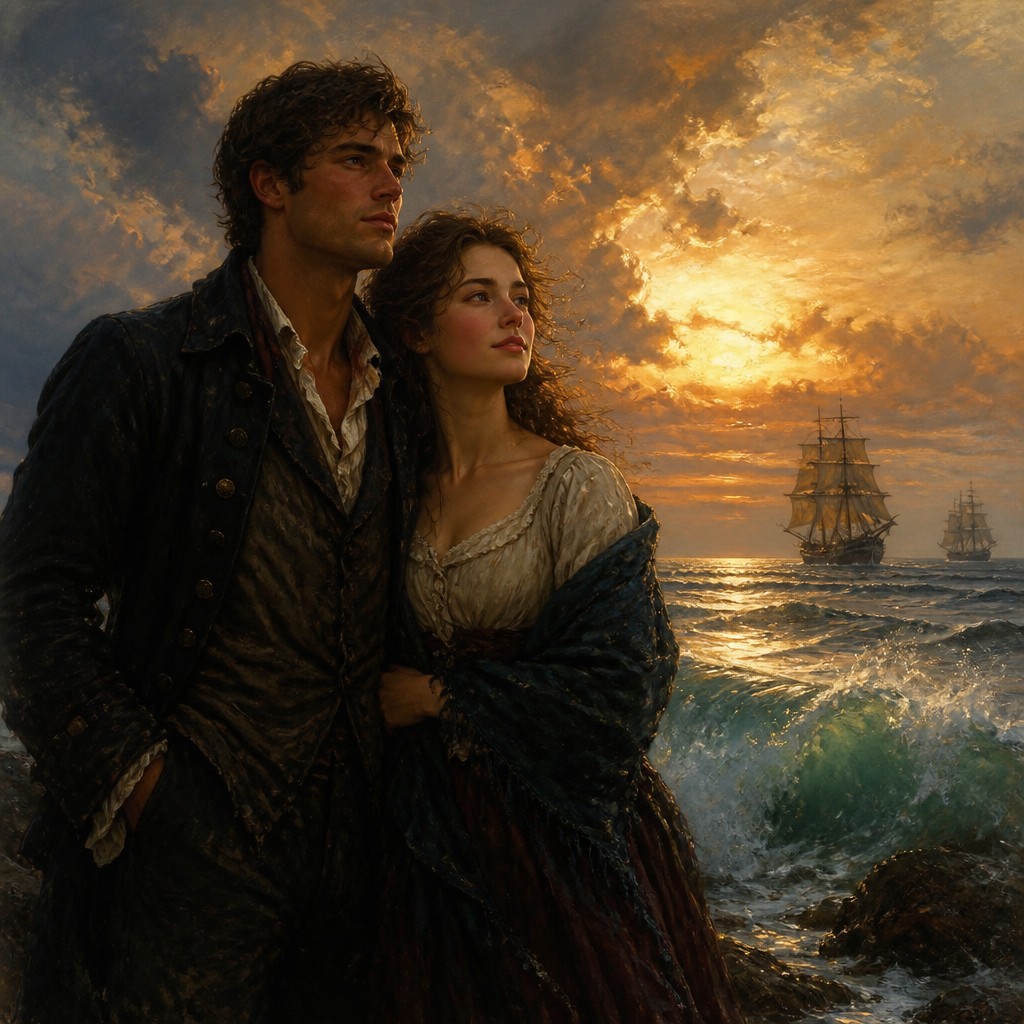
Try It On Your Photos
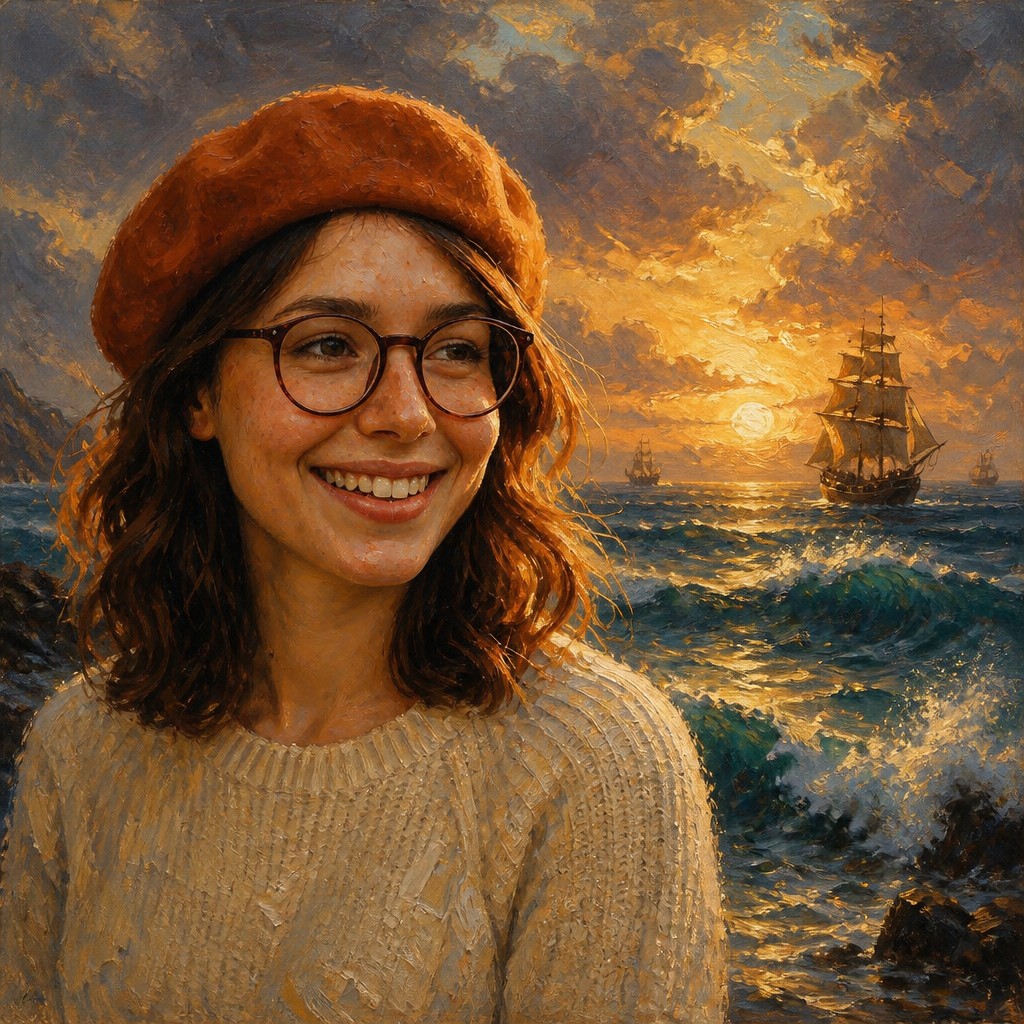
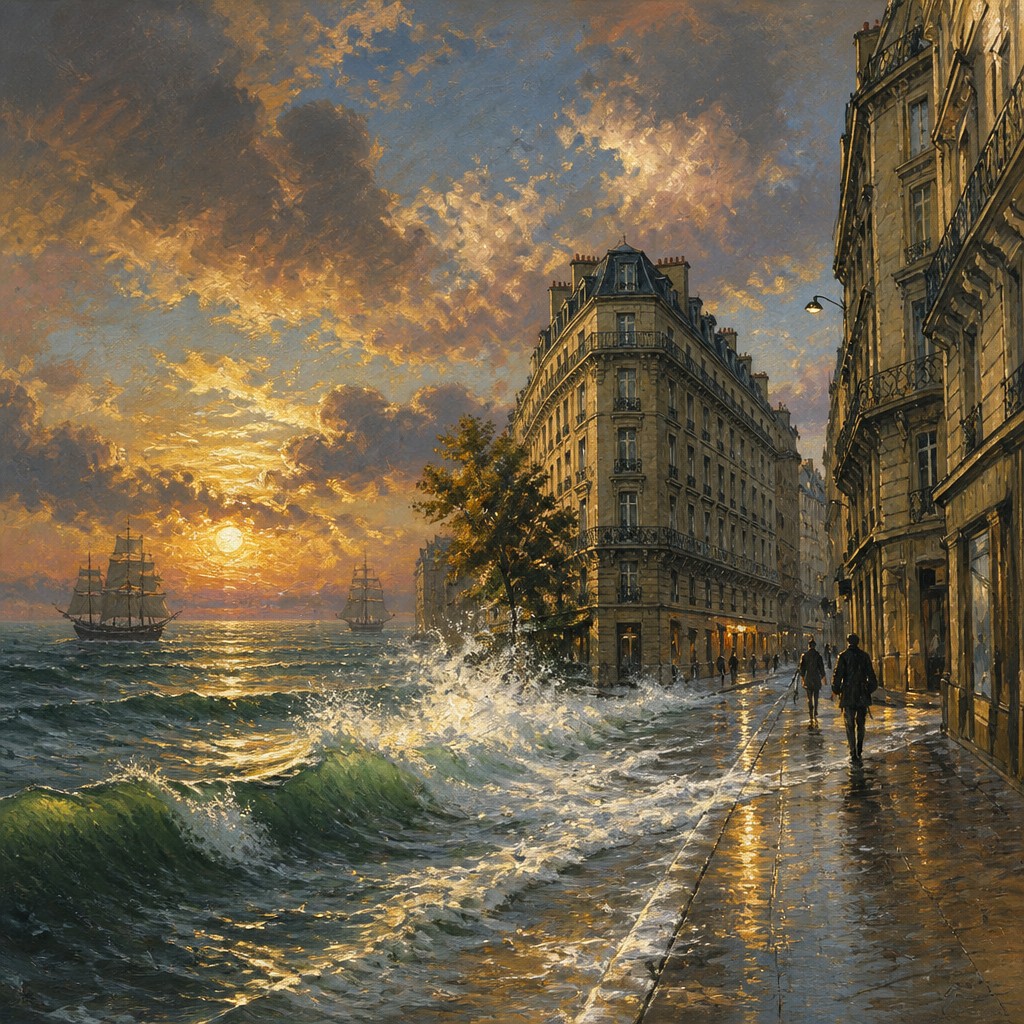
Upload any photo and convert it into Seascape Painting Style — drag the sliders to compare before and after.


What Defines Seascape Painting Style
The signature details, up close
Rolling wave structures
Waves are built from overlapping curves, troughs and ridges that suggest weight, rhythm and directional force. Translucent layers of blue-green color often reveal light passing through the thinner edges of the water.
Breaking spray and foam
White foam, airborne droplets and irregular spray communicate the energy of surf and wind. These accents are usually placed selectively so the brightest marks reinforce the main action of the composition.
Dramatic maritime skies
Storm clouds, clearing weather, sunset bands and shafts of sunlight provide both atmosphere and emotional tone. The sky frequently occupies a large portion of the image to emphasize the scale of the sea.
Reflective wet light
Light is distributed across the water in broken reflections rather than a single flat color. Long horizontal glints, dark cloud reflections and warm highlights help connect the sky to the moving surface.
Distant vessels and coastal markers
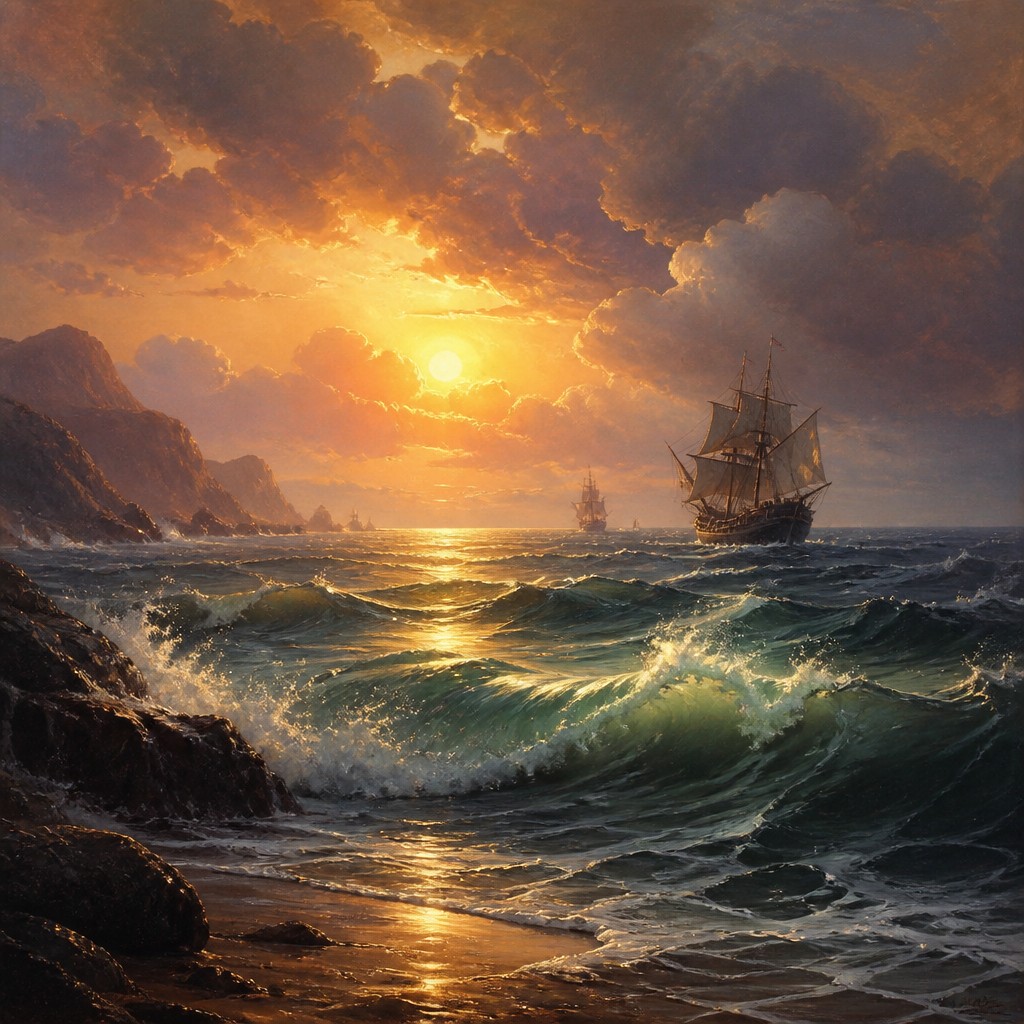
Sailing ships, fishing boats, lighthouses and low shorelines provide scale against the immense horizon. Small, sharply placed details can imply navigation, travel, danger or solitude.
Atmospheric depth
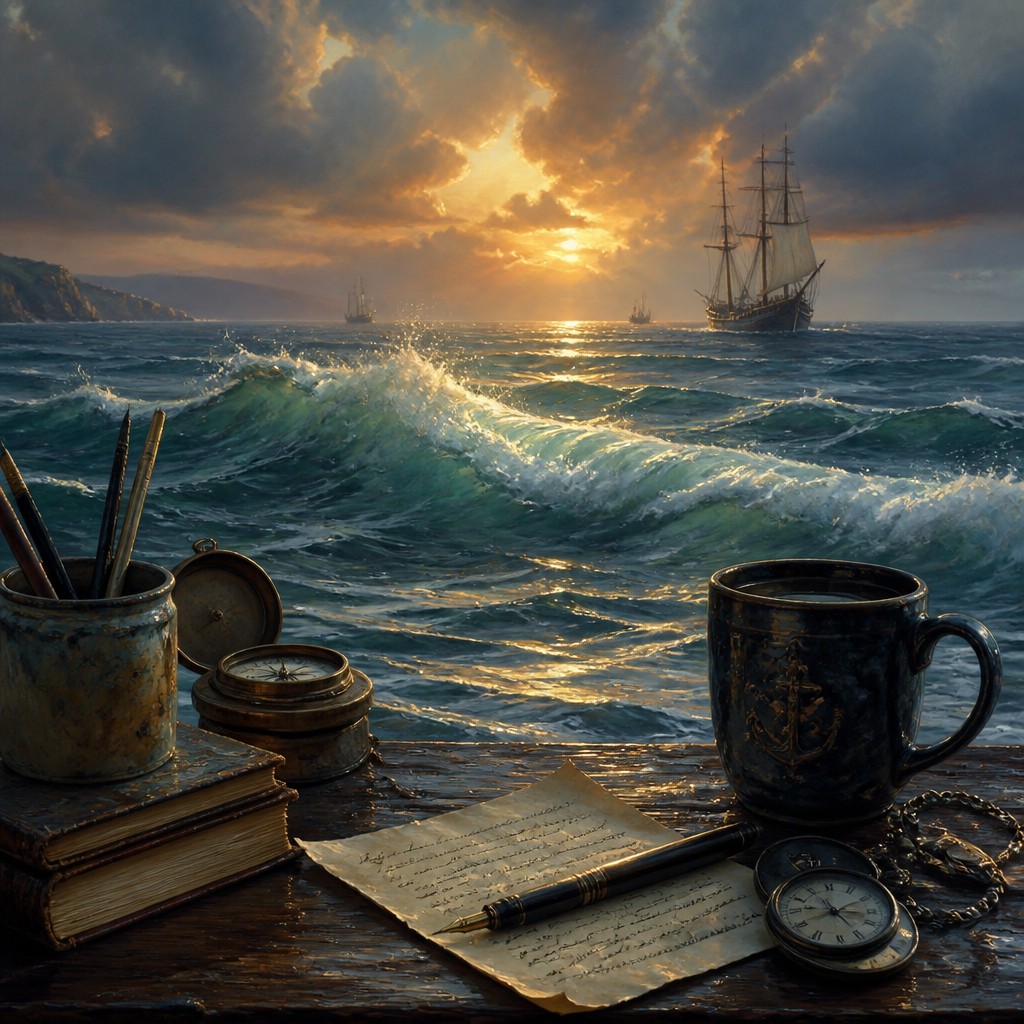
Farther water and landforms are softened with paler, cooler tones, reduced contrast and atmospheric haze. This creates a convincing sense of distance while preserving the open expanse of the scene.
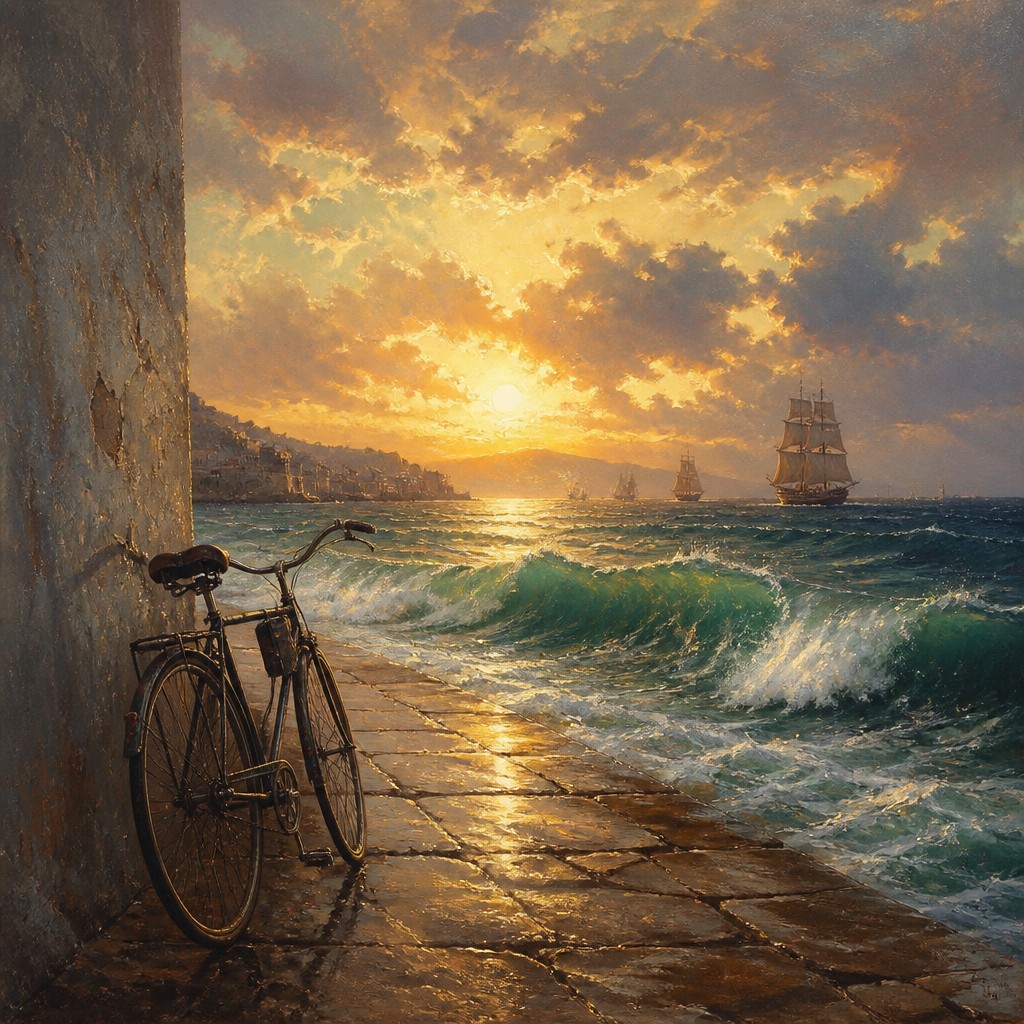
Romantic marine mood
The style often evokes awe, solitude, adventure or foreboding through the relationship between a small human presence and a powerful natural environment. Composition, weather and color work together to establish the emotional narrative.
Try It
Create Videos in Seascape Painting Style
Styles aren't just for stills — describe a scene or animate an image and get a short video rendered in Seascape Painting. Press play to see this pond come to life.
Make a VideoSeascape Painting Prompt Ideas
Start from an idea — each one opens the generator with the style ready to go. See all 40 Seascape Painting prompts →
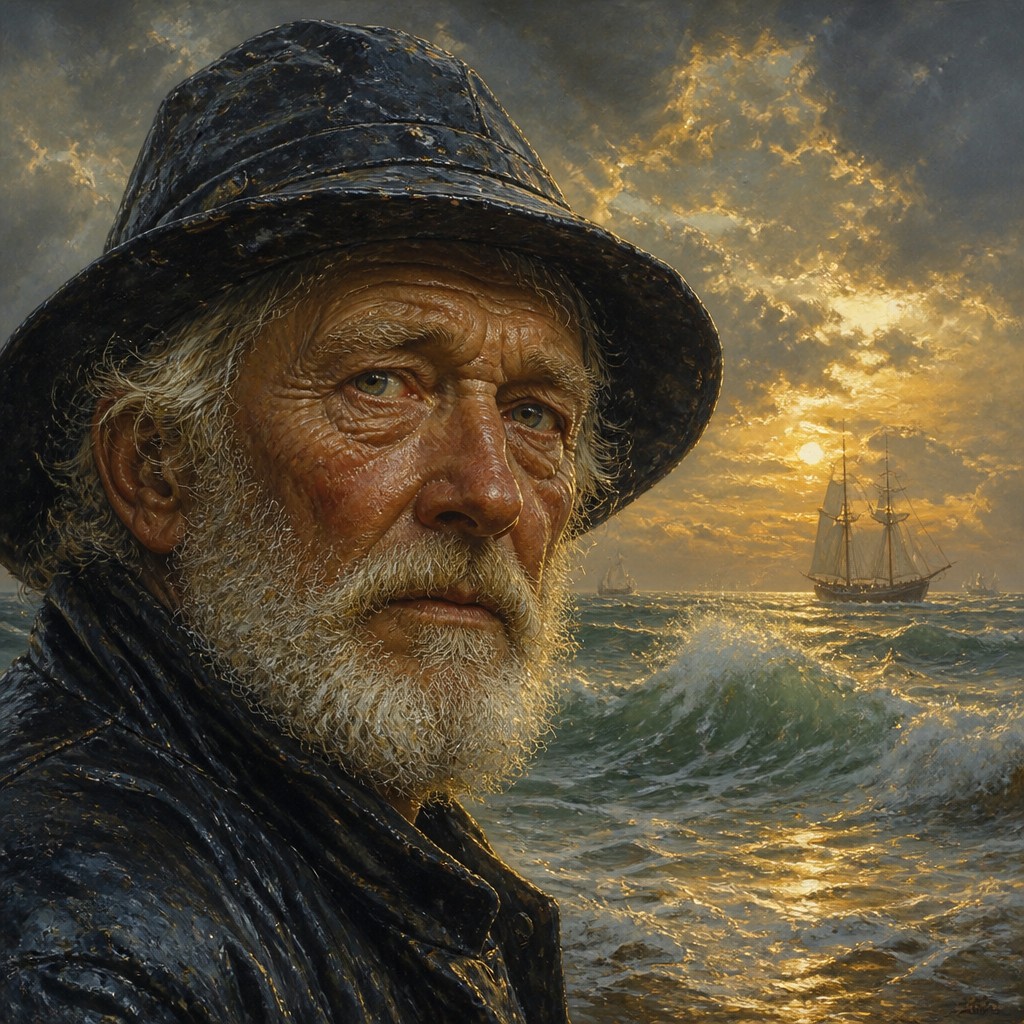
“close-up portrait of an elderly person with expressive weathered features”
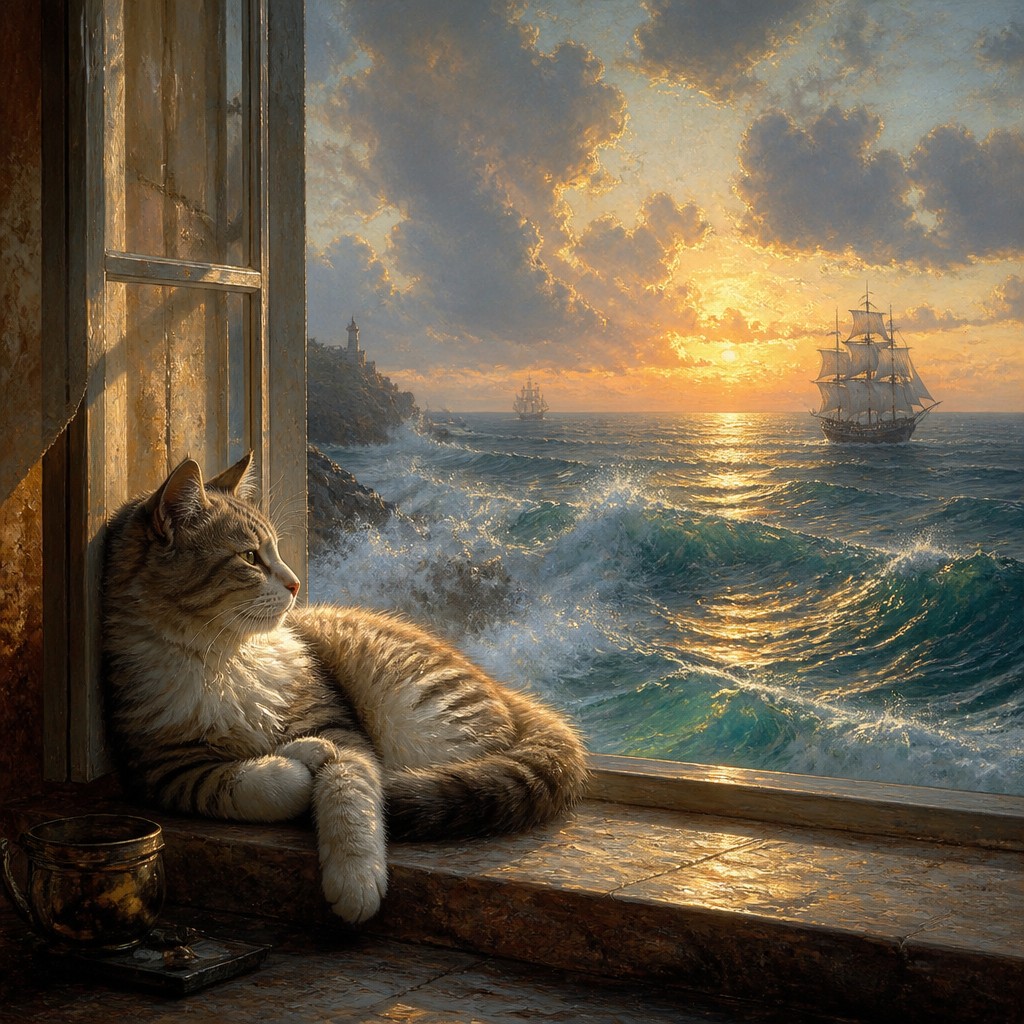
“a cat lounging in a sunlit window”
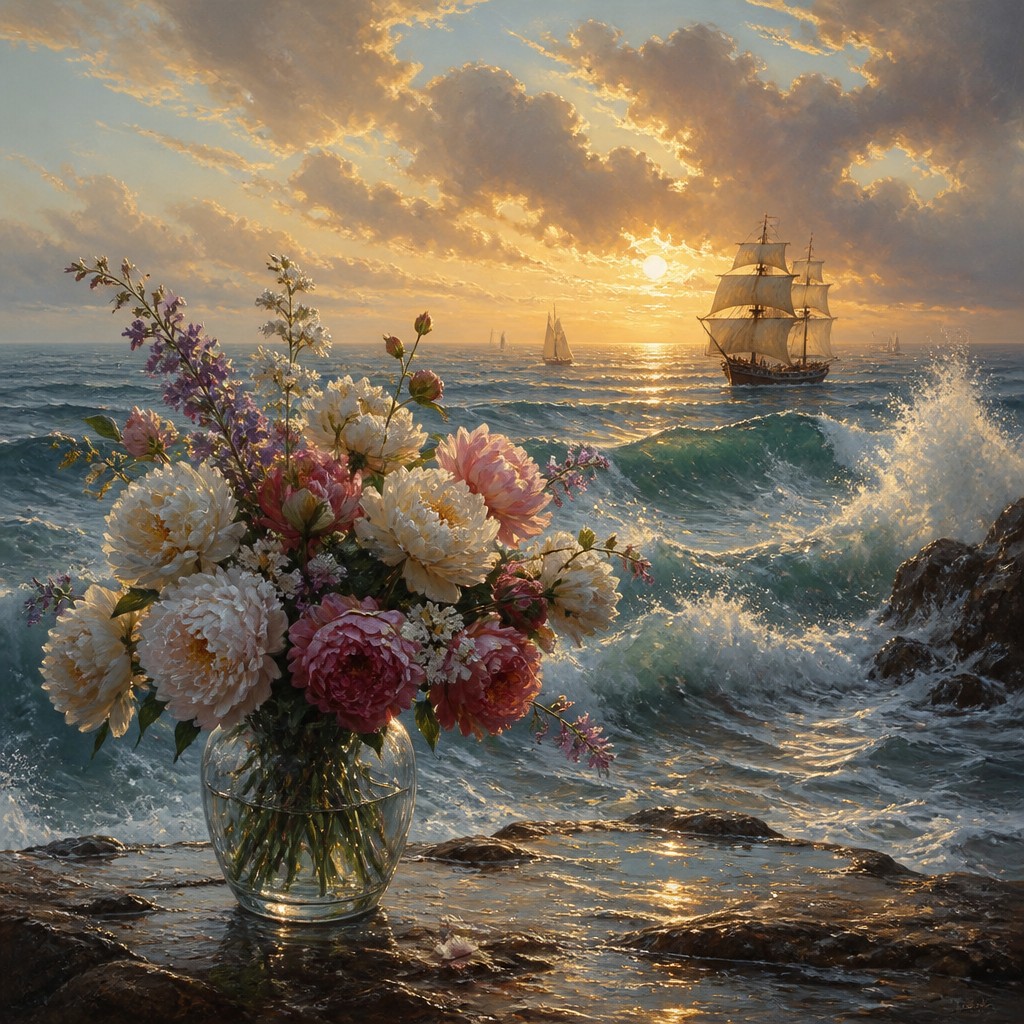
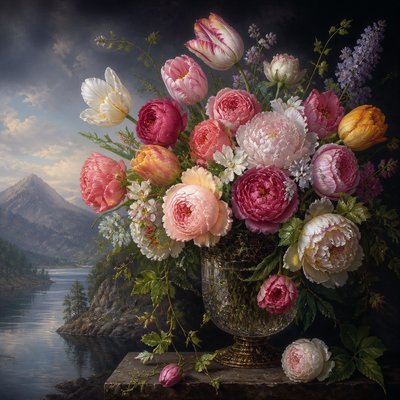
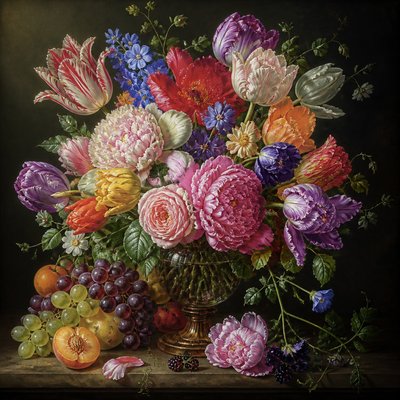
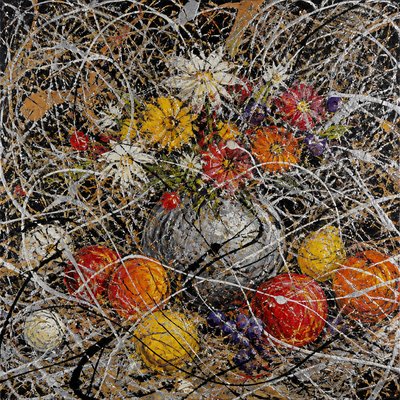
“bouquet of flowers in a glass vase”
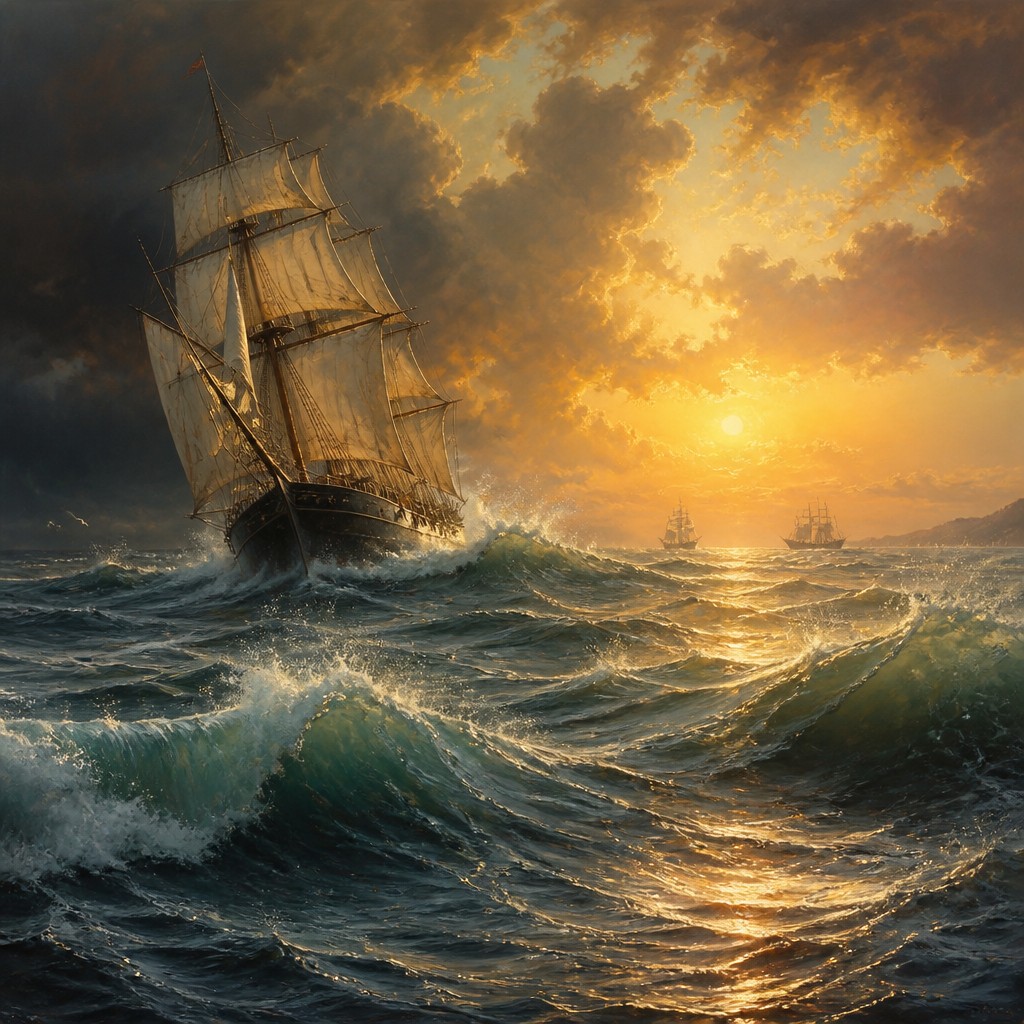
“sailing ship on a stormy sea”
How to Create Seascape Painting Art
Master the craft step by step — or skip straight to creating. Read the full guide →
- 1
Establish the horizon and major masses
Begin with a clear horizon, the dominant wave direction and the largest sky and water shapes. Avoid detailing individual waves before the overall balance of sea, sky and focal subject is working.
- 2
Layer the water by depth
Use darker, cooler passages in the foreground and softer, lighter tones toward the horizon. Build wave bodies with transparent color layers, reserving opaque highlights for crests, foam and reflected light.
- 3
Paint weather as structure
Organize clouds into broad masses before adding rain curtains, cloud breaks or sunbeams. Strong changes in value between sky and water can create storm drama, while closer values produce misty or tranquil conditions.
- 4
Control brushwork and edges
Use horizontal and curved strokes to describe currents and wave movement, then vary hard and soft edges to separate spray from haze. A limited palette with carefully placed warm accents usually feels more coherent than equal detail everywhere.
- 5
Compose for scale and narrative
Place a boat, person, lighthouse or rock formation where it can measure the size of the sea without competing with the main atmospheric event. Diagonal wave lines and a low viewpoint can increase immediacy and motion.
- 6
Write focused digital prompts
Specify the subject, sea state, weather, time of day, viewpoint, palette, lighting and level of painterly detail. For image-to-image work, preserve the source composition while adding phrases such as translucent wave layers, broken foam highlights and atmospheric marine light.

The Story
History & Origins of Seascape Painting
Seascape painting has deep roots in maritime imagery, coastal landscape painting and the long European tradition of recording ships, ports and naval events. It developed substantially from the 17th century onward as marine painting became an established subject, combining topographical observation, storytelling and atmospheric landscape techniques. Later 18th- and 19th-century landscape traditions placed greater emphasis on sublime weather, emotional intensity and the changing effects of light on water.
Contemporary seascape painting draws on several lineages rather than representing one fixed historical movement. It may use the observational accuracy of marine art, the luminous color and visible brushwork of Impressionist painting, the dramatic contrasts of Romantic landscape, or the gestural energy of modern expressionist approaches. Digital painting and image synthesis extend these traditions with cinematic lighting, highly controlled wave structures and imaginative combinations of real and invented coastlines.
Influences: The style is related to European marine painting, Romantic landscape, maritime illustration, coastal plein-air painting and Impressionist studies of changing light. It also draws from nautical chart imagery, naval and travel pictures, realist observation of ships and waves, and modern cinematic landscape composition. Digital versions may combine these traditions with concept art, matte-painting techniques and expressive brush-texture simulation.

Frequently Asked Questions
What defines the seascape painting style?
Its defining elements are ocean water, an open or coastal horizon, changing weather, reflected light and a strong sense of atmospheric space. Waves, ships, spray and clouds are arranged to communicate both physical movement and emotional mood.
Is seascape painting a single historical art movement?
No. Seascape painting is a subject-based tradition and visual category rather than one unified movement with a fixed manifesto or period. It includes realistic marine art, Romantic storm scenes, Impressionist coastal studies and contemporary digital interpretations.
How is it different from a realistic marine painting?
The terms overlap, but realistic marine painting usually emphasizes accurate vessels, navigation, coastlines or maritime events. A broader seascape style may be more atmospheric, expressive or symbolic, giving weather, light and the emotional experience of the ocean equal importance.
What colors work well for this style?
Common palettes include ultramarine, teal, sea green, slate gray, muted sand, white and atmospheric blue. Warm ochres, rose, coral or gold can be added in the sky and reflections to create sunrise, sunset or dramatic breaks in storm light.
How can I make waves look convincing?
Think of each wave as a transparent volume with a darker body, a lighter face and a distinct crest. Follow consistent directional rhythms, vary the scale from foreground to horizon, and use foam sparingly so it describes impact rather than covering every surface.
Where is this style commonly used?
Seascape imagery appears in gallery painting, maritime collections, travel and nautical illustration, book covers, wall art, editorial imagery, film and game environments. It is especially effective when a project needs themes of exploration, solitude, danger, calm or the sublime power of nature.

Create your first Seascape Painting artwork
Describe anything — or upload a photo — and see it in Seascape Painting Style in seconds.
Related Styles
Discover similar art styles