Sand Sculpture Style
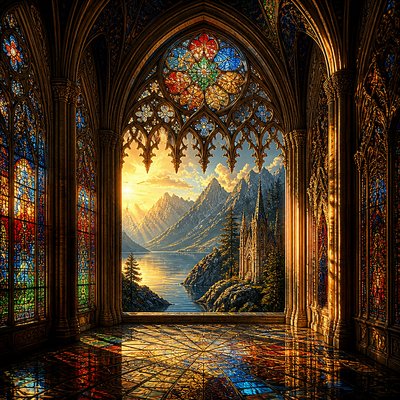
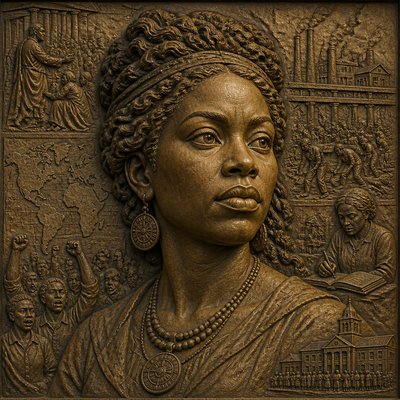
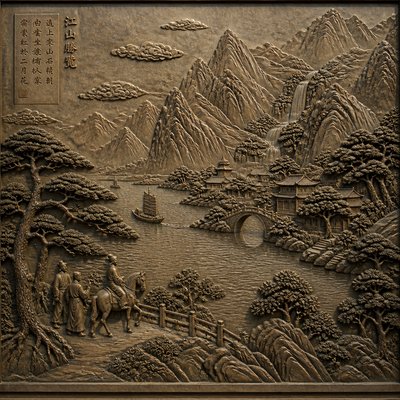
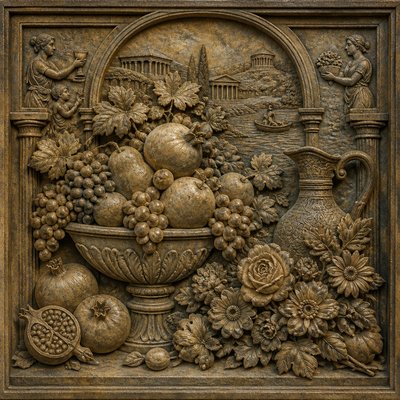
Explore Sand Sculpture Style: monumental wet-sand forms, crisp carved detail, dramatic sunlight, and ephemeral beach architecture.
Instantly rendered in Sand Sculpture — or transform a photo
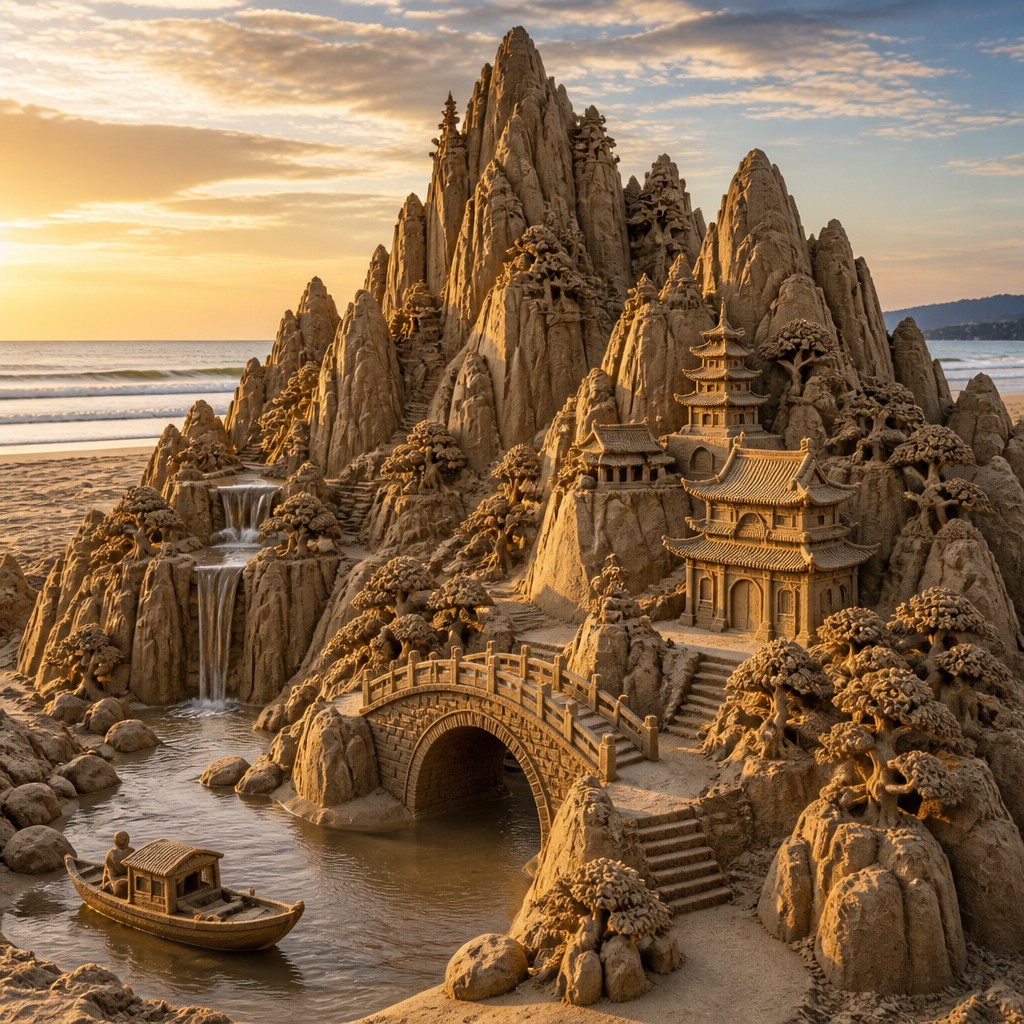
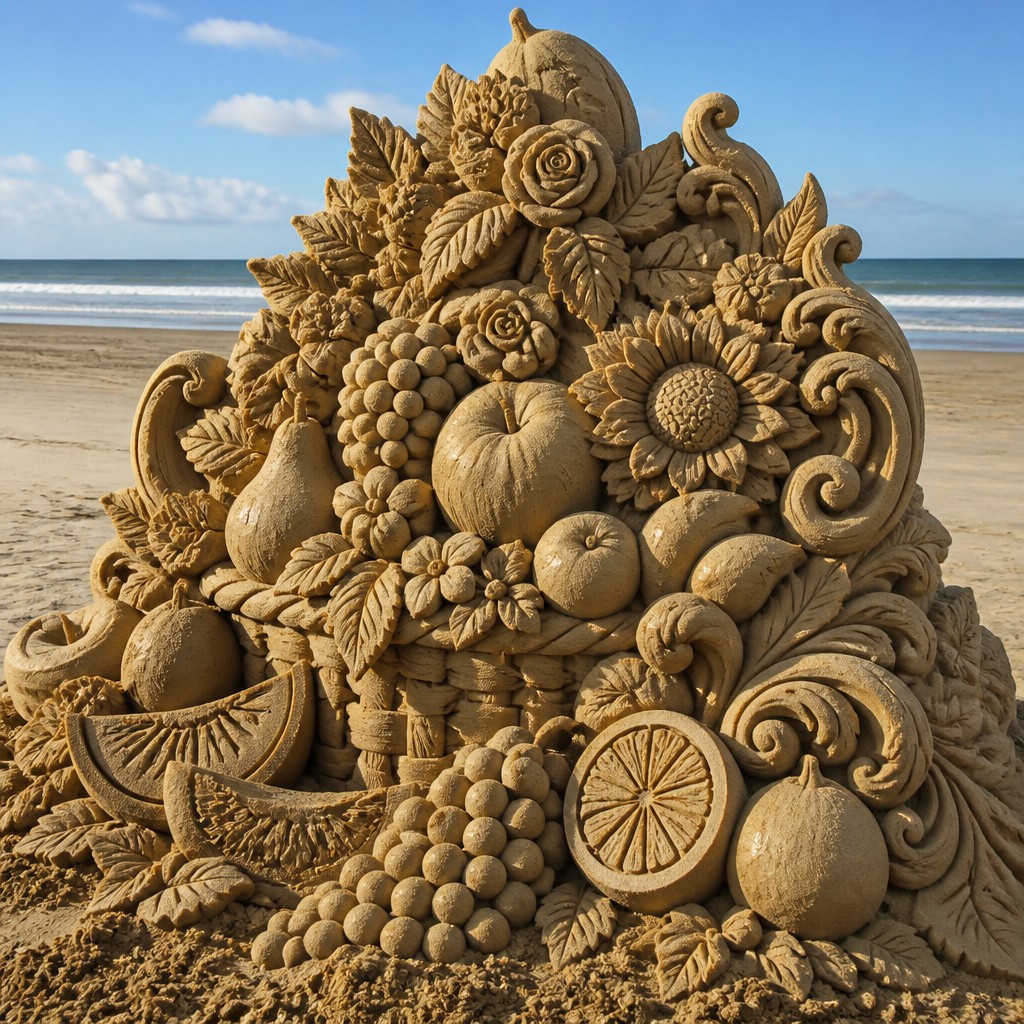
Sand Sculpture Gallery
Tap any artwork to explore it
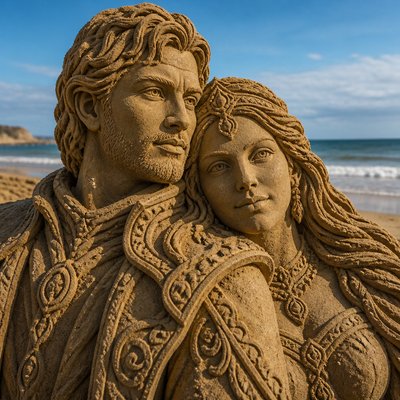
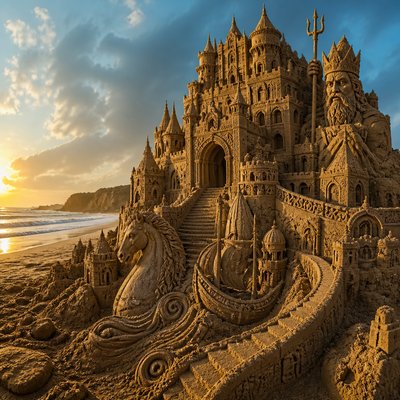
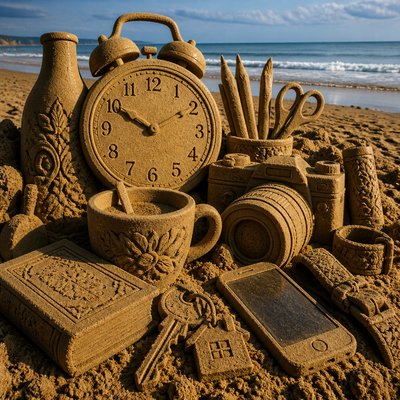
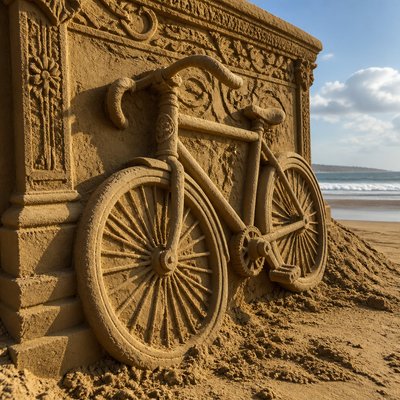
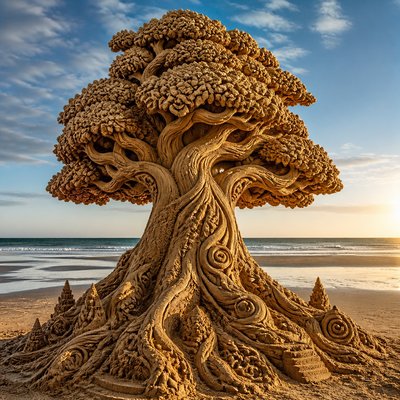

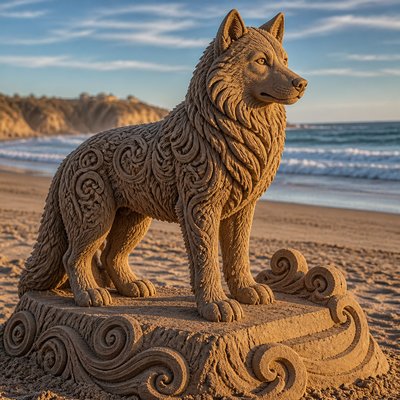
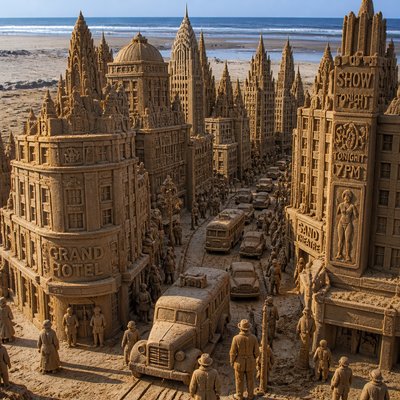
What is Sand Sculpture Style?
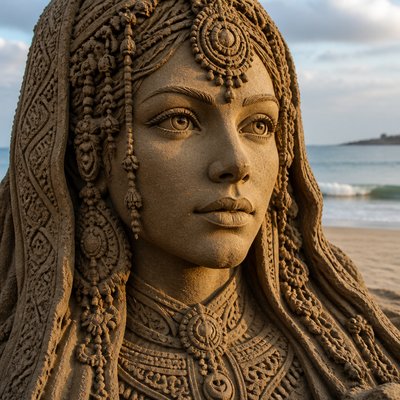
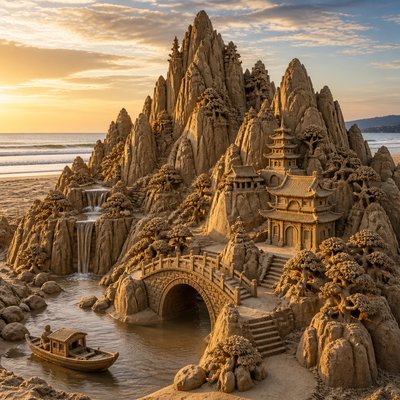
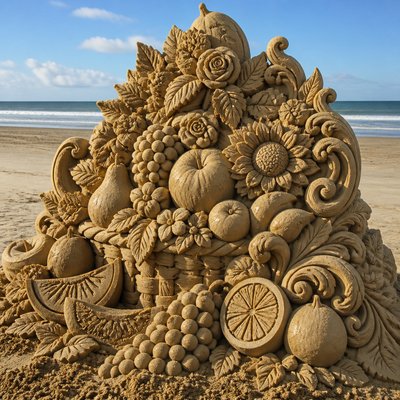
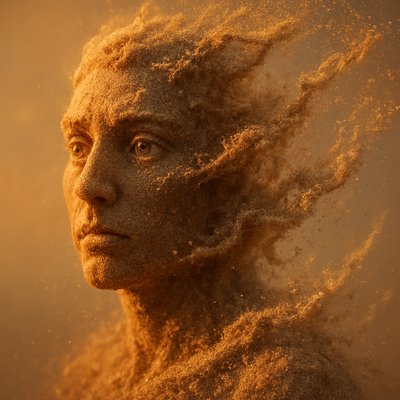
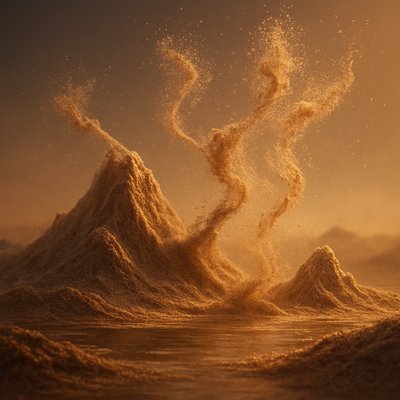
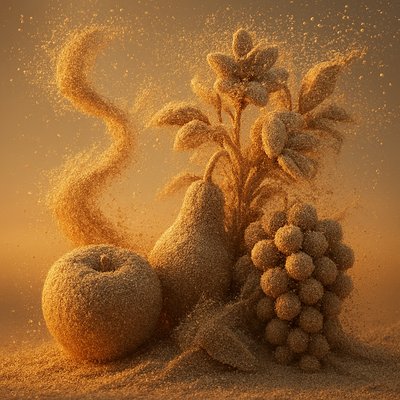
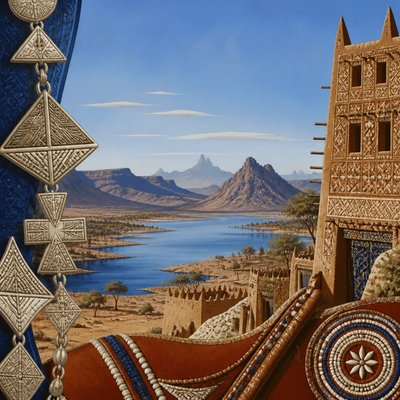
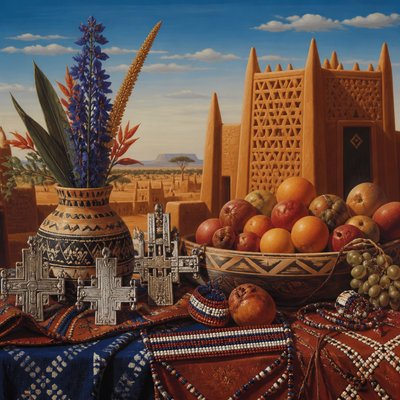
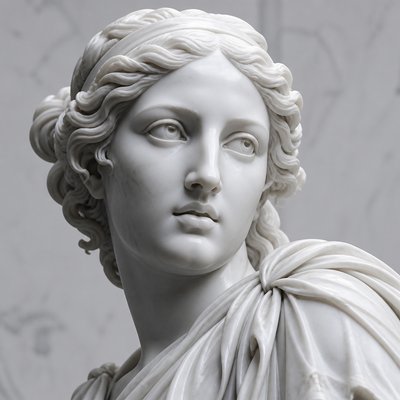
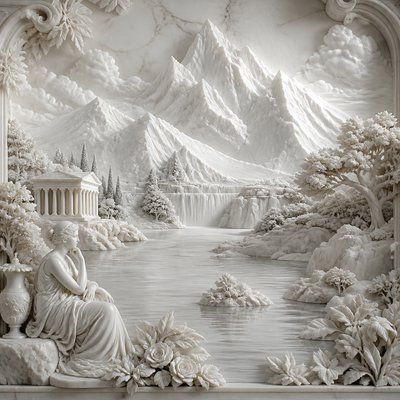
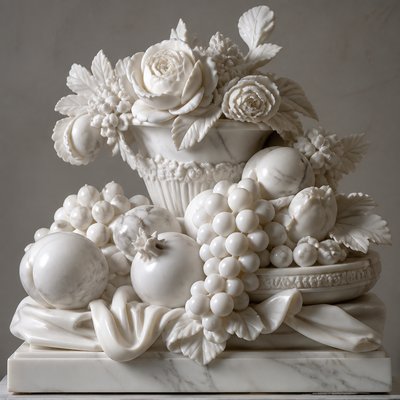
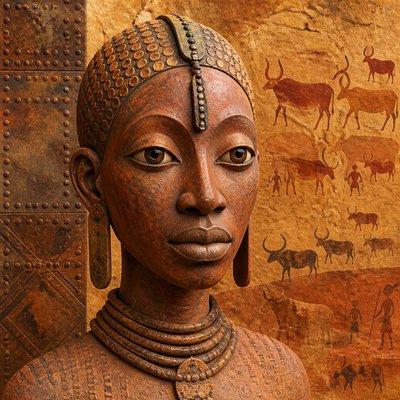
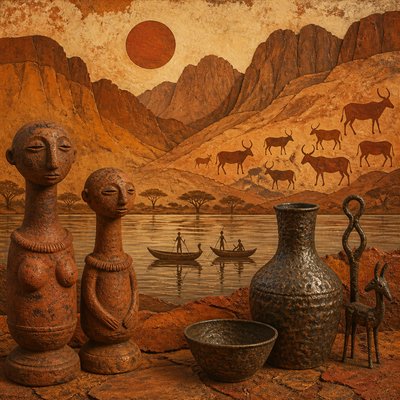
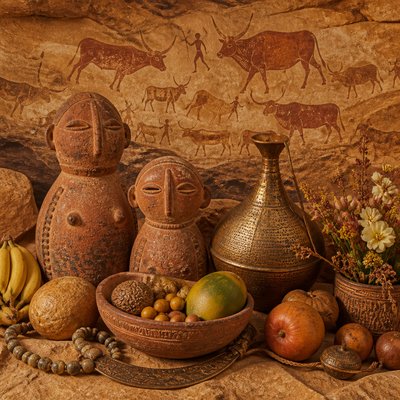
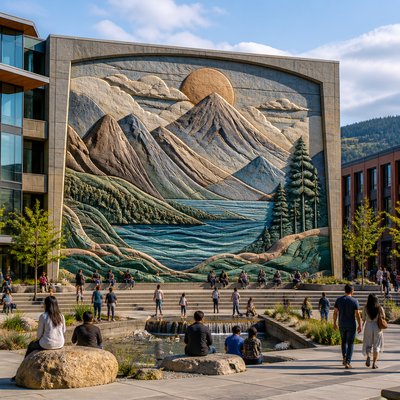
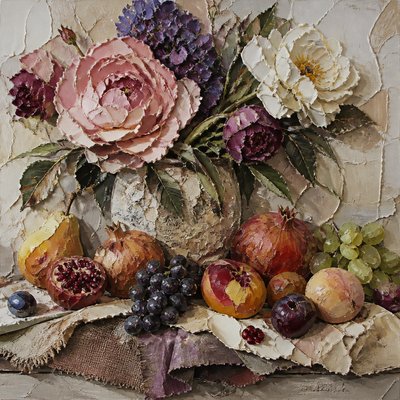
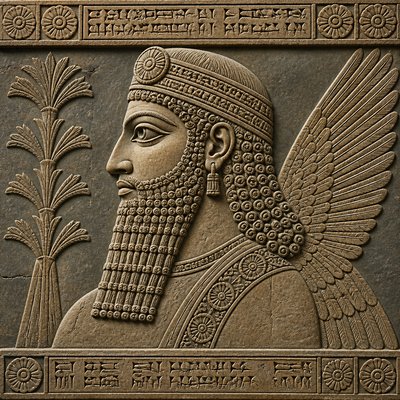
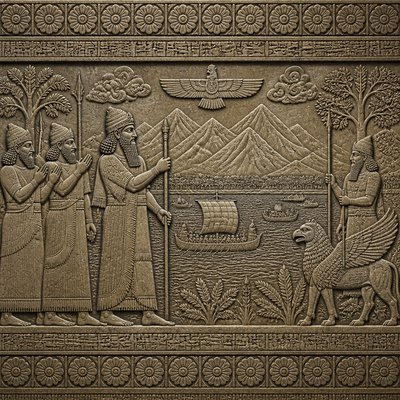
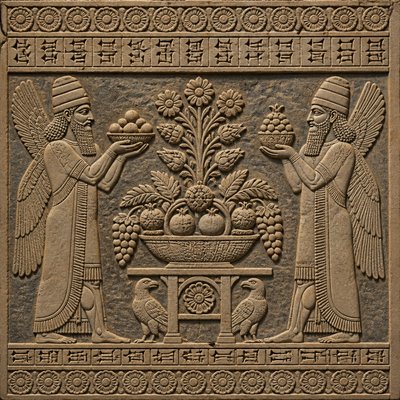
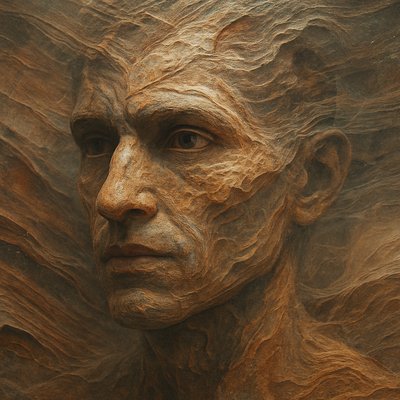
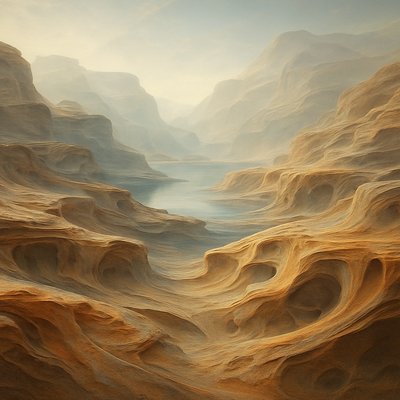
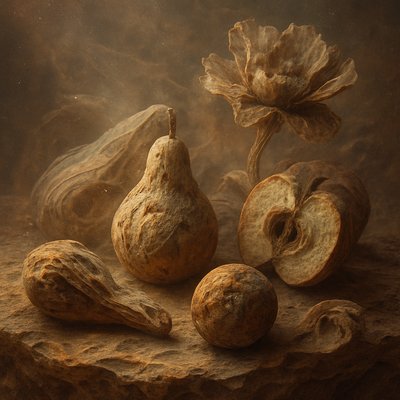
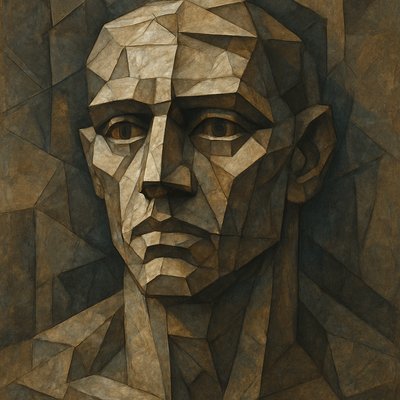
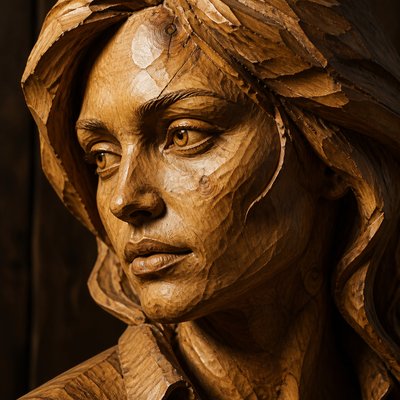
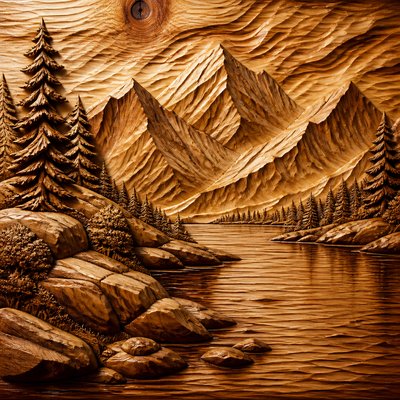
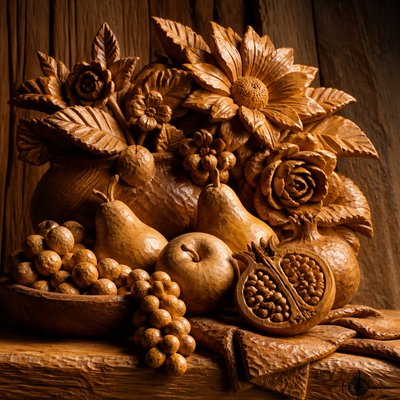
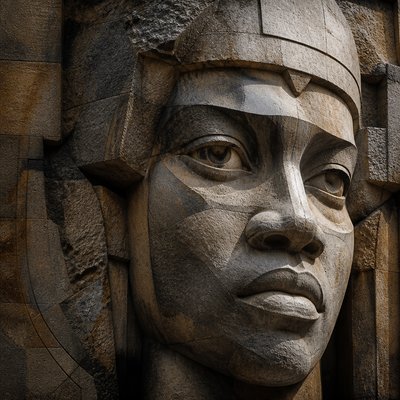
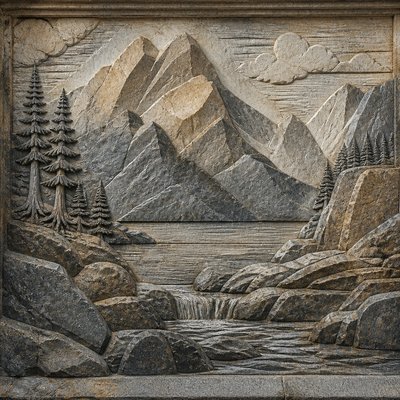
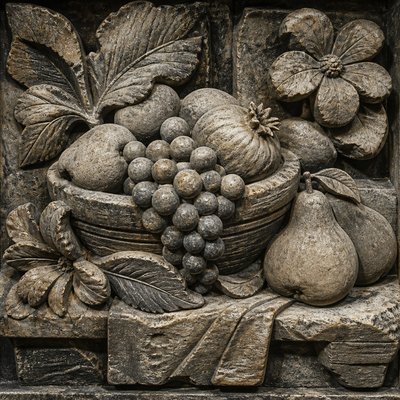
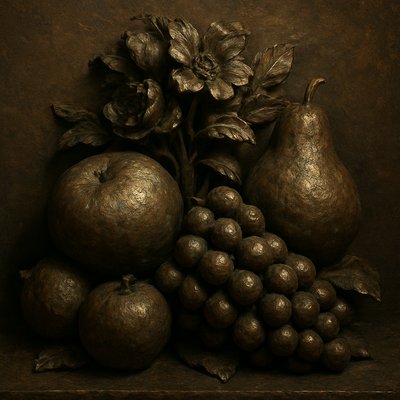
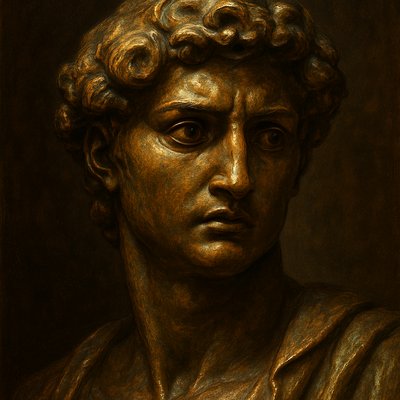
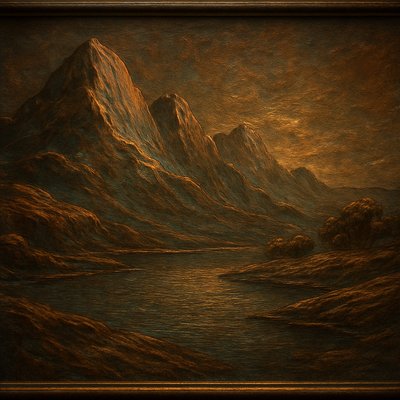
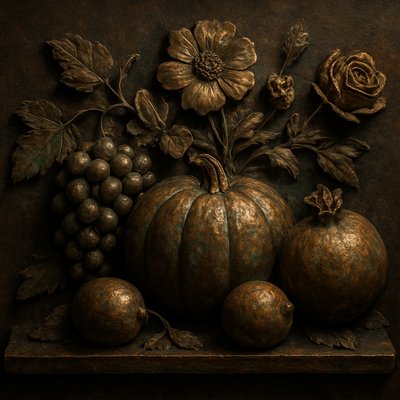
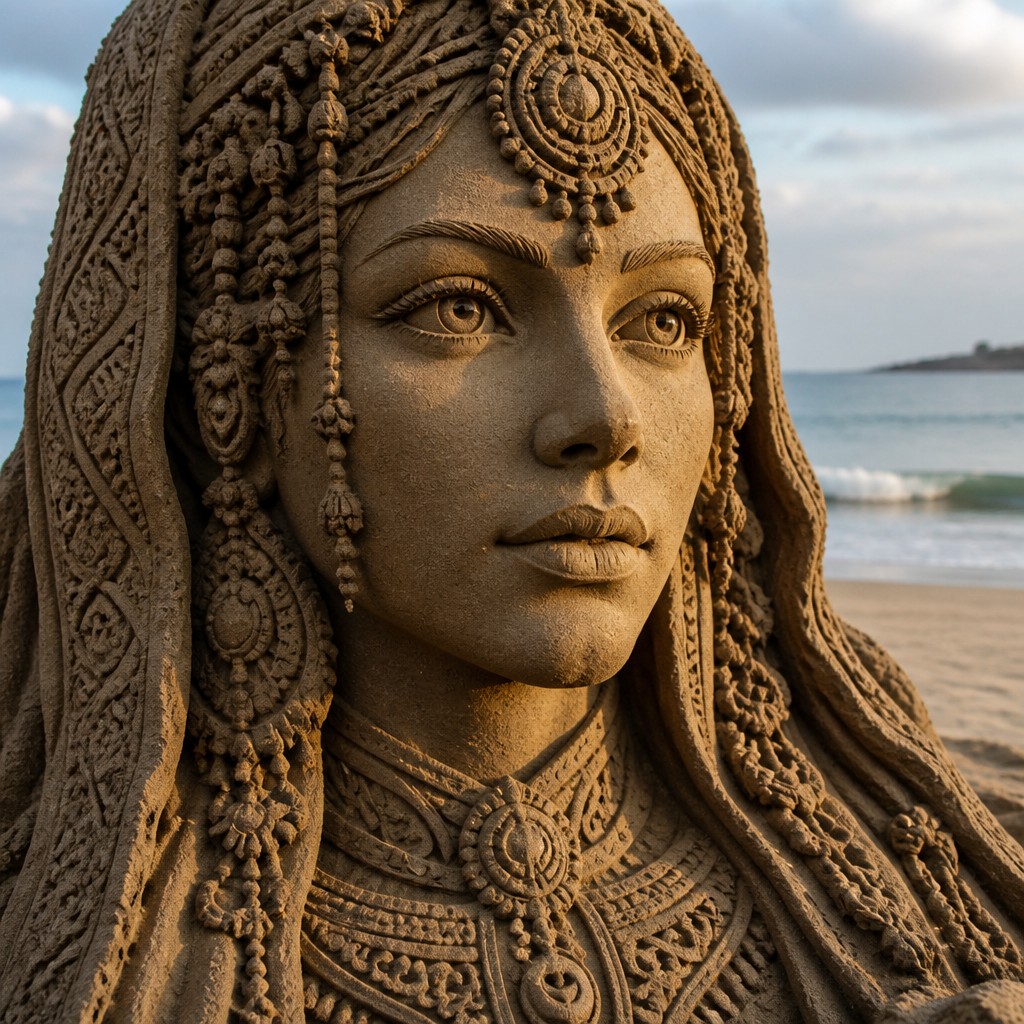
Sand Sculpture Style depicts subjects as monumental forms carved from densely packed, damp beach sand. Its signature imagery combines towering architecture, figurative sculpture, ornamental relief, and fantasy structures with a visible tide line and open beach horizon. The result feels both physically substantial and inherently temporary.
The style is defined by the tension between delicate detail and unstable material. Crisp vertical walls, undercut ridges, tool-scraped surfaces, compacted layers, and granular edges make the construction legible, while low or directional sunlight creates deep shadows across every groove. Golden-brown sand, damp tonal variation, and coastal atmosphere unify the image.
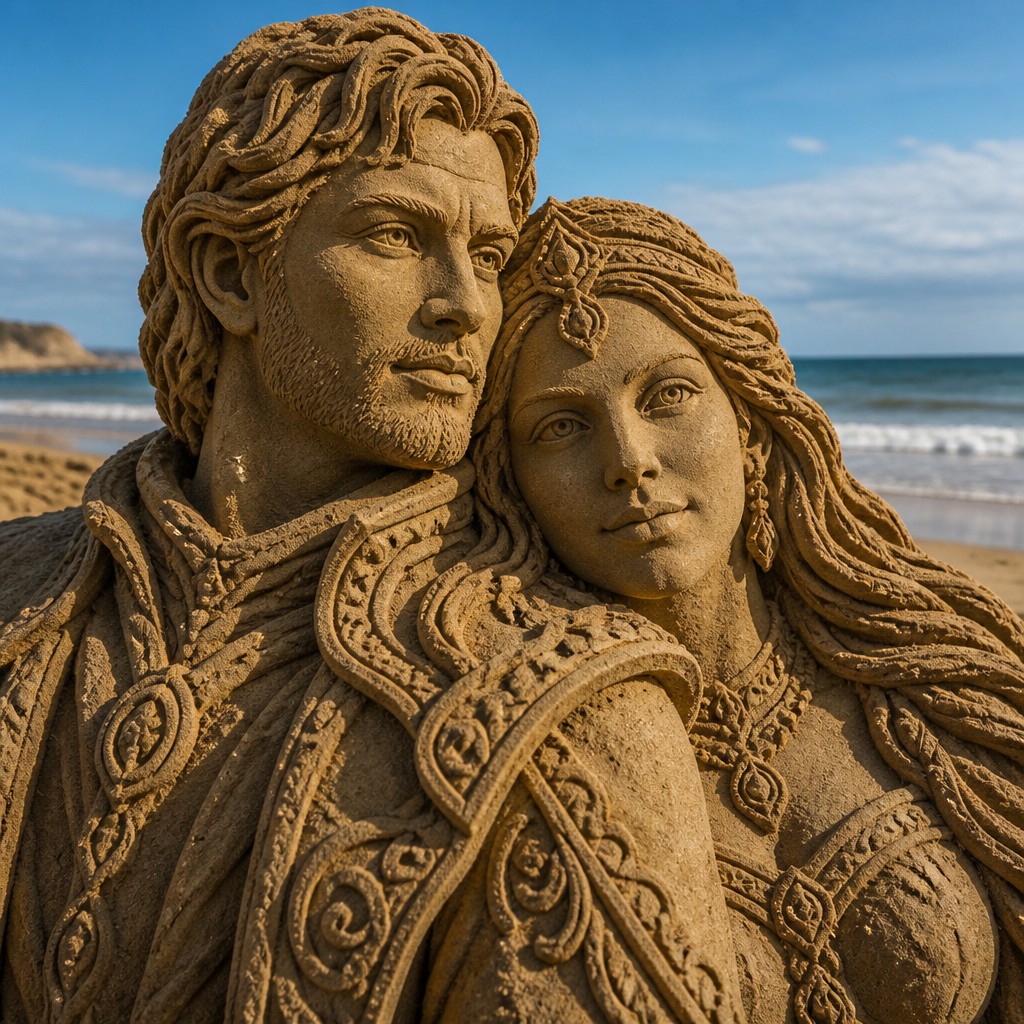
Try It On Your Photos
Upload any photo and convert it into Sand Sculpture Style — drag the sliders to compare before and after.


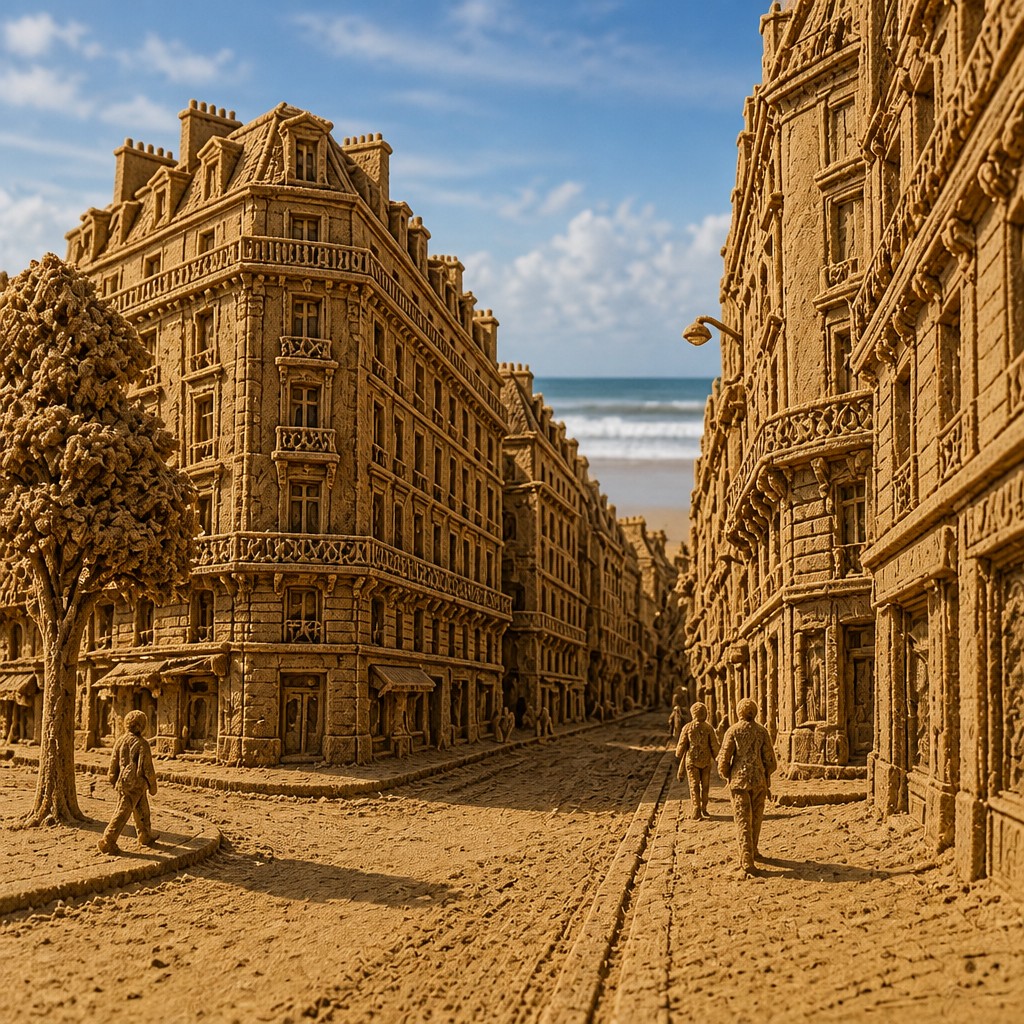

What Defines Sand Sculpture Style
The signature details, up close
Compacted wet-sand surfaces
Forms appear built from densely packed damp sand with a heavy, cohesive surface. Subtle darker patches and compressed layers suggest moisture and physical mass.
Monumental vertical scale
Subjects are enlarged into towers, gateways, cliffs, temples, or statues that rise dramatically from a flat beach. This scale contrast makes ordinary motifs feel ceremonial and architectural.
Crisp carved ornament
Fine relief work, miniature figures, arches, shells, foliage, and geometric borders are cut into the material with exceptional precision. The detail remains visibly handmade rather than perfectly machined.
Tool-scraped texture
Narrow grooves, planar cuts, chipped edges, and parallel scraping marks reveal the carving process. These marks prevent the surface from resembling smooth clay, stone, or computer-rendered plastic.
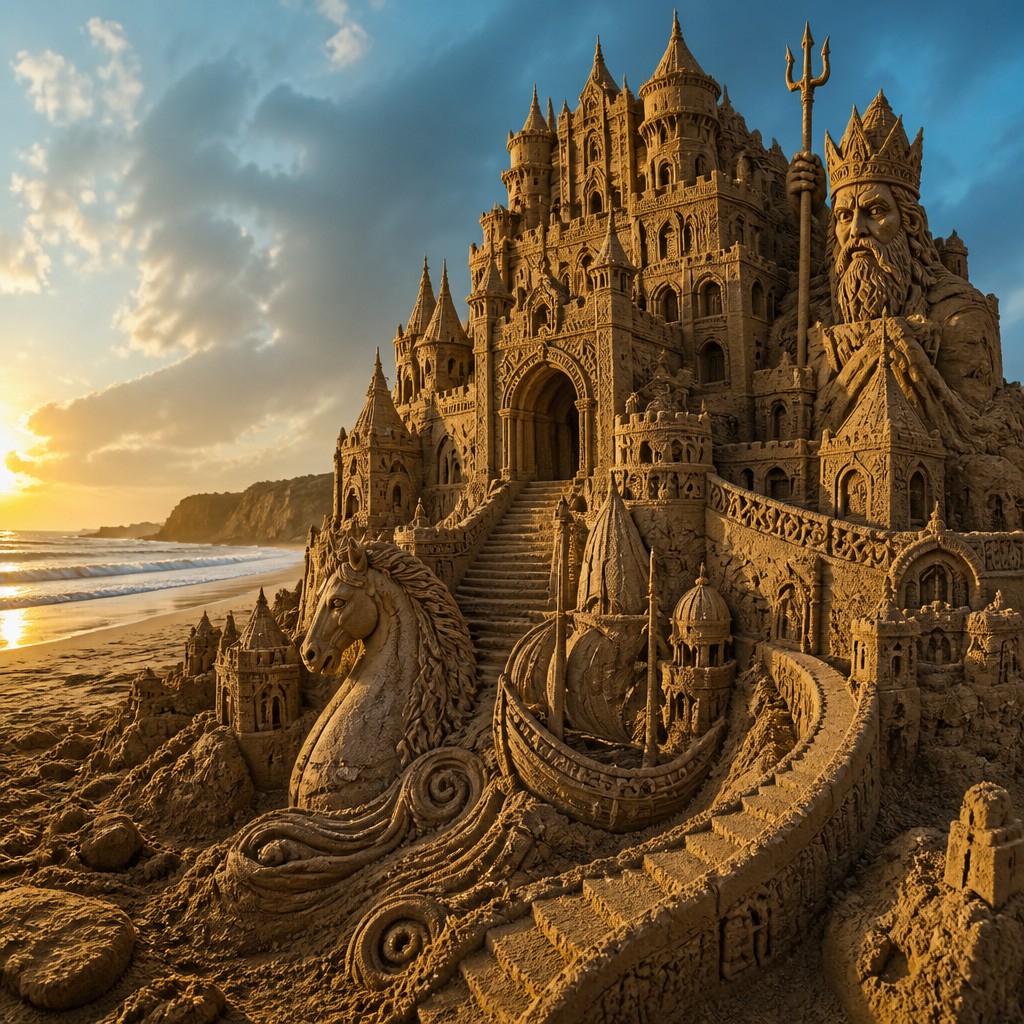
Raking sunlight and deep relief
Low directional light travels across ridges and recesses, producing long shadows and strong tonal separation. Lighting is essential because it explains the depth of the carving.
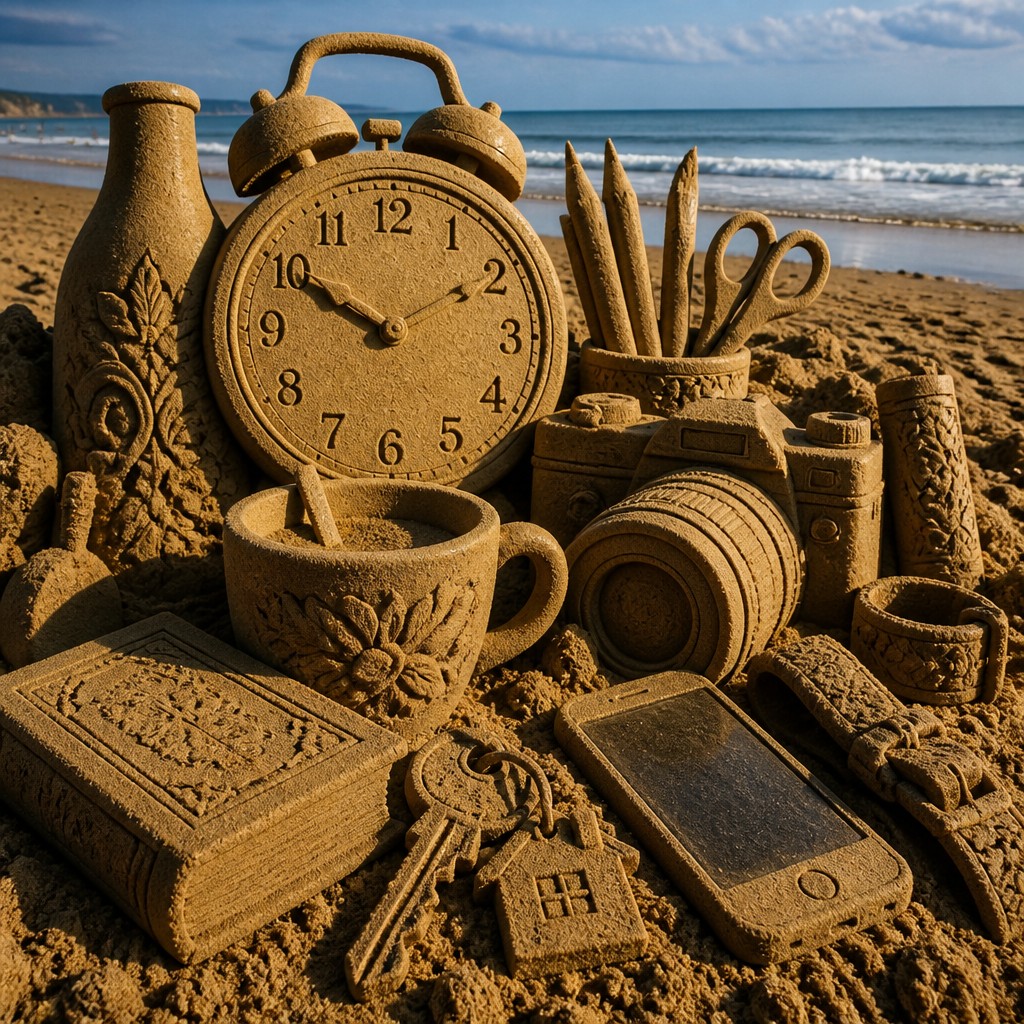
Beach context and impermanence
A tide line, wet shoreline, open sand, sea haze, or distant horizon frames the monument. Small signs of erosion, collapse, or softened edges can emphasize its temporary existence.
Sand Sculpture Prompt Ideas
Start from an idea — each one opens the generator with the style ready to go. See all 40 Sand Sculpture prompts →
How to Create Sand Sculpture Art
Master the craft step by step — or skip straight to creating. Read the full guide →
- 1
Build a stable core
For a physical sculpture, use well-compacted sand with enough moisture to hold vertical walls, then establish a broad base before carving upward. Remove material gradually so fragile projections and undercuts do not collapse.
- 2
Carve from large masses to fine relief
Block out the silhouette first, define major planes and openings second, and reserve tiny ornament for the final stage. Narrow blades, loops, combs, and improvised scraping tools can create varied granular marks.
- 3
Design the light before the detail
Use a low side light or late-afternoon sun to rake across the surface and reveal relief. In digital work, keep the light directional and physically plausible rather than evenly illuminating every plane.
- 4
Make the material unmistakable
Retain damp color shifts, granular edges, small slumps, compacted strata, and occasional imperfections. Avoid uniformly polished surfaces that make the subject read as stone, plaster, or molded resin.
- 5
Compose for monumental contrast
Place the sculpture against a simple beach, tide line, or low horizon and include small figures or natural forms when scale is important. A broad negative-space sky helps the carved silhouette remain readable.
- 6
Guide prompt-based generation precisely
Specify the subject, densely packed wet sand, carved relief, tool-scraped texture, golden-brown damp surfaces, low directional sunlight, deep raking shadows, and a beach horizon. Add terms such as ephemeral, physically carved, granular edges, and tide line to discourage smooth stone or generic 3D plastic.
The Story
History & Origins of Sand Sculpture
Sand Sculpture Style is a contemporary descriptive and digital art aesthetic rather than a formally established historical movement. Its lineage comes from recreational sandcastles, public sand-sculpture festivals, relief carving, monumental architecture, land art, and the broader tradition of representing impermanent structures in natural materials.
Digital interpretations extend these sources by presenting highly elaborate sand monuments that may exceed practical engineering limits. They preserve the material logic of packed sand—gravity, erosion, granular texture, and carved voids—while applying it to castles, animals, portraits, cities, and imagined worlds.
Influences: The aesthetic draws on beach sandcastle traditions, temporary land art, monumental sculpture, architectural relief, and the craft discipline of carving subtractively from a soft material. Its dramatic presentation also relates to fantasy concept art, archaeological reconstruction imagery, Baroque emphasis on light and shadow, and photographic documentation of ephemeral public sculpture. The combination of grand scale and inevitable erosion gives it a conceptual connection to impermanence in environmental and site-specific art.
Frequently Asked Questions
What defines Sand Sculpture Style?
It represents subjects as monumental forms carved from densely packed, damp beach sand. The defining cues are granular tool marks, crisp relief, golden-brown moisture variation, strong directional sunlight, and a visible coastal setting.
How is it different from a regular sandcastle?
A regular sandcastle usually emphasizes simple architecture and playful construction. Sand Sculpture Style expands the idea into highly detailed figurative, narrative, or fantastical monuments, often using the visual language of relief carving and monumental sculpture.
Does the subject have to be a castle?
No. Animals, portraits, temples, vehicles, plants, cities, and imaginary creatures all work well. The essential requirement is that the subject appears physically carved or assembled from cohesive beach sand.
How can I make a physical artwork in this style?
Use clean sand with enough moisture to compact firmly, create a wide structural base, and remove material in stages. Establish large forms before fine details, protect fragile projections, and photograph the finished work in low side light before tide or weather changes it.
How should I describe this look in a text prompt?
Name the subject first, then specify densely packed wet sand, carved relief, tool-scraped texture, damp golden-brown color, monumental scale, and raking sunlight. Mention a beach horizon or tide line and explicitly request granular, imperfect edges to avoid a polished stone appearance.
Where is this style commonly used?
It is suited to fantasy scenes, editorial illustrations, environmental storytelling, festival or event concepts, architectural visualizations, album artwork, and images about impermanence. It also works for photo transformations when the original composition has a clear silhouette and strong light.
Create your first Sand Sculpture artwork
Describe anything — or upload a photo — and see it in Sand Sculpture Style in seconds.
Related Styles
Discover similar art styles