Ice Sculpture Style
Explore Ice Sculpture Style: translucent crystalline forms, chiseled facets, trapped bubbles, melting edges, and cold luminous atmosphere.
Instantly rendered in Ice Sculpture — or transform a photo
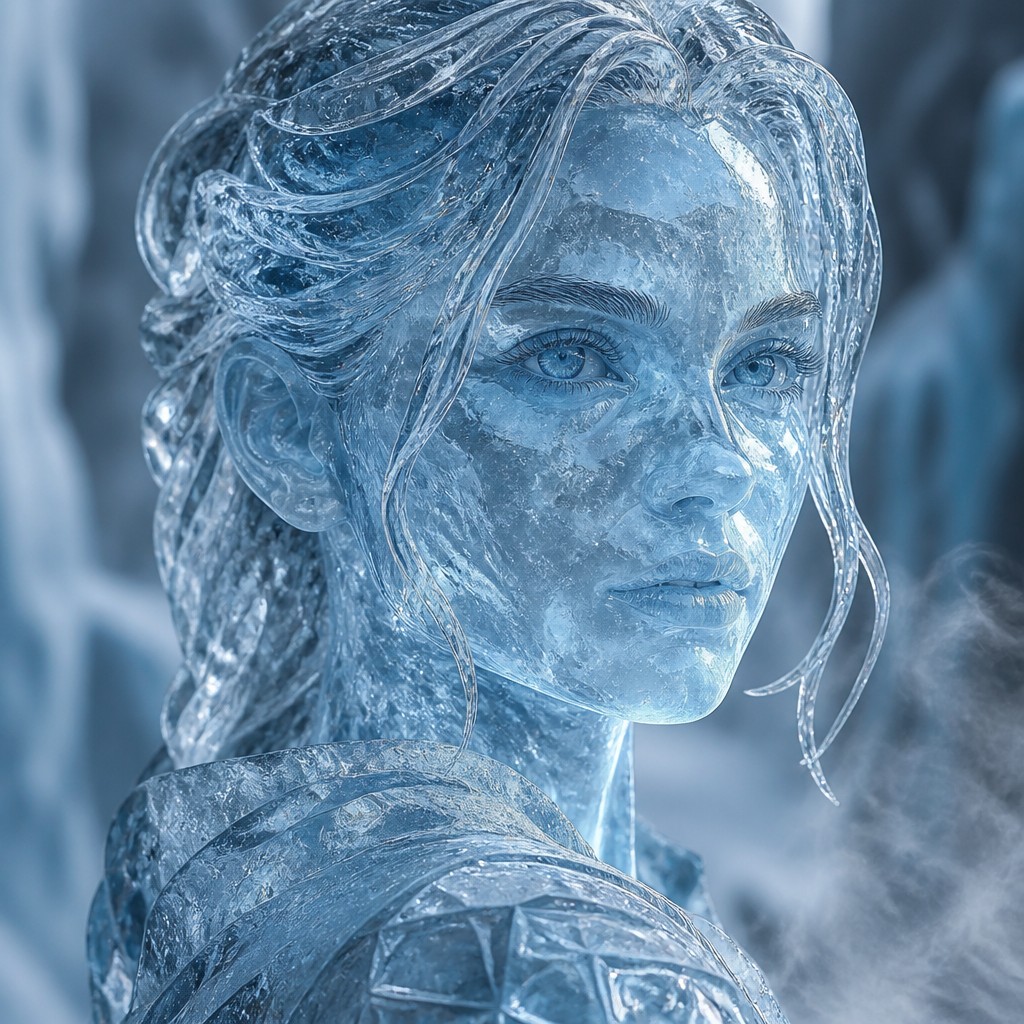
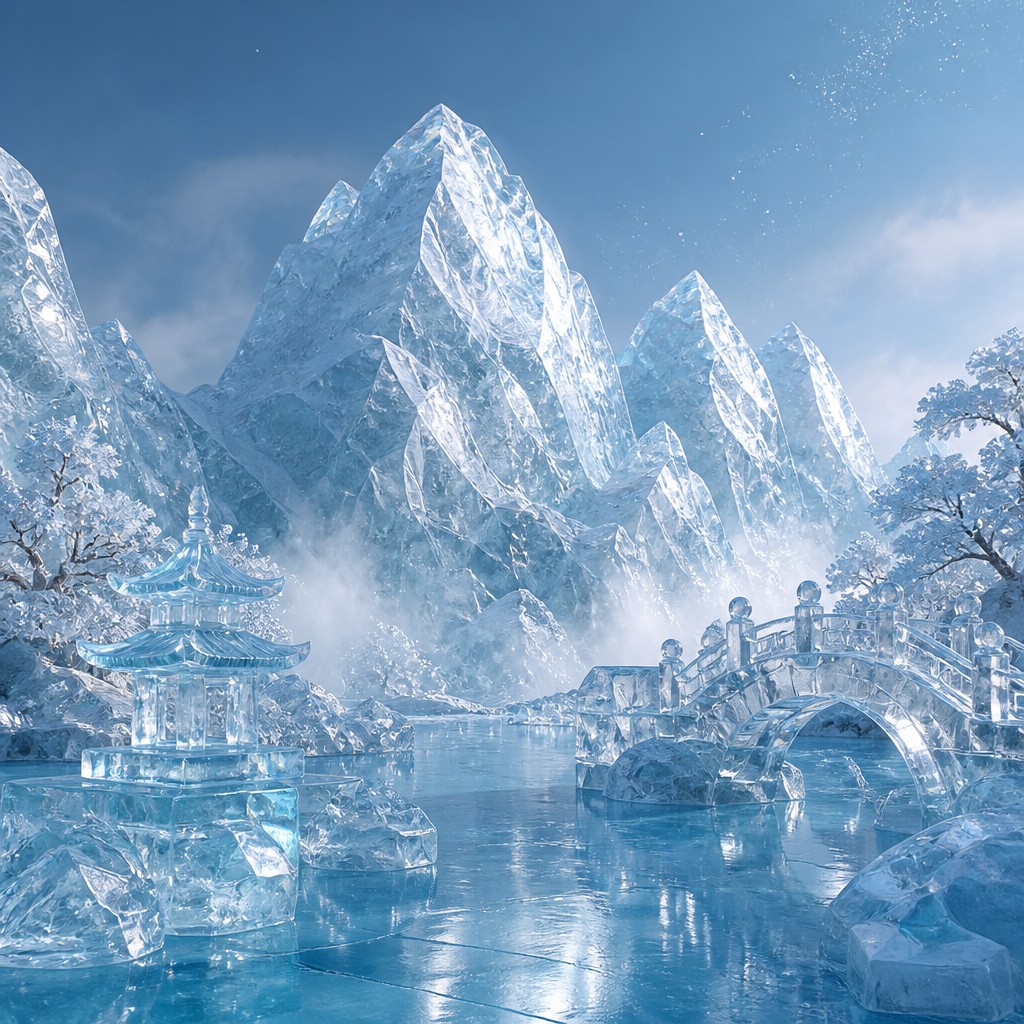
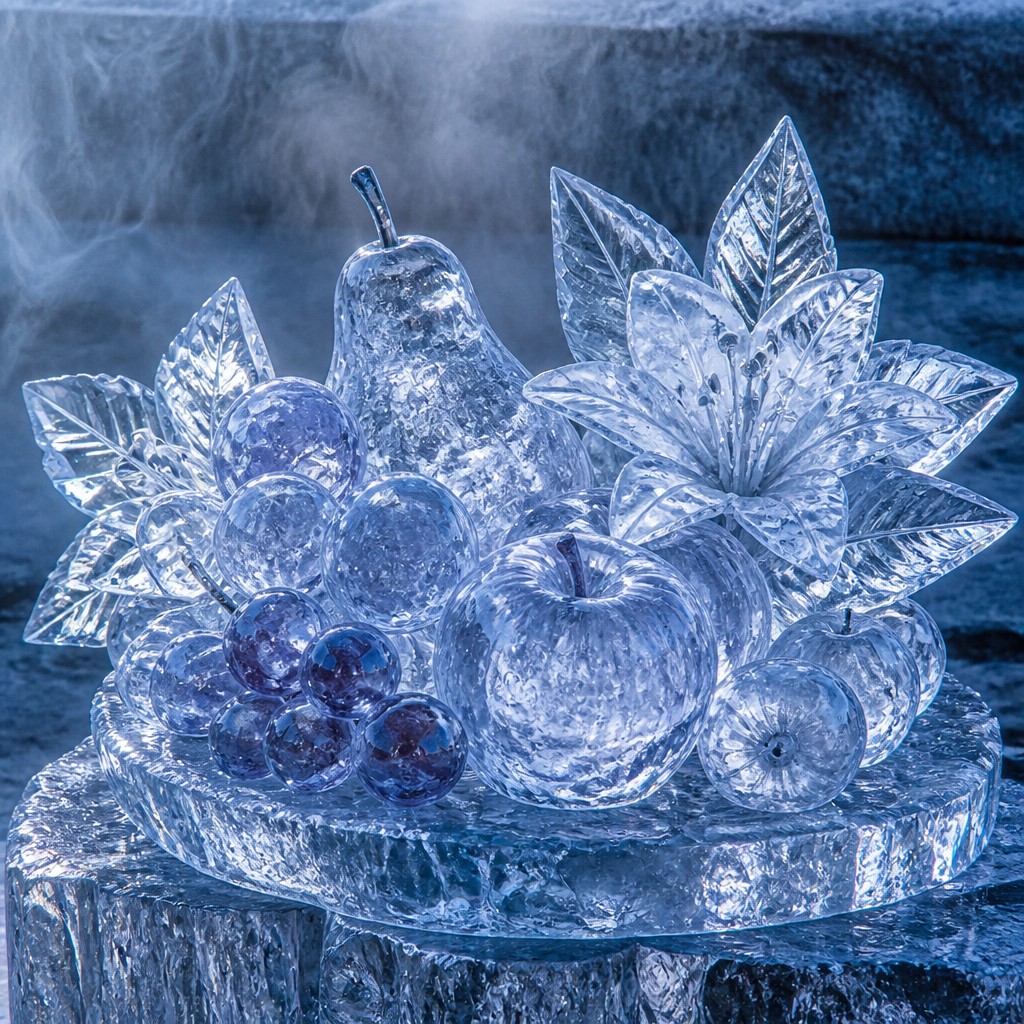
Ice Sculpture Gallery
Tap any artwork to explore it
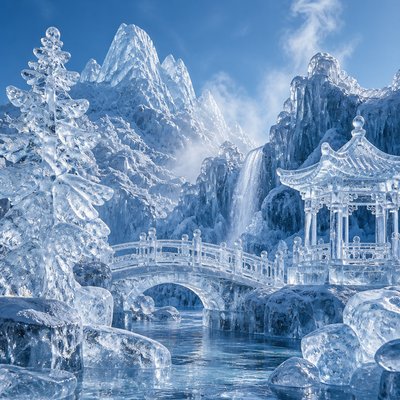
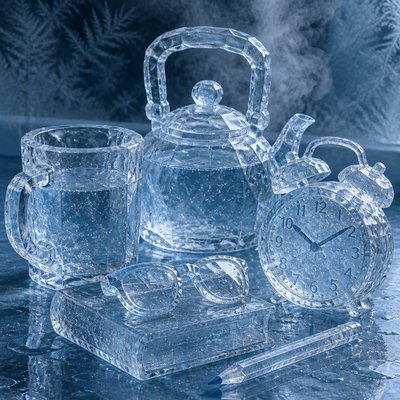


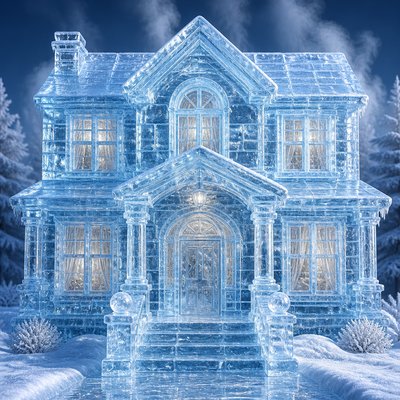
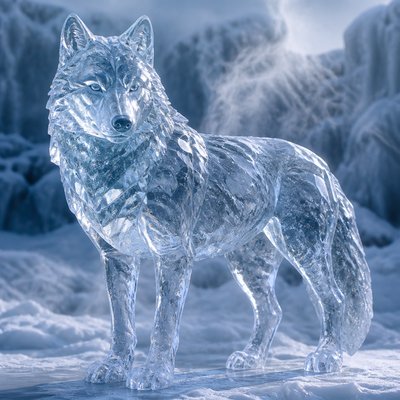
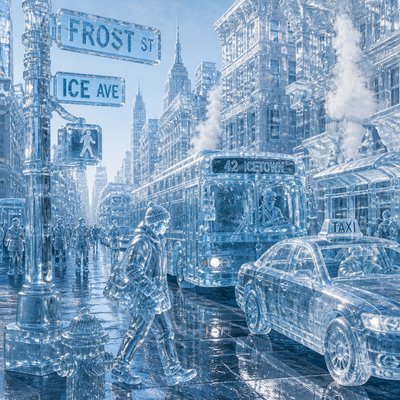
What is Ice Sculpture Style?
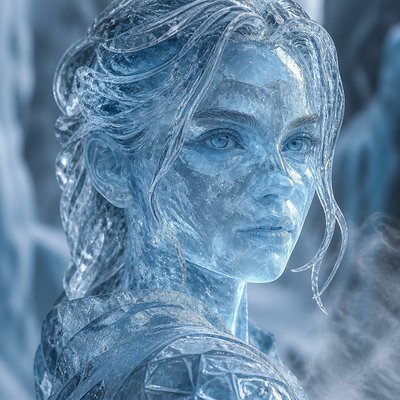
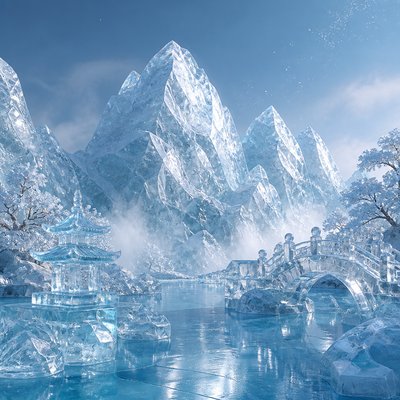
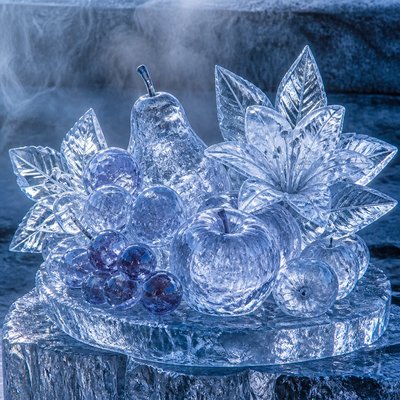
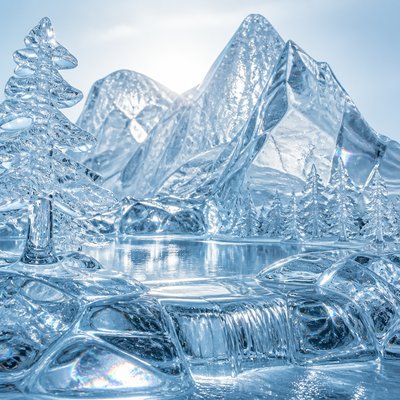
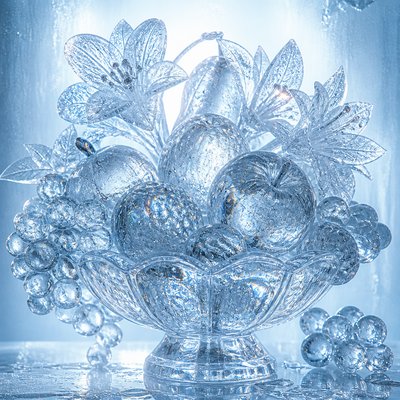
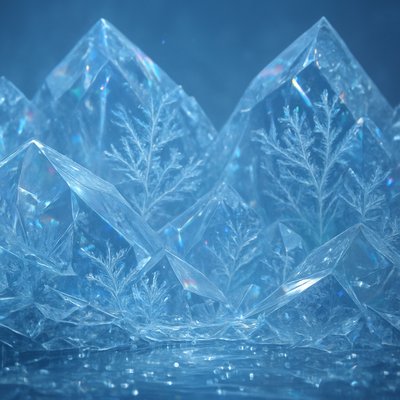
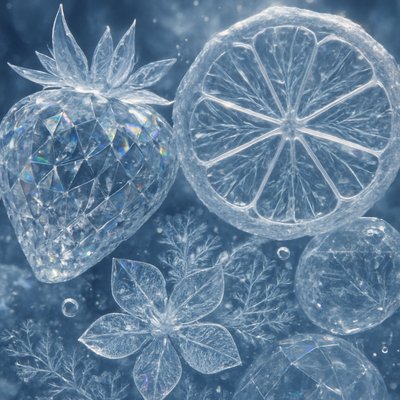
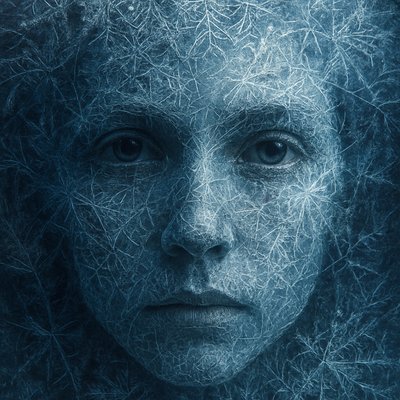
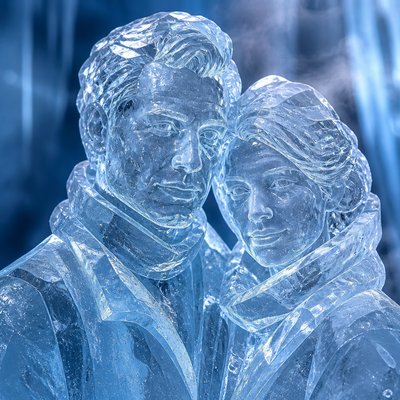
Ice Sculpture Style presents subjects as translucent frozen constructions shaped by carving, fracture, refraction, and gradual melting. Forms appear to be cut from clear or blue-white ice, with crisp planes, softened edges, trapped air bubbles, hairline cracks, and surfaces that catch cold light like glass.
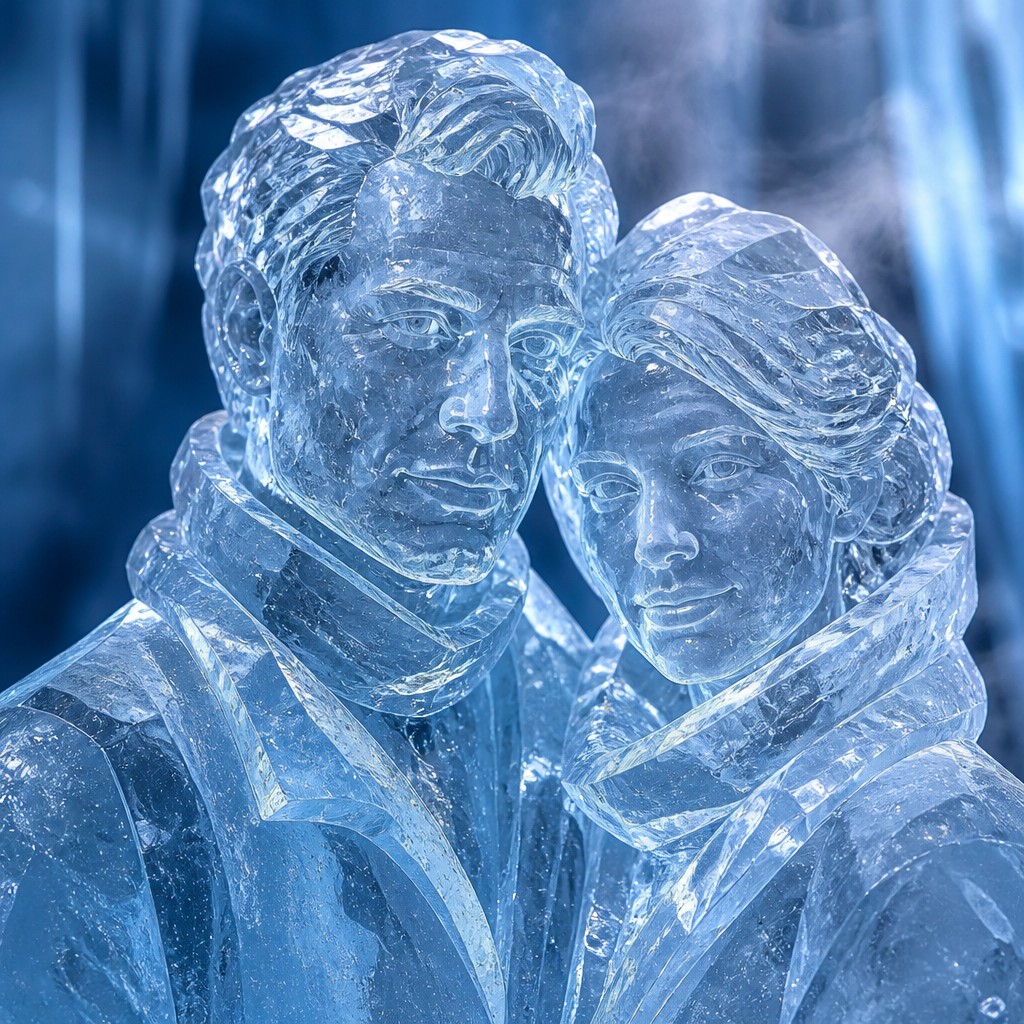
Try It On Your Photos
Upload any photo and convert it into Ice Sculpture Style — drag the sliders to compare before and after.
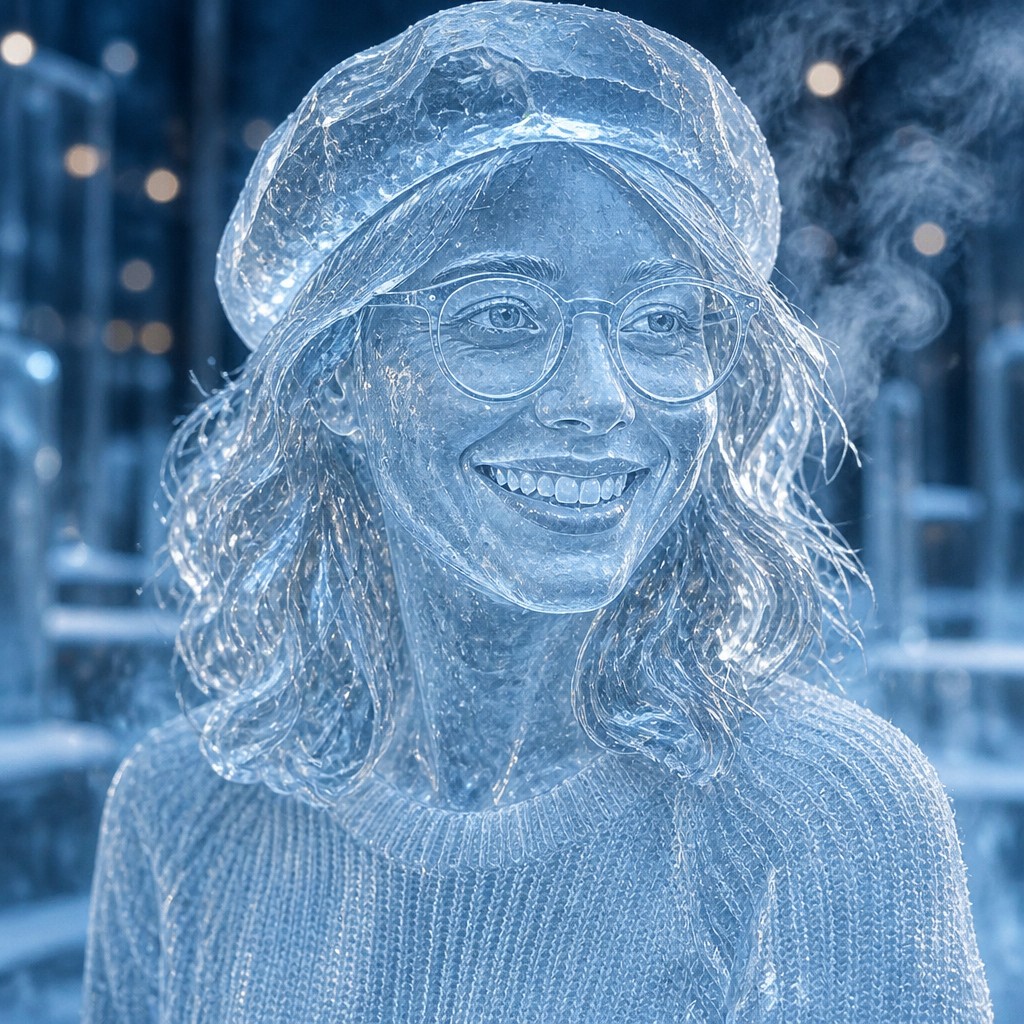

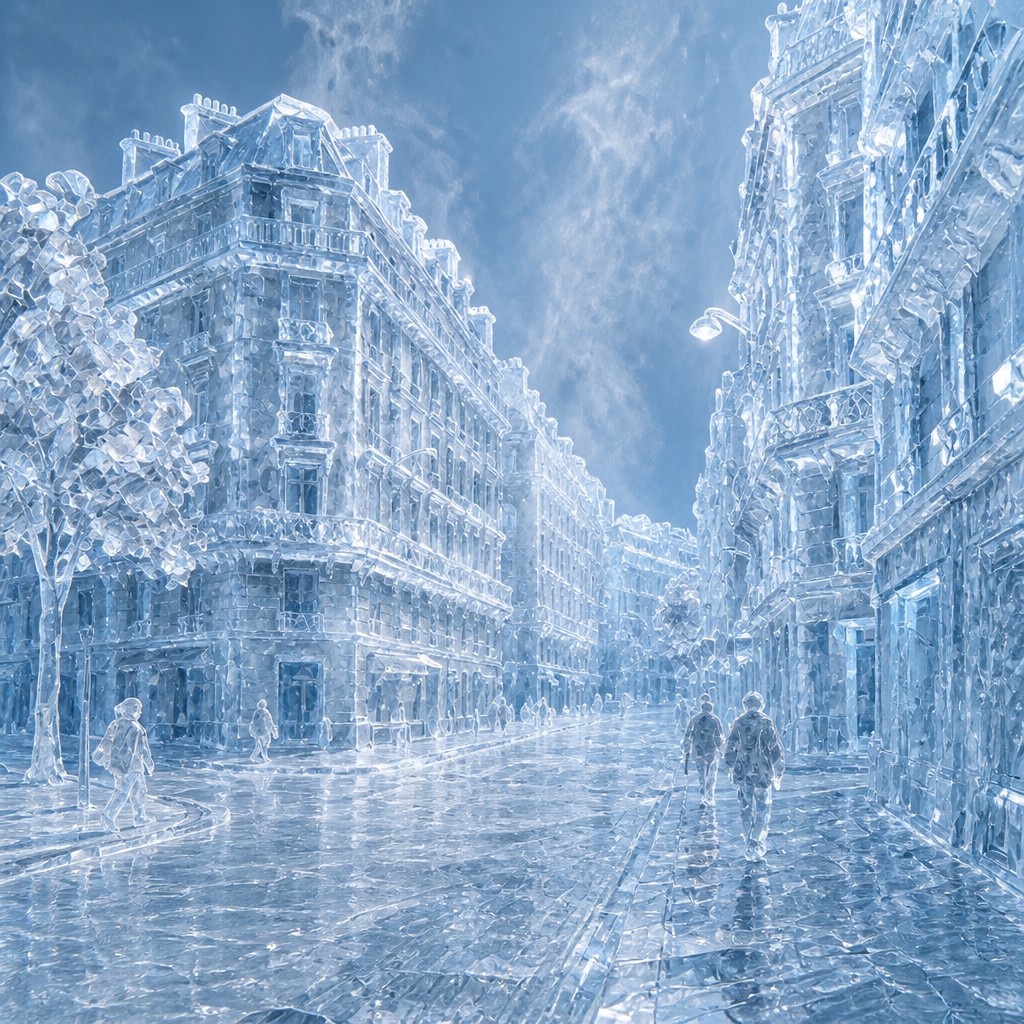

What Defines Ice Sculpture Style
The signature details, up close
Translucent frozen forms
Subjects are built from clear, milky, or blue-tinted ice with visible depth. Transparency reveals overlapping planes, internal shadows, and suspended bubbles.
Faceted carving
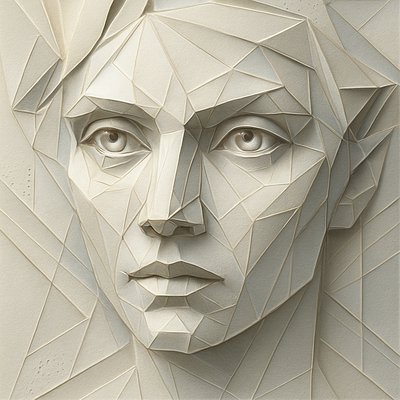
Crisp geometric planes and angular cuts give the sculpture a deliberate hand-carved structure. Edges catch highlights in sharp, crystalline flashes.
Chisel-marked surfaces
Fine grooves, shallow gouges, chipped corners, and uneven tool marks preserve the evidence of carving. These details keep the material from looking like smooth plastic or generic glass.
Cold blue illumination
Blue, cyan, silver, and white light define the palette, often with a bright rim light along transparent edges. Subtle shadows remain cool rather than turning warm or muddy.
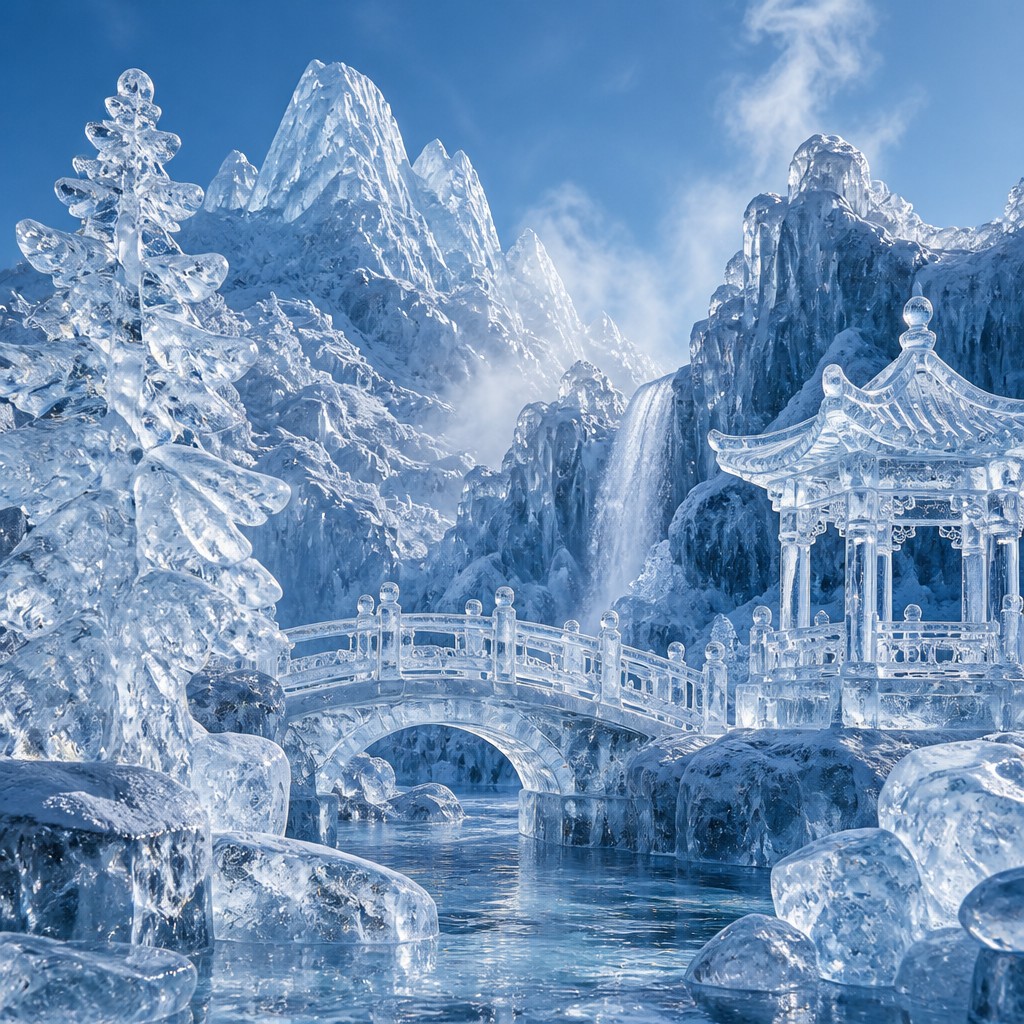
Melting transitions
Lower edges may soften, bead with water, or dissolve into frost and vapor. This controlled loss of detail suggests that the sculpture is temporary and temperature-dependent.
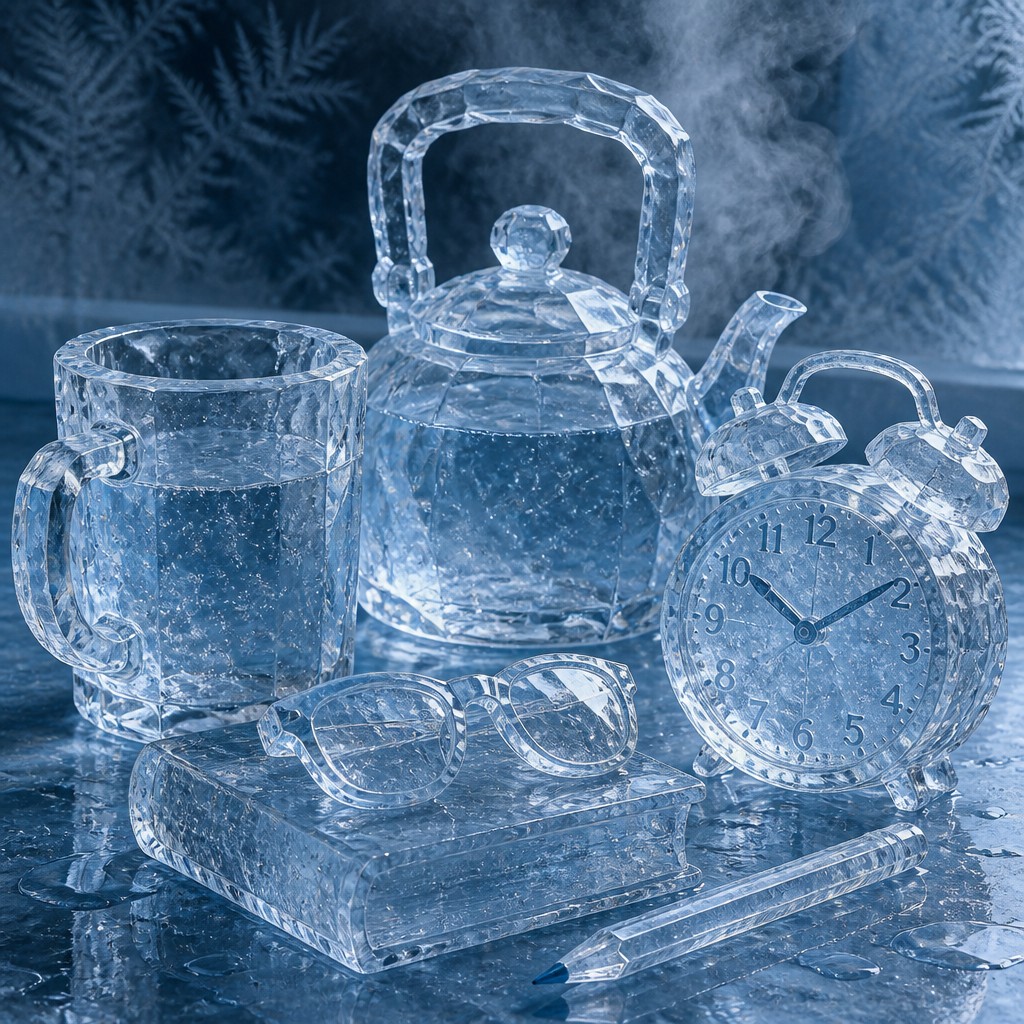
Internal crystalline detail
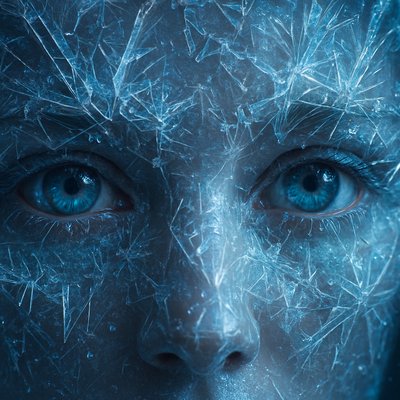
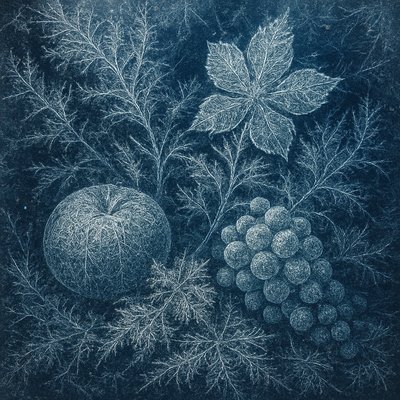
Air bubbles, frozen seams, cloudy inclusions, branching cracks, and refracted highlights appear inside the material. These features create visual depth without requiring surface ornament.
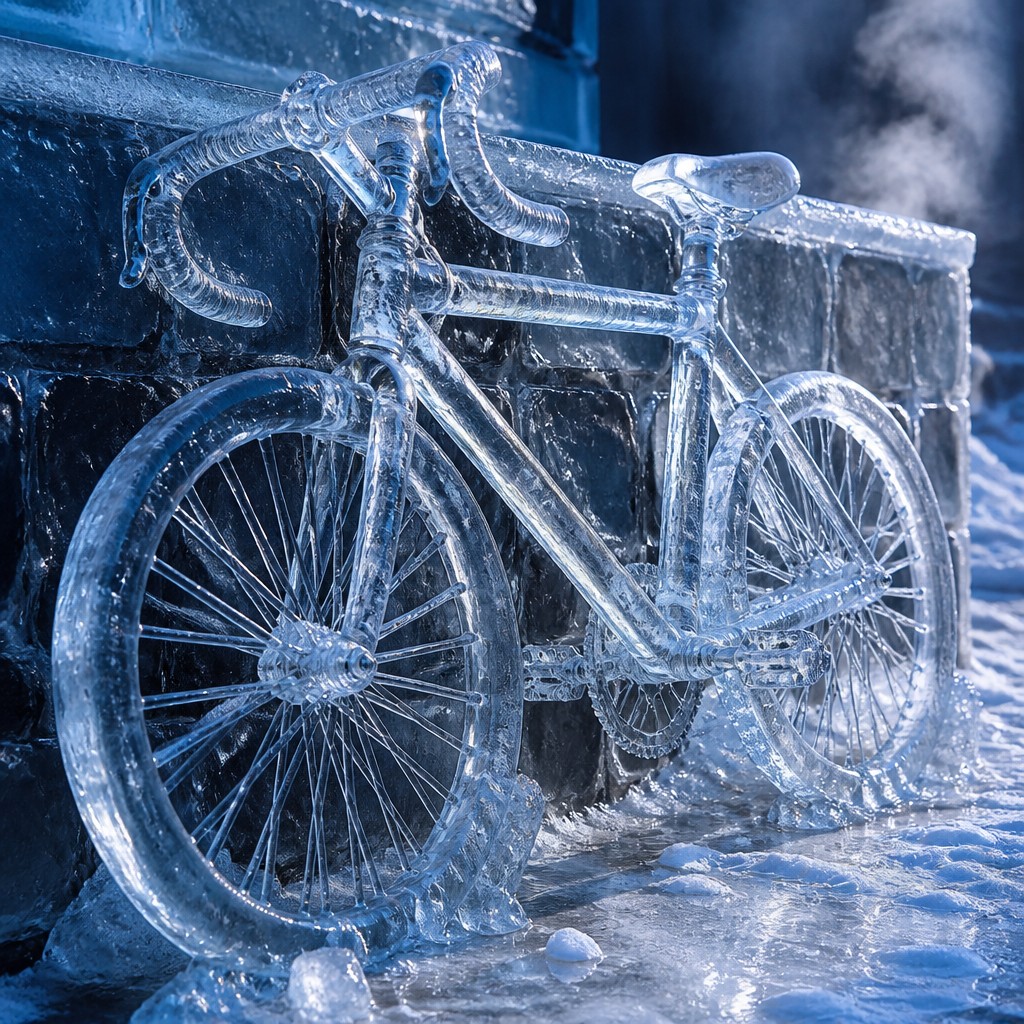
Winter atmosphere
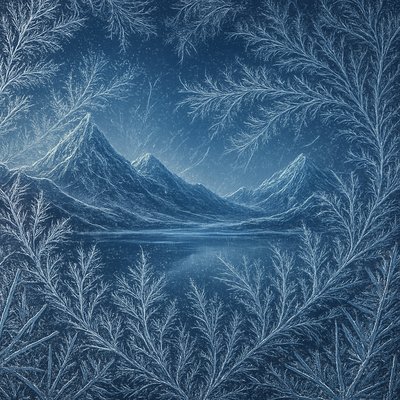
Frosted backgrounds, snow haze, faint steam, and low-contrast icy landscapes frame the subject. The environment reinforces silence, cold, and luminous impermanence.
Ice Sculpture Prompt Ideas
Start from an idea — each one opens the generator with the style ready to go. See all 40 Ice Sculpture prompts →
How to Create Ice Sculpture Art
Master the craft step by step — or skip straight to creating. Read the full guide →
- 1
Choose a readable silhouette
Begin with a subject whose outline remains recognizable when reduced to a translucent mass, such as an animal, figure, flower, vessel, or architectural form. Establish the large silhouette before adding cracks and carving marks.
- 2
Build transparent volume
In traditional work, carve progressively from large blocks and preserve structural thickness around delicate projections. Digitally, combine solid geometry, transmission, subsurface scattering, roughness variation, and interior particles to suggest depth within the ice.
- 3
Shape the light
Use a cool key light from the side or behind to reveal facets and luminous edges, with restrained fill so the sculpture retains weight. Add soft atmospheric haze or faint steam without obscuring the main silhouette.
- 4
Add material evidence
Include irregular chisel grooves, chipped planes, trapped bubbles, cloudy inclusions, and hairline fractures at different scales. Avoid applying identical texture uniformly, since natural ice varies across every plane.
- 5
Suggest melting selectively
Soften only exposed edges and contact points, adding small droplets, wet reflections, frost, or vapor where heat would accumulate. Keeping most major planes sharp creates a convincing contrast between structure and decay.
- 6
Write precise generation instructions
For prompt-based creation, specify the subject first, then translucent ice, faceted carving, visible air bubbles, cold directional light, melting edges, and a frosted setting. Negative instructions such as avoiding opaque stone, warm sunlight, plastic surfaces, and smooth polished glass can help preserve the intended material.
The Story
History & Origins of Ice Sculpture
Ice Sculpture Style is an invented contemporary aesthetic rather than a documented historical art movement. Its lineage comes from traditional ice carving, temporary winter festivals, environmental installation, glass and crystal sculpture, and the broader visual language of fantasy illustration and digitally rendered material studies.
The style develops these sources into a cohesive image-making language: solid forms are treated as both sculpture and atmosphere. Chisel marks suggest physical labor, while mist, frost, internal refraction, and melting edges introduce time, temperature, and impermanence into the composition.
Influences: The aesthetic draws on traditional ice carving and temporary winter sculpture, where block removal, structural balance, and changing weather are central to the work. It also relates to glass and crystal sculpture, Minimalism’s attention to material and volume, Romantic landscape traditions of sublime nature, fantasy art’s luminous environments, and contemporary digital rendering of translucent materials. Its emphasis on impermanence connects it to ephemeral installation and environmental art.
Frequently Asked Questions
What defines Ice Sculpture Style?
It is defined by subjects rendered as translucent, carved ice with faceted planes, chisel marks, internal bubbles, cold blue illumination, and selectively melting edges. Frost, steam, cracks, and snowy surroundings reinforce the material and its temporary nature.
Is Ice Sculpture Style a historical art movement?
No. It is a contemporary, invented aesthetic rather than a formally documented movement with a fixed period or founding school. It adapts techniques and visual ideas from real ice carving, sculpture, glass art, winter installations, and digital fantasy imagery.
How is it different from glass sculpture?
Both styles use transparency, refraction, and luminous edges, but Ice Sculpture Style emphasizes freezing, fracture, air bubbles, frost, and melting. Its surfaces tend to show carved tool marks and temperature-related softness rather than the seamless polish or heat-formed fluidity associated with glass.
Can this style be made with physical materials?
Yes. Clear or cloudy ice can be carved with appropriate tools, though the work is fragile and must be produced in controlled cold conditions. Resin, wax, soap, plaster, or glass can imitate the appearance, but they require careful lighting and surface treatment to avoid looking like ordinary opaque sculpture.
What subjects work well in this style?
Animals, human figures, flowers, vessels, vehicles, buildings, and fantasy objects all work well when their silhouettes are distinctive. Subjects with thin projections, layered forms, or meaningful negative space offer especially strong opportunities for transparency and refraction.
Where is Ice Sculpture Style commonly used?
It suits fantasy environments, winter editorial imagery, game and film concept art, album covers, seasonal design, collectible renders, and atmospheric portraits. It is particularly effective when the image needs to communicate beauty, fragility, coldness, or transformation.
Create your first Ice Sculpture artwork
Describe anything — or upload a photo — and see it in Ice Sculpture Style in seconds.
Related Styles
Discover similar art styles