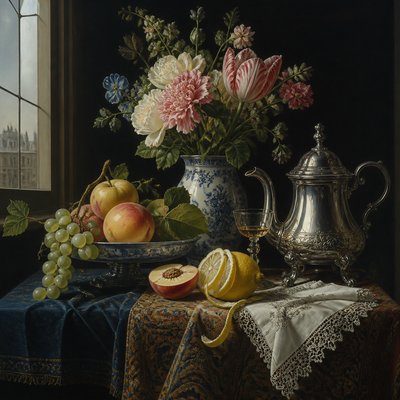
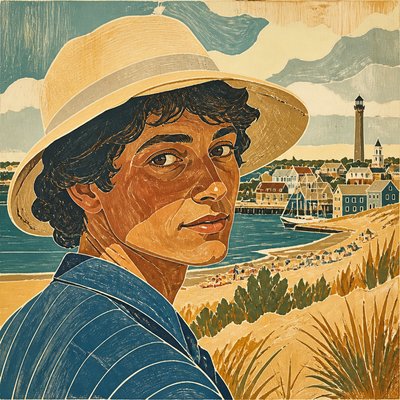
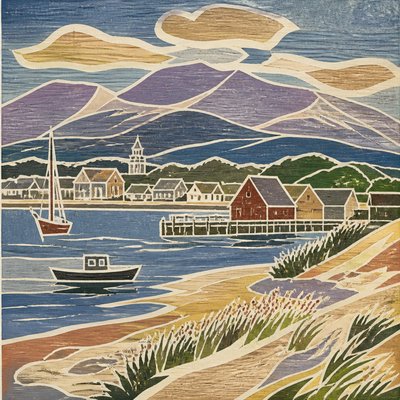
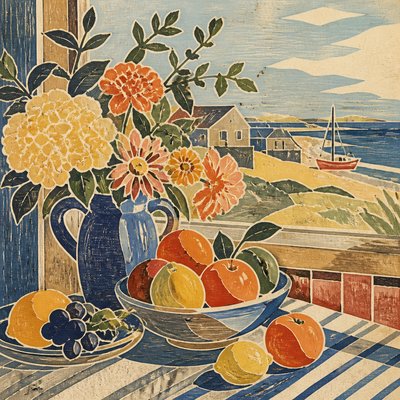
Ivorian Art Style
Explore Ivorian Art Style: a contemporary synthesis of Baoulé sculpture, Senufo carving, and Dan mask forms in warm polished wood tones.
Instantly rendered in Ivorian — or transform a photo
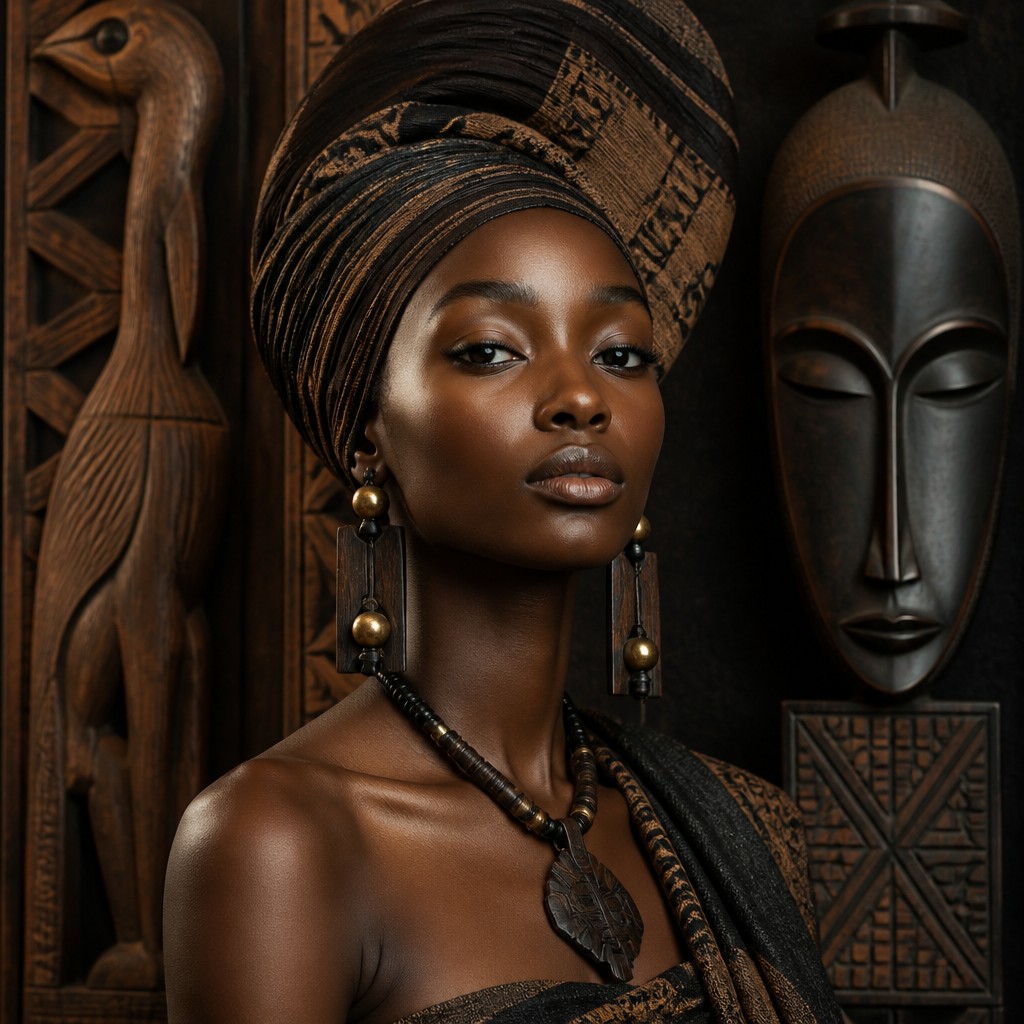
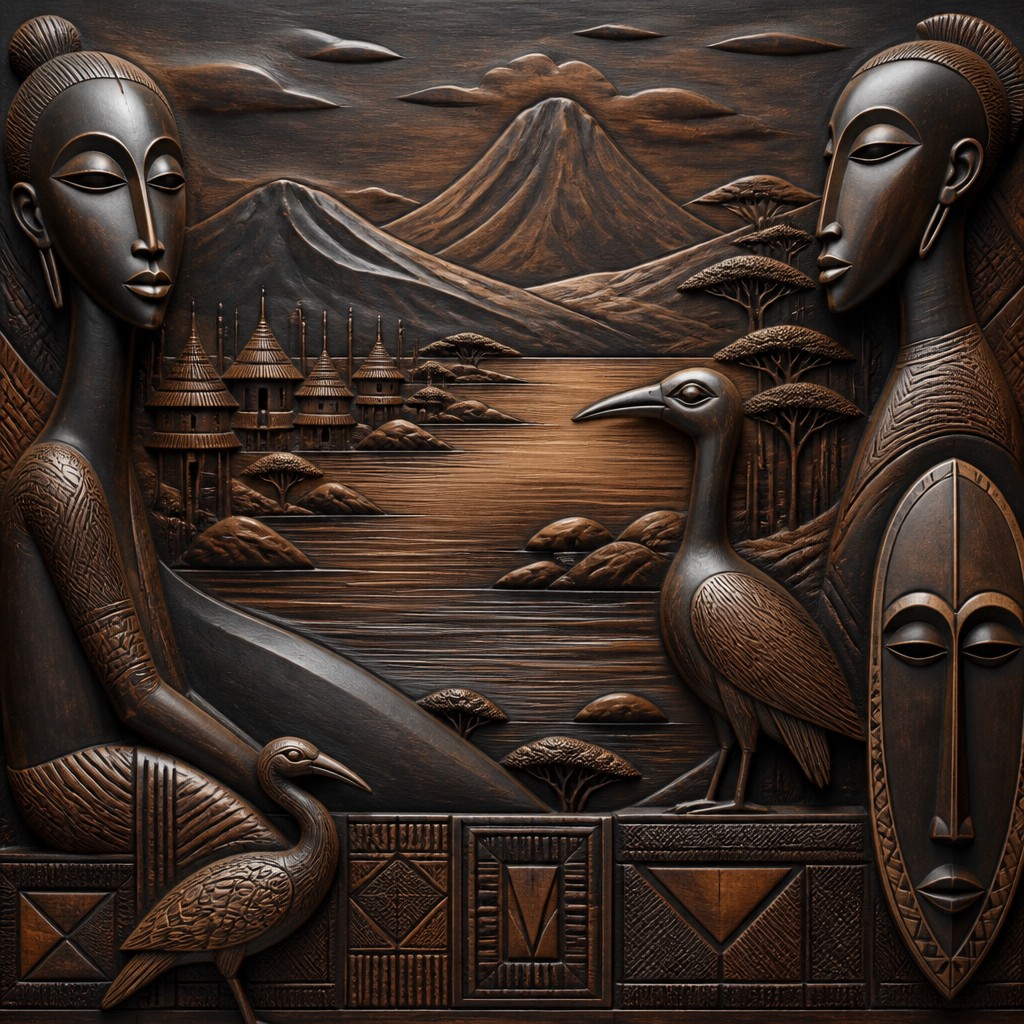
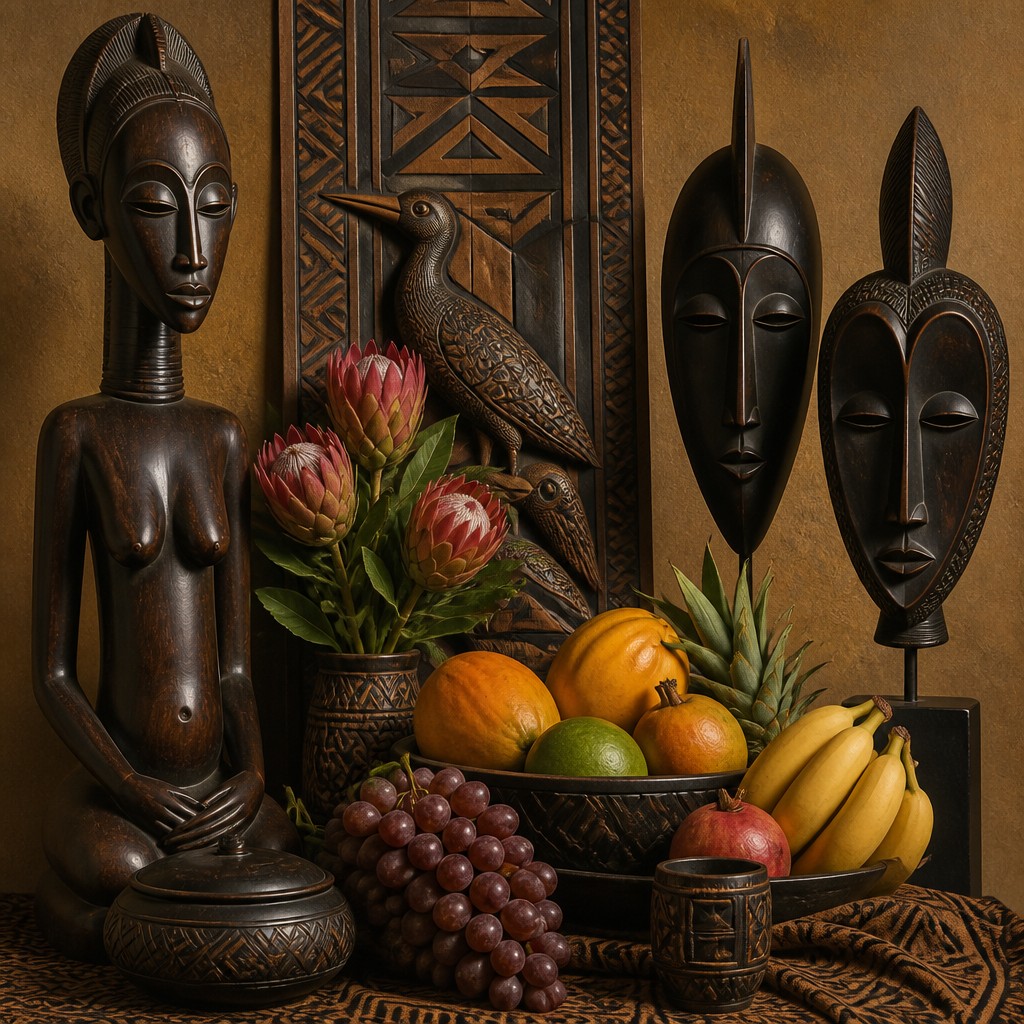
Ivorian Gallery
Tap any artwork to explore it
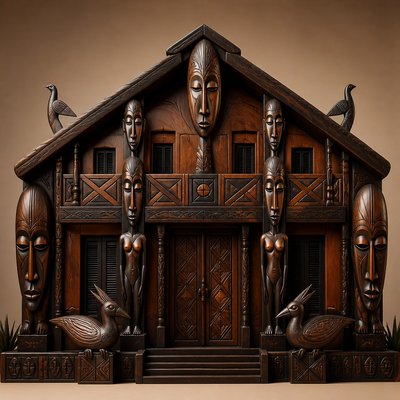
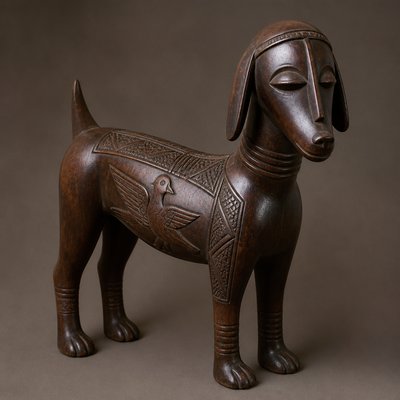
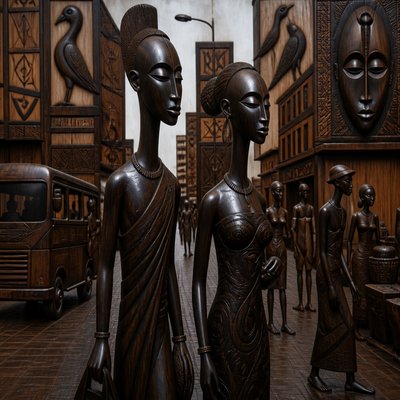
What is Ivorian Art Style?
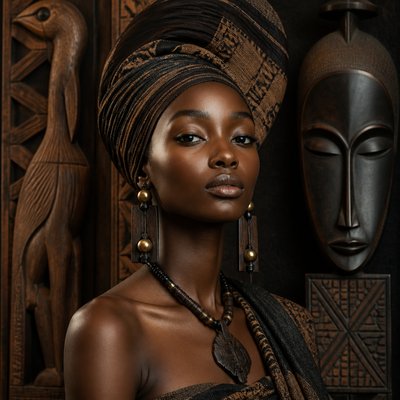
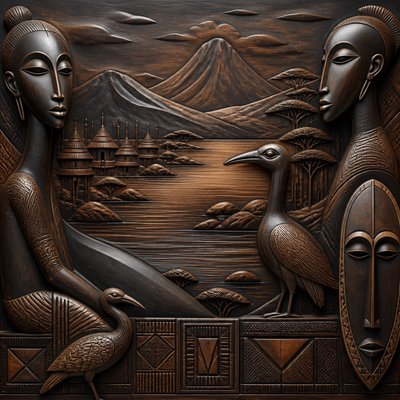
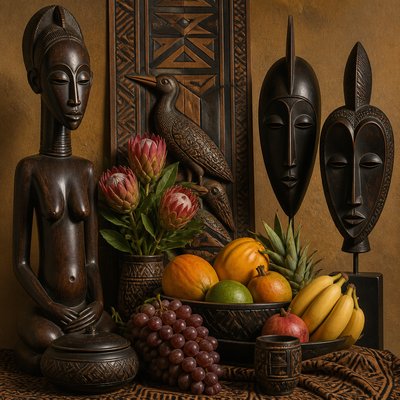
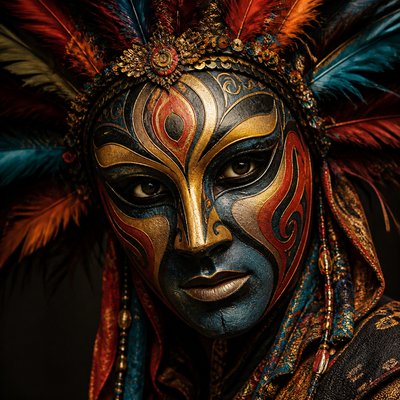
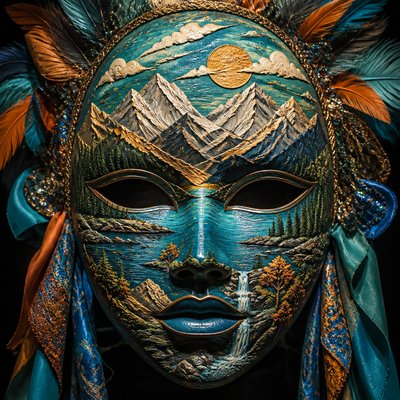
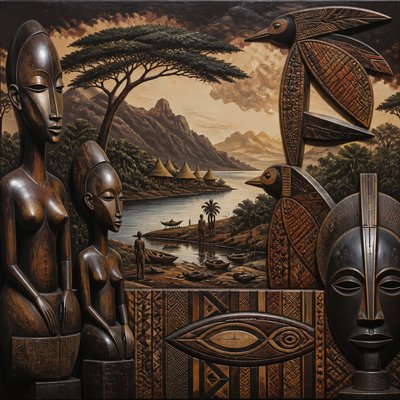
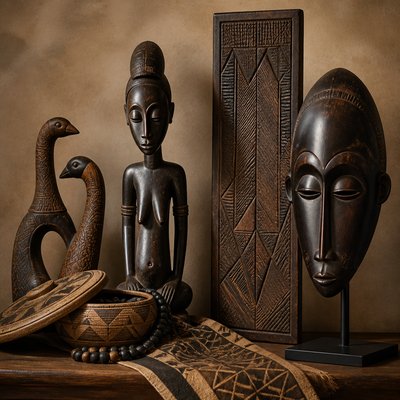
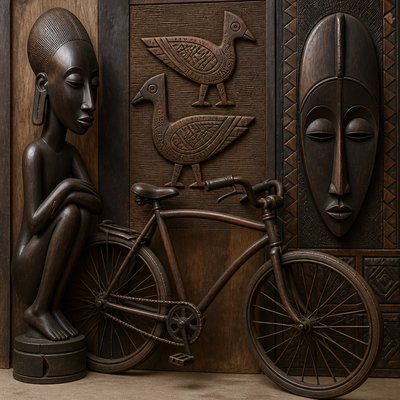
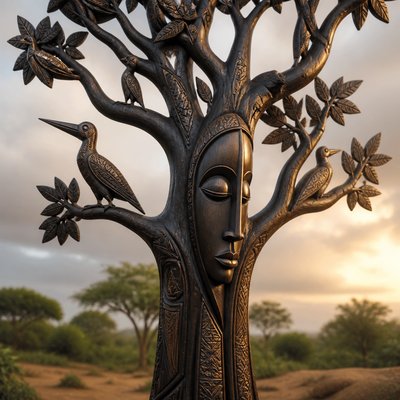
Ivorian Art Style is a contemporary visual synthesis inspired by major carving traditions of Côte d’Ivoire, especially the serene figurative sculpture associated with Baoulé communities, the geometric animal forms of Senufo art, and the powerful silhouettes of Dan masks. It is defined by polished surfaces, controlled symmetry, elongated facial proportions, dark burnished wood, and a restrained palette of umber, ebony, ochre, and warm brown.
The style looks sculptural even when applied to painting, photography, illustration, or digital imagery. Quiet expressions, simplified anatomy, strong contours, and carefully balanced geometric details create an impression of dignity and composure. The synthesis should be understood as an art-direction language rather than a single traditional movement, since the source traditions have distinct histories, functions, and cultural contexts.
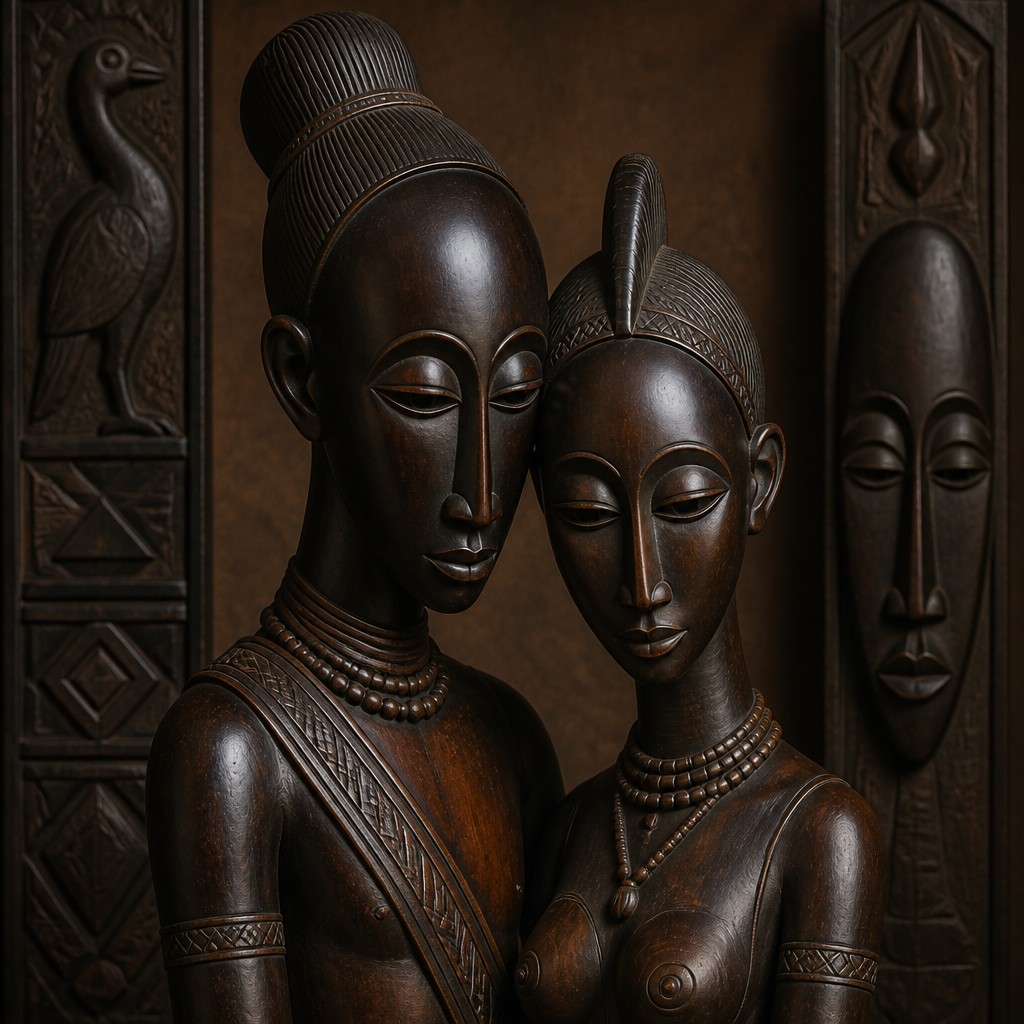
Try It On Your Photos
Upload any photo and convert it into Ivorian Art Style — drag the sliders to compare before and after.
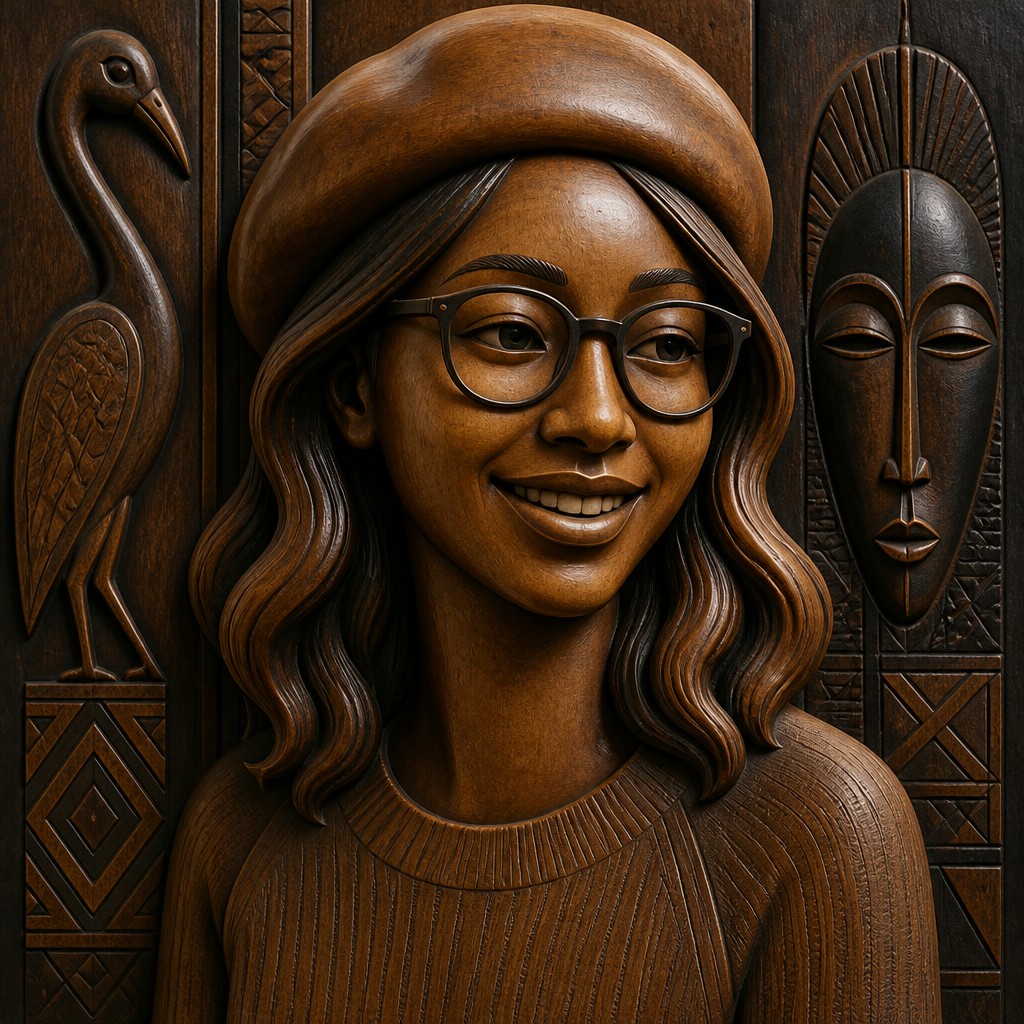

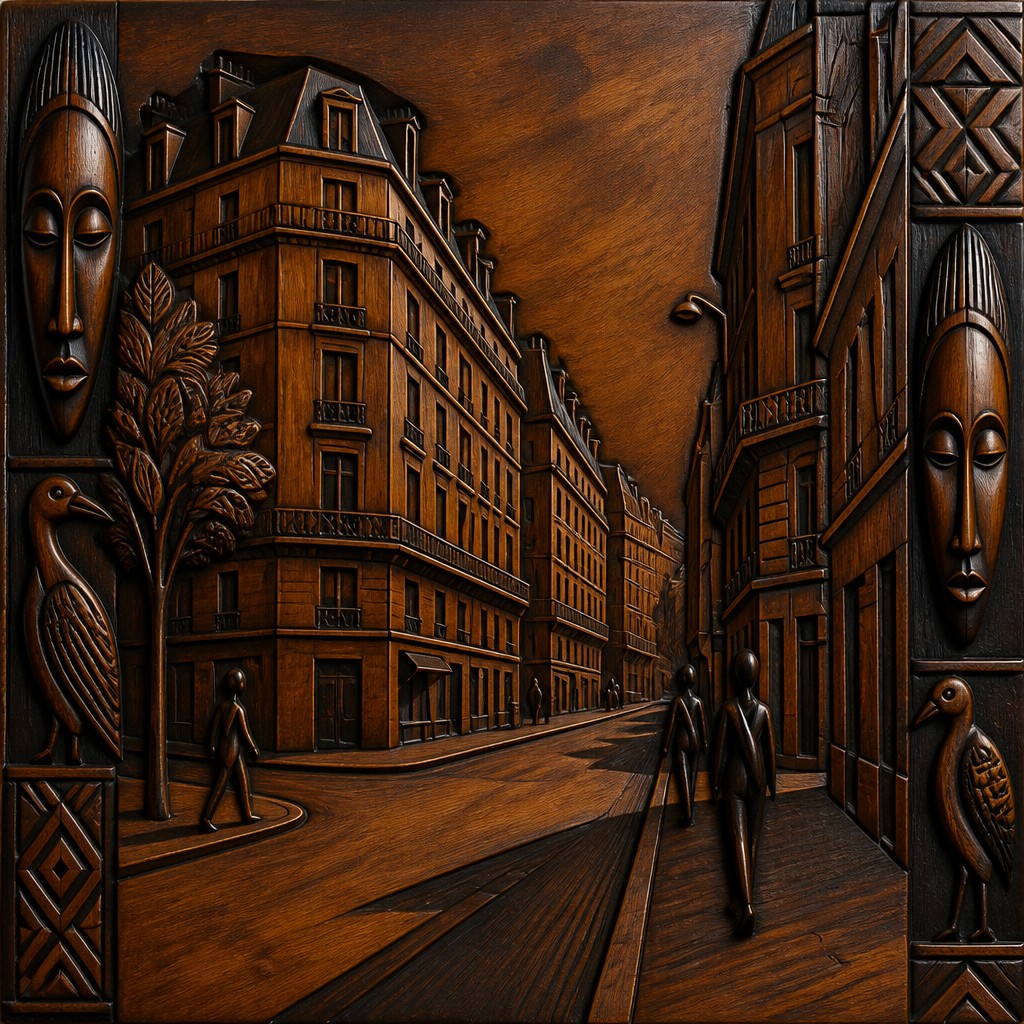

What Defines Ivorian Art Style
The signature details, up close
Serene elongated faces
Figures often have tall foreheads, narrow or lengthened facial planes, small composed mouths, and calm, inward-looking expressions. The restraint of the features emphasizes presence rather than anecdotal emotion.
Polished carved surfaces
Smooth wood-like planes, softly rounded contours, and subtle highlights suggest careful hand polishing. Digital versions benefit from controlled specular light rather than glossy plastic shine.
Mask-like silhouettes
Broad brows, projecting forms, strong jawlines, and compressed profiles create the visual authority associated with carved masks. These silhouettes should remain distinct and legible even in a simplified composition.
Geometric animal motifs
Stylized birds, horns, beaks, wings, and angular animal forms introduce Senufo-related visual structure. Repetition, symmetry, and carefully placed panels keep these motifs integrated with the figure.
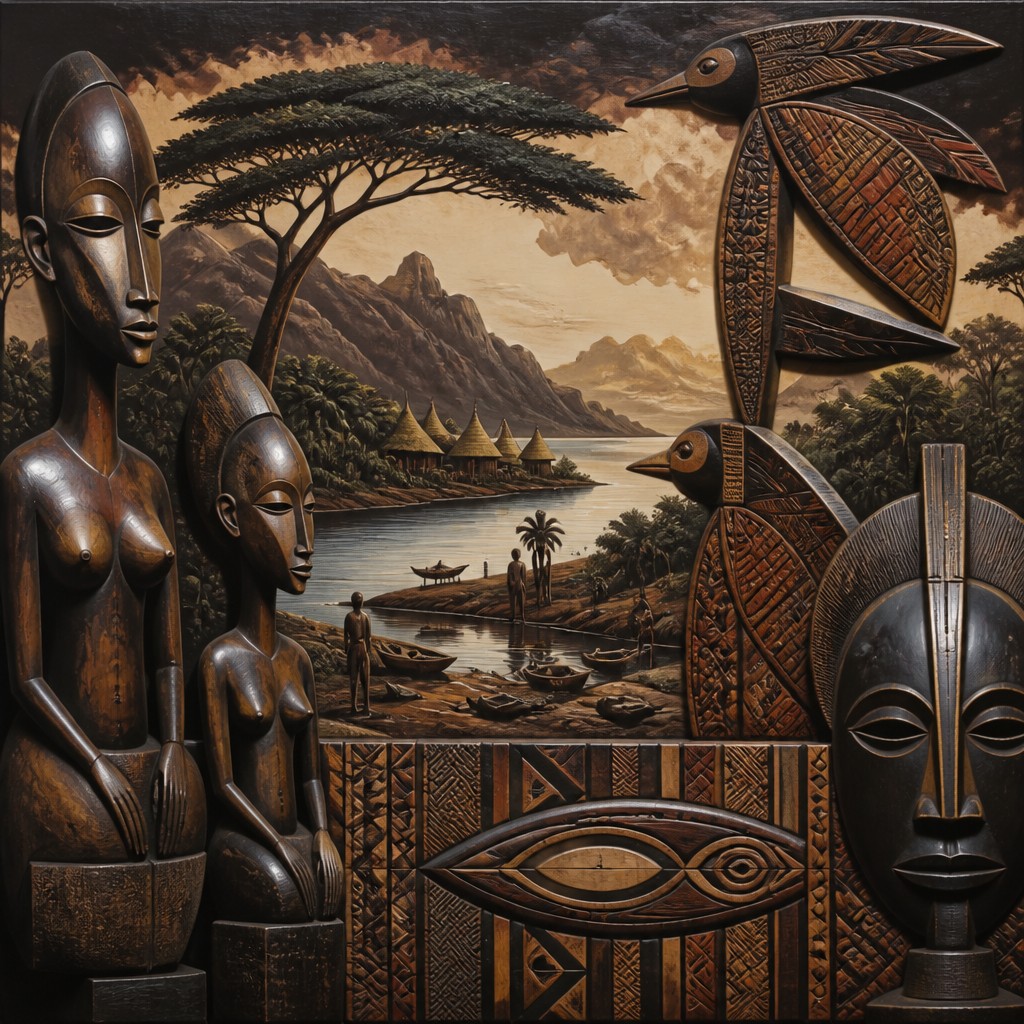
Burnished umber and ebony palette
Deep brown, blackened wood, rust, ochre, clay red, and muted cream establish a warm, earthy range. Color is usually subordinate to form, with highlights reserved for ridges, cheeks, shoulders, and raised carving.
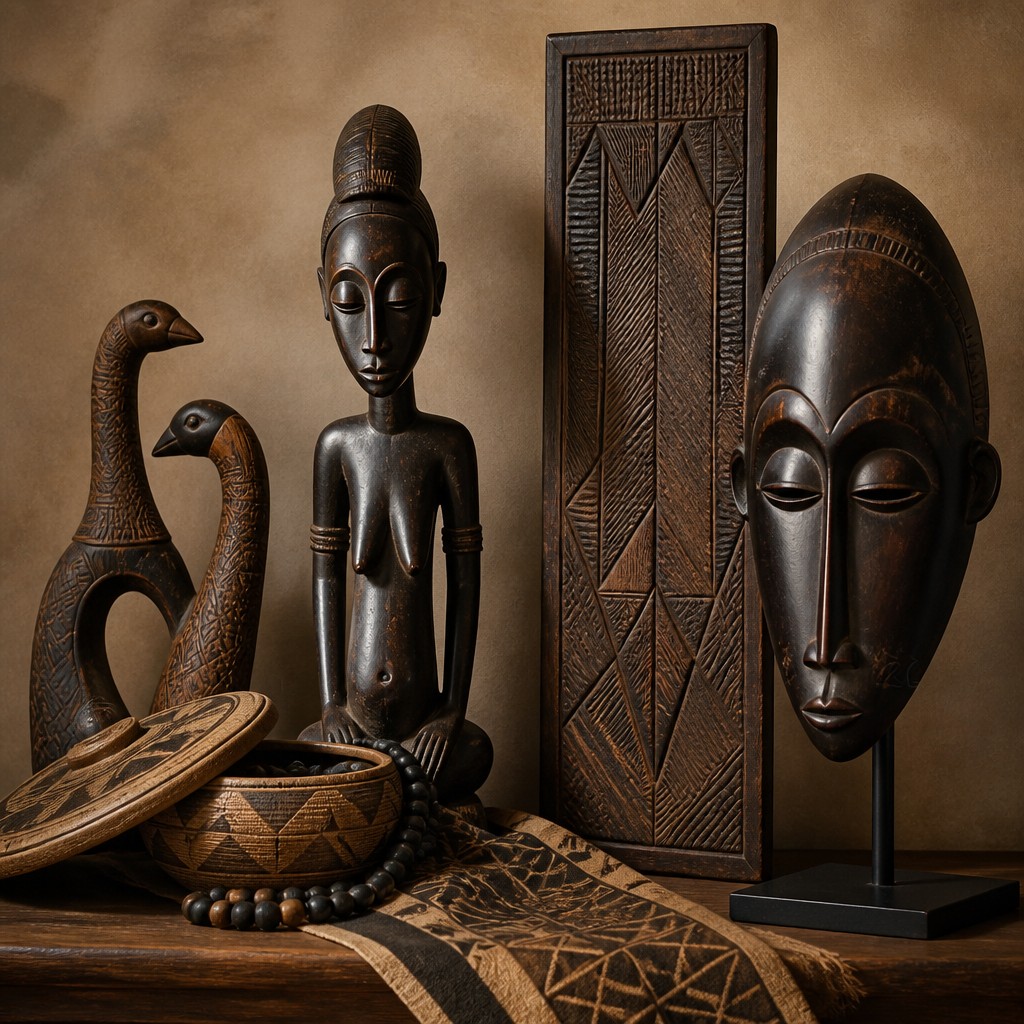
Balanced frontal composition
Subjects are commonly presented frontally or in a stable three-quarter view with centered posture and measured spacing. The resulting stillness conveys dignity, ceremony, and sculptural permanence.
Ivorian Prompt Ideas
Start from an idea — each one opens the generator with the style ready to go. See all 40 Ivorian prompts →
How to Create Ivorian Art
Master the craft step by step — or skip straight to creating. Read the full guide →
- 1
Begin with a carved volume
Sketch the subject as a compact wooden form before adding surface details. Establish the head, shoulders, torso, and major planes with broad shapes, then refine facial features and ornaments.
- 2
Use restrained surface modeling
For traditional work, carve or model smooth planes and finish them with careful sanding, burnishing, or matte natural pigment. In digital work, use soft bevels, low-contrast roughness, and directional light to imply polished wood.
- 3
Build symmetry, then introduce variation
Start with a centered axis and balanced mask-like features, while allowing small handmade irregularities in carving, pigment, or grain. This preserves the style’s composure without making the result mechanically sterile.
- 4
Control the material palette
Layer umber, ebony, ochre, and clay tones with restrained highlights. Avoid bright synthetic colors, chrome reflections, and excessive texture that would weaken the impression of burnished wood.
- 5
Combine motifs respectfully
If referencing Baoulé, Senufo, or Dan forms, research their distinct cultural contexts and avoid presenting ceremonial objects as interchangeable decoration. For a general synthesis, describe formal qualities such as elongated faces, geometric birds, carved panels, and mask silhouettes.
- 6
Write precise generation prompts
Specify the subject, frontal pose, carved wood material, elongated serene face, geometric animal details, burnished brown palette, and soft directional lighting. For image-to-image work, preserve the source subject’s pose while requesting sculptural planes, matte grain, and restrained mask-like geometry.
The Story
History & Origins of Ivorian
This style does not represent a historical movement formally known as Ivorian Art Style. It draws on the long-established artistic traditions of Côte d’Ivoire, including Baoulé figurative carving, Senufo sculpture and architectural ornament, and Dan masquerade traditions. These practices developed in different communities and contexts, often involving ancestral representation, social identity, initiation, performance, protection, or ceremonial authority.
The contemporary synthesis reflects the way African sculpture has been reinterpreted in modern design, museum displays, illustration, photography, and digital art. Its visual lineage is therefore historical and regional, but its unified combination of Baoulé, Senufo, and Dan features is a modern stylistic construction rather than an indigenous period label.
Influences: The style is related to West African woodcarving, Baoulé figurative sculpture, Dan mask traditions, Senufo sculpture and ornament, and broader traditions of ceremonial masquerade in Côte d’Ivoire and neighboring regions. It also intersects with modernist sculpture’s interest in simplified volumes, mid-century ethnographic display aesthetics, handcrafted object design, and contemporary digital interpretations of African material culture. These connections should not obscure the distinct meanings and functions of the source traditions.
Frequently Asked Questions
What defines Ivorian Art Style?
It is defined by a modern synthesis of polished Baoulé-inspired figurative forms, Senufo-related geometric animal motifs, and Dan-influenced mask silhouettes. The visual language favors serene expressions, frontal balance, dark wood surfaces, and warm earth colors.
Is Ivorian Art Style a historical art movement?
No. The name describes a contemporary aesthetic construction rather than a documented historical movement with a fixed period or school. It draws from several distinct artistic traditions of Côte d’Ivoire and should not be treated as a single traditional category.
How is it different from African tribal art as a general label?
The broad label “African tribal art” collapses thousands of cultures and practices into an imprecise category. This style is more specific about its visual sources, while still requiring care because Baoulé, Senufo, and Dan traditions have different histories, purposes, and ceremonial meanings.
Can this style be used for portraits and photographs?
Yes. Portraits work especially well when the lighting reveals facial planes and the treatment suggests carved wood rather than a literal mask placed over the face. Preserve the person’s recognizable structure while applying restrained geometry, burnished texture, and a warm umber palette.
How can I create an image in this style?
Describe a stable frontal or three-quarter pose, polished carved wood, elongated serene features, geometric bird or panel motifs, dark brown tones, and soft directional light. In digital or AI-assisted workflows, also specify matte grain, controlled symmetry, subtle handmade irregularity, and avoidance of plastic gloss.
Where is this aesthetic commonly used?
It is suited to sculptural portraits, editorial illustration, cultural poster design, museum-inspired interiors, album artwork, game assets, and symbolic character studies. For public or commercial work, research the referenced traditions and avoid copying identifiable ceremonial objects without context.
Create your first Ivorian artwork
Describe anything — or upload a photo — and see it in Ivorian Art Style in seconds.
Related Styles
Discover similar art styles