Angolan Art Style
Explore Angolan art style: Chokwe carving, the Pensador figure, geometric relief, rock-engraving lines, and the gravity of dark polished wood.
Instantly rendered in Angolan — or transform a photo
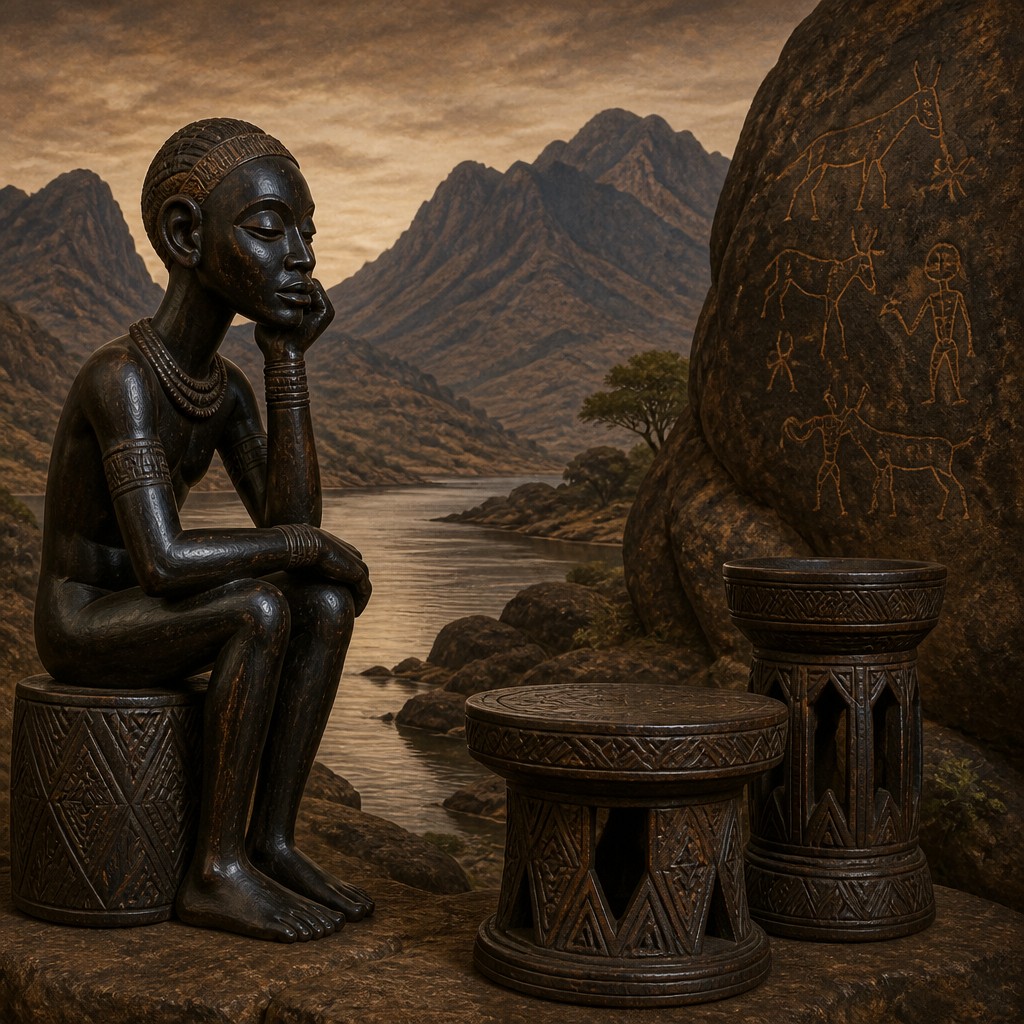
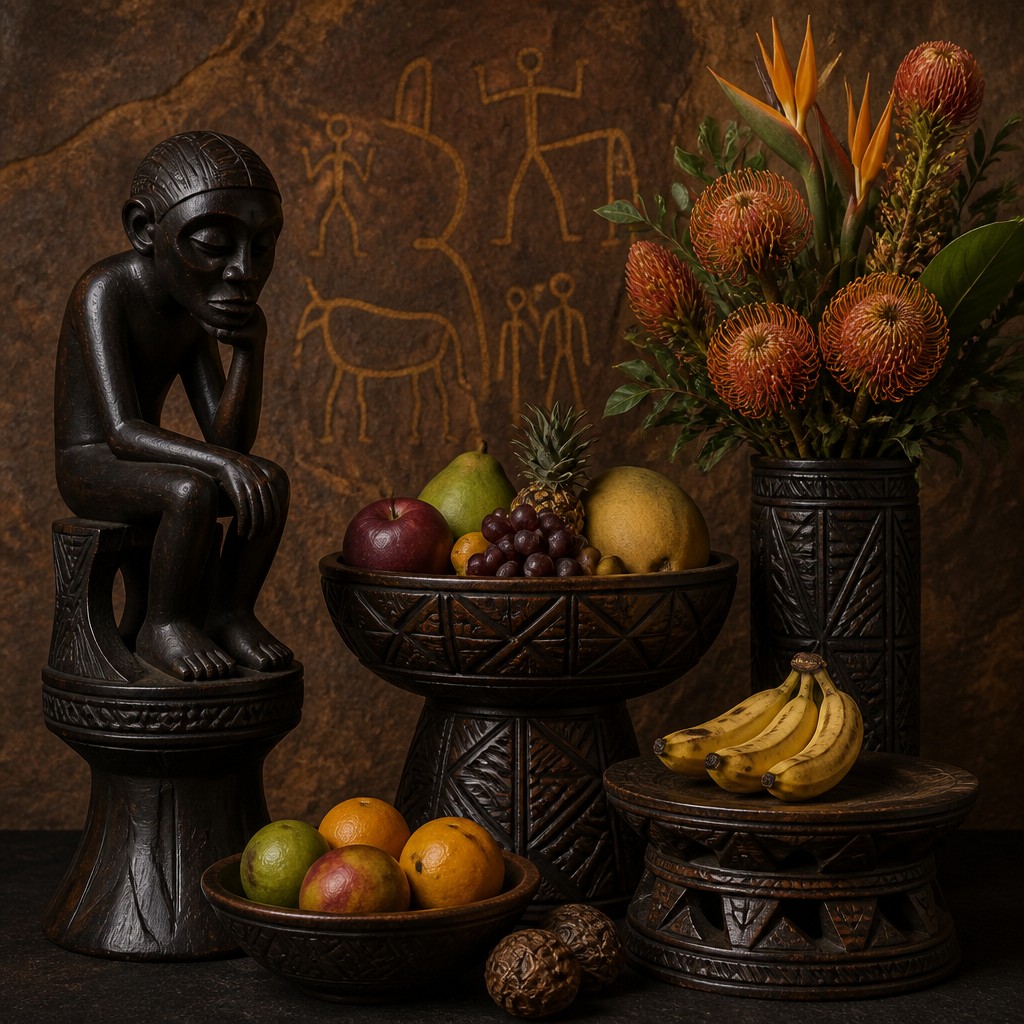
Angolan Gallery
Tap any artwork to explore it
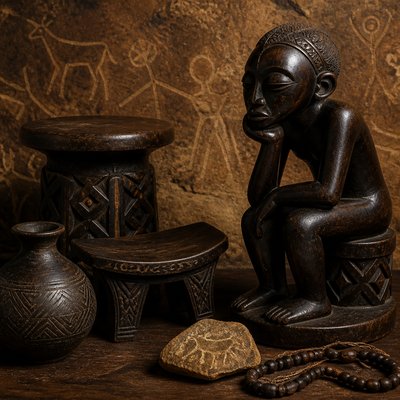
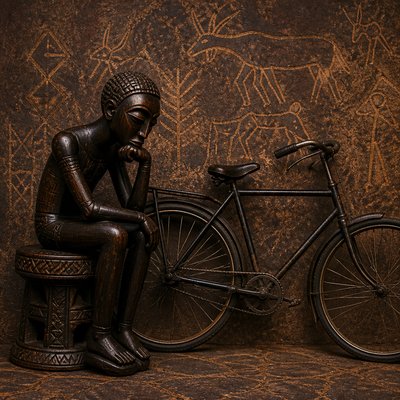
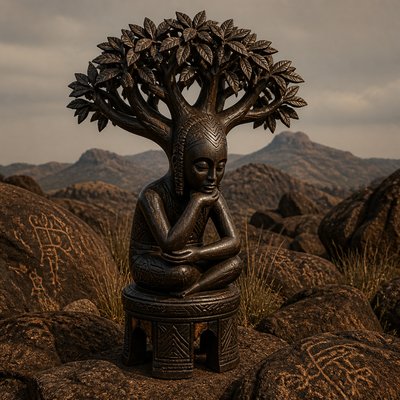
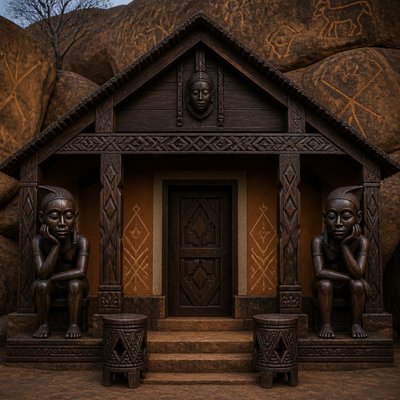
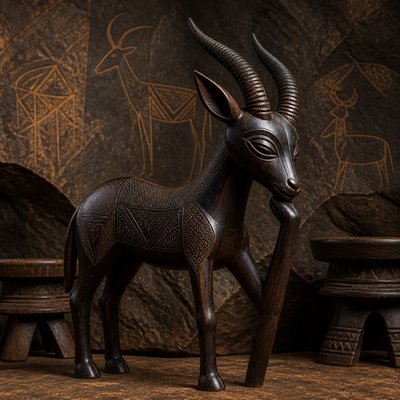
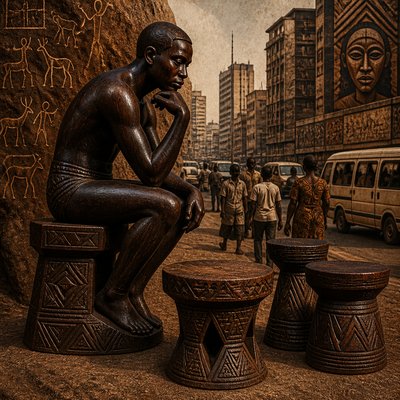
What is Angolan Art Style?
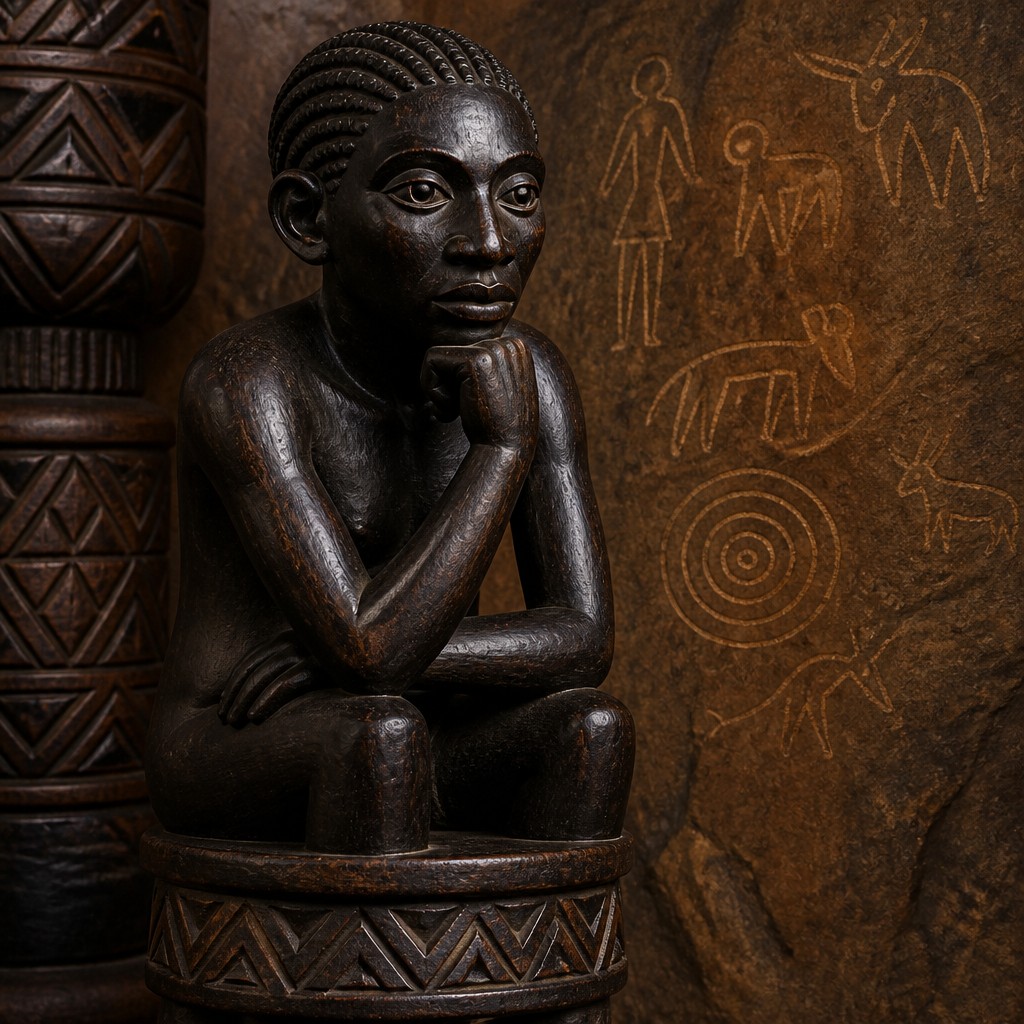
The style often combines the Pensador’s contemplative pose with the geometric relief patterns associated with carved Chokwe stools and other wooden objects. Fine incised lines recalling Angolan rock-art markings may be layered across the surface, producing a tension between smooth sculptural mass and precise linear detail. The result is less a single historical school than a respectful visual synthesis of Angolan material culture, symbolic figuration, and highland landscape austerity.
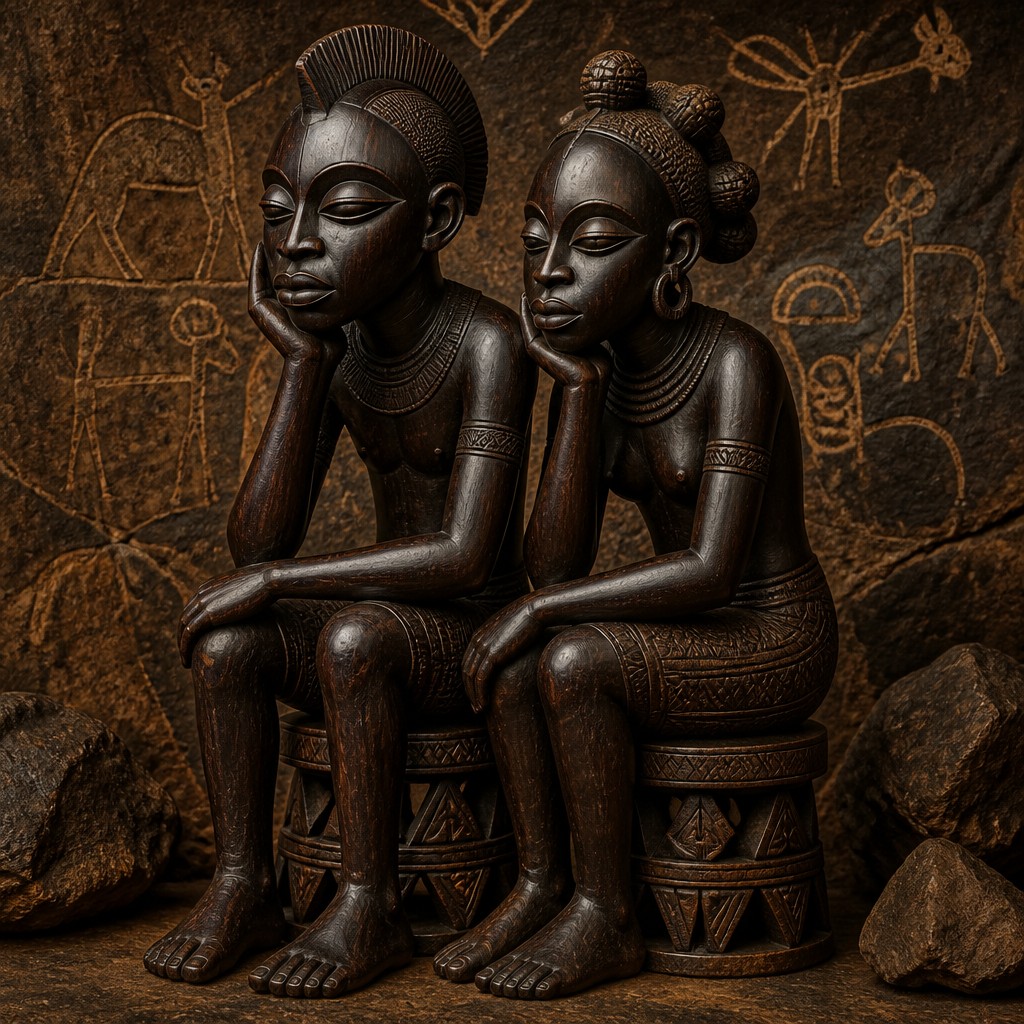
Try It On Your Photos
Upload any photo and convert it into Angolan Art Style — drag the sliders to compare before and after.
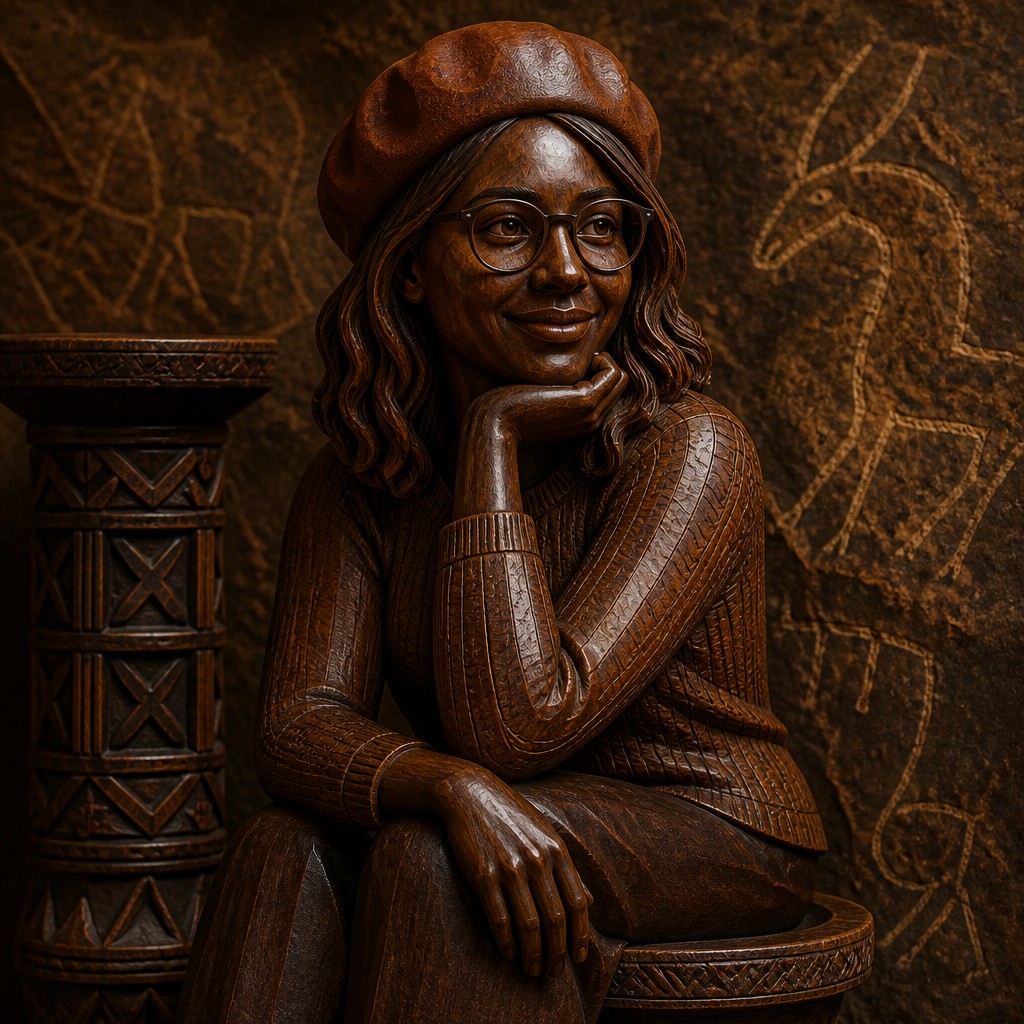

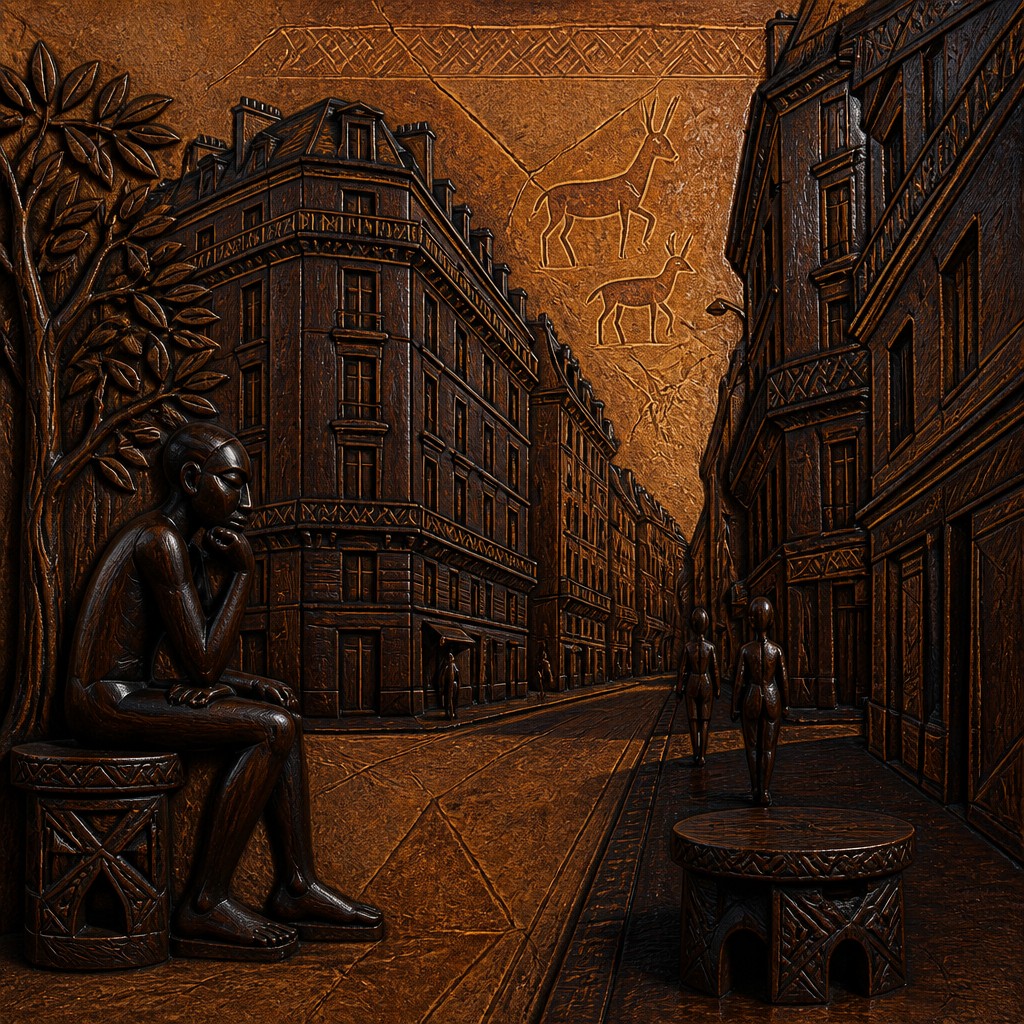

What Defines Angolan Art Style
The signature details, up close
Pensador posture
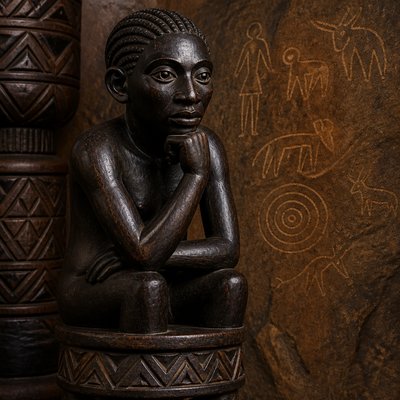
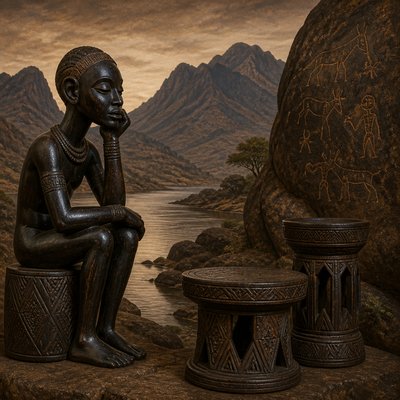
The defining figure is usually seated in a compact, balanced pose with the chin supported by one hand. The gesture conveys reflection, patience, dignity, and inward attention rather than theatrical action.
Dark carved wood
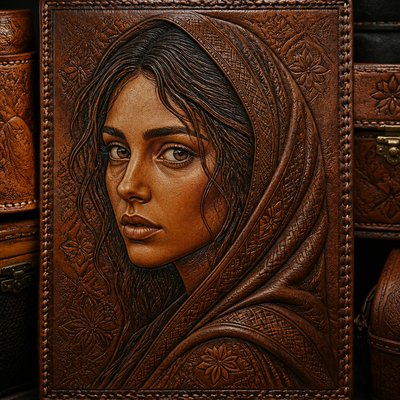
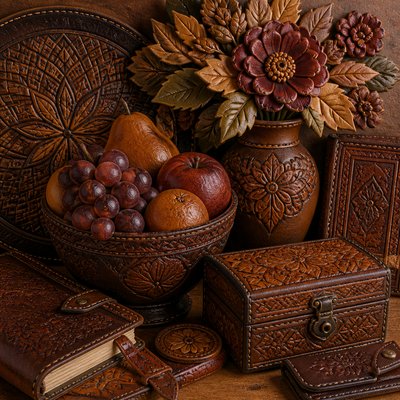
Surfaces resemble polished ebony or deep umber hardwood, with visible grain, softened edges, and a subdued satin sheen. The material weight is important: figures should feel carved, durable, and physically grounded.
Chokwe geometric relief
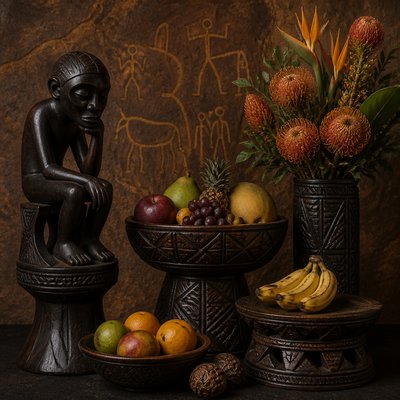
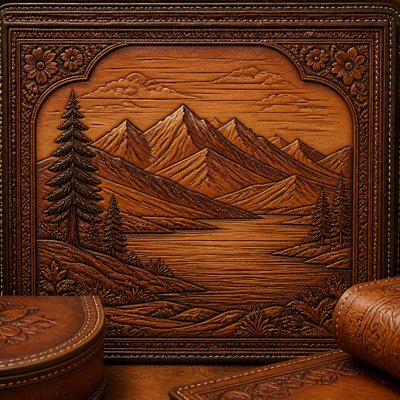
Incised bands, stepped motifs, triangles, diamonds, and repeated linear patterns may appear on stools, garments, bases, or the figure itself. These details provide an ordered counterpoint to the rounded volumes of the body.
Simplified sculptural anatomy
Bodies are reduced to clear, sturdy masses rather than rendered with anatomical naturalism. Broad planes, compact limbs, and carefully balanced silhouettes emphasize objecthood and symbolic presence.
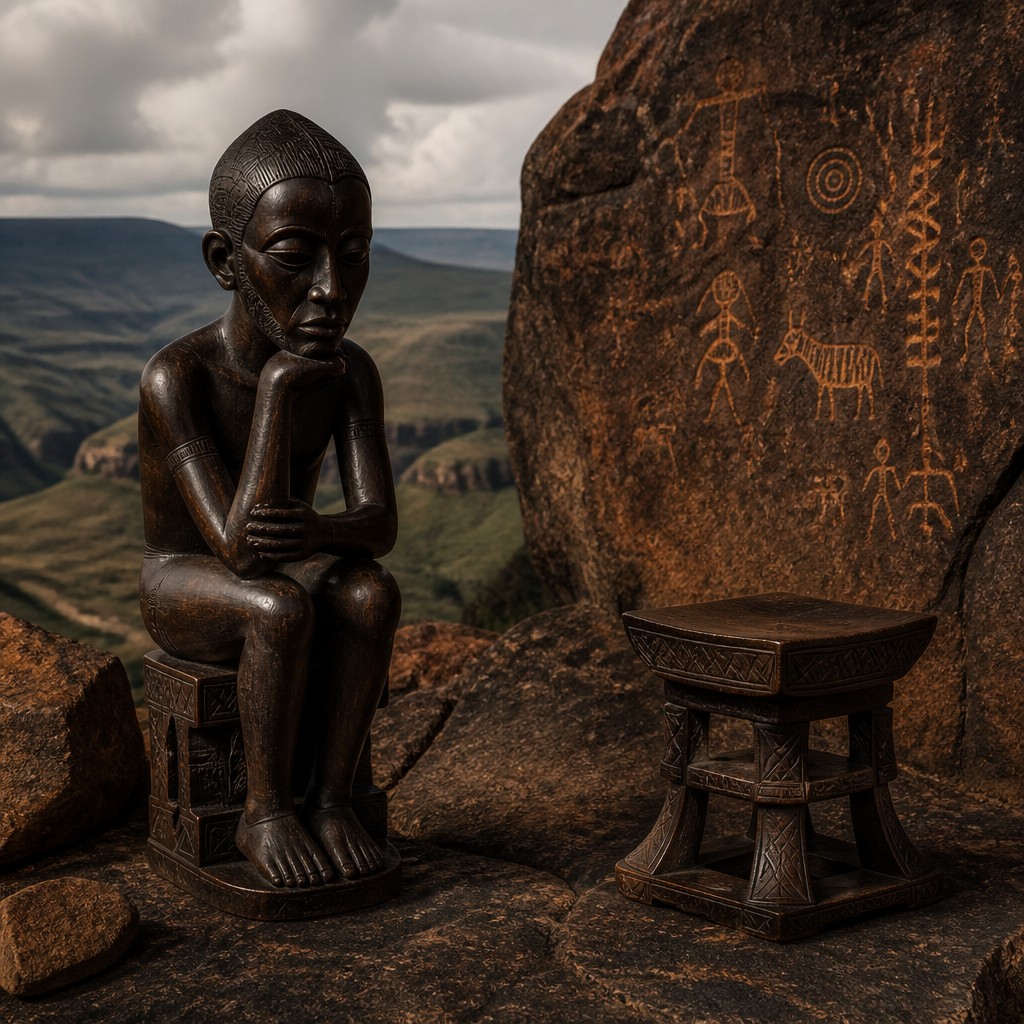
Ochre linear markings
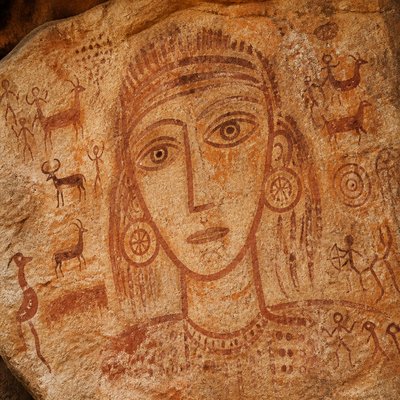
Thin ochre, rust, or clay-colored lines can suggest the visual language of Angolan rock engravings and paintings. They work best as restrained accents rather than as dense surface decoration.
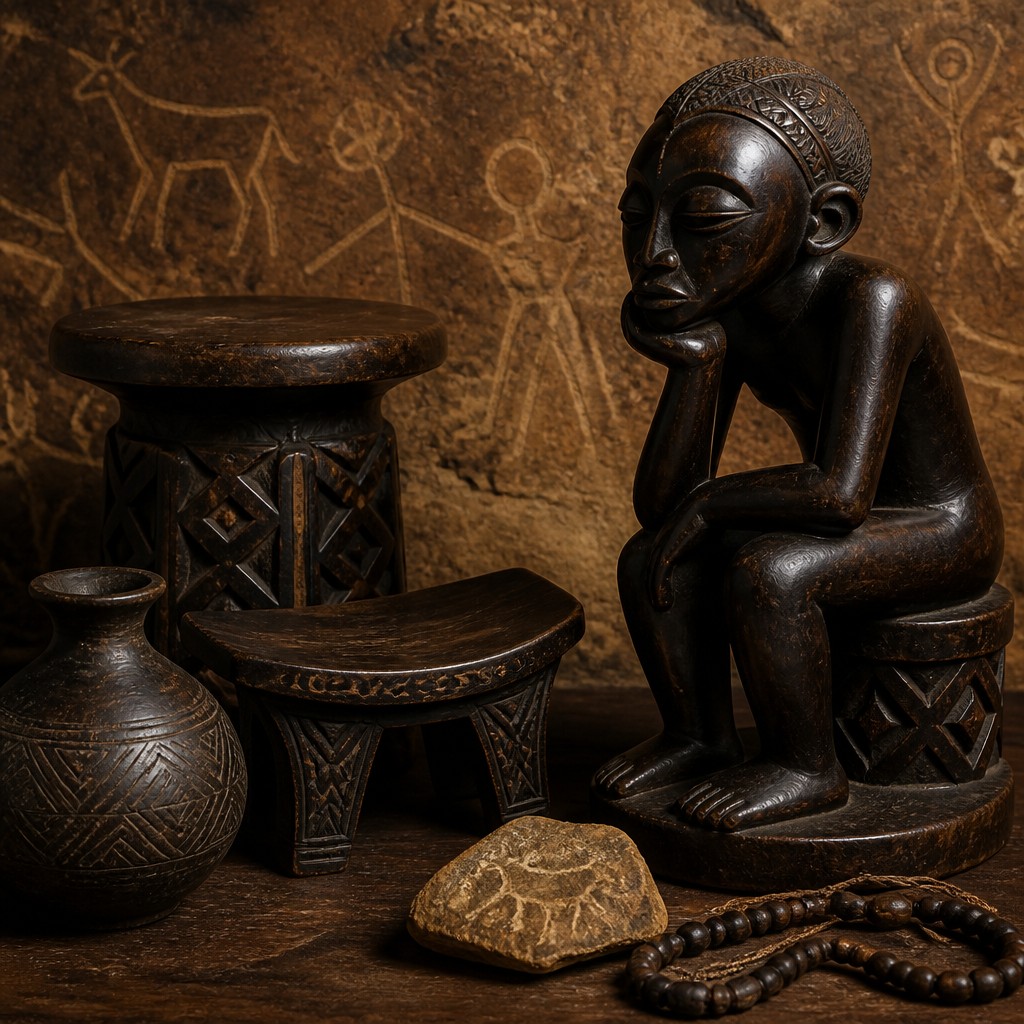
Quiet gravity
Compositions favor stillness, centered framing, low visual noise, and a contemplative atmosphere. Empty space, muted contrast, and a heavy base or shadow help establish the style’s solemn, highland-like gravity.
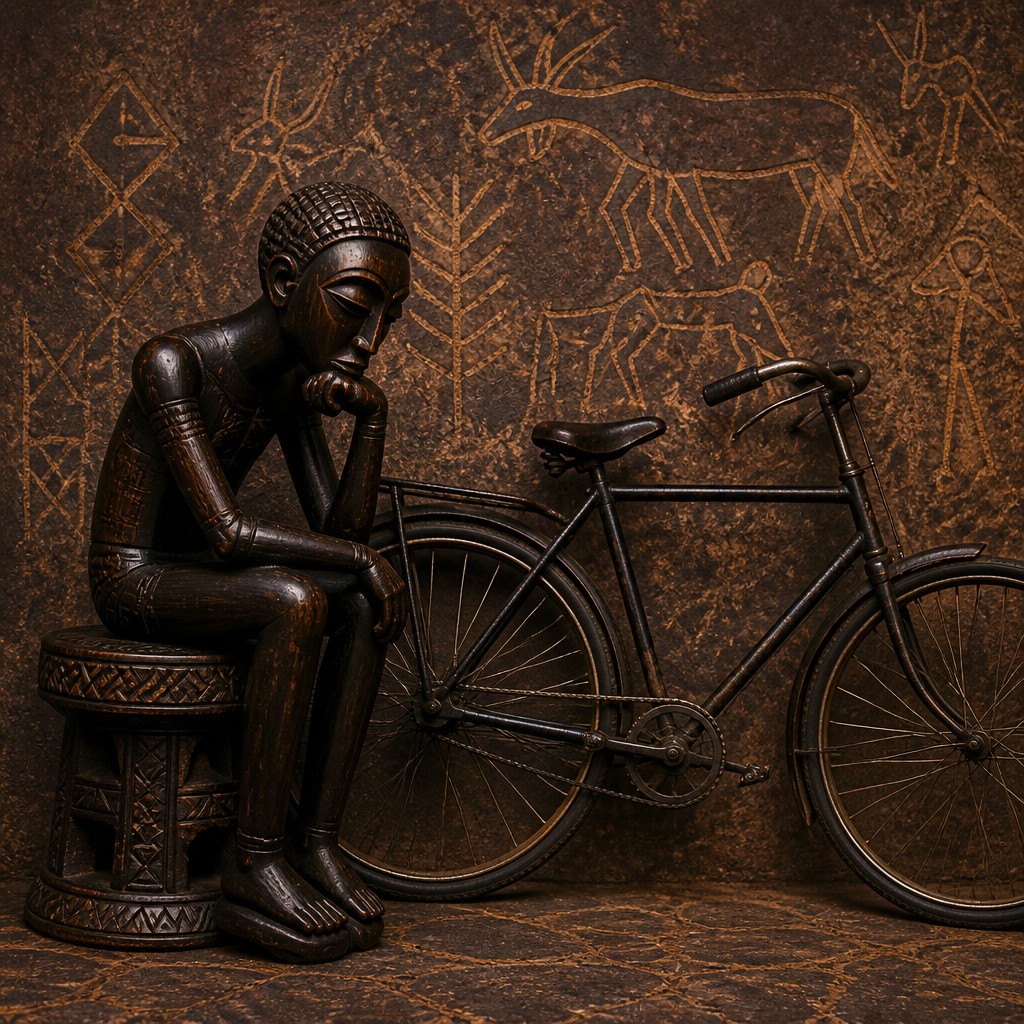
Tactile finish
The imagery should communicate touch through tool marks, shallow cuts, wood grain, rubbed pigment, and subtle highlights. Even digital work benefits from believable material texture and directional light.
Angolan Prompt Ideas
Start from an idea — each one opens the generator with the style ready to go. See all 40 Angolan prompts →
How to Create Angolan Art
Master the craft step by step — or skip straight to creating. Read the full guide →
- 1
Build the seated silhouette
Start with a stable, compact seated figure and establish the chin-on-hand gesture before adding ornament. Keep the head, torso, and knees close together so the pose reads as an integrated sculptural mass.
- 2
Carve or model the form
In physical work, use wood-carving tools to block broad planes first, then cut shallow relief and incised details; finish with careful sanding and dark polishing. In 3D software, use low-frequency forms, bevels, displacement, and a wood-grain material rather than a smooth plastic shader.
- 3
Control the surface language
Use geometric motifs sparingly on stools, plinths, clothing, or selected body areas. Combine shallow cuts with a few ochre-filled lines to preserve the distinction between carved relief and painted or engraved marking.
- 4
Light for weight and stillness
Choose a warm side light or soft overhead light that reveals tool marks and relief without making the sculpture glossy. A dark neutral background, broad shadow, and low-saturation palette reinforce the contemplative mood.
- 5
Write a precise generation prompt
For prompt-based creation, specify a carved dark-wood seated figure, the Pensador gesture, Chokwe-inspired geometric relief, ochre linear markings, tactile grain, and restrained studio lighting. Also state what to avoid, such as cartoon anatomy, bright synthetic colors, metallic surfaces, or excessive ornament.
- 6
Adapt a photograph carefully
When transforming a portrait or object, preserve the subject’s recognizable silhouette while requesting carved wood, simplified planes, incised relief, and subdued umber lighting. Avoid asking for generic “tribal” effects; identify the particular Angolan references and material qualities you want.
The Story
History & Origins of Angolan
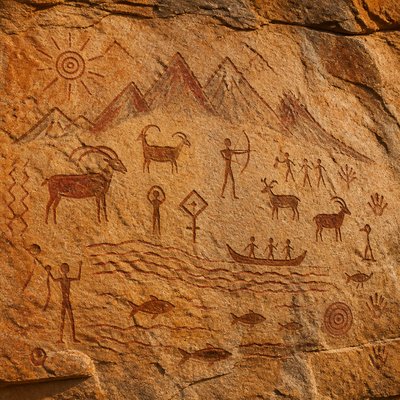
The style also draws on the broader archaeological and visual heritage of Angola, including engraved and painted rock imagery whose linear signs and ochre tones can be reinterpreted decoratively. Contemporary artists and image-makers may combine these references with minimalist composition, studio sculpture, or digital rendering. Such combinations should be understood as modern adaptations, not as evidence that all of these traditions historically belonged to one unified style.
Influences: The aesthetic is related to Chokwe sculpture and furniture carving, broader Central African traditions of wooden masks and ritual figures, and modern African approaches to symbolic figuration. It also borrows the restrained geometry of relief carving, the earthy palette of rock art, and the formal discipline of minimalist sculpture. Its contemplative seated pose may invite comparison with global “thinker” imagery, but its material language and iconographic focus remain specifically oriented toward Angolan references.
Frequently Asked Questions
What defines the Angolan Art Style?
It is defined by the seated Pensador gesture, dark polished wood, simplified sculptural anatomy, geometric Chokwe-inspired relief, and restrained ochre line work. Stillness, weight, and tactile carving are as important as the subject itself.
Is Angolan Art Style a historical art movement?
No. In this context, the term names a contemporary synthesis of Angolan visual traditions rather than a historically unified movement. It draws particularly on Chokwe carving and the modern cultural visibility of the Pensador figure.
What is the Pensador figure?
Pensador, meaning “Thinker” in Portuguese, is a recognizable Angolan sculptural motif commonly associated with a seated figure resting the chin on one hand. It is especially associated with Chokwe artistic traditions and has become an important symbol in representations of Angolan cultural identity.
How is this style different from generic African sculpture?
It should not be treated as a catch-all label for African art. The style is more specific in its emphasis on Angolan and Chokwe references, the Pensador pose, dark wood, geometric relief, and a contemplative seated composition.
What materials work best for creating it?
Dark hardwood, clay, stone, wax, and digitally modeled forms can all support the aesthetic. The key qualities are visible grain or tool marks, broad carved planes, shallow incisions, and a low-saturation umber, ebony, rust, and ochre palette.
Where can this style be used?
It suits sculptural portraits, cultural studies, museum-like still lifes, carved furniture concepts, editorial illustration, character design, and quiet architectural interiors. Context matters: use specific Angolan references rather than vague exoticizing language, and distinguish contemporary synthesis from historical artifacts.
Create your first Angolan artwork
Describe anything — or upload a photo — and see it in Angolan Art Style in seconds.
Related Styles
Discover similar art styles