St. Petersburg Imperial Art Style
Explore St. Petersburg Imperial Art: neoclassical marble, gilded spires, white-night light, pale rivers, and ceremonial northern grandeur.
Instantly rendered in St. Petersburg Imperial — or transform a photo
St. Petersburg Imperial Gallery
Tap any artwork to explore it
What is St. Petersburg Imperial Art Style?
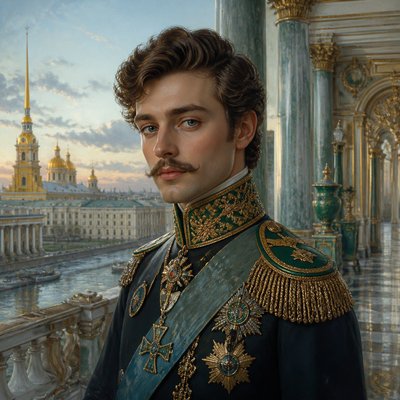
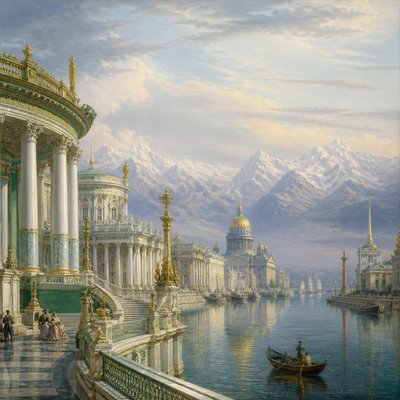
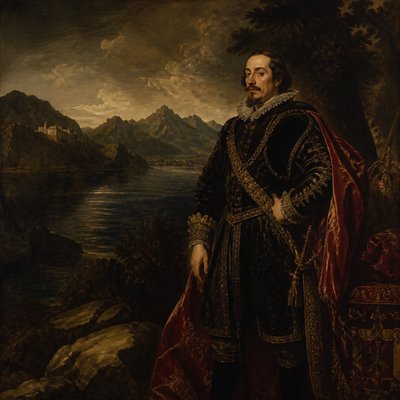
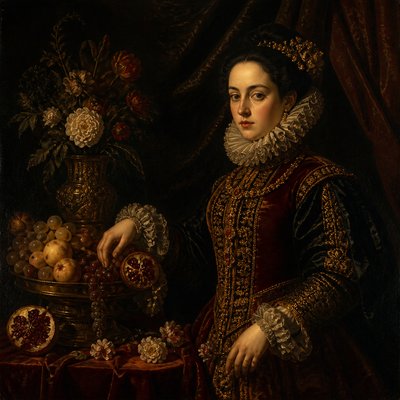
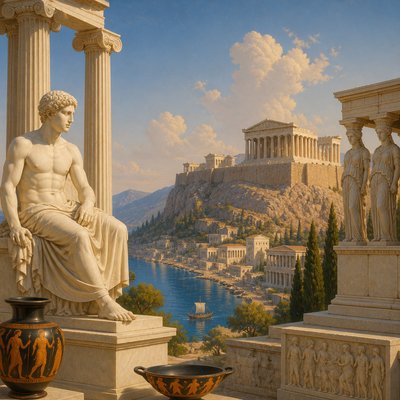
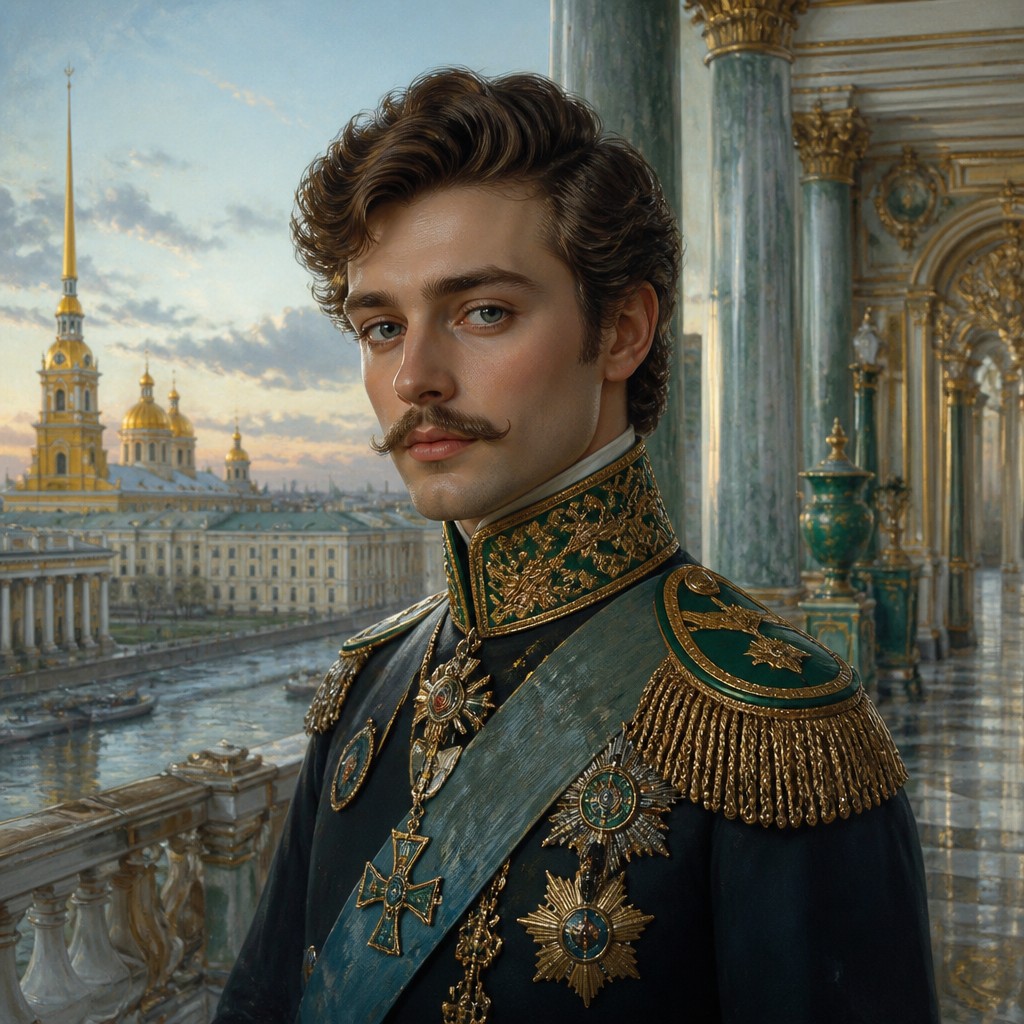
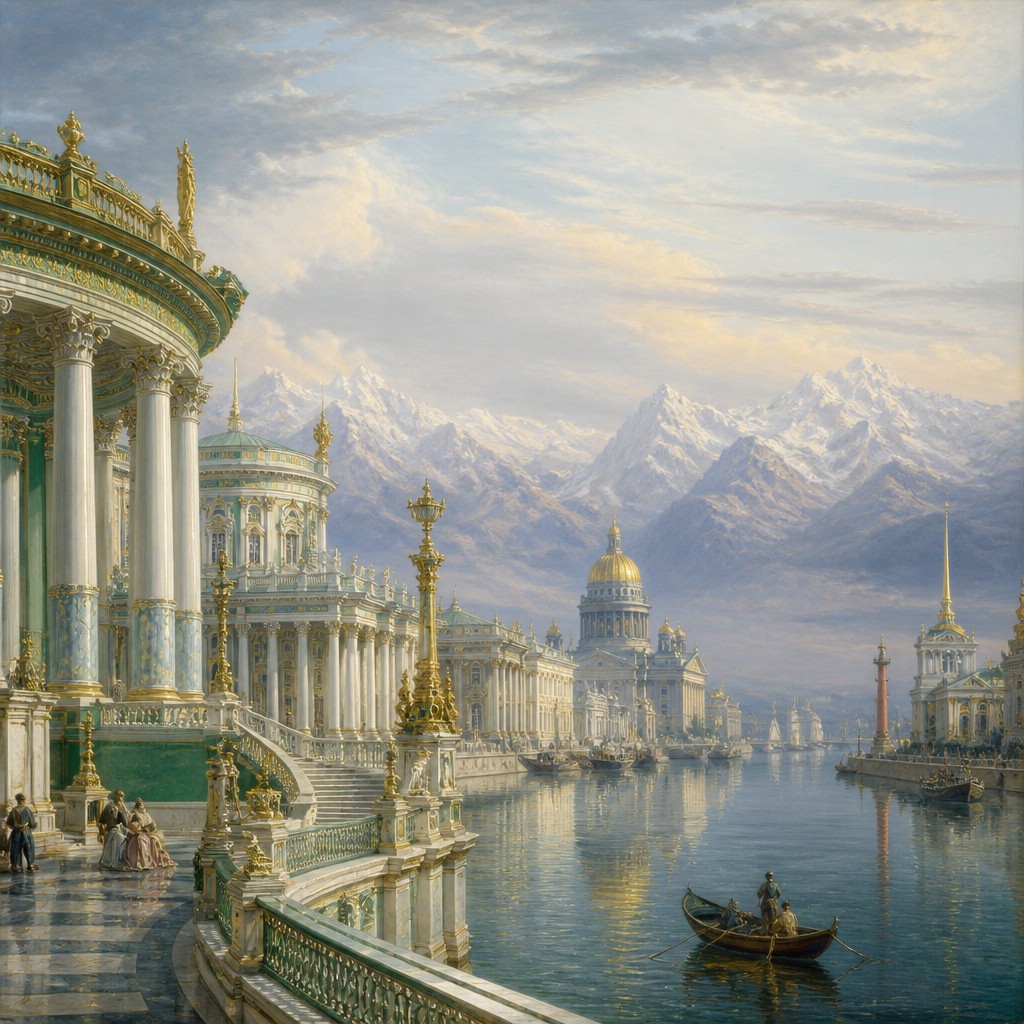
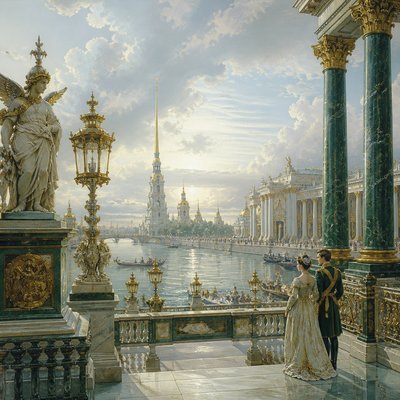
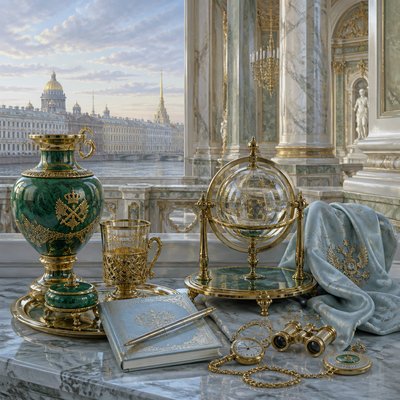
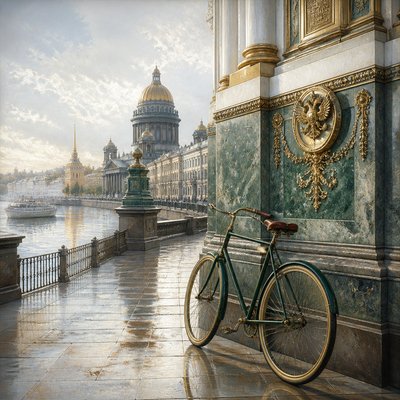
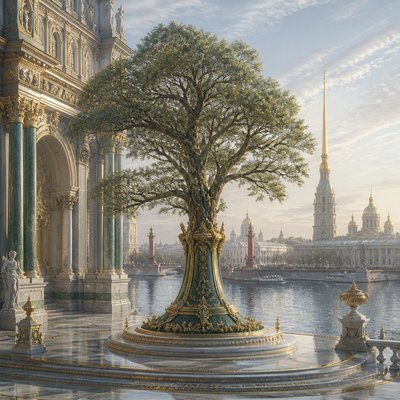
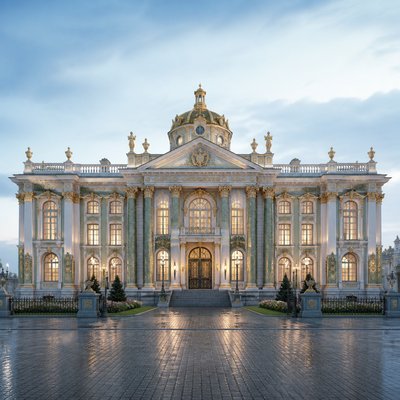
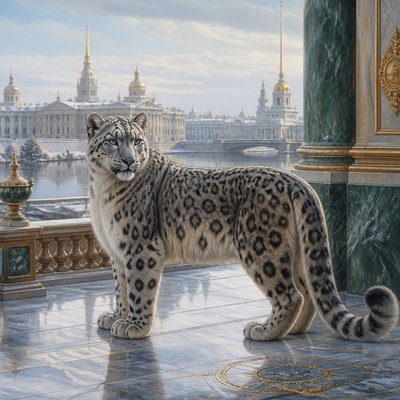
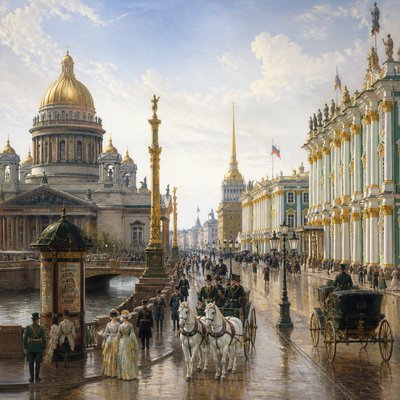
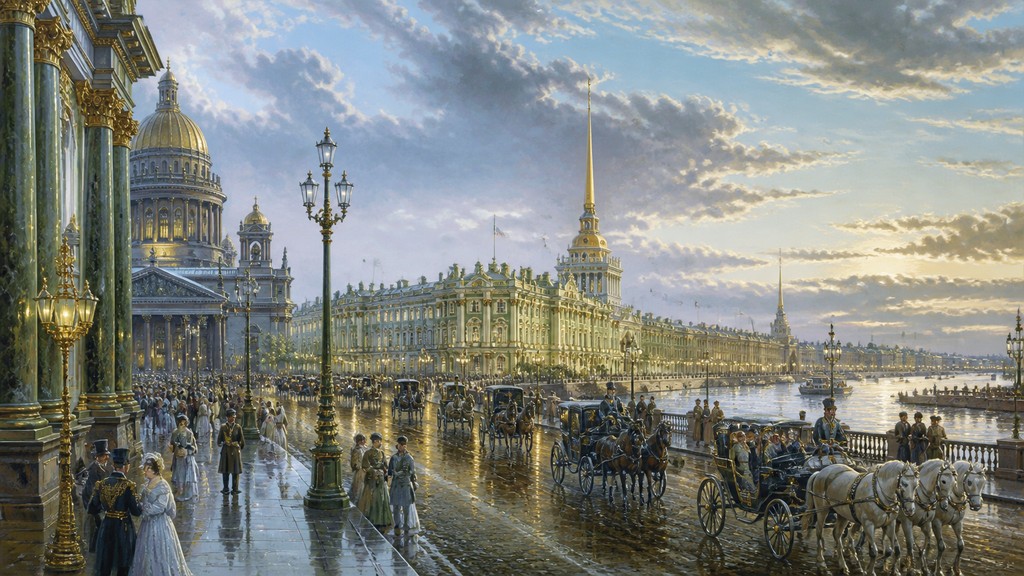
St. Petersburg Imperial Art Style is an invented contemporary label for an aesthetic built from the monumental architecture, palace interiors, riverfront vistas, and ceremonial imagery associated with imperial St. Petersburg. Its visual identity combines grand neoclassical facades, classical orders, marble halls, gilded ornament, distant spires, and broad northern waterways under the cool luminosity of white nights.
The style looks formal and carefully composed rather than casual or spontaneous. Pale silver-blue illumination tempers warm gold, cream, and jade accents; long axes, symmetrical buildings, reflective floors, and calm water create a sense of order and scale. Whether rendered as painting, architectural visualization, photography, or digital illustration, the finish is typically polished, spacious, and academically composed.
Try It On Your Photos
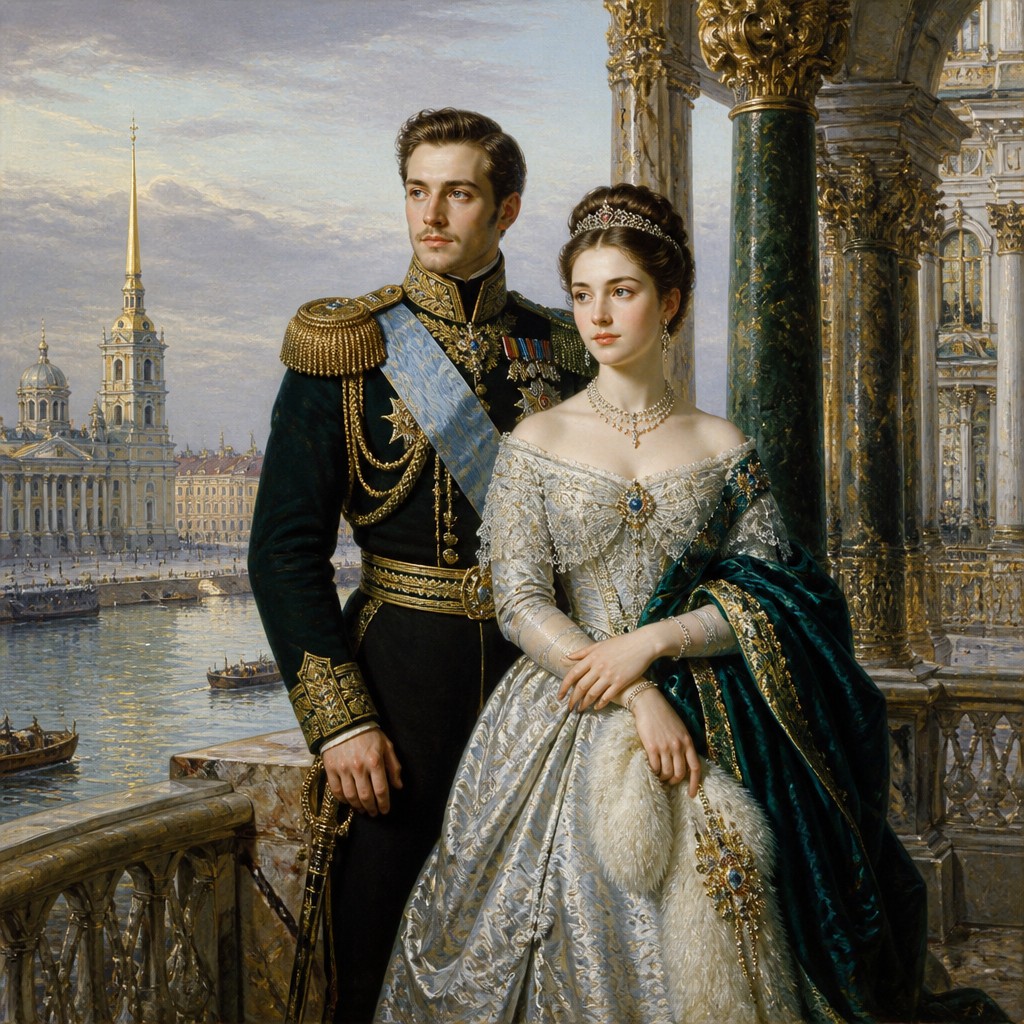
Upload any photo and convert it into St. Petersburg Imperial Art Style — drag the sliders to compare before and after.



What Defines St. Petersburg Imperial Art Style
The signature details, up close
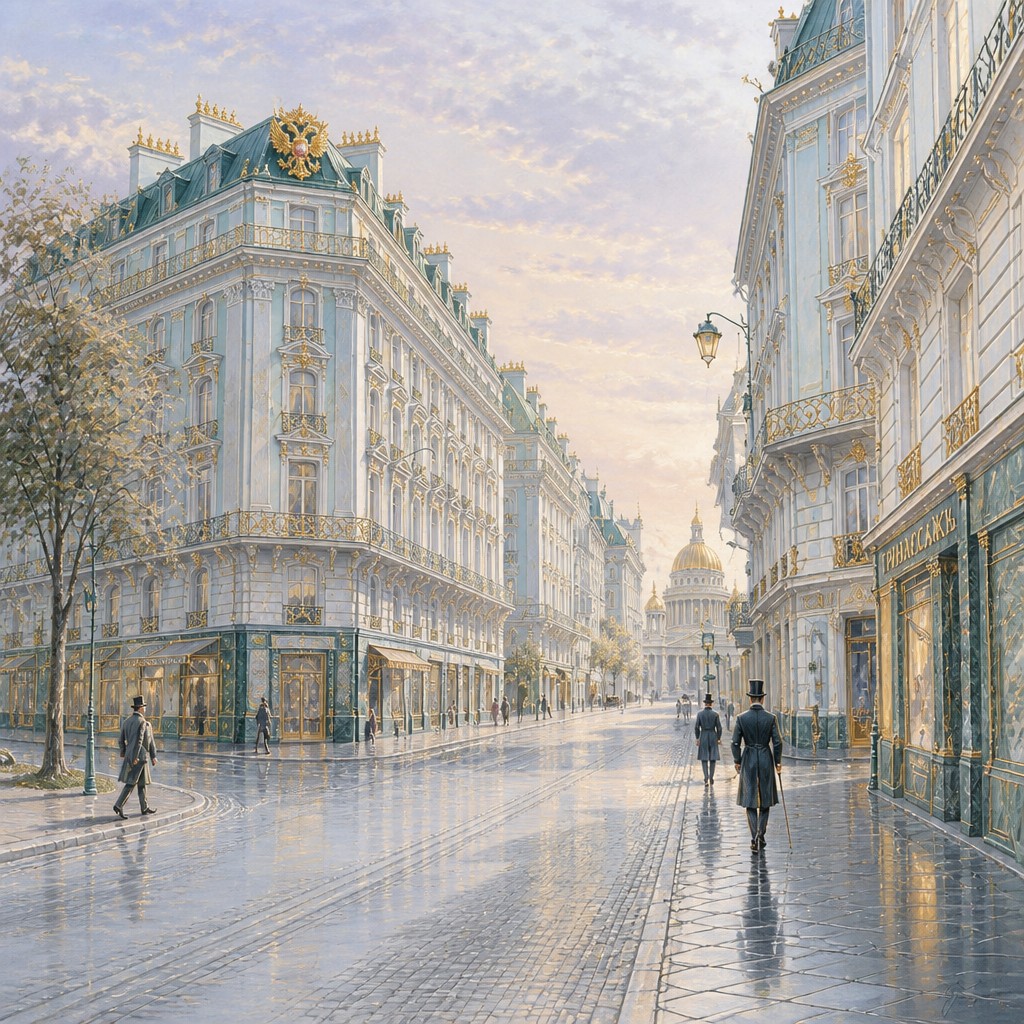
Neoclassical architecture
Monumental facades use symmetry, columns, pediments, arcades, domes, and disciplined horizontal or axial planning. Buildings often appear as idealized civic or palace structures rather than ordinary residences.
Marble and polished interiors
Grand halls feature veined marble, reflective floors, balustrades, monumental staircases, and carefully ordered enfilades. Surfaces are rendered with a smooth, academic finish that emphasizes material clarity.
White-night illumination
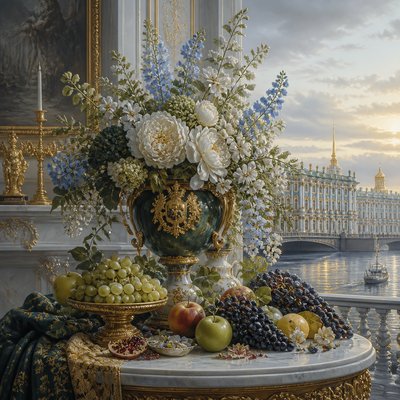
The lighting is cool, diffuse, and low-angled, suggesting northern summer twilight rather than a fully dark night. Silver, ice blue, and pearl tones soften architectural shadows while preserving warm highlights.
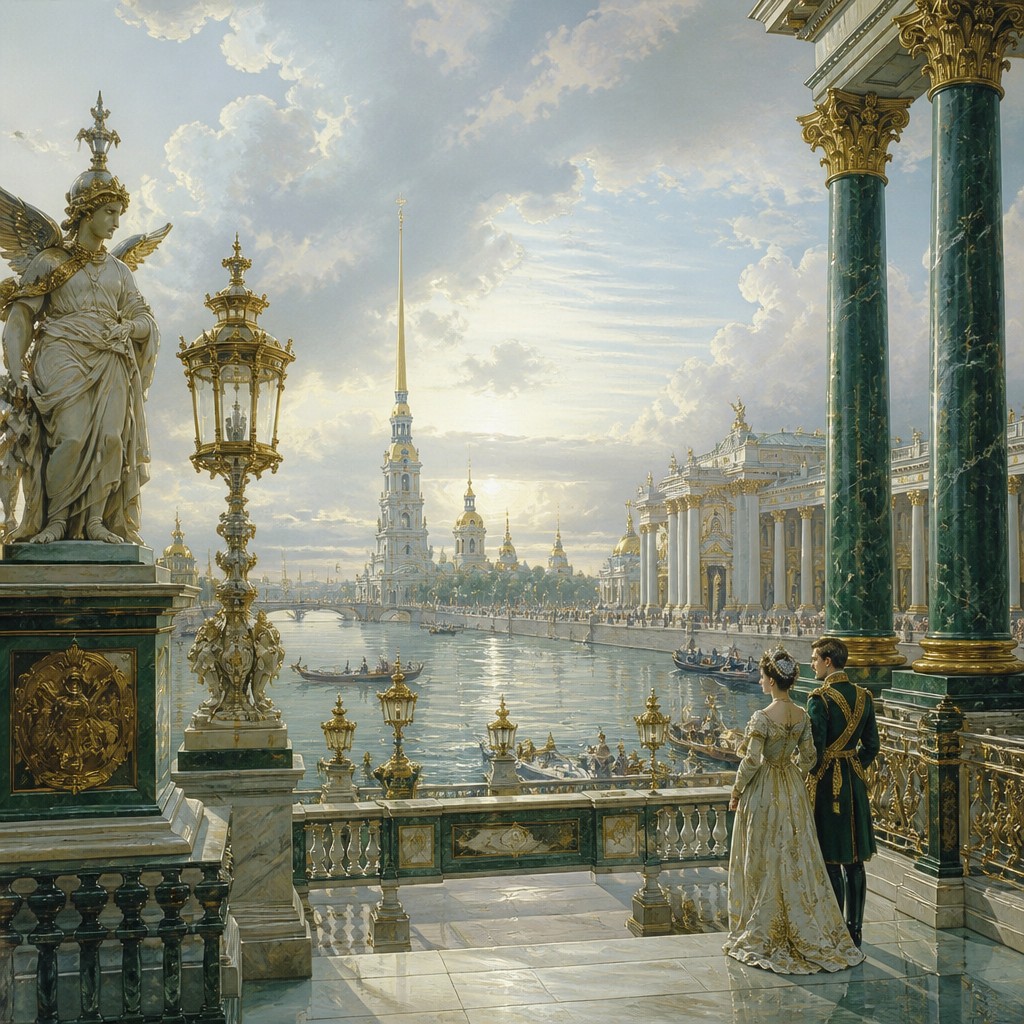
Gilded ceremonial detail
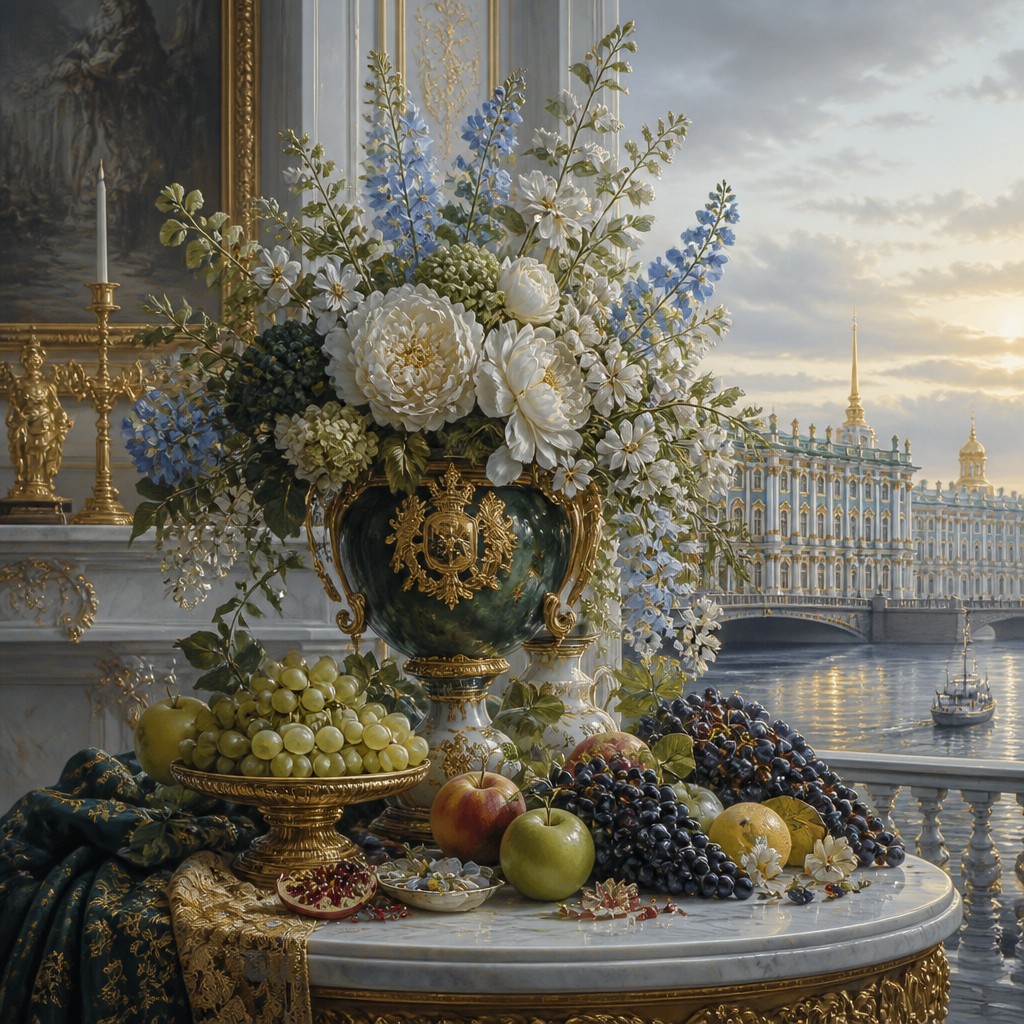
Gold appears in spires, capitals, moldings, railings, frames, and ornamental accents. It is used as a controlled counterpoint to pale stone and blue-gray atmosphere, not as an all-over metallic effect.
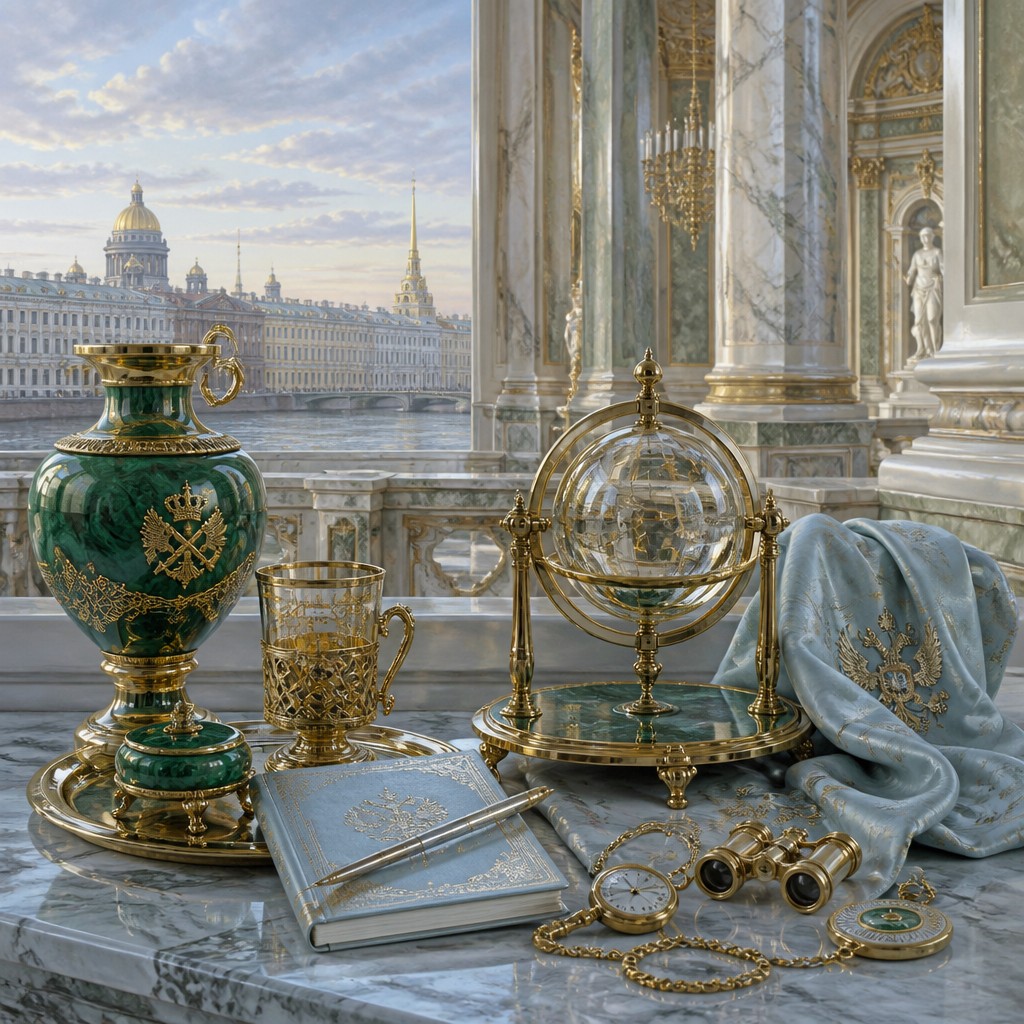
Imperial jade and ice-blue palette
Muted jade, celadon, pale turquoise, cream, silver, and ice blue establish the northern color range. Deep green or restrained crimson may be introduced sparingly for heraldic or ceremonial contrast.
Axial composition and reflected space
Long perspectives, centered viewpoints, river alignments, and mirrored water or marble surfaces create visual order. Repetition of windows, columns, lamps, and spires reinforces the sense of civic scale.
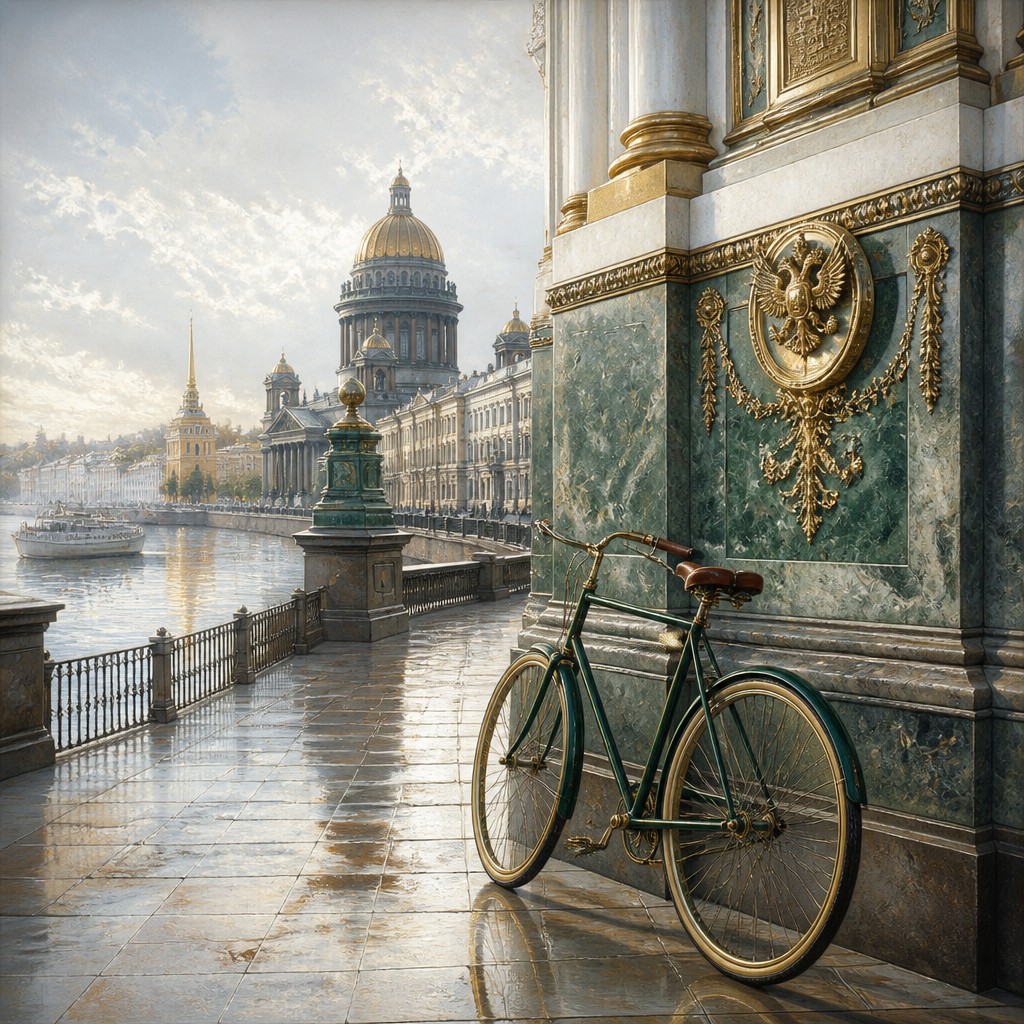
Polished academic finish
Edges are generally controlled, anatomy and architecture are carefully resolved, and atmospheric effects remain subordinate to structure. The result favors clarity, dignity, and stillness over rough texture or expressive distortion.
Try It
Create Videos in St. Petersburg Imperial Art Style
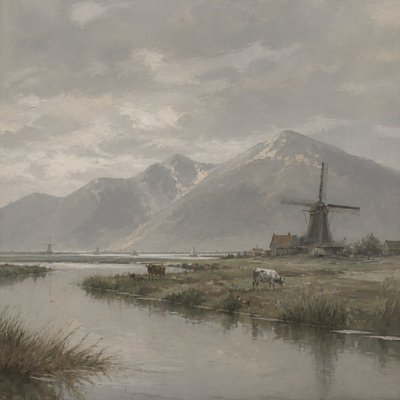
Styles aren't just for stills — describe a scene or animate an image and get a short video rendered in St. Petersburg Imperial. Press play to see this pond come to life.
Make a VideoSt. Petersburg Imperial Prompt Ideas
Start from an idea — each one opens the generator with the style ready to go. See all 40 St. Petersburg Imperial prompts →
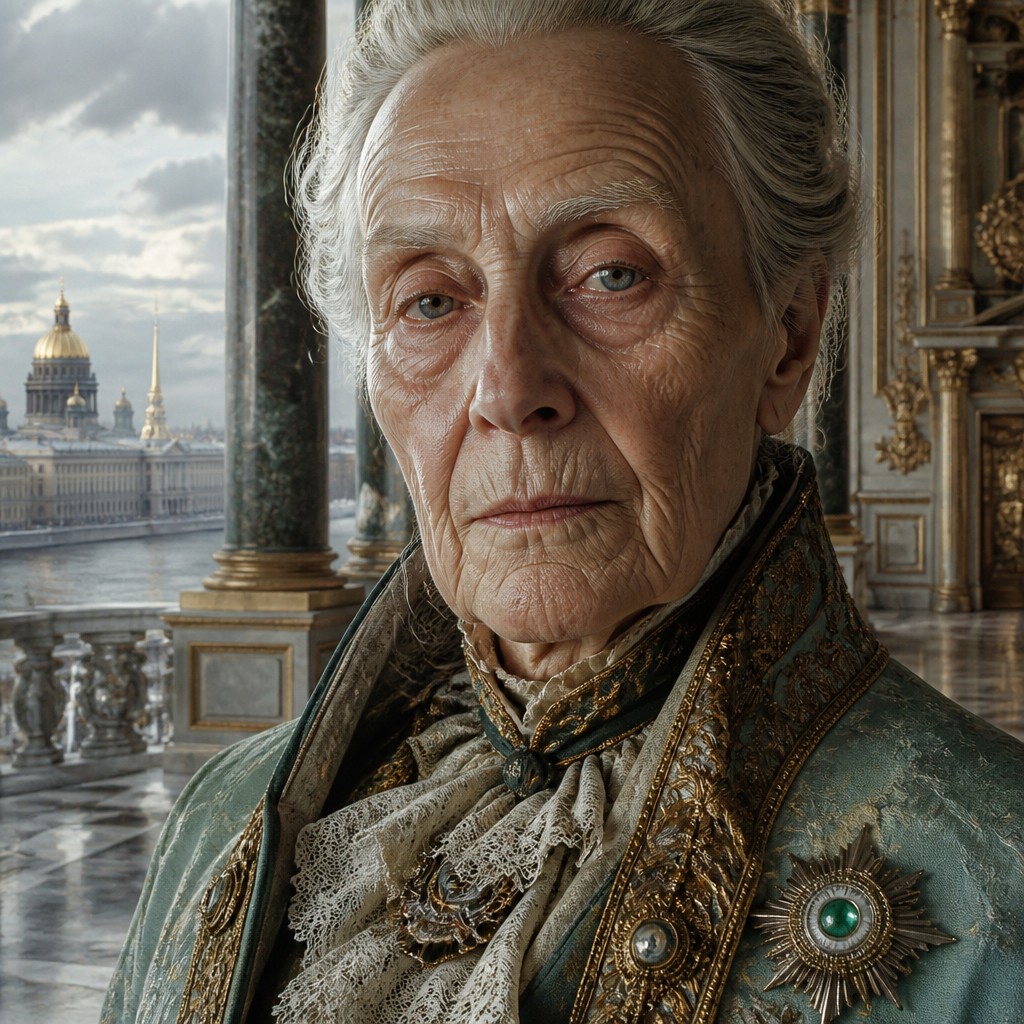
“close-up portrait of an elderly person with expressive weathered features”
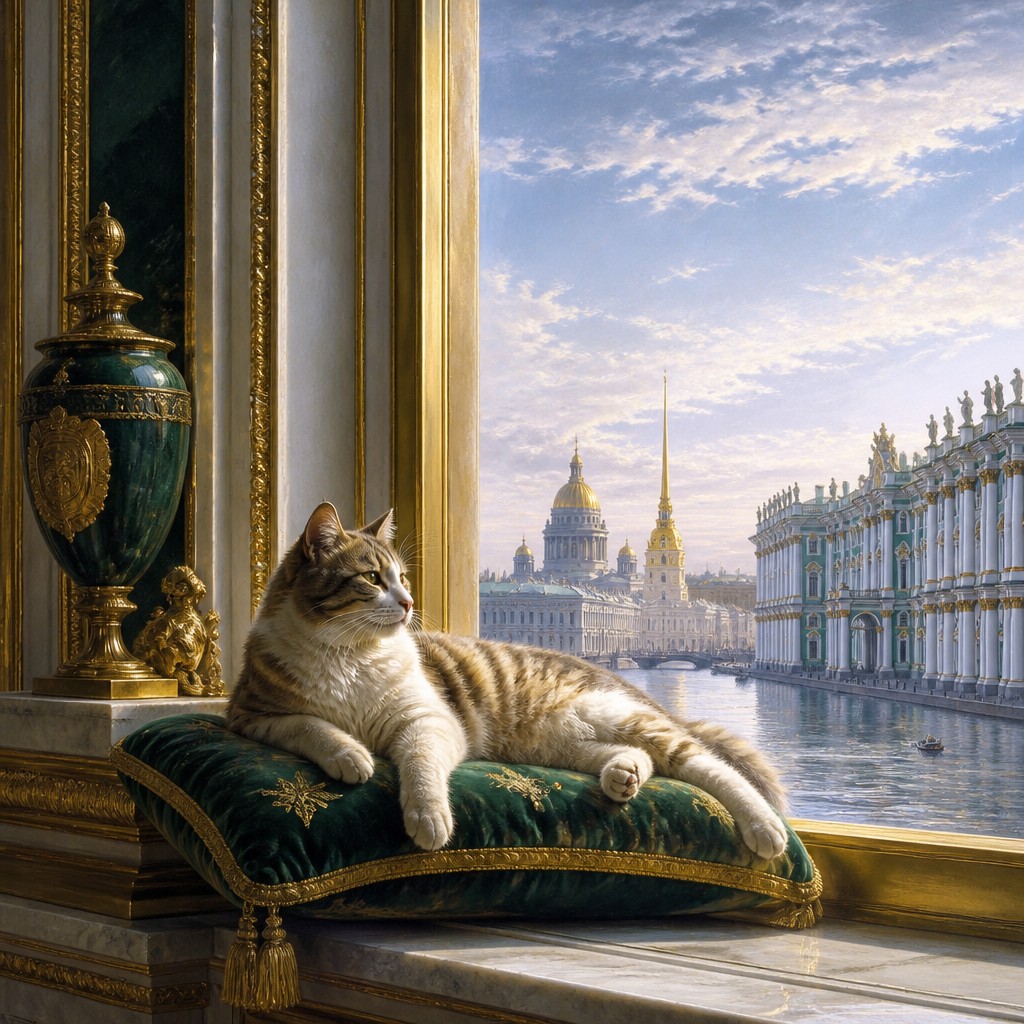
“a cat lounging in a sunlit window”
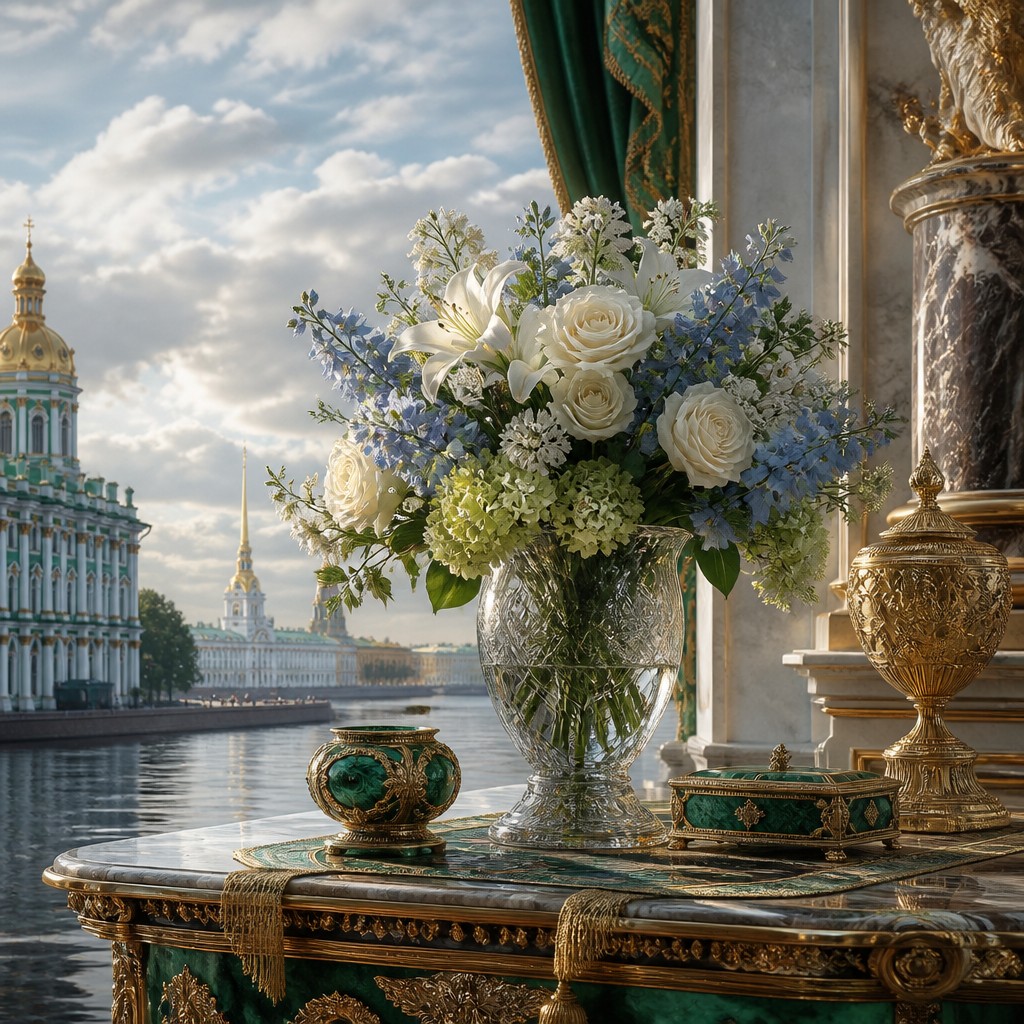
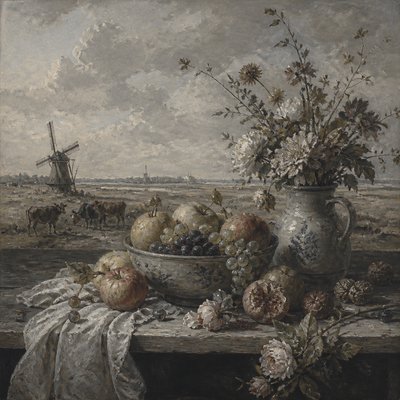
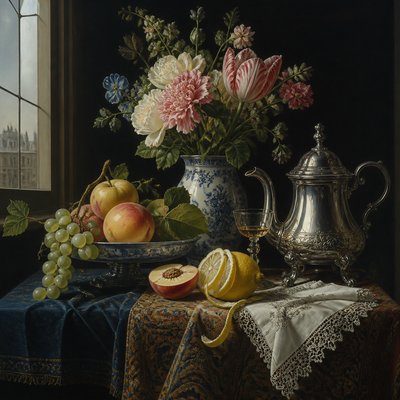
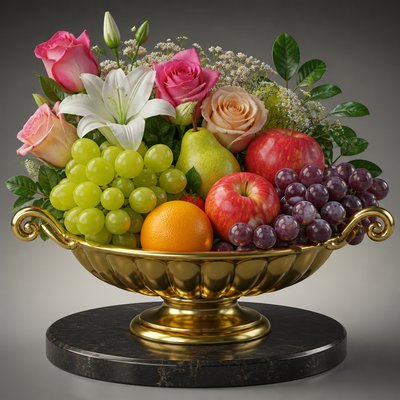
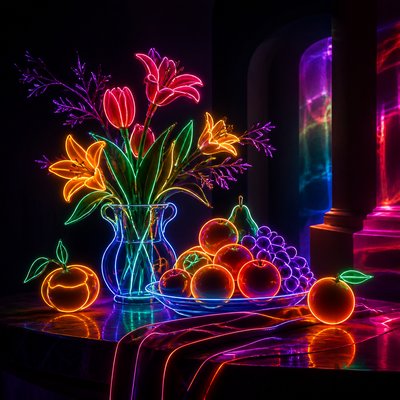
“bouquet of flowers in a glass vase”
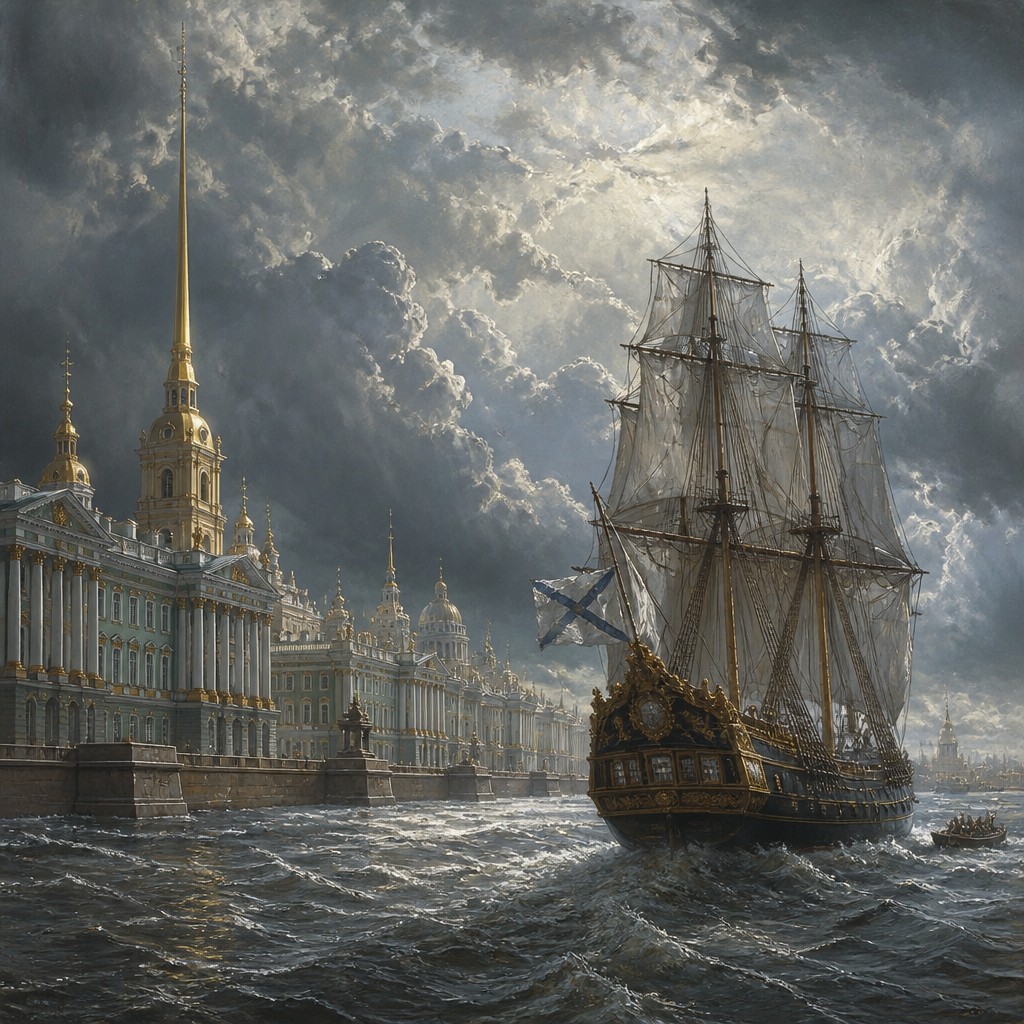
“sailing ship on a stormy sea”
How to Create St. Petersburg Imperial Art
Master the craft step by step — or skip straight to creating. Read the full guide →
- 1
Build a strong architectural axis
Begin with a centered or deliberately symmetrical perspective, establishing a river, avenue, colonnade, or staircase as the main line of sight. Use repeated architectural elements to guide the eye toward a distant dome or illuminated horizon.
- 2
Separate cool light from warm ornament
Block the scene in pale blue-gray, silver, cream, and jade before adding gold. Reserve the warmest values for gilded details, windows, lamps, or reflected highlights so the palette remains controlled.
- 3
Render materials precisely
For traditional painting, layer smooth opaque passages with restrained glazing to distinguish marble veining, polished stone, water, and metal. Digitally, use separate material and reflection layers, subtle roughness variation, and soft atmospheric perspective.
- 4
Balance grandeur with human scale
Include small figures, carriages, boats, lamps, or architectural staff to show the size of the halls and facades. Keep these elements secondary so they support the ceremonial setting rather than turning the image into a crowded scene.
- 5
Use historically informed ornament
Draw from classical orders, palace moldings, imperial-era urban vistas, bridges, embankments, and formal gardens without mixing incompatible details indiscriminately. Simplified ornament often produces a more coherent result than excessive decoration.
- 6
Guide prompt-based generation clearly
Specify the subject, viewpoint, architecture, white-night lighting, palette, materials, and degree of polish in that order. Useful constraints include symmetrical composition, cool silver atmosphere, restrained gilding, marble surfaces, and realistic architectural proportions.

The Story
History & Origins of St. Petersburg Imperial
St. Petersburg Imperial Art Style is not a historically codified movement or period designation. It is a modern aesthetic synthesis drawing on the Russian imperial capital's eighteenth- and nineteenth-century architectural traditions, especially neoclassicism, late baroque palace design, academic history painting, ceremonial portraiture, and the visual culture of riverfront urban planning.
Its contemporary form also reflects photographic and cinematic treatments of northern light, architectural rendering, and digitally enhanced fantasy cityscapes. The emphasis on marble, gilding, pale rivers, and white-night atmosphere transforms historical references into a unified mood of restrained opulence and ceremonial northern grandeur.
Influences: The style draws principally from Russian neoclassicism, late baroque and rococo palace interiors, European academic history painting, ceremonial portraiture, classical urban planning, and the architectural tradition of monumental riverfront capitals. It also borrows from atmospheric landscape painting, architectural photography, high-end visualization, and cinematic production design, combining their structural precision with the luminous conditions of northern white nights.

Frequently Asked Questions
What defines St. Petersburg Imperial Art Style?
It is defined by neoclassical architecture, marble and gilded interiors, pale rivers, white-night illumination, and a restrained palette of silver, ice blue, jade, cream, and gold. Symmetry, axial perspective, reflective surfaces, and formal grandeur are central to its appearance.
Is this a recognized historical art movement?
No. The term is a contemporary descriptive label rather than the name of an established historical movement. Its imagery is based on real architectural and artistic traditions associated with imperial St. Petersburg and related European academic styles.
How is it different from ordinary neoclassical art?
Neoclassicism is a broad historical movement with many regional forms and subjects. This style narrows that tradition into a specifically northern, riverfront, palace-centered atmosphere, adding white-night light, gilded vertical accents, and cool jade-blue color.
Can the style be used for subjects other than buildings?
Yes. Formal portraits, bridges, boats, gardens, interiors, winter scenes, civic ceremonies, and imagined capitals all suit the visual language. The subject should retain a sense of composure, spatial order, and ceremonial scale.
How can I make an image in this style?
Start with a symmetrical composition and specify marble, classical architecture, pale water, cool northern twilight, and selective gilding. In painting or digital work, control the palette and reflections carefully; in prompt-based creation, describe the subject first and then add the lighting, materials, viewpoint, and polished academic finish.
Where is this aesthetic commonly used?
It is well suited to architectural visualization, historical or fantasy cityscapes, palace interiors, formal editorial imagery, book covers, concept art, and atmospheric travel or heritage photography. It can also provide a ceremonial setting for portraits and narrative scenes.
Create your first St. Petersburg Imperial artwork
Describe anything — or upload a photo — and see it in St. Petersburg Imperial Art Style in seconds.
Related Styles
Discover similar art styles