Central African Art Style
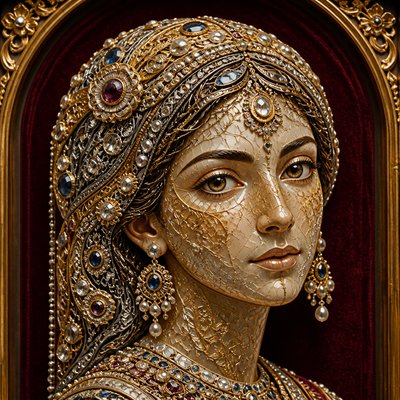
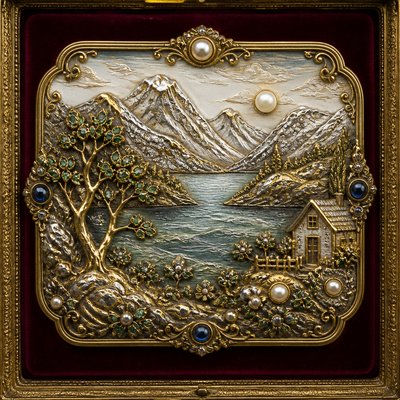
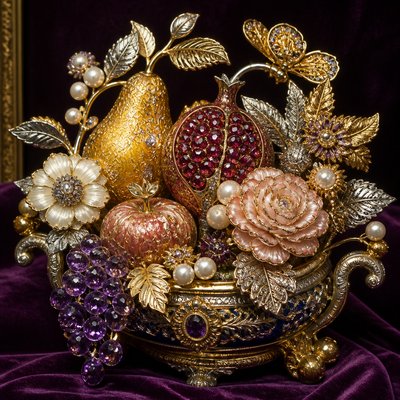
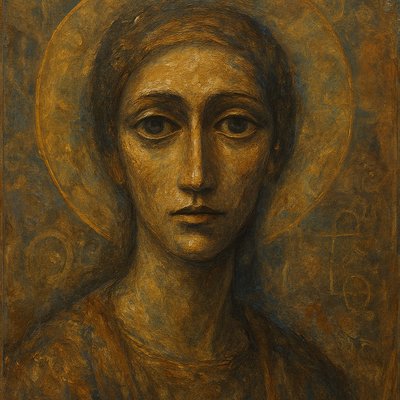
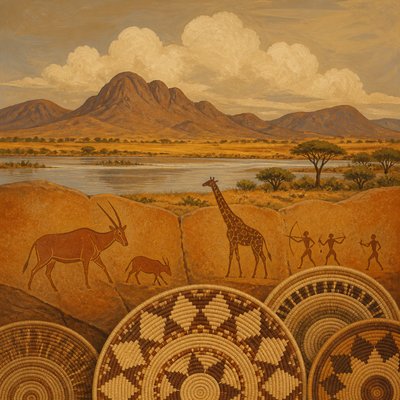
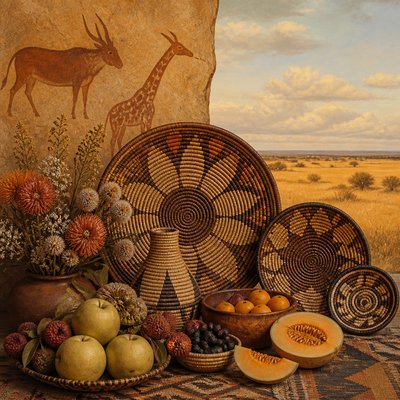
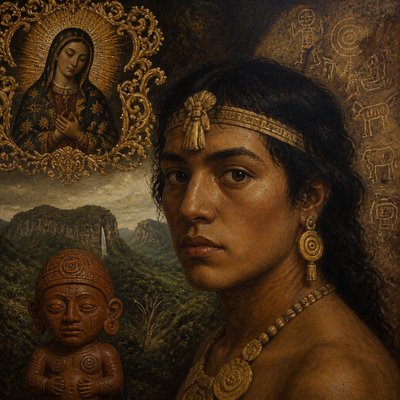
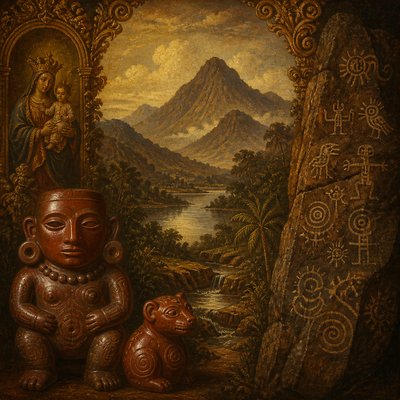
Explore Central African art style: carved harps, slit-drums, polished figures, geometric relief, and deep forest tones shaped by riverine traditions.
Instantly rendered in Central African — or transform a photo
Central African Gallery
Tap any artwork to explore it
What is Central African Art Style?
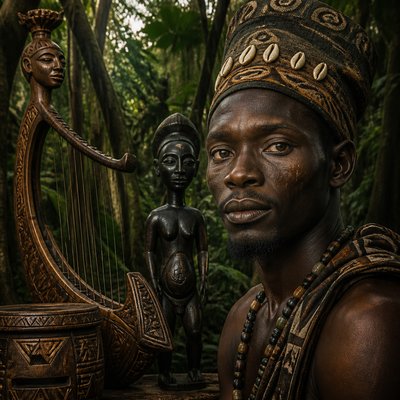
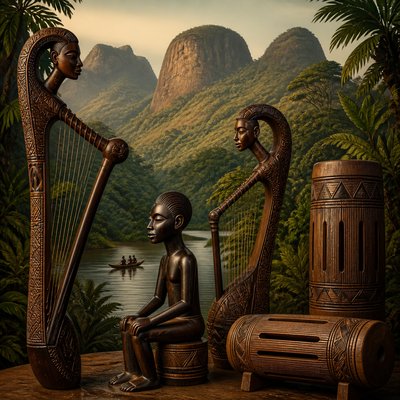
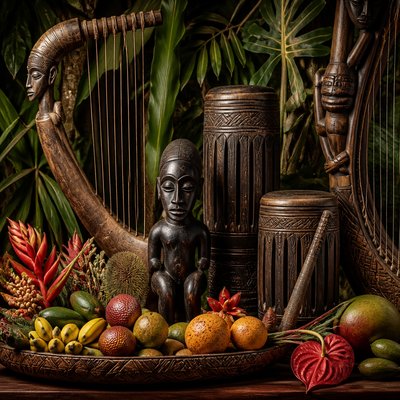
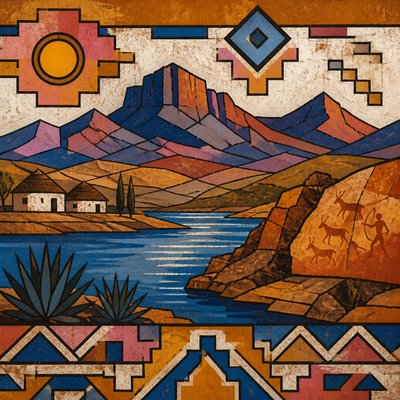
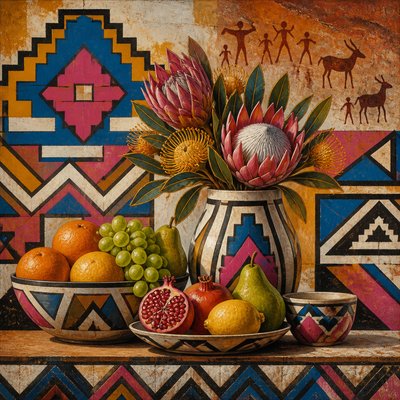
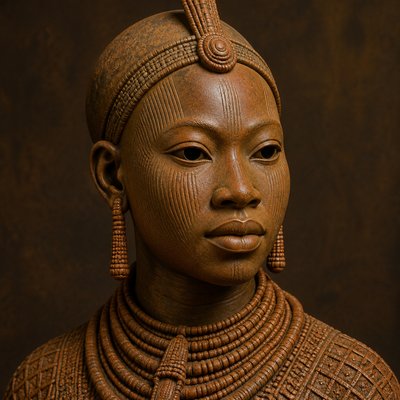
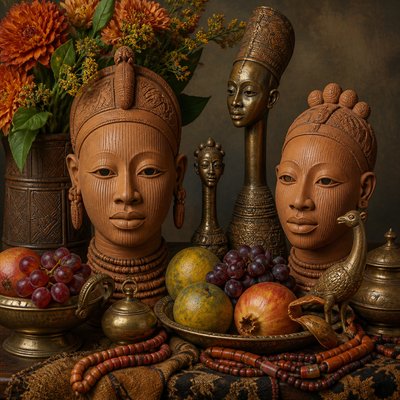
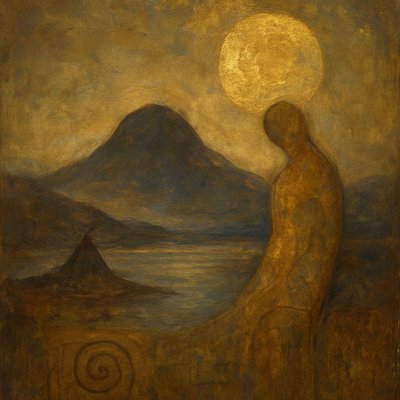
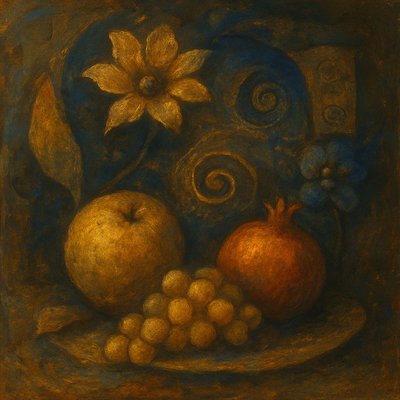
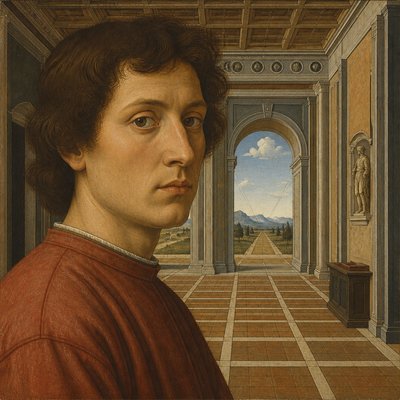
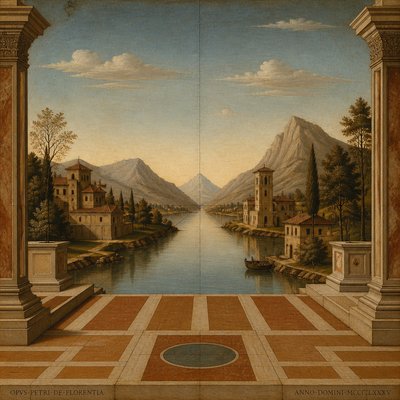
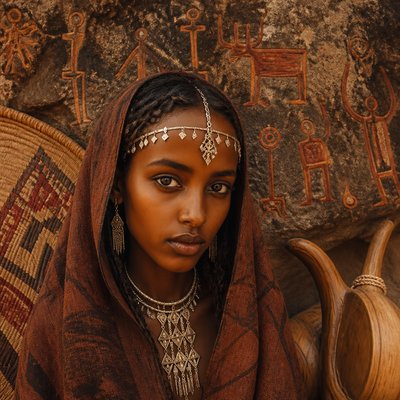
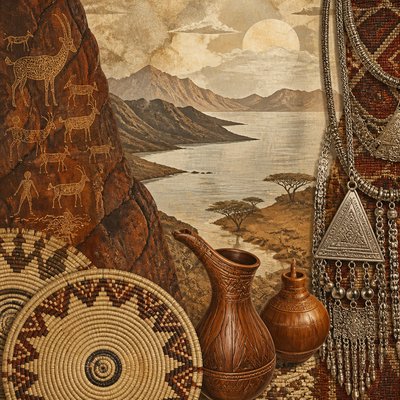
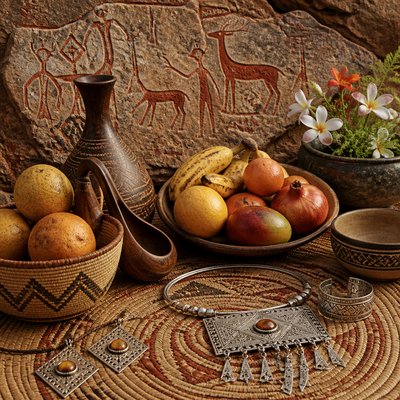
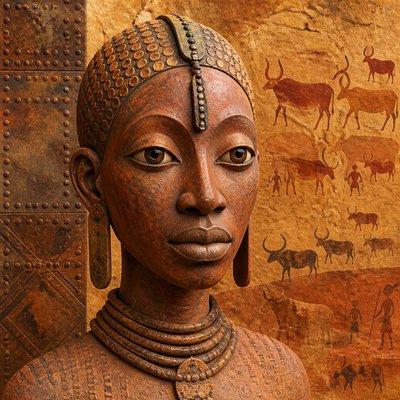
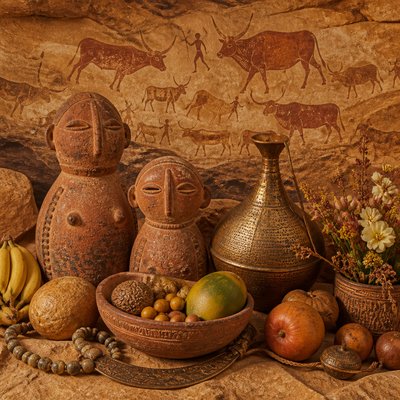
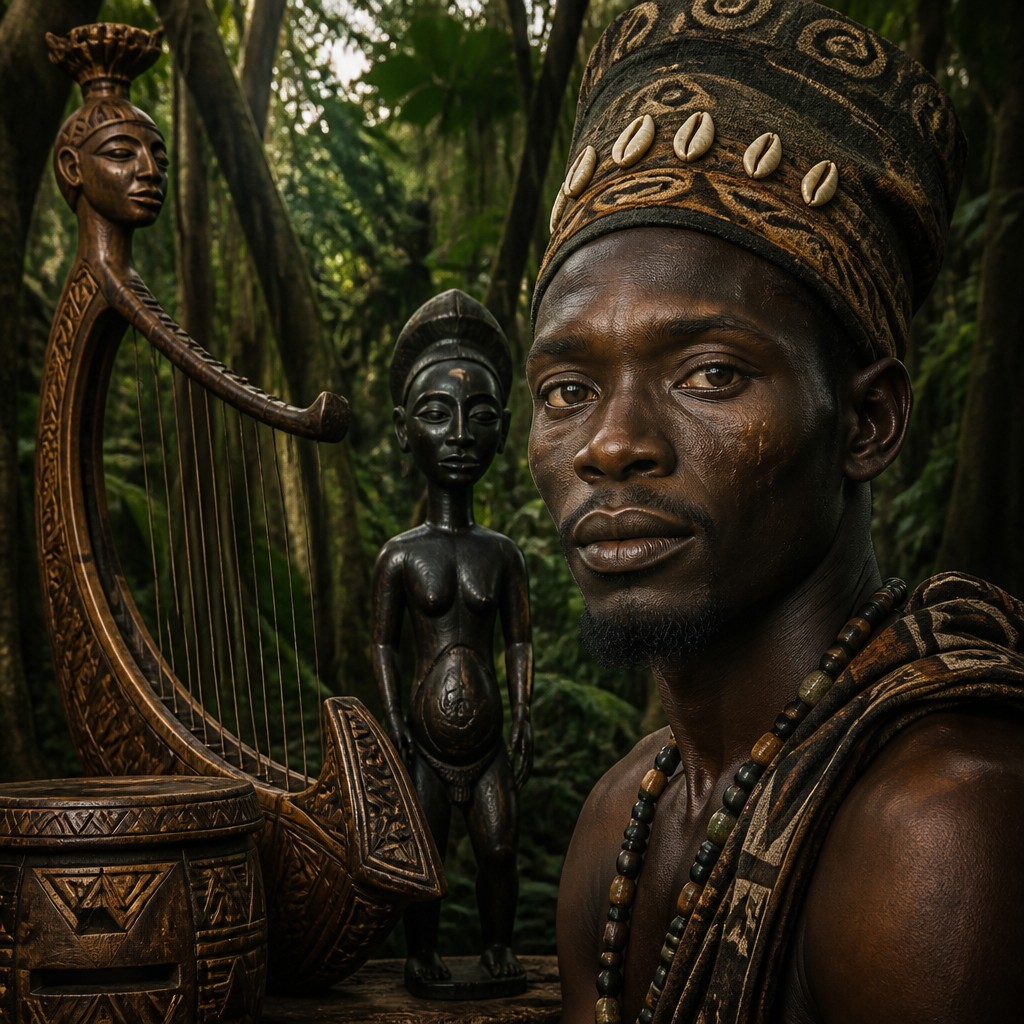
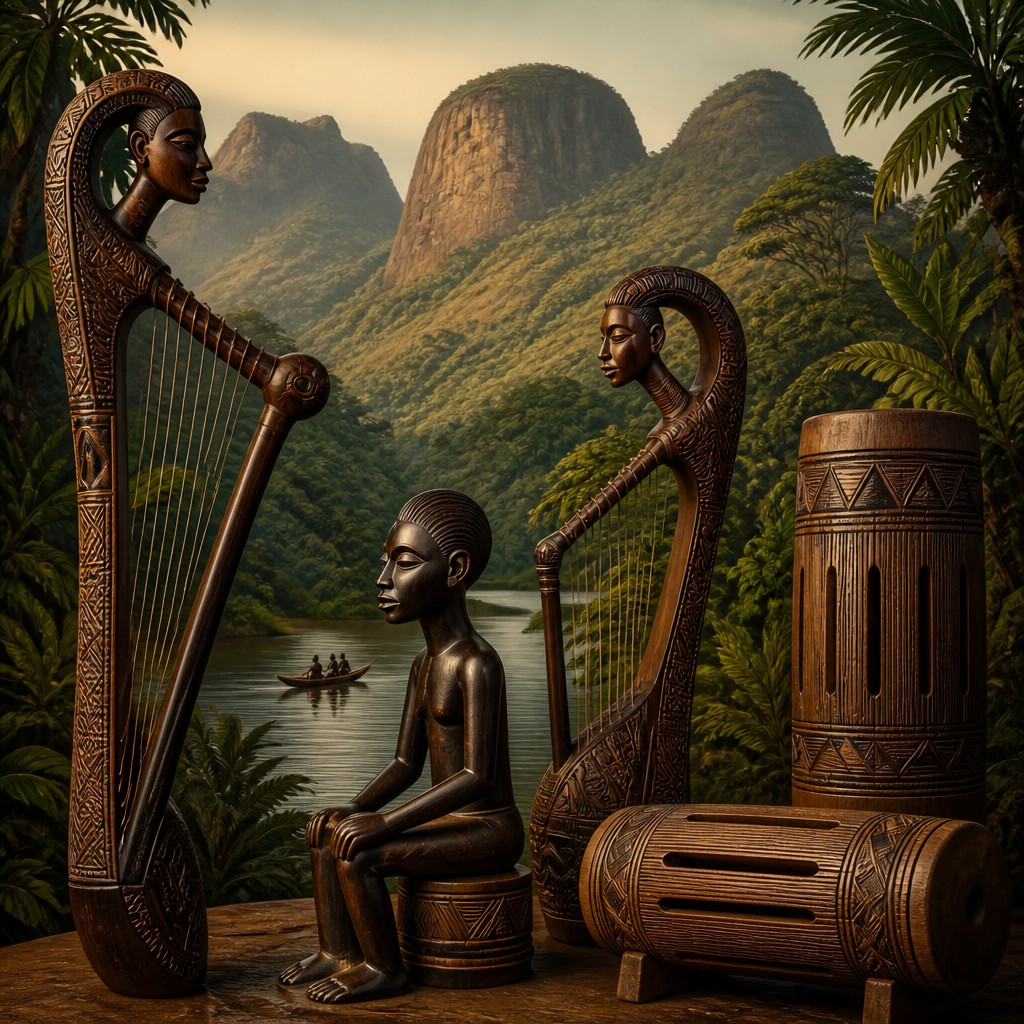
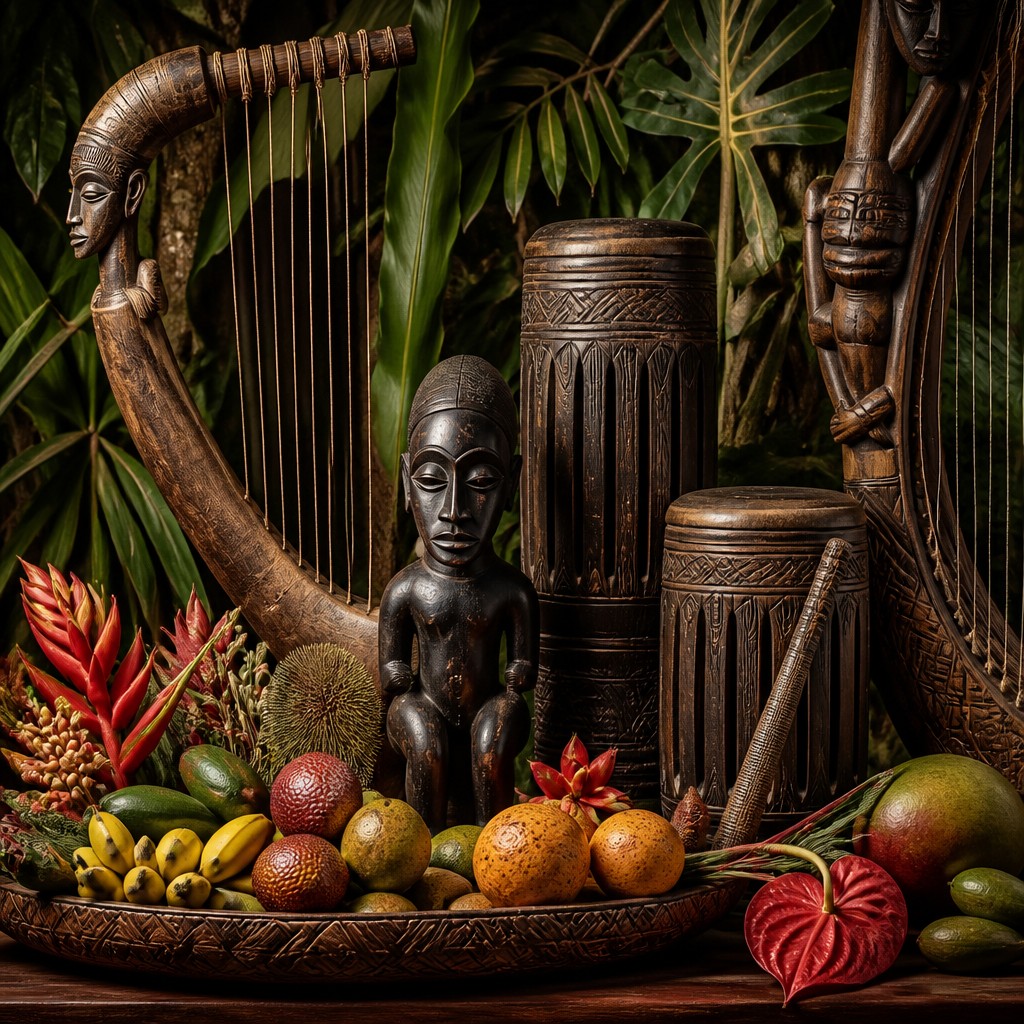
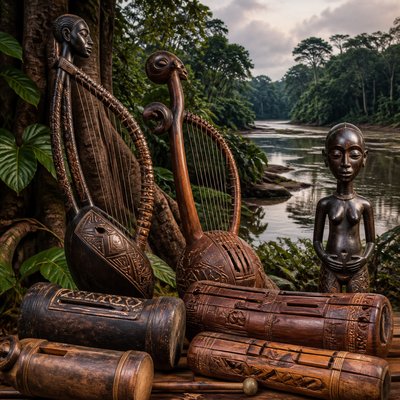
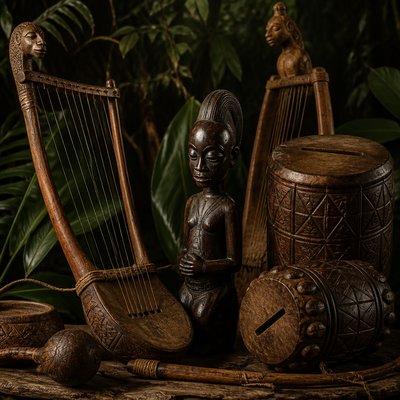
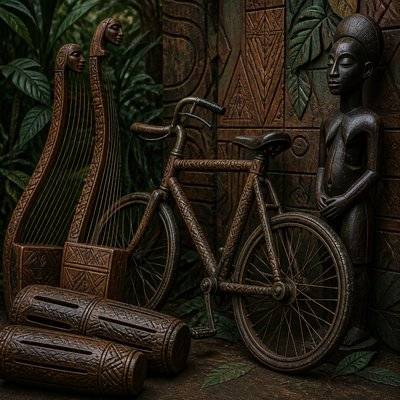
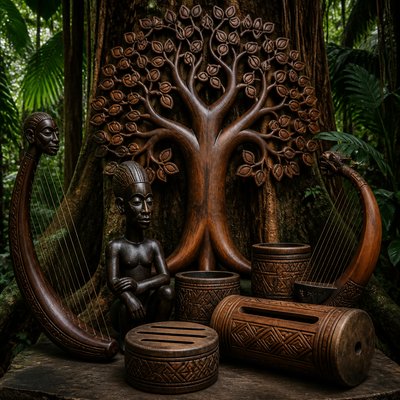
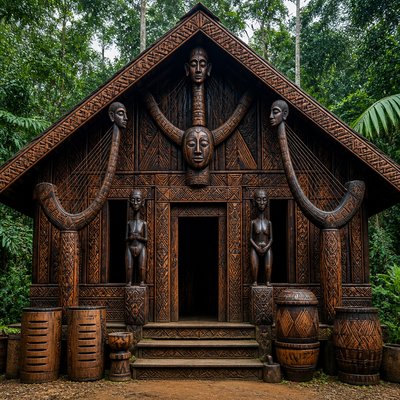
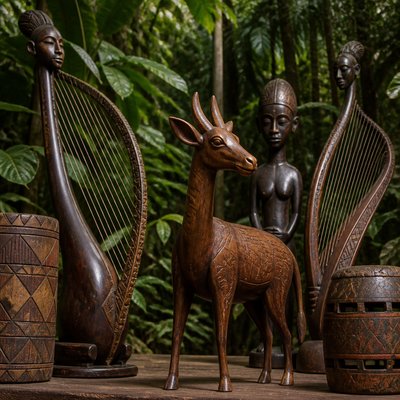
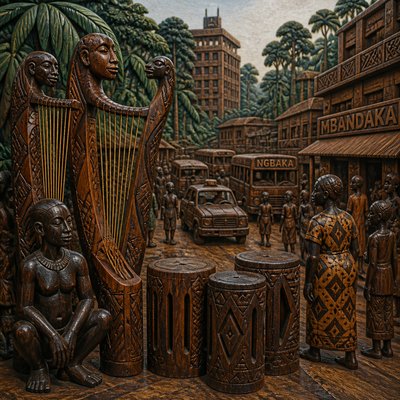
Central African art style is an interpretive visual category inspired by the sculptural traditions, musical instruments, and material culture of the Congo Basin and neighboring equatorial regions. Its visual vocabulary centers on elegantly carved wooden harps with figurative necks, resonant slit-drums, smooth dark-wood figures, geometric incisions, and an earthy palette of umber, black, ochre, and dense forest green.
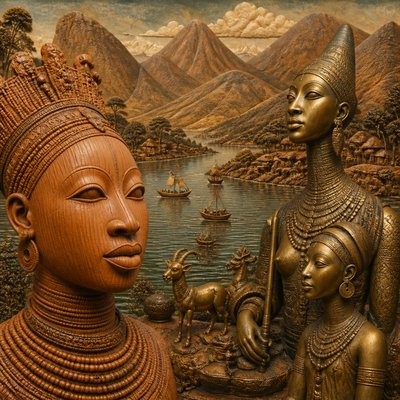
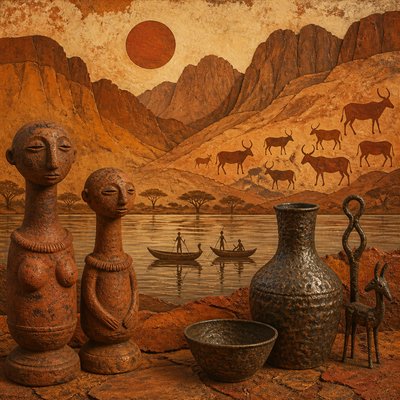
The style looks tactile and rhythmic because many of its reference objects are both functional and ceremonial. Carving, hollowing, polishing, stringing, and relief cutting transform wood into instruments and figures whose surfaces suggest touch, sound, memory, and communal use. In a contemporary visual synthesis, these elements may be arranged as a quiet still life, a sculptural portrait, or a forest-bound scene while retaining the emphasis on crafted form rather than naturalistic detail.
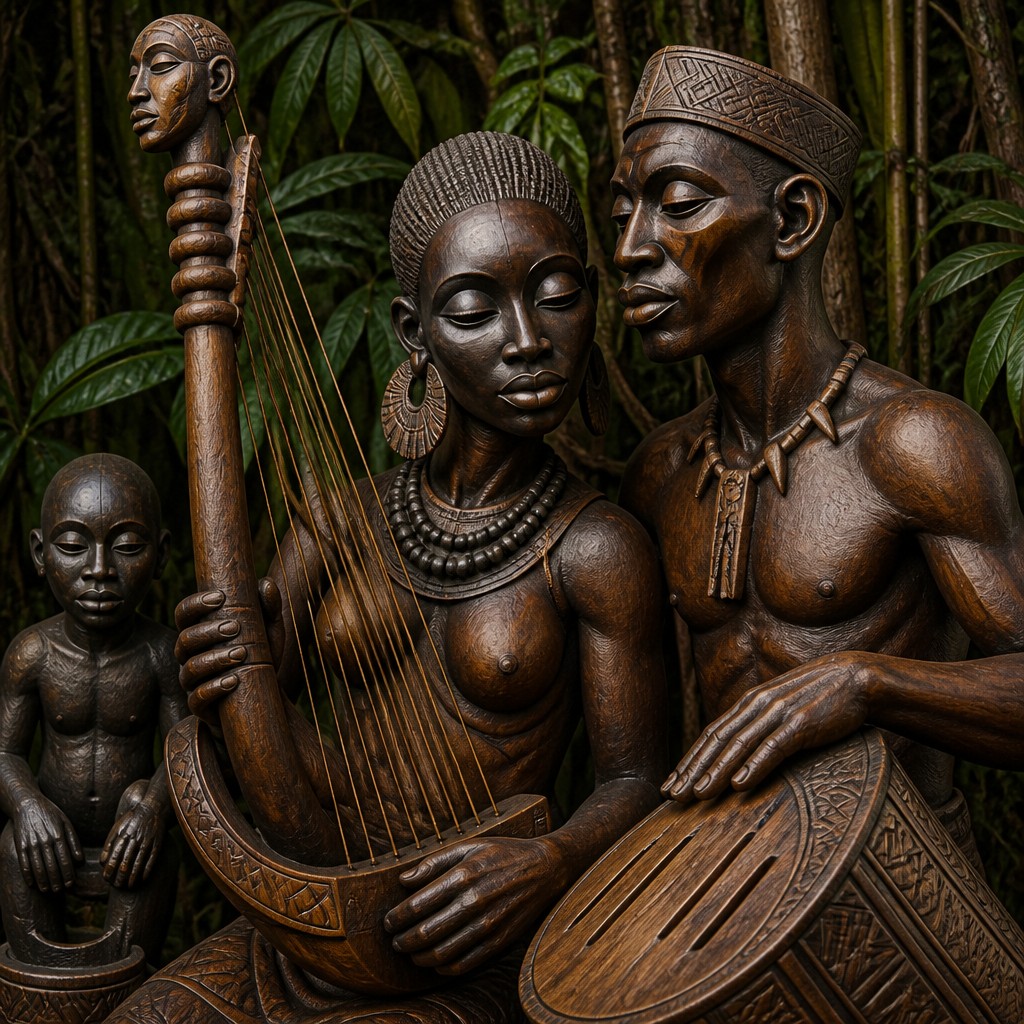
Try It On Your Photos
Upload any photo and convert it into Central African Art Style — drag the sliders to compare before and after.


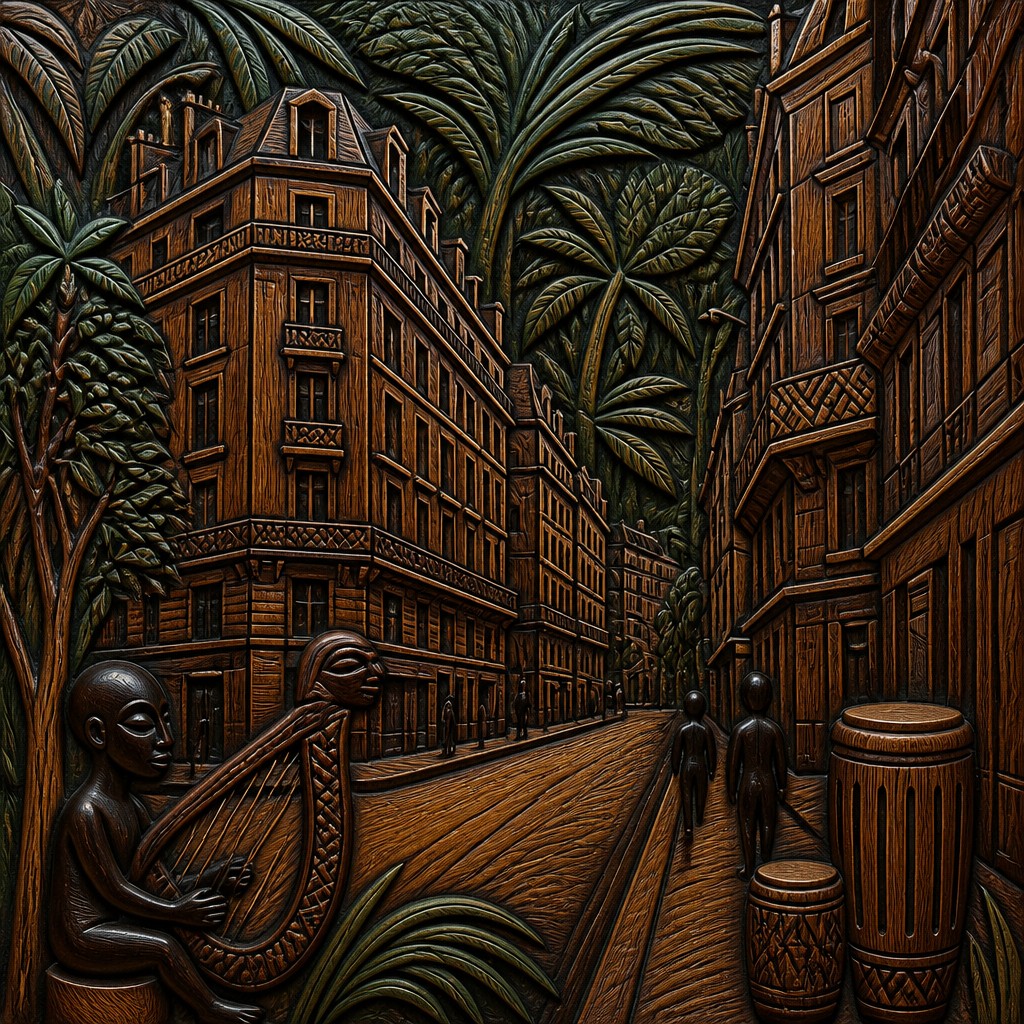

What Defines Central African Art Style
The signature details, up close
Figurative harp necks
Arched wooden harps often receive elongated, human or animal-like finials and necks. These sculptural additions turn a practical instrument into a focused image of presence, ancestry, or protection.
Carved slit-drums
Hollow log drums are defined by deep openings, sturdy silhouettes, and incised or raised geometric decoration. Their broad forms suggest resonance, communal communication, and rhythmic structure.
Polished dark wood
Smooth surfaces, rounded volumes, and dark brown to nearly black wood tones create a tactile, contemplative appearance. Subtle highlights are preferable to glossy synthetic shine.
Geometric relief
Bands, chevrons, diamonds, hatch marks, and incised linear patterns organize the surfaces of instruments and figures. Ornament is typically integrated into the object’s structure rather than applied as unrelated decoration.
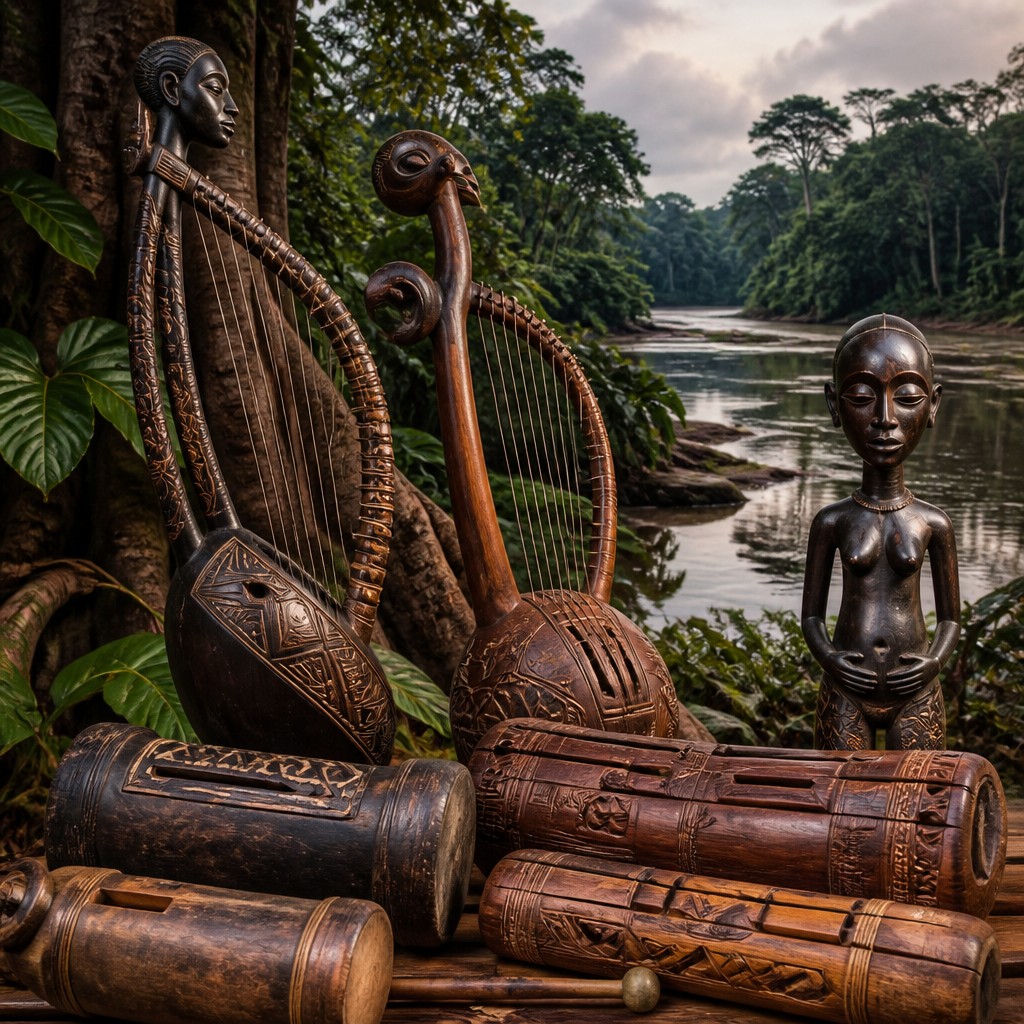
River-forest palette
Deep equatorial greens, umber, charcoal, muted ochre, clay red, and occasional natural fiber tones evoke humid forest environments and riverine materials. Color is generally restrained and grounded.
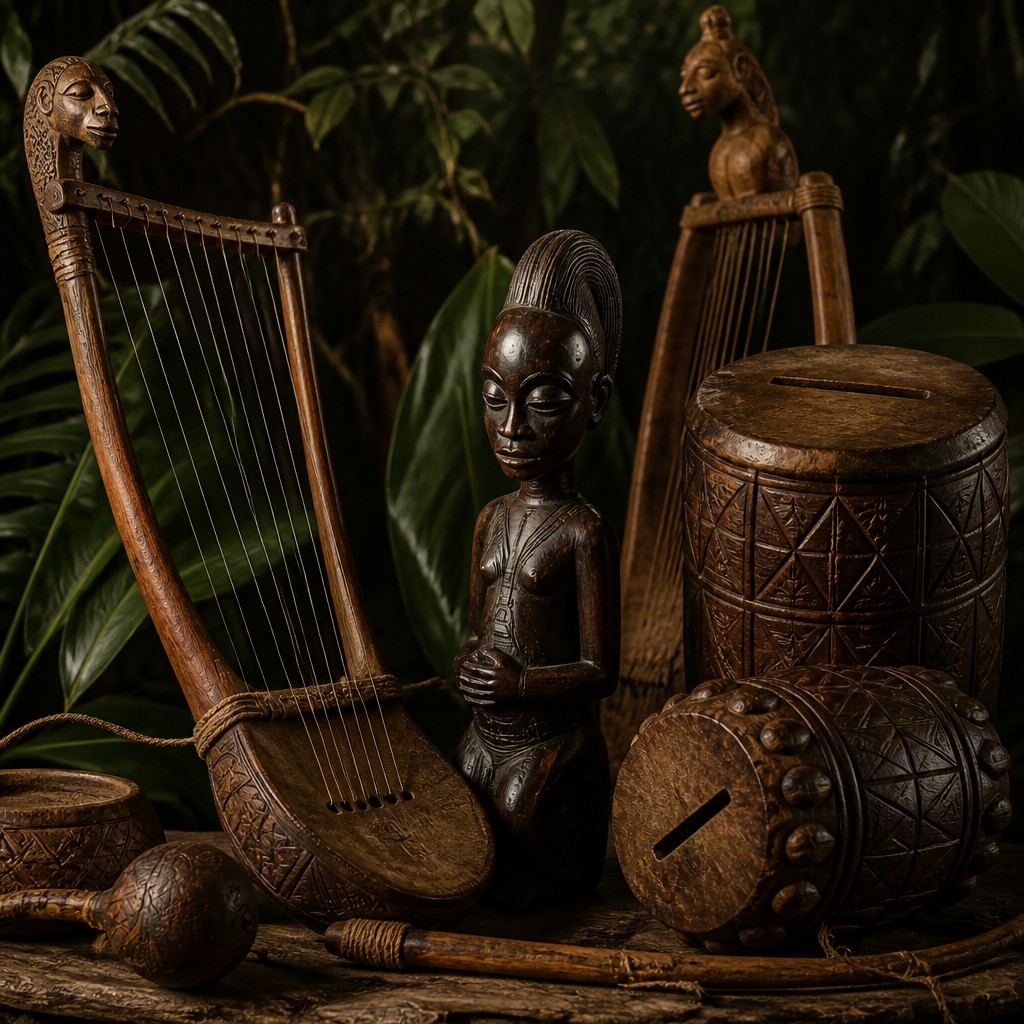
Stylized human forms
Figures may use simplified anatomy, balanced proportions, elongated features, and a calm frontal or slightly inward-facing posture. The emphasis is on emblematic presence and carved volume rather than anatomical realism.
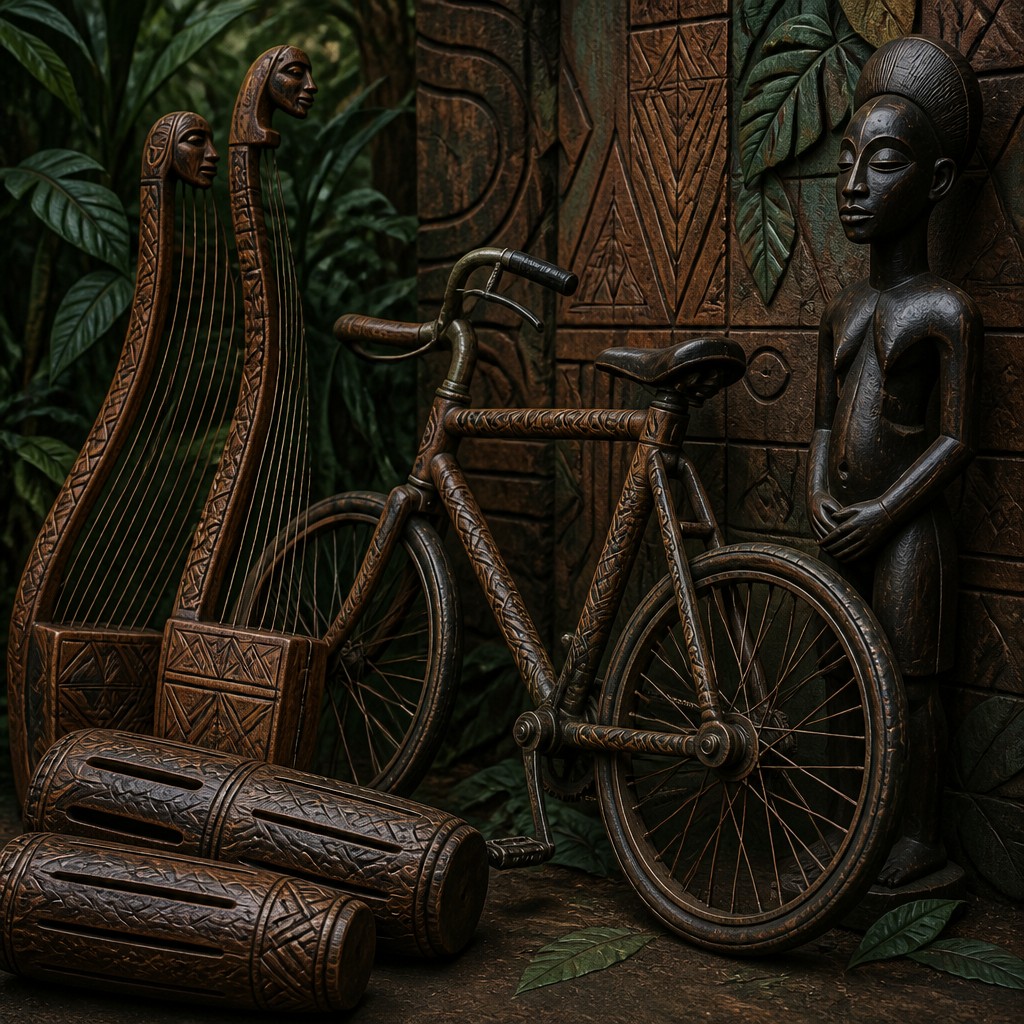
Material and sonic presence
The imagery should imply weight, hollow resonance, taut strings, grain, and hand-worked edges. Even a still image benefits from a sense that the objects can be handled, played, or heard.
Central African Prompt Ideas
Start from an idea — each one opens the generator with the style ready to go. See all 40 Central African prompts →
How to Create Central African Art
Master the craft step by step — or skip straight to creating. Read the full guide →
- 1
Choose a specific cultural reference
Begin with one clearly identified tradition or object type, such as an Ngbaka figure, a Congo Basin harp, or a carved slit-drum. Avoid combining unrelated motifs indiscriminately, and provide cultural context when presenting the work.
- 2
Build the form from wood
For physical work, use carving, gouging, hollowing, and controlled polishing to establish a strong silhouette before adding relief. In digital work, model the object with softened edges, visible grain, shallow cuts, and believable structural thickness.
- 3
Control surface and lighting
Use directional, low-to-moderate lighting to reveal carved recesses and polished highlights. Keep textures tactile and restrained, with matte or satin wood rather than plastic gloss.
- 4
Compose around rhythm
Arrange repeated strings, geometric bands, drum openings, or grouped instruments to create visual cadence. Frontal symmetry can suggest ceremonial gravity, while asymmetrical forest settings create a more narrative image.
- 5
Use a disciplined palette
Limit the main colors to deep greens, umbers, charcoal, ochre, and muted earth reds. Add fibers, bark, water, or leaf tones as secondary materials without allowing the environment to overpower the carved subject.
- 6
Write precise digital prompts
Specify the object, wood type, carving method, surface finish, lighting, setting, and degree of stylization; for example, request a polished figurative harp, geometric slit-drum relief, humid forest atmosphere, and documentary material detail. Reference a particular community or object tradition responsibly rather than using a vague pan-African label.
The Story
History & Origins of Central African
This is not the name of a single historical movement or unified regional style. It is a modern descriptive synthesis drawing on diverse artistic traditions from Central Africa, including forest-region sculpture and instrument-making among communities in and around the Democratic Republic of the Congo and the Central African Republic. Ngbaka figure sculpture, Congo Basin harp traditions, and carved slit-drums provide particularly important visual reference points, although each belongs to its own cultural and historical context.
These traditions developed through long-standing systems of woodworking, ritual practice, music, exchange, and local design knowledge. European colonial collecting and museum classification often detached objects from their original uses and communities; contemporary interpretations should therefore avoid treating Central African art as anonymous or uniform. The present style is best understood as an aesthetic lineage and respectful composite rather than a period-specific school.
Influences: The style relates to Central African woodcarving, Congo Basin musical instrument traditions, African ceremonial sculpture, and the broader modernist interest in non-naturalistic form. It also shares qualities with ethnographic still life, material-focused sculpture, relief carving, and contemporary digital interpretations of museum objects. Its strongest visual distinction comes from joining sculptural figures to sound-producing objects and river-forest material cues, rather than treating them as generic tribal decoration.
Frequently Asked Questions
Is Central African art style a single historical art movement?
No. The phrase describes a broad contemporary aesthetic synthesis, not a unified movement with one origin or formal period. Central Africa contains many distinct communities, languages, object traditions, and artistic systems, so specific cultural references should be identified whenever possible.
What objects define this style?
The most recognizable objects are carved arched harps with figurative elements, hollow slit-drums with geometric relief, and smooth wooden figures. Their shared qualities are hand-worked surfaces, strong silhouettes, symbolic stylization, and a close relationship between art, sound, and communal life.
How is it different from African art in general?
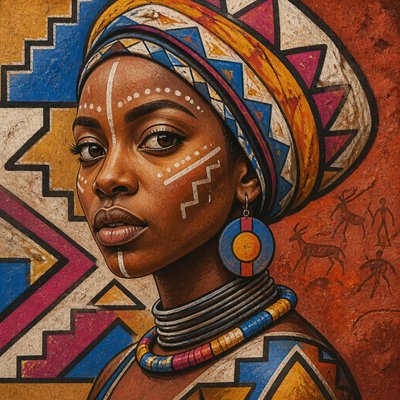
African art is an extremely broad category spanning thousands of communities and visual traditions. This style focuses more narrowly on Central African forest and river-region references, especially carved instruments, dark polished wood, geometric relief, and dense equatorial environments.
What materials and techniques are associated with it?
Wood carving, hollowing, incising, relief cutting, polishing, stringing, and the use of natural fibers are central material references. Digital artists can reproduce these qualities through modeled grain, shallow bevels, softened tool marks, satin surfaces, and lighting that reveals recesses.
What colors work best for this aesthetic?
A grounded palette of dark brown, black-brown, charcoal, moss green, forest green, ochre, and muted clay red works well. Color should support the wood, vegetation, and earth rather than turning the image into a brightly decorative fantasy scene.
How can I use the style respectfully?
Name the specific cultural or object tradition that informs the work, research its function, and avoid presenting all Central African art as interchangeable. Do not invent ceremonial meanings or claim historical authenticity for a contemporary composite; describe it as an interpretation when that is what it is.
Create your first Central African artwork
Describe anything — or upload a photo — and see it in Central African Art Style in seconds.
Related Styles
Discover similar art styles