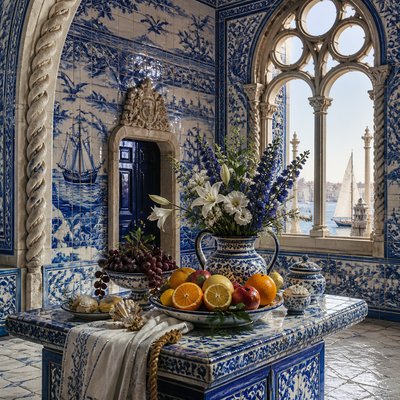
Valletta Art Style
Explore Valletta Art Style: Maltese fortress architecture, Baroque ornament, ceremonial armor, and radiant Mediterranean limestone light.
Instantly rendered in Valletta — or transform a photo
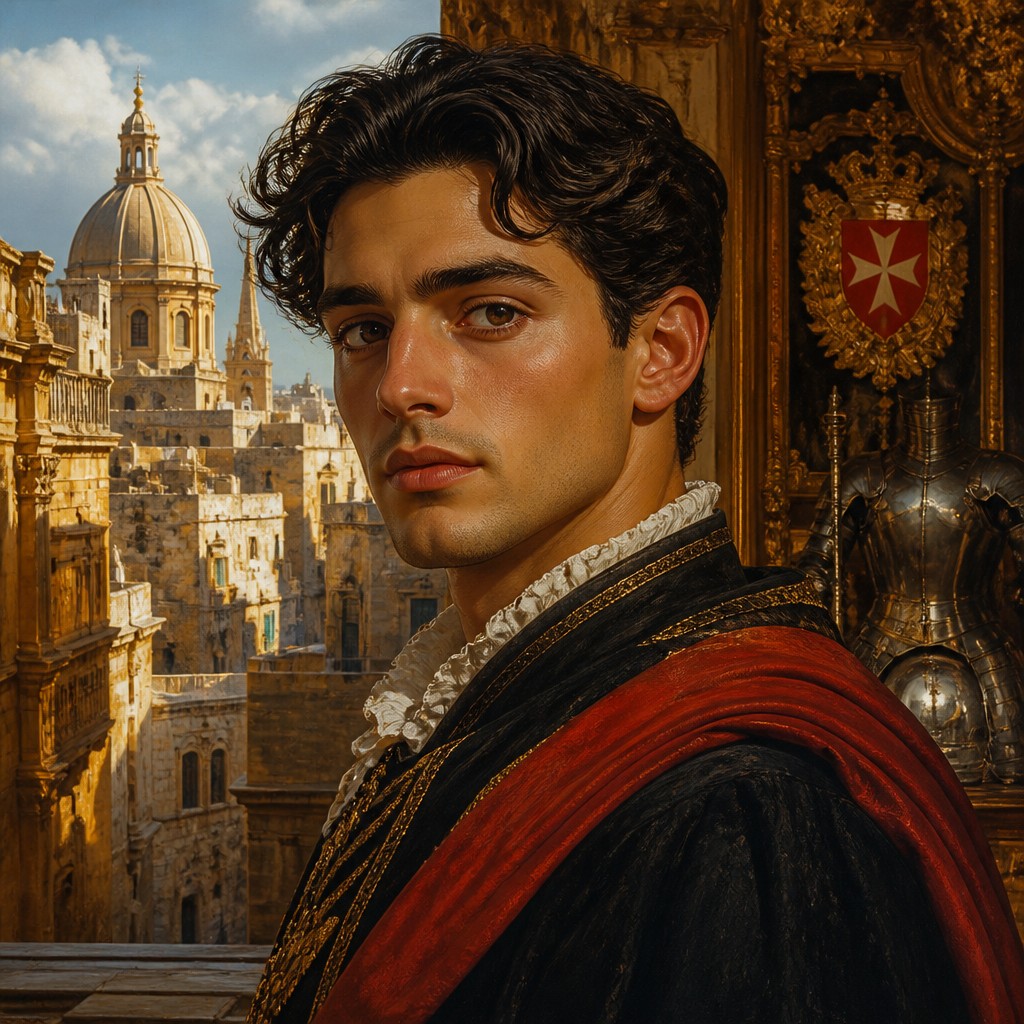
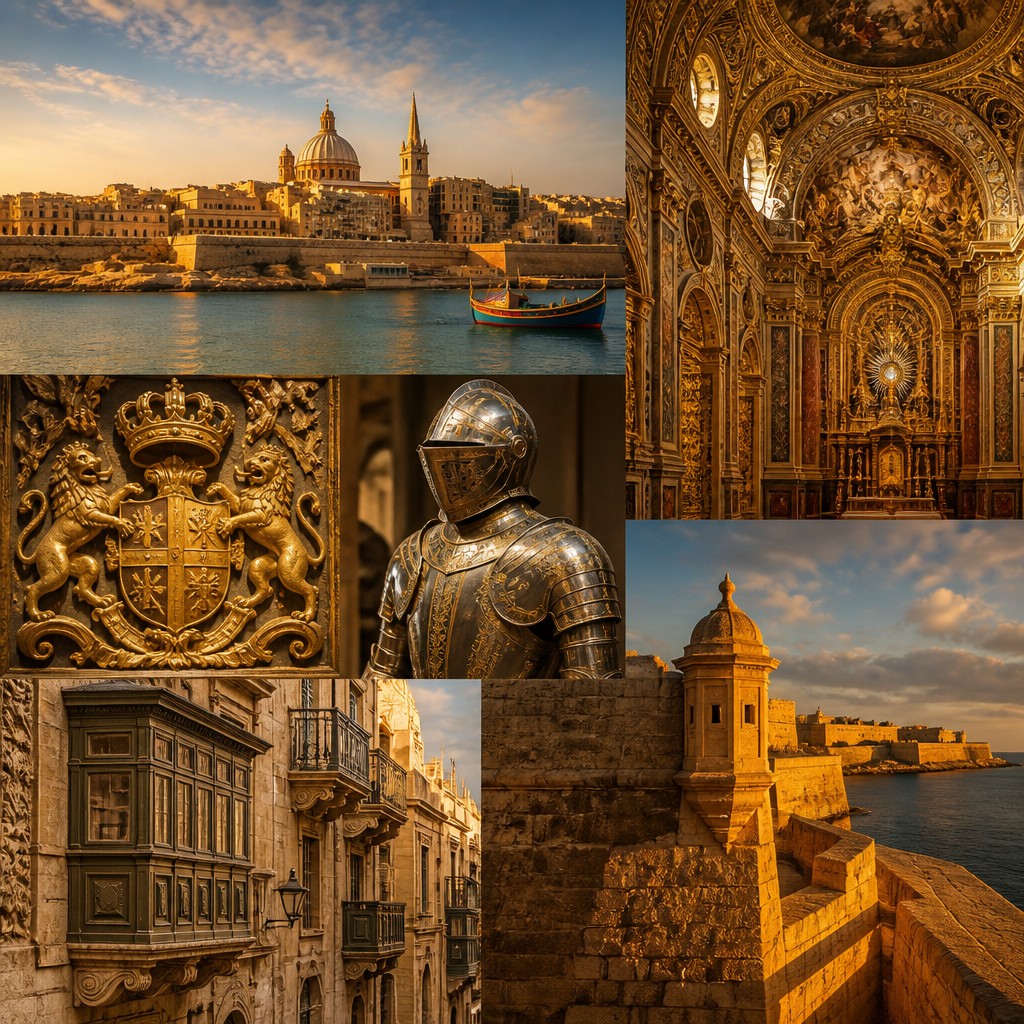
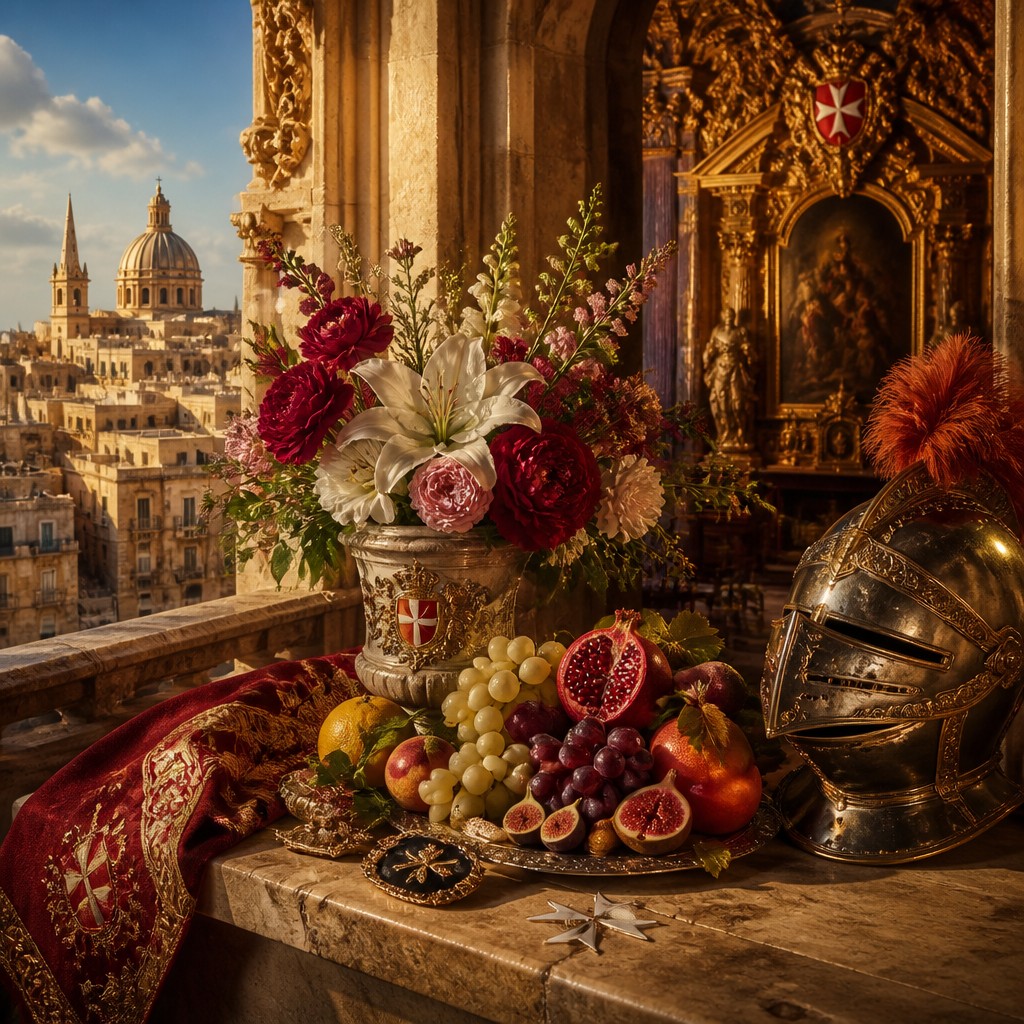
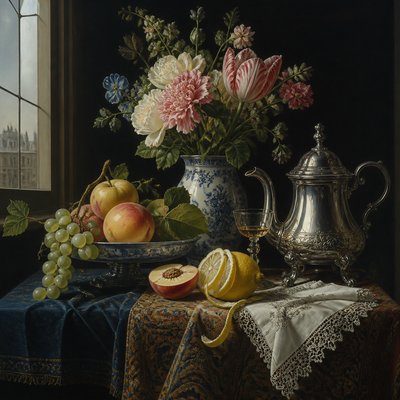
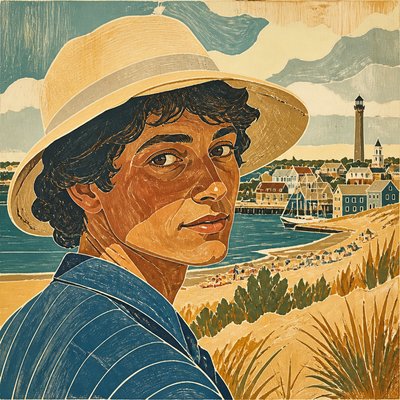
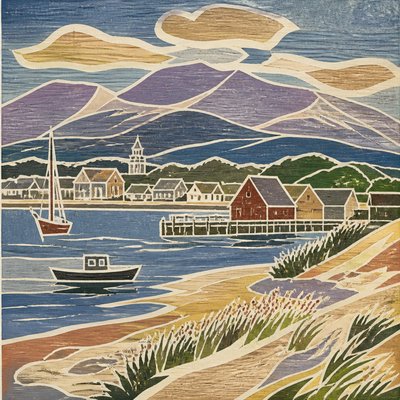
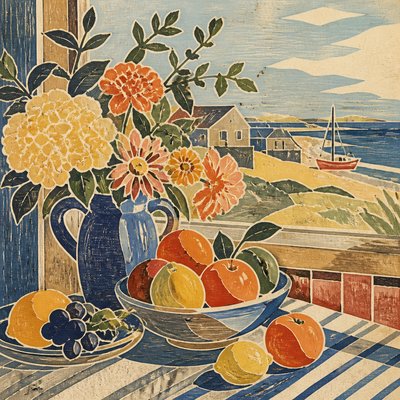
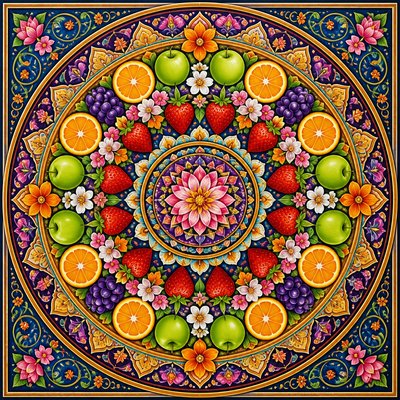
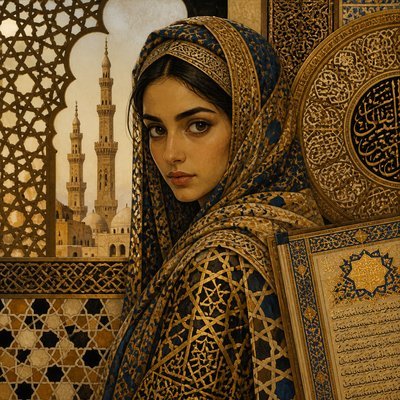
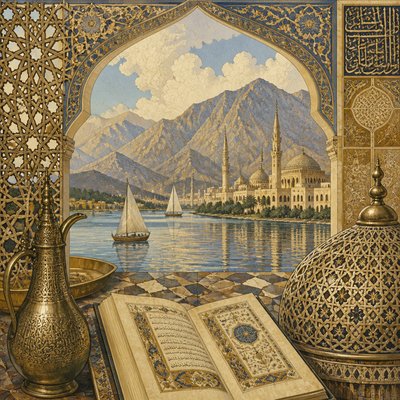
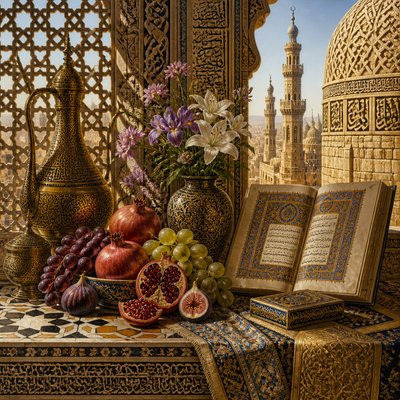
Valletta Gallery
Tap any artwork to explore it
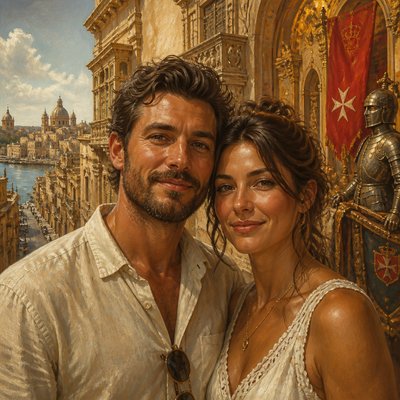
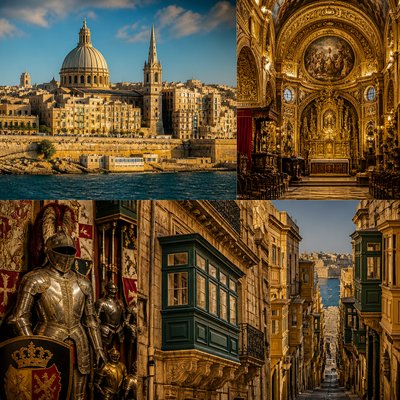
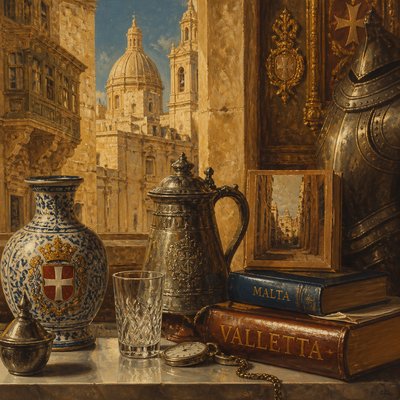
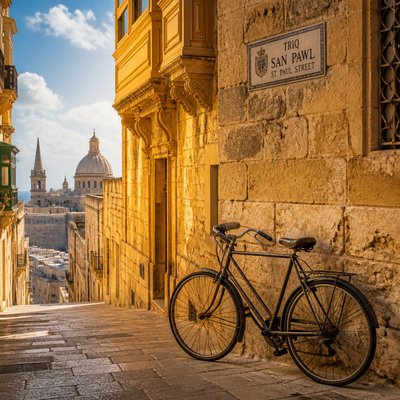
What is Valletta Art Style?
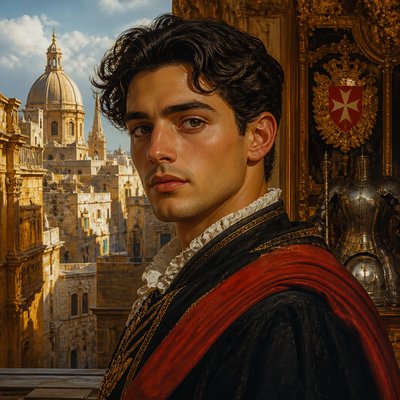
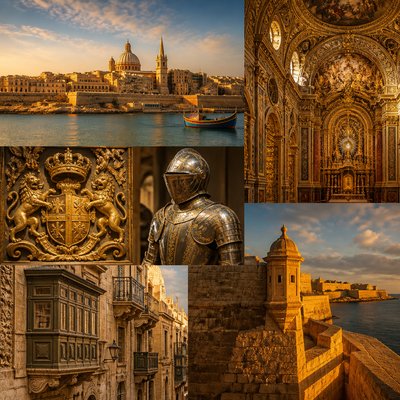
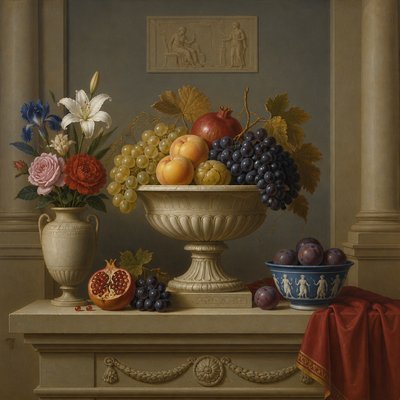
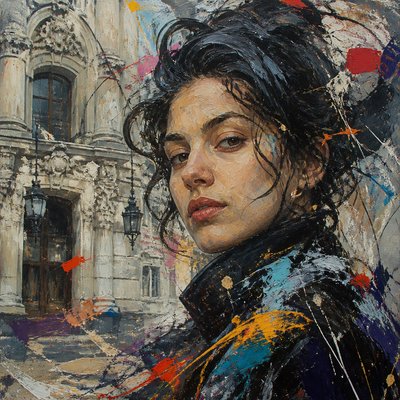
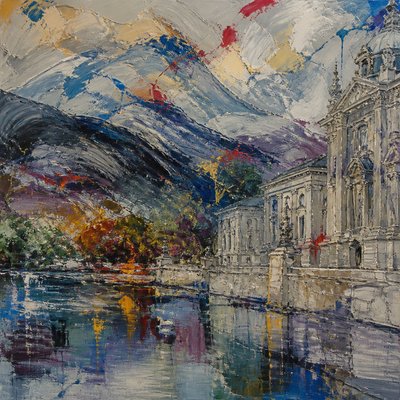
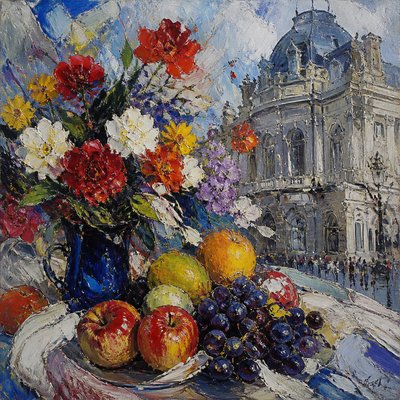
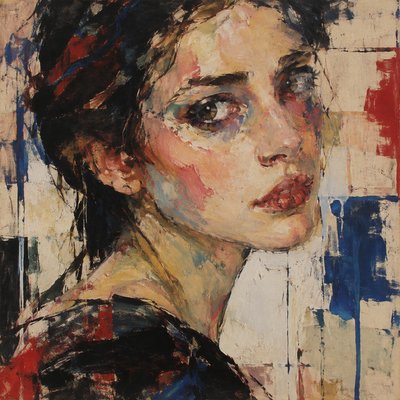
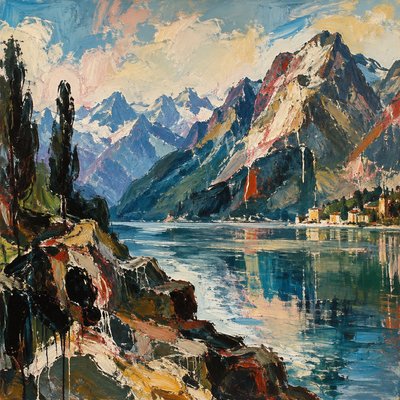
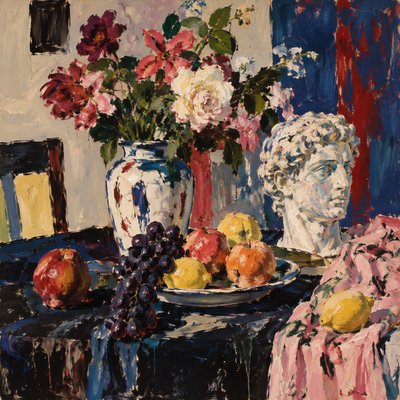
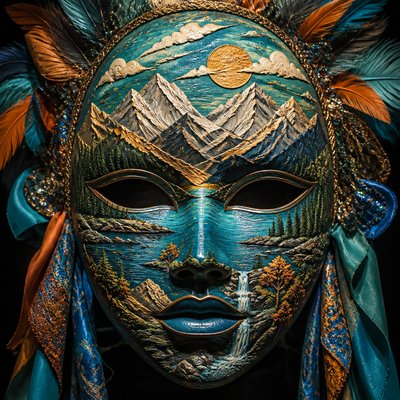
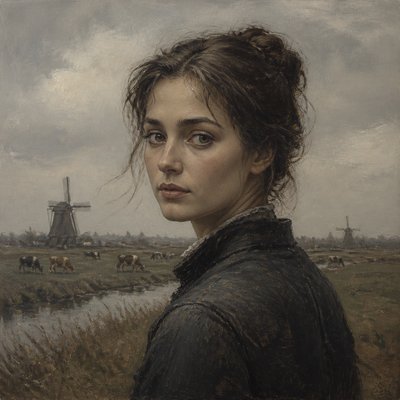
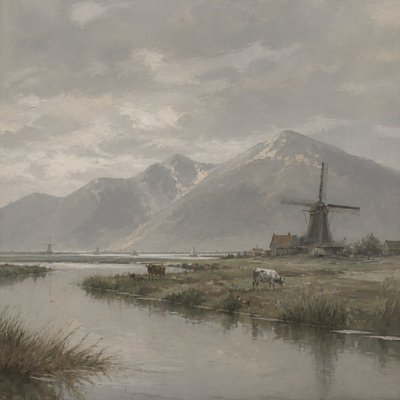
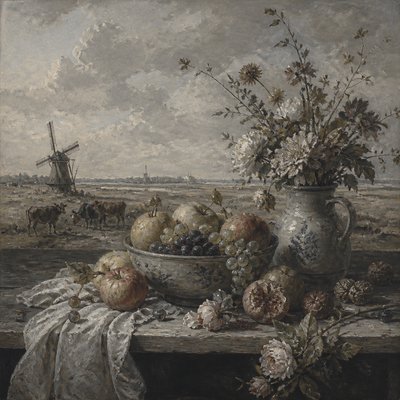
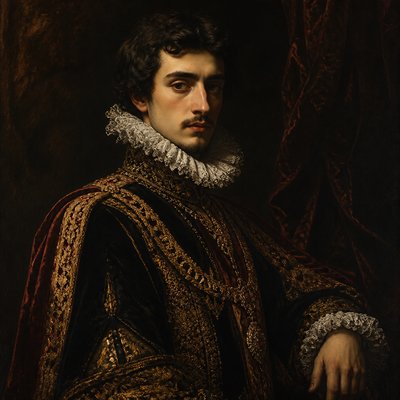
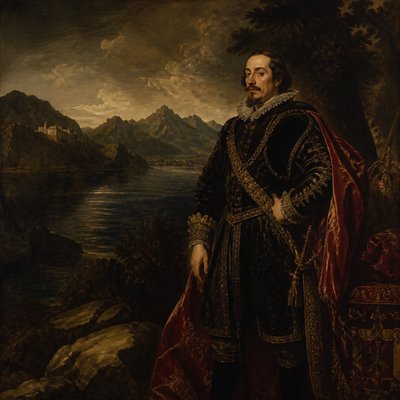
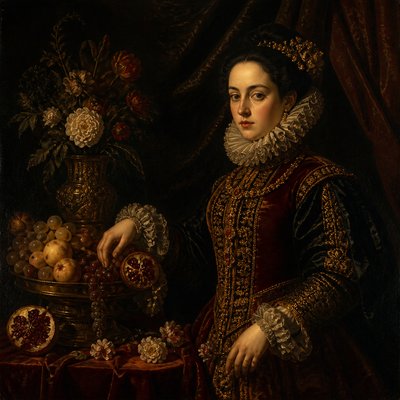
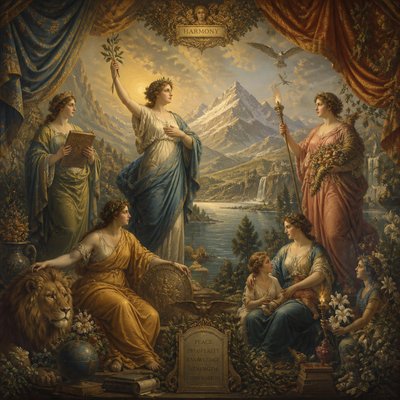
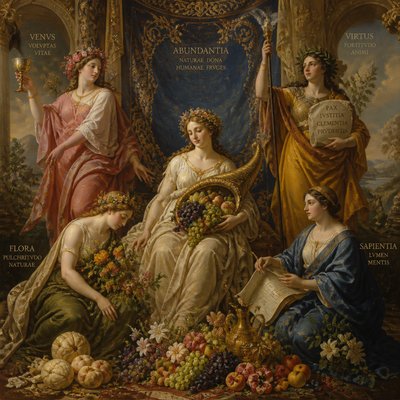
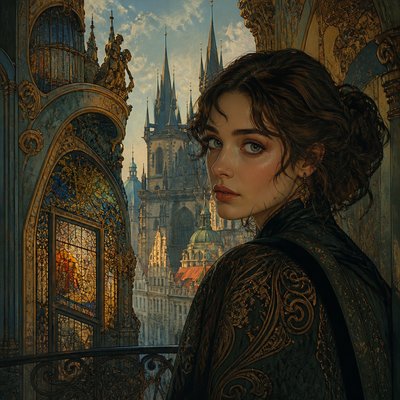
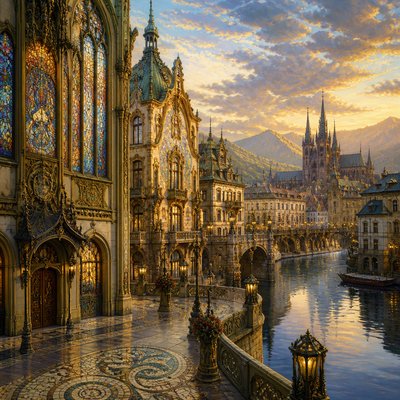
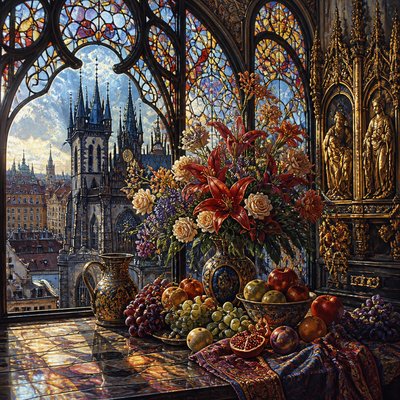
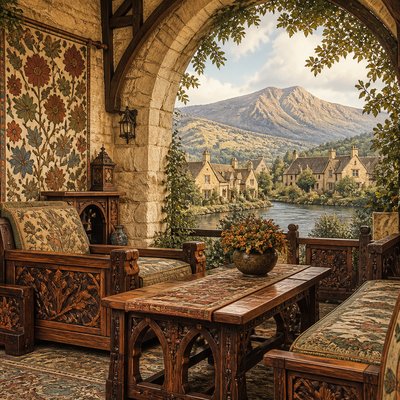
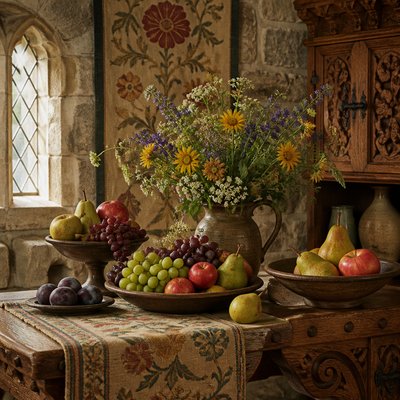
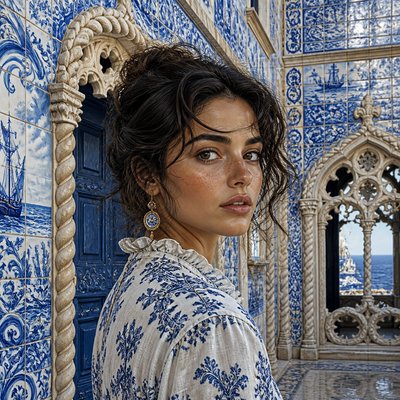
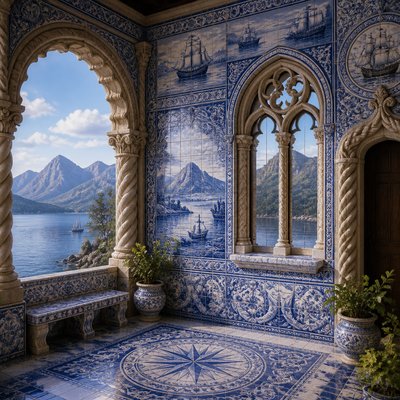
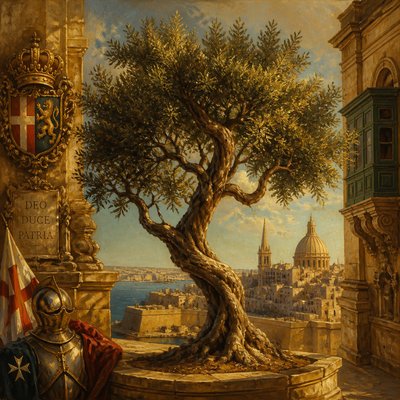
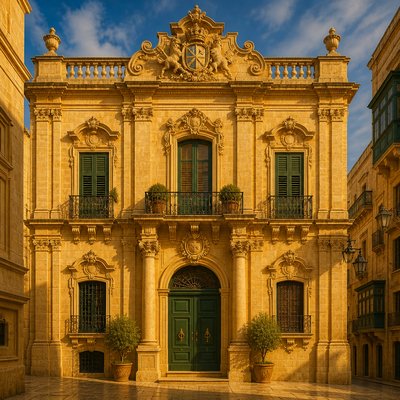
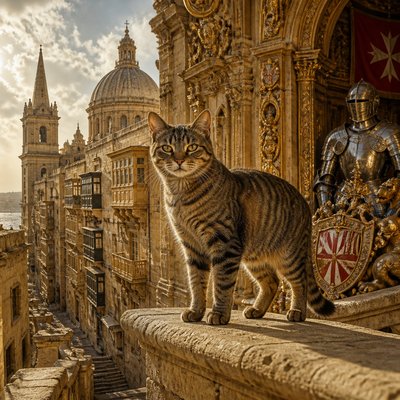
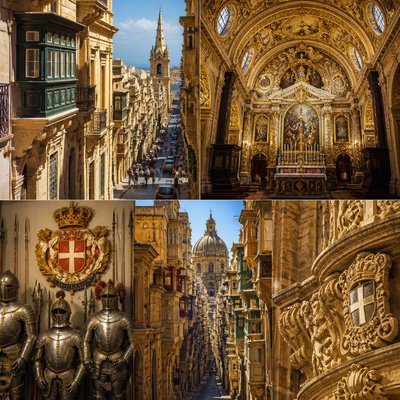
Valletta Art Style is an invented contemporary aesthetic built around the visual character of Malta’s fortified capital and its surrounding Mediterranean culture. It combines honey-colored limestone architecture, Catholic Baroque ornament, narrow urban streets, carved balconies, polished ceremonial armor, heraldic emblems, and intense coastal sunlight into a unified atmosphere of fortress grandeur.
The style looks simultaneously architectural and theatrical. Hard masonry, deep shadows, reflective metal, gilded interiors, and sun-warmed stone create strong contrasts between protection and ornament, austerity and opulence. Compositions often feel like carefully staged historical tableaux, with raking light revealing carved surfaces and directing attention through arches, stairways, courtyards, and fortified streets.
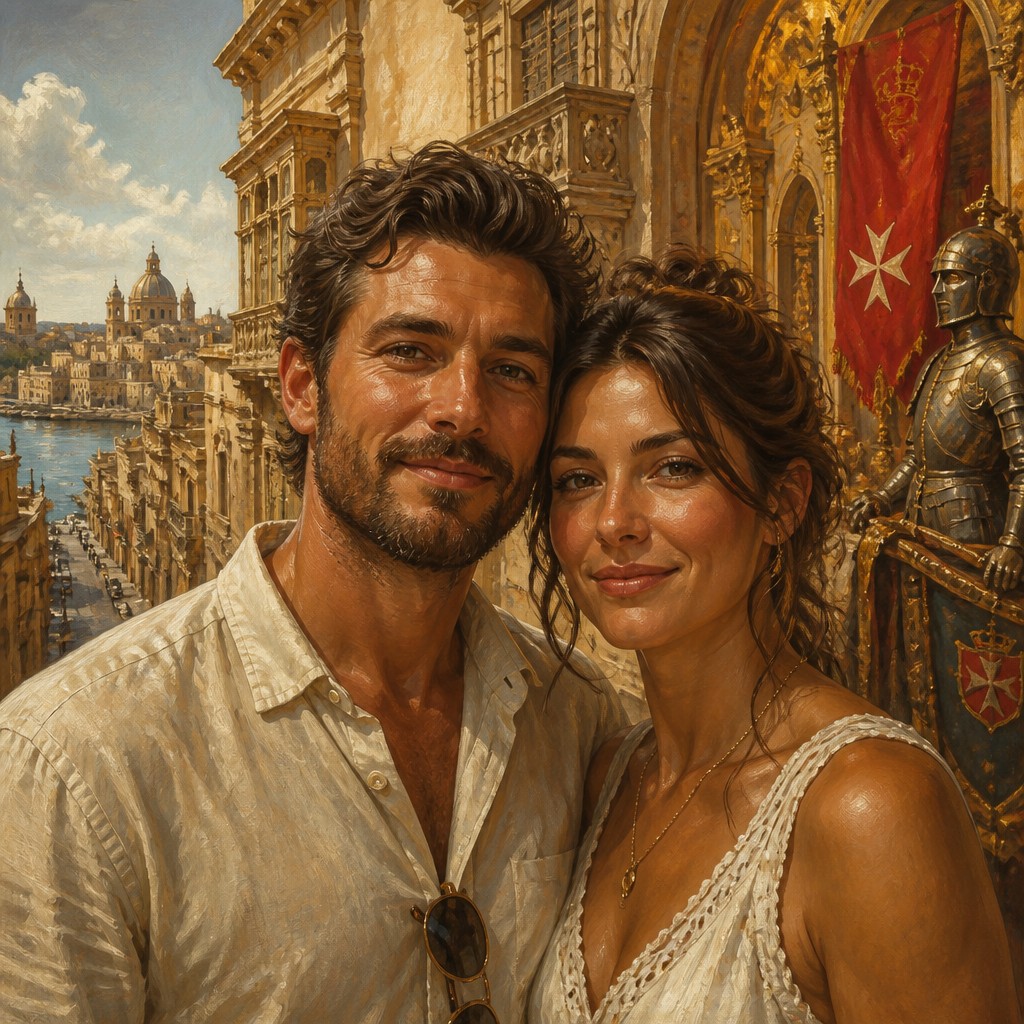
Try It On Your Photos
Upload any photo and convert it into Valletta Art Style — drag the sliders to compare before and after.
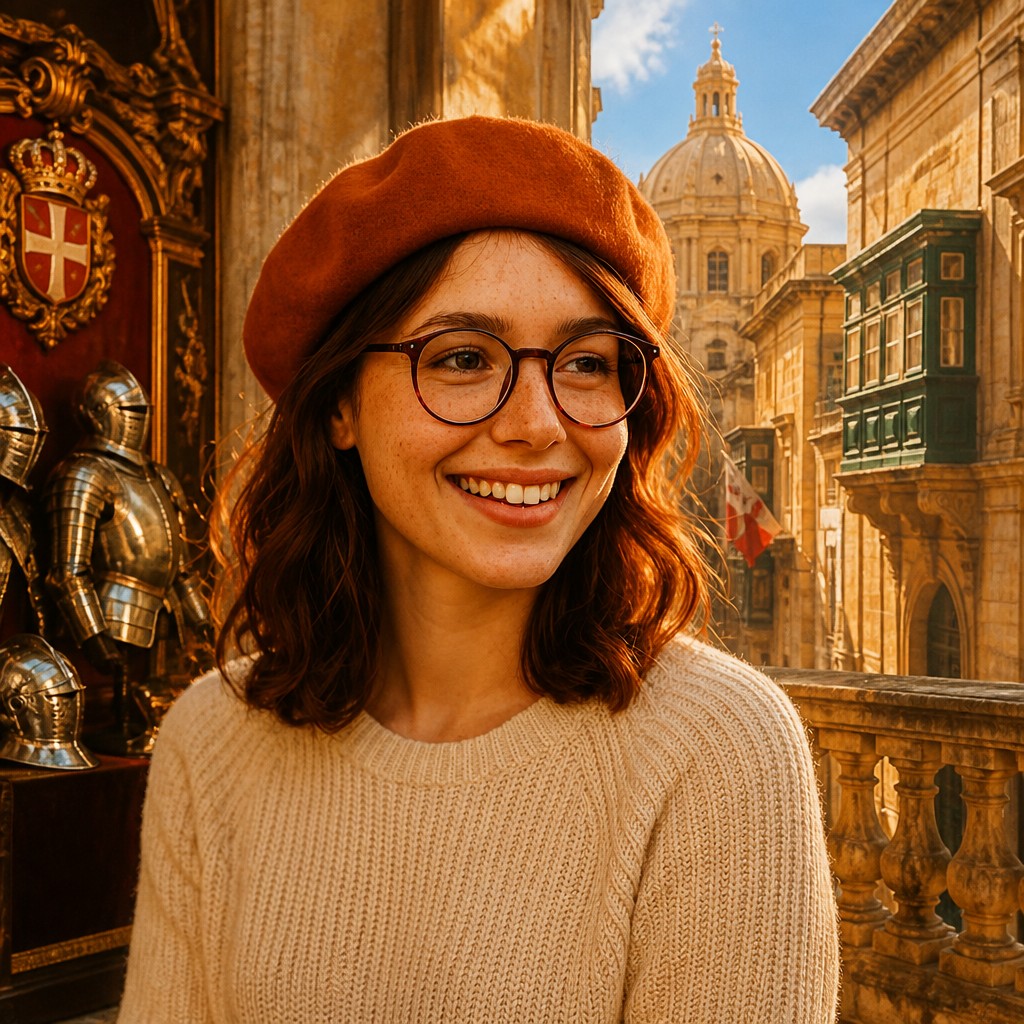

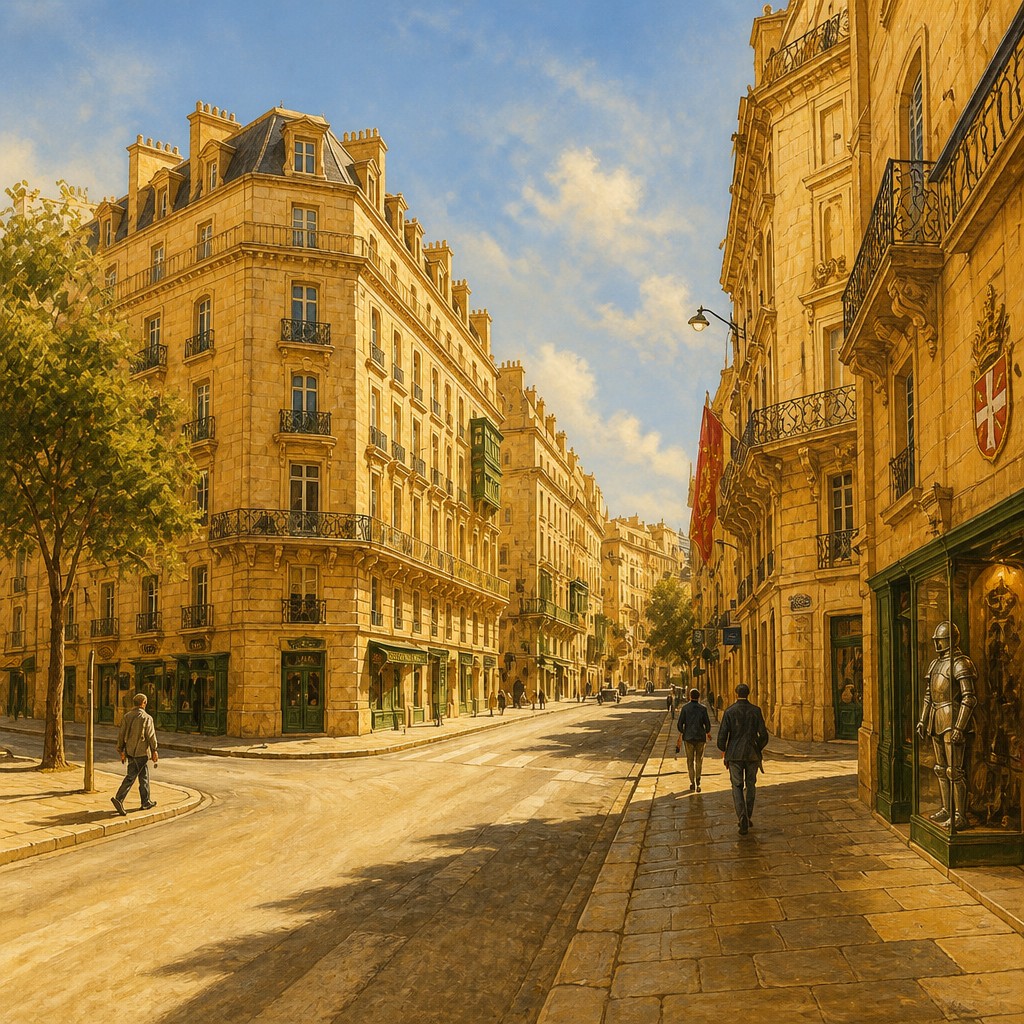

What Defines Valletta Art Style
The signature details, up close
Golden limestone architecture
Facades, bastions, stairways, and courtyards are rendered in warm ochre or honey-colored limestone. Weathering, chipped edges, and porous textures give monumental structures a tactile sense of age.
Baroque ornament
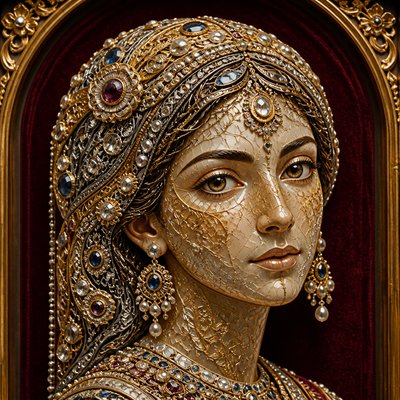
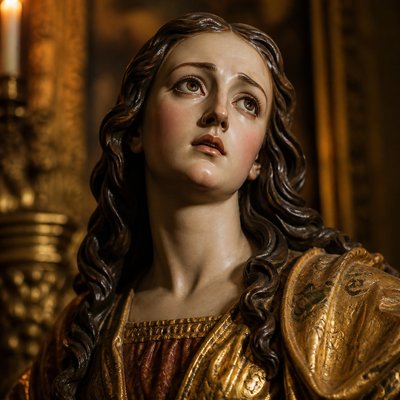
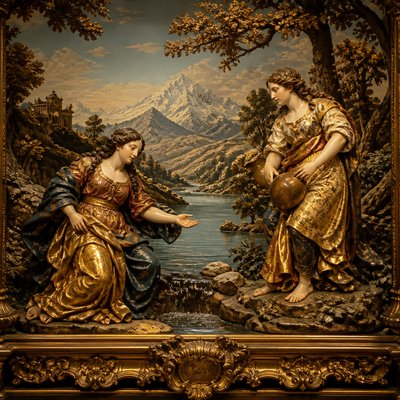
Carved columns, scrollwork, gilded moldings, sculptural altars, and elaborate church interiors supply visual richness. Ornament is arranged for theatrical impact rather than restrained simplicity.
Mediterranean chiaroscuro
Low, directional sunlight rakes across walls and balconies, producing deep architectural shadows and luminous highlights. Interiors often glow with reflected gold, candlelight, or filtered daylight.
Fortress urbanism
Narrow streets, bastions, gateways, steep staircases, and projecting balconies create layered compositions with strong perspective. Defensive forms remain visible even when the scene is civic, domestic, or ceremonial.
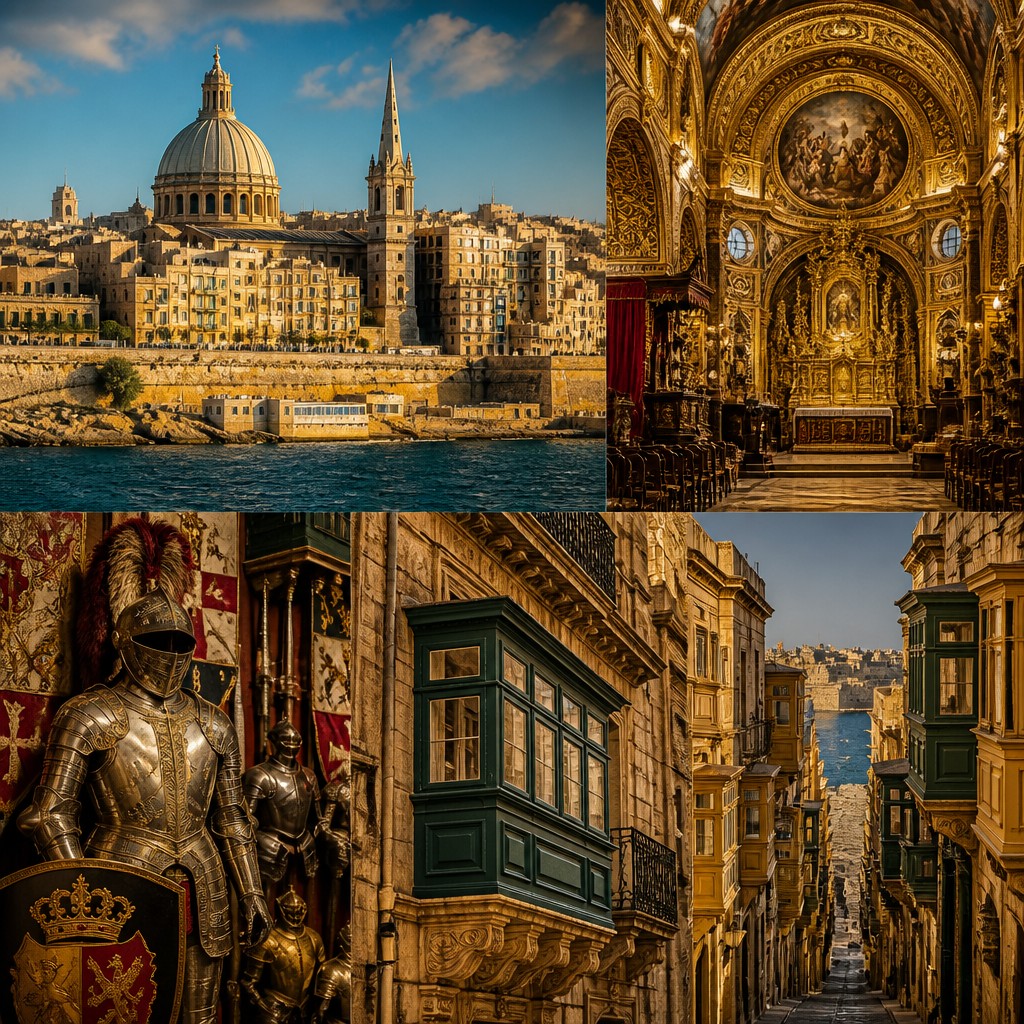
Ceremonial armor and heraldry
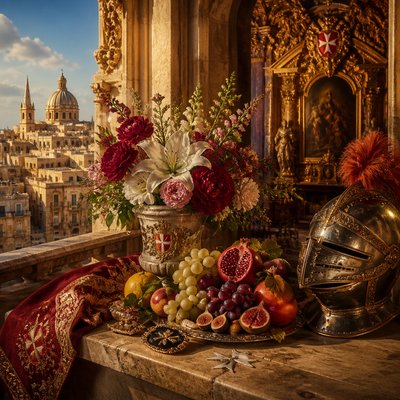
Polished plate armor, shields, crests, banners, and engraved metalwork introduce a knightly vocabulary. These objects function as focal points, historical clues, and reflective surfaces.
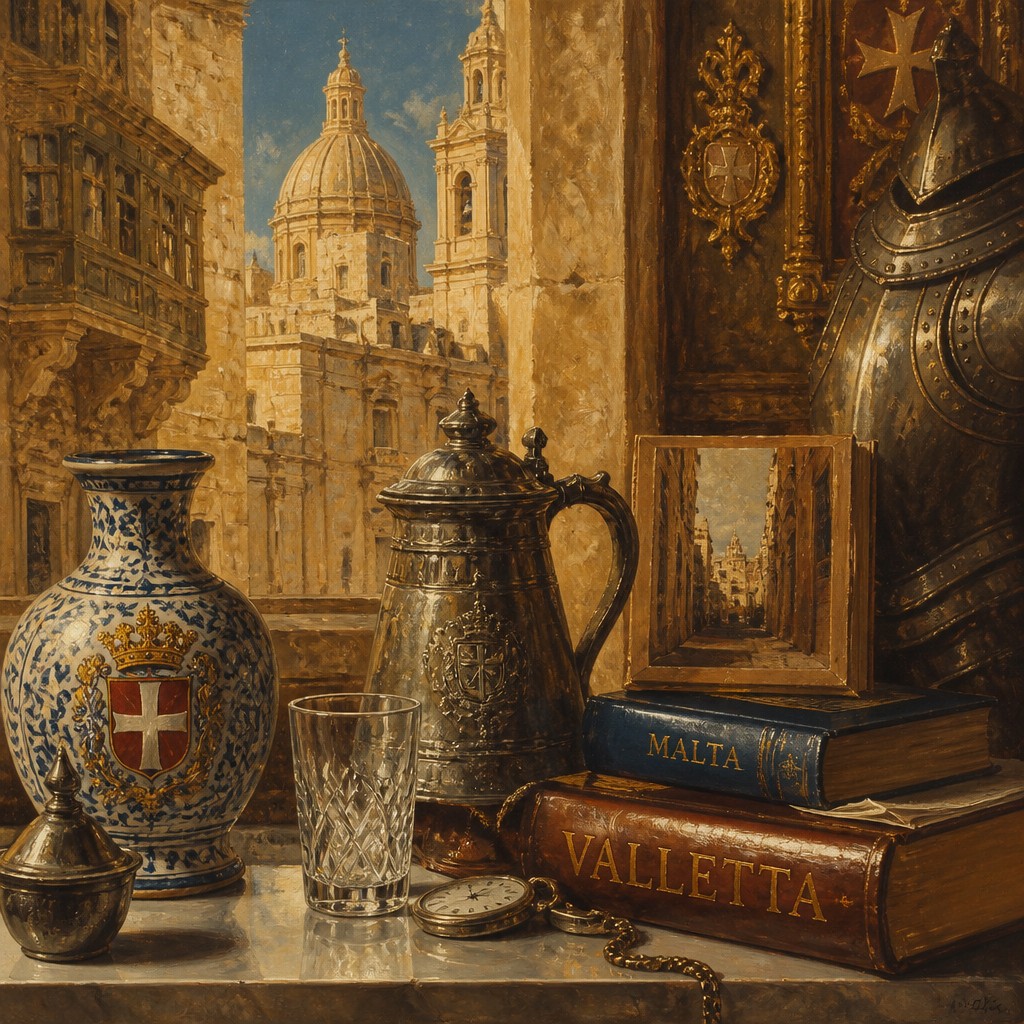
Material contrast
The style sets porous stone against glossy metal, matte plaster against gilded detail, and sunlit exteriors against dark interiors. Such contrasts make surfaces legible and heighten the sense of pageantry.
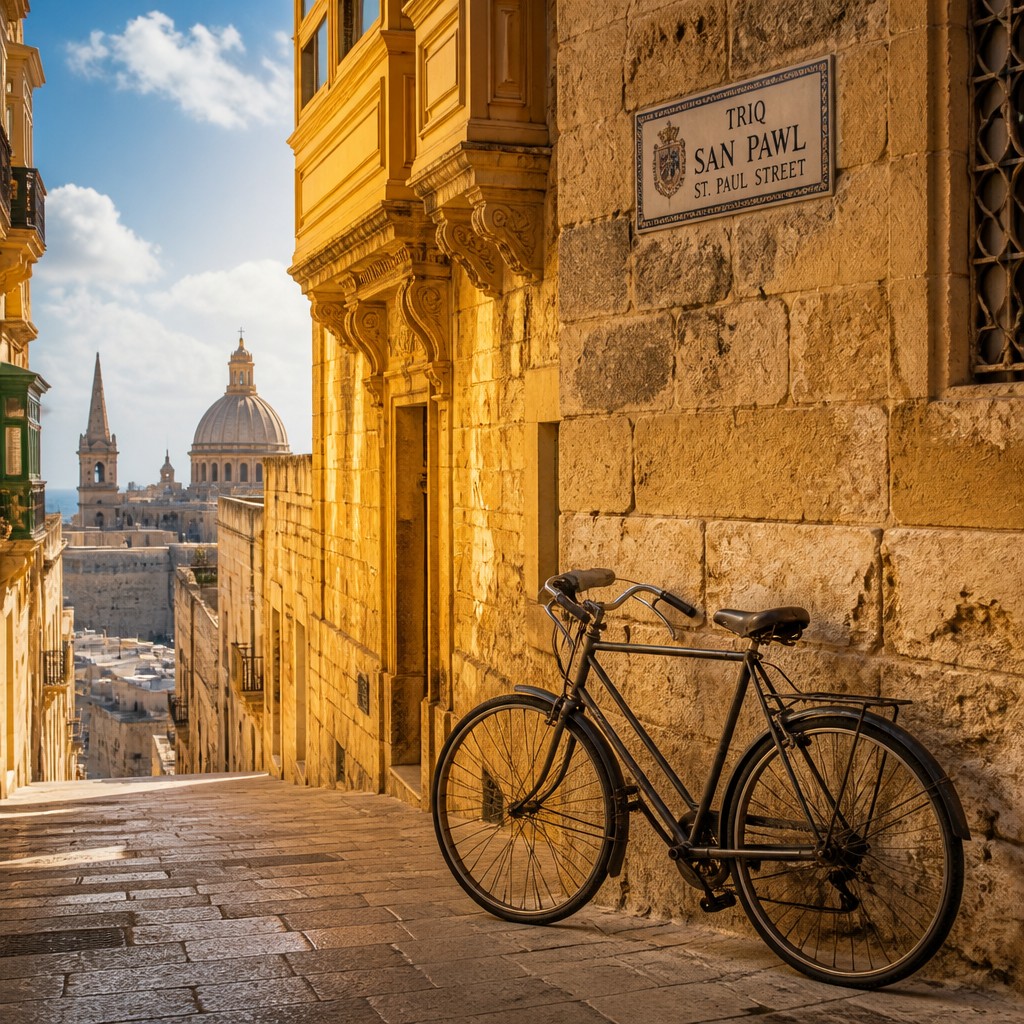
Heritage-tableau composition
Scenes are commonly arranged as grand, carefully framed views rather than casual snapshots. Arches, corridors, balconies, and receding streets guide the eye toward a central architectural or ceremonial subject.
Valletta Prompt Ideas
Start from an idea — each one opens the generator with the style ready to go. See all 40 Valletta prompts →
How to Create Valletta Art
Master the craft step by step — or skip straight to creating. Read the full guide →
- 1
Establish a limestone value structure
Begin with broad masses of warm ochre, cream, and muted sienna, then reserve the darkest values for doorways, arcades, and recesses. In digital work, use a warm ambient layer beneath cooler contact shadows to preserve Mediterranean luminosity.
- 2
Use directional light
Place the sun low or laterally so it grazes carved stone and projects long shadows from balconies and battlements. Keep highlights concentrated on architectural edges, gilding, and polished armor rather than evenly illuminating every surface.
- 3
Build depth through architectural framing
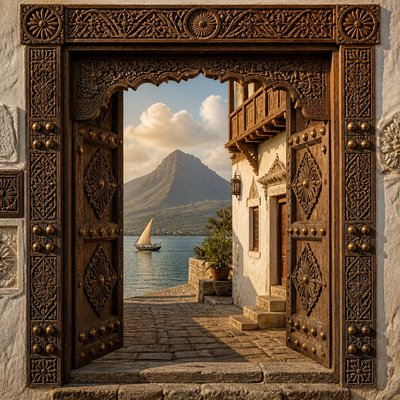
Compose with a gateway, arch, stairwell, or balcony in the foreground and a receding street or façade beyond it. Strong verticals and one-point or two-point perspective help the image retain the ordered character of a fortified city.
- 4
Detail selectively
Reserve the finest marks for heraldic crests, carved capitals, metal engraving, stone joints, and devotional ornament. Simplify distant façades and shadowed passages so the image does not become uniformly busy.
- 5
Combine physical and digital media
Traditional studies can use watercolor, gouache, oil, or ink wash to capture limestone texture and dramatic light; digital painting can reinforce atmosphere with layered glazing, texture masks, and controlled bloom. Photographs can be transformed by emphasizing warm stone, deep recesses, and metallic reflections while preserving recognizable structure.
- 6
Write prompts with material and light cues
For prompt-based creation, specify the subject first, then add Maltese fortress architecture, Baroque carving, ceremonial objects, warm limestone, and raking Mediterranean sunlight. Include composition and surface terms such as narrow perspective street, gilded interior, weathered masonry, and polished steel to steer the result.
The Story
History & Origins of Valletta
Valletta Art Style is not a documented historical movement or period style; it is a contemporary visual synthesis. Its main lineage comes from the fortified urbanism of Malta, particularly the planned streets, bastions, defensive walls, limestone façades, and ornate religious interiors associated with Valletta and the wider Maltese Baroque tradition.
It also draws on European Baroque theatricality, the ceremonial visual culture of military orders, Mediterranean architectural photography, heritage illustration, and digitally enhanced historical fantasy. Its development depends less on a formal school than on the recurring combination of fortress architecture, devotional ornament, armor, heraldry, and warm coastal illumination.
Influences: The style is related to Maltese Baroque architecture, Mediterranean vernacular building traditions, European Baroque theatricality, fortress and military-order imagery, heritage documentation, architectural photography, historical illustration, and cinematic chiaroscuro. It also shares techniques with concept art that combines accurate environmental structure with heightened atmosphere and selective historical detail.
Frequently Asked Questions
What defines Valletta Art Style?
It is defined by golden limestone fortifications, Baroque ornament, narrow urban perspectives, ceremonial armor, heraldic imagery, and strong Mediterranean sunlight. The characteristic mood comes from balancing defensive architecture with theatrical richness.
Is Valletta Art Style a historical art movement?
No. The name describes a contemporary, invented aesthetic rather than a formally recognized historical movement. It takes inspiration from real Maltese architecture, Maltese Baroque interiors, Mediterranean light, and European ceremonial traditions.
How does it differ from generic Baroque art?
Generic Baroque can encompass many regions, subjects, and media, while this style has a specific geographic and material emphasis. Fortified streets, honey-colored limestone, maritime atmosphere, Maltese urban forms, and knightly artifacts distinguish it from Baroque scenes in general.
What subjects work best in this style?
Fortresses, church interiors, bastions, harbor cities, carved balconies, armor displays, heraldic objects, and ceremonial courtyards are especially suitable. Portraits and still lifes can also work when framed by warm stone, gilding, military symbolism, or dramatic architectural shadow.
How can I make an image in this style?
Start with a clear architectural or ceremonial subject and define the materials, light direction, and viewpoint. Use warm limestone, deep recesses, carved Baroque detail, polished metal, heraldic accents, and narrow-street perspective as practical visual instructions for painting, photography, digital work, or prompt-based creation.
Can this style be used for photographs as well as illustrations?
Yes. It is well suited to architectural photography, travel imagery, interiors, museum displays, and portraiture against historic stone backgrounds. Editing should emphasize warm highlights, controlled contrast, surface texture, and the distinction between sunlit masonry and cool or dark shadow.
Create your first Valletta artwork
Describe anything — or upload a photo — and see it in Valletta Art Style in seconds.
Related Styles
Discover similar art styles