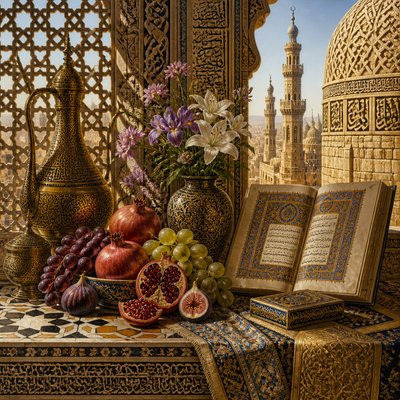
Turkish Art Style
Explore Turkish art style: Iznik-inspired florals, Ottoman calligraphy, cobalt, turquoise and coral framed by arches and domes.
Instantly rendered in Turkish — or transform a photo
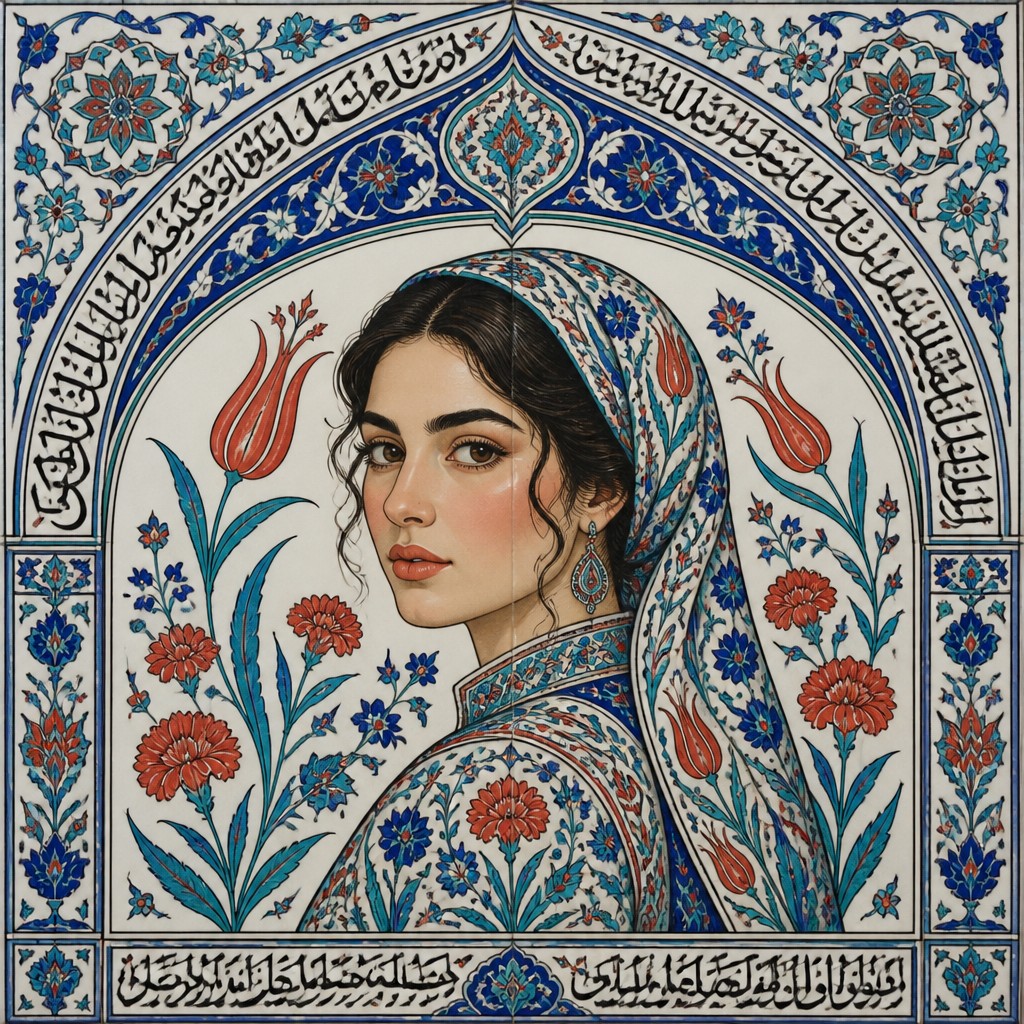
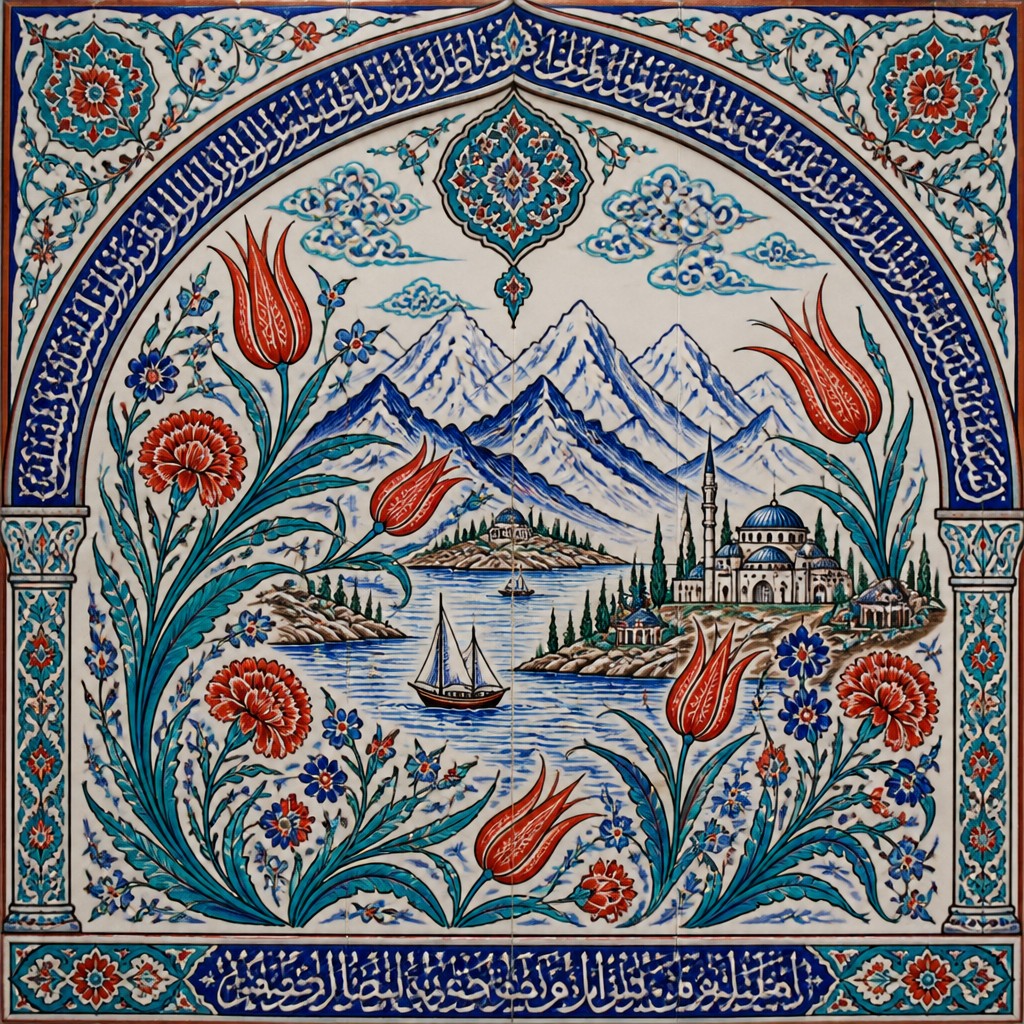
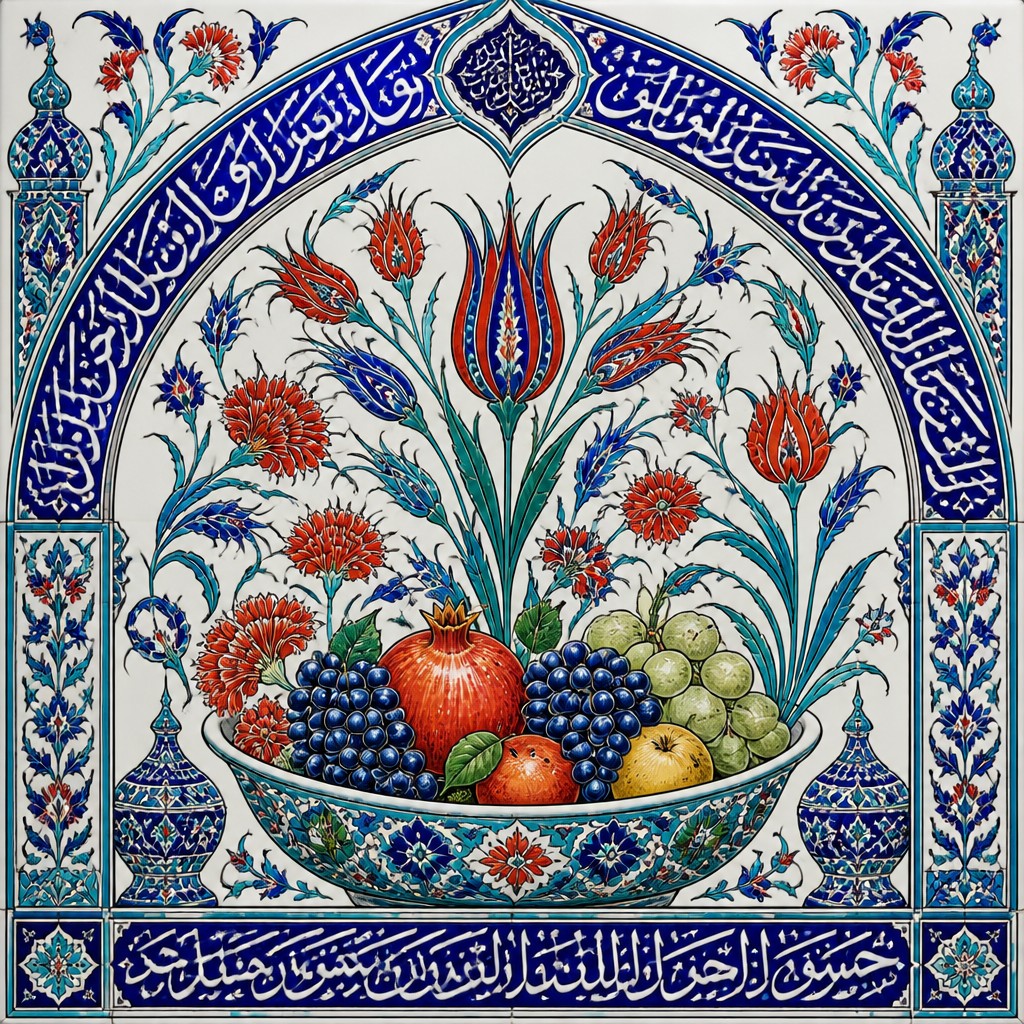
Turkish Gallery
Tap any artwork to explore it
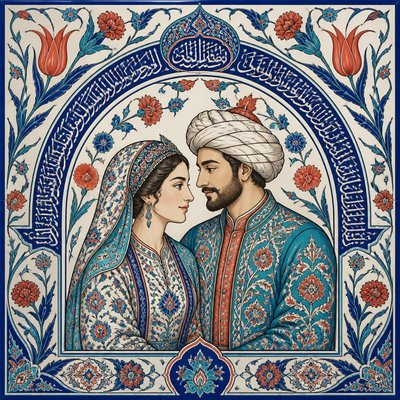
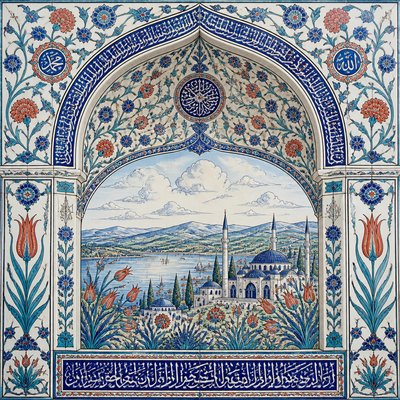
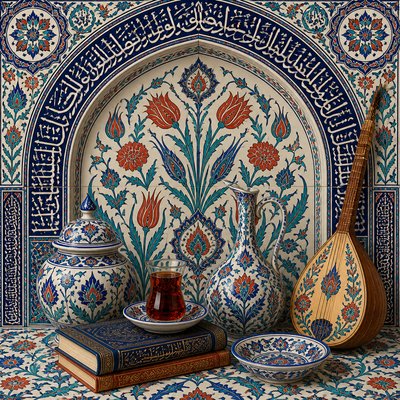
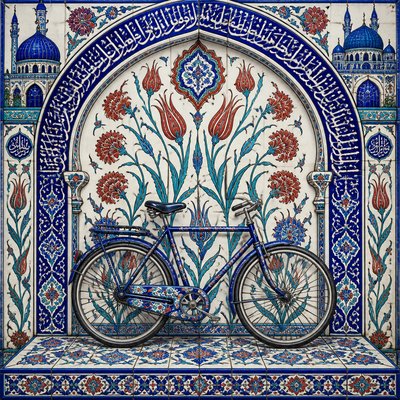
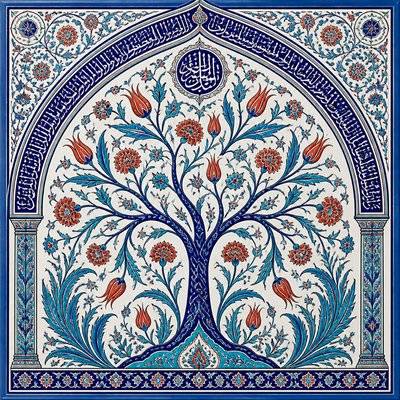
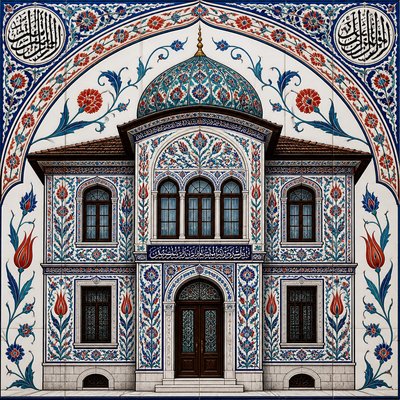
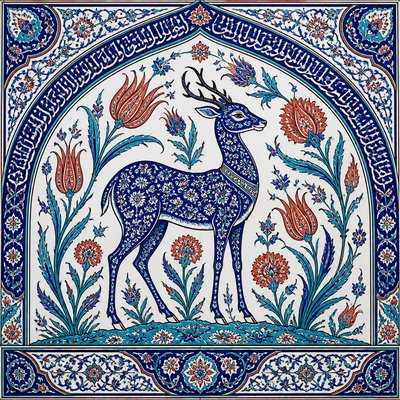
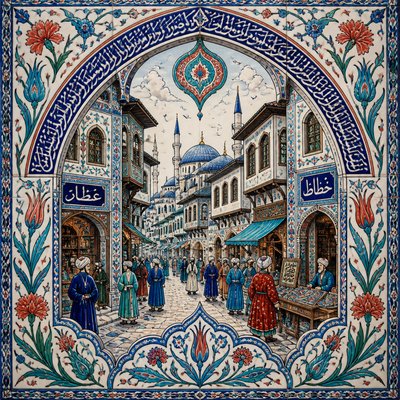
What is Turkish Art Style?
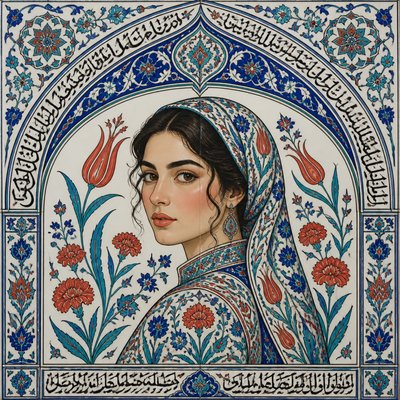
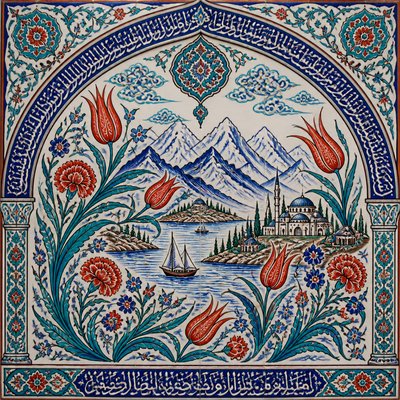
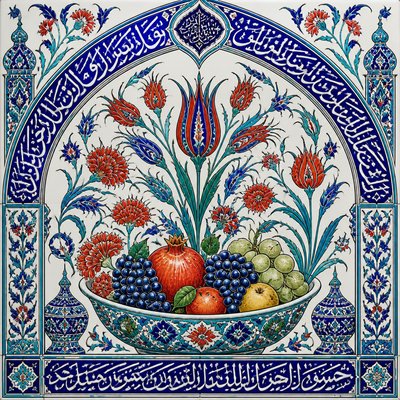
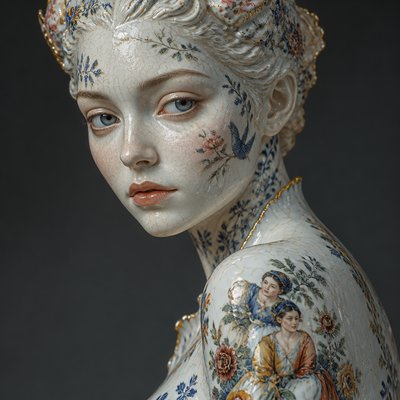
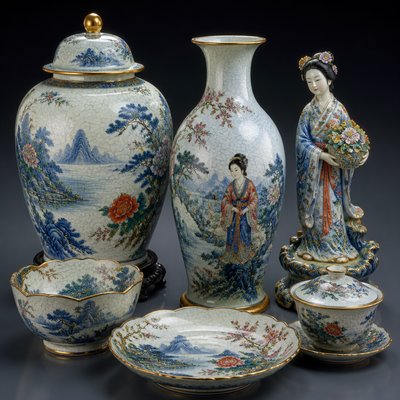
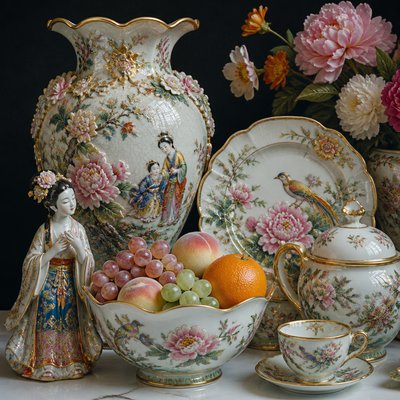
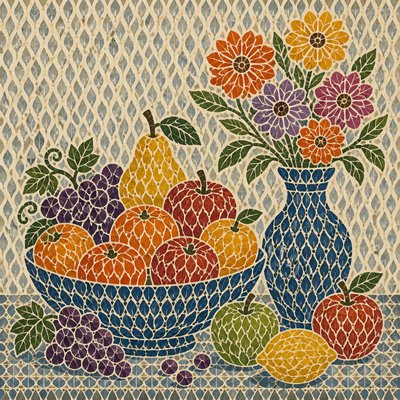
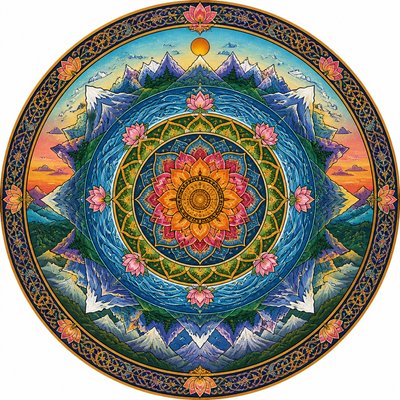
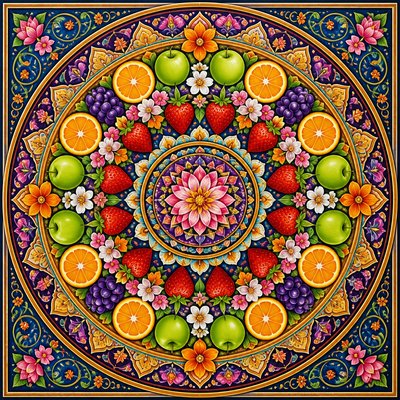
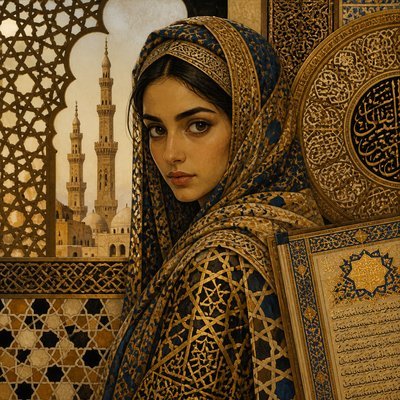
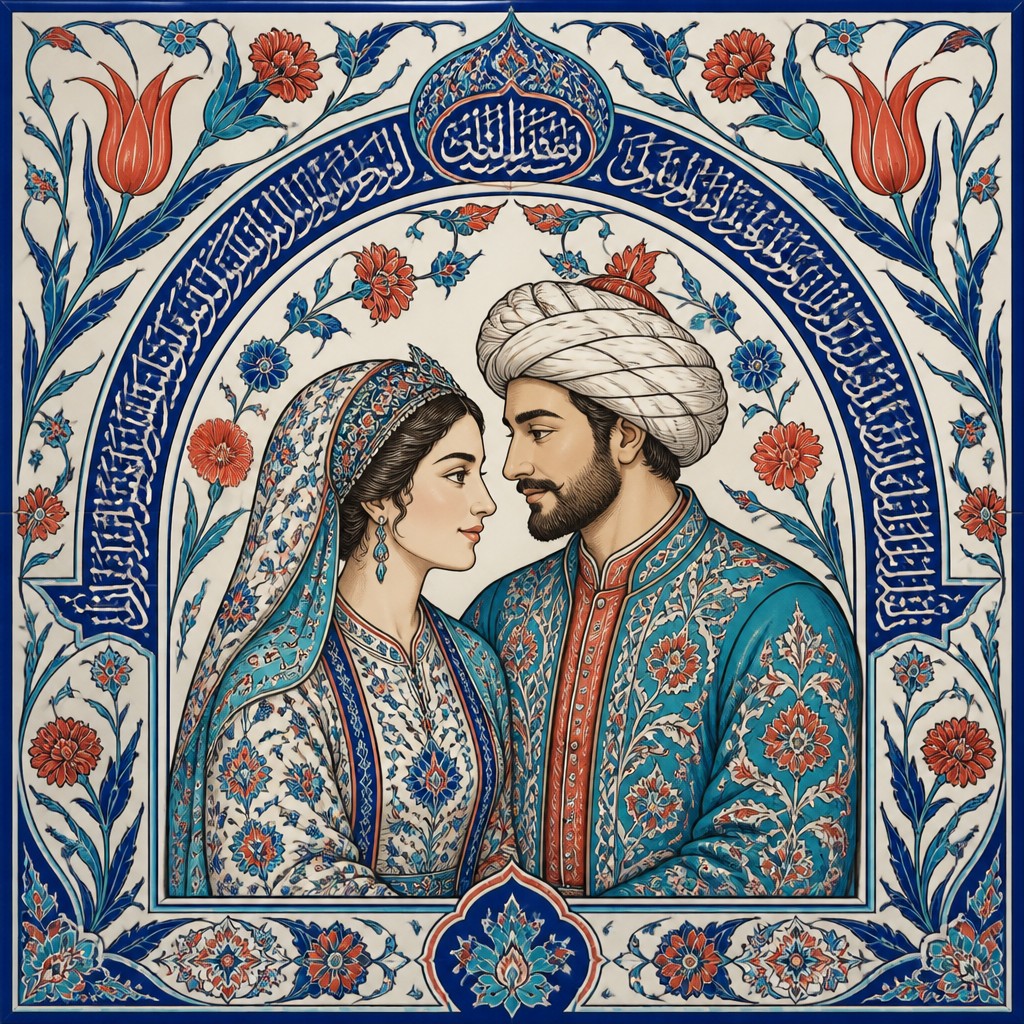
Turkish art style is a contemporary descriptive label for imagery shaped by Ottoman decorative traditions, especially Iznik ceramics, calligraphic ornament and architectural framing. Its signature vocabulary combines stylized tulips, carnations, saz leaves and arabesque foliage with cobalt blue, turquoise, coral red and white, producing a balanced surface of rhythmic floral geometry.
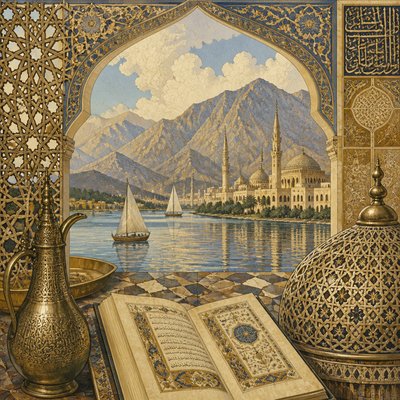
The style looks both ornamental and architectural. Floral motifs are arranged in repeating or radiating patterns, while domes, arches and horizontal calligraphic bands organize the composition into clearly framed zones. Crisp contours, controlled symmetry and a luminous white ground recall painted and glazed ceramic surfaces, even when the work is created digitally or in another medium.
Try It On Your Photos
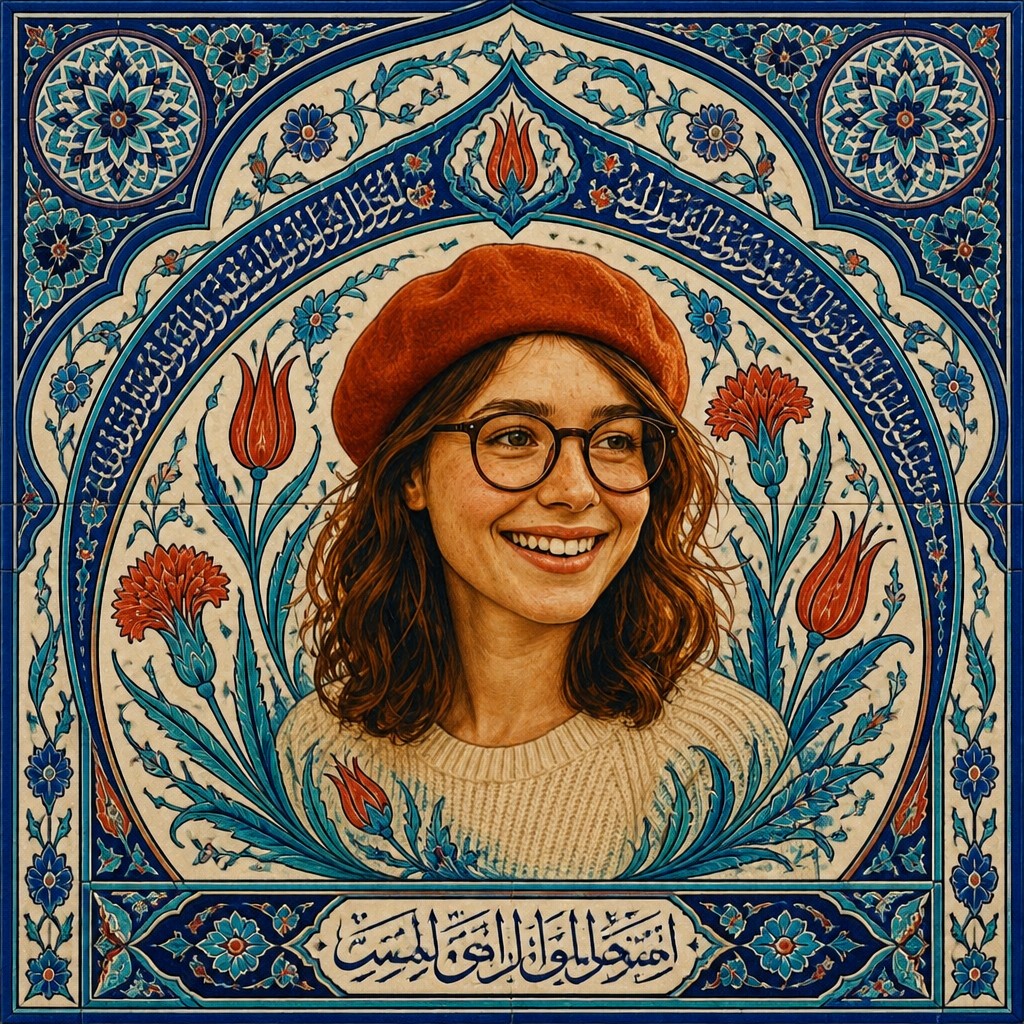
Upload any photo and convert it into Turkish Art Style — drag the sliders to compare before and after.


What Defines Turkish Art Style
The signature details, up close
Iznik floral vocabulary
Tulips, carnations, hyacinths, roses and saz leaves appear as clearly recognizable but deliberately stylized forms. Their stems often curve into continuous ornamental rhythms rather than behaving like naturalistic botanical studies.
Cobalt, turquoise and coral
Deep cobalt blue, bright turquoise and coral red are set against a white ground, with occasional black outlines or muted green accents. The high-contrast palette echoes the visual impact of painted and glazed fritware.
Calligraphic bands
Horizontal, circular or arched bands suggest Ottoman calligraphic ornament and provide visual structure. When sacred or historical text is referenced, lettering should be treated with accuracy and cultural respect rather than used as meaningless decoration.
Architectural framing
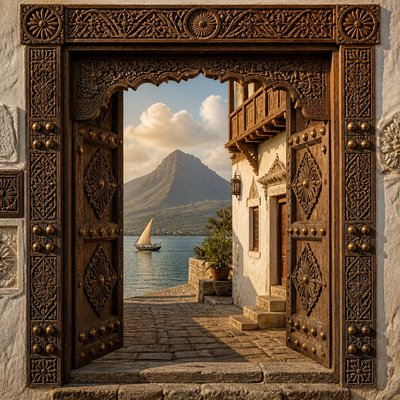
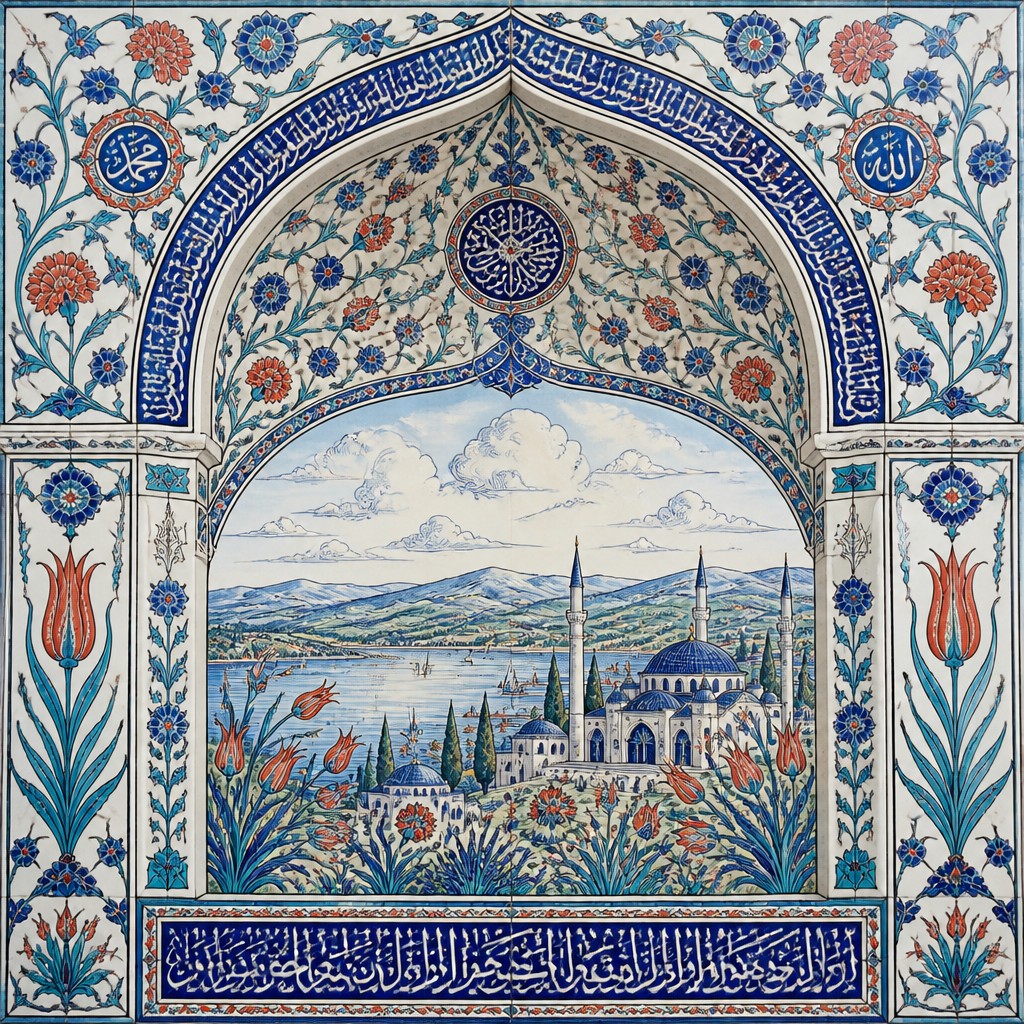
Domes, pointed arches, tiled niches and courtyard perspectives create a formal stage for the subject. These elements may frame an image symmetrically or divide it into ornamental panels.
Flat decorative space
The style favors crisp silhouettes, shallow depth and patterned surfaces over atmospheric realism. Repetition and carefully balanced negative space make the composition resemble a ceramic panel, manuscript page or architectural tile field.
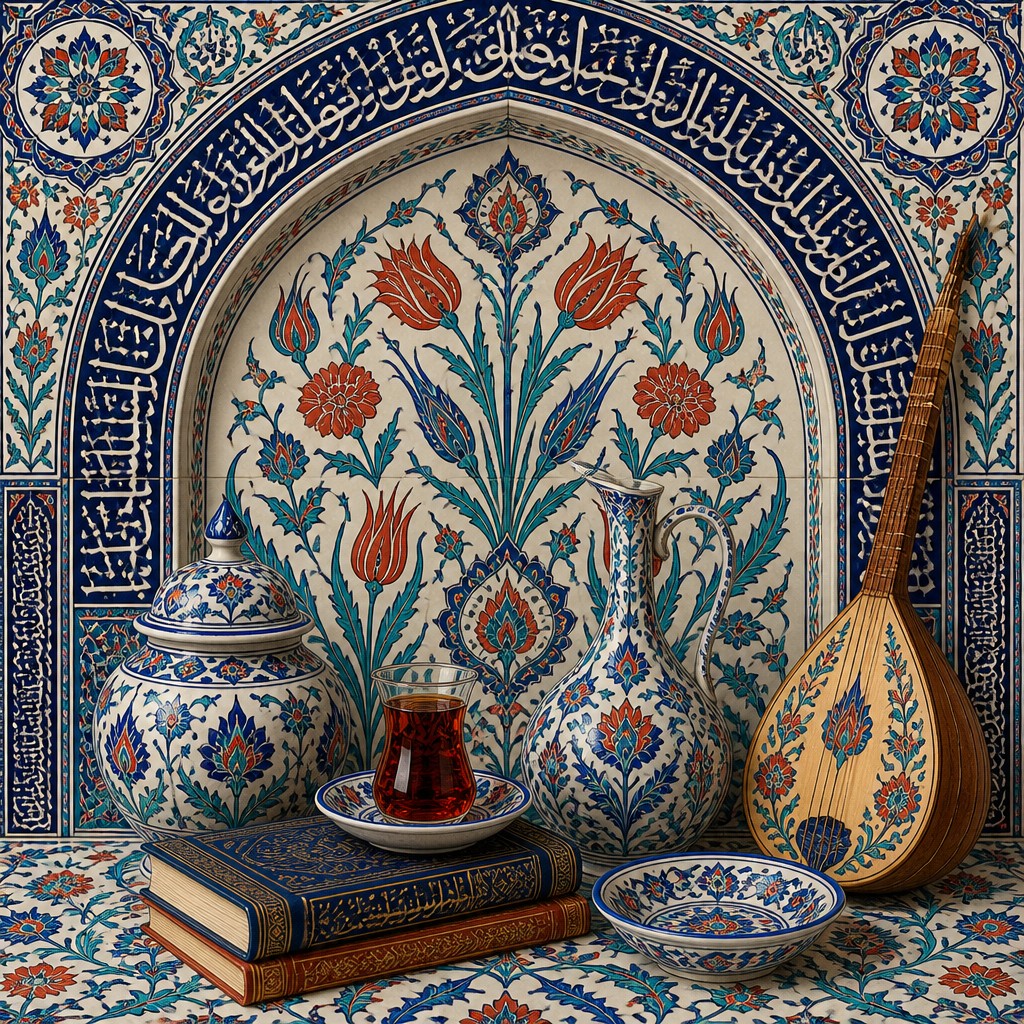
Opulent floral geometry
Flowers and leaves interlock into scrolling arabesques, medallions, borders and radial arrangements. Even dense ornament tends to preserve a strong underlying order through symmetry, cadence and repeated scale.
Try It
Create Videos in Turkish Art Style
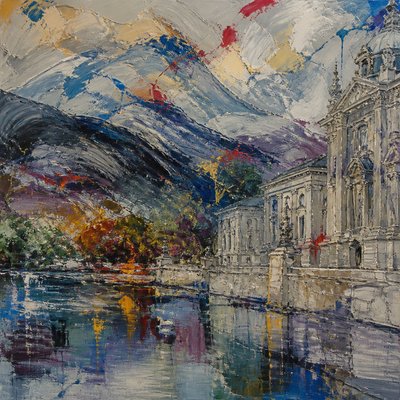
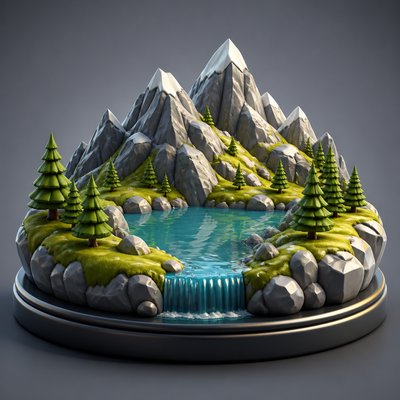
Styles aren't just for stills — describe a scene or animate an image and get a short video rendered in Turkish. Press play to see this pond come to life.
Make a VideoTurkish Prompt Ideas
Start from an idea — each one opens the generator with the style ready to go. See all 40 Turkish prompts →
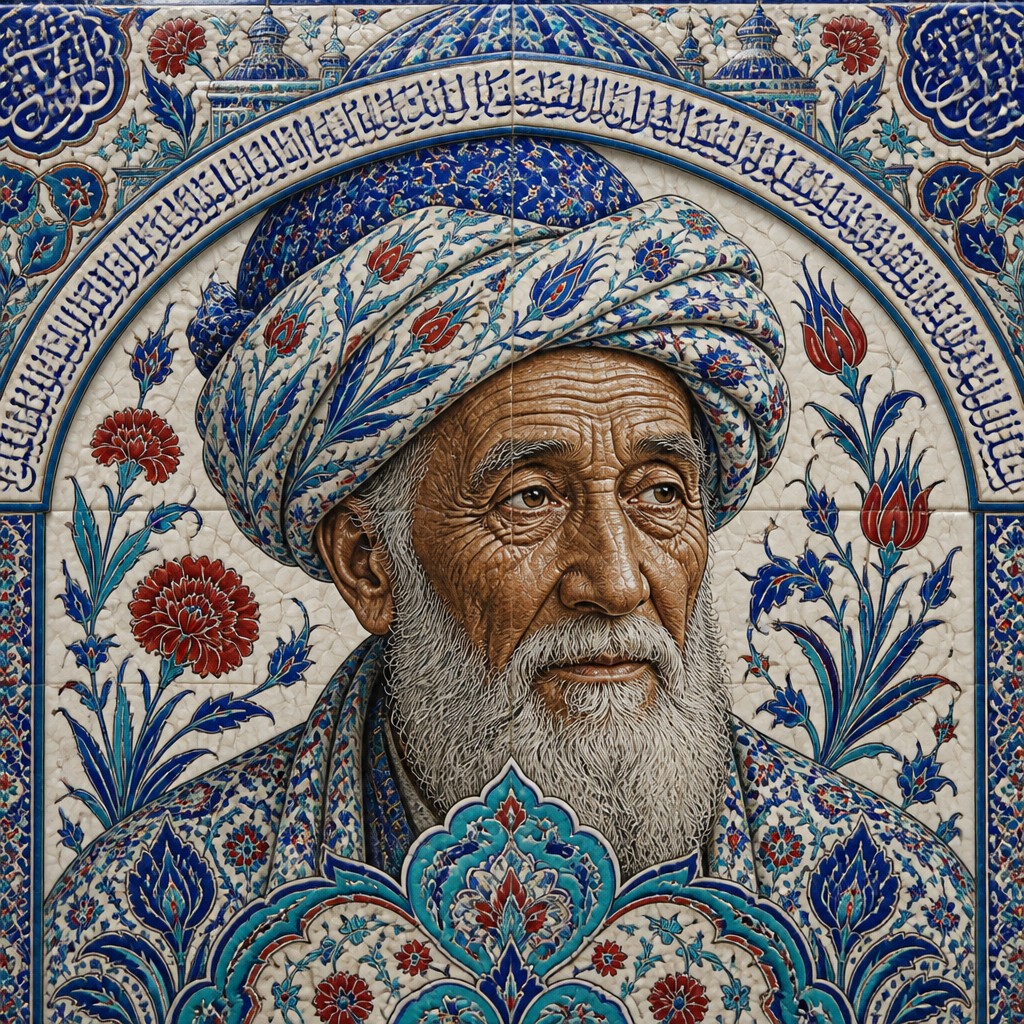
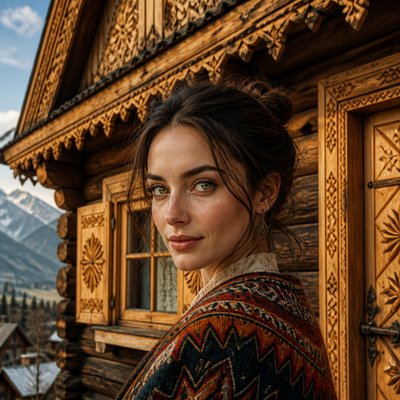
“close-up portrait of an elderly person with expressive weathered features”
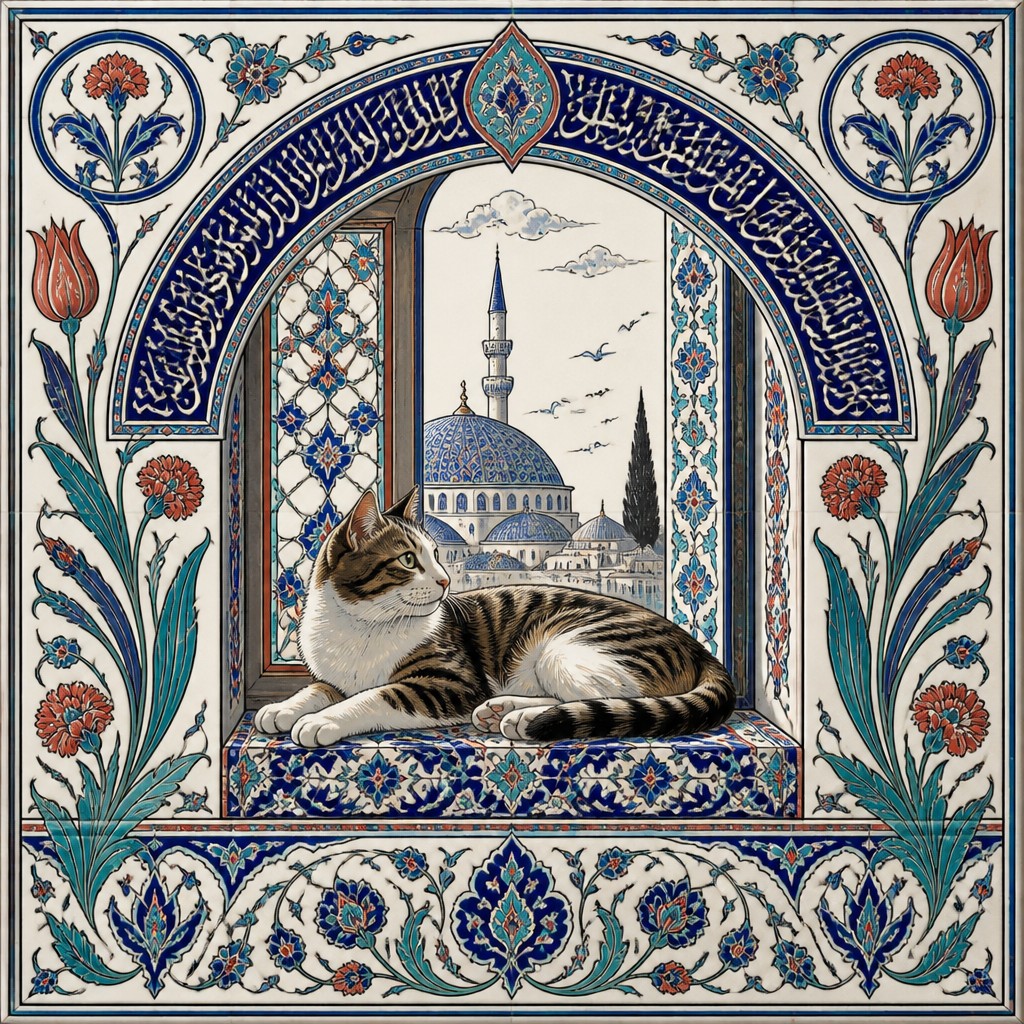
“a cat lounging in a sunlit window”
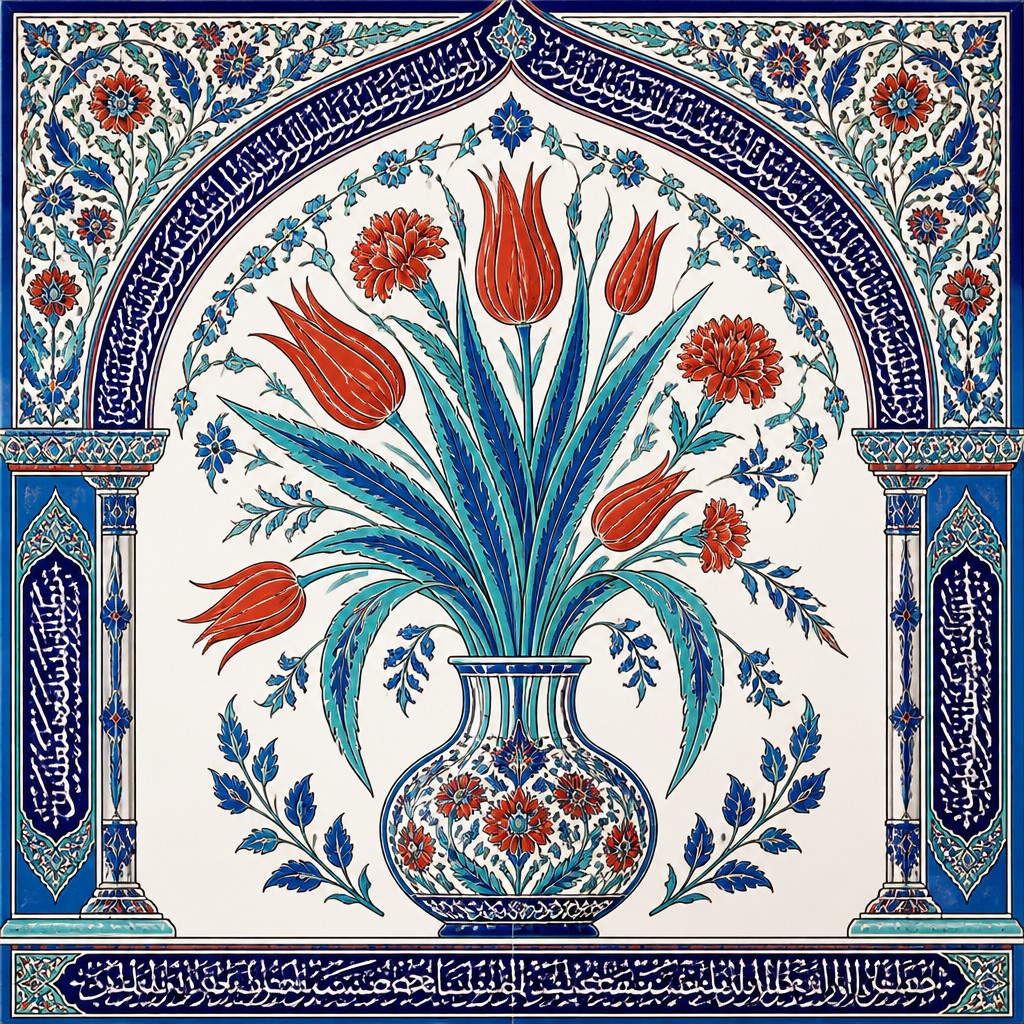
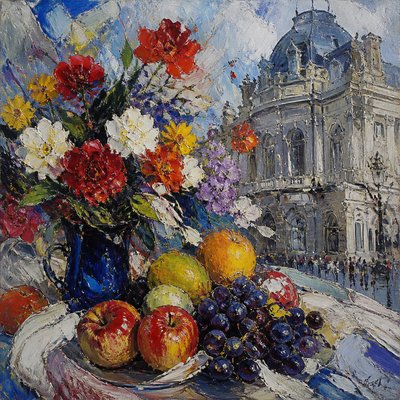
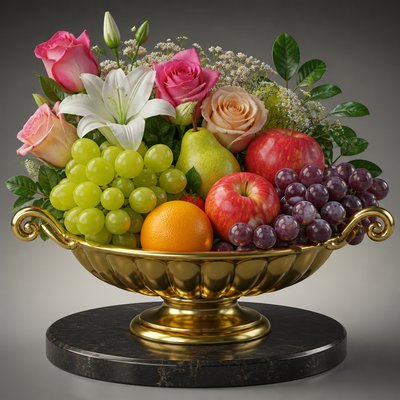
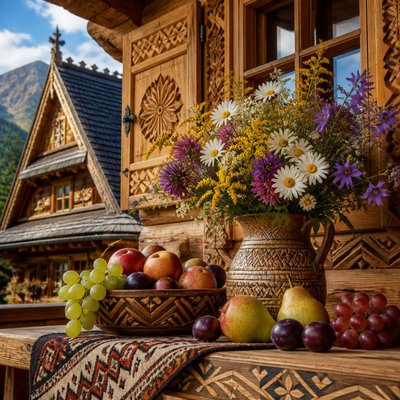
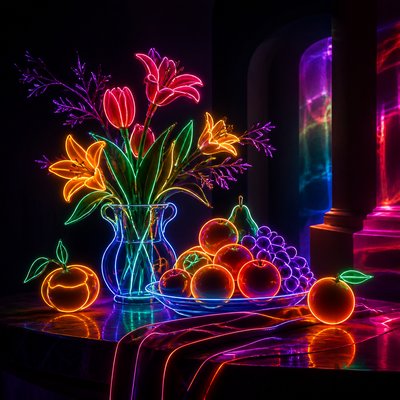
“bouquet of flowers in a glass vase”
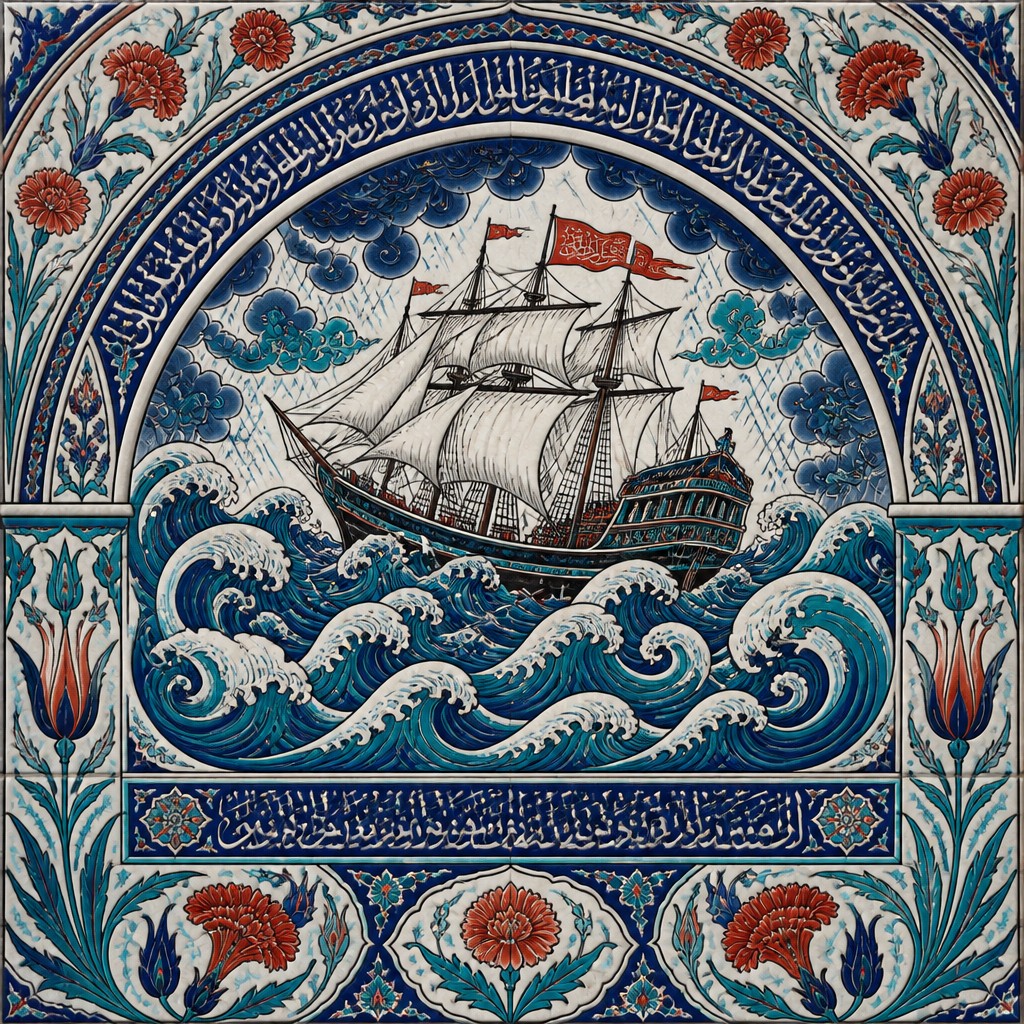
“sailing ship on a stormy sea”
How to Create Turkish Art
Master the craft step by step — or skip straight to creating. Read the full guide →
- 1
Build a limited palette
Start with white, cobalt, turquoise and coral red, then add black or dark blue for contour and a restrained green if needed. Keeping the palette narrow helps the image retain the authority of ceramic ornament.
- 2
Design motifs before details
Sketch tulips, carnations and saz leaves as simplified emblematic shapes, then connect them with curved stems and scrolling foliage. Repeat or mirror the motifs to establish a stable decorative rhythm.
- 3
Use framed composition
Place the main subject inside an arch, dome, tiled niche or panel, and reserve clear zones for borders or calligraphic bands. Avoid excessive perspective so the image reads as an ornamental surface.
- 4
Suggest ceramic technique
For physical work, use opaque paint on a white ground, emphasizing clean outlines and smooth color fields; glazed ceramic, tile painting and gouache are especially suitable. Digitally, add subtle glaze variation, fine crackle or tile texture without obscuring the motifs.
- 5
Write focused generation prompts
Specify the subject first, followed by the Iznik floral palette, Ottoman-inspired framing, white fritware surface, calligraphic bands and flat ornamental geometry. State whether you want symmetry, a tile panel, a portrait, a mural or a seamless pattern, and exclude photorealistic shading if necessary.
The Story
History & Origins of Turkish
This style draws primarily from Ottoman visual culture of the sixteenth and seventeenth centuries, when Iznik workshops produced brightly painted fritware ceramics for architectural interiors and courtly settings. These wares developed a distinctive repertoire of naturalistic yet highly stylized flowers, serrated saz leaves, scrolling stems and bold underglaze color. Ottoman calligraphy and architectural ornament supplied complementary systems of proportion, repetition and framed inscription.
The phrase Turkish art style is not the name of a single historical movement. In contemporary illustration and image-making, it describes a synthesis of ceramic ornament, manuscript decoration, mosque and palace architecture, and modern decorative design. Its current forms may simplify the motifs, intensify the palette or combine traditional references with portraits, landscapes and symbolic scenes.
Influences: The style is closely related to Iznik ceramic decoration, Ottoman manuscript illumination, Islamic geometric and arabesque ornament, mosque and palace interiors, and the broader traditions of Turkish tilework. It also overlaps with Persianate floral design, heraldic composition, decorative arts, surface pattern design and modern editorial illustration. Its flat color, repeated motifs and strong borders can additionally connect it to poster design and contemporary digital ornament.
Frequently Asked Questions
What defines Turkish art style?
It is defined by Iznik-inspired flowers and leaves, especially tulips, carnations and saz foliage, combined with cobalt, turquoise, coral and white. Architectural arches, domes, decorative borders and Ottoman-inspired calligraphic bands provide structure.
Is Turkish art style a historical art movement?
Not as a single officially defined movement. The label is best understood as a contemporary synthesis of Ottoman decorative traditions, Iznik ceramics, calligraphy, architectural ornament and modern illustration practices.
How is it different from Islamic geometric art?
Islamic geometric art centers on mathematical star patterns, polygons and interlacing systems. Turkish art style may use geometry in its borders and layout, but its most recognizable elements are floral imagery, ceramic color and Ottoman architectural framing.
What materials work well for making this style traditionally?
Ceramic tile, painted fritware, gouache, opaque watercolor and ink are suitable choices. Use a white ground, clean contour lines and layered flat color, then add a glaze or tile-like finish where the material allows.
Can portraits and modern subjects be rendered in this style?
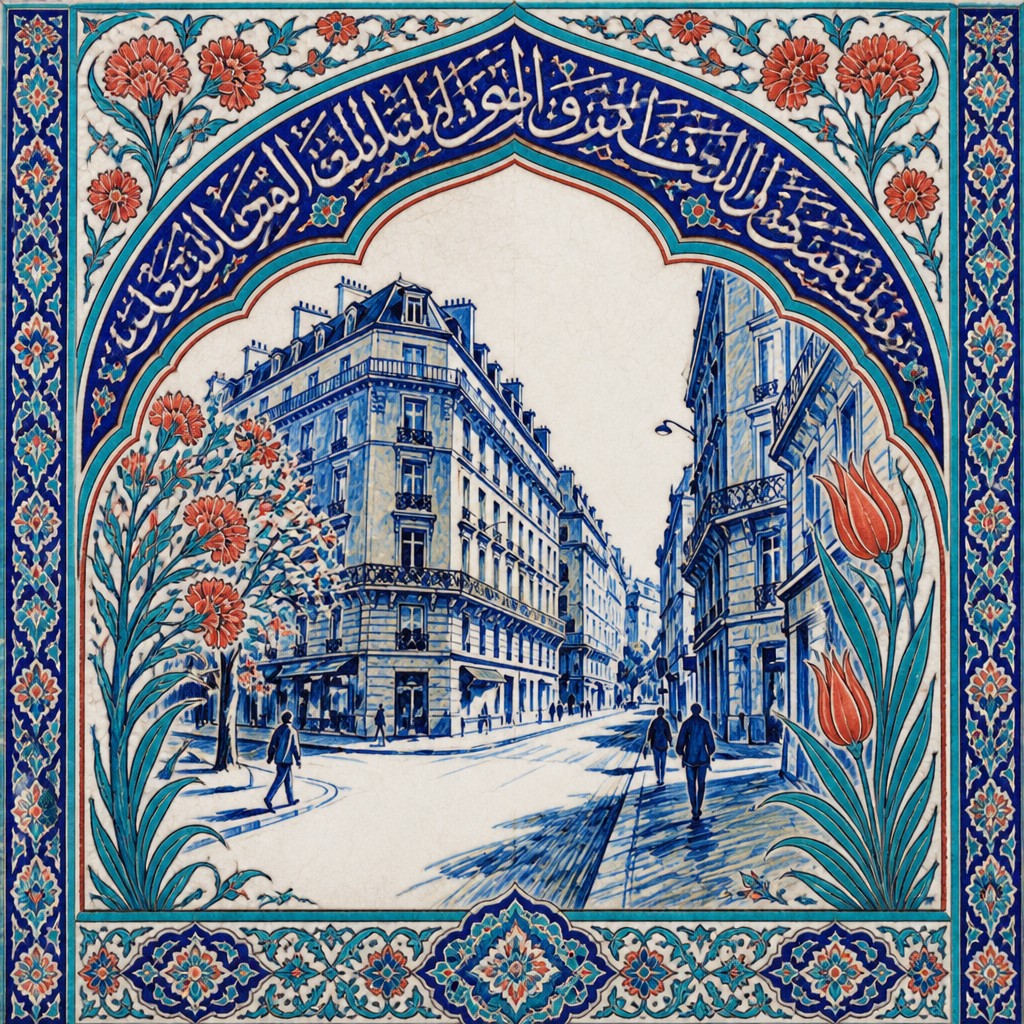
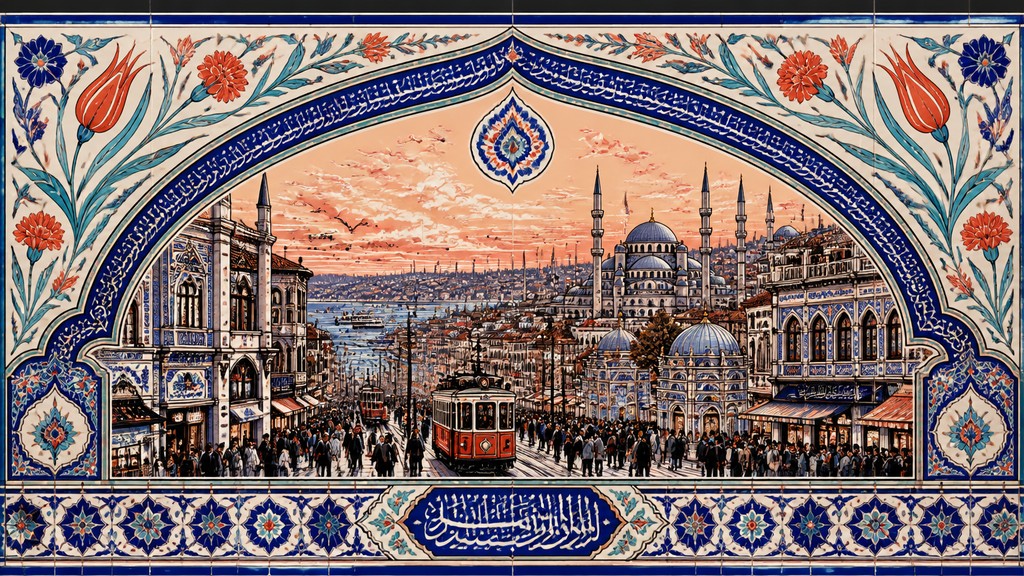
Yes. A portrait, animal, cityscape or still life can occupy the central panel while the surrounding flowers, arches and borders carry the historical visual language. Simplifying shadows and integrating the subject into the ornament usually produces a more convincing result.
How should calligraphy be used in this style?
Calligraphy should be treated as a meaningful cultural practice, not merely as decorative pseudo-text. Use verified text when an inscription is intended, or request abstract ornamental bands without implying readable sacred or historical writing.
Create your first Turkish artwork
Describe anything — or upload a photo — and see it in Turkish Art Style in seconds.
Related Styles
Discover similar art styles