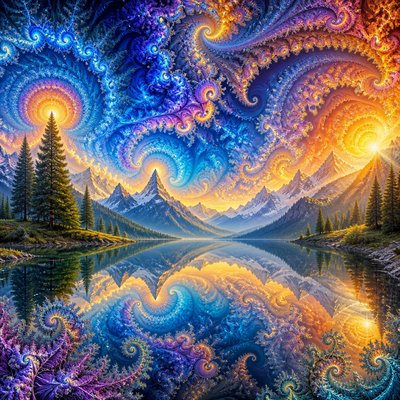
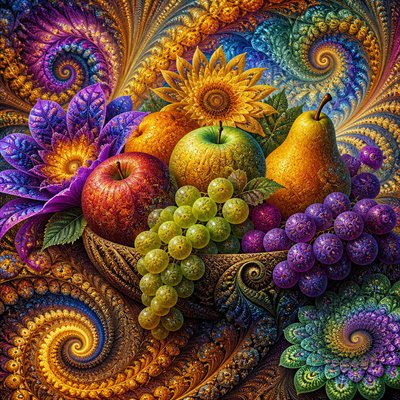
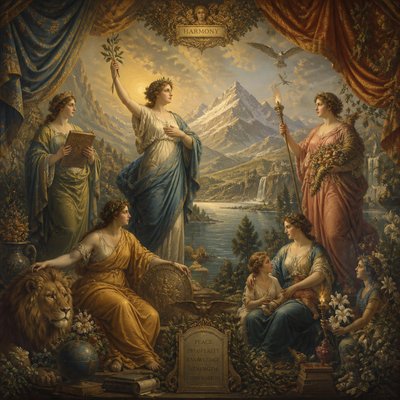
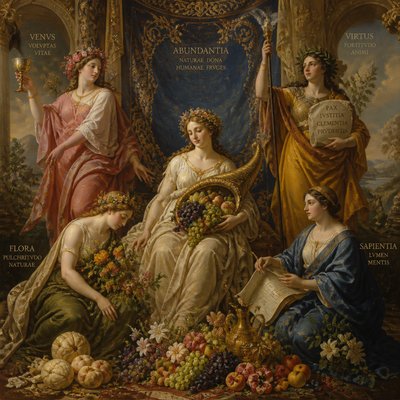
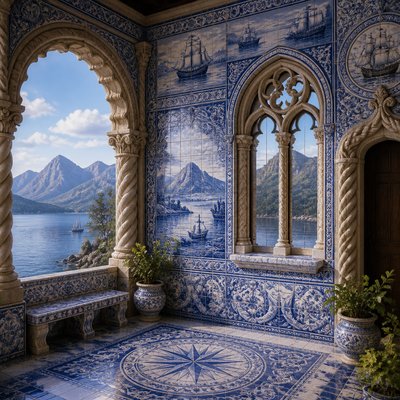
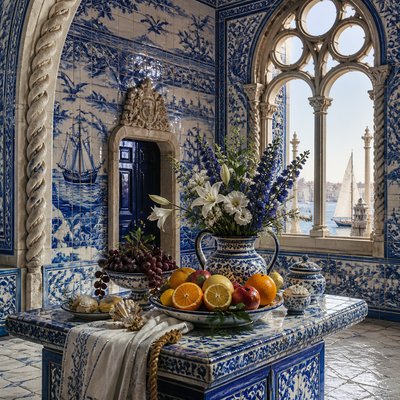
Tunisian Art Style
Explore Tunisian art style: Carthage mosaics, Kairouan arches, Nabeul ceramics, geometric waves, and radiant Mediterranean color.
Instantly rendered in Tunisian — or transform a photo
Tunisian Gallery
Tap any artwork to explore it
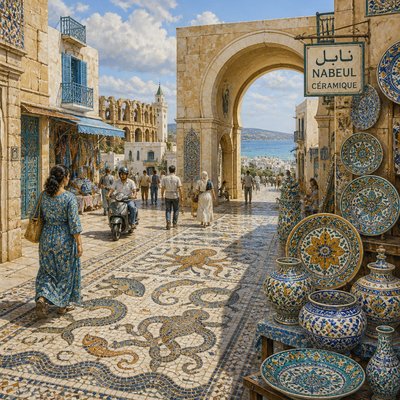
What is Tunisian Art Style?
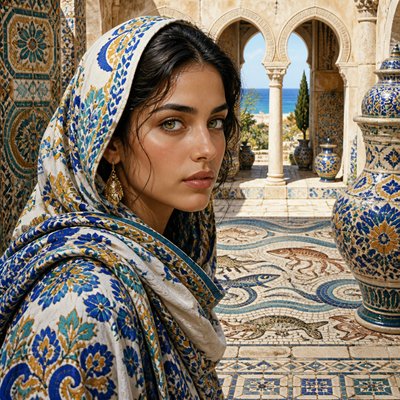
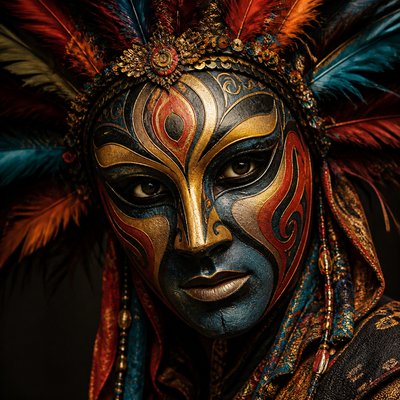
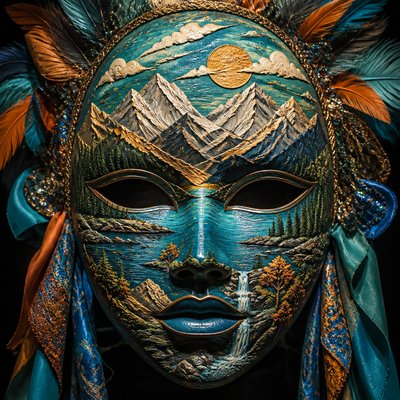
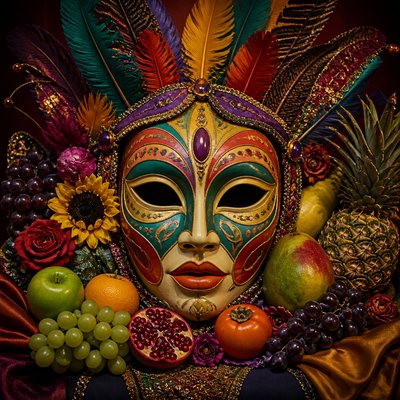
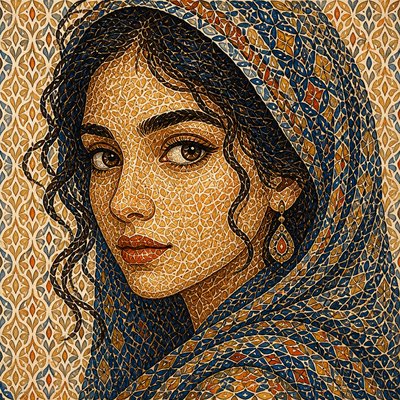
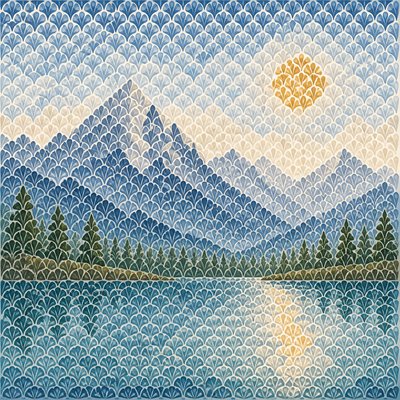
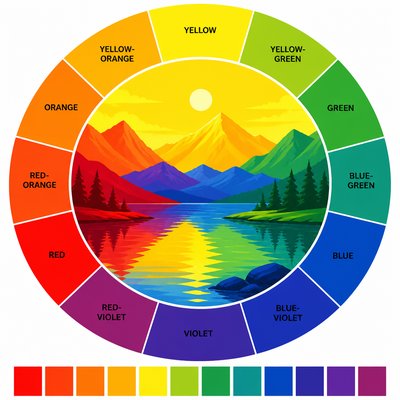
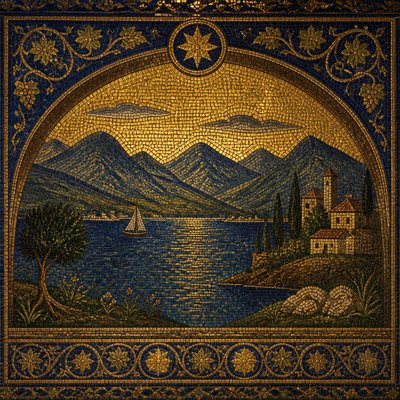
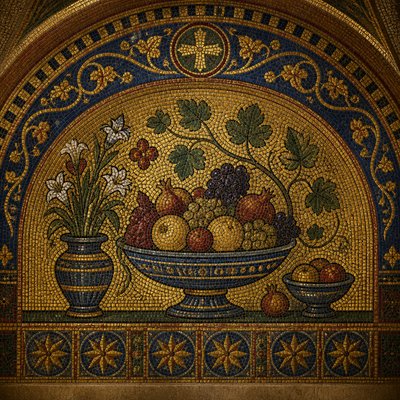
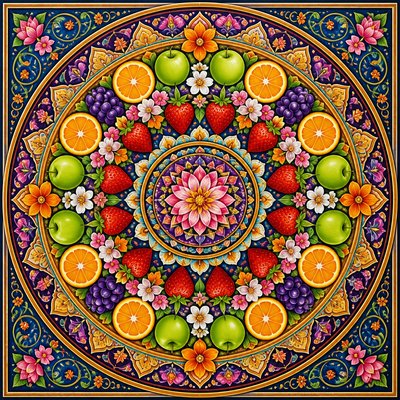
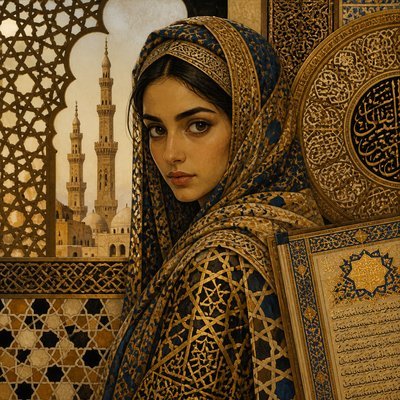
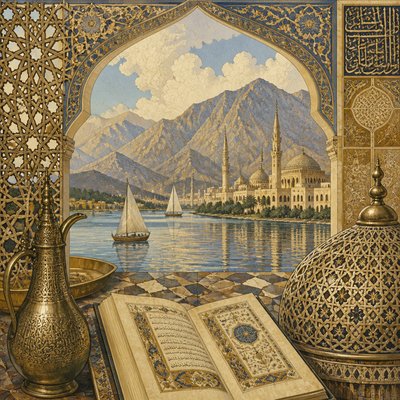
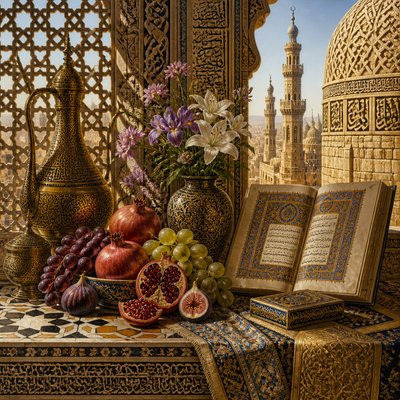
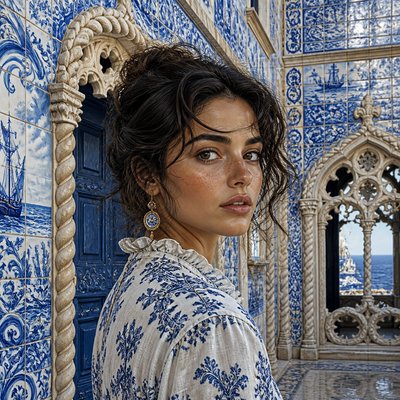
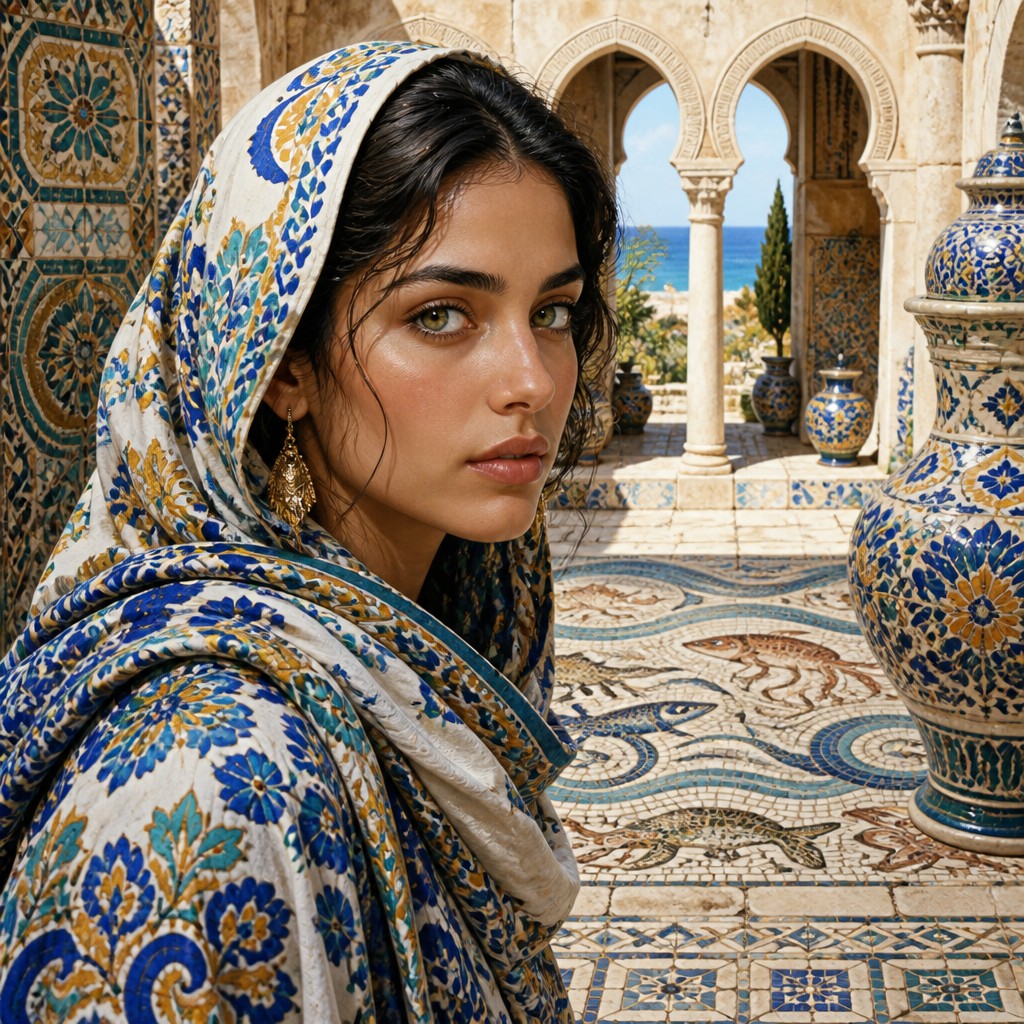
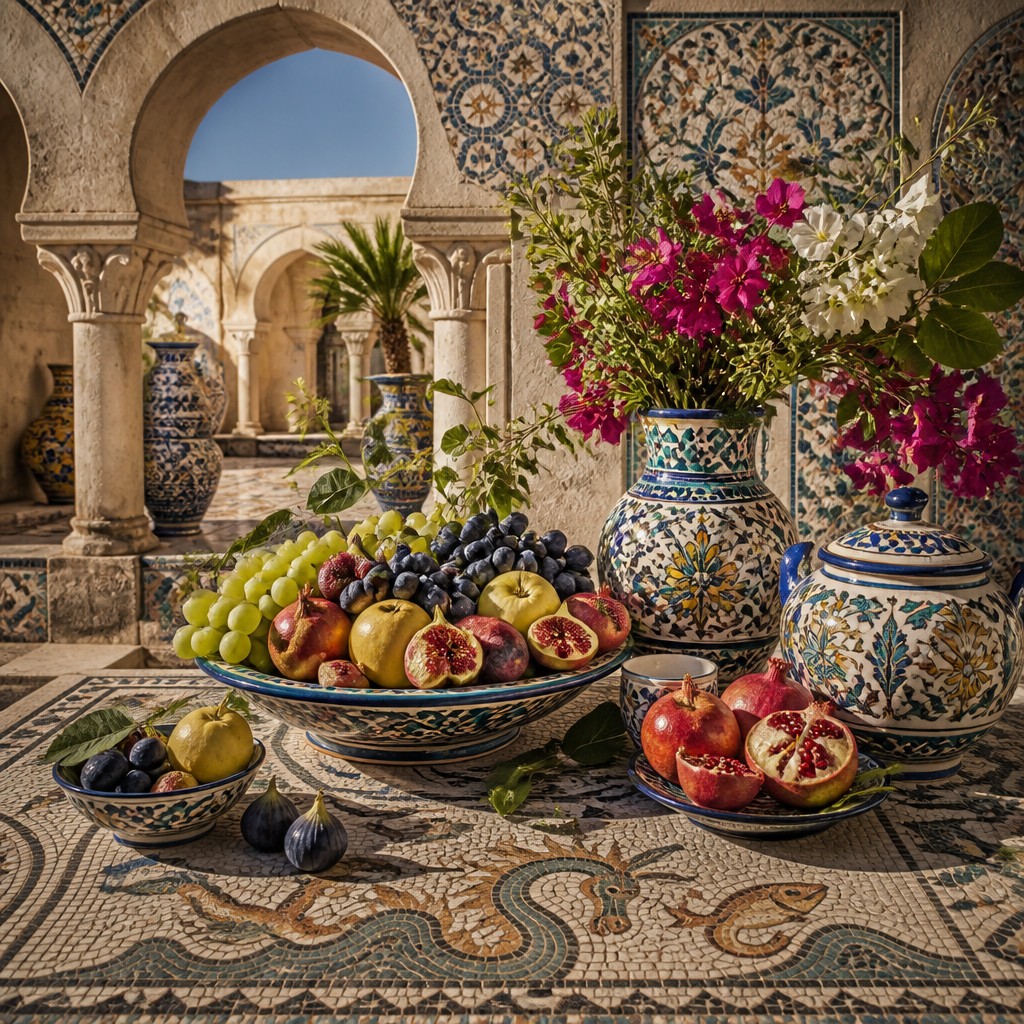
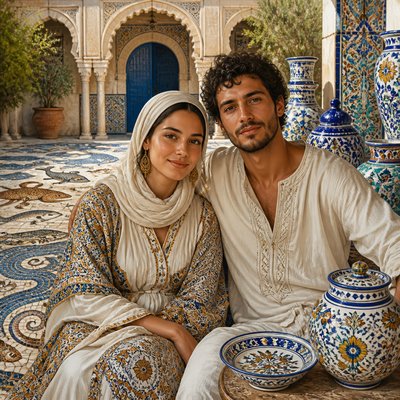
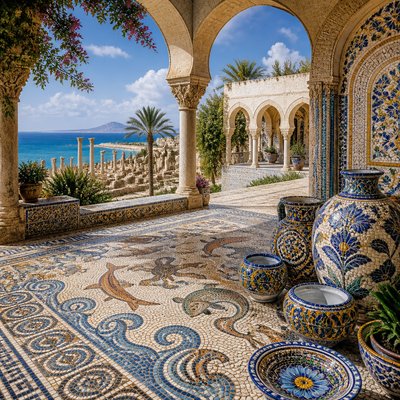
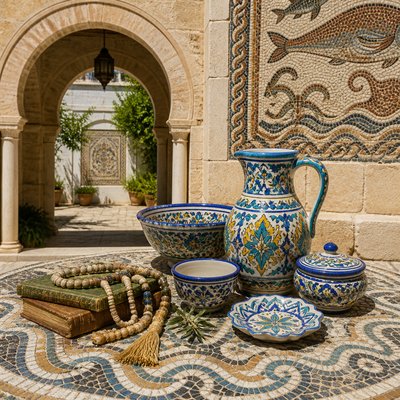
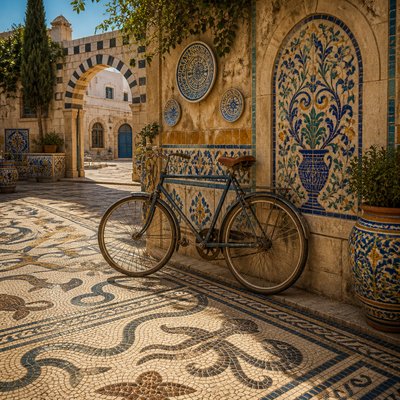
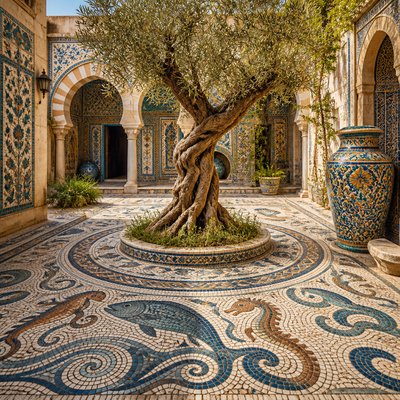
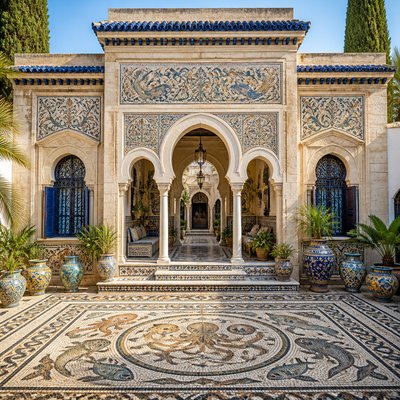
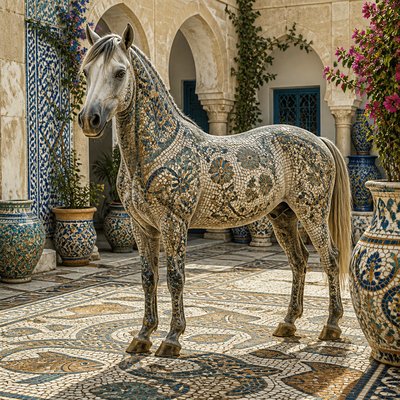
Tunisian Art Style is a contemporary, composite aesthetic rooted in Tunisia's layered visual heritage. It brings together the marine imagery and geometric pavements of ancient Carthaginian and Roman North Africa, the pale stone courtyards and horseshoe arches associated with Islamic architecture, and the vivid glazed ceramics of Nabeul. Its characteristic palette combines cobalt blue, turquoise, ochre, terracotta, chalk white, and sun-warmed sand tones.
The style is defined by patterned surfaces, rhythmic borders, ornamental geometry, and bright Mediterranean illumination. Sea creatures, curling waves, floral arabesques, tile grids, arches, and courtyard shadows may coexist in one image, creating a deliberate sense of continuity between antiquity, religious architecture, and living craft traditions. It is best understood as a modern visual synthesis rather than a single historically codified Tunisian movement.
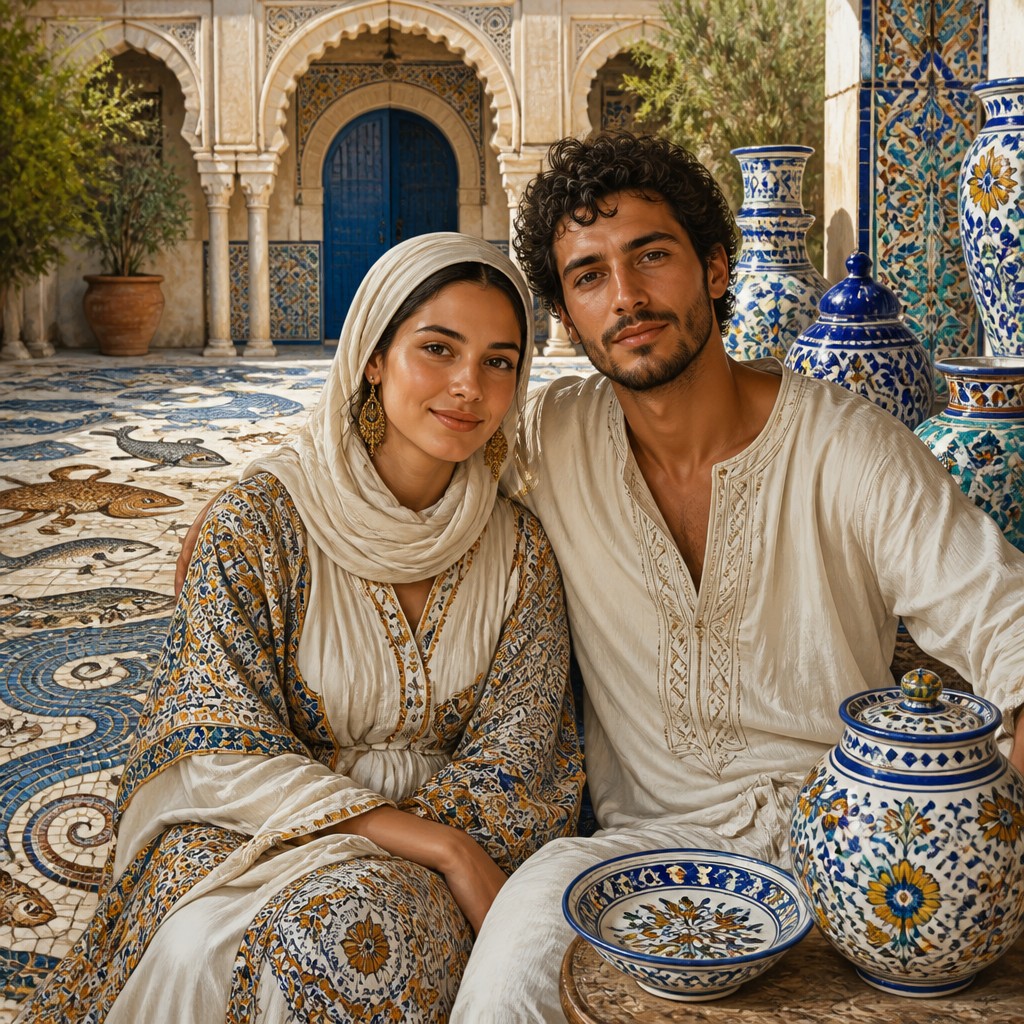
Try It On Your Photos
Upload any photo and convert it into Tunisian Art Style — drag the sliders to compare before and after.
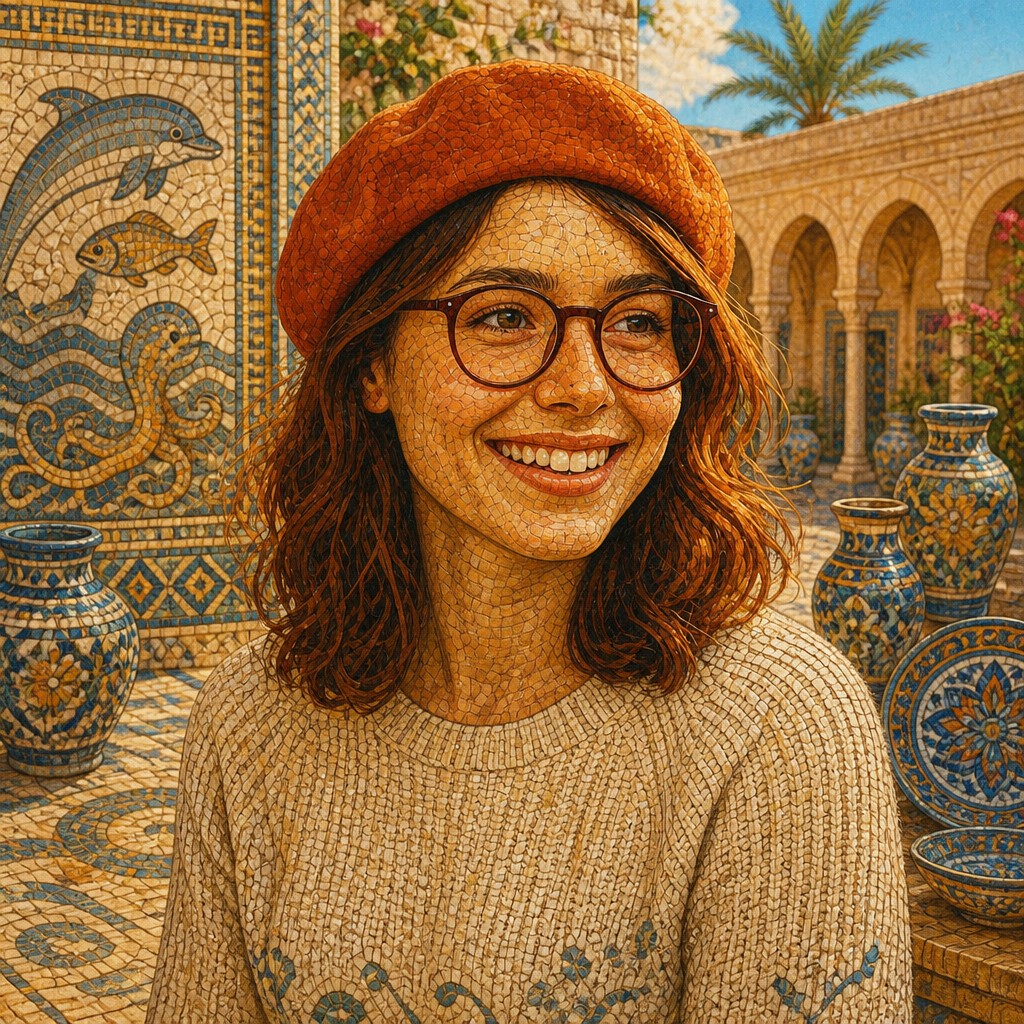

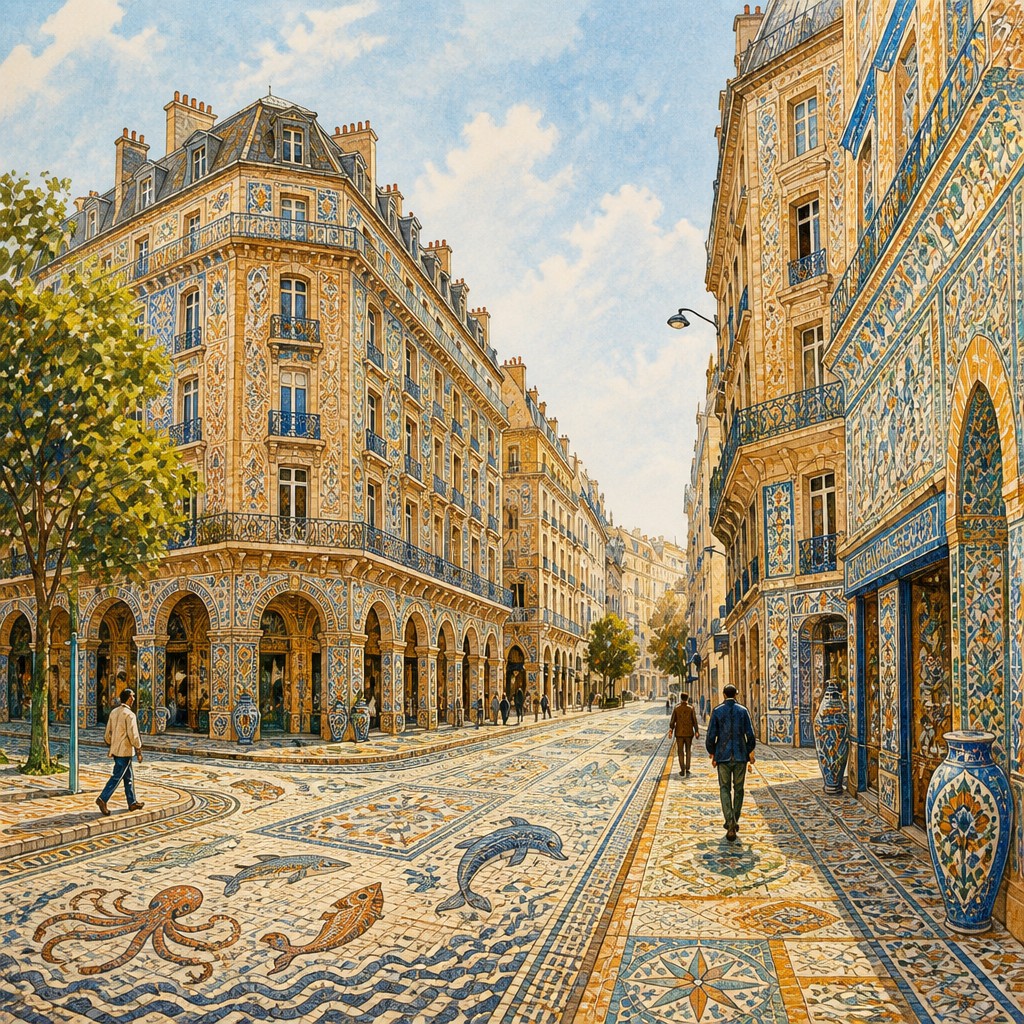

What Defines Tunisian Art Style
The signature details, up close
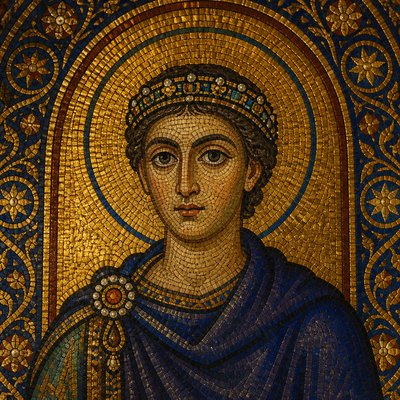
Mosaic tessellation
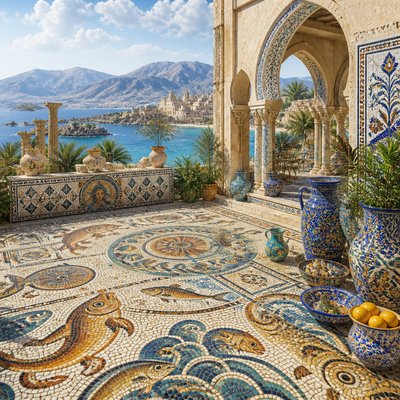
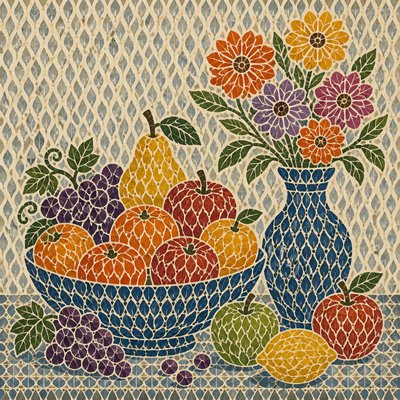
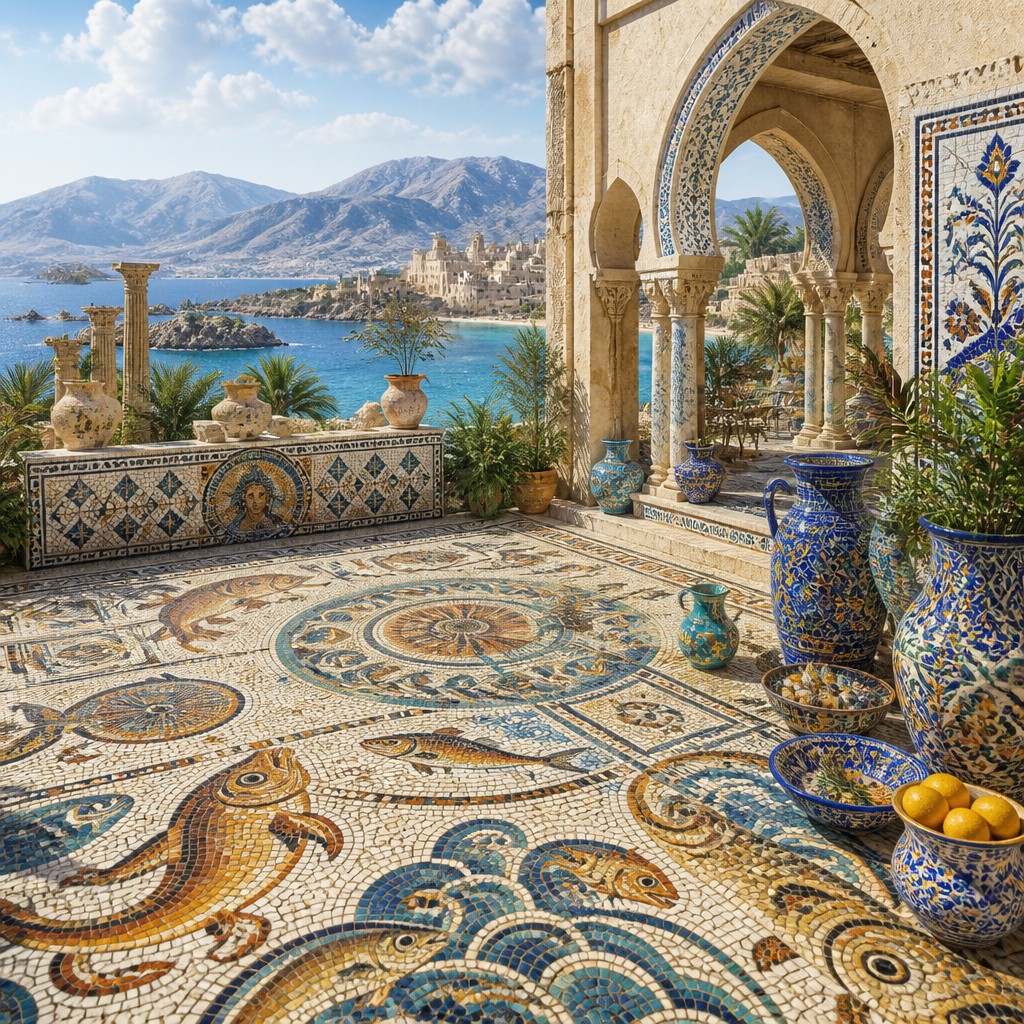
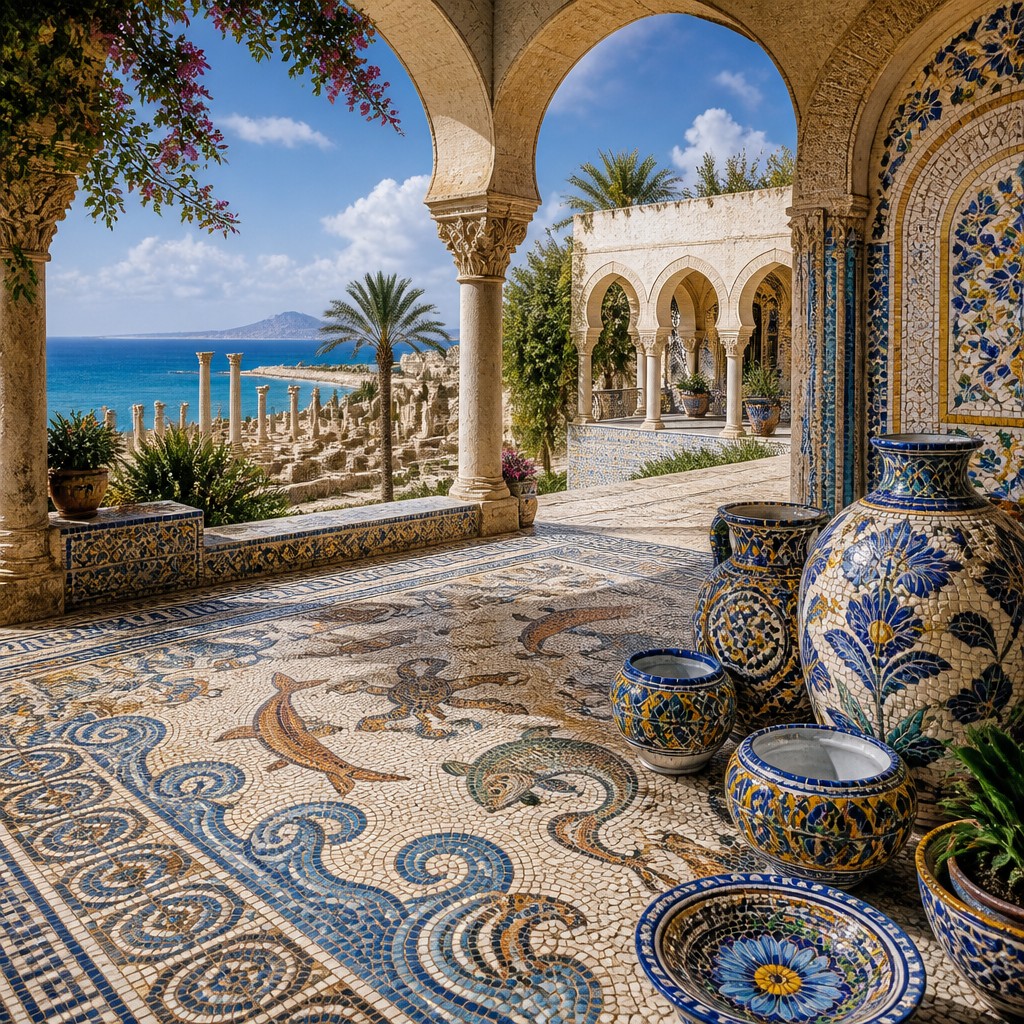
Surfaces are organized into small stone- or tile-like units, with visible grout lines, repeated borders, and carefully balanced geometric fields. The effect suggests the enduring material presence of ancient floor mosaics.
Marine and wave imagery
Fish, dolphins, shells, birds, boats, and curling sea waves provide a strong connection to Carthage and the Mediterranean. These motifs may be arranged narratively or abstracted into rhythmic bands.
Horseshoe arches and courtyards
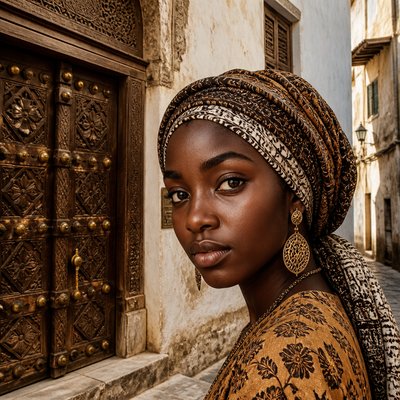
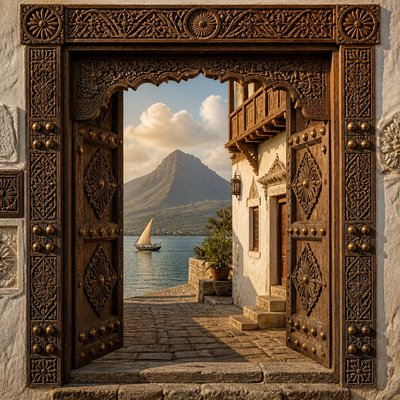
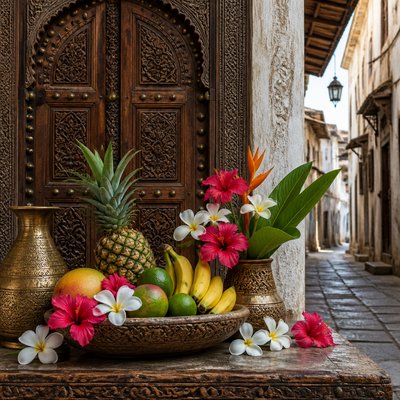
Pale masonry, arcades, domed passages, shaded riwaqs, and horseshoe arches create an architectural framework. Recessed doorways and sharp sunlight produce a distinctive alternation of glow and shadow.
Cobalt, turquoise, and ochre
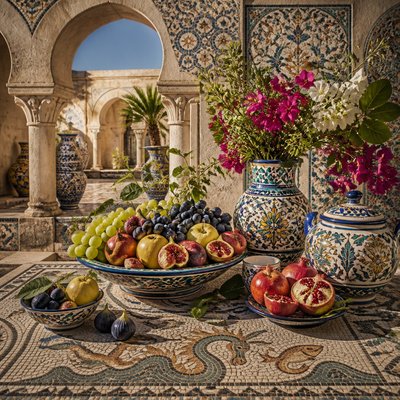
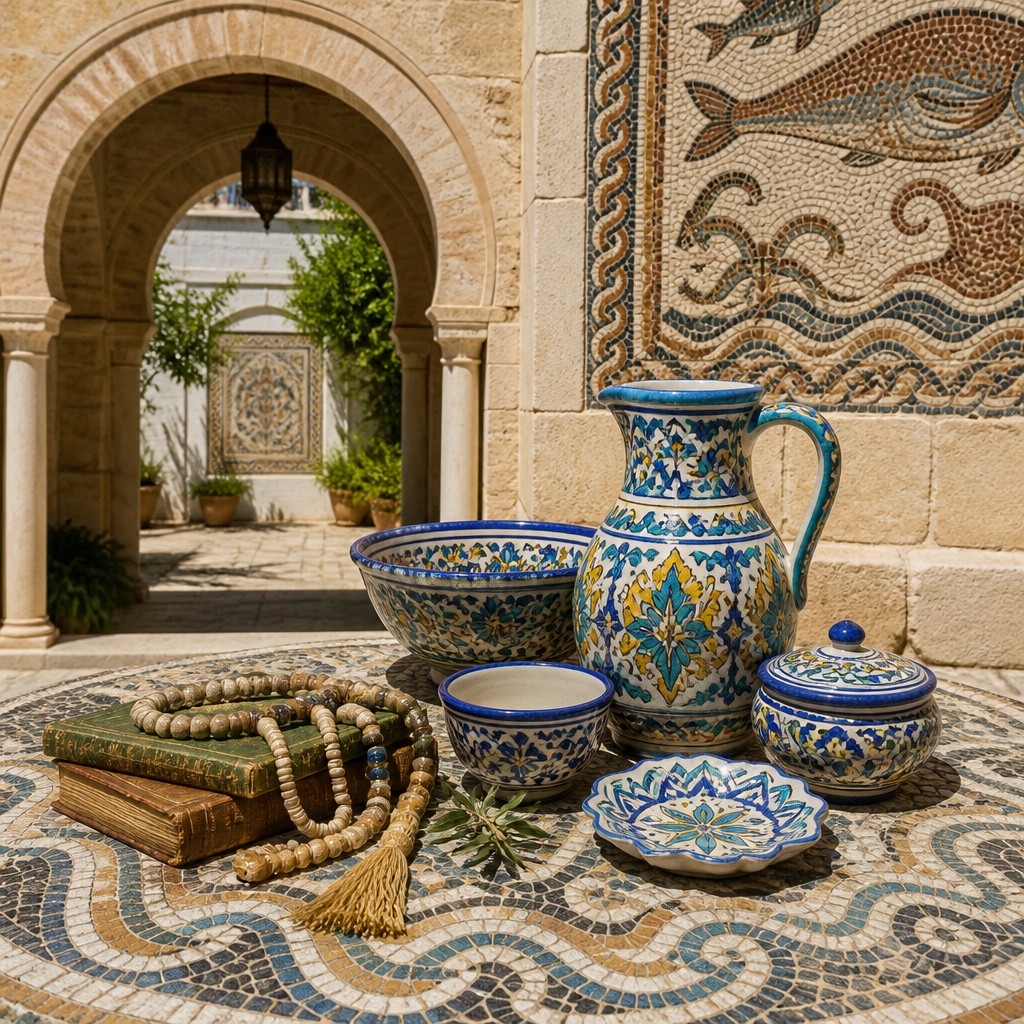
The palette favors saturated ceramic blues and greens balanced by yellow ochre, terracotta, ivory, and limestone beige. Strong color contrasts evoke glazed pottery, painted tiles, and intense coastal light.
Floral and geometric ornament
Stylized flowers, vines, rosettes, stars, zigzags, and interlaced geometry fill borders and negative spaces. Ornament is usually integrated into the composition rather than used as a separate embellishment.
Sun-bright Mediterranean atmosphere
Lighting is clear, warm, and directional, revealing tile sheen, stone texture, and courtyard shadows. Even richly decorated scenes tend to retain an airy sense of space.
Tunisian Prompt Ideas
Start from an idea — each one opens the generator with the style ready to go. See all 40 Tunisian prompts →
How to Create Tunisian Art
Master the craft step by step — or skip straight to creating. Read the full guide →
- 1
Build the composition as a tiled field
Begin with a strong central subject and surround it with repeating borders, corner motifs, or wave bands. For a traditional approach, sketch the design on a grid and use cut tile, colored stone, ceramic, or painted paper to preserve the logic of tessellation.
- 2
Use a disciplined palette
Limit the main colors to cobalt, turquoise, ochre, terracotta, limestone white, and deep shadow accents. In digital work, add subtle glaze variation, uneven pigment, and chipped edges so the surface does not look mechanically flat.
- 3
Combine architecture with ornament
Frame the subject with a horseshoe arch, arcade, courtyard, tiled fountain, or carved doorway, then place geometric and floral decoration along the architectural edges. Keep the structure legible beneath the ornament.
- 4
Suggest authentic material texture
Use irregular grout, weathered stone, glossy glaze, hand-painted variation, and slight tile misalignment when a handcrafted appearance is desired. Avoid excessive texture if the goal is a clean contemporary poster or illustration.
- 5
Control light and depth
Use hard Mediterranean sunlight, cool interior shade, and warm reflected light from ochre walls. In digital painting or photo transformation, preserve recognizable forms while adding mosaic segmentation and ceramic color selectively.
- 6
Write prompts in visual layers
Specify the subject first, then the setting, materials, motifs, palette, and lighting—for example, a coastal courtyard, Roman-style marine mosaic, turquoise tilework, pale stone arches, and sharp afternoon sun. For image-to-image work, request that the original pose or architecture remain intact while surfaces adopt the tiled and glazed treatment.
The Story
History & Origins of Tunisian
This style has no single historical origin or fixed period. Its aesthetic lineage begins with the mosaic pavements of ancient Carthage and Roman North Africa, including floors decorated with marine life, mythological subjects, vegetal forms, and repeated geometric borders. These mosaics established the emphasis on tessellation, contour, symbolic motifs, and durable color that remains central to the style.
A second layer comes from Tunisia's Islamic architectural and decorative traditions, particularly the courtyards, arcades, tilework, carved plaster, and horseshoe arches associated with historic cities such as Kairouan. A later craft layer comes from Nabeul's ceramic production, known for glazed vessels and tiles with floral, geometric, and vividly colored decoration. The modern label combines these sources for illustration, interiors, surface design, and digital image-making without claiming to represent one historical school.
Influences: The style relates to ancient Roman and North African mosaic, Carthaginian and Mediterranean marine ornament, Islamic geometric design, Maghrebi courtyard architecture, arabesque decoration, North African ceramics, and Mediterranean vernacular architecture. It also overlaps with tile-based mural art, ornamental illustration, decorative arts, and contemporary cultural collage, while remaining distinct from a single historical movement such as Moorish Revival or Art Nouveau.
Frequently Asked Questions
What defines Tunisian Art Style?
It is defined by the combination of Carthage- and Roman-era mosaic patterns, Mediterranean marine motifs, Kairouan-associated horseshoe arches, and Nabeul-inspired glazed ceramics. Its visual identity depends on tessellation, ornamental geometry, cobalt and turquoise color, pale stone, and intense sunlight.
Is Tunisian Art Style a historical art movement?
No. The term describes a contemporary composite aesthetic rather than a formally recognized historical movement with a fixed membership or period. It draws on several real Tunisian and North African traditions and adapts them for illustration, design, photography, and digital imagery.
How does it differ from Moorish or Andalusian styles?
Moorish and Andalusian styles usually refer to broader architectural and decorative traditions associated with the western Islamic world, especially Iberia and the Maghreb. This Tunisian-focused synthesis places greater emphasis on Carthaginian and Roman marine mosaics, Tunisian ceramic color, and the architectural atmosphere of cities such as Kairouan.
What subjects work well with this style?
Coastal scenes, marine animals, courtyards, fountains, markets, historic gateways, pottery, desert landscapes, and portraits framed by ornament are especially effective. Subjects with clear silhouettes and broad areas for pattern allow the mosaic and ceramic treatment to remain readable.
How can I make an image look handmade rather than computer-generated?
Introduce uneven tile sizes, slight grout variation, imperfect symmetry, brush marks, glaze pooling, worn edges, and natural stone differences. Keep the main geometry controlled, but allow small material irregularities around borders and repeated motifs.
Where is this aesthetic commonly used?
It is suitable for posters, book and editorial illustration, murals, tile and textile patterns, hospitality interiors, cultural interpretation, packaging, architectural visualization, and decorative portraits. It can also guide photo transformations when the original composition is preserved beneath the mosaic and ceramic surface treatment.
Create your first Tunisian artwork
Describe anything — or upload a photo — and see it in Tunisian Art Style in seconds.
Related Styles
Discover similar art styles