Timorese Art Style
Explore Timorese art style through tais ikat textiles, uma lulik architecture, geometric motifs, beadwork, and warm highland colors.
Instantly rendered in Timorese — or transform a photo
Timorese Gallery
Tap any artwork to explore it
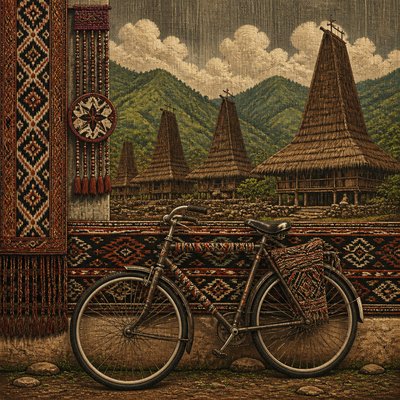
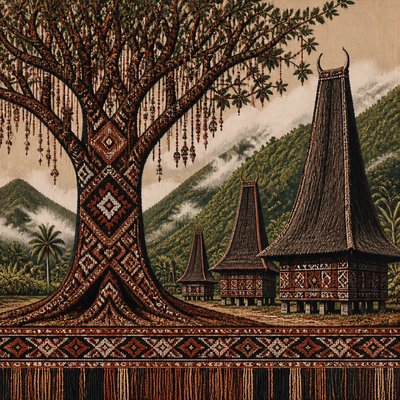
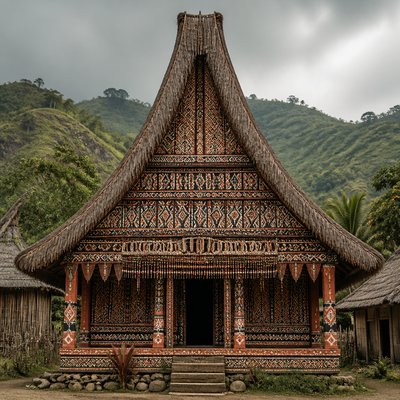
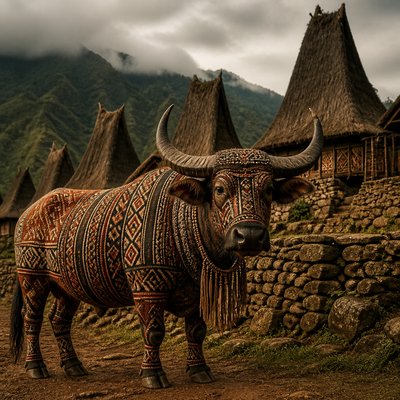
What is Timorese Art Style?
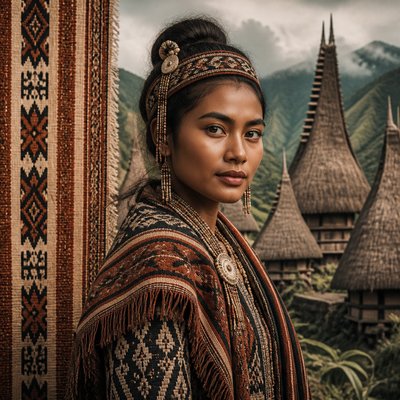
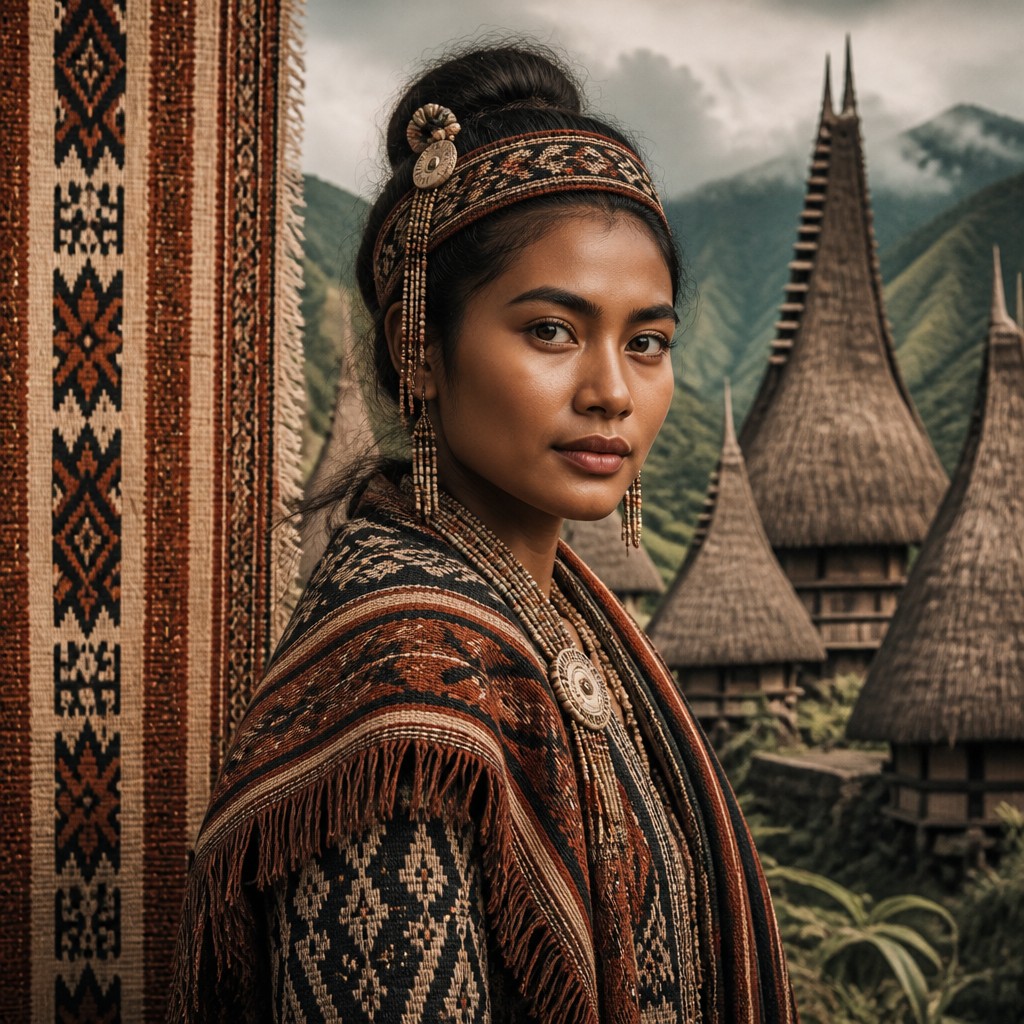
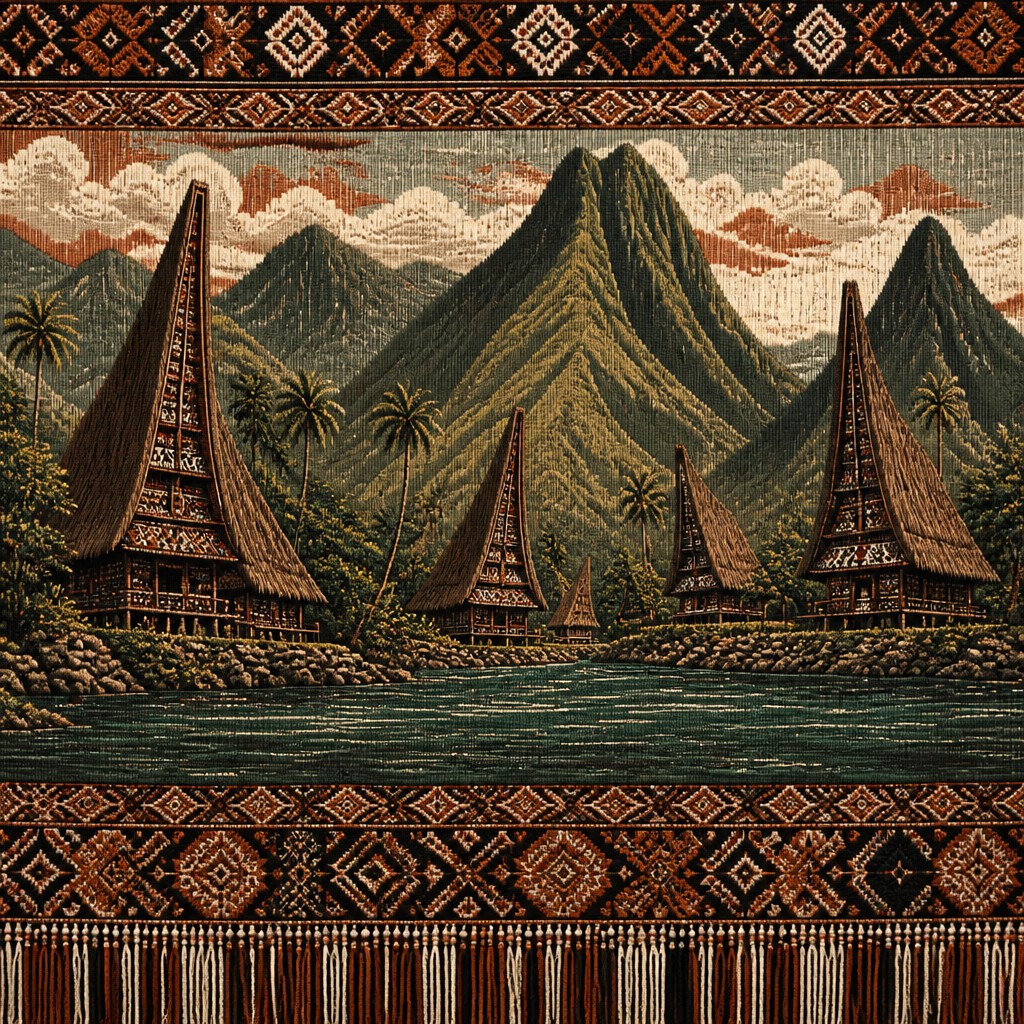
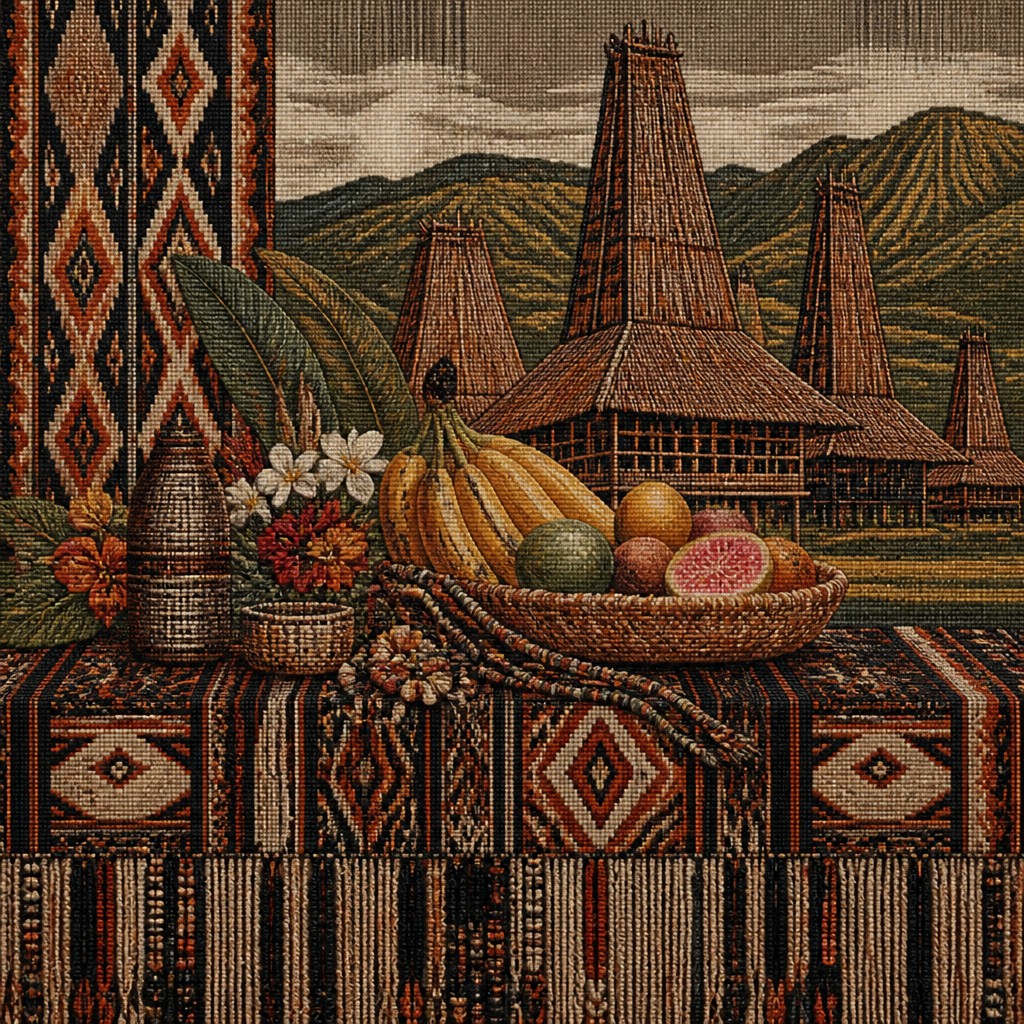
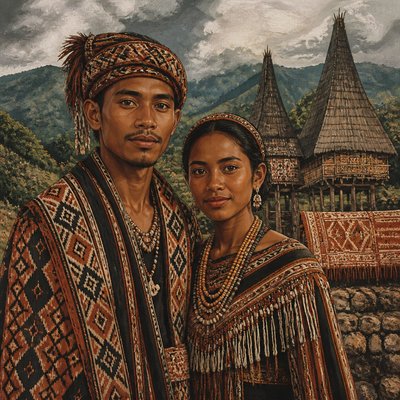
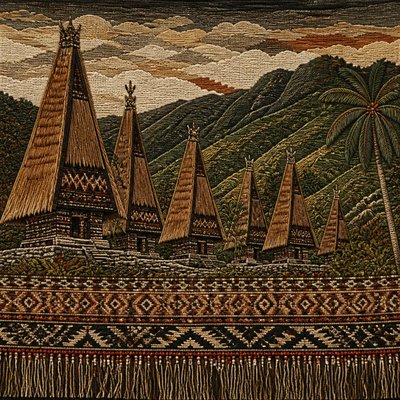
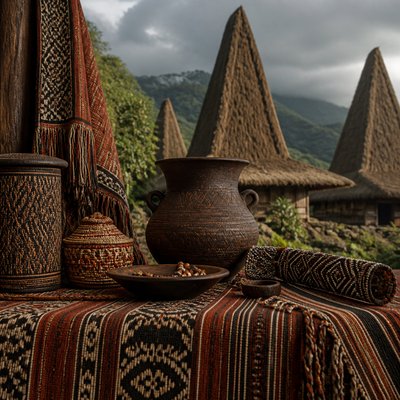
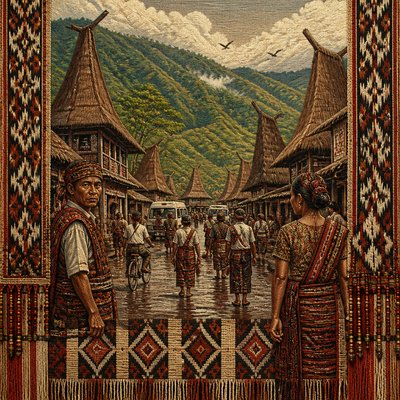
Timorese art style is a contemporary descriptive label for an aesthetic inspired by the textile, architectural, and decorative traditions of Timor, especially the tais woven cloths and sacred uma lulik ancestral houses of Timor-Leste. Its visual identity combines rust, indigo-black, cream, ochre, and deep red with repeated geometric bands, stepped motifs, fringe, beadwork, and strong vertical silhouettes.
The style is rooted in material contrast: densely patterned handwoven surfaces appear beside the open structural forms of thatched houses and the organic landscape of Timor's mountains and dry tropical highlands. Images often emphasize craft, ancestry, community, and ceremonial dignity rather than private individual expression. Because Timor contains many distinct ethnolinguistic communities, motifs, colors, weaving methods, and architectural forms should not be treated as a single uniform tradition.
Try It On Your Photos
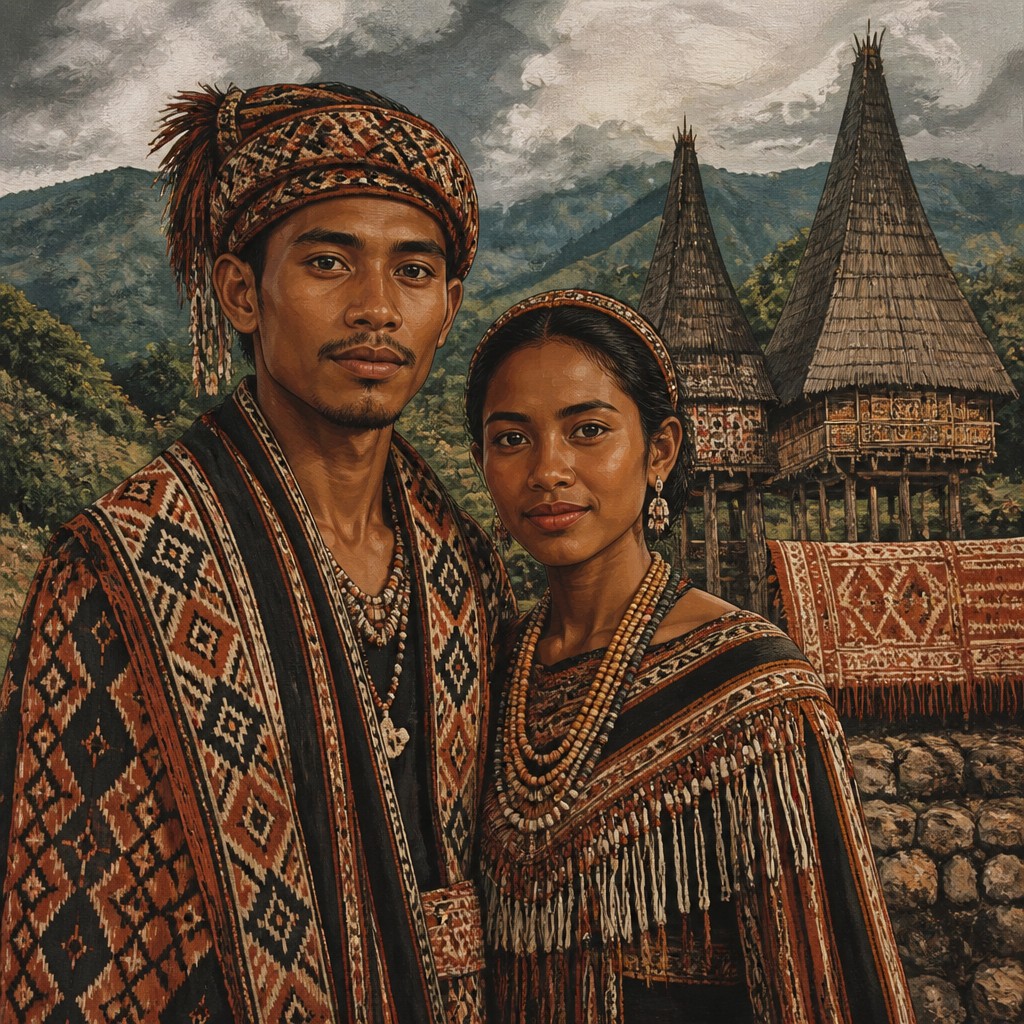
Upload any photo and convert it into Timorese Art Style — drag the sliders to compare before and after.


What Defines Timorese Art Style
The signature details, up close
Tais ikat geometry
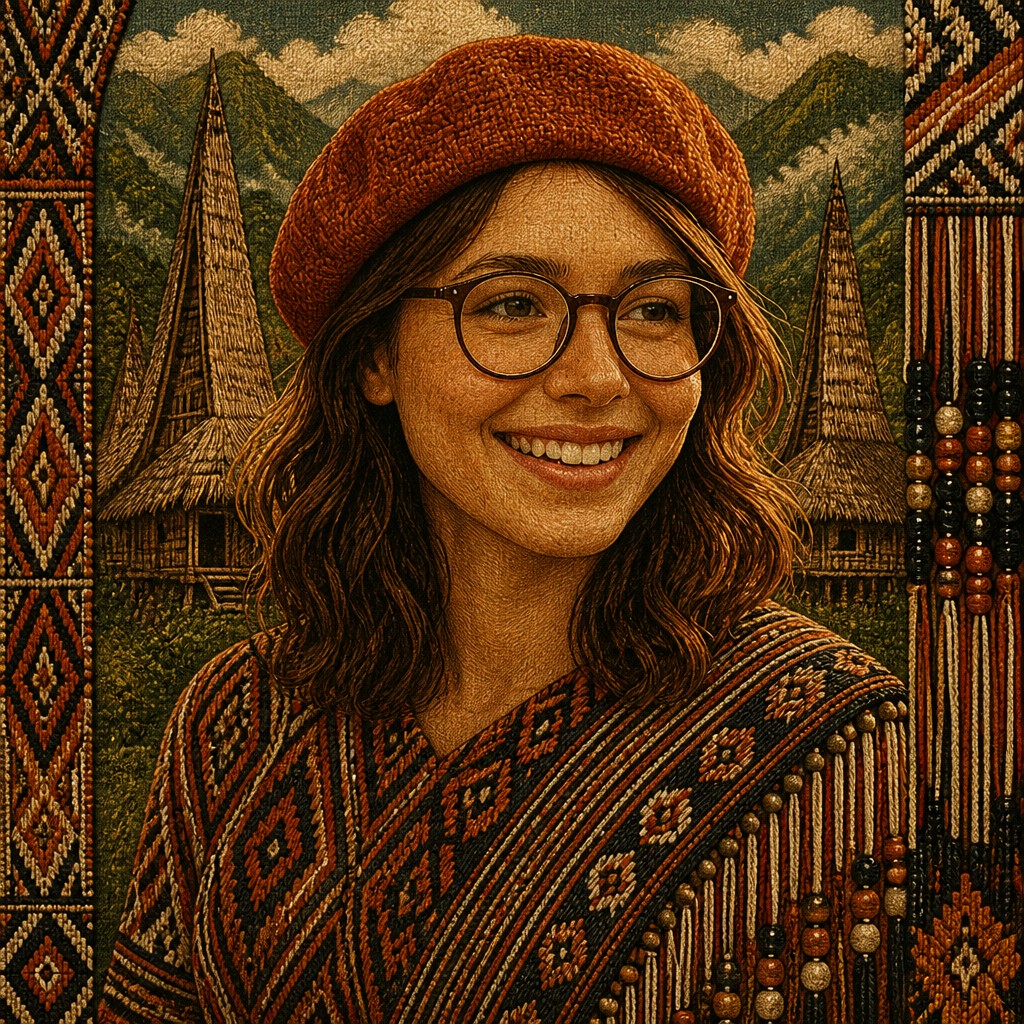
Repeated bands, stepped forms, diamonds, chevrons, and abstracted figures suggest the structure of handwoven tais textiles. Warp-resist irregularities and slight asymmetry help preserve a crafted rather than mechanically printed appearance.
Earthen highland palette
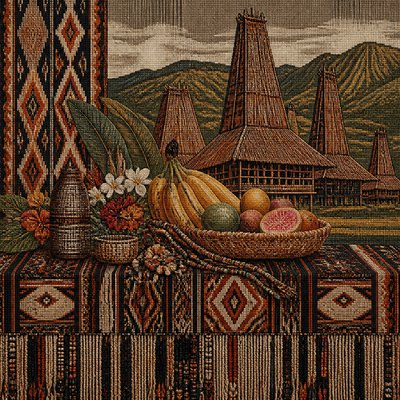
Rust, brick red, charcoal, cream, ochre, muted green, and indigo create a warm palette associated with woven fiber, earth, shadow, and mountain vegetation. Small accents of blue, white, or yellow can suggest ceremonial detail.
Uma lulik silhouettes
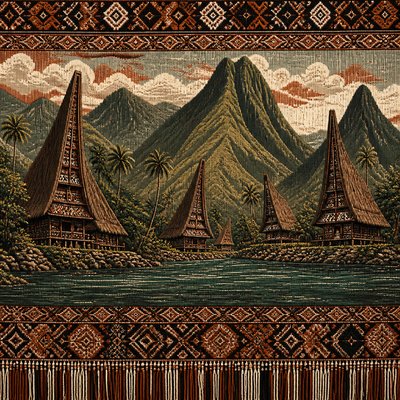
Tall, steeply pitched thatched roofs and compact elevated or monumental forms provide a distinctive architectural motif. These sacred ancestral houses should be depicted with care, since their meanings and construction vary across Timorese communities.
Handmade surface texture
Visible fibers, woven grain, fringe, tassels, beadwork, and uneven dye edges give the image a tactile character. Layered texture is more appropriate than glossy, perfectly uniform surfaces.
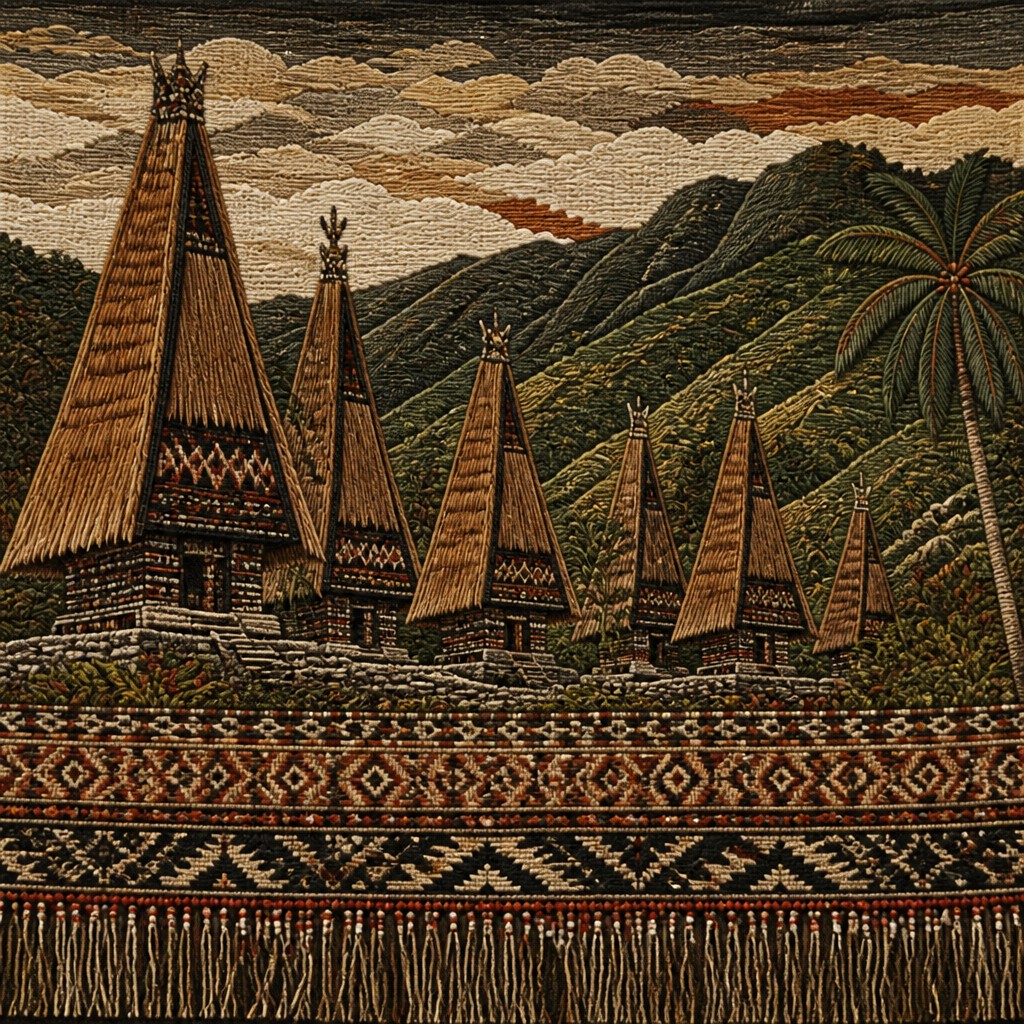
Ceremonial patterning
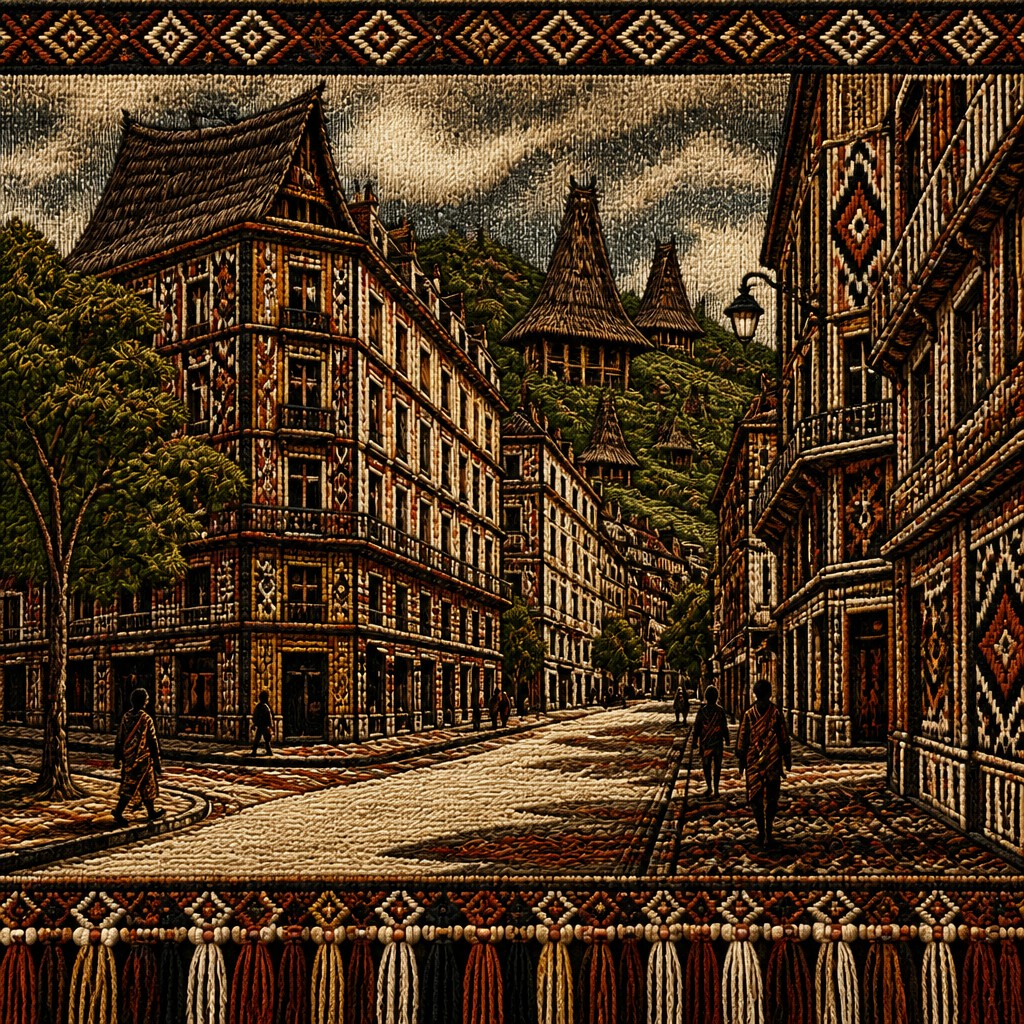
Bordered compositions, symmetrical arrangements, repeated bands, and carefully framed symbols evoke the formal use of cloth and architecture in social and ritual settings. Motifs should remain abstract unless a specific community tradition is being researched.
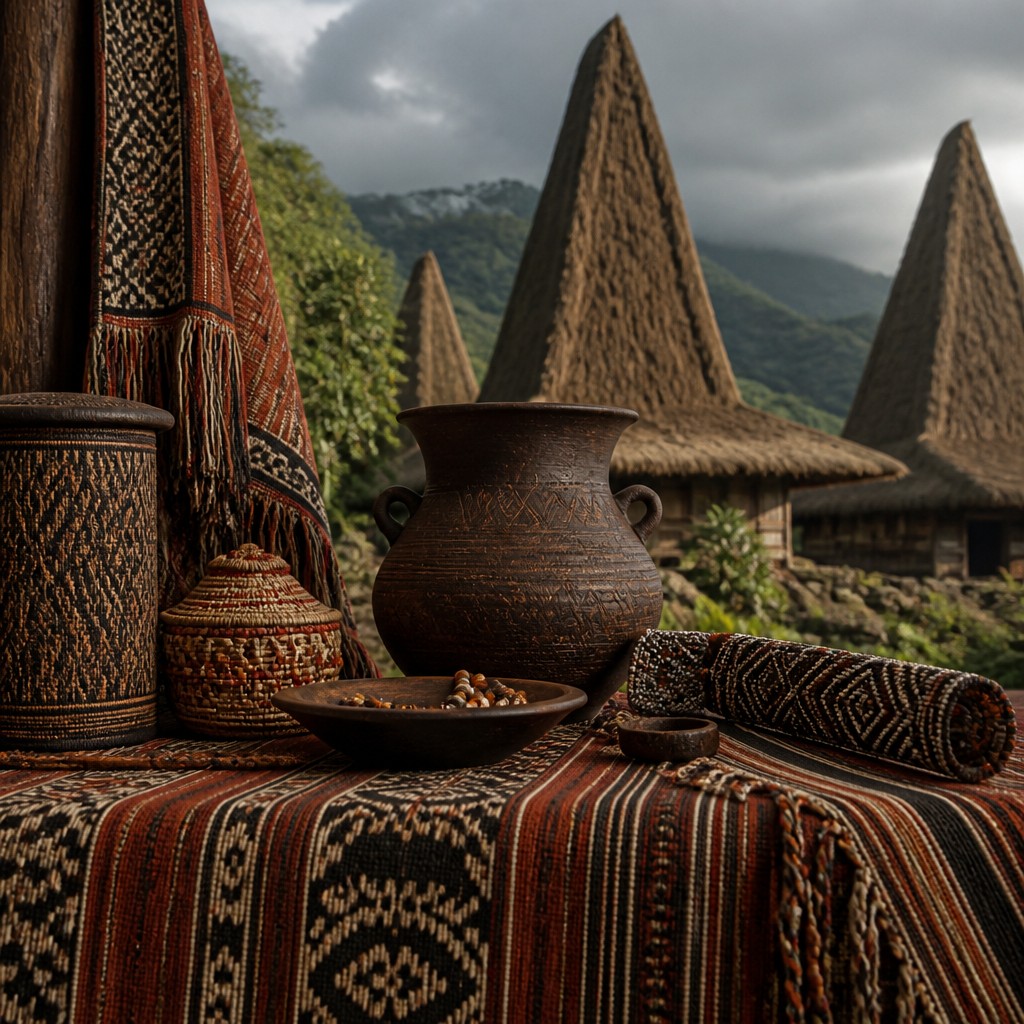
Mountain and monsoon setting
Green hills, dry slopes, village clearings, palms, and dramatic tropical cloud light place the craft vocabulary within Timor's varied environment. Warm sunlight and deep architectural shadow reinforce the sense of material depth.
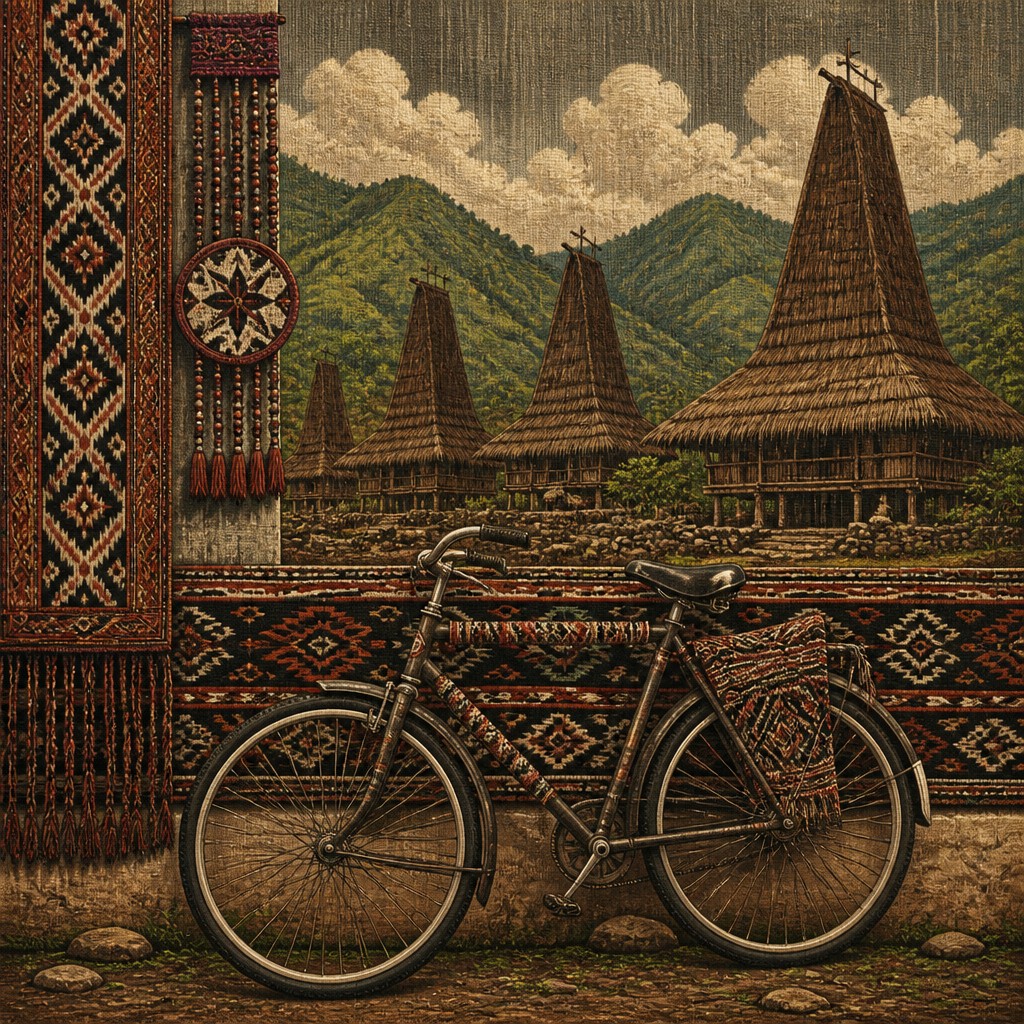
Dignified frontal composition
Central placement, stable horizons, strong verticals, and restrained gestures create a respectful, monumental mood. The result often resembles a textile panel, illustrated cultural poster, or carefully staged documentary scene.
Timorese Prompt Ideas
Start from an idea — each one opens the generator with the style ready to go. See all 40 Timorese prompts →
How to Create Timorese Art
Master the craft step by step — or skip straight to creating. Read the full guide →
- 1
Build a textile structure first
Begin with broad horizontal bands and a limited set of repeated geometric motifs, then introduce small variations in spacing and alignment. For a traditional study, use graph paper or a simple loom-based pattern plan before adding color.
- 2
Suggest ikat without making it generic
Use softened edges, slight registration shifts, broken contours, and visible fiber grain to imply resist-dyed weaving. Research a particular Timorese community or weaving tradition when reproducing recognizable motifs rather than combining symbols indiscriminately.
- 3
Shape the architecture clearly
Block in the steep roof and compact body of an uma lulik as a readable silhouette, using layered thatch strokes and structural shadows. Avoid treating sacred houses as decorative fantasy towers detached from their cultural context.
- 4
Use tactile analog materials
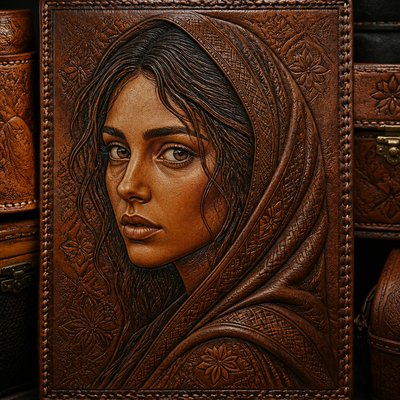
Layer gouache, colored pencil, ink, collage, woven paper, or fabric fragments to create a handmade surface. Dry-brush marks, imperfect edges, and restrained pigment variation are more convincing than uniform digital noise.
- 5
Compose like a ceremonial textile
Frame the subject with borders, bands, or repeating motifs, and balance the central form against open landscape. Keep the palette limited so that pattern density supports the subject instead of overwhelming it.
- 6
Write focused digital prompts
Specify tais-inspired ikat bands, rust and cream geometry, a steep thatched uma lulik silhouette, handwoven fringe, beadwork, tropical mountain light, and a matte fiber texture. For image transformation, describe which features should be preserved—such as a person's pose or a building's outline—while applying the woven palette and surface.
The Story
History & Origins of Timorese
This is not the name of a single historical art movement. It is an aesthetic synthesis drawing primarily on the long-established textile traditions of Timor, including tais weaving, and on regional forms of ancestral architecture known in Timor-Leste as uma lulik. Tais are used in clothing, exchange, ceremony, diplomacy, and social identity; their designs and production methods differ among communities and local weaving centers.
The visual language also reflects the broader artistic history of Island Southeast Asia, where warp ikat, supplementary patterning, natural and synthetic dyes, oral symbolism, and ceremonial textiles have developed over generations. Contemporary illustrations and digital compositions may combine these references with simplified landscape painting, editorial design, and architectural silhouette, but they should present the source traditions respectfully rather than imply that the combined style is an ancient standardized school.
Influences: The style is related to Indonesian and Timorese ikat traditions, Austronesian textile design, Southeast Asian ceremonial cloth, vernacular thatched architecture, and regional traditions of beadwork and fiber craft. Its graphic organization can also draw from textile pattern design, folk illustration, material-focused craft documentation, and modern cultural poster art. Compared with generalized tribal or bohemian aesthetics, it is more specific in its emphasis on tais structure, Timorese architectural forms, local landscape, and the social meaning of ceremonial objects.
Frequently Asked Questions
What defines the Timorese art style?
It is defined by a synthesis of tais-inspired ikat geometry, warm earthen colors, handwoven texture, beadwork, and the steep silhouettes of uma lulik ancestral houses. Mountain landscapes and a formal, ceremonial composition often reinforce the visual language.
Is Timorese art style a historical art movement?
No. The term is best understood as a contemporary descriptive or image-making label, not the name of a single historical school. It draws from several real Timorese textile and architectural traditions that vary by community and region.
What is tais?
Tais is a general term for handwoven cloth associated especially with Timor-Leste, where it has important social, ceremonial, and cultural uses. Designs, colors, techniques, and meanings differ among communities, so a specific textile should be identified by its local tradition when possible.
What is an uma lulik?
Uma lulik generally refers to a sacred or ancestral house in Timor-Leste. These structures can have distinctive tall, steep roofs and carry cultural meanings connected with ancestry, ritual, and community identity; they are not simply decorative vernacular buildings.
How can I make an image in this style respectfully?
Name the particular Timorese textile or architectural tradition you are studying, avoid mixing sacred symbols without context, and do not present the style as uniform across the island. Focus on material qualities, documented motifs, and the dignity of the people and objects depicted.
How does it differ from generic ikat or tribal-inspired art?
Generic ikat imagery may use resist-dyed geometry without a particular cultural setting. This aesthetic connects woven pattern to Timorese landscapes, tais practices, beadwork, ceremonial use, and uma lulik architecture, while acknowledging that these references come from diverse communities.
Create your first Timorese artwork
Describe anything — or upload a photo — and see it in Timorese Art Style in seconds.
Related Styles
Discover similar art styles