Timbuktu Art Style
Explore the Timbuktu Art Style: gold manuscript illumination, geometric borders, Sahelian mudbrick architecture, and warm desert tones.
Instantly rendered in Timbuktu — or transform a photo
Timbuktu Gallery
Tap any artwork to explore it
What is Timbuktu Art Style?
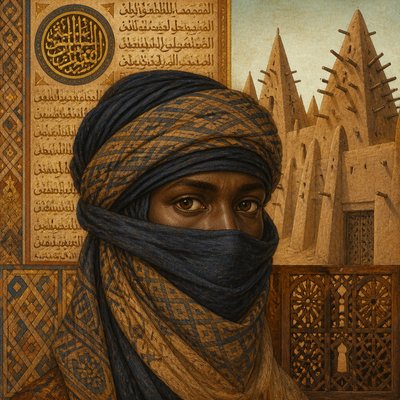
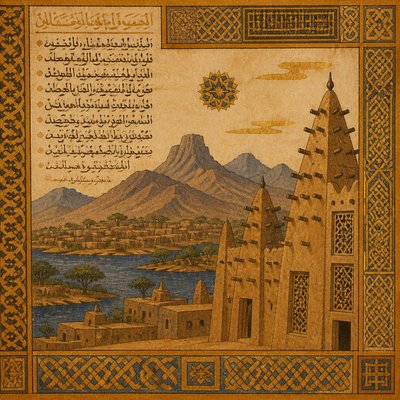
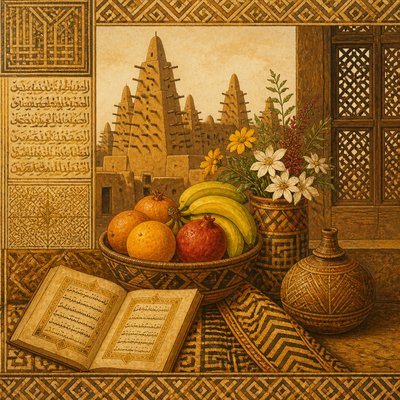
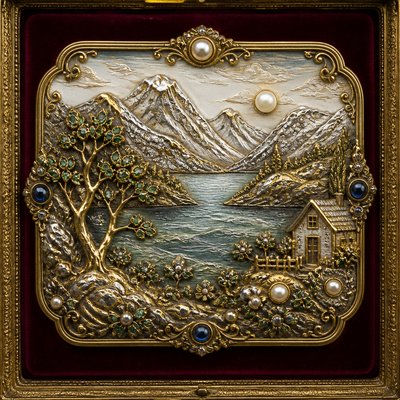
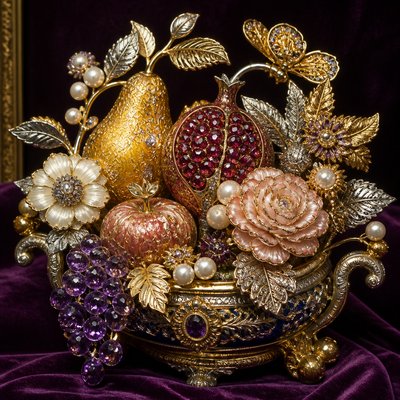
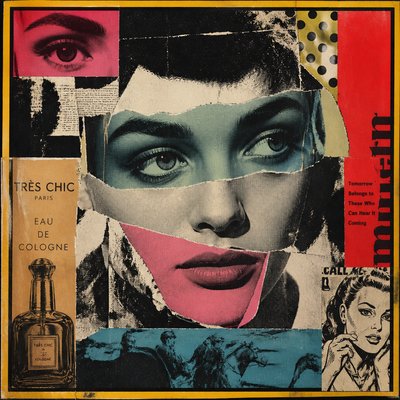
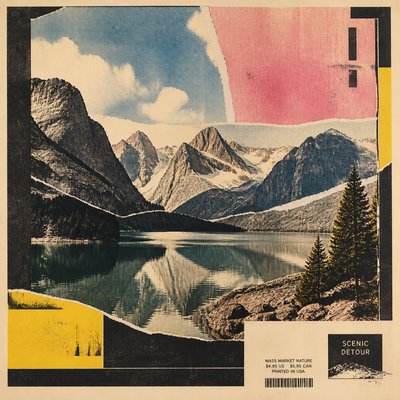
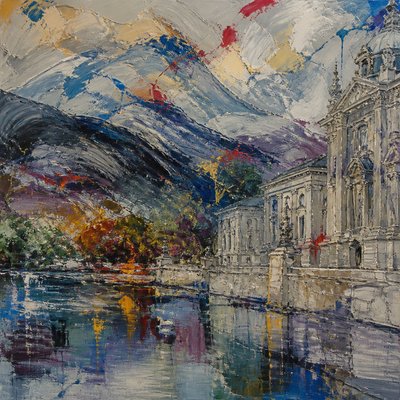
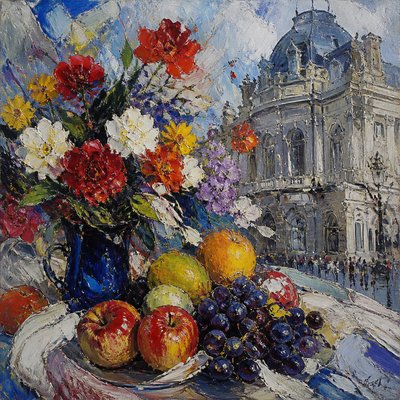
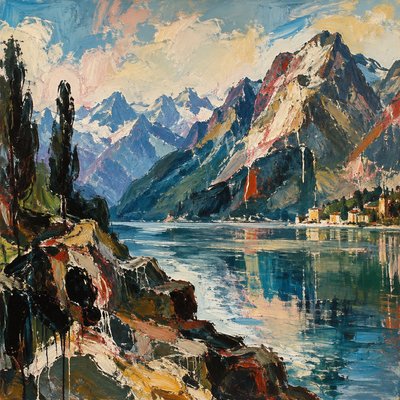
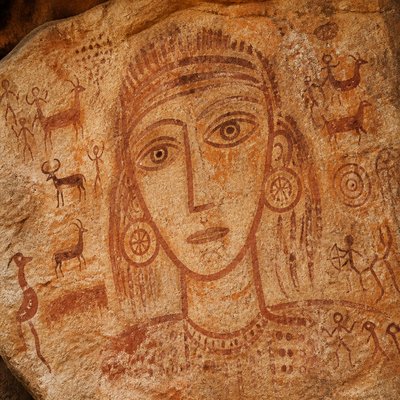
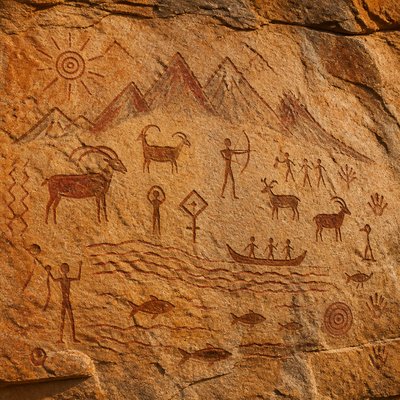
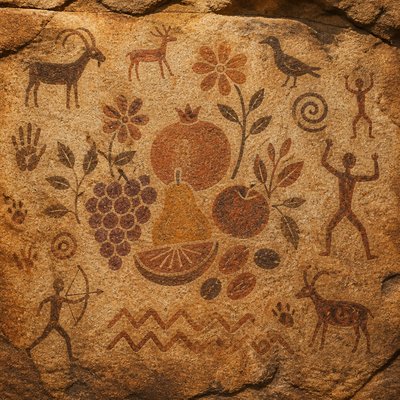
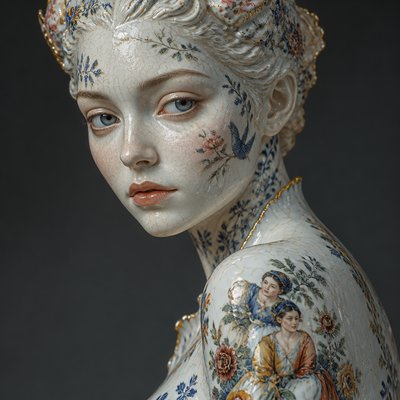
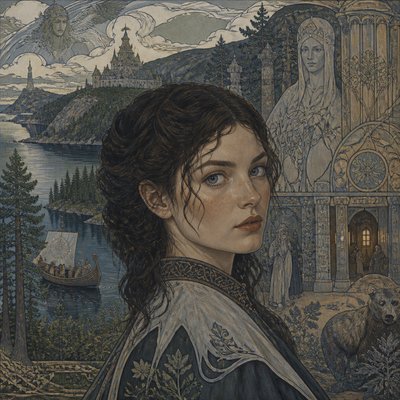
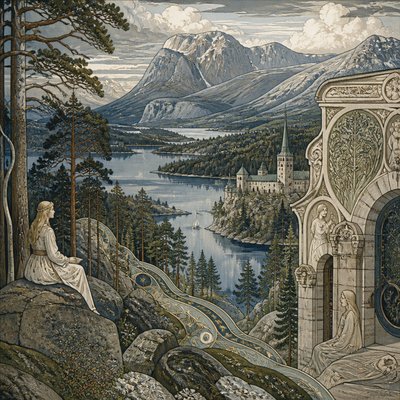
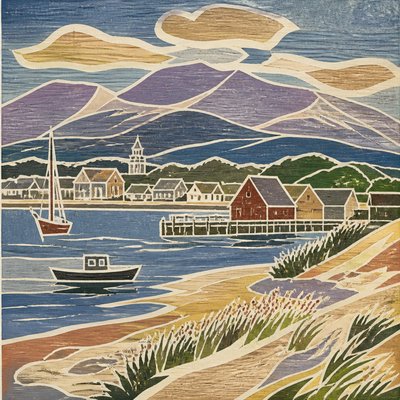
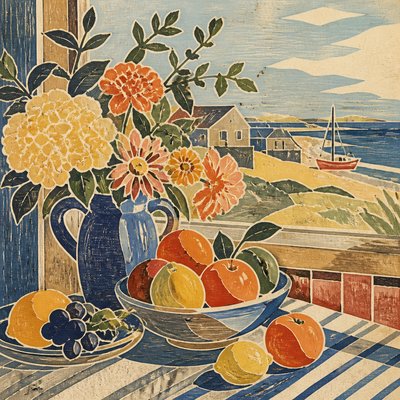
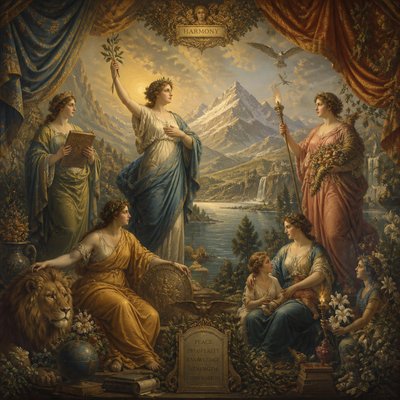
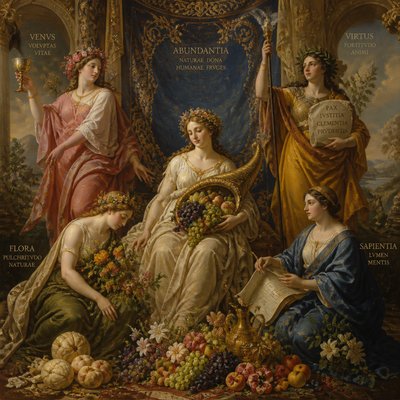
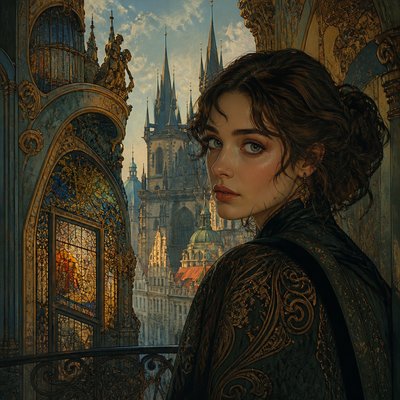
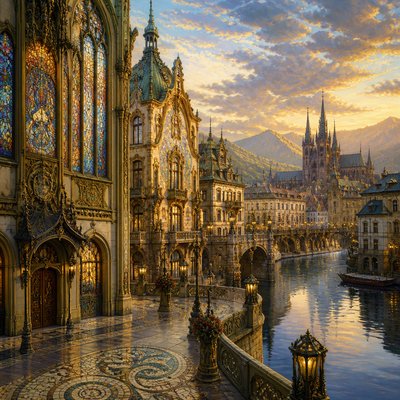
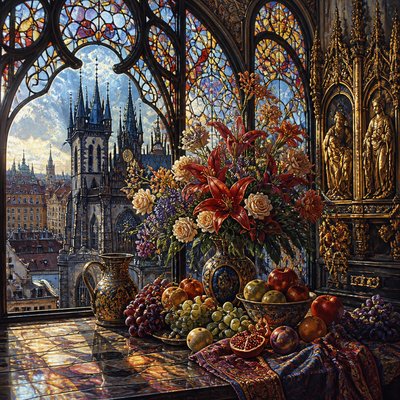
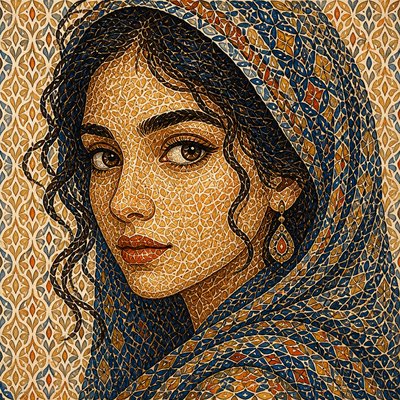
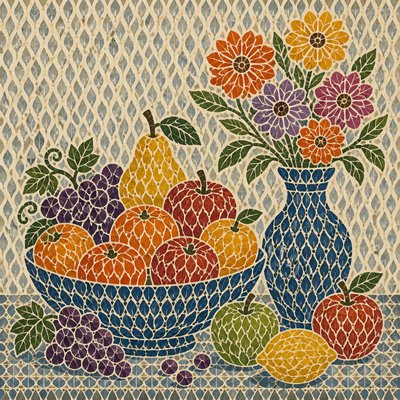
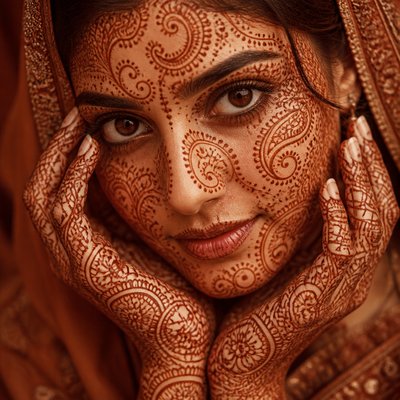
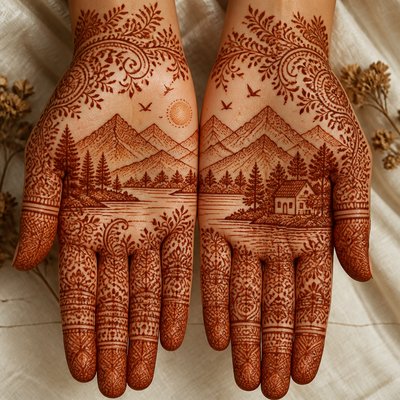
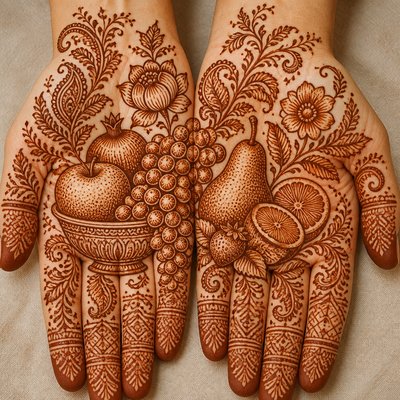
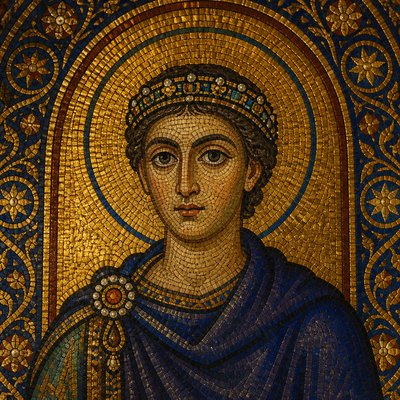
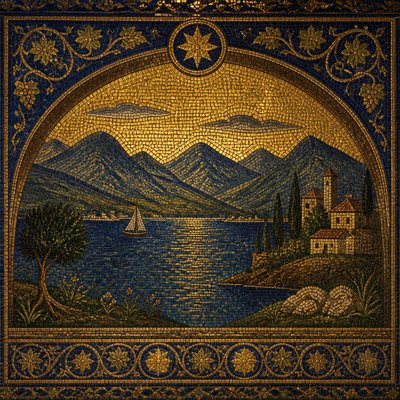
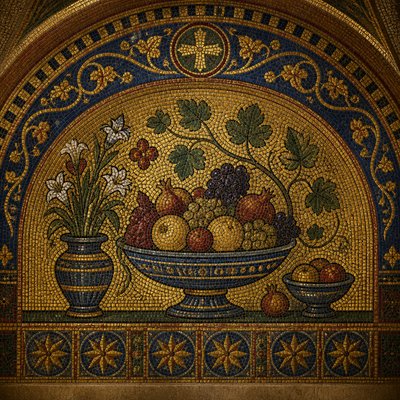
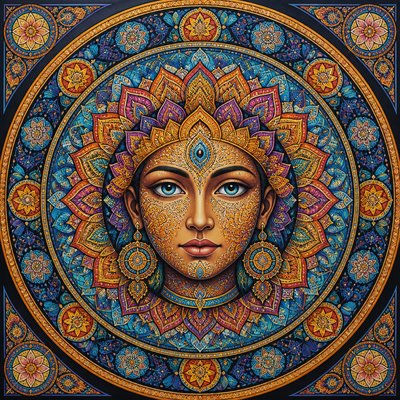
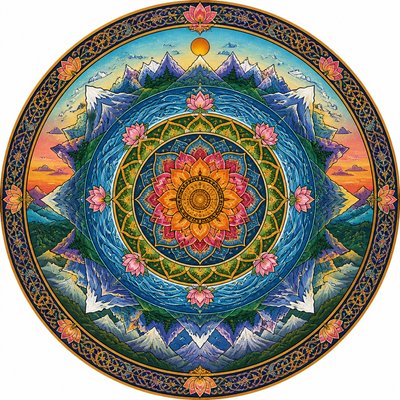
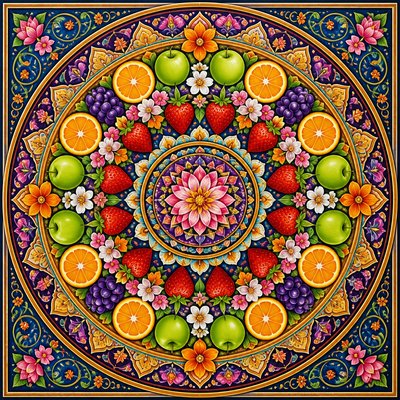
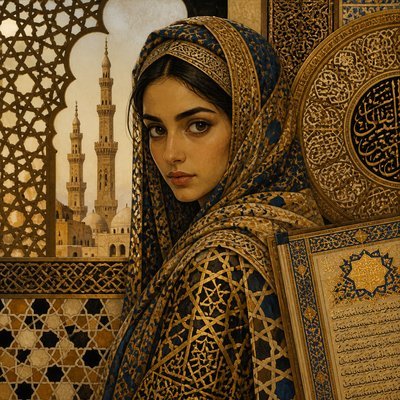
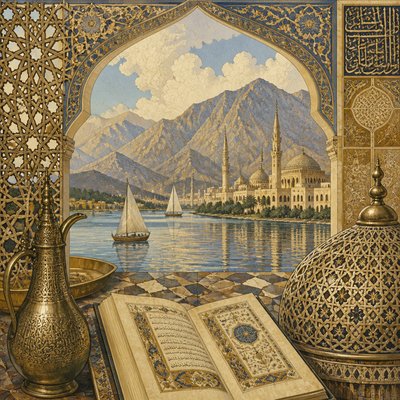
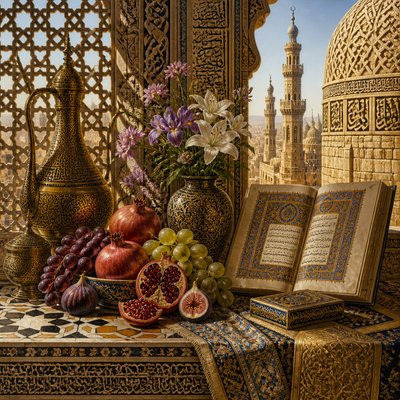
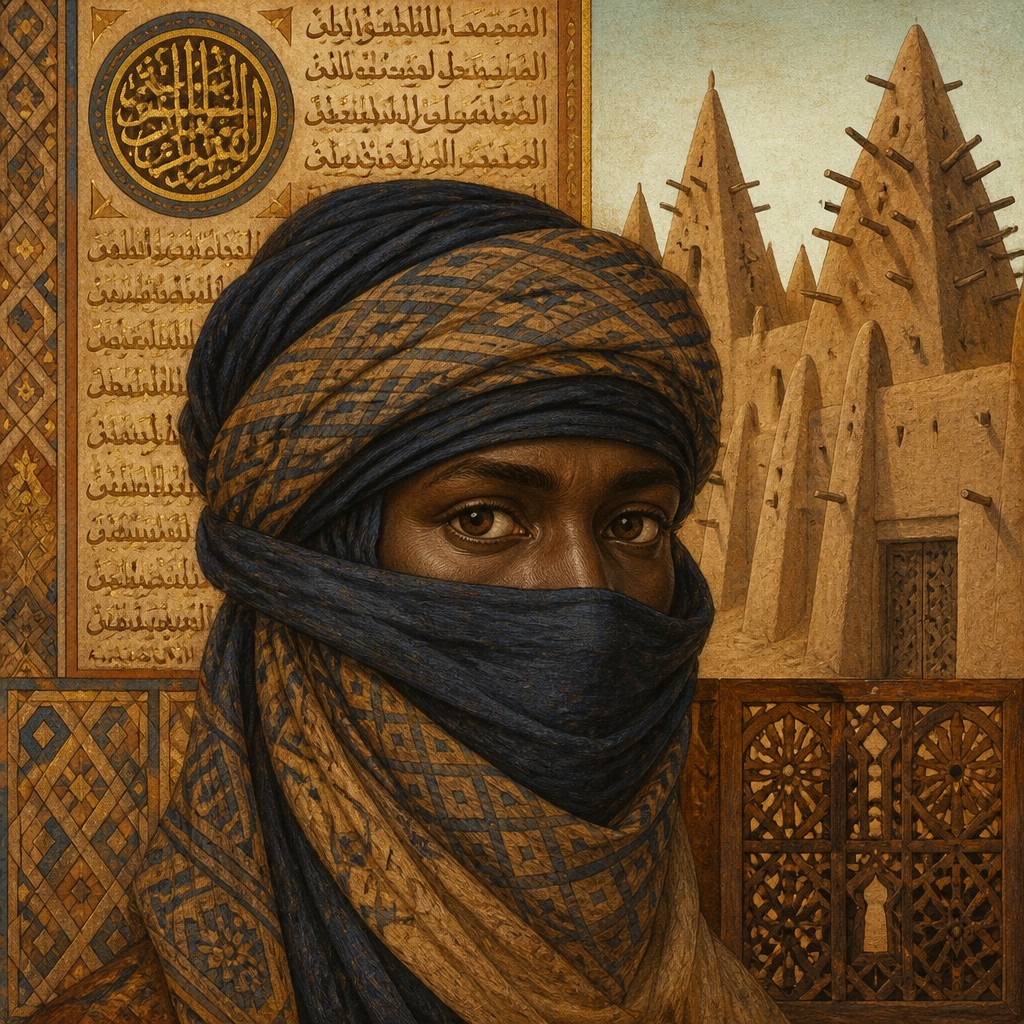
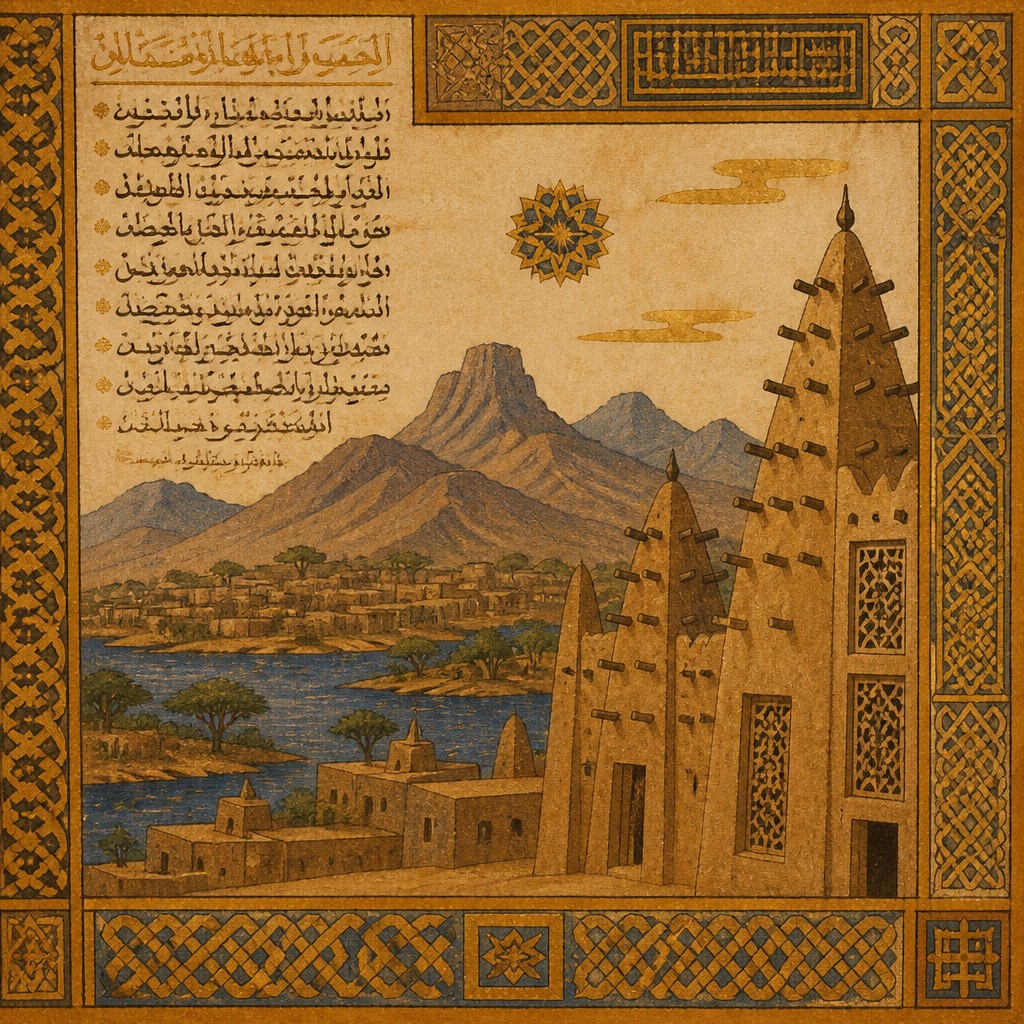
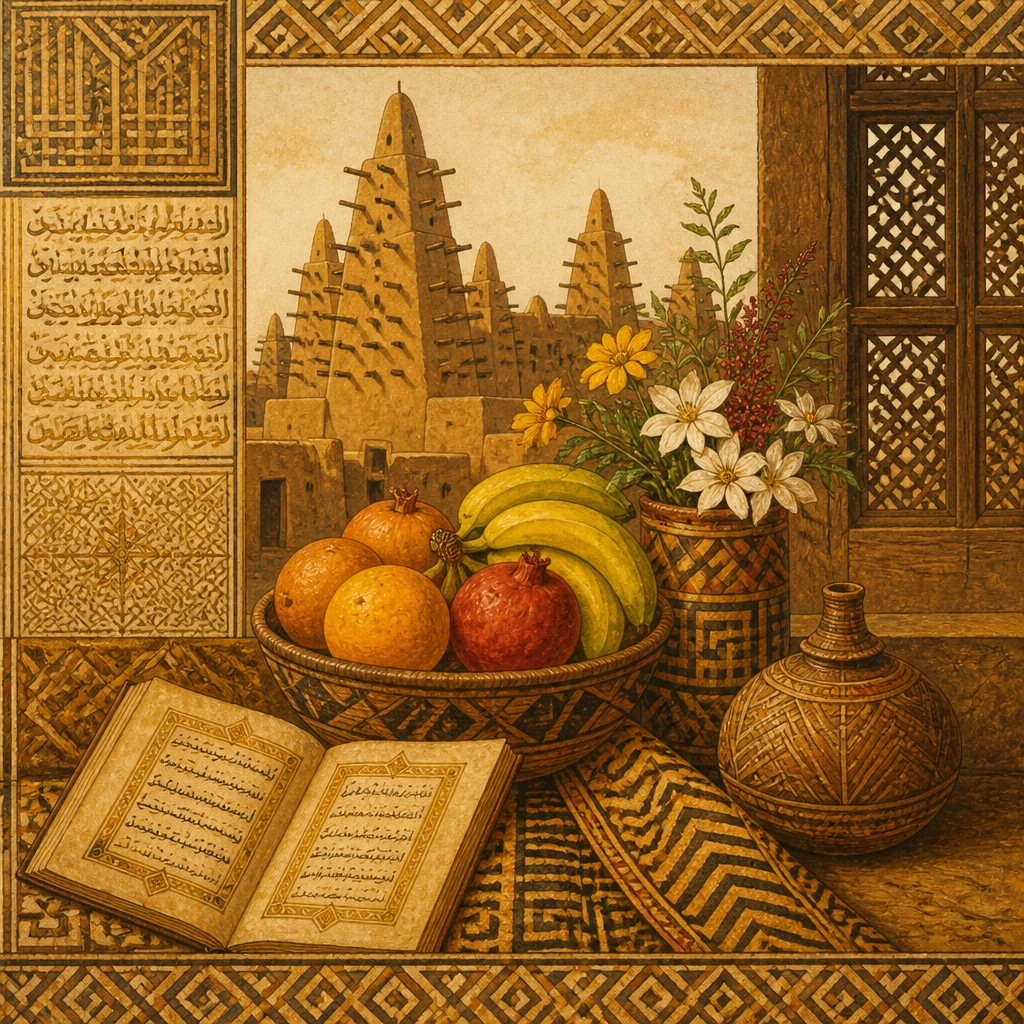
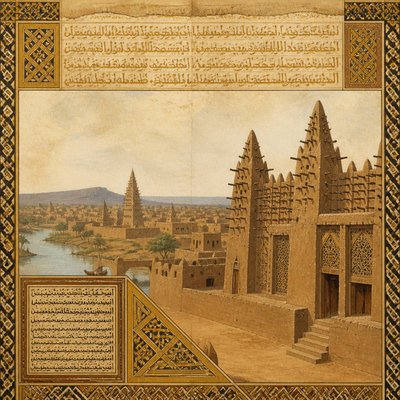
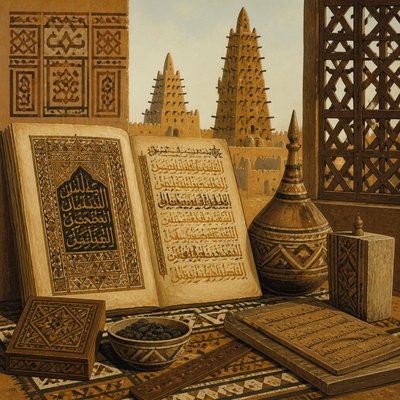
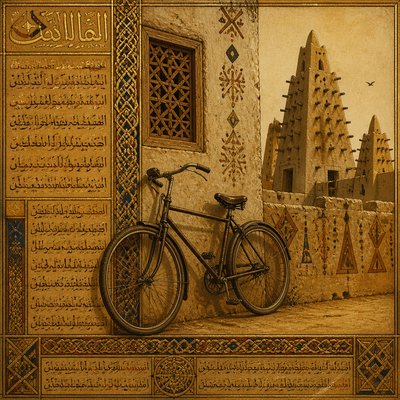
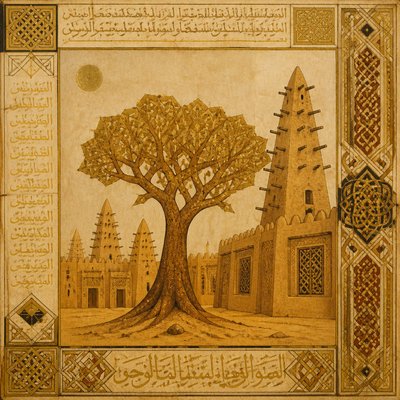
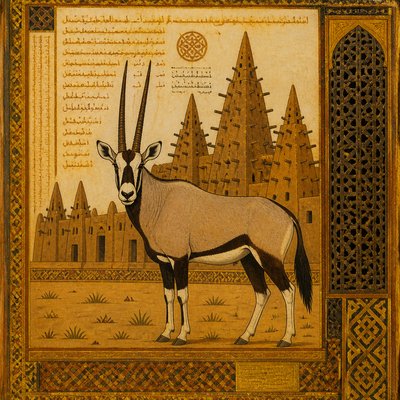
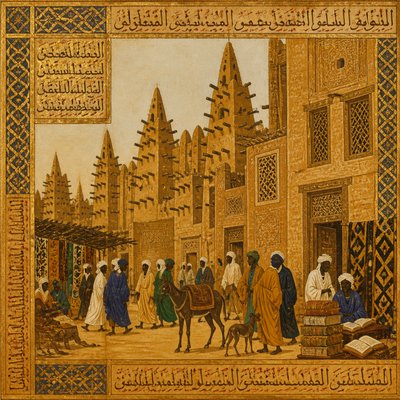
The Timbuktu Art Style is a contemporary aesthetic synthesis inspired by the manuscript culture, earthen architecture, and desert atmosphere associated with Timbuktu and the wider Sahel. It combines illuminated-page compositions, gold and ochre calligraphic marks, geometric interlace, carved wood screens, and monumental mudbrick forms beneath a pale, sunlit sky.
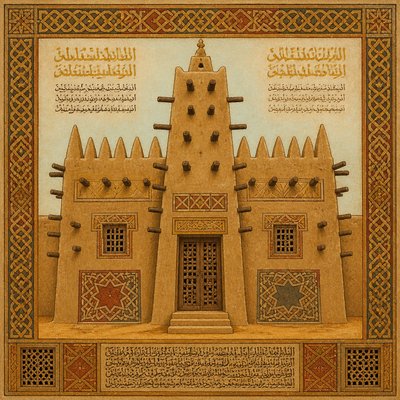
Its visual identity depends on the meeting of scholarship and architecture: a manuscript may be framed like a sacred building, while a mosque facade can be treated with the precision of an illustrated folio. Warm mineral colors, simplified silhouettes, repeated geometry, and textured surfaces suggest the region's sunlight, handmade materials, and long traditions of written learning without presenting the style as a single historical school.
Try It On Your Photos
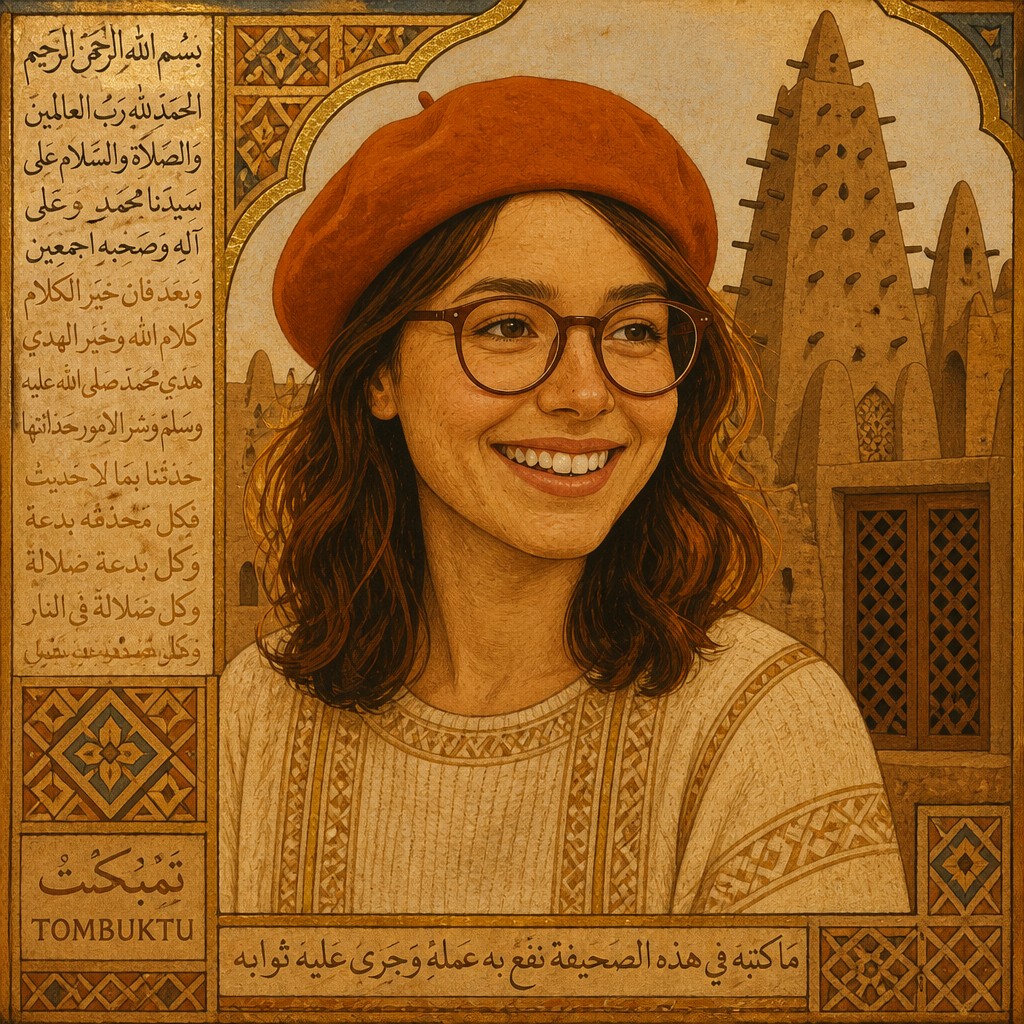
Upload any photo and convert it into Timbuktu Art Style — drag the sliders to compare before and after.

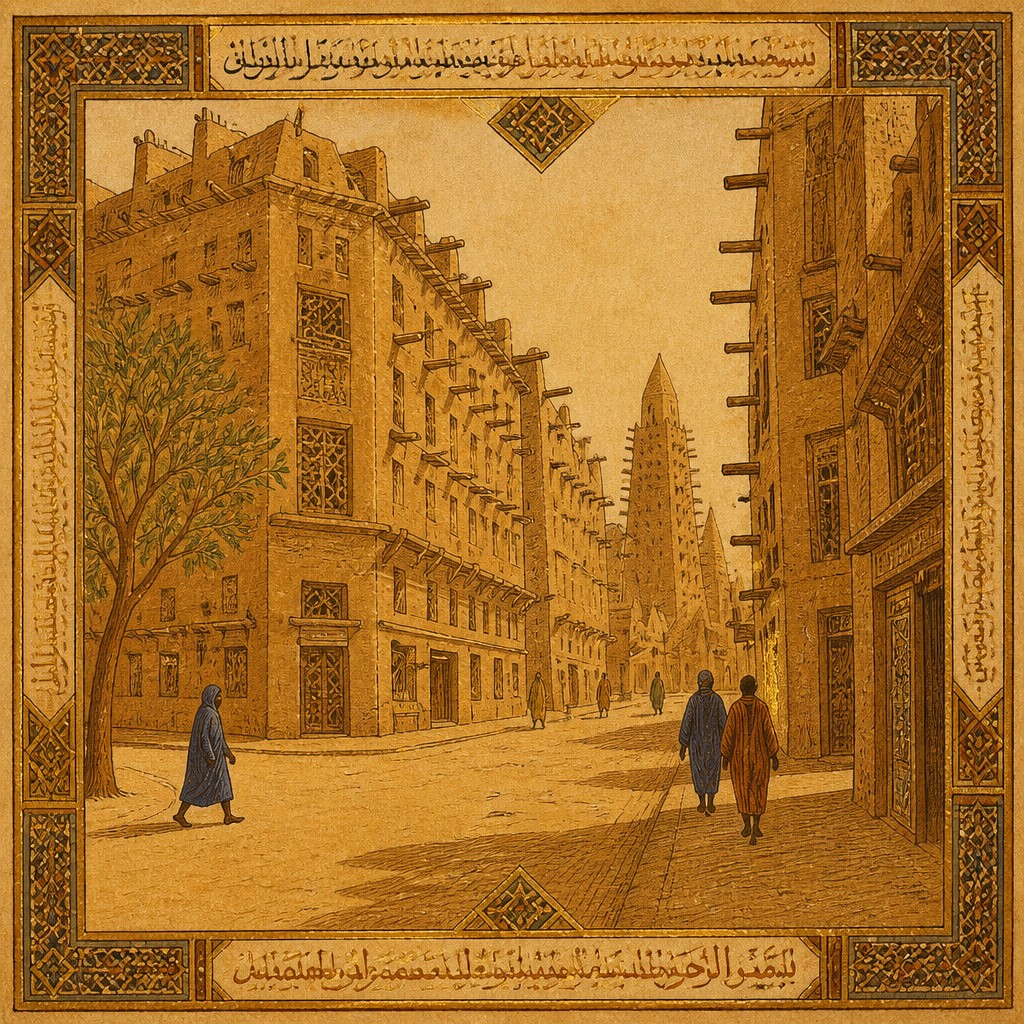

What Defines Timbuktu Art Style
The signature details, up close
Gold and ochre manuscript illumination
Pages and architectural details use restrained gold, ochre, umber, and rust accents to evoke illuminated manuscripts and mineral pigments. Gold works best as a selective highlight rather than a uniformly metallic surface.
Geometric interlace and calligraphic marks
Repeated borders, angular arabesques, lattice patterns, and flowing script-like forms organize the image. When readable text is not required, abstracted marks can suggest scholarship while avoiding fabricated quotations.
Sunbaked mudbrick architecture
Tapering towers, stepped profiles, heavy walls, and rough banco textures provide the style's architectural foundation. Projecting wooden beams, often called toron, create distinctive horizontal accents across earthen facades.
Warm desert palette
The dominant colors range from sand, clay, tan, and sienna to muted terracotta and deep brown, with limited indigo, charcoal, or verdant accents. The palette conveys heat, dust, age, and intense reflected sunlight.
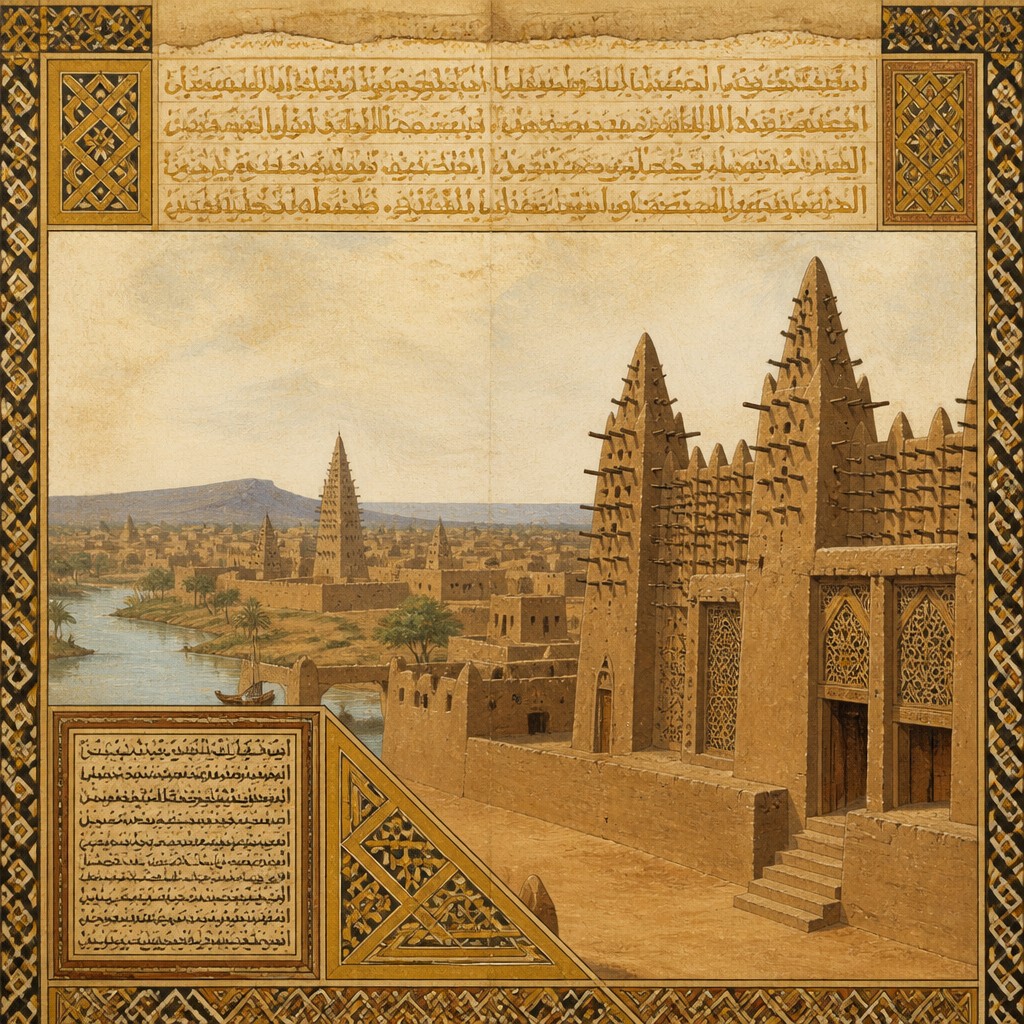
Pale atmospheric space
A nearly white, cream, or dusty blue sky contrasts with darker structures and gives scenes a spacious, dry luminosity. Atmospheric detail is usually sparse, keeping attention on form, pattern, and material.
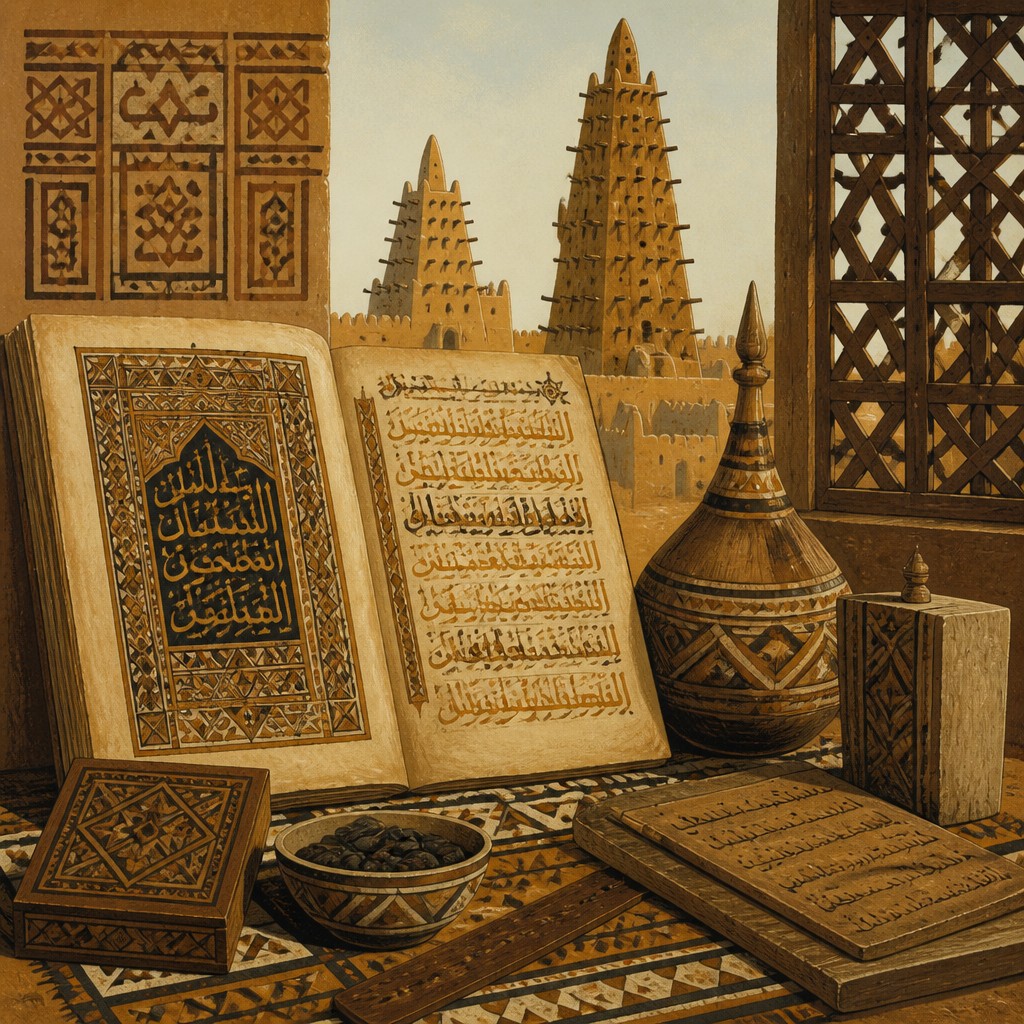
Carved wood and screen geometry
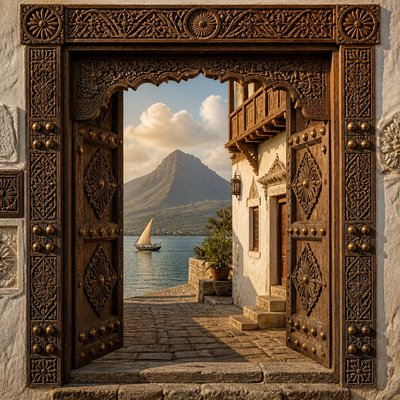
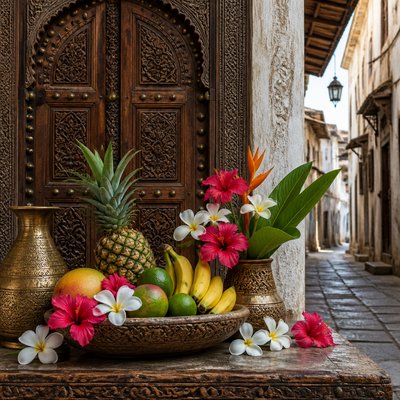
Fine lattice windows, pierced screens, beams, and doors introduce delicate linear detail against massive earthen surfaces. These elements create a balance between opacity and ventilation, enclosure and ornament.
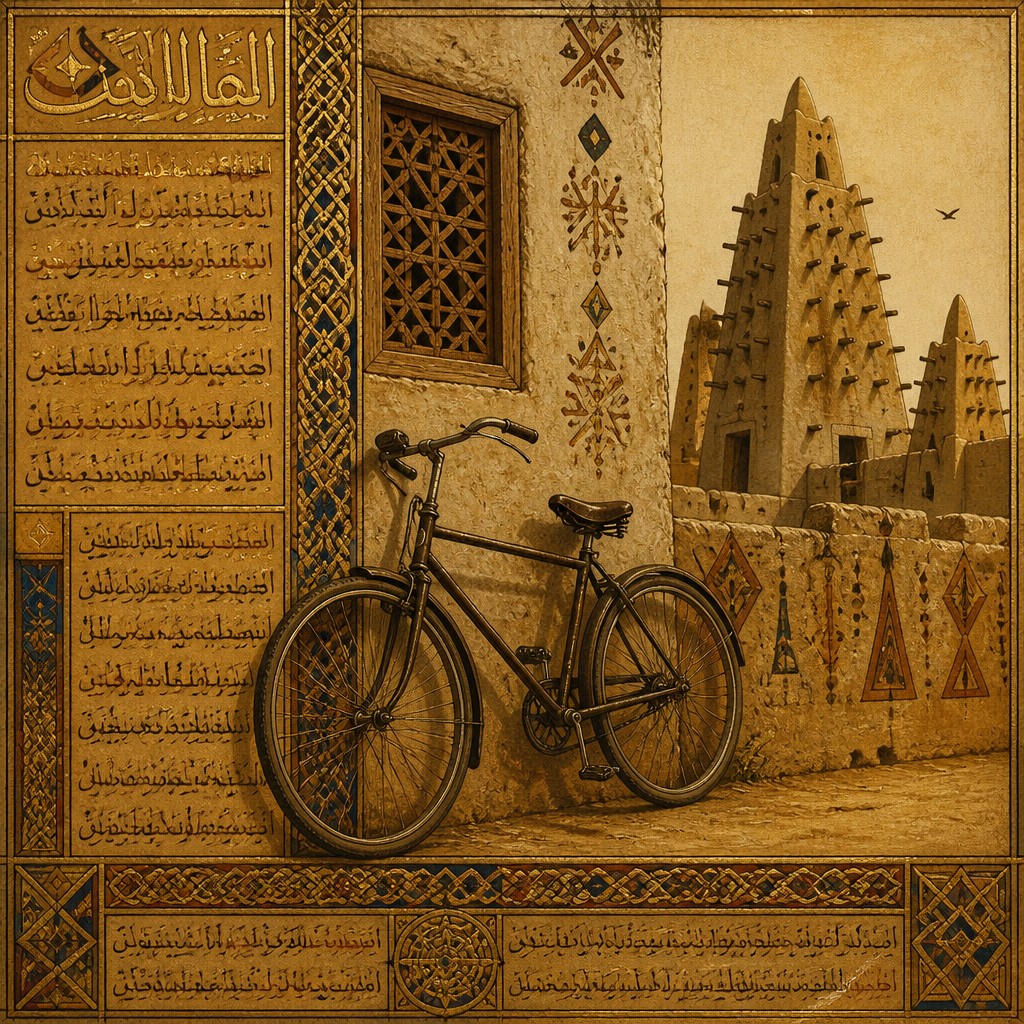
Flattened, emblematic composition
The style often favors frontal facades, stacked architectural planes, simplified perspective, and manuscript-like framing. Subtle texture and shadow add depth without abandoning the graphic clarity of an illustrated page.
Timbuktu Prompt Ideas
Start from an idea — each one opens the generator with the style ready to go. See all 40 Timbuktu prompts →
How to Create Timbuktu Art
Master the craft step by step — or skip straight to creating. Read the full guide →
- 1
Build an earthen material study
For traditional work, layer dry pigments, watercolor, gouache, or colored pencil in sand, clay, and umber tones, then add irregular marks to imitate banco and sun-weathered plaster. Keep edges slightly uneven so the architecture feels handmade rather than digitally sterile.
- 2
Design the composition like a folio
Begin with a central architectural or narrative subject, then surround it with a border, cartouche, or patterned margin. Use repeated geometry to structure the page while reserving gold or bright ochre for focal details.
- 3
Use beams, screens, and silhouettes
Add projecting wooden beams, carved doors, and fine latticework to distinguish the architecture from generic desert fantasy. Make towers readable as strong triangular or tapering silhouettes against a low-detail sky.
- 4
Control digital texture and light
In digital painting, combine a grainy plaster texture with crisp linework for borders and script, then apply warm directional light from above. Avoid excessive photorealism, neon colors, or glossy surfaces that weaken the manuscript-and-earth contrast.
- 5
Write precise generation instructions
Specify the subject, frontal or folio-like composition, mudbrick construction, projecting wooden beams, gold geometric borders, restrained desert palette, and pale sky. Ask for abstract or non-readable calligraphic marks when exact text is not important, and name unwanted elements such as modern signage or generic medieval European architecture.
The Story
History & Origins of Timbuktu
This is an invented, contemporary style name rather than a documented historical movement from Timbuktu. Its aesthetic lineage draws on the medieval and early modern manuscript traditions of West Africa, the scholarly culture of Timbuktu, and Sudano-Sahelian architecture built from banco, an earthen construction material.
Timbuktu became an important center of trans-Saharan trade, Islamic learning, and manuscript production from roughly the 12th through 16th centuries, with written works preserved in Arabic and other regional contexts. The style also references earthen mosques with tapering towers, projecting wooden beams used in construction and maintenance, patterned plaster surfaces, and regional geometric design traditions. Contemporary digital art often recombines these elements into an atmospheric visual language rather than reproducing one exact building or manuscript tradition.
Influences: The style relates to West African manuscript illumination, Islamic geometric ornament, Sudano-Sahelian earthen architecture, vernacular mudbrick construction, carved woodwork, and the graphic framing of medieval illustrated books. It also shares qualities with gouache illustration, color-field simplification, architectural drawing, and contemporary cultural-fusion digital art, while remaining distinct from European medieval illumination, generic Orientalist desert imagery, and purely photorealistic architectural visualization.
Frequently Asked Questions
Is the Timbuktu Art Style a historical art movement?
No. It is a contemporary style label that synthesizes visual references connected with Timbuktu, West African manuscripts, and Sahelian architecture. Timbuktu itself has a documented history of scholarship, manuscript preservation, trade, and earthen building, but there was not one formally named historical movement called the Timbuktu Art Style.
What defines the Timbuktu Art Style?
Its defining combination is illuminated manuscript structure, gold and ochre ornament, geometric borders, sunbaked mudbrick architecture, projecting wooden beams, carved screens, and a warm desert palette. Strong frontal compositions and pale atmospheric skies reinforce the sense of a scholarly architectural tableau.
How is it different from generic desert or Islamic art?
The style is more specifically rooted in the Sahelian relationship between earthen construction, wood elements, manuscript culture, and intense desert light. It should avoid undifferentiated exotic imagery by using recognizable material details such as banco texture, toron-like beams, local architectural massing, and manuscript-inspired framing.
Can portraits or modern subjects be made in this style?
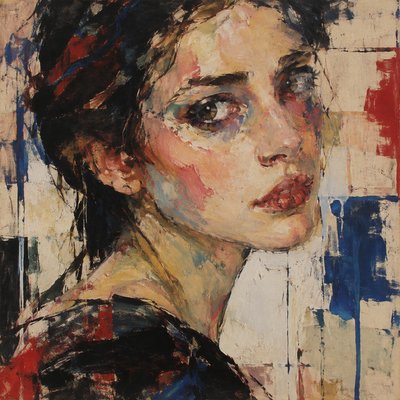
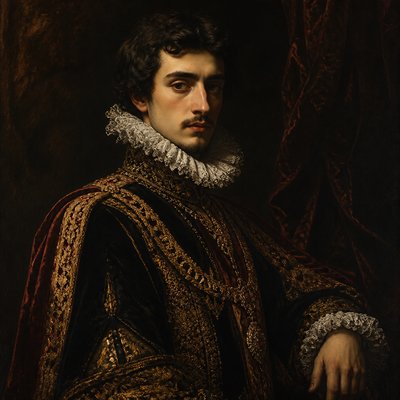
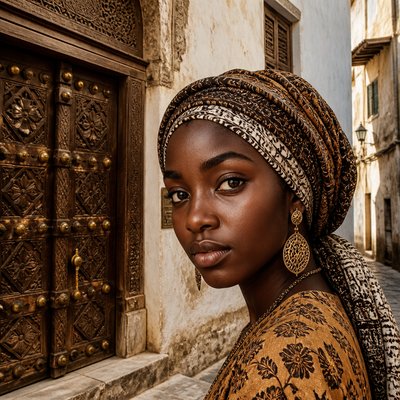
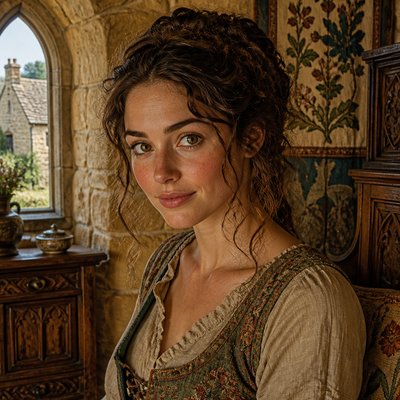
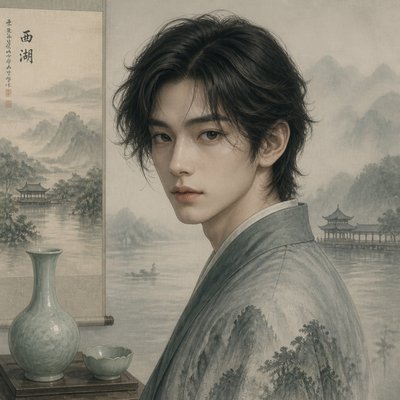
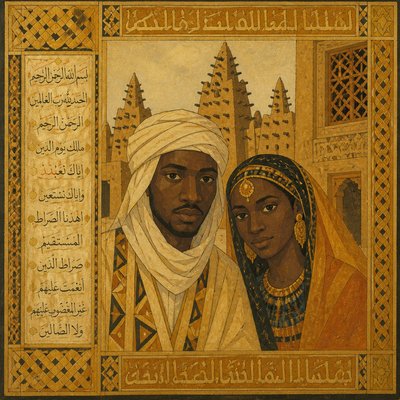
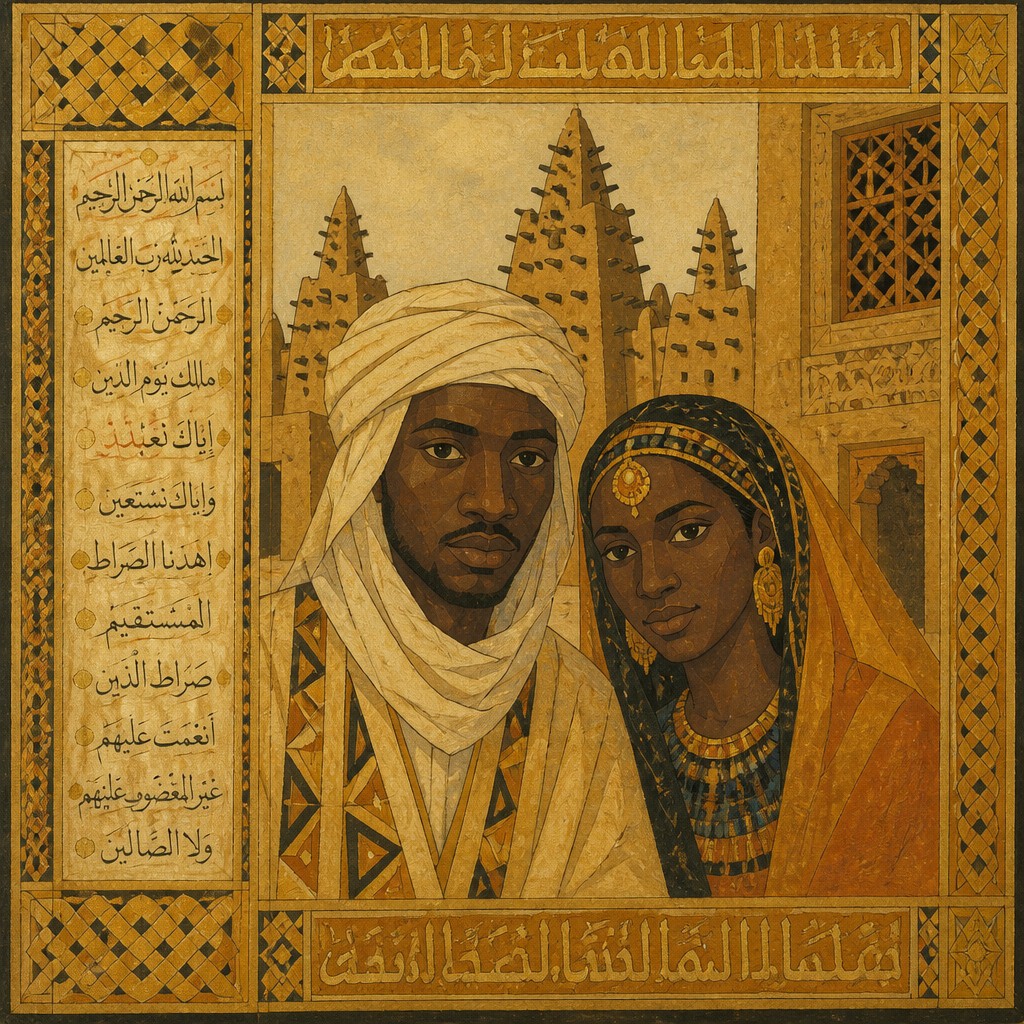
Yes. A portrait can be framed by manuscript borders, rendered with mineral colors, and placed against a mudbrick or carved-wood setting. Modern clothing, scientific instruments, vehicles, or city scenes can also work when the palette, geometry, and material treatment remain consistent.
How can I create this style traditionally?
Use watercolor, gouache, ink, colored pencil, or dry pigment on textured paper. Establish the architecture or subject in simplified shapes, add interlaced borders and calligraphic marks, then build earthen texture with layered translucent washes and reserve metallic or yellow-gold accents for important details.
What should I include in a prompt for this look?
Describe the subject first, then specify a folio-like composition, illuminated manuscript borders, gold and ochre ornament, sunbaked mudbrick, projecting wooden beams, carved lattice screens, and a warm sandy palette. If accurate writing is not needed, request abstract calligraphic marks rather than implying a specific historical document.
Create your first Timbuktu artwork
Describe anything — or upload a photo — and see it in Timbuktu Art Style in seconds.
Related Styles
Discover similar art styles