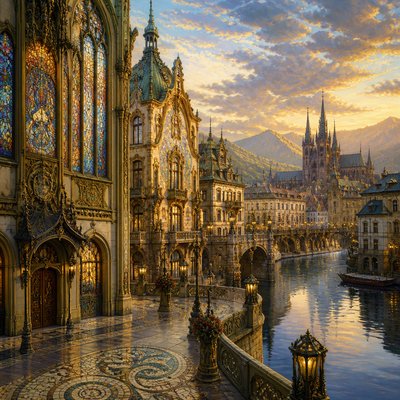
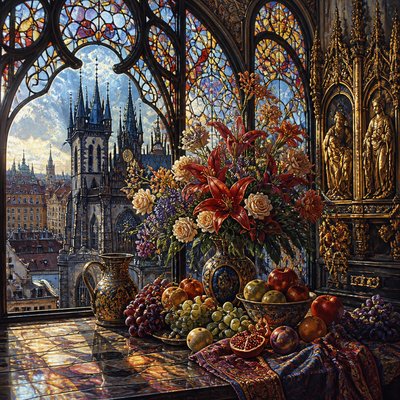
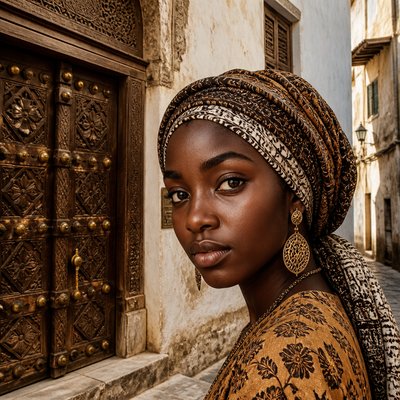
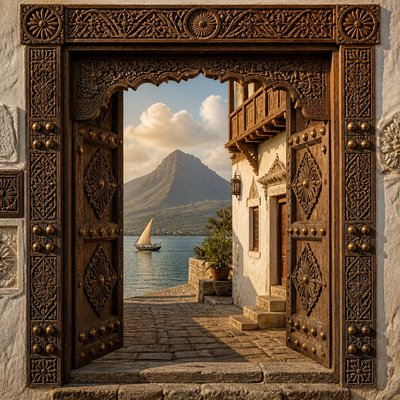
Tabriz Art Style
Explore Tabriz art: Persian miniature painting with luminous gold, crimson detail, courtly figures, rocky landscapes, and manuscript ornament.
Instantly rendered in Tabriz — or transform a photo
Tabriz Gallery
Tap any artwork to explore it
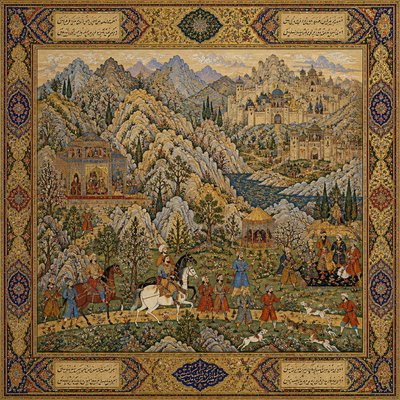
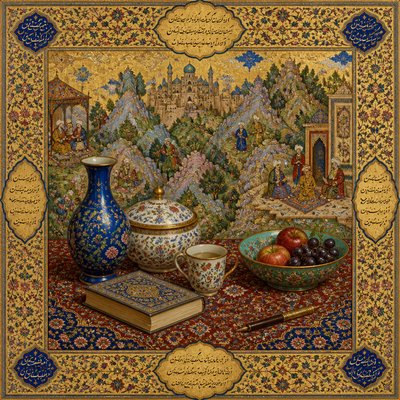
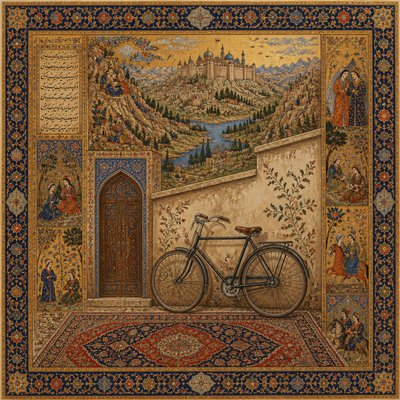
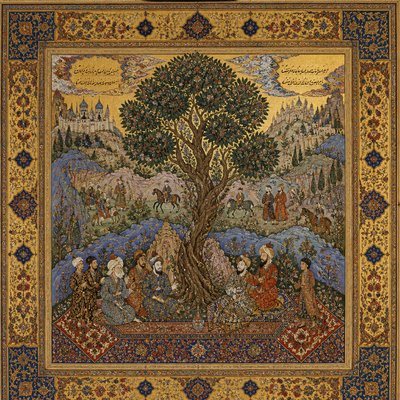
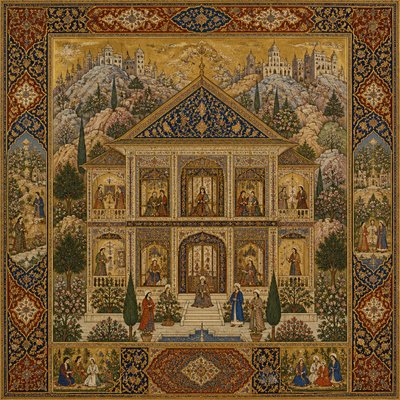
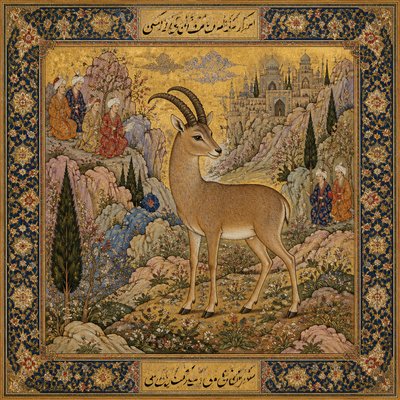
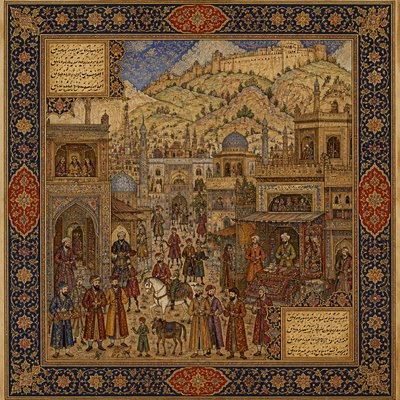
What is Tabriz Art Style?
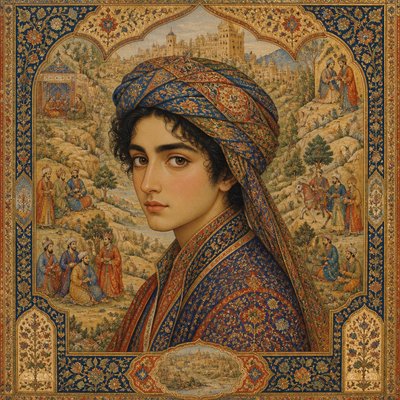
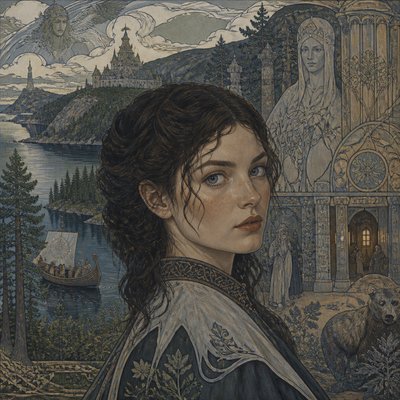
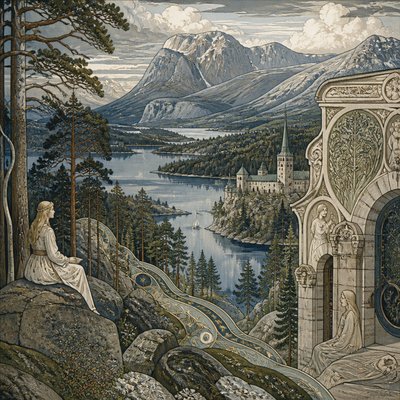
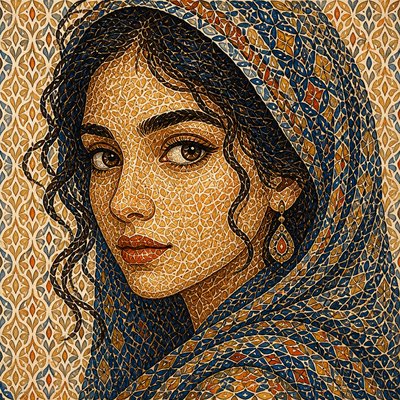
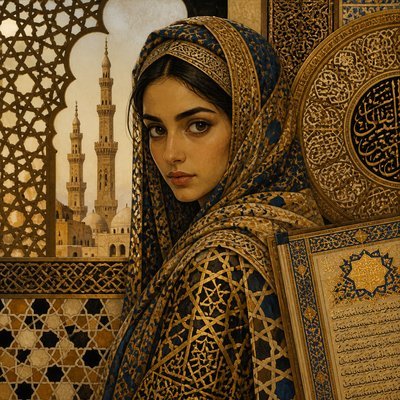
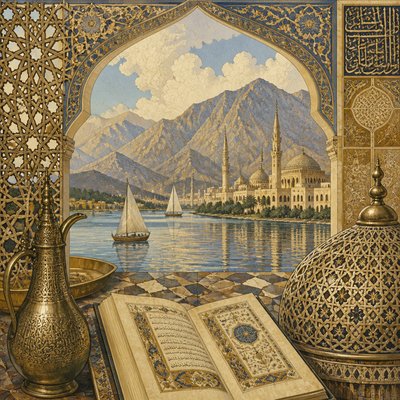
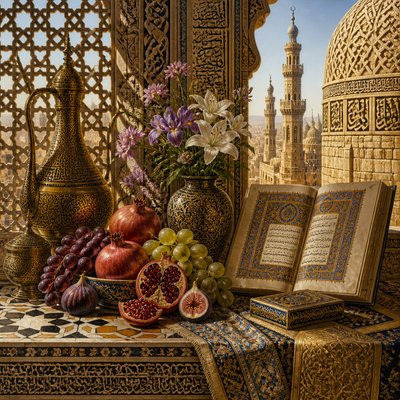
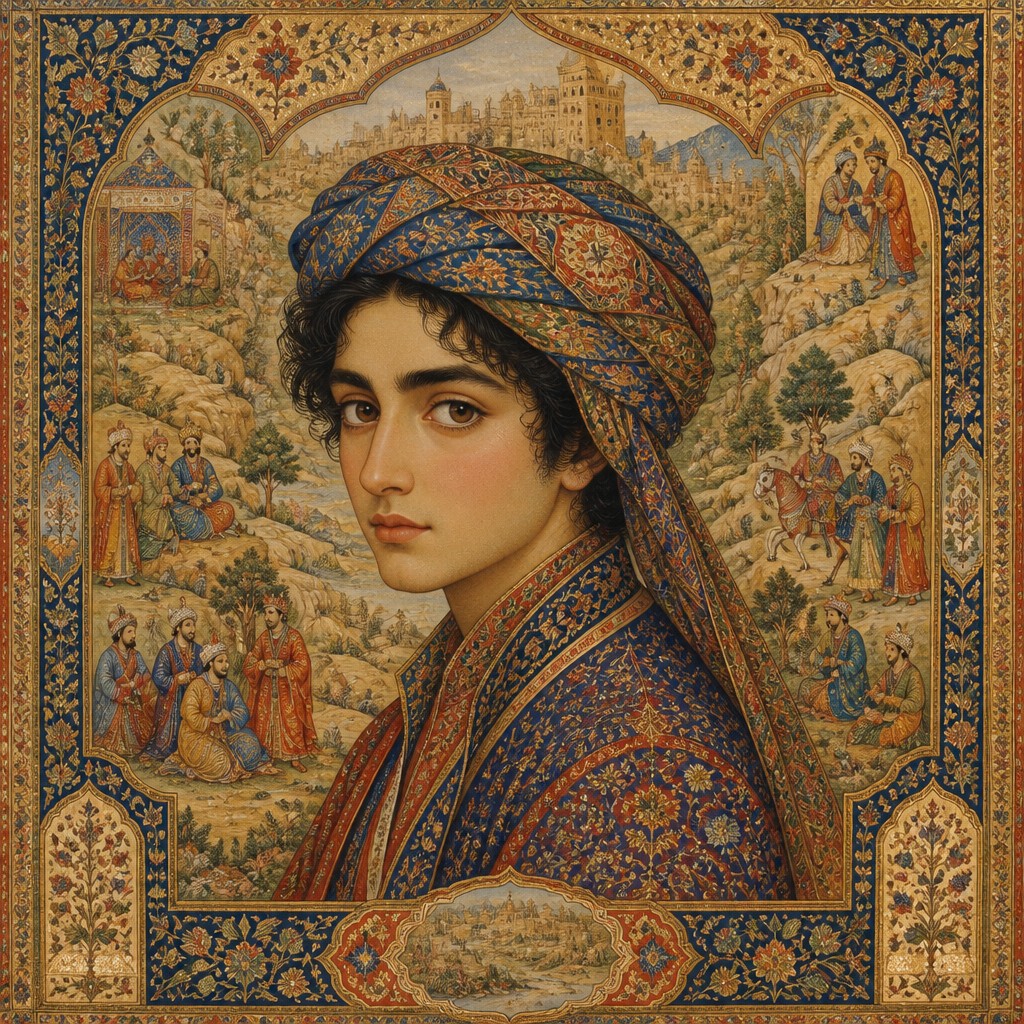
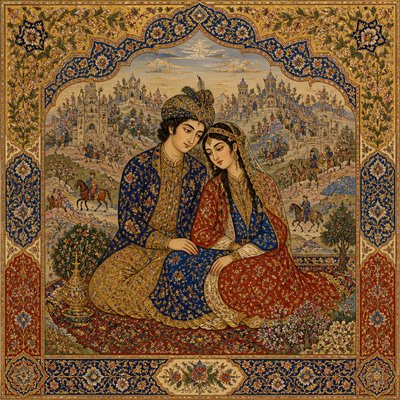
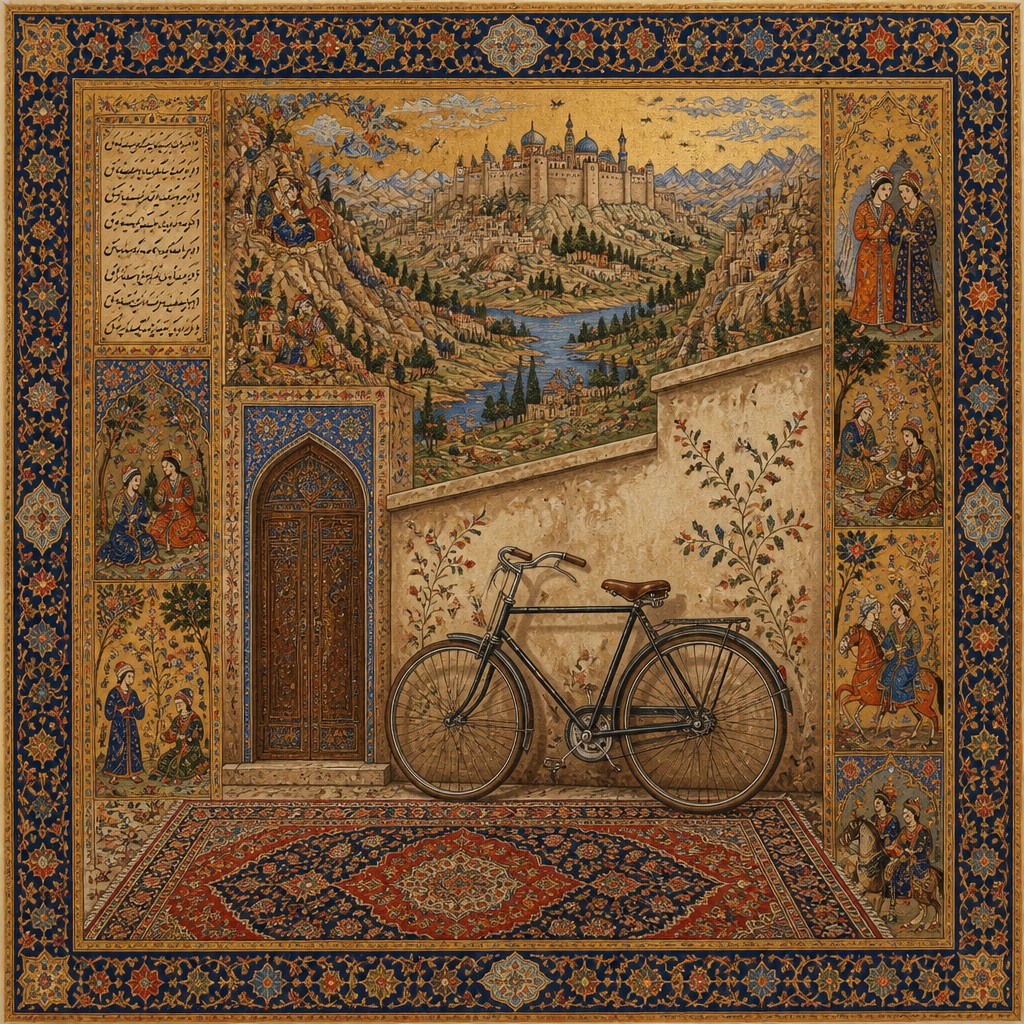
Tabriz art style refers primarily to the Persian miniature tradition associated with Tabriz, a major cultural center in northwestern Iran. It is recognized for densely arranged manuscript scenes, jewel-like color, precise brushwork, decorative landscapes, elegant figures, and extensive illumination in gold. Rather than relying on deep naturalistic perspective, the style organizes space through overlapping forms, tiered terrain, architectural structures, and carefully balanced ornamental patterns.
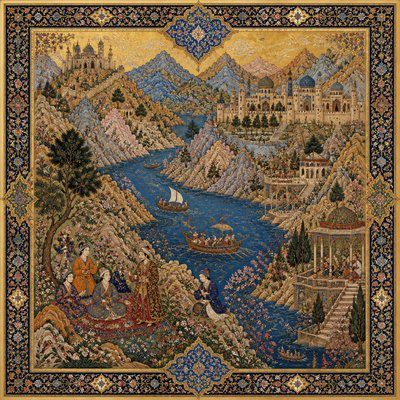
Its visual identity combines narrative clarity with surface richness. Crimson, indigo, turquoise, emerald, cream, and burnished gold appear in patterned robes, carpets, floral borders, rock formations, and architectural details. Scenes often feel both intimate and expansive: courtly figures occupy a highly ordered world of gardens, pavilions, fortified cities, distant mountains, and fantastical rocky outcrops, all framed as part of a unified manuscript page.
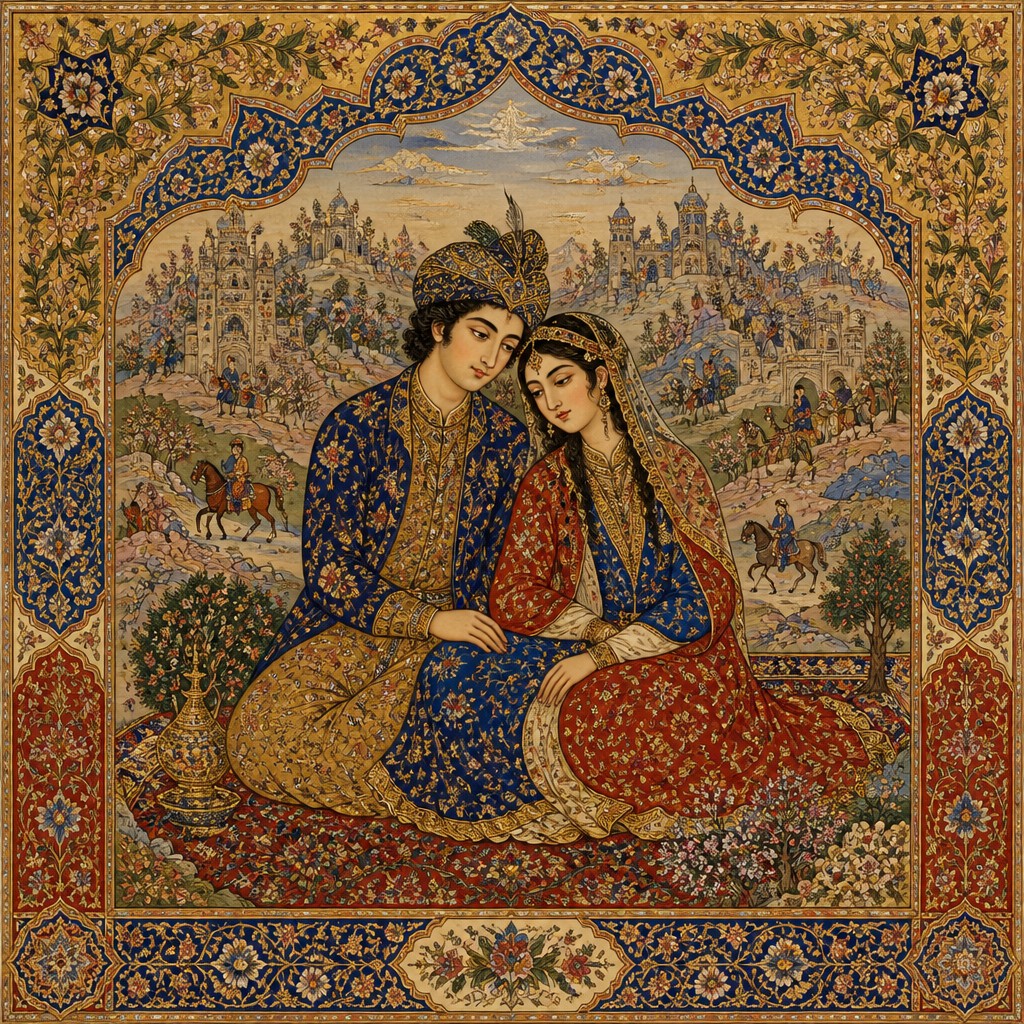
Try It On Your Photos
Upload any photo and convert it into Tabriz Art Style — drag the sliders to compare before and after.
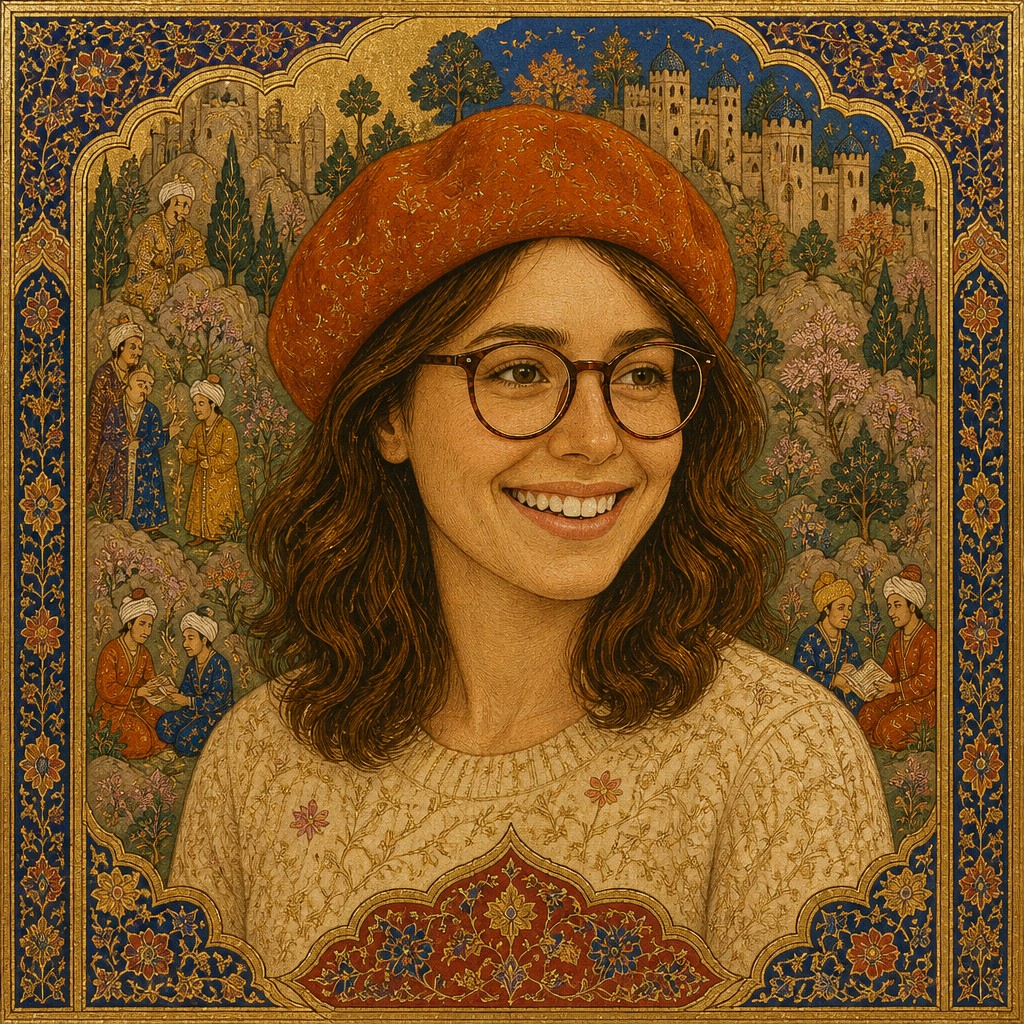

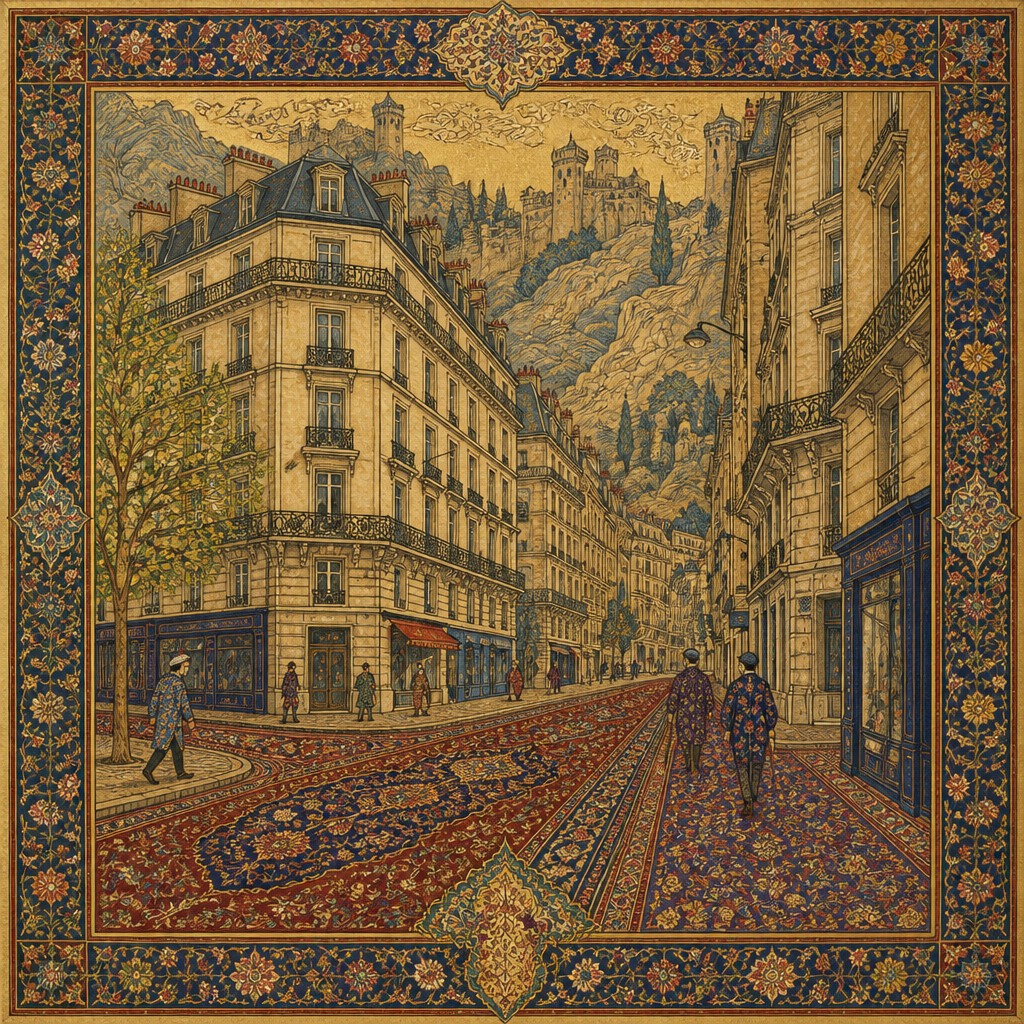

What Defines Tabriz Art Style
The signature details, up close
Luminous manuscript palette
Gold leaf or gold pigment is integrated with saturated crimson, indigo, turquoise, green, ivory, and black. Colors are applied as distinct, carefully controlled areas rather than blended into atmospheric gradients.
Tiered rocky landscapes
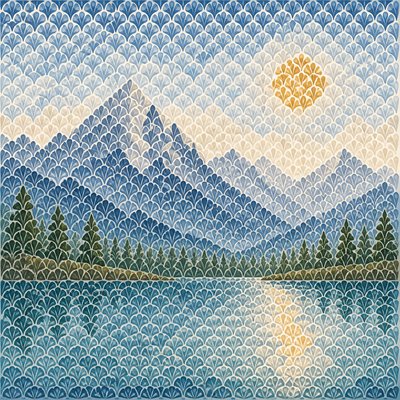
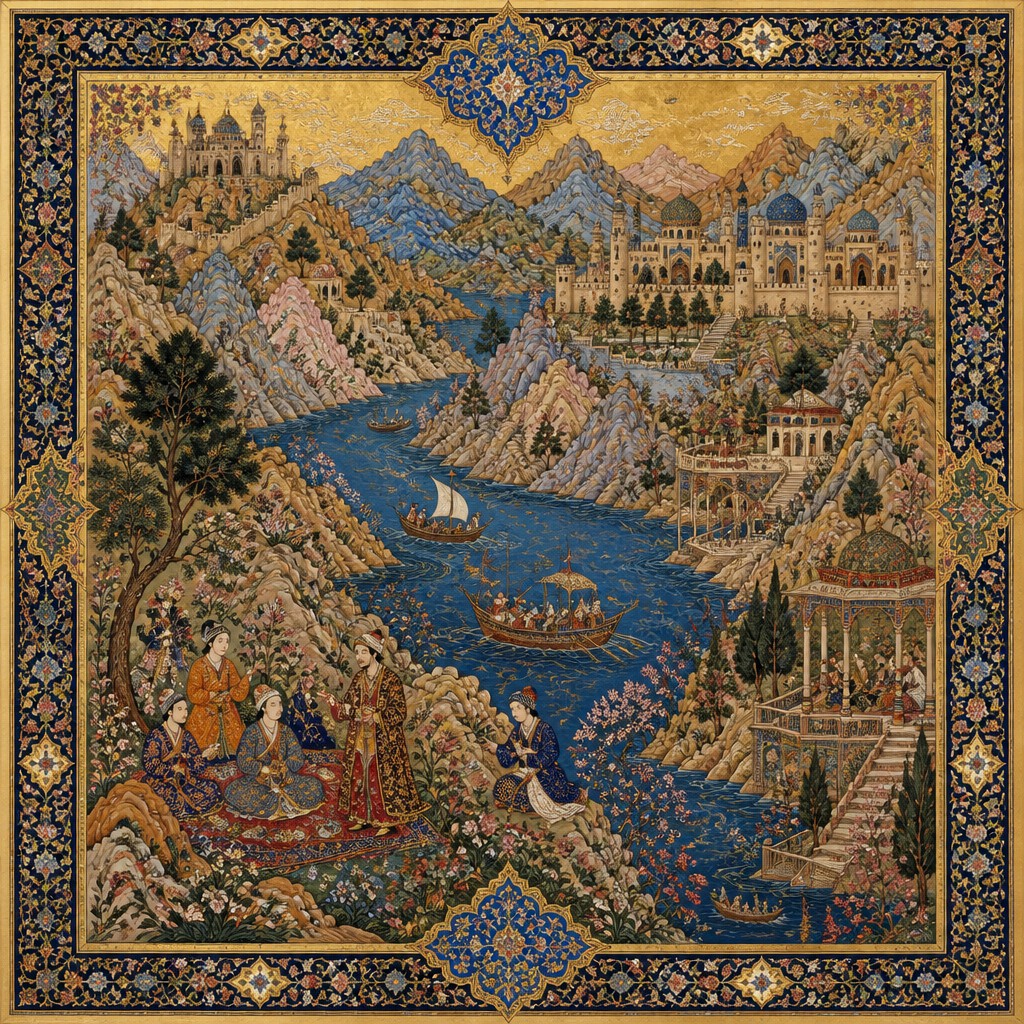
Mountains and rock formations are arranged in stacked layers, often with curling or crystalline contours. These decorative terrains create depth without following one-point perspective.
Courtly narrative figures
Elegant figures appear in profile or three-quarter view, with finely drawn faces, gestures, and flowing patterned robes. Their scale and placement guide the viewer through stories of court life, hunting, romance, battle, or legend.
Dense surface pattern
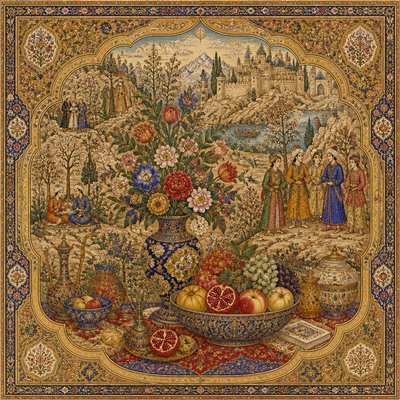
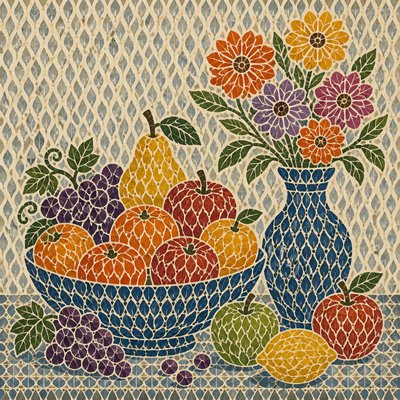
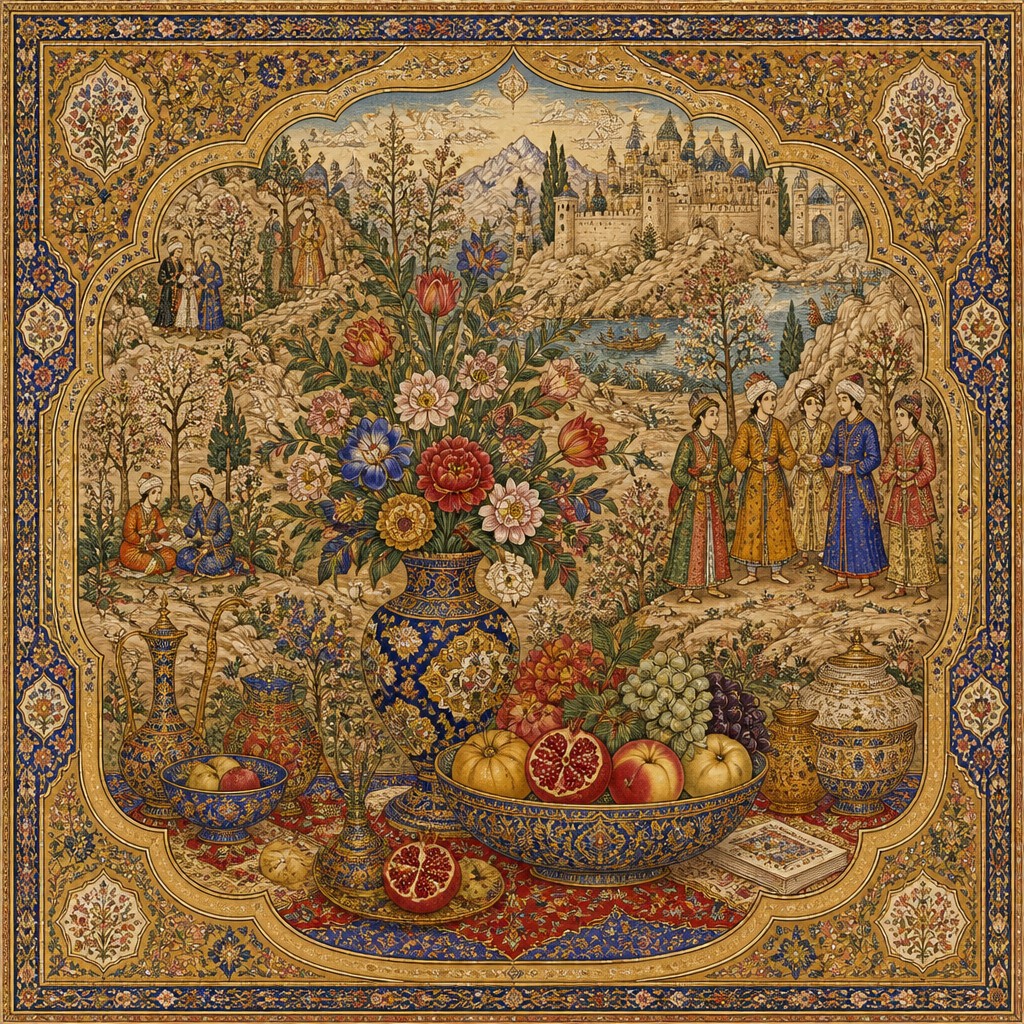
Carpets, textiles, foliage, masonry, and clothing carry repeated motifs such as arabesques, floral sprays, geometric designs, and vine patterns. Ornament unifies the entire page instead of being limited to isolated details.
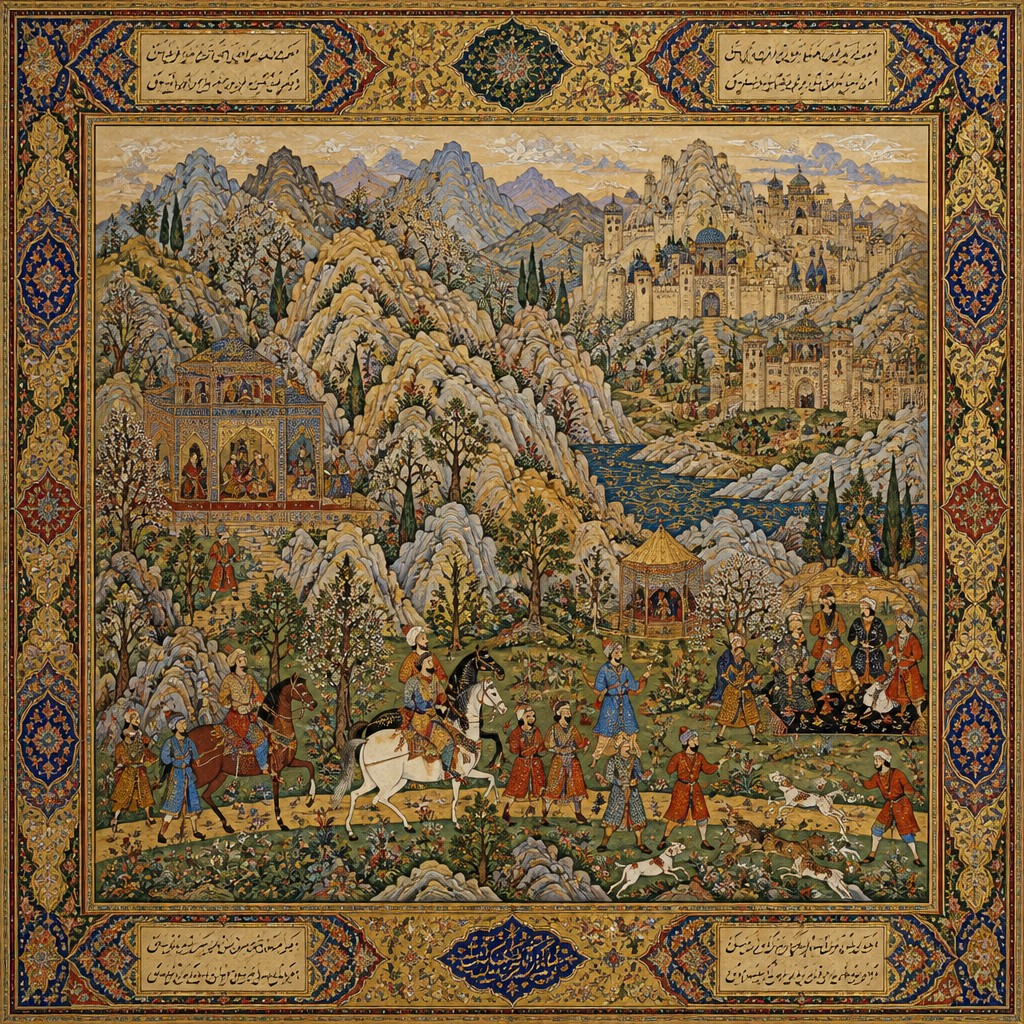
Illuminated borders
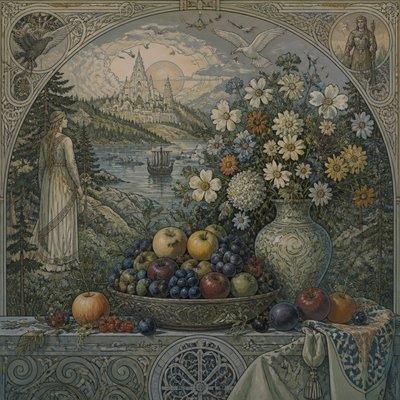
Decorative frames use fine linework, floral vines, arabesques, medallions, and gold accents to surround the painted panel or integrate it with calligraphic text. The border is an active compositional element.
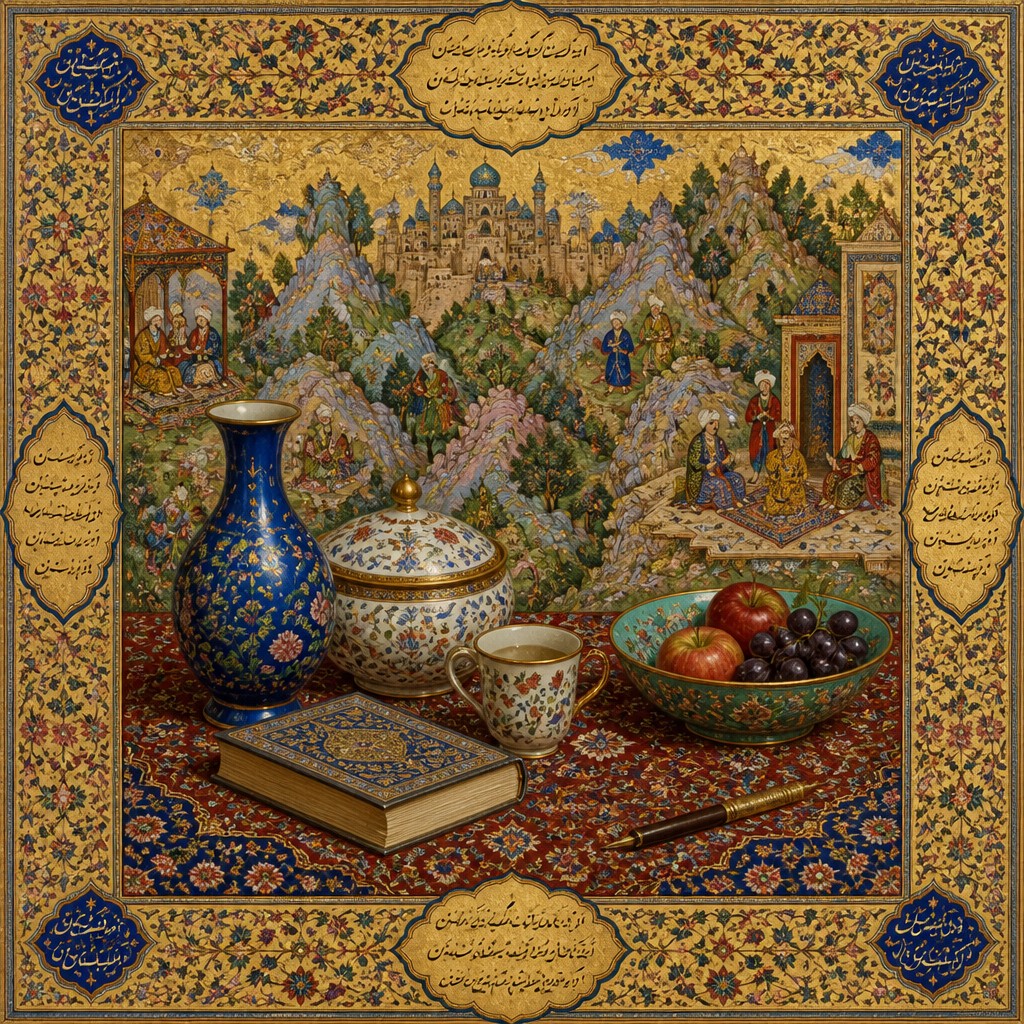
Compressed spatial composition
Multiple events, locations, or architectural levels may occupy one image. Overlapping forms and elevated viewpoints allow a complete narrative environment to fit within the dimensions of a manuscript page.
Delicate linear finish
Fine contour lines define faces, garments, plants, rocks, and buildings with controlled precision. The overall effect is intricate and ornamental while retaining clear storytelling.
Tabriz Prompt Ideas
Start from an idea — each one opens the generator with the style ready to go. See all 40 Tabriz prompts →
How to Create Tabriz Art
Master the craft step by step — or skip straight to creating. Read the full guide →
- 1
Build the composition in tiers
Sketch a compact narrative scene using overlapping foreground, middle-ground, and elevated background zones. Replace realistic vanishing-point perspective with stacked rocks, terraces, gardens, pavilions, and distant fortresses.
- 2
Use opaque jewel colors
Work with flat, carefully separated areas of crimson, indigo, turquoise, emerald, cream, and black, then reserve gold for highlights and borders. In traditional media, opaque watercolor or gouache on a prepared paper surface can approximate the controlled finish.
- 3
Draw ornament before final detail
Plan repeating floral vines, carpet motifs, textile patterns, and arabesques across robes, architecture, and borders. Use a very fine brush or digital linework layer so patterns remain crisp without obscuring the figures.
- 4
Frame the painted panel
Add a manuscript-like border with nested lines, floral sprays, medallions, and restrained gold accents. Keep the frame visually connected to the interior through repeated colors and motifs.
- 5
Control the digital finish
Use textured paper, subtle pigment variation, and a limited palette rather than soft photographic shading. For digital or AI-assisted creation, specify manuscript illumination, fine linear detail, compressed perspective, patterned robes, tiered rocks, and gold-accented borders while excluding modern typography and photorealism.
The Story
History & Origins of Tabriz
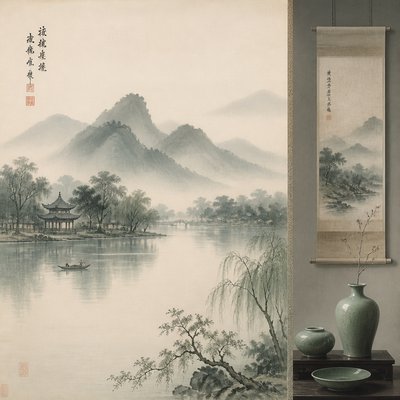
The Tabriz school developed through the Persianate manuscript culture of northwestern Iran, especially around Tabriz during the Ilkhanid, Timurid, and Safavid periods. Tabriz was connected to extensive artistic exchanges across Iran, Central Asia, Anatolia, and the wider Islamic world, allowing local painters and illuminators to absorb Chinese-derived landscape conventions, courtly imagery, calligraphic design, and regional decorative traditions.
The style reached particular refinement in the early modern Safavid period, when royal manuscript workshops produced richly illustrated literary and historical texts. Tabriz painting is not a single unchanging formula: earlier phases tend toward bold narrative compositions and monumental forms, while later courtly production often displays finer figures, more elaborate ornament, sophisticated color harmonies, and highly finished illumination.
Influences: Tabriz art is related to the broader Persian miniature and Islamic manuscript illumination traditions, while also reflecting exchanges with Timurid painting, Ilkhanid visual culture, Central Asian court art, and Chinese-influenced landscape conventions. Its decorative language connects to arabesque ornament, Persian textile and carpet design, calligraphic page architecture, and the broader Persianate tradition of illustrated epic and literary manuscripts.
Frequently Asked Questions
What defines the Tabriz art style?
It is defined by finely drawn Persian miniature scenes, luminous manuscript illumination, jewel-like colors, tiered rocky landscapes, elegant courtly figures, and dense floral or geometric ornament. Gold borders and patterned surfaces are especially important to its visual identity.
Is Tabriz art the same as Persian miniature painting?
Tabriz art is a regional and historical branch of the broader Persian miniature tradition, not a synonym for every Persian miniature. It refers particularly to artistic production connected with Tabriz and its manuscript workshops, whose forms changed across Ilkhanid, Timurid, and Safavid periods.
How does it differ from Mughal miniature painting?
Both traditions share Persianate manuscript techniques and courtly subjects, but Tabriz painting often emphasizes ornamental compression, stylized rock formations, and richly patterned page design. Mughal painting more frequently developed toward individualized portraiture, botanical observation, and stronger naturalistic modeling, although the traditions influenced one another.
What materials are traditionally used?
Traditional Persian miniatures use finely prepared paper, opaque water-based pigments, mineral and organic colors, ink, and gold or other metallic embellishments. Very fine brushes and controlled layering are used to define faces, textiles, foliage, architecture, and decorative borders.
Can modern artists create Tabriz-inspired work?
Yes, artists can adapt its compositional principles, palette, ornament, and manuscript format in watercolor, gouache, ink, vector art, or digital painting. A respectful approach preserves the visual logic of the tradition rather than adding only superficial gold effects to an otherwise realistic image.
Where is this style commonly used today?
Tabriz-inspired imagery appears in book illustration, calligraphy projects, cultural publications, historical visualization, animation, editorial design, textiles, and decorative art. It is also used for contemporary compositions that reinterpret Persian literary, architectural, or landscape themes.
Create your first Tabriz artwork
Describe anything — or upload a photo — and see it in Tabriz Art Style in seconds.
Related Styles
Discover similar art styles