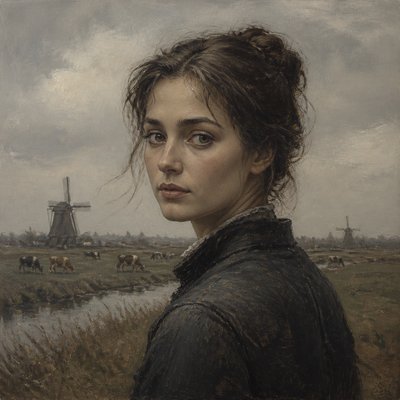
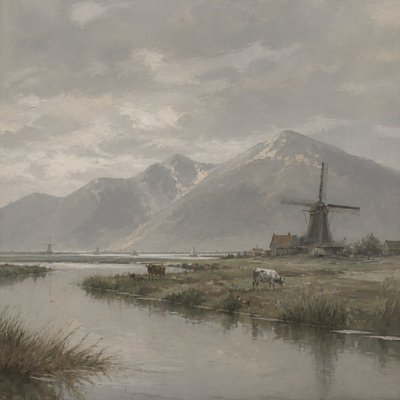
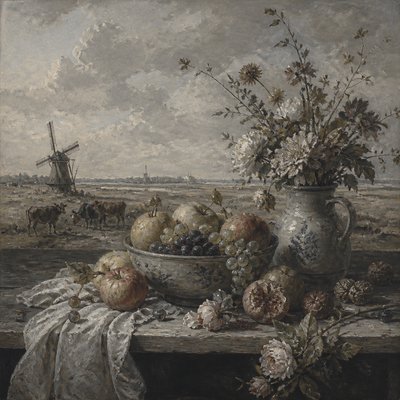
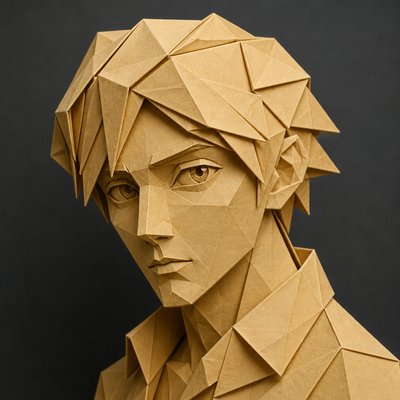
Singaporean Art Style
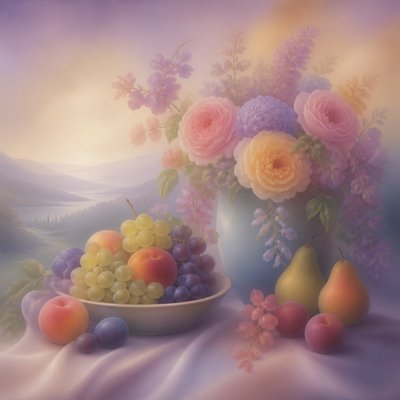
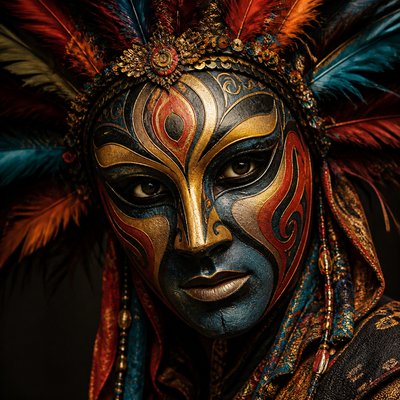
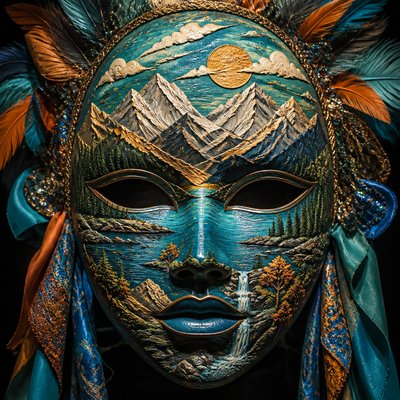
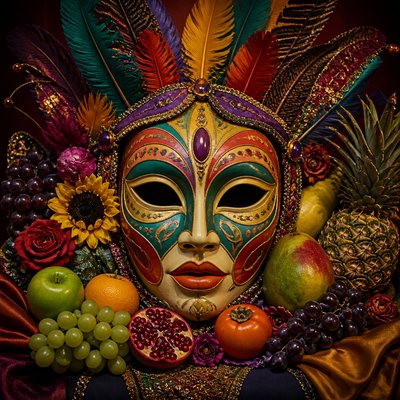
Explore Singaporean Art Style: Nanyang ink, Peranakan tiles, tropical forms, shophouses, and golden harbor light in a modern fusion.
Instantly rendered in Singaporean — or transform a photo
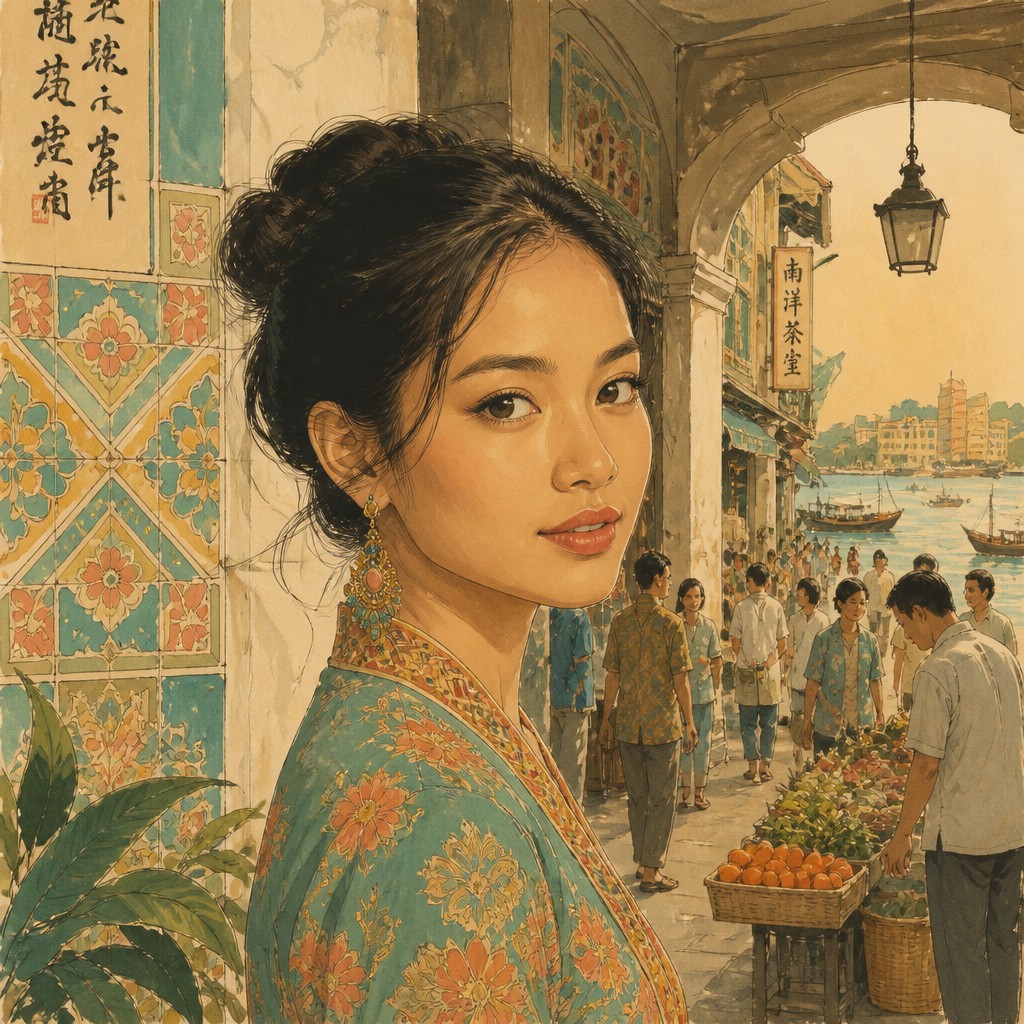
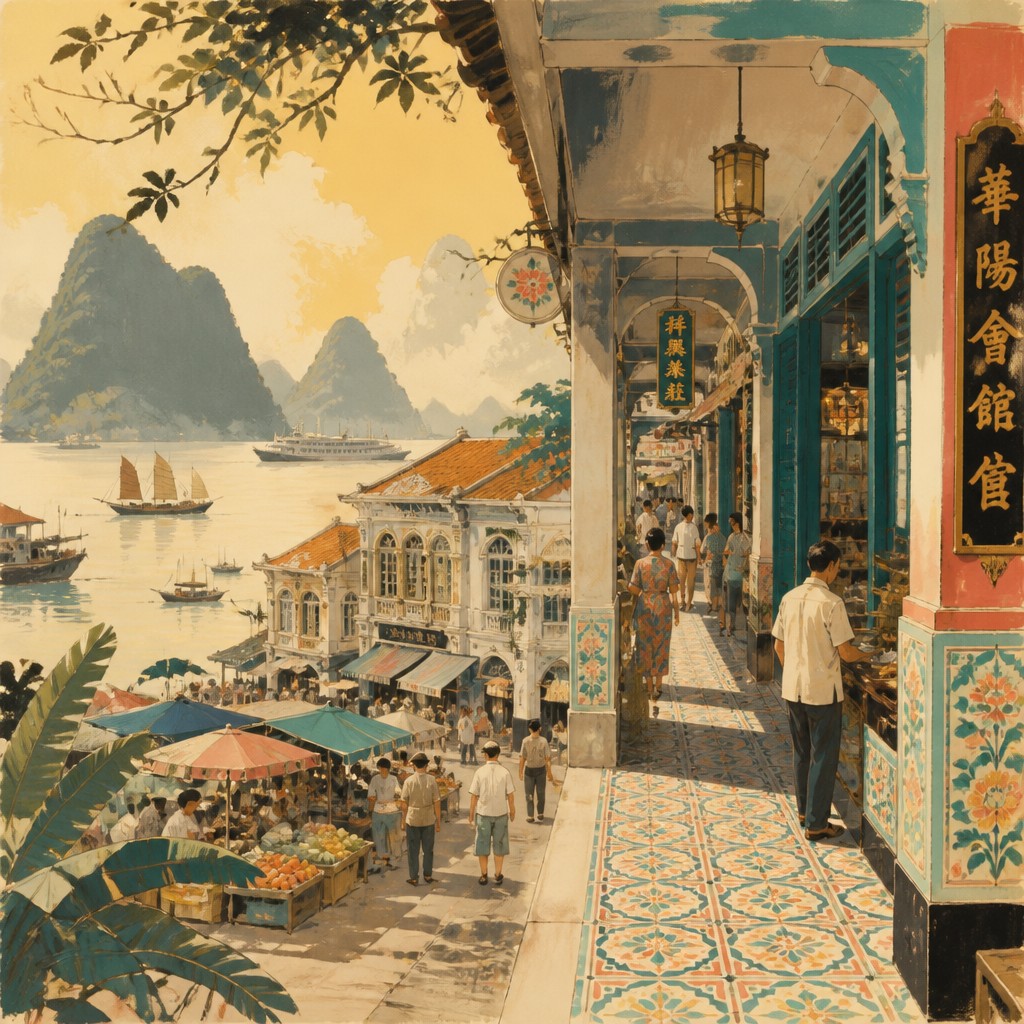
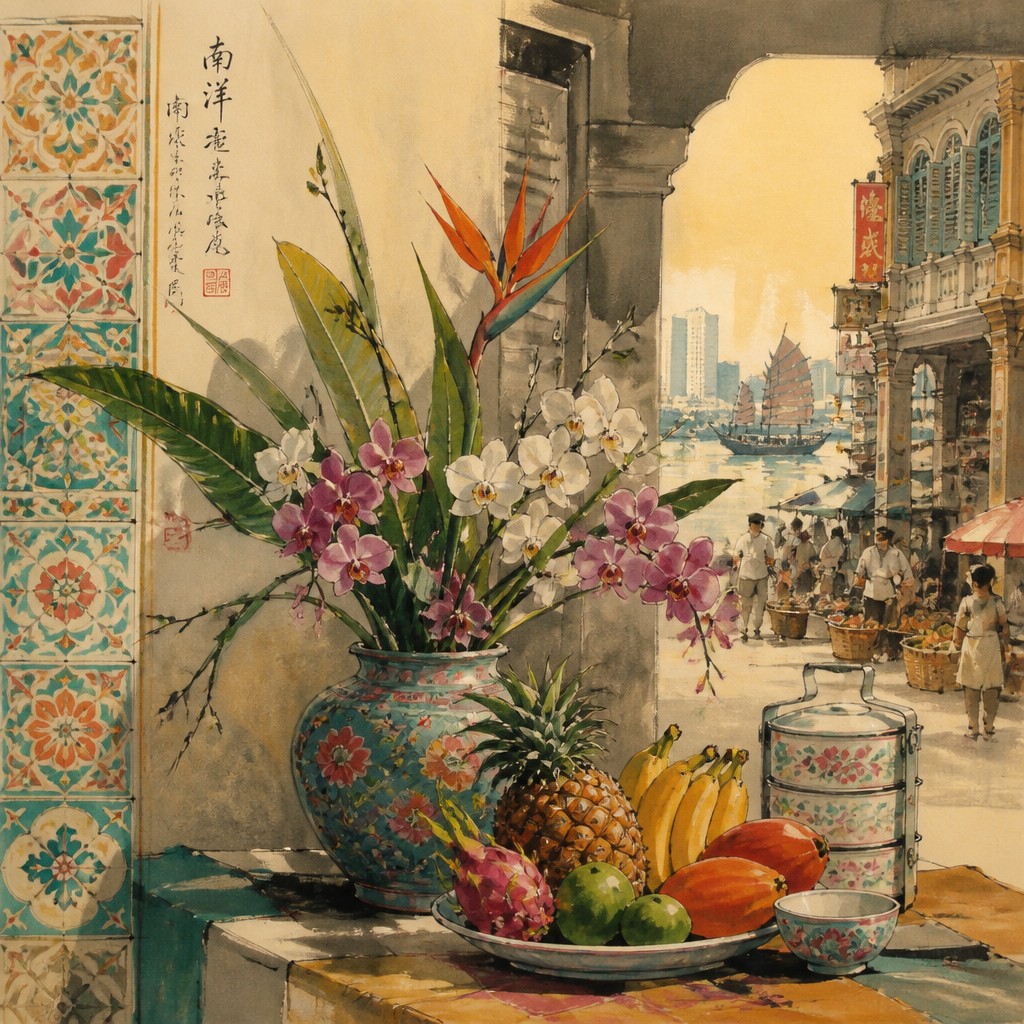
Singaporean Gallery
Tap any artwork to explore it
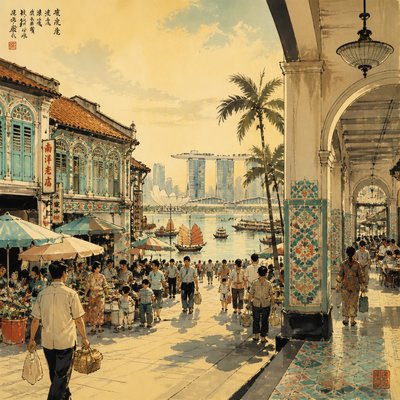
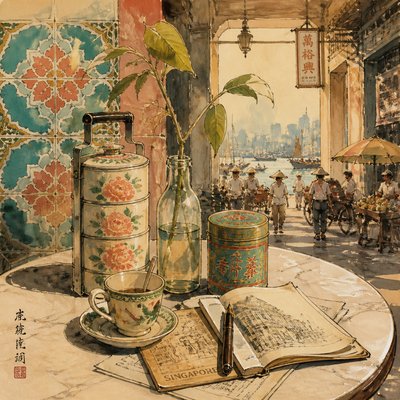
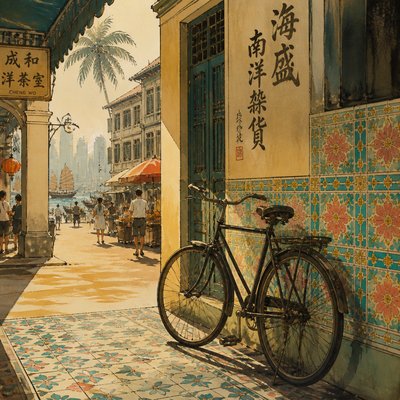
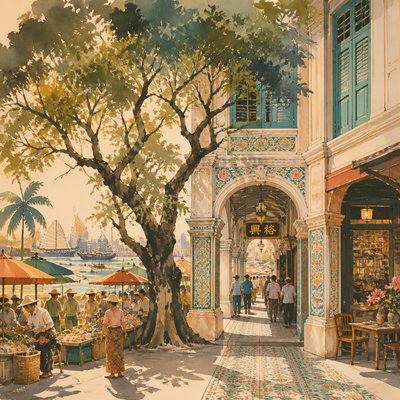
What is Singaporean Art Style?
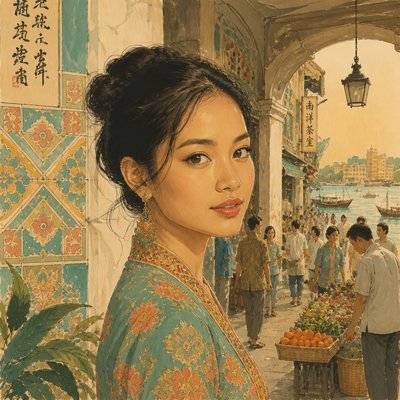
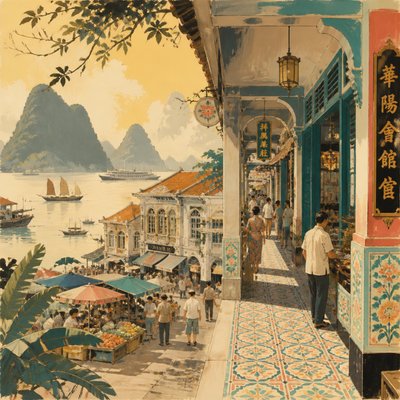
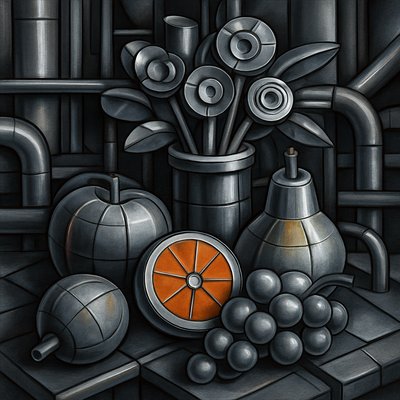
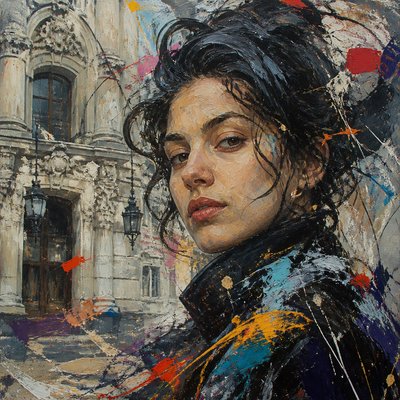
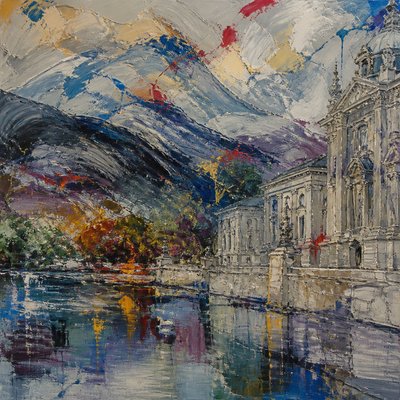
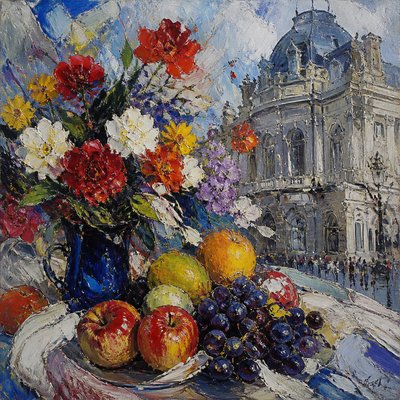
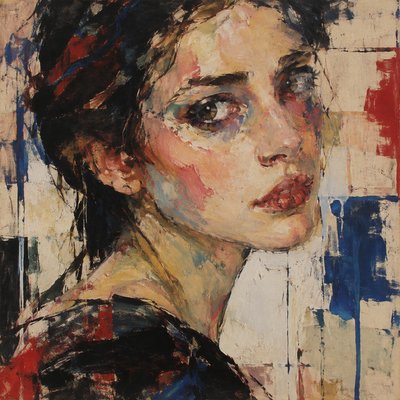
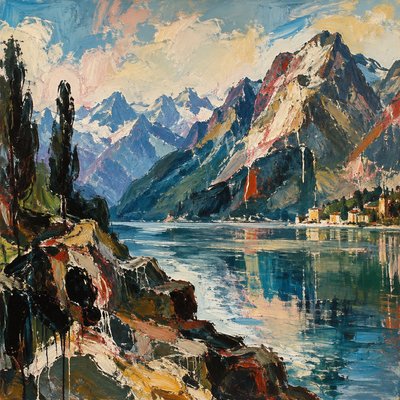
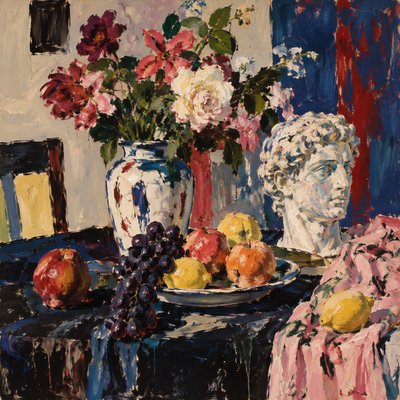
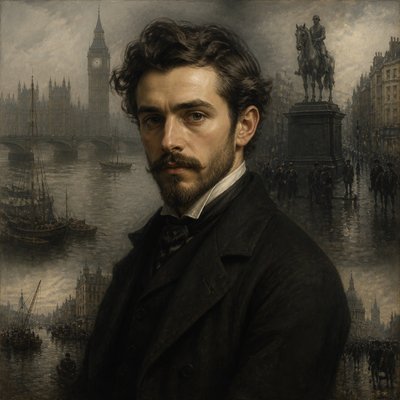
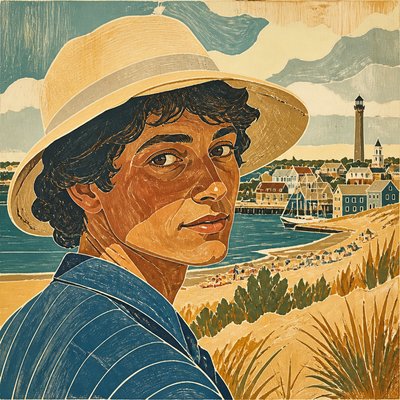
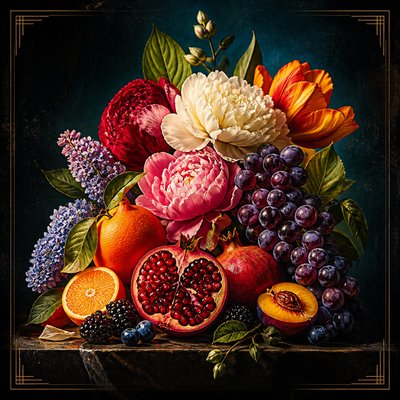
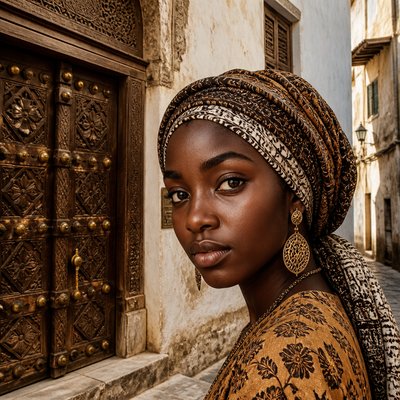
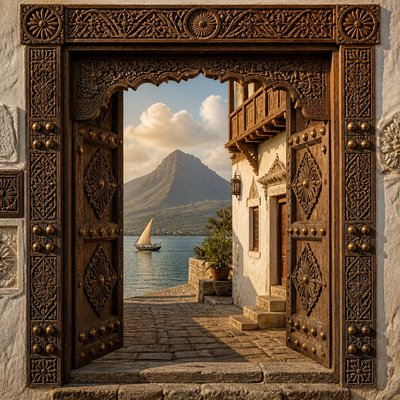
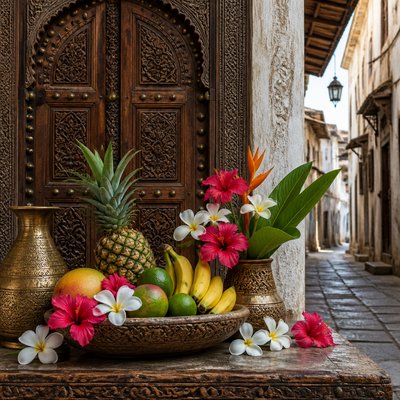
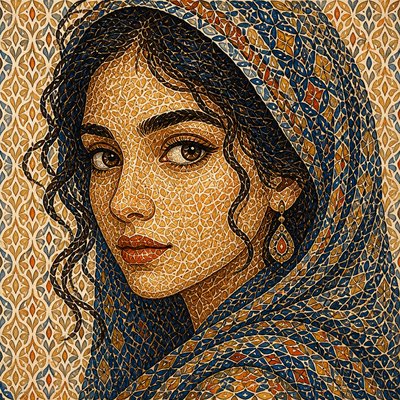
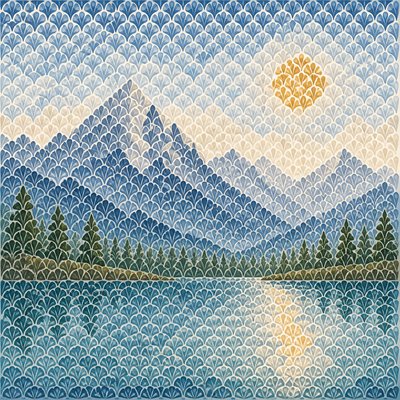
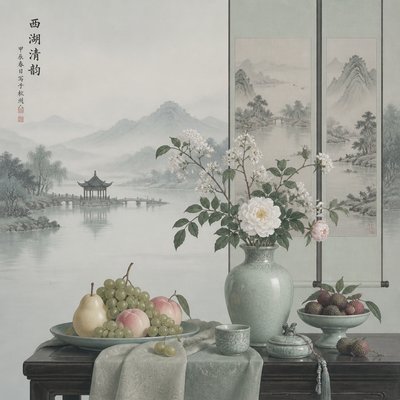
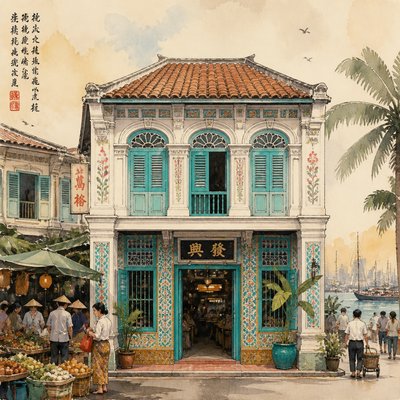
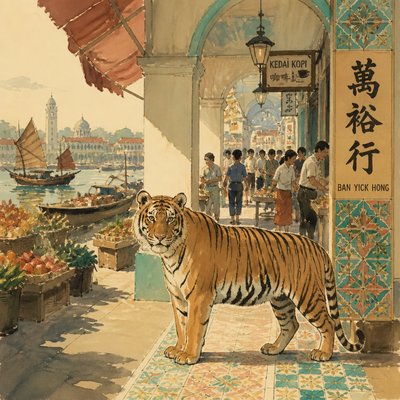
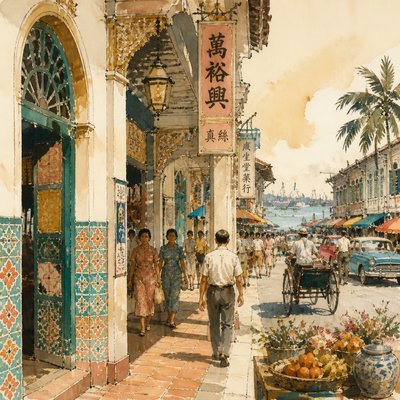
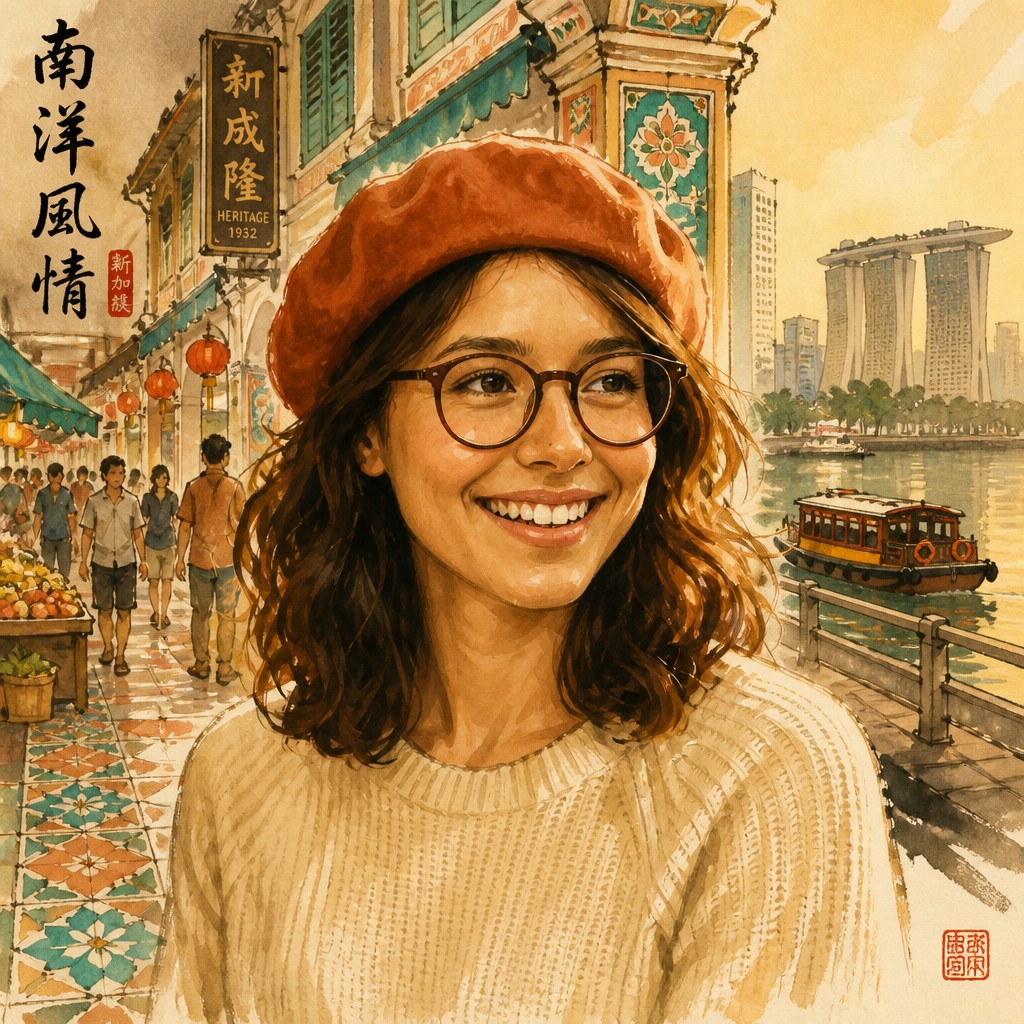
Singaporean Art Style is a contemporary descriptive fusion of Nanyang-inspired ink painting, Southeast Asian urban life, Peranakan ornament, and modernist simplification. Its imagery often centers on shophouses, wet markets, harbor views, tropical vegetation, street life, and the shaded five-foot-way arcade, combining expressive brushwork with a clear, carefully balanced palette.
The style is defined by visual compression rather than strict realism. Buildings, people, foliage, and decorative motifs are reduced to confident shapes, while turquoise, coral, jade, cream, charcoal, and gold create a warm cosmopolitan atmosphere. Loose ink contours and tonal washes suggest movement and humidity; geometric tile patterns and architectural planes provide structure.
Try It On Your Photos
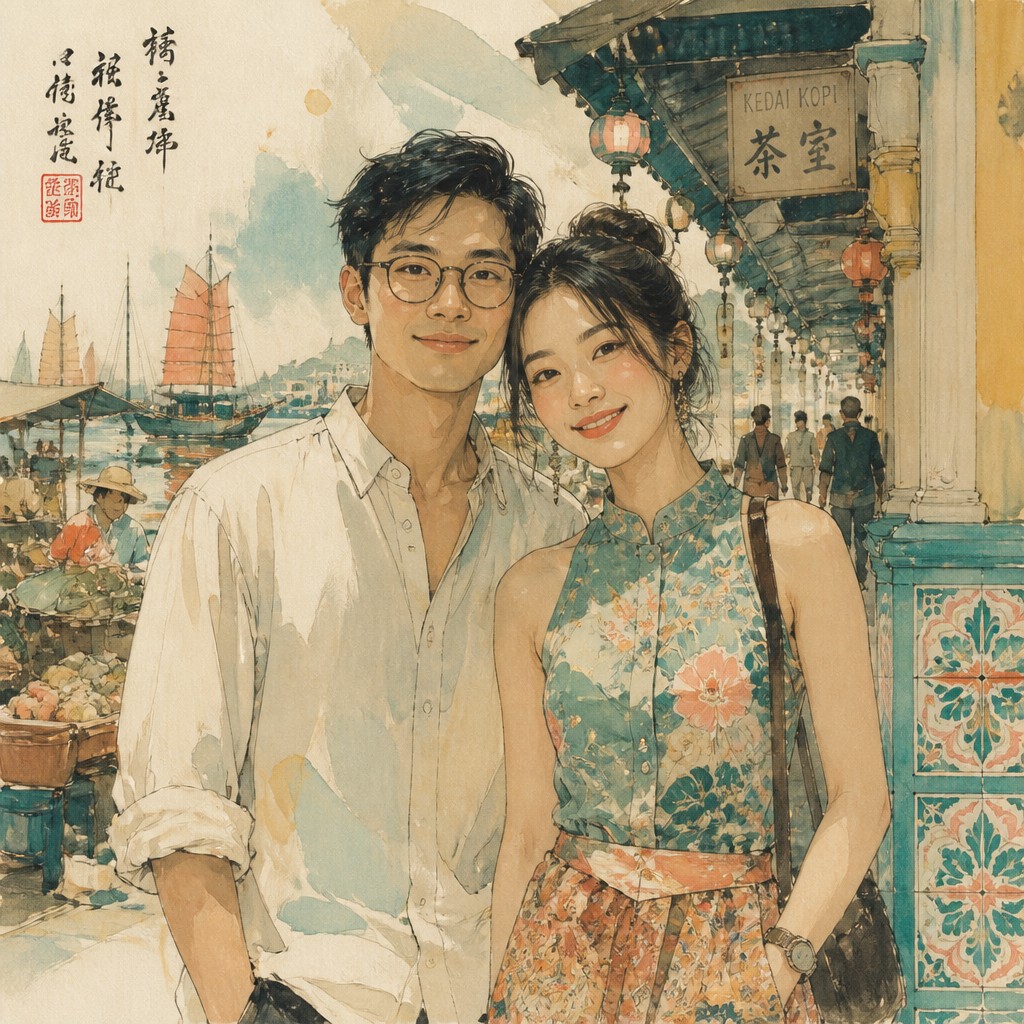
Upload any photo and convert it into Singaporean Art Style — drag the sliders to compare before and after.


What Defines Singaporean Art Style
The signature details, up close
Nanyang-inspired ink work
Loose Chinese brush contours, broken washes, dry-brush textures, and selective empty space suggest atmosphere without fully outlining every form. Ink is used expressively rather than as a purely calligraphic or monochrome system.
Peranakan color and pattern
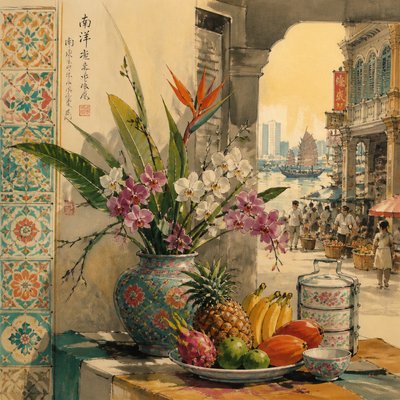
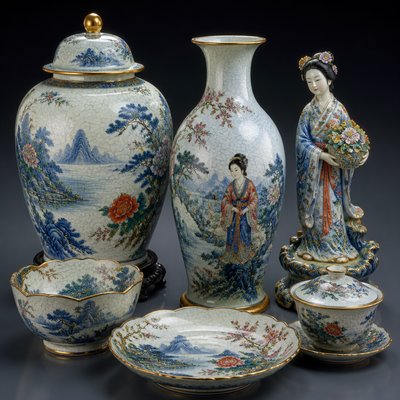
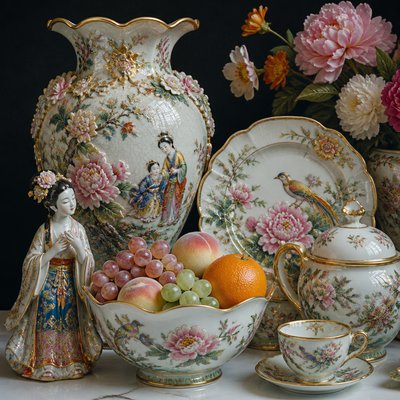
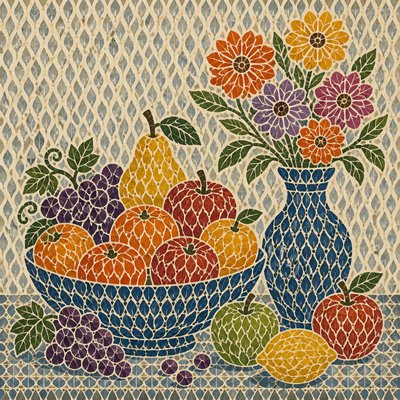
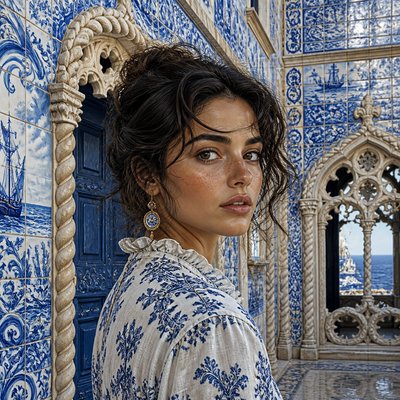
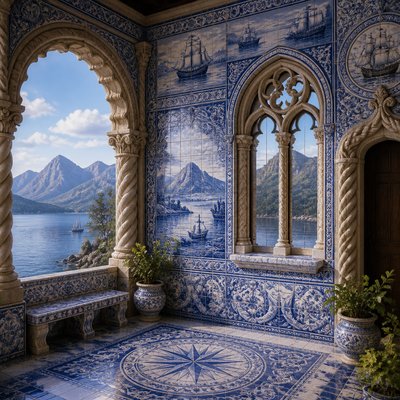
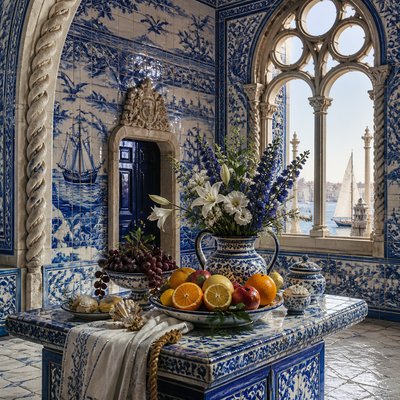
Turquoise, coral, jade, mustard, cream, and gold echo the saturated decorative vocabulary associated with Peranakan tiles and interiors. Repeating floral, geometric, and lattice motifs often appear on walls, pavements, borders, or clothing.
Simplified tropical forms
Banana leaves, palms, rain trees, orchids, and dense greenery are reduced to broad graphic shapes. Their simplified silhouettes contrast with fine ornamental details and help establish a humid equatorial setting.
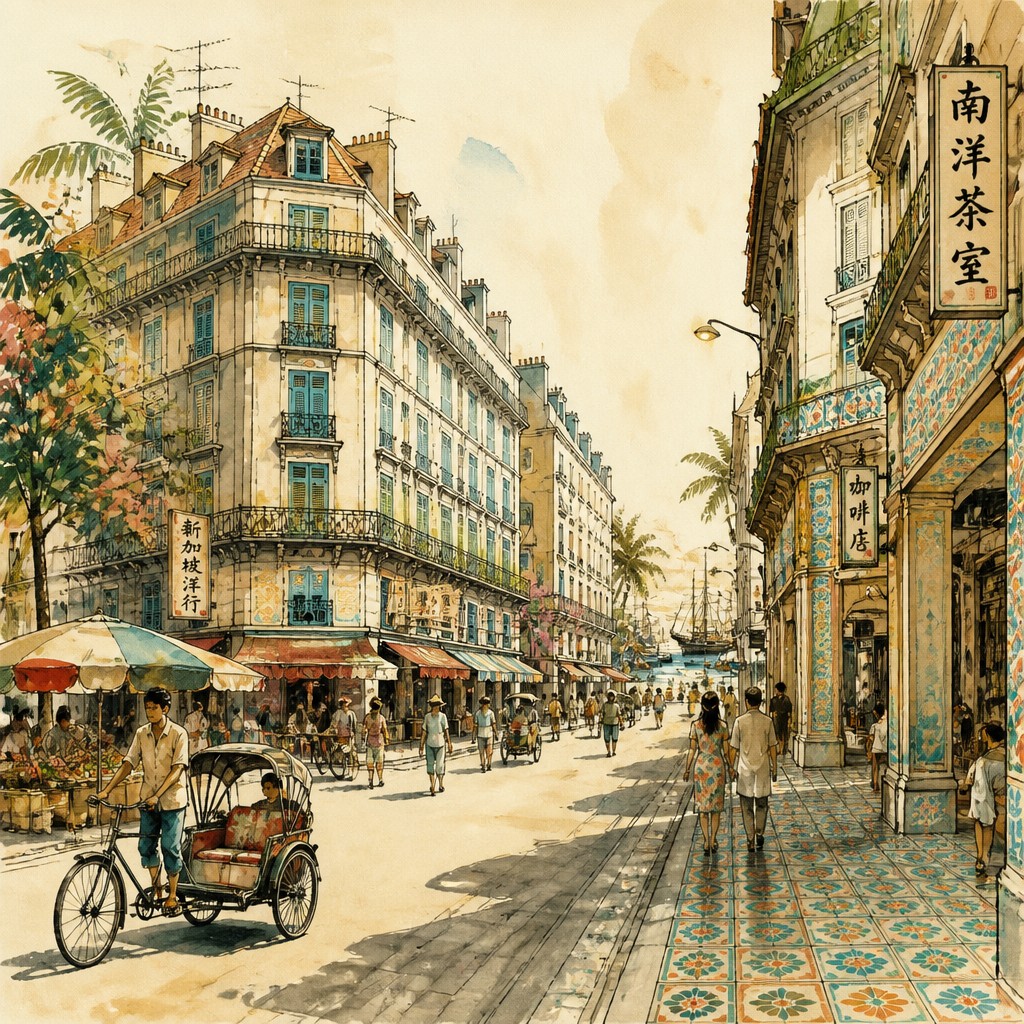
Shophouse and five-foot-way architecture
Narrow facades, arcades, tiled columns, shutters, balconies, and covered pedestrian passages provide a recognizable spatial framework. Receding storefronts and rhythmic architectural bays create depth without requiring strict photorealism.
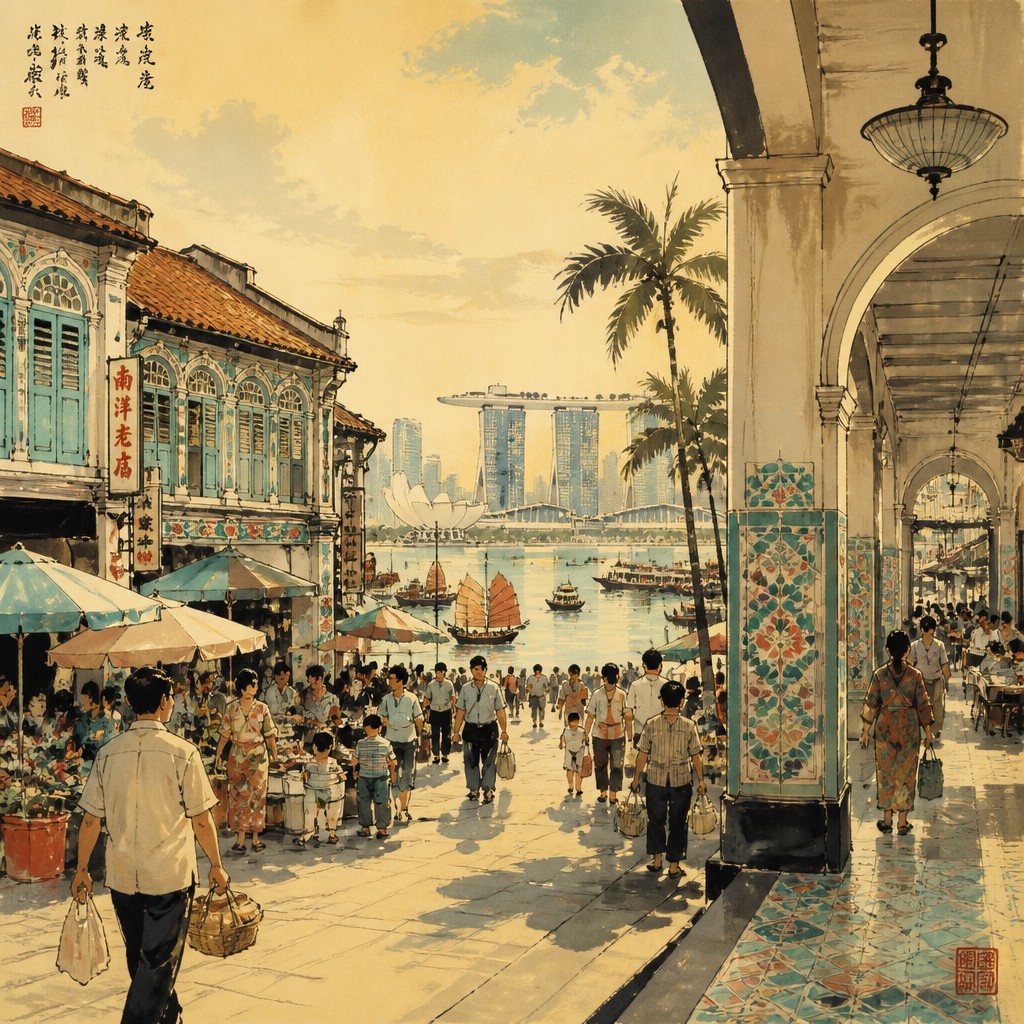
Market and street-life storytelling
Food stalls, pedestrians, bicycles, hawker tables, shop signs, and informal gatherings give the images an observational, communal quality. Crowds are usually arranged as rhythmic clusters instead of individually detailed portraits.
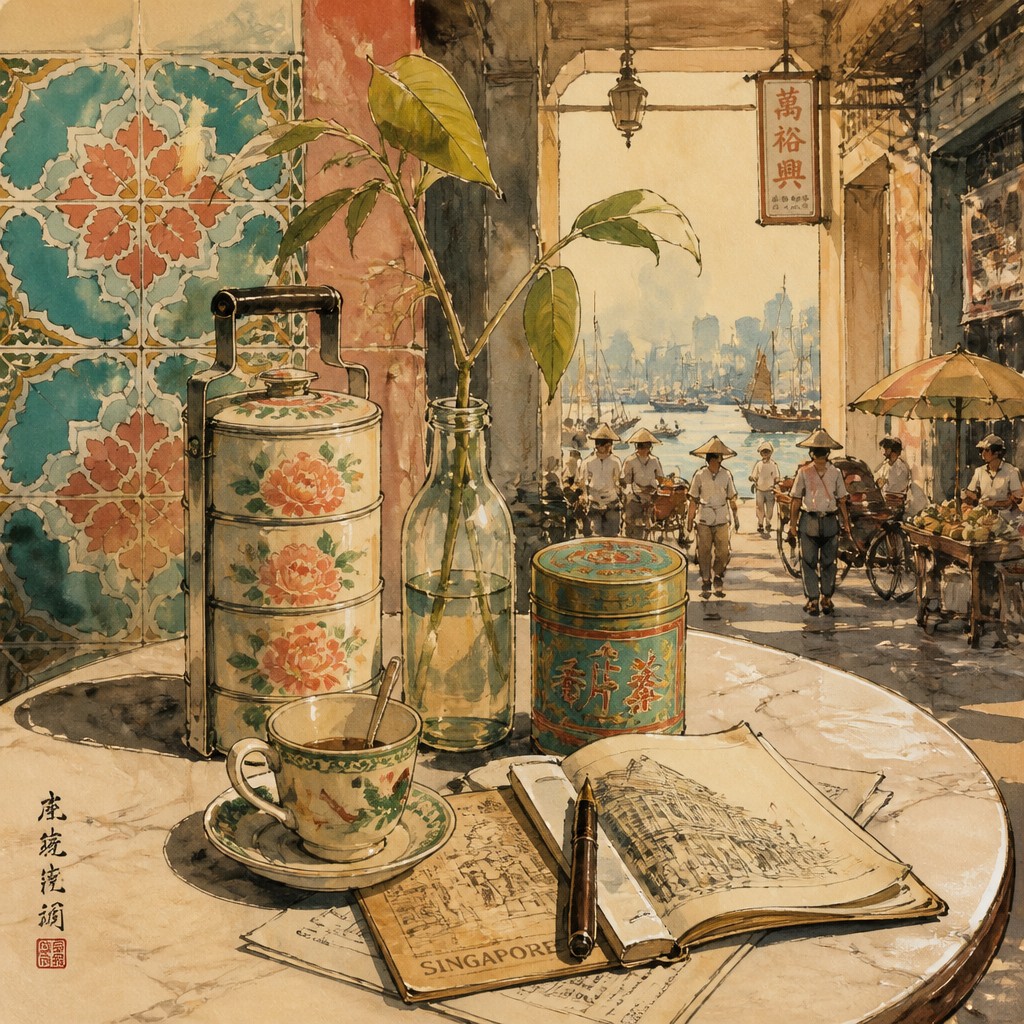
Golden harbor atmosphere
Warm low-angle light, softened shadows, and amber reflections evoke Singapore's maritime setting and humid air. The glow is balanced by cool turquoise or blue-green passages rather than rendered as uniformly orange.
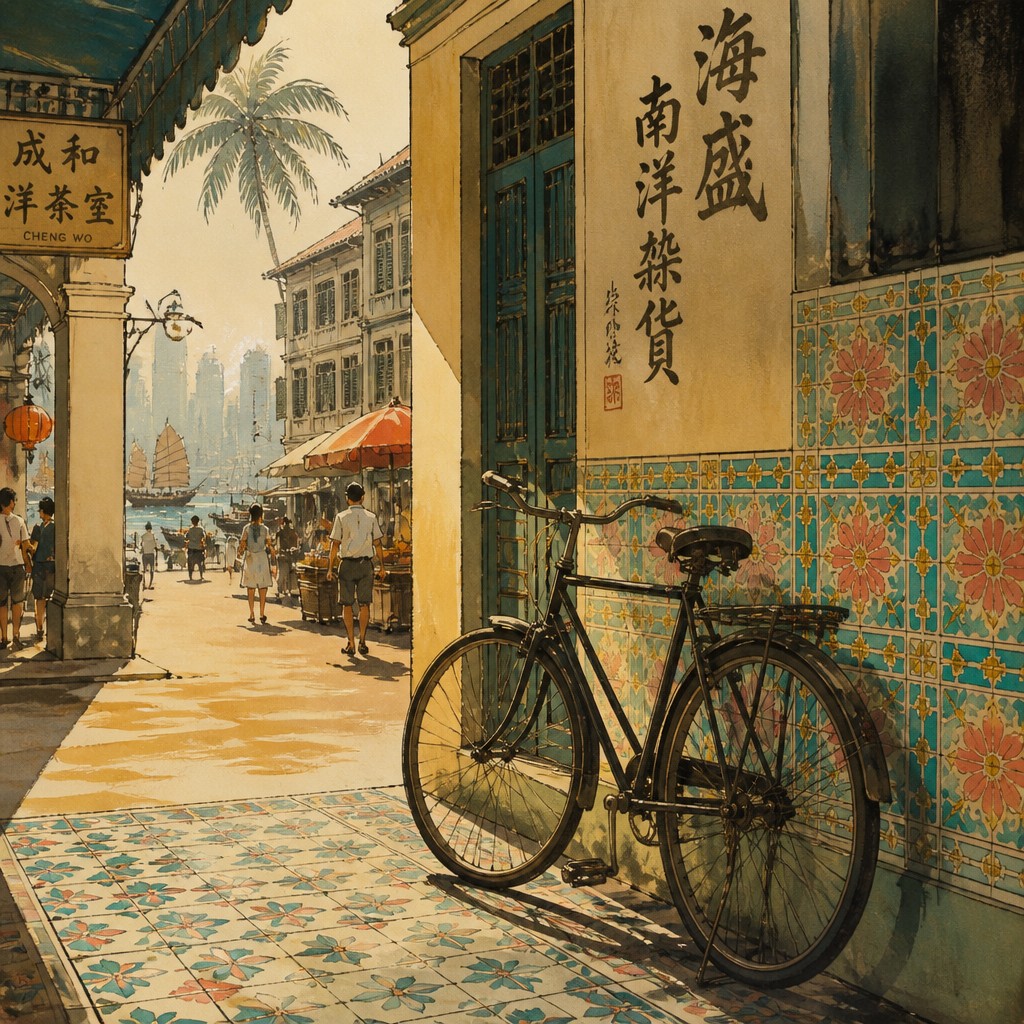
Modernist compositional clarity
Large color planes, flattened perspective, asymmetrical balance, and selective detail keep the image legible. Decorative richness is controlled by strong silhouettes and calm areas of negative space.
Singaporean Prompt Ideas
Start from an idea — each one opens the generator with the style ready to go. See all 40 Singaporean prompts →
How to Create Singaporean Art
Master the craft step by step — or skip straight to creating. Read the full guide →
- 1
Build a limited palette
Start with charcoal or sepia ink, then add two or three dominant colors such as turquoise, coral, and ochre. Reserve gold or pale cream for light and accents so the surface does not become visually noisy.
- 2
Combine wet and dry brush marks
Use diluted ink for foliage, shadows, and distant architecture, and a relatively dry brush for rooflines, figures, signage, and tile edges. Leave selected paper or canvas areas untouched to preserve air and luminosity.
- 3
Simplify the scene before detailing
Reduce the subject to a few architectural masses, overlapping silhouettes, and a clear light direction. Add Peranakan-inspired pattern only after the large shapes and focal point are established.
- 4
Use cultural references precisely
Study real shophouse proportions, five-foot-way construction, tropical plants, market objects, and tile motifs rather than combining generic Asian signifiers. Distinguish decorative inspiration from direct copying of a specific heritage surface.
- 5
Adapt the method digitally
Layer textured ink scans or brush simulations beneath flat color shapes, then use masks to keep tile patterns aligned with walls and floors. Slightly vary opacity and edge sharpness so the result retains handmade irregularity.
- 6
Write focused generation prompts
Specify a Singaporean subject, a simple composition, Nanyang-inspired ink behavior, Peranakan colors or geometry, tropical forms, and a defined light condition. Add constraints such as simplified silhouettes, restrained detail, and no unreadable excess signage when a clean result is needed.
The Story
History & Origins of Singaporean
This is not a formally codified historical movement but a contemporary style label describing a synthesis of Singaporean visual references. Its aesthetic lineage includes the Nanyang art tradition that developed in Singapore and Malaya during the mid-20th century, when Chinese ink methods were adapted to tropical subjects, Southeast Asian light, and modernist composition.
It also draws on Peranakan material culture, including ornamental ceramics, patterned tiles, lacquerwork, and richly colored domestic architecture. Shophouse facades, covered walkways, port activity, and multicultural street scenes contribute an urban layer rooted in Singapore's built environment. In present-day illustration and digital art, these sources are often recombined into a unified visual language rather than represented as a single historical school.
Influences: The style relates to Nanyang painting, Chinese ink and literati brush traditions, Southeast Asian modernism, Peranakan decorative arts, tropical landscape painting, urban sketching, and mid-century modernist illustration. It also shares techniques with expressionist brushwork, flattened poster composition, heritage architecture illustration, and contemporary editorial art, but it is not identical to any one of these traditions.
Frequently Asked Questions
What defines Singaporean Art Style?
It combines expressive Chinese ink methods with simplified tropical imagery, modernist color planes, Peranakan-inspired pattern, and Singaporean urban subjects. Shophouses, five-foot ways, markets, harbor light, and multicultural street life are common visual anchors.
Is Singaporean Art Style a historical art movement?
No. The term is best understood as a contemporary descriptive synthesis rather than a formally established historical movement with a fixed manifesto. It draws on genuine historical traditions, especially Nanyang art and Peranakan decorative culture, while recombining them for present-day visual work.
How is it different from traditional Chinese ink painting?
Traditional Chinese ink painting may emphasize calligraphic brush discipline, monochrome tonal range, and established landscape conventions. This style keeps the importance of ink gesture and empty space but adds tropical subjects, saturated color, architectural pattern, and modernist flattening.
How is it different from generic Southeast Asian tropical art?
Its strongest distinguishing features are Singapore-specific urban references: conserved shophouses, covered five-foot ways, dense market life, port atmosphere, and Peranakan tile vocabulary. Tropical foliage alone is not enough to establish the style.
What materials work best for making it traditionally?
Ink, watercolor, gouache, colored pencils, and mixed media on absorbent paper are well suited to the style. A useful process is to establish diluted washes and energetic contours first, then add opaque color planes and selective geometric decoration.
Where is this style commonly used?
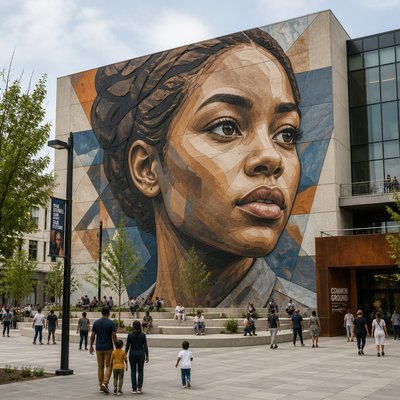
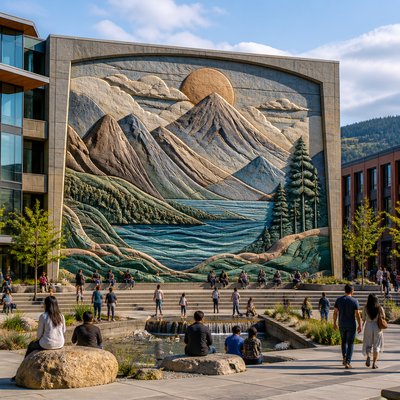
It works well for editorial illustration, travel imagery, heritage interpretation, posters, book covers, location-based storytelling, murals, packaging, and digital paintings. It is especially effective when a scene needs both cultural specificity and a readable graphic structure.
Create your first Singaporean artwork
Describe anything — or upload a photo — and see it in Singaporean Art Style in seconds.
Related Styles
Discover similar art styles