Serbian Art Style
Explore Serbian medieval art: white marble monasteries, Byzantine domes, luminous azure frescoes, ochre fields, and solemn Balkan grandeur.
Instantly rendered in Serbian — or transform a photo
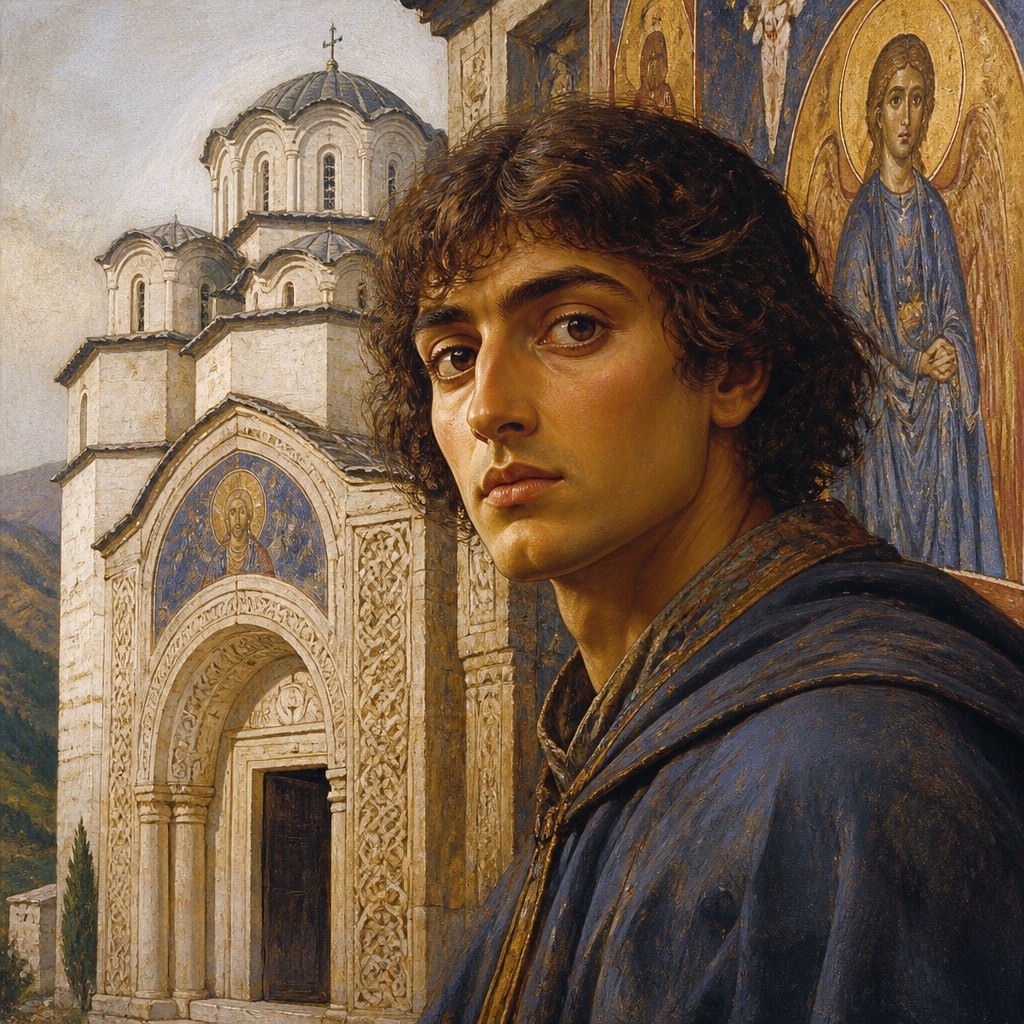
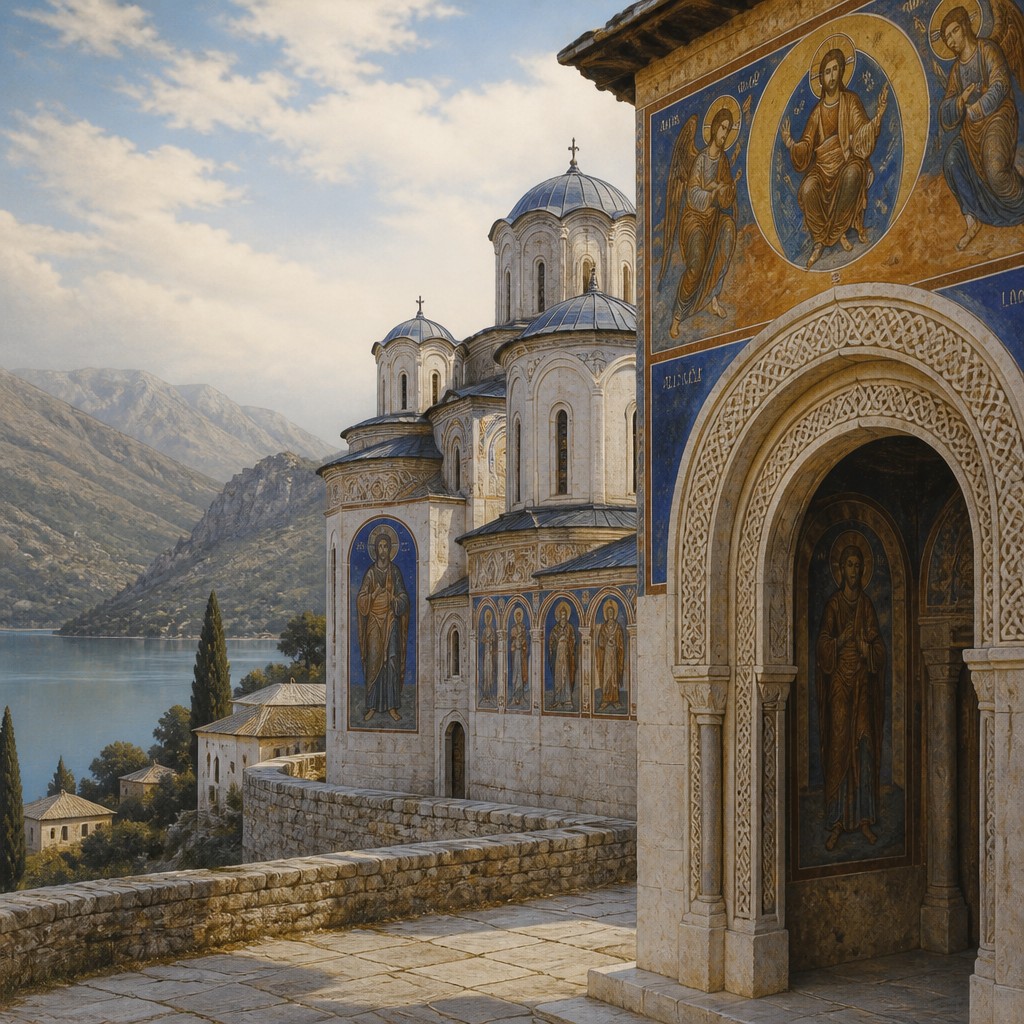
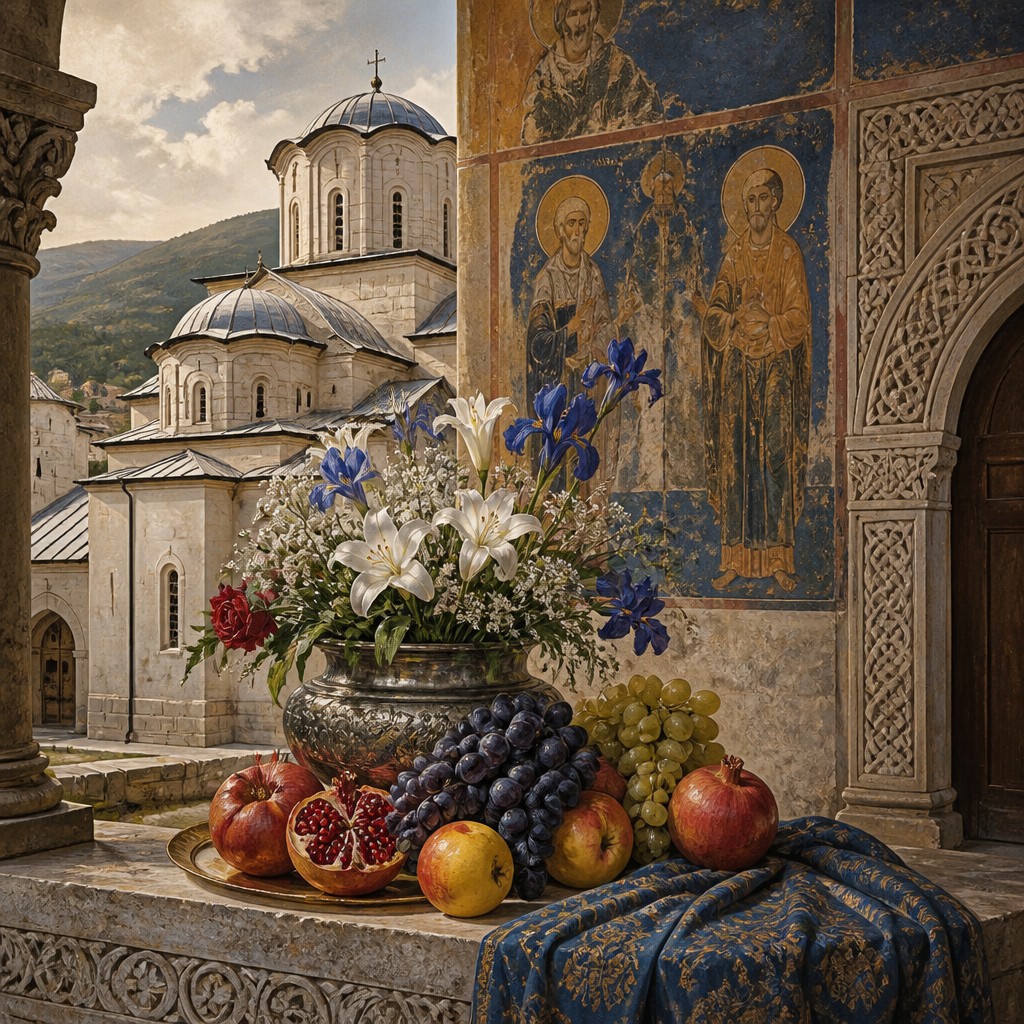
Serbian Gallery
Tap any artwork to explore it
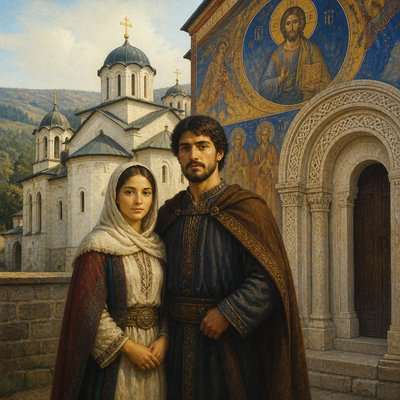
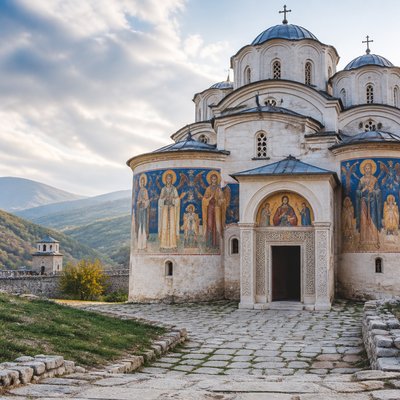
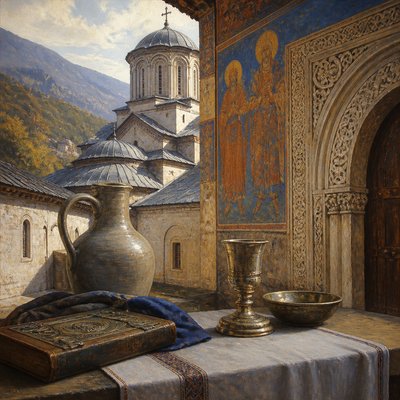
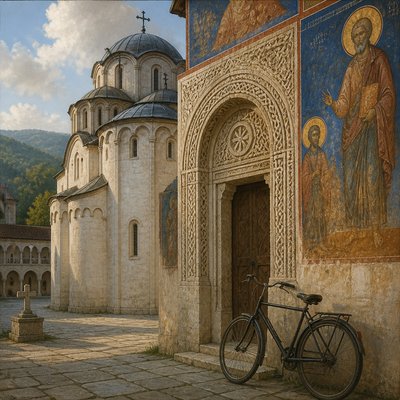
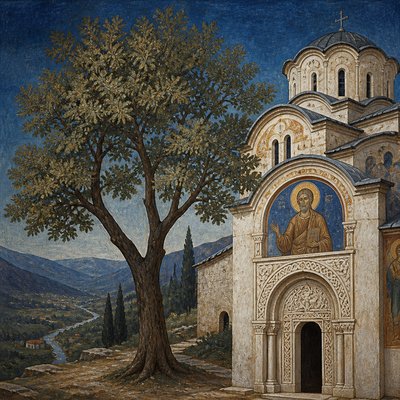
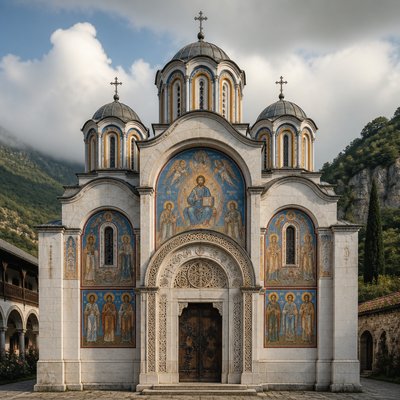
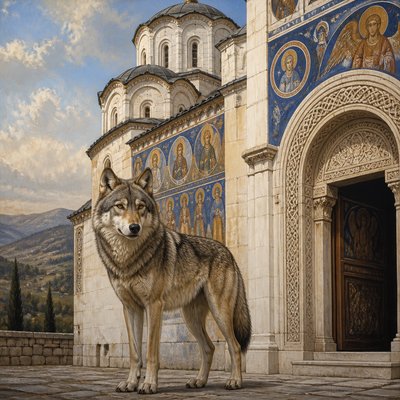
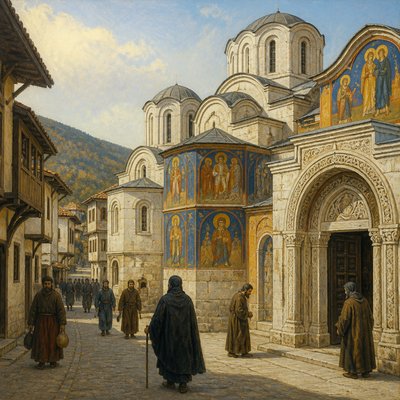
What is Serbian Art Style?
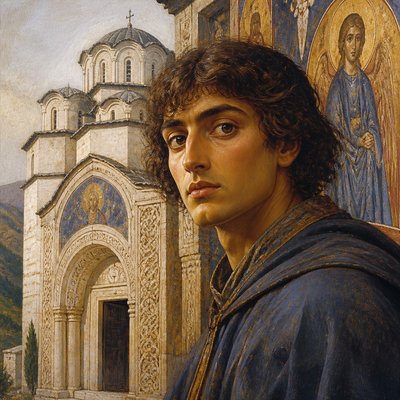
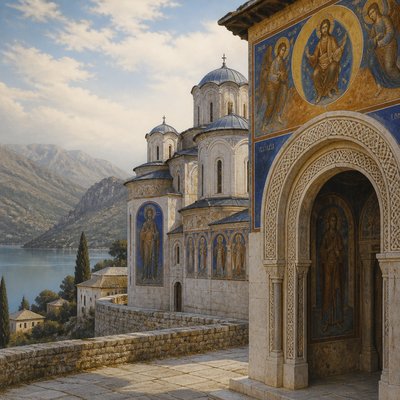
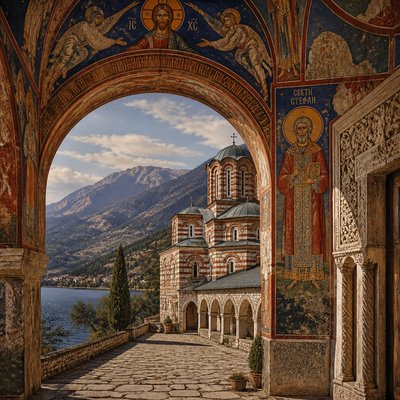
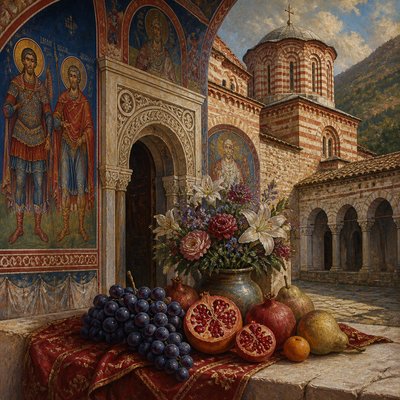
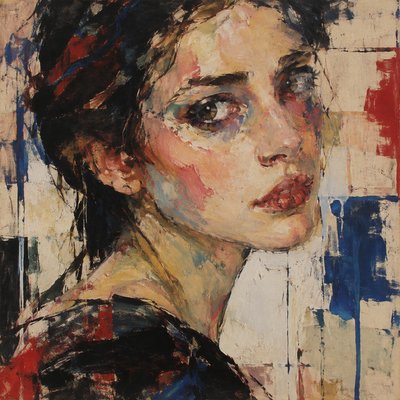
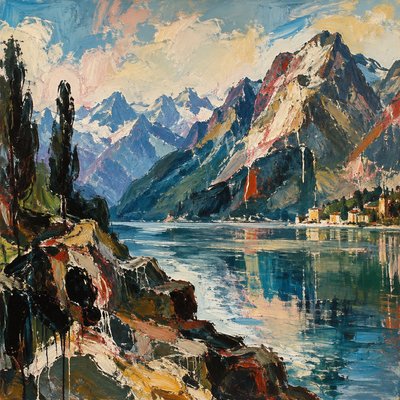
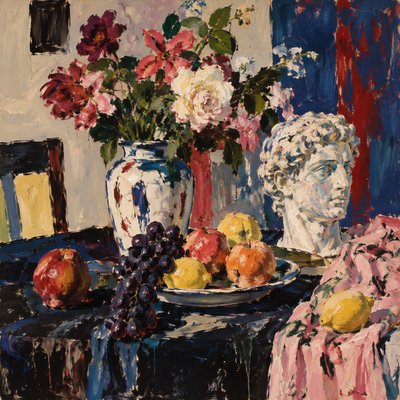
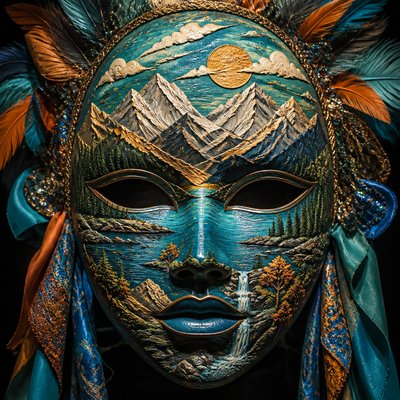
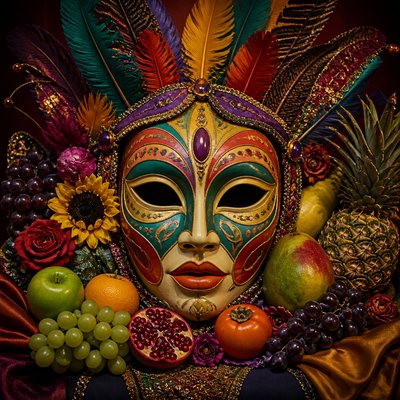
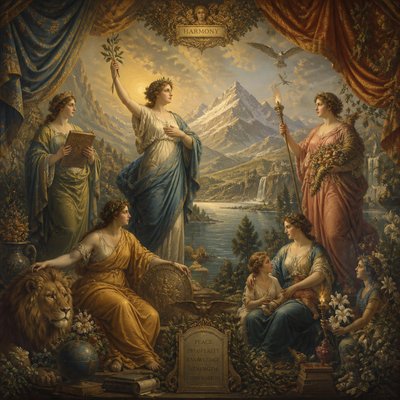
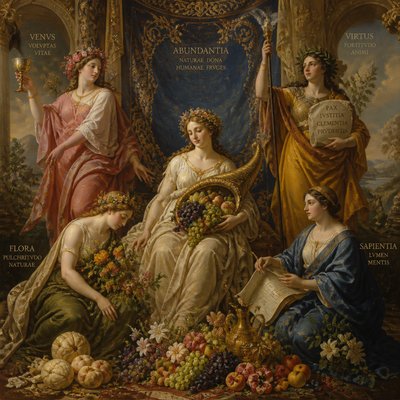
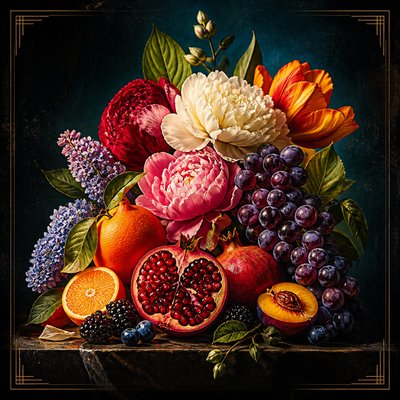
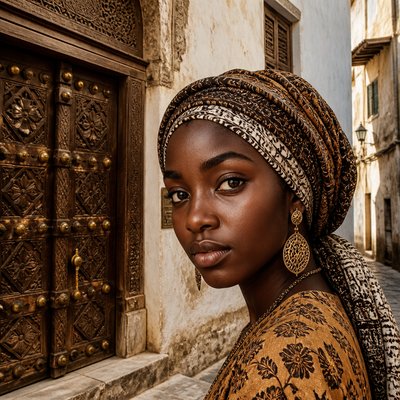
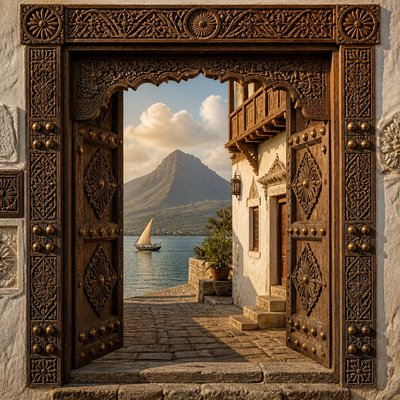
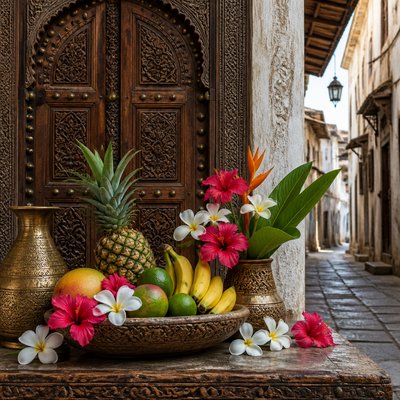
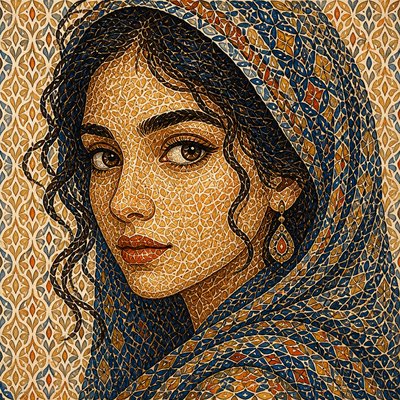
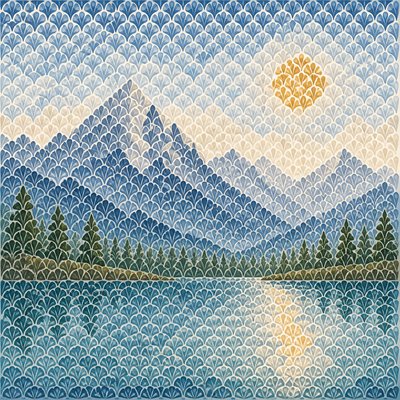
Serbian Art Style is a contemporary descriptive label for an aesthetic rooted in the medieval visual culture of Serbia. It combines white or pale marble monastery architecture, tiered Byzantine domes, richly colored fresco surfaces, carved stone portals, and the restrained solemnity of Balkan sacred landscapes. Its characteristic palette centers on deep azure, mineral blue, warm ochre, terracotta, ivory, and weathered stone.
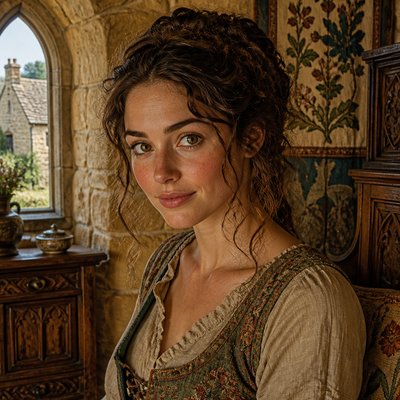
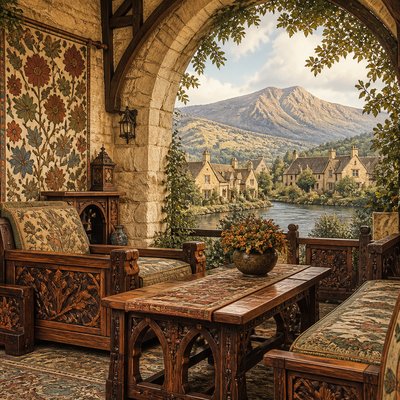
The style looks architectural and devotional even when applied to portraits, landscapes, or imagined scenes. Flat or gently modeled color fields recall fresco painting on plaster, while frontal compositions, rhythmic ornament, and quiet expressions create a sense of ceremony. Soft valley light and aged surfaces add atmosphere without abandoning the clarity and symbolic order associated with medieval church art.
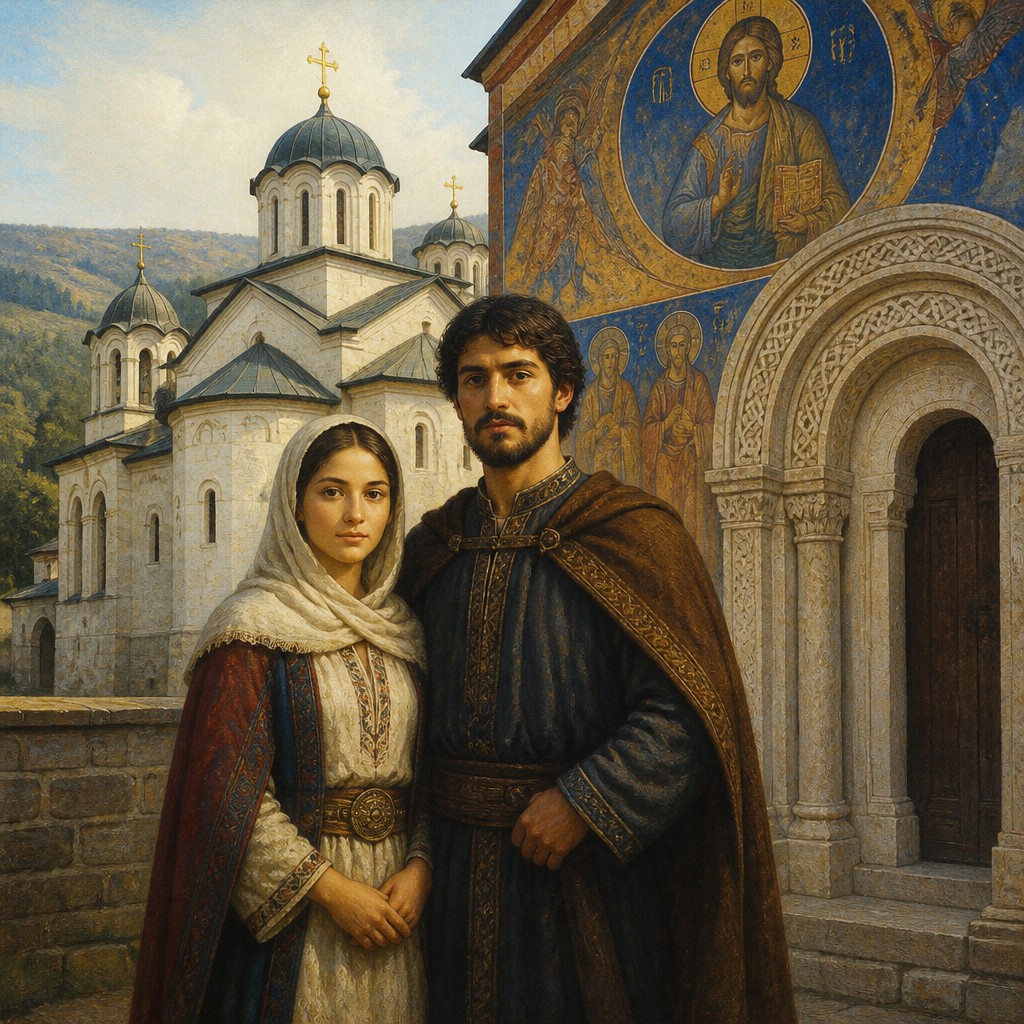
Try It On Your Photos
Upload any photo and convert it into Serbian Art Style — drag the sliders to compare before and after.
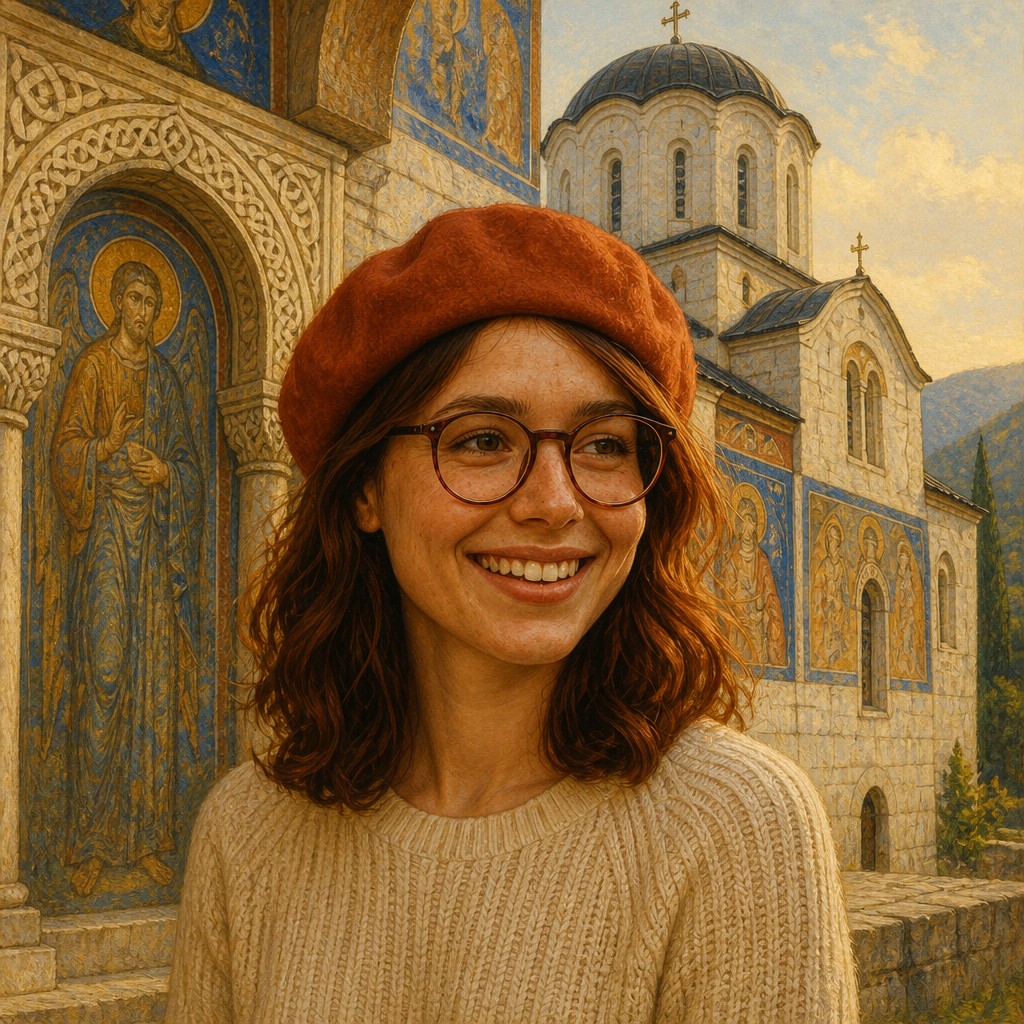

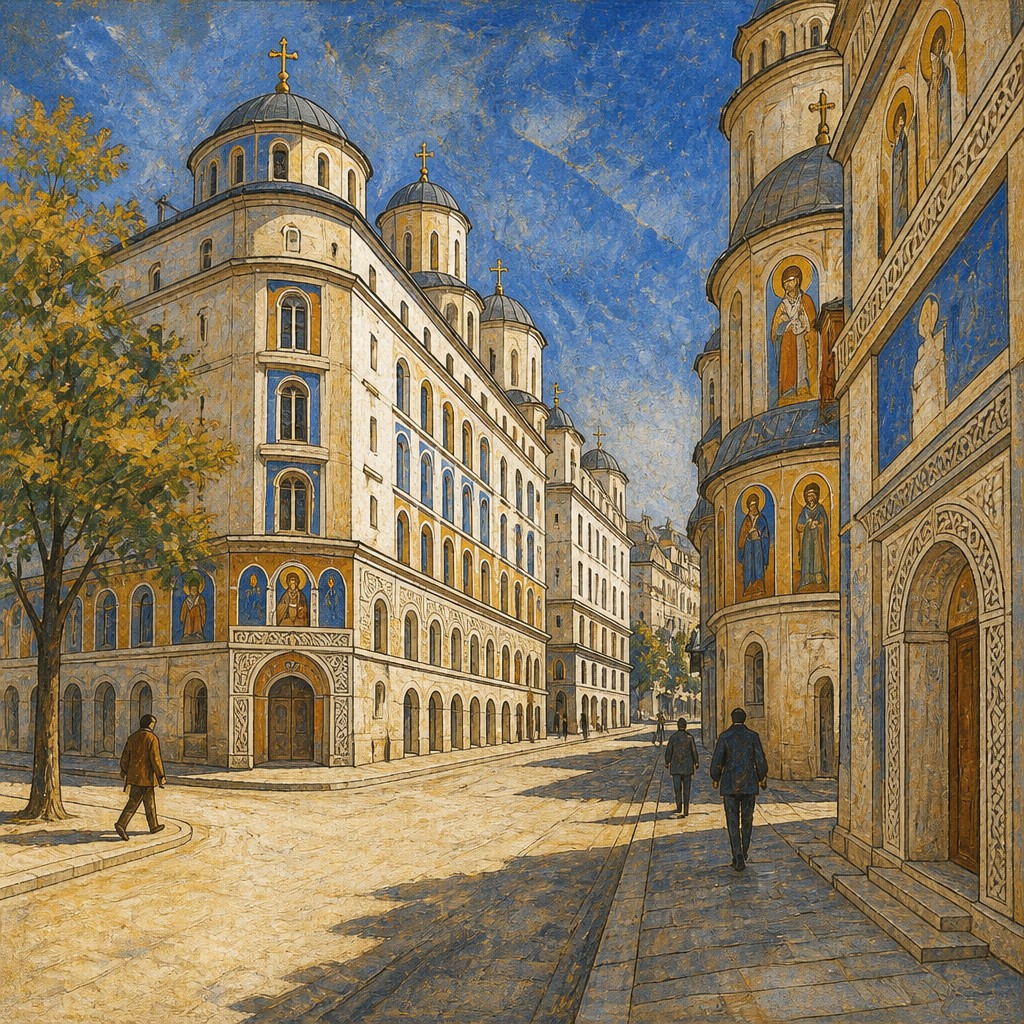

What Defines Serbian Art Style
The signature details, up close
White marble architecture
Pale marble walls, layered façades, arcades, and finely cut masonry provide a strong structural foundation. Surfaces may appear softly weathered rather than perfectly new.
Tiered Byzantine domes
Grouped domes, drum structures, apses, and cross-influenced rooflines create a recognizable sacred silhouette. Repeated volumes emphasize vertical rhythm and ceremonial balance.
Fresco-like color fields
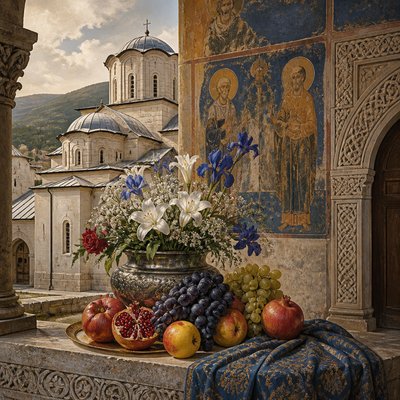
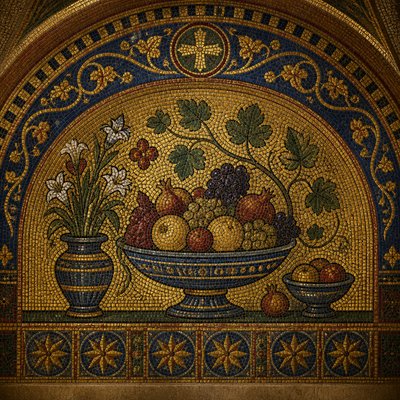
Deep azure blue, warm ochre, muted red, ivory, and earthen green are arranged in broad, luminous areas. The finish should suggest pigment absorbed into plaster rather than glossy modern paint.
Orthodox medieval iconography
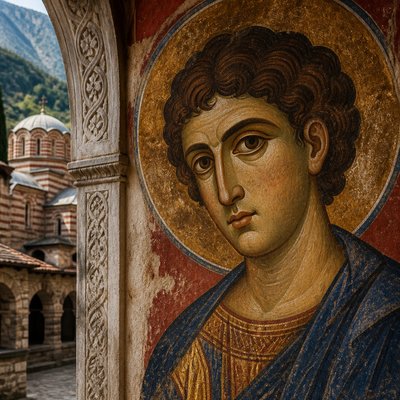
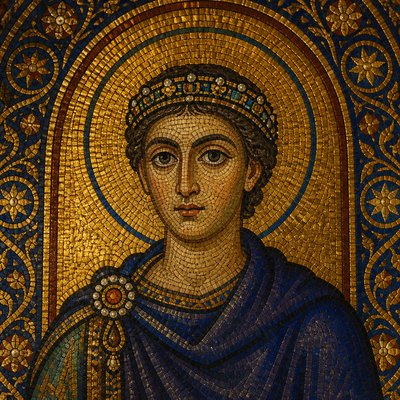
Frontal figures, solemn gestures, halos, processional arrangements, and symbolic objects can evoke Serbian Orthodox fresco traditions. Expressions remain composed and contemplative.
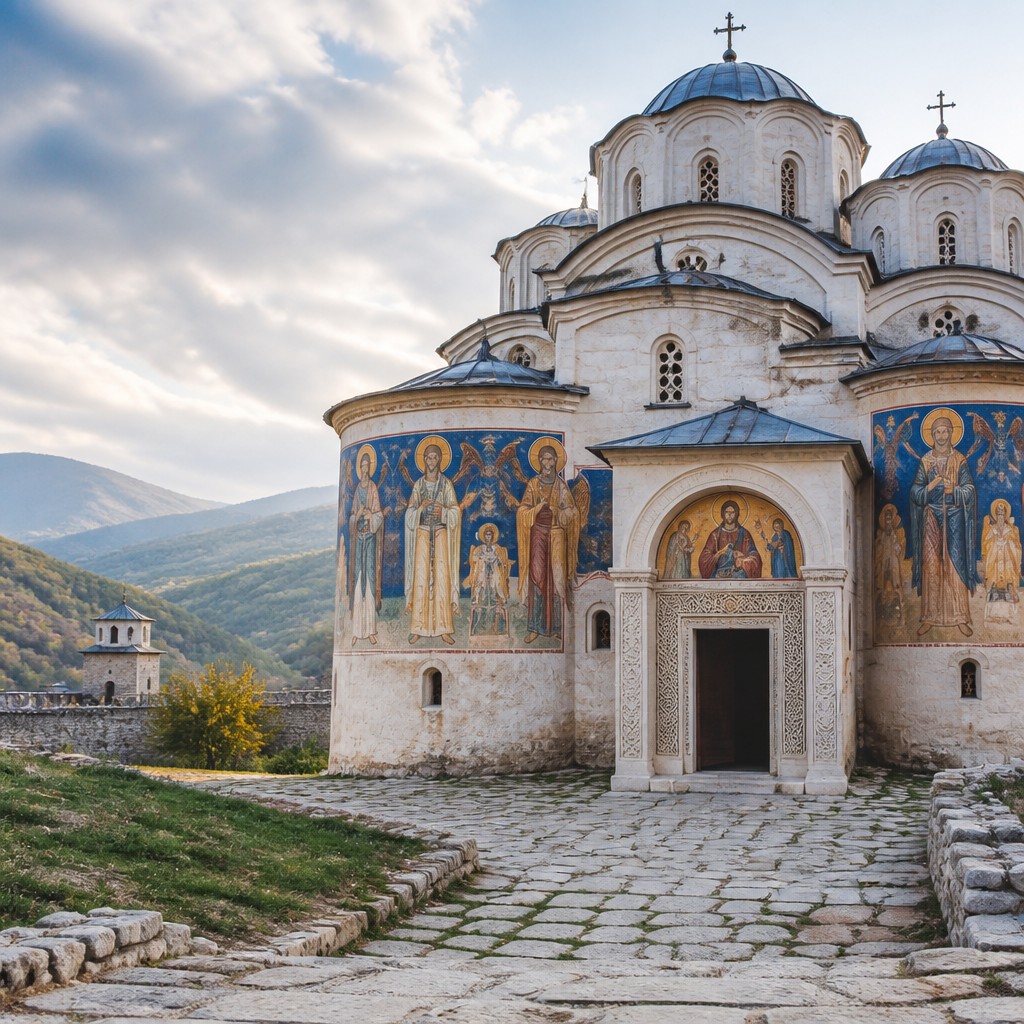
Carved interlace ornament
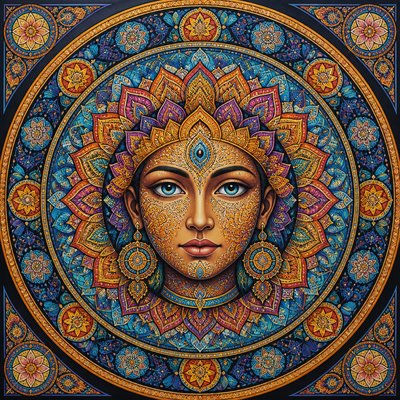
Stone portals and borders feature braided bands, geometric interlace, rosettes, foliage, and restrained relief carving. Ornament is intricate but organized within architectural frames.
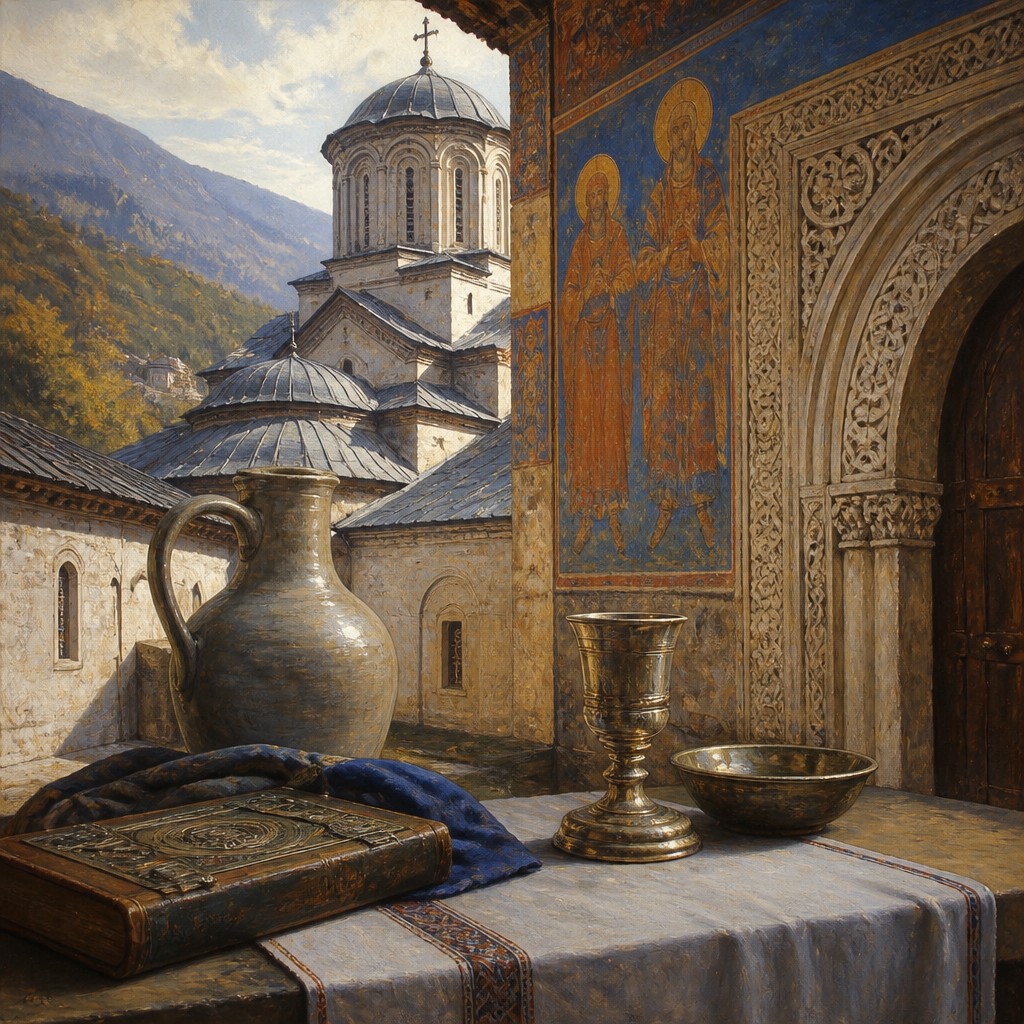
Soft Balkan light
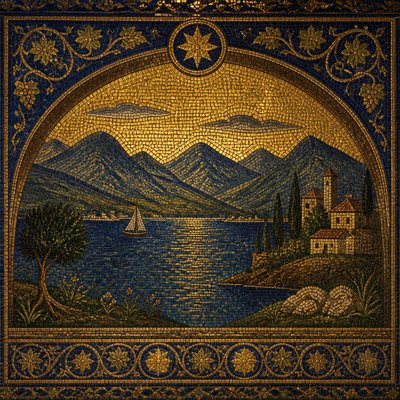
Diffuse daylight, mountain haze, and warm illumination across valleys give scenes a quiet regional atmosphere. Shadows are generally gentle, allowing architectural and painted details to remain legible.
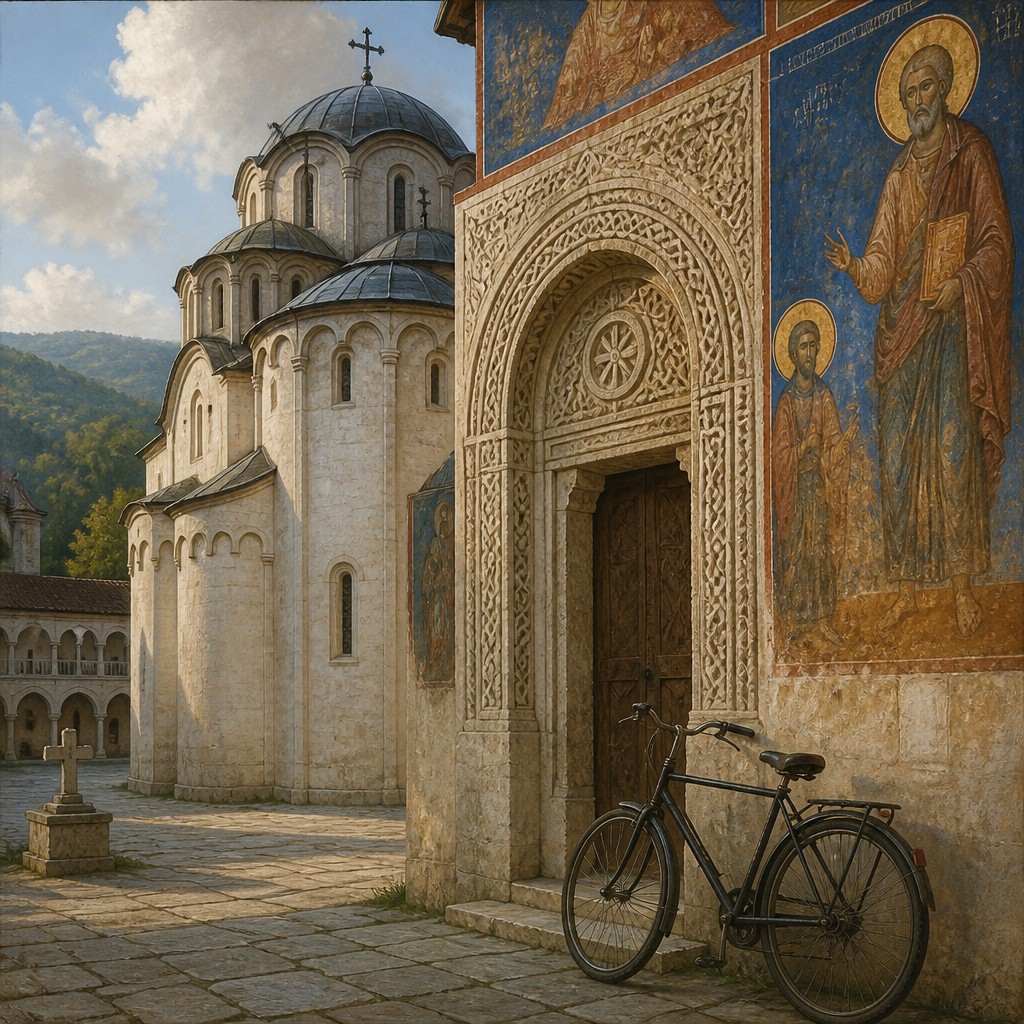
Solemn medieval grandeur
Balanced symmetry, monumental scale, and restrained drama create a sense of historical depth. The mood is devotional, dignified, and contemplative rather than theatrical or romanticized.
Serbian Prompt Ideas
Start from an idea — each one opens the generator with the style ready to go. See all 40 Serbian prompts →
How to Create Serbian Art
Master the craft step by step — or skip straight to creating. Read the full guide →
- 1
Build the architecture first
Begin with a clear silhouette of pale masonry, domes, apses, arches, and a central axis. In digital work, use simple geometric masses before adding masonry joints, portals, and carved ornament.
- 2
Use a fresco-based palette
Limit the colors to mineral blue, azure, ochre, ivory, terracotta, muted green, and stone gray. Add subtle plaster variation, softened edges, and age-related abrasion instead of high-gloss gradients.
- 3
Organize figures symbolically
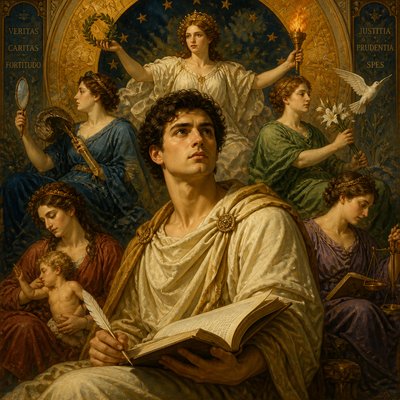
For people or sacred subjects, favor frontal or three-quarter poses, calm expressions, patterned robes, and deliberate spacing. Arrange figures in tiers or processions to echo wall-painting programs.
- 4
Add carved detail selectively
Place interlace, rosettes, and foliage on portals, window surrounds, cornices, and borders rather than scattering ornament everywhere. Layered relief and shallow shadows help the stonework read clearly.
- 5
Control light and surface
Use soft side light or hazy valley illumination, with restrained contrast and a slight sense of age. Texture overlays resembling plaster, limewash, or worn fresco can unify architecture and imagery.
- 6
Write focused generation prompts
Specify the subject, white marble monastery forms, Byzantine domes, deep azure and warm ochre fresco fields, carved interlace, soft Balkan light, and a solemn medieval mood. For image transformation, preserve the source subject while requesting fresco-plaster texture and restrained architectural ornament.
The Story
History & Origins of Serbian
The style draws primarily from Serbian medieval art developed between the 12th and 15th centuries under the Nemanjić dynasty and its successors. Serbian Orthodox monasteries combined Byzantine ecclesiastical planning and fresco traditions with Romanesque and Adriatic influences, especially in the treatment of façades, portals, arcades, and carved stone. Monumental wall paintings were executed in fresco, with carefully organized theological programs covering domes, apses, naves, and entrance spaces.
Rather than describing a single historical school, the modern phrase Serbian Art Style synthesizes several regional traditions: white-marble church architecture, Byzantine iconographic conventions, Balkan landscape light, and ornamental stone carving. Contemporary interpretations often heighten the azure-and-ochre palette and architectural grandeur for illustration, concept art, digital painting, and image-based transformation.
Influences: The style is closely related to Serbian medieval Orthodox fresco painting, Byzantine ecclesiastical art, Romanesque and Adriatic stone architecture, Balkan folk ornament, and the broader tradition of Christian monumental mural painting. It also overlaps with icon painting, architectural visualization, heritage illustration, and historical fantasy art that uses aged masonry, symbolic composition, and mineral pigments to create a sense of sacred continuity.
Frequently Asked Questions
What defines the Serbian Art Style?
It is defined by the combination of white marble monastery architecture, Byzantine domes, fresco-like azure and ochre color fields, carved interlace ornament, and solemn Balkan atmosphere. The style emphasizes symbolic order, monumental structure, and softly weathered surfaces.
Is Serbian Art Style a historical movement?
The phrase is best understood as a contemporary umbrella label, not the name of one unified historical movement. It draws from Serbian medieval art, particularly Orthodox monastery architecture and fresco traditions that developed from the 12th through 15th centuries.
How does it differ from Byzantine art?
It shares Byzantine iconography, frontal compositions, domes, and fresco methods, but places greater emphasis on Serbian regional architecture and Adriatic or Romanesque stonework. Pale marble façades, carved portals, Balkan valley light, and local ornament give it a distinct regional character.
Can secular subjects be made in this style?
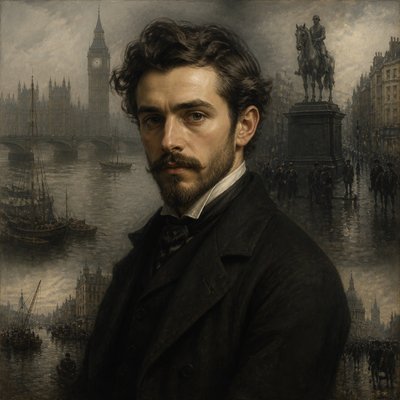
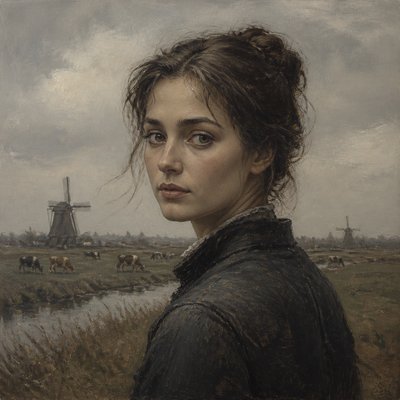
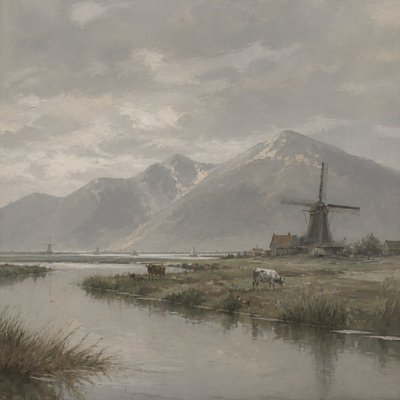
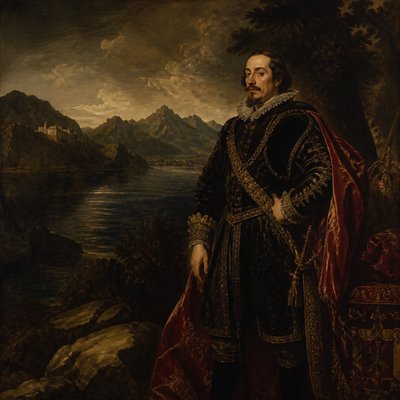
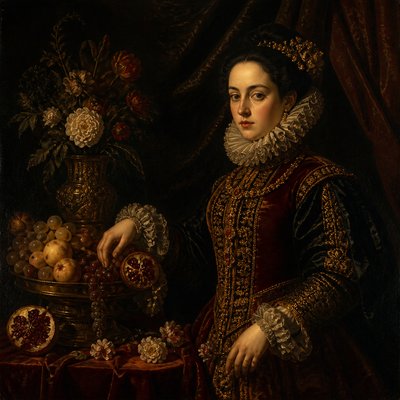
Yes. Landscapes, portraits, historical scenes, and architectural studies can use the style's palette, compositional order, plaster texture, and monumental lighting without depicting religious subjects. Secular imagery works best when it retains a calm, ceremonial mood.
What materials suit a traditional interpretation?
Lime plaster, mineral pigments, egg tempera, stone carving, and matte architectural surfaces are appropriate choices. A fresco-inspired painting should use broad layered color, controlled contour, and restrained modeling rather than glossy impasto.
How can I describe this style in a prompt?
Name the subject first, then specify white marble monastery architecture, tiered Byzantine domes, deep azure and warm ochre fresco fields, carved interlace borders, soft Balkan valley light, and solemn medieval grandeur. Adding terms such as aged plaster, mineral pigment, frontal composition, and matte stone helps maintain visual consistency.
Create your first Serbian artwork
Describe anything — or upload a photo — and see it in Serbian Art Style in seconds.
Related Styles
Discover similar art styles