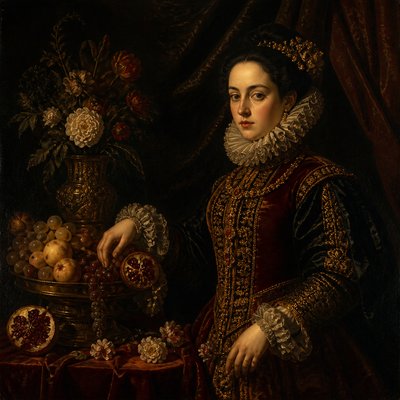
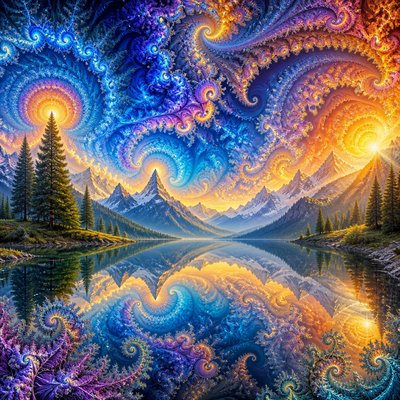
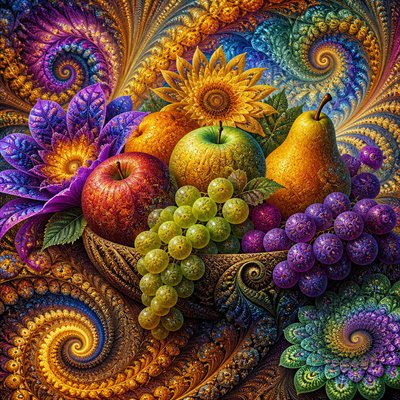
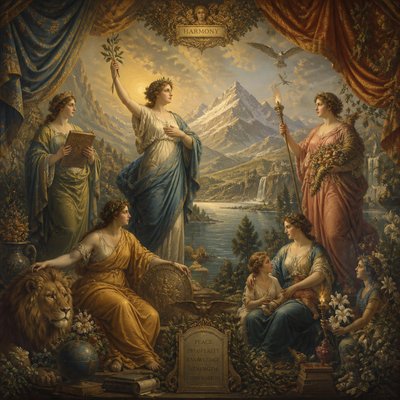
Seoul Art Style
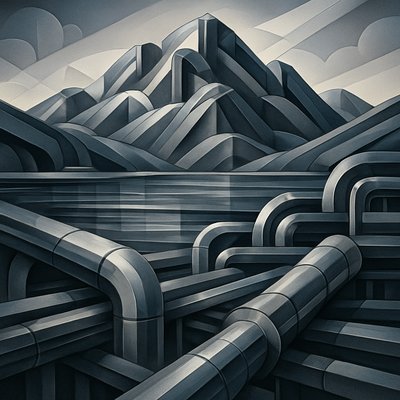
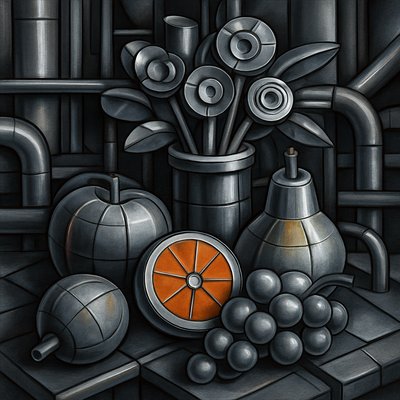
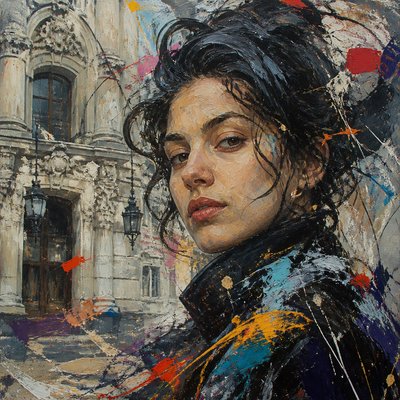
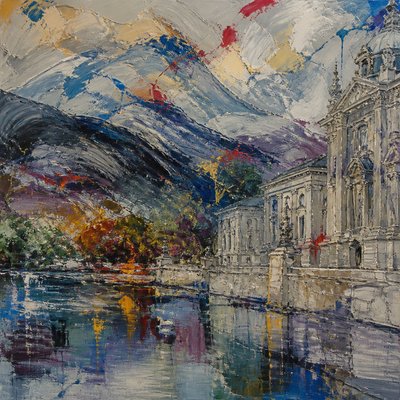
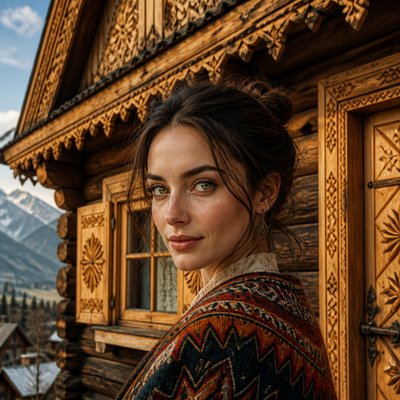
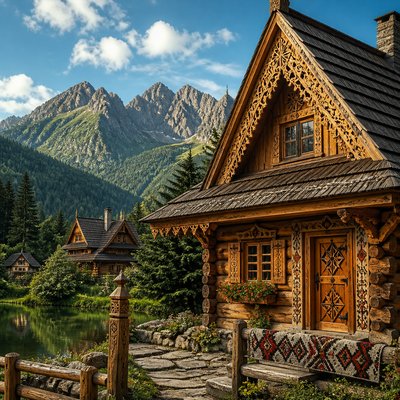
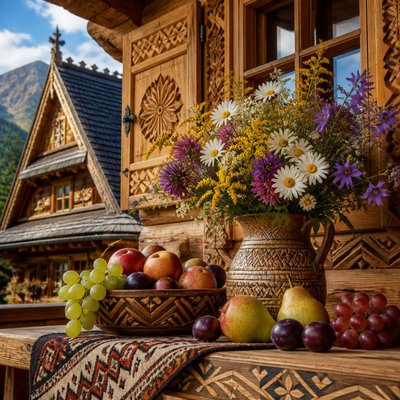
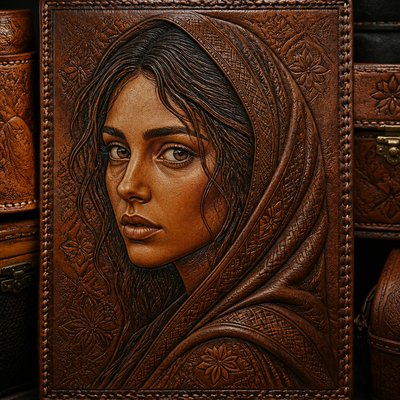
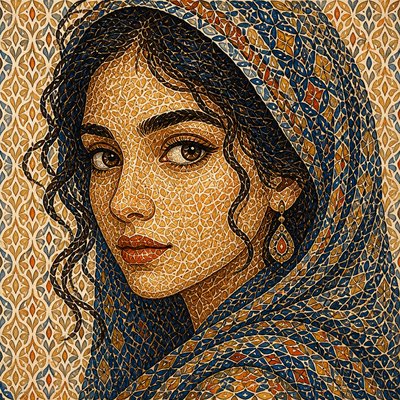
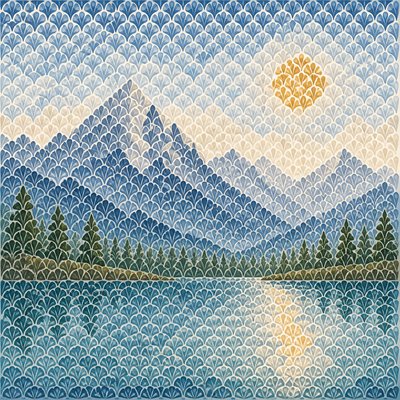
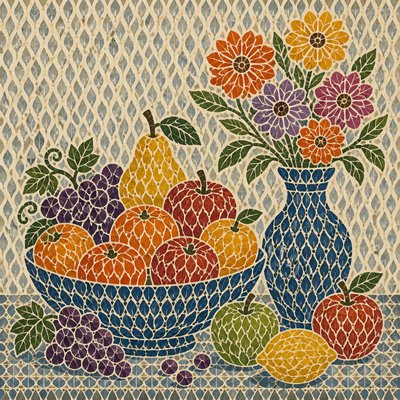
Explore Seoul Art Style: Joseon court painting, Goryeo celadon, minhwa color, ink landscapes, and elegant Korean palace forms.
Instantly rendered in Seoul — or transform a photo
Seoul Gallery
Tap any artwork to explore it
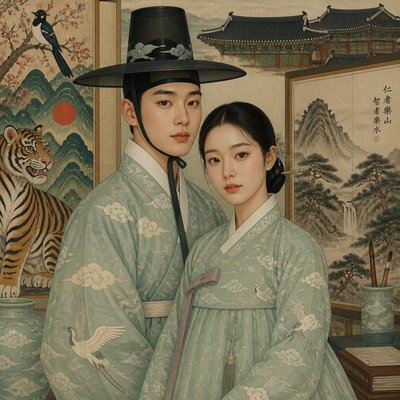
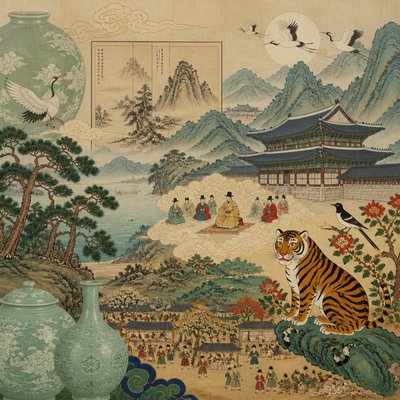
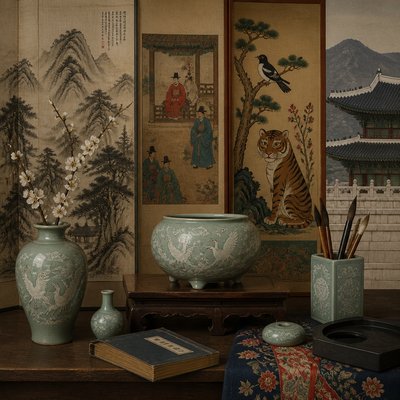
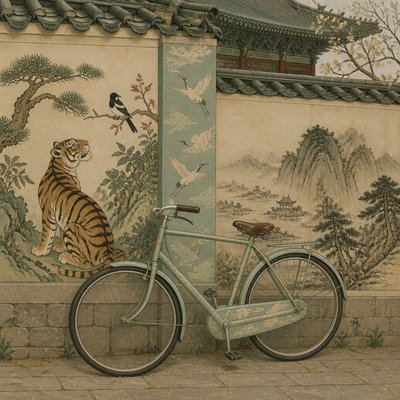
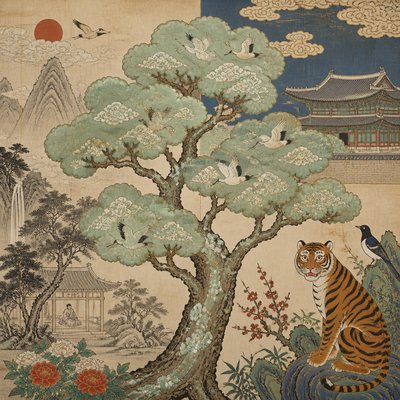
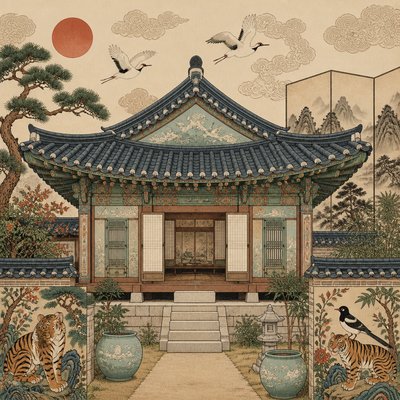
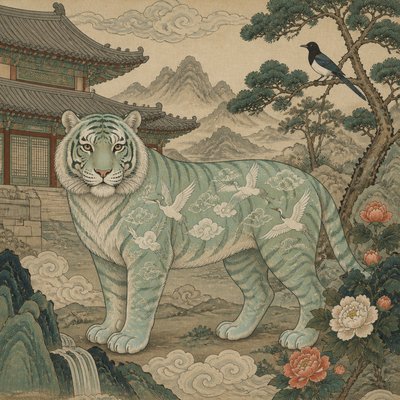
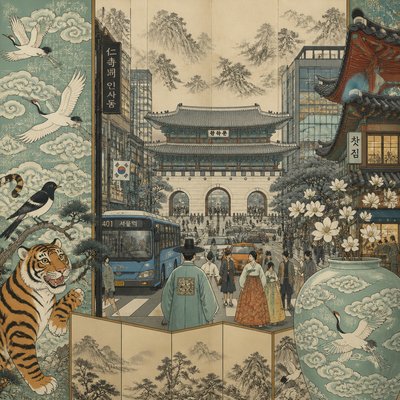
What is Seoul Art Style?
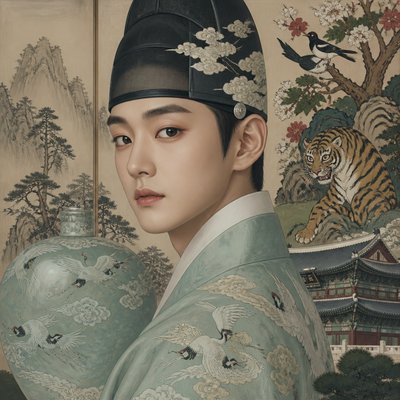
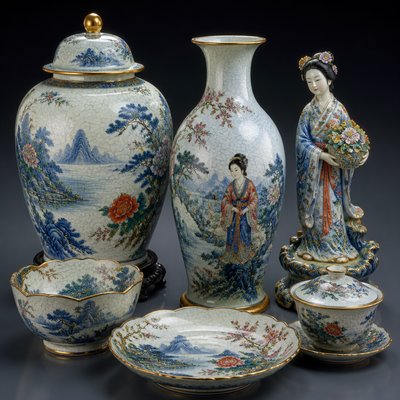
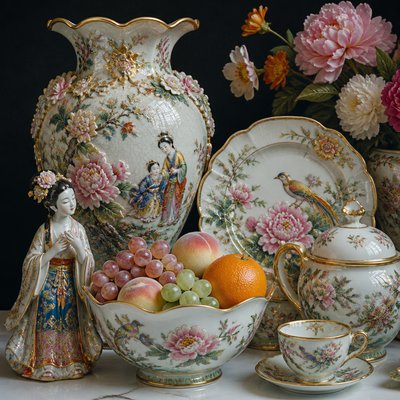
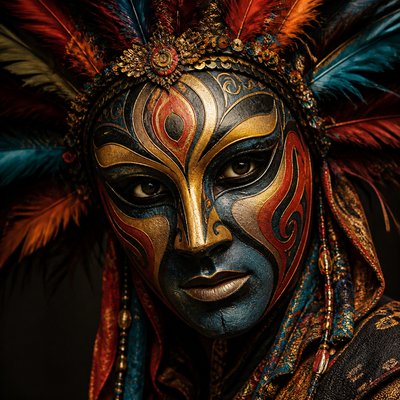
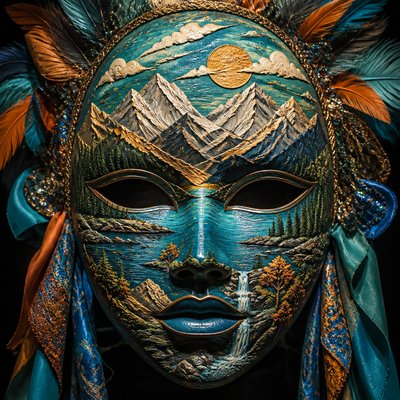
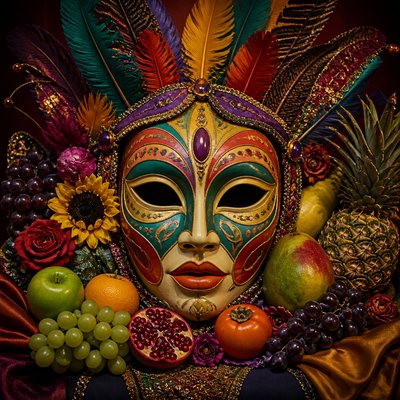
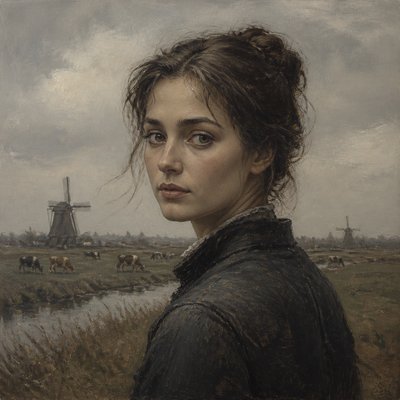
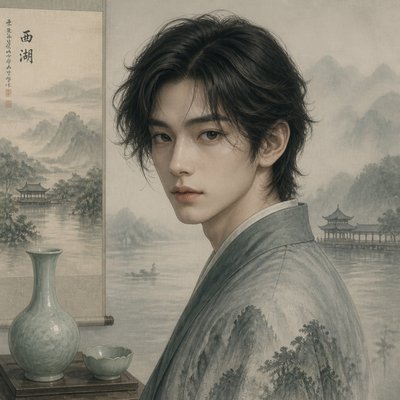
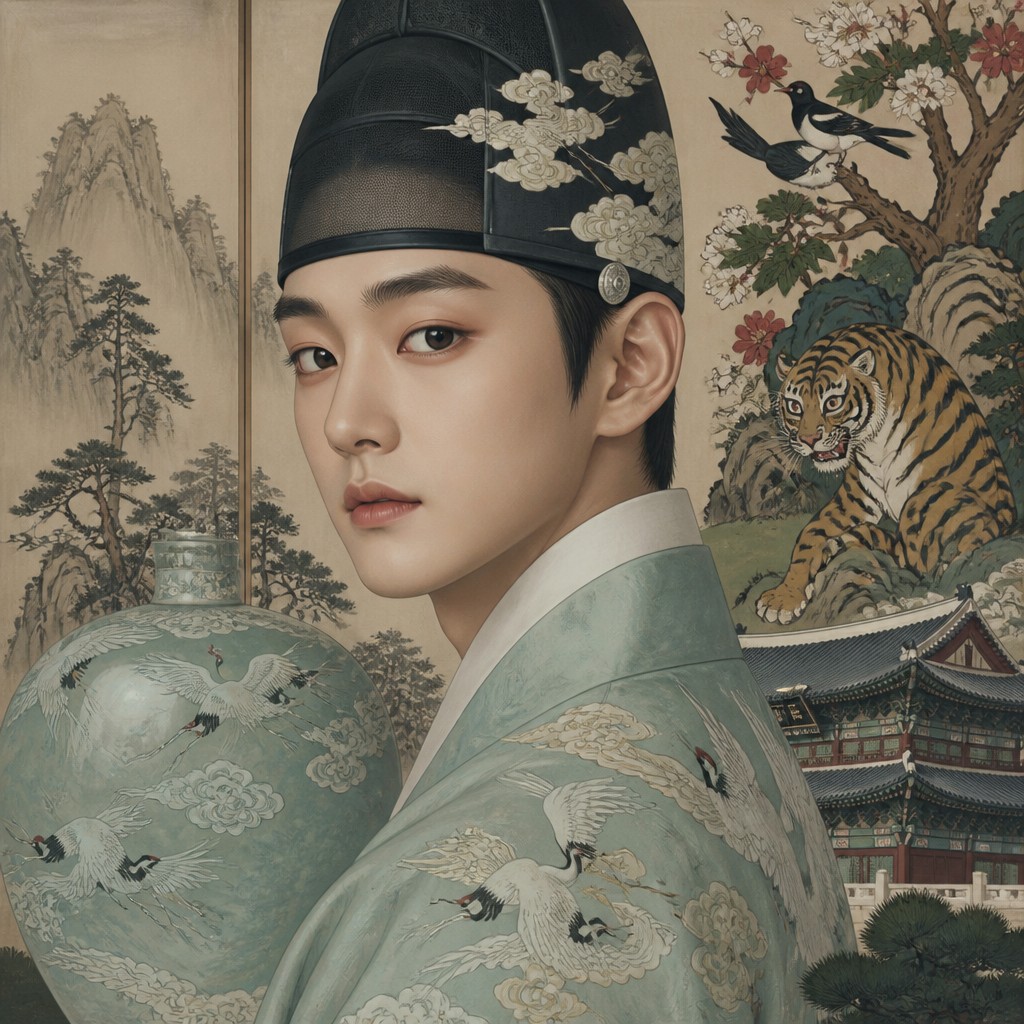
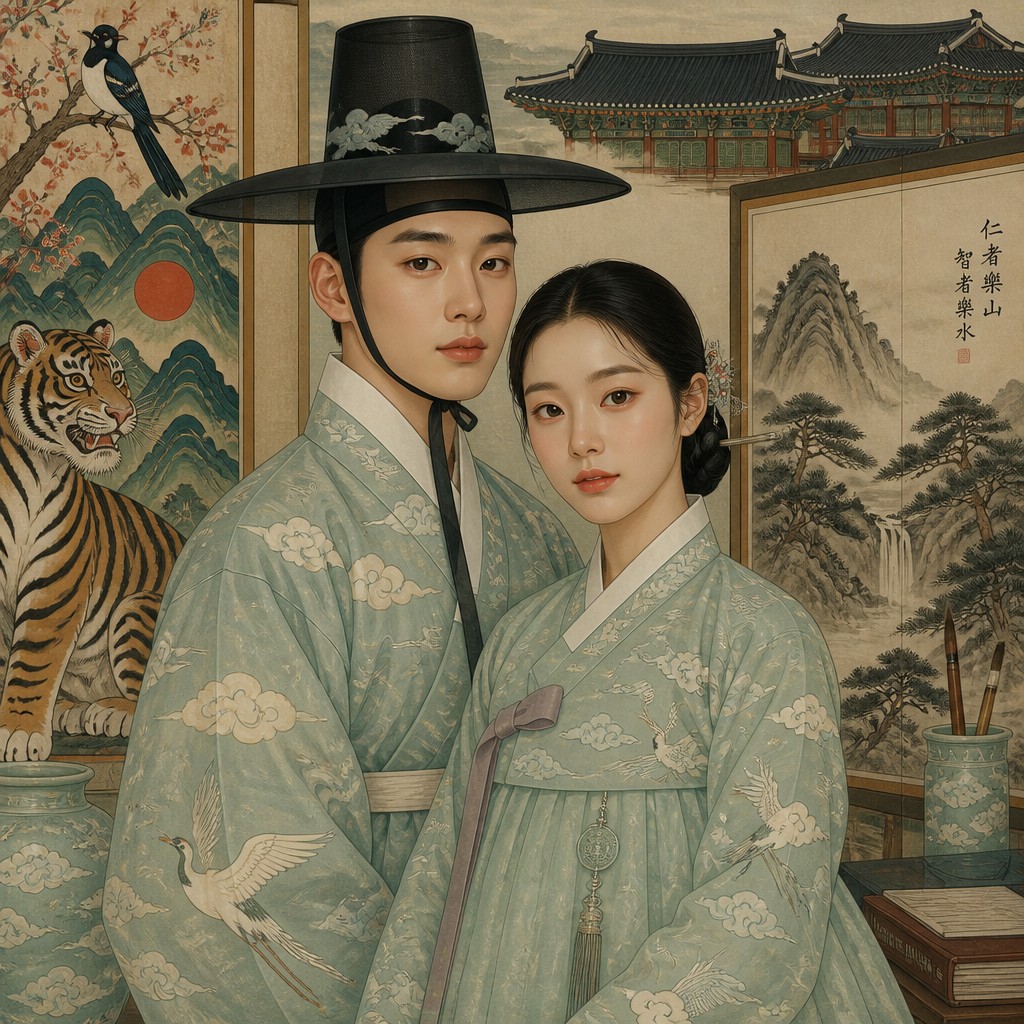
Seoul Art Style is a contemporary, synthesized aesthetic rooted in Korean visual traditions rather than a historical movement with a fixed period or school. It combines the measured elegance of Joseon court painting, the pale jade tones and inlaid ornament of Goryeo celadon, the direct symbolism of late-Joseon minhwa folk painting, and the quiet atmosphere of literati ink landscapes.
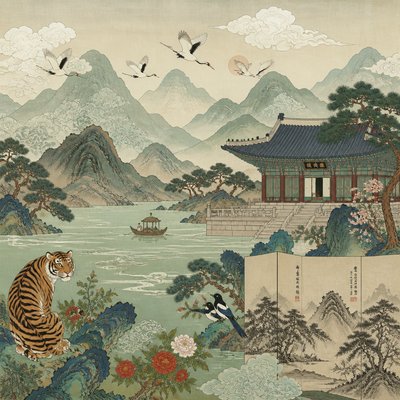
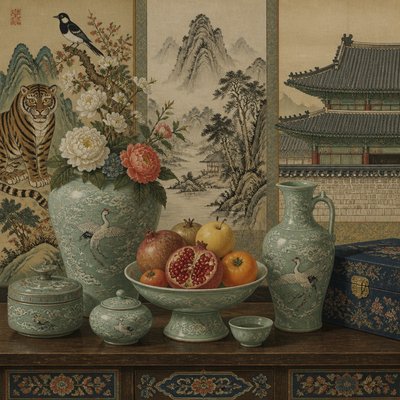
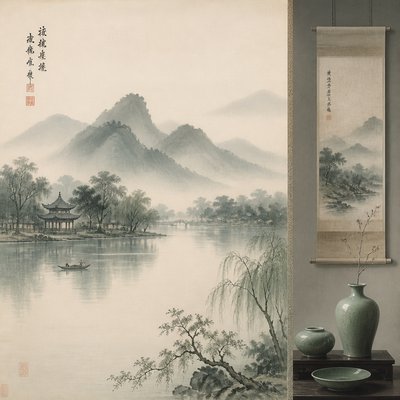
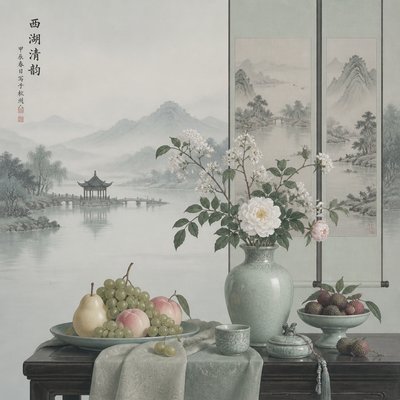
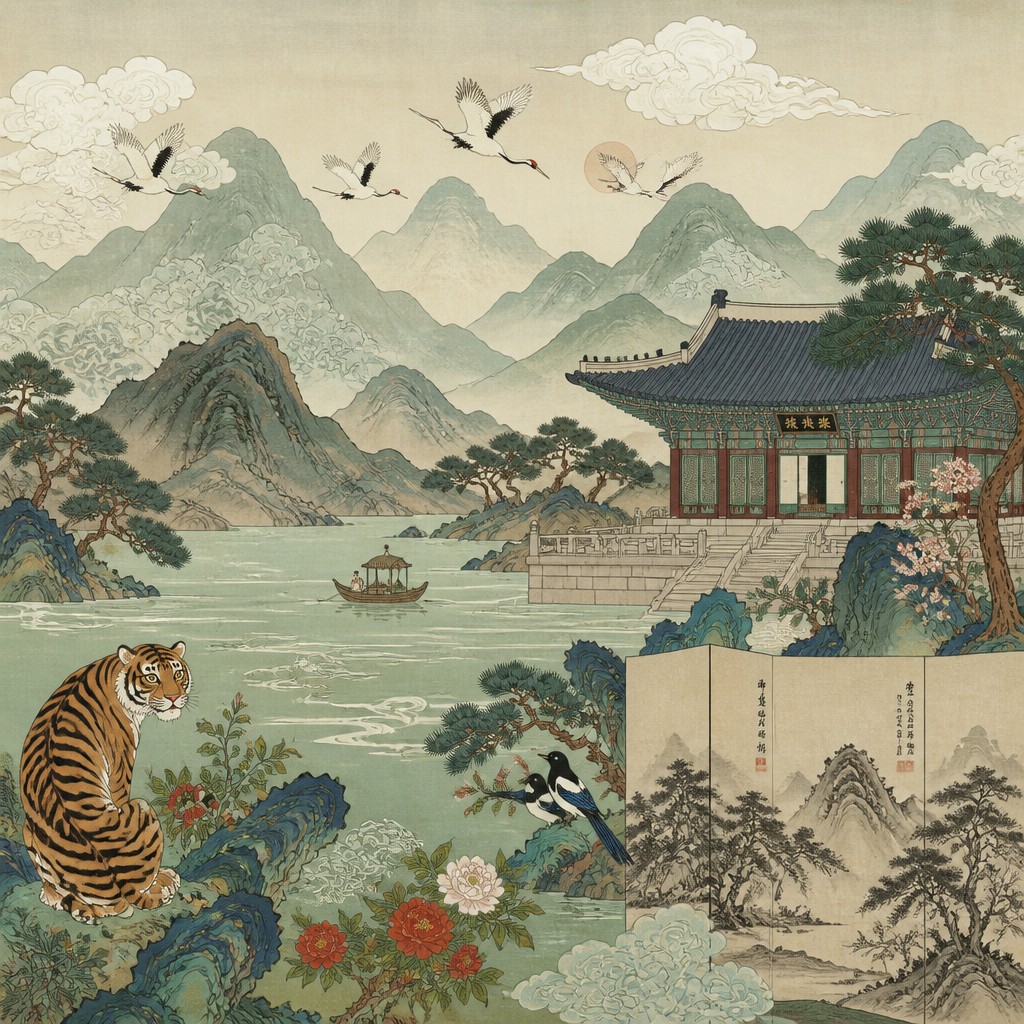
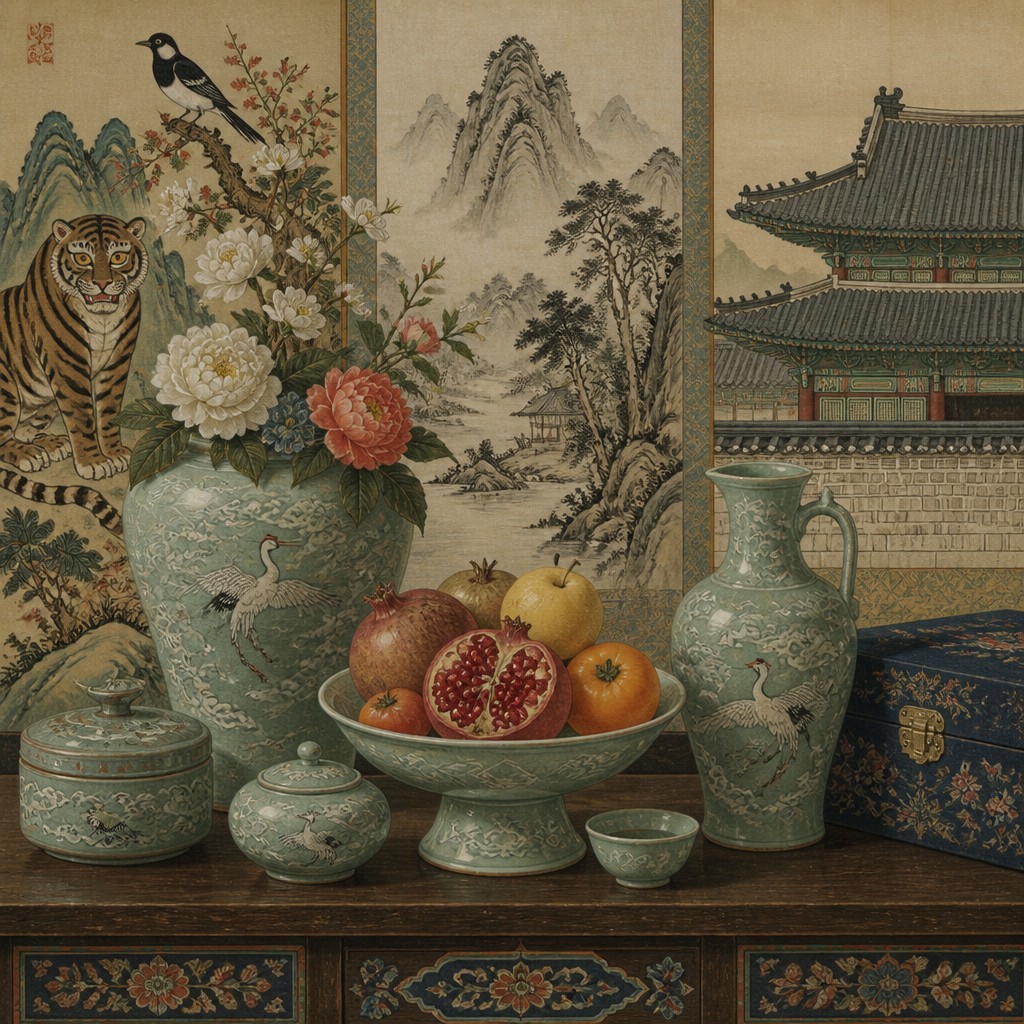
Its visual identity depends on balance: mineral pigments and flat decorative color are set against brushed ink, while restrained palace architecture and curved tiled roofs provide a calm structural frame. Cloud-and-crane patterns, tigers and magpies, scholarly landscapes, ceramics, folding screens, and open negative space create an image that feels ceremonial, contemplative, and distinctly Korean without reproducing one historical object or period exactly.
Try It On Your Photos
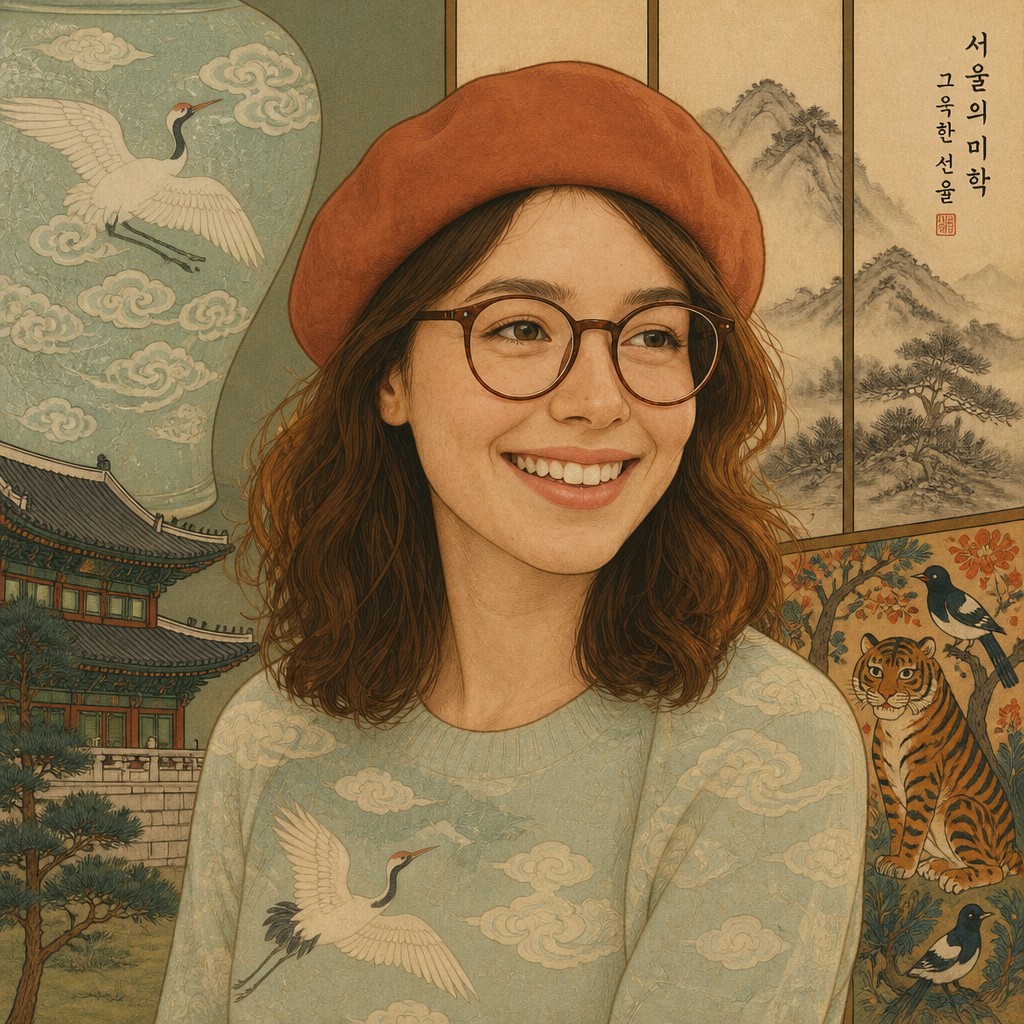
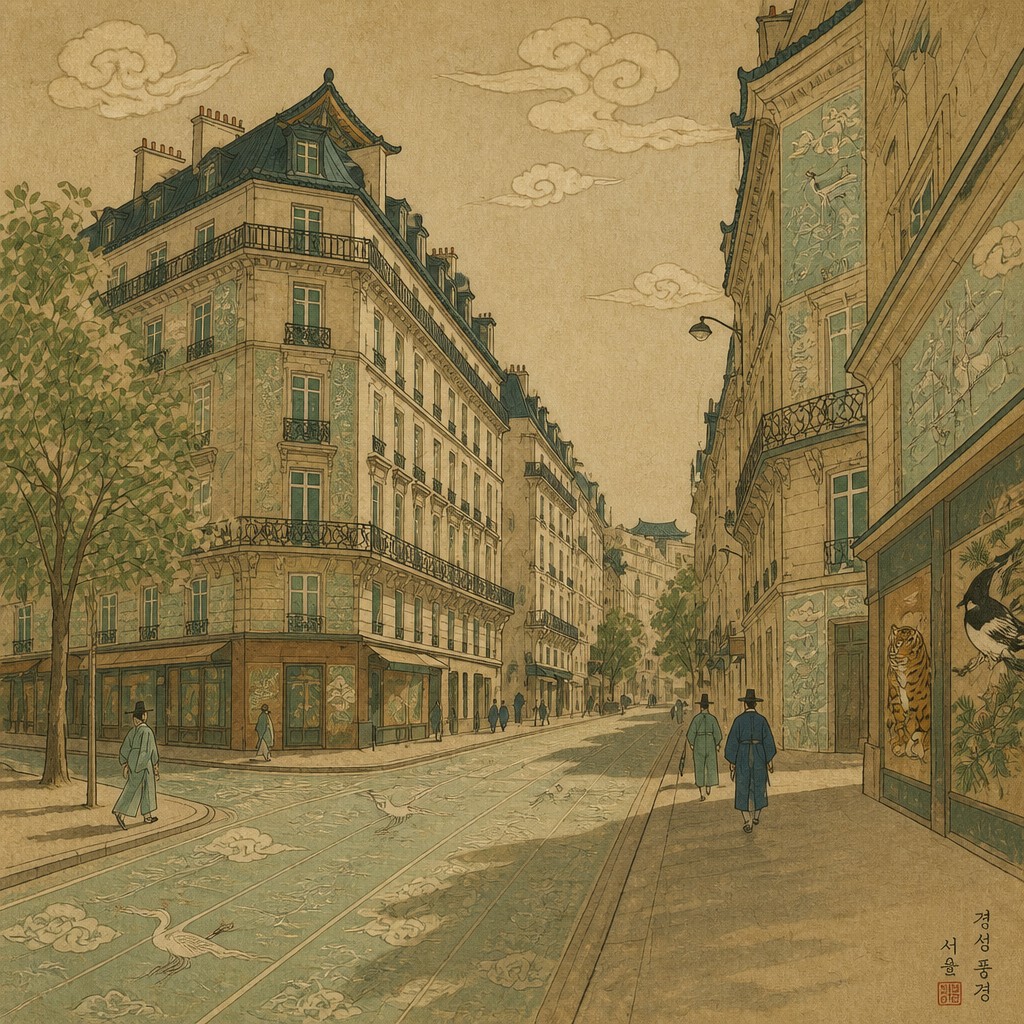
Upload any photo and convert it into Seoul Art Style — drag the sliders to compare before and after.


What Defines Seoul Art Style
The signature details, up close
Jade celadon palette
Pale blue-green, celadon, ivory, warm gray, and subdued earth tones evoke the glazed surfaces of Korean ceramics. The palette is often accented by carefully placed vermilion, indigo, ocher, or black.
Courtly mineral pigments
Muted mineral-pigment color, precise contours, and composed arrangements suggest the formal discipline of Joseon court painting. Figures and objects are presented with clarity rather than dramatic gesture.
Minhwa symbolism
Tigers, magpies, peonies, books, fruit, birds, and auspicious plants appear in simplified, emblematic forms. Bold flat color and slightly playful proportions distinguish these motifs from courtly naturalism.
Ink landscape screens
Finely brushed mountains, pavilions, trees, mist, and distant water create contemplative depth. Layered ink washes and open paper-like space keep the composition airy and restrained.
Curved tiled architecture
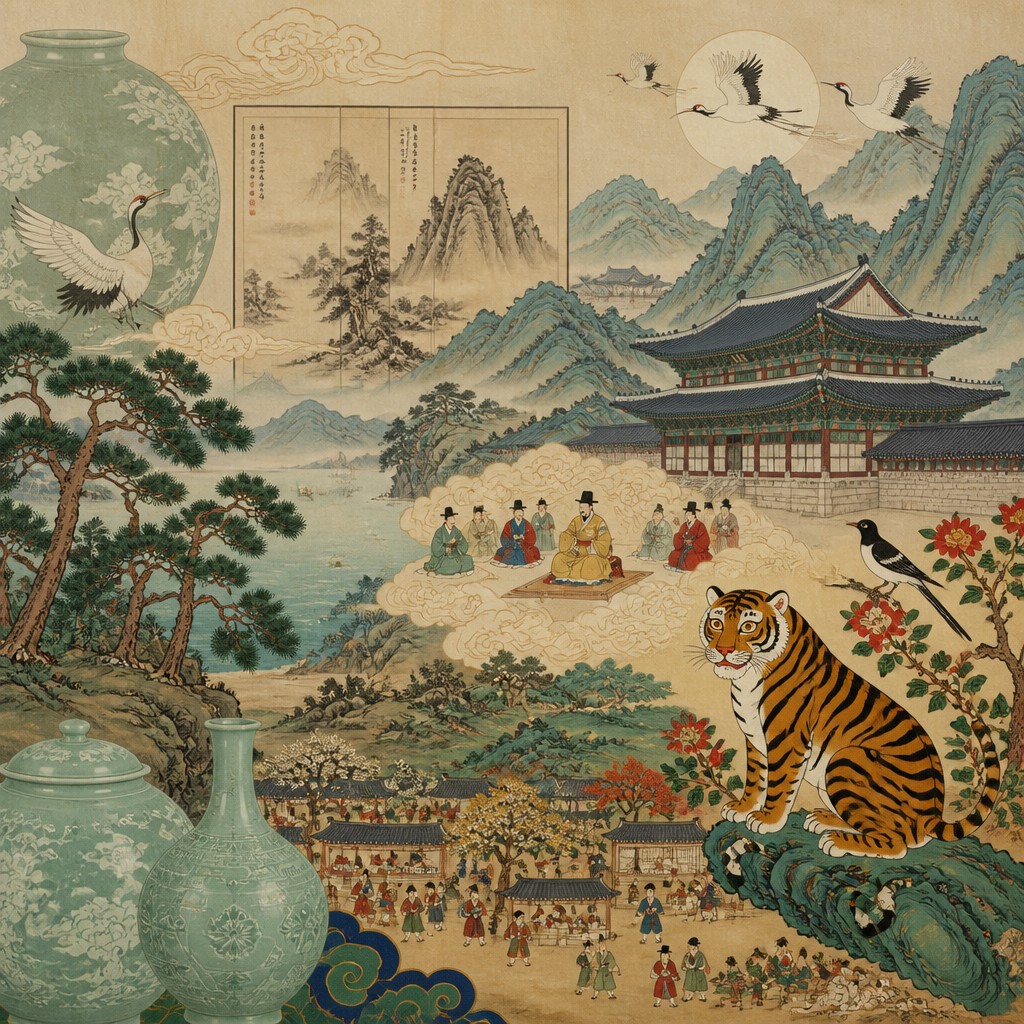
Low palace buildings, wooden gates, courtyards, and gracefully upturned tiled roofs provide an architectural framework. Repeated rooflines and geometric timber details add rhythm without excessive ornament.
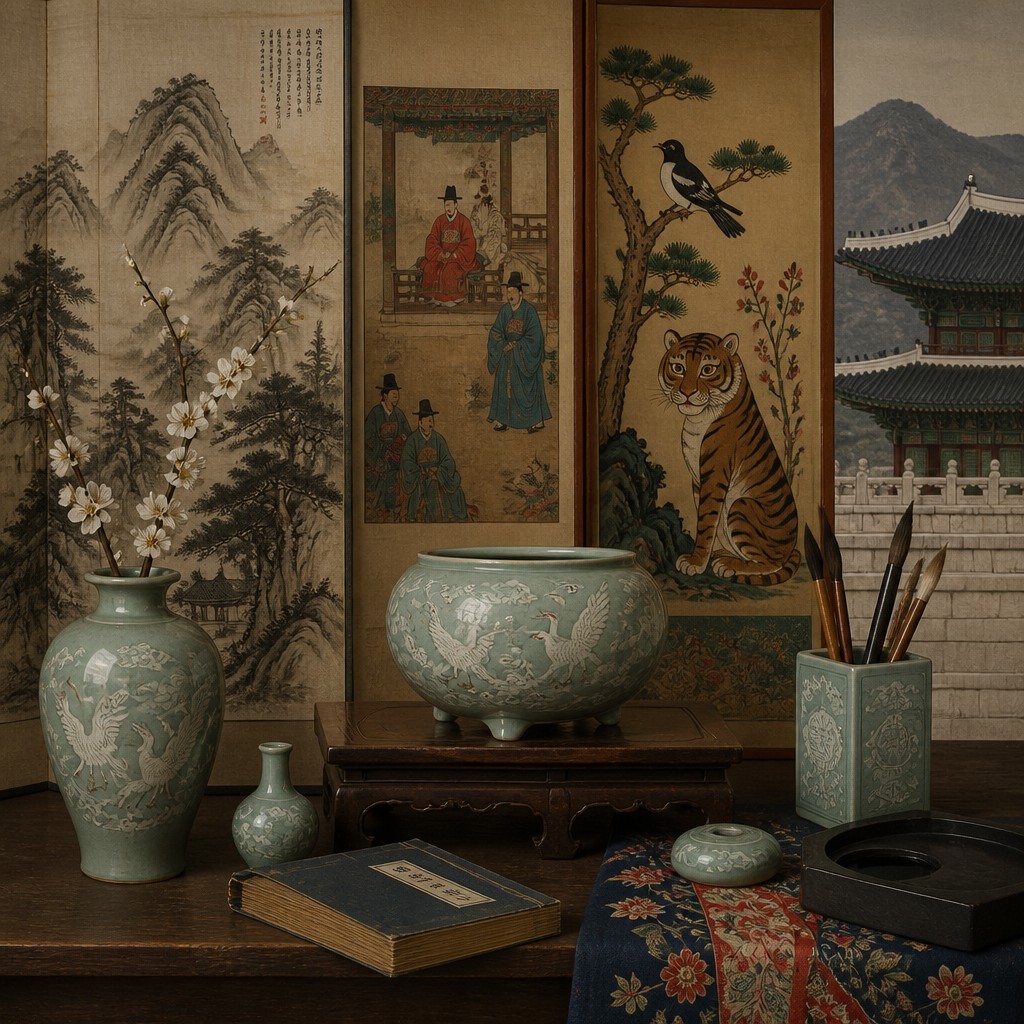
Decorative pattern and inlay
Clouds, cranes, lotus forms, geometric borders, and ceramic inlay patterns function as visual accents. Ornament is selective, emphasizing craftsmanship and symbolic meaning rather than surface density.
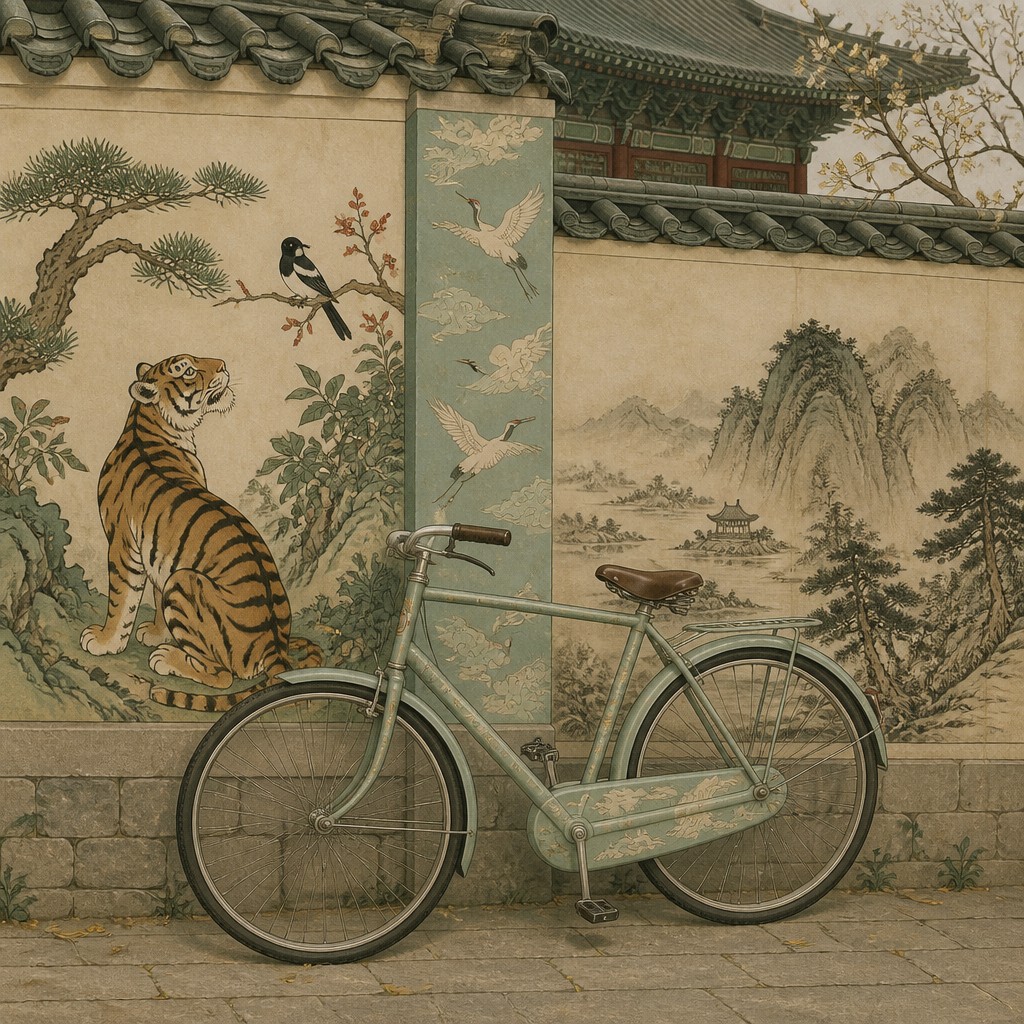
Balanced flatness and depth
The style combines flattened decorative planes with atmospheric ink perspective. Carefully controlled negative space, frontal objects, and layered scenery produce a calm image with both graphic clarity and spatial depth.
Seoul Prompt Ideas
Start from an idea — each one opens the generator with the style ready to go. See all 40 Seoul prompts →
How to Create Seoul Art
Master the craft step by step — or skip straight to creating. Read the full guide →
- 1
Build a restrained palette
Start with celadon jade, parchment, charcoal ink, muted mineral blue, ocher, and cinnabar red. Reserve the strongest colors for symbolic motifs such as a tiger, flower, bird, or architectural detail.
- 2
Combine contour with wash
Draw objects with deliberate ink outlines, then add transparent washes and soft tonal transitions for mountains, clouds, ceramics, or fabric. Keep edges sharper in courtly objects and looser in distant landscapes.
- 3
Use symbolic composition
Arrange motifs as an auspicious or contemplative visual story rather than a purely naturalistic scene. Pairing a tiger with a magpie, cranes with clouds, or books with scholarly furniture can establish a clear traditional reference.
- 4
Suggest screen painting
Divide a broad composition into balanced vertical or horizontal zones, leaving intentional areas of quiet space. Repeated trees, rooflines, clouds, or patterned borders can imply a folding-screen format.
- 5
Adapt the technique digitally
Use textured brushes that imitate absorbent paper, dry ink, mineral pigment, and ceramic glaze; layer flat color beneath translucent washes. Avoid excessive photorealism, glossy gradients, and random decorative detail.
- 6
Write precise generation prompts
Specify the subject first, then request celadon tones, Joseon court-painting contours, minhwa-like flat color, ink-wash screens, curved tiled roofs, and controlled negative space. For image transformation, describe which features should remain recognizable while replacing lighting, texture, and surface treatment.
The Story
History & Origins of Seoul
Seoul Art Style is best understood as an invented or contemporary synthesis of Korean art traditions, not as a documented historical movement. Its lineage reaches back to Goryeo celadon, especially the refined jade-green glaze and inlay techniques developed between the tenth and fourteenth centuries, and to Joseon-period court painting, whose workshops produced formal images for royal and state functions from 1392 to 1897.
It also draws from minhwa, the popular folk painting tradition that flourished particularly during the late Joseon period, using bold colors, symbolic animals, household subjects, and simplified forms. Scholarly ink painting, screen painting, palace decoration, and the architecture of traditional Korean royal compounds contribute the style's quieter atmosphere and orderly compositions.
Influences: The style relates to Korean court painting, minhwa folk painting, Goryeo celadon and ceramic inlay, Joseon literati ink painting, traditional folding screens, and the decorative arts of Korean palace interiors. It also shares broad compositional concerns with East Asian ink-wash traditions, including atmospheric depth, calligraphic brushwork, symbolic nature imagery, and the expressive use of empty space, while its flat colors and emblematic animals connect it to broader decorative and folk-art practices.
Frequently Asked Questions
Is Seoul Art Style a historical Korean art movement?
No. The name describes a contemporary synthesis of several Korean visual traditions rather than a documented movement from a single period. Its main references are Goryeo celadon, Joseon court painting, late-Joseon minhwa, Korean ink landscapes, and traditional palace architecture.
What defines the look of Seoul Art Style?
Its defining features are pale jade celadon color, controlled mineral pigments, bold minhwa-inspired flat forms, fine ink landscapes, symbolic animals, and curved Korean tiled roofs. The style balances ceremonial order with folk symbolism and spacious compositions.
How is it different from traditional Korean ink painting?
Traditional Korean ink painting can be almost entirely monochrome and often emphasizes brush energy, atmosphere, and scholarly expression. Seoul Art Style adds stronger ceramic colors, decorative pattern, courtly formality, folk animals, and architectural motifs, creating a more hybrid and graphic result.
How can I make an image in this style by hand?
Work on absorbent paper with ink, watercolor, gouache, or mineral-pigment-like paints. Establish a clear contour drawing, leave generous empty space, layer diluted washes for landscapes, and use saturated flat passages only for important symbolic motifs.
What subjects work best with this aesthetic?
Palaces, courtyards, ceramics, scholars' objects, mountain pavilions, cranes, tigers, magpies, flowering plants, and seasonal landscapes are especially effective. Everyday modern subjects can also work if they are arranged with symbolic clarity and treated with the palette and compositional discipline of the tradition.
Can photographs be transformed into this style?
Yes. Preserve the main silhouette and recognizable subject while replacing photographic lighting with flat mineral color, ink contours, paper grain, and selective decorative motifs. A restrained background inspired by a screen painting or tiled palace courtyard usually produces a more coherent result than adding every available ornament.
Create your first Seoul artwork
Describe anything — or upload a photo — and see it in Seoul Art Style in seconds.
Related Styles
Discover similar art styles