Samarkand Art Style
Explore the Samarkand art style: Timurid turquoise domes, cobalt tilework, gold calligraphy, muqarnas arches, and Persianate manuscript detail.
Instantly rendered in Samarkand — or transform a photo
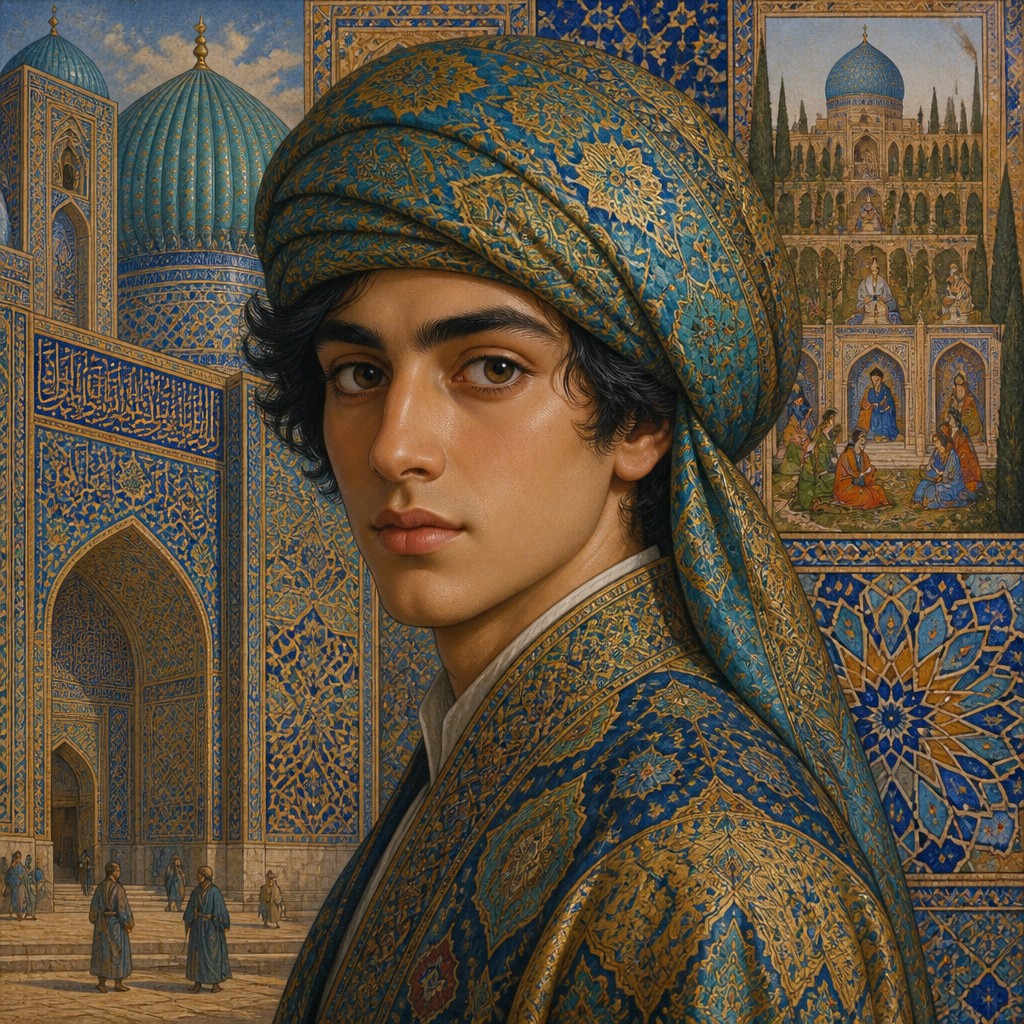
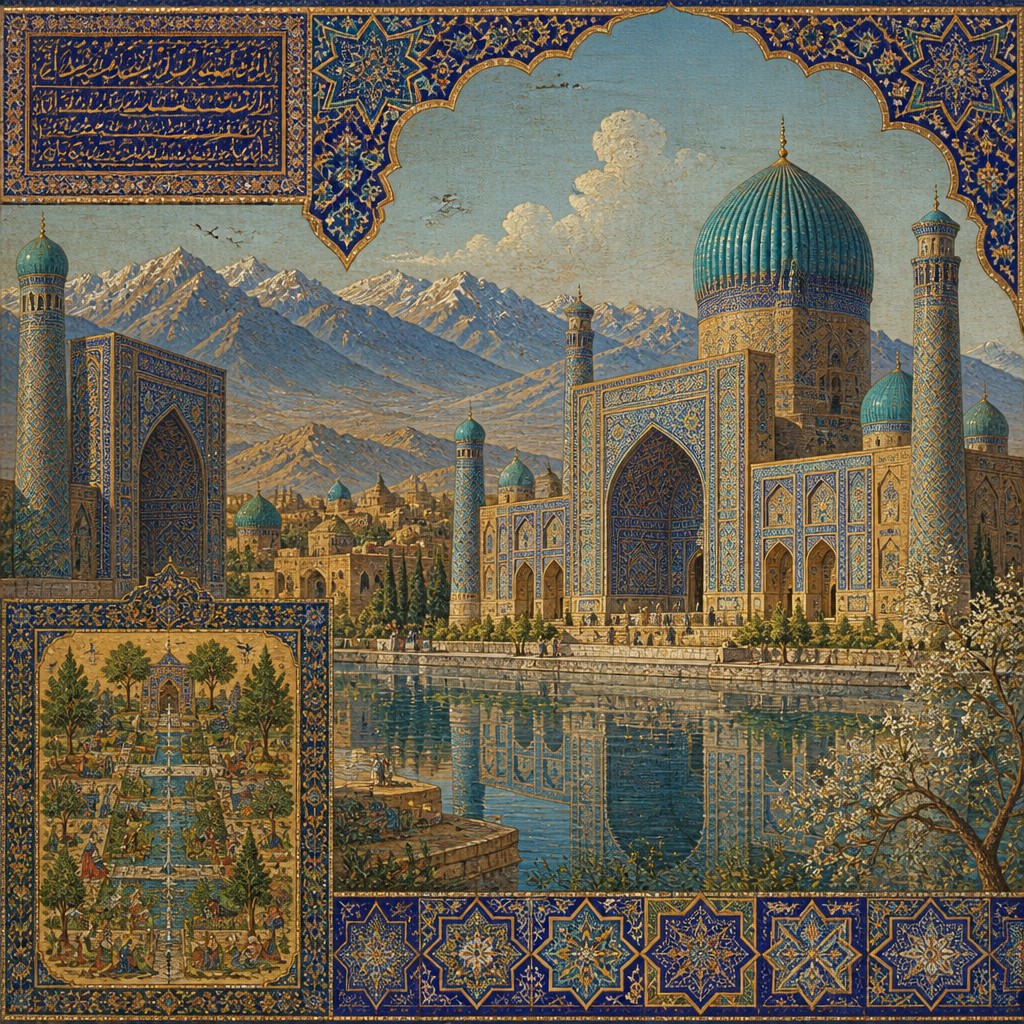
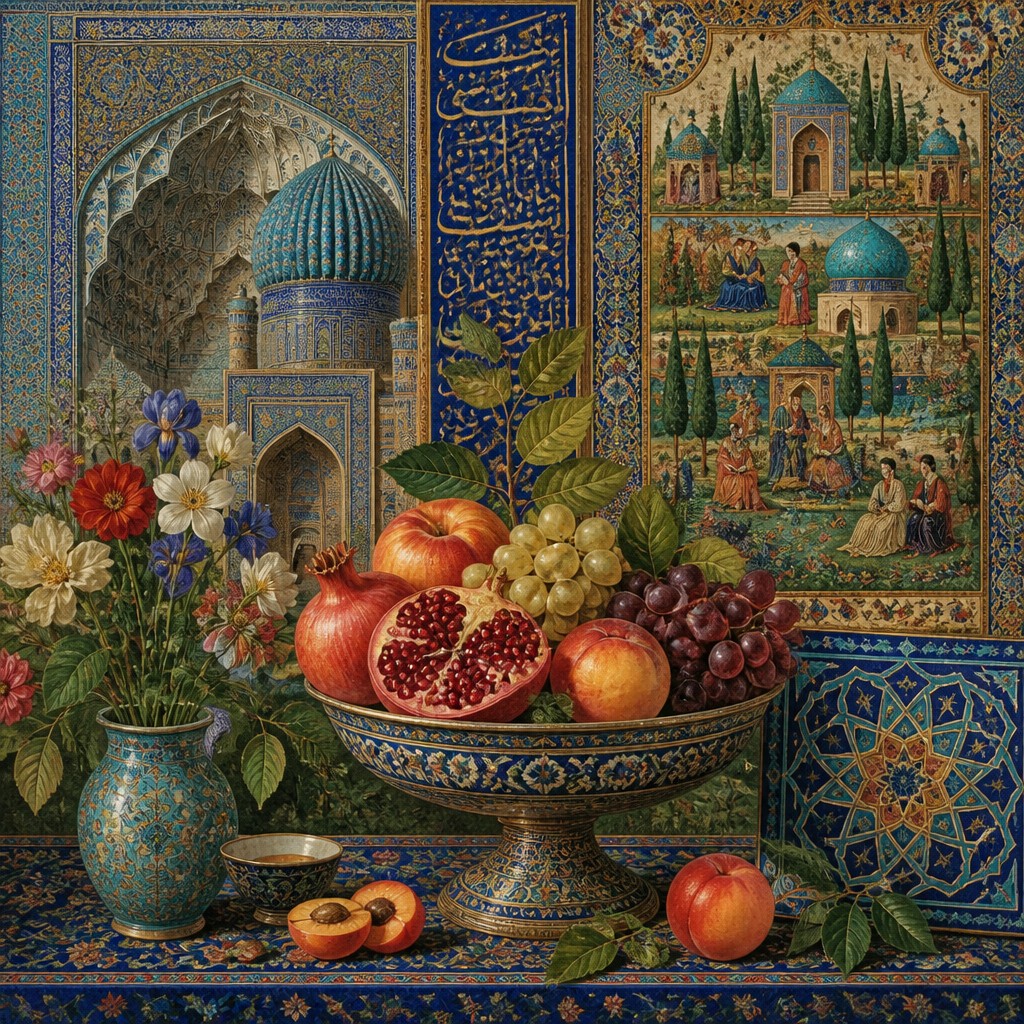
Samarkand Gallery
Tap any artwork to explore it
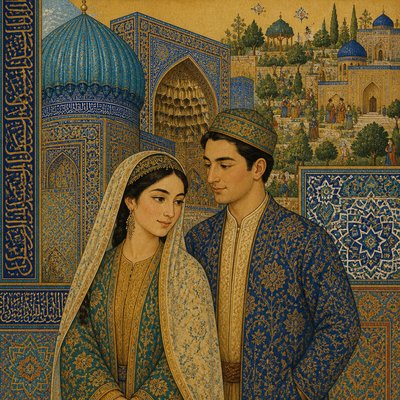
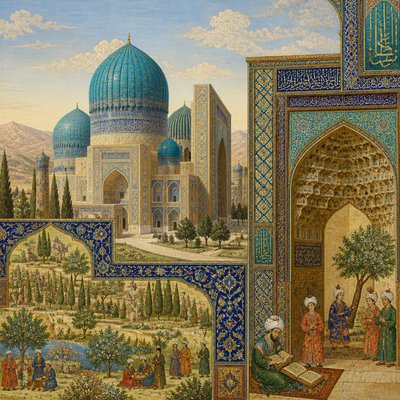
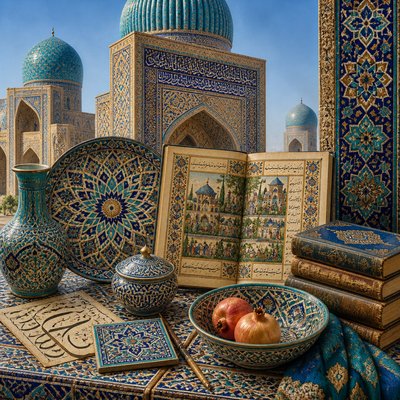
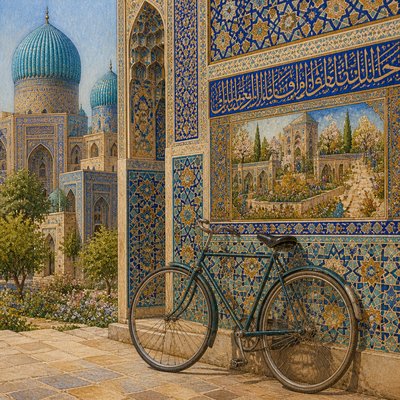
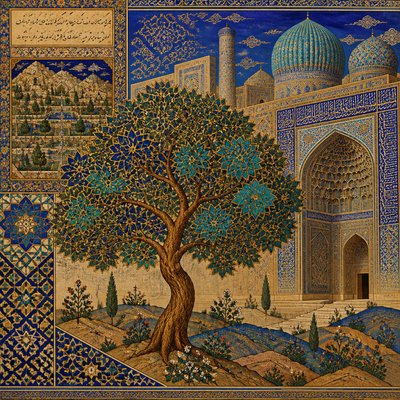
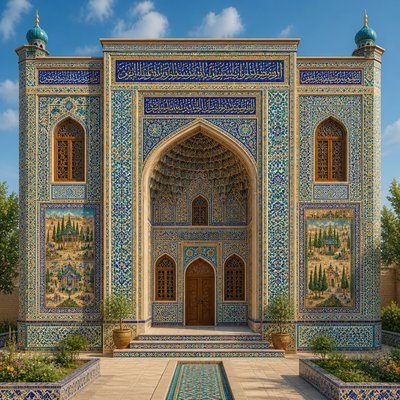
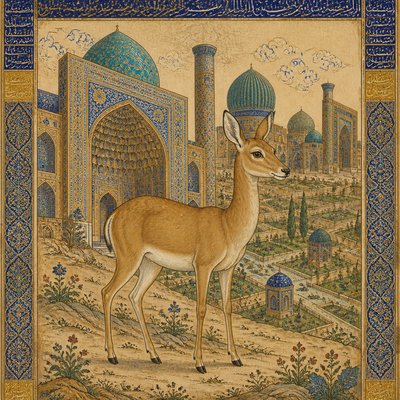
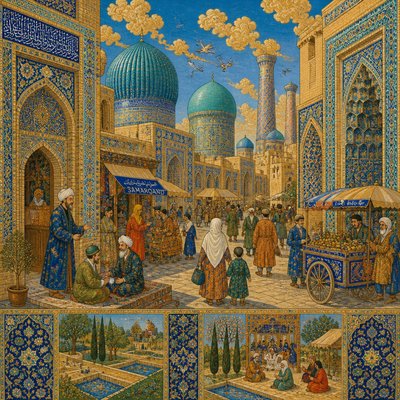
What is Samarkand Art Style?
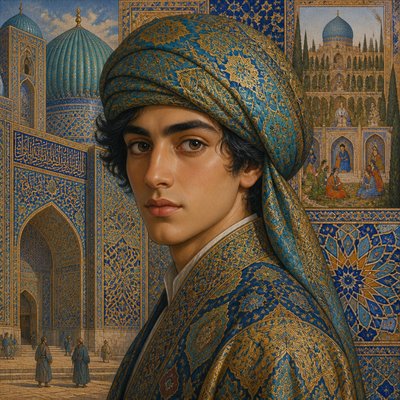
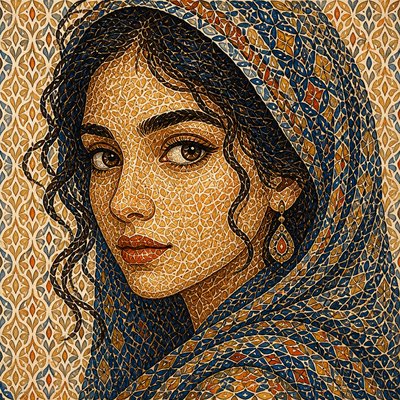
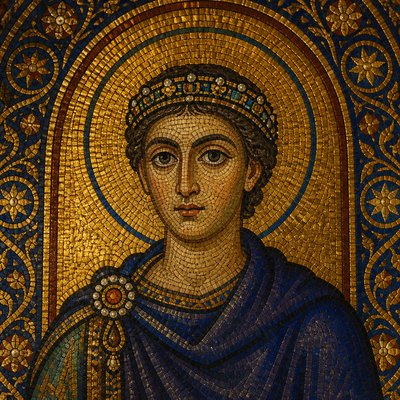
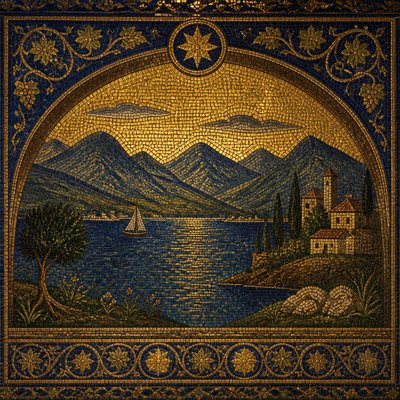
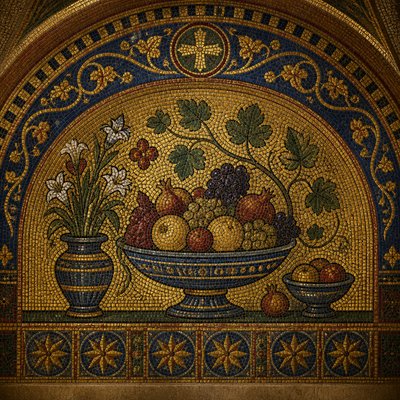
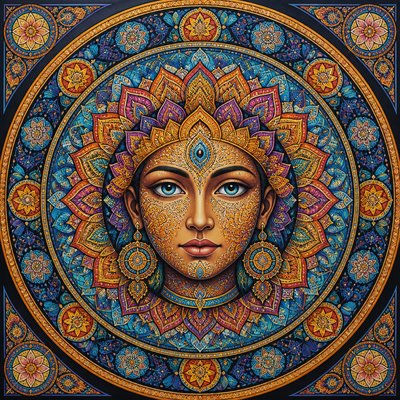
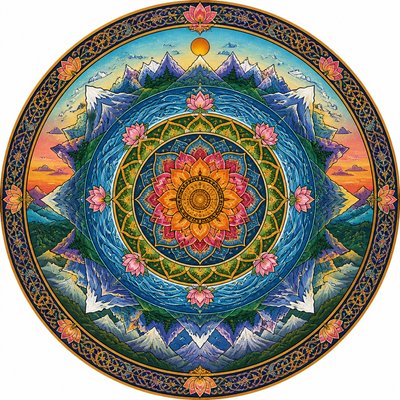
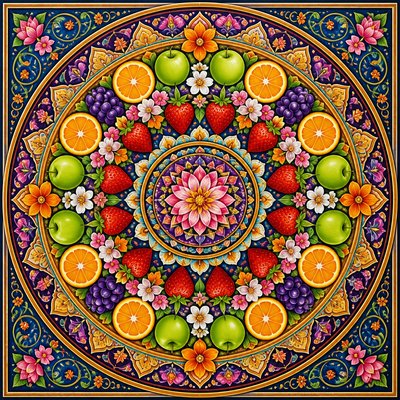
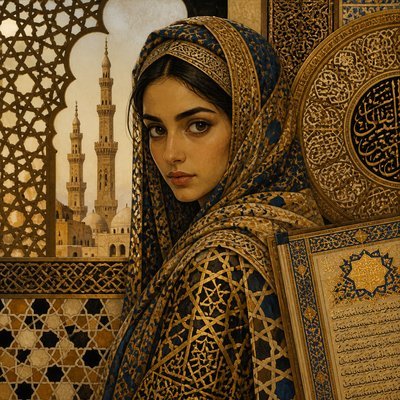
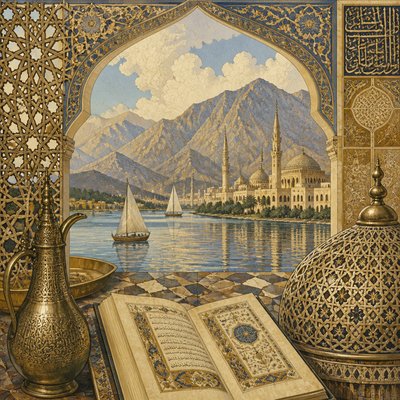
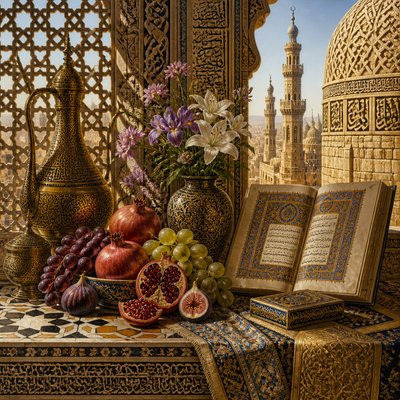
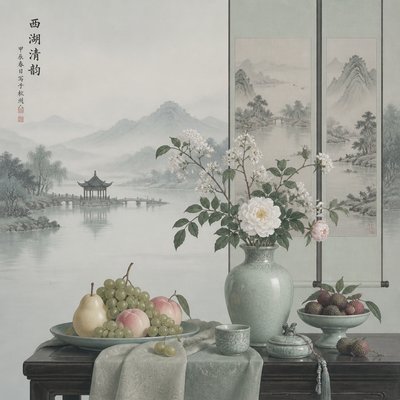
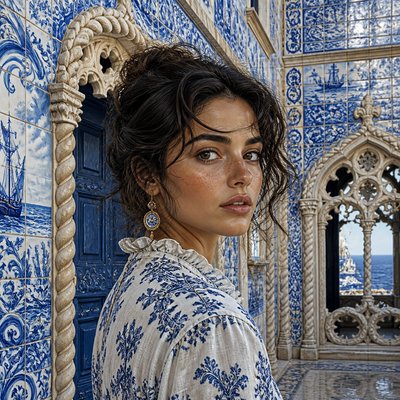
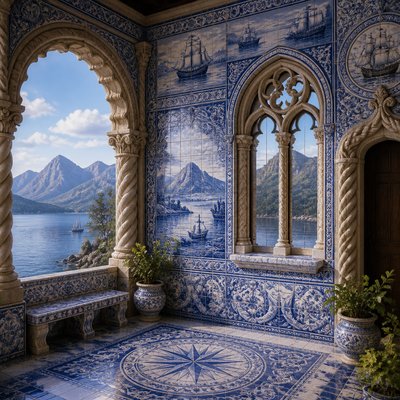
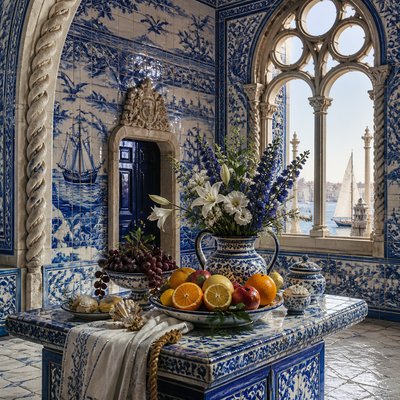
The style looks richly layered because it brings architectural decoration, manuscript illumination, and garden imagery into a single composition. Geometric order supplies structure, calligraphy adds rhythm and meaning, while miniature-like tiered gardens, distant courtyards, and sunlit desert atmospheres create narrative depth. It can be applied to buildings, landscapes, portraits, interiors, and fantasy scenes, provided the surface language remains precise, ornamental, and luminous.
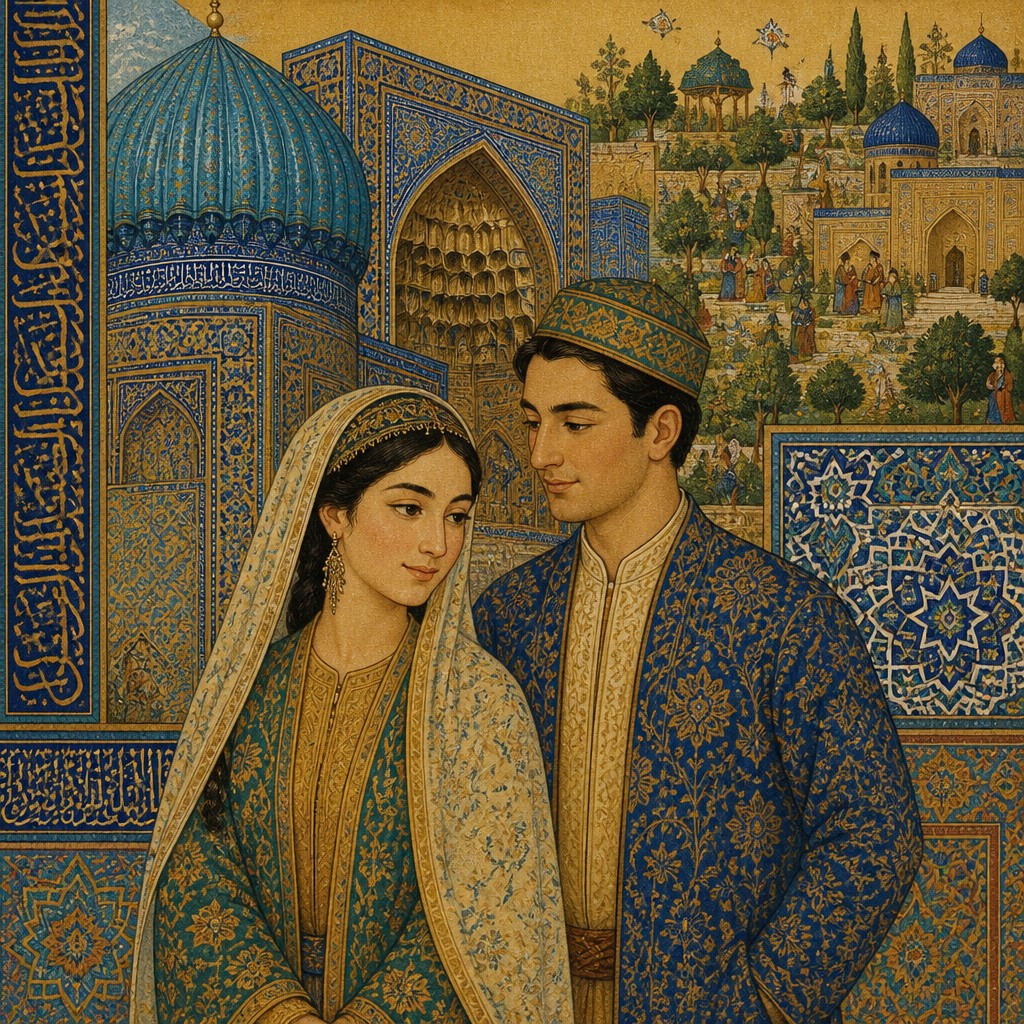
Try It On Your Photos
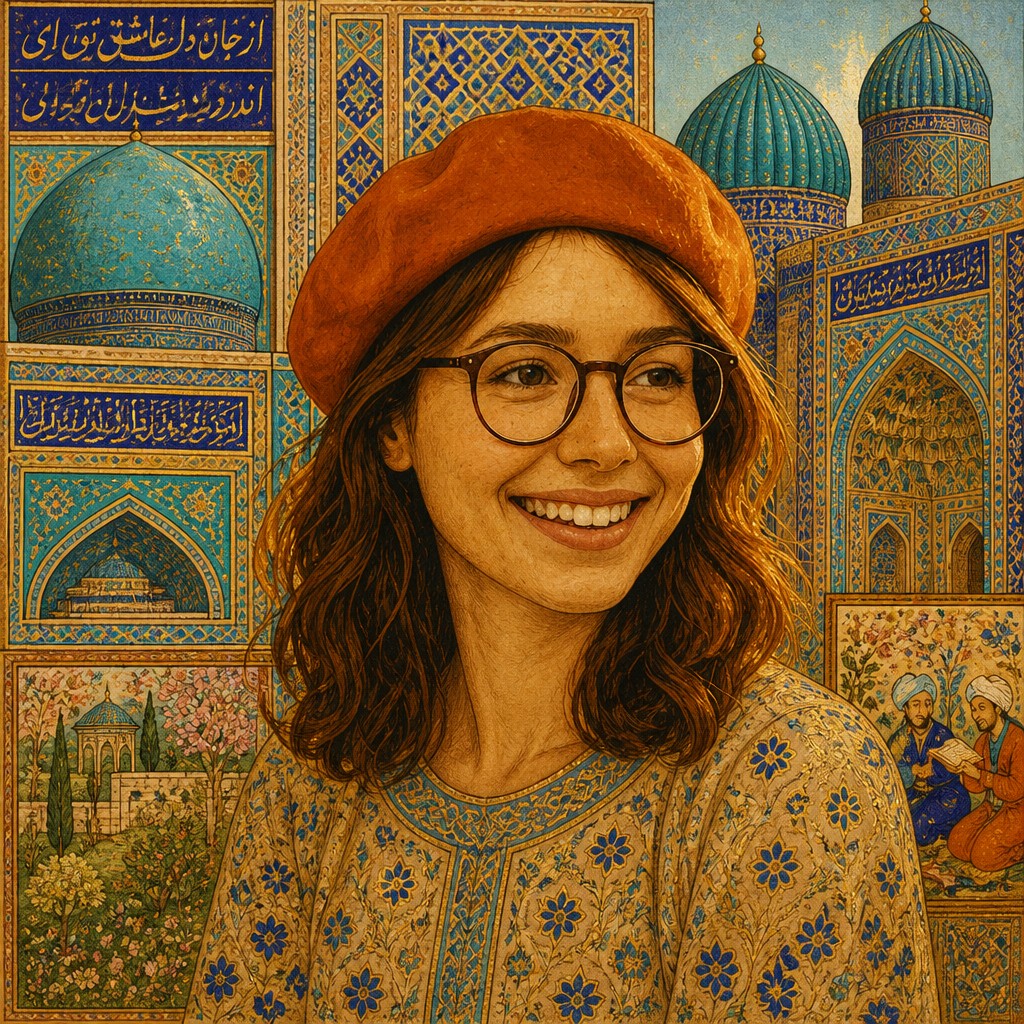
Upload any photo and convert it into Samarkand Art Style — drag the sliders to compare before and after.


What Defines Samarkand Art Style
The signature details, up close
Turquoise domes and monumental silhouettes
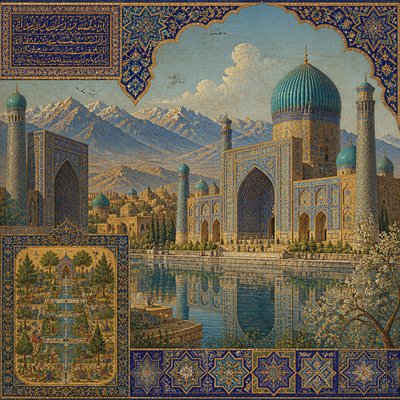
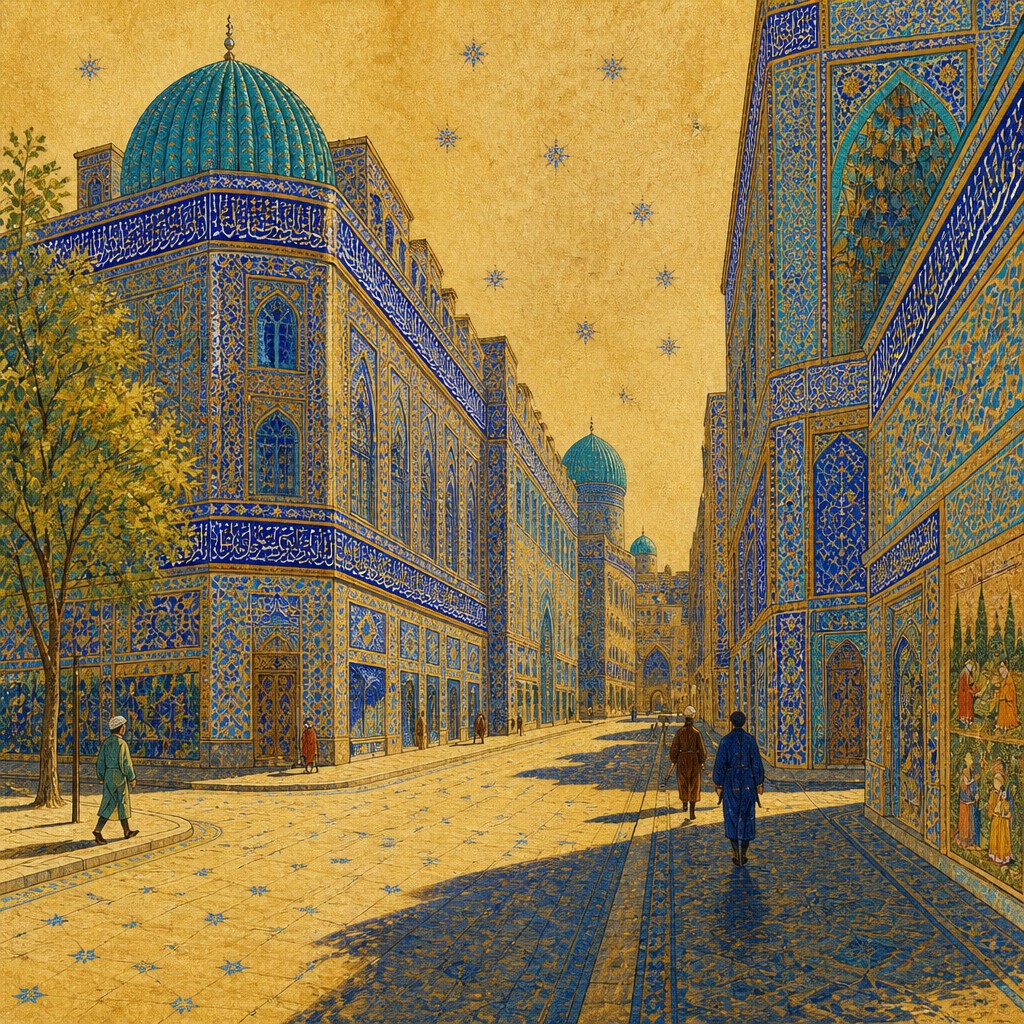
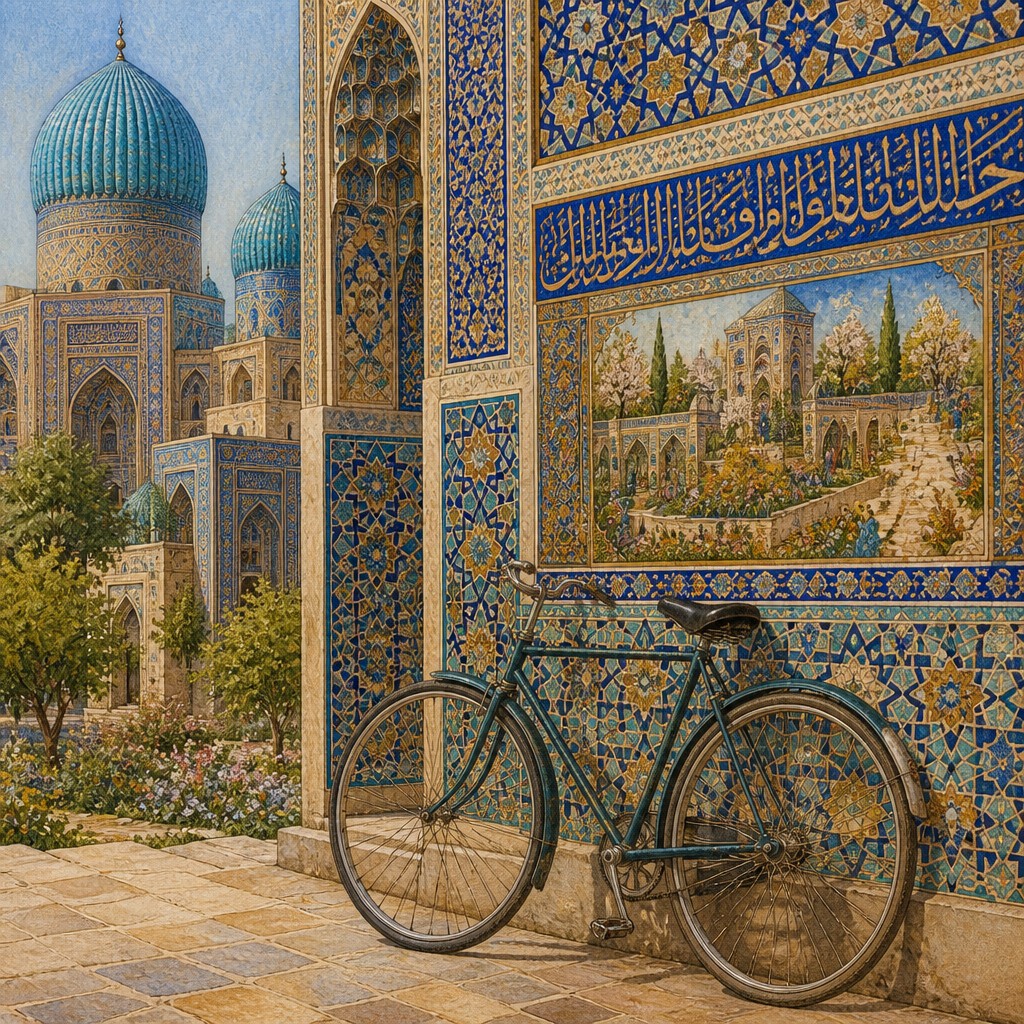
Large ribbed or faceted domes in turquoise and blue-green act as the primary focal points. Tall portals, minarets, and mausoleum forms create a vertical, ceremonial composition.
Geometric glazed-brick mosaics
Interlocking stars, polygons, arabesques, and tessellated bands cover façades with disciplined repetition. The hard-edged geometry contrasts with the atmospheric softness of sky, sand, and garden scenes.
Cobalt, azure, and gold palette
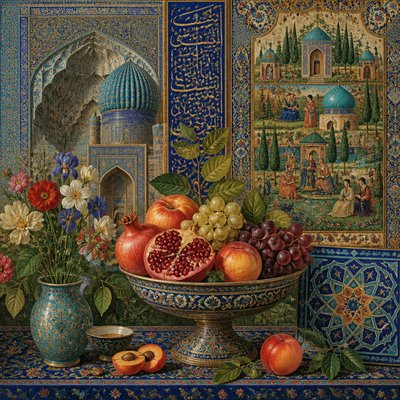
Deep blue and luminous turquoise dominate, supported by white, cream, terracotta, and desert-sand tones. Gold appears as a controlled accent in calligraphy, borders, highlights, or manuscript illumination.
Calligraphic ornament
Decorative bands of Arabic or Persianate calligraphy frame portals, domes, and horizontal architectural divisions. The lettering functions both as text and as a flowing visual pattern, so legibility should be balanced with ornamental clarity.
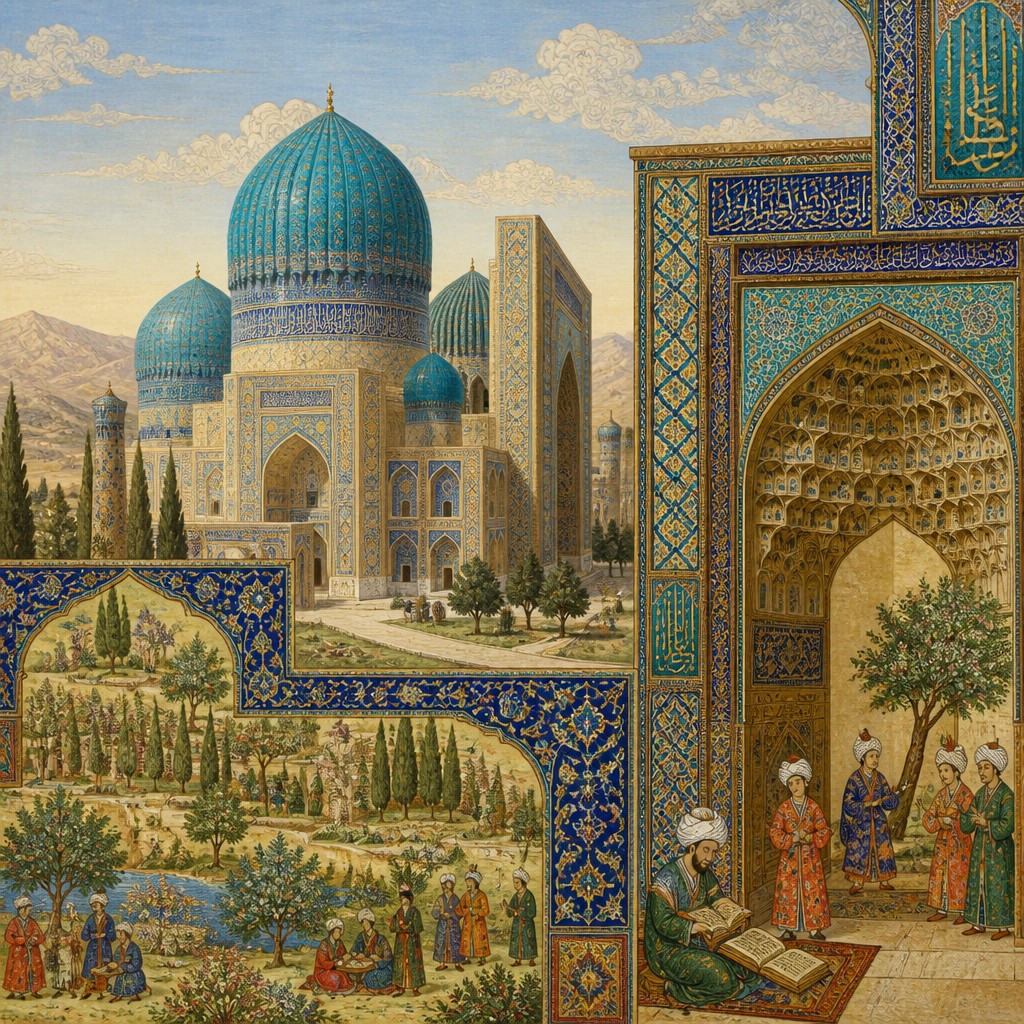
Muqarnas and layered archways
Honeycomb-like muqarnas, pointed arches, niches, and recessed portals create intricate transitions between flat walls and domed volumes. Repeated shadow planes make these forms especially effective in strong sunlight.
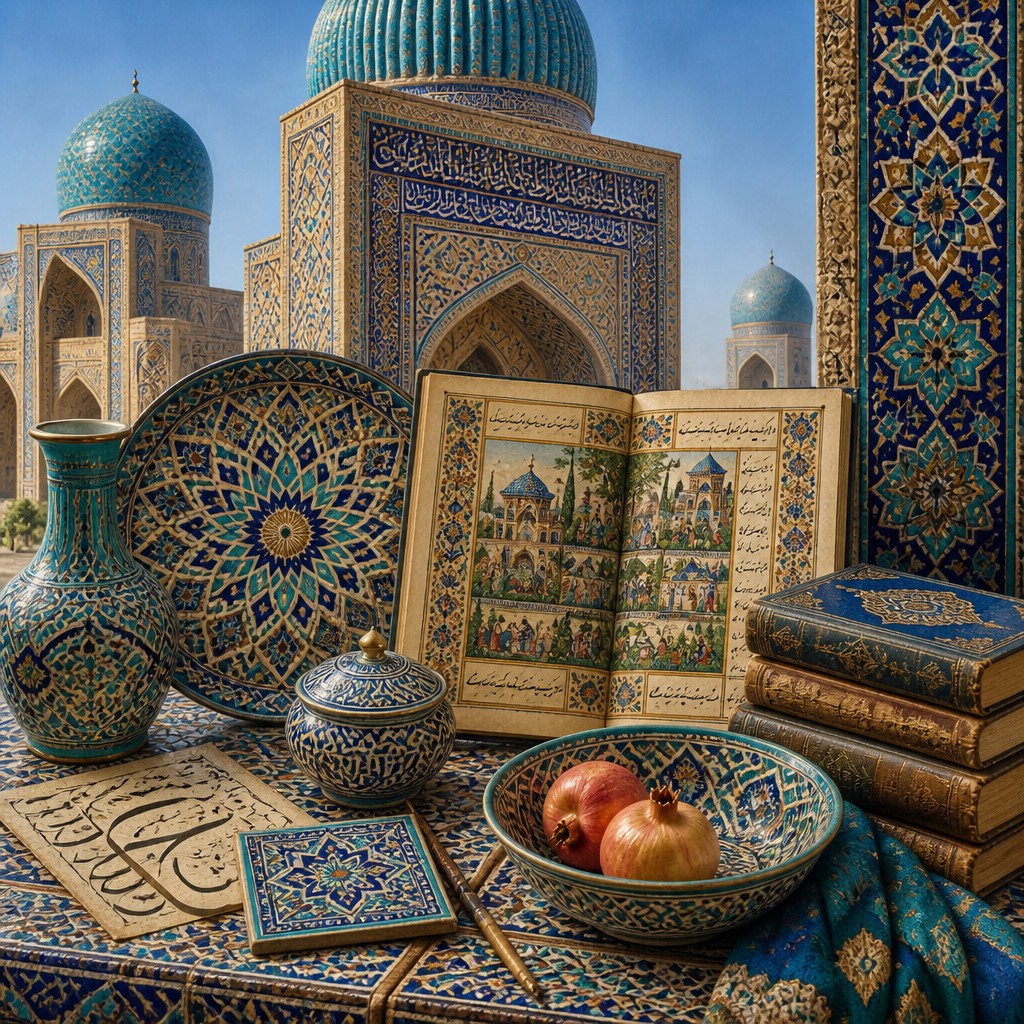
Manuscript miniature detail
Tiered gardens, cypress trees, pavilions, patterned robes, and compact narrative scenes can be rendered with the flattened perspective and meticulous finish associated with Persianate manuscript painting.
Desert light and ornamental density
Clear, warm sunlight emphasizes the relief of brick, tile, and carved plaster while distant terrain remains spare. Dense decoration is usually balanced by open sky, courtyards, or quiet sandy foregrounds.
Samarkand Prompt Ideas
Start from an idea — each one opens the generator with the style ready to go. See all 40 Samarkand prompts →
How to Create Samarkand Art
Master the craft step by step — or skip straight to creating. Read the full guide →
- 1
Build a strong architectural silhouette
Start with one dominant dome, iwan, gate, or courtyard and establish its perspective before adding ornament. Keep the main volumes readable so the tilework does not flatten the entire image.
- 2
Design ornament in repeatable units
Construct star polygons, interlaced bands, arabesques, and border motifs from a small number of repeated modules. In digital work, use vector paths, symmetry tools, masks, or tiled pattern layers for cleaner geometry.
- 3
Control the palette and light
Use turquoise and cobalt as structural colors, then reserve gold for focal accents rather than covering every surface. Add warm, directional sunlight to reveal muqarnas depth and the uneven sheen of glazed brick.
- 4
Combine architecture with miniature space
For gardens or figures, use stacked planes, patterned surfaces, and selective flattening instead of strict naturalistic perspective. Fine brushes, opaque gouache, colored pencil, or digital paint layers can reproduce the compact precision of manuscript detail.
- 5
Use descriptive generation prompts
Specify the subject, Timurid architectural vocabulary, turquoise and cobalt tilework, geometric stars, calligraphic bands, muqarnas, manuscript-like detail, and the desired lighting. For image-to-image work, preserve the source silhouette while directing the transformation toward glazed brick, ornamental borders, and a controlled palette.
- 6
Refine lettering and small details manually
Text-to-image systems often distort calligraphy and geometric repetition, so correct inscriptions, borders, and star patterns afterward with compositing or vector editing. When exact writing matters, add the lettering as a separate designed layer.
The Story
History & Origins of Samarkand
Its visual lineage also includes earlier Iranian and Central Asian tilework and later Persianate, Mughal, and Ottoman decorative traditions. Modern interpretations often heighten the turquoise, cobalt, and gold palette and combine architectural motifs with manuscript-like garden scenes, making the result a stylized synthesis rather than a strict reconstruction of any one historical monument.
Influences: The style draws from Timurid architecture and the broader Persianate visual tradition, including Islamic geometric ornament, monumental epigraphy, Central Asian glazed-brick construction, muqarnas, manuscript illumination, and formal garden design. It also relates to Persian miniature painting, Islamic decorative arts, later Mughal and Ottoman architectural ornament, and contemporary digital fantasy art that recombines historical motifs into immersive environments.
Frequently Asked Questions
What defines the Samarkand art style?
It is defined by turquoise-domed Timurid architecture, cobalt and azure tile mosaics, geometric star patterns, calligraphic decoration, muqarnas, and manuscript-like garden imagery. A disciplined ornamental structure and intense blue-green palette are usually more important than a single subject.
Is Samarkand art style a historical art movement?
No. The phrase is best understood as a contemporary descriptive synthesis rather than the name of a formal historical movement. It takes visual cues from the Timurid culture of Samarkand and related Persianate and Central Asian traditions.
How does it differ from Persian miniature painting?
Persian miniature painting is primarily a manuscript-based tradition with flattened narrative space, intricate figures, and carefully patterned landscapes. Samarkand art style expands that language into monumental architecture and environmental scenes, giving domes, façades, tilework, and courtyards equal or greater emphasis.
What colors work best for this style?
Turquoise, cobalt, lapis, deep azure, white, sand, and muted terracotta form the core palette. Gold is most effective as a selective highlight in calligraphy, borders, illuminated details, or reflected sunlight.
Can contemporary subjects be rendered in this style?
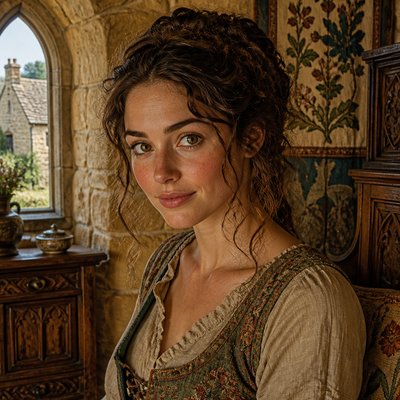
Yes. Portraits, city scenes, interiors, vehicles, and imaginary worlds can use the style if they retain its ornamental geometry, tiled surfaces, calligraphic rhythm, and controlled palette. Modern subjects may be framed by arches, gardens, façades, or manuscript-inspired borders.
How can I make the result look historically informed rather than generic fantasy art?
Use specific structural terms such as iwan, ribbed dome, glazed-brick mosaic, muqarnas, madrasa courtyard, and Persianate garden. Avoid indiscriminately mixing unrelated motifs, and check architectural proportions, calligraphic placement, and the distinction between tile, brick, carved plaster, and painted manuscript surfaces.
Create your first Samarkand artwork
Describe anything — or upload a photo — and see it in Samarkand Art Style in seconds.
Related Styles
Discover similar art styles