Romanian Art Style
Explore Romanian art style: Voroneț blue frescoes, Brâncovenesc ornament, Saxon fortifications, Carpathian light, and painted monastery heritage.
Instantly rendered in Romanian — or transform a photo
Romanian Gallery
Tap any artwork to explore it
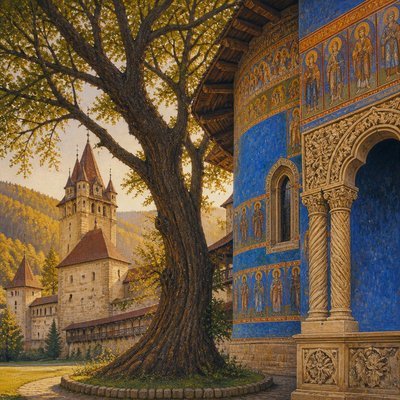
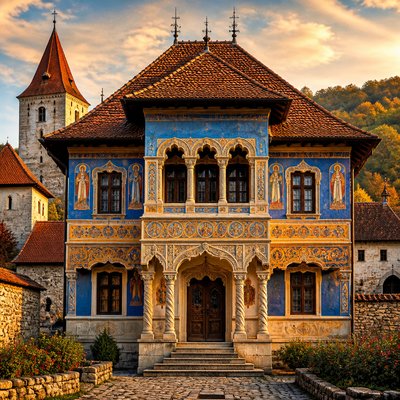
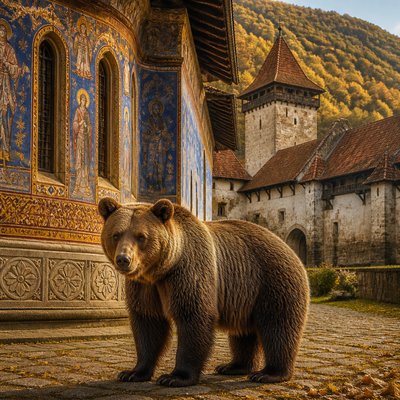
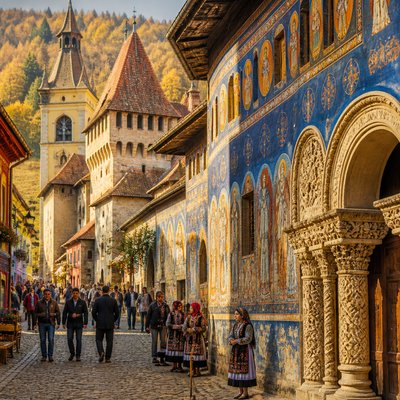
What is Romanian Art Style?
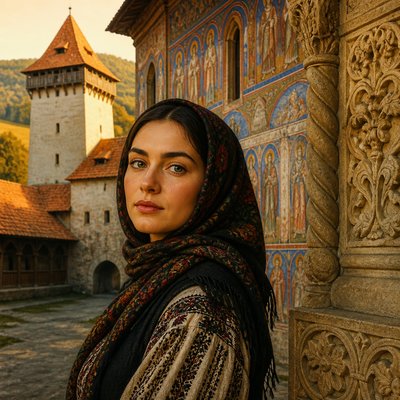
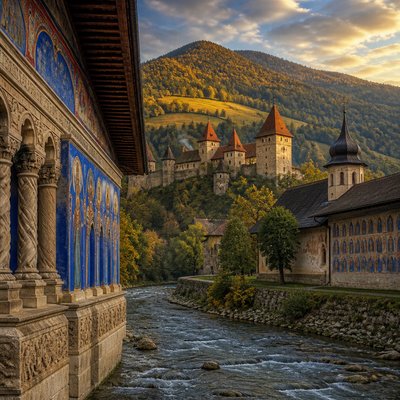
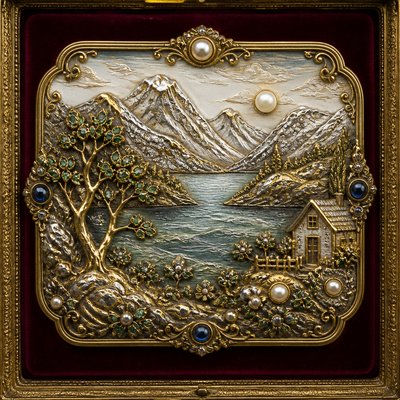
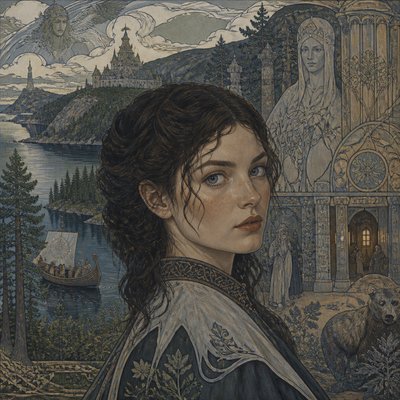
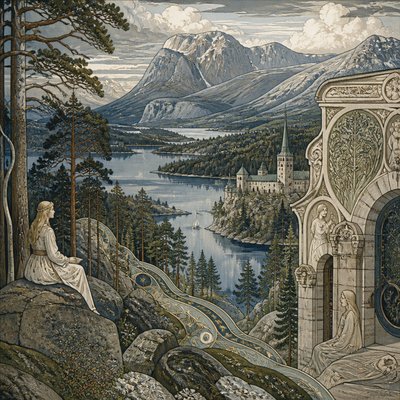
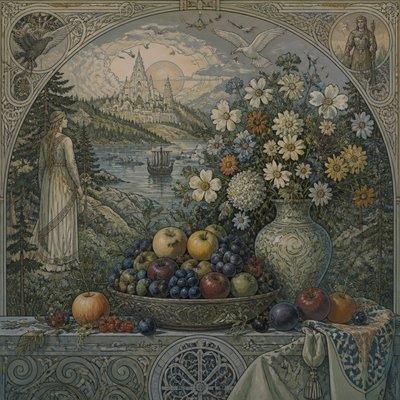
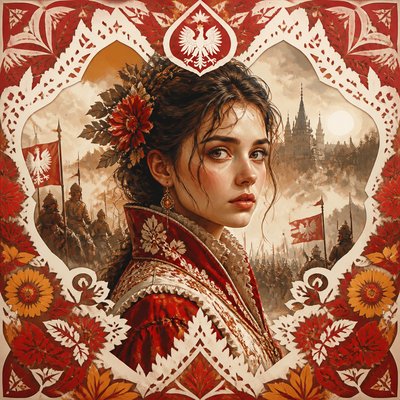
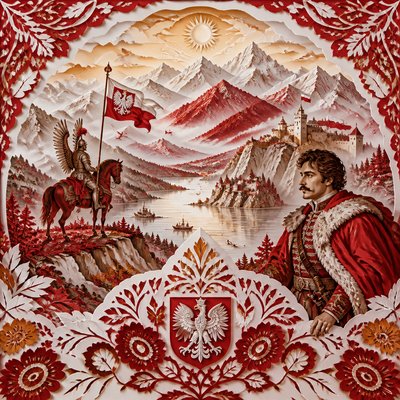
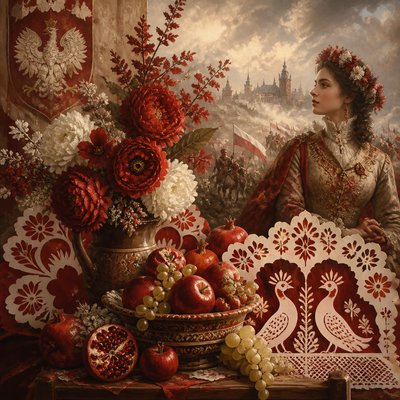
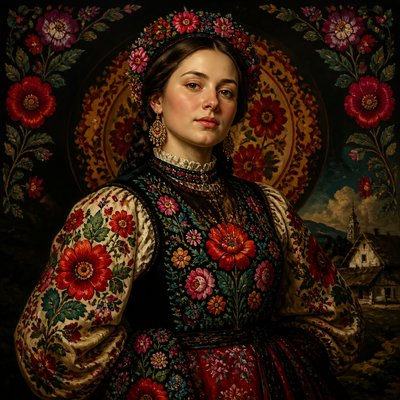
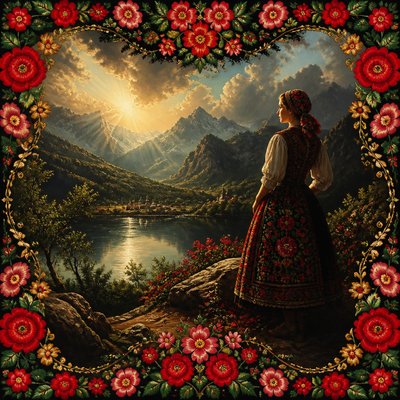
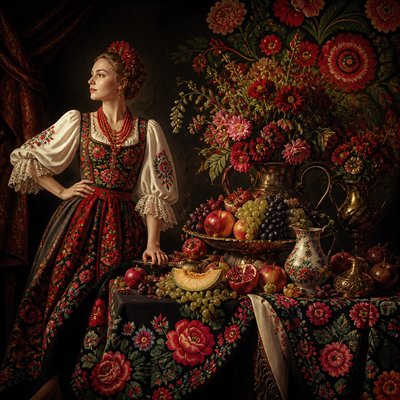
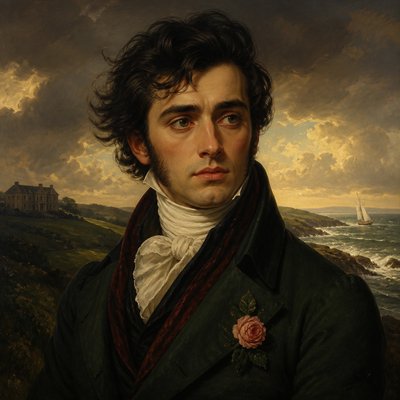
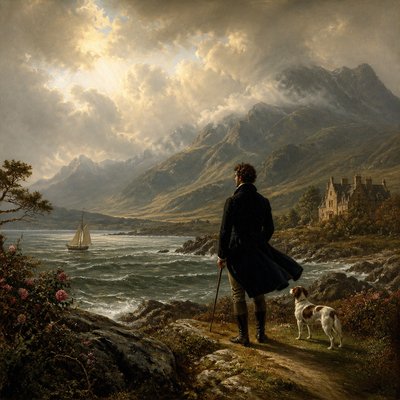
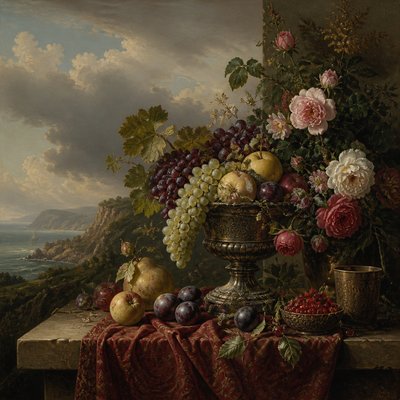
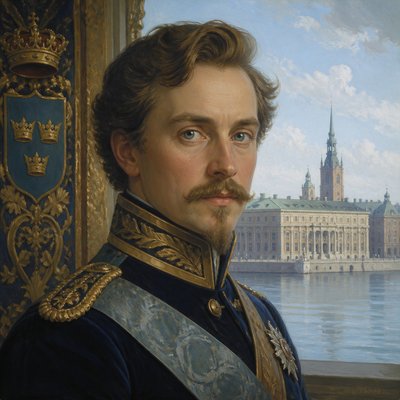
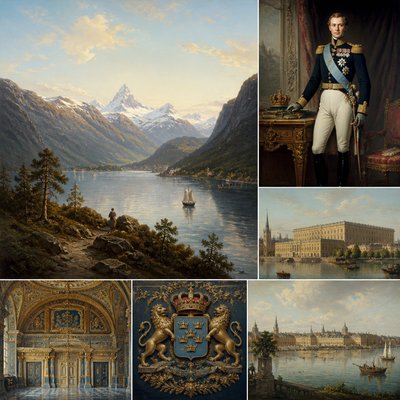
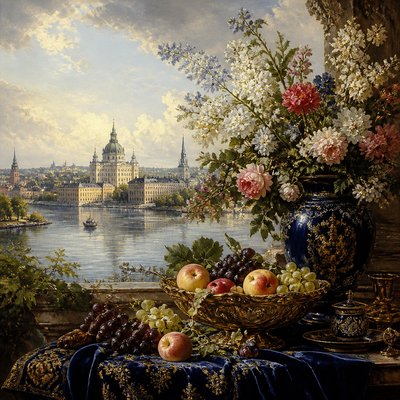
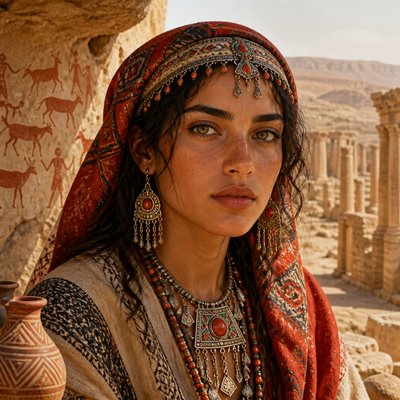
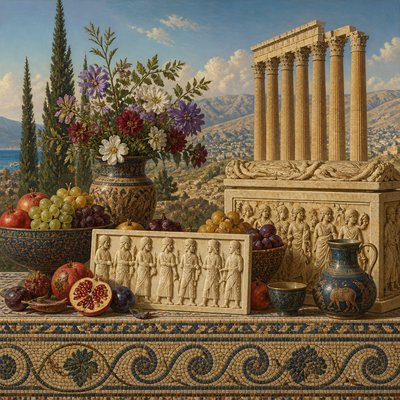
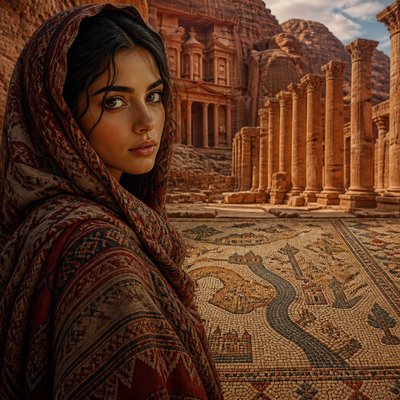
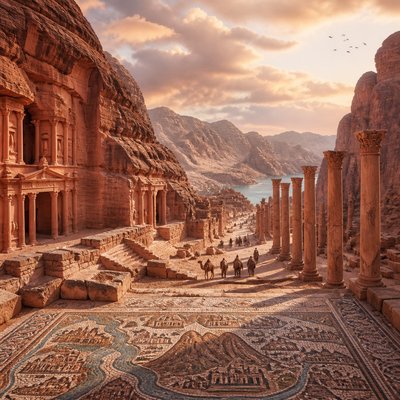
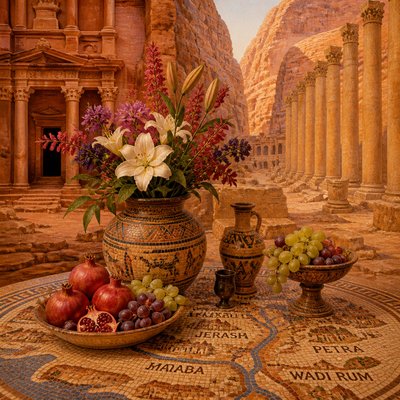
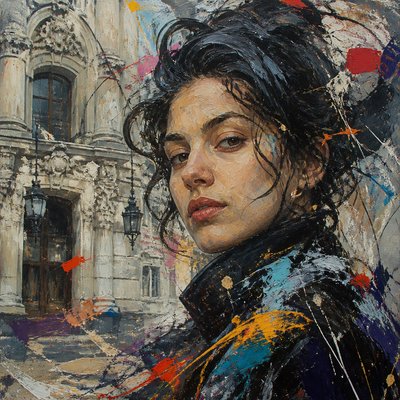
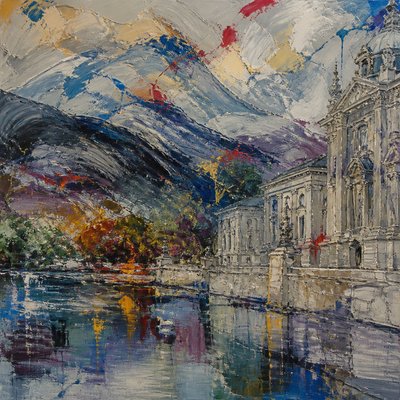
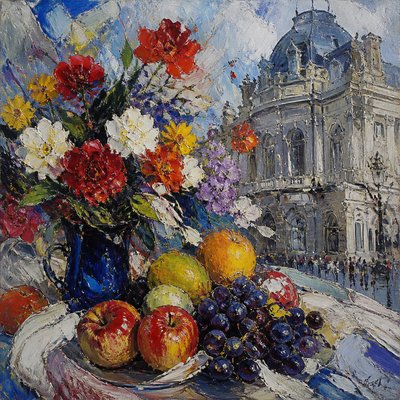
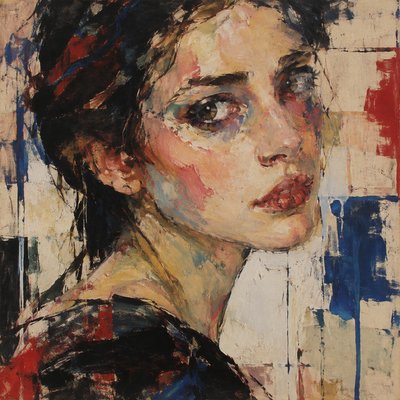
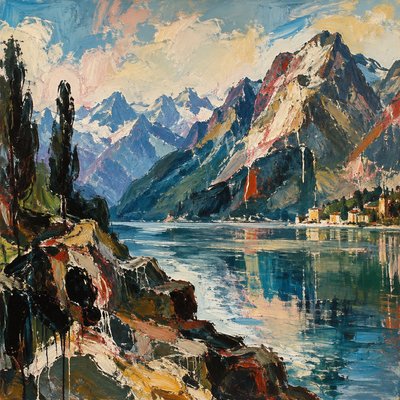
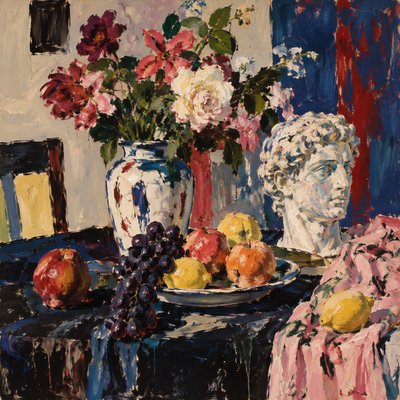
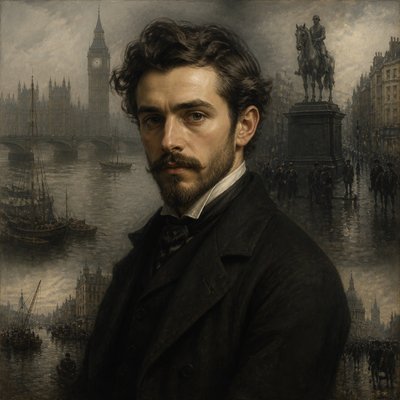
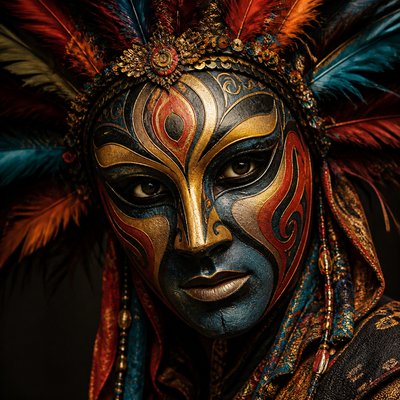
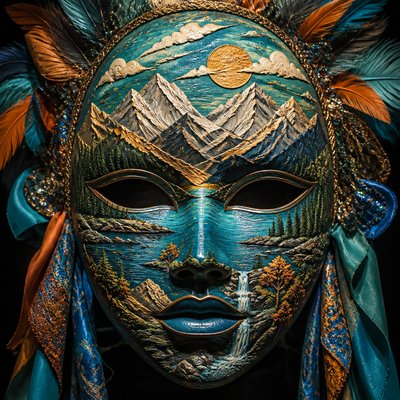
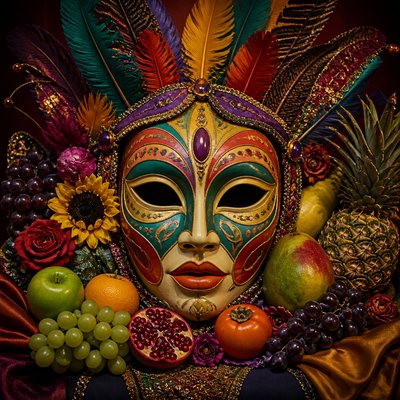
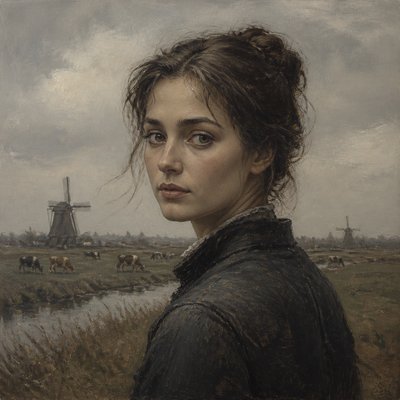
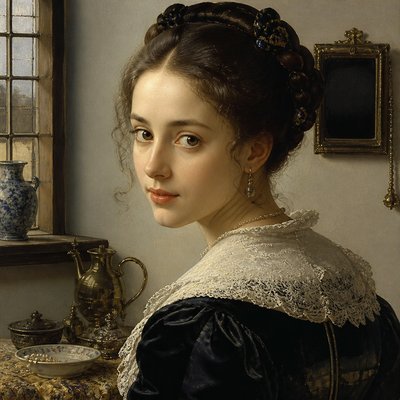
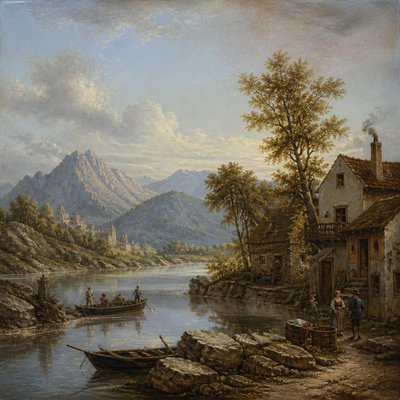
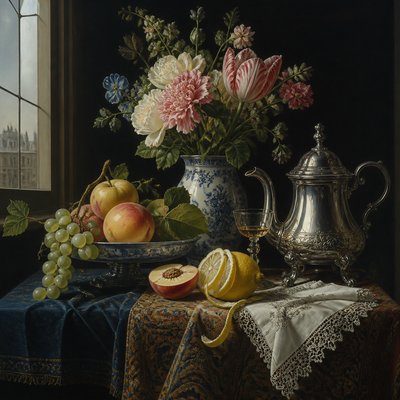
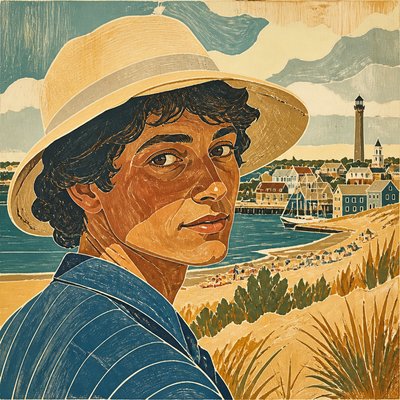
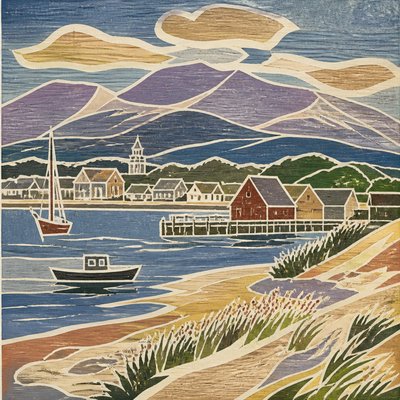
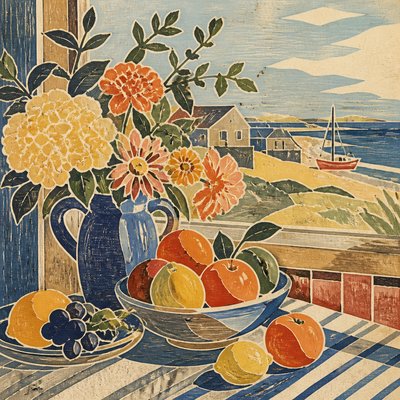
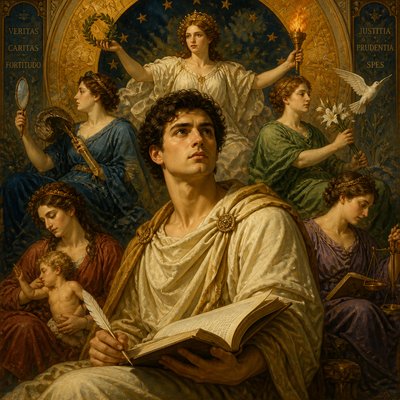
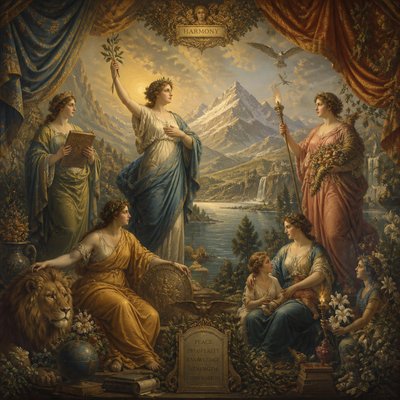
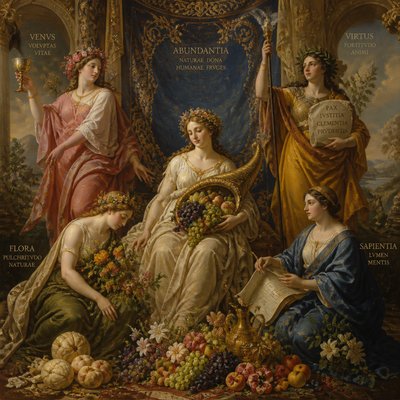
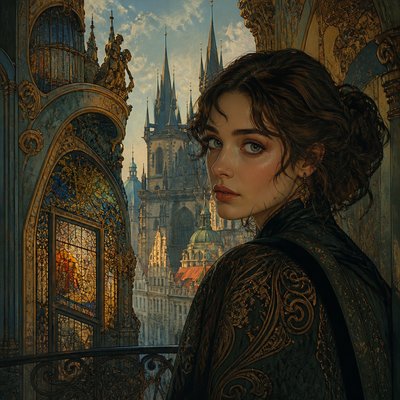
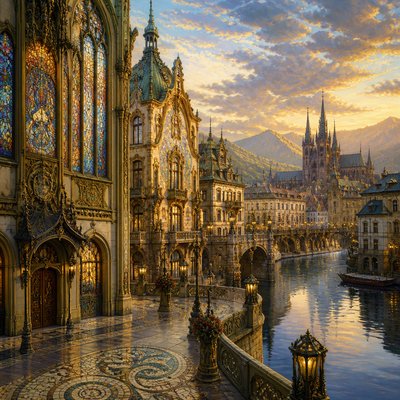
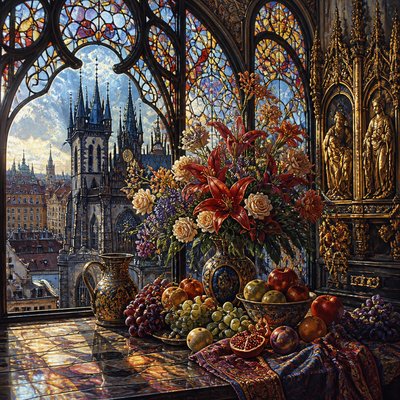
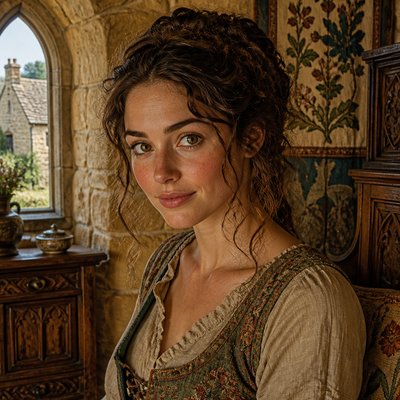
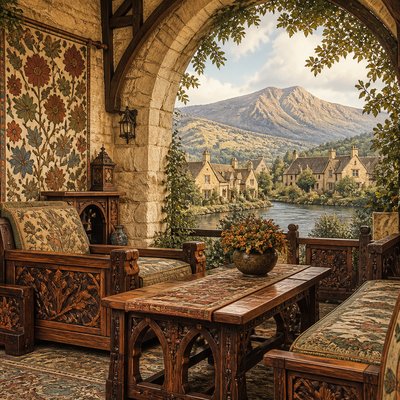
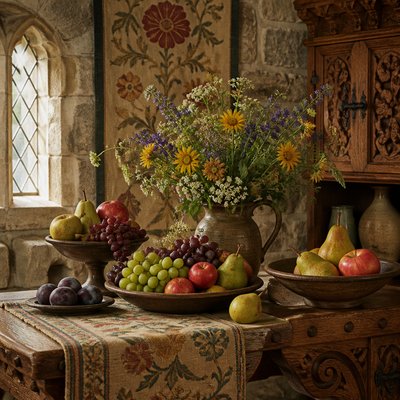
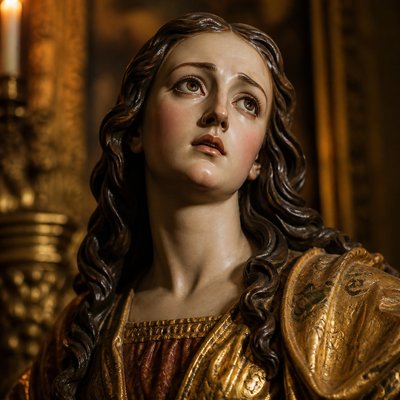
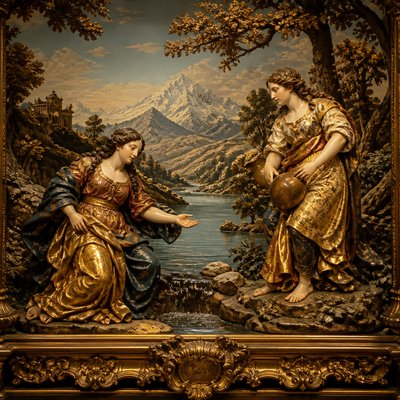
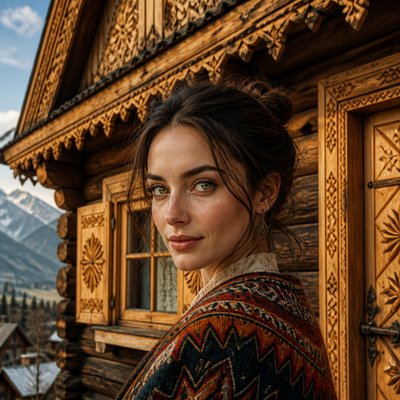
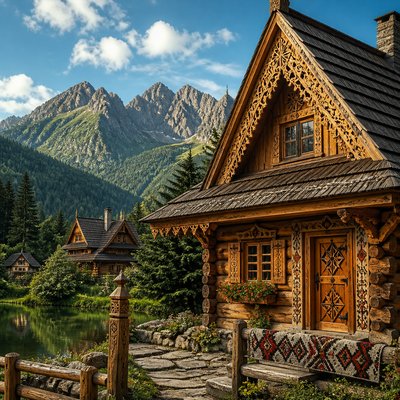
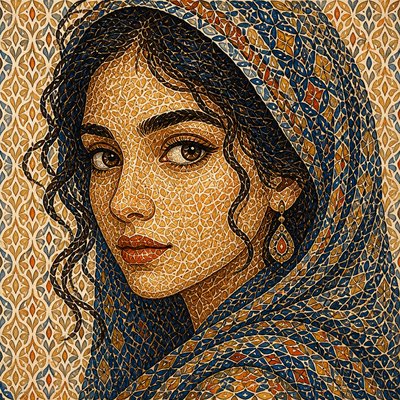
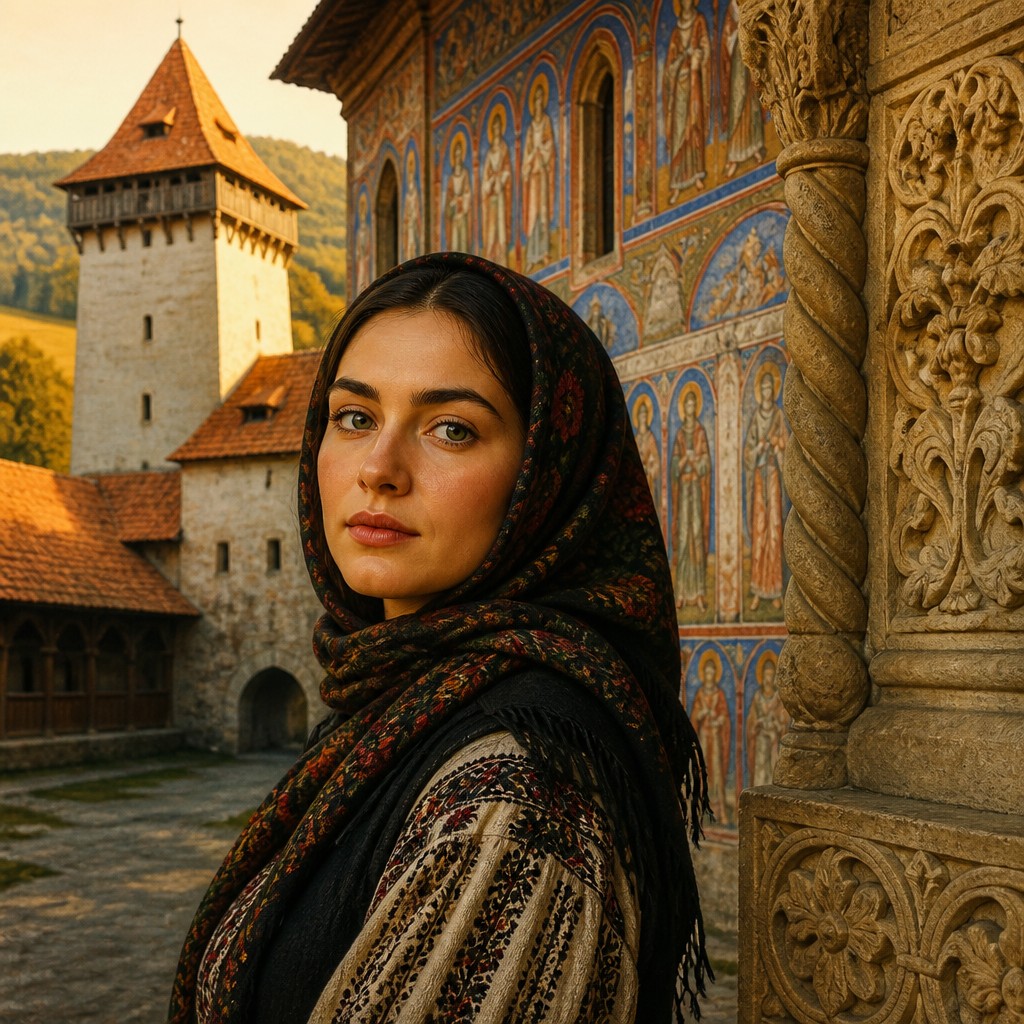
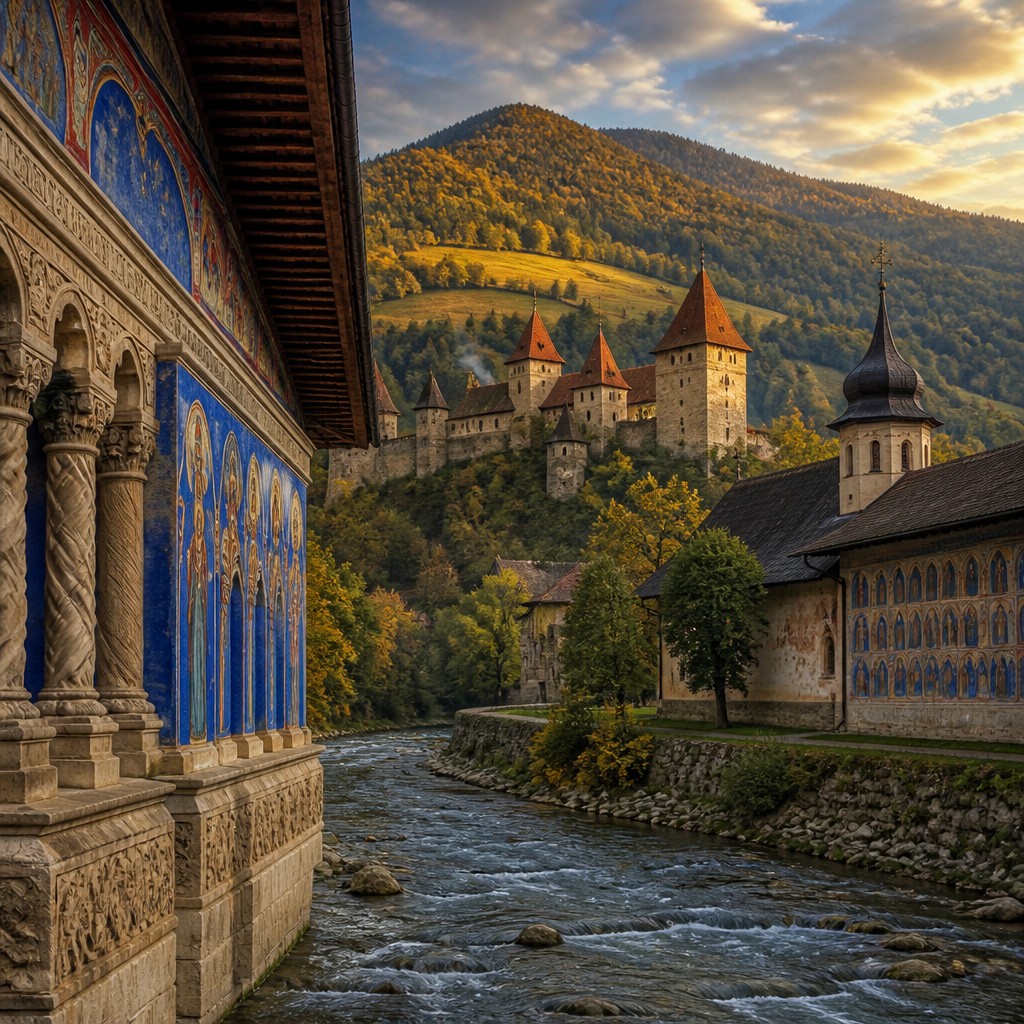
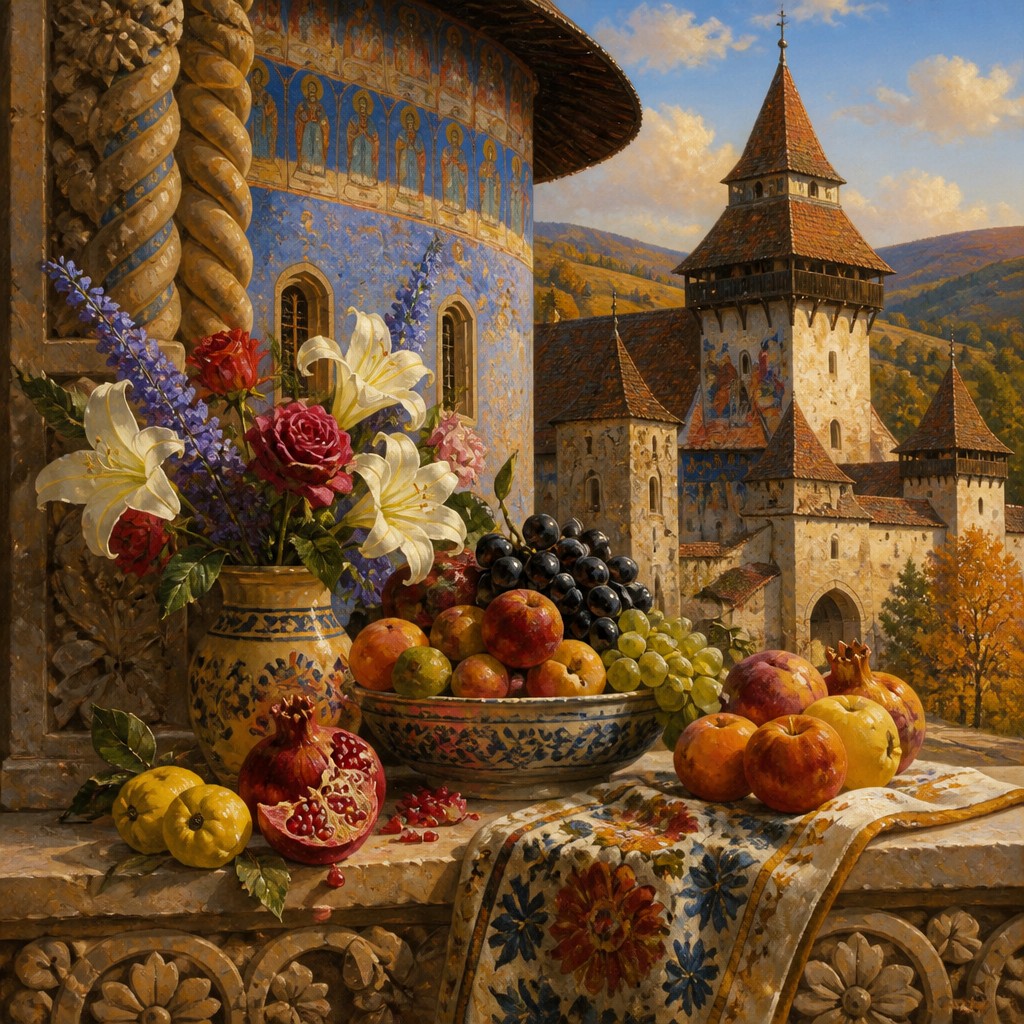
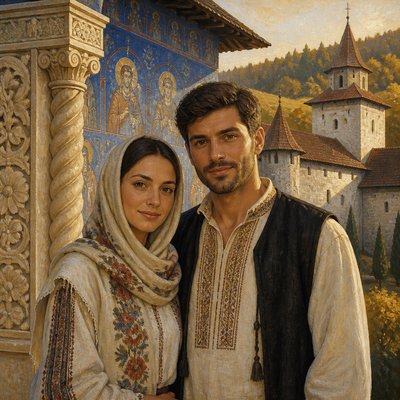
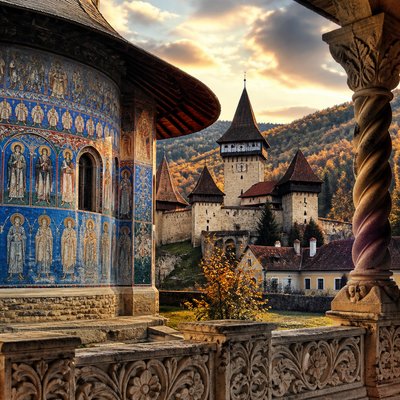
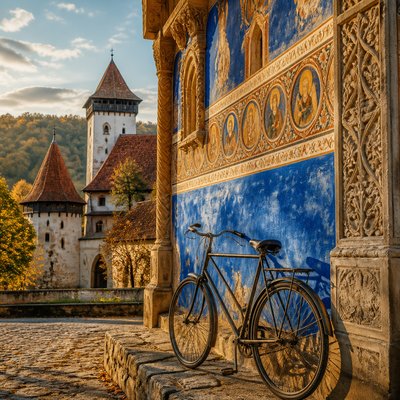
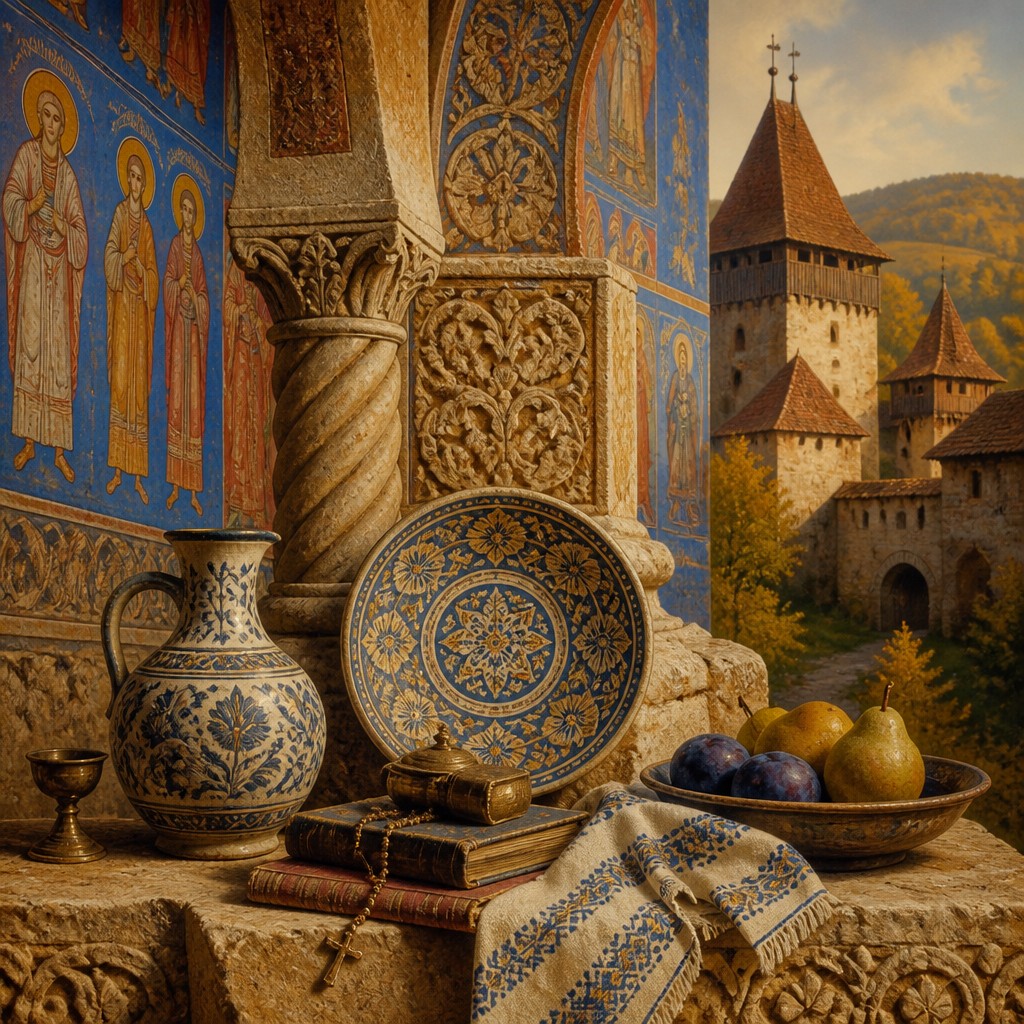
Romanian art style is a heritage-inspired visual language combining the vivid exterior frescoes of Moldavian monasteries, the carved ornament of Brâncovenesc architecture, and the massive defensive forms of fortified Saxon churches in Transylvania. Its signature palette joins saturated Voroneț blue with mineral red, ochre, white, green, and warm stone tones, often set against the golden light and wooded hills of the Carpathians.
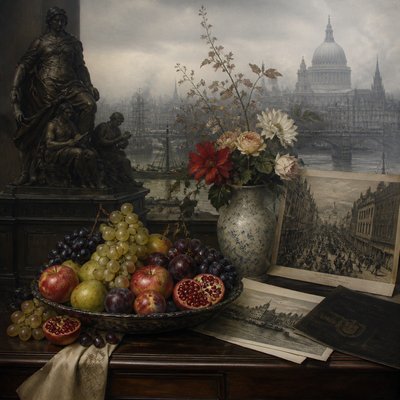
The style treats architecture as both image and ornament. Walls become continuous narrative surfaces filled with saints, prophets, angels, plants, animals, and symbolic scenes, while entrances, windows, and arcades receive rhythmic stone carving, twisted colonnettes, floral relief, and geometric borders. In contemporary interpretation, these elements can be arranged into atmospheric landscapes, architectural studies, decorative illustrations, or richly patterned scenes that emphasize continuity between sacred art, vernacular building, and regional memory.
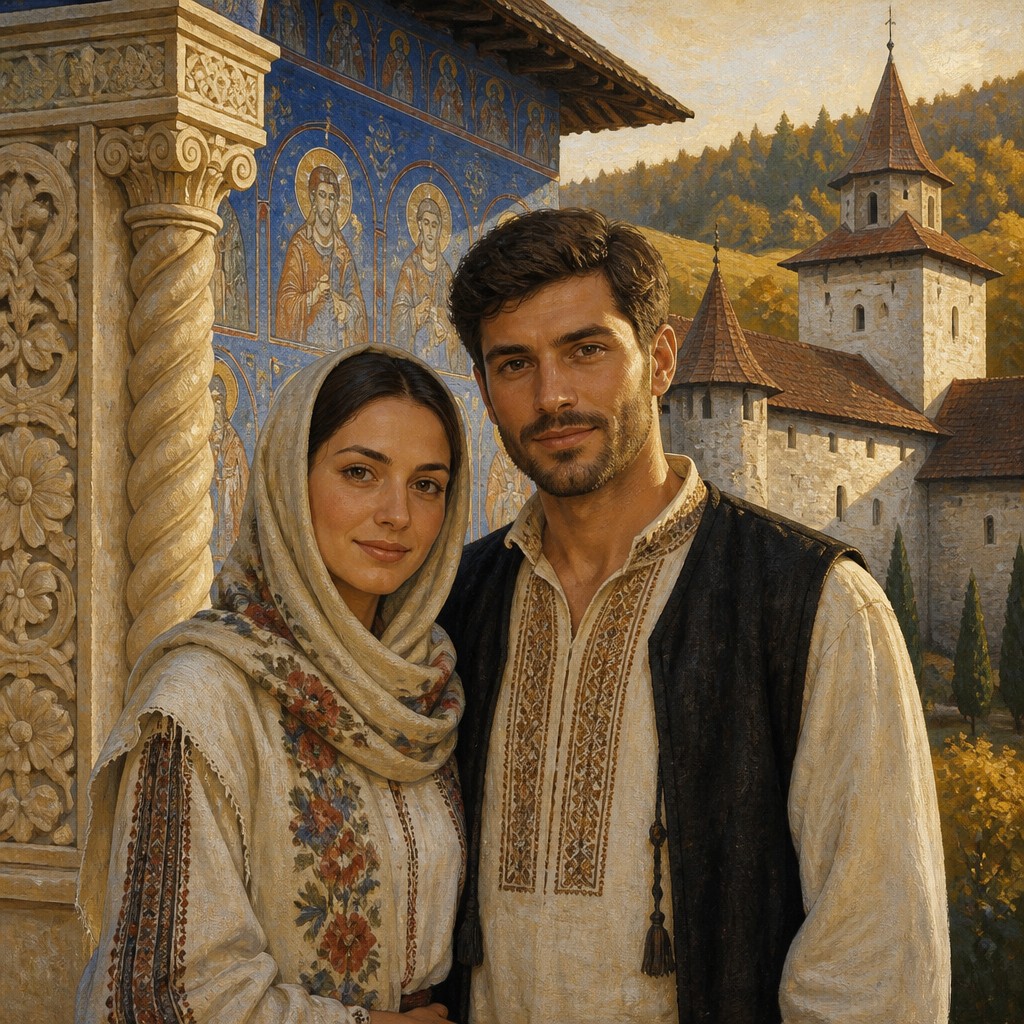
Try It On Your Photos
Upload any photo and convert it into Romanian Art Style — drag the sliders to compare before and after.
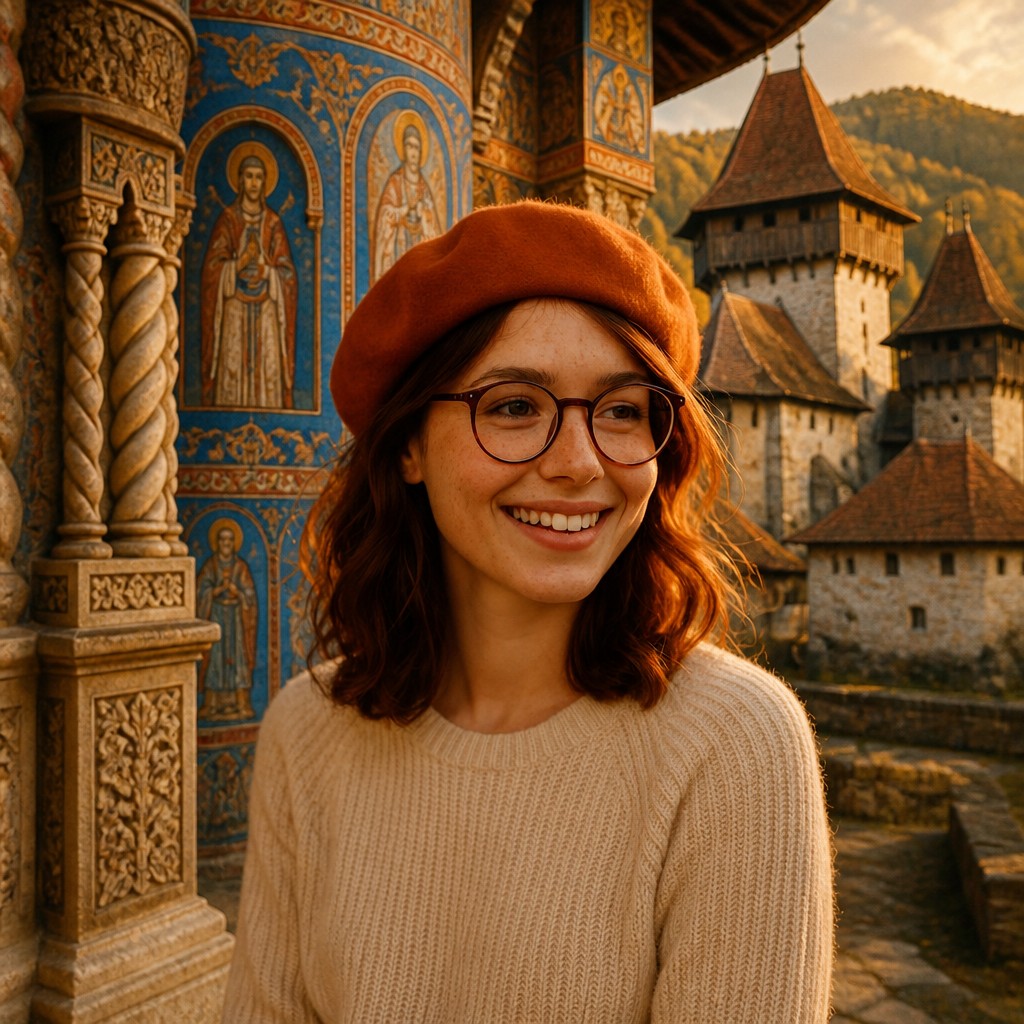

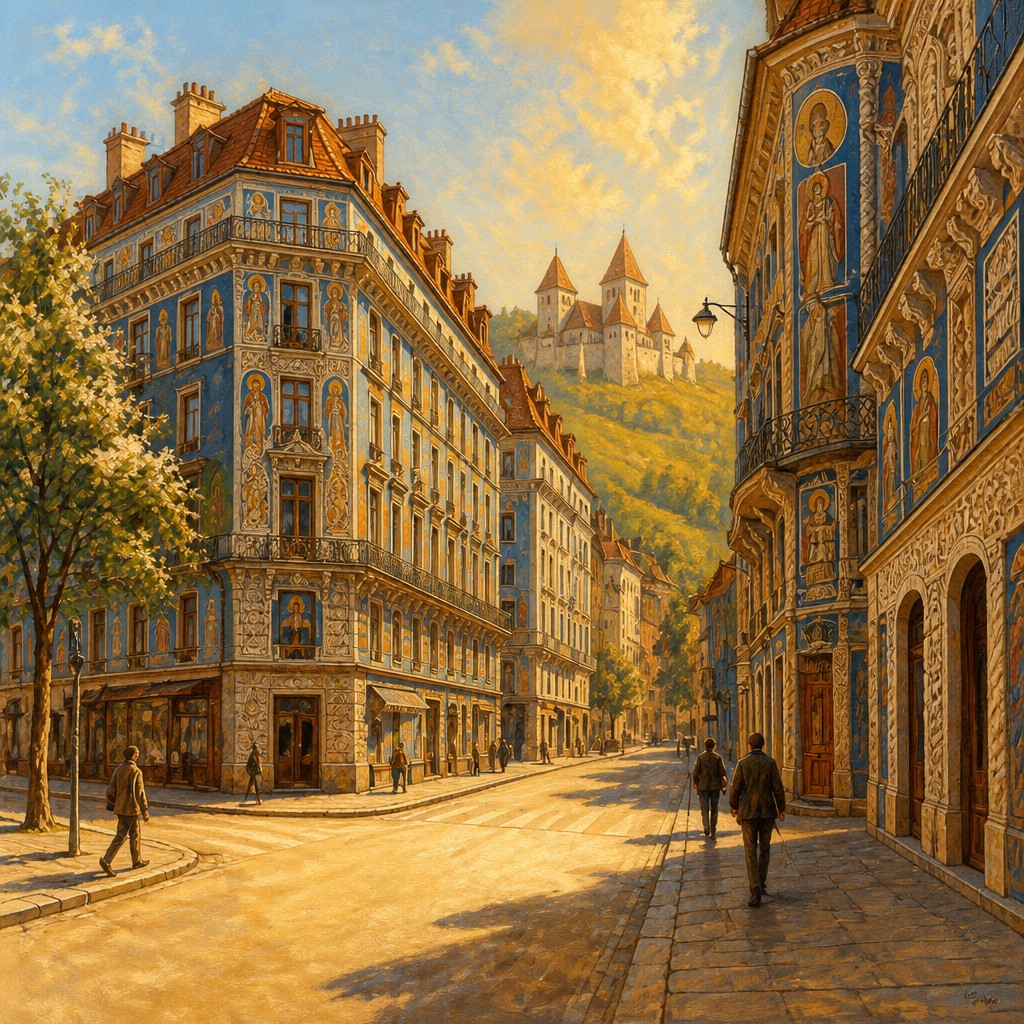

What Defines Romanian Art Style
The signature details, up close
Voroneț blue and mineral color
A highly saturated blue is used for skies, backgrounds, and broad fresco fields, contrasted with ochre, vermilion, white, dark green, and earthen reds. The colors should feel mineral, matte, and sun-resistant rather than glossy.
Exterior narrative fresco
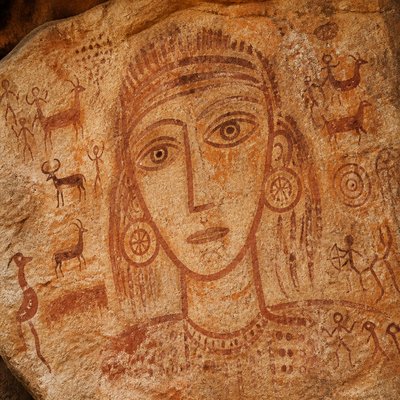
Architectural walls are treated as expansive painted surfaces filled with organized scenes, symbolic figures, ornamental bands, and repeated motifs. Flat areas of color and clear contours preserve the legibility associated with outdoor mural painting.
Brâncovenesc carved ornament
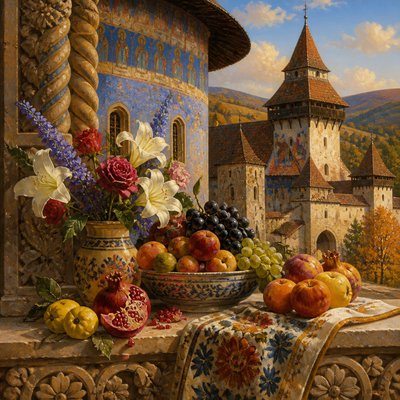
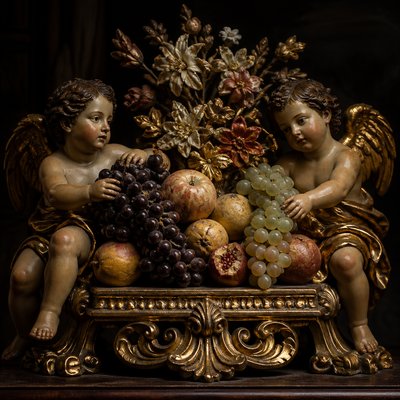
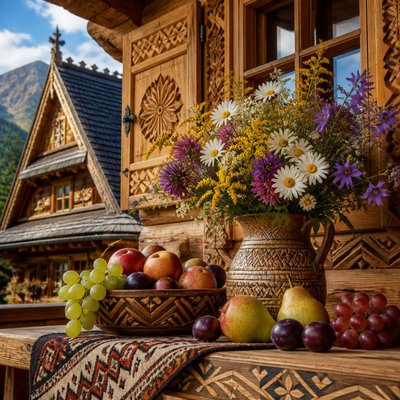
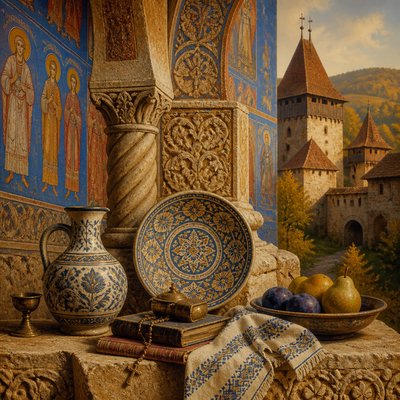
Doorways, arcades, and window surrounds feature floral relief, vine scrolls, rosettes, braided moldings, and slender twisted colonnettes. Ornament is dense but rhythmically structured, framing rather than obscuring the building.
Fortified Saxon architecture
Stone church walls, defensive towers, enclosed courtyards, steep roofs, and compact village silhouettes provide a sturdy Transylvanian counterpoint to the delicate fresco decoration. Red clay tiles and weathered masonry are recurring structural accents.
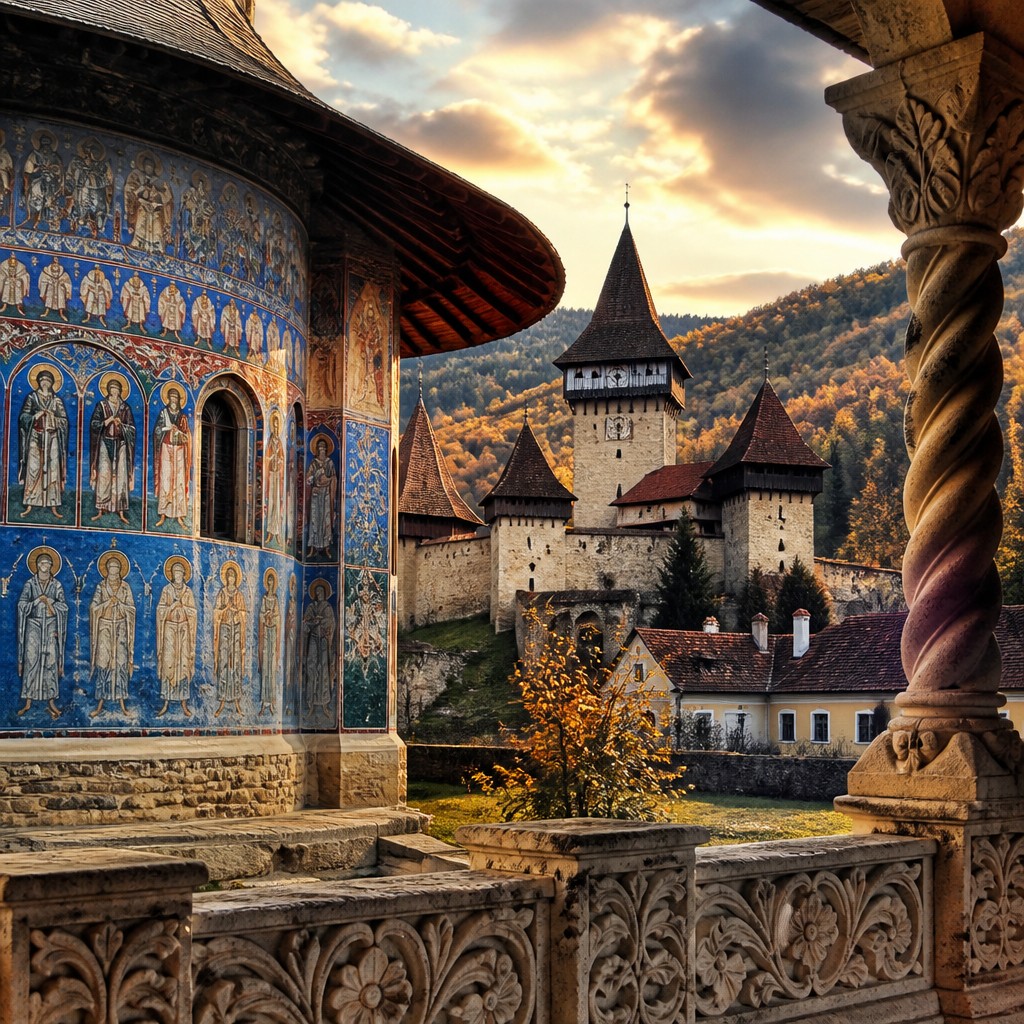
Carpathian setting and light
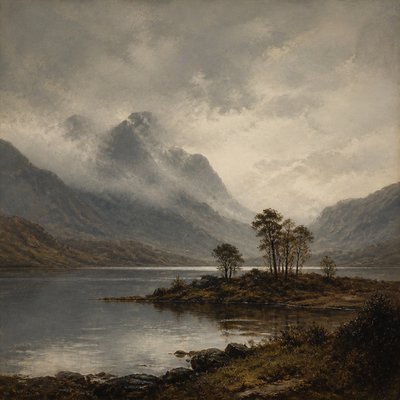
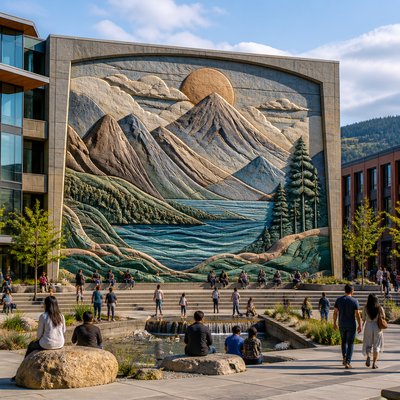
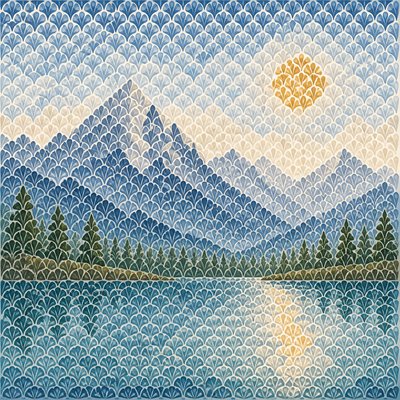
Rolling wooded hills, mountain slopes, meadows, and village paths place the architecture within a distinct regional landscape. Low golden light reveals the relief of stonework and intensifies the blue-and-ochre palette.
Patterned borders and symbolic detail
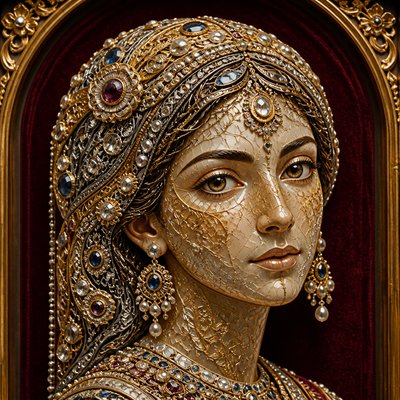
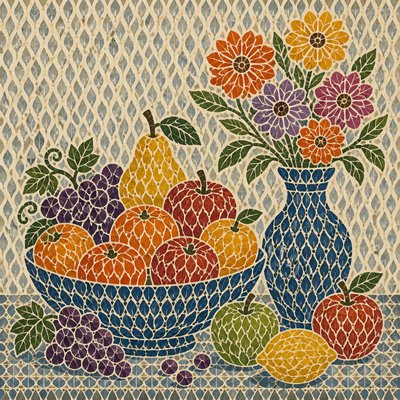
Bands of geometry, foliage, textile-like motifs, and small narrative compartments create a strong visual rhythm. Figures and objects are simplified into emblematic forms rather than modeled with illusionistic realism.
Romanian Prompt Ideas
Start from an idea — each one opens the generator with the style ready to go. See all 40 Romanian prompts →
How to Create Romanian Art
Master the craft step by step — or skip straight to creating. Read the full guide →
- 1
Build a mineral fresco palette
Start with a limited range of matte colors: deep blue, ochre, warm white, muted green, terracotta, and dark red. Keep shadows relatively simple and use strong color blocks with thin contour lines.
- 2
Organize the surface in bands
Divide a wall or image into registers, borders, arches, and framed scenes before adding detail. Repetition of motifs helps the composition resemble an integrated architectural program rather than a disconnected collection of illustrations.
- 3
Combine mass with ornament
Pair heavy stone walls, towers, and tiled roofs with delicate carved vines, twisted columns, and floral relief. Vary texture between rough masonry, worn plaster, incised carving, and painted pigment.
- 4
Use historically informed imagery
Draw on medieval and early modern Christian iconography, local village architecture, Carpathian vegetation, and defensive church layouts without mixing incompatible symbols indiscriminately. For a secular subject, translate the same structure into symbolic landscapes, seasonal scenes, or civic narratives.
- 5
Translate the language into digital or prompt-based work
Specify exterior fresco walls, vivid blue and ochre bands, carved floral stone, fortified church towers, red-tiled roofs, and warm Carpathian light. For image transformation, preserve the subject's silhouette while applying matte pigment, simplified contours, architectural framing, and weathered plaster texture.
The Story
History & Origins of Romanian
This style is best understood as a modern synthesis of several Romanian and Transylvanian traditions rather than a single historical movement. Its principal source is the exterior mural painting of northern Moldavian monasteries, developed mainly during the fifteenth and sixteenth centuries. These fresco cycles were applied to façades and commonly presented extensive biblical narratives, theological symbolism, ornamental borders, and strong mineral colors designed to remain legible in open air.
A second lineage comes from Brâncovenesc architecture, developed in Wallachia around the late seventeenth and early eighteenth centuries, with its blend of local building practice, Byzantine inheritance, Ottoman influence, and Renaissance-derived ornament. The fortified churches of Transylvania add a later medieval and early modern architectural vocabulary: enclosed walls, defensive towers, compact village settings, and red-tiled roofs. Together, these traditions form the historical foundation for the contemporary label Romanian art style.
Influences: The style draws from the exterior fresco traditions of the Moldavian monasteries, Byzantine and post-Byzantine iconography, medieval mural painting, Brâncovenesc architecture, Transylvanian Saxon fortified churches, Romanian vernacular construction, and Eastern European decorative arts. It also relates to illuminated manuscripts, folk textiles, carved stone ornament, and modern heritage illustration, especially where flat pattern, symbolic storytelling, and architectural structure are combined.
Frequently Asked Questions
What defines Romanian art style?
It is defined by the combination of vivid Moldavian-style exterior frescoes, especially deep blue and ochre color fields, with carved architectural ornament and fortified Transylvanian church forms. Carpathian landscapes and warm natural light are also important contextual elements.
Is Romanian art style a single historical art movement?
No. The label describes a contemporary synthesis of several Romanian and Transylvanian visual traditions rather than a formally unified movement. Its main historical sources include Moldavian monastery frescoes, Brâncovenesc architecture, and Saxon fortified churches.
What is Voroneț blue?
Voroneț blue is the commonly used name for the striking blue associated with the exterior frescoes of a famous Moldavian monastery. Its exact appearance varies with pigment, plaster, weathering, and restoration, so it should be treated as a vivid mineral blue rather than a single standardized commercial color.
How does this style differ from Byzantine icon painting?
Both traditions use symbolic figures, frontal presentation, strong outlines, and theological imagery. Romanian monastery exteriors extend those principles across large outdoor façades and combine them with local architecture, landscape, decorative borders, and weather-resistant mural surfaces.
How can I make an image in this style without depicting a church?
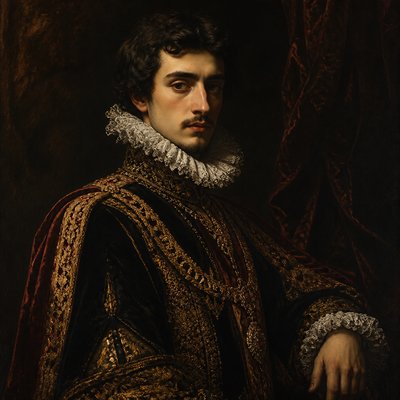
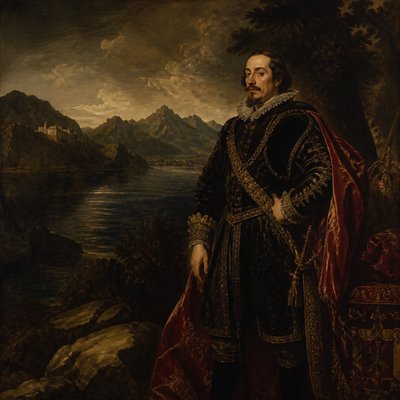
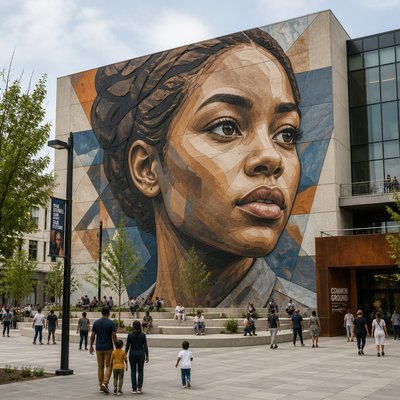
Use the palette, flat narrative composition, carved floral borders, and weathered plaster textures on secular subjects such as landscapes, village scenes, portraits, or historical events. The strongest results retain architectural framing and symbolic simplification even when the subject is contemporary.
Where is this visual language commonly used?
It is useful for heritage illustration, architectural visualization, travel imagery, editorial art, murals, book covers, cultural posters, and decorative pattern design. It can also guide digital transformations of buildings or landscapes when the original structure remains recognizable.
Create your first Romanian artwork
Describe anything — or upload a photo — and see it in Romanian Art Style in seconds.
Related Styles
Discover similar art styles