Pottery Art Style
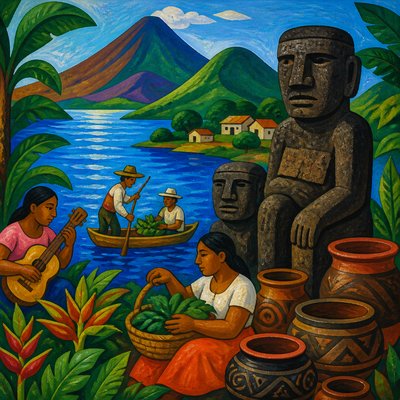
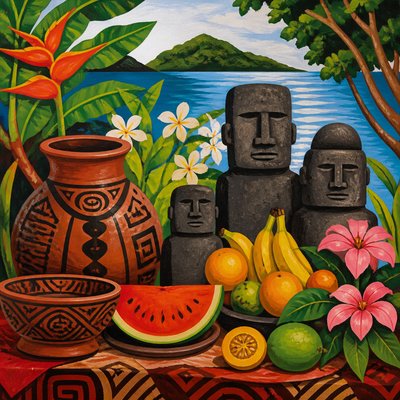
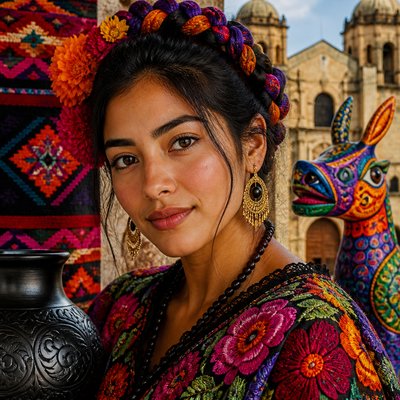
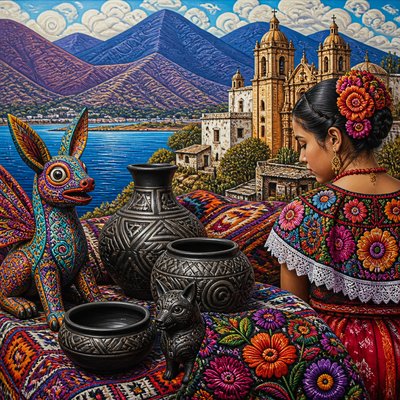
Explore Pottery Art Style: earthy hand-thrown vessels shaped by throwing rings, mineral glazes, kiln marks, cracks, and weathered stoneware texture.
Instantly rendered in Pottery — or transform a photo
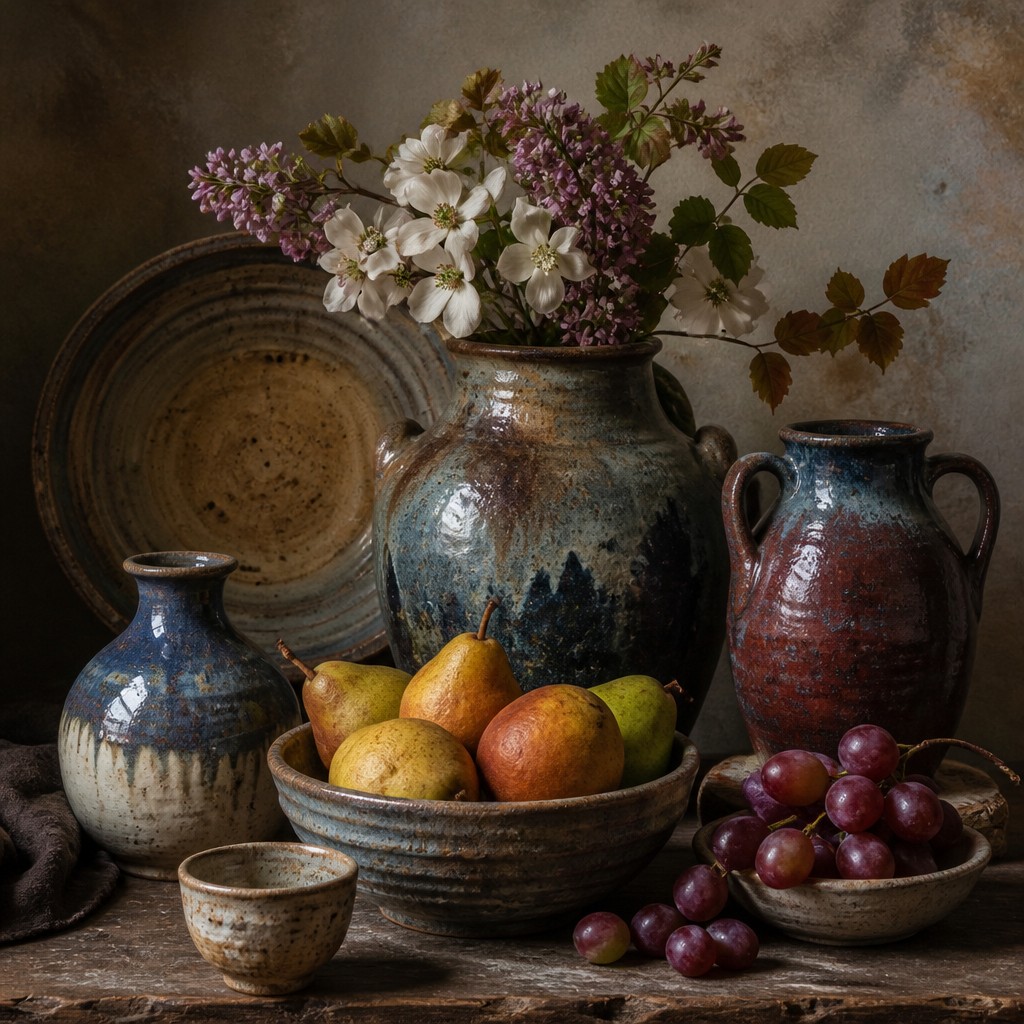
Pottery Gallery
Tap any artwork to explore it
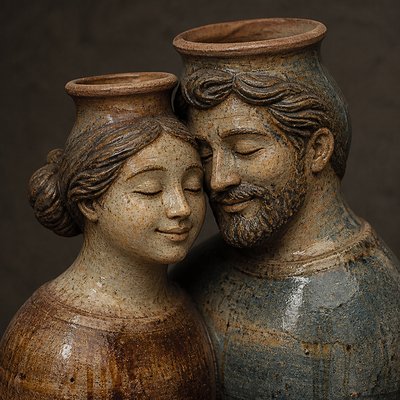
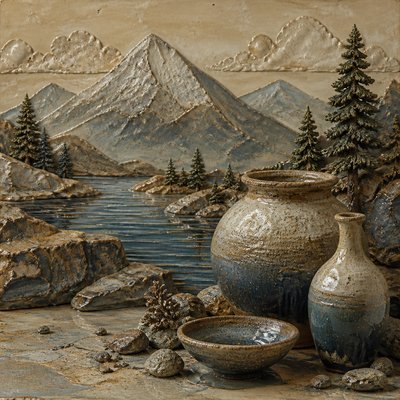
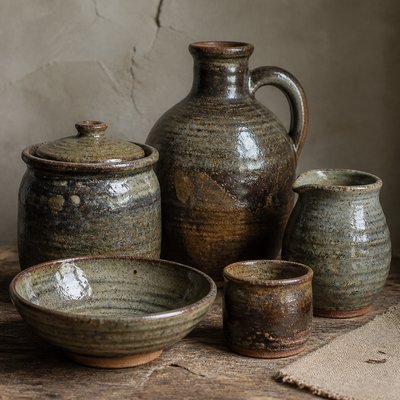
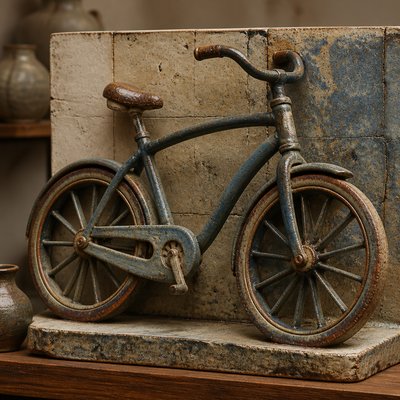
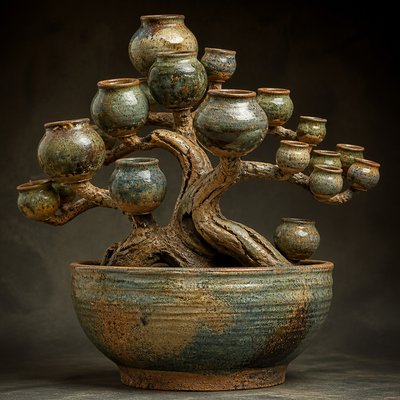
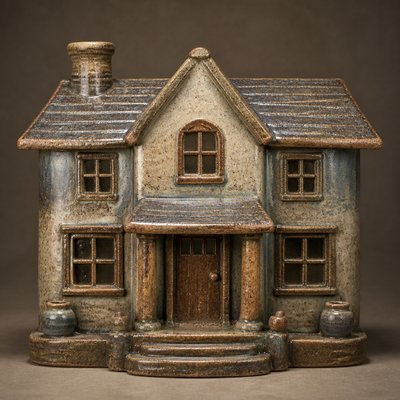
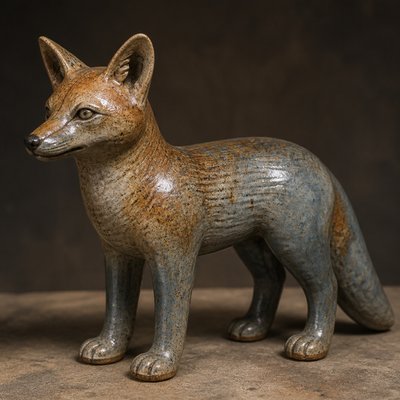
What is Pottery Art Style?
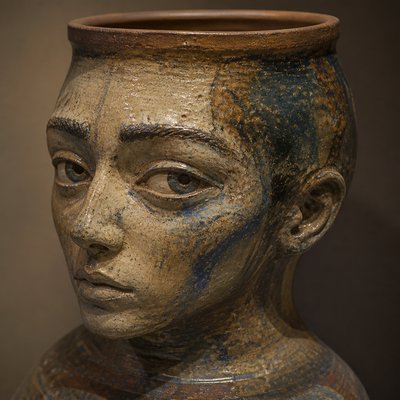
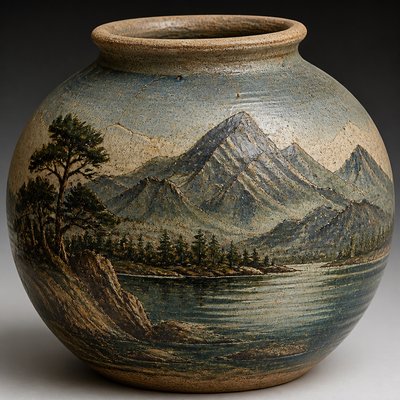
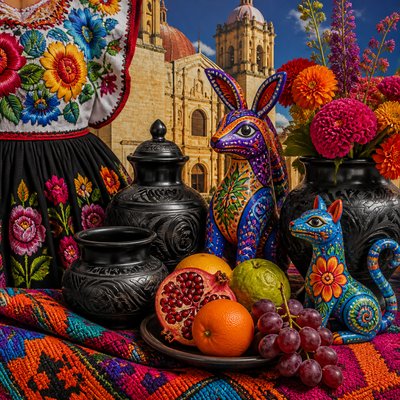
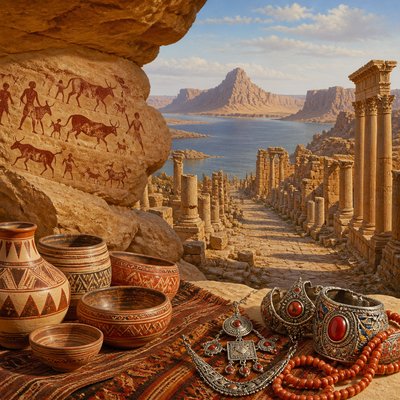
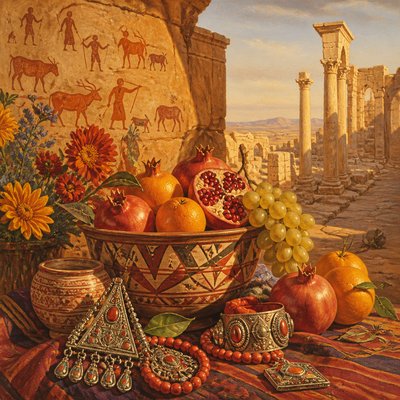
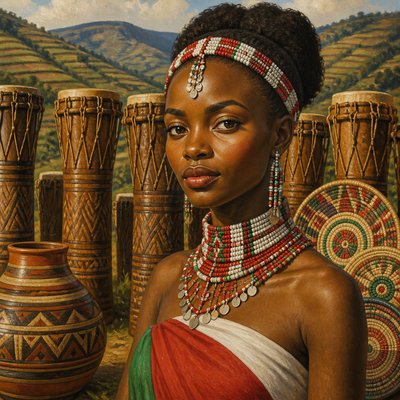
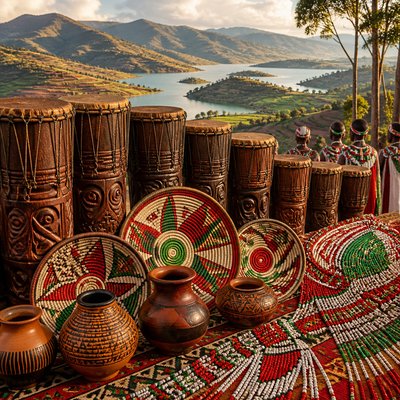
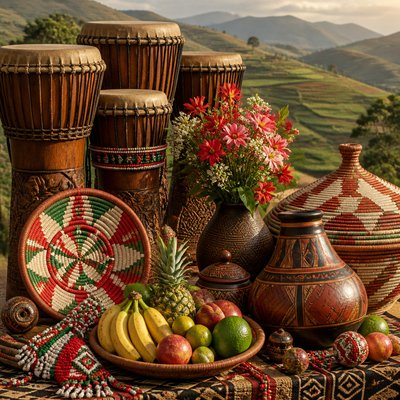
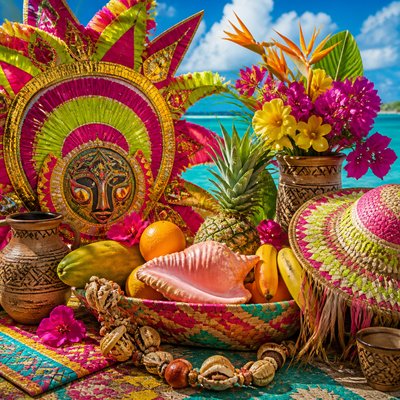
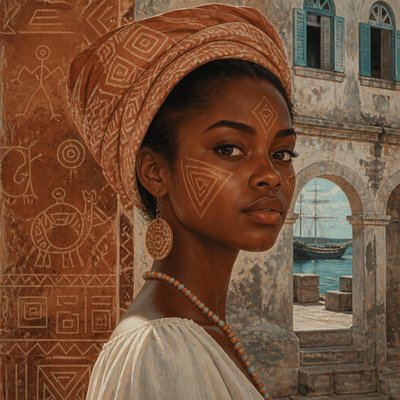
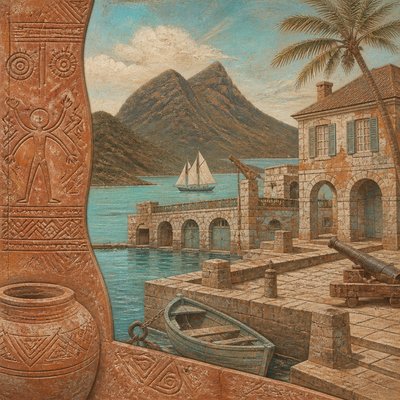
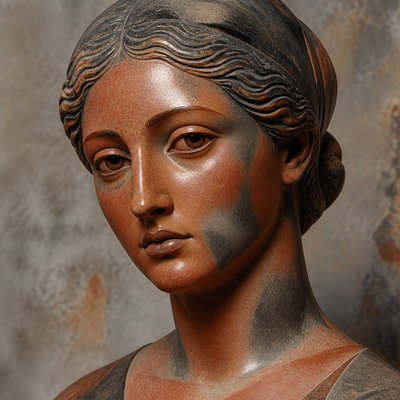
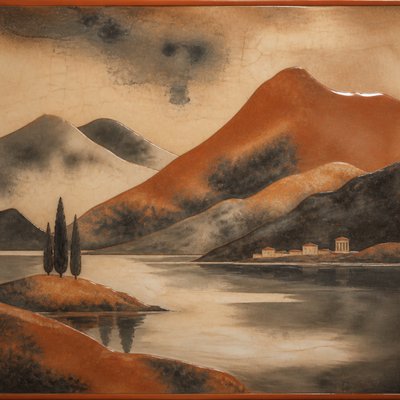
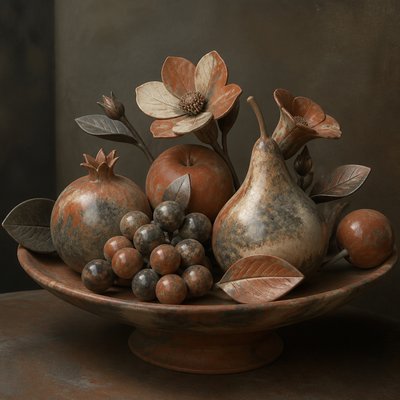
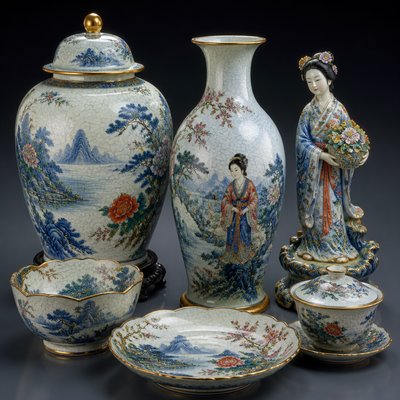
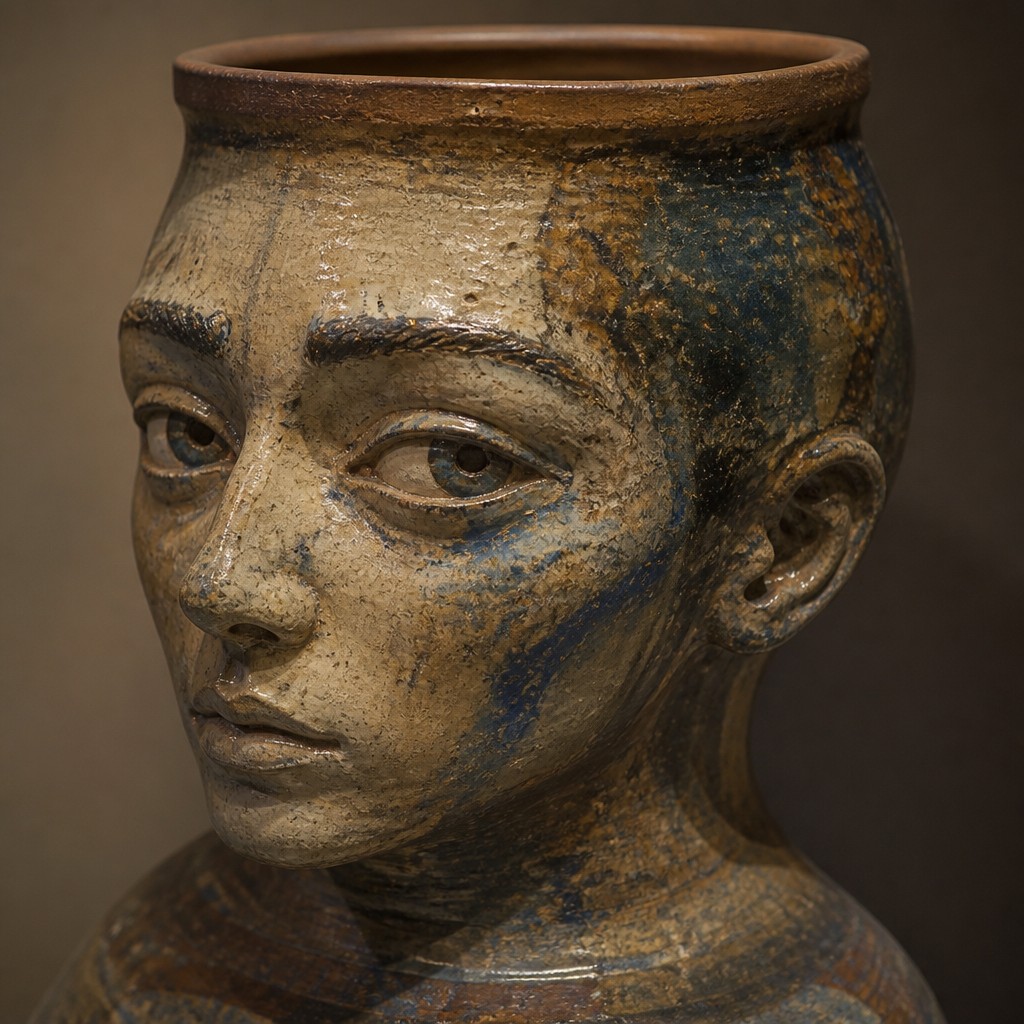
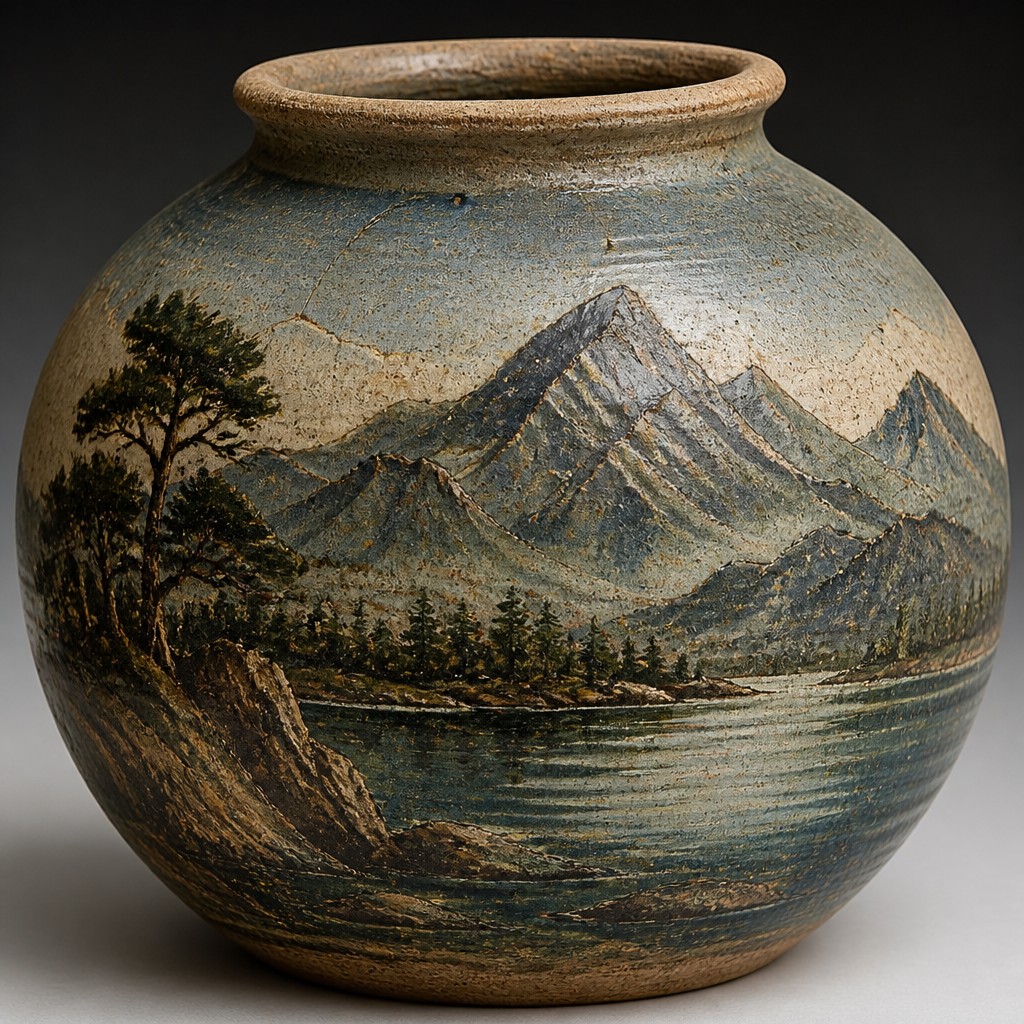
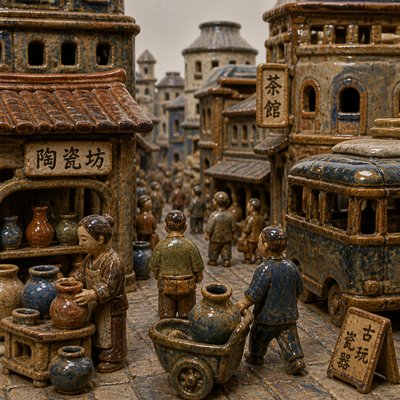
Pottery Art Style presents objects as hand-formed ceramic vessels whose surfaces record the processes of shaping, glazing, drying, and firing. Its visual language centers on rounded ancient forms, visible throwing rings, irregular rims, earthy mineral colors, glaze pooling, speckled ash, kiln-fired cracks, and patches of raw or weathered clay.
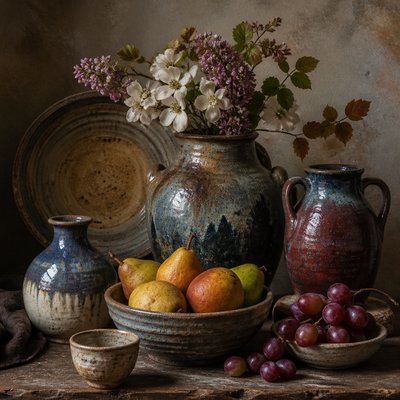
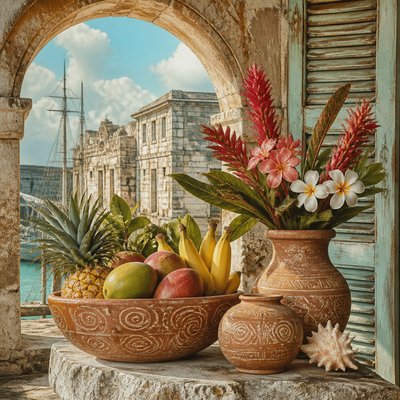
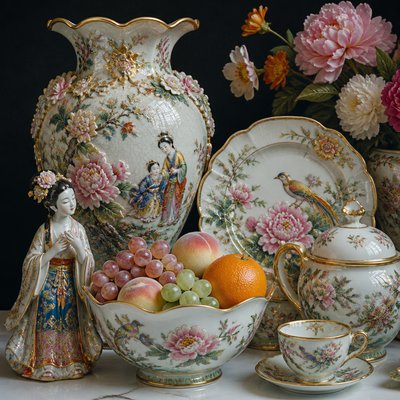
The style looks tactile because it emphasizes material evidence rather than polished perfection. Soft museum lighting reveals subtle relief and tonal variation across the body, while restrained compositions and archaeological presentation suggest an artifact preserved through time. Although it can depict many subjects, it is especially suited to jars, bowls, amphorae, storage vessels, sculptural urns, and still-life arrangements of fired clay.
Try It On Your Photos
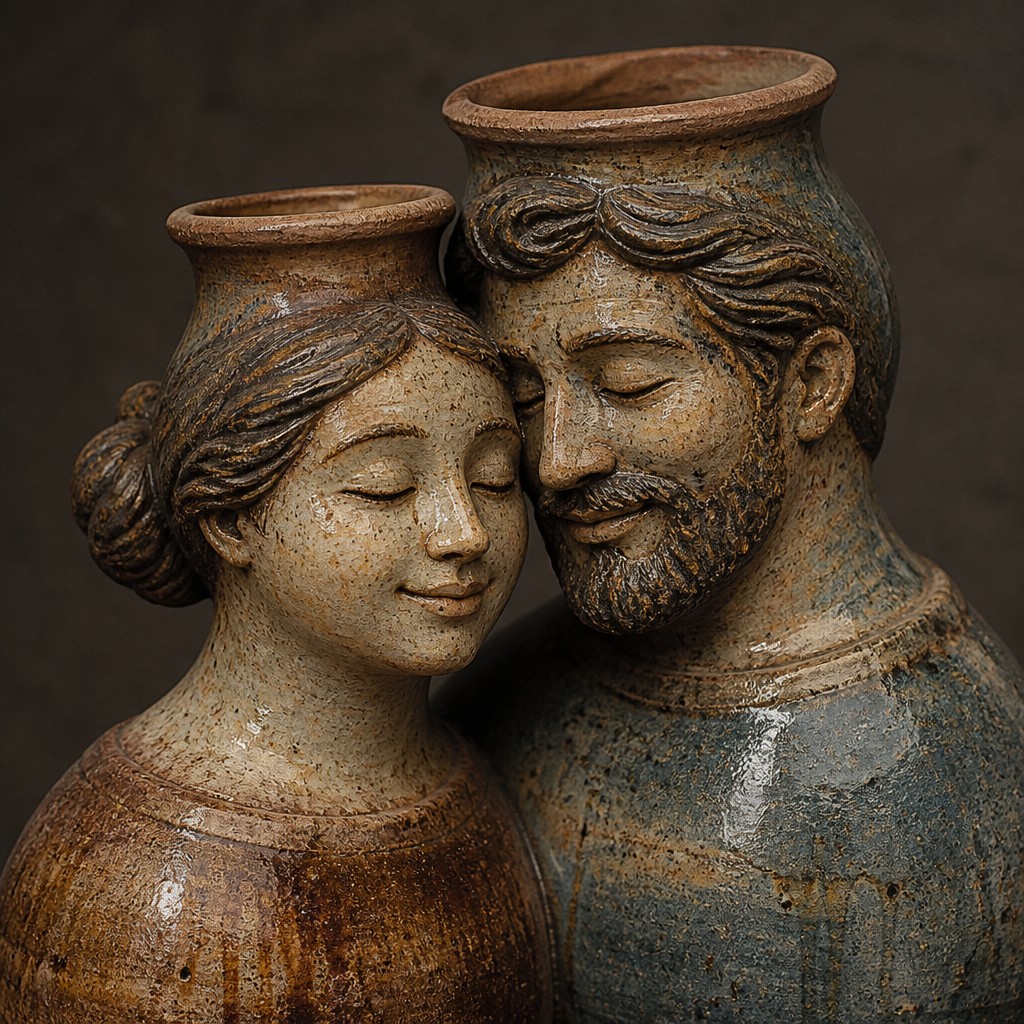
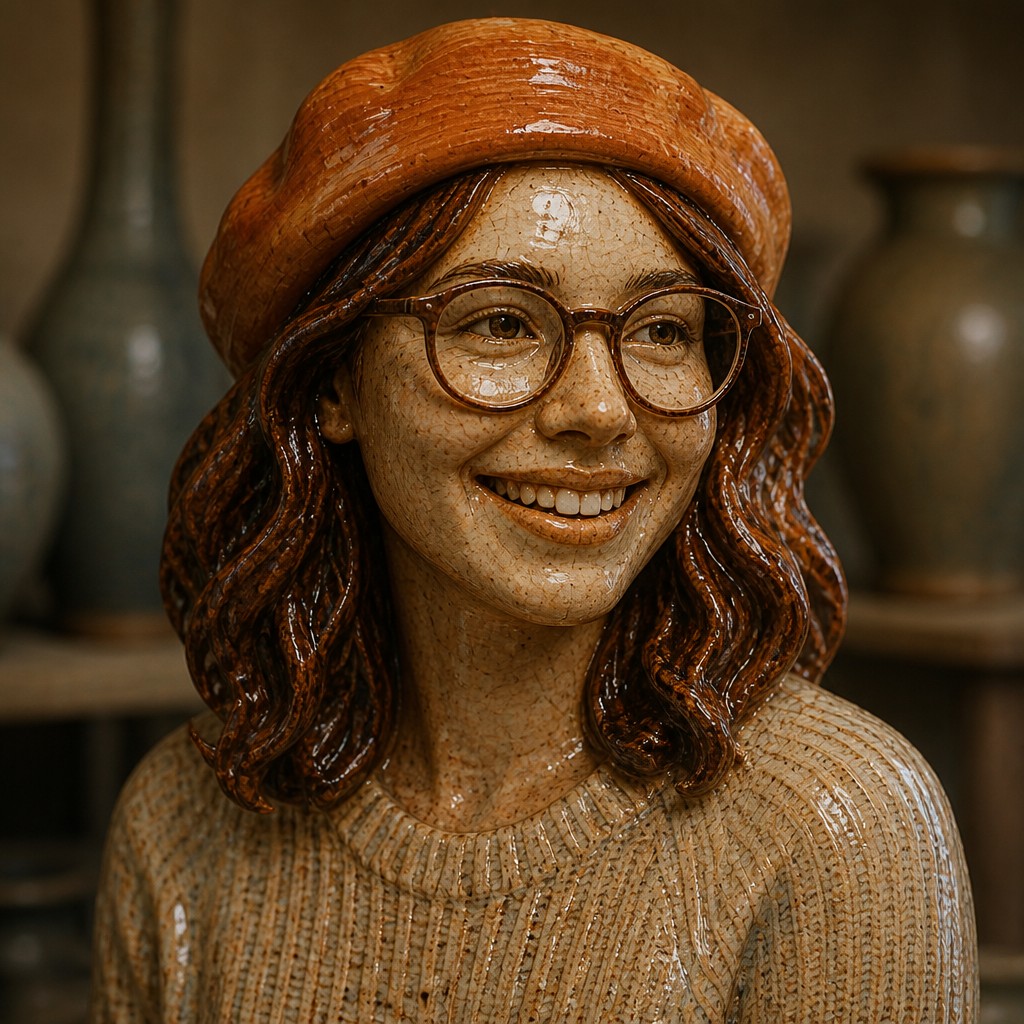
Upload any photo and convert it into Pottery Art Style — drag the sliders to compare before and after.


What Defines Pottery Art Style
The signature details, up close
Hand-thrown geometry
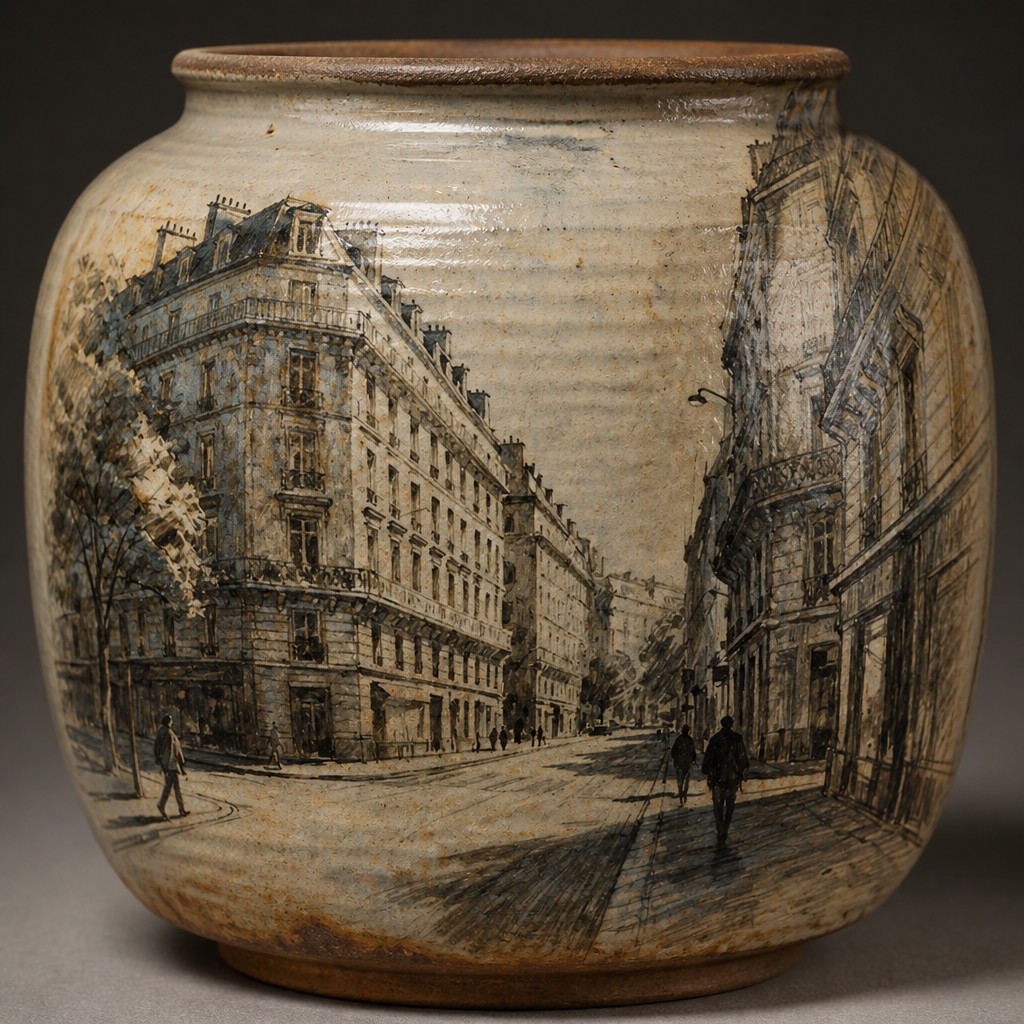
Vessels have gently asymmetrical profiles, compressed shoulders, narrow necks, or broad foot rings that imply wheel throwing or hand building. Horizontal throwing rings remain visible beneath the surface.
Earth-based palette
Colors favor iron red, ochre, umber, charcoal, cream, muted green, and deep blue, reflecting clay bodies, mineral pigments, and reduction or oxidation firing.
Pooled and variegated glaze
Glaze gathers around rims, seams, handles, and recessed areas, producing rich transitions instead of flat uniform color. Drips, crawling, pinholes, and translucent edges reinforce the handmade character.
Raw stoneware texture
Unglazed rims, exposed foot rings, rough patches, and visible grit contrast with smoother fired surfaces. Fine pores and granular clay bodies make the vessels appear physically touchable.
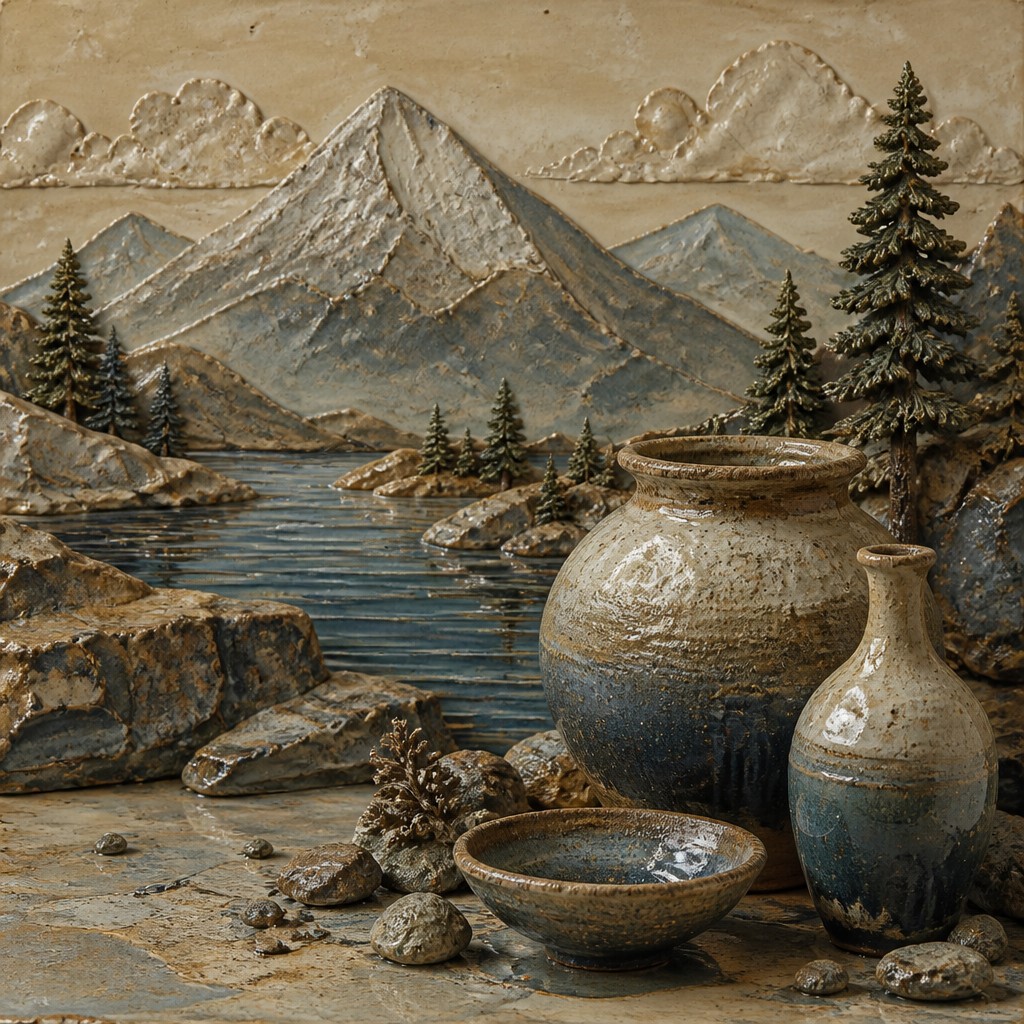
Kiln evidence
Speckled ash deposits, smoky discoloration, firing cracks, blistering, and uneven heat marks suggest a real kiln environment. These irregularities are treated as part of the object's identity rather than flaws to conceal.
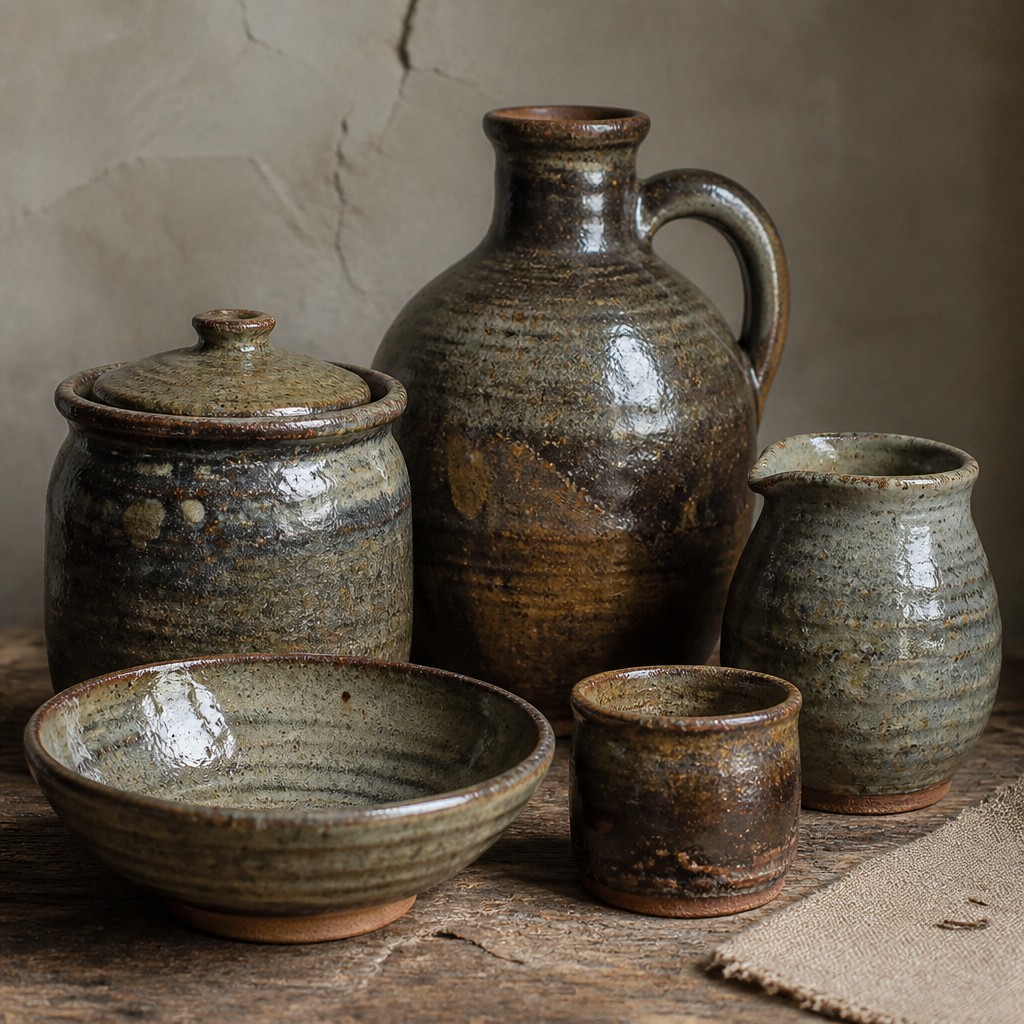
Weathered antiquity
Subtle patina, softened edges, abrasions, mineral staining, and restrained surface erosion create the impression of age without requiring elaborate decoration or a specific archaeological culture.
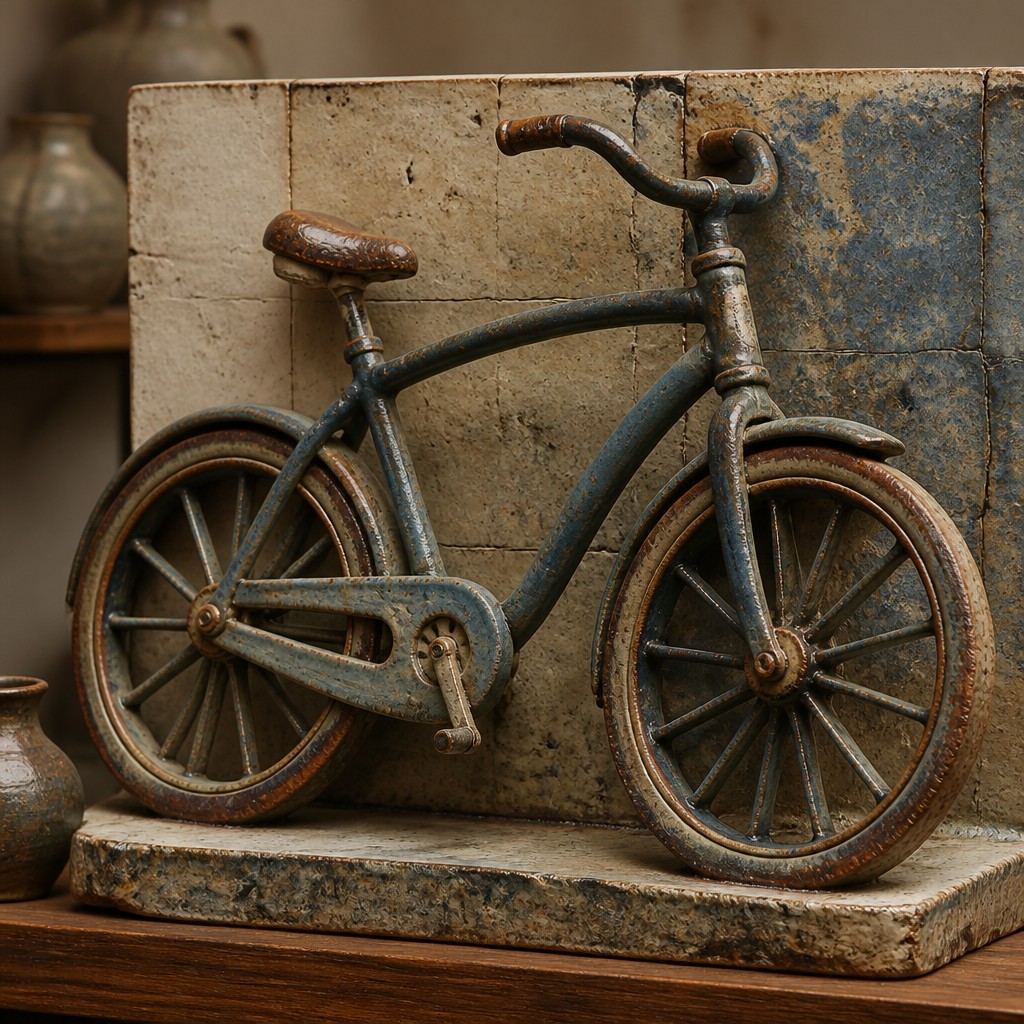
Artifact-like presentation
Quiet backgrounds, centered compositions, and soft museum or gallery lighting encourage close observation. The image often feels like a catalog photograph of a recovered vessel or a carefully lit ceramic study.
Pottery Prompt Ideas
Start from an idea — each one opens the generator with the style ready to go. See all 40 Pottery prompts →
How to Create Pottery Art
Master the craft step by step — or skip straight to creating. Read the full guide →
- 1
Build the silhouette first
Begin with a simple vessel profile such as a bowl, amphora, urn, or storage jar, then introduce slight asymmetry in the lip, shoulder, and base. Avoid perfectly rotational geometry if you want a convincingly handmade result.
- 2
Show the making process
For traditional work, leave selected throwing rings, tool marks, fingerprints, and rough foot-ring edges visible rather than over-finishing the clay. In digital work, use layered displacement, roughness, and fine horizontal ridges to suggest these physical traces.
- 3
Control the glaze contrast
Place glossy or translucent glaze over a matte, granular clay body, allowing color to pool in recesses and thin across raised areas. Combine two or three related mineral hues instead of using a uniformly saturated surface.
- 4
Add believable firing effects
Use sparing cracks, ash speckles, smoke staining, pinholes, and glaze variation; excessive damage can make the vessel look artificially distressed. Keep structural edges and major forms readable beneath the marks.
- 5
Light for material
Use broad, soft directional light with gentle shadow beneath the vessel to reveal relief, glaze sheen, and pores. A neutral stone, plaster, or dark museum background keeps attention on the ceramic surface.
- 6
Write precise generation instructions
For prompt-based generation, specify the vessel type, clay body, throwing rings, glaze behavior, firing marks, degree of weathering, camera distance, and lighting. For example, combine a subject with phrases such as "unglazed stoneware rim," "pooled mineral glaze," and "soft museum lighting" rather than relying on a vague request for rustic pottery.
The Story
History & Origins of Pottery
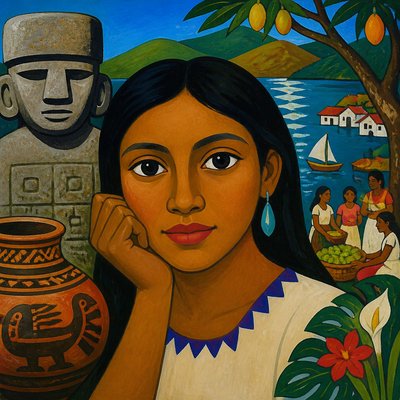
Pottery Art Style is a contemporary descriptive and image-making style rather than a historically codified movement. Its aesthetic lineage comes from the long global history of hand-built and wheel-thrown ceramics, including prehistoric earthenware, ancient Mediterranean and Near Eastern vessels, East Asian stoneware, African coil-built pottery, Indigenous ceramic traditions of the Americas, and later studio ceramics.
It also draws on modern appreciation for wabi-sabi-like irregularity, archaeological documentation, craft revival, and material-focused sculpture. The combination of raw clay, pooled glaze, firing defects, and museum presentation is a cross-cultural synthesis rather than a claim that all of these features belong to one historical pottery tradition.
Influences: The style is related to archaeological ceramics, traditional wheel-thrown and coil-built pottery, studio ceramics, rustic stoneware, earthenware vessel traditions, and material-centered sculpture. Its restrained presentation also connects with museum catalog photography, craft revival aesthetics, wabi-sabi-influenced appreciation of imperfection, and contemporary still life. The visual vocabulary can borrow from many regional ceramic traditions while avoiding a falsely specific historical attribution.
Frequently Asked Questions
What defines Pottery Art Style?
It is defined by the visible physical history of a ceramic object: throwing rings, raw clay, mineral glaze variation, firing marks, cracks, ash speckles, and weathered patina. The subject is usually presented as a tactile vessel or artifact under calm, revealing light.
Is Pottery Art Style a historical art movement?
No. The term describes a contemporary cross-cultural visual treatment rather than a formal movement with a fixed period, region, or manifesto. It combines features found across many historical pottery and ceramic traditions.
How does it differ from ordinary pottery photography?
Ordinary pottery photography may document a finished object with neutral accuracy, while this style deliberately emphasizes age, handmade irregularity, glaze pooling, firing evidence, and tactile surface detail. It often gives the vessel an artifact-like or sculptural presence.
Can this style depict subjects other than vessels?
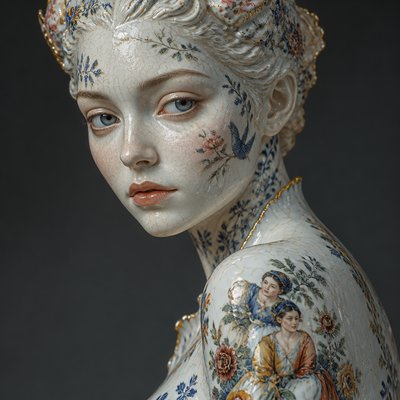
Yes, though vessels are its most natural subject. It can be applied to ceramic figurines, tiled surfaces, clay still lifes, architectural fragments, tableware, botanical reliefs, and imagined artifacts as long as the image retains a convincing fired-clay material language.
How can I make a physical artwork in this style?
Use a coarse stoneware or earthenware body, preserve selected throwing or hand-building marks, and apply layered glazes that break or pool across the form. Test firing conditions carefully, since ash, atmosphere, temperature, and kiln placement strongly affect color and surface variation.
What should a prompt include for a convincing result?
Name the object and its silhouette, then specify clay texture, visible forming marks, glaze behavior, firing effects, patina, background, and lighting. Terms such as "raw stoneware rim," "pooled mineral glaze," "speckled ash marks," and "soft museum lighting" provide more control than simply requesting an old ceramic object.
Create your first Pottery artwork
Describe anything — or upload a photo — and see it in Pottery Art Style in seconds.
Related Styles
Discover similar art styles