Peruvian Art Style
Explore Peruvian art style: Andean textile geometry, Cusco School ornament, gilded detail, earthy color, and highland stone landscapes.
Instantly rendered in Peruvian — or transform a photo
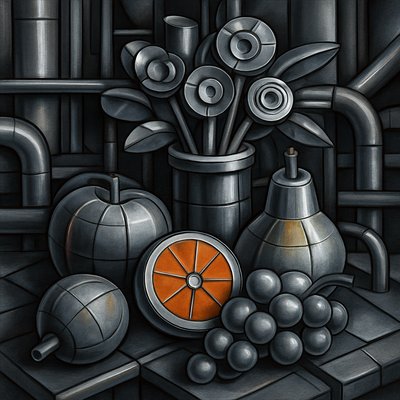
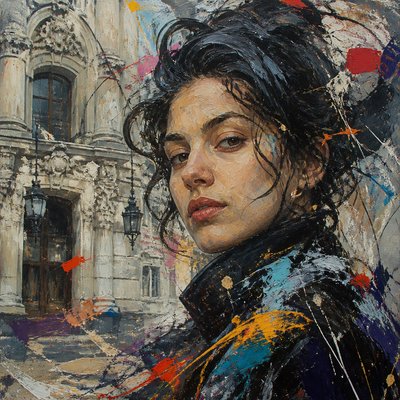
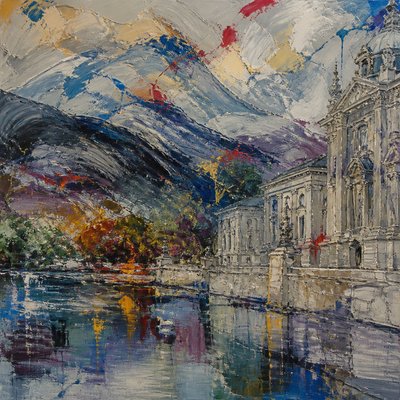
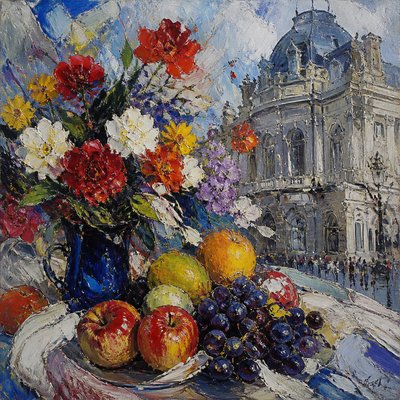
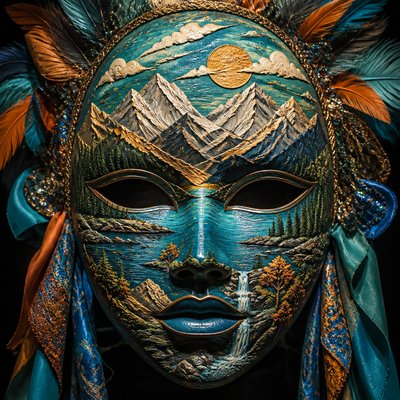
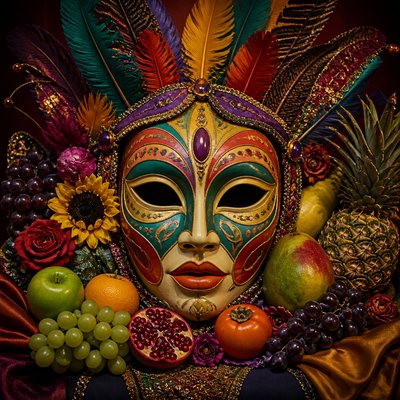
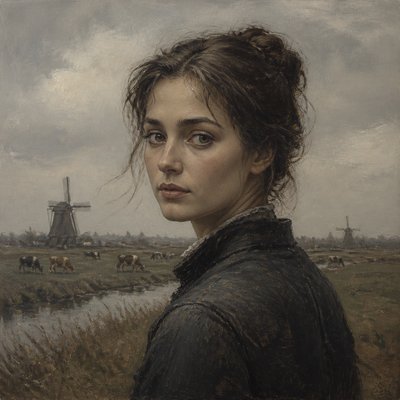
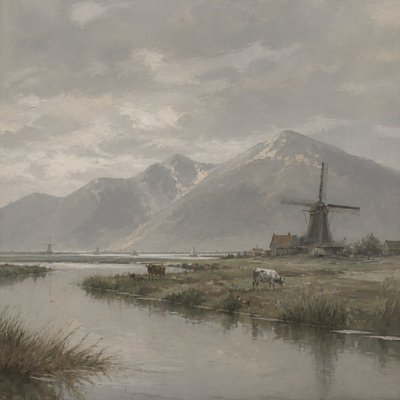
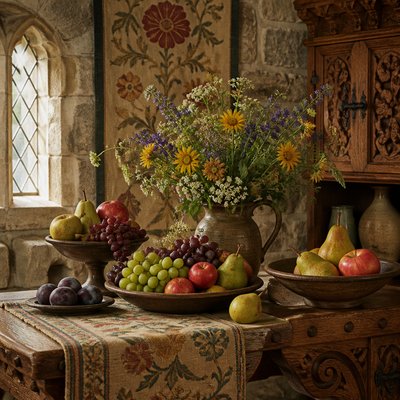
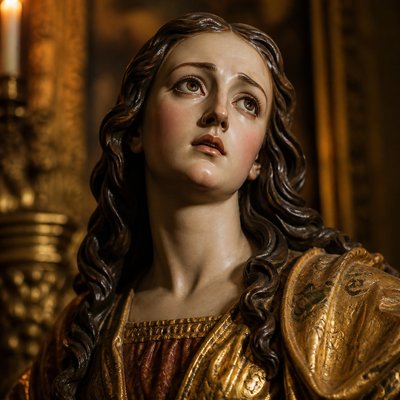
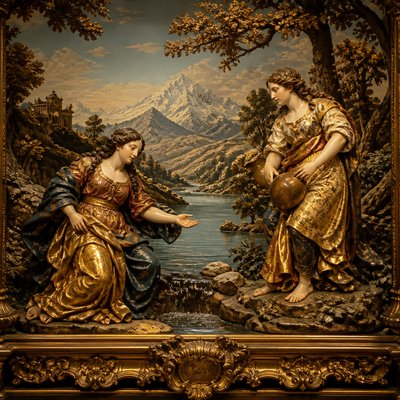
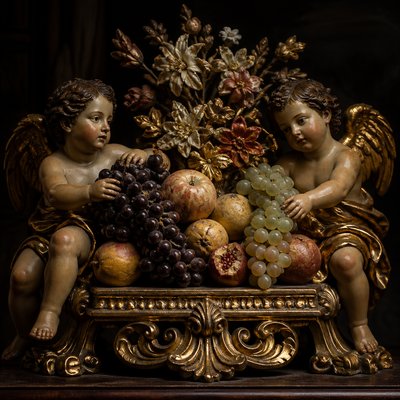
Peruvian Gallery
Tap any artwork to explore it
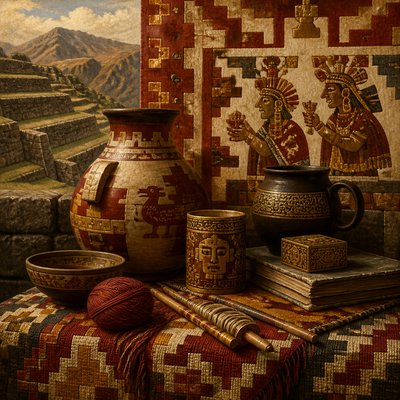
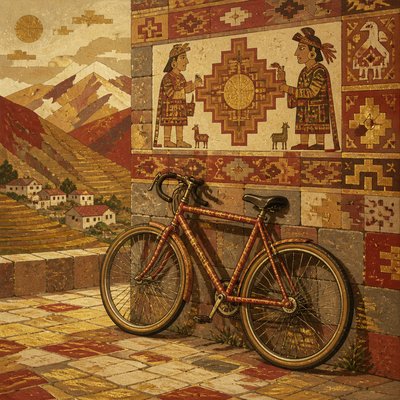
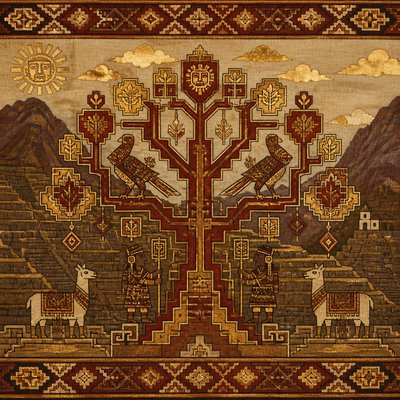
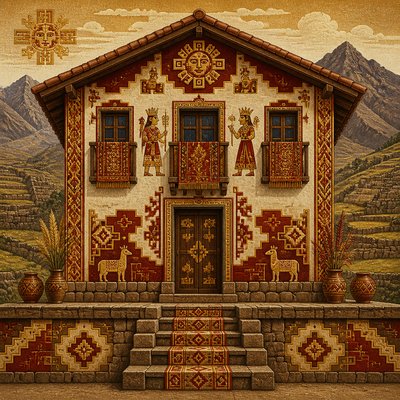
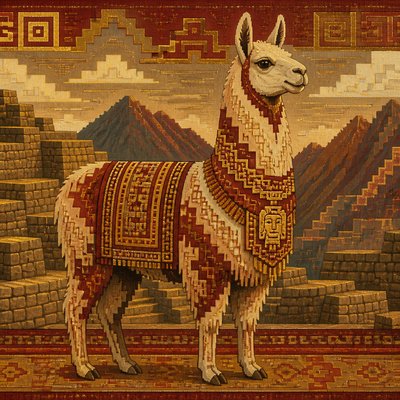
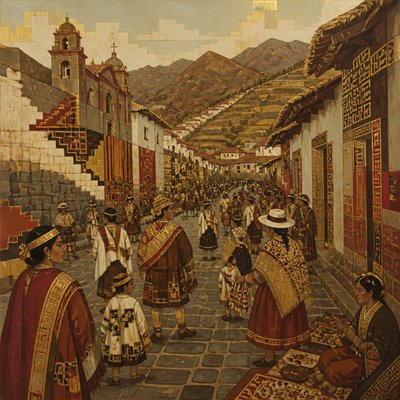
What is Peruvian Art Style?
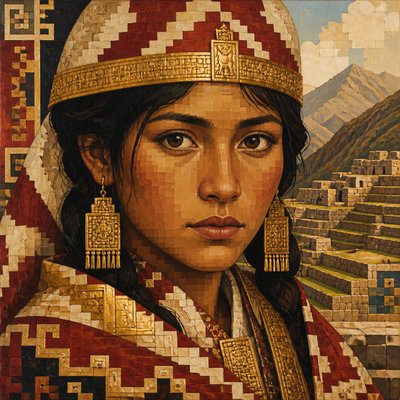
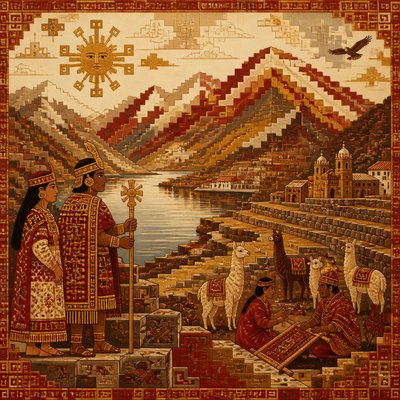
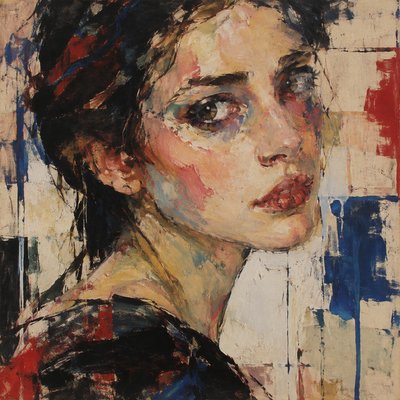
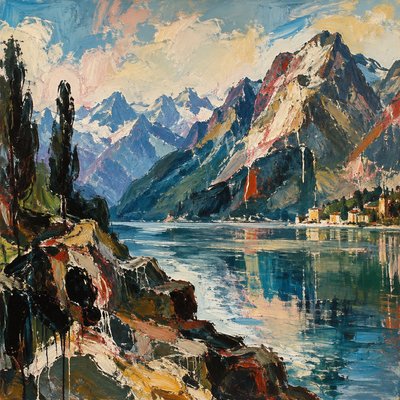
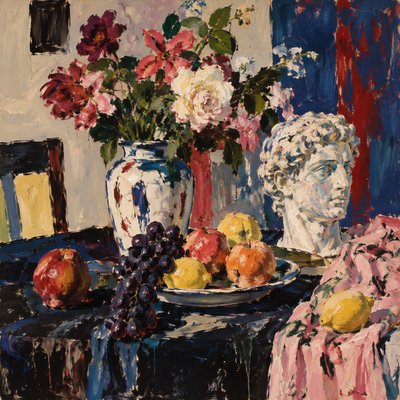
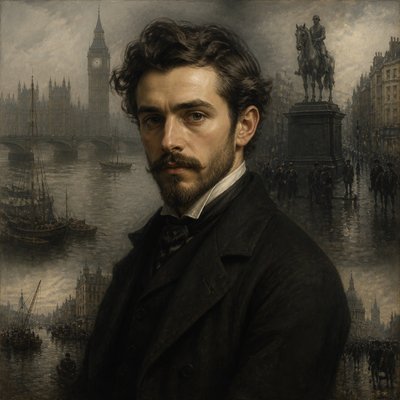
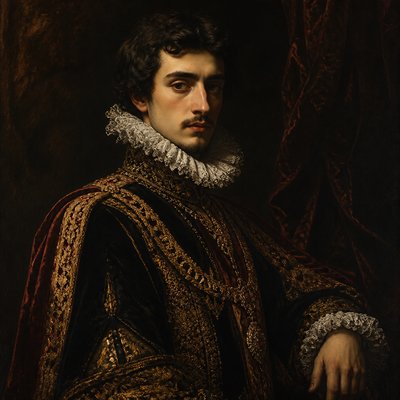
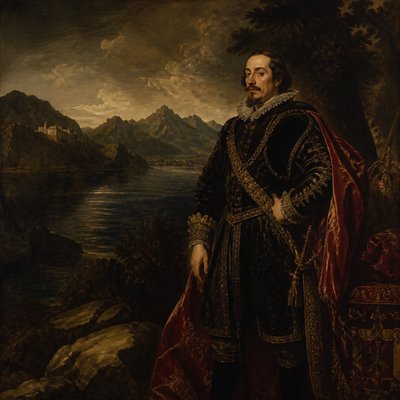
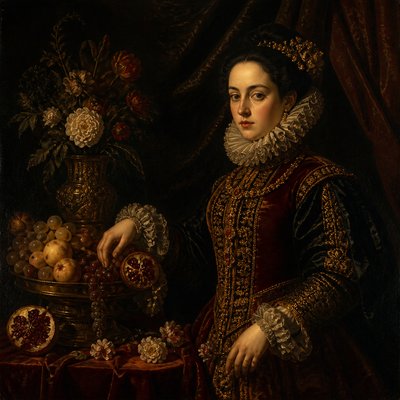
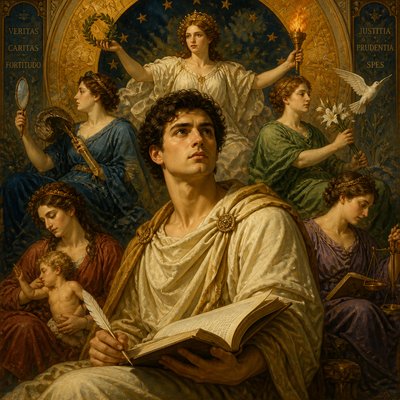
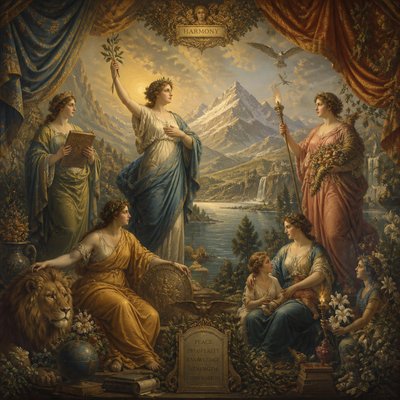
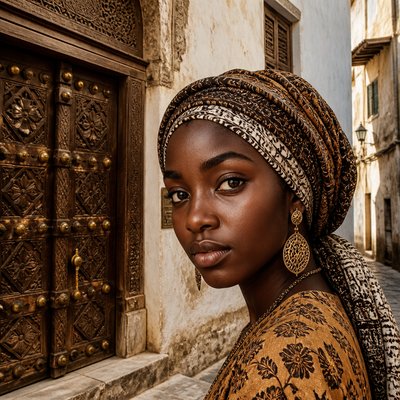
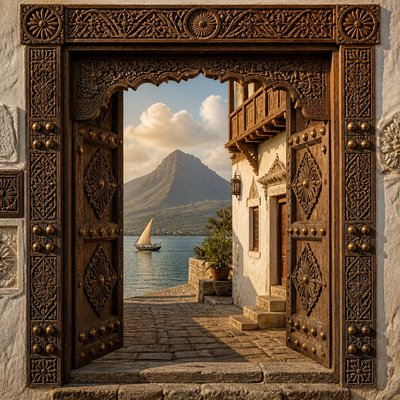
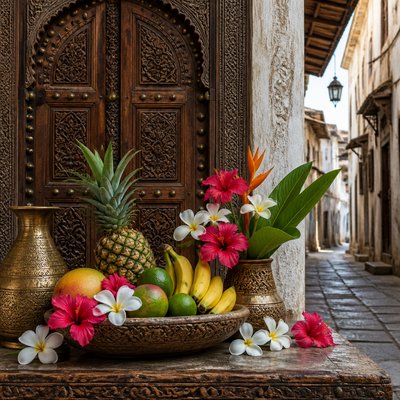
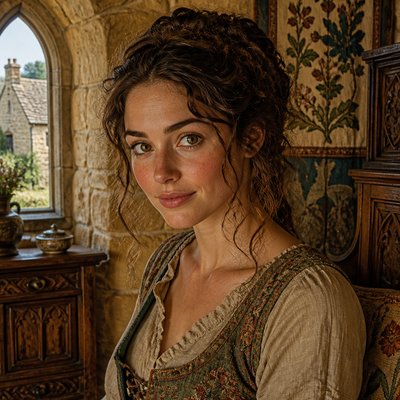
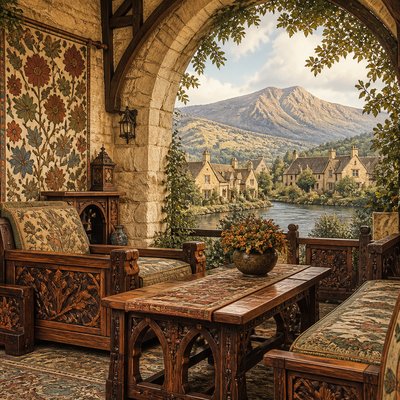
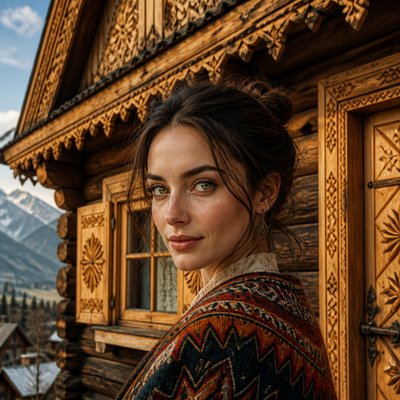
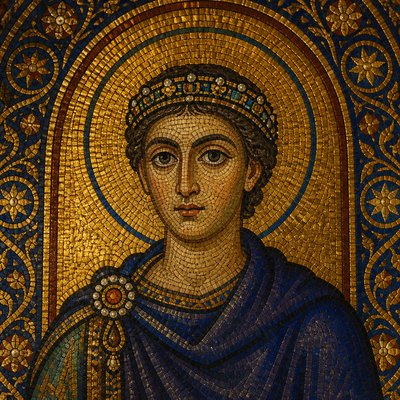
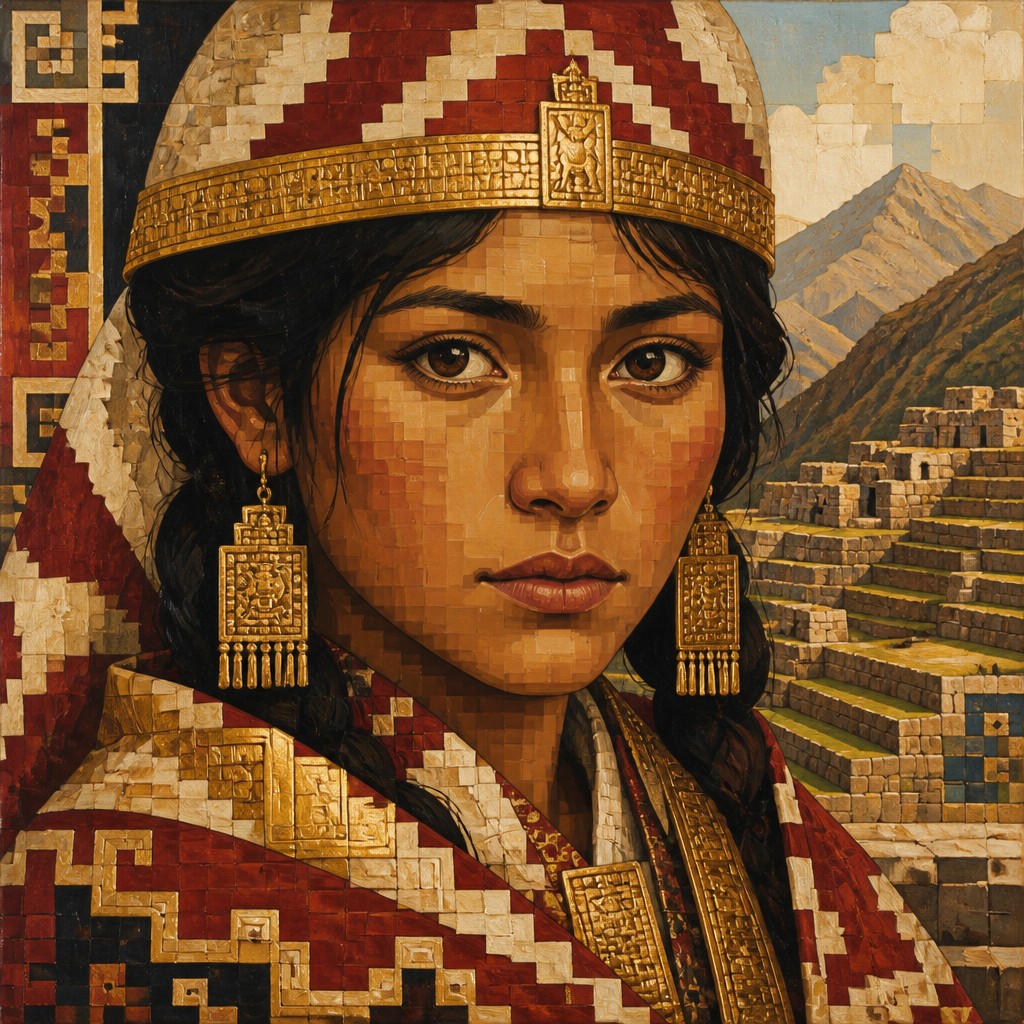
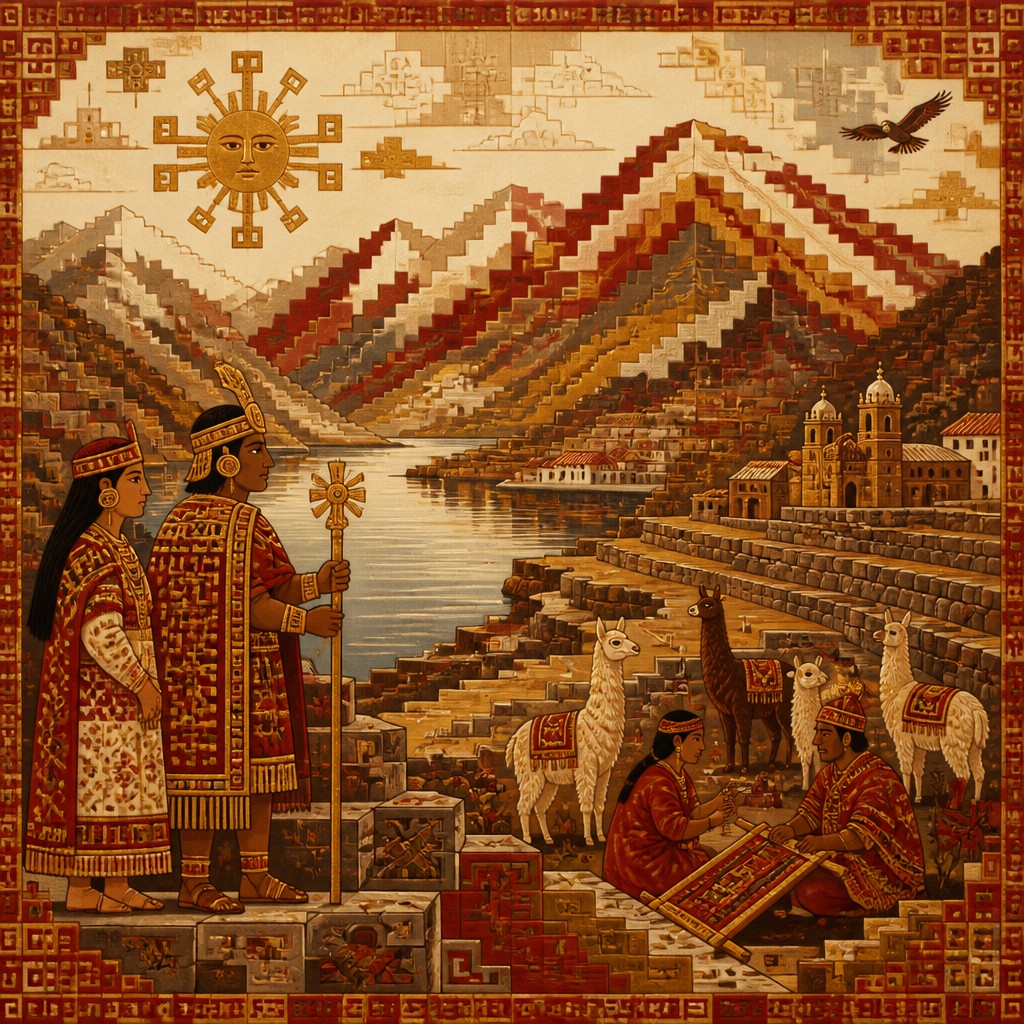
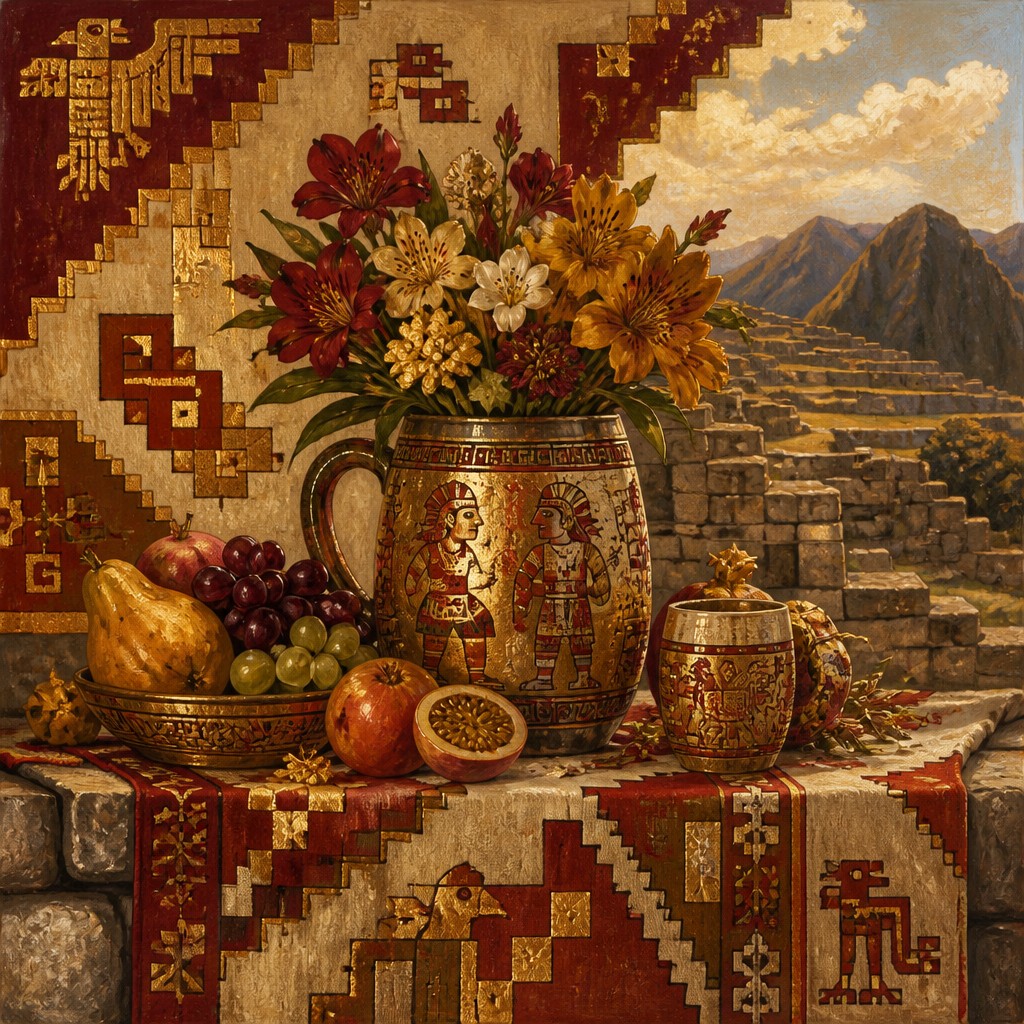
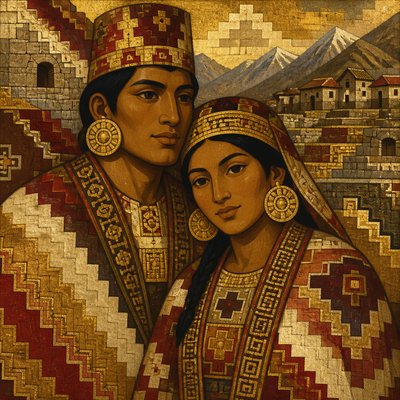
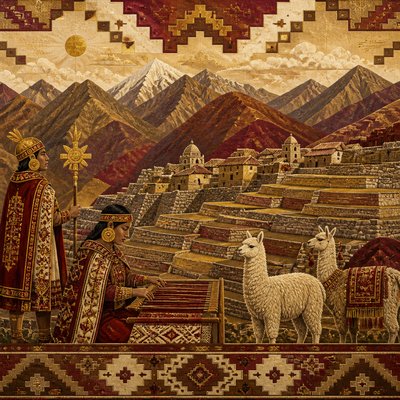
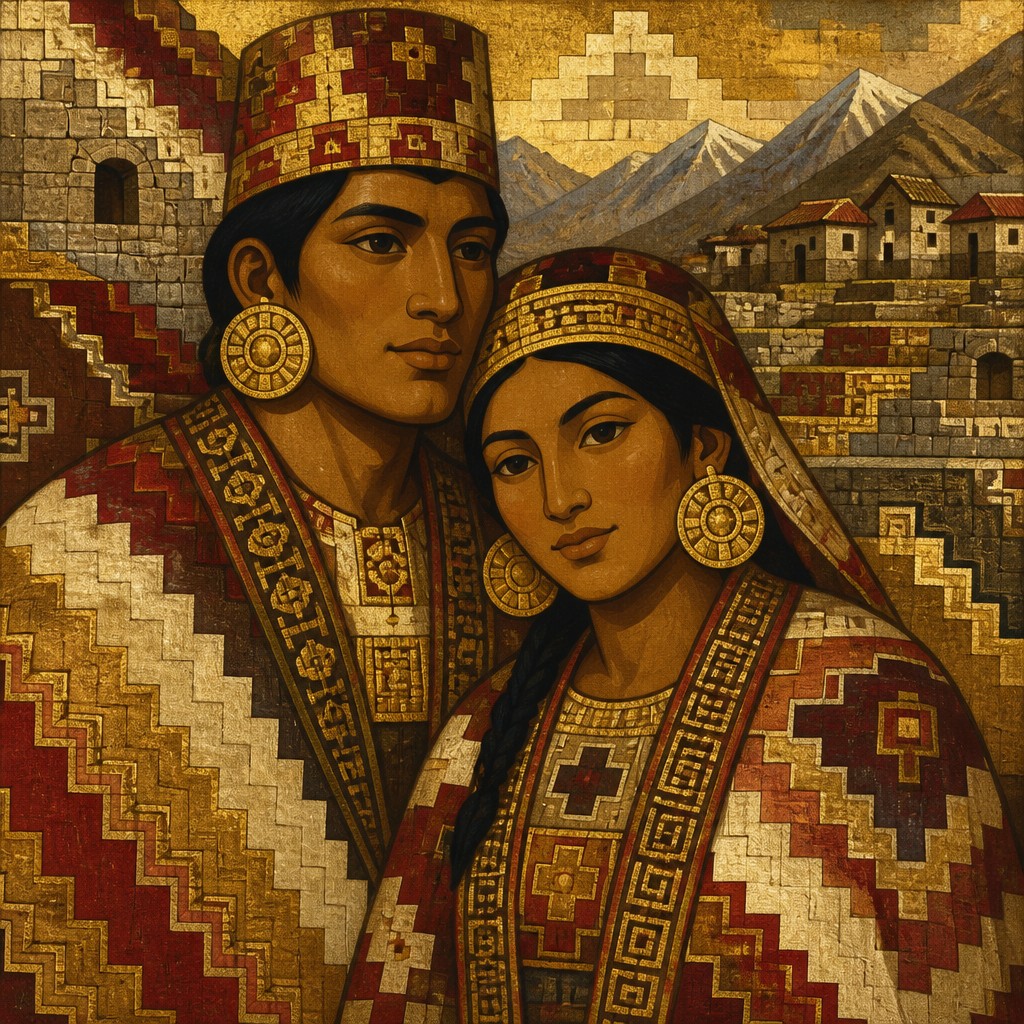
Peruvian Art Style is a contemporary descriptive label for an aesthetic rooted in Andean visual traditions and the decorative legacy of Peru’s Cusco School. Its visual identity combines stepped textile geometry, repeating bands, woven symmetry, earthy crimson, mineral gold, alpaca cream, and the strongly illuminated landscapes of the high plateau. Figures may appear in richly patterned garments with gilded or brocade-like ornament, while architecture and terrain are organized into terraces, masonry, and rhythmic horizontal planes.
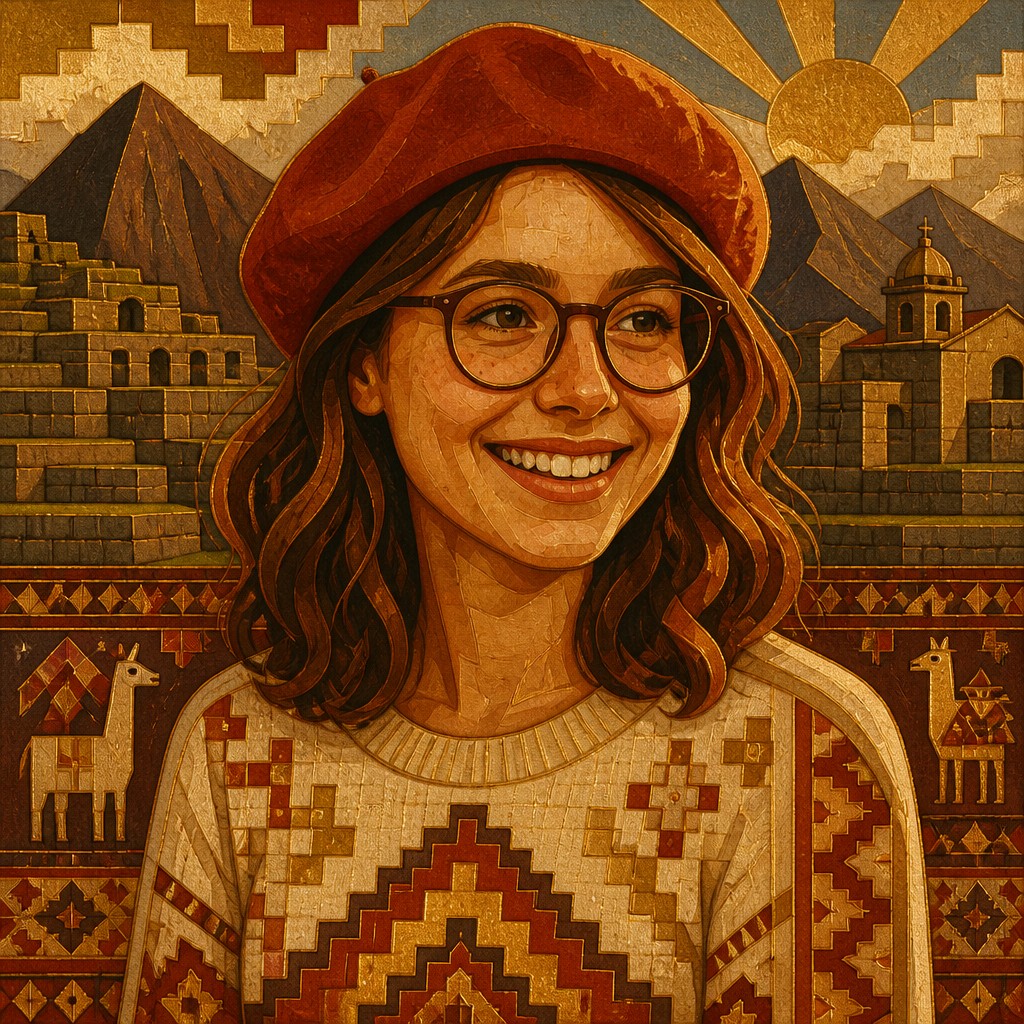
Try It On Your Photos
Upload any photo and convert it into Peruvian Art Style — drag the sliders to compare before and after.

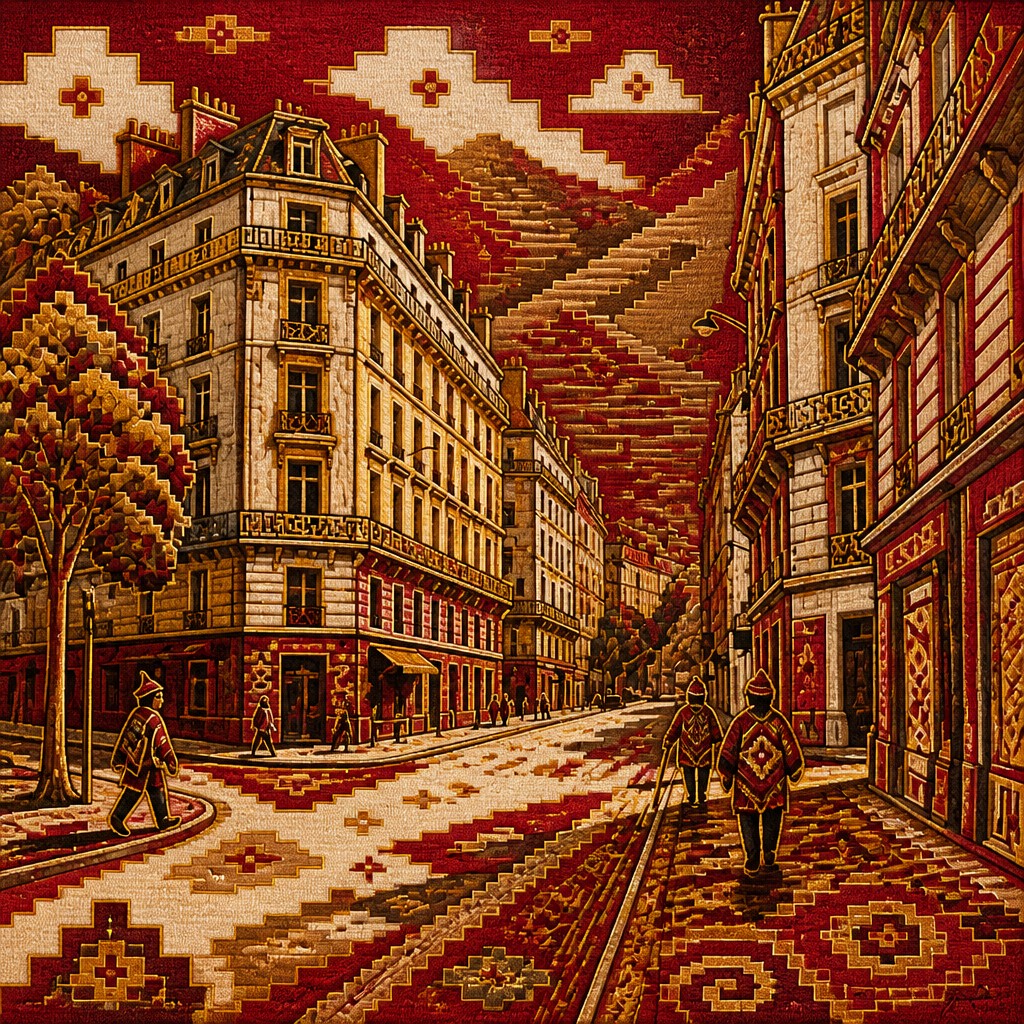

What Defines Peruvian Art Style
The signature details, up close
Stepped Andean geometry
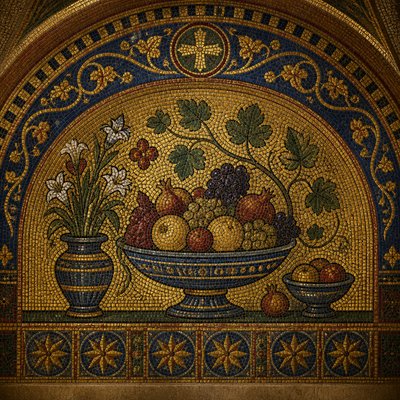
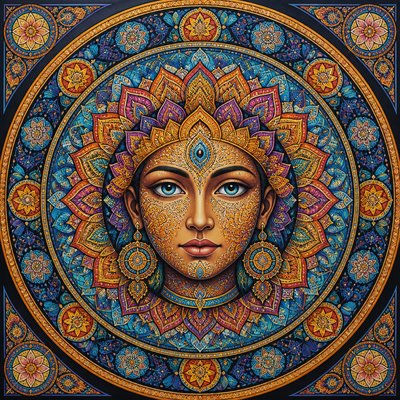
Rectangular steps, diamonds, chevrons, checkerboards, and interlocking bands create a sense of order inspired by woven pattern systems. These motifs work well as borders, garment designs, architectural details, and background structures.
Earth-and-metal palette
The core palette favors earthy crimson, rust, ochre, deep brown, muted charcoal, gold, and alpaca cream. Saturated accents are generally balanced by the subdued mineral colors of highland soil and stone.
Gilded ornament
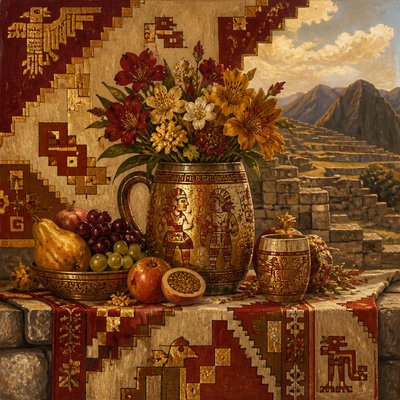
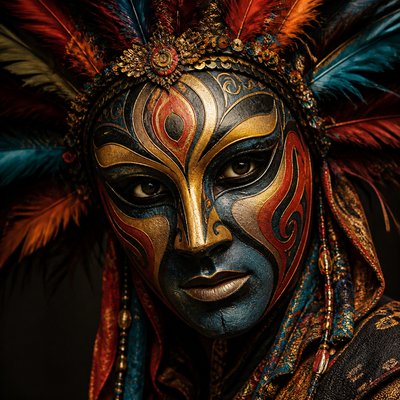
Gold appears as a decorative surface rather than simply as a naturalistic color. Halo-like accents, brocade patterns, jewelry, ceremonial objects, and illuminated borders can suggest the reflective richness associated with colonial devotional painting.
Frontal and patterned figures
Figures often read as composed, iconic, and carefully arranged rather than casually posed. Clothing, headdresses, woven accessories, and repeated motifs carry as much visual information as facial expression.
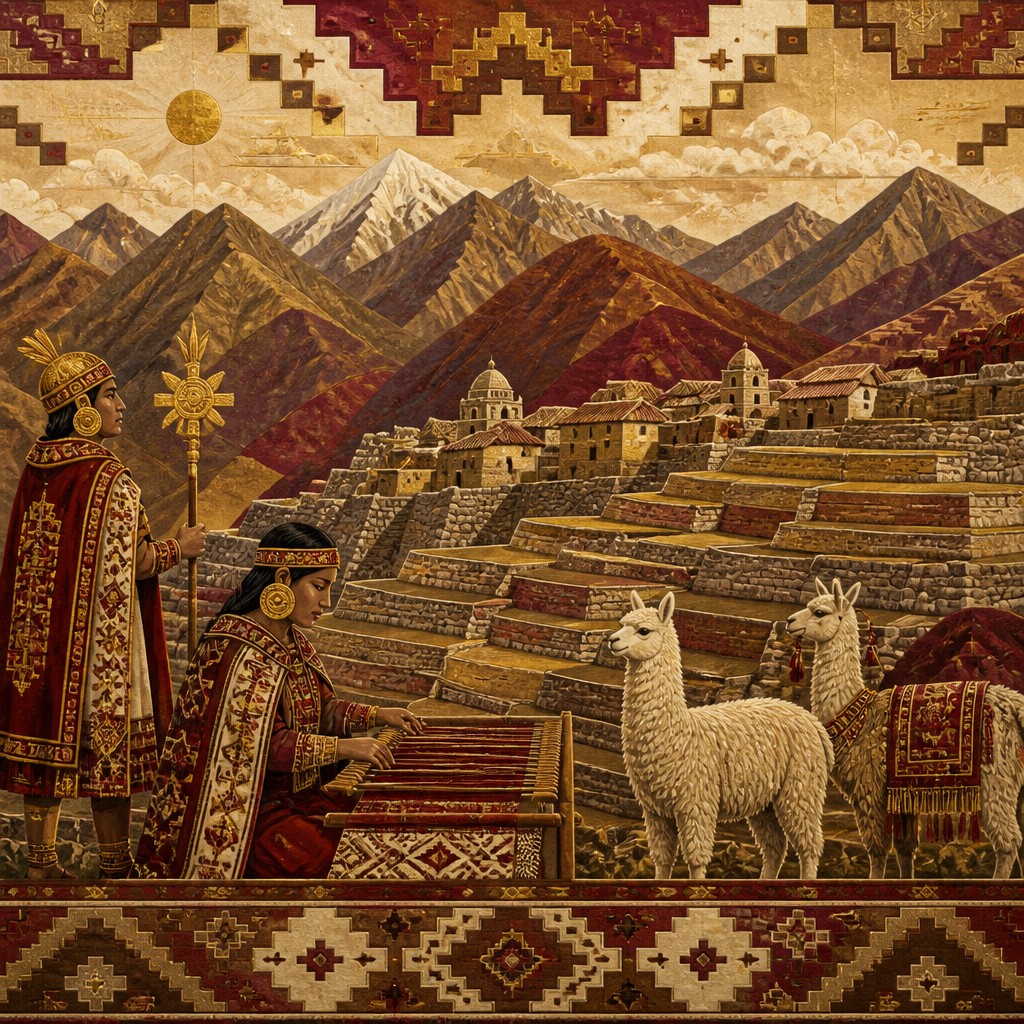
Highland light
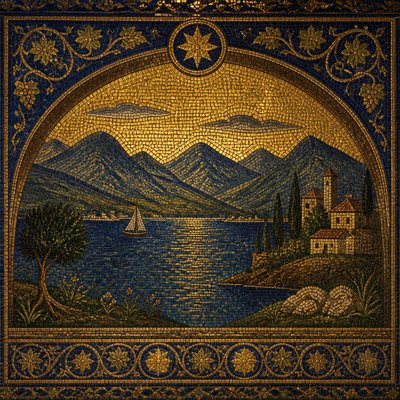
Clear, elevated light produces crisp edges, strong visibility, and pronounced contrasts across mountains, terraces, masonry, and textiles. Shadows can be deep but should retain a dry, luminous atmosphere.
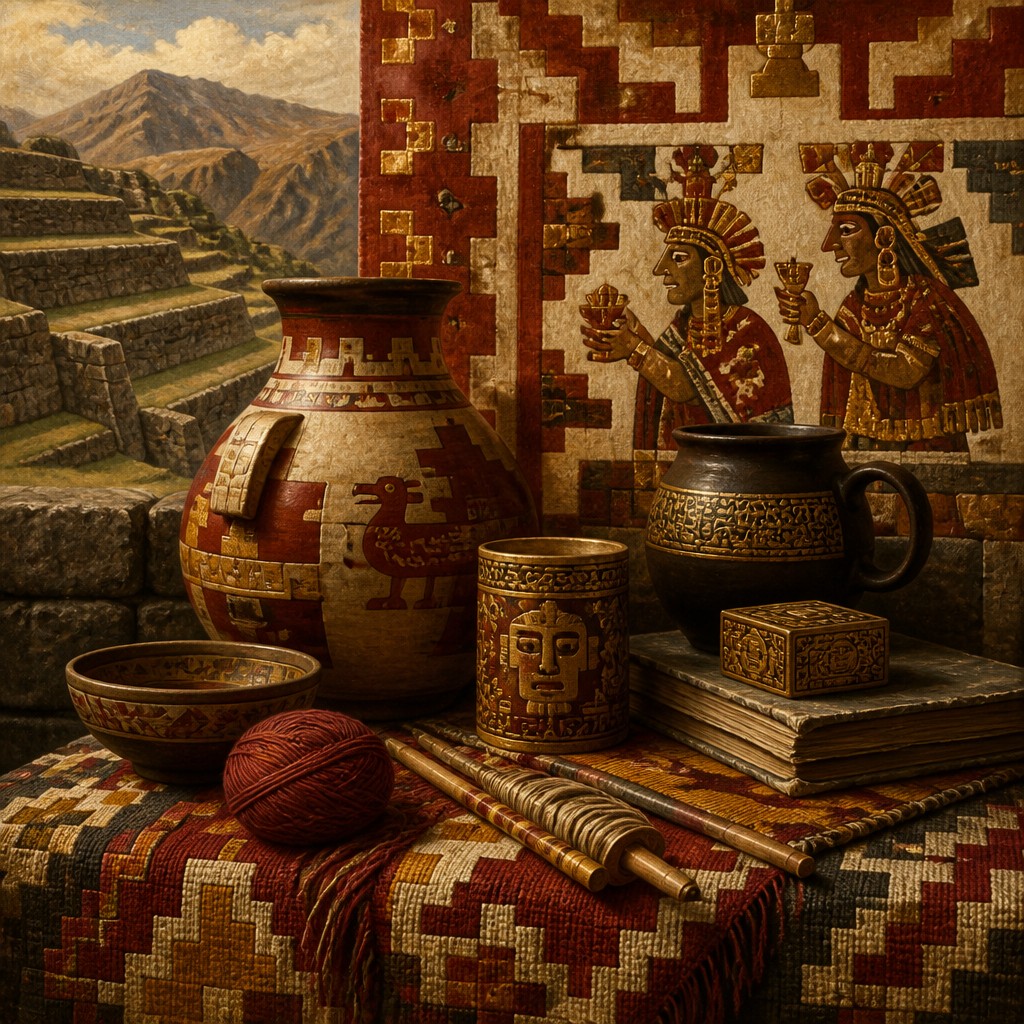
Stone terraces and masonry
Terraced hillsides, stepped agricultural fields, adobe surfaces, and precisely fitted stonework provide structural backgrounds. Their horizontal and diagonal rhythms echo the geometry of woven cloth.
Try It
Create Videos in Peruvian Art Style
Styles aren't just for stills — describe a scene or animate an image and get a short video rendered in Peruvian. Press play to see this pond come to life.
Make a VideoPeruvian Prompt Ideas
Start from an idea — each one opens the generator with the style ready to go. See all 40 Peruvian prompts →
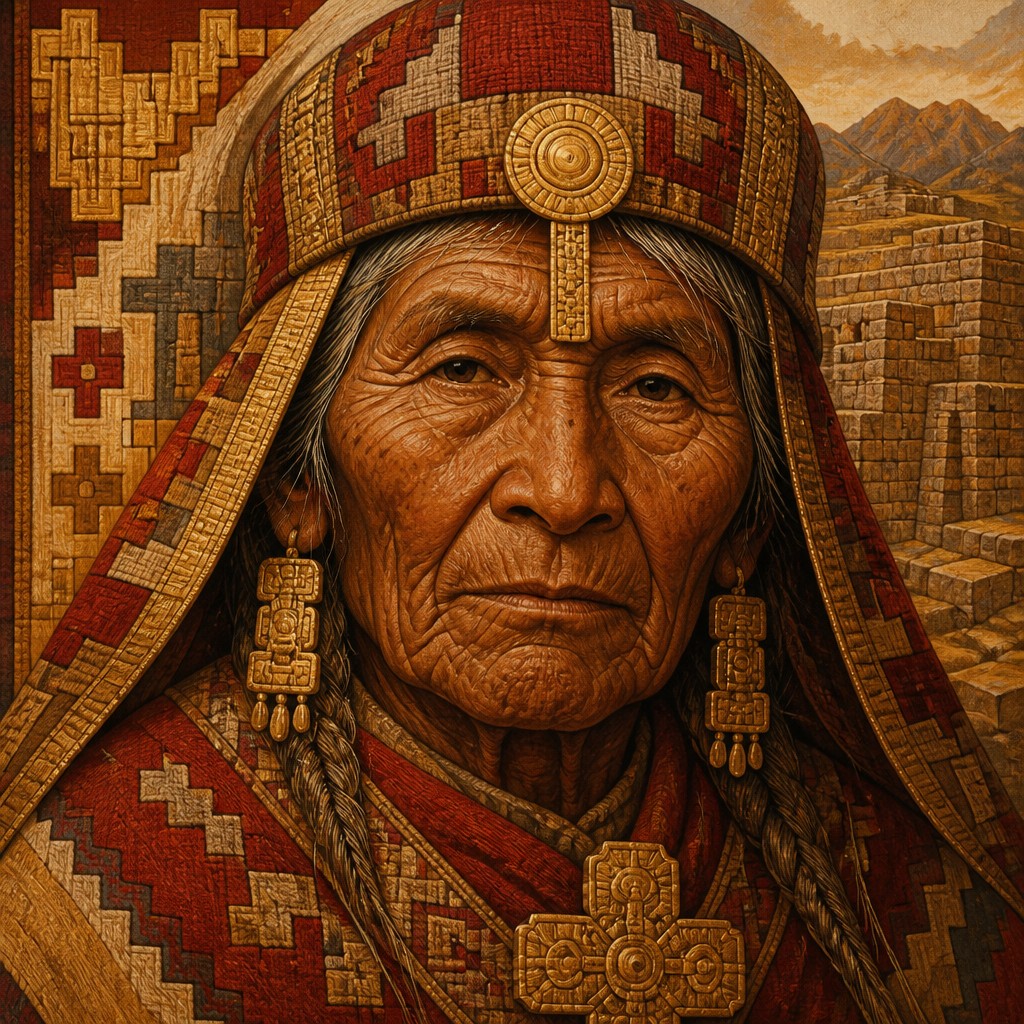
“close-up portrait of an elderly person with expressive weathered features”
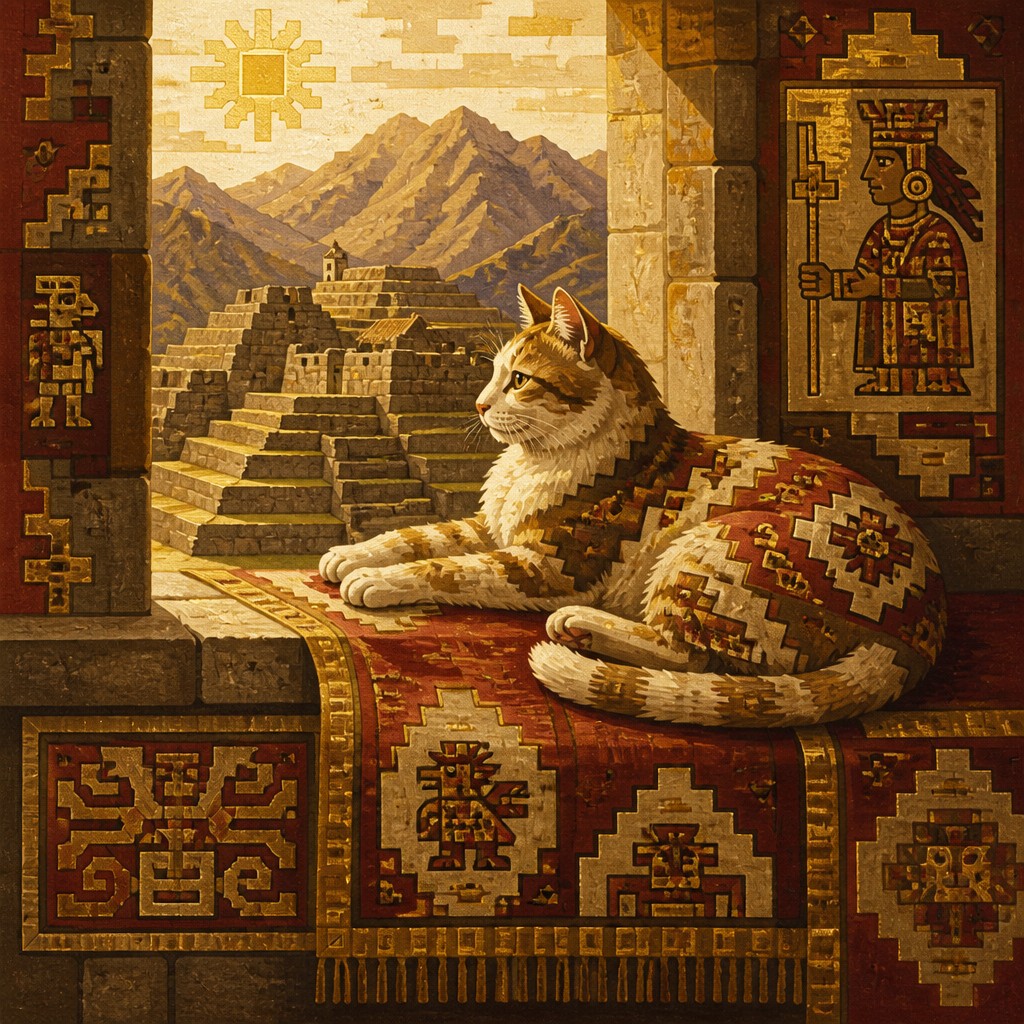
“a cat lounging in a sunlit window”
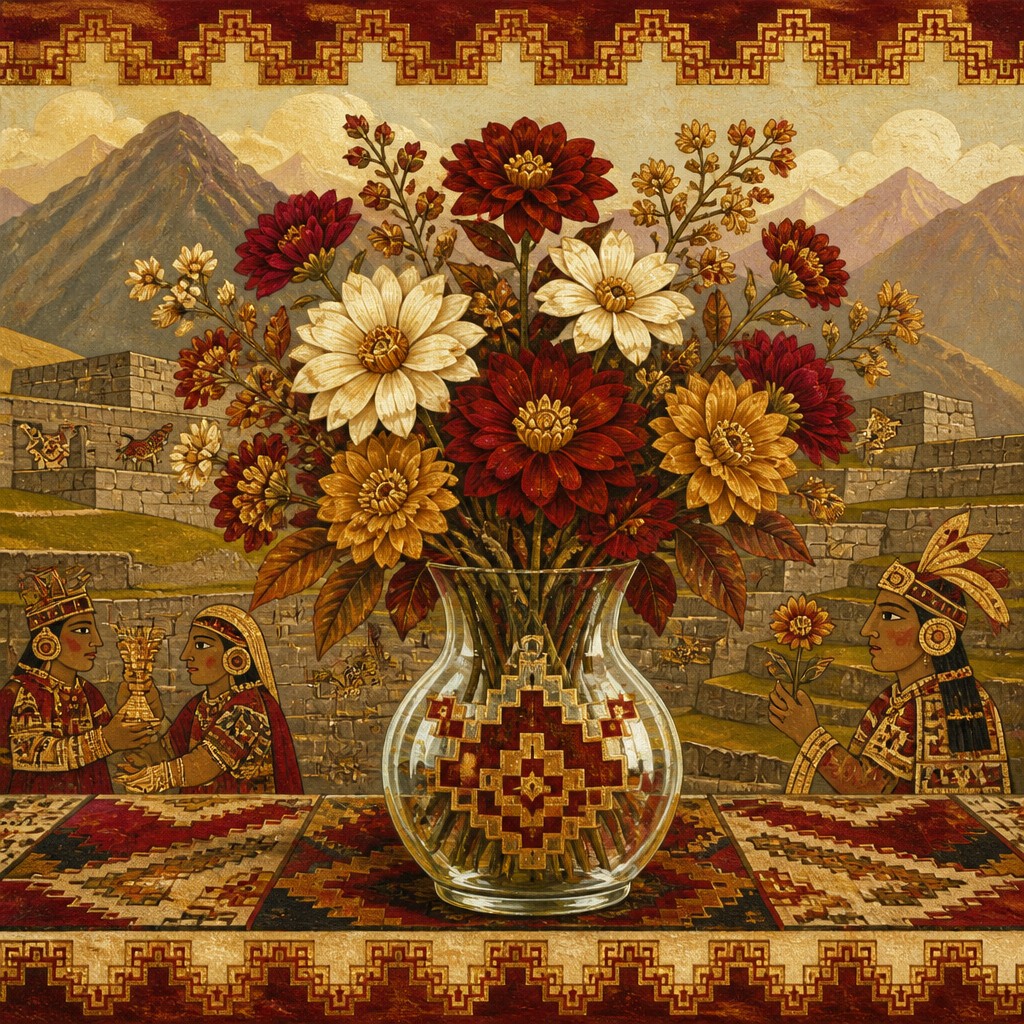
“bouquet of flowers in a glass vase”
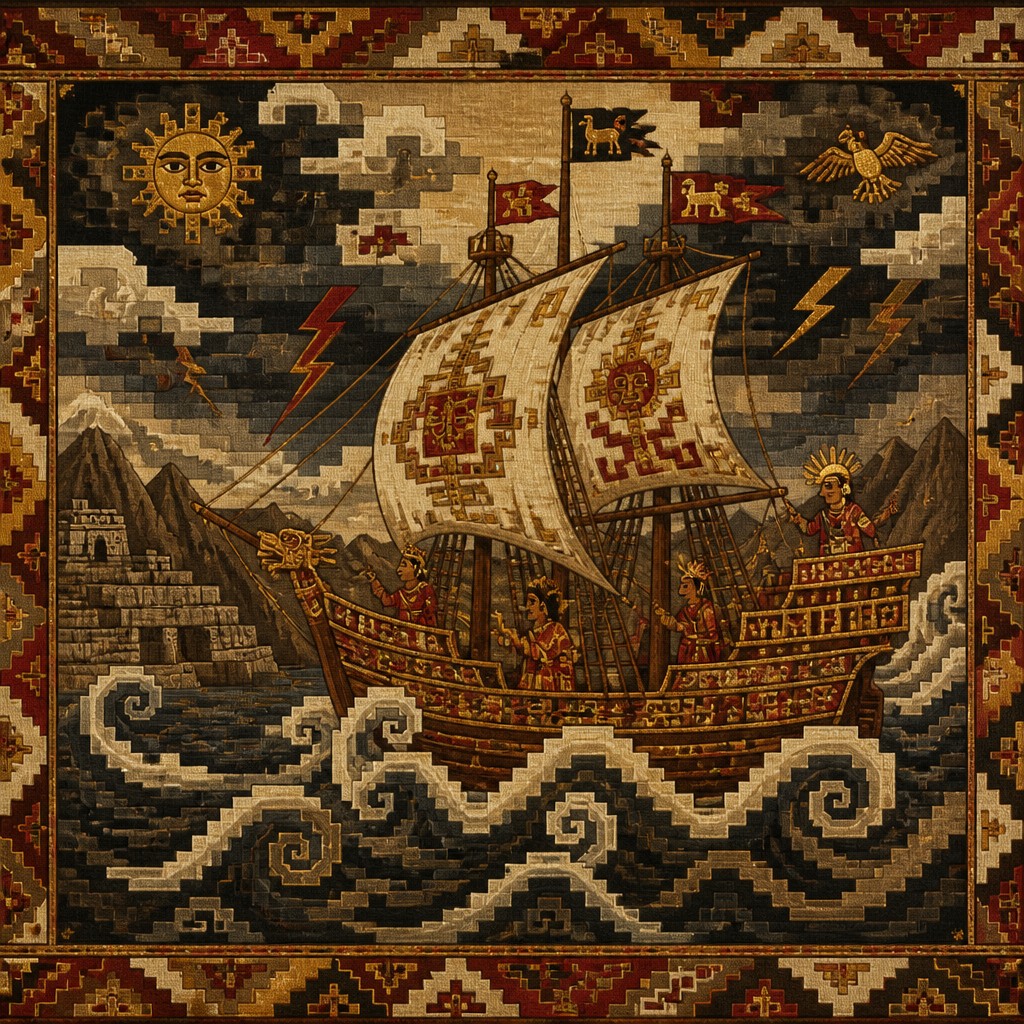
“sailing ship on a stormy sea”
How to Create Peruvian Art
Master the craft step by step — or skip straight to creating. Read the full guide →
- 1
Build a restricted palette
Start with two or three earth colors, one pale textile neutral, and a controlled gold accent. Reserve the brightest gold and cream for focal details so the image does not become uniformly decorative.
- 2
Design patterns before details
Establish a repeating border or textile grid using stepped diamonds, chevrons, and interlocking rectangles. In traditional media, block-print, paint, embroider, or weave the pattern; digitally, construct it as a clean repeatable motif.
- 3
Use layered surface techniques
For physical work, combine opaque mineral-like paint with metallic leaf, metallic pigment, or finely painted imitation gilding. For digital work, separate the base color, textile pattern, metallic highlights, and weathered texture into distinct layers.
- 4
Compose with icon-like clarity
Place the main figure or object centrally or in a deliberately balanced arrangement, then use terraces, bands, and architectural planes to organize the surrounding space. Keep silhouettes readable beneath the ornament.
- 5
Write precise generation prompts
Specify the subject first, then request stepped Andean textile geometry, earthy crimson and alpaca cream, restrained gilded brocade, high-altitude light, and stone terraces. Add constraints such as flat woven borders, crisp pattern repetition, and no modern logos when consistency matters.

The Story
History & Origins of Peruvian
This style is not a single historical movement, but an aesthetic lineage drawing on the long textile traditions of the Andes, including geometric pattern systems developed before and during the Inca period. It also references colonial painting associated with the Cusco School, where European religious imagery was reinterpreted through local materials, symbolism, costume, landscape, and ornamental practice. Gold leaf, elaborate surfaces, and frontal or hieratic figures are especially important to this visual memory.
Influences: The style relates to pre-Columbian Andean weaving, Inca geometric design, highland ceramics and metalwork, colonial Cusco School painting, Indigenous and mestizo devotional art, and contemporary Peruvian textile and illustration practices. It also shares compositional ideas with folk art, ornamental painting, icon painting, and geometric graphic design, while differing from generic tribal patterning by grounding its motifs in specific Andean material and architectural references.

Frequently Asked Questions
Is Peruvian Art Style a single historical art movement?
No. The term is best understood as a contemporary umbrella label rather than the name of one unified historical movement. It describes an aesthetic synthesis of Andean textile geometry, highland landscape, colonial Cusco School ornament, and modern decorative interpretation.
What defines the look of Peruvian Art Style?
Its defining features include stepped geometric patterns, woven-band repetition, earthy reds and ochres, alpaca-like cream, gilded ornament, frontal figures, and clear highland light. Terraces, stone masonry, ceremonial clothing, and textile surfaces often reinforce the visual identity.
How is it different from generic Indigenous or folk art?
A responsible interpretation should point to recognizable Andean references rather than treating Indigenous cultures as a single visual category. The style is more specific when it uses textile structures, highland architecture, regional materials, and the historical relationship between Andean imagery and Cusco colonial painting.
Can I create this style with photography?
Yes. Photograph woven textiles, stone walls, terraces, ceremonial objects, or highland landscapes using strong natural light and a restrained earth palette. Pattern overlays, selective color grading, and subtle metallic retouching can translate the visual language without replacing the subject’s real texture.
How can I make the style work in digital illustration?
Use vector or raster layers for the geometric repeat, base colors, figure, architectural structure, and gilded highlights. Keep pattern scale consistent, use crisp silhouettes, and add irregular hand-made texture so the result resembles a textile or painted object rather than a generic digital pattern.
Where is this aesthetic commonly used?
It is suitable for editorial illustration, posters, packaging, textiles, cultural interpretation, book covers, murals, character design, and decorative portraiture. Context matters: commercial work should avoid presenting sacred or Indigenous symbols as interchangeable ornament.
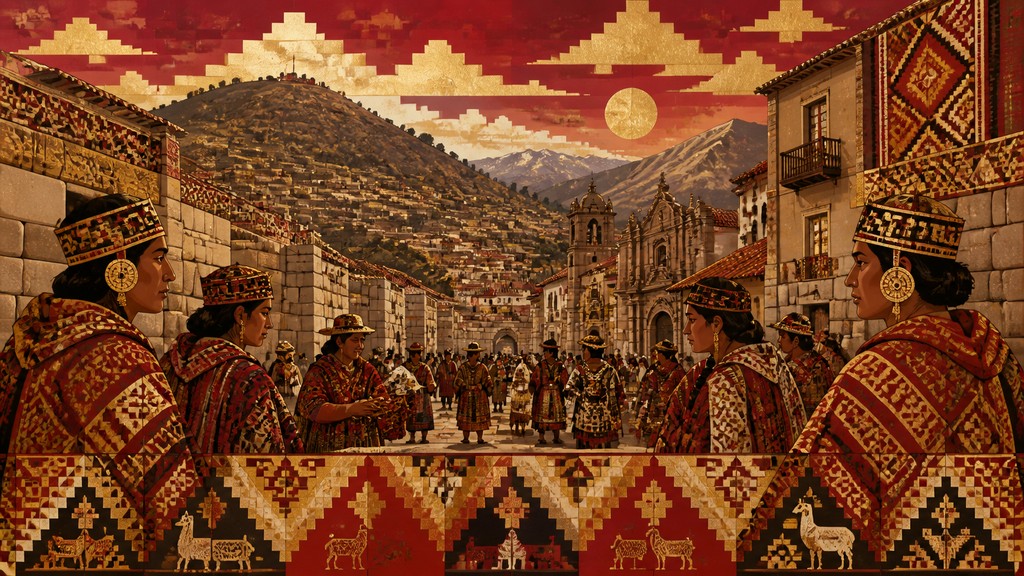
Create your first Peruvian artwork
Describe anything — or upload a photo — and see it in Peruvian Art Style in seconds.
Related Styles
Discover similar art styles