Papua New Guinea Art Style
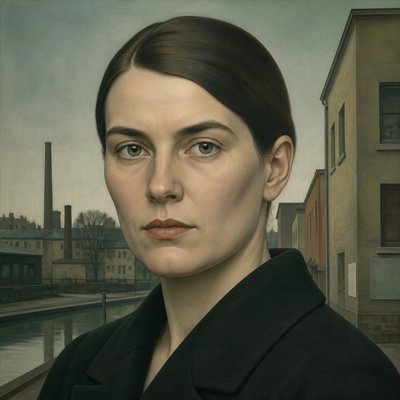
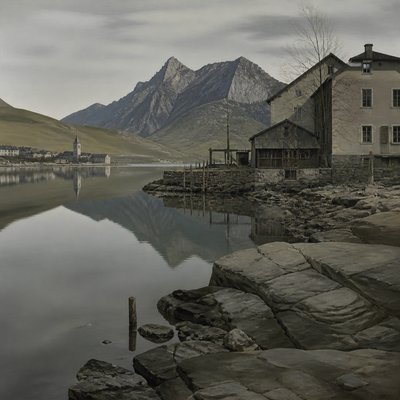
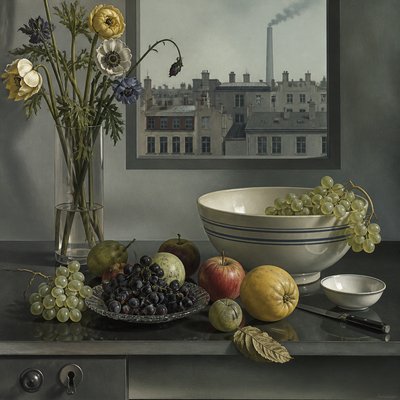
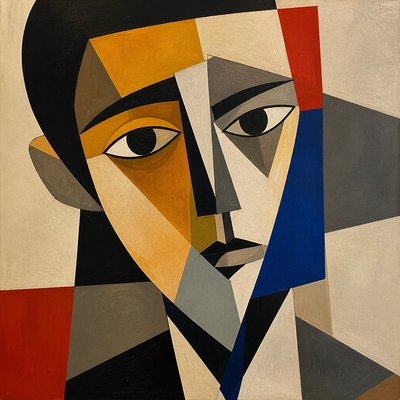
Explore Papua New Guinea-inspired art: Sepik carving, spirit-house geometry, Trobriand scrollwork, shell inlay and vivid rainforest color.
Instantly rendered in Papua New Guinea — or transform a photo
Papua New Guinea Gallery
Tap any artwork to explore it
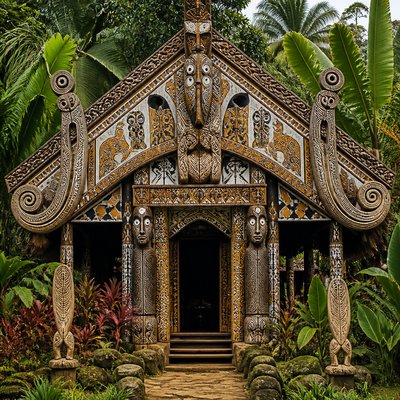
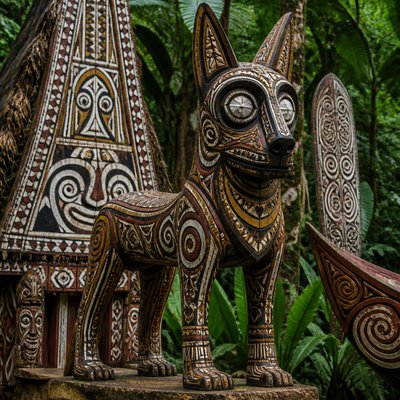
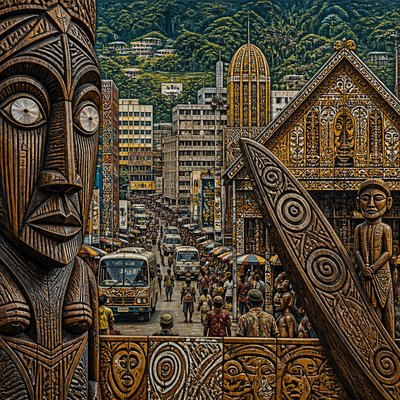
What is Papua New Guinea Art Style?
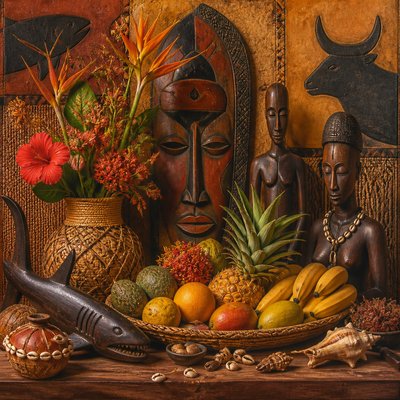
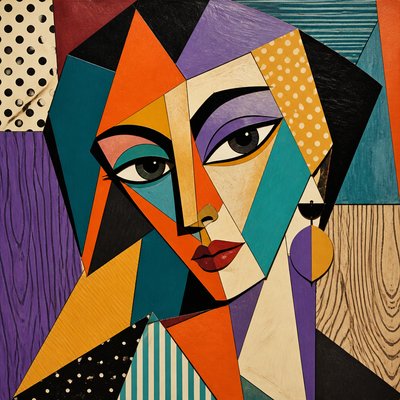
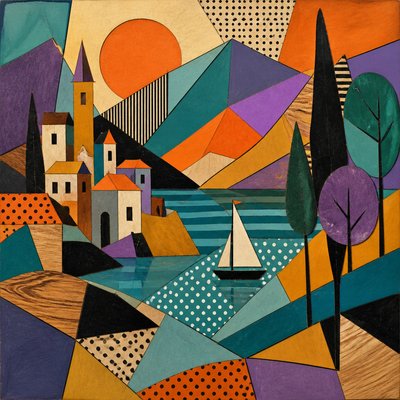
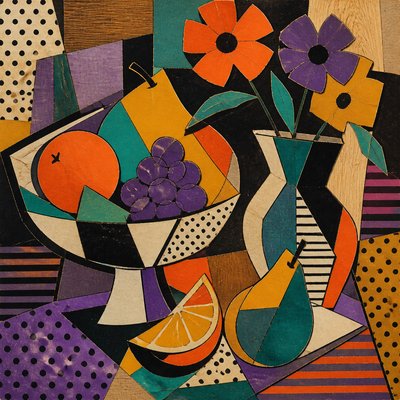
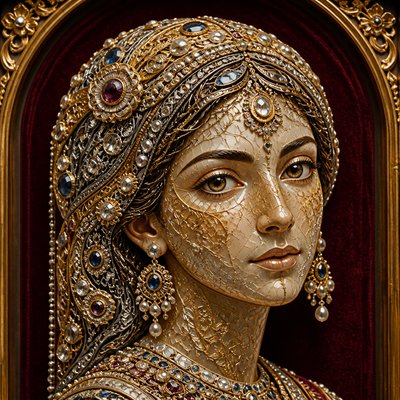
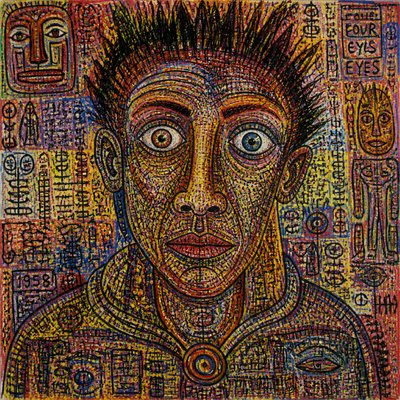
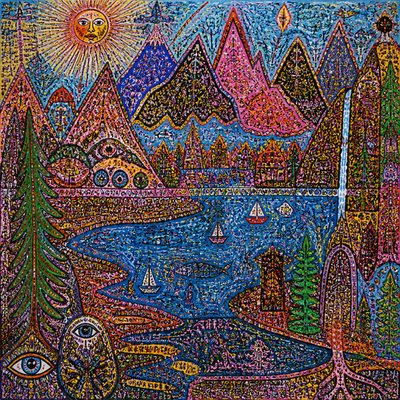
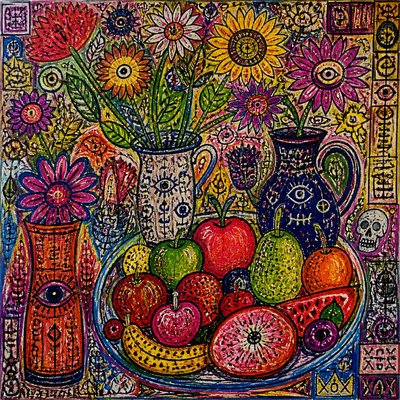
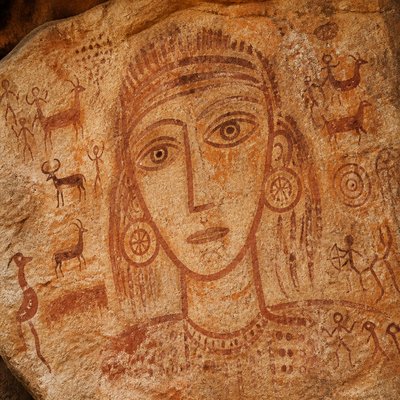
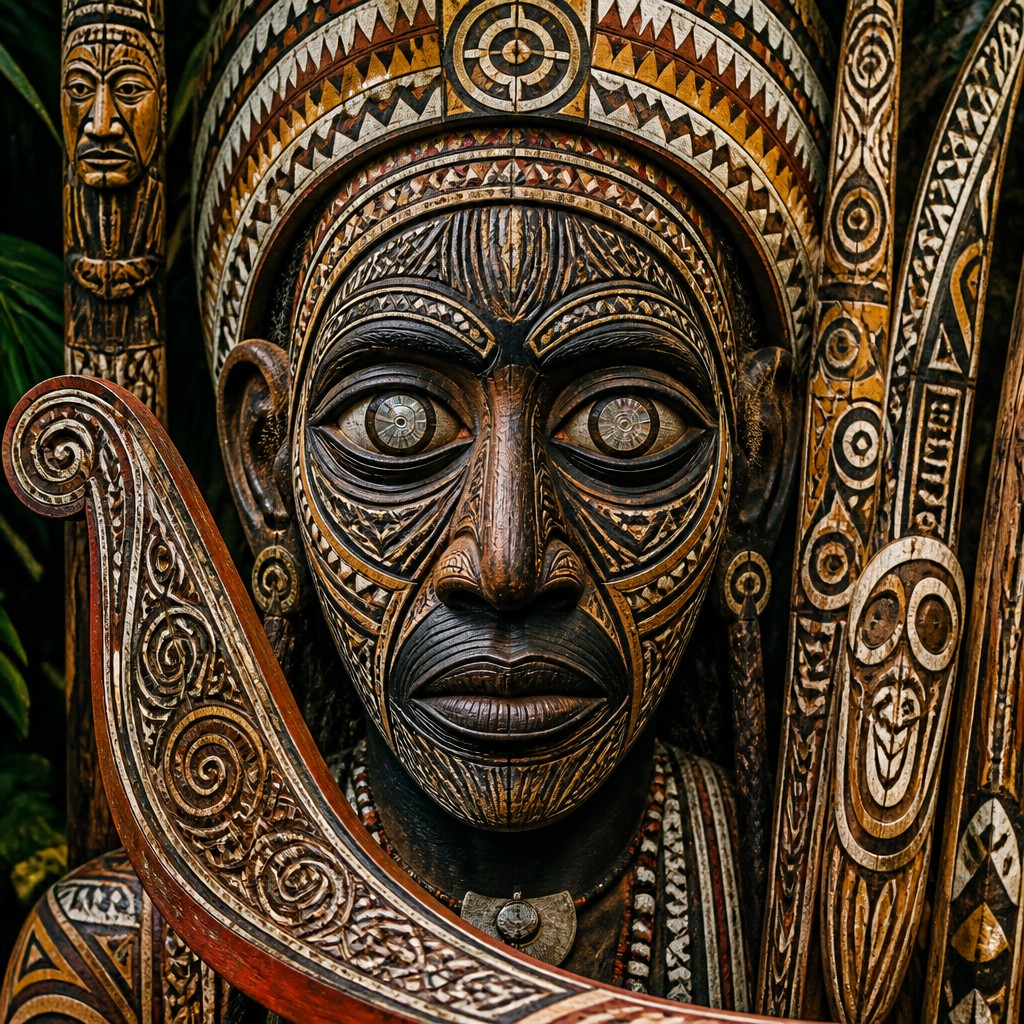
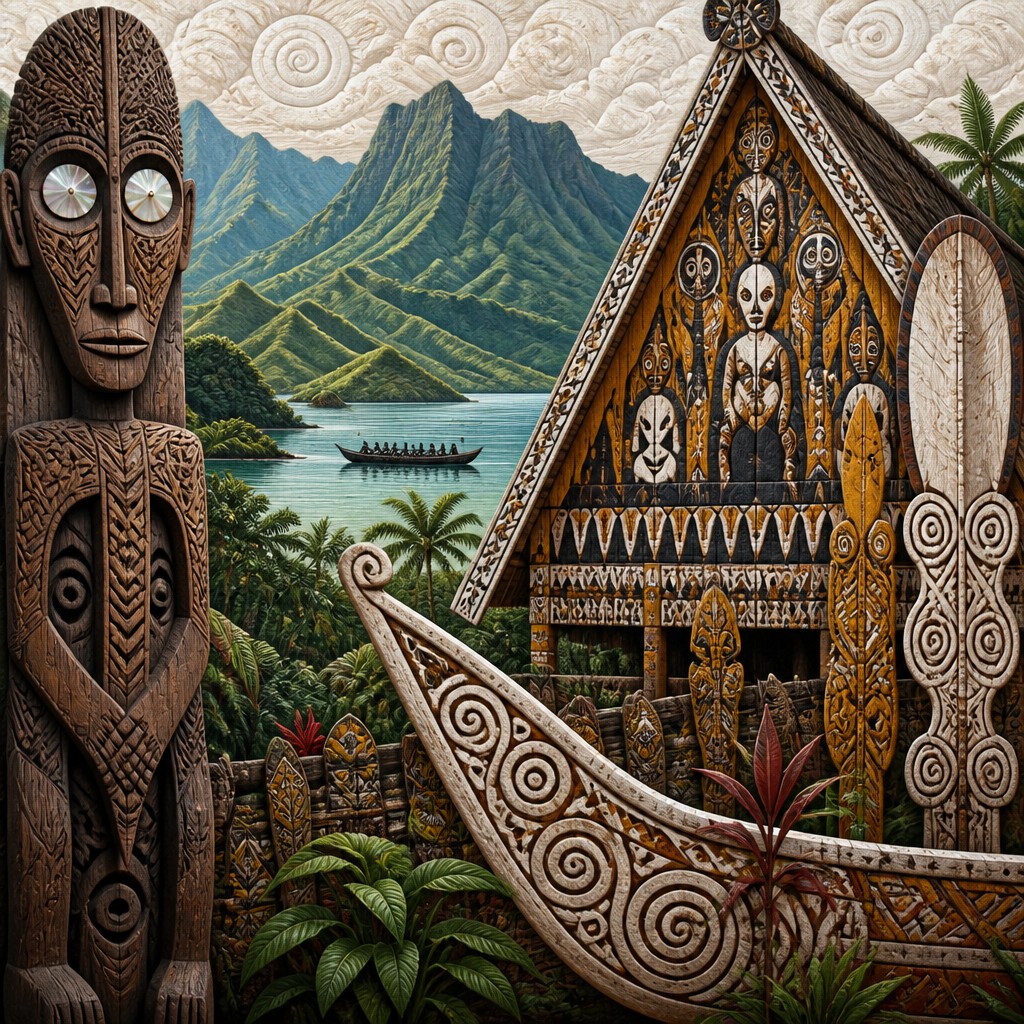
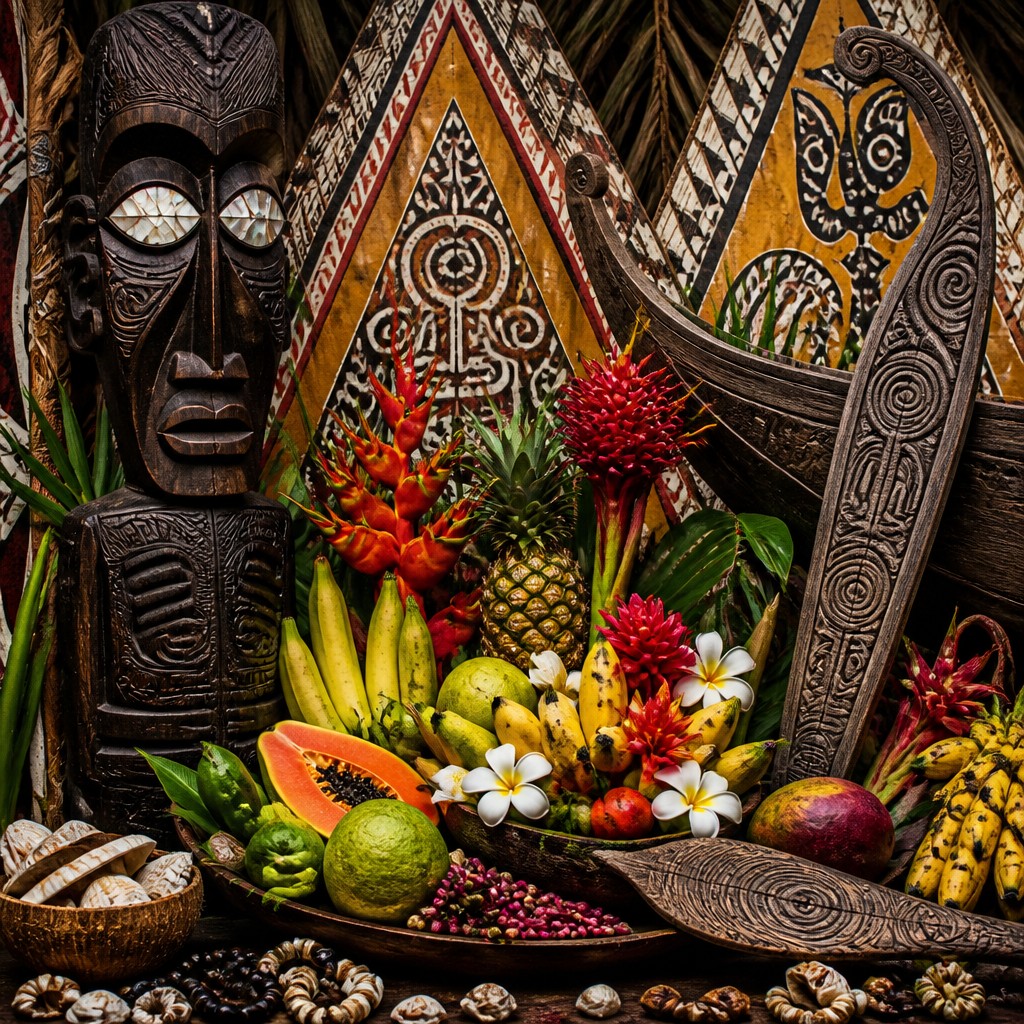
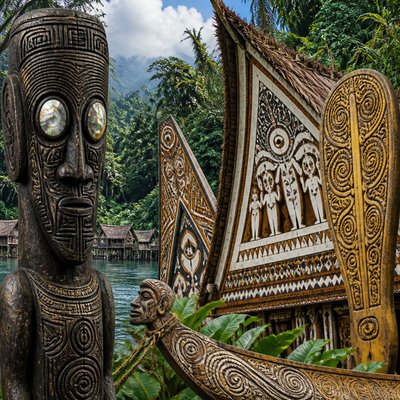
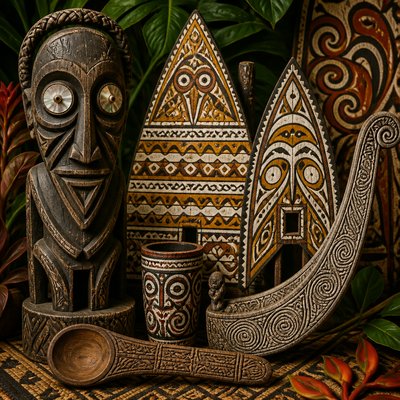
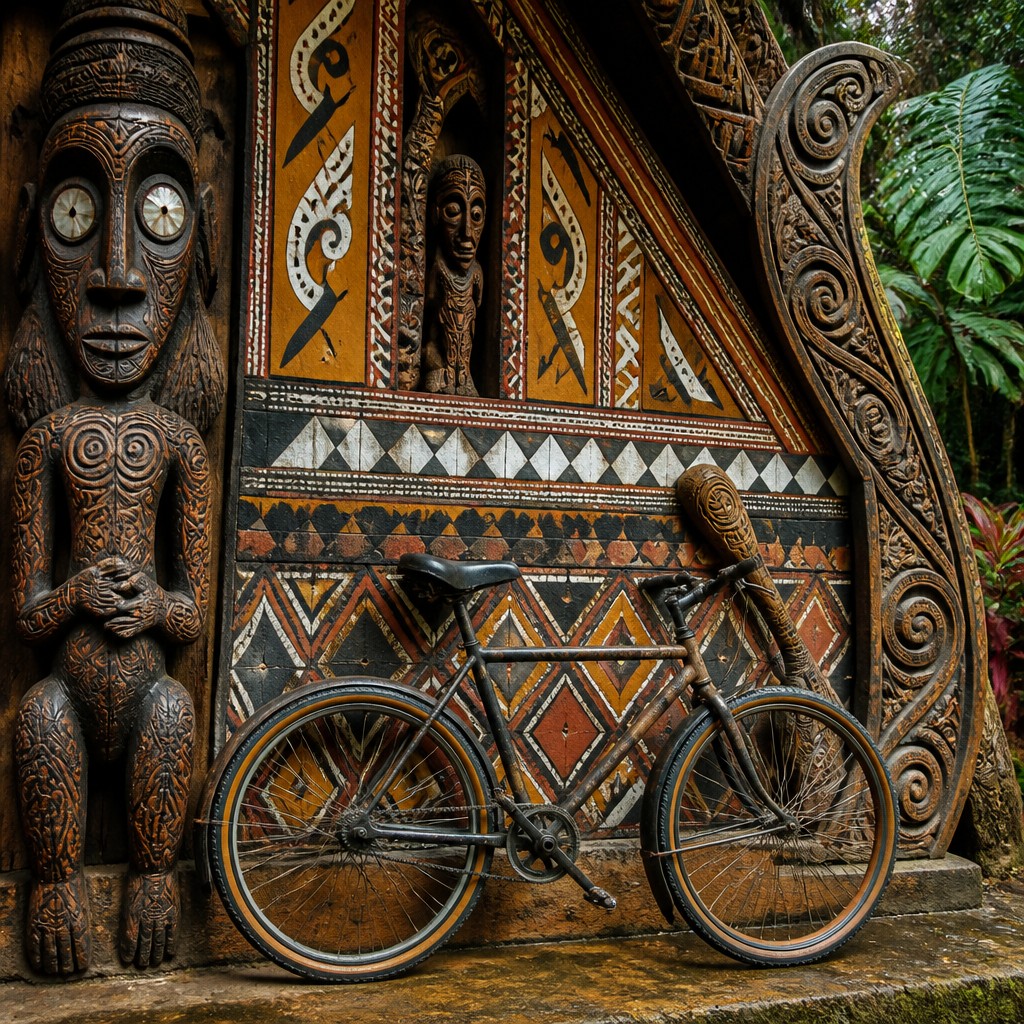
Papua New Guinea Art Style is a contemporary descriptive label for an image aesthetic inspired by several distinct artistic traditions of Papua New Guinea, especially Sepik River wood carving, painted haus tambaran architecture, and Trobriand Island carving and ornament. It is not a single historical movement or uniform national style. Its visual identity combines assertive ancestor-like figures, incised and raised geometric patterns, spiral scrollwork, shell-like highlights, and a saturated palette associated with rainforest environments and ceremonial objects.
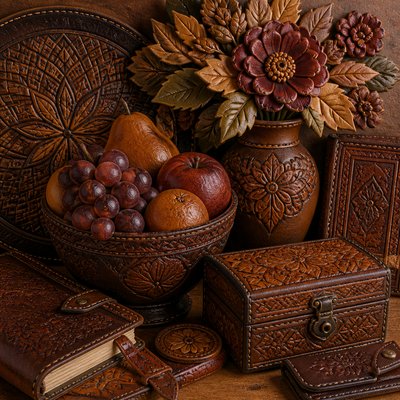
The style looks highly tactile because its source traditions are grounded in carved wood, lime containers and spatulas, canoe ornament, architectural panels, pigments, fibers, shells, and other locally meaningful materials. Strong frontal forms, repeated bands, rhythmic symmetry, and dense surface detail create an impression of concentrated craft labor. In respectful use, these visual references should be treated as culturally specific rather than interchangeable decorative motifs, particularly when depicting ceremonial buildings or ancestral imagery.
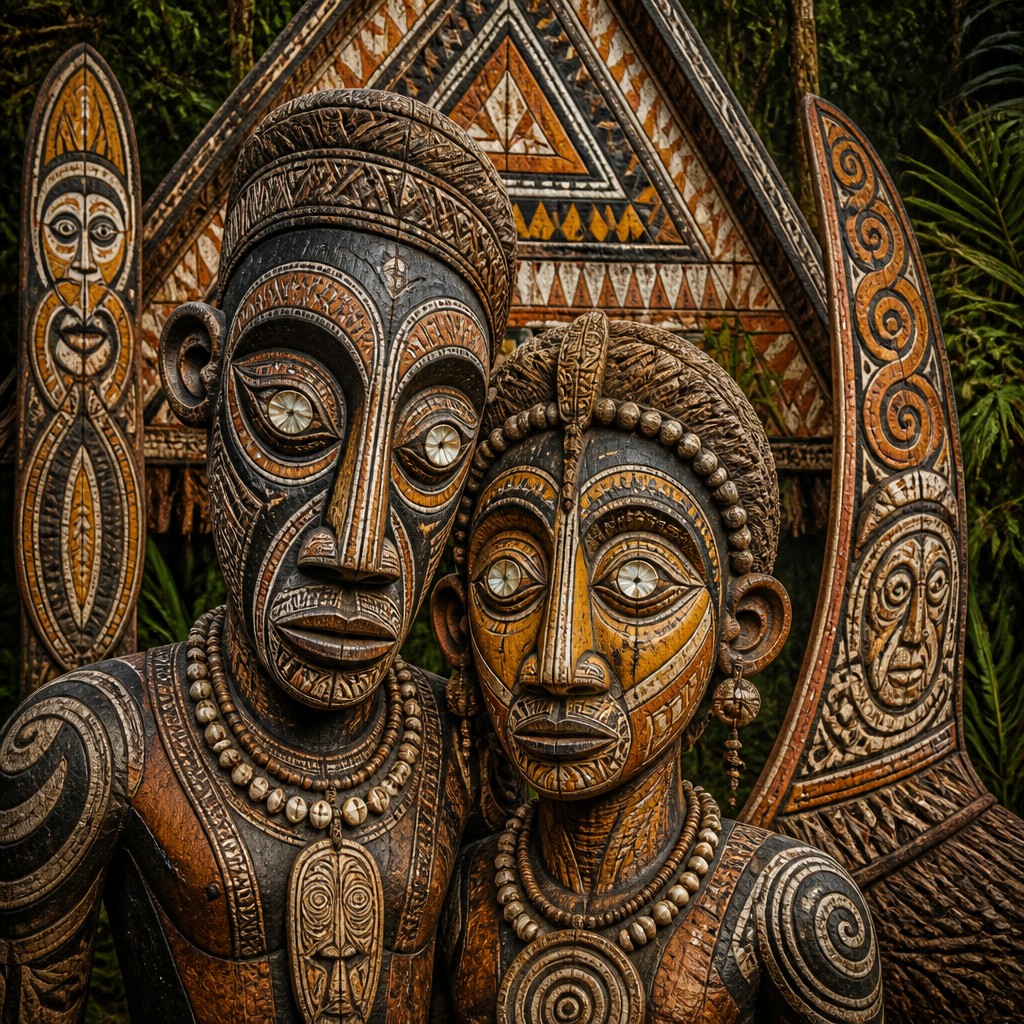
Try It On Your Photos
Upload any photo and convert it into Papua New Guinea Art Style — drag the sliders to compare before and after.
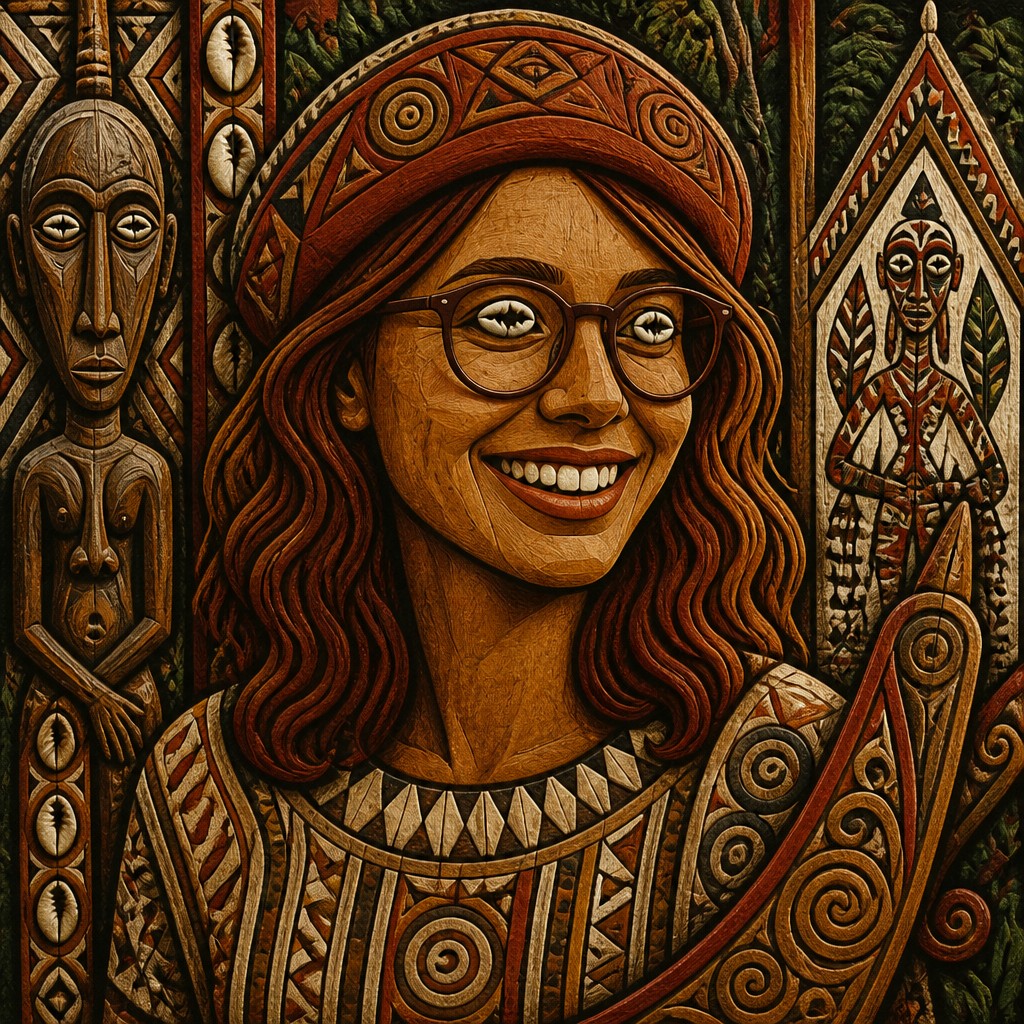

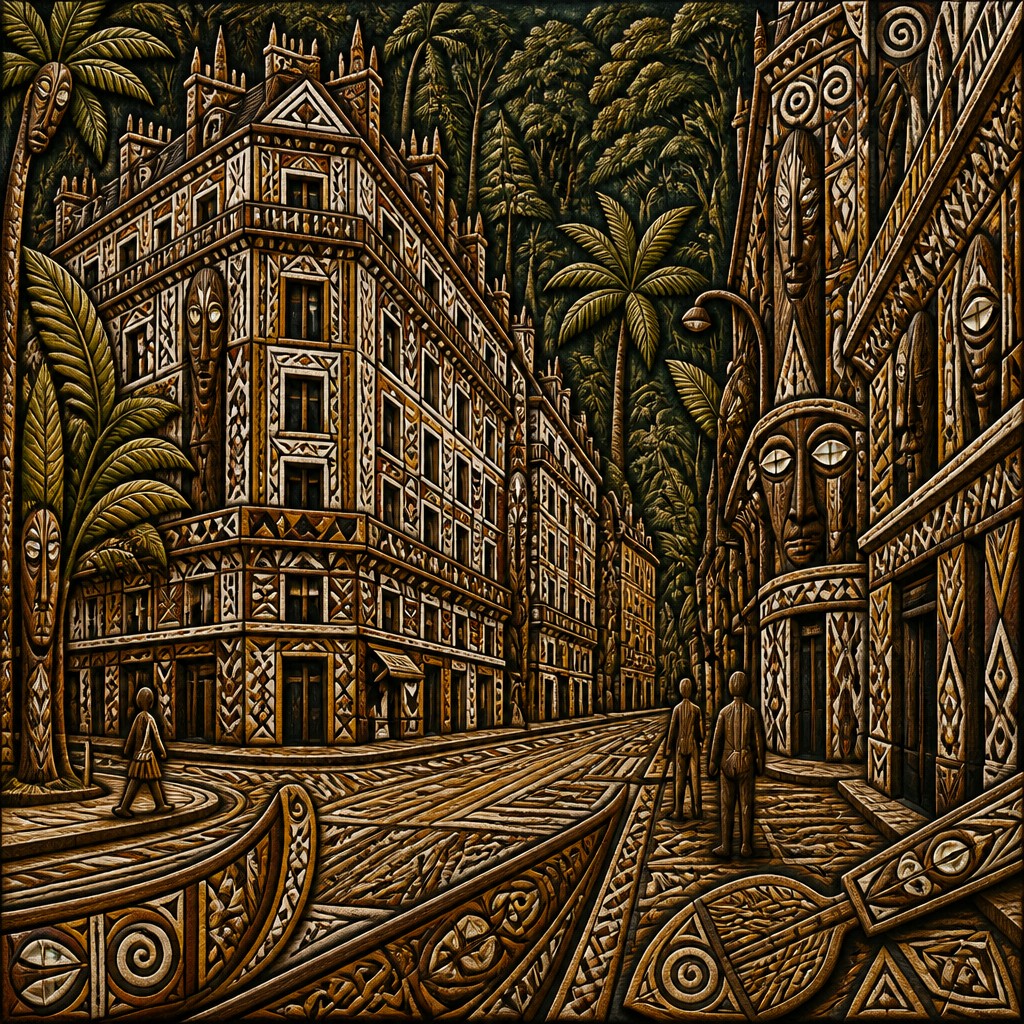

What Defines Papua New Guinea Art Style
The signature details, up close
Sepik-inspired carved figures
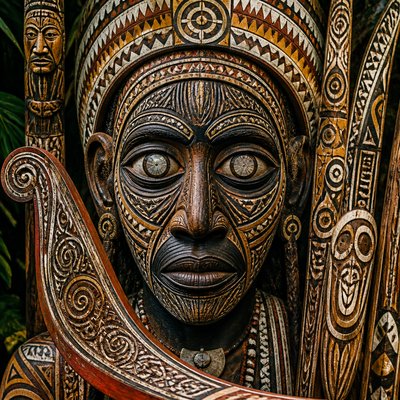
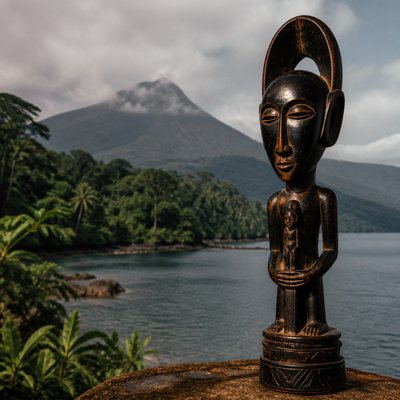
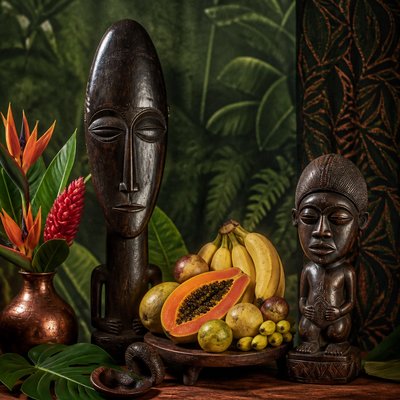
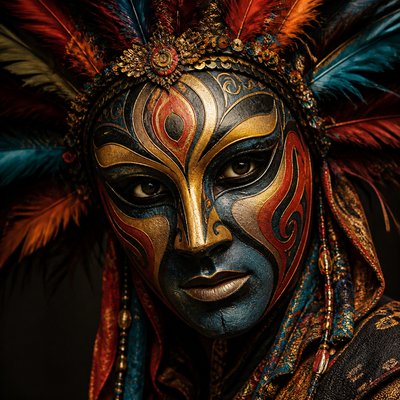
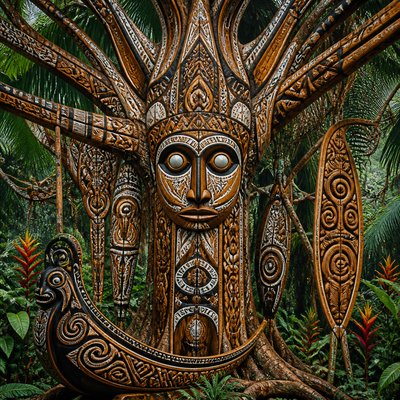
Tall, frontal ancestor-like forms use elongated proportions, strong contours, and deep geometric relief. The effect suggests hand-hewn wood rather than smooth classical sculpture.
Architectural pattern bands
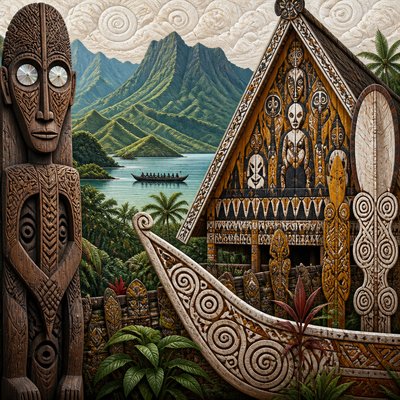
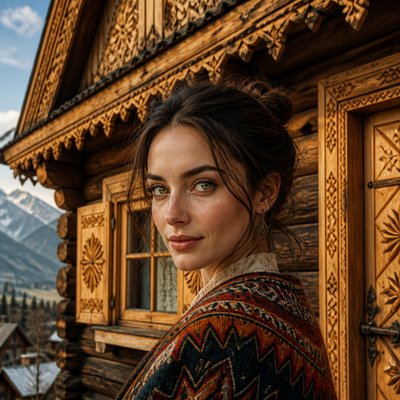
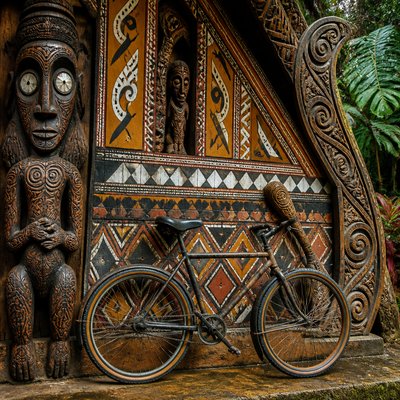
Gable-like compositions use horizontal or diagonal bands in ochre, white, black, and earthen red. Repetition and symmetry give the surface the ordered intensity of painted ceremonial architecture.
Trobriand-style scrollwork
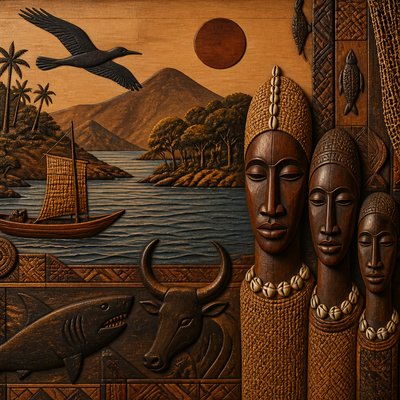
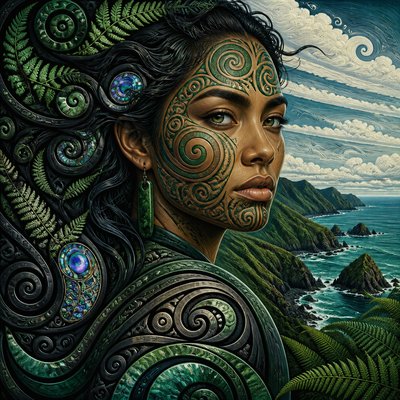
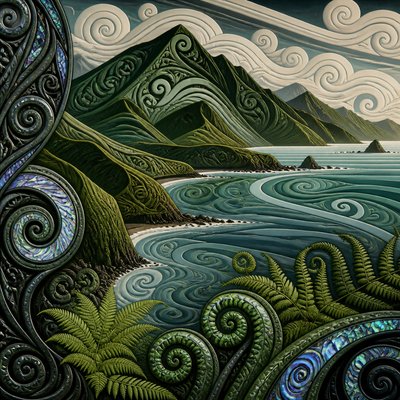
Fine spirals, hooks, waves, and curling vegetal forms recall carved canoe prows and decorated lime spatulas. These lines provide a fluid counterpoint to the more angular relief patterns.
Carved and inlaid surface
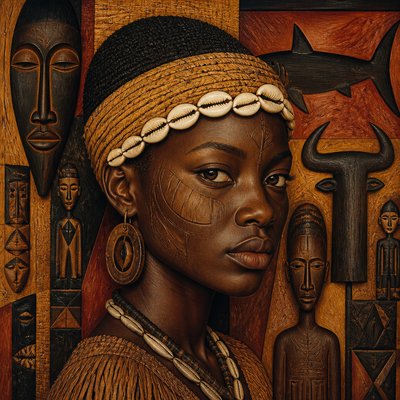
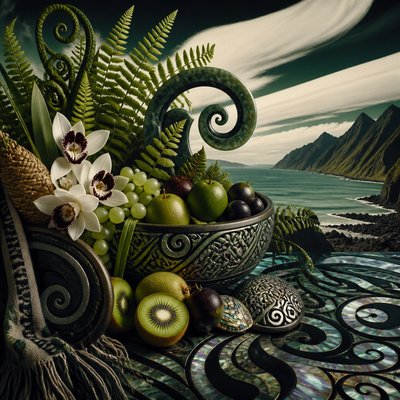
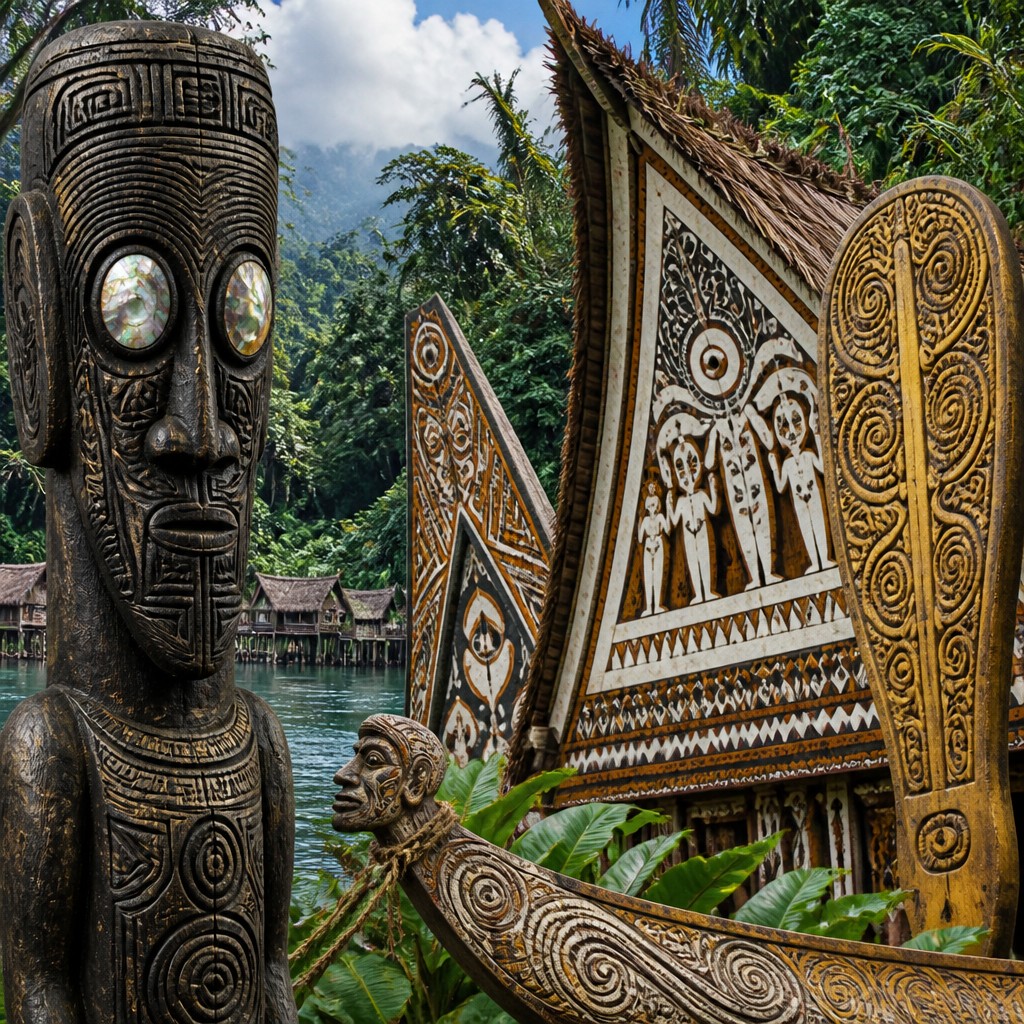
Deep cuts, raised ridges, abrasions, and shell-like eye inlays emphasize material texture. Highlights should appear irregular and tactile, not like polished plastic or uniformly embossed graphics.
Rainforest earth palette
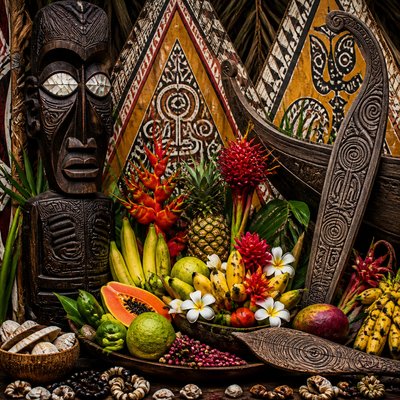
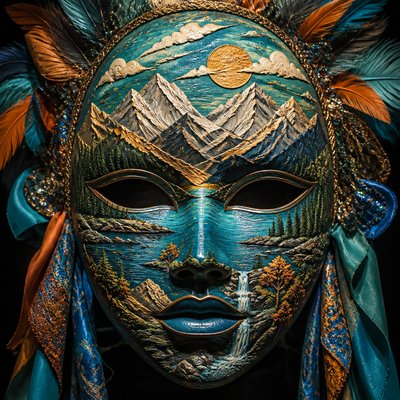
Dense greens, charcoal black, clay ochre, chalk white, muted turquoise, and warm red-brown create a humid tropical atmosphere. Color is often arranged in compact blocks and bands rather than soft gradients.
Frontal ceremonial presence
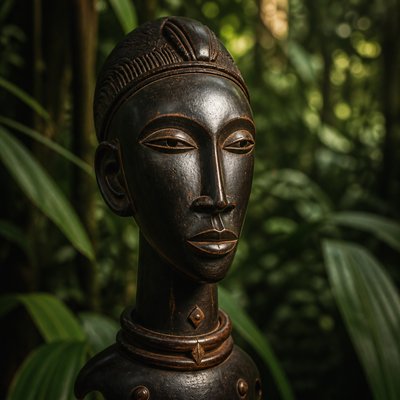
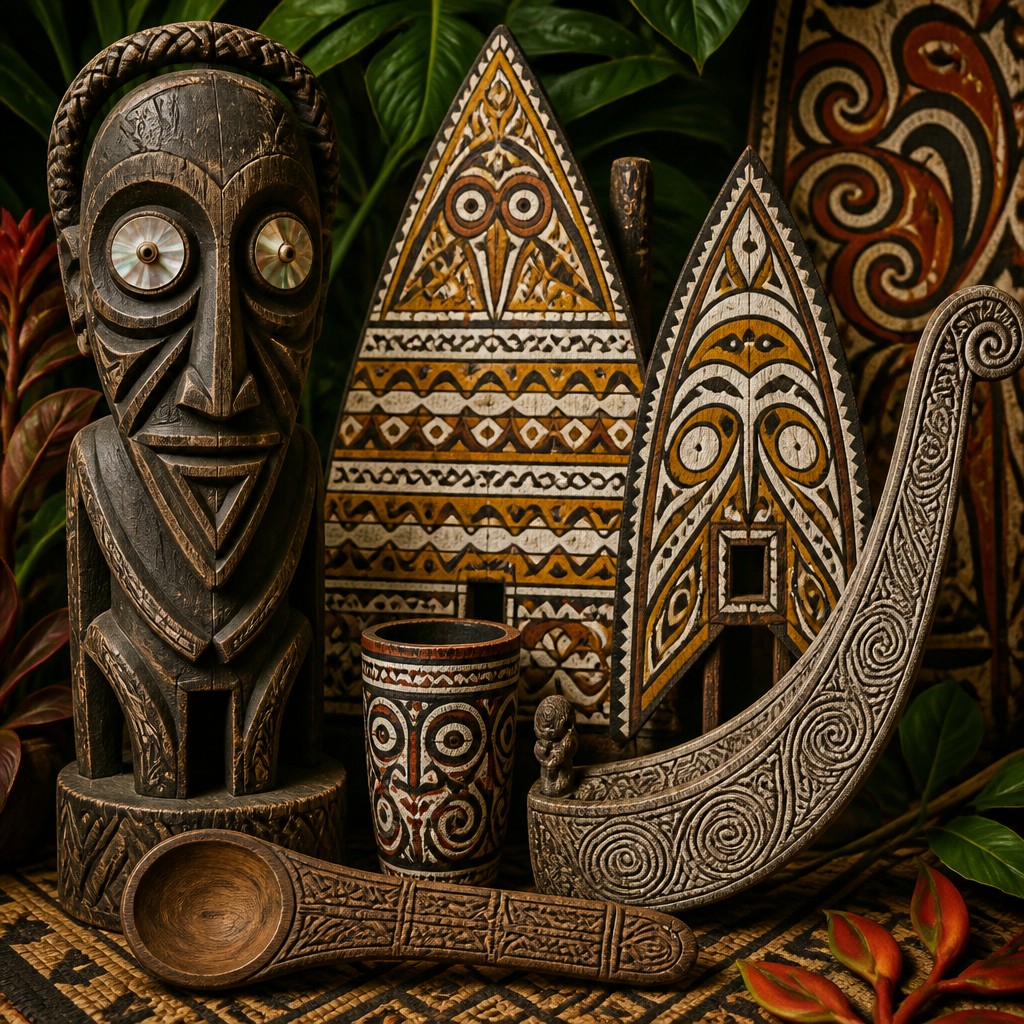
Subjects are commonly centered, mask-like, or hieratically posed, with an emphasis on direct gaze and symbolic silhouette. Crowded patterning can make even a simple figure feel charged and ritualized.
Handmade visual irregularity
Slight asymmetries, tool marks, pigment variation, and uneven edges preserve the sense of a crafted object. Excessive photorealistic smoothness weakens the intended material character.
Papua New Guinea Prompt Ideas
Start from an idea — each one opens the generator with the style ready to go. See all 40 Papua New Guinea prompts →
How to Create Papua New Guinea Art
Master the craft step by step — or skip straight to creating. Read the full guide →
- 1
Build the silhouette first
Begin with a bold frontal figure, gable, canoe prow, or architectural panel, then divide it into clear geometric zones. Keep the main contour legible before adding dense ornament.
- 2
Work in relief
For physical work, layer carved, modeled, or incised surfaces and use matte earth pigments with small shell or bead-like accents. Digitally, combine height-map thinking, bevels, roughness variation, and directional shadows to simulate carved wood.
- 3
Limit and organize the palette
Use ochre, chalk white, black, red-brown, and deep rainforest greens, adding brighter color sparingly. Arrange contrasting colors in bands, borders, and focal details instead of applying them as atmospheric gradients.
- 4
Balance angular and curving motifs
Pair stepped geometric relief with controlled spirals, hooks, and scrolls. Let the scrollwork follow the anatomy, prow, or gable structure so it reads as intentional ornament rather than random line noise.
- 5
Add tactile irregularity
Introduce chipped edges, visible tool paths, pigment wear, fiber traces, and varied surface grain. Avoid generic tribal styling, excessive distortion, or combining sacred-looking symbols without cultural context.
- 6
Write precise generation directions
For prompt-based creation, specify the subject, carved or painted medium, relief depth, palette, pattern geometry, lighting, and composition. Identify a particular regional reference when appropriate, and request respectful contemporary interpretation rather than an invented claim of ethnographic authenticity.
The Story
History & Origins of Papua New Guinea
This label describes an aesthetic synthesis rather than a documented historical movement. Its lineage draws primarily on the art of communities along the Sepik River, where carved figures, masks, architectural elements, and spirit-house decoration have long played important social and ceremonial roles, as well as on Trobriand carving traditions known for canoe ornament, curvilinear designs, and finely worked lime spatulas and containers.
The visual language also reflects the broader history of Papua New Guinea, where local traditions developed across hundreds of language groups and island and highland environments. Museums, travel photography, modern illustration, and digital image-making have often combined motifs from different regions; such combinations can be useful as a contemporary design approach but should not be presented as an authentic single Indigenous tradition.
Influences: The aesthetic is related to Sepik River carving and haus tambaran decoration, Trobriand carving and canoe ornament, and wider Oceanic traditions of woodwork, shell ornament, body decoration, and ceremonial architecture. It also overlaps with relief sculpture, ethnographic illustration, vernacular architecture studies, material-focused digital art, and contemporary pattern design. These connections should not erase the major regional, linguistic, and ceremonial differences among Papua New Guinea communities.
Frequently Asked Questions
Is Papua New Guinea Art Style a single traditional art movement?
No. The term is best understood as a contemporary umbrella or image-making label, not as the name of one historical movement. It combines references from distinct traditions, including Sepik River carving, haus tambaran decoration, and Trobriand ornament, which have different local histories and meanings.
What visual elements define this style?
Common elements include frontal carved figures, deep geometric relief, shell-like inlays, painted gable patterns, spiral scrollwork, and an earthy rainforest palette. Tactile wood grain, tool marks, strong symmetry, and dense ornamental borders are also important.
How is it different from generic tribal or Oceanic art?
A responsible interpretation identifies specific regional references rather than treating all Indigenous art as one category. This aesthetic is particularly associated with Sepik and Trobriand visual lineages, while broader labels can obscure differences in materials, communities, ceremonial use, and symbolism.
Can I make this style with digital tools?
Yes. Use layered shape construction, displacement or normal maps, rough wood textures, matte pigment overlays, and directional lighting to suggest carved relief. Keep the palette controlled and preserve small irregularities so the result feels made rather than mechanically patterned.
What subjects work well with this aesthetic?
Carved figures, canoe prows, architectural gables, patterned panels, lime spatulas, botanical forms, and river or rainforest settings work naturally with its visual vocabulary. Contemporary subjects can also be interpreted through carved silhouettes and regional pattern structures without copying sacred objects.
How can artists use these references respectfully?
Research the specific community or region behind a motif and distinguish contemporary interpretation from ceremonial tradition. Avoid presenting a mixed visual synthesis as an authentic Indigenous artifact, and be cautious with sacred-looking figures, spirit-house imagery, and ancestral symbols outside their cultural context.
Create your first Papua New Guinea artwork
Describe anything — or upload a photo — and see it in Papua New Guinea Art Style in seconds.
Related Styles
Discover similar art styles