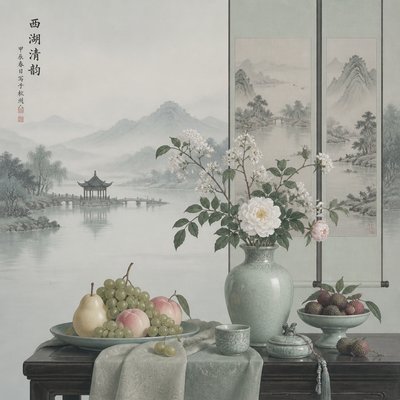
Papercutting Art Style
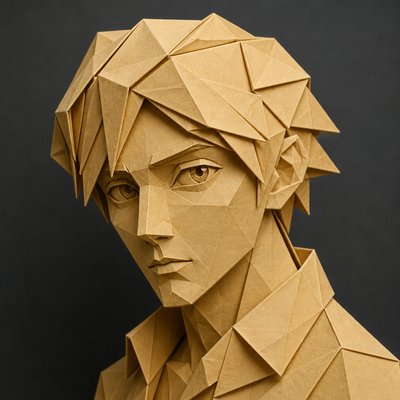
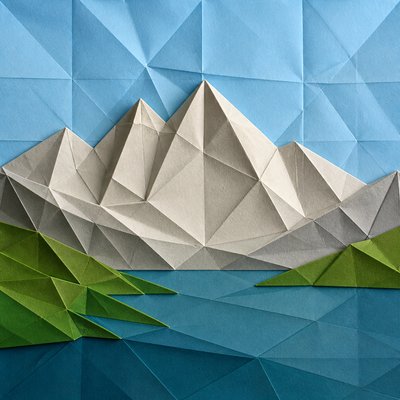
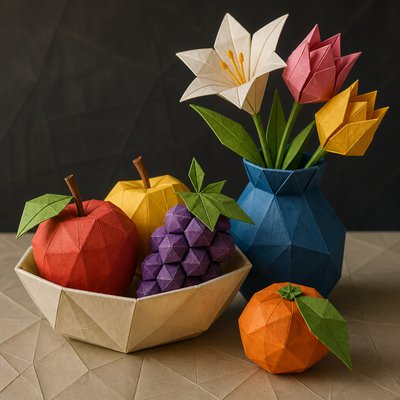
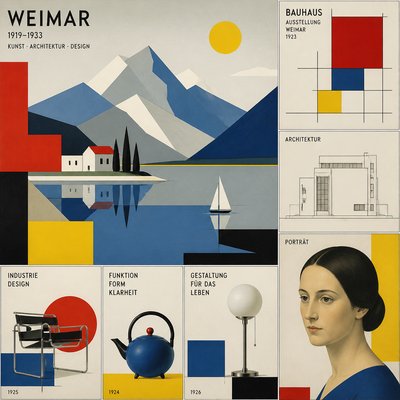
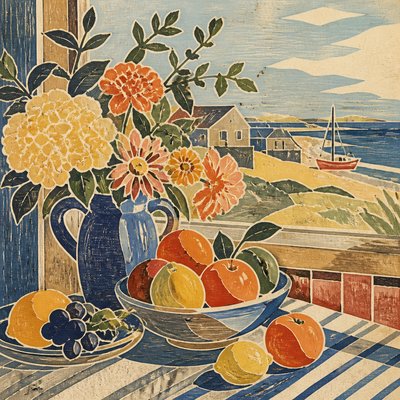
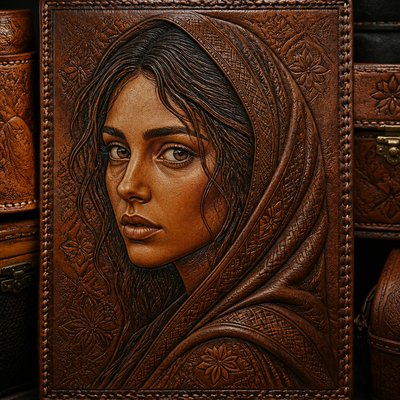
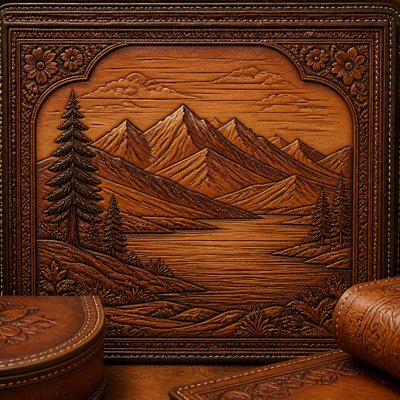
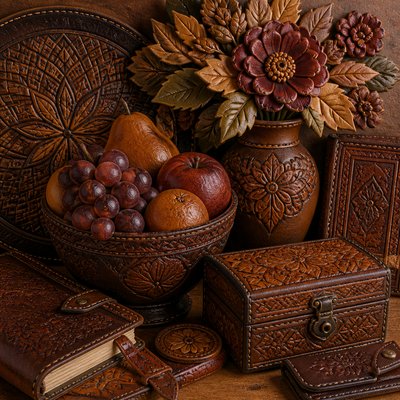
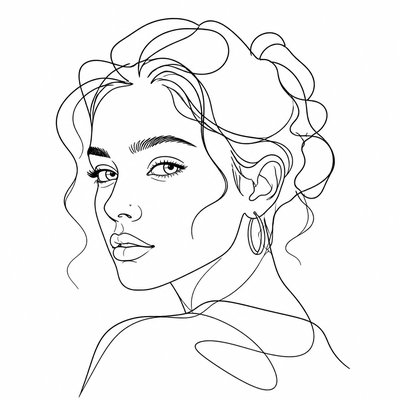
Explore papercutting art: intricate cut-paper silhouettes, lace-like negative space, folded symmetry, crisp edges, and luminous layered designs.
Instantly rendered in Papercutting — or transform a photo
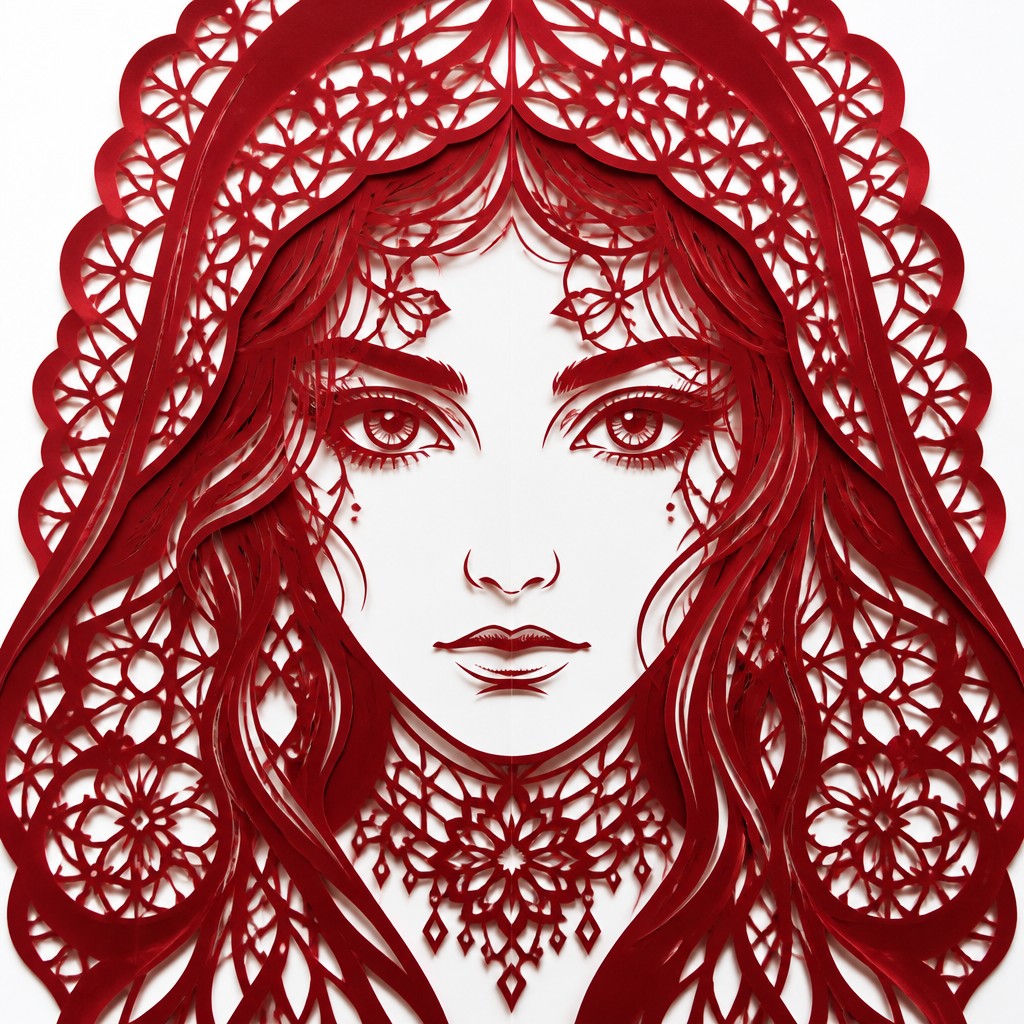
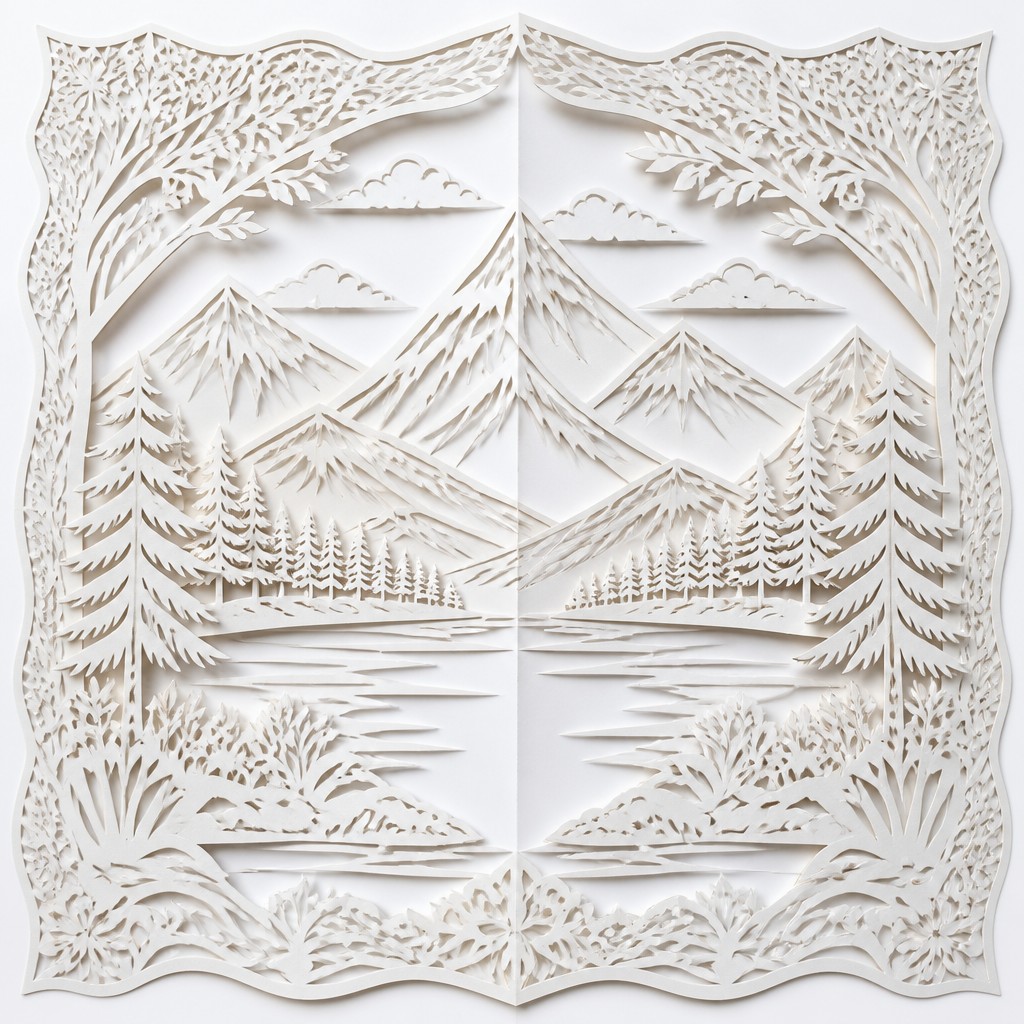
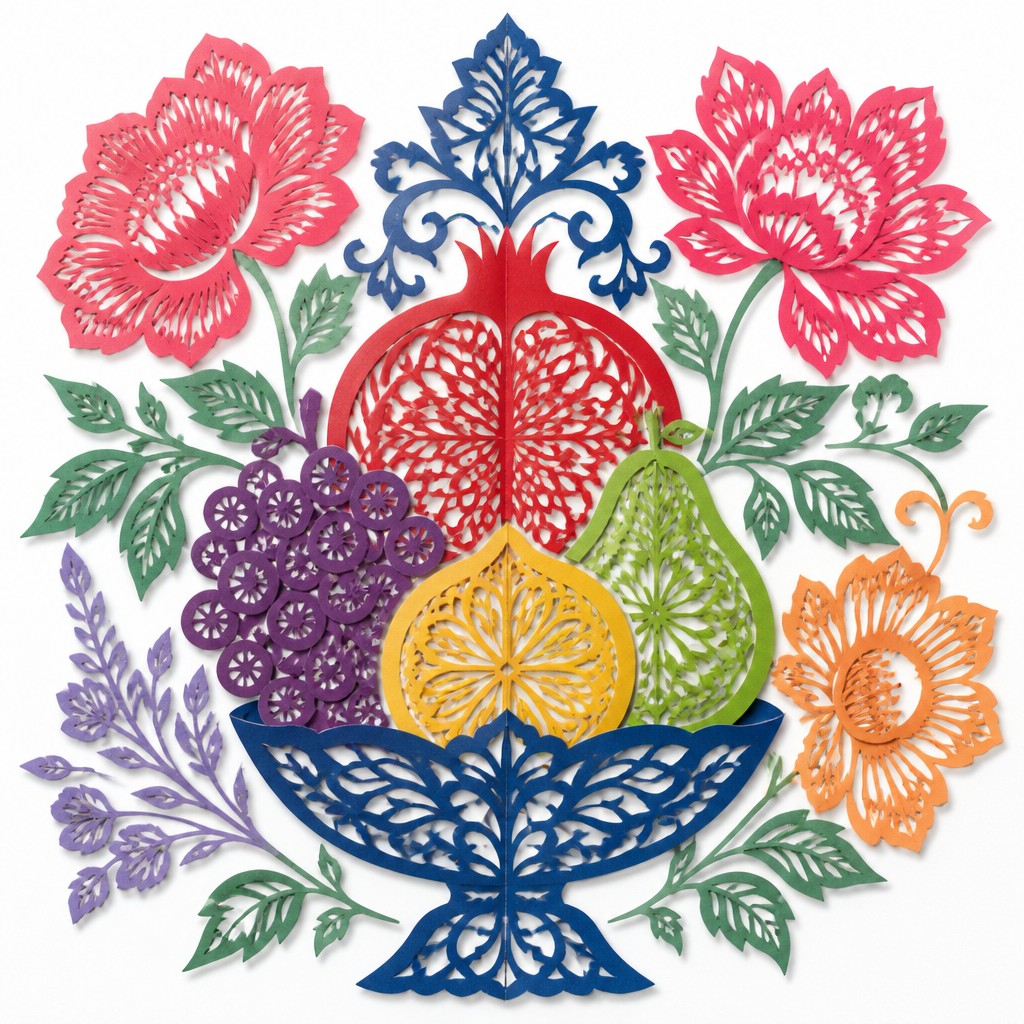
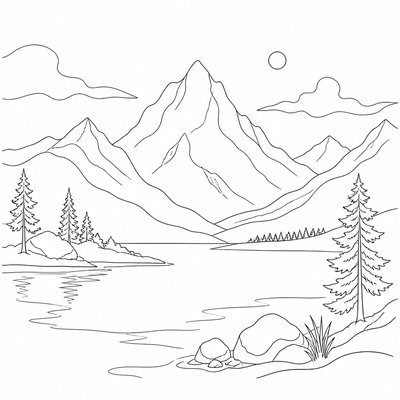
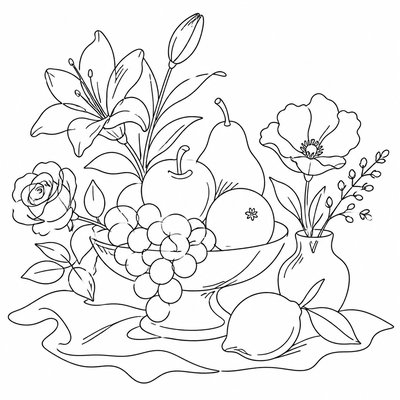
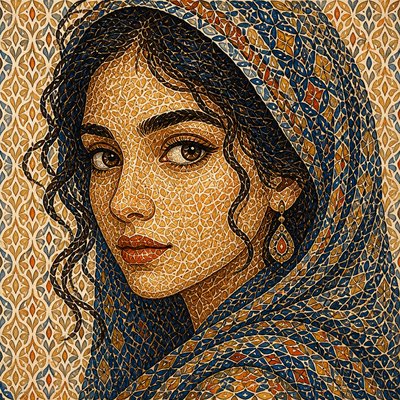
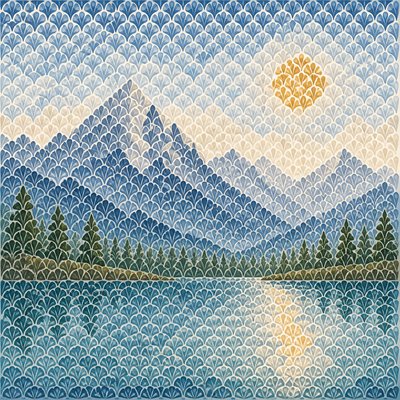
Papercutting Gallery
Tap any artwork to explore it
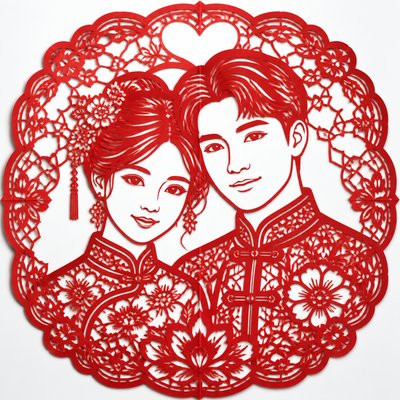
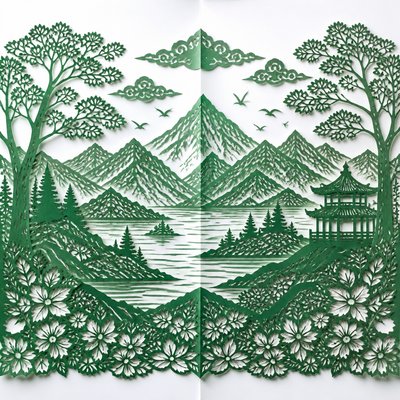
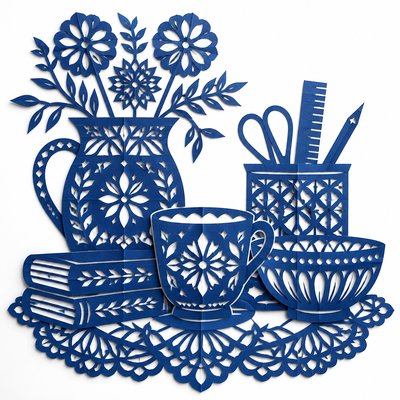
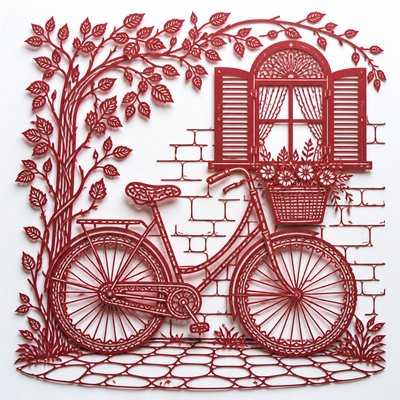
What is Papercutting Art Style?
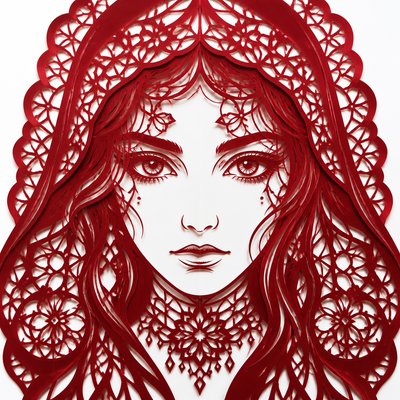
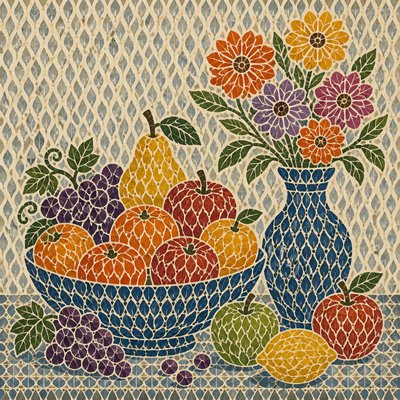
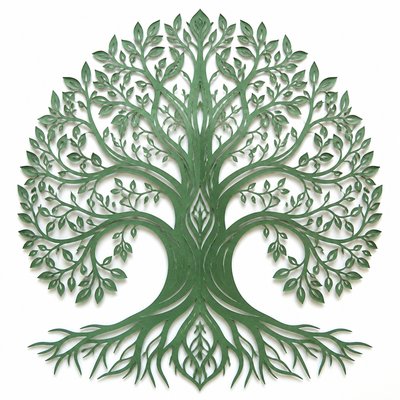
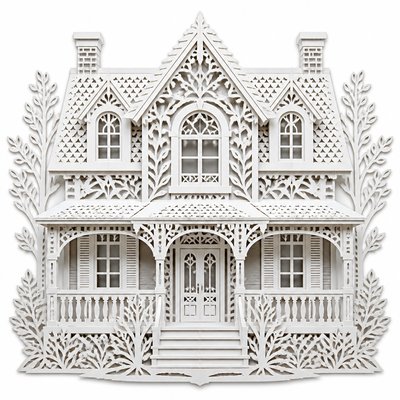
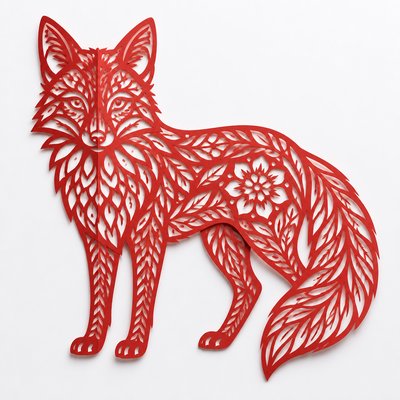
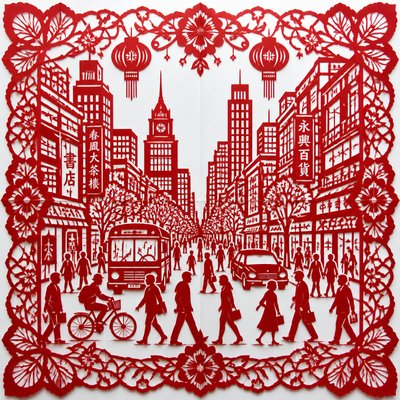
Papercutting art is made by removing sections from a sheet of paper to create images through silhouette, pattern, and negative space. Its visual identity depends on the relationship between solid paper and the openings cut into it: a simple contour can read as a bold emblem, while dense networks of perforations can resemble lace, filigree, foliage, architecture, or decorative textile.
This style commonly combines crisp outer edges with delicate internal detailing, producing a graphic image that is both flat and tactile. Symmetry, mirrored forms, visible fold lines, layered sheets, and translucent paper are frequent features. Strong contrast—especially pale paper against a dark or saturated ground—makes every opening legible and gives the design its characteristic clarity.
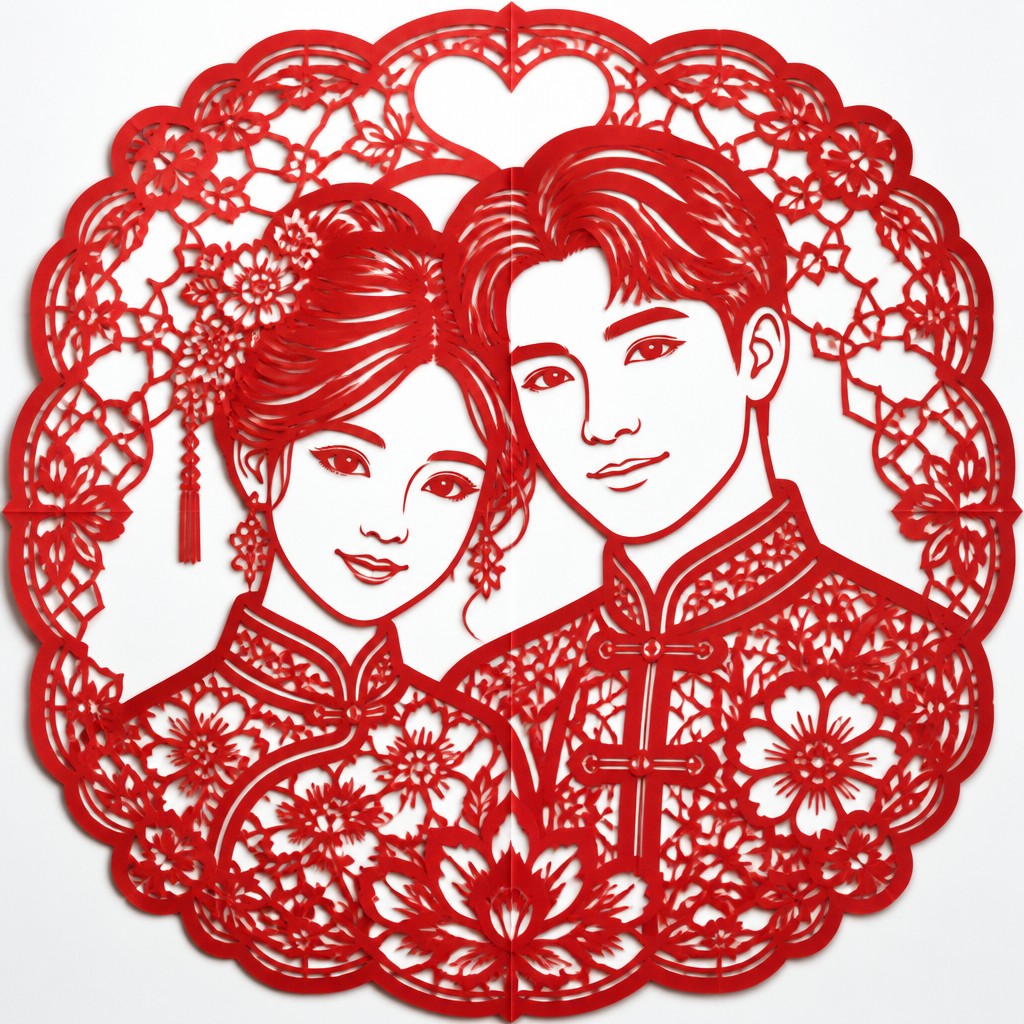
Try It On Your Photos
Upload any photo and convert it into Papercutting Art Style — drag the sliders to compare before and after.
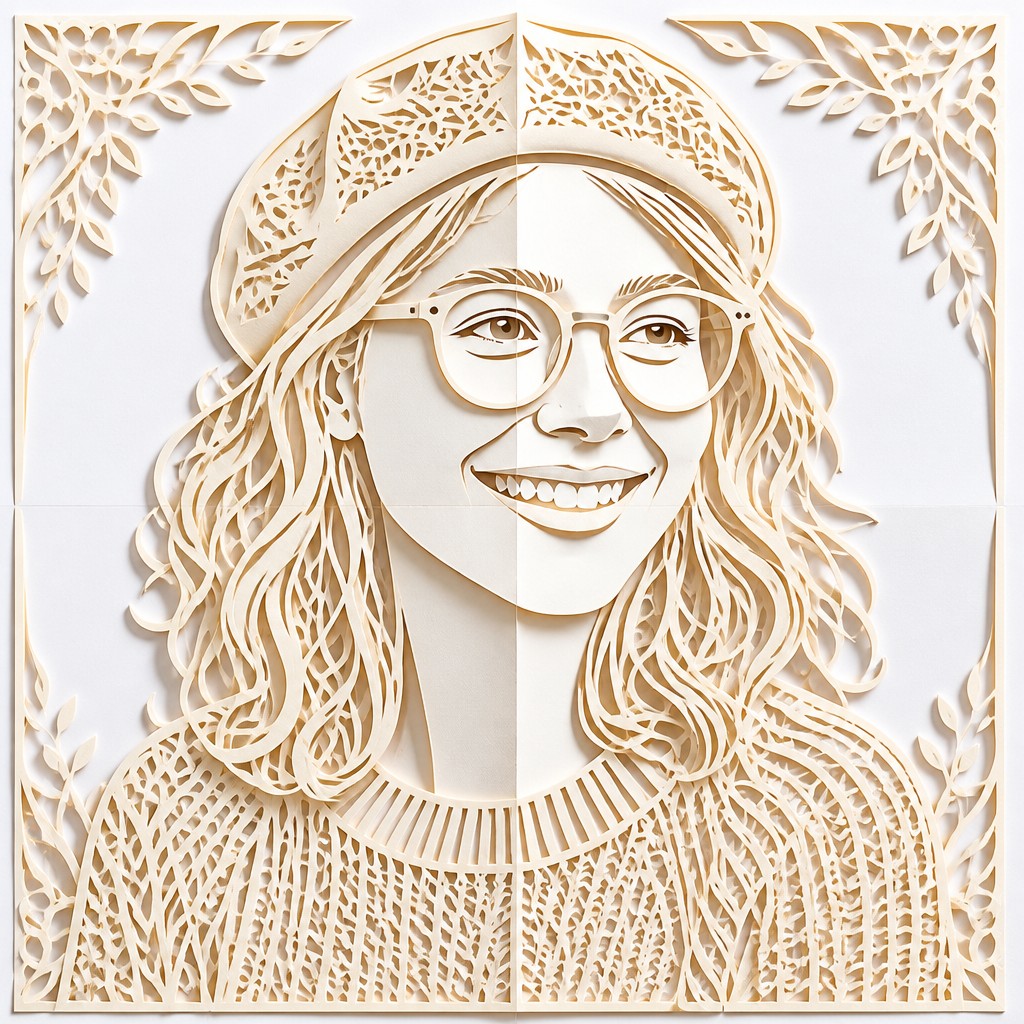

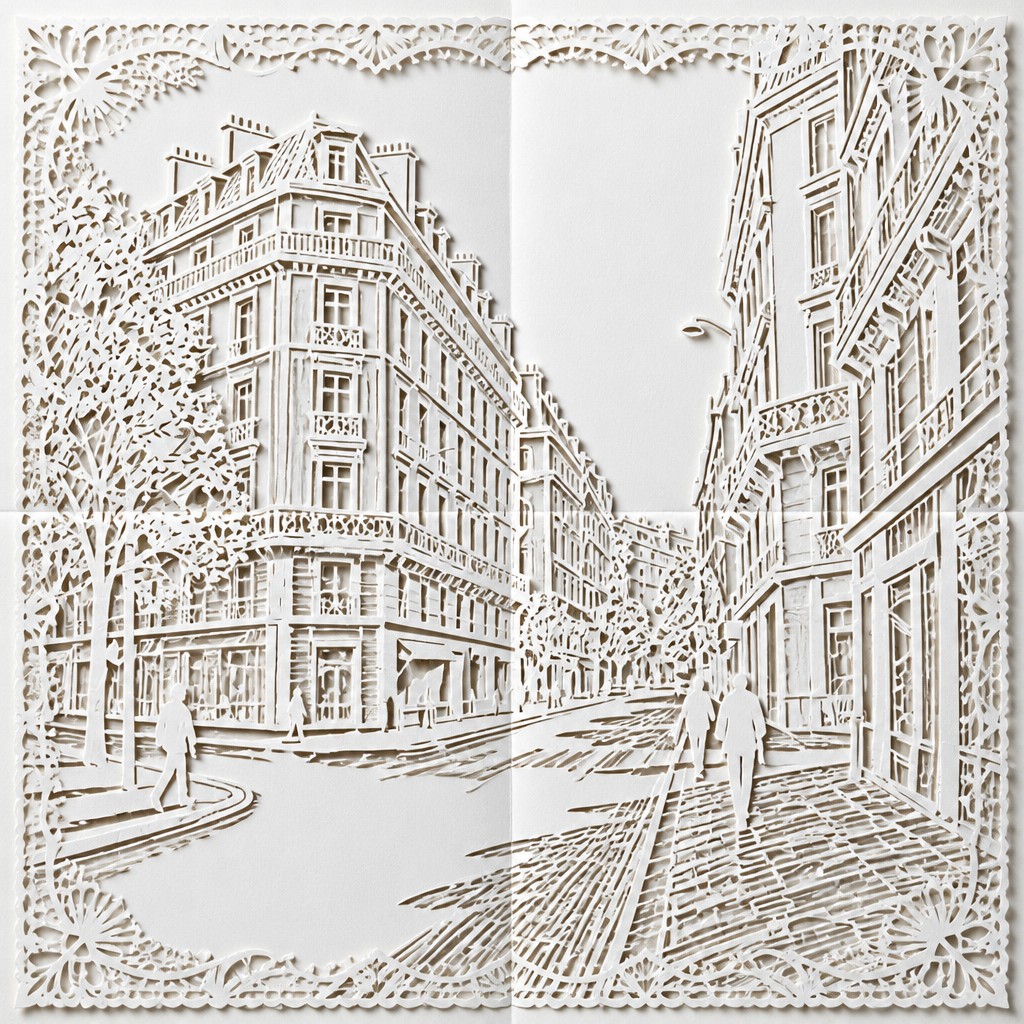

What Defines Papercutting Art Style
The signature details, up close
Crisp cut contours
Outer silhouettes are sharply defined, with clean edges that suggest careful blade or scissor work. The contour usually carries as much meaning as the interior pattern.
Intricate negative space
Open areas form lace-like networks, botanical veins, geometric perforations, or miniature scenes. The uncut background is treated as an active compositional element.
Symmetrical construction
Bilateral, radial, and folded-paper symmetry are common, creating ornamental balance and a sense of deliberate craft. Small variations may be retained to suggest handmade cutting.
Layered paper depth
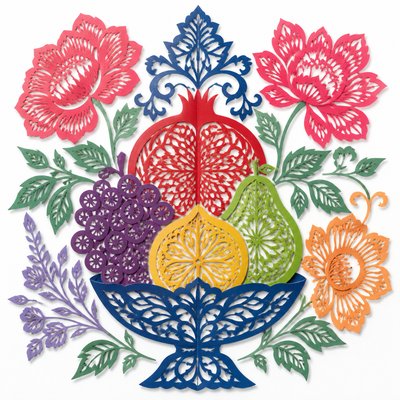
Stacked sheets, raised elements, and cast shadows introduce shallow relief without abandoning the essentially flat graphic structure. Layering can separate foreground silhouettes from secondary patterns.
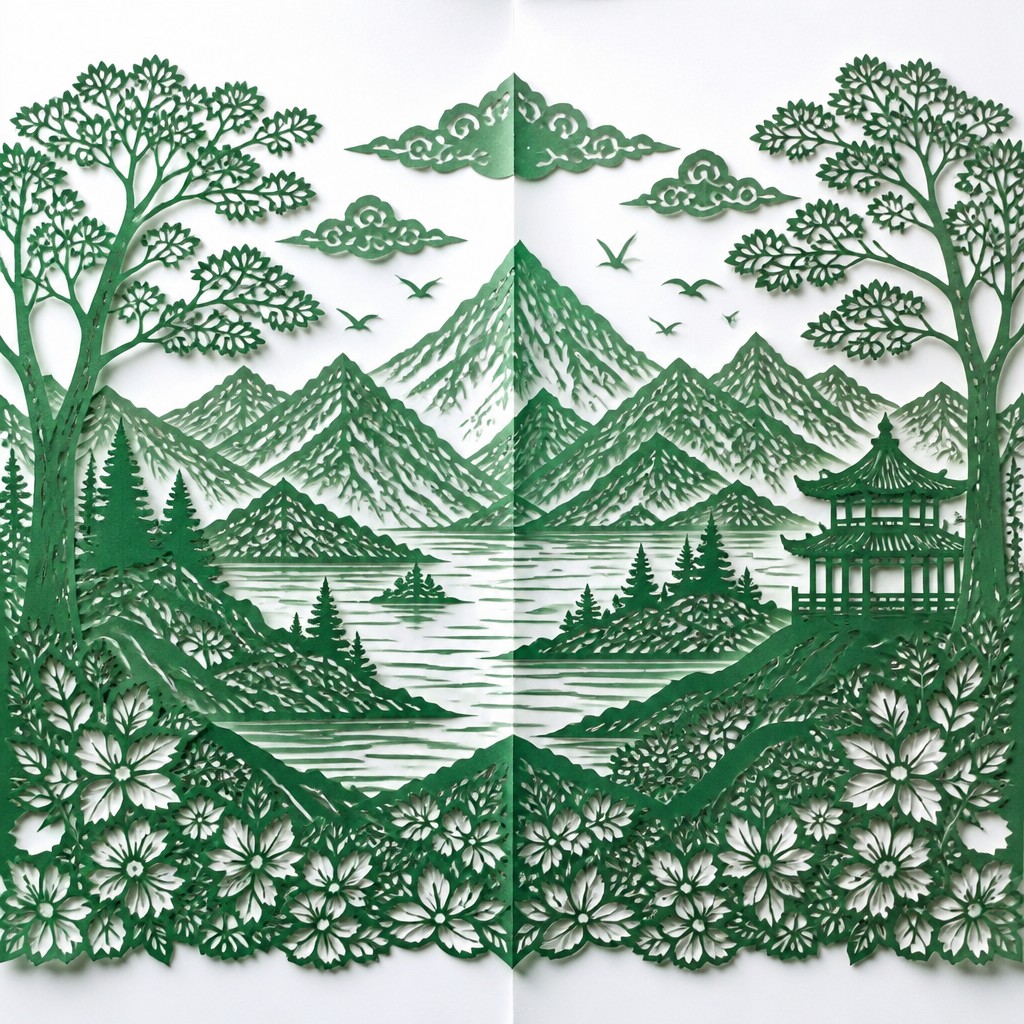
Visible fold logic
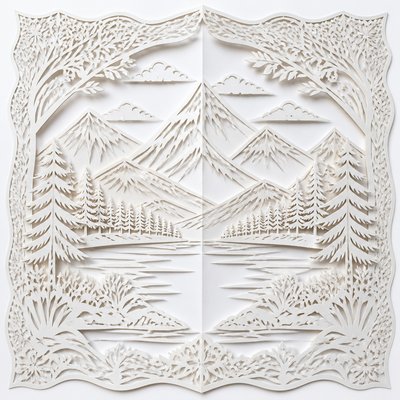
Central creases, mirrored repeats, and faint fold lines reveal how a design might have been folded before cutting. These marks add process, structure, and physical plausibility.
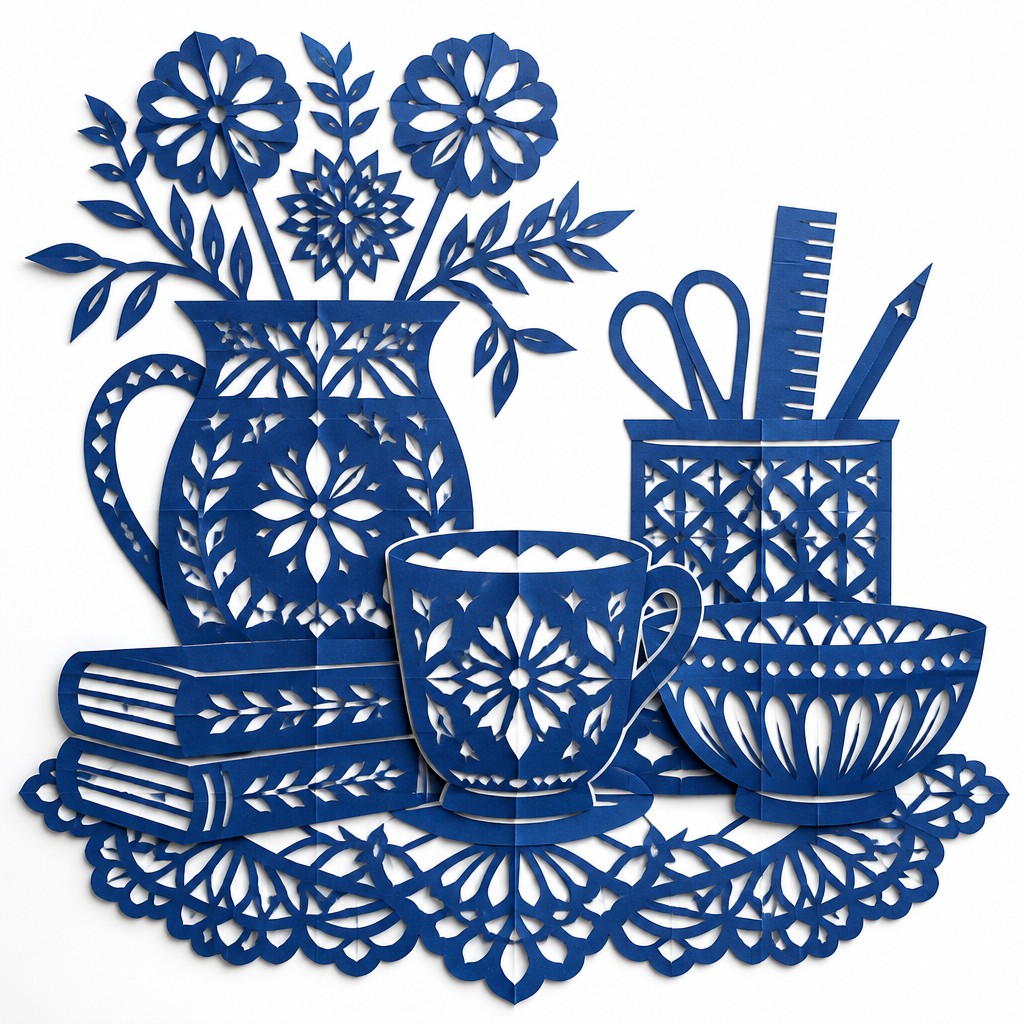
Controlled contrast and light
White or pale paper is often placed over a stark contrasting backing so the cut openings remain readable. Thin or translucent sheets may catch light around their edges and through their perforations.
Papercutting Prompt Ideas
Start from an idea — each one opens the generator with the style ready to go. See all 40 Papercutting prompts →
How to Create Papercutting Art
Master the craft step by step — or skip straight to creating. Read the full guide →
- 1
Plan the silhouette first
Sketch the main contour as a connected shape before adding internal cuts. Preserve small bridges of paper so delicate sections remain attached, especially around narrow stems, hair, lettering, or architectural details.
- 2
Build a fold-based pattern
Fold the sheet for bilateral or radial repetition, then mark the central axis and major motifs before cutting. For a digital equivalent, use mirrored guides, radial duplication, and carefully edited vector paths.
- 3
Control negative space
Vary the scale of openings to create hierarchy: larger voids clarify the subject, while smaller perforations supply lace-like texture. Avoid filling every area equally, or the silhouette may lose readability.
- 4
Use layers and lighting
For physical work, stack colored or translucent papers at slightly different heights and illuminate from the side or behind. In digital work, add restrained contact shadows, paper fibers, edge thickness, and soft transmitted light rather than heavy 3D rendering.
- 5
Write precise generation prompts
Specify the subject, a single-sheet or layered construction, crisp cut edges, symmetrical folded patterns, dense negative-space detail, visible creases, paper translucency, and a contrasting backing. Request a clean centered composition when you want the result to resemble a finished papercut rather than a general paper collage.
The Story
History & Origins of Papercutting
Papercutting has deep roots in multiple paper-making cultures, including longstanding folk and ceremonial traditions in East Asia, Central and Eastern Europe, the Middle East, and parts of Latin America. Techniques vary by region: artists may cut folded paper with scissors or knives, create single-sheet silhouettes, build layered compositions, or use cut forms for decoration, storytelling, religious observance, and domestic display.
The contemporary look described here is a cross-cultural and design-oriented synthesis rather than a single historical movement. It draws on traditional symmetrical paper cuts, shadow puppetry, lace and textile pattern, stencil graphics, book arts, and modern paper sculpture. Digital illustration and image synthesis extend the vocabulary with immaculate edges, complex repeating motifs, simulated translucency, and carefully controlled lighting.
Influences: Papercutting art is related to folk paper-cut traditions, silhouette portraiture, shadow theater, stencil and screen-print graphics, lacework, textile pattern, illuminated book decoration, kirigami, collage, and contemporary paper sculpture. Its emphasis on contour and void also connects with graphic-design principles such as figure-ground contrast, modular repetition, framing, and ornamental symmetry. Modern digital interpretations often borrow the clean geometry of vector illustration while retaining the tactile cues of handmade paper.
Frequently Asked Questions
What defines papercutting art?
It is defined by images formed through removed paper rather than painted detail. Strong silhouettes, intricate negative space, connected bridges, crisp edges, and a visible relationship between the cut sheet and its backing are central to the style.
How is papercutting different from collage?
Collage primarily assembles separate pieces of material, while papercutting derives its image from the areas removed from one sheet or from carefully layered cut sheets. A papercut may include collage-like layers, but its characteristic effect comes from contour and negative space.
Is papercutting art always symmetrical?
No. Symmetry is common because folding makes repeated motifs efficient and visually balanced, but artists also create freehand narrative scenes, irregular silhouettes, and asymmetrical botanical or architectural compositions.
What tools are used to make traditional papercuts?
Common tools include sharp craft knives, small scissors, cutting mats, pencils, rulers, tracing paper, and templates. Thin paper is easier to cut for intricate work, while heavier stock is better for freestanding silhouettes and layered relief.
How can I create this look digitally or with image generation?
Use vector paths, mirrored guides, Boolean subtraction, and layered shapes to construct a controllable digital papercut. For prompt-based generation, describe the subject together with cut-paper material, crisp silhouette edges, lace-like negative space, folded symmetry, visible creases, translucent layers, and a contrasting backing.
Where is papercutting art commonly used?
It appears in folk decoration, holiday and ceremonial objects, book illustration, editorial graphics, packaging, greeting cards, window displays, theater and shadow-puppet sets, and contemporary gallery installations. Its clear silhouettes also make it effective for logos, posters, and decorative wall art.
Create your first Papercutting artwork
Describe anything — or upload a photo — and see it in Papercutting Art Style in seconds.
Related Styles
Discover similar art styles