Panamanian Art Style
Explore Panamanian art style through Guna mola geometry, Coclé goldwork, Panama Viejo stone, and humid tropical color.
Instantly rendered in Panamanian — or transform a photo
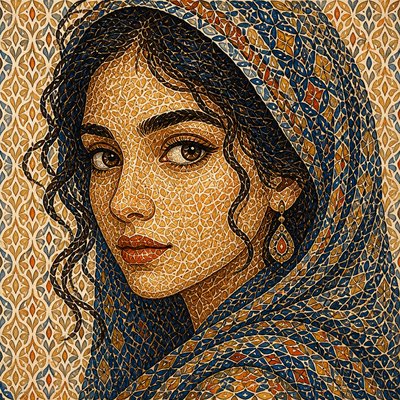
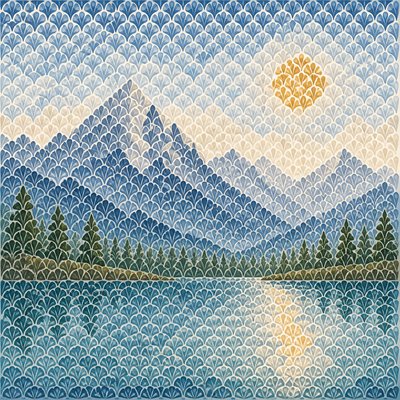
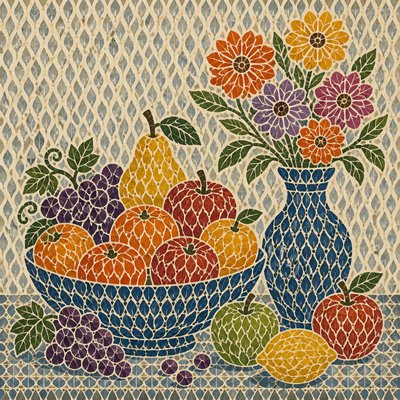
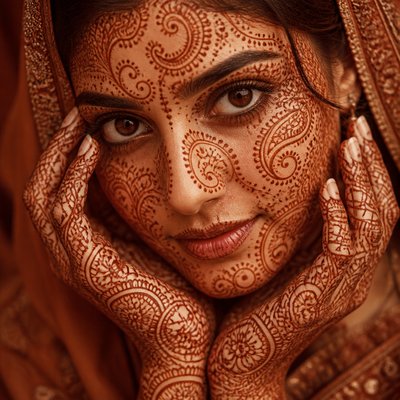
Panamanian Gallery
Tap any artwork to explore it
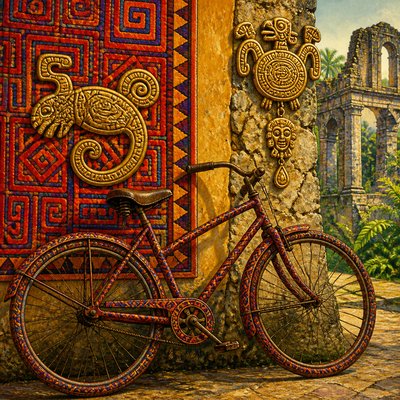
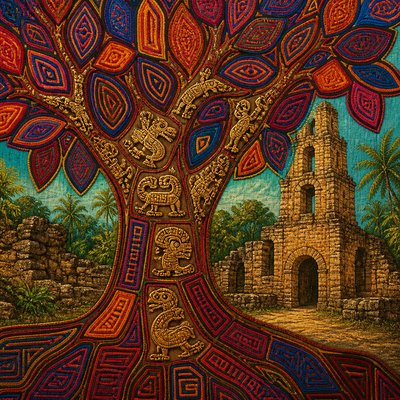
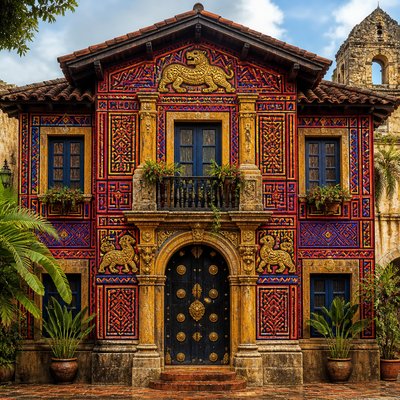
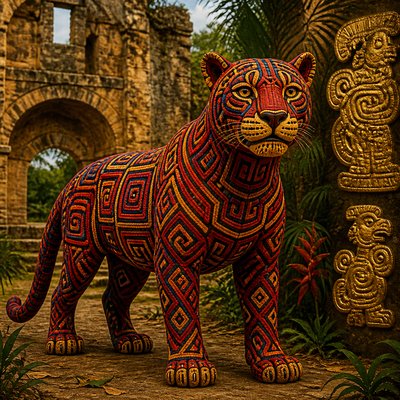
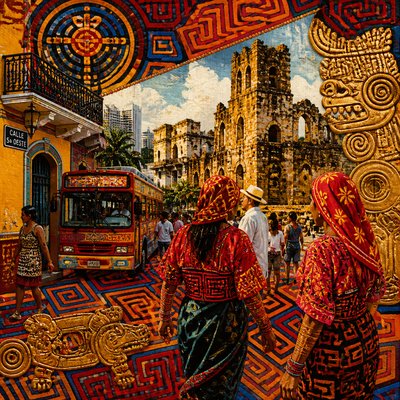
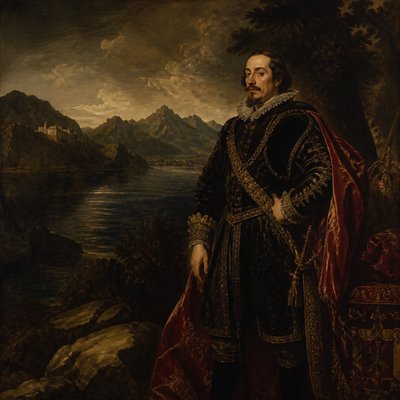
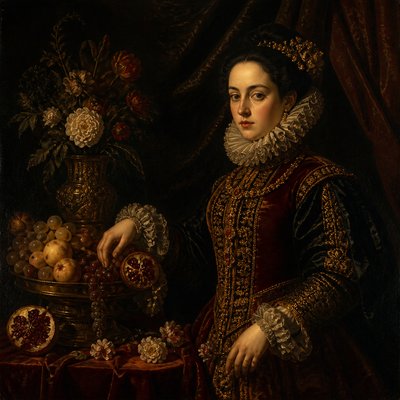
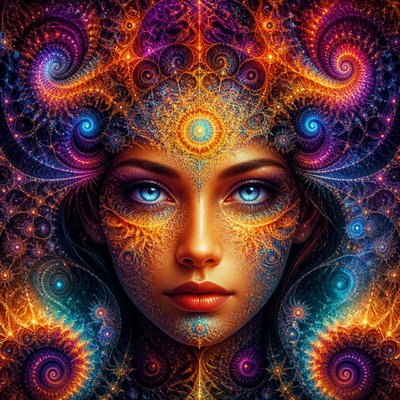
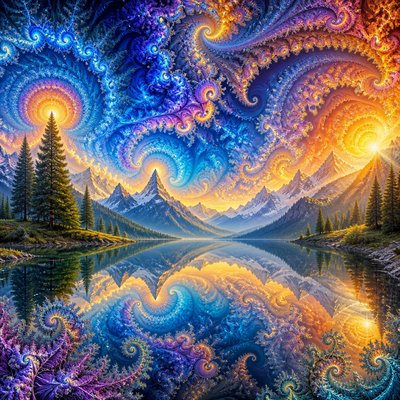
What is Panamanian Art Style?
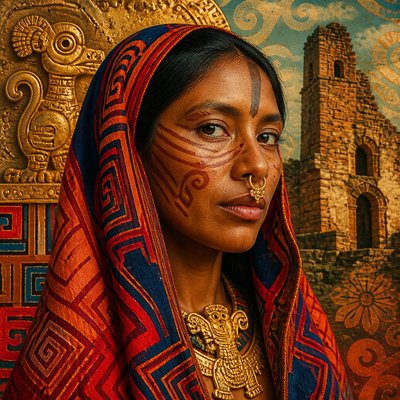
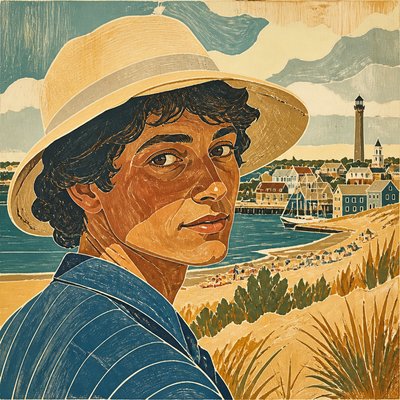
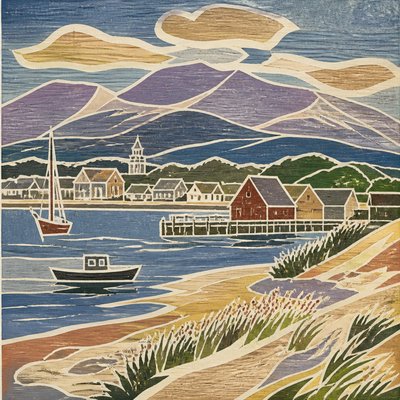
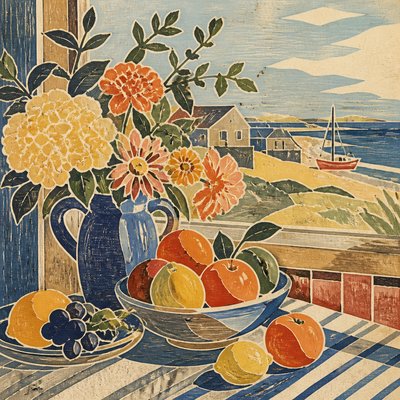
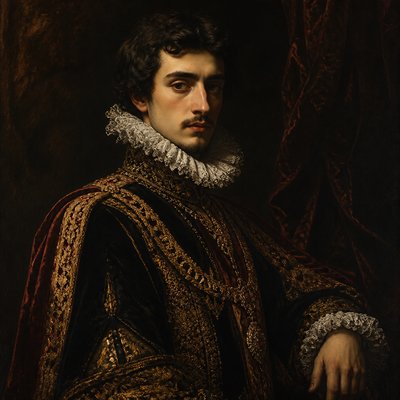
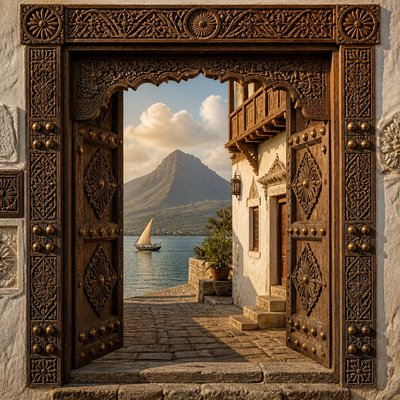
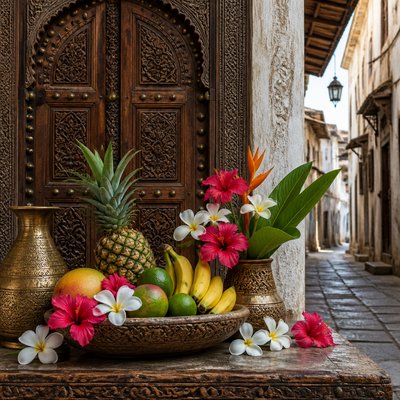
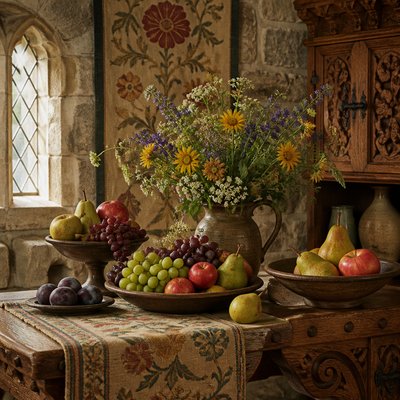
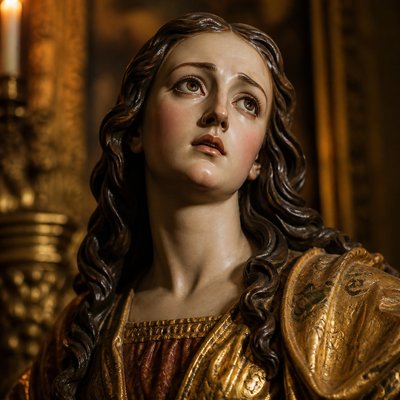
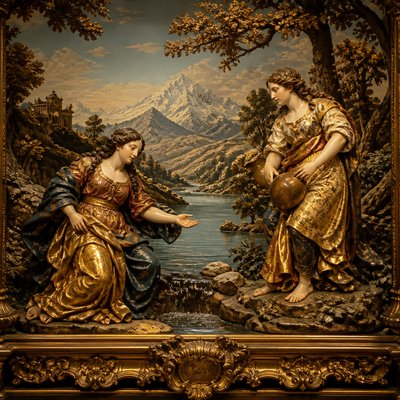
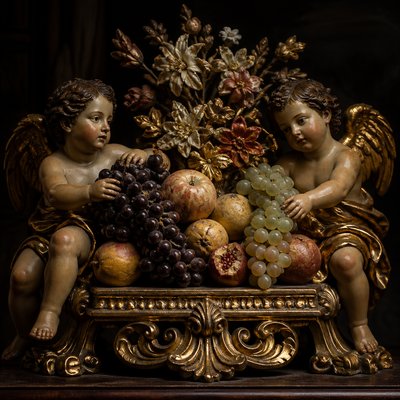
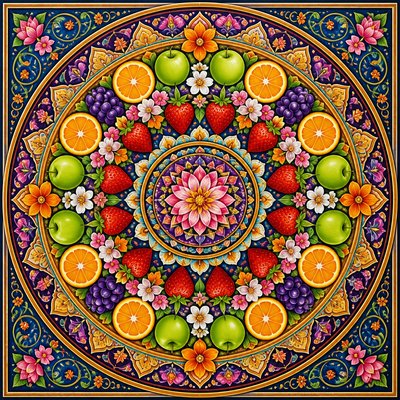
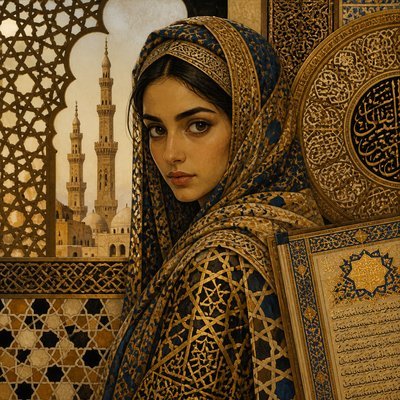
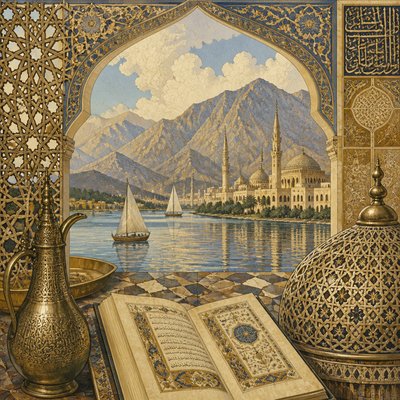
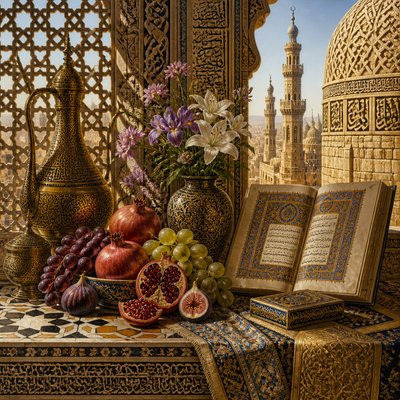
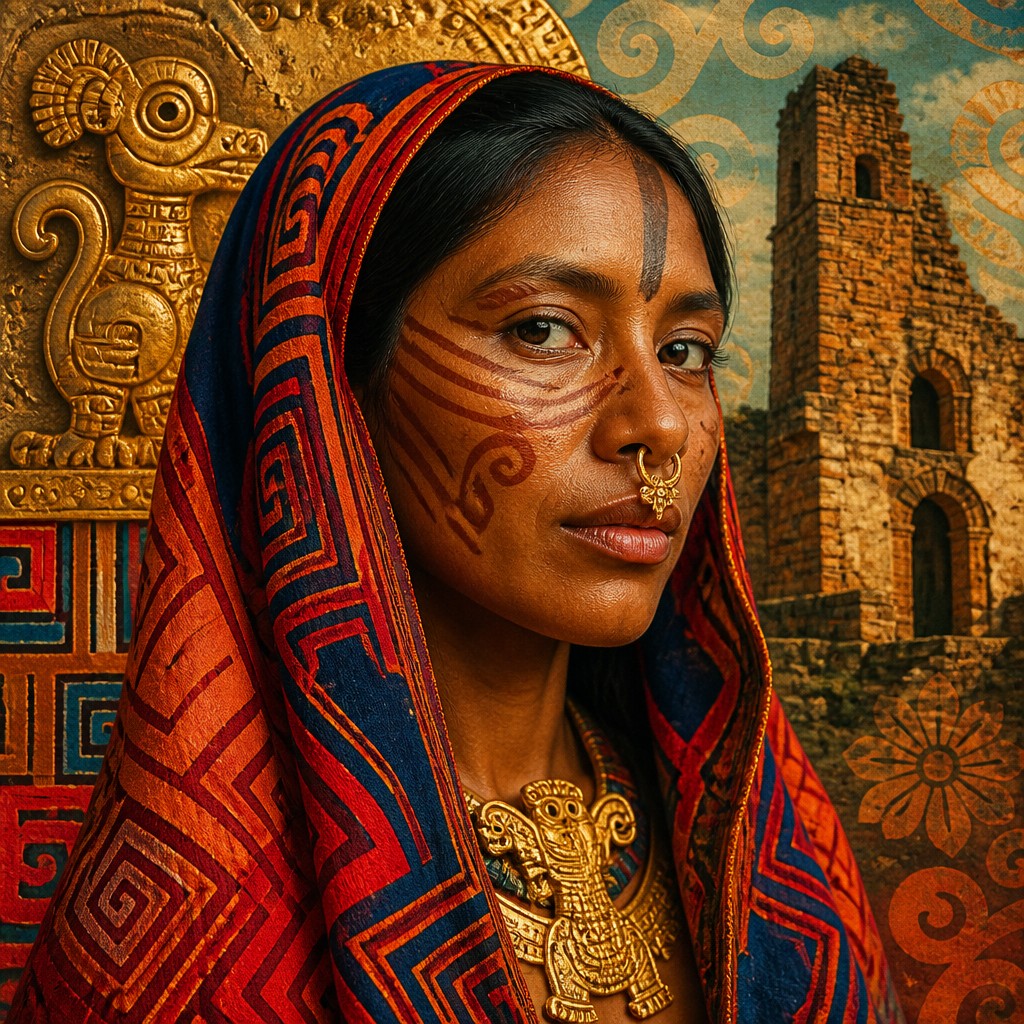
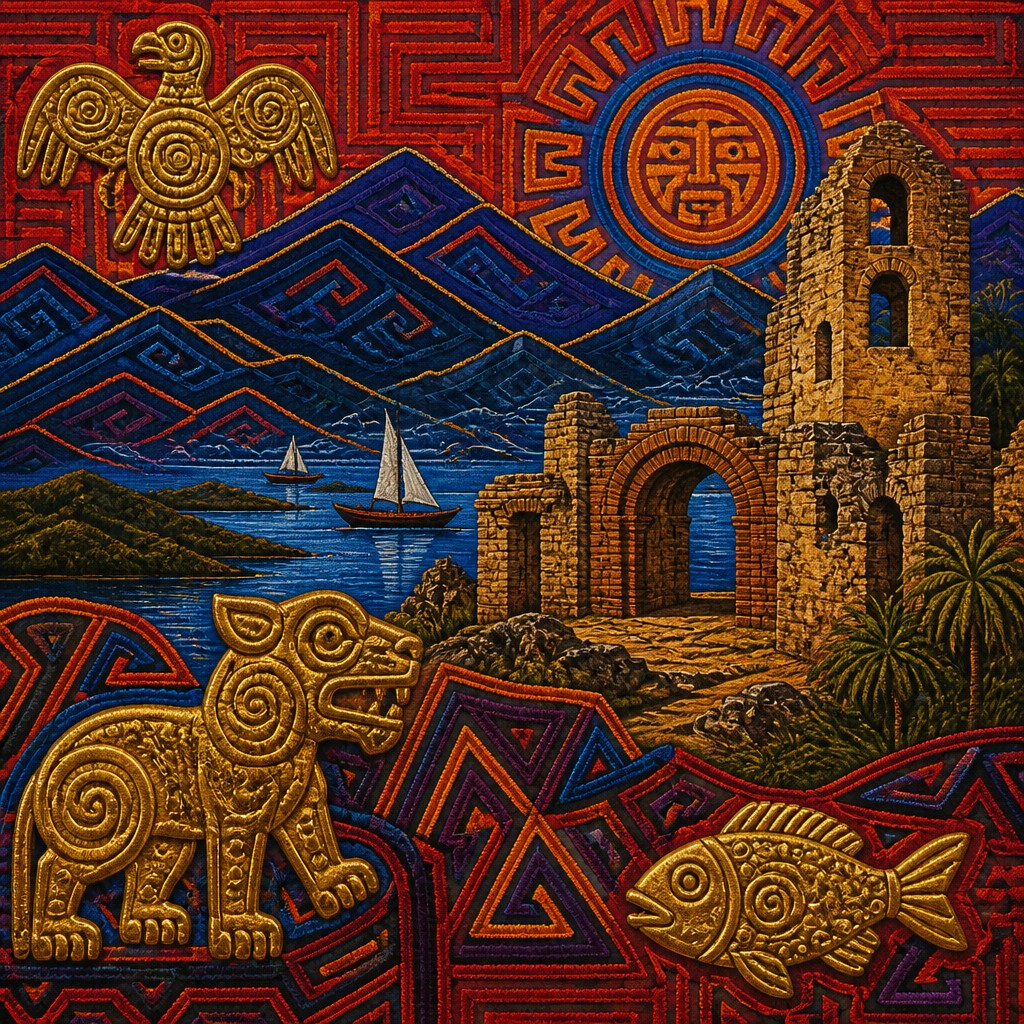
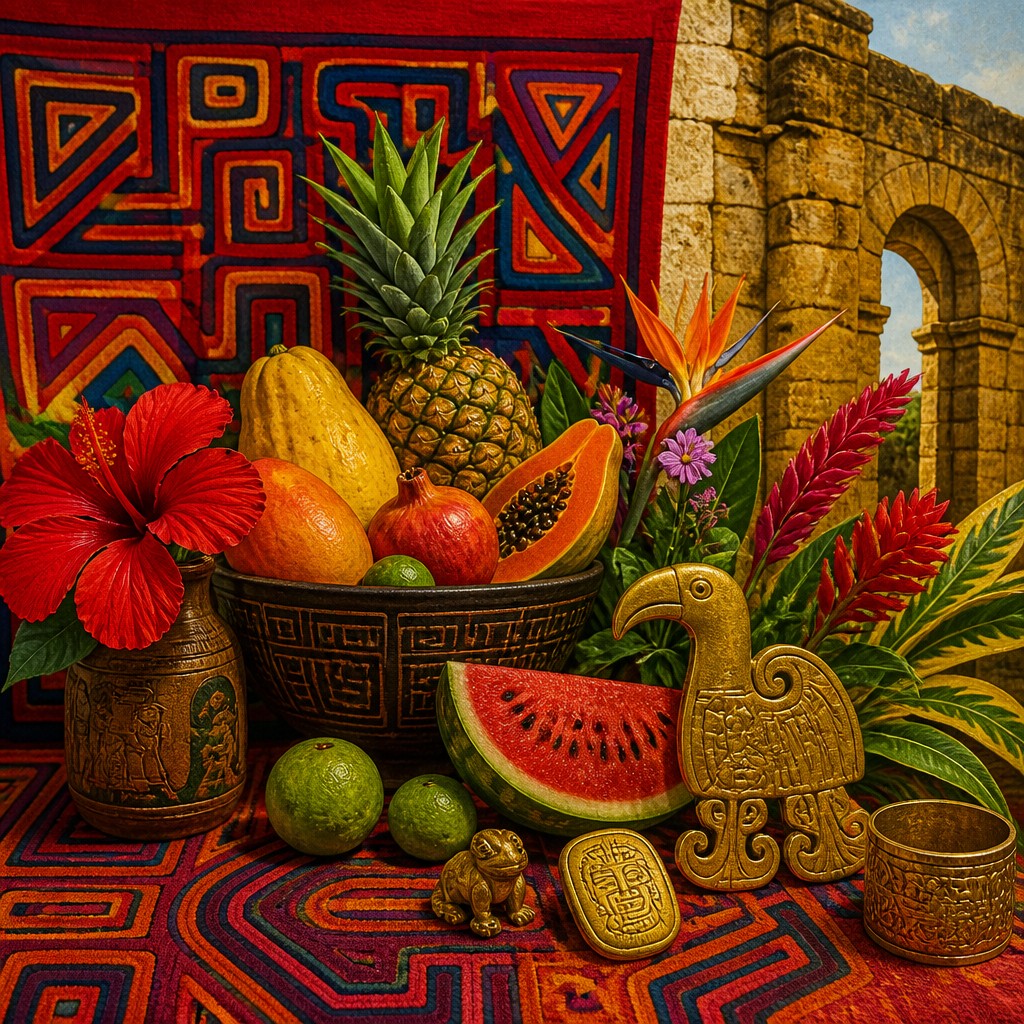
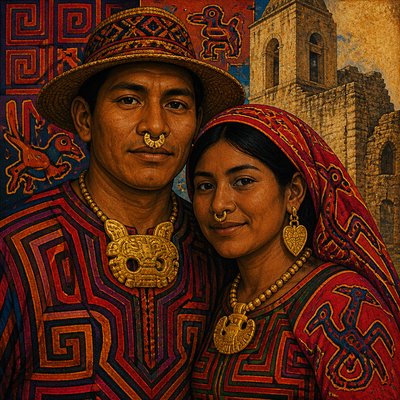
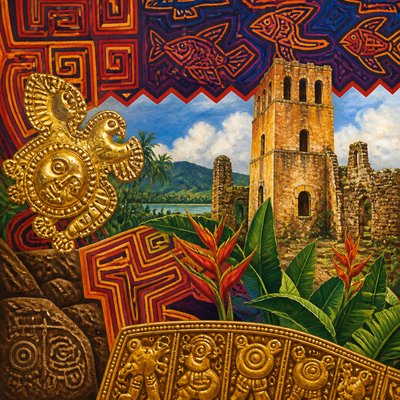
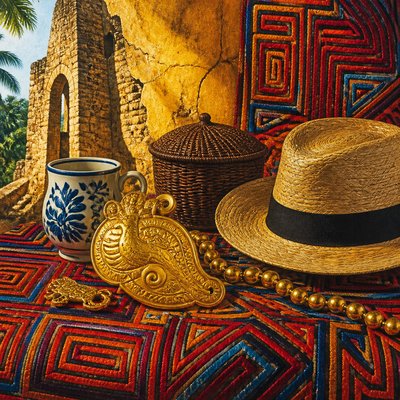
The style is defined by contrast: flat, rhythmic pattern against modeled ornament; vivid red, orange, and indigo against gold and sun-baked stone; and carefully organized motifs against the exuberant density of tropical life. It should be understood as an interpretive fusion rather than a single historical school, since Guna textile traditions, Coclé archaeology, and colonial architecture belong to different communities and periods.
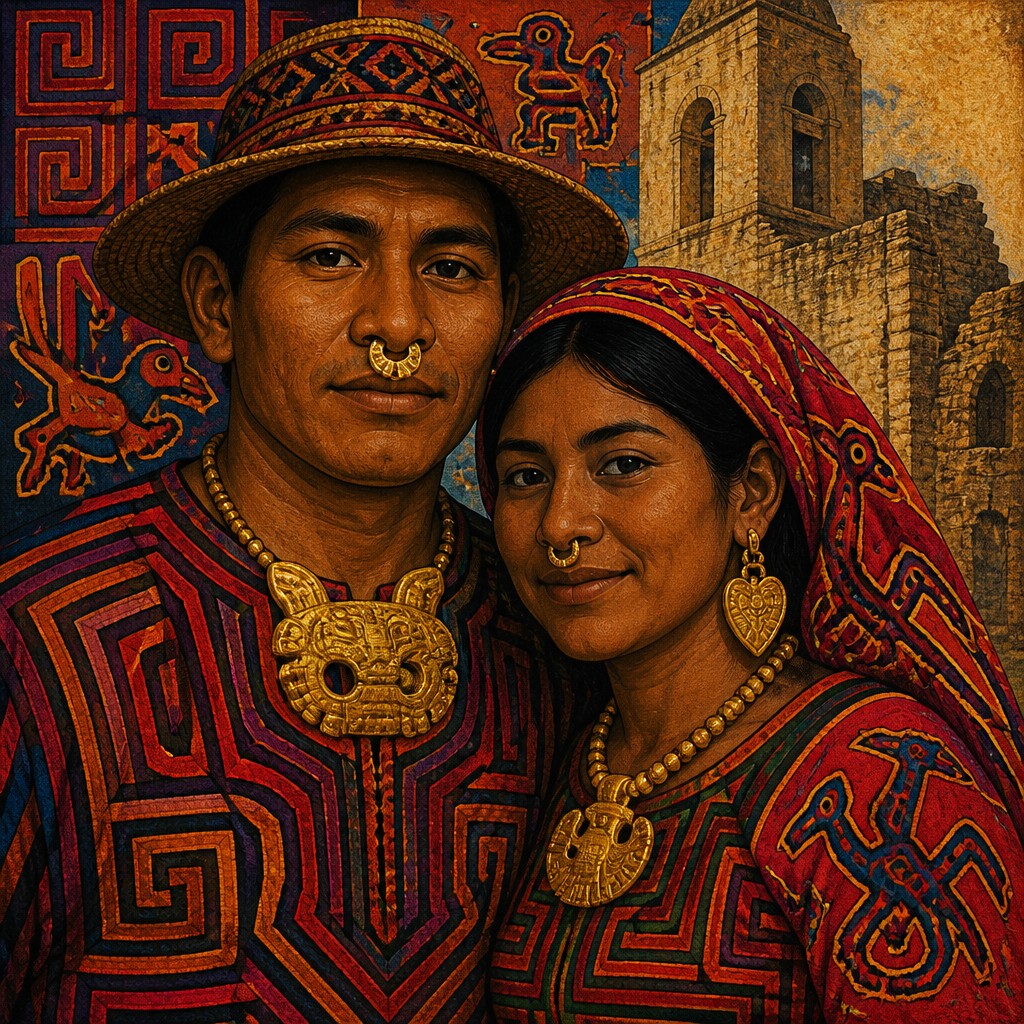
Try It On Your Photos
Upload any photo and convert it into Panamanian Art Style — drag the sliders to compare before and after.


What Defines Panamanian Art Style
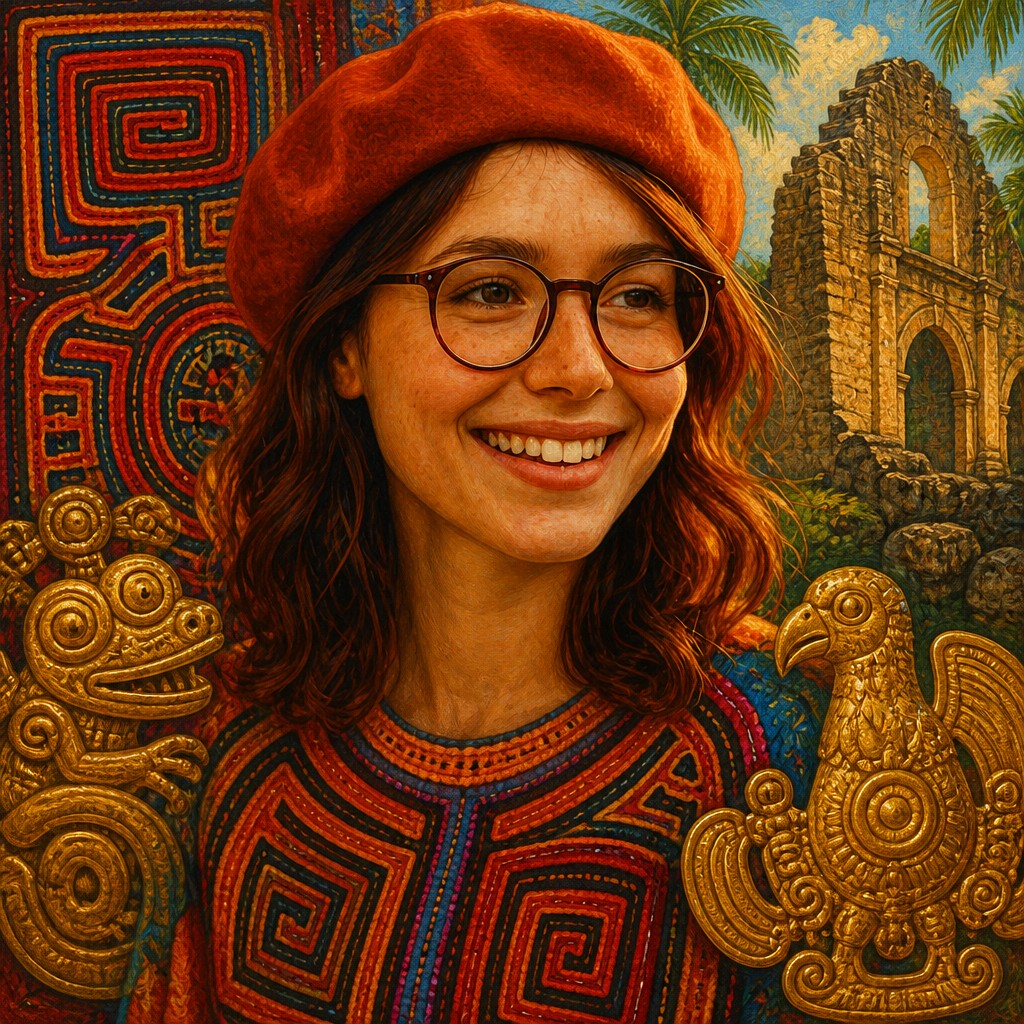
The signature details, up close
Reverse-appliqué geometry
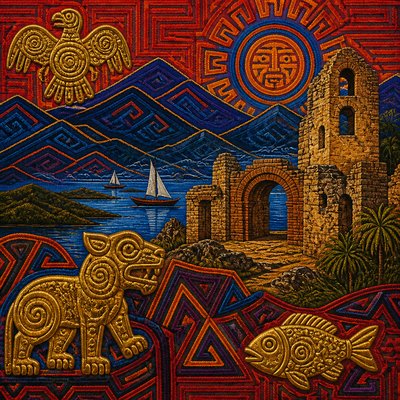
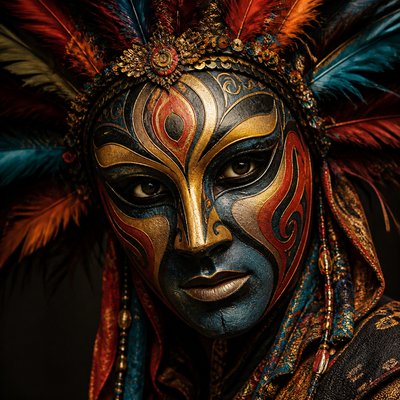
Layered bands of saturated red, orange, yellow, blue, and indigo create stepped contours, nested shapes, and crisp negative spaces. Repeated borders give the composition a textile-like rhythm.
Animal-form ornament
Stylized birds, felines, serpents, fish, and other creatures echo Coclé archaeological motifs. Forms may be mirrored, combined, or reduced into bold emblematic silhouettes.
Coclé-inspired gold gleam
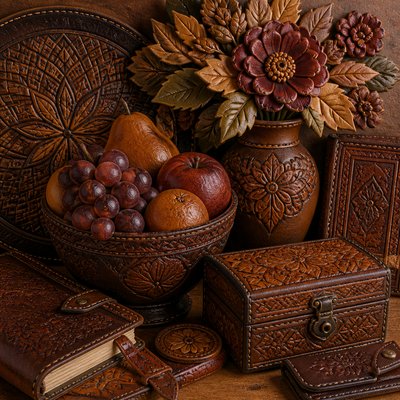
Warm metallic fields and repoussé-like relief suggest hammered or cast ornament rather than smooth modern chrome. Gold is often used as a focal accent against deep textile colors.
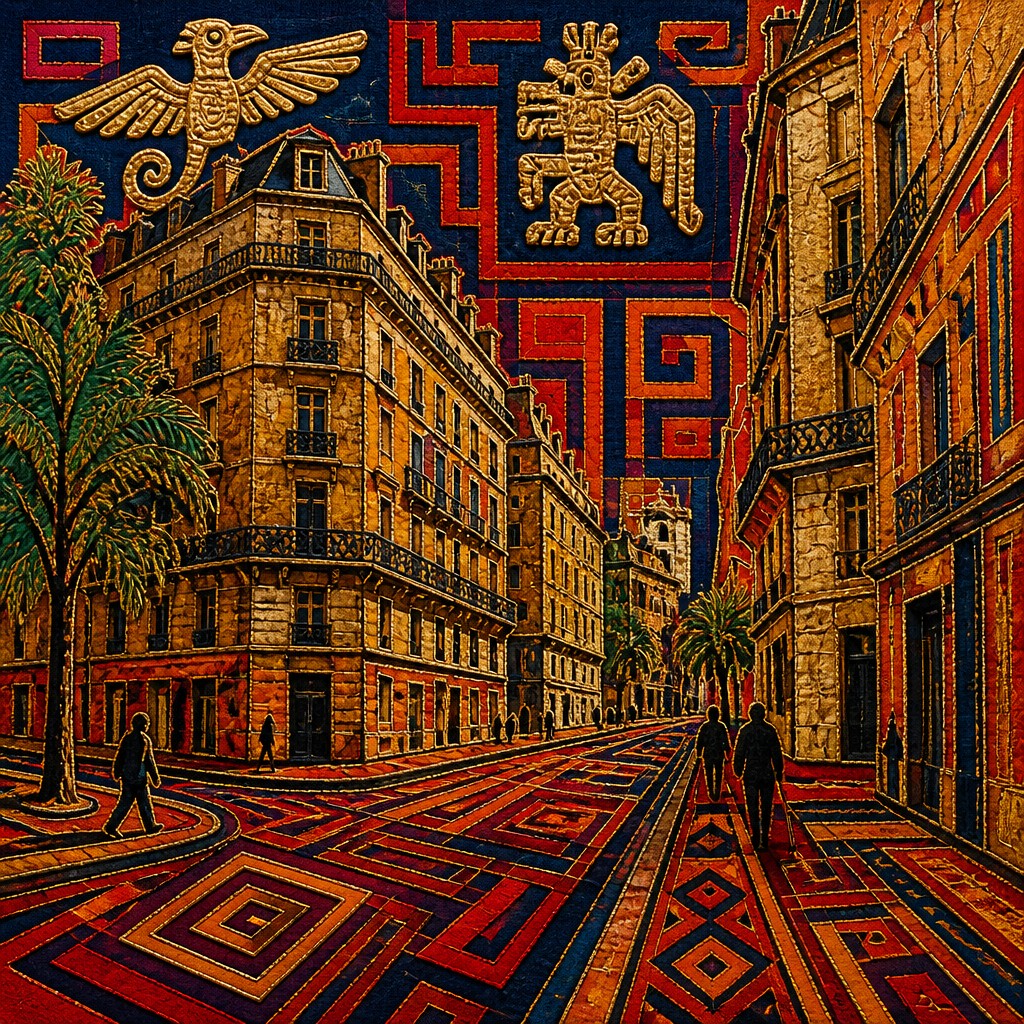
Weathered colonial masonry
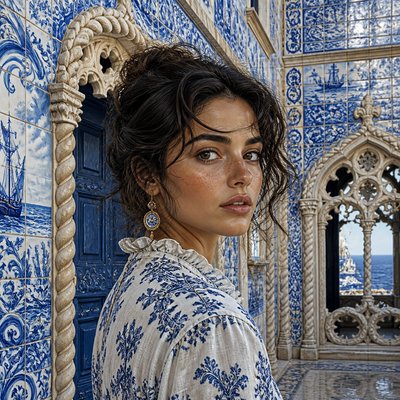
Ochre, terracotta, and umber surfaces evoke aged stone, exposed brick, arches, and fragmented walls associated with Panama Viejo. Cracks, erosion, and uneven texture add historical depth.
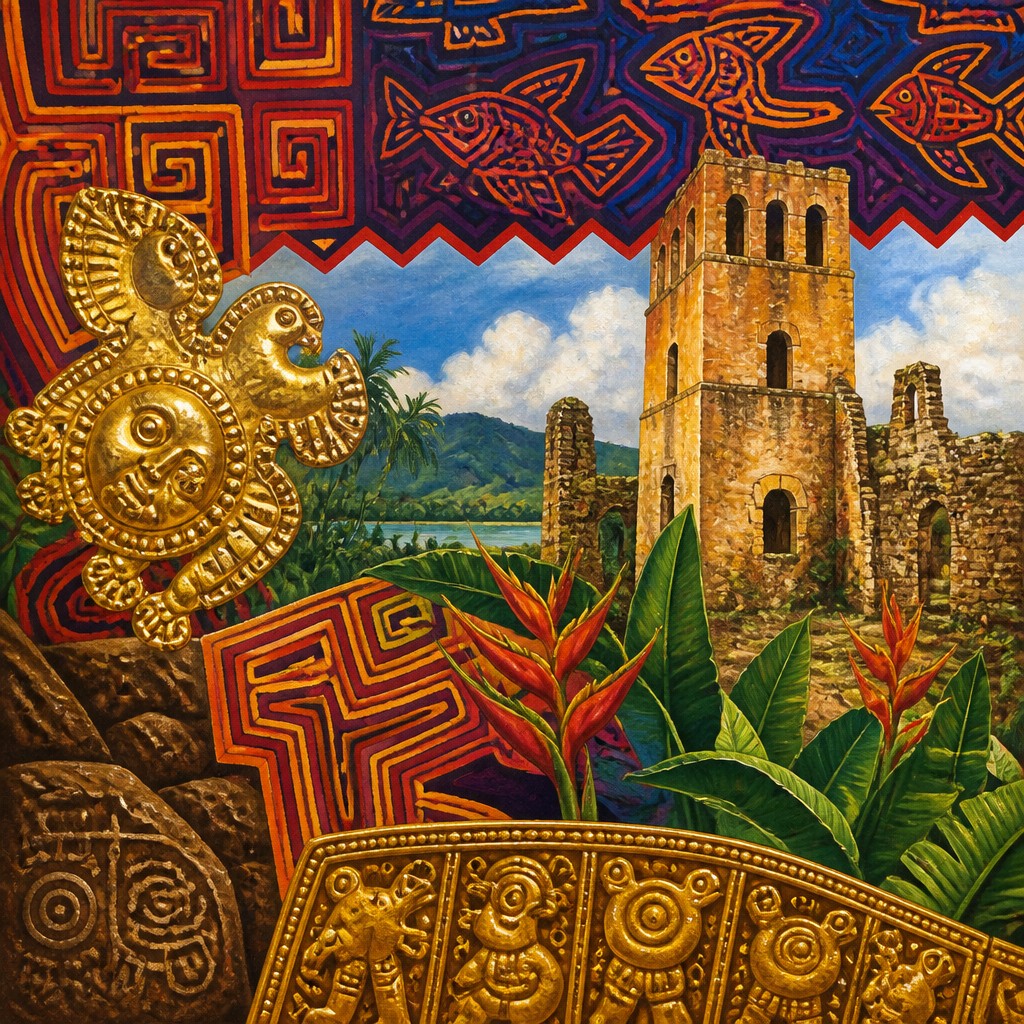
Tropical isthmus light
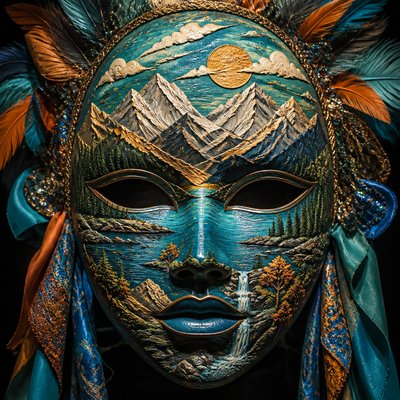
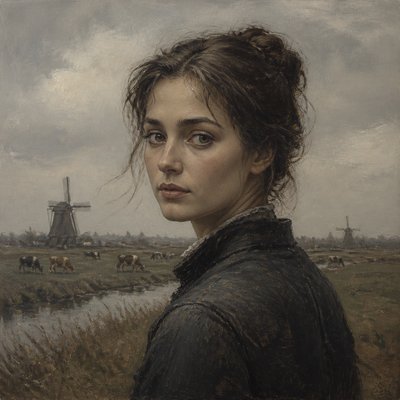
Humid daylight produces luminous highlights, softened atmospheric distance, and strong color saturation. Green foliage, blue water, and warm earth tones often surround the central motifs.
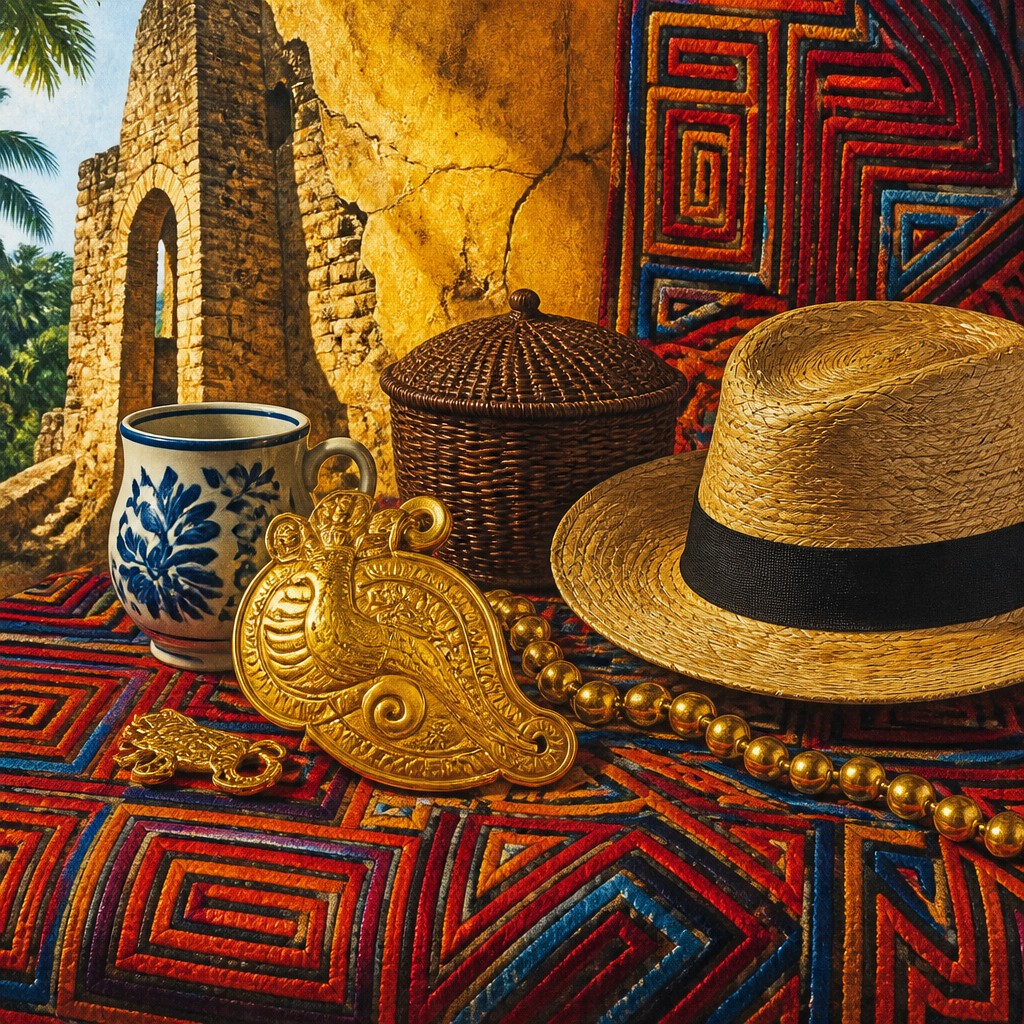
Dense pattern rhythm
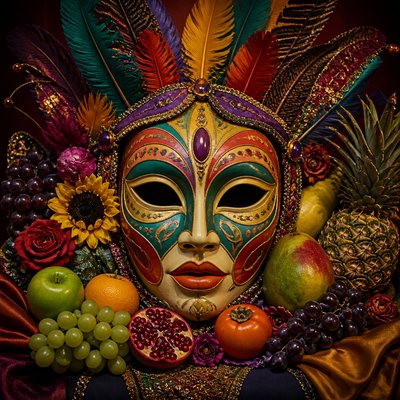
Compositions favor visual abundance, with borders, repeated symbols, layered motifs, and interlocking shapes filling the picture plane. Clear silhouettes help maintain legibility within the richness.
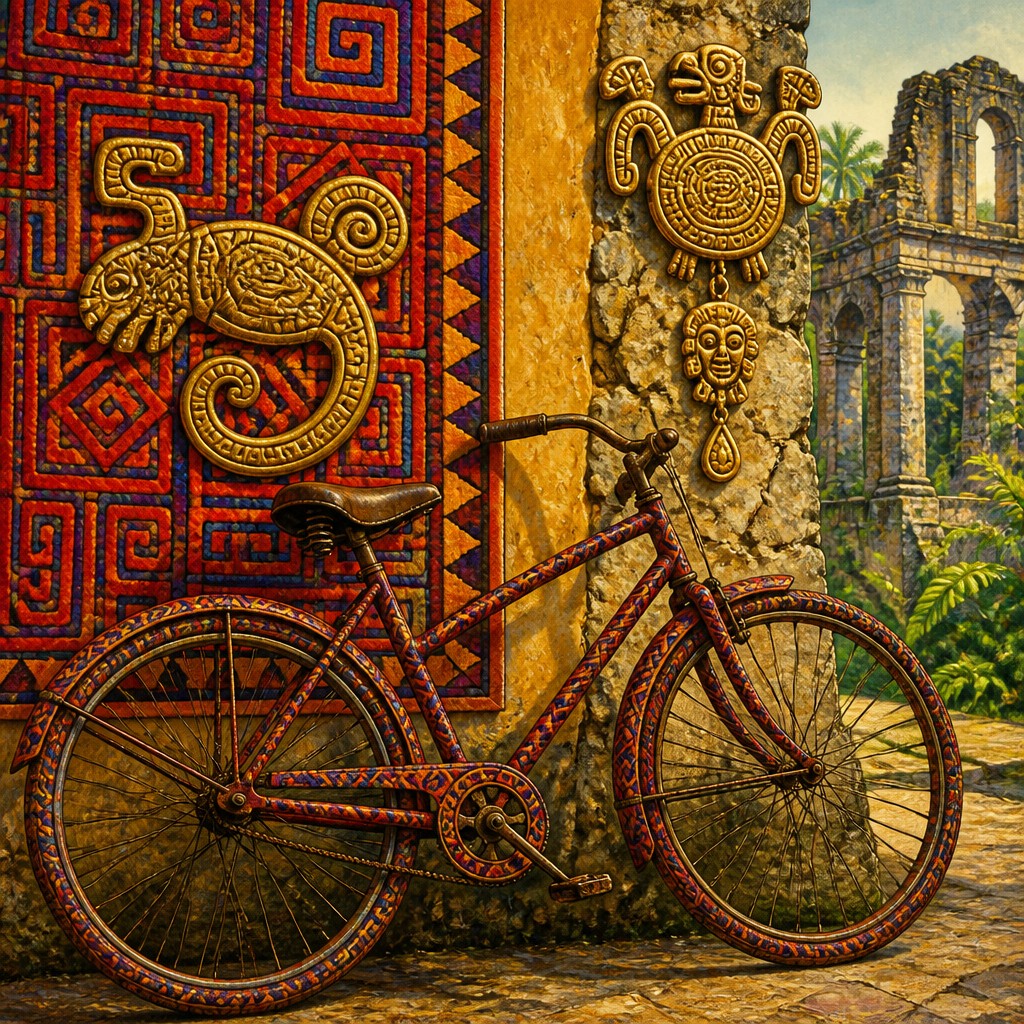
Material contrast
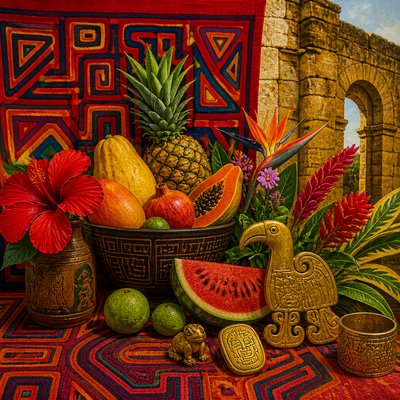
Fabric, polished metal, porous stone, and glossy tropical leaves are placed side by side. The effect depends on making each surface readable while unifying the palette.
Panamanian Prompt Ideas
Start from an idea — each one opens the generator with the style ready to go. See all 40 Panamanian prompts →
How to Create Panamanian Art
Master the craft step by step — or skip straight to creating. Read the full guide →
- 1
Build a layered textile structure
Begin with several flat color fields and cut back the upper layers to reveal angular or curving motifs beneath, imitating reverse appliqué. Use repeated borders and mirrored forms to create a coherent visual rhythm.
- 2
Design an emblematic animal motif
Reduce a bird, feline, reptile, or marine creature to a strong silhouette, then enrich it with internal bands, dots, and stepped contours. Avoid treating archaeological imagery as literal decoration without acknowledging its cultural source.
- 3
Model the gold surface
For traditional drawing or painting, use compressed highlights, dark orange shadows, and small relief marks to suggest repoussé metal. Digitally, combine a warm metallic gradient with irregular hammered texture rather than a uniform yellow fill.
- 4
Add architectural atmosphere
Place motifs against sun-worn ochre masonry, fragmented arches, or rough plaster, with selective cracks and softened edges. Keep the ruins supportive of the composition rather than allowing them to overwhelm the textile pattern.
- 5
Control the palette and hierarchy
Use saturated reds, oranges, and indigos for the graphic foreground, then reserve gold and bright tropical highlights for focal areas. Balance dense pattern with a few quieter shapes so the image remains readable.
- 6
Guide a digital or prompt-based workflow
Specify the subject first, then request layered reverse-appliqué geometry, Coclé-inspired animal repoussé, warm Panama Viejo stone, humid tropical light, and crisp material contrast. For image-to-image work, preserve the source silhouette while applying the palette, border rhythm, and surface textures selectively.
The Story
History & Origins of Panamanian
A further source is the colonial architectural landscape of Panama Viejo, founded in the early seventeenth century and later left in ruins after its destruction in 1671. The resulting aesthetic lineage combines Indigenous textile structure, pre-Columbian ornamental imagery, colonial material weathering, and the strong light, vegetation, and color of the tropical isthmus; it is not a documented historical movement with a single period or doctrine.
Influences: Related visual traditions include Guna mola reverse appliqué, pre-Columbian Coclé metalwork and ceramic iconography, Indigenous Central American pattern systems, colonial Spanish masonry, tropical landscape painting, folk textile design, and contemporary illustration based on cultural motifs. It also shares graphic affinities with decorative arts, maximalist pattern, relief sculpture, and color-focused poster design, while remaining distinct from any one of those categories.
Frequently Asked Questions
What defines the Panamanian art style?
It is defined by the combination of Guna-inspired layered textile geometry, Coclé-inspired animal ornament and gold surfaces, weathered colonial stone, and humid tropical light. Strong color contrast and repeated pattern are central to its visual identity.
Is Panamanian art style a historical art movement?
No. The term describes a contemporary interpretive synthesis rather than a formally recognized historical movement. Its sources belong to different Panamanian communities and periods, so they should be identified separately and treated with cultural respect.
How is it different from generic Latin American folk art?
Its visual vocabulary is specifically anchored in Panamanian references, especially Guna mola construction, Coclé archaeological imagery, and Panama Viejo masonry. A generic folk-art treatment may use bright colors and craft motifs without this distinct combination of materials and histories.
What colors are common in this style?
Saturated red, orange, yellow, indigo, and deep blue form the main textile palette. Ochre, terracotta, umber, metallic gold, tropical greens, and watery blues provide environmental and material contrast.
How can I make an image in this style without flattening the cultural references?
Identify the specific source tradition you are drawing from and use its visual principles rather than combining sacred or ceremonial symbols indiscriminately. Focus on layered construction, rhythmic borders, animal silhouettes, material contrast, and tropical atmosphere, and avoid presenting the synthesis as an authentic traditional artifact.
Where can this style be used?
It works well for editorial illustration, posters, book covers, textile concepts, cultural storytelling, murals, packaging, jewelry concepts, and digital scenes. It is especially effective when the design needs strong pattern, regional atmosphere, and clearly differentiated surface textures.
Create your first Panamanian artwork
Describe anything — or upload a photo — and see it in Panamanian Art Style in seconds.
Related Styles
Discover similar art styles