Palermo Art Style
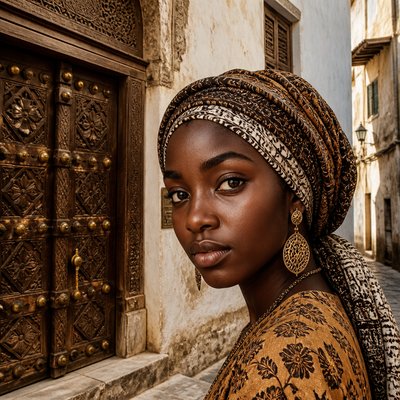
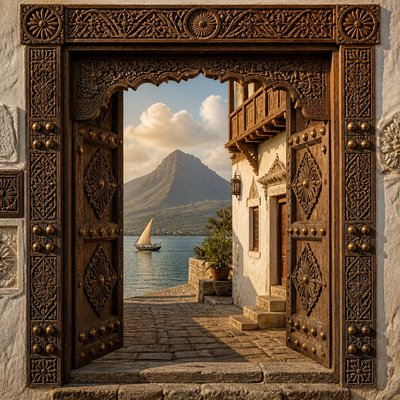
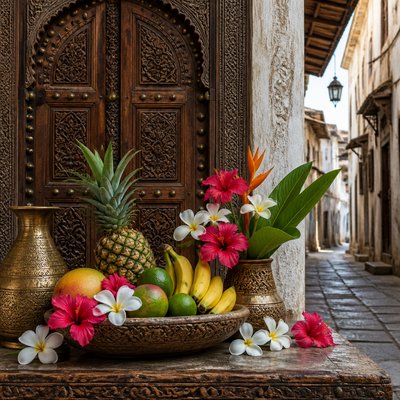
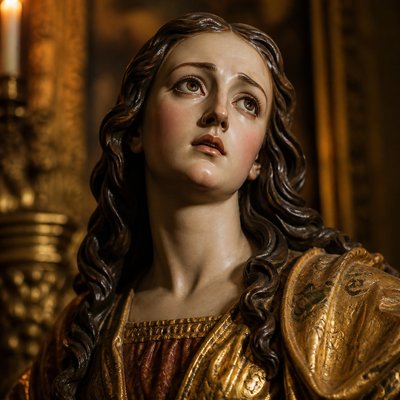
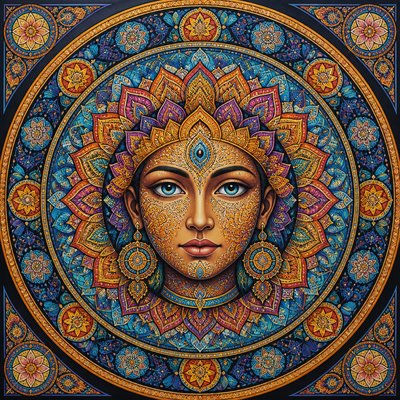
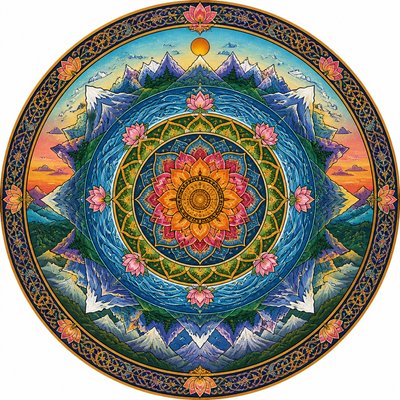
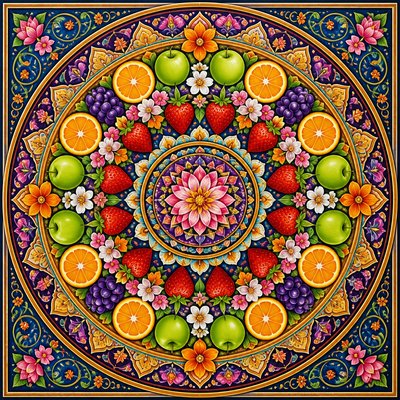
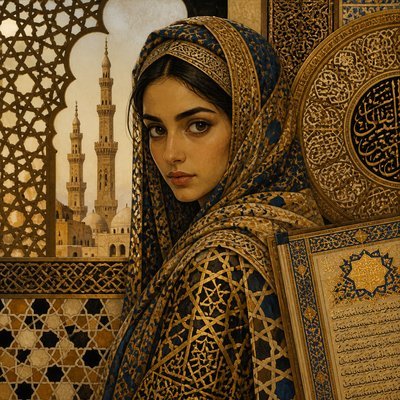
Discover Palermo Art Style: Byzantine gold mosaics, Norman-Islamic ornament, and exuberant Sicilian Baroque stucco in one luminous visual language.
Instantly rendered in Palermo — or transform a photo
Palermo Gallery
Tap any artwork to explore it
What is Palermo Art Style?
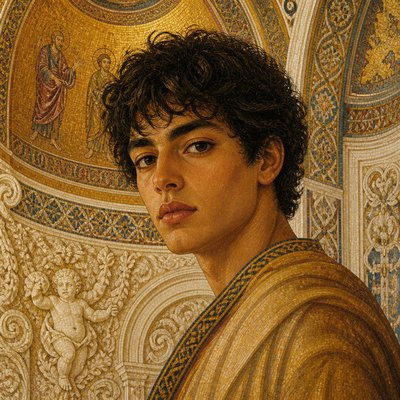
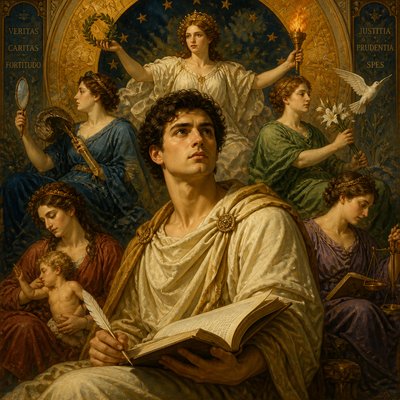
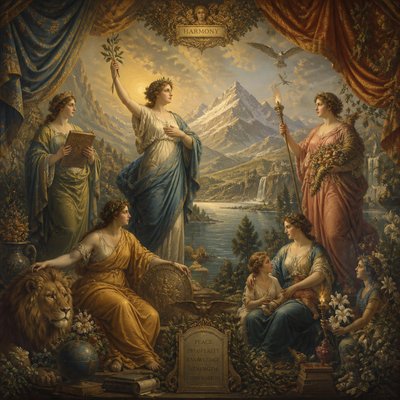
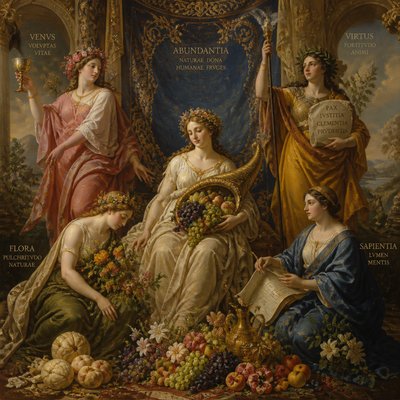
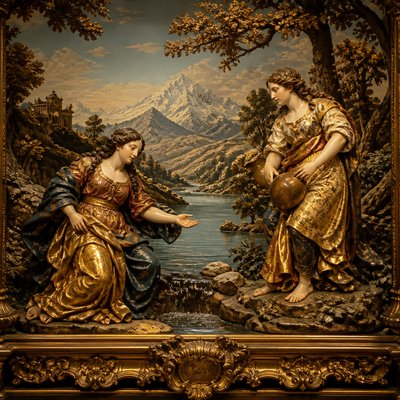
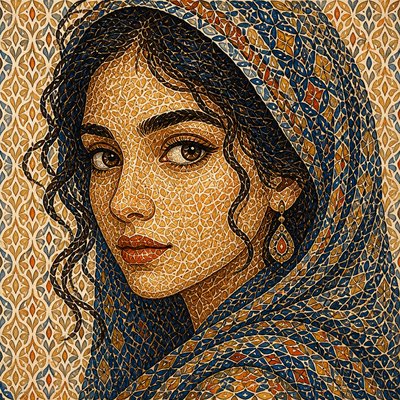
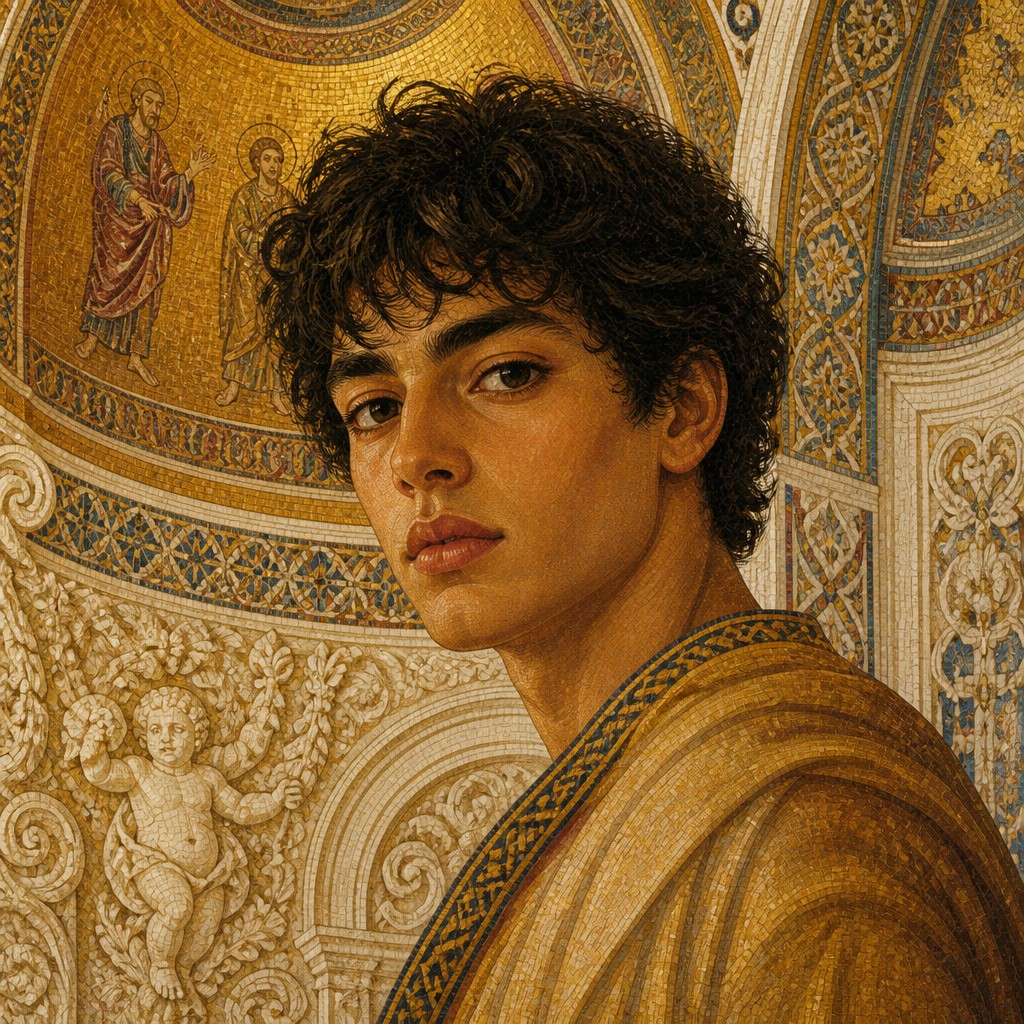
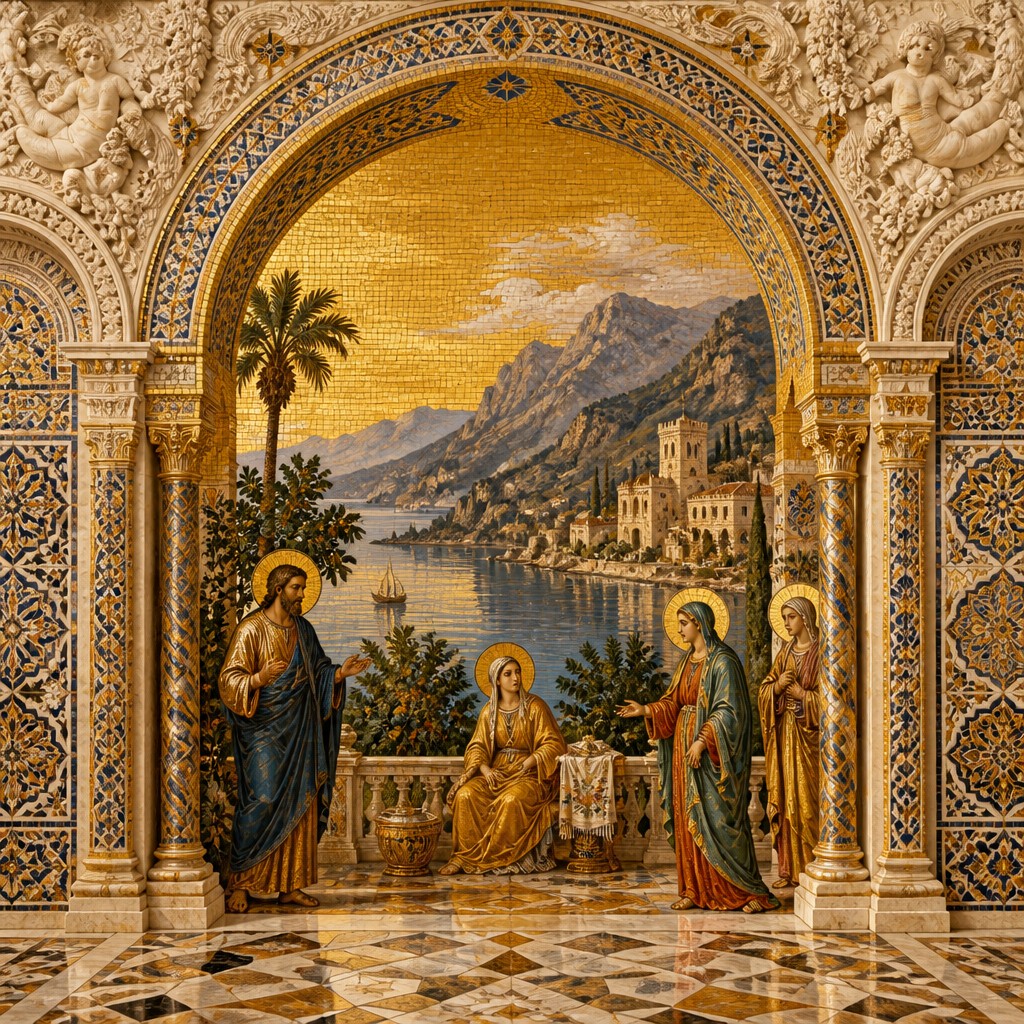
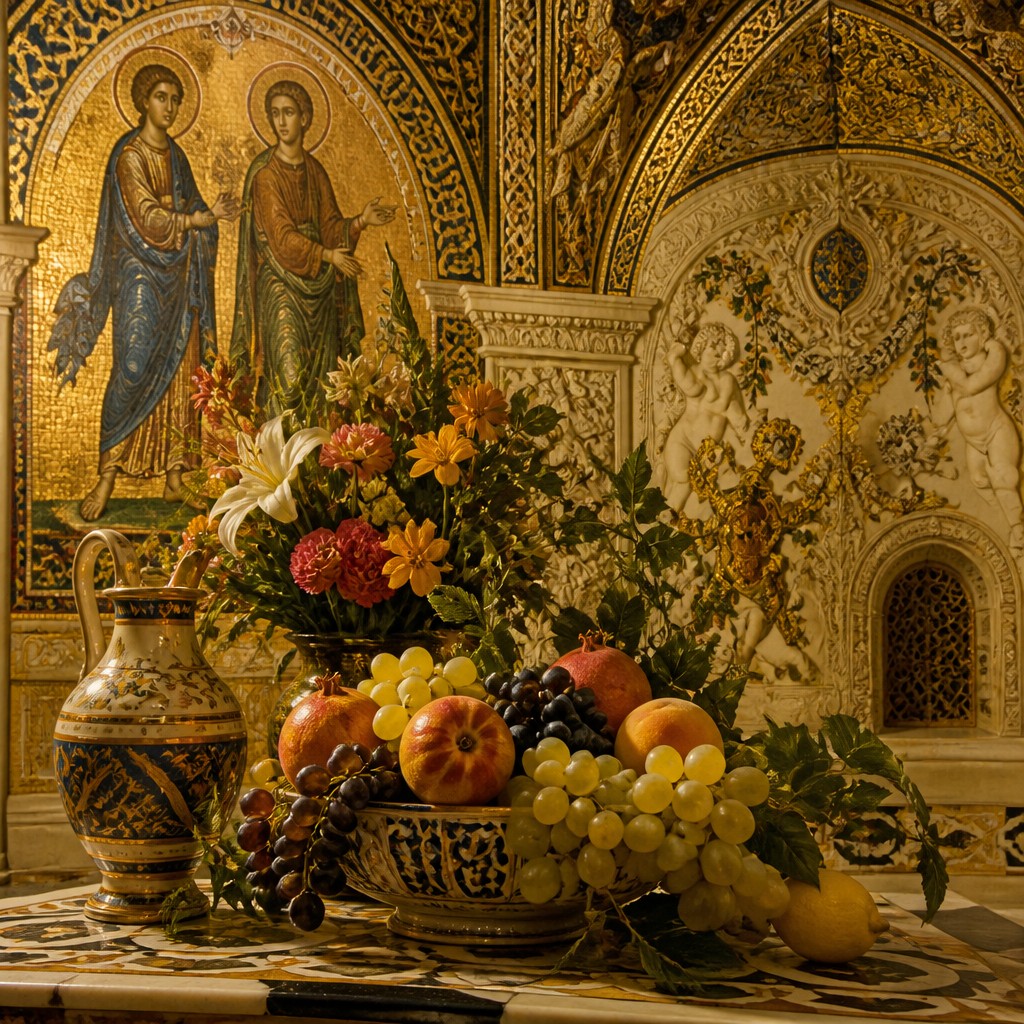
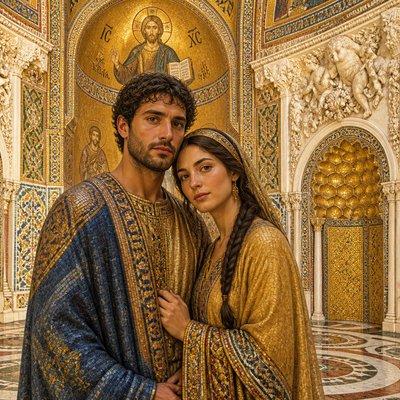
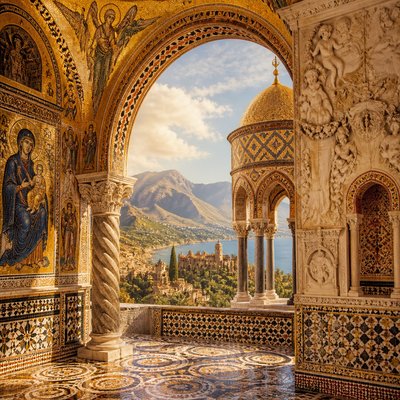
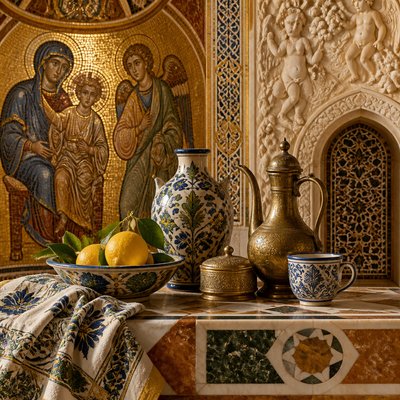
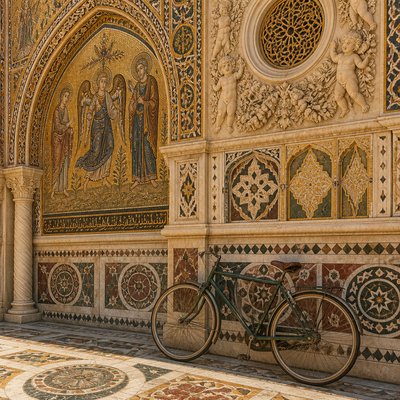
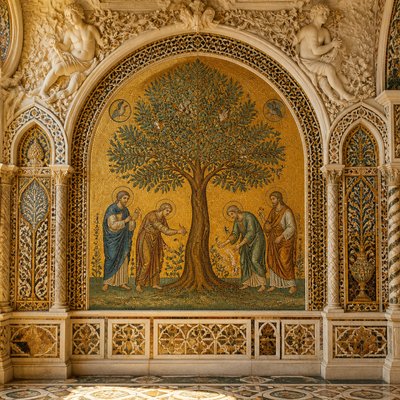
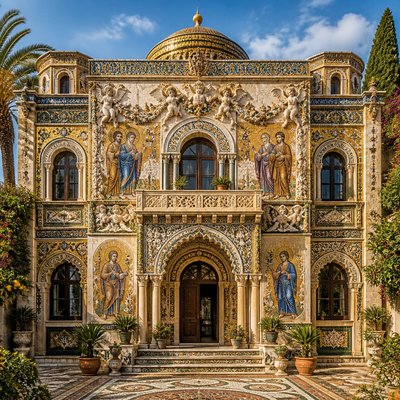
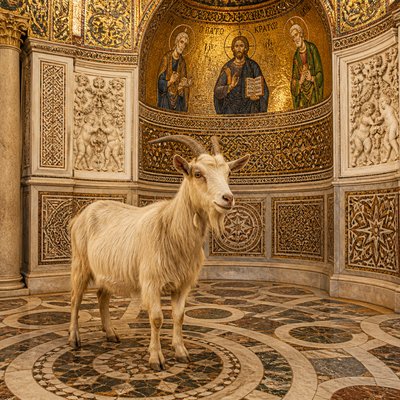
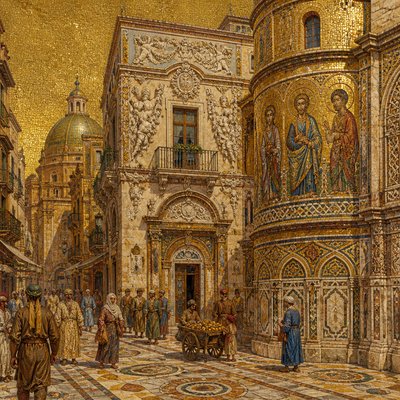
Palermo Art Style is an invented contemporary synthesis of Norman-Byzantine mosaic, Islamic-influenced Sicilian ornament, and exuberant Baroque stucco. Its visual identity combines shimmering gold grounds, solemn frontal figures in flowing robes, intricate interlace, creamy sculptural relief, colored marble, and the warm light of the Mediterranean.
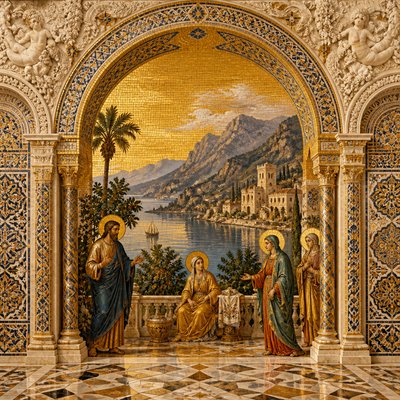
The style is defined by deliberate contrast: flat, jewel-like mosaic surfaces sit beside swollen garlands, curling acanthus, theatrical putti, and deeply modeled architectural details. Curved apses, cupolas, arcades, arabesque niches, and patterned floors create a ceremonial environment in which sacred imagery and decorative abundance are equally important.
Try It On Your Photos
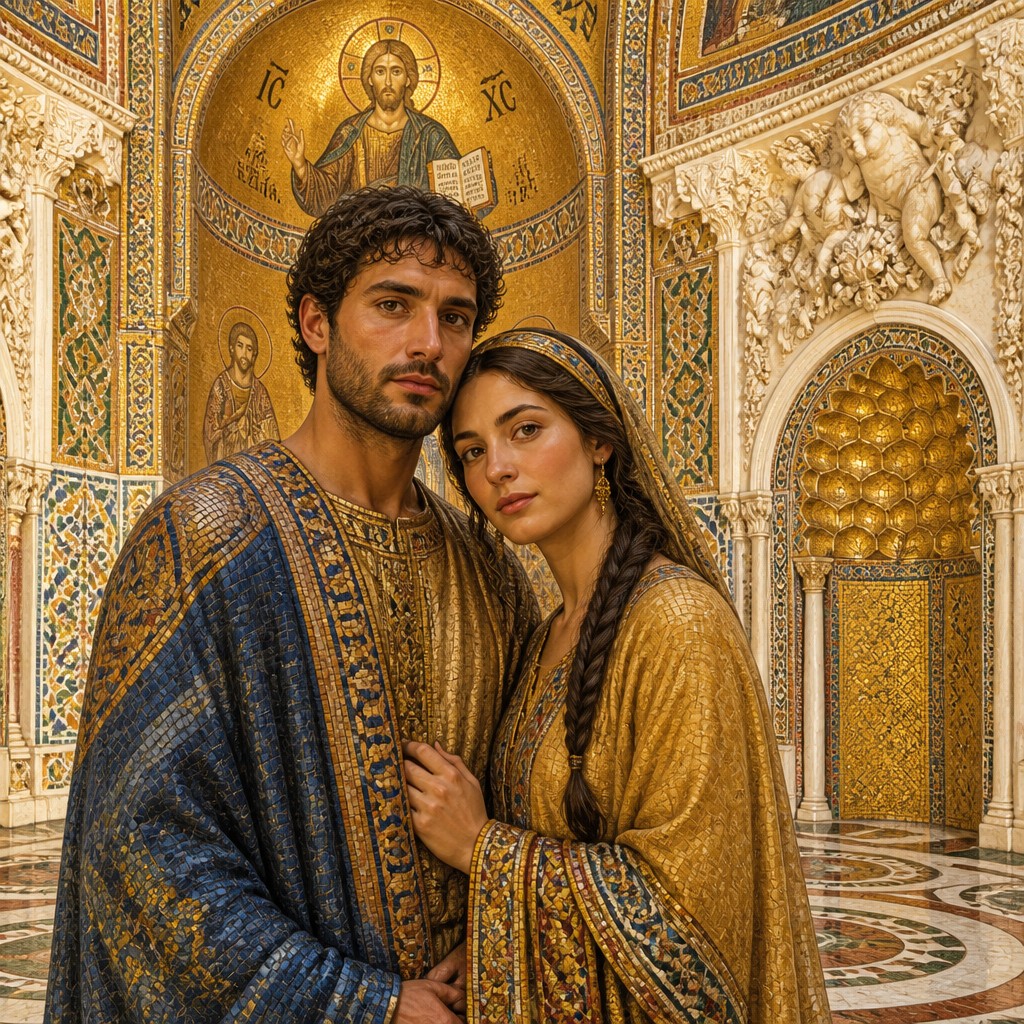
Upload any photo and convert it into Palermo Art Style — drag the sliders to compare before and after.

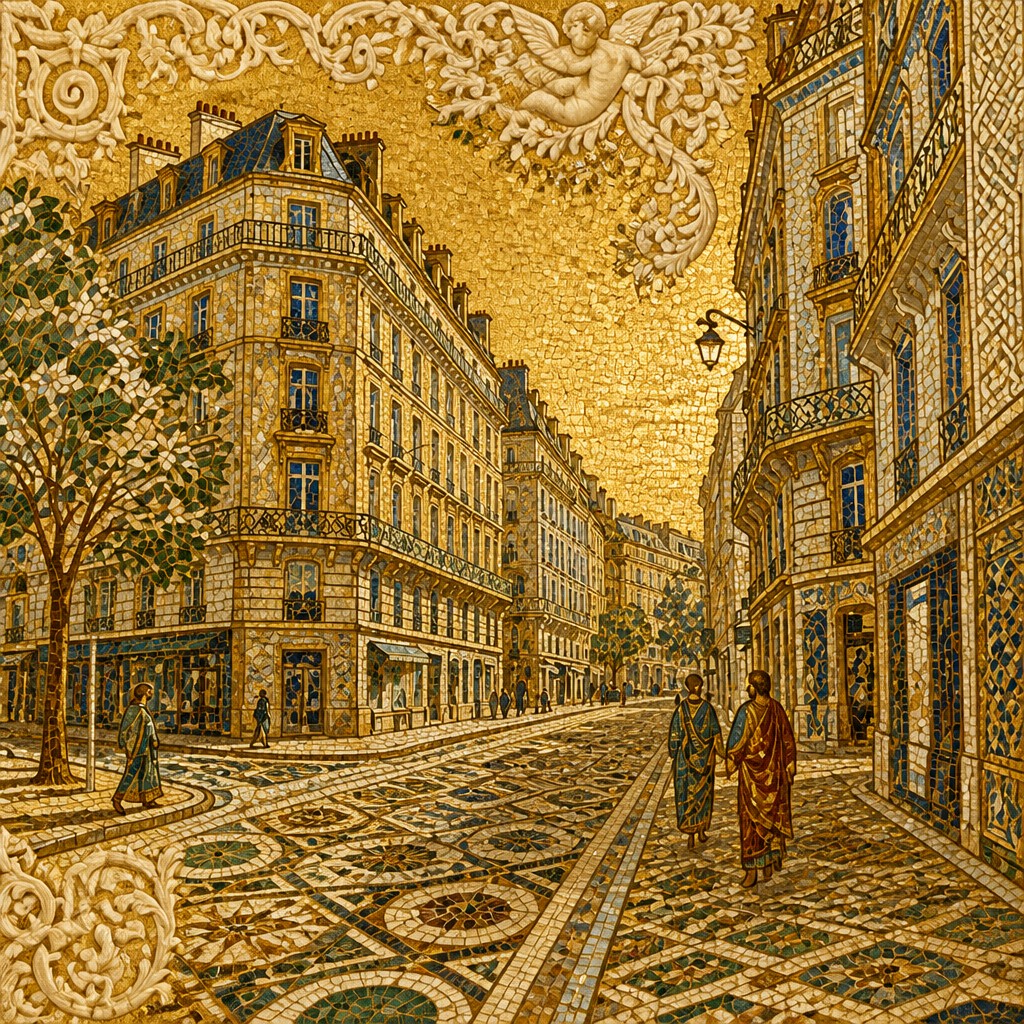

What Defines Palermo Art Style
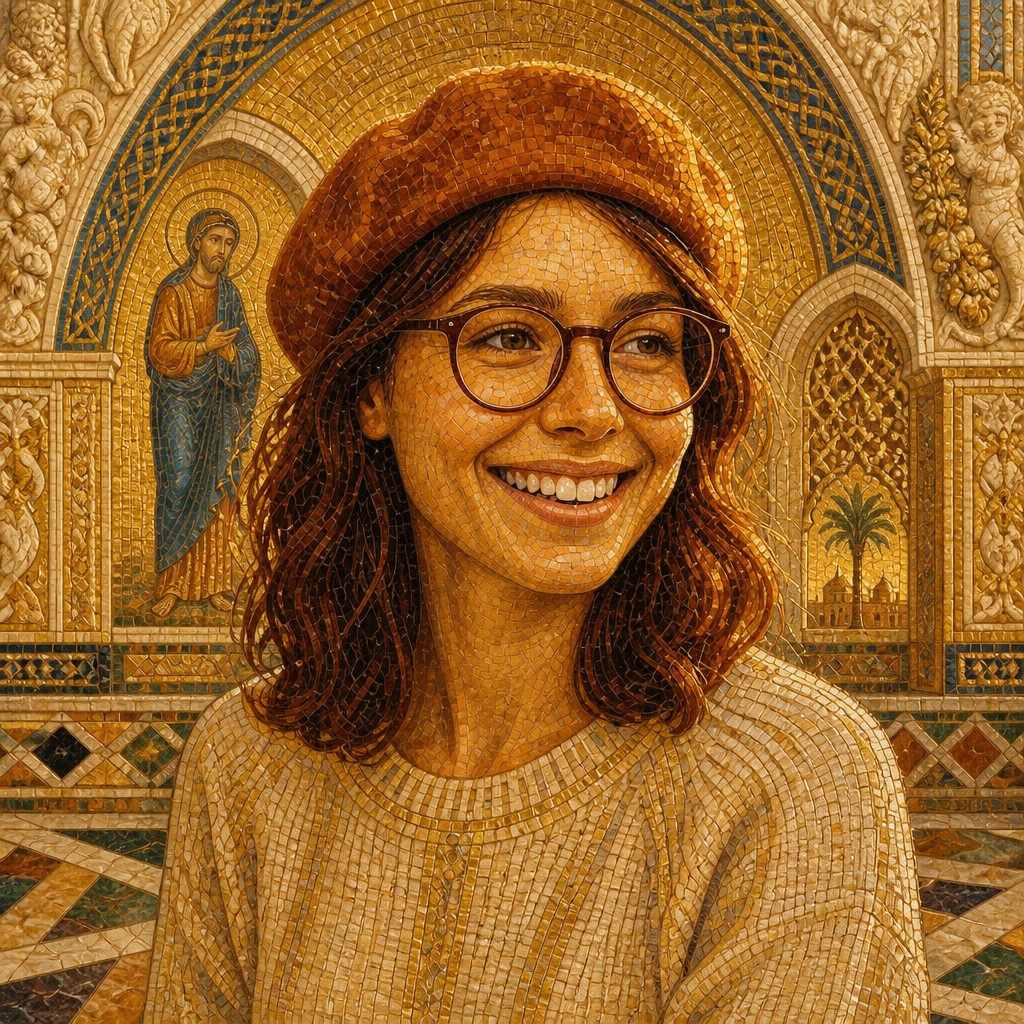
The signature details, up close
Gold-ground mosaic
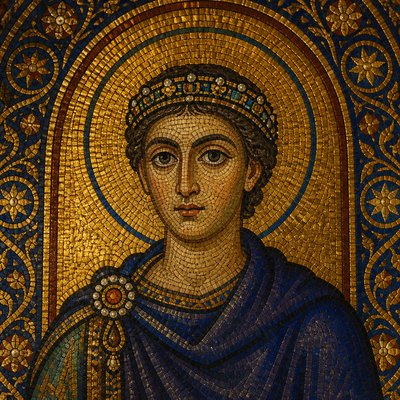
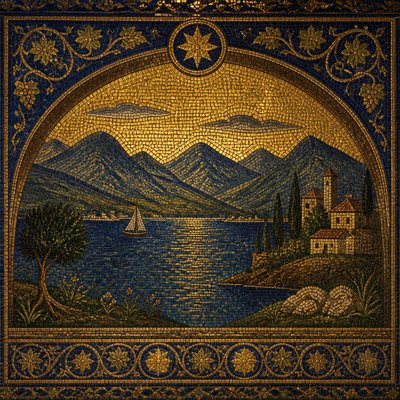
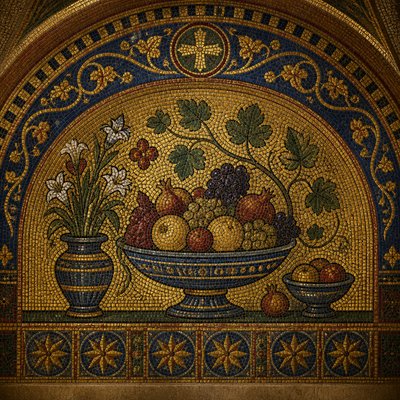
Reflective gold tesserae create a luminous, almost atmospheric background. Small variations in tile angle produce a flickering surface that contrasts with the controlled outlines of the figures.
Stylized Byzantine figures
Figures are generally frontal or hieratic, with elongated proportions, calm expressions, almond-shaped eyes, and layered robes articulated by rhythmic highlights. Their poses favor symbolic stillness over naturalistic movement.
Norman-Islamic interlace
Geometric bands, arabesques, stars, foliage, and interwoven borders frame apses and niches. These patterns provide visual order and connect the mosaic field to Sicily's medieval Mediterranean design vocabulary.
Baroque stucco abundance
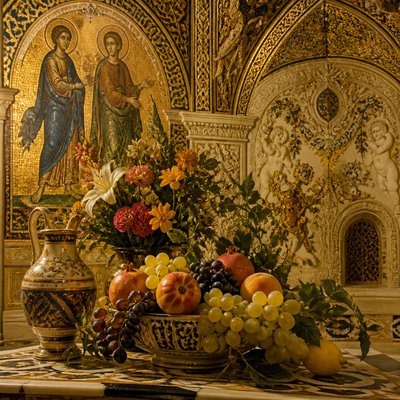
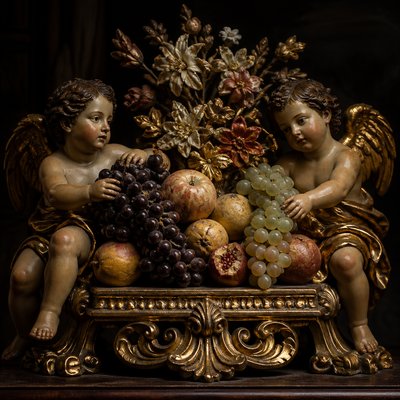
Creamy white reliefs swell from the wall in garlands, shells, scrolls, acanthus leaves, winged putti, and theatrical cartouches. The relief should feel tactile and generous without obscuring the underlying architecture.
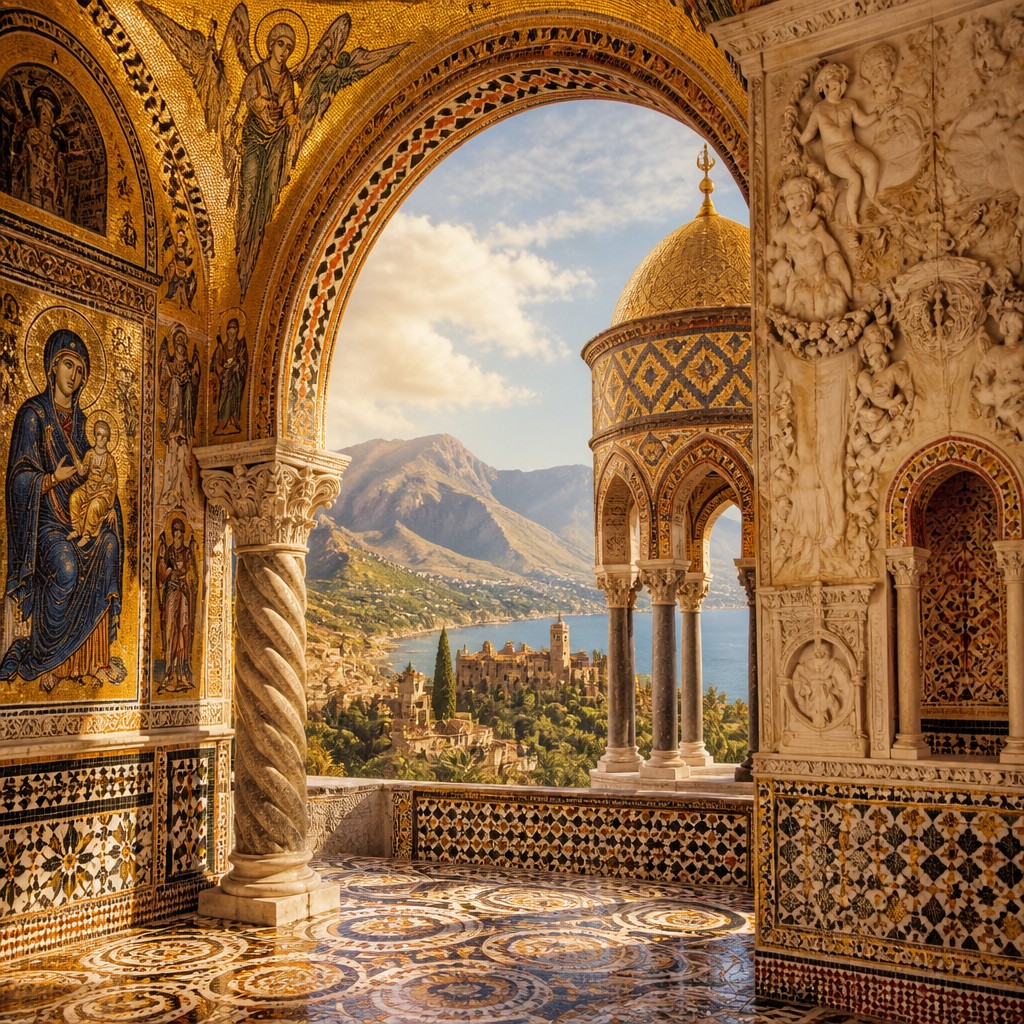
Polychrome marble inlay
Floors and lower wall zones use contrasting marble shapes, veining, and geometric compartments in reds, greens, blacks, whites, and honey tones. Inlay adds a grounded, architectural counterpoint to the floating gold mosaics.
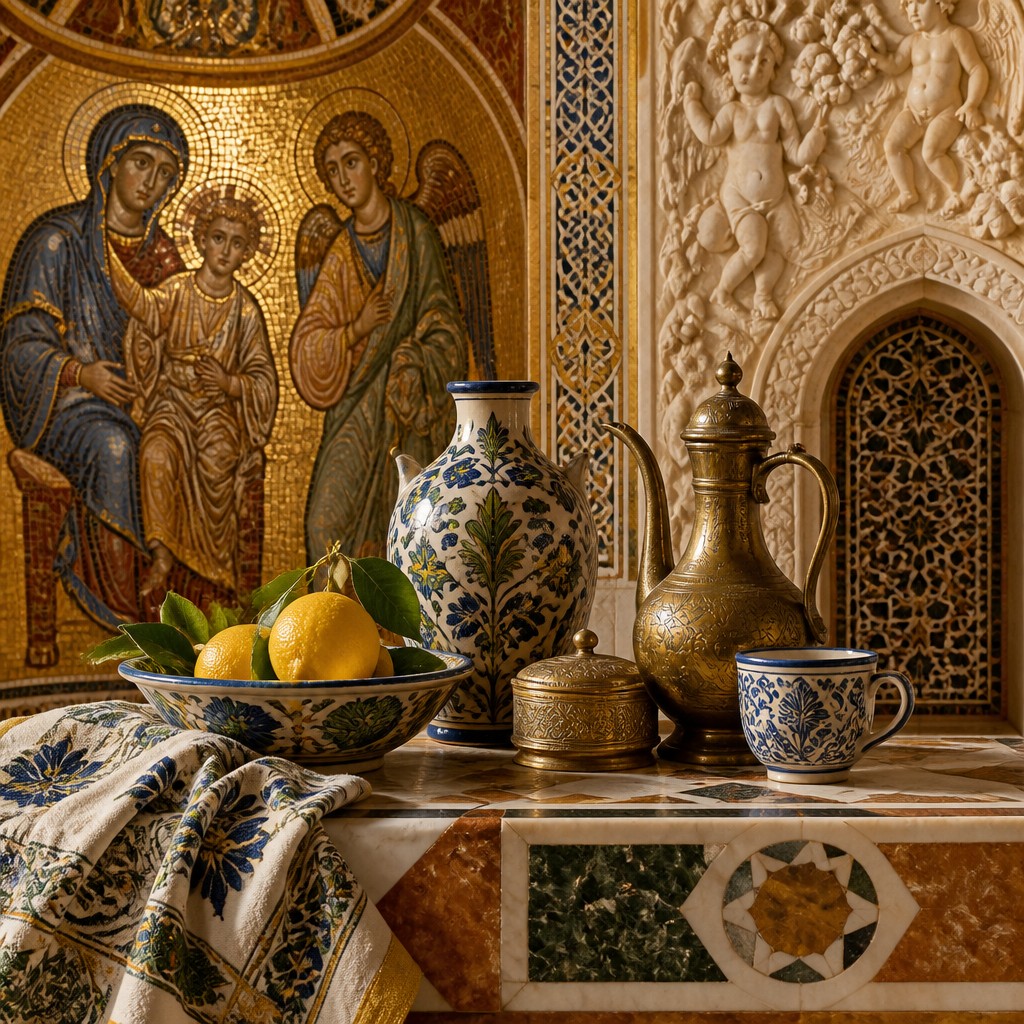
Curved ceremonial architecture
Cupolas, apses, arches, layered cornices, and recessed arabesque niches organize the composition. Curvature helps distribute ornament around a central sacred or symbolic focus.
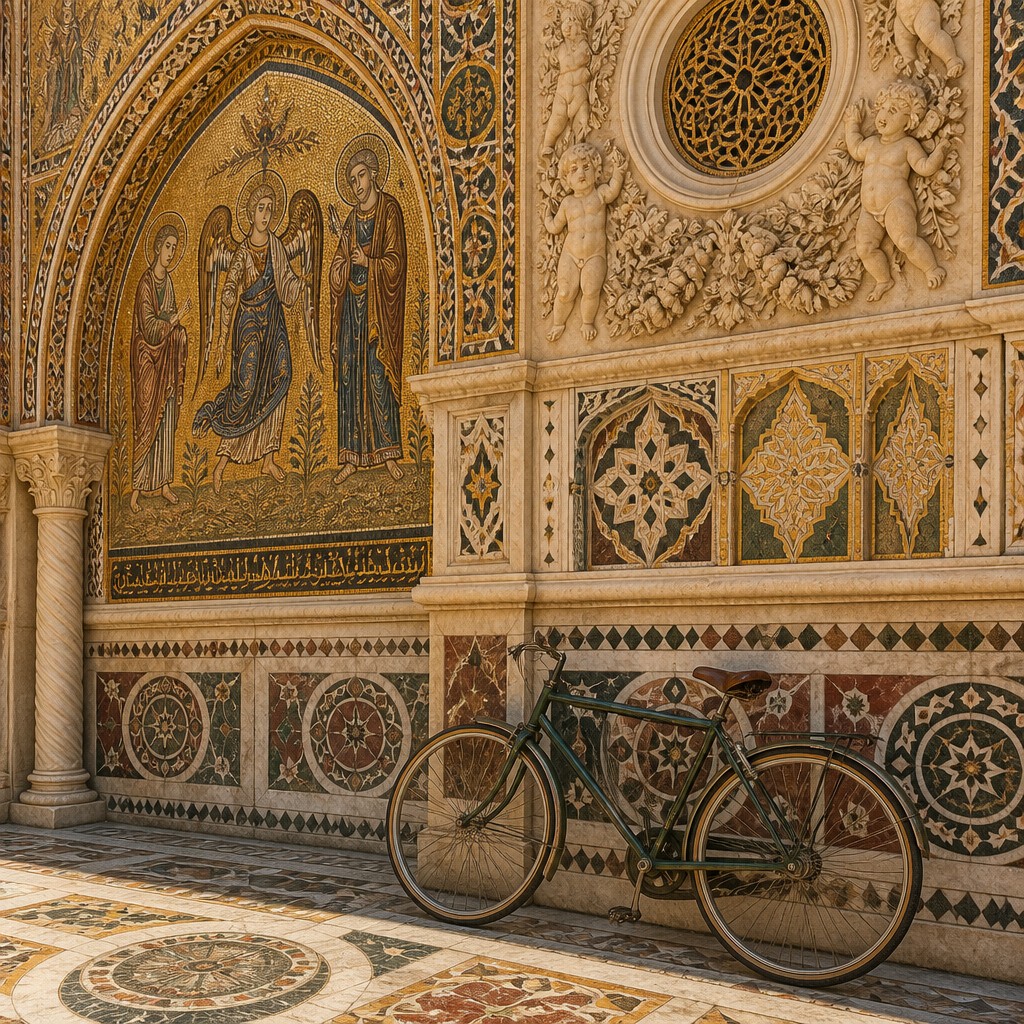
Warm Mediterranean illumination
Sunlit ochres, terracotta, ivory, turquoise, lapis blue, and crimson are unified by amber light. Highlights should skim gold and stucco, while shadows remain soft, warm, and readable.
Palermo Prompt Ideas
Start from an idea — each one opens the generator with the style ready to go. See all 40 Palermo prompts →
How to Create Palermo Art
Master the craft step by step — or skip straight to creating. Read the full guide →
- 1
Build the architectural frame
Begin with an apse, domed chapel, arcade, shrine, or vaulted hall, then establish a strong central axis. Use repeated arches, niches, and borders to create the ordered structure needed to contain the ornament.
- 2
Separate surface languages
Treat mosaic as a relatively flat field of small, rhythmic units and stucco as a projecting, softly shadowed relief. This distinction is essential: making every element equally smooth or equally dimensional weakens the style.
- 3
Use a disciplined palette
Combine gold, ivory, lapis, turquoise, terracotta, crimson, marble white, and deep green. Reserve the brightest highlights for reflective tesserae and raised stucco so the composition retains a clear hierarchy.
- 4
Design ornamental repetition
Create borders and floor patterns from mirrored geometry, interlace, rosettes, stars, arabesques, and foliage. Repeat motifs at different scales, but leave calm areas around important figures or emblems.
- 5
Model light across materials
For traditional work, layer metallic leaf or imitation gold with opaque paint, then use raised modeling paste or plaster for the relief. Digitally, combine a reflective roughness map for mosaic with soft occlusion and directional highlights for stucco.
- 6
Write focused generation prompts
Specify the subject, architectural setting, gold-ground mosaic, Byzantine figure design, Norman-Islamic geometry, Baroque stucco relief, marble inlay, and warm Mediterranean light. For image transformation, describe which existing forms should become tessellated, gilded, sculptural, or ornamented while preserving the original composition.
The Story
History & Origins of Palermo
Palermo Art Style is not a documented historical movement or period label. It draws its aesthetic lineage from the multicultural art of medieval Sicily, especially the Norman-era fusion of Byzantine mosaic techniques, Islamic geometric ornament, and Latin Christian architecture, as well as the elaborate stucco interiors and polychrome marble decoration associated with Sicilian Baroque from the seventeenth and eighteenth centuries.
As a modern style concept, it recombines these historical references rather than reproducing one monument, workshop, or chronology. The result is an intentionally hybrid language: medieval gold-ground iconography is placed within the theatrical spatial richness and sculptural exuberance of later Sicilian interiors.
Influences: The style relates to Byzantine iconography and mosaic, medieval Norman-Sicilian architecture, Islamic geometric and vegetal ornament, Roman and Mediterranean marble traditions, and the theatrical stucco and spatial drama of Sicilian Baroque. It also shares qualities with ecclesiastical interiors, revivalist decorative arts, sacred art, architectural visualization, and contemporary fantasy environments that reinterpret historical ornament through hybrid design.
Frequently Asked Questions
What defines Palermo Art Style?
Its defining feature is the fusion of Byzantine gold-ground mosaic with Sicilian Baroque stucco and Norman-Islamic ornament. Hieratic figures, reflective tesserae, geometric borders, sculpted garlands, and polychrome marble usually appear within a curved ceremonial interior.
Is Palermo Art Style a historical art movement?
No. It is a modern, invented style label rather than a documented movement with a fixed period or recognized school. Its imagery is based on real artistic traditions associated with medieval Sicily and Sicilian Baroque.
How does it differ from Byzantine art?
Byzantine art supplies the frontal figures, sacred formality, gold grounds, and mosaic vocabulary. Palermo Art Style expands that foundation with more overtly theatrical stucco, marble inlay, architectural curvature, and Sicilian interpretations of Islamic ornament.
How does it differ from ordinary Baroque decoration?
Baroque decoration is often characterized by movement, illusionism, and sculptural abundance, while this style places those qualities beside the flattened, iconic discipline of Byzantine mosaic. The tension between reflective surface and projecting relief is central to its appearance.
Can this style be used for subjects outside religious architecture?
Yes. Portraits, gardens, animals, mythological scenes, cityscapes, interiors, and symbolic emblems can all use its visual language. A strong result usually retains a central emblem or figure, ornamental framing, and a sense of ceremonial presentation.
What techniques work best for creating it digitally or traditionally?
Use small repeated marks or tessera-like shapes for the mosaic, opaque metallic color or reflective shading for gold, and layered relief modeling for stucco. Digital artists can separate these materials with texture, normal, displacement, and ambient-occlusion effects while maintaining a warm, coherent light source.
Create your first Palermo artwork
Describe anything — or upload a photo — and see it in Palermo Art Style in seconds.
Related Styles
Discover similar art styles