Omani Art Style
Explore Omani art style: adobe forts, silver khanjars, frankincense burners, dhow craft, and Arabian Sea colors rooted in Oman’s heritage.
Instantly rendered in Omani — or transform a photo
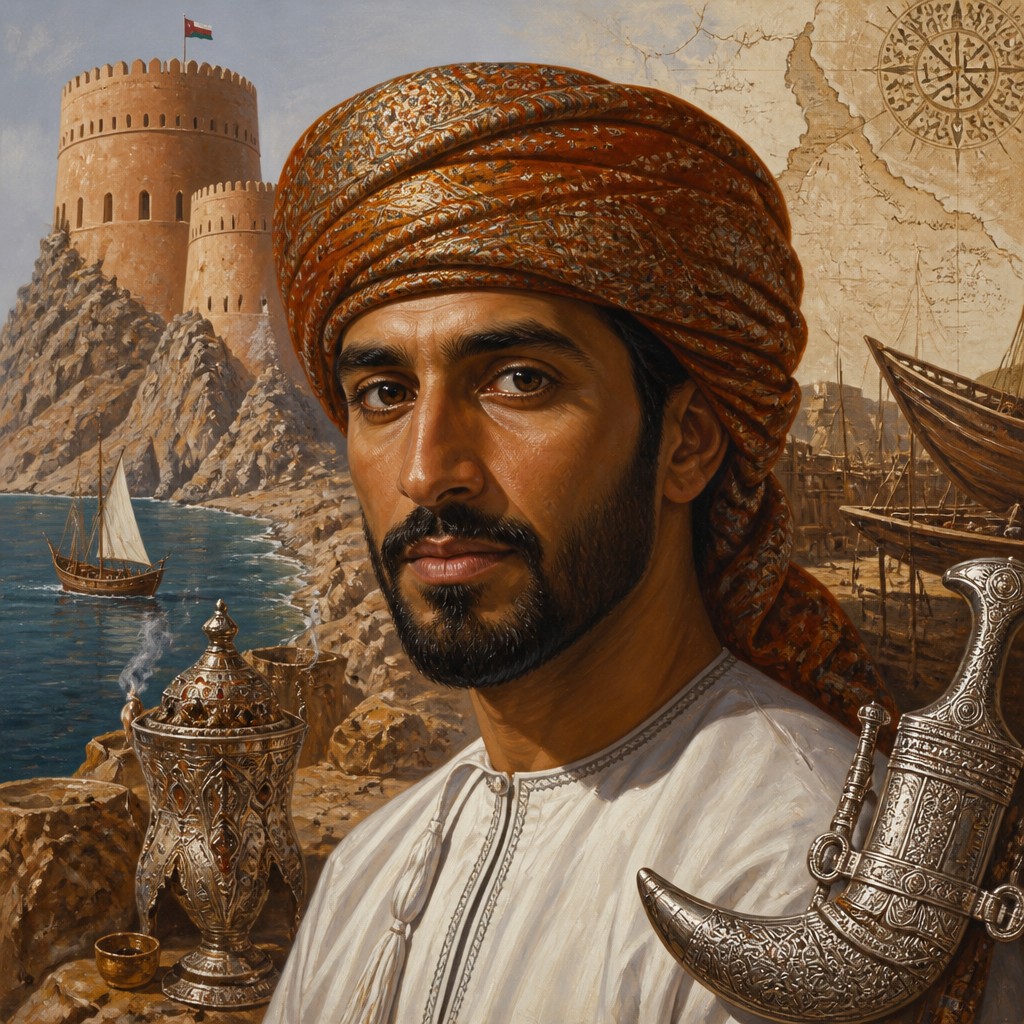
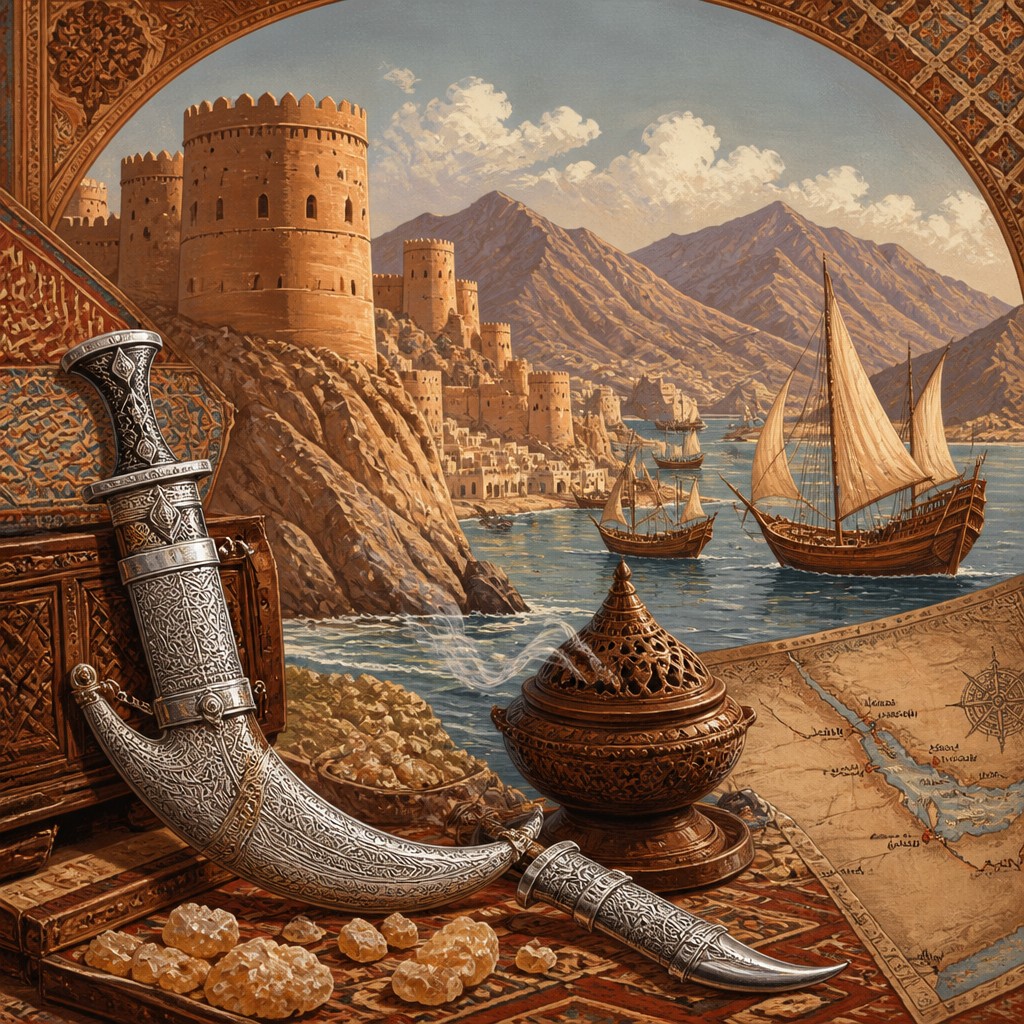
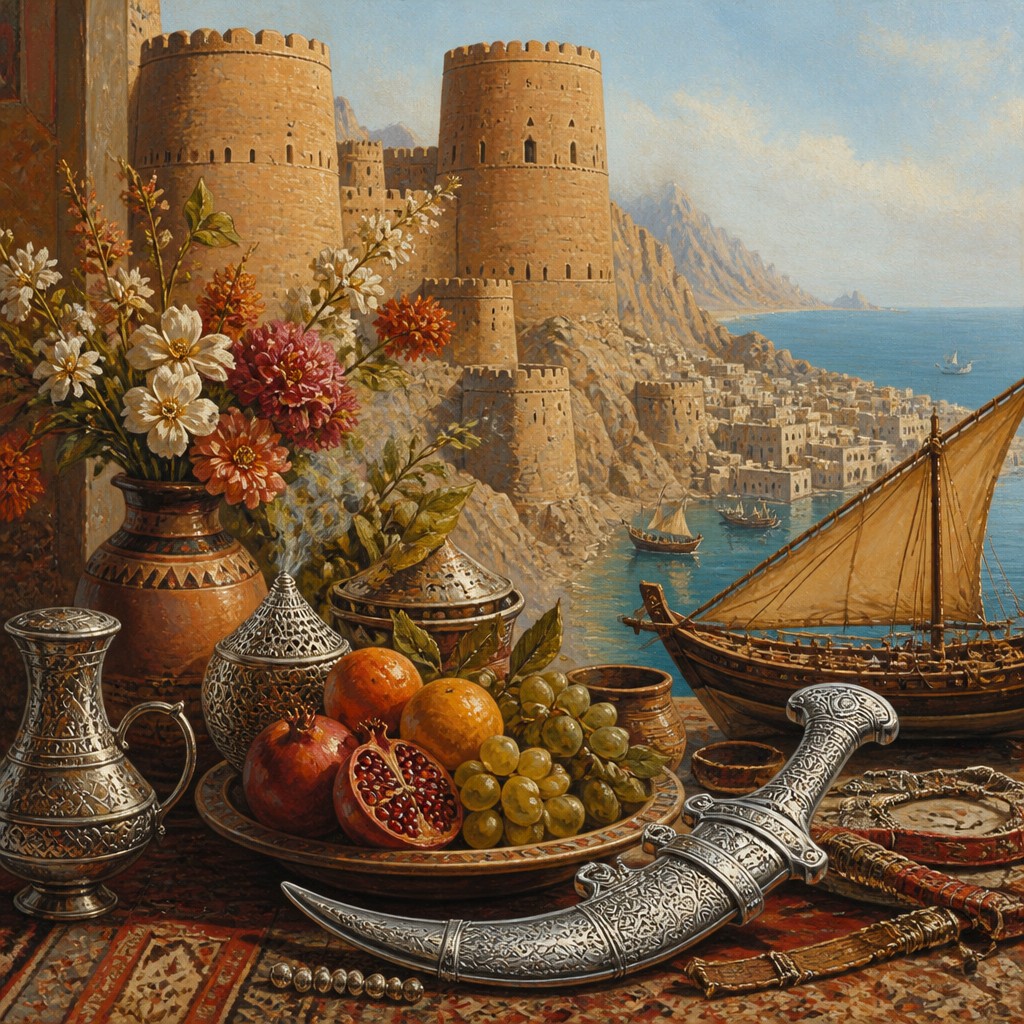
Omani Gallery
Tap any artwork to explore it
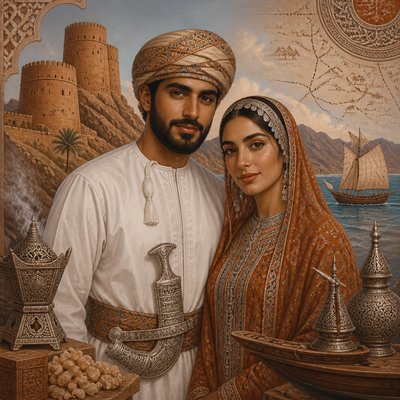
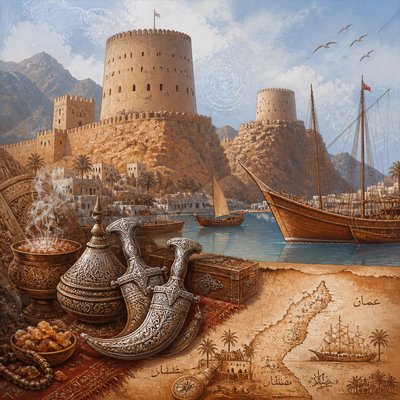
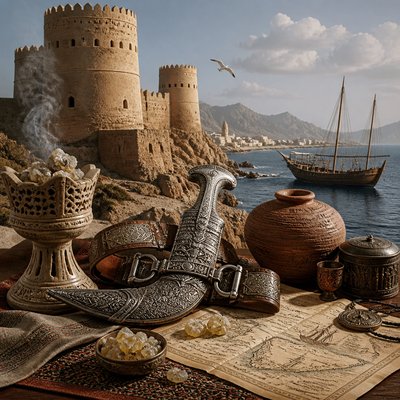
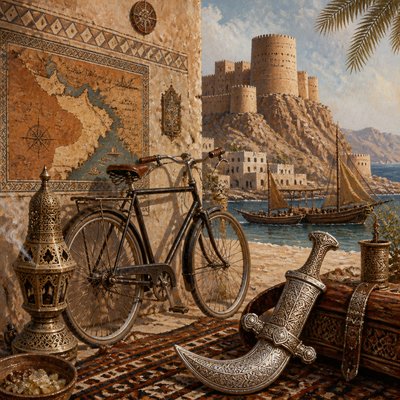
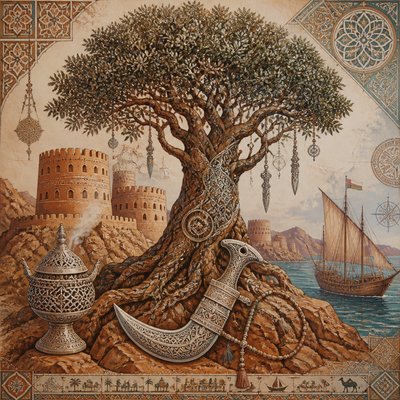
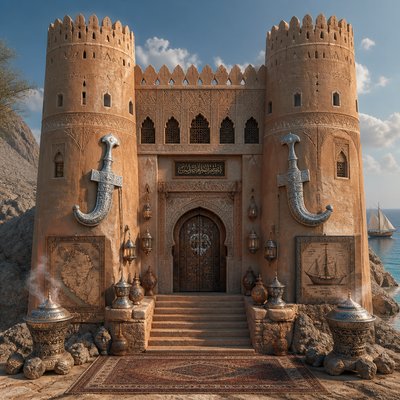
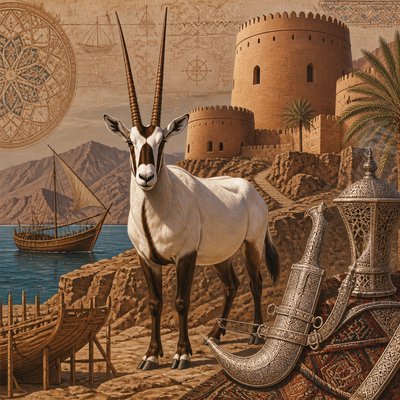
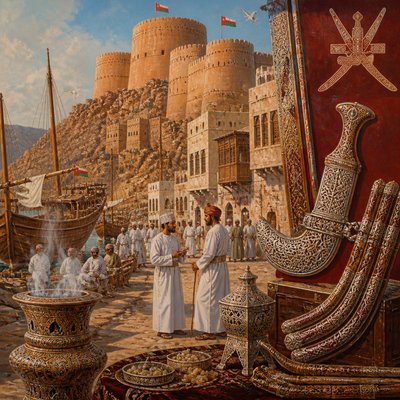
What is Omani Art Style?
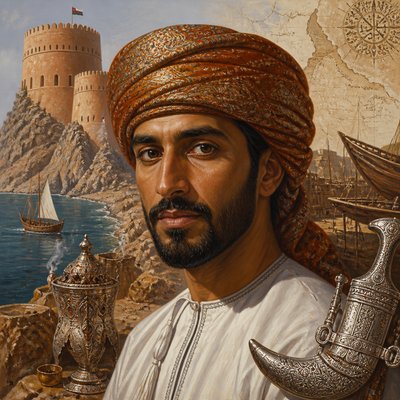
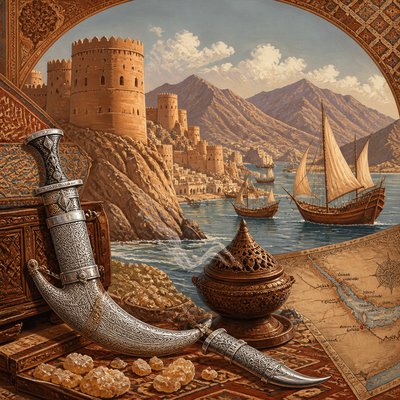
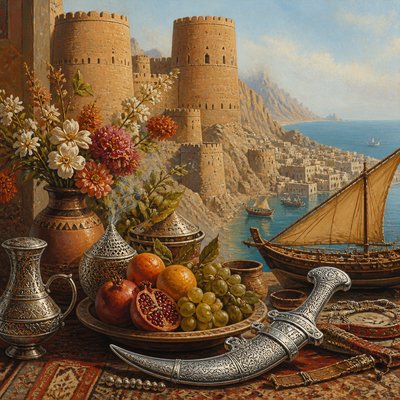
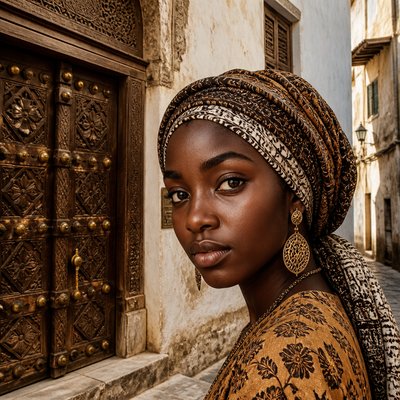
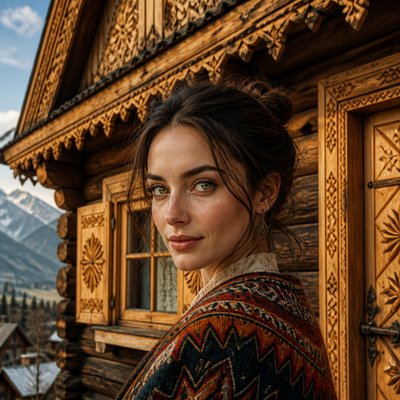
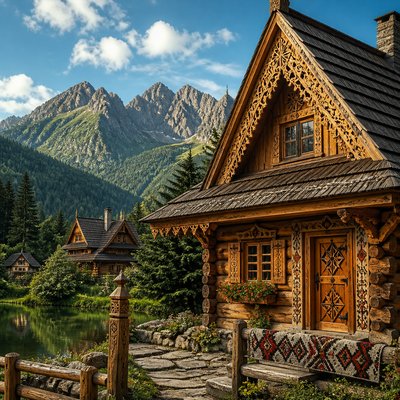
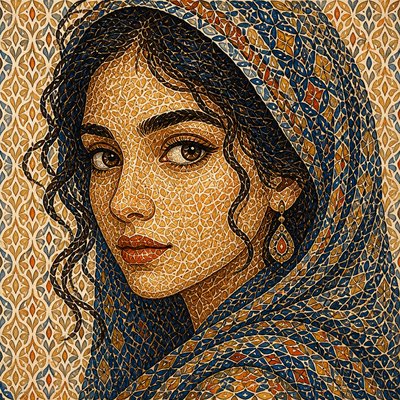
Omani Art Style is a contemporary, heritage-inspired visual language built from Oman’s fortified architecture, maritime culture, metalwork, frankincense trade, and desert landscapes. Its signature imagery combines massive round adobe towers, rocky plateaus, carved incense burners, curved silver khanjars, wooden dhows, and traces of caravan and coastal commerce.
The palette favors sun-baked terracotta, sand, ochre, limestone, charcoal, deep sea blue, and burnished silver. Forms tend to be sturdy and tactile rather than delicate: thick walls, rounded towers, hand-carved surfaces, hammered metal, woven textures, and weathered wood are emphasized under the strong, clear light associated with Oman’s deserts and Arabian Sea coast. The result is an earthy decorative style that can function as architectural illustration, cultural design, concept art, or ornamental storytelling.
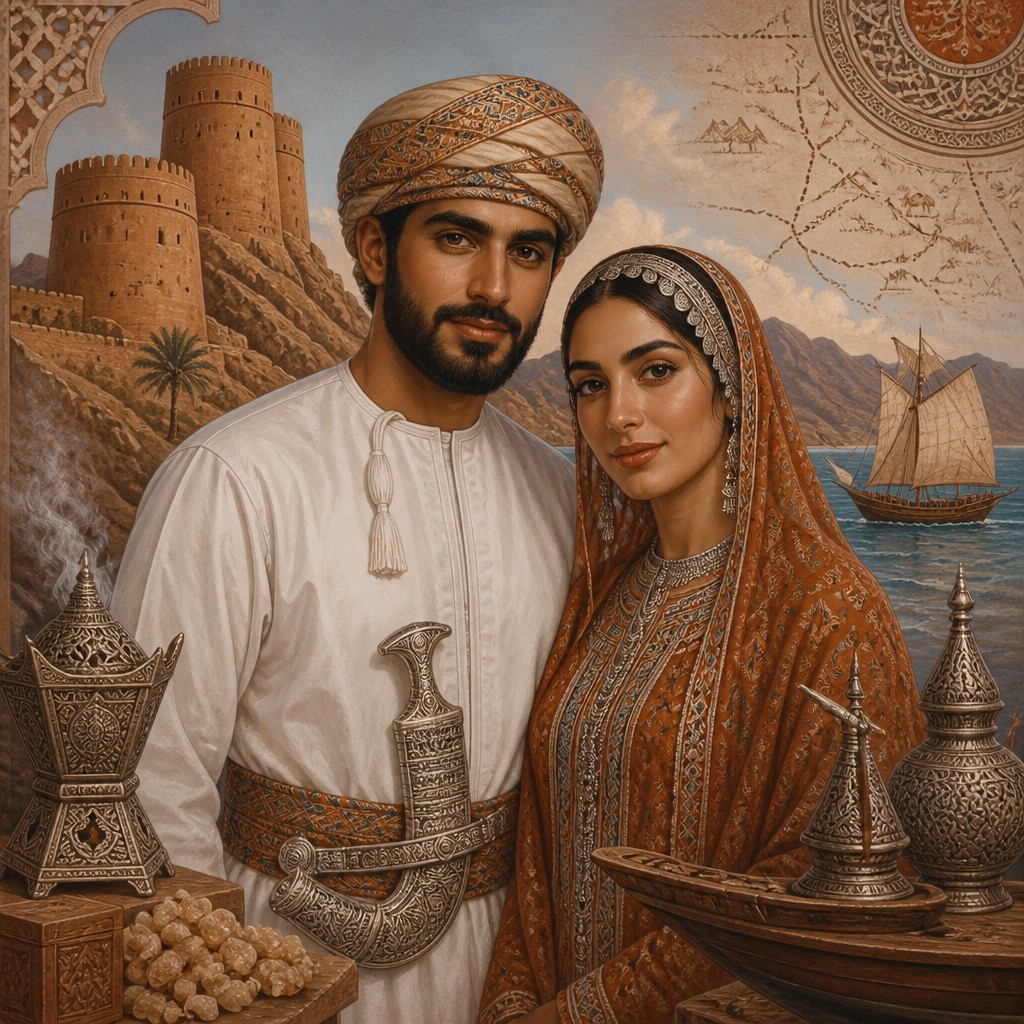
Try It On Your Photos
Upload any photo and convert it into Omani Art Style — drag the sliders to compare before and after.
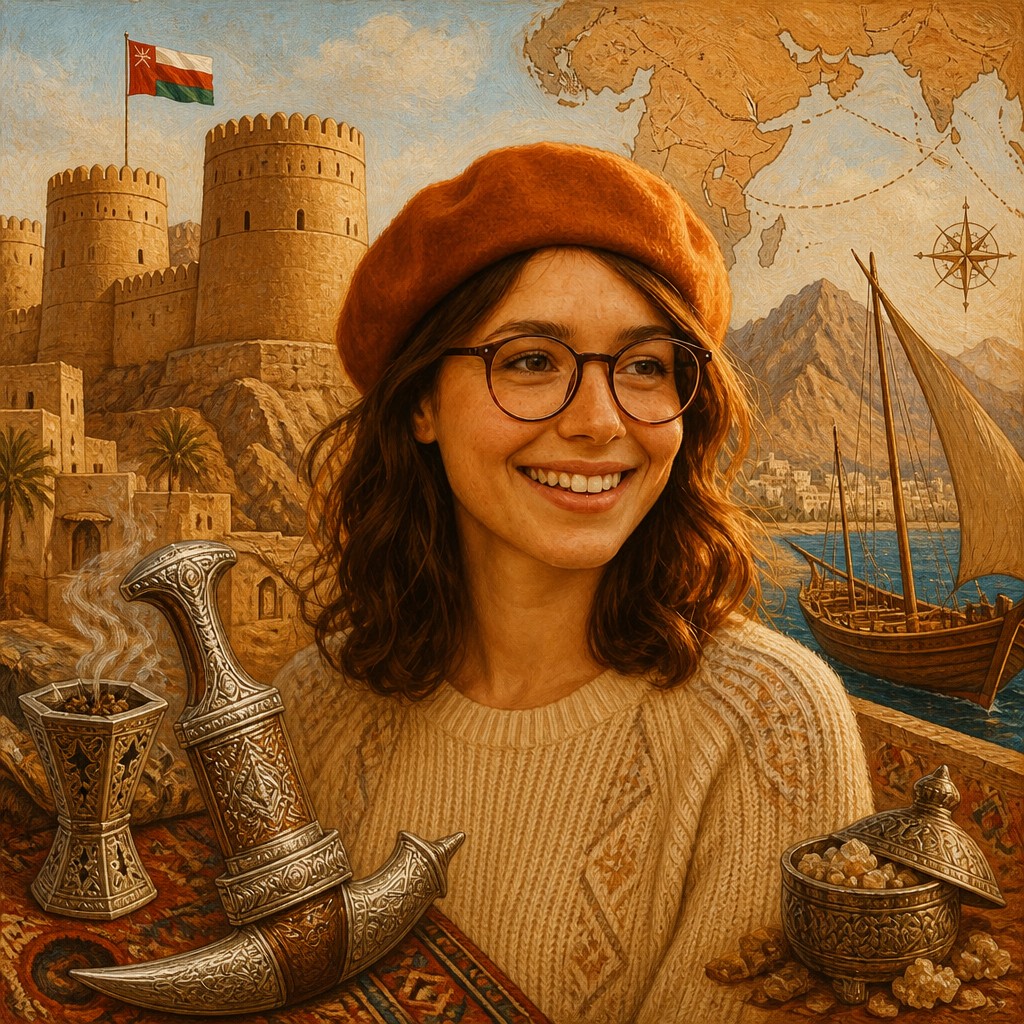

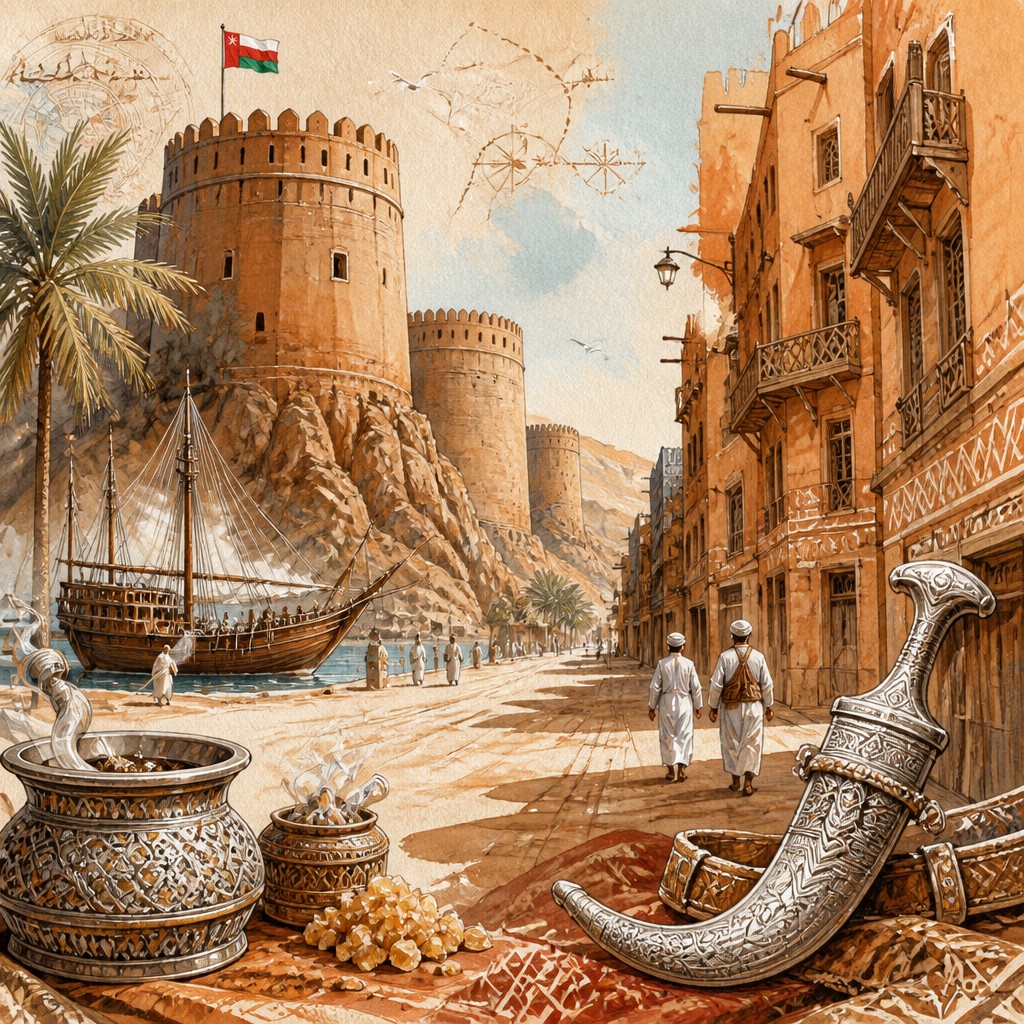

What Defines Omani Art Style
The signature details, up close
Fortified adobe architecture
Round towers, crenellated walls, narrow openings, and massive earthen forms establish a sense of permanence and defense. Surfaces often show layered plaster, erosion, mud-brick seams, and warm terracotta variation.
Silver khanjar ornament
The curved khanjar is treated as a central emblem, with attention to its decorated hilt, engraved blade, raised bosses, and ornate silver sheath. Filigree, repoussé, and geometric detailing create concentrated points of reflective contrast.
Frankincense and incense vessels
Carved or pierced mabkhara burners, resin, smoke, and stylized frankincense branches connect the imagery to Oman’s long-standing incense culture. Incense smoke may be rendered as soft translucent ribbons against strong architectural silhouettes.
Desert and coastal terrain
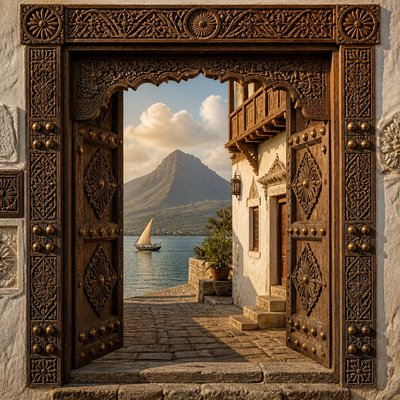
Rocky plateaus, wadis, dunes, limestone outcrops, date palms, and distant mountain ridges provide the setting. Coastal scenes add dhow hulls, turquoise or indigo water, salt haze, and hard Arabian Sea sunlight.
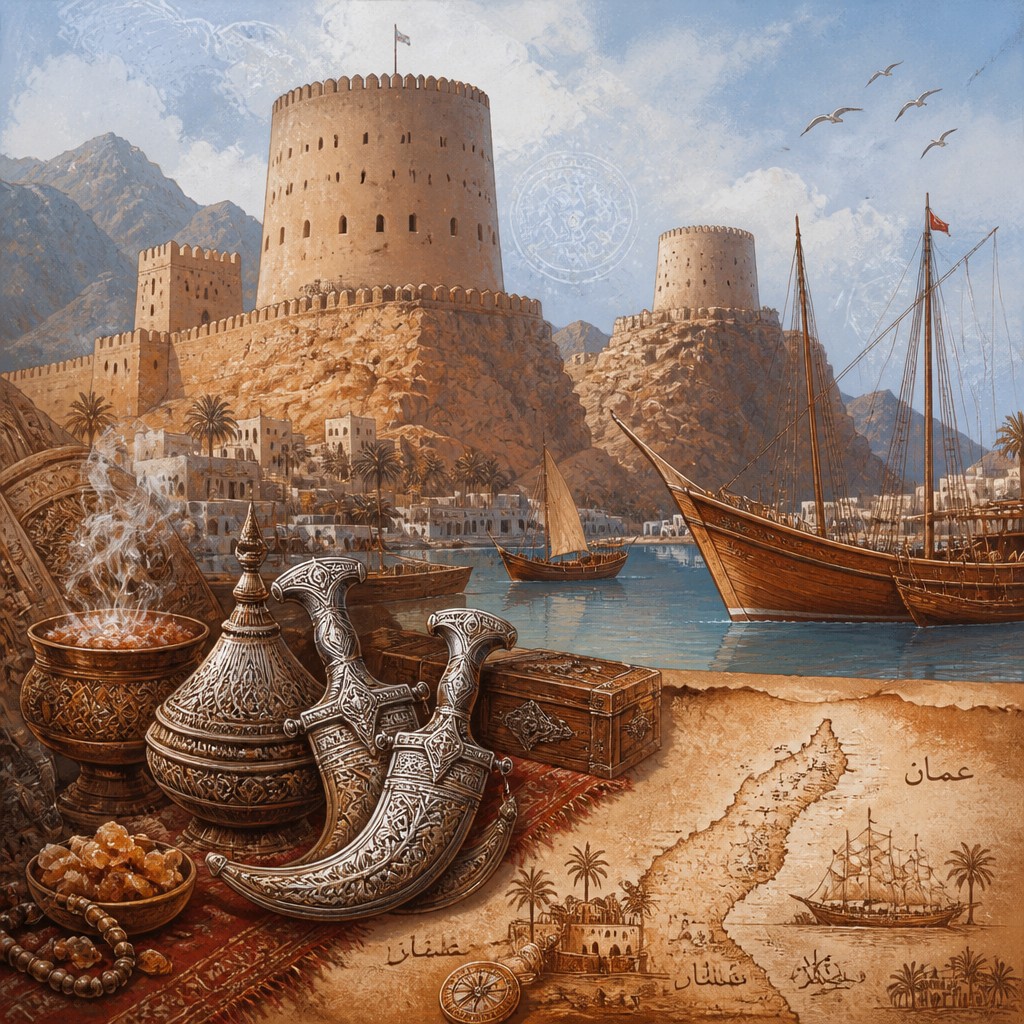
Handcrafted material surfaces
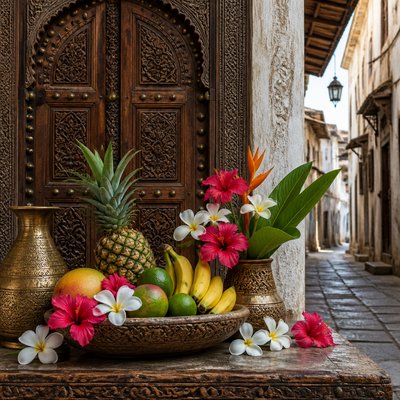
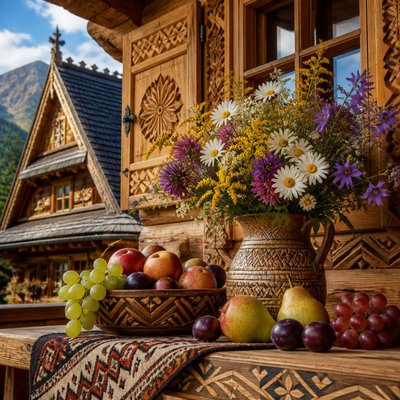
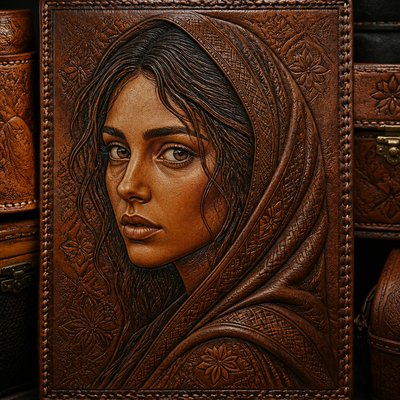
The style relies on visible evidence of making: hammered metal, carved wood, woven fibers, rough plaster, polished stone, and worn leather. Controlled irregularity keeps the imagery connected to craft rather than sterile digital geometry.
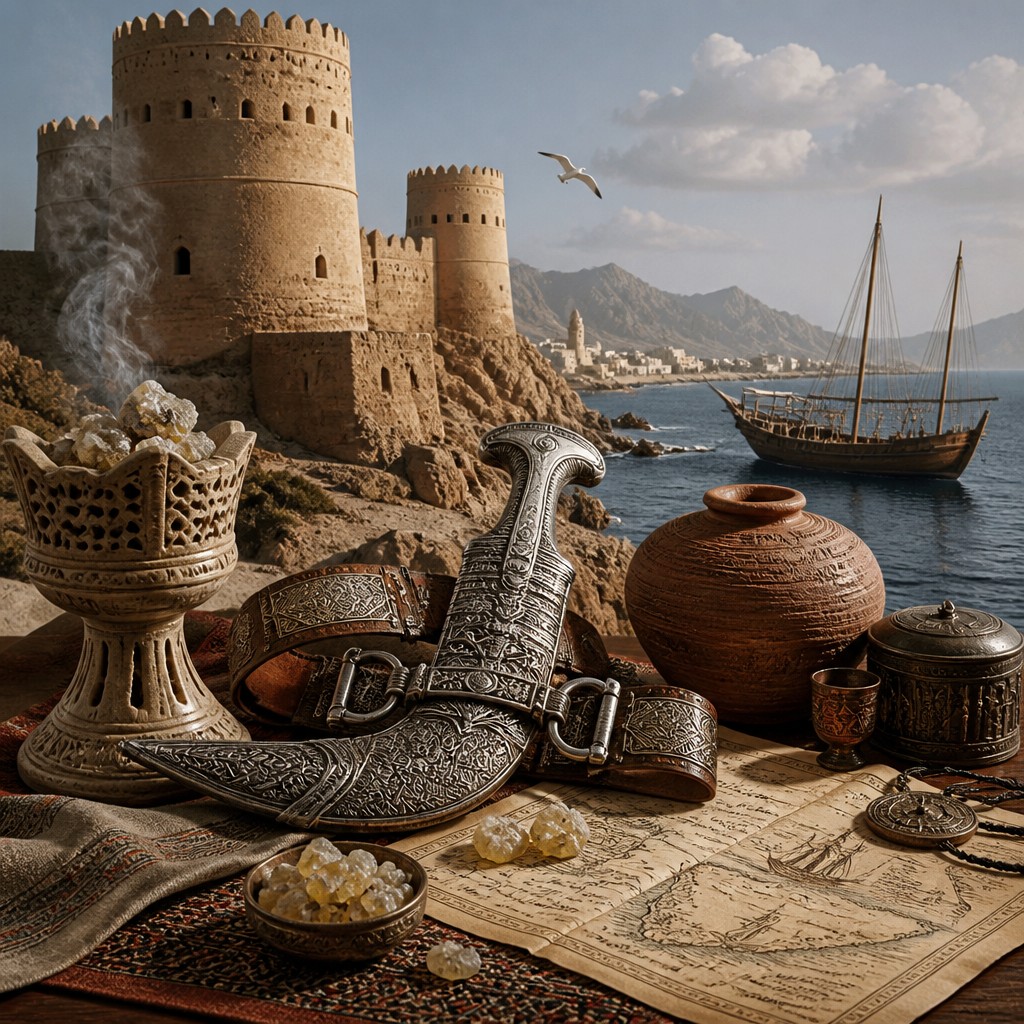
Terracotta and burnished-metal palette
Earth reds, clay oranges, sand tones, and dark umbers are balanced by silver-gray highlights and occasional blue-green accents. Metallic details are usually concentrated on jewelry, blades, vessels, fittings, and water reflections.
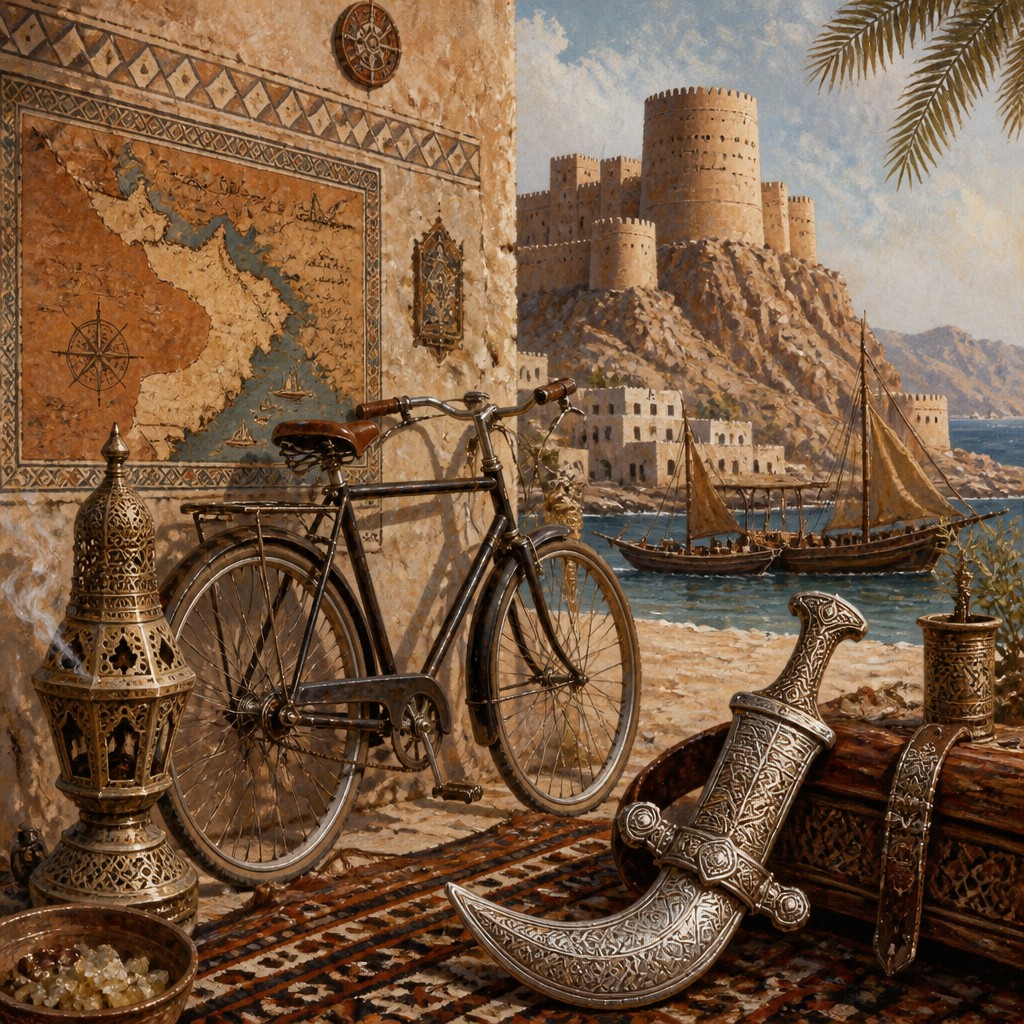
Trade-route symbolism
Dhow sails, caravan paths, incense resin, maps, ropes, crates, date palms, and geometric borders can suggest exchange across desert and sea routes. These motifs work best when integrated into the composition instead of used as unrelated decoration.
Omani Prompt Ideas
Start from an idea — each one opens the generator with the style ready to go. See all 40 Omani prompts →
How to Create Omani Art
Master the craft step by step — or skip straight to creating. Read the full guide →
- 1
Build a strong architectural silhouette
Begin with a few large shapes such as a round tower, fortress wall, mountain ridge, or dhow hull before adding ornament. Use thick contours, compressed perspective, and a low-to-mid horizon to give the scene monumental weight.
- 2
Layer tactile surfaces
In traditional media, combine dry-brush, textured watercolor, gouache, earth pigments, or ink washes to suggest plaster, stone, and weathered timber. Digitally, use restrained grain, plaster masks, displacement, and edge variation rather than uniform noise.
- 3
Control the material contrast
Reserve the brightest highlights for silver, polished metal, water, or sunlit edges, while keeping adobe and rock matte and absorbent. A limited terracotta-and-silver palette will usually feel more coherent than many unrelated colors.
- 4
Use ornament as a focal system
Place khanjar filigree, burner carvings, woven borders, or geometric patterns near the visual center or along framing elements. Simplify fine details in distant architecture so the image retains legibility.
- 5
Work from cultural references carefully
Study Omani forts, traditional doors, silverwork, incense burners, dhow construction, textiles, and regional landscapes, while distinguishing authentic forms from generic desert imagery. Avoid treating every Arabian or Gulf motif as interchangeable.
- 6
Write layered digital prompts
For prompt-based creation, specify the subject first, then the Omani architectural or craft references, materials, lighting, palette, and composition. Add terms such as hand-built, weathered plaster, engraved silver, carved wood, and Arabian Sea light; use negative prompts to reduce generic fantasy castles or unrelated Middle Eastern costumes.
The Story
History & Origins of Omani
Omani Art Style is not a formally defined historical art movement with a fixed period or manifesto. It is a modern synthesis of visual traditions associated with Oman, including mud-brick and stone fortifications, coastal dhow building, silver adornment, khanjar craftsmanship, frankincense culture, woven textiles, and decorative Islamic geometry.
Its aesthetic lineage reaches from the defensive architecture of Oman’s historic settlements and the maritime trading networks of the Arabian Sea to contemporary illustration, heritage branding, digital painting, and architectural visualization. The style selectively combines these references into a cohesive image language rather than representing one single regional school or period.
Influences: The style draws on Omani vernacular architecture, Arabian Peninsula craft traditions, Islamic geometric ornament, Indian Ocean maritime culture, desert and wadi landscape painting, heritage illustration, and contemporary architectural visualization. It also shares material interests with folk art, travel illustration, ornamental metalwork, and modern concept art, while remaining distinct through its focus on Omani forts, khanjars, frankincense, dhows, and the country’s particular balance of mountain, desert, and coast.
Frequently Asked Questions
What defines the Omani Art Style?
It is defined by a combination of round adobe forts, silver khanjars, frankincense burners, dhow craft, desert and coastal scenery, and a terracotta-and-burnished-silver palette. Tactile surfaces and strong sunlight are as important as the subject matter.
Is Omani Art Style a historical art movement?
No. The term describes a contemporary, heritage-inspired synthesis rather than a formally recognized historical movement. It brings together several real Omani architectural and craft traditions for illustration, design, and digital image-making.
How is it different from generic Arabian or desert art?
Generic desert imagery may rely on dunes, tents, or broad regional motifs. Omani Art Style is more specifically anchored in Oman’s fortified towers, silver khanjar craftsmanship, frankincense culture, dhow building, rugged mountain terrain, and Arabian Sea connections.
What colors work best for this style?
Start with terracotta, clay orange, ochre, sand, limestone, umber, and charcoal. Add burnished silver for metalwork and restrained indigo, turquoise, or date-palm green for sea, shadow, and vegetation.
How can I create an image in this style?
Choose a clear subject, establish a fortification or coastal-desert setting, and describe the materials and light precisely. Whether working with paint, collage, 3D tools, or a text-to-image system, emphasize weathered plaster, carved wood, engraved silver, incense smoke, and hand-built irregularity.
Where is this style commonly used?
It suits cultural posters, heritage interpretation, editorial illustration, architectural visualization, packaging, travel imagery, game environments, book covers, and decorative digital art. It is especially effective when the image needs to communicate place, craft, history, and material richness together.
Create your first Omani artwork
Describe anything — or upload a photo — and see it in Omani Art Style in seconds.
Related Styles
Discover similar art styles