Nauruan Art Style
Explore Nauruan art style: woven pandanus textures, feathered ceremonial forms, coral-atoll light, turquoise lagoons and quiet island elegance.
Instantly rendered in Nauruan — or transform a photo
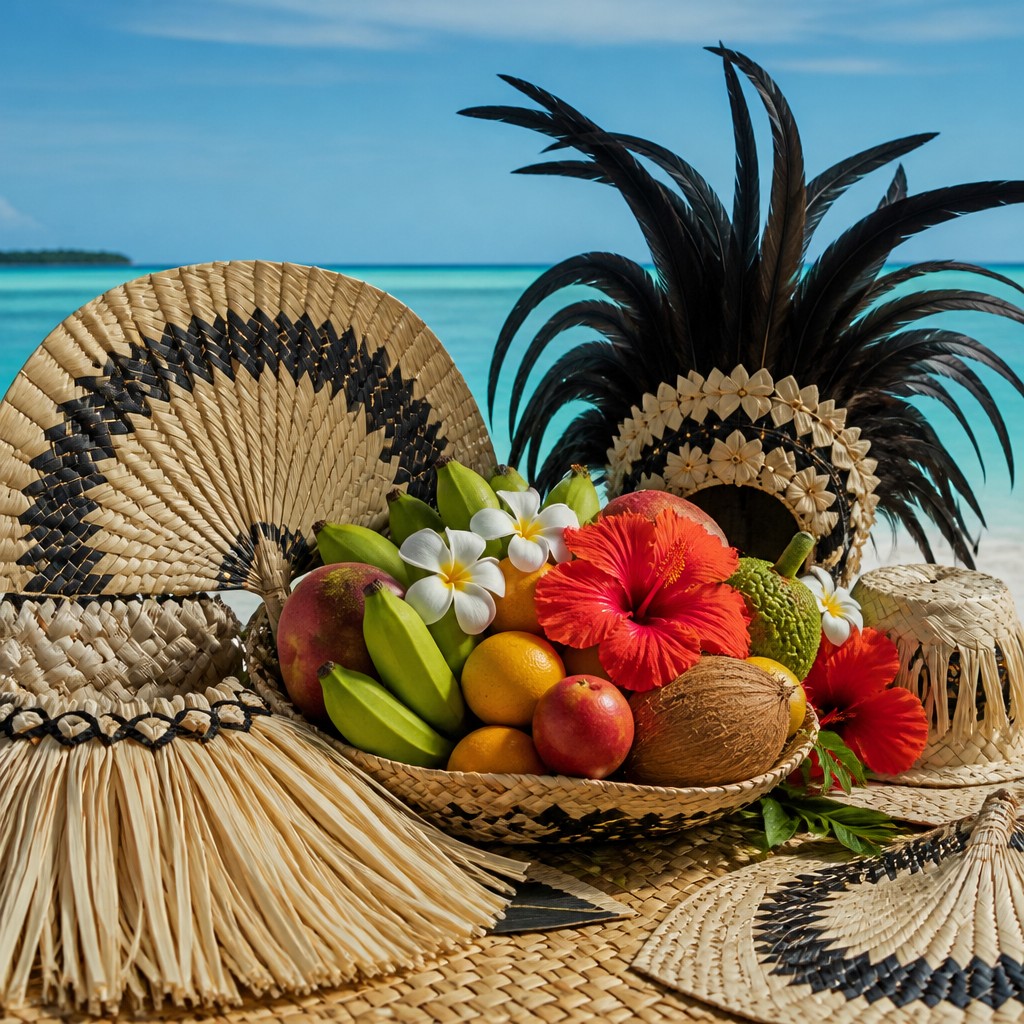
Nauruan Gallery
Tap any artwork to explore it
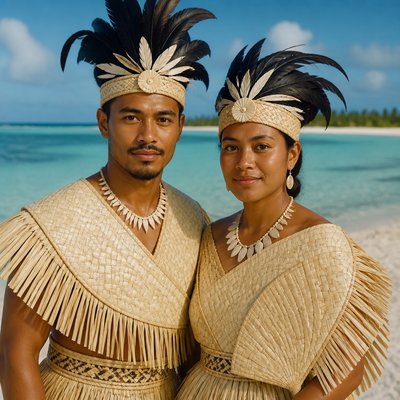
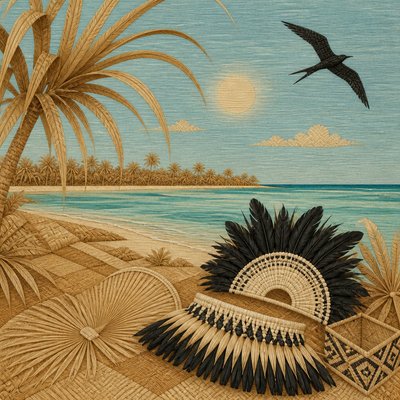
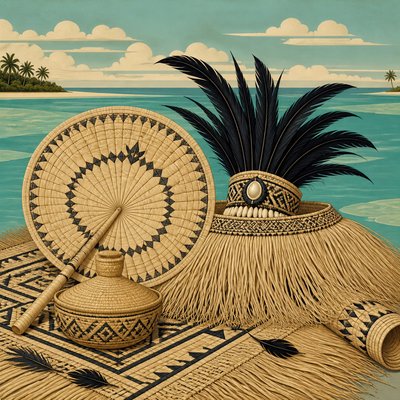
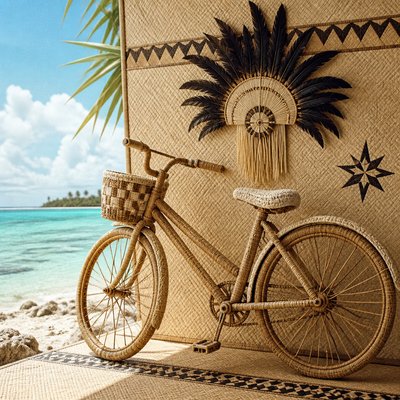
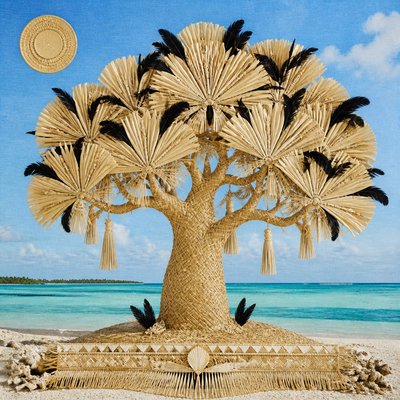
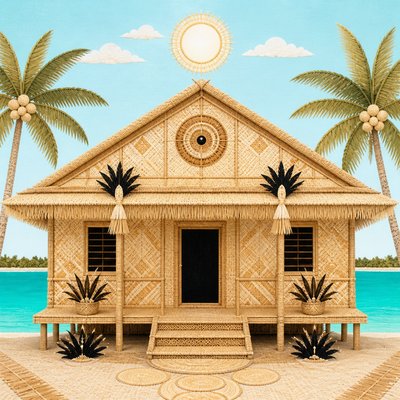
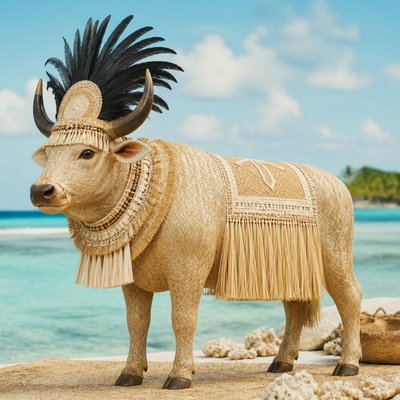
What is Nauruan Art Style?
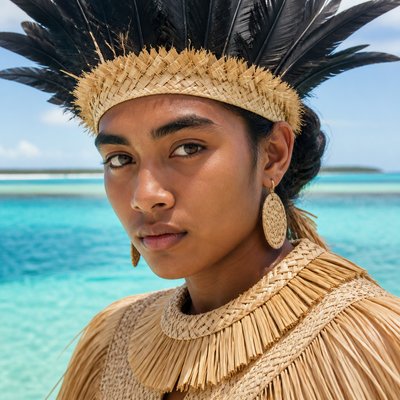
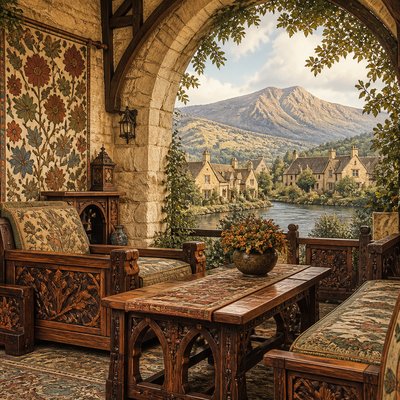
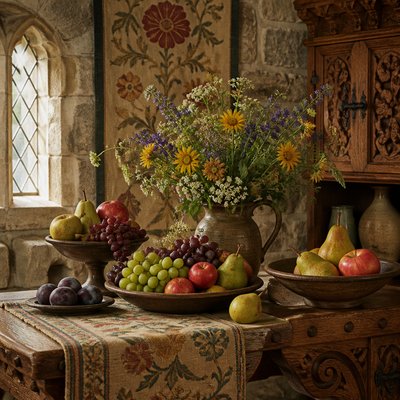
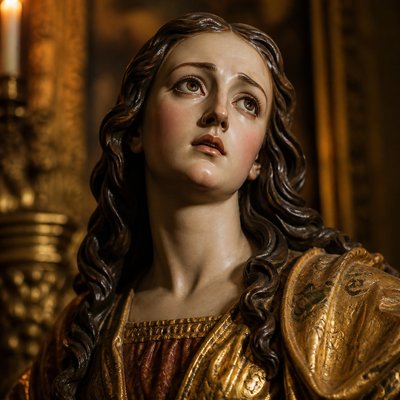
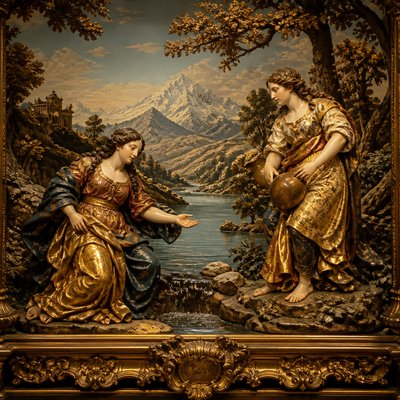
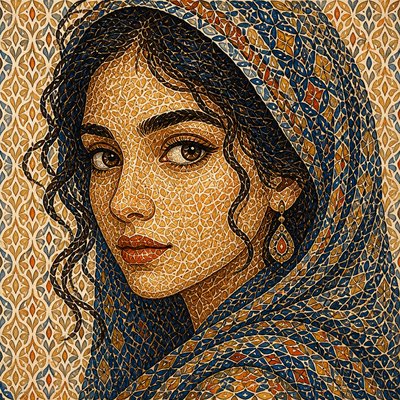
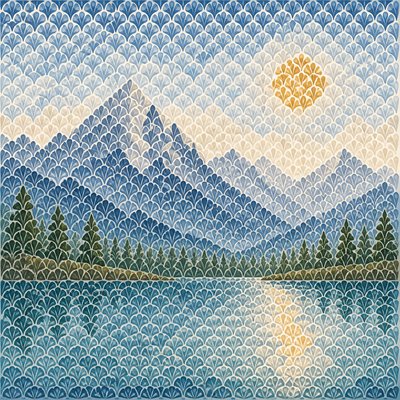
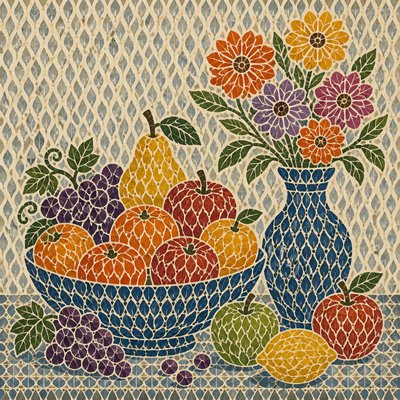
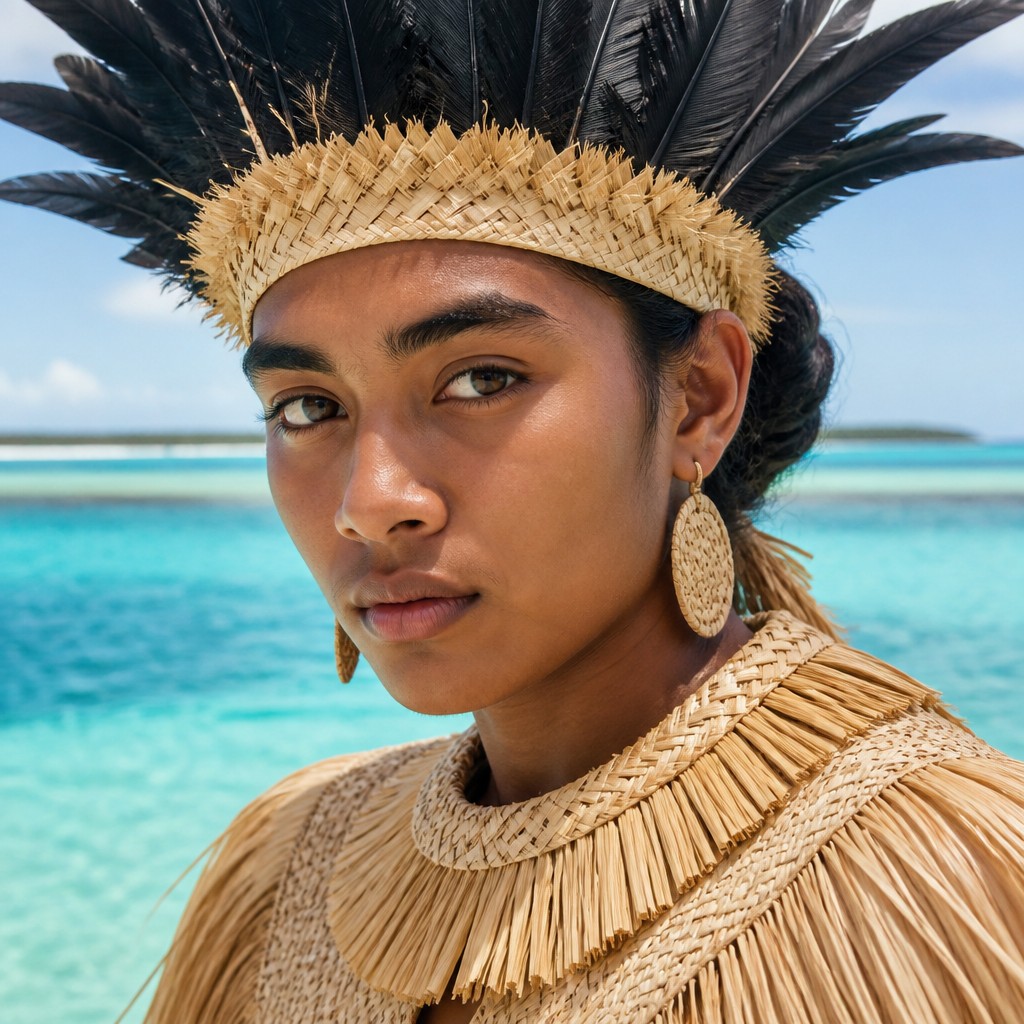
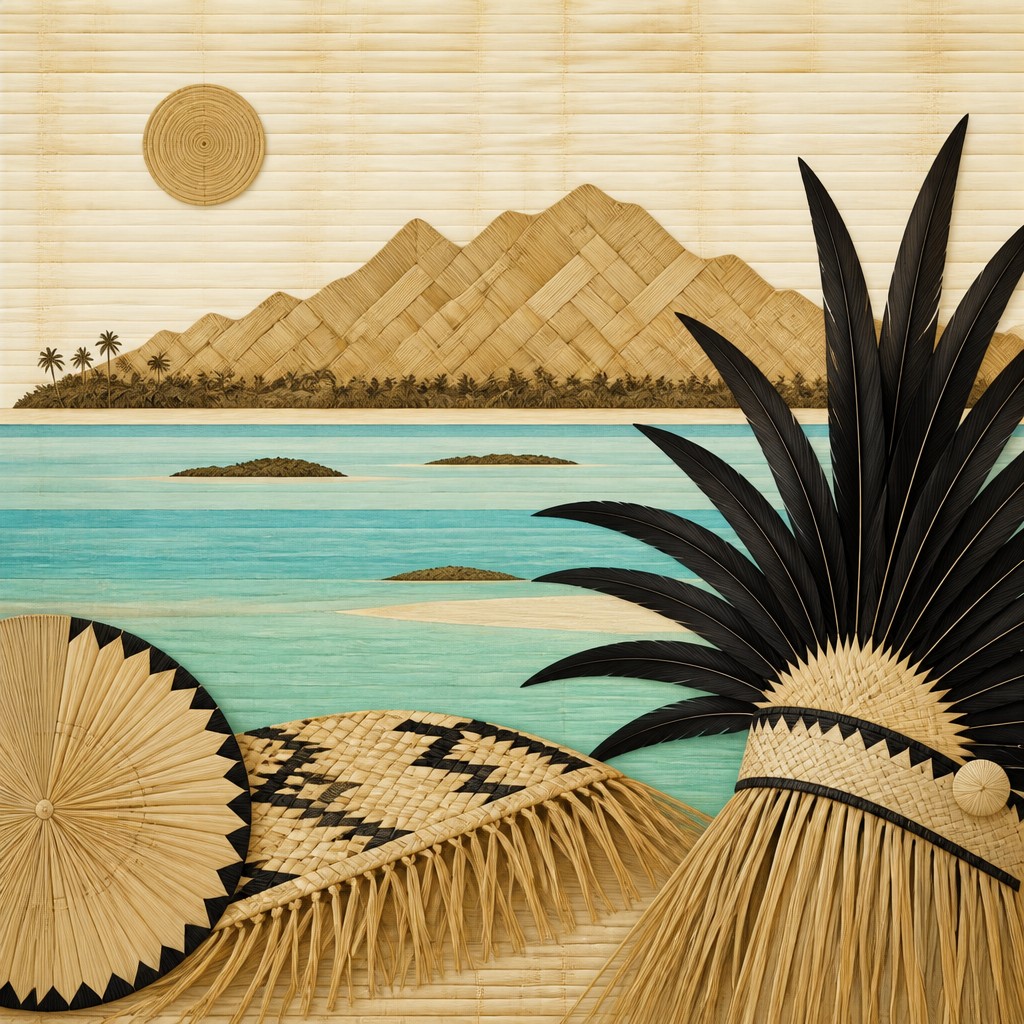
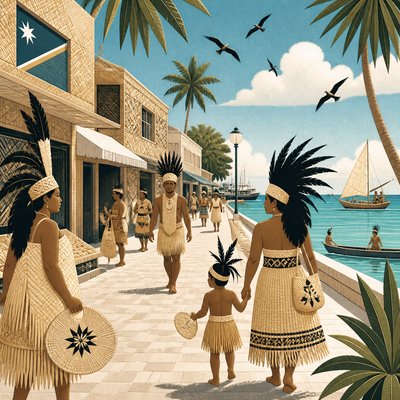
Nauruan Art Style is an interpretive contemporary aesthetic inspired by the material culture and atoll environment of Nauru, a Micronesian island nation in the central Pacific. Its visual language centers on finely woven pandanus leaves, mats, fans and fringed garments, combined with sleek frigatebird-feather headdresses, warm straw tones, coral forms and luminous turquoise water.
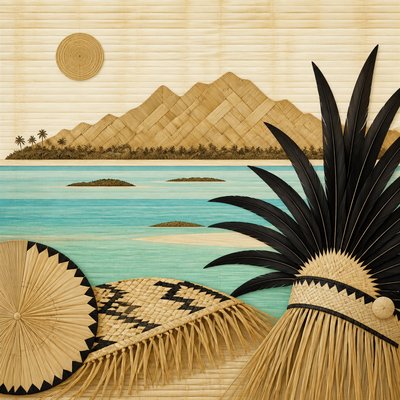
The style is defined by restraint rather than visual density. Cream, sand, pale ochre, charcoal black and lagoon blue create a calm palette, while simplified silhouettes and repeated woven patterns evoke handmade fiber work. Bright coral-atoll sunlight gives scenes a clean, high-key clarity, balancing the tactile irregularity of natural materials with a minimal graphic composition.
Try It On Your Photos
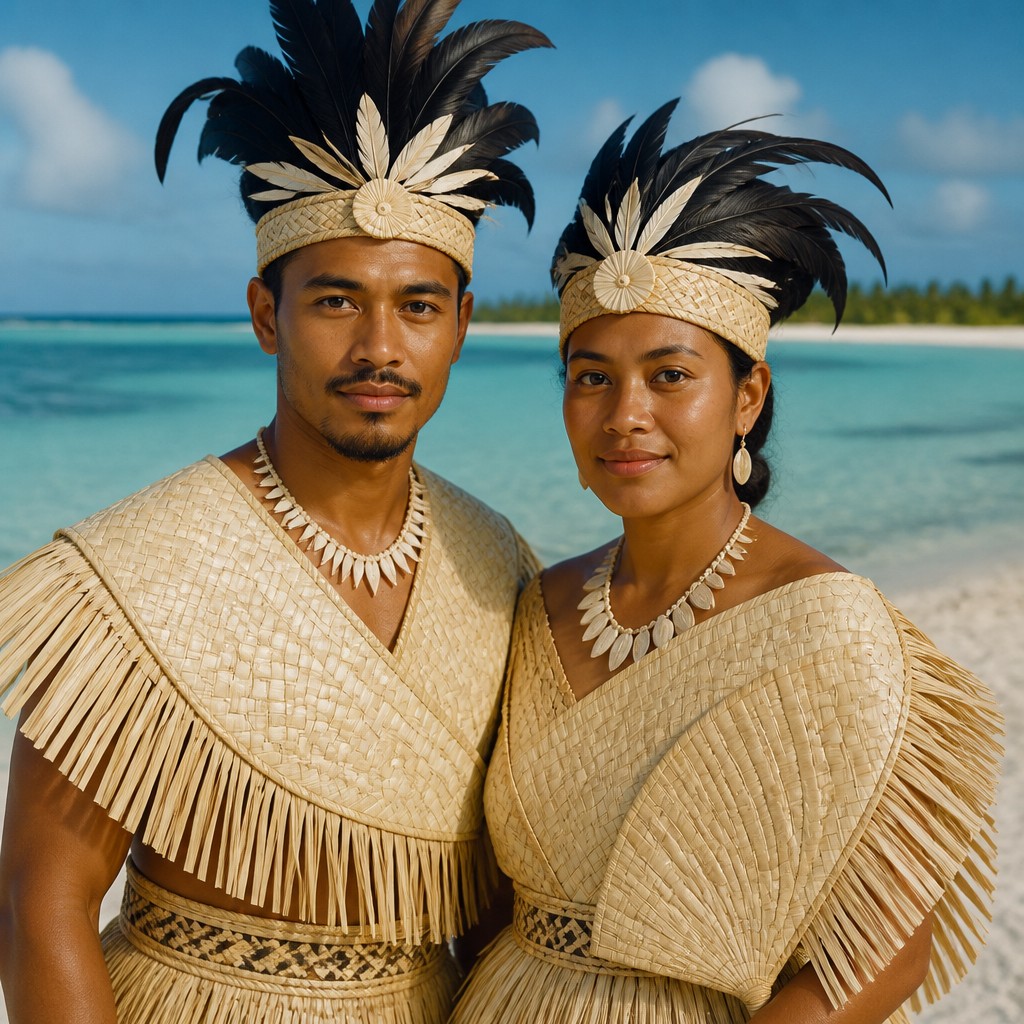
Upload any photo and convert it into Nauruan Art Style — drag the sliders to compare before and after.


What Defines Nauruan Art Style
The signature details, up close
Pandanus fiber geometry
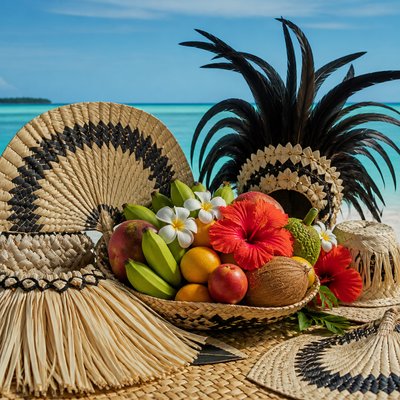
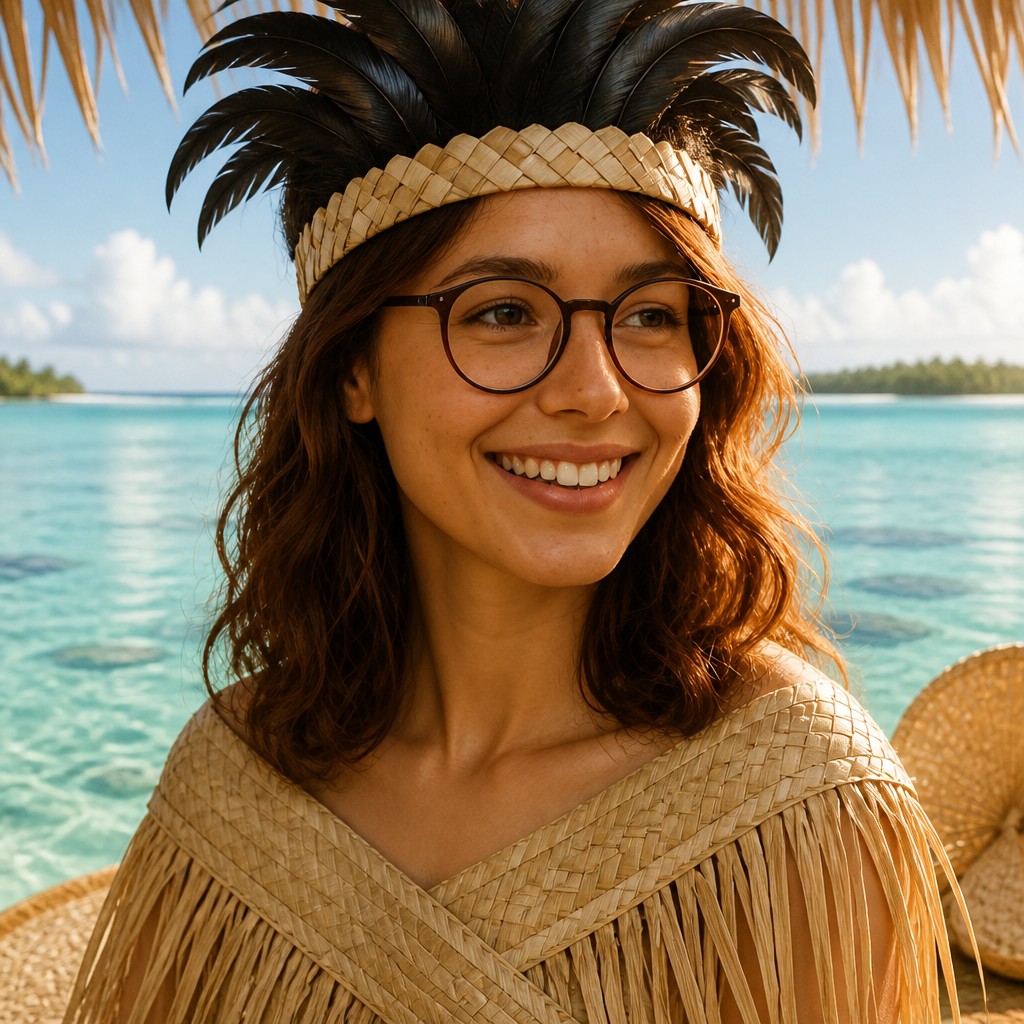
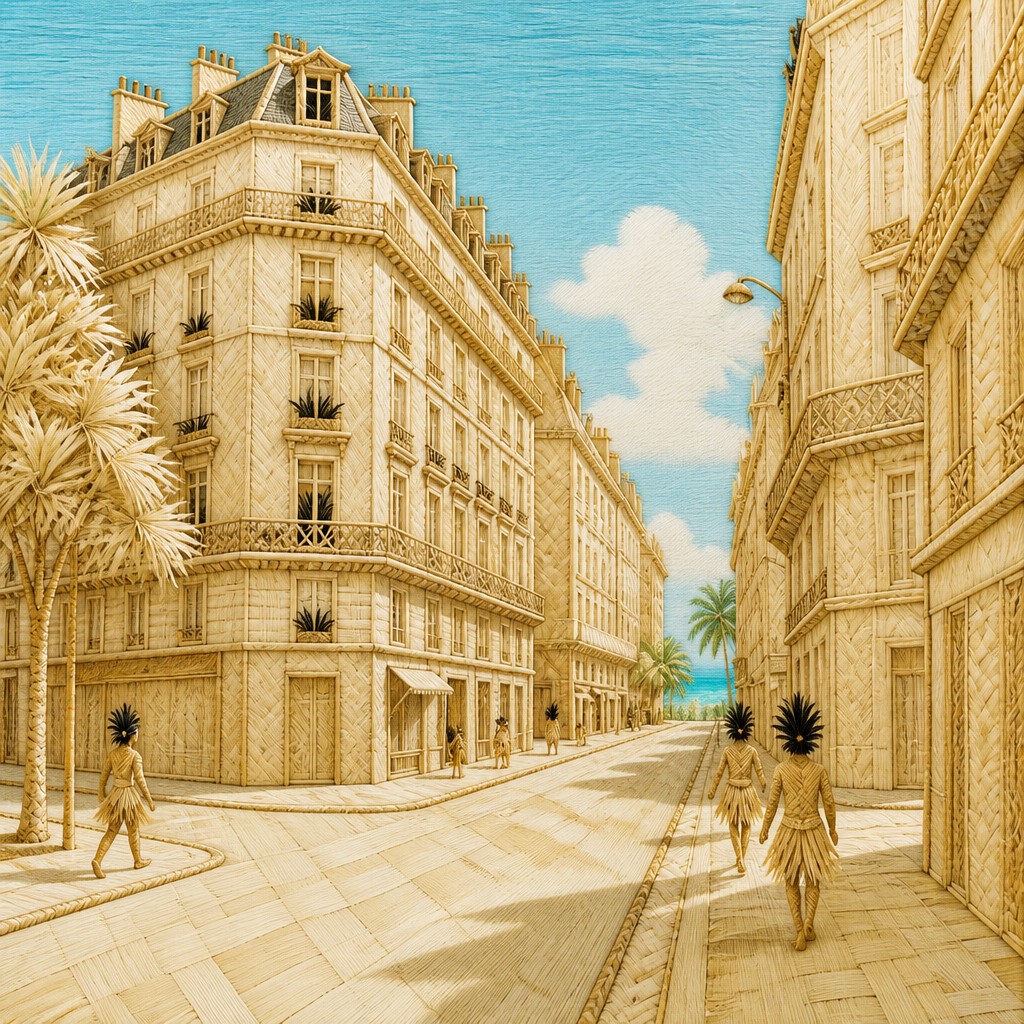
Woven pandanus leaves appear as fans, mats, baskets, panels and garment details. Tight parallel lines, chevrons and subtle irregularities suggest hand-plaited structure without overwhelming the composition.
Warm straw palette
Straw, cream, sand, pale ochre and sunlit beige establish the dominant color range. These tones create a tactile connection to dried leaves, woven fibers, coral sand and handmade objects.
Frigatebird-feather adornment
Ceremonial headdresses and ornaments use sleek black feathers as a strong graphic counterpoint to pale fiber surfaces. Feather shapes are typically elongated, controlled and sculptural rather than fluffy or ornamental in excess.
Coral-atoll illumination
Lighting is bright, direct and salt-air clear, with soft shadows and a high-key atmosphere. Sunlit coral, shallow water and pale sand produce luminous transitions between cream, turquoise and blue-green.
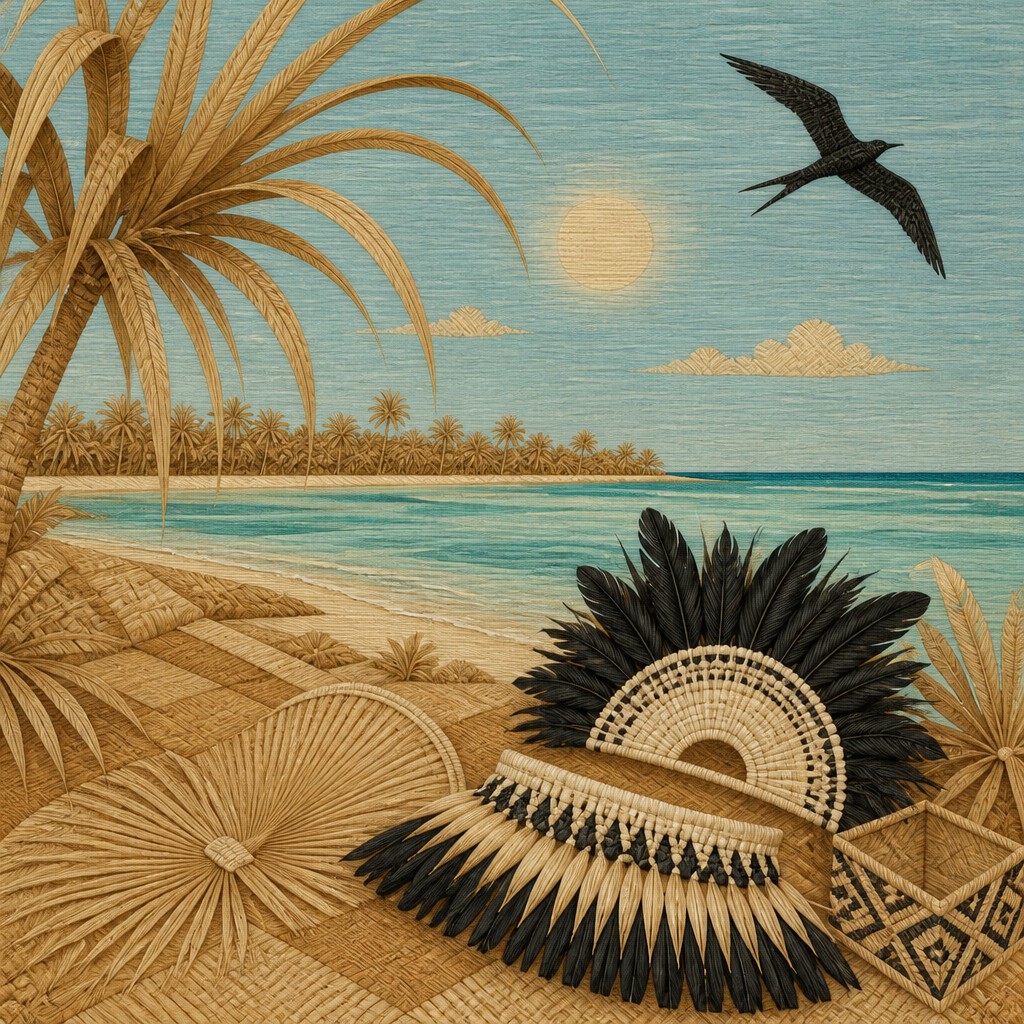
Minimal graphic pattern
Compositions favor broad areas of quiet color, clean contours and carefully placed repeated motifs. Pattern is used to identify craft materials and cultural references, not to fill every available surface.
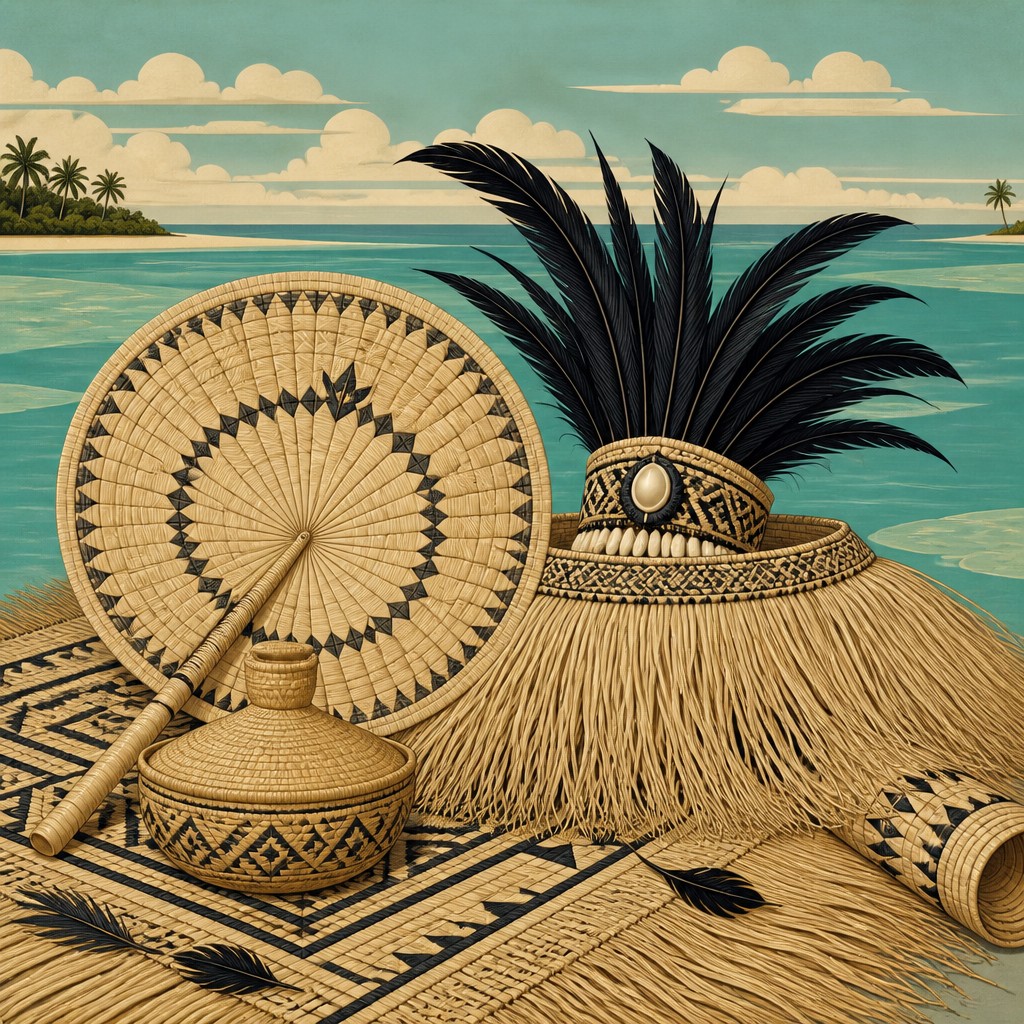
Atoll and lagoon imagery
Turquoise lagoons, reef edges, coral outcrops, palms, seabirds and low horizons provide recurring environmental settings. The landscape is usually presented with spacious framing and a calm, observational mood.
Nauruan Prompt Ideas
Start from an idea — each one opens the generator with the style ready to go. See all 40 Nauruan prompts →
How to Create Nauruan Art
Master the craft step by step — or skip straight to creating. Read the full guide →
- 1
Build a fiber-based surface
Begin with photographs or sketches of pandanus mats, fans or plaited panels, then emphasize warp-and-weft direction, edge fringing and slight handmade variation. In digital work, use layered line patterns and masked texture rather than a perfectly uniform grid.
- 2
Use a disciplined palette
Start with straw, cream, sand and muted coral, adding turquoise lagoon blue and a small amount of black for feather accents. Keep saturation concentrated in the water or selected atmospheric details.
- 3
Simplify the composition
Arrange one clear subject against an open background, using broad silhouettes and deliberate negative space. Avoid excessive ornament, photorealistic clutter or generic tropical imagery that obscures the material focus.
- 4
Model the light
Use high, warm sunlight with crisp but gentle shadows, pale reflections and a clean horizon. A slight haze can suggest humid atoll air, but the image should remain bright and graphically legible.
- 5
Combine physical and digital methods
Make a small woven sample, feather study or pencil sketch, photograph it, and combine it with painted lagoon color and simplified shapes. For image-to-image workflows, preserve the subject's silhouette while transferring fiber texture, straw hues and coral-atoll lighting.
- 6
Write precise generation prompts
Specify the subject first, then request pandanus weaving, straw-and-cream color, black feather details, turquoise lagoon light, minimal pattern and quiet composition. Add exclusions such as heavy ornament, dense jungle clutter or neon colors when a restrained result is important.
The Story
History & Origins of Nauruan
Nauruan Art Style is not a documented historical art movement or a single traditional canon. It is a contemporary descriptive and image-making concept that draws selectively from Nauru's pandanus-based craft traditions, ceremonial adornment, island ecology and Pacific visual materials without claiming to represent every Nauruan community or practice.
Its aesthetic lineage connects indigenous Pacific fiber arts with modernist simplification, editorial illustration, natural-material design and contemporary digital image-making. The emphasis on woven structure, limited color and open space translates physical island materials into a stylized visual system suitable for illustration, photography treatment and generative art.
Influences: The aesthetic is related to Pacific and Micronesian fiber traditions, especially pandanus weaving and natural-material adornment, while also drawing on atoll landscape photography, modernist reduction, minimalist illustration, editorial color blocking and contemporary digital collage. Its use of repeated weave patterns recalls textile and basket-making structures; its open compositions and limited palette connect it to modern graphic design. These influences should be treated as references rather than evidence of a single unified Nauruan visual tradition.
Frequently Asked Questions
What defines Nauruan Art Style?
It combines pandanus weaving, straw-colored natural fibers, black frigatebird-feather forms and bright coral-atoll environments. The overall treatment is quiet, spacious and minimally patterned, with turquoise water providing a controlled accent.
Is Nauruan Art Style a historical art movement?
No. The term describes a contemporary interpretive aesthetic rather than a formally named historical movement. It references Nauruan material culture and island ecology, so it should not be presented as a complete or authoritative summary of Nauruan art.
How is it different from generic tropical or Polynesian art?
Its identity comes from a specific focus on Nauruan and Micronesian references, particularly pandanus fiber work, atoll light and frigatebird-feather silhouettes. It also avoids the dense motifs, saturated floral imagery and broad pan-Pacific generalizations often associated with generic tropical styling.
What colors work best for this style?
Use straw, cream, beige, sand, pale ochre and muted coral as the foundation. Turquoise and blue-green suggest lagoon water, while controlled charcoal or black provides contrast through feathered forms and fine linework.
How can I make an image in this style?
Choose a simple subject, establish a woven pandanus texture, and light it with clear warm sunlight. In digital or prompt-based work, describe the material, palette, lagoon environment, minimal pattern and open composition separately so each visual feature remains legible.
Where is this aesthetic useful?
It suits editorial illustration, textile-inspired graphics, cultural mood boards, calm travel imagery, product backgrounds, portrait concepts and environmental scenes. When used for cultural or commercial projects, respectful research and consultation are important, especially if specific ceremonial objects or adornments are depicted.
Create your first Nauruan artwork
Describe anything — or upload a photo — and see it in Nauruan Art Style in seconds.
Related Styles
Discover similar art styles