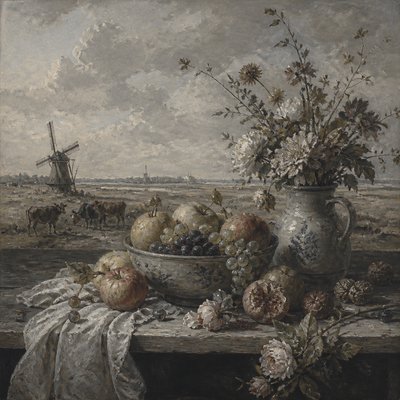
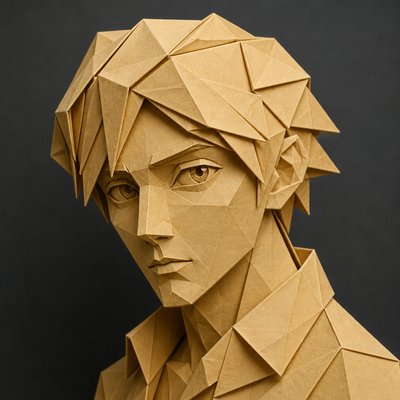
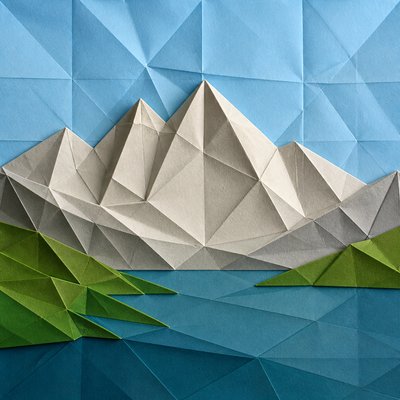
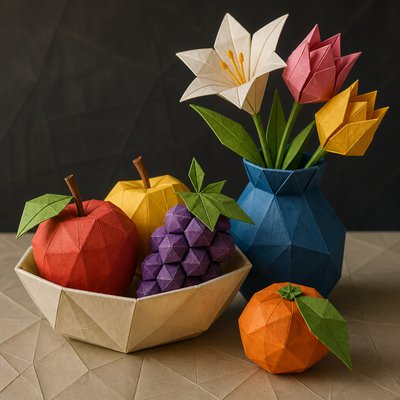
Namibian Art Style
Explore Namibian art style: Twyfelfontein-inspired rock engravings, ochre pigments, red-dune light, and timeless desert symbolism.
Instantly rendered in Namibian — or transform a photo
Namibian Gallery
Tap any artwork to explore it
What is Namibian Art Style?
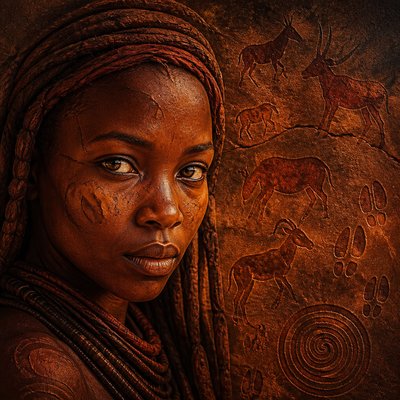
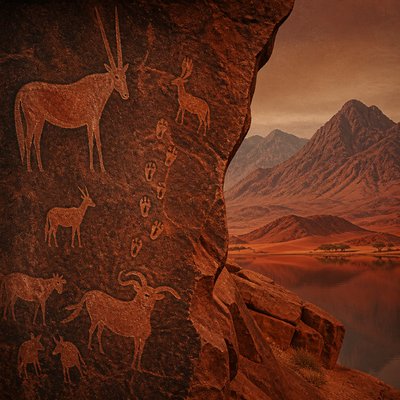
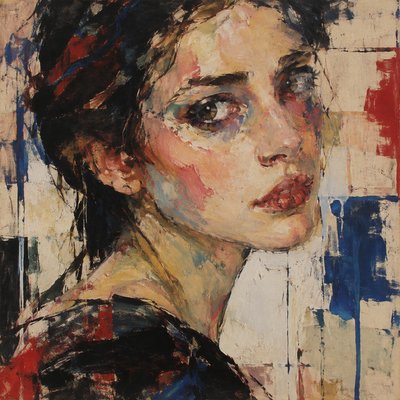
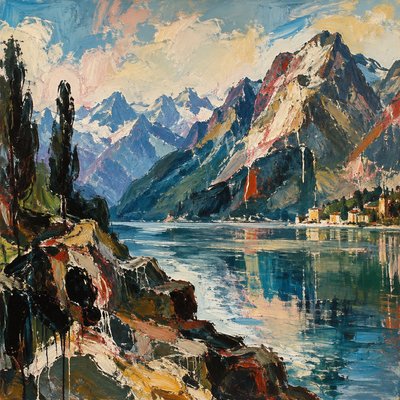
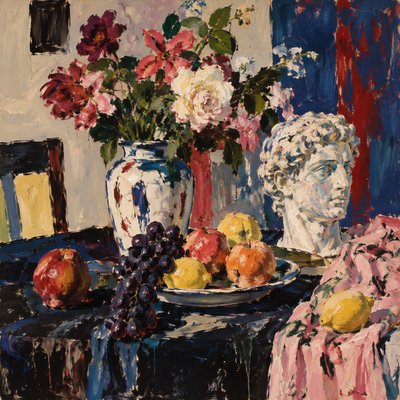
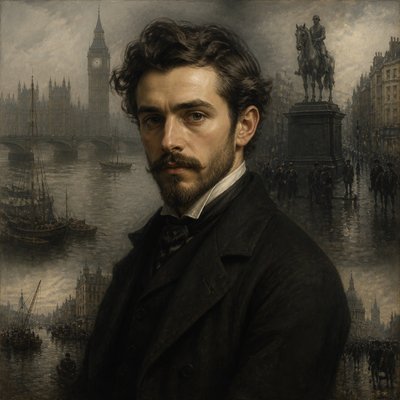
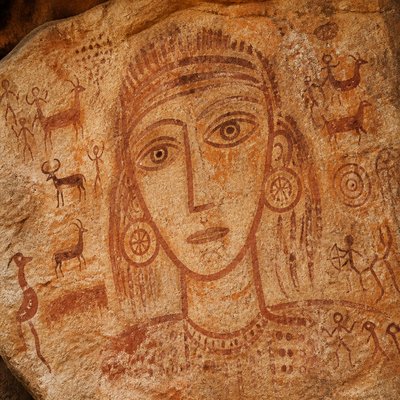
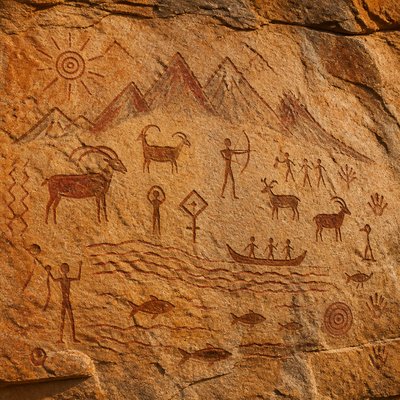
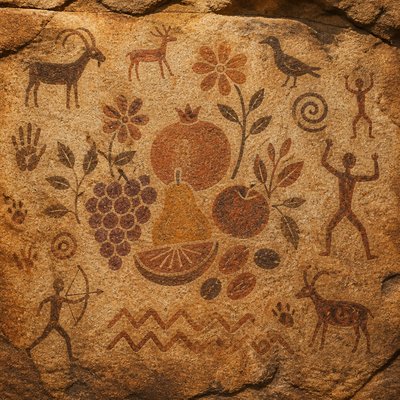
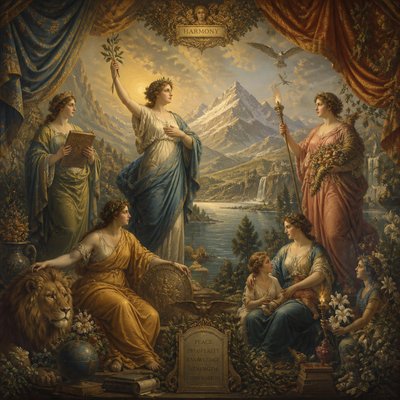
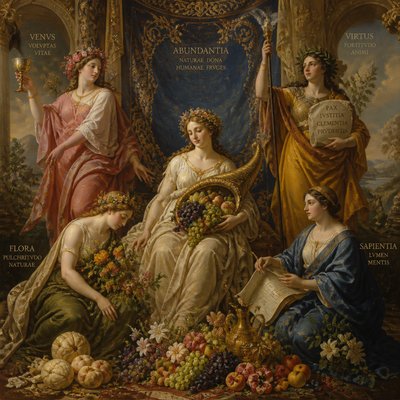
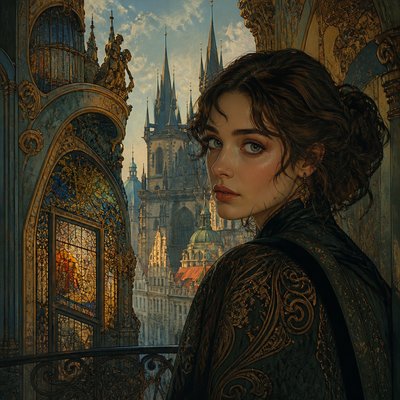
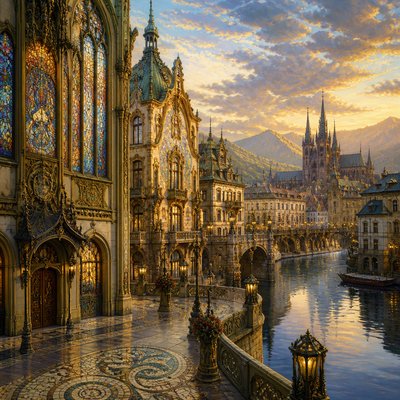
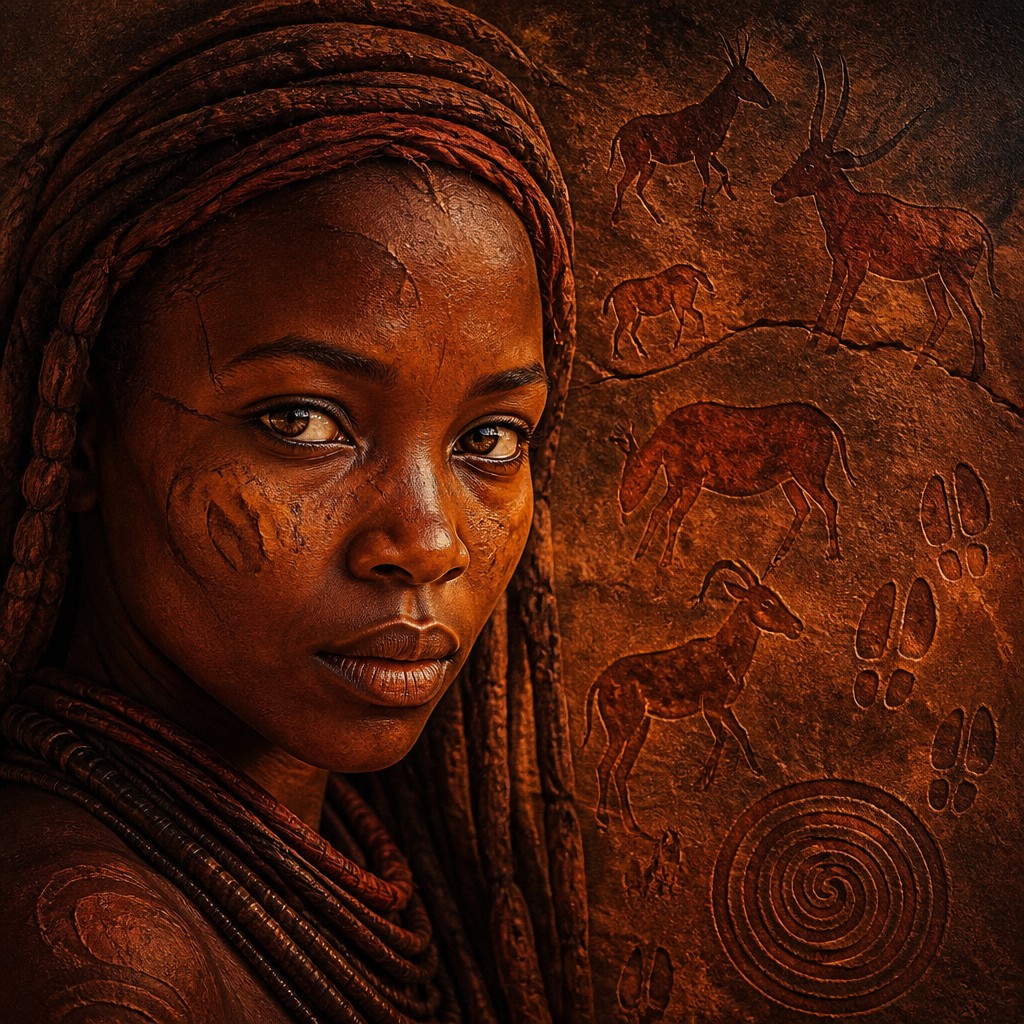
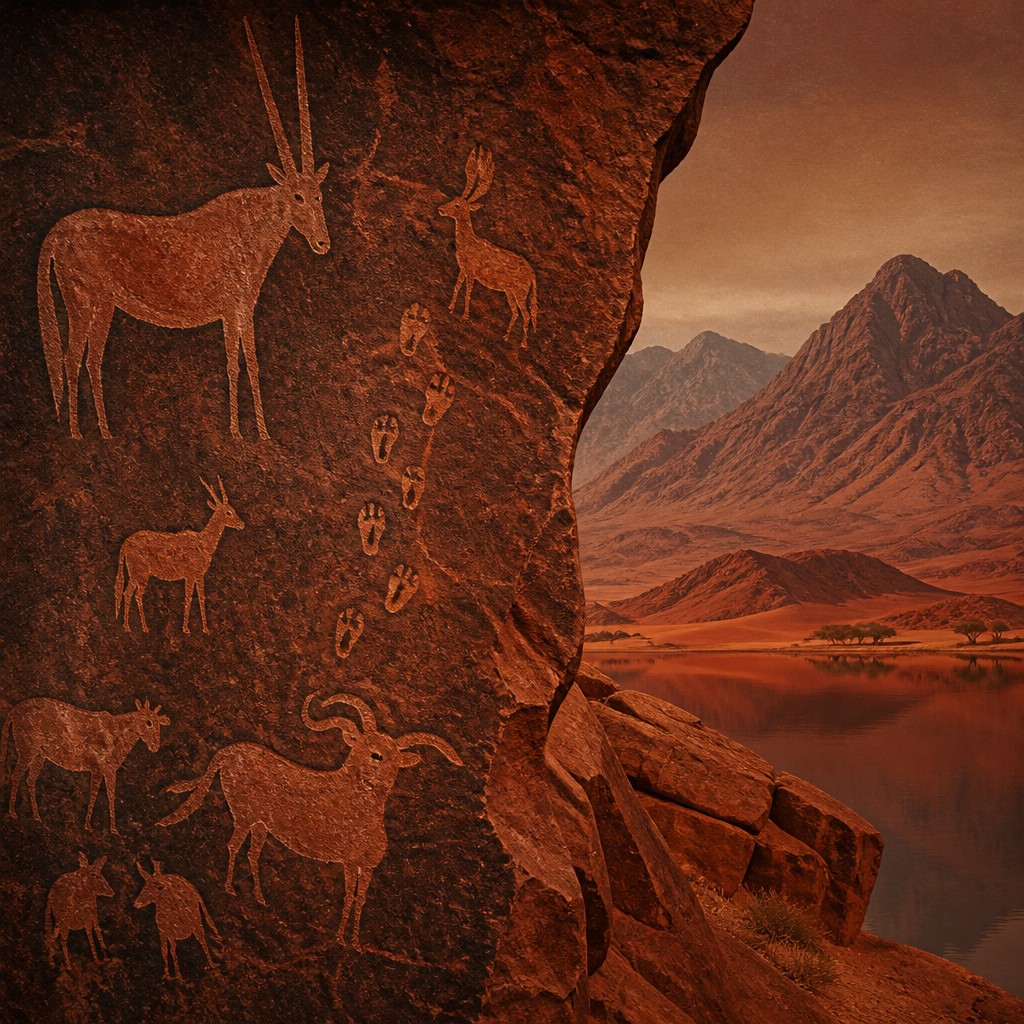
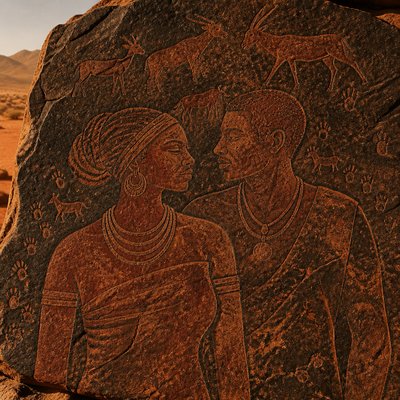
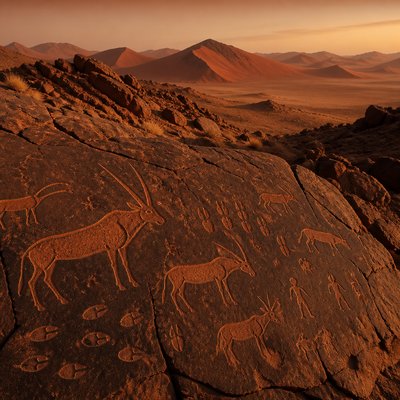
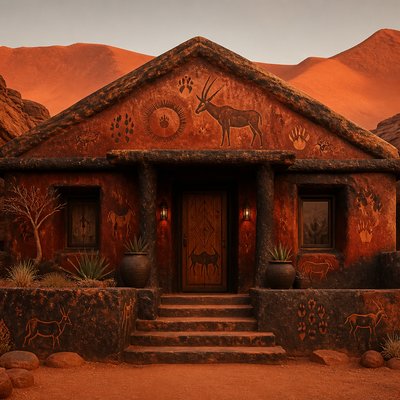
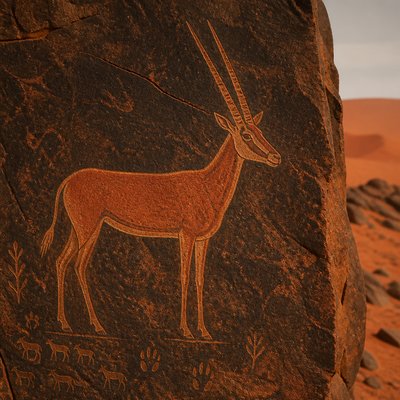
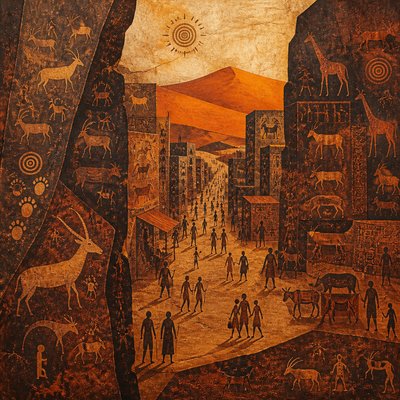
Namibian Art Style is a contemporary descriptive aesthetic built around the visual language of Namibia’s desert rock art, especially the engraved stone surfaces of Twyfelfontein. It combines fine ochre-red lines, animal figures, tracks, weathered stone, and intense desert illumination into an image language that feels archaeological, tactile, and spacious rather than decorative or polished.
Its identity comes from the contrast between precise signs and immense geological emptiness. Antelope, giraffes, predators, human figures, and spoor-like markings are reduced to economical silhouettes or incised contours, while burnt sienna, umber, iron red, charcoal, and sun-bleached beige suggest mineral pigment and oxidized rock. The style is best understood as an inspired visual synthesis, not a single historical school or uniform Namibian tradition.
Try It On Your Photos
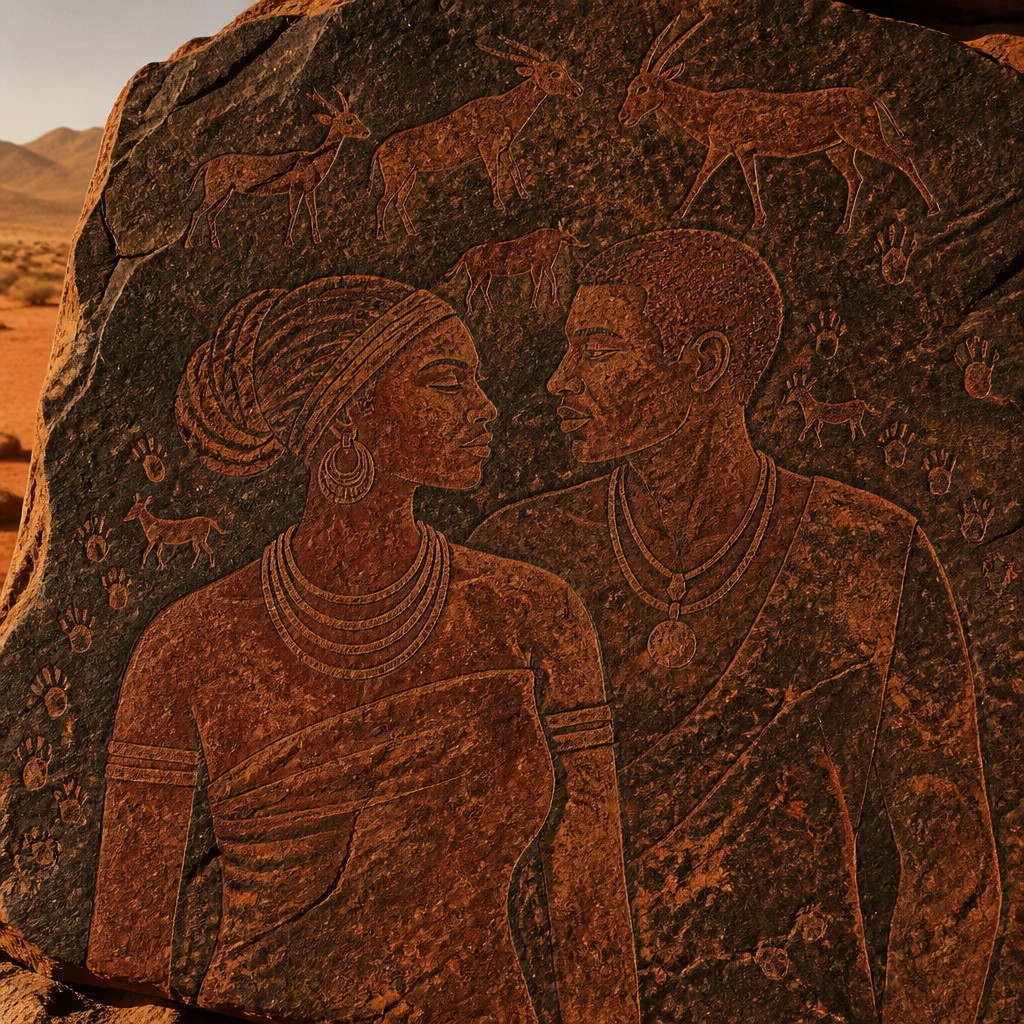
Upload any photo and convert it into Namibian Art Style — drag the sliders to compare before and after.
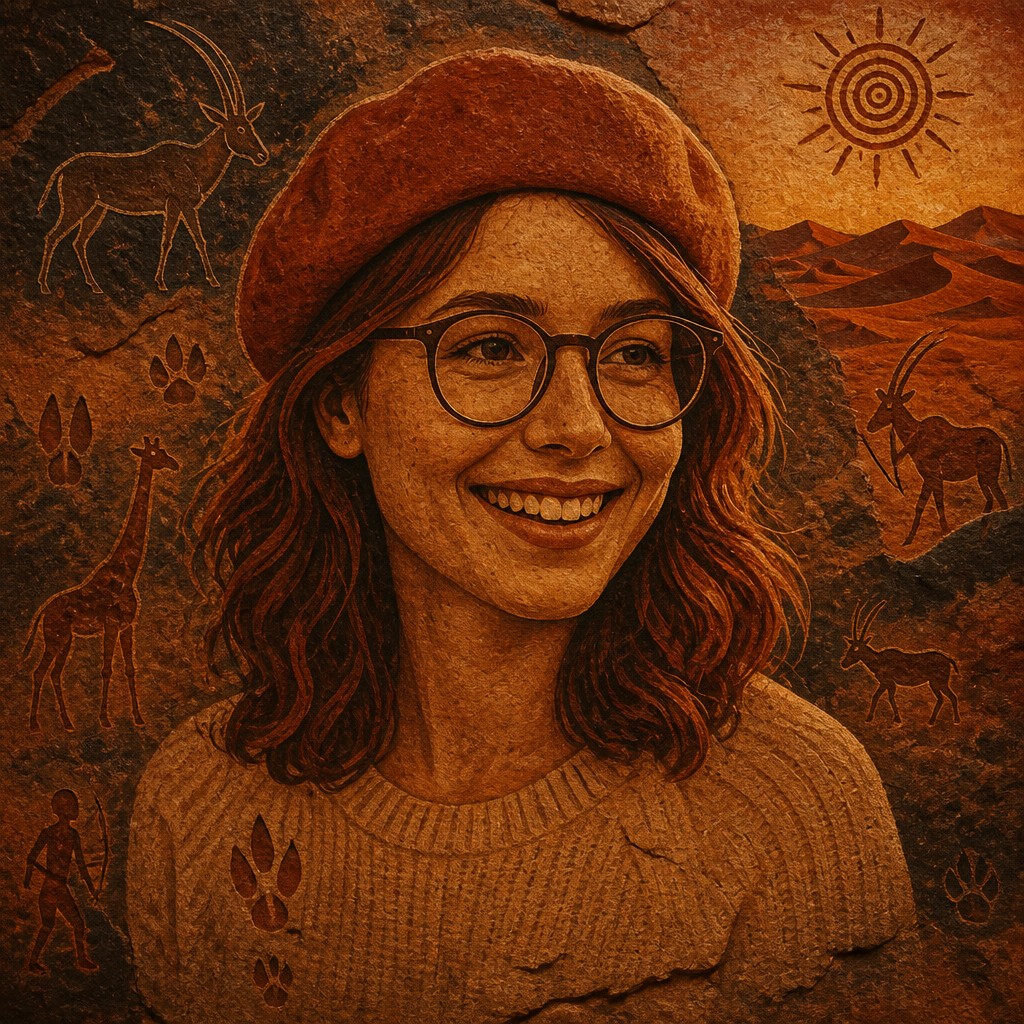

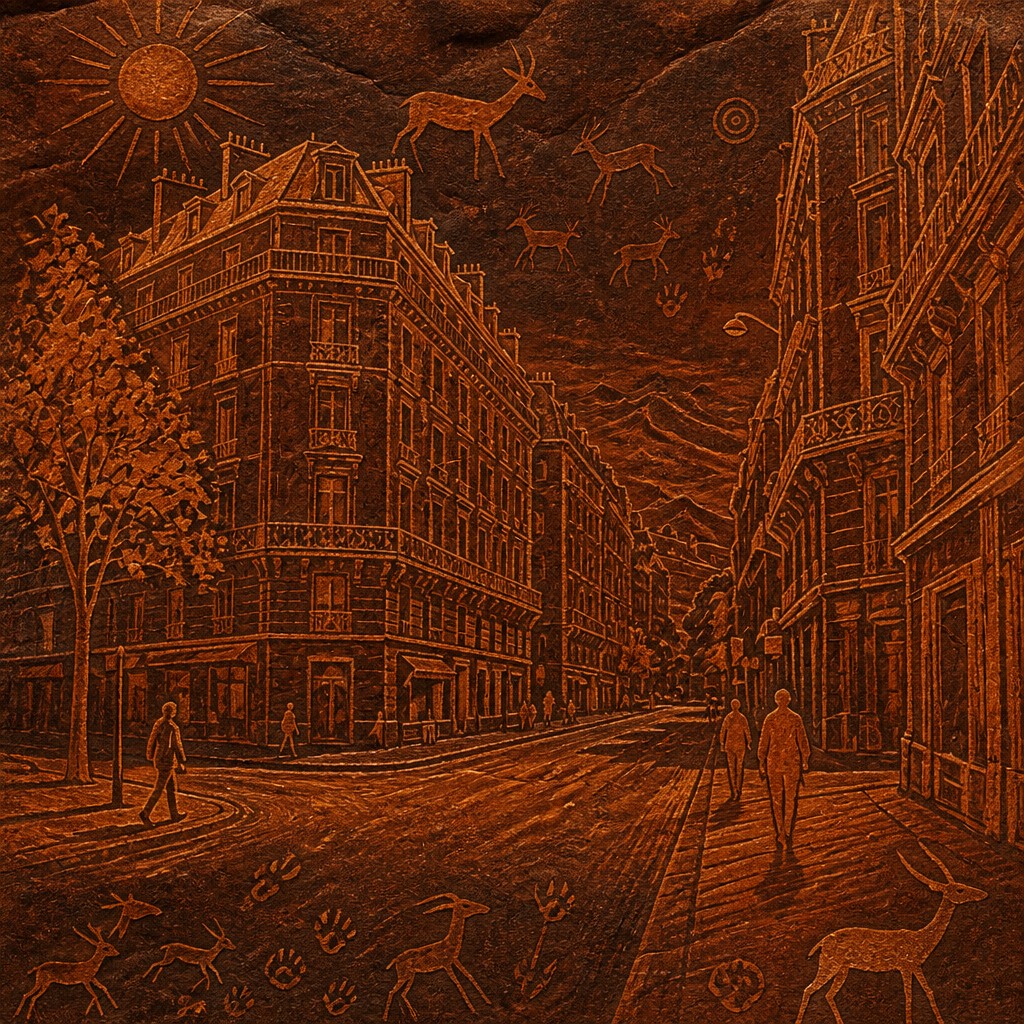

What Defines Namibian Art Style
The signature details, up close
Ochre and iron-earth palette
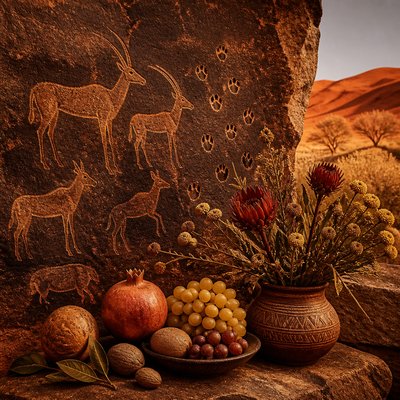
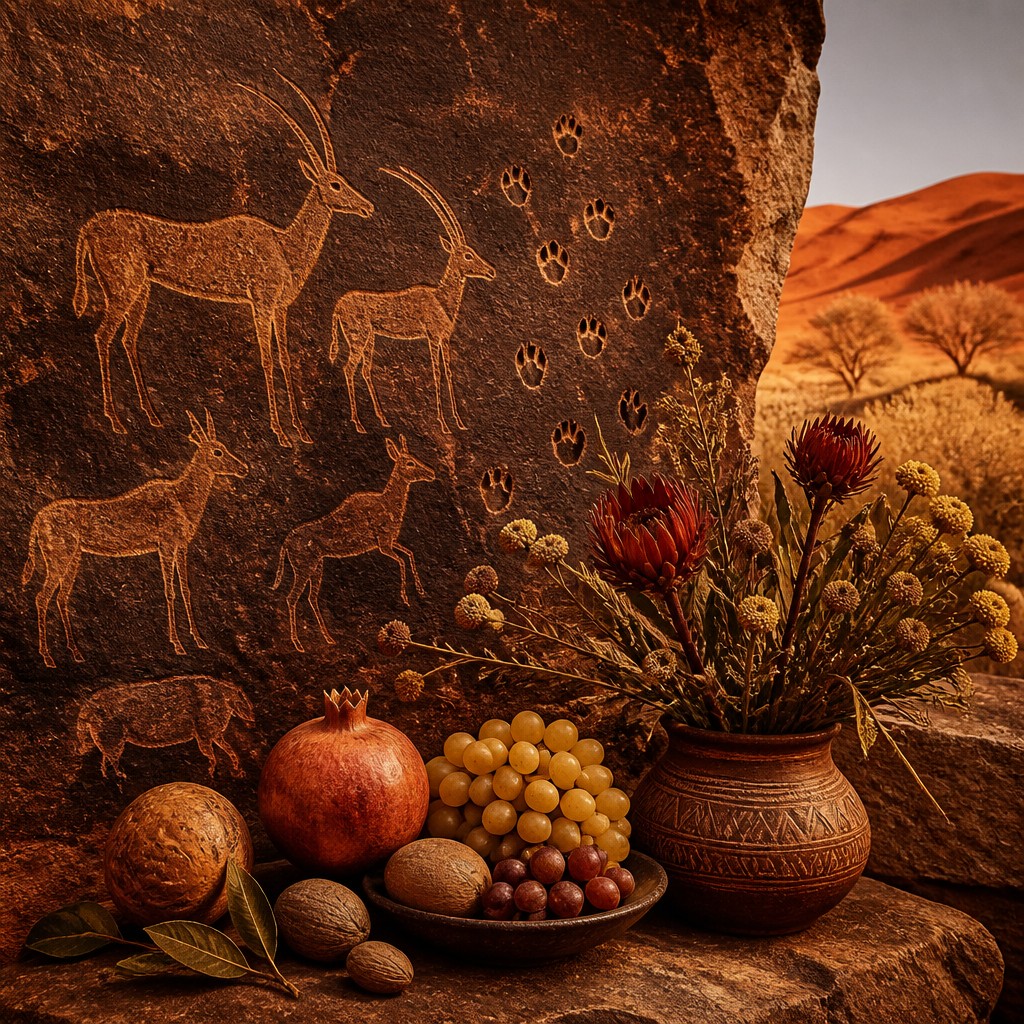
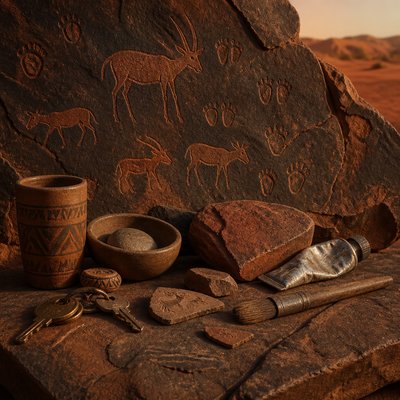
The dominant colors are burnt sienna, rust red, ochre, umber, charcoal, sand, and muted cream. These hues evoke mineral pigment, weathered sandstone, and the warm reflectance of desert terrain.
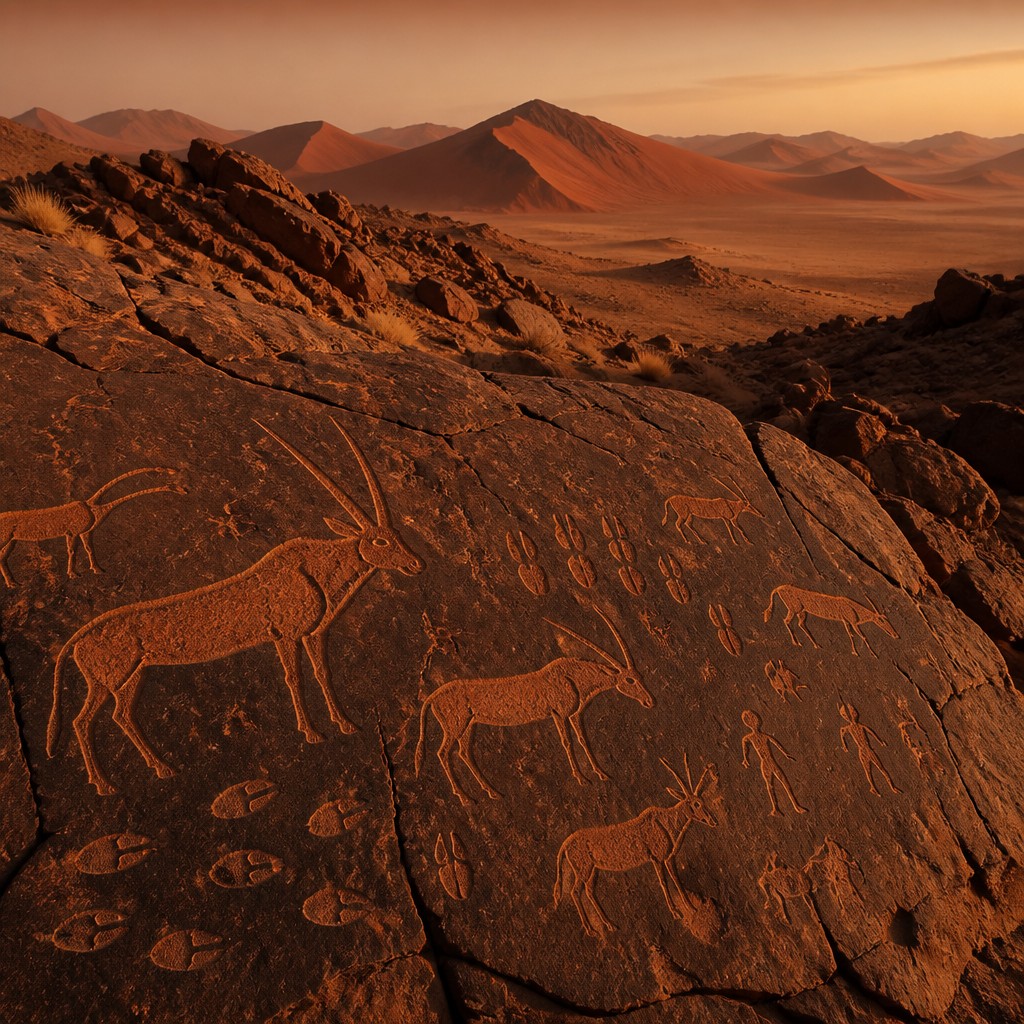
Incised animal contours
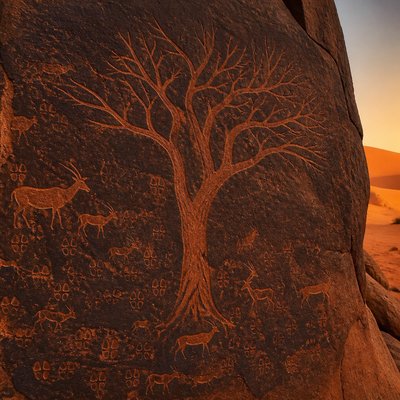
Animals are represented with spare, deliberate outlines resembling petroglyphs cut into stone. Antelope, giraffes, elephants, predators, and birds often appear in profile with carefully emphasized horns, legs, or body posture.
Tracks and symbolic marks
Animal spoor, footprints, abstract signs, and repeated linear marks are central motifs. They create a visual vocabulary based on observation, movement, memory, and place rather than realistic scenic description alone.
Weathered stone surfaces
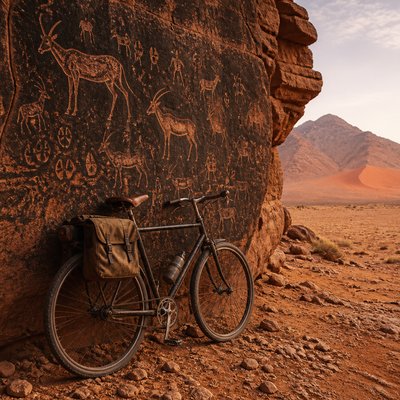
Grain, fissures, patina, abrasion, lichen-like variation, and irregular rock planes give the imagery a geological foundation. The surface should feel aged and materially present, not like a clean digital canvas.
Flat silhouettes and restrained modeling
Figures tend toward flattened forms, limited shading, and graphic legibility. When dimensional modeling is used, it remains subordinate to the appearance of pigment stains, incisions, and eroded marks.
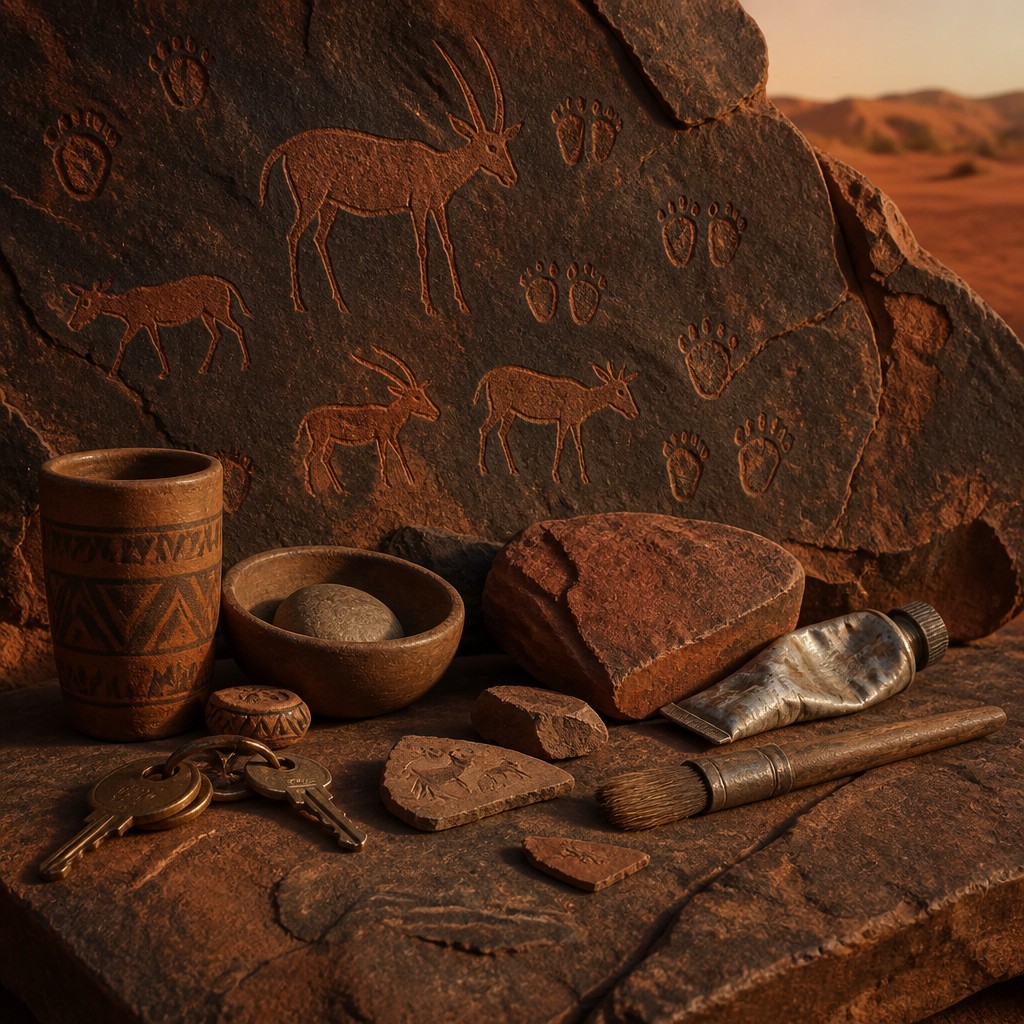
Hard desert light
Strong directional sunlight produces stark edges, long shadows, and high contrast across red dunes and dark stone. Atmospheric haze is used sparingly so that the image retains the clarity and dryness of an arid landscape.
Namibian Prompt Ideas
Start from an idea — each one opens the generator with the style ready to go. See all 40 Namibian prompts →
How to Create Namibian Art
Master the craft step by step — or skip straight to creating. Read the full guide →
- 1
Begin with a mineral ground
For traditional work, prepare a rough paper, board, or canvas ground in sandstone beige, then layer diluted ochre, iron red, and umber washes. Sand lightly or vary the opacity to suggest porous stone without making the surface artificially distressed.
- 2
Build figures from economical marks
Sketch animal profiles and tracks using a limited number of confident lines, emphasizing recognizable anatomy and gesture. Use dry brush, pastel, charcoal, or a blunt scratching tool to alternate between painted silhouettes and engraved-looking contours.
- 3
Use geological composition
Let rock planes, cracks, and empty desert space organize the image instead of filling every area with motifs. Place a few symbols at different scales and allow erosion, overlap, and uneven contrast to create age.
- 4
Control light and color digitally
In digital software, begin with a warm stone base, add scanned or procedural grain, and use multiply, overlay, or soft-light layers for pigment variation. Keep saturation low and reserve the strongest reds and darkest marks for focal motifs.
- 5
Write precise generation prompts
Specify engraved animal contours, spoor markings, sun-blackened sandstone, red-dune illumination, mineral pigments, sparse composition, and tactile erosion. Exclude glossy surfaces, neon colors, photorealistic anatomy, ornate fantasy decoration, and modern typography when those elements are unwanted.
- 6
Reference heritage responsibly
Treat archaeological sites and Indigenous rock-art traditions as sources of visual study rather than raw decorative assets. Avoid claiming that a generated image is an authentic ancient artifact, and distinguish contemporary inspiration from documented cultural practice.
The Story
History & Origins of Namibian
Namibian Art Style is not an established historical movement with a fixed period or unified authorship. It draws its primary lineage from Namibia’s prehistoric and historic rock-art traditions, including the petroglyphs of Twyfelfontein in the Kunene Region and painted or engraved imagery found elsewhere in southern Africa. Twyfelfontein is particularly associated with densely marked sandstone surfaces showing animals, human figures, and tracks made over extended periods.
The contemporary label combines those archaeological references with modern illustration, earth-tone painting, photographic treatment, and digital image-making. Because Namibia contains many distinct communities and rock-art traditions, the style should not be treated as a complete representation of Namibian culture or as a literal reconstruction of any one archaeological site.
Influences: The style is related to southern African rock engraving and rock-painting traditions, prehistoric pictorial marking, earth-pigment drawing, archaeological illustration, and modern graphic simplification. It also shares qualities with land art, natural-history illustration, desert photography, textured minimalism, and contemporary digital treatments that imitate stone, patina, and faded pigment. These connections are visual rather than evidence that all of the referenced traditions belong to one unified style.
Frequently Asked Questions
What defines the Namibian Art Style?
It is defined by ochre-red and umber markings, engraved or pigment-like animal figures, tracks, weathered stone, and severe desert light. The style favors symbolic clarity, limited color, tactile surfaces, and generous areas of empty space.
Is Namibian Art Style a historical art movement?
No. The name is best used for a contemporary aesthetic synthesis inspired by Namibia’s rock-art heritage and desert geology. It does not describe a formally organized movement with a single chronology, manifesto, or consistent body of practitioners.
How is it different from generic cave art?
It focuses specifically on Namibian and southern African visual references, including engraved spoor, arid red-rock landscapes, and the geological atmosphere associated with sites such as Twyfelfontein. Generic cave-art imagery may instead emphasize European Paleolithic caves, polychrome animal paintings, or enclosed cavern interiors.
Can I make this style with traditional materials?
Yes. Rough paper, earth pigments, charcoal, conte, pastel, dry brush, and scratched or incised grounds can create convincing stone-like marks. Work with a limited palette and prioritize the relationship between surface, symbol, and empty space.
How should I prompt for images in this style?
Describe the subject first, then specify engraved contours, mineral pigments, sandstone grain, animal spoor, red-dune light, and restrained earth tones. Add exclusions such as glossy rendering, neon color, ornamental fantasy detail, or modern objects if they conflict with the intended archaeological atmosphere.
Where is this aesthetic commonly used?
It can suit editorial illustration, posters, educational material, heritage interpretation, book covers, environmental storytelling, and conceptual landscape images. It should not be presented as an authentic reproduction of a sacred, archaeological, or community-owned artwork without appropriate context and permission.
Create your first Namibian artwork
Describe anything — or upload a photo — and see it in Namibian Art Style in seconds.
Related Styles
Discover similar art styles